Telegram mirror
Telegram is a messenger where I post short travel notes. This page is a self-hosted backup of that channel.
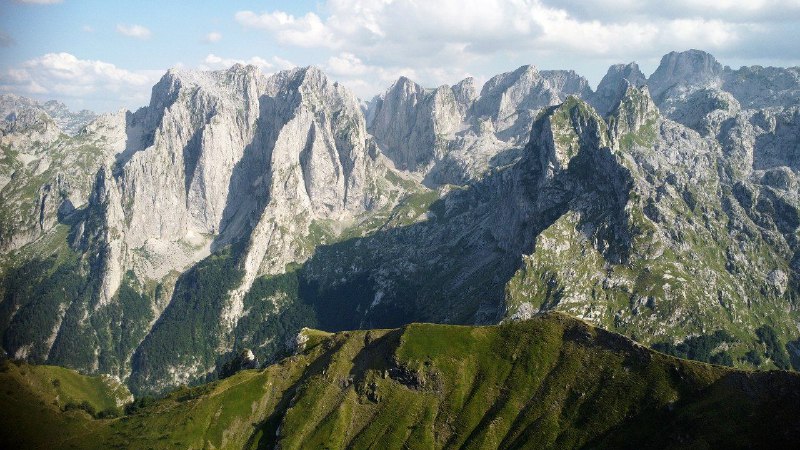
The drone views of Cursed Mountain are absolutely fantastic ❤️
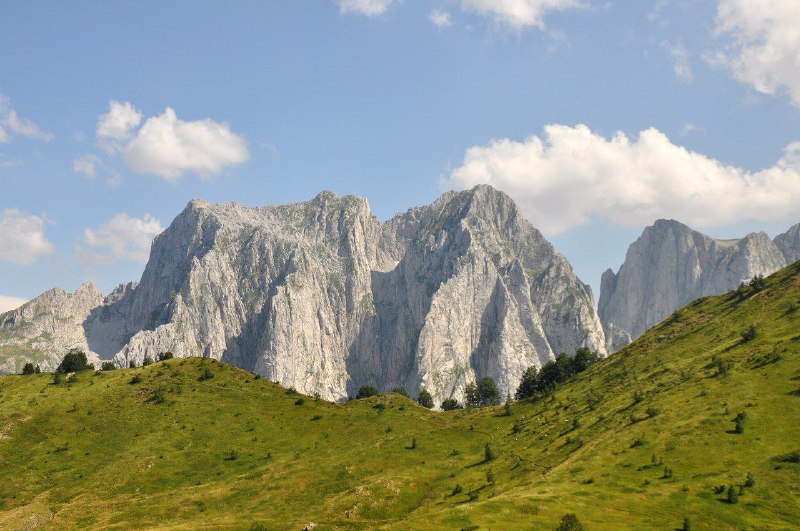
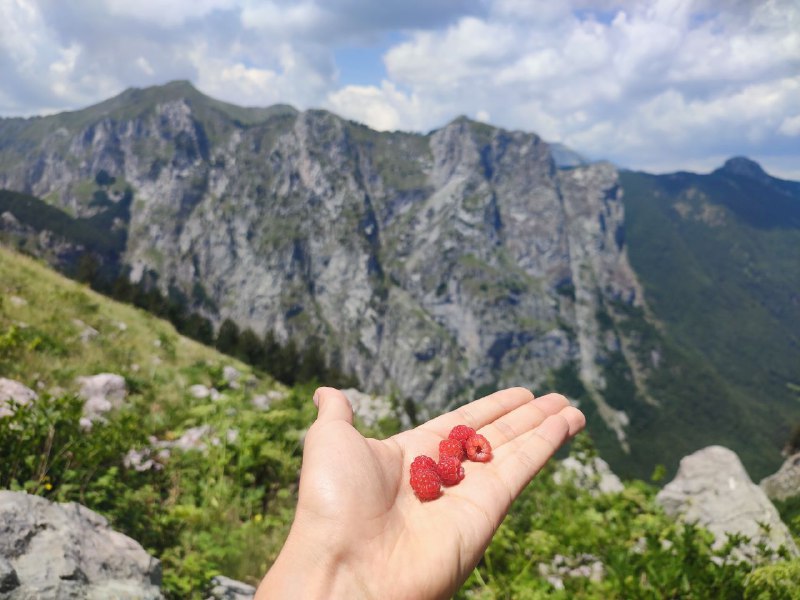
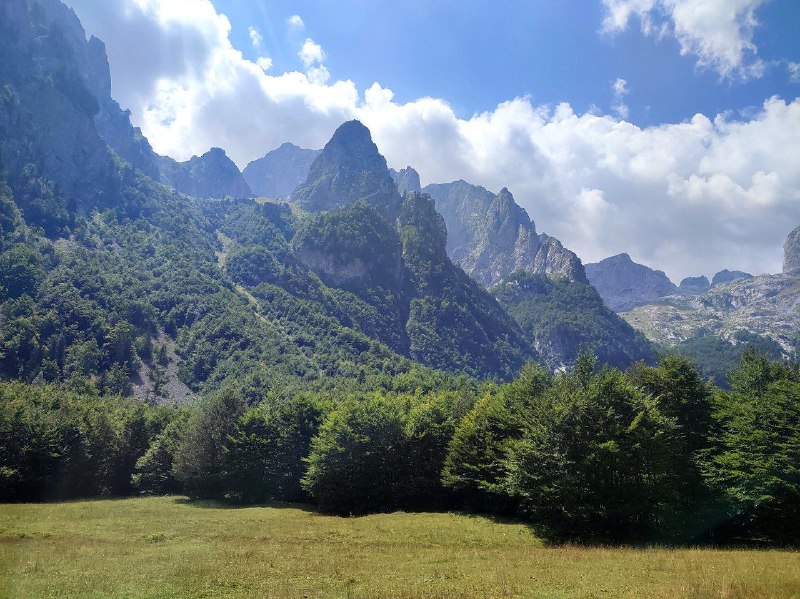
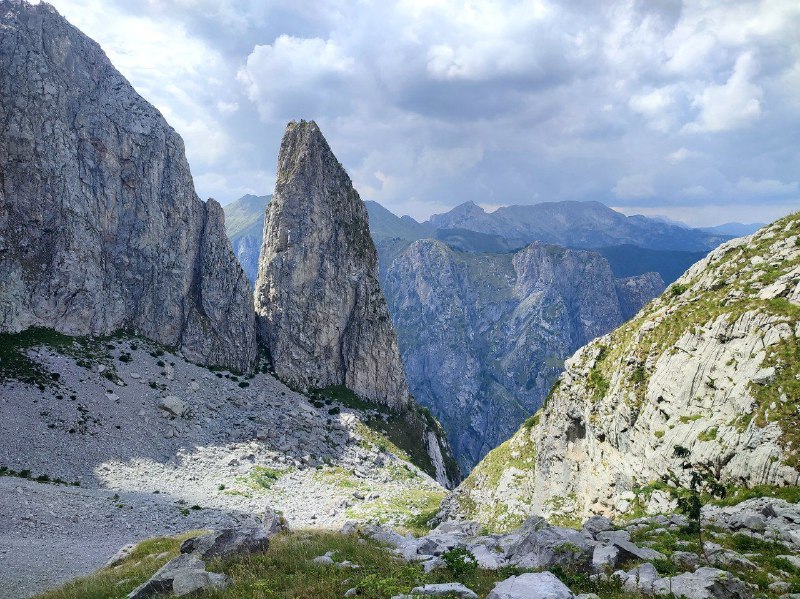
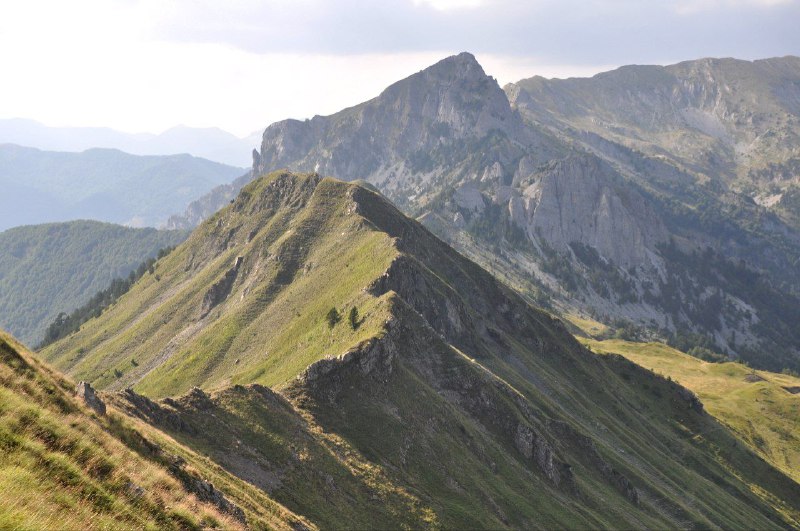
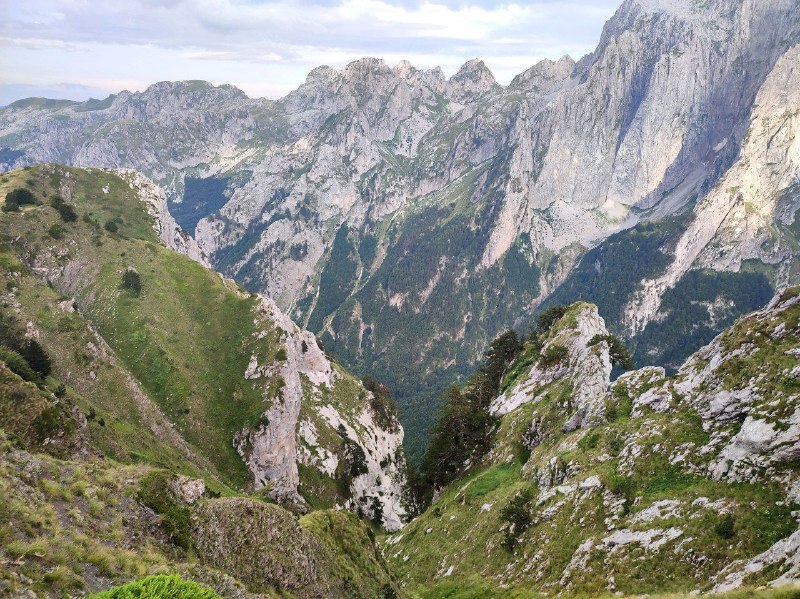
I've been wanting to make it to Montenegro's Prokletije for two years. And I finally made it!
These are some of the most stunning mountains I've ever seen. But you really need to choose your trails carefully. One of my routes was straight-up brutal—a vertical kilometer crammed into just 2 km of trail. Either way, you're guaranteed absolutely breathtaking views.
A couple years back I was on the Albanian side of the park. The landscape there is more diverse, but honestly, the mountains on this side are way more impressive.
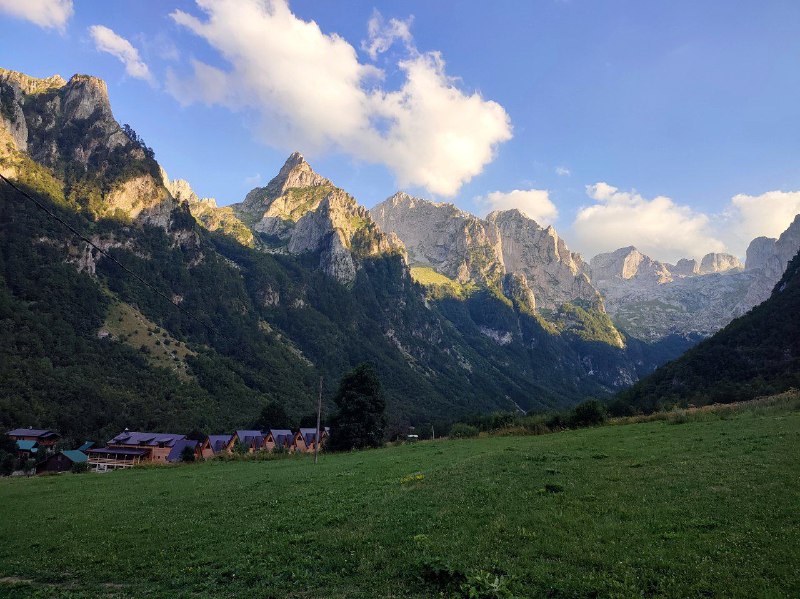
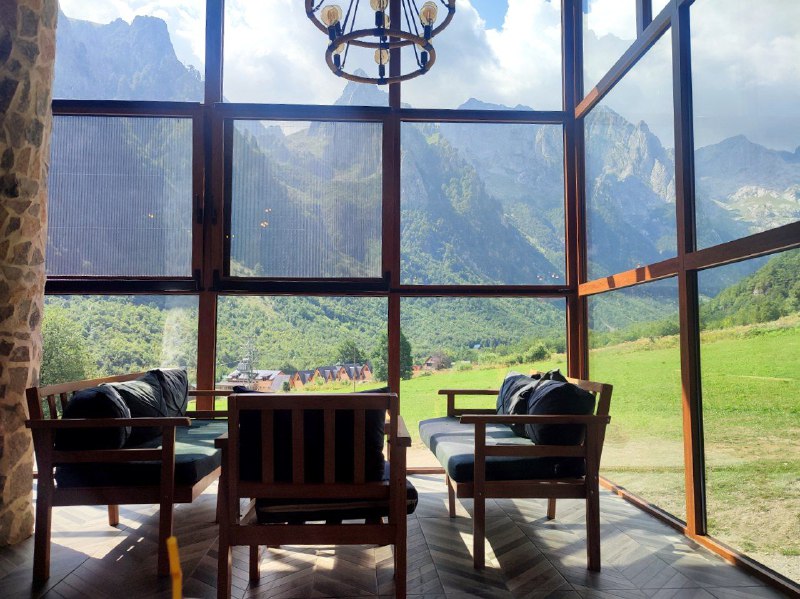
At the park entrance there's a little restaurant with an absolutely stunning panoramic view (that's the last photo). And the food's pretty good too. Everything tastes amazing when you're coming back from a hike :)
And honestly, plan for more than just a couple days so you have time to recover between outings. There are three "classic" routes (one, two, three). You can't realistically do all three in three consecutive days. And for the third one, you need to notify the Albanian police beforehand because it crosses the official border.
These are some of the most stunning mountains I've ever seen. But you really need to choose your trails carefully. One of my routes was straight-up brutal—a vertical kilometer crammed into just 2 km of trail. Either way, you're guaranteed absolutely breathtaking views.
A couple years back I was on the Albanian side of the park. The landscape there is more diverse, but honestly, the mountains on this side are way more impressive.
At the park entrance there's a little restaurant with an absolutely stunning panoramic view (that's the last photo). And the food's pretty good too. Everything tastes amazing when you're coming back from a hike :)
And honestly, plan for more than just a couple days so you have time to recover between outings. There are three "classic" routes (one, two, three). You can't realistically do all three in three consecutive days. And for the third one, you need to notify the Albanian police beforehand because it crosses the official border.
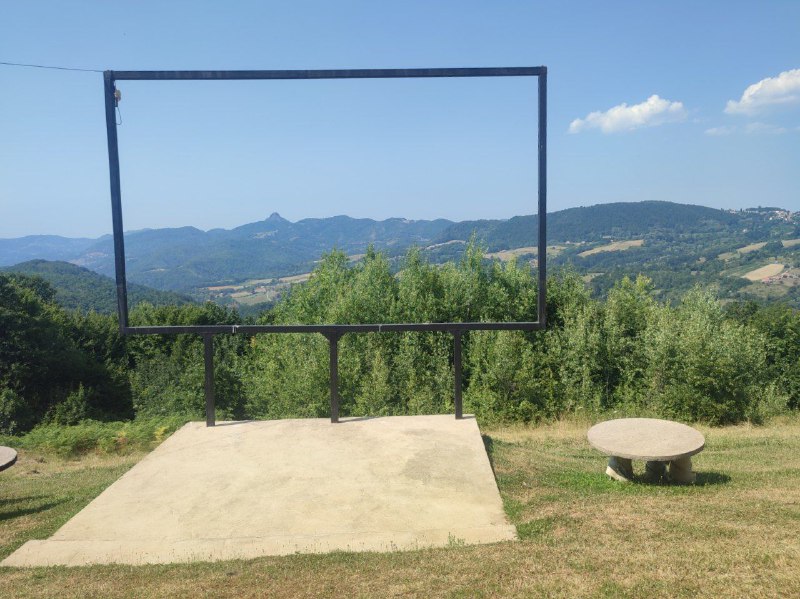
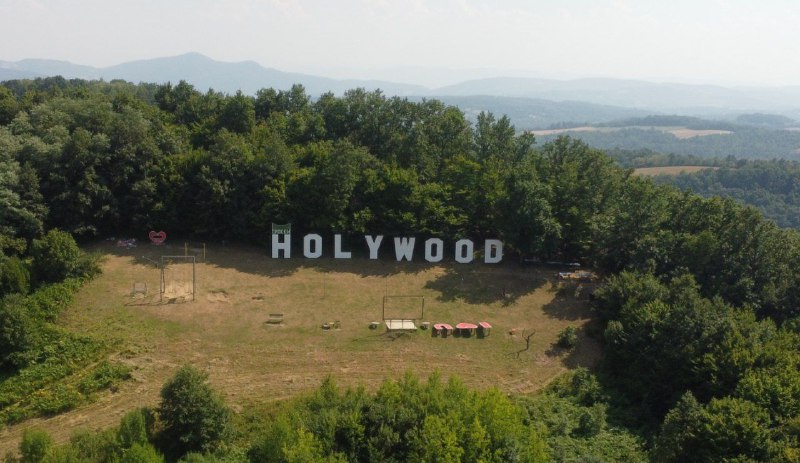
Serbian Hollywood ironically is also located not far from Nevade. Though the little village got its name back in the 14th century and was clearly not named after the American state.
Hollywood was built back in 2007, and since then several film festivals have been held here. The place for watching a movie is truly ideal. The frame in the photo is exactly where the screen goes. But once Covid hit, everything fell apart and no events are expected in the near future.
The inscription "srpski" on the letter H was styled this year after a shajkacha, a traditional Serbian hat. Before that, it was just a simple rectangle.
Hollywood was built back in 2007, and since then several film festivals have been held here. The place for watching a movie is truly ideal. The frame in the photo is exactly where the screen goes. But once Covid hit, everything fell apart and no events are expected in the near future.
The inscription "srpski" on the letter H was styled this year after a shajkacha, a traditional Serbian hat. Before that, it was just a simple rectangle.
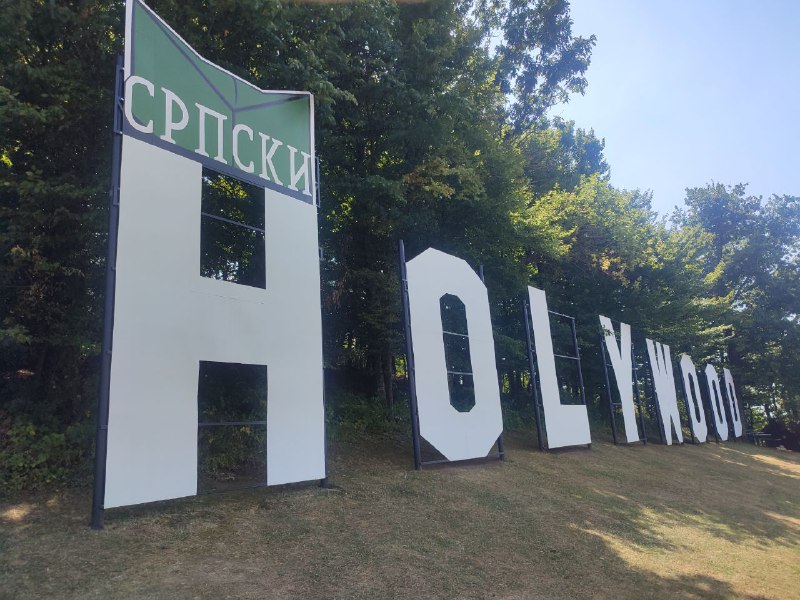
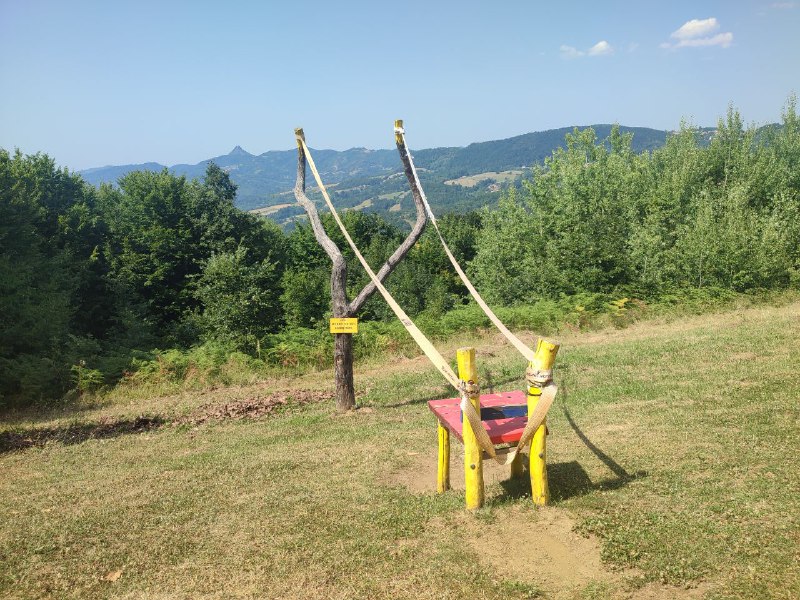
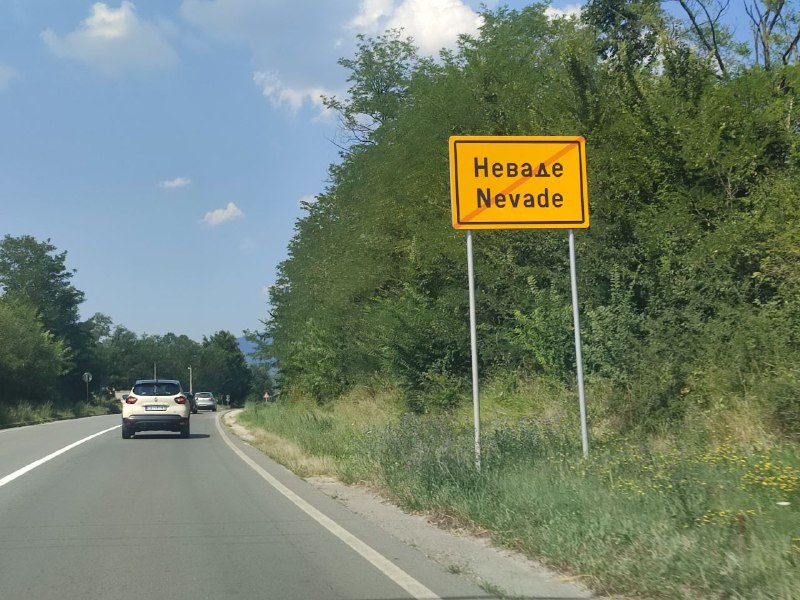
Me: Should I go to Hollywood?
Serbia: We have Hollywood at home.
Hollywood at home:
(Careful readers will notice that something is missing from the sign. You can find it here )
Serbia: We have Hollywood at home.
Hollywood at home:
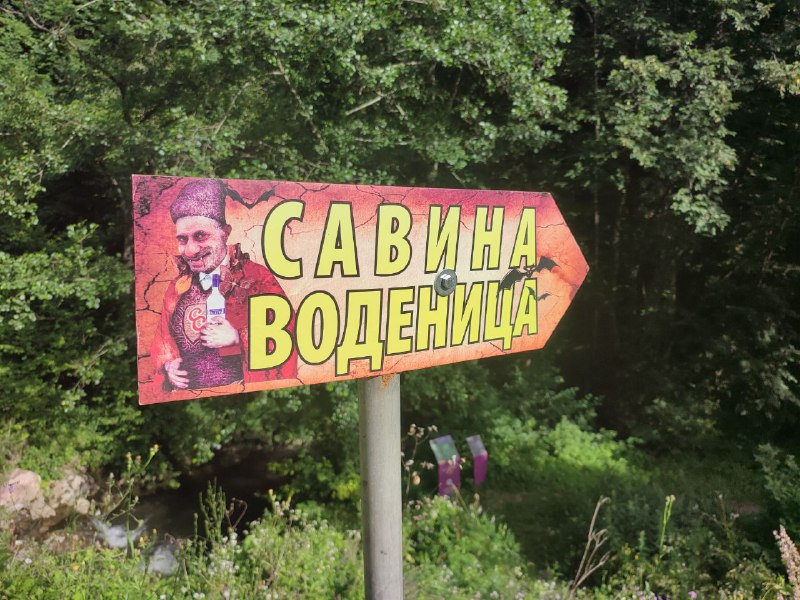
I bet when you think of vampires, Count Dracula is the first thing that comes to mind. Or maybe you're convinced that Romania is the birthplace of these bloodsuckers. Well, Serbs beg to differ.
First of all, the word "vampire" itself is one of the few words that made it into the international dictionary from Serbian-Croatian languages. And second, it's actually in Serbia where the first documented undead creature appeared — Petar Blagojevich.
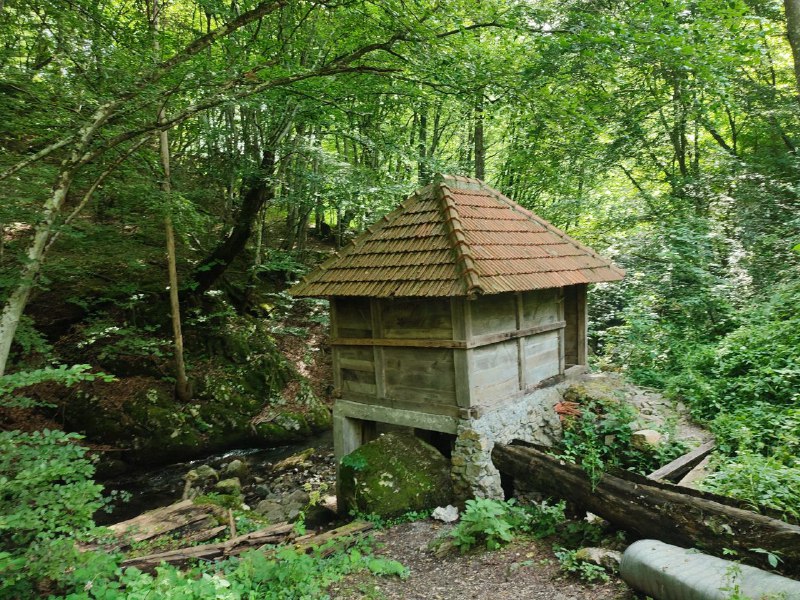
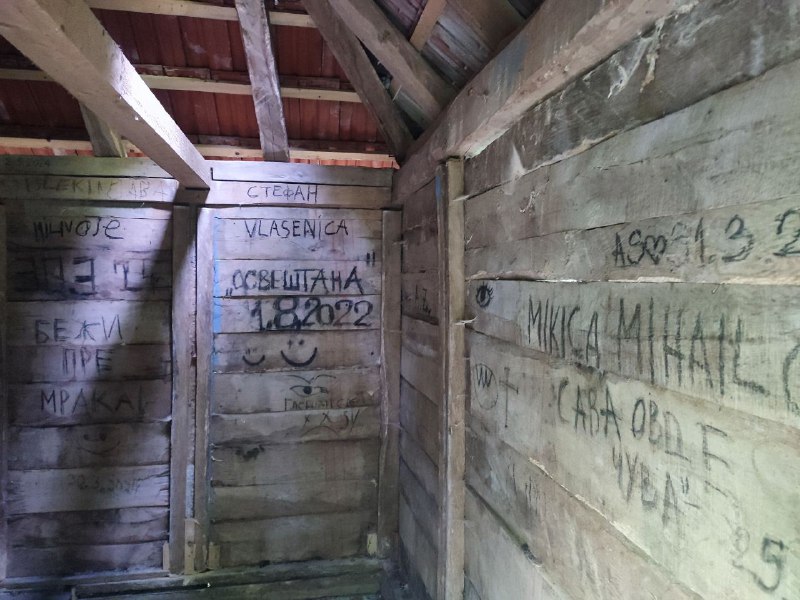
But the most famous Serbian vampire is Sava Savanovic. He lived in a small town called Zarozhe near Valjevo and fed on the blood of workers at a river mill who decided to spend the night at work. There's a reason Europe fights against overworking :)
They've written books and even made a film about Sava — the first "truly terrifying" Serbian horror film "Lepitrica" (butterfly). At least, as terrifying as it could be in 1973.
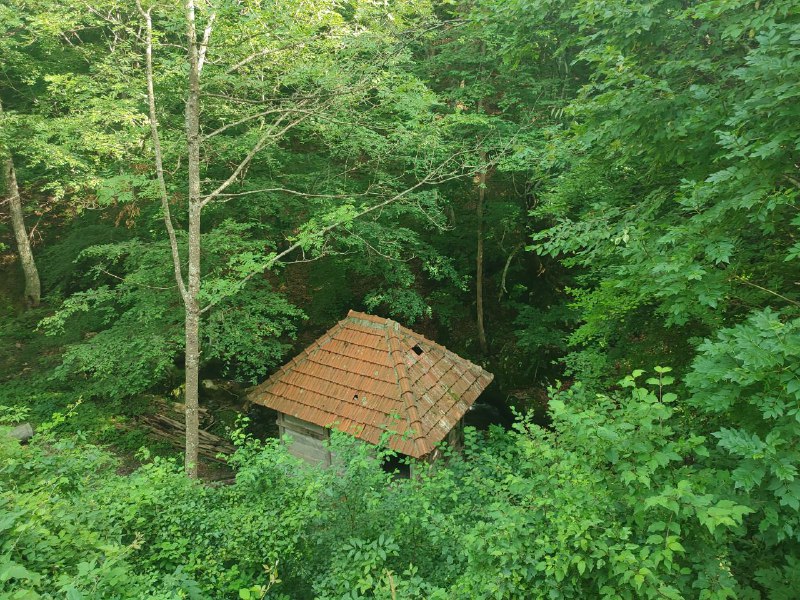
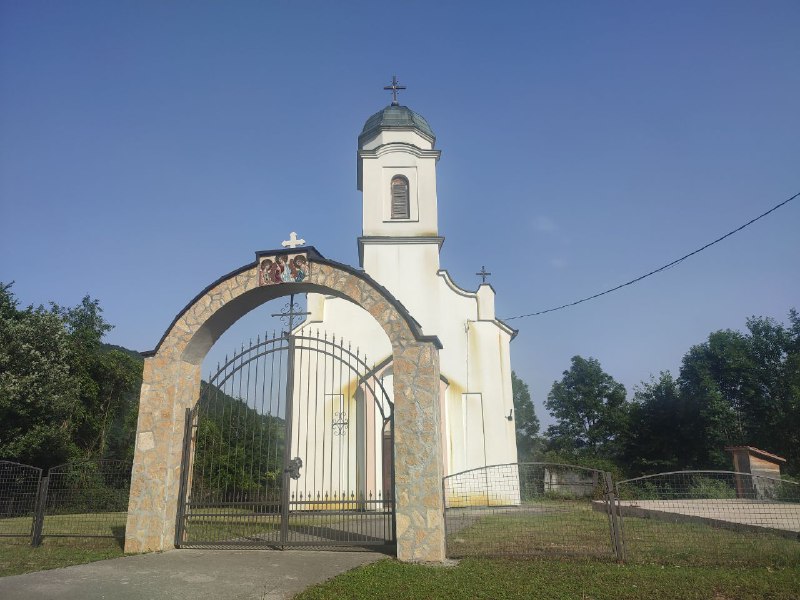
By the way, the mill isn't mythical. It's located here and was actually used as a mill until the 1950s. After that, it fell into disrepair and started crumbling. Nowadays it's been restored, and they've built a nice road leading to it. Just to be safe, they even built a church nearby.
PS. The neighboring town of Valjevo sometimes tries to get a piece ofSava's the glory. And attract tourists, of course. In 2010 they declared Savanovic their mascot, which prompted the Zarozhe administration to file an actual police report saying their vampire had been stolen. Oddly enough, the "missing" vampire was never found.
First of all, the word "vampire" itself is one of the few words that made it into the international dictionary from Serbian-Croatian languages. And second, it's actually in Serbia where the first documented undead creature appeared — Petar Blagojevich.
But the most famous Serbian vampire is Sava Savanovic. He lived in a small town called Zarozhe near Valjevo and fed on the blood of workers at a river mill who decided to spend the night at work. There's a reason Europe fights against overworking :)
They've written books and even made a film about Sava — the first "truly terrifying" Serbian horror film "Lepitrica" (butterfly). At least, as terrifying as it could be in 1973.
By the way, the mill isn't mythical. It's located here and was actually used as a mill until the 1950s. After that, it fell into disrepair and started crumbling. Nowadays it's been restored, and they've built a nice road leading to it. Just to be safe, they even built a church nearby.
PS. The neighboring town of Valjevo sometimes tries to get a piece of
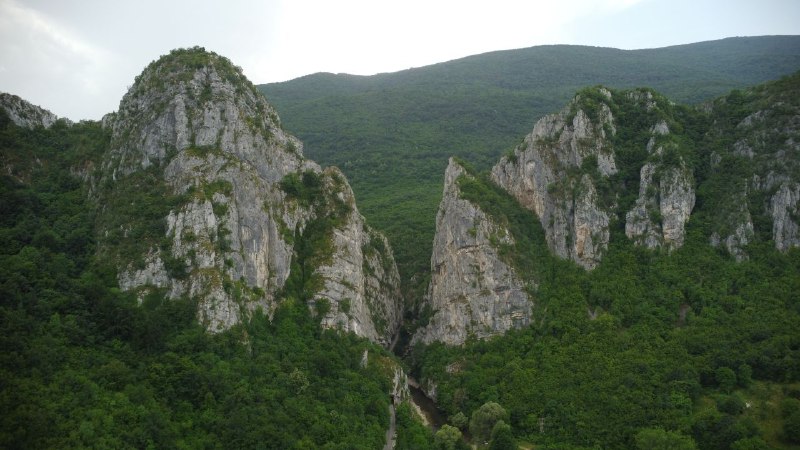
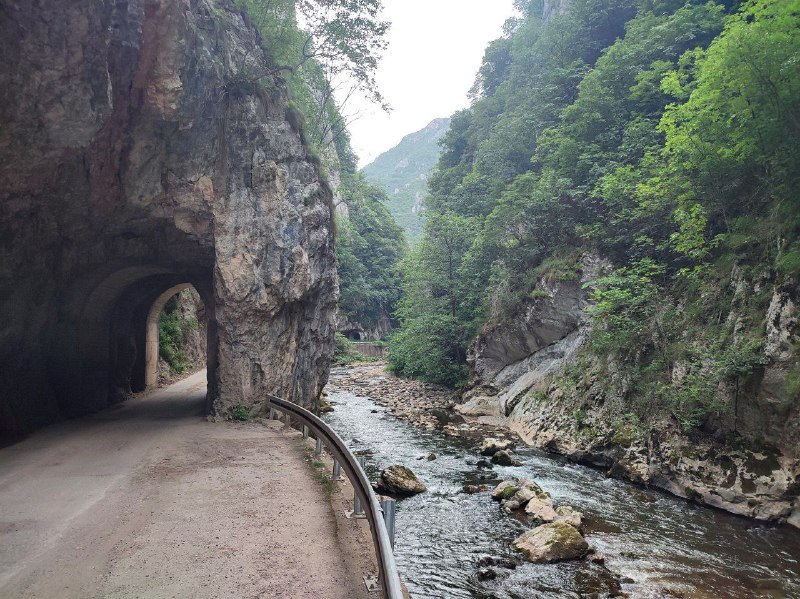
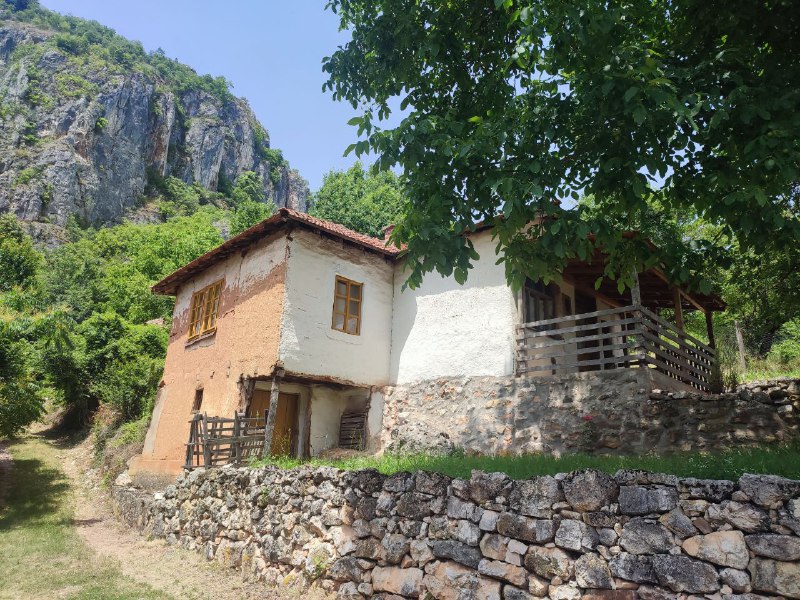
Yerma Canyon in southeastern Serbia looks absolutely stunning. A hundred years ago, it was completely impassable. Around the 1930s, a railway was built here for a nearby coal mine, and in the 1970s, after it closed, the tracks were replaced with asphalt. You can see clearly in the video that the road is literally carved into the rock. It's not a natural formation—people did this hard work.
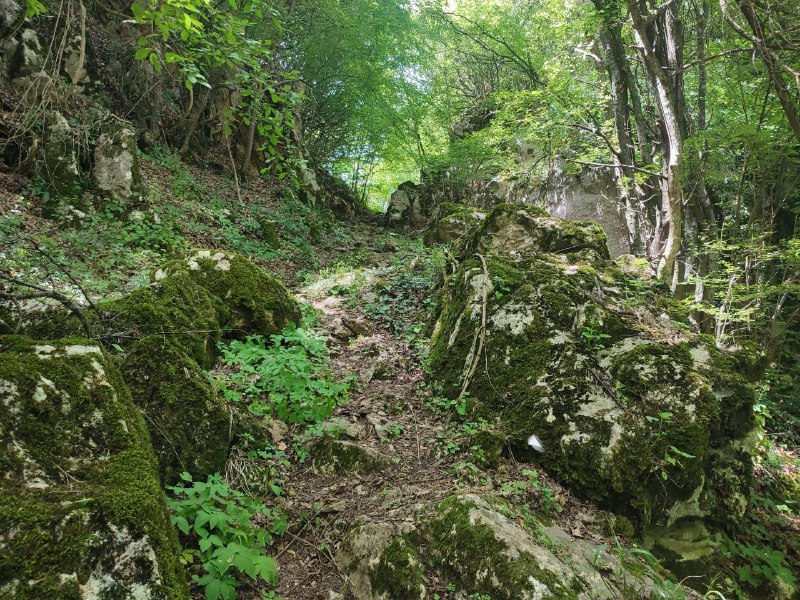
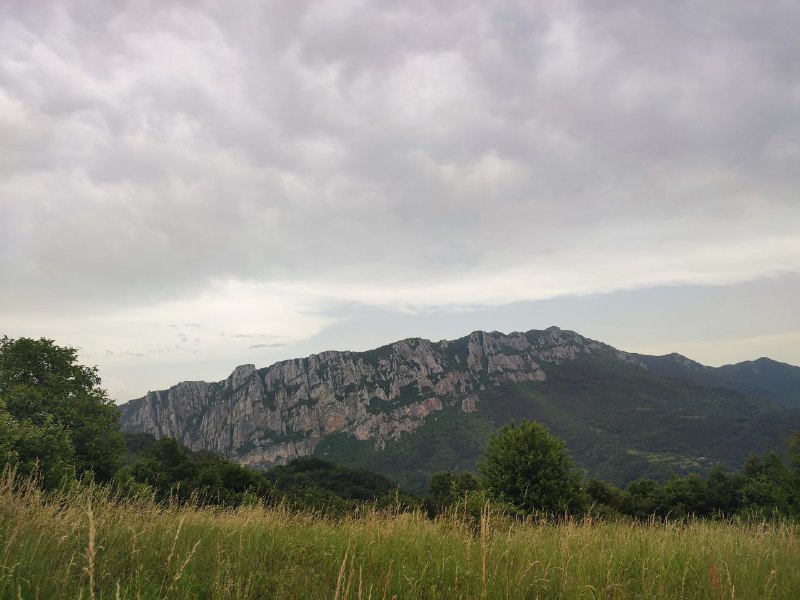
There are tons of hiking routes around here, but I didn't have the best luck with the weather this time. I only managed to reach Ravni Kamika, and from the midway point to an entire ridge of peaks, I had to turn back because a thunderstorm was rolling in. I'll definitely have to come back at least one more time.
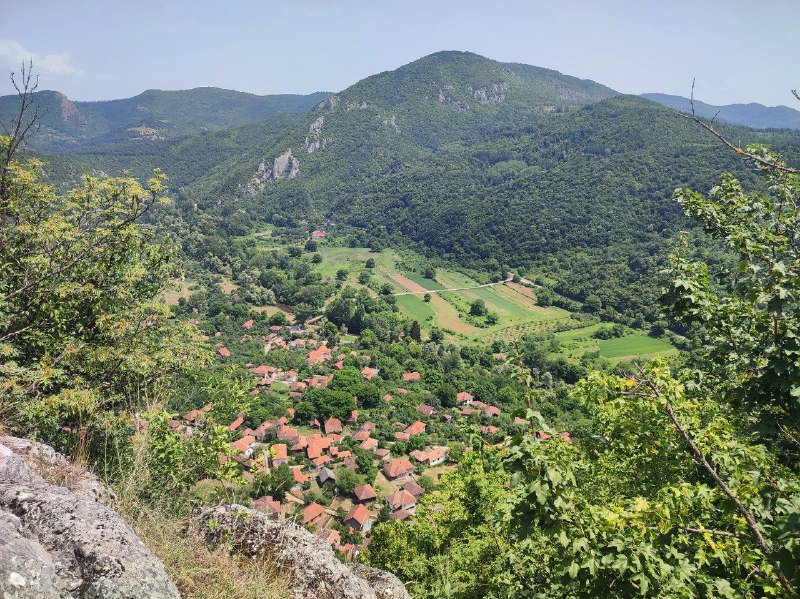
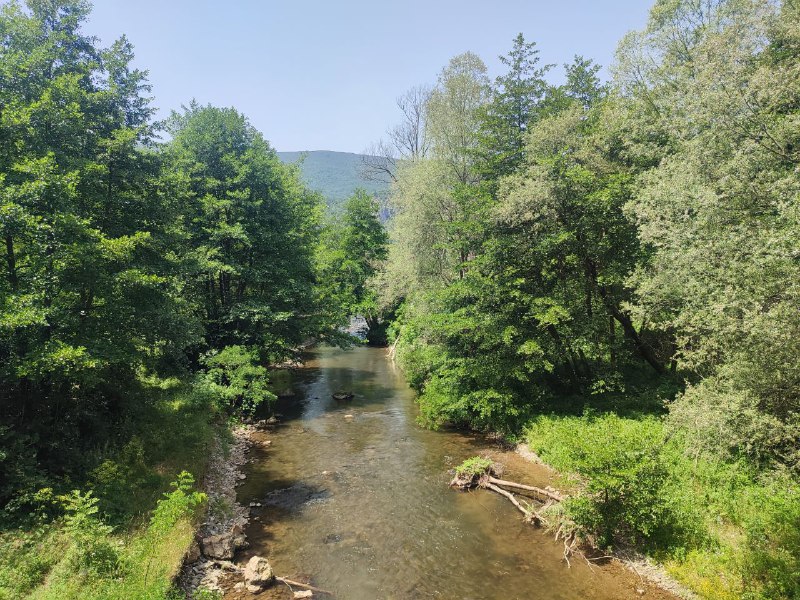
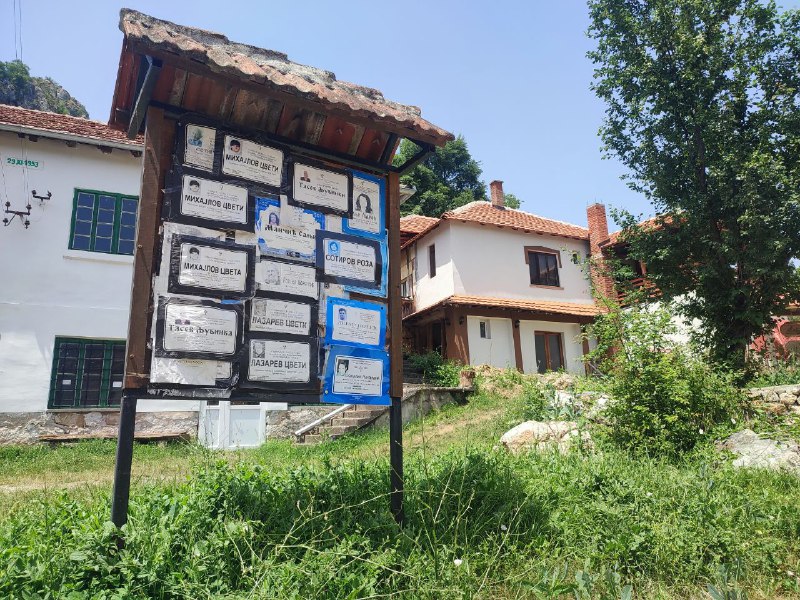
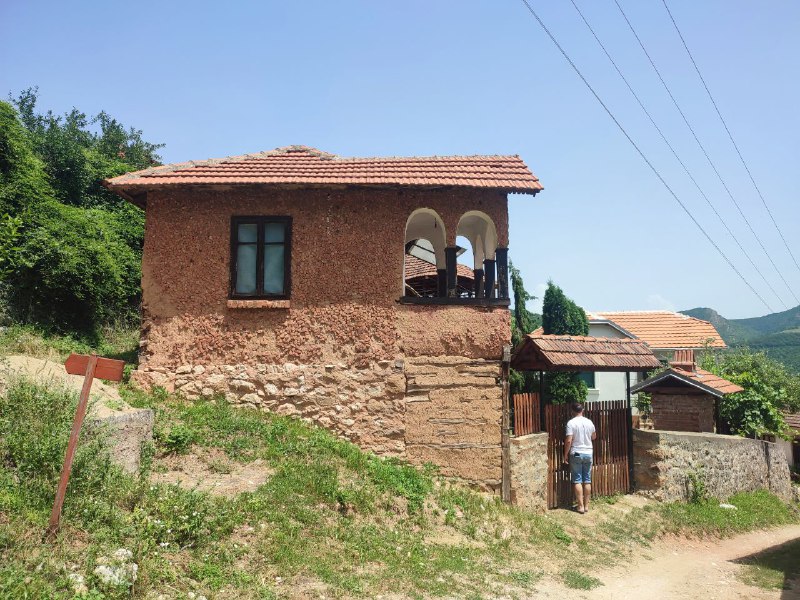
The surrounding villages are really charming. Though a bit weathered. But the houses are actually lived in—they're not abandoned.
There are tons of hiking routes around here, but I didn't have the best luck with the weather this time. I only managed to reach Ravni Kamika, and from the midway point to an entire ridge of peaks, I had to turn back because a thunderstorm was rolling in. I'll definitely have to come back at least one more time.
The surrounding villages are really charming. Though a bit weathered. But the houses are actually lived in—they're not abandoned.
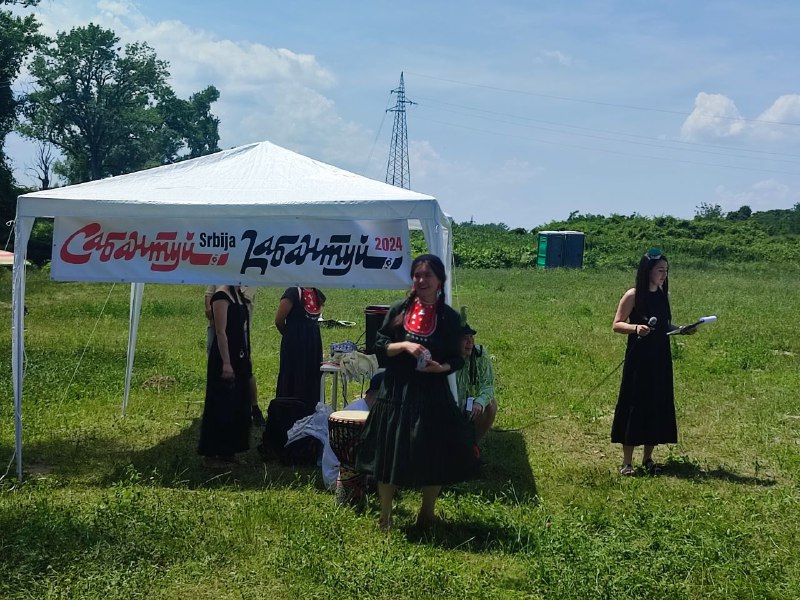
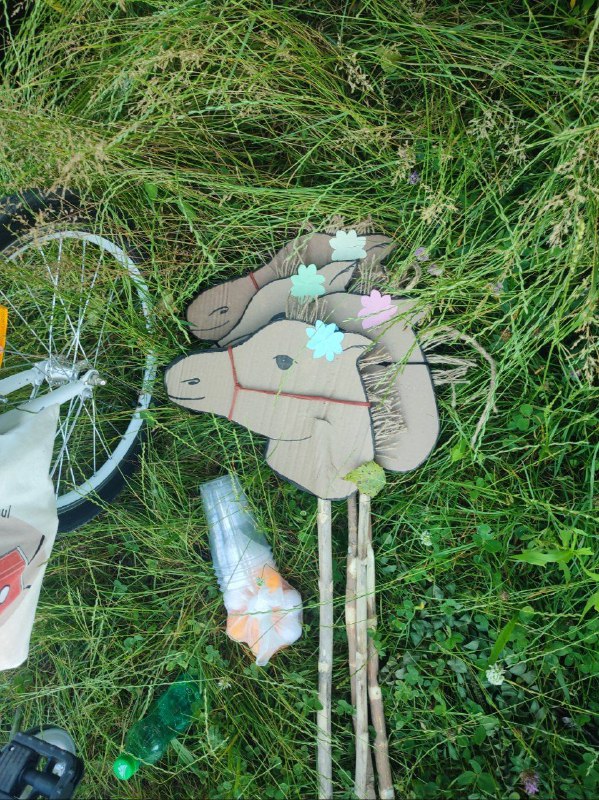
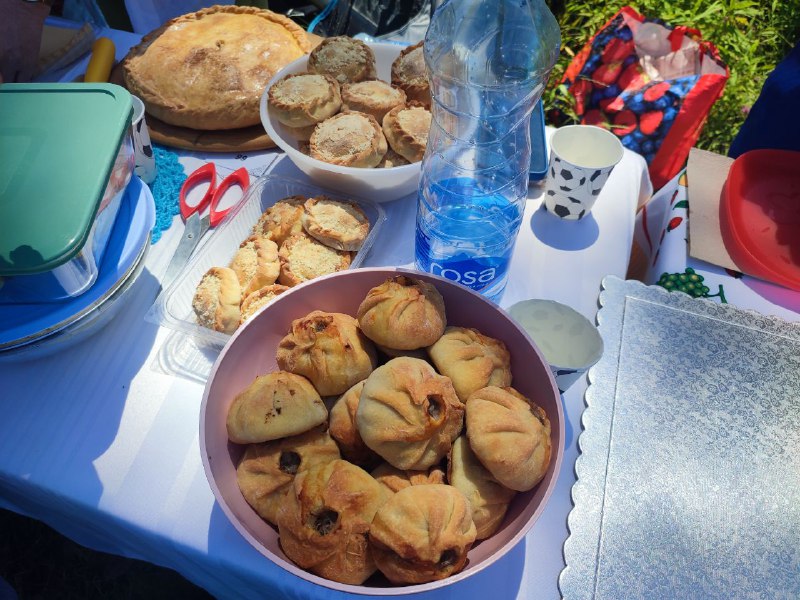
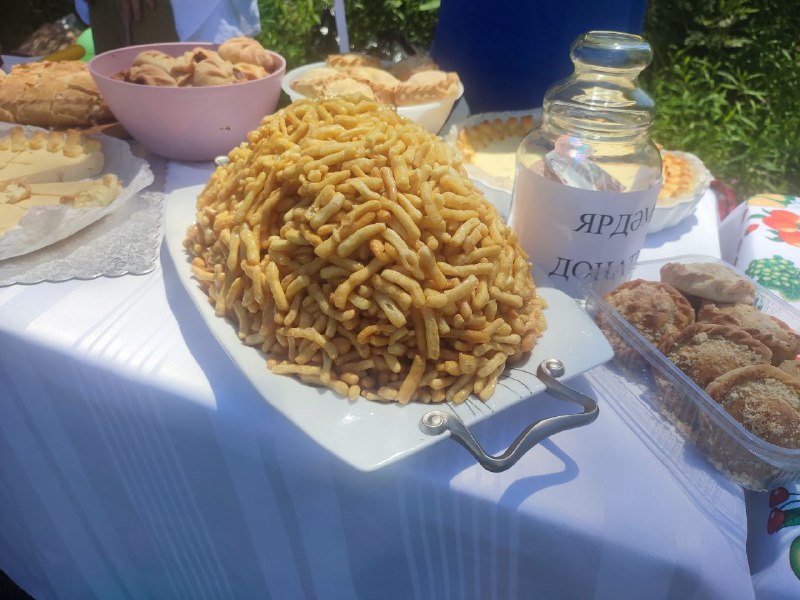
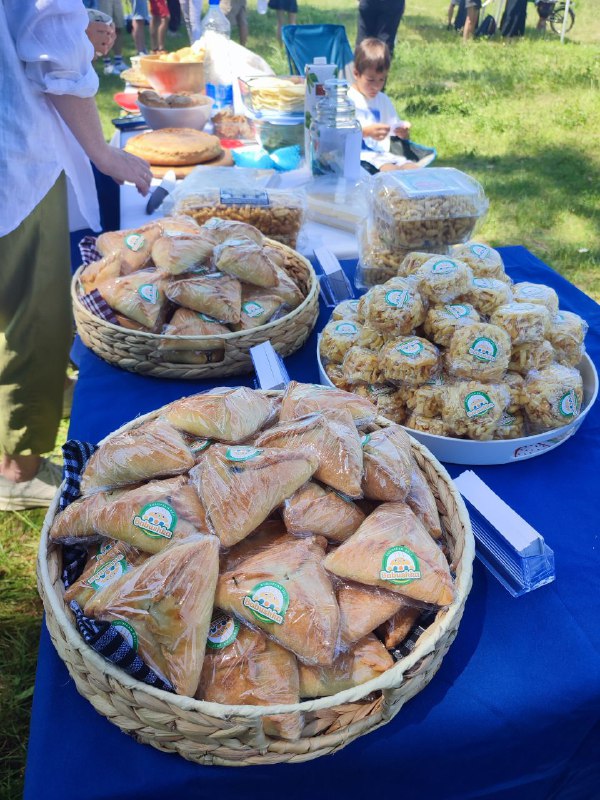
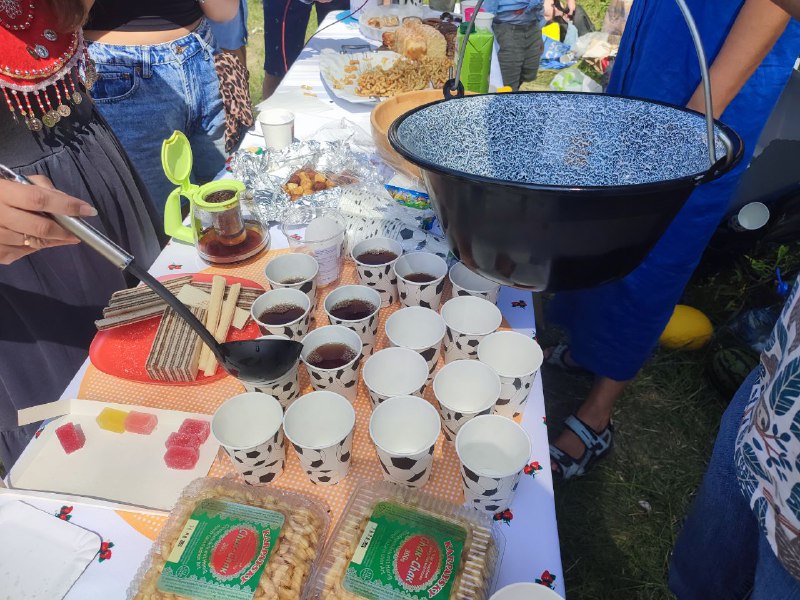
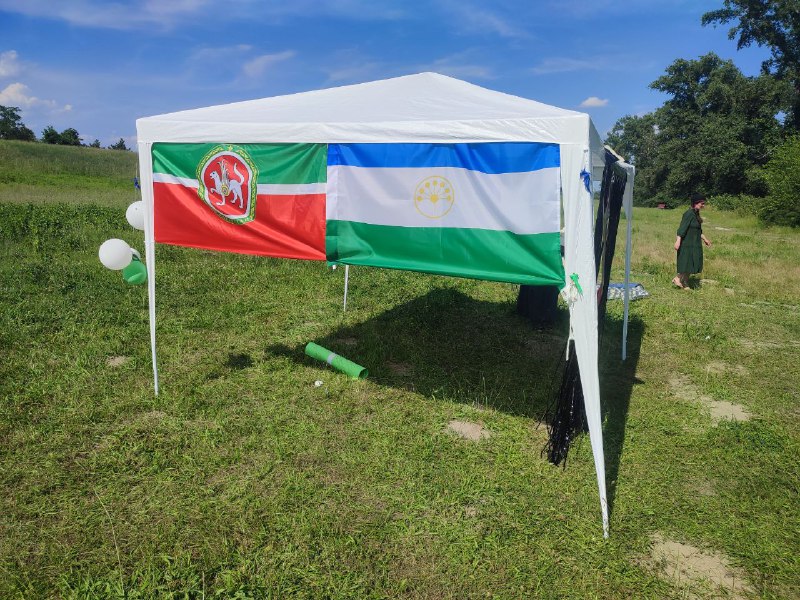
I just got back to Serbia and immediately found myself at a huge Sabantuy festival in Novi Sad. A real Sabantuy with chak-chak and echpochmak pastries. Just so you know: this is an annual Tatar-Bashkir festival celebrating the end of the harvest season, celebrated for over a thousand years now. These days, though, it's not just farm workers who celebrate it.
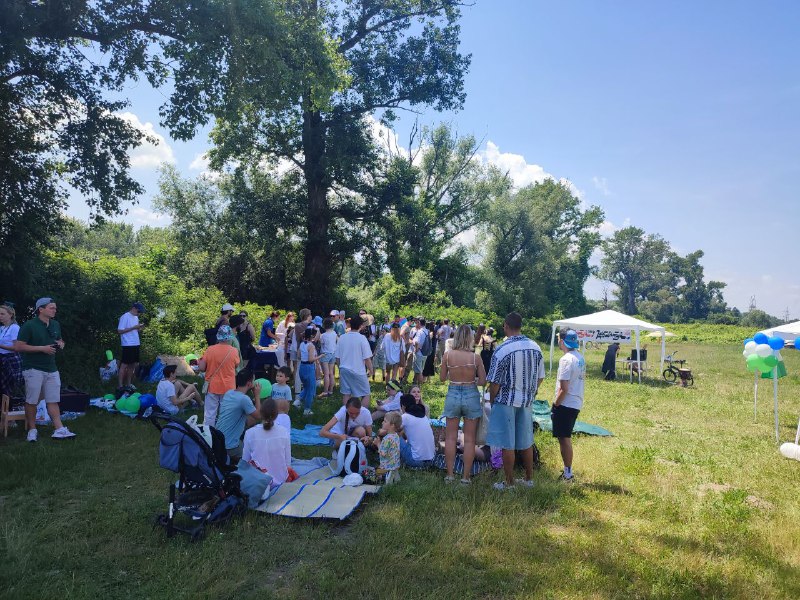
We had about a hundred people show up, which was unexpected. Everything was organized really well. It felt like I was home. Whether intentional or by chance, the event was right near Tatar Brdo.
A couple of years ago, this neighborhood's name got me curious enough to dig up the fact that back in the 19th century in Serbia, you could actually become a Tatar and get paid for it. Sadly, those days are gone. Now nobody pays you just for being Tatar :(
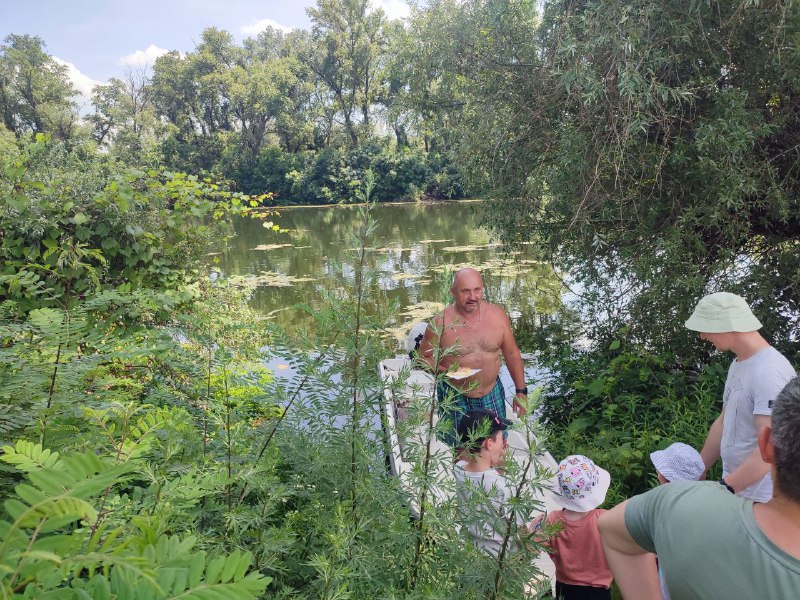
The celebration was held on the banks of the Danube. At some point, a Serb came by in a boat. Out of curiosity, he steered over to see what was going on. They explained everything to him in Serbian and invited him to join, but he was shy because he was only wearing shorts. They gave the guest some sweet echpochmak pastries. In return, he took the kids for a ride in his boat. It was really sweet.
Thanks to the organizers and everyone who came. If you didn't make it this year, please come next year!
PS. While we're at it, listen to Başkarma - Ber genä minutka (and read the translation). They're great.
We had about a hundred people show up, which was unexpected. Everything was organized really well. It felt like I was home. Whether intentional or by chance, the event was right near Tatar Brdo.
A couple of years ago, this neighborhood's name got me curious enough to dig up the fact that back in the 19th century in Serbia, you could actually become a Tatar and get paid for it. Sadly, those days are gone. Now nobody pays you just for being Tatar :(
The celebration was held on the banks of the Danube. At some point, a Serb came by in a boat. Out of curiosity, he steered over to see what was going on. They explained everything to him in Serbian and invited him to join, but he was shy because he was only wearing shorts. They gave the guest some sweet echpochmak pastries. In return, he took the kids for a ride in his boat. It was really sweet.
Thanks to the organizers and everyone who came. If you didn't make it this year, please come next year!
PS. While we're at it, listen to Başkarma - Ber genä minutka (and read the translation). They're great.
►
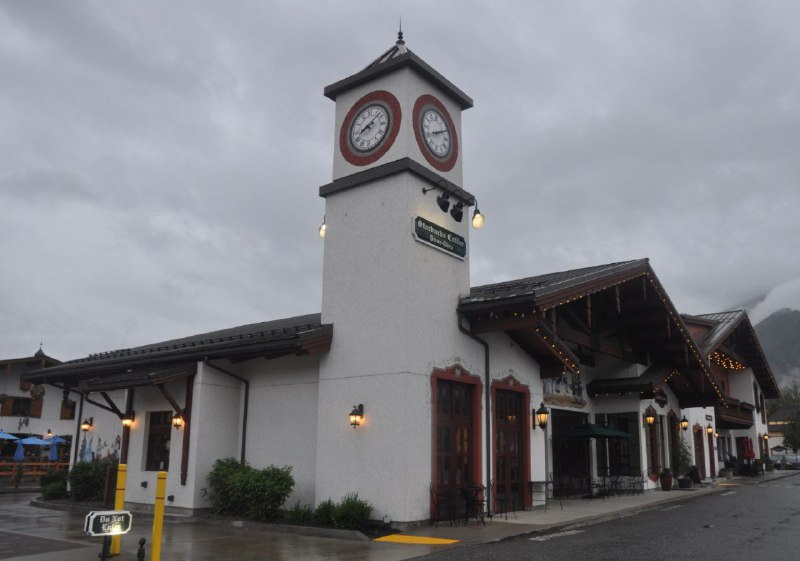
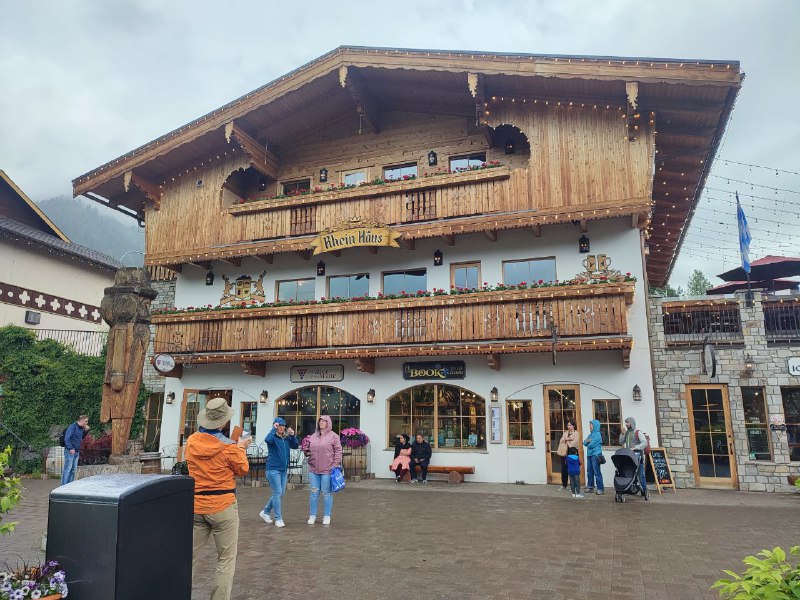
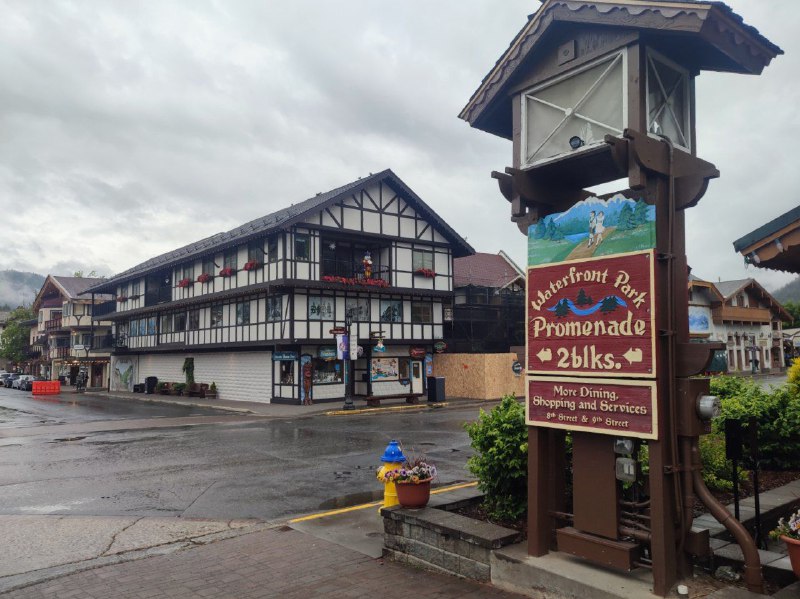
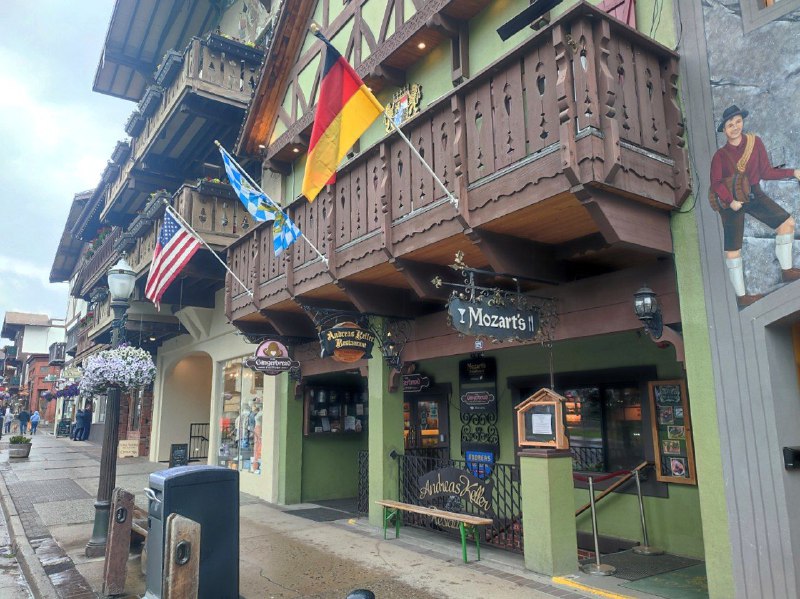
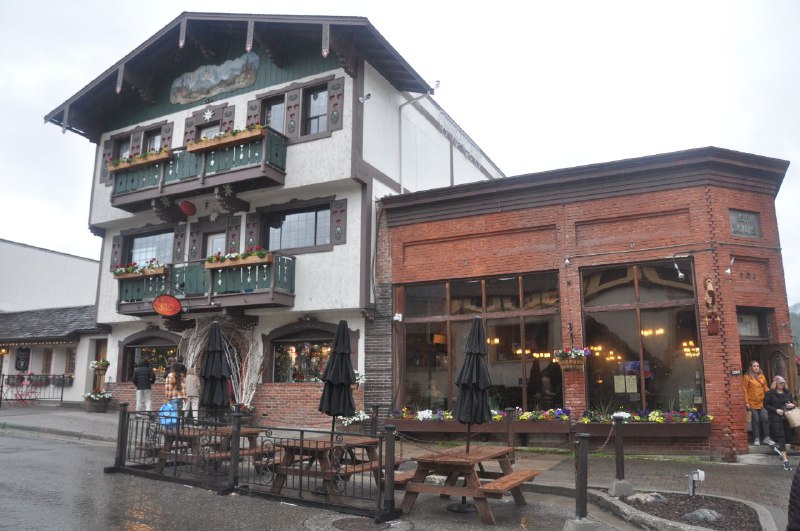
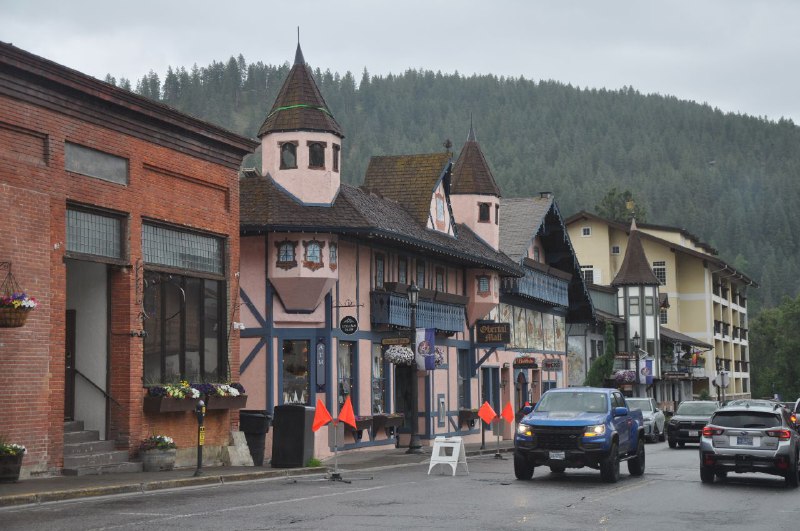
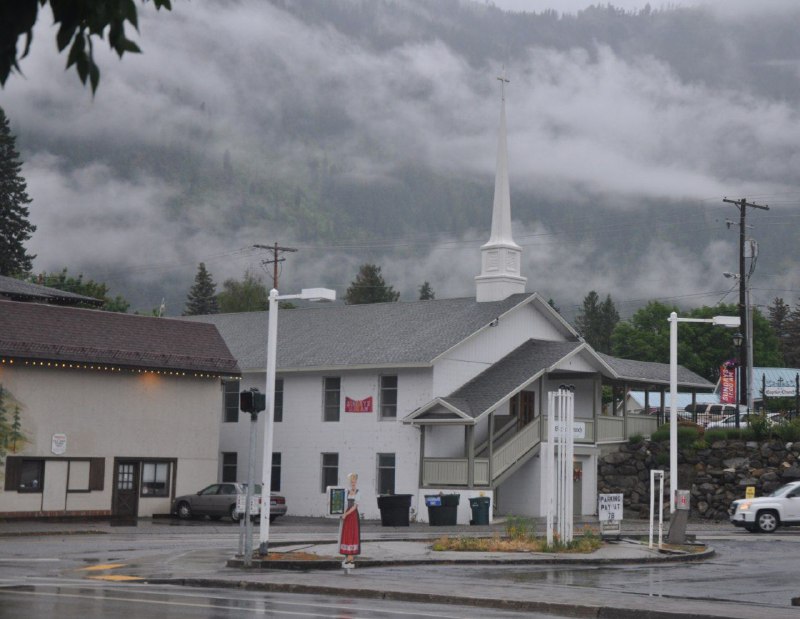
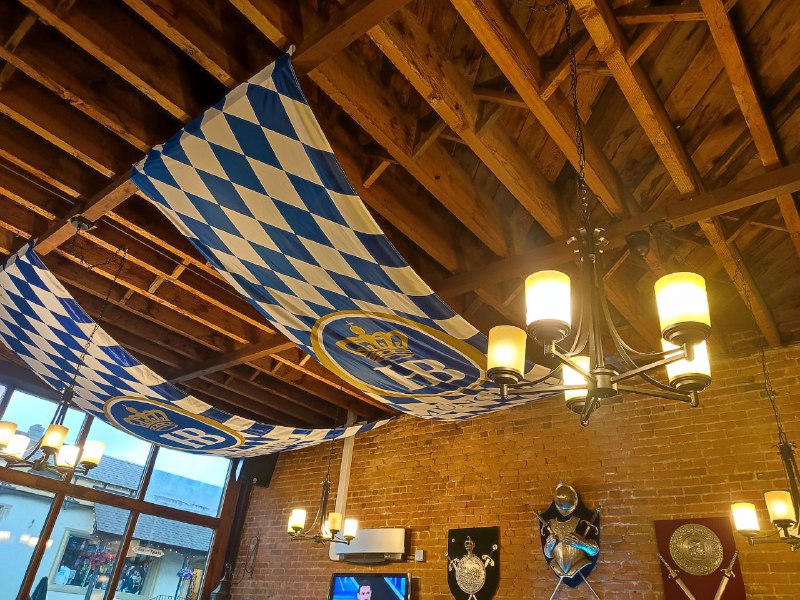
You don't need to go all the way to Germany to see Bavaria. There's a whole Bavarian village hiding in Washington state called Leavenworth.
You come here and it feels like you've stepped into Bavaria.
You come here and look at a German village through American eyes. No matter how hard you try to get the perfect shot, something foreign always sneaks in: an American trash can here, a super-wide road there, and the restaurants are blasting country and other English-language music. At least they serve schnitzel and currywurst.
And honestly, it makes sense: the town has nothing to do with Germans. In the early 20th century, it was a lumber mill center with a railroad running through it. But over time, the station and tracks were moved, the sawmill shut down, and people started leaving. In the 1960s, locals decided to turn things around and got really inspired by the California town of Solvang, which was built in Danish style. They decided to do something similar, but with a Bavarian theme instead. Solvang has about 10% Danish population. Leavenworth decided to do it all on their own.
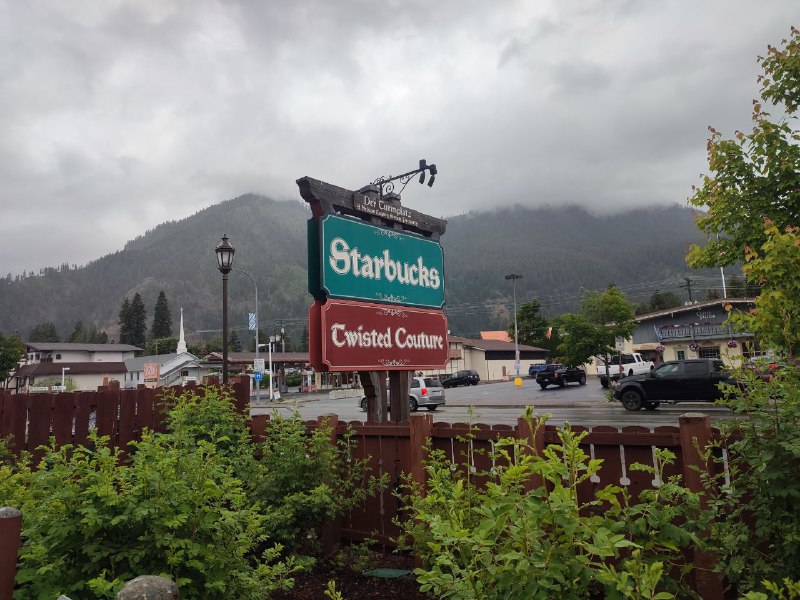
They started with a cafe and hotel in 1965, and gradually remodeled buildings from there. The peak of "Bavarification" hit in the '90s. They passed rules requiring local businesses to mimic German style. Even Starbucks had to redesign its sign.
These days they host 19(!) annual themed festivals here, including Oktoberfest. That's basically every other weekend.
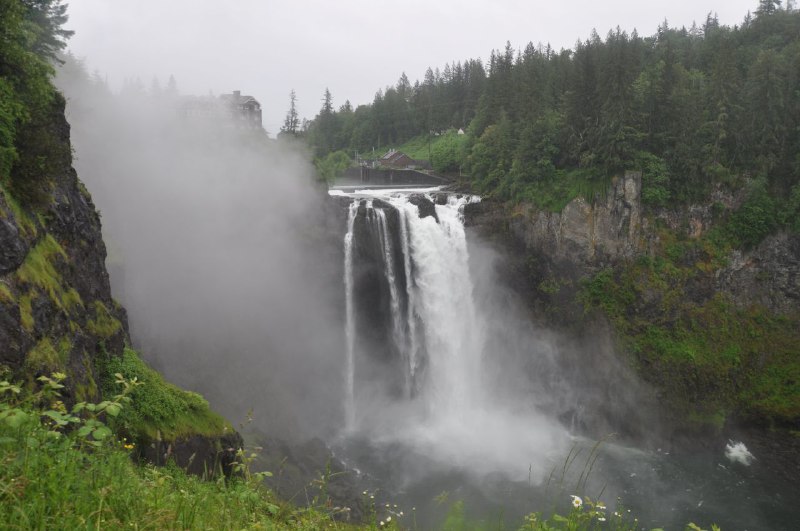
PS. As a bonus, we spotted a waterfall on the way. If you watched David Lynch's series carefully, you'll recognize it :)
You come here and look at a German village through American eyes. No matter how hard you try to get the perfect shot, something foreign always sneaks in: an American trash can here, a super-wide road there, and the restaurants are blasting country and other English-language music. At least they serve schnitzel and currywurst.
And honestly, it makes sense: the town has nothing to do with Germans. In the early 20th century, it was a lumber mill center with a railroad running through it. But over time, the station and tracks were moved, the sawmill shut down, and people started leaving. In the 1960s, locals decided to turn things around and got really inspired by the California town of Solvang, which was built in Danish style. They decided to do something similar, but with a Bavarian theme instead. Solvang has about 10% Danish population. Leavenworth decided to do it all on their own.
They started with a cafe and hotel in 1965, and gradually remodeled buildings from there. The peak of "Bavarification" hit in the '90s. They passed rules requiring local businesses to mimic German style. Even Starbucks had to redesign its sign.
These days they host 19(!) annual themed festivals here, including Oktoberfest. That's basically every other weekend.
PS. As a bonus, we spotted a waterfall on the way. If you watched David Lynch's series carefully, you'll recognize it :)
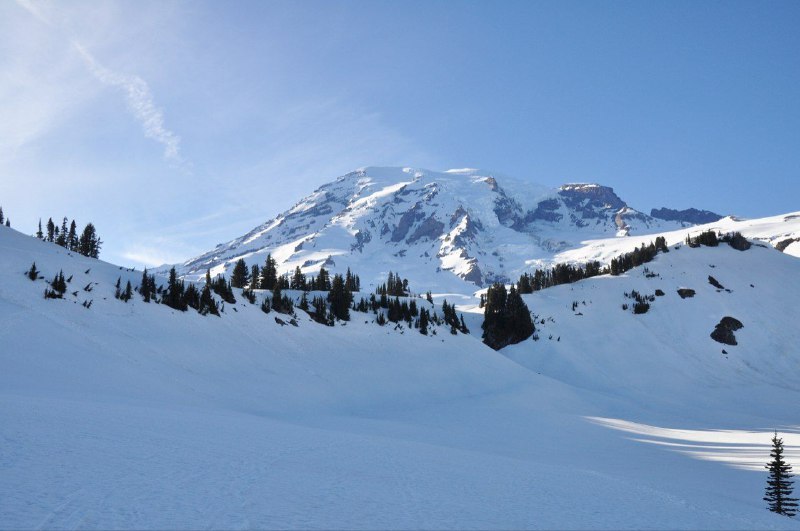
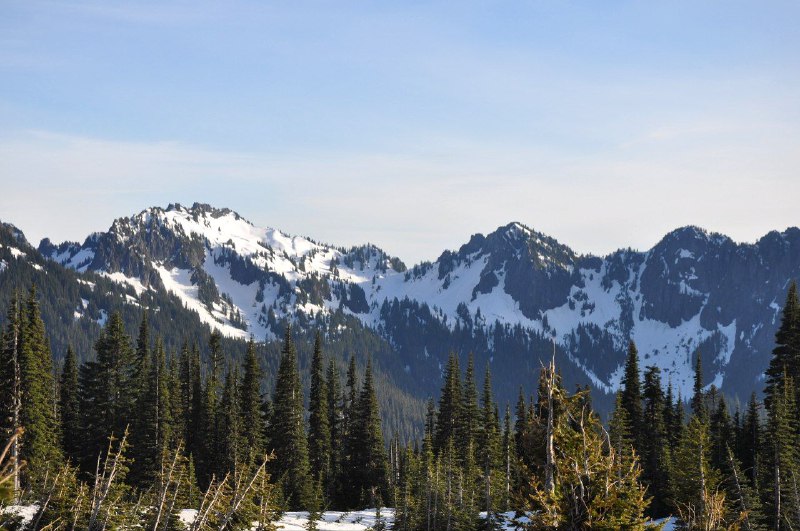
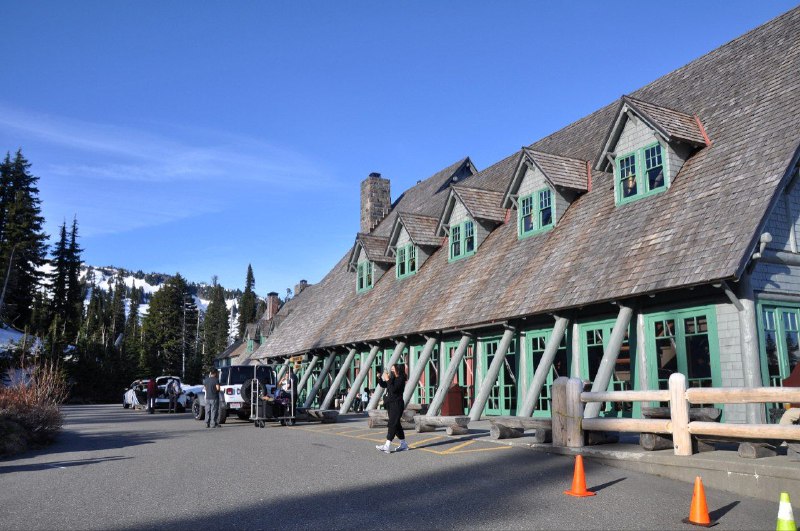
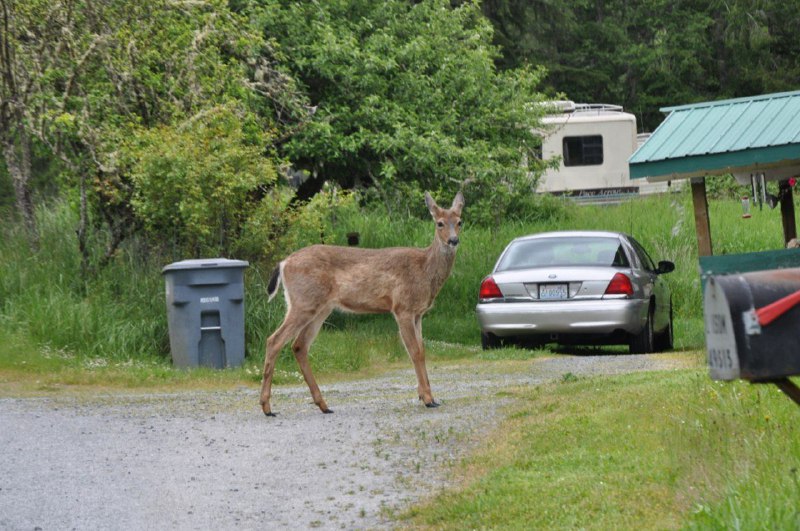
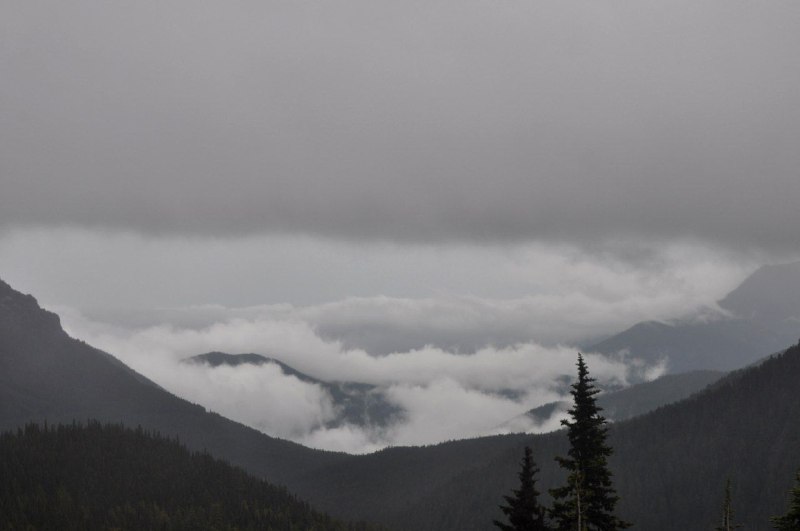
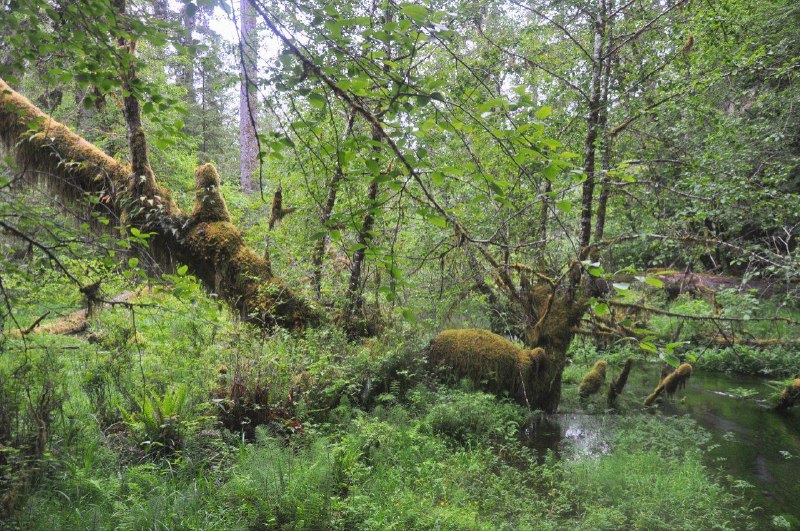
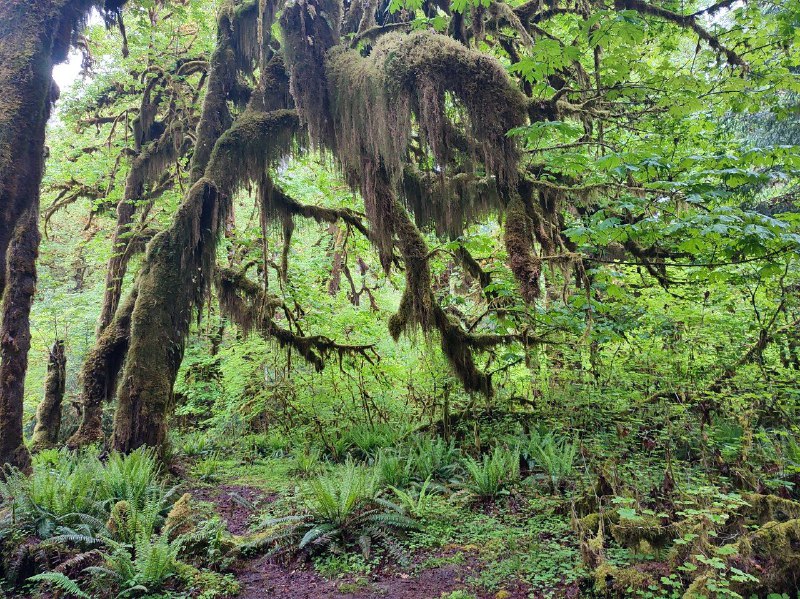
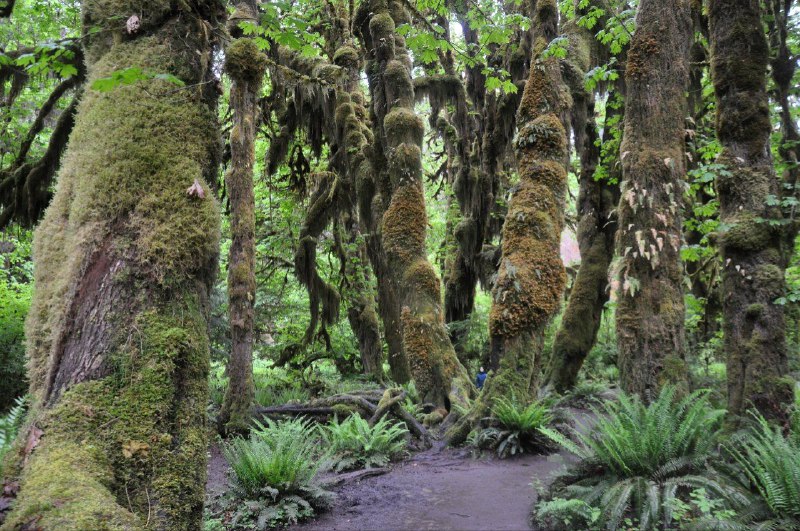
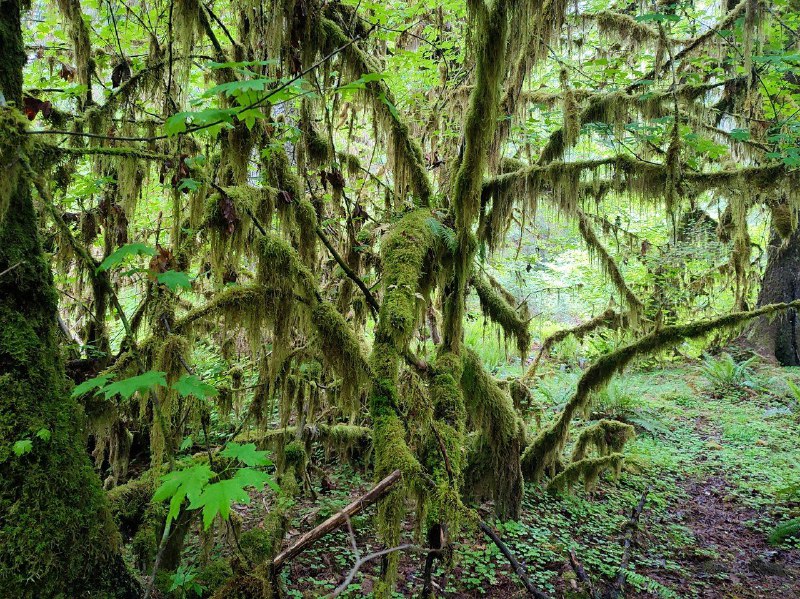
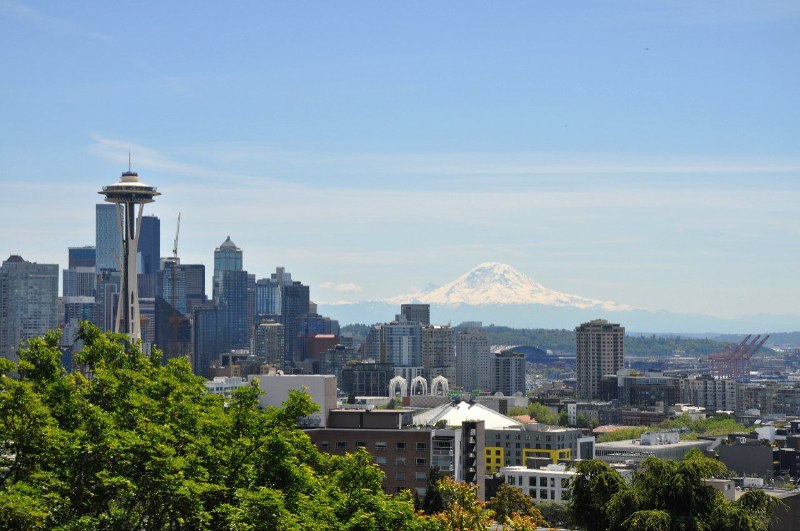
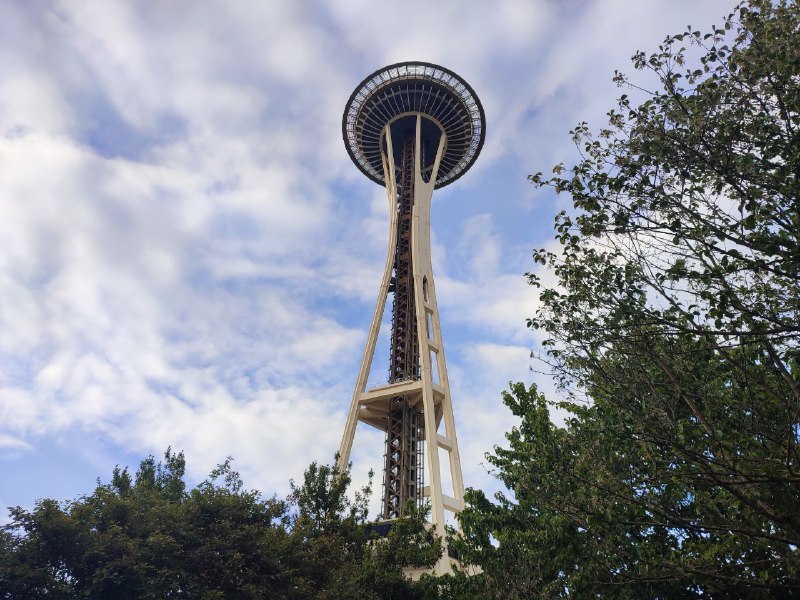
Seattle is definitely worth visiting for its nature – within a few hundred kilometers you've got the snow-capped Mount Rainier with glaciers, beaches right on the ocean, and even temperate rainforests.
Despite all that beauty, the climate is pretty gloomy. I was really lucky to catch a couple of sunny days. Though honestly, even the nearby towns have a melancholic vibe when the weather's nice. Apparently that helped produce a whole generation of musicians: Nirvana, Jimi Hendrix, Soundgarden, Pearl Jam, and other world-famous guys. In Aberdeen, where Kurt Cobain was born, they added an official "Come as you are" sign at the entrance next to the city nameplate.
Despite all that beauty, the climate is pretty gloomy. I was really lucky to catch a couple of sunny days. Though honestly, even the nearby towns have a melancholic vibe when the weather's nice. Apparently that helped produce a whole generation of musicians: Nirvana, Jimi Hendrix, Soundgarden, Pearl Jam, and other world-famous guys. In Aberdeen, where Kurt Cobain was born, they added an official "Come as you are" sign at the entrance next to the city nameplate.
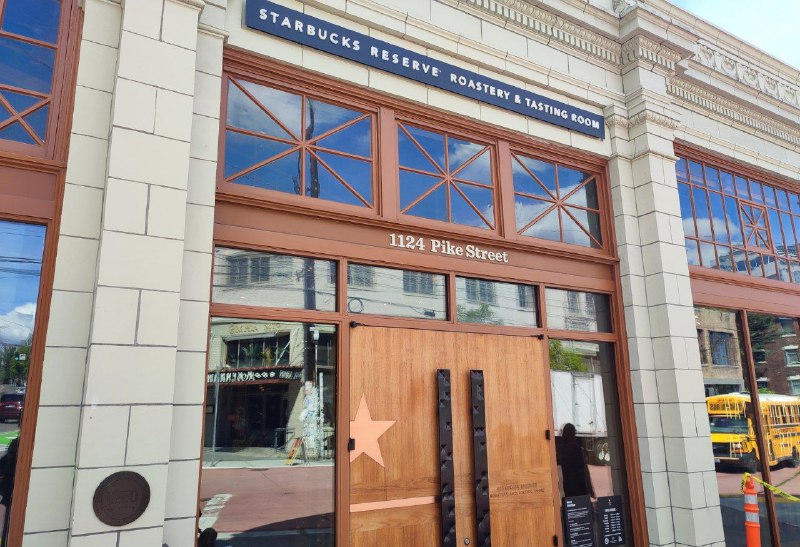
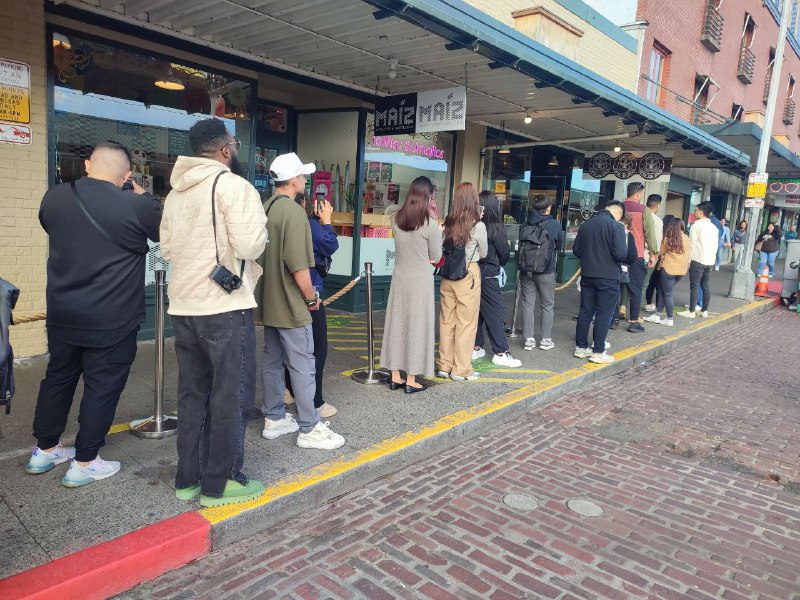
Starbucks might not know how to make great coffee, but they sure know how to run a business. And it all started right here in Seattle. The very first coffeehouse looks pretty unassuming, but there's a huge line out the door. Clearly not just a quick five-minute wait. I hope there's something worth waiting for in there.
It's funny though—the people who opened the original Starbucks actually sold their stake to focus on developing another coffee chain, Peet's Coffee, but it never grew to comparable scale.
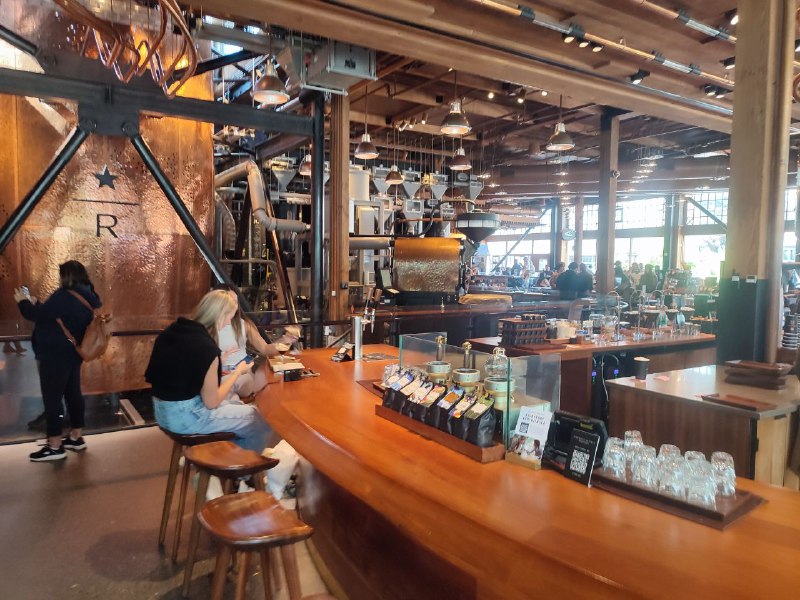
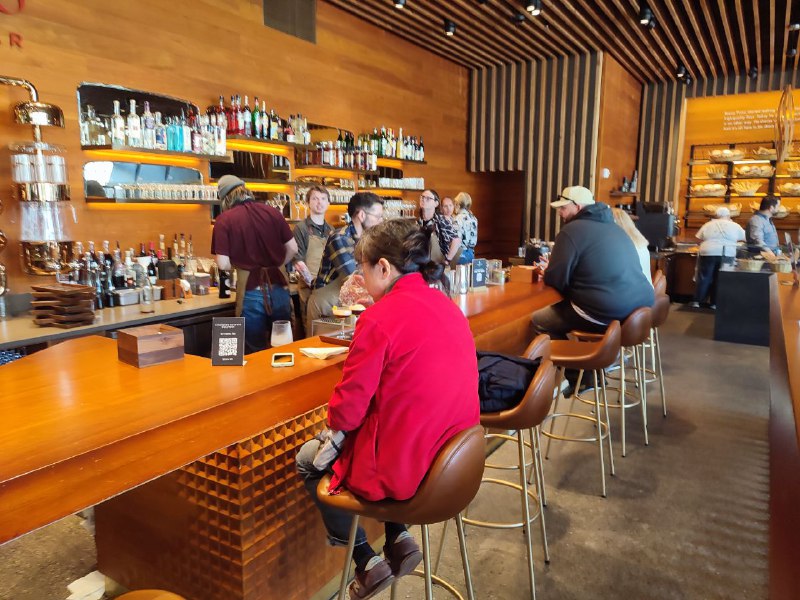
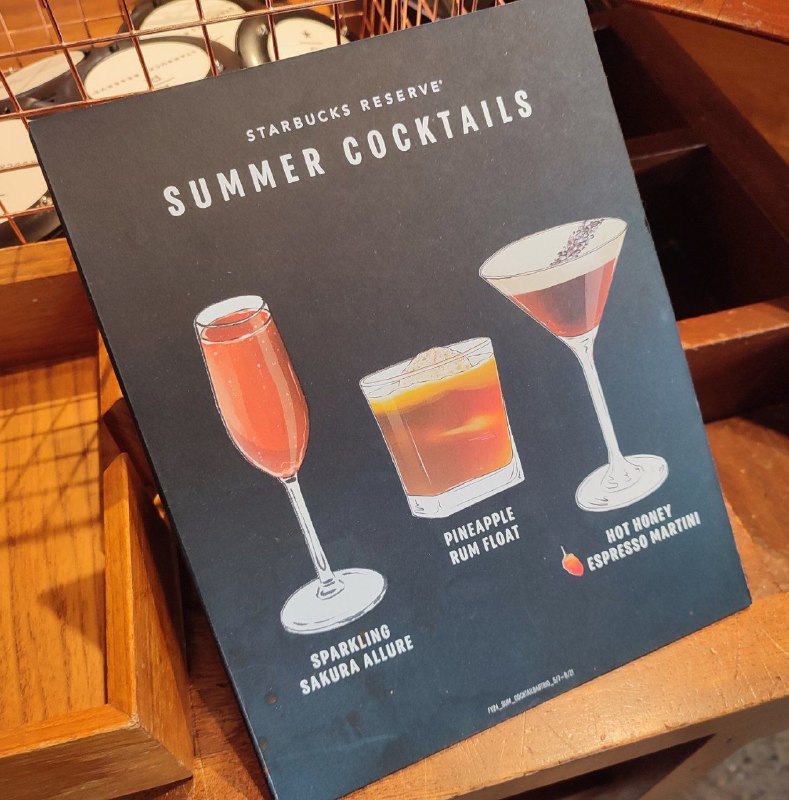
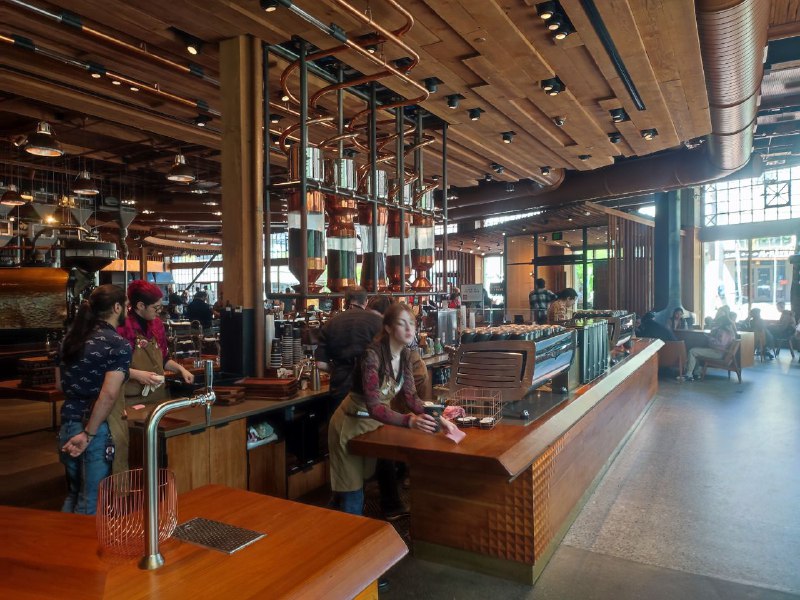
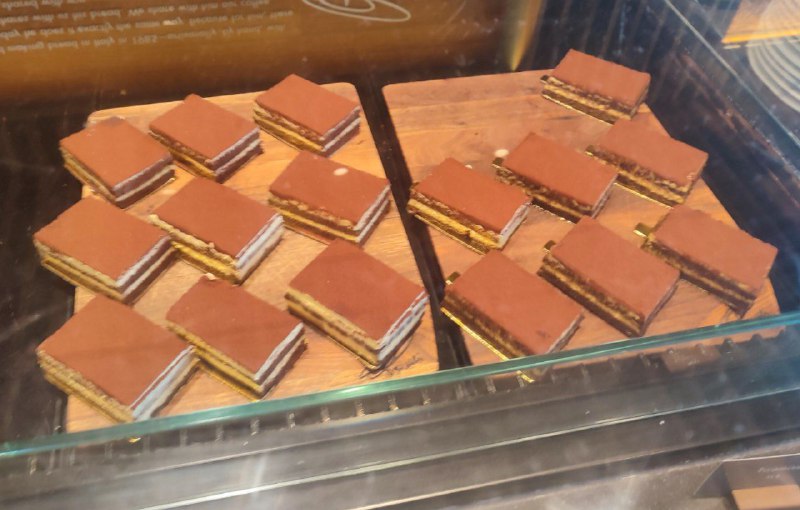
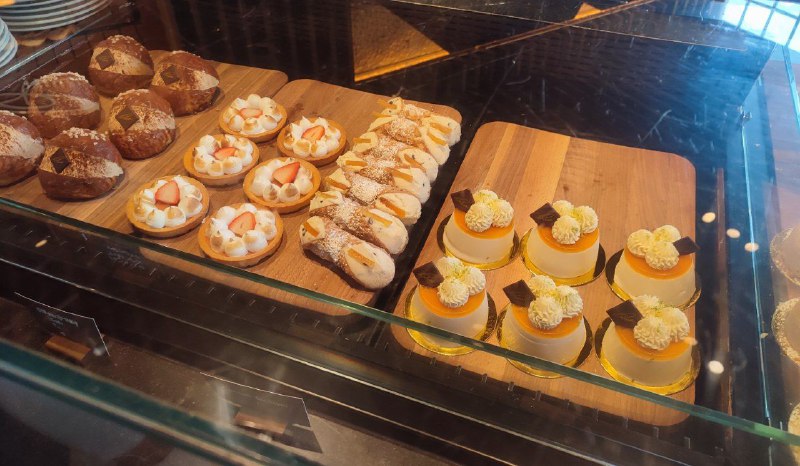
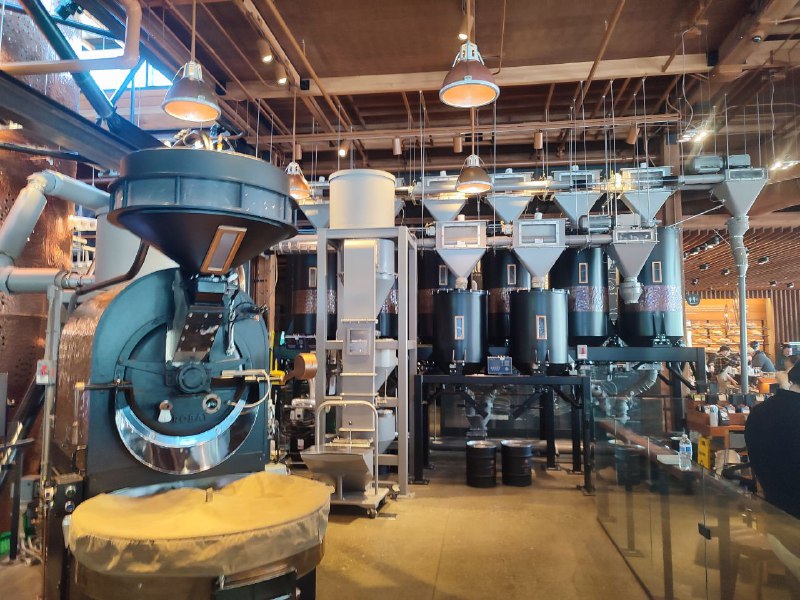
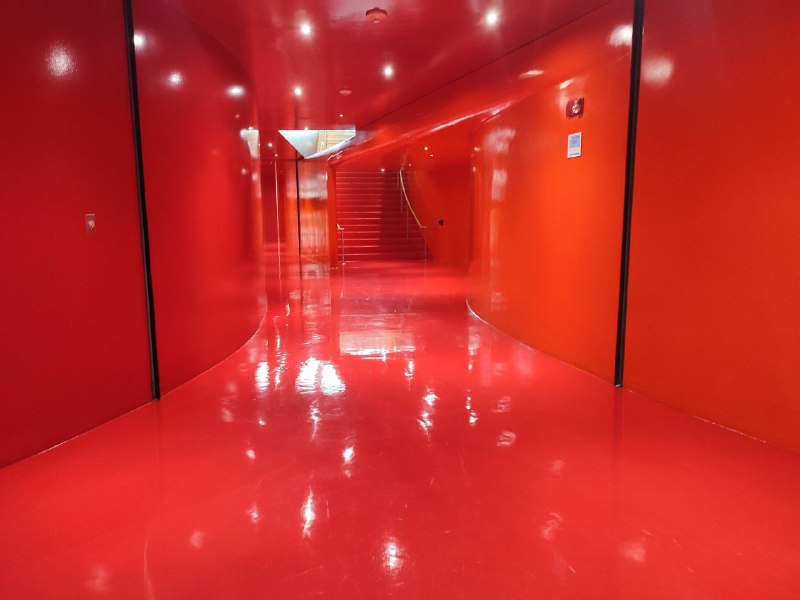
Meanwhile, Starbucks has been trying to break into the premium coffee market. They've opened a few locations in a format that's pretty unusual for them: Starbucks Reserve. It's this massive coffeehouse with an in-house roastery, decent pastries (compared to the rest of their locations), and even a bar serving coffee-based alcoholic drinks. But while they originally planned to open about thirty of these places around the world, they ended up with just six. The first one happens to be right here in Seattle. It looks impressive. And super spacious. Though apparently the one in Shanghai is even more spacious.
It's funny though—the people who opened the original Starbucks actually sold their stake to focus on developing another coffee chain, Peet's Coffee, but it never grew to comparable scale.
Meanwhile, Starbucks has been trying to break into the premium coffee market. They've opened a few locations in a format that's pretty unusual for them: Starbucks Reserve. It's this massive coffeehouse with an in-house roastery, decent pastries (compared to the rest of their locations), and even a bar serving coffee-based alcoholic drinks. But while they originally planned to open about thirty of these places around the world, they ended up with just six. The first one happens to be right here in Seattle. It looks impressive. And super spacious. Though apparently the one in Shanghai is even more spacious.
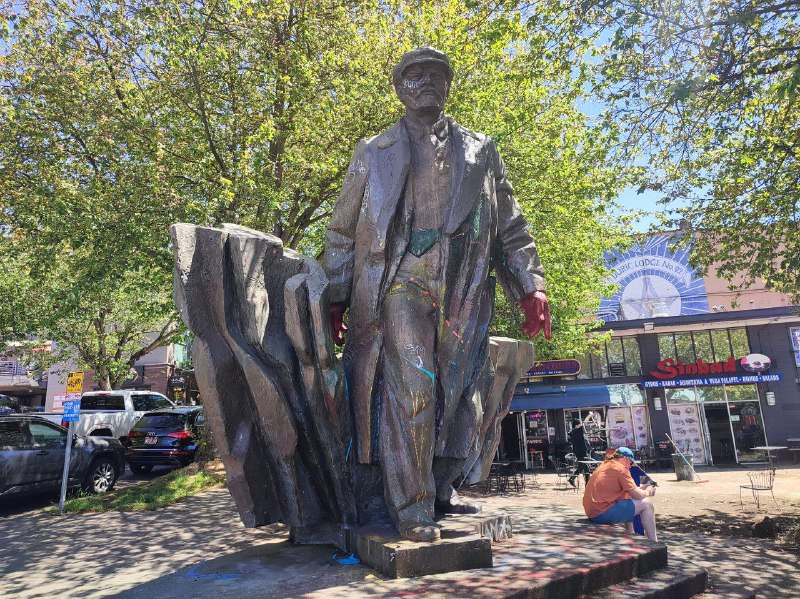
Turns out there's a Lenin statue not just in New York, but also in Seattle. They brought it here from Czechoslovakia right after the Soviet Union collapsed. It still stands near downtown and regularly becomes the subject of various protests.
Seattle turned out to be a really nice city. But there's a stereotype about the locals—they're extremely polite, but it's practically impossible to befriend them. People born here prefer to stick with their own kind. And those who move here hang out with other transplants. This peculiarity even has a special name: Seattle freeze.
Speaking of the cold: even though it's early June, the daytime temperature is noticeably below 20 degrees Celsius. I managed to catch a sunny day, but mostly it's overcast and rainy. Living in a climate like this can be pretty depressing.
PS. You've probably heard the joke about "whoever's last at the airport, turn off the lights." It probably originated in Seattle. Boeing's headquarters has been located right here for many decades. In the 1970s, the company laid off tens of thousands of people. At the time, it was the largest local employer (now Amazon, Microsoft, and other Starbucks locations have joined the mix). And on the way out of the city, there was literally a sign that said "Will the last person leaving Seattle - Turn out the lights" (here you can see the picture and read more on this topic).
Seattle turned out to be a really nice city. But there's a stereotype about the locals—they're extremely polite, but it's practically impossible to befriend them. People born here prefer to stick with their own kind. And those who move here hang out with other transplants. This peculiarity even has a special name: Seattle freeze.
Speaking of the cold: even though it's early June, the daytime temperature is noticeably below 20 degrees Celsius. I managed to catch a sunny day, but mostly it's overcast and rainy. Living in a climate like this can be pretty depressing.
PS. You've probably heard the joke about "whoever's last at the airport, turn off the lights." It probably originated in Seattle. Boeing's headquarters has been located right here for many decades. In the 1970s, the company laid off tens of thousands of people. At the time, it was the largest local employer (now Amazon, Microsoft, and other Starbucks locations have joined the mix). And on the way out of the city, there was literally a sign that said "Will the last person leaving Seattle - Turn out the lights" (here you can see the picture and read more on this topic).
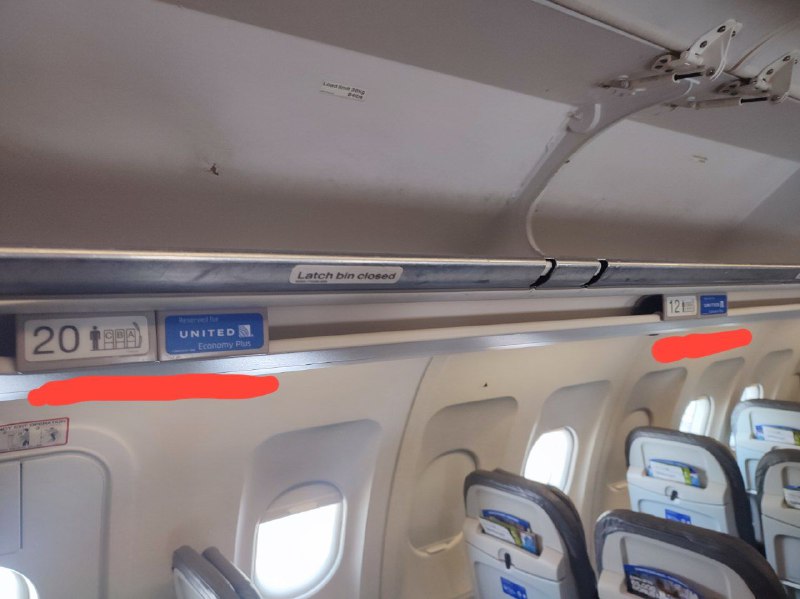
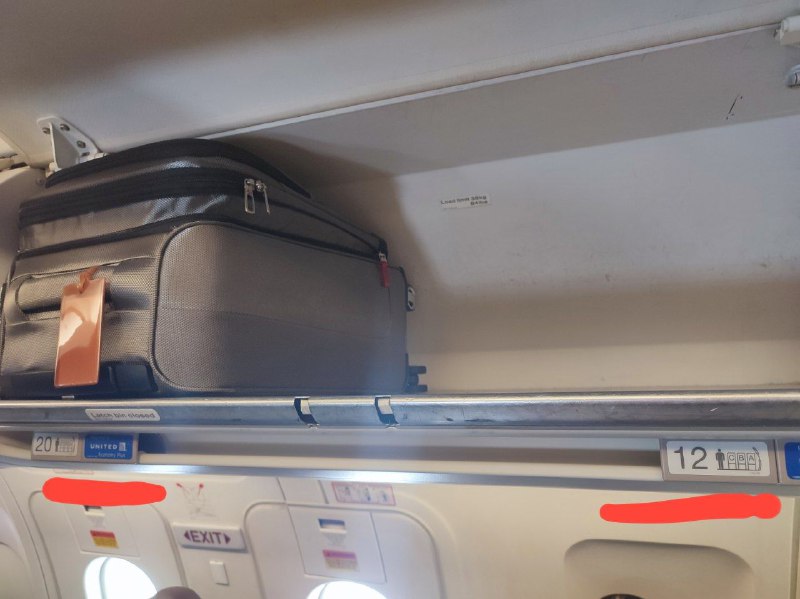
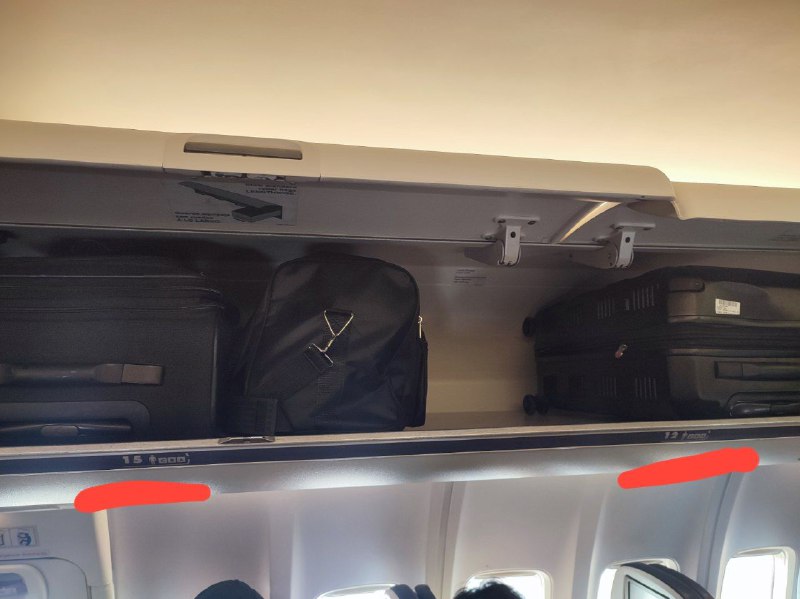
Did you know that Lufthansa doesn't have rows 13 and 17 on their planes?
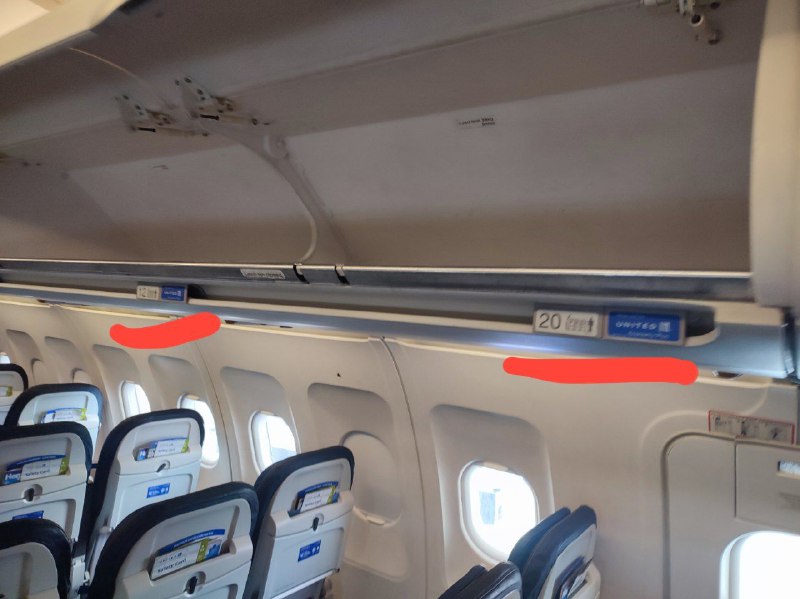
United skips row 14 too. And sometimes even more. On recent flights, I've seen row numbering like 12-15-20, 12-20, and even 12-21. It depends on the specific aircraft model. The 12-15-20 numbering was on a Boeing 737, and 12-20 was on an Airbus 320.
Here you can find the entire company fleet with seating charts.
The reasons are the same old story: customer superstitions and the cheapest way to keep everyone happy. I doubt anyone would be afraid to fly in row 35. Though honestly, when it comes to planes, the safety in row 13 probably isn't much different from rows 12 and 14.
United skips row 14 too. And sometimes even more. On recent flights, I've seen row numbering like 12-15-20, 12-20, and even 12-21. It depends on the specific aircraft model. The 12-15-20 numbering was on a Boeing 737, and 12-20 was on an Airbus 320.
Here you can find the entire company fleet with seating charts.
The reasons are the same old story: customer superstitions and the cheapest way to keep everyone happy. I doubt anyone would be afraid to fly in row 35. Though honestly, when it comes to planes, the safety in row 13 probably isn't much different from rows 12 and 14.
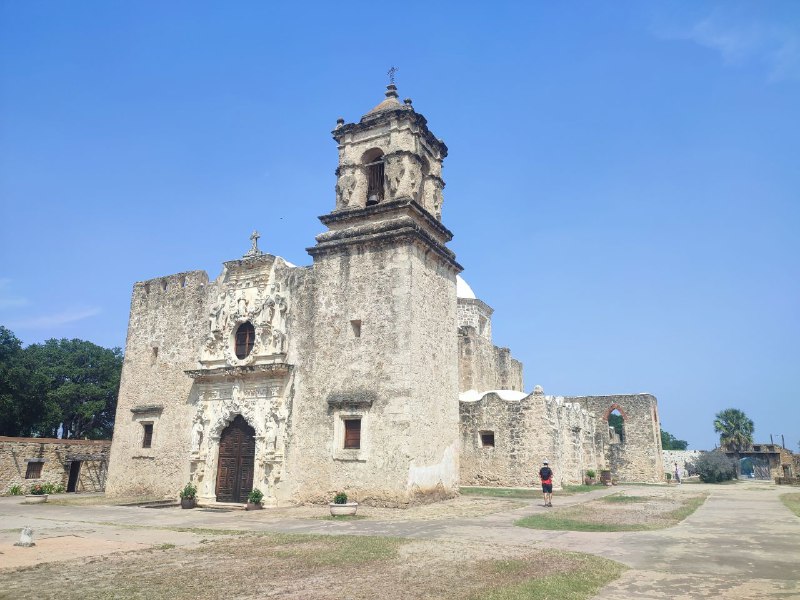
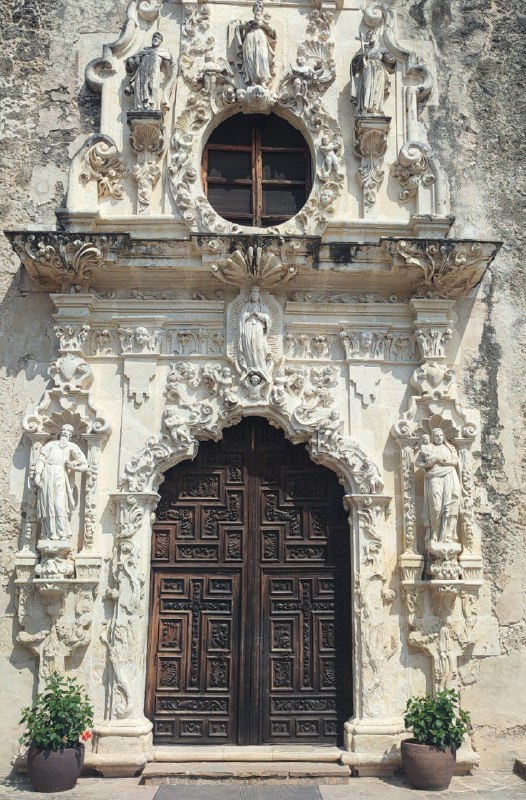
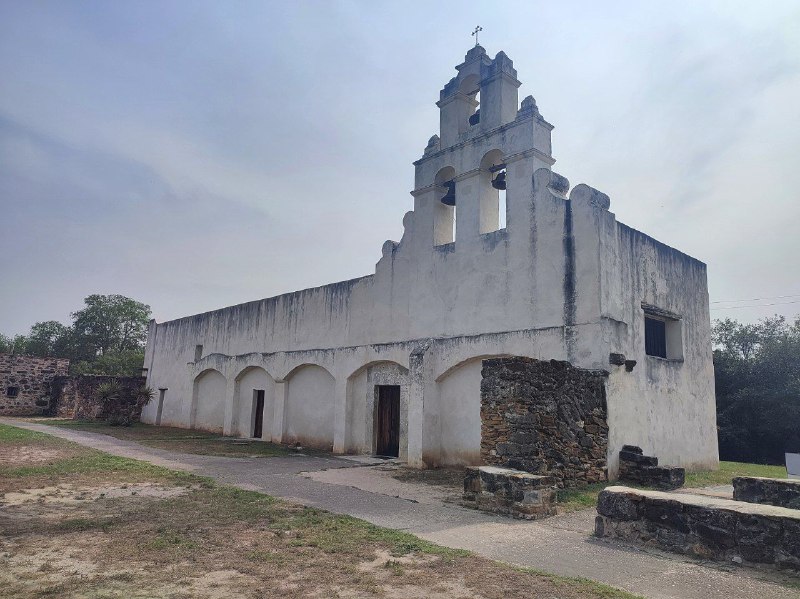
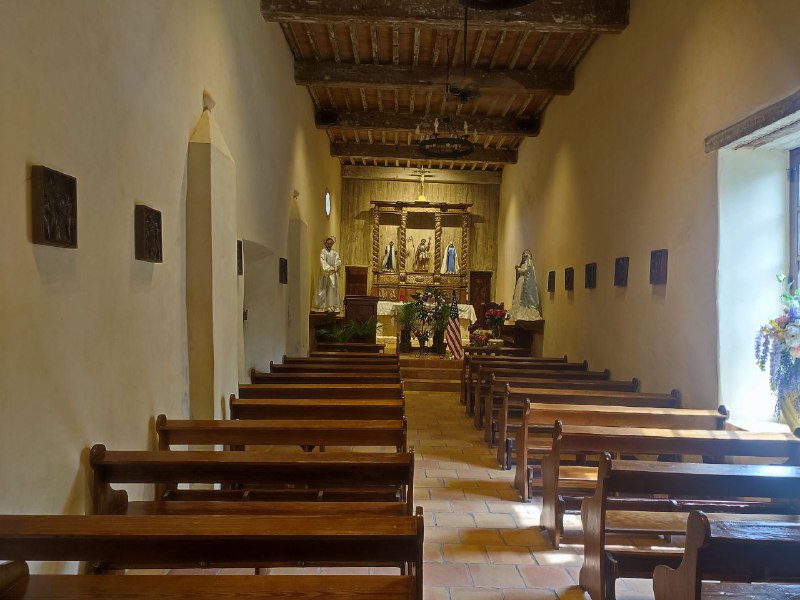
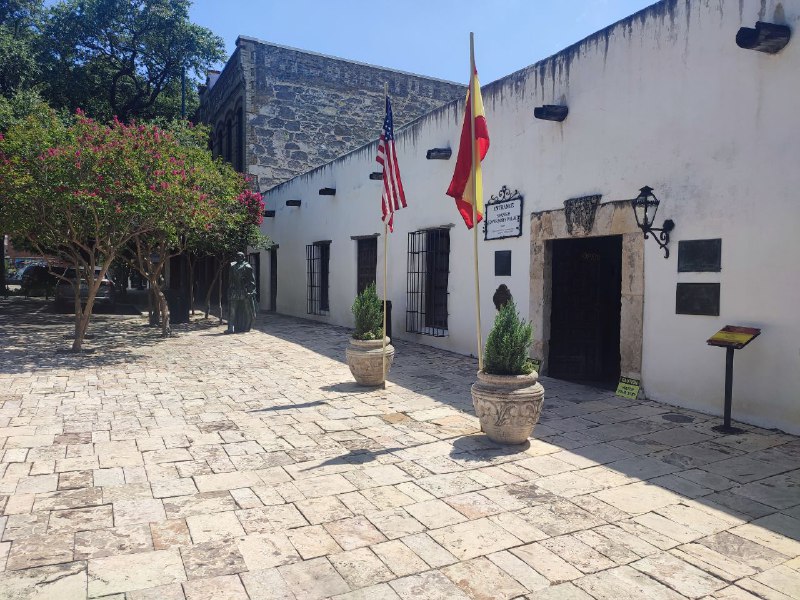
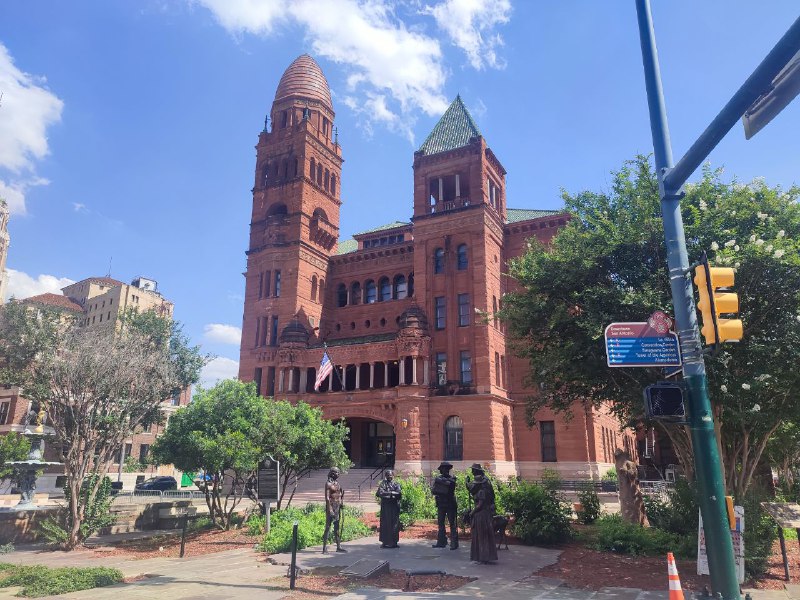
When you think about the US, you definitely don't picture the Roman Empire 18th-century Spanish missions. But you should. In San Antonio, Texas, the Spanish built several of them in the early 1700s. Over 300 years later, the buildings have deteriorated a bit, but they've held up pretty well overall.
Not the 12th century like the monastery in Florida, obviously (and I'm not joking), but by local standards, that's ancient history.
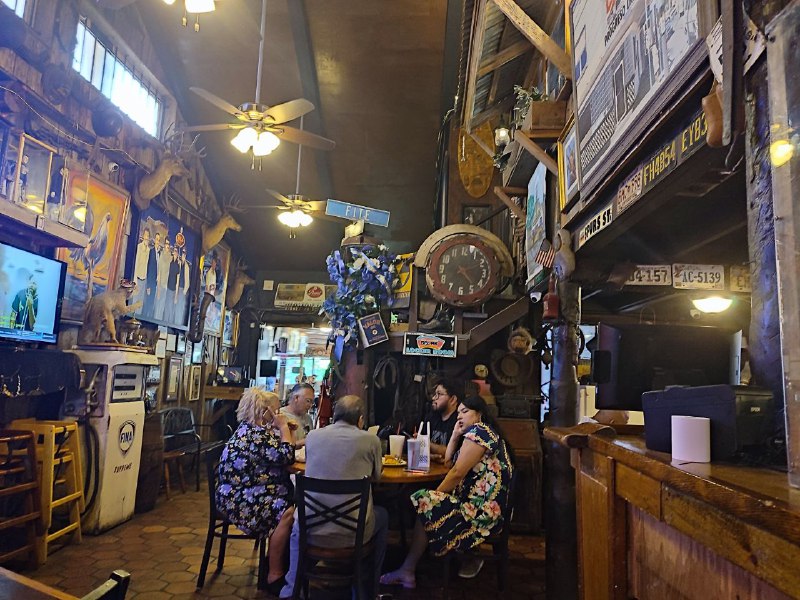
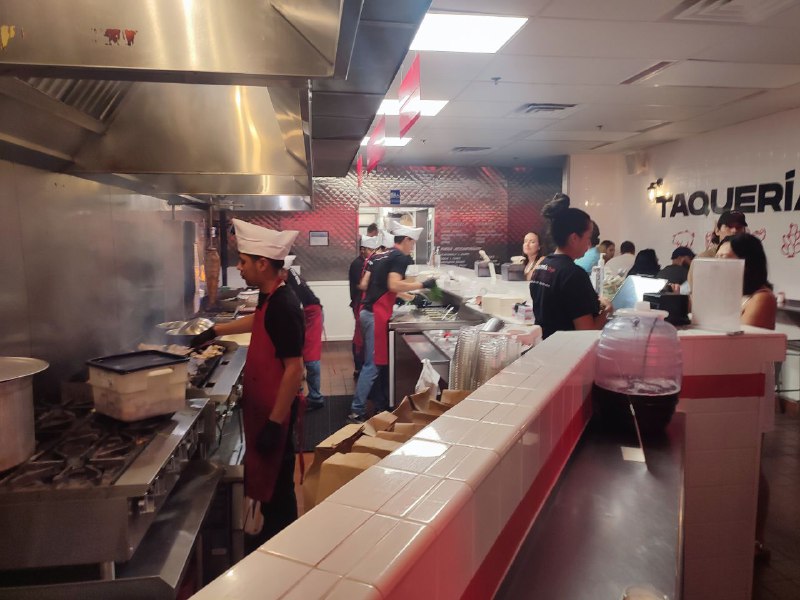
PS. I stumbled upon this cute little restaurant in the middle of nowhere. Really charming atmosphere. And the food's solid. I didn't see anything more tex-mex during this trip. If you're ever in the area, it's definitely worth checking out.
Not the 12th century like the monastery in Florida, obviously (and I'm not joking), but by local standards, that's ancient history.
PS. I stumbled upon this cute little restaurant in the middle of nowhere. Really charming atmosphere. And the food's solid. I didn't see anything more tex-mex during this trip. If you're ever in the area, it's definitely worth checking out.
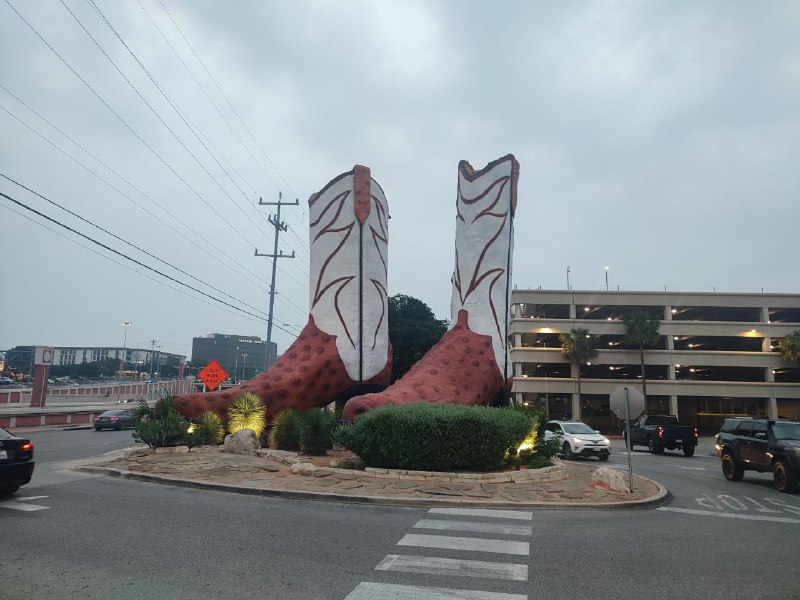
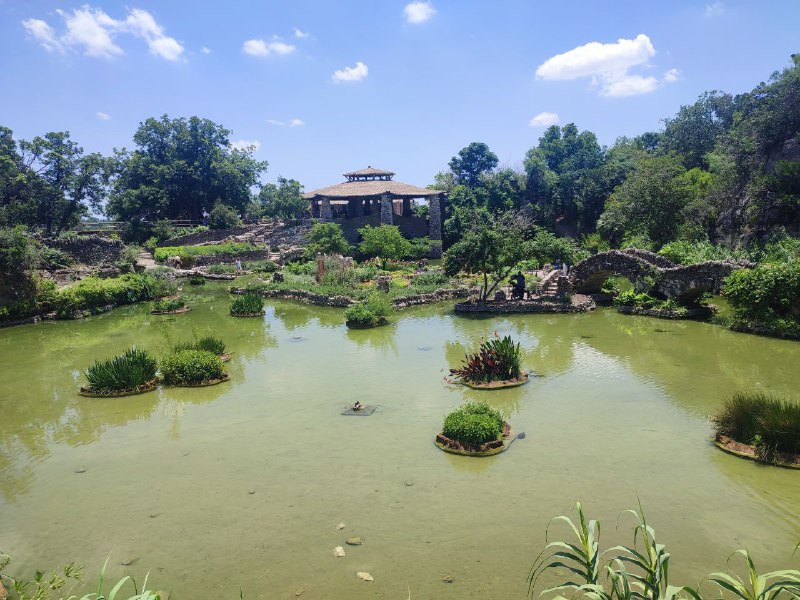
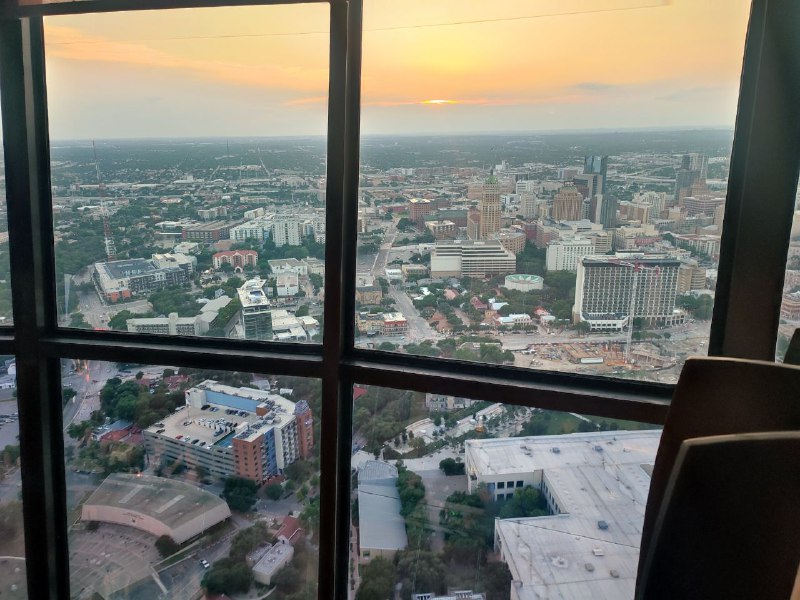
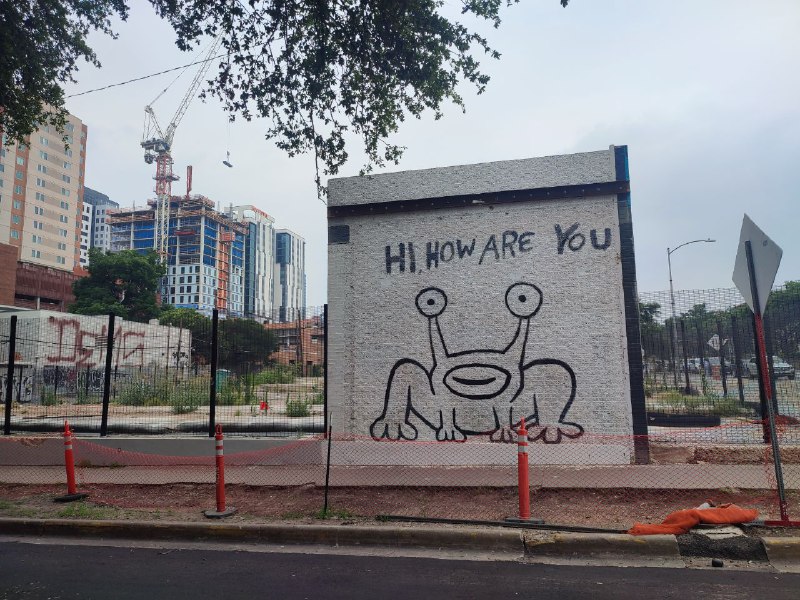
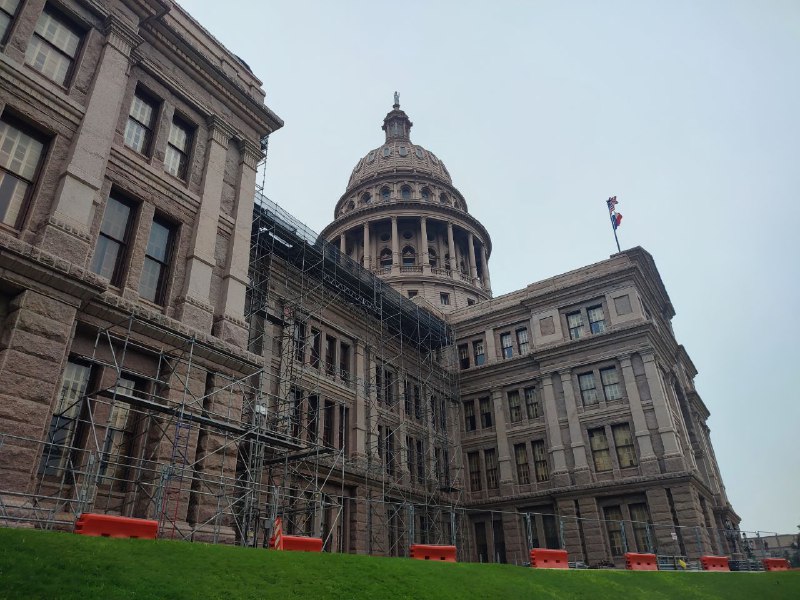
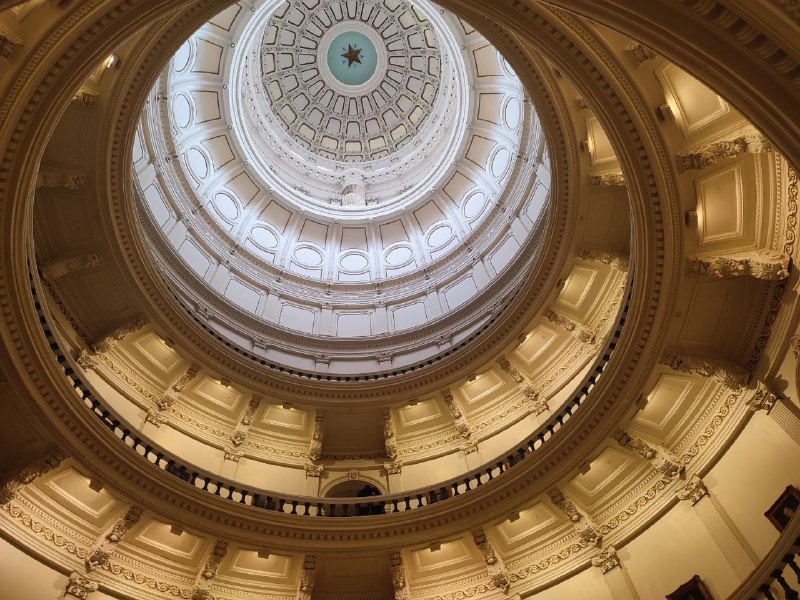
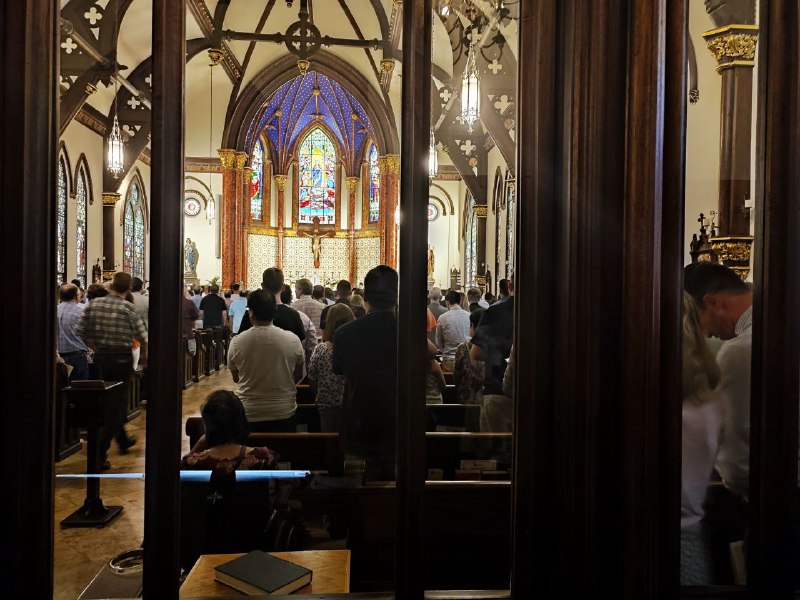
I haven't seen a major city in a long time where so much wildlife just runs around the streets (just a reminder—nearly a million people live in Austin). There's no getting away from squirrels: they dash right across the roads and barely pay any attention to people. And you can't escape the bird songs either.
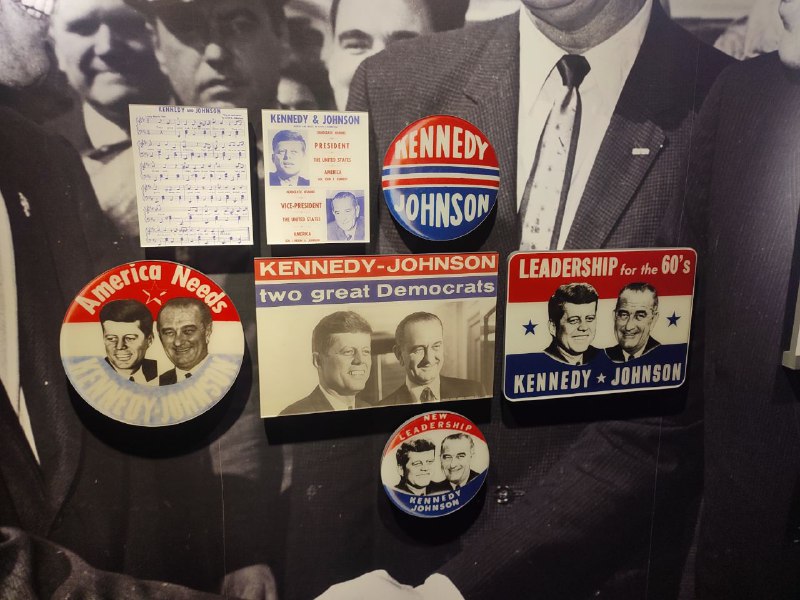
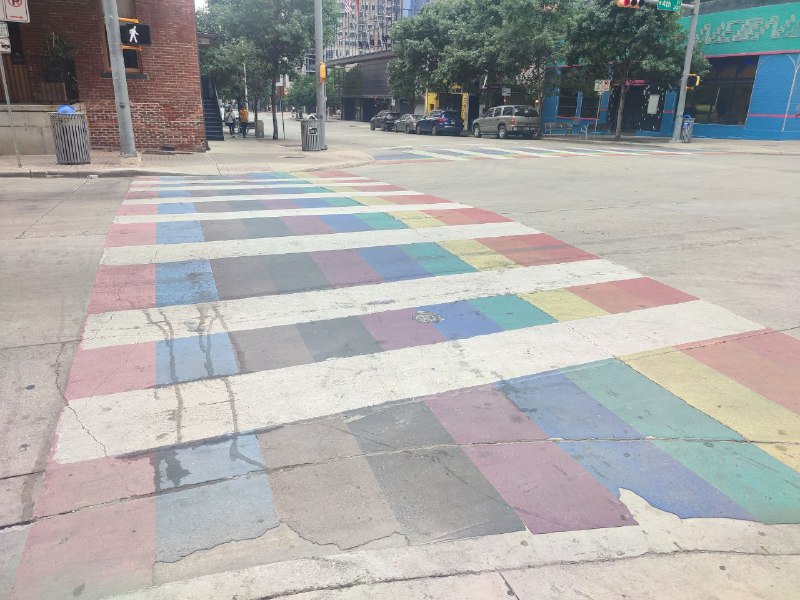
Austin is basically a pocket of democracy in a really conservative state. This isn't some new trend either—it was already like this back during Kennedy and LBJ. Both presidents were from Texas, by the way. I'm not claiming to be an expert on American politics, but I thought it was interesting how the state capital's views are so different from the rest of the state. Other major cities lean blue too, but not nearly as obviously.
The Mexican border is right there, and you can definitely feel it: in some places, people basically don't speak English at all. Only Spanish. Though honestly, even in New York, Spanish has become noticeably more common than it was five years ago.
Austin is basically a pocket of democracy in a really conservative state. This isn't some new trend either—it was already like this back during Kennedy and LBJ. Both presidents were from Texas, by the way. I'm not claiming to be an expert on American politics, but I thought it was interesting how the state capital's views are so different from the rest of the state. Other major cities lean blue too, but not nearly as obviously.
The Mexican border is right there, and you can definitely feel it: in some places, people basically don't speak English at all. Only Spanish. Though honestly, even in New York, Spanish has become noticeably more common than it was five years ago.
►
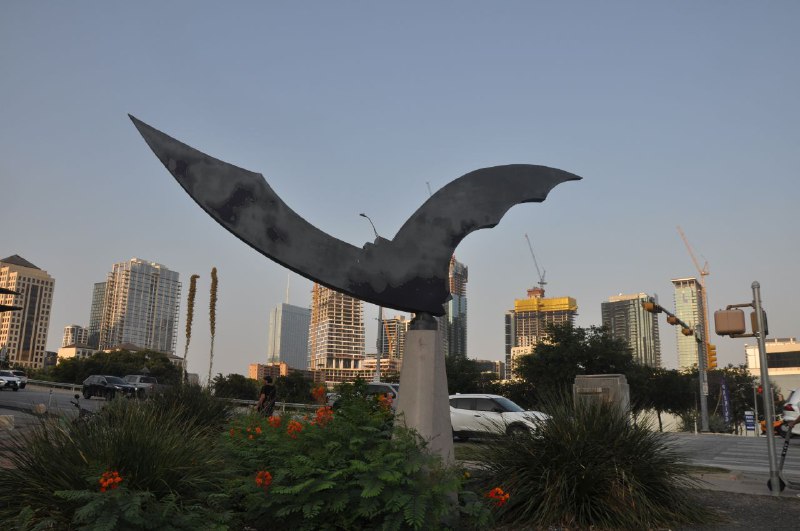
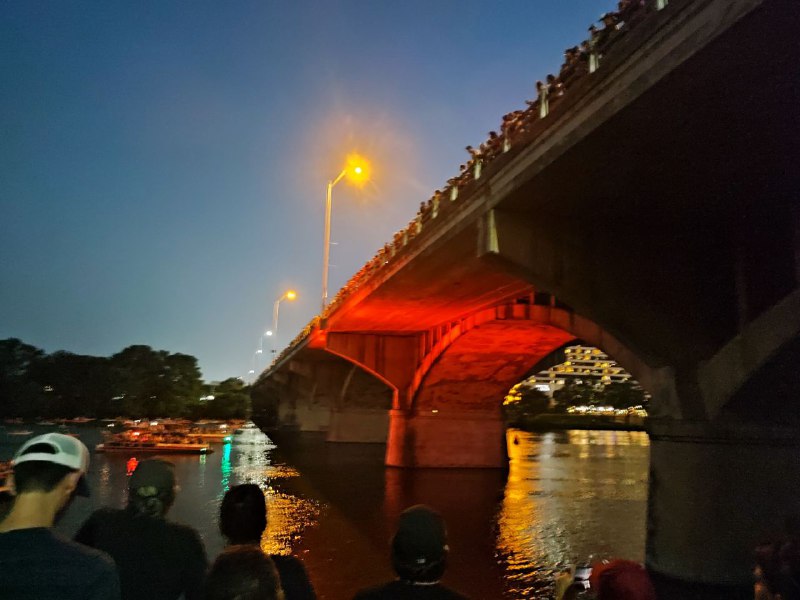
Found a worthy contender for the most unusual city attraction. In Austin, Texas.
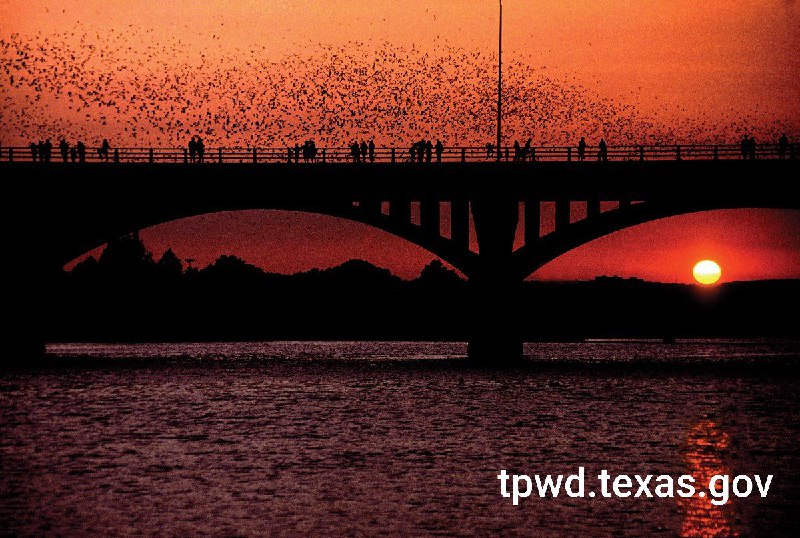
Back in the 1980s, the city renovated a bridge. The new structure turned out to be absolutely perfect for... a bat colony. It got to the point where in a city of almost a million people, there are now more bats than humans.
At first, residents were scared and really wanted to get rid of their uninvited neighbors. But a campaign by local biologists changed public opinion. Now it's practically the main draw for tourists.
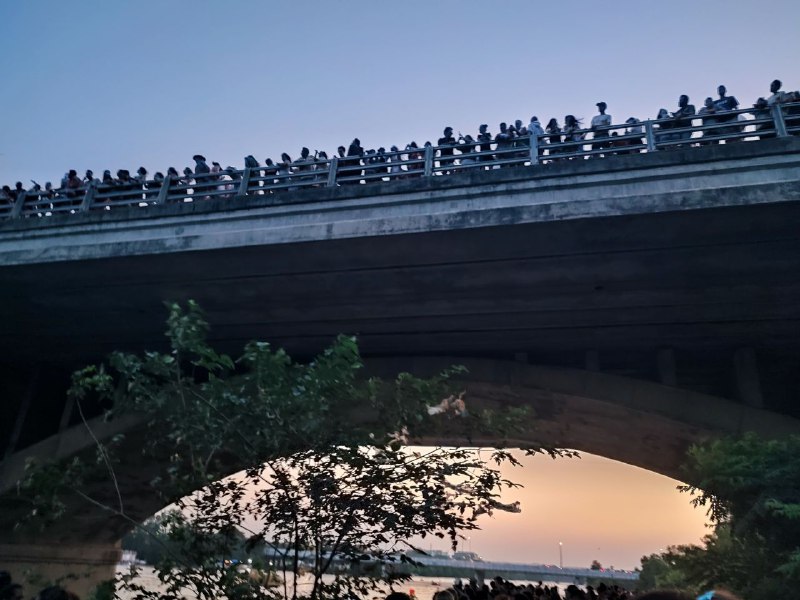
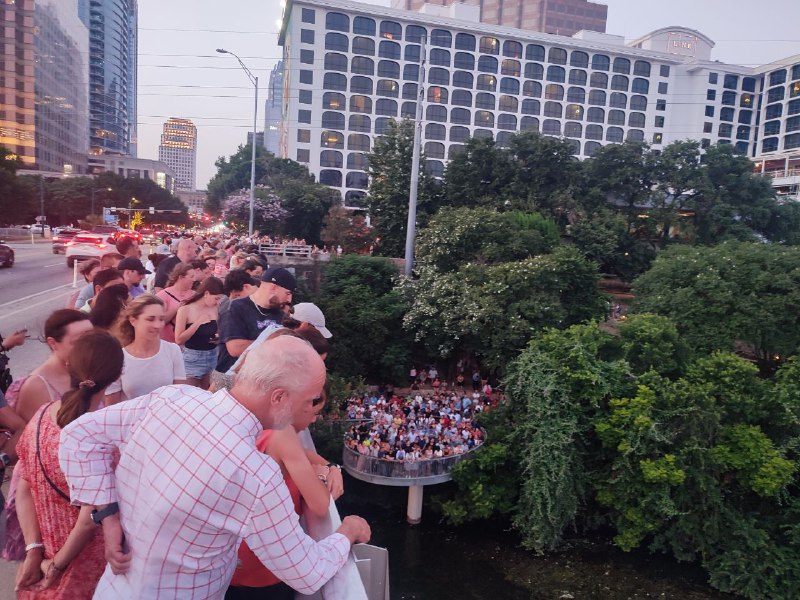
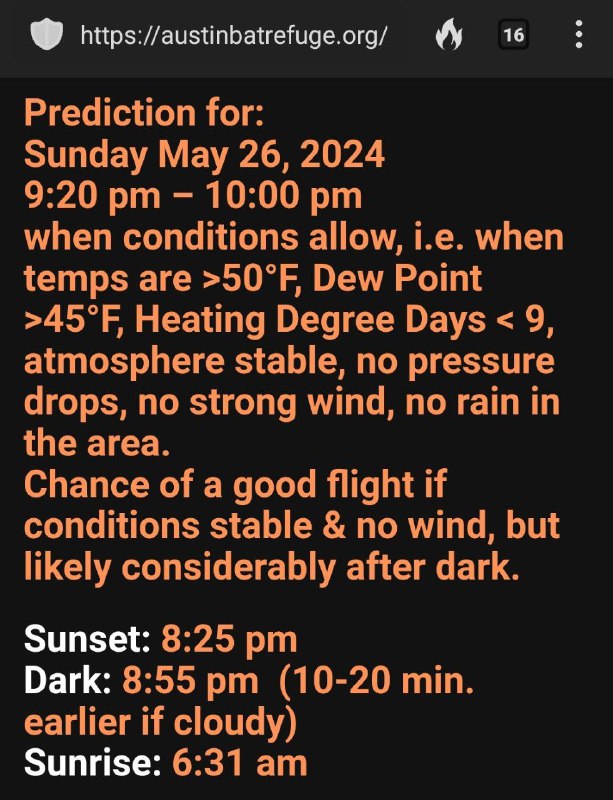
Every night from March to October, crowds gather at the bridge waiting for the show. You can pay to get on a boat and watch everything from the water. Though there's no guarantee you'll actually see anything: the hunt only happens when it's warm, dry, and there's no strong wind. Otherwise, the insects they hunt stay home, and there's no point flying out. In a single night, they can collectively eat a whole ton of gnats. First, solo "scouts" fly out, then at some point a massive exodus begins. On the best nights, up to a quarter of the colony of a million and a half can take flight to hunt.
There's a whole website where enthusiasts track flight history and publish forecasts for the day. I wasn't too lucky: I only managed to see about 3% of the colony take off in complete darkness to hunt. So the video doesn't show much. People say you need to go in August. That's when the most impressive flights happen. Added an internet picture to the post. Would love to see something like that in person.
And yes. All of this happens not in some remote village, but right in the center of a huge glass and concrete city.
Back in the 1980s, the city renovated a bridge. The new structure turned out to be absolutely perfect for... a bat colony. It got to the point where in a city of almost a million people, there are now more bats than humans.
At first, residents were scared and really wanted to get rid of their uninvited neighbors. But a campaign by local biologists changed public opinion. Now it's practically the main draw for tourists.
Every night from March to October, crowds gather at the bridge waiting for the show. You can pay to get on a boat and watch everything from the water. Though there's no guarantee you'll actually see anything: the hunt only happens when it's warm, dry, and there's no strong wind. Otherwise, the insects they hunt stay home, and there's no point flying out. In a single night, they can collectively eat a whole ton of gnats. First, solo "scouts" fly out, then at some point a massive exodus begins. On the best nights, up to a quarter of the colony of a million and a half can take flight to hunt.
There's a whole website where enthusiasts track flight history and publish forecasts for the day. I wasn't too lucky: I only managed to see about 3% of the colony take off in complete darkness to hunt. So the video doesn't show much. People say you need to go in August. That's when the most impressive flights happen. Added an internet picture to the post. Would love to see something like that in person.
And yes. All of this happens not in some remote village, but right in the center of a huge glass and concrete city.
►
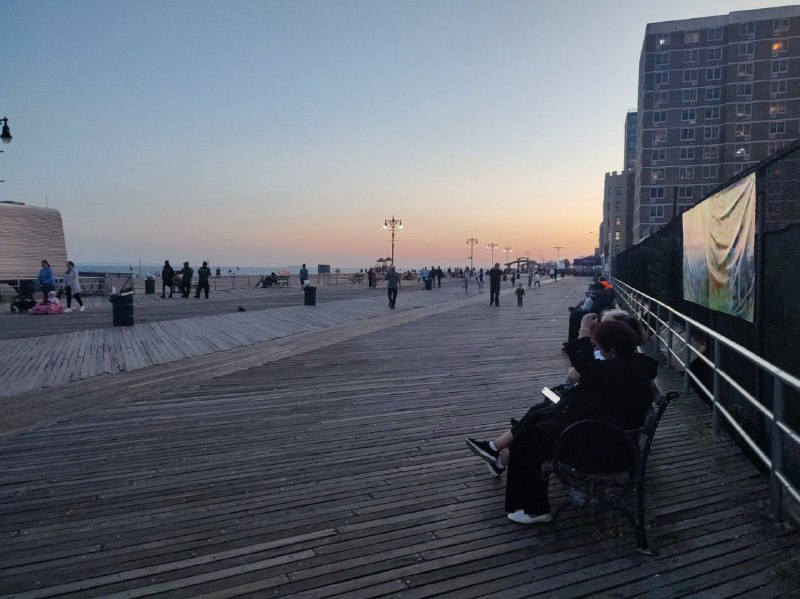
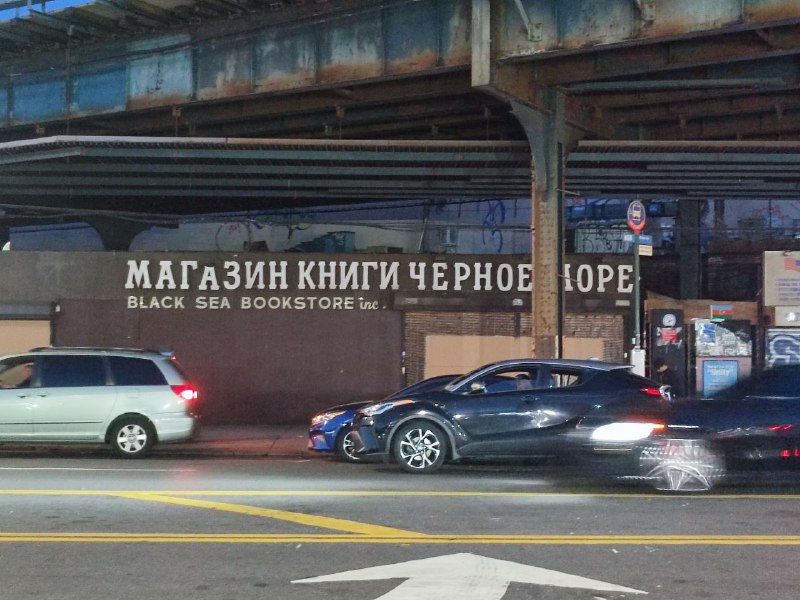
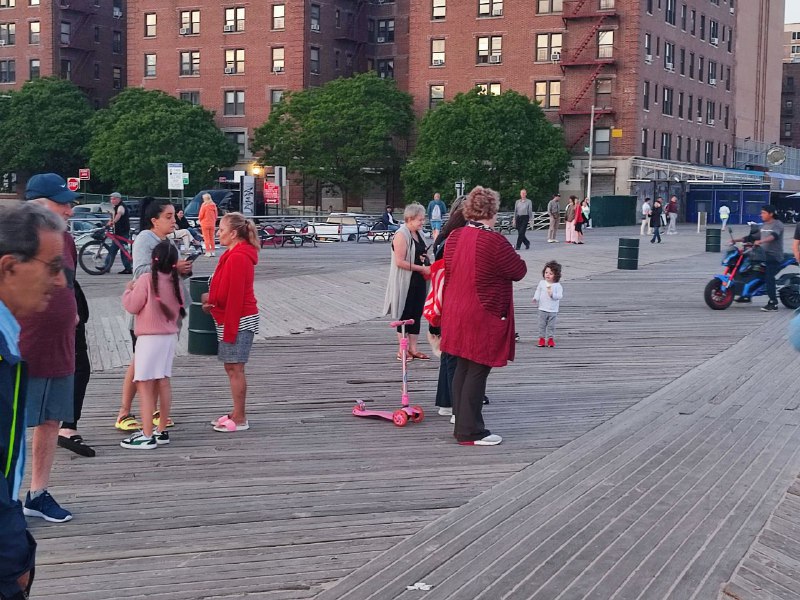
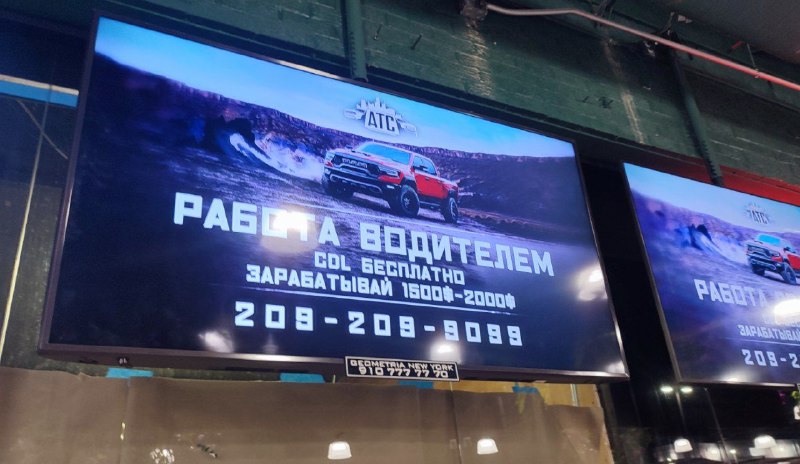
I never really felt drawn to Brighton Beach, but I had some free time and here we are. You know that stereotype of older Russian-speaking ladies and gentlemen you picture when Brighton comes up? Well, they're exactly like that in real life and walking around everywhere. Russian is heard on the streets more often than any other language.
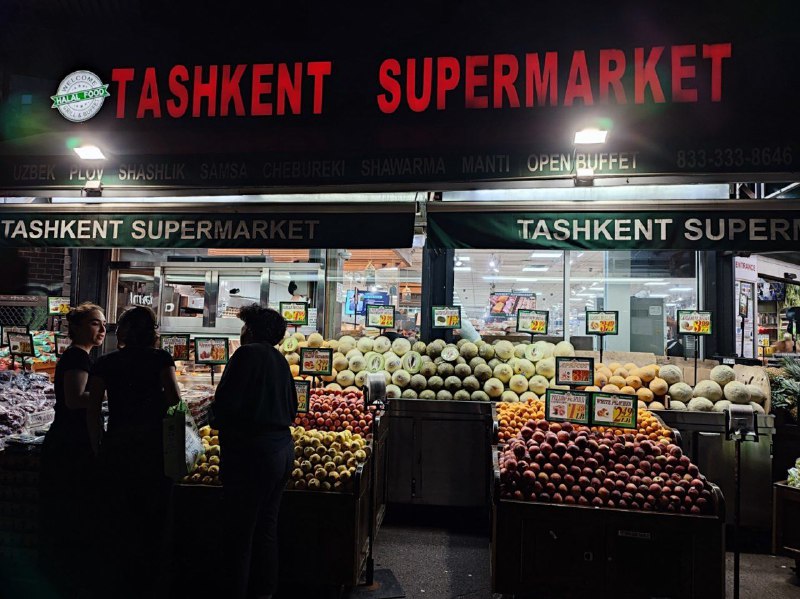
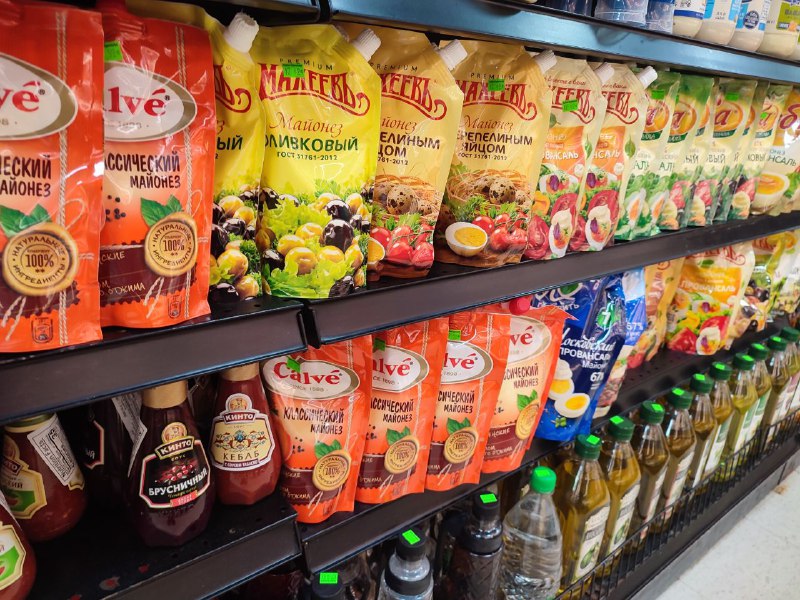
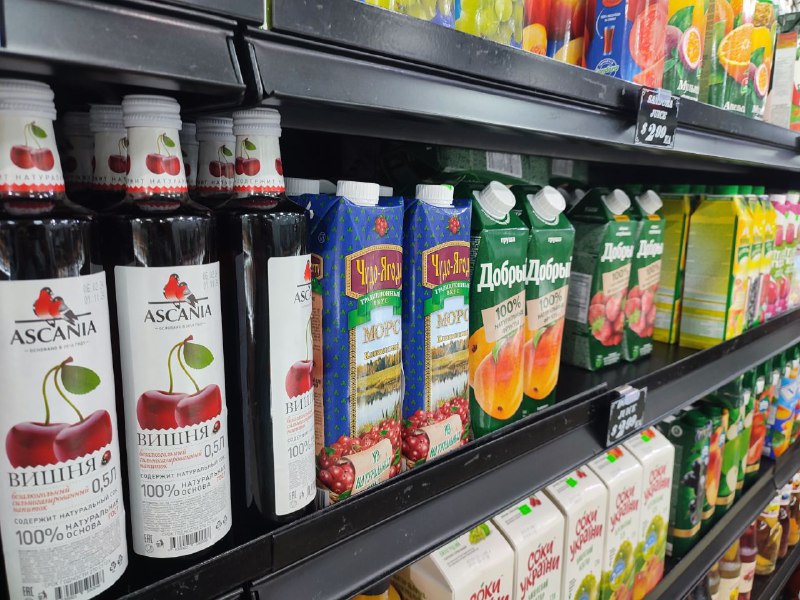
Russian shops are packed with goods from former Soviet countries. I've got no complaints about condensed milk from Natakhtari, but why people haul juice brands like J7, Dobry, and all that Miracle-Berry stuff across the ocean is beyond me. It's like the US doesn't have its own crappy juices or something. Obviously there's demand if they keep bringing it in. Anyway, enough griping about that.
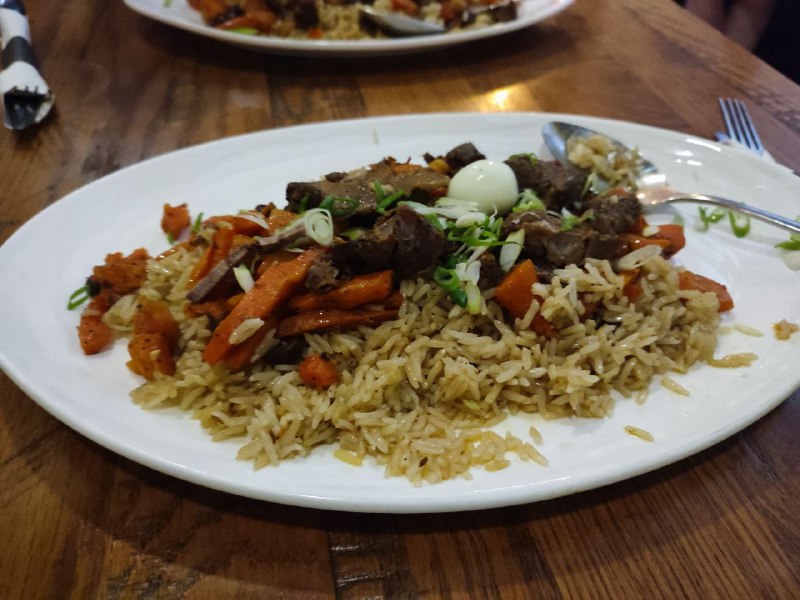
But I did have the best pilaf I've eaten all year here. I really miss that kind of food in Belgrade.
Russian shops are packed with goods from former Soviet countries. I've got no complaints about condensed milk from Natakhtari, but why people haul juice brands like J7, Dobry, and all that Miracle-Berry stuff across the ocean is beyond me. It's like the US doesn't have its own crappy juices or something. Obviously there's demand if they keep bringing it in. Anyway, enough griping about that.
But I did have the best pilaf I've eaten all year here. I really miss that kind of food in Belgrade.
►
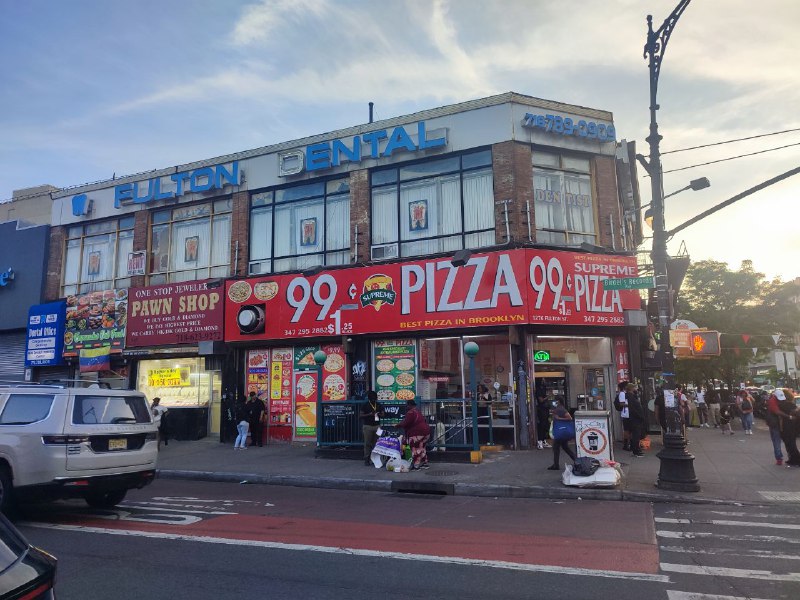
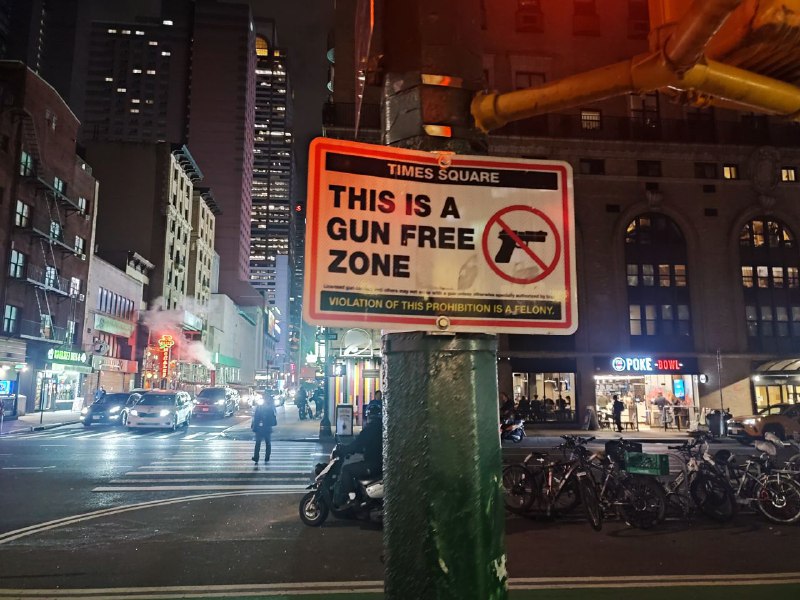
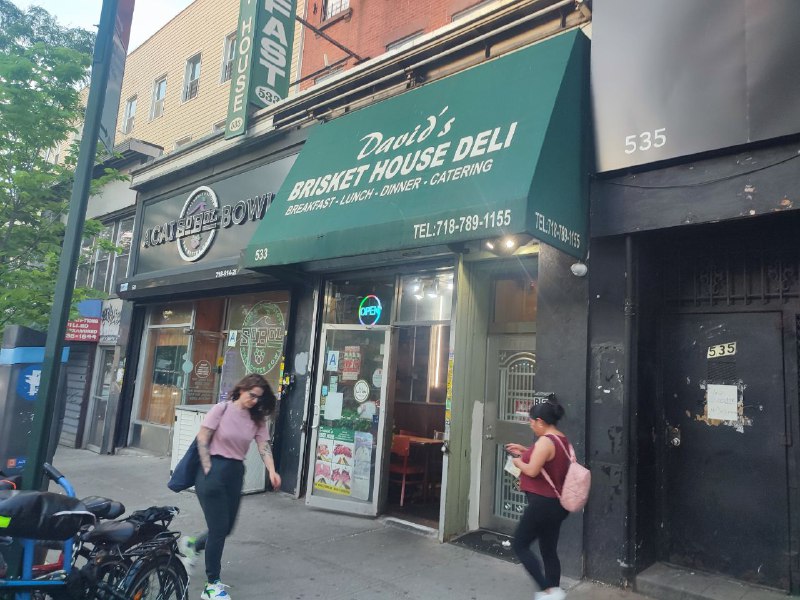
So in New York, those "99-cent pizza" joints don't actually sell pizza for 99 cents. And sure, it'd be one thing if they were just adding tax. But one of these places wanted $4 for a slice :(
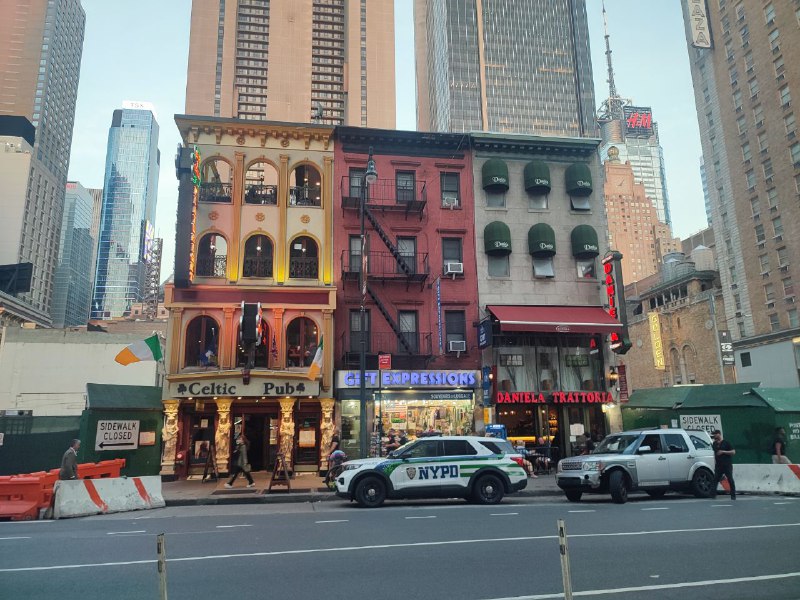
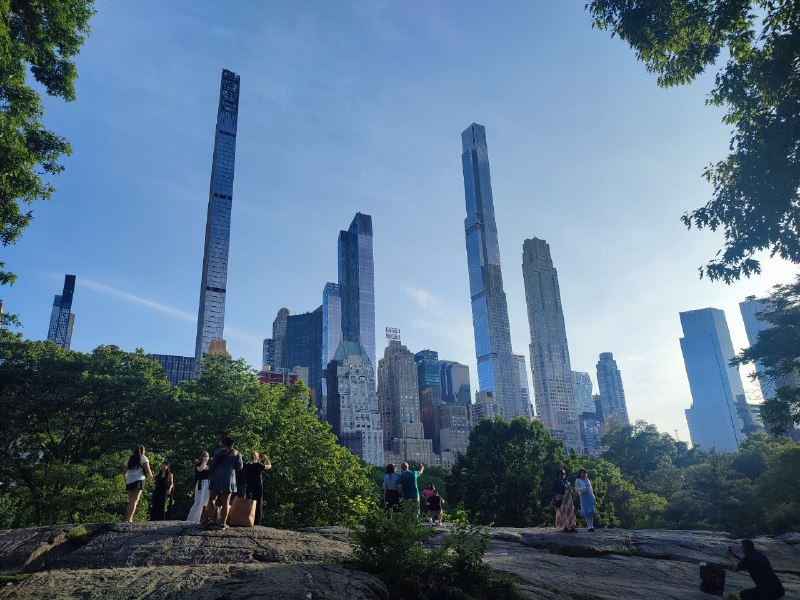
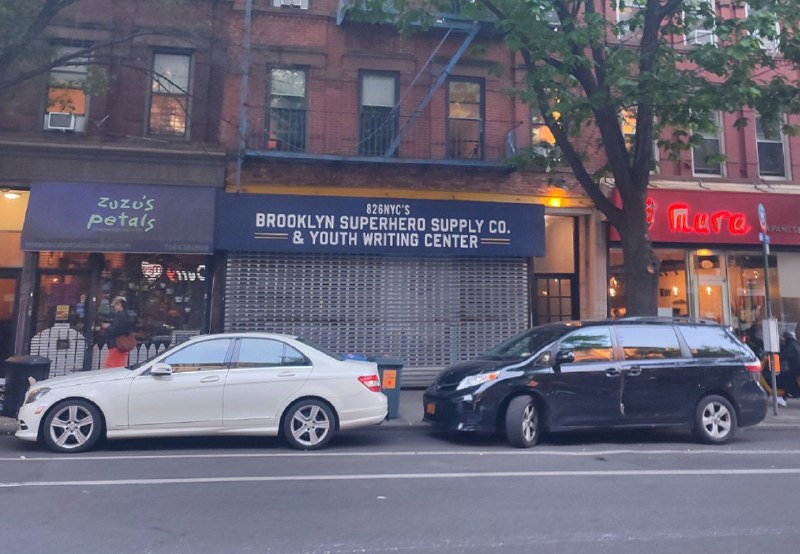
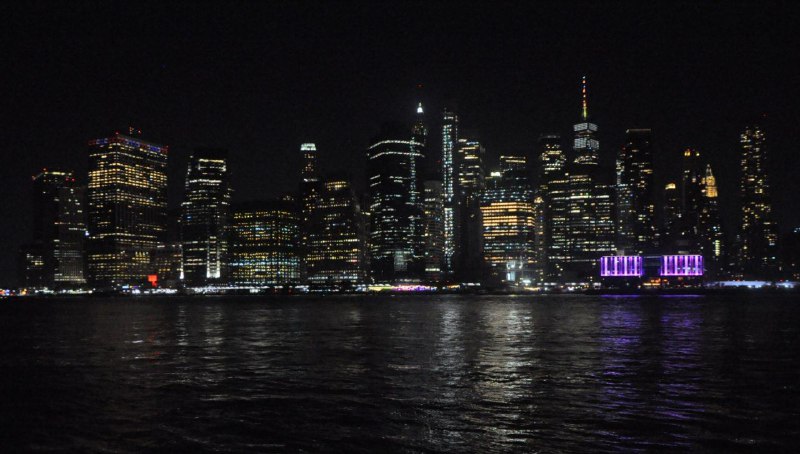
That said, the city's really charming in its little details. You can stumble into a Jewish deli run by Yemeni Muslims in the Caribbean quarter, or randomly discover a superhero shop, or spot a historic marker at the place where the first recorded fatal car accident happened, and you can even find the Ghostbusters headquarters. And honestly, I could go on for ages. Feels like you could spend a year here and still not see everything.
That said, the city's really charming in its little details. You can stumble into a Jewish deli run by Yemeni Muslims in the Caribbean quarter, or randomly discover a superhero shop, or spot a historic marker at the place where the first recorded fatal car accident happened, and you can even find the Ghostbusters headquarters. And honestly, I could go on for ages. Feels like you could spend a year here and still not see everything.
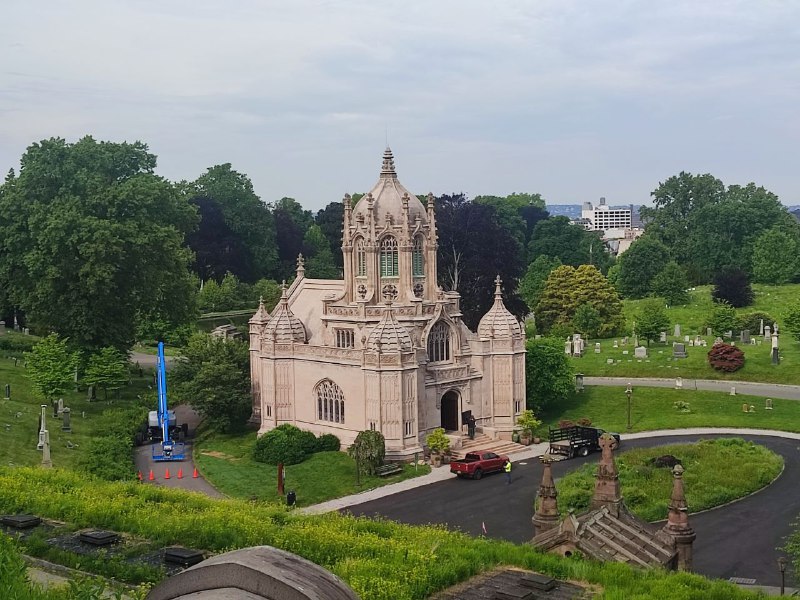
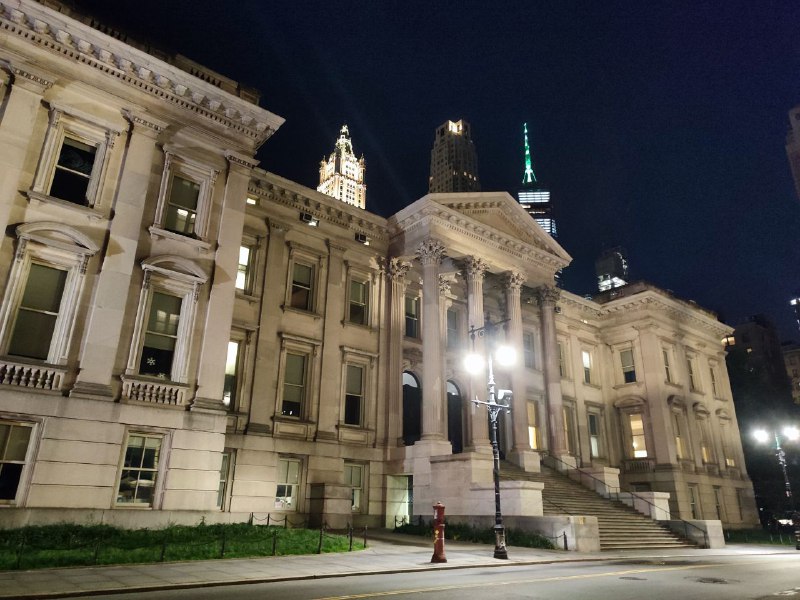
This New York courthouse cost American taxpayers more than the purchase of Alaska. Even though both events happened around the same time. $11M and $7.2M (roughly $300M and $196M in today's money).
The building was constructed by one of the most unprincipled American politicians — William Tweed — whose name became almost synonymous with corruption in America. The theft during construction was extensively covered by the press, and the leading political cartoonist was offered half a million dollars (an astronomical sum at the time) by the politician to draw about other topics instead.
Ultimately, the official was arrested and, ironically, tried right in the unfinished courthouse building that he himself had overseen.
Today the courthouse still stands and serves its functions. For example, a colleague's daughter got married there. And the building bears the name of that very same corrupt politician — Tweed Courthouse.
The building was constructed by one of the most unprincipled American politicians — William Tweed — whose name became almost synonymous with corruption in America. The theft during construction was extensively covered by the press, and the leading political cartoonist was offered half a million dollars (an astronomical sum at the time) by the politician to draw about other topics instead.
Ultimately, the official was arrested and, ironically, tried right in the unfinished courthouse building that he himself had overseen.
Today the courthouse still stands and serves its functions. For example, a colleague's daughter got married there. And the building bears the name of that very same corrupt politician — Tweed Courthouse.
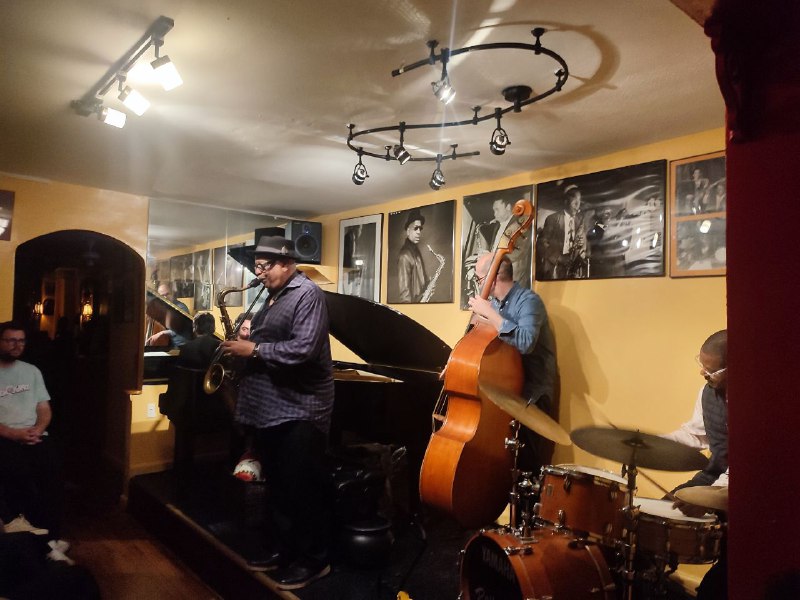
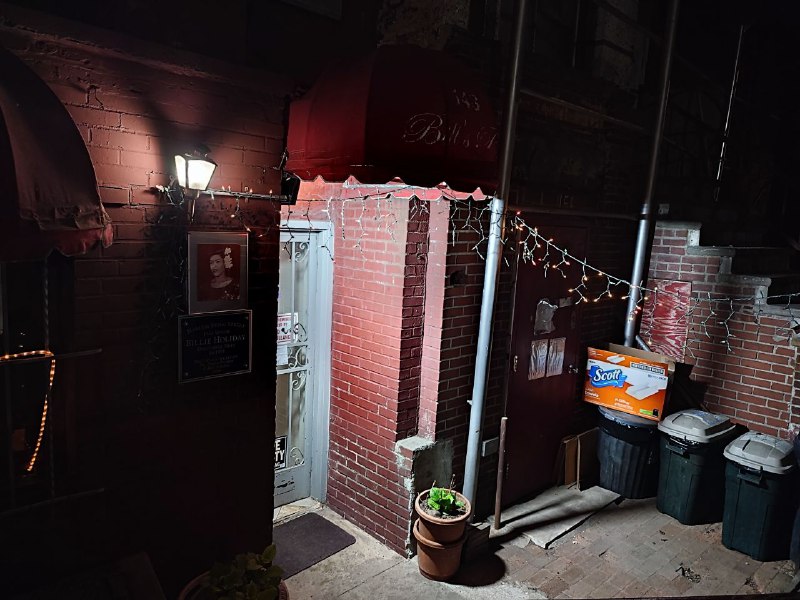
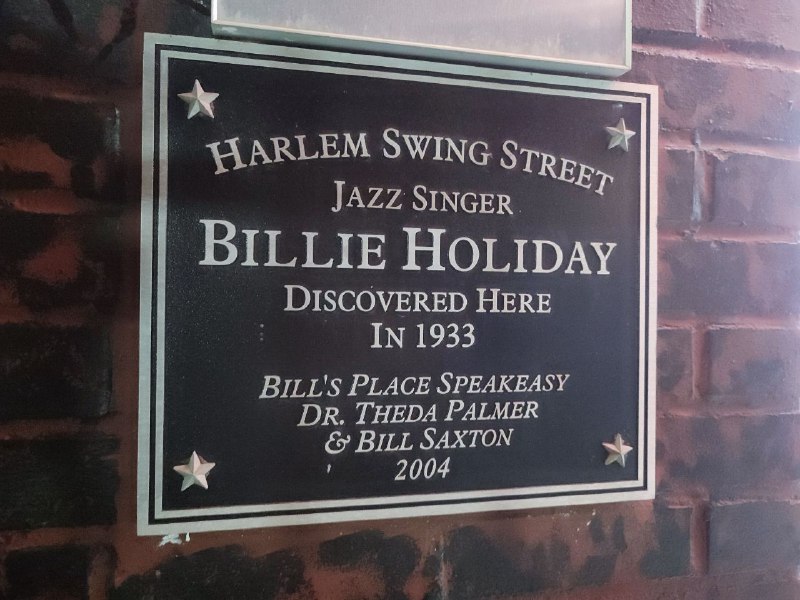
If you really want to immerse yourself in the atmosphere of Prohibition, underground speakeasies* and great music, New York has an option for you. In a small basement that fits 30-40 people right in the heart of Harlem, Bill Saxton plays excellent jazz. According to reports from the New York Times, they've managed to recreate the 1920s-1930s atmosphere with incredible accuracy. Not least because visitors are invited to bring their own alcohol, and the space is very small and intimate. If you're in the area, I highly recommend it.
———
*speakeasy — an American phenomenon of underground bars from the time when alcohol sales were prohibited. The name comes from the English "speakeasy" (speak quietly), though the term itself appeared decades before Prohibition in England to describe contraband establishments. Sometimes these drinking establishments were called "blind pig" or "blind tiger" because money was charged for viewing the animals, while alcohol was given as a gift. Americans invented endless ways to get around the law. They used everything imaginable to disguise the business, including funeral homes. In New York alone, there were between 30,000 and 100,000 such establishments in the 1920s.
———
*speakeasy — an American phenomenon of underground bars from the time when alcohol sales were prohibited. The name comes from the English "speakeasy" (speak quietly), though the term itself appeared decades before Prohibition in England to describe contraband establishments. Sometimes these drinking establishments were called "blind pig" or "blind tiger" because money was charged for viewing the animals, while alcohol was given as a gift. Americans invented endless ways to get around the law. They used everything imaginable to disguise the business, including funeral homes. In New York alone, there were between 30,000 and 100,000 such establishments in the 1920s.
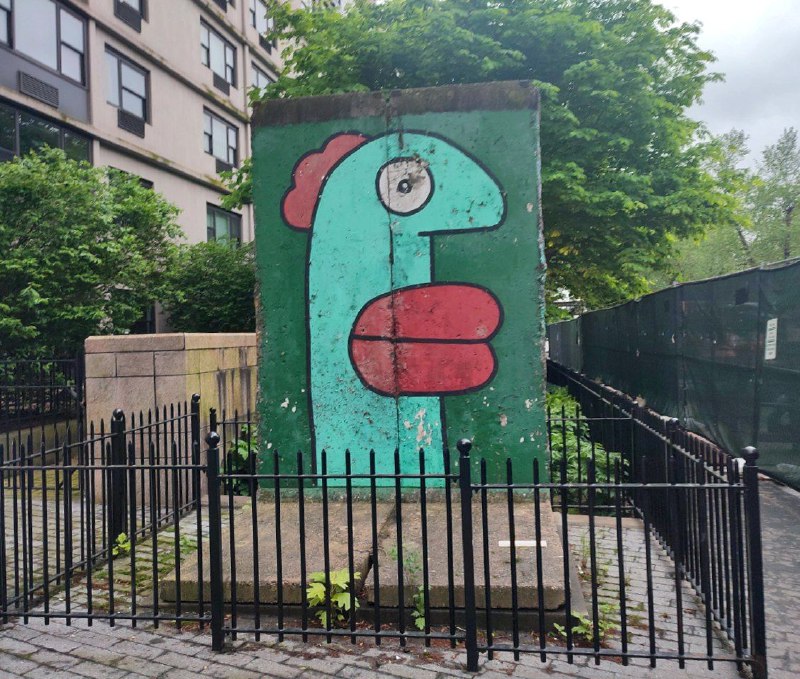
Remember the Berlin Wall in Singapore?
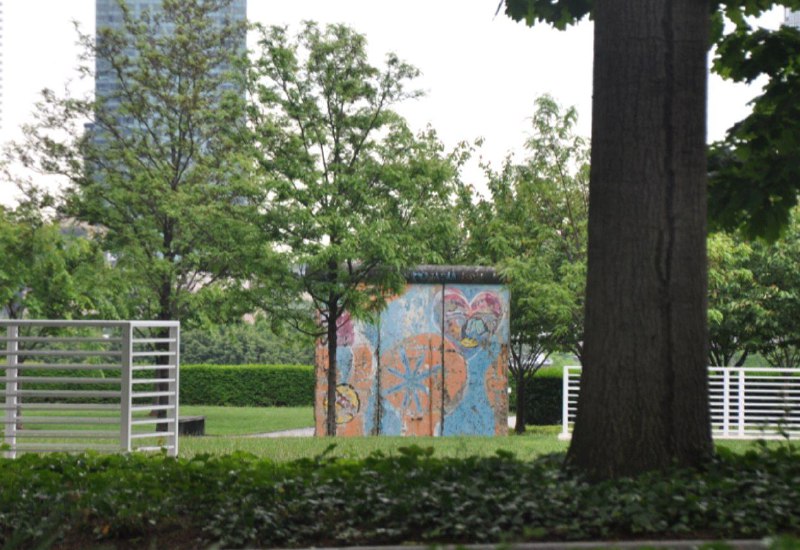
New York has some too! Several pieces actually. Foursections in differentlocations, though two aren't accessible right now.
Turns out the wall got scattered all over the world. You can see it in Sydney and Cape Town, in Moscow and Guatemala, in Kyiv and Tokyo, and tons of other cities. In the US, it's basically in practically every major city. Here's a complete list.
Did I just save you a trip to Berlin? :)
New York has some too! Several pieces actually. Foursections in differentlocations, though two aren't accessible right now.
Turns out the wall got scattered all over the world. You can see it in Sydney and Cape Town, in Moscow and Guatemala, in Kyiv and Tokyo, and tons of other cities. In the US, it's basically in practically every major city. Here's a complete list.
Did I just save you a trip to Berlin? :)
Countries
 United Kingdom3
 Serbia100
 Bosnia and Herzegovina54
 Turkey42
 United Arab Emirates3
 Brunei2
 Indonesia12
 Malaysia15
 Argentina16
 USA117
 Morocco5
 Georgia5
 Egypt16
 Hong Kong8
 China4
 Vietnam9
 Tunisia7
 Montenegro9
 Philippines12
 Singapore10
 Oman12
 Algeria12
 North Macedonia5
 Lebanon11
 Israel27
 Albania17
 Russia63
 Tanzania50
 Netherlands7
 Spain14
 Latvia2
 Germany7
 Belgium3
 France27
 Kazakhstan32