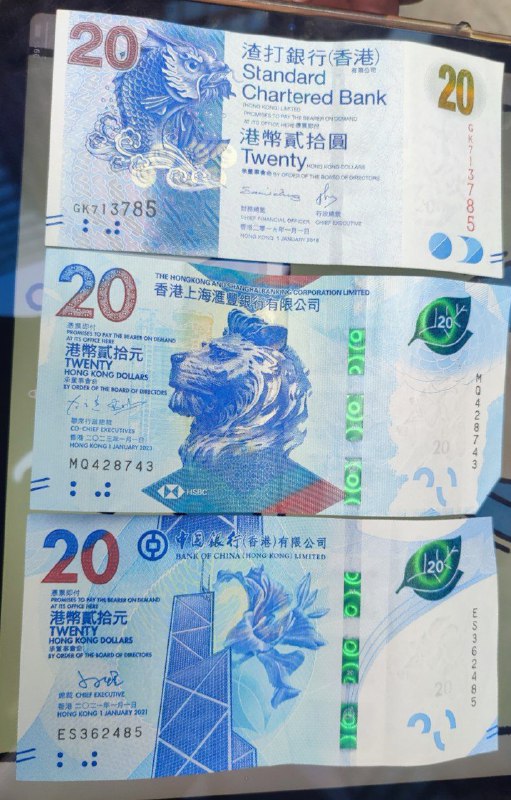
Since I've already started talking about banks, here's something interesting: even though Hong Kong is considered part of China, it has its own currency. But here's the kicker—it's not printed by the local central bank. Instead, three commercial banks print it: HSBC, Standard Chartered Bank, and Bank of China. And each one has their own design (sometimes even multiple versions). Talk about a counterfeiter's paradise! :)
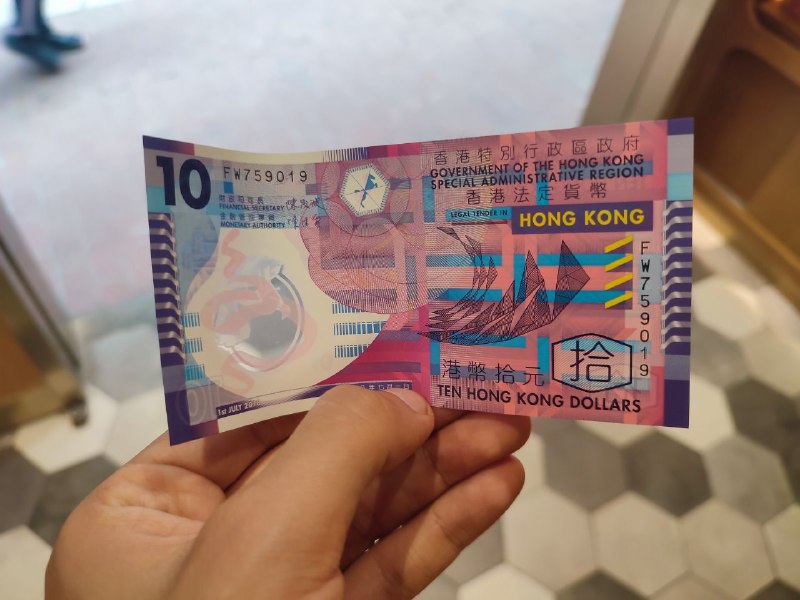
The only exception is the ten-dollar note. That one's printed by the central bank itself.
Hong Kong is feng shui territory. You won't notice it at first glance, but a lot is governed by this practice. It gets to the point where building heights or park locations are determined by feng shui experts' recommendations. And there have actually been feng shui wars!
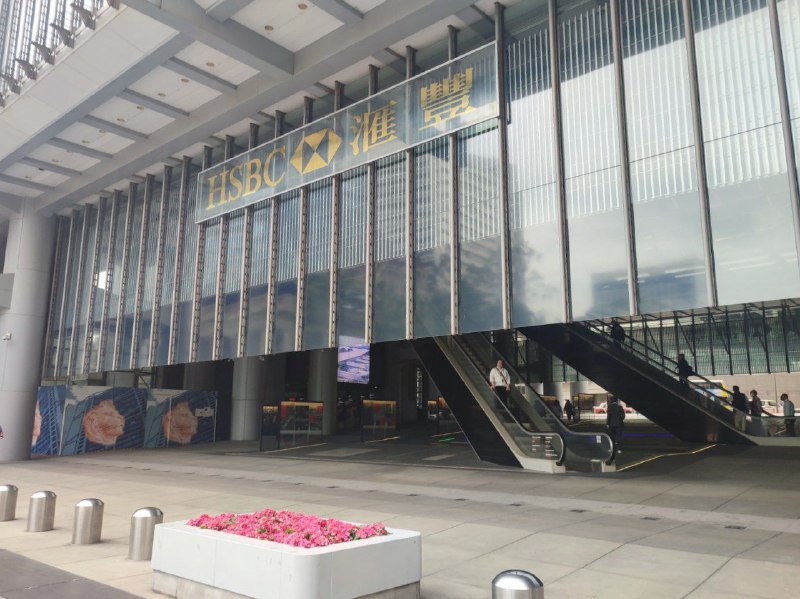
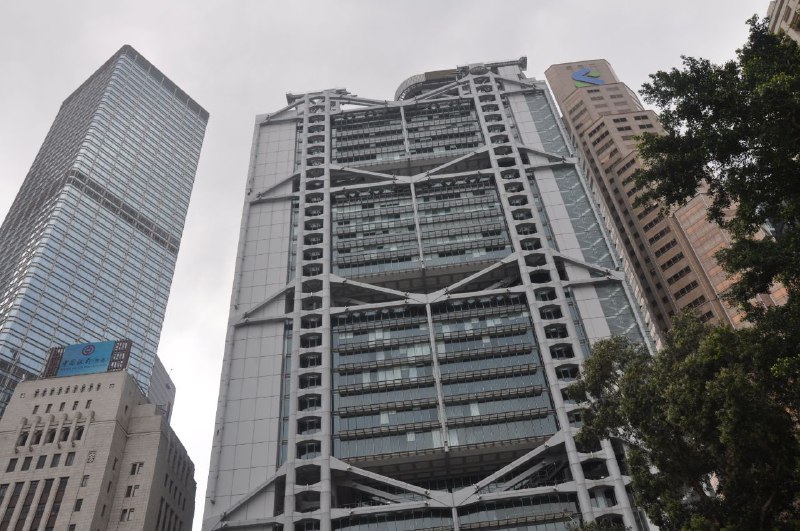
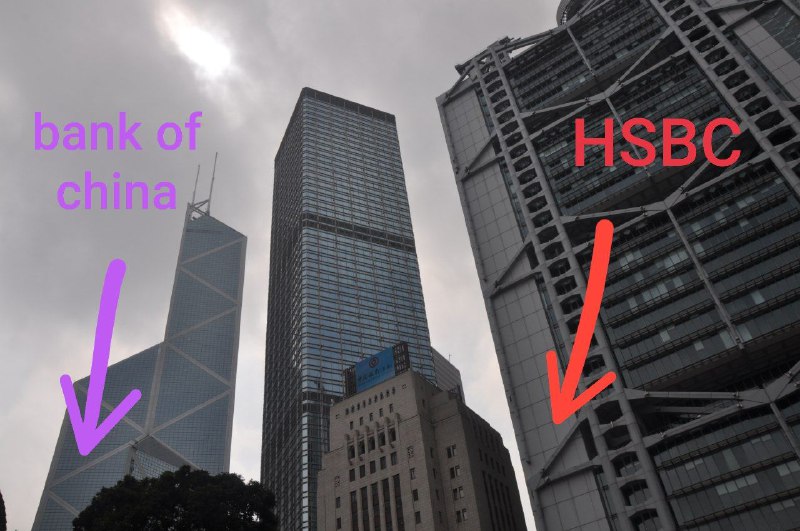
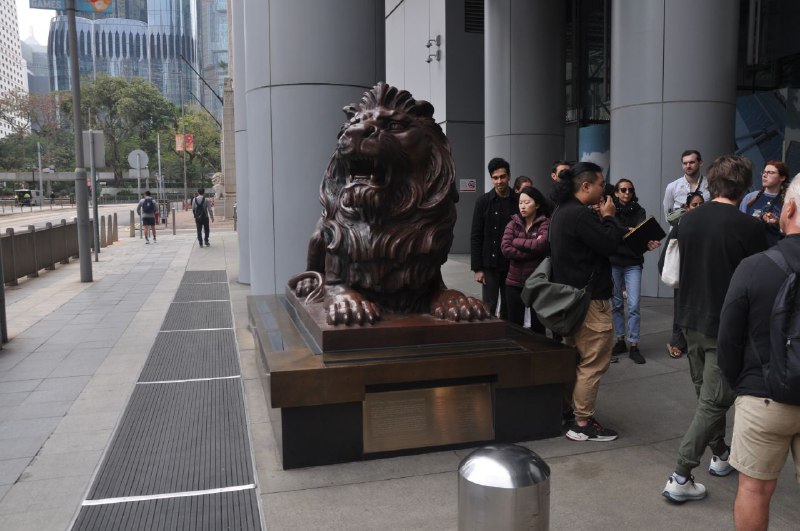
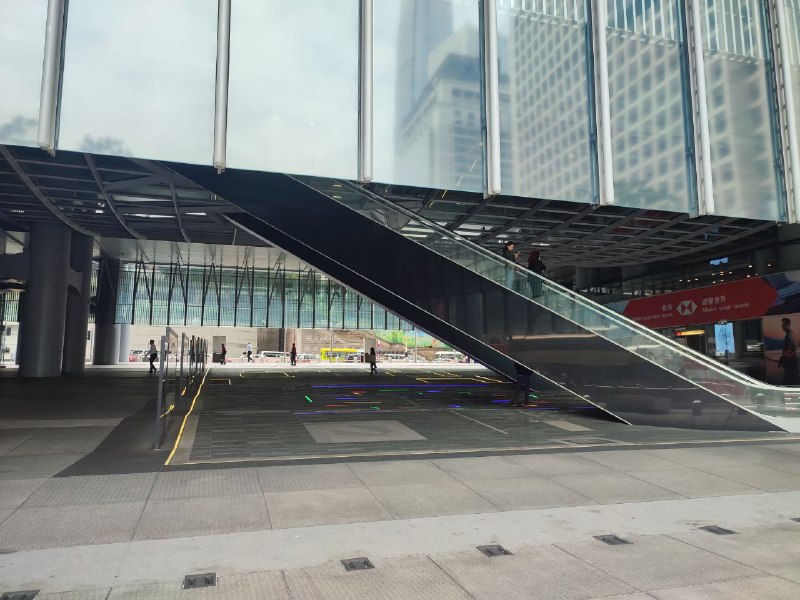
The most famous showdown was between HSBC bank and Bank of China. The first built its headquarters following all the rules: mountains in the back, water in front (and the company bought up all the space from the building to the water and created a park there, making sure no one could block access to the water), no ground floor (to keep space for the wind that brings wealth). Everything was going great until the Chinese bank built right next to them.
The new building was taller. So HSBC had to add more floors. In response, the Chinese bank bought the adjacent land and built an even taller skyscraper, then installed a structure on the roof that looked like a sword pointed at their competitor. HSBC had to defend itself: they put cannons on their roof (people can't get close to them, but they're visible from the street and in photos).
This could have gone on forever, but then the Cheung Kong Centre was built between the two banks. It acted as a feng shui barrier, and the need to "fight" disappeared.
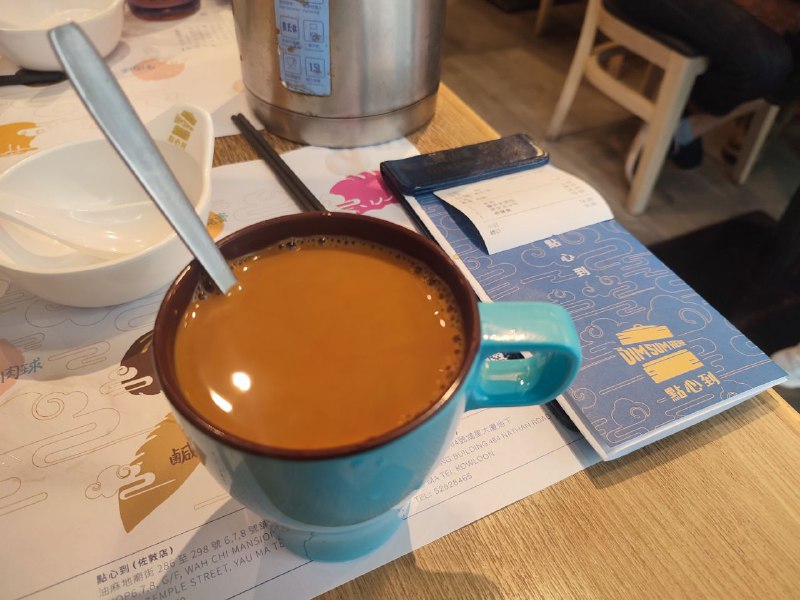
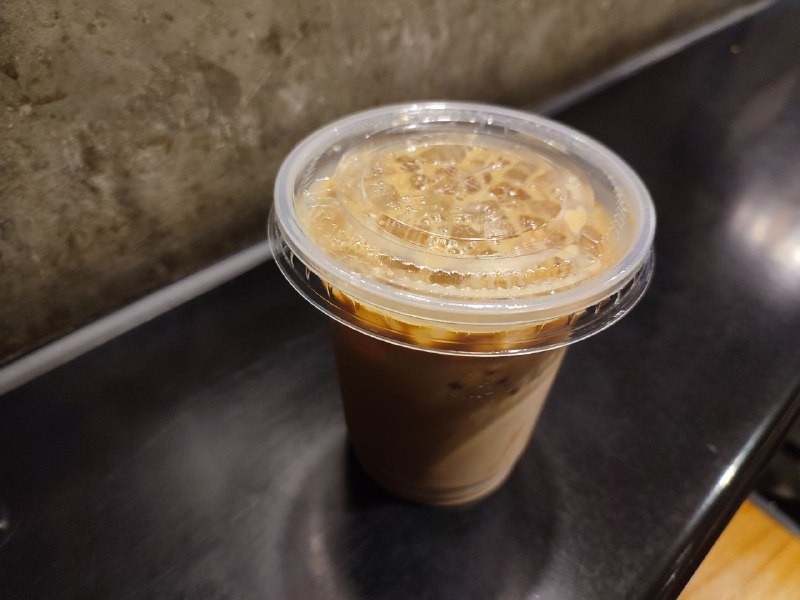
People in Hong Kong took the idea that it's a meeting point of Chinese and Western cultures way too literally and decided to mix coffee with tea 😅
There's no special name for it—they just write "coffee with tea and milk" on the menu (sometimes condensed milk). I wasn't too keen on the hot version, but the cold one? Absolutely great. Definitely worth trying at least once.
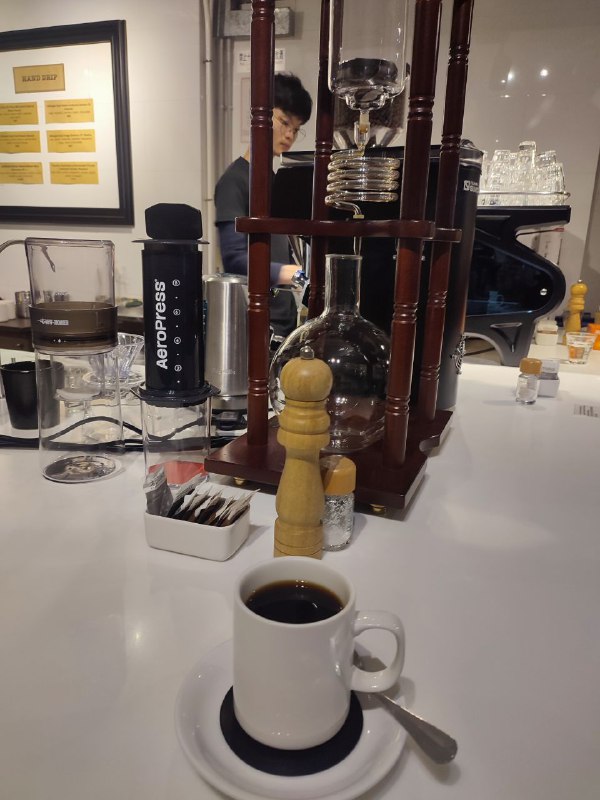
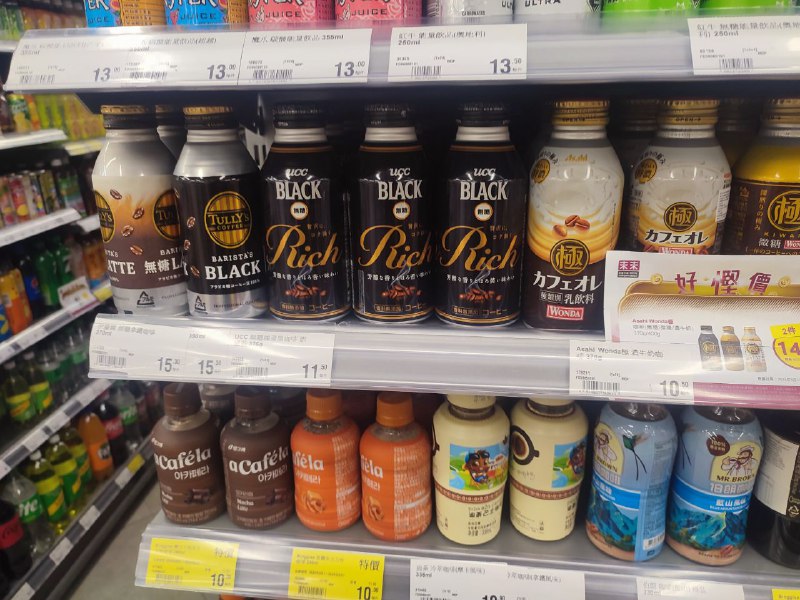
All in all, the coffee situation here is way better than it was in the Philippines. There are tons of cafés. You can even buy ready-made coffee at regular shops.
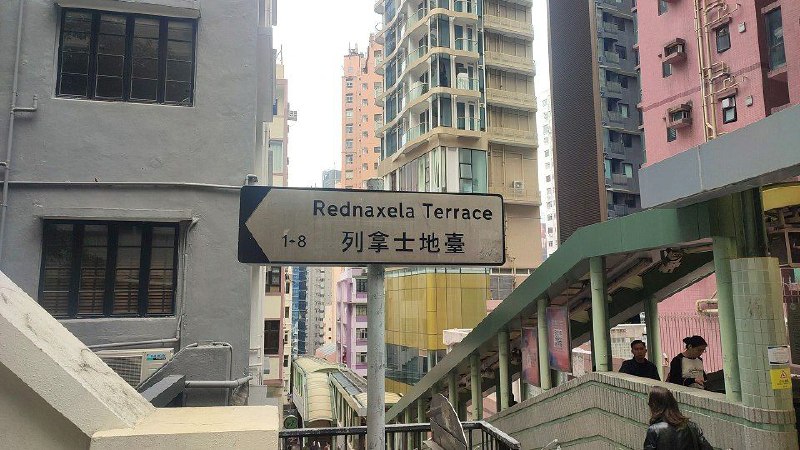
As a bonus, you can try to guess what's wrong with the name of this Hong Kong alley :)
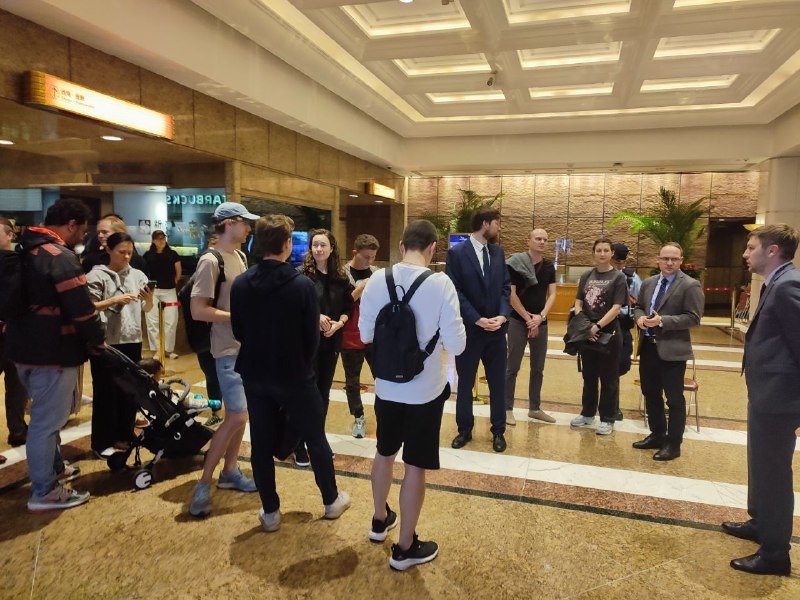
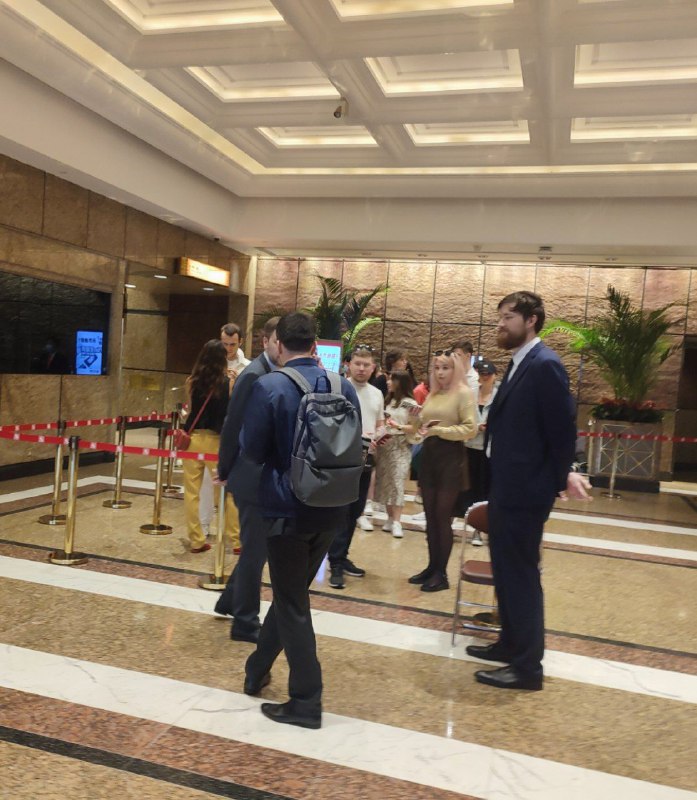
I've never voted from abroad before. I've got a layover in Hong Kong in a few days. I managed to make it to the consulate around noon today. I even had to wait in line – somehow a bunch of people showed up at exactly the same time.
I really liked this offhand comment one of the staff members made: "It's like everyone agreed to come right now." And they really did.
The whole process isn't really different from voting back home. The only thing is they confiscate your phones at the entrance (it's a consulate after all). And the local building security was pretty stressed about the sudden crowd. The consulate itself is pretty small, so they had to set up the queue in the foyer on a different floor.
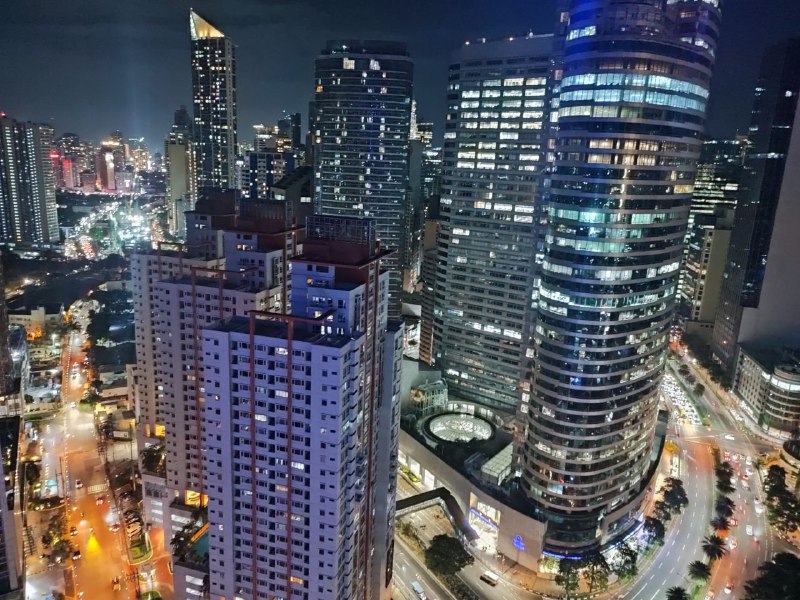
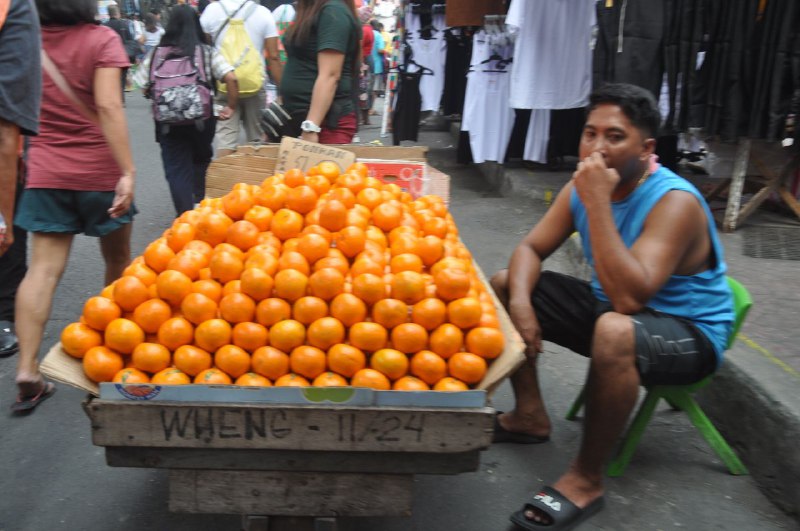
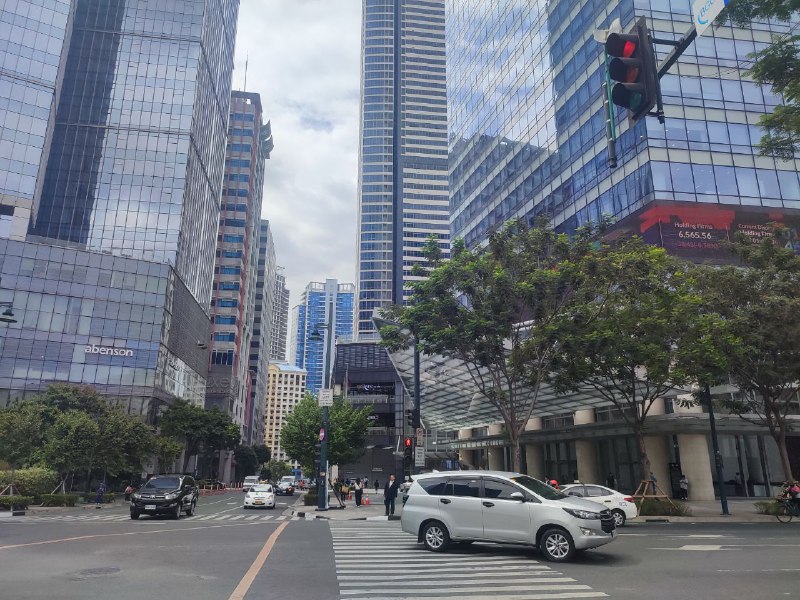
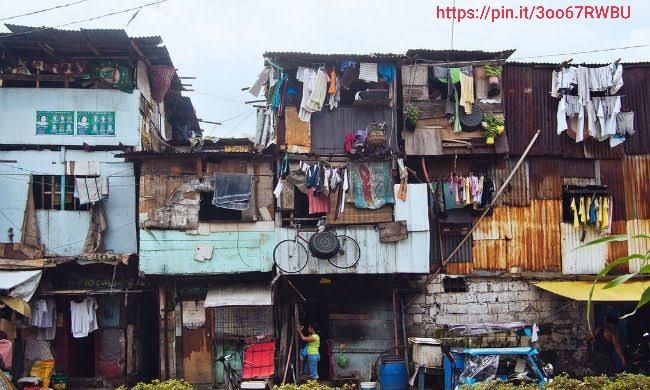
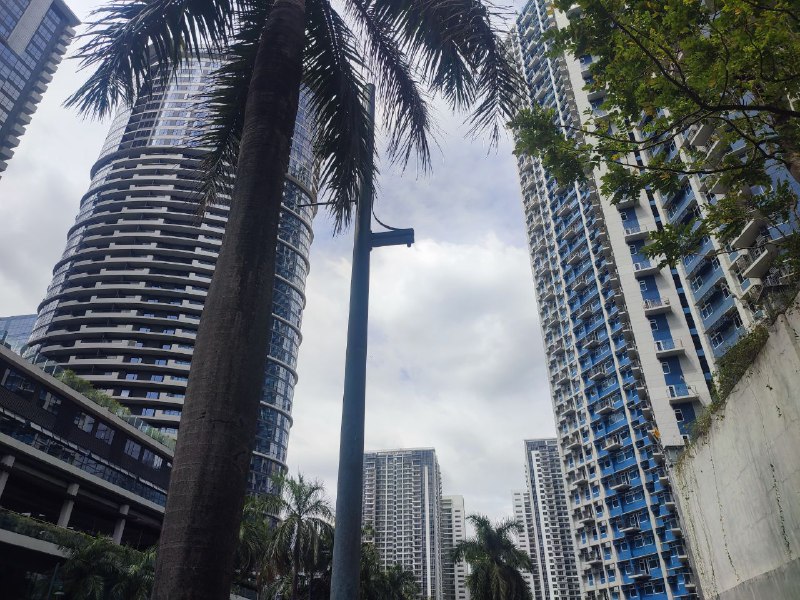
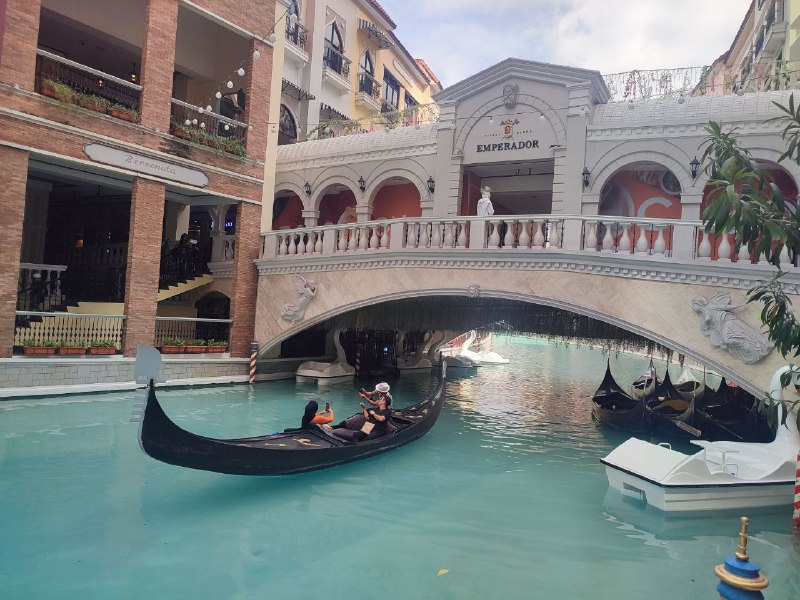
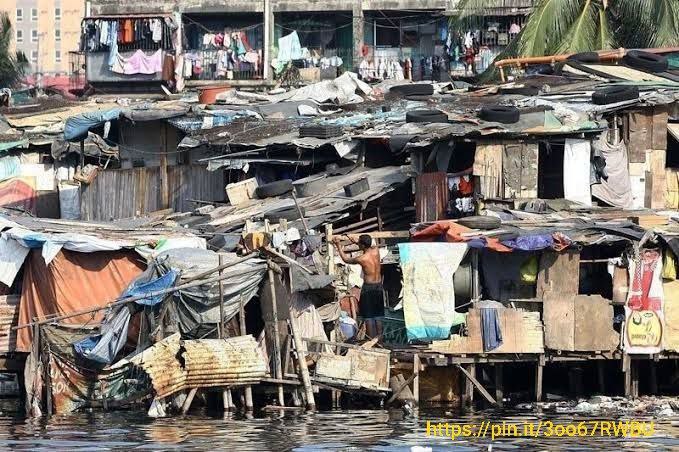
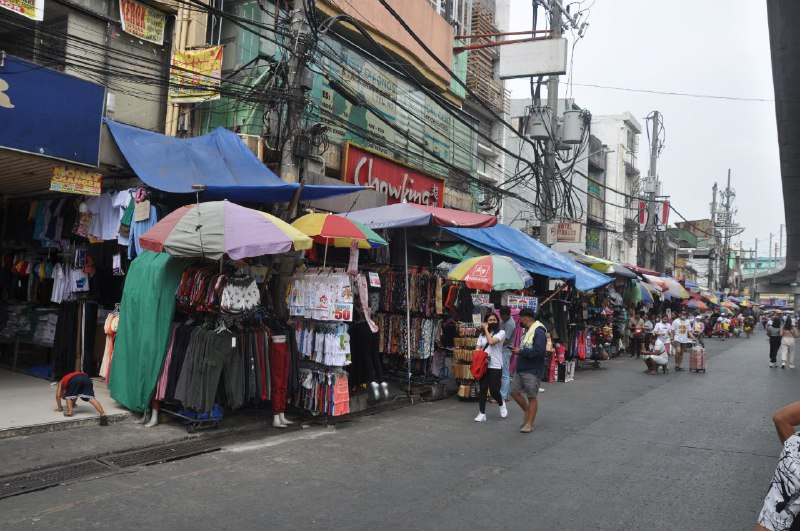
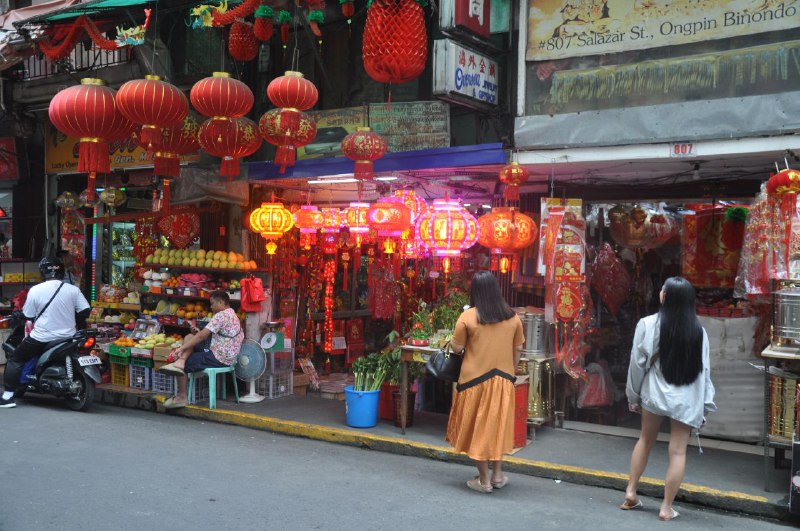
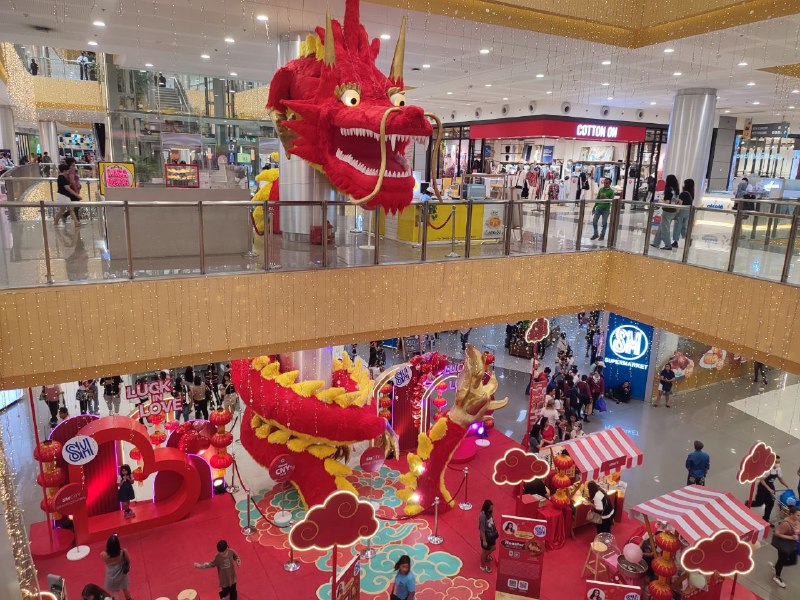
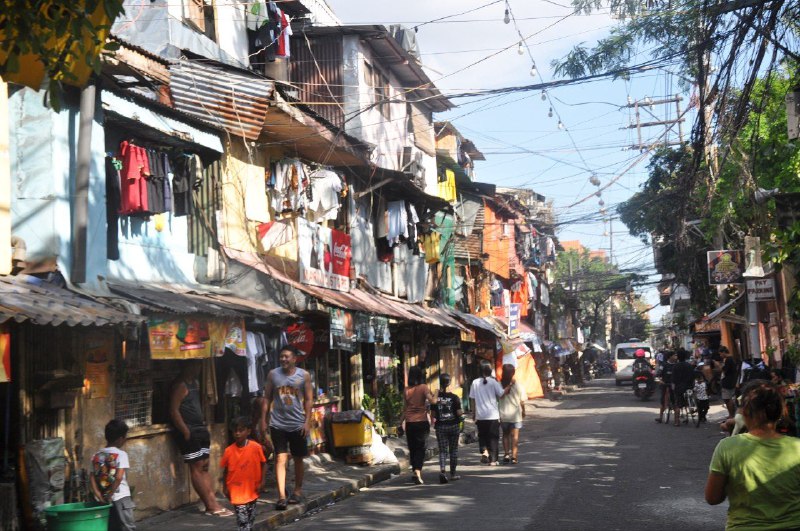
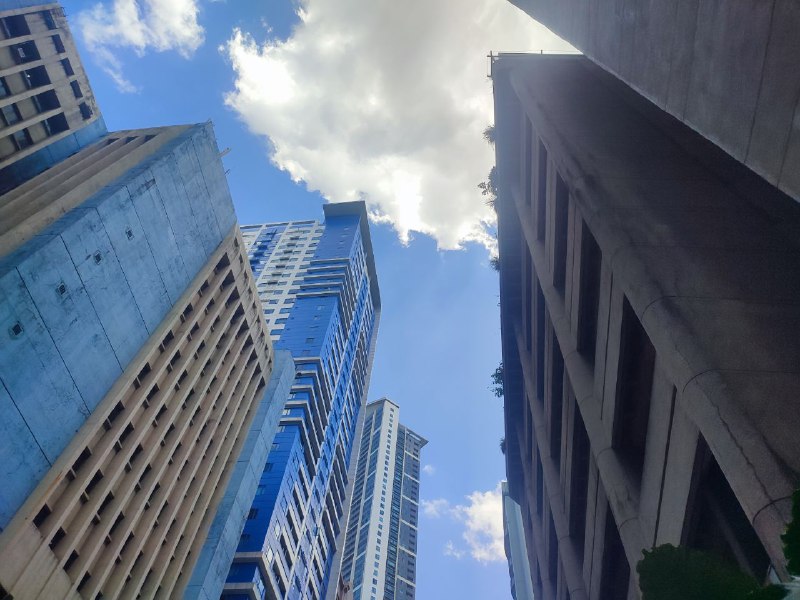
In the Philippines, neighborhoods with massive skyscrapers sit right next to slums. Gigantic modern malls (there's even one styled like Venice with canals and gondoliers) stand not far from street markets that remind you of Moscow's Cherkizovo market.
I didn't make it all the way to the slums themselves, but I found a couple of pictures online (they're credited to their sources).
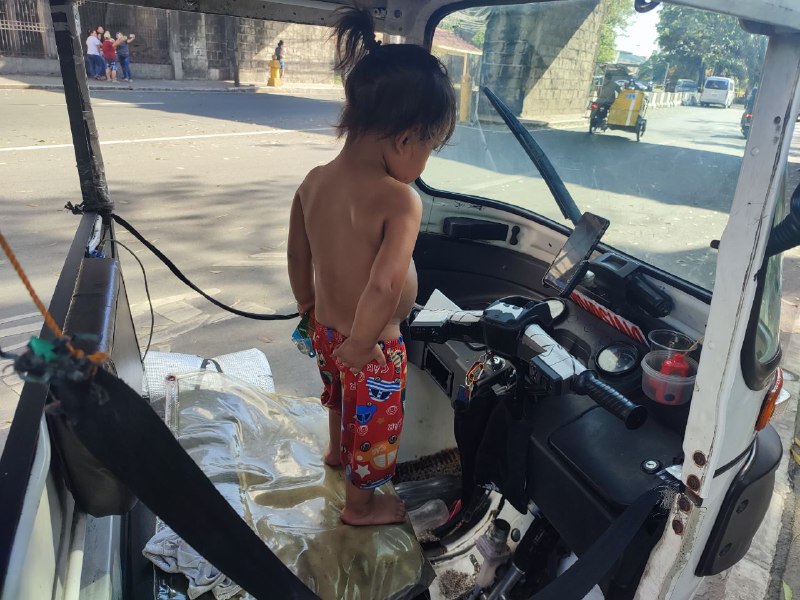
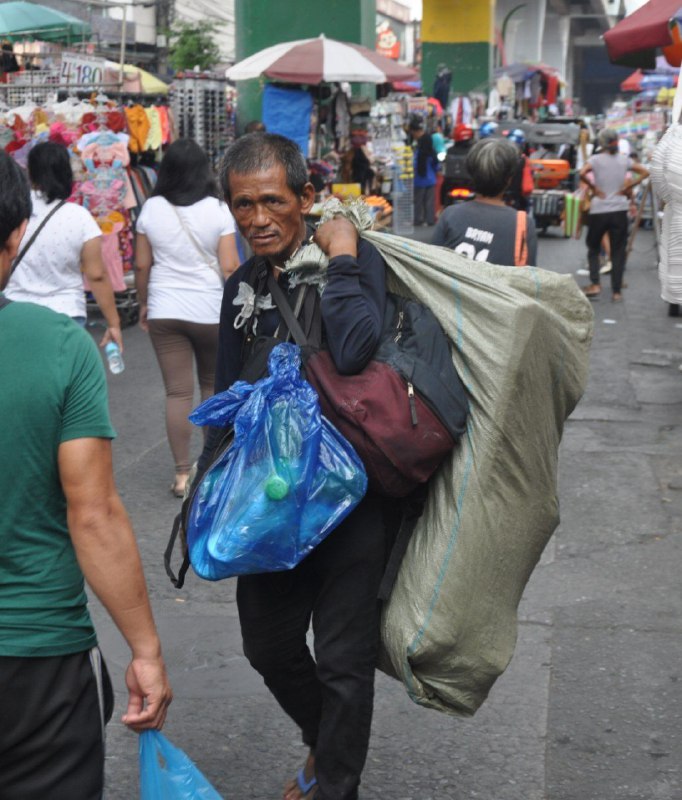
People on the streets don't really bother you much, but it's good to keep an eye on your stuff. There are quite a few
Badjao guys around here (like in the second-to-last photo). A lot of them live on the streets—they're sometimes called "sea gypsies"—and some of them might resort to theft. Locals told me several times that it's better not to flash your gadgets and money around on the streets.
Anyway, it was pretty interesting here. I'll come back sometime. Salamat po.
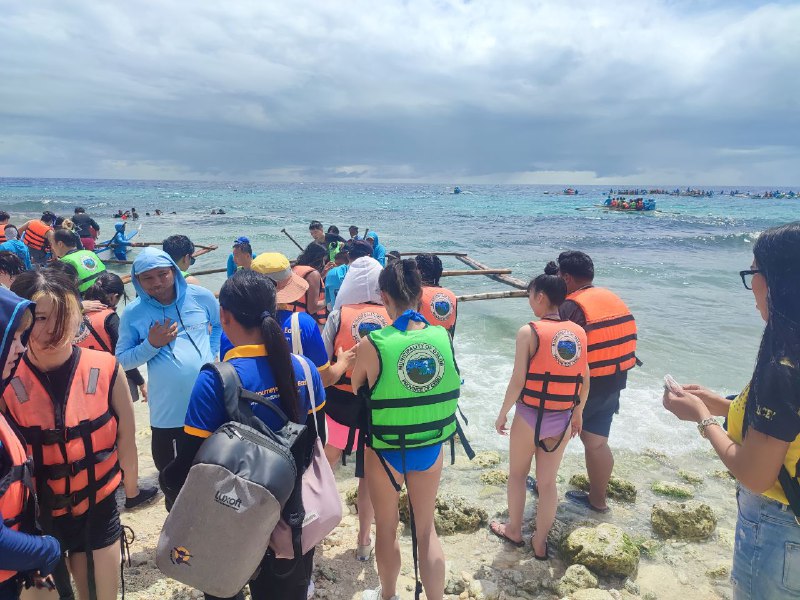
Swimming with whale sharks wasn't what I expected at all. You won't find anything more touristy in all of the Philippines, honestly.
I got to the spot at 7:20 AM. At registration, they gave me number 186 (though it's not an individual number—it's for a group, so there were way more people). I had to wait 3 hours for my turn (at least you can run off to check out the waterfalls and grab a bite instead of just sitting on a chair).
Then they put you in a boat and take you out a couple hundred meters from shore. They constantly throw food to the sharks and they swim along the tourist boats (I doubt that's actually good for them). You can jump in the water and splash around nearby (it's safe), but you can't touch them.
It's interesting to see, but you leave feeling like you've been run through a factory conveyor belt. Everything felt so mechanical. Soulless. If I'd known it would be like this, I would've spent my time and money on something else.
The Philippines totally blew my mind when it comes to food. Sorry for being so clueless, but you know those tiny super-hot peppers that are impossible to touch with your tongue? I always wondered how people actually eat them. I went out to dinner with some locals and they showed me you just need to make a small slit in the pepper and drop it into a little dish with soy sauce. It's absolutely amazing. I mean, I already knew you're supposed to mix wasabi into sauce and it works great. But I never thought to do the same thing with peppers.
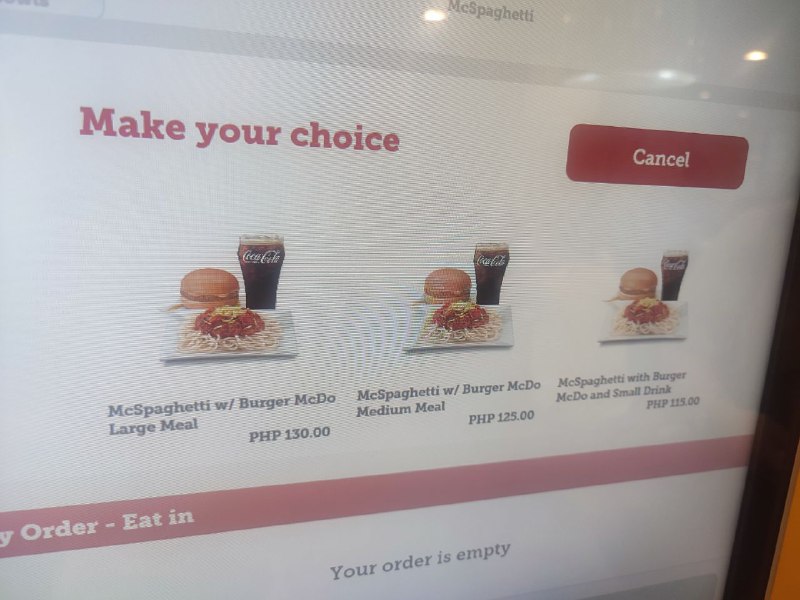
The local McDonald's actually serves spaghetti! I didn't want to try it (not a fan of eating there), but I'm pretty sure you won't find that in McDonald's anywhere else in the world.
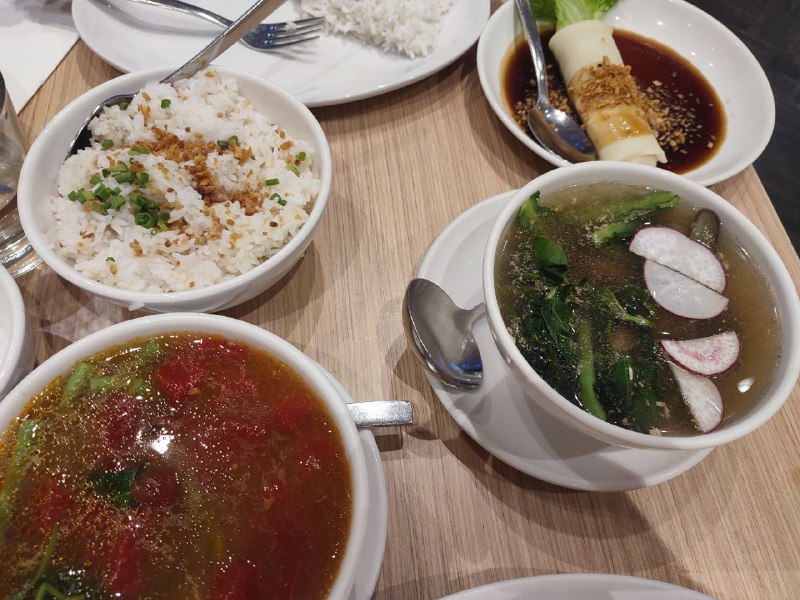
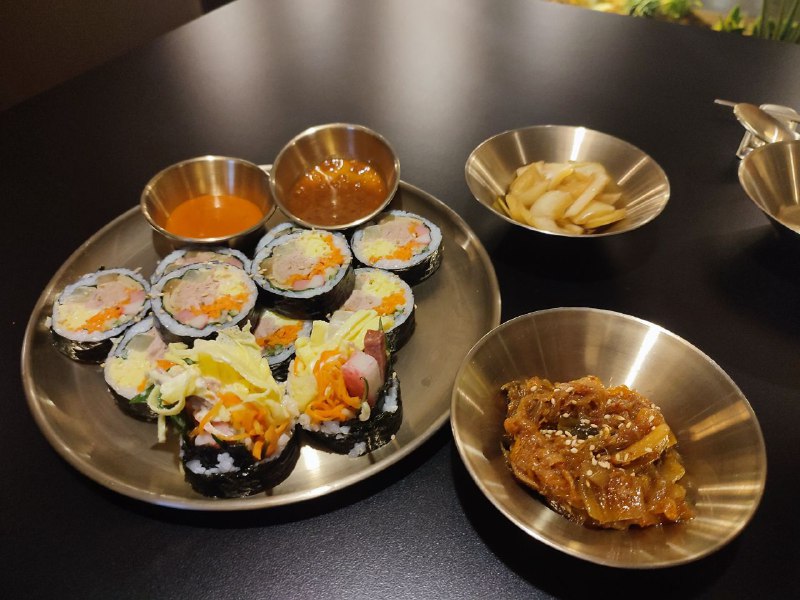
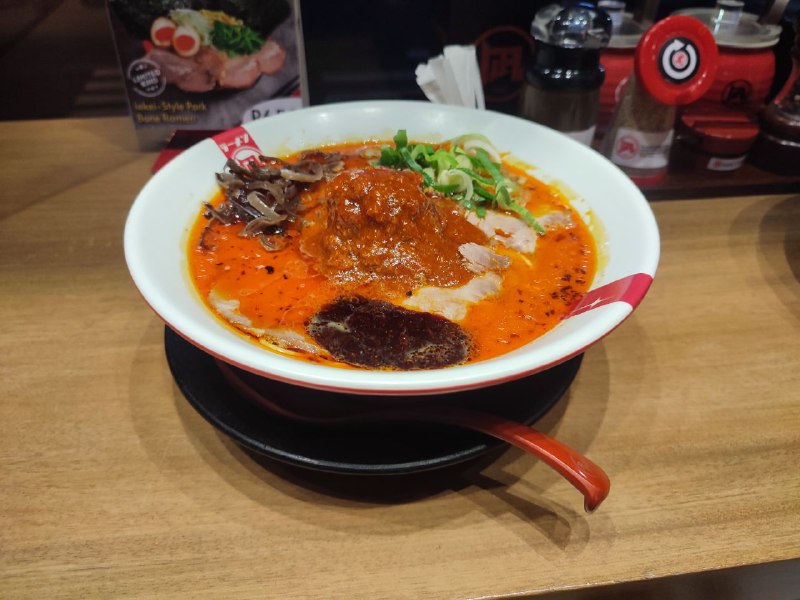
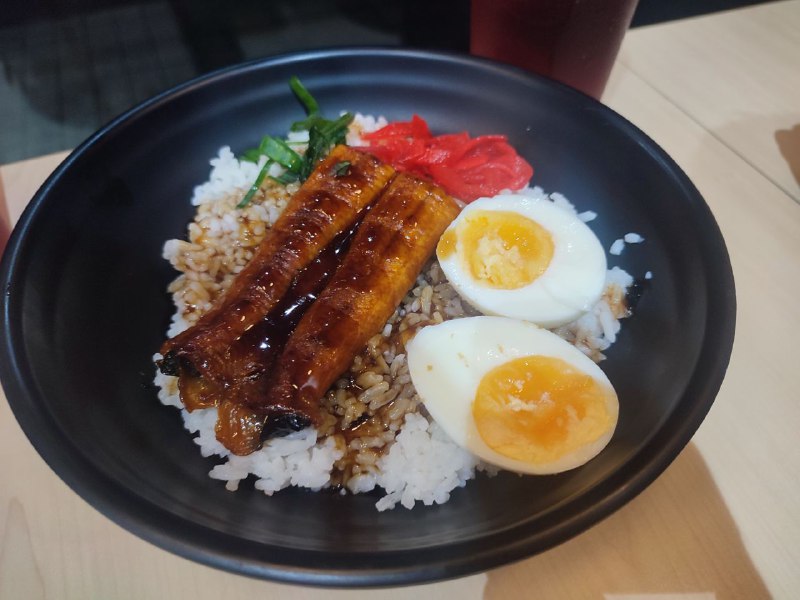
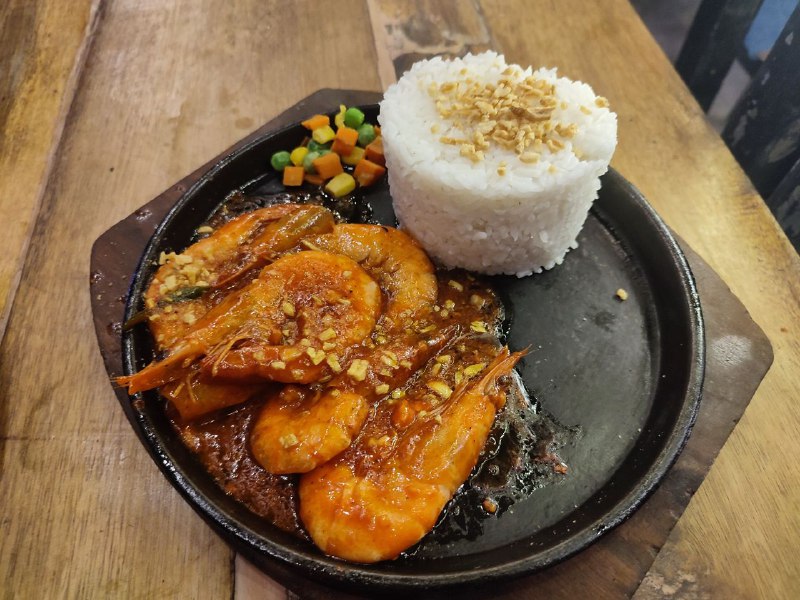
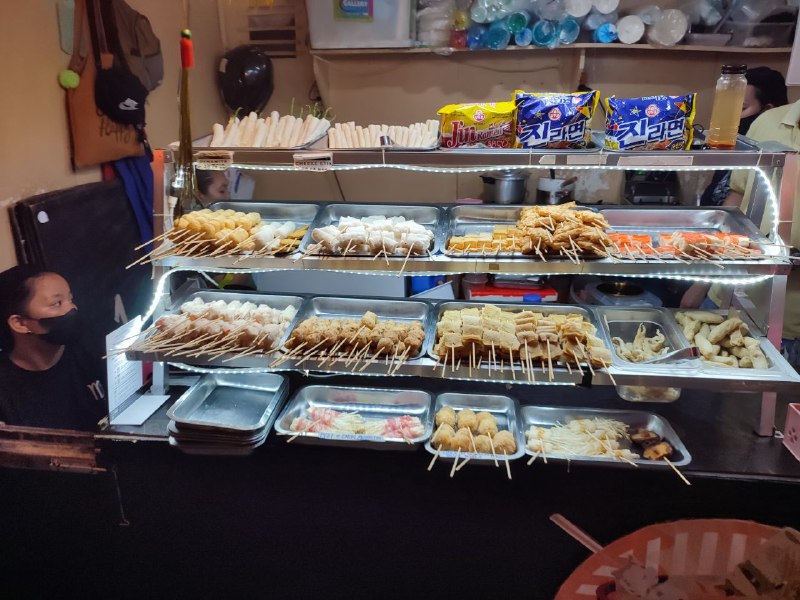
The food here is really tasty and super cheap. Lots of Japanese and Korean restaurants. And the Filipino places are great too. In bigger cities you can find places to eat even at 2 in the morning. After Belgrade, I'd kind of forgotten places like that existed. If you eat on the street, you'll be
actually ahead financially spending next to nothing.
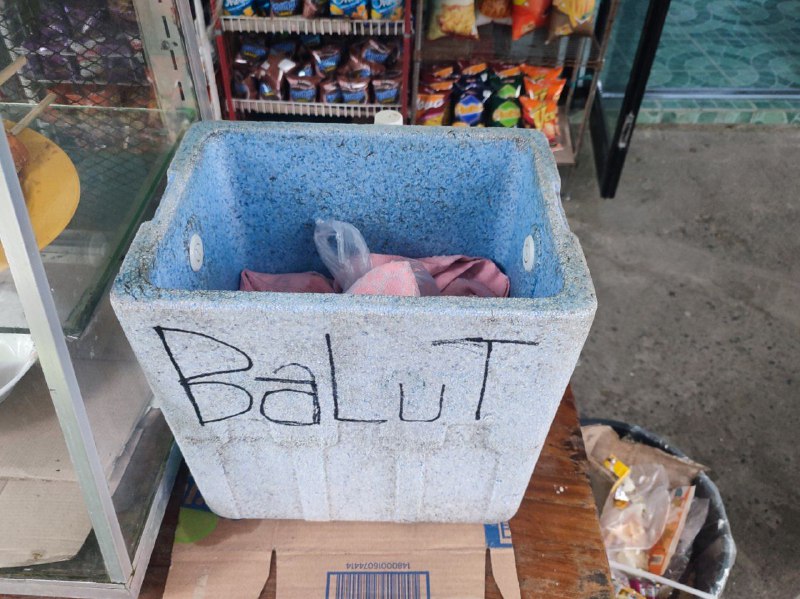
I also tried the local
balut (it's a duck egg with an already-formed embryo inside). When I read the description, I thought there'd be like a whole little duckling in there with basically no egg white or yolk left. In reality, the embryo doesn't take up that much space, it's really hard, and honestly people just leave it. You eat everything else, generously seasoned with hot soy sauce and vinegar. It's definitely an acquired taste. But hey, you can try it sometime.
The Philippines is thousands of islands. And incredibly clear water. And sun that you can easily get burned by.
One of the local activities is hopping around by boat from island to island. Though the water is crystal clear, the islands themselves have quite a bit of trash on them if tourists visit at all (which is sad).
PS. The islands in the video are near Cebu, but you can find pretty much the same scenery not just here.
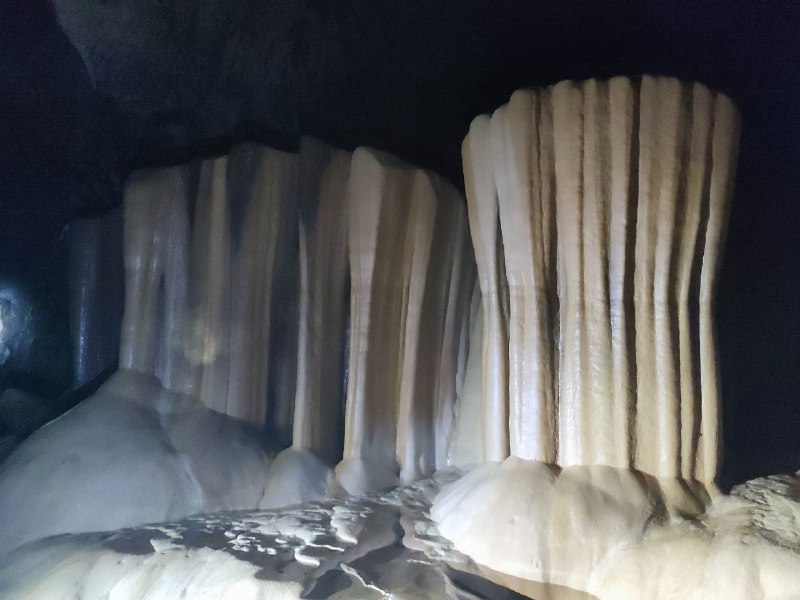
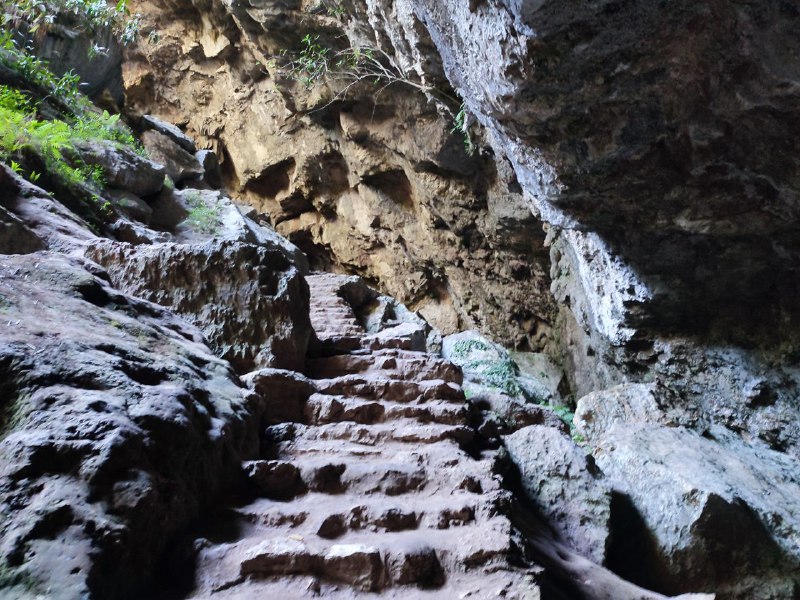
I mentioned a Serbian cave with bats recently. Well, compared to that
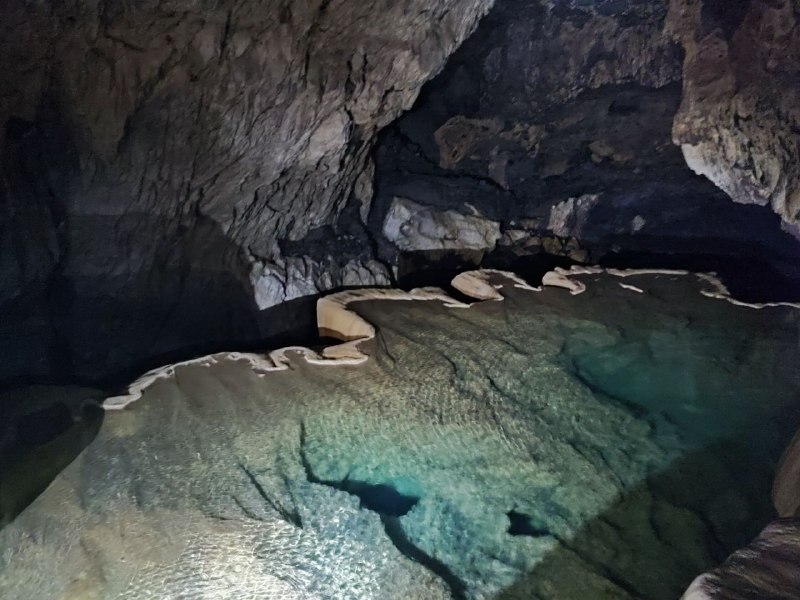
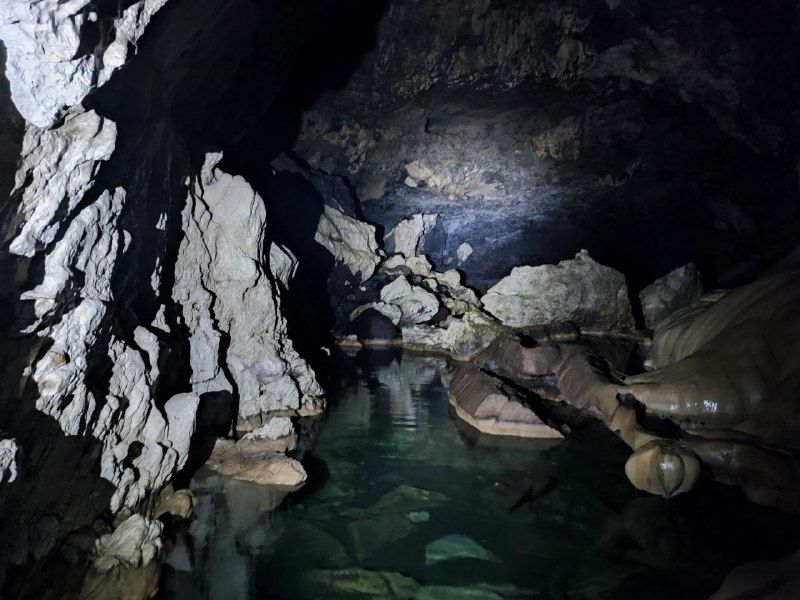
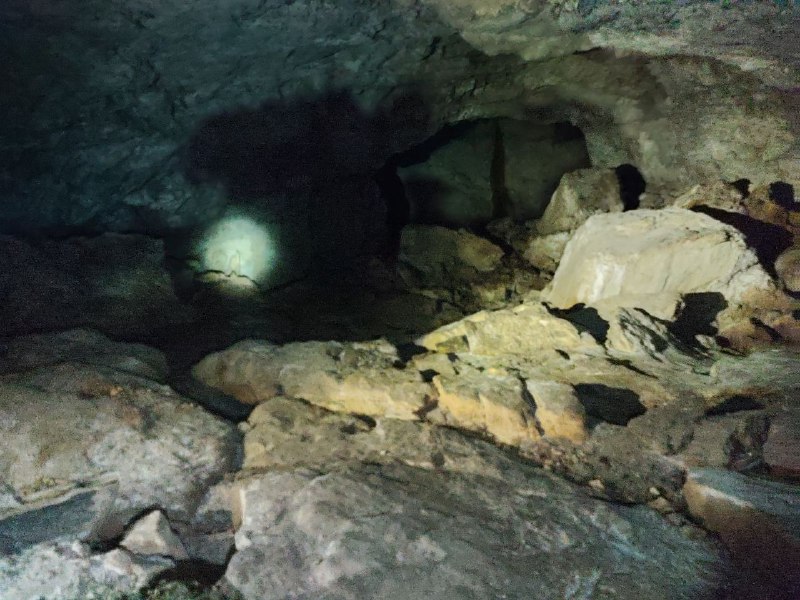
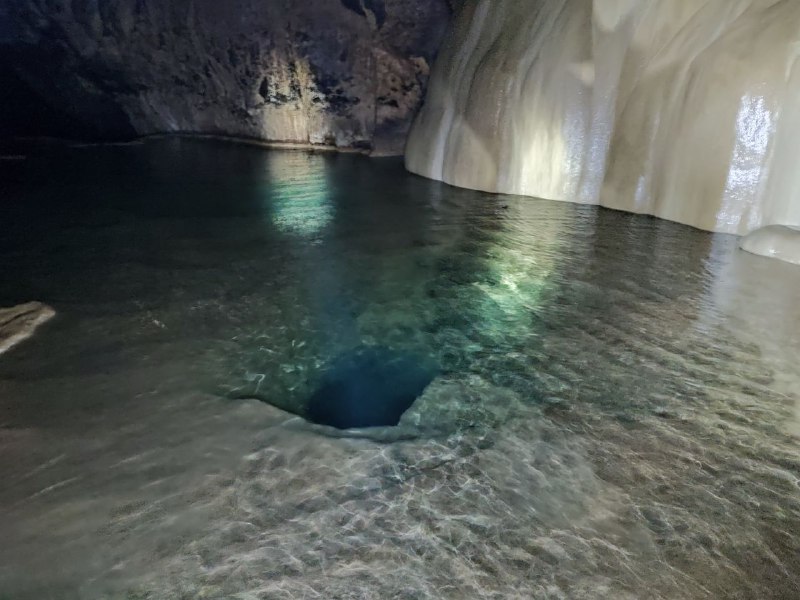
cave near Sagano in the Philippines, there weren't any there at all. And honestly, all the caves in Serbia are so well-developed and lit up—you can visit them without any hassle.
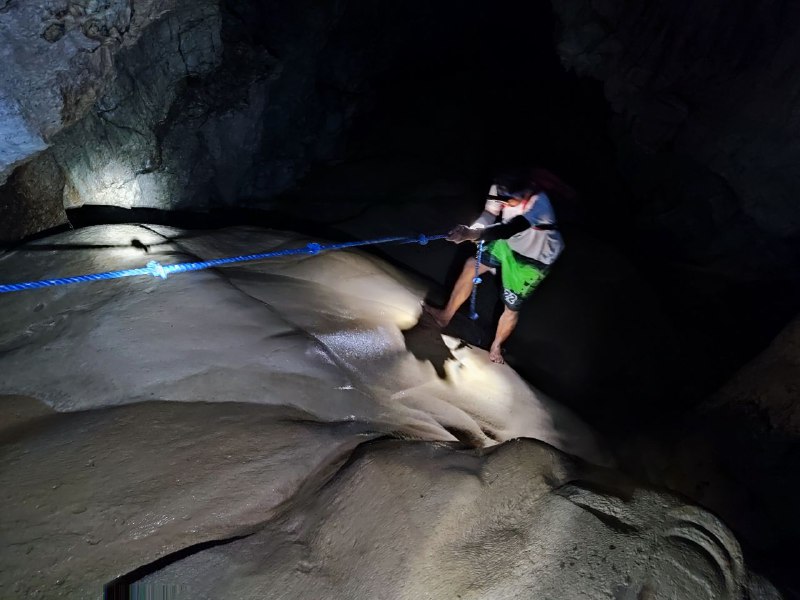
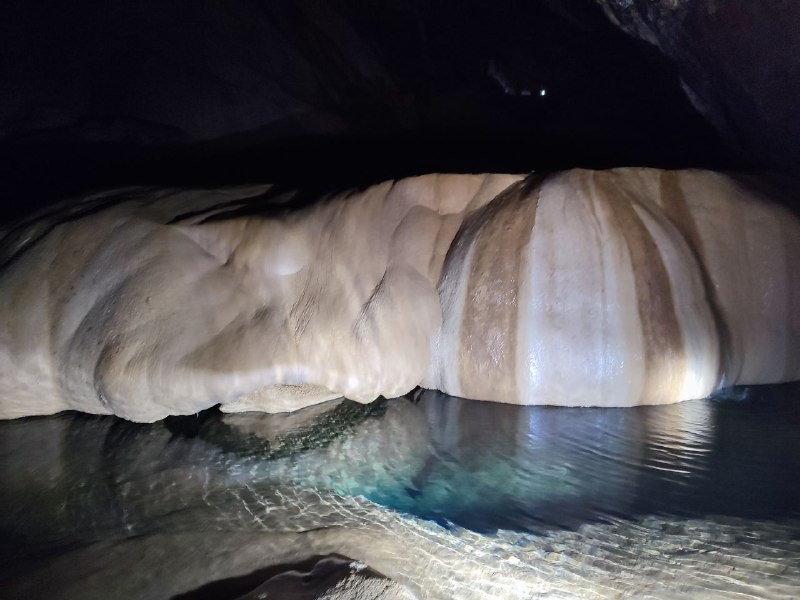
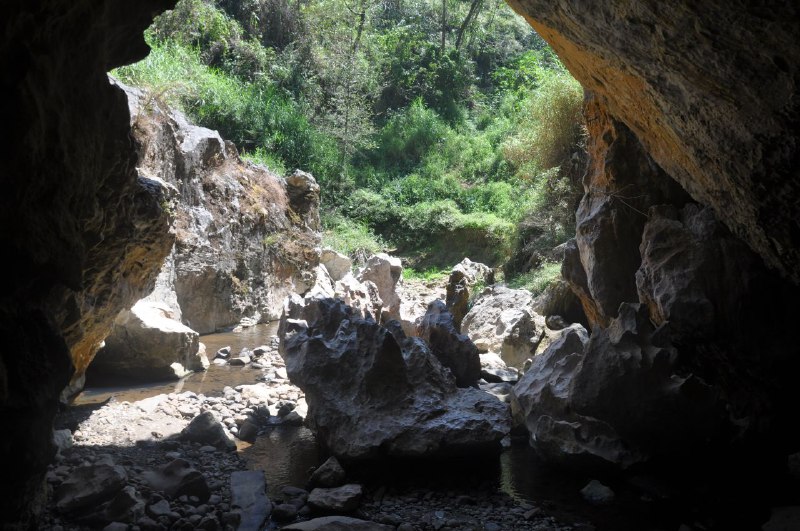
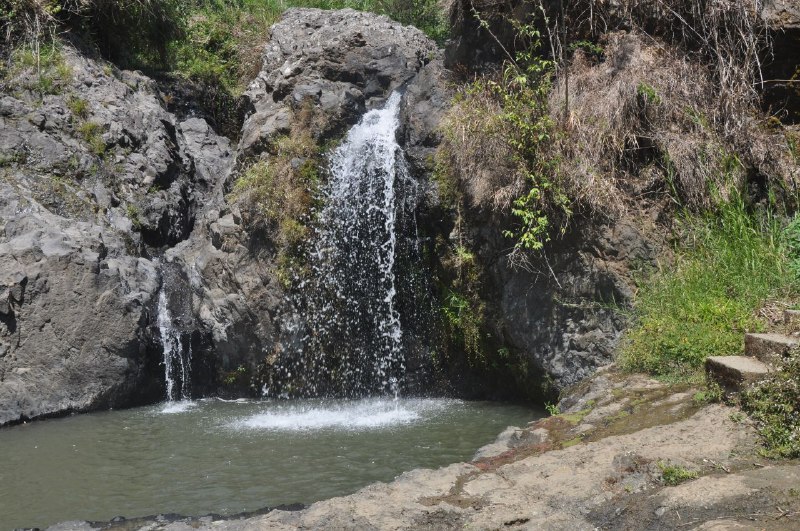
Sumagintskaya Cave is nothing like that. You can only enter with a guide (same goes for all the other nearby attractions), there's no lighting inside—just your own flashlights—and there's a lot of water, so halfway through the route we had to take off our shoes and continue barefoot. In a couple of spots, you can only climb up using a rope. No other way around it.
It's really beautiful though. The wilderness and lack of artificial light give it its own charm. I was seriously impressed.
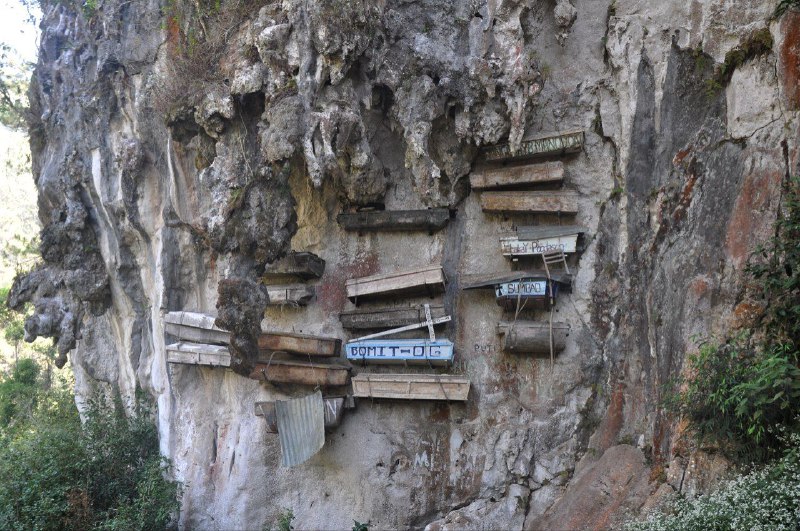
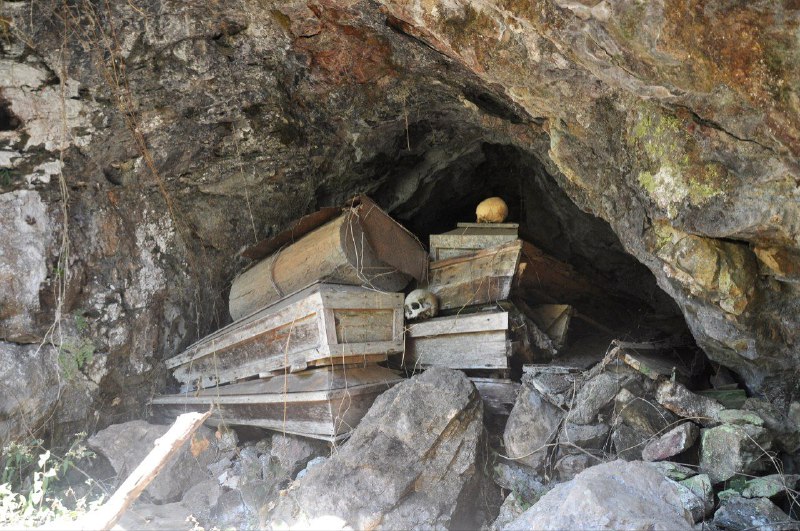
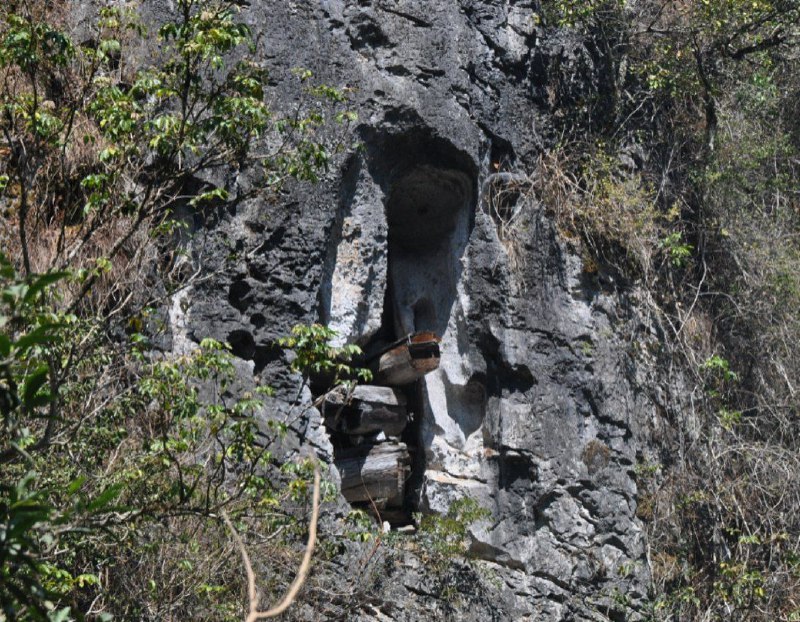
Near Sagada lives the Kankanaey people, who have a really unique funeral custom. Instead of burying coffins in the ground, they either hang them on cliff faces or place them in caves.
Traditionally, the deceased were placed in coffins in the fetal position (as you came, so you go). But after Christians arrived in the Philippines, coffin sizes got bigger.
Not everyone gets hung though. Only those with special merit. The higher the coffin, the more important the person. Ordinary folks get arranged in caves.
Tourists are only allowed at one of these cemeteries and only with a guide. The rest aren't open to visitors. Even locals only go there if they need to bury someone else.
The guide told us they don't always bury people after they've already died. Sometimes living people end up in the cemetery. Usually it's by their own choice—due to illness or other reasons.
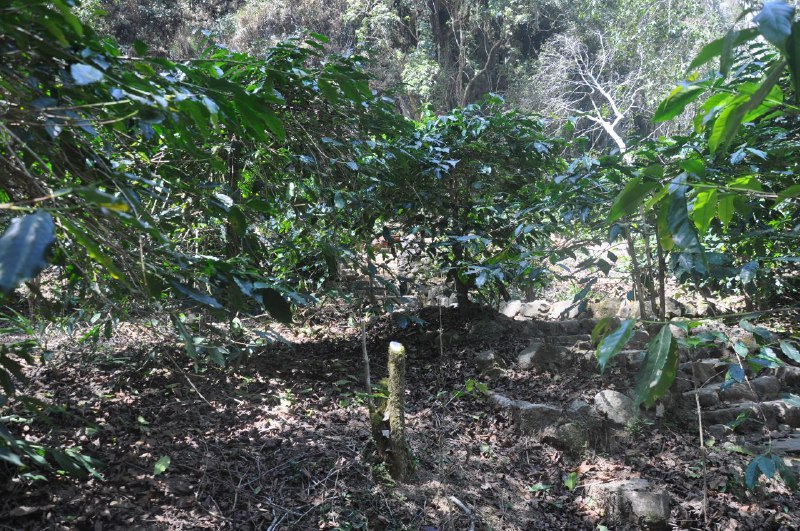
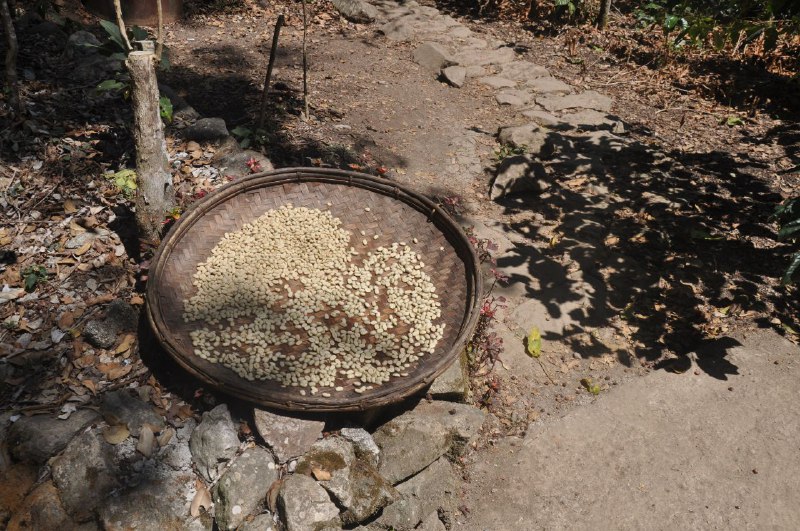
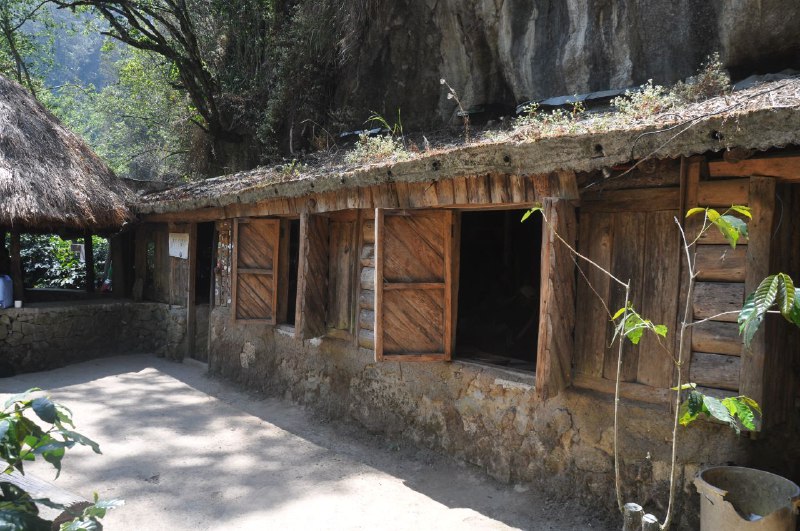
PS. There's a coffee plantation near the cemetery. I stopped by and the coffee was nothing special, but the owner honestly admitted she prefers tea and doesn't really drink coffee much.
And honestly, the Philippines just isn't a coffee place. At a café here they offered me coffee for breakfast and brought me a cup of hot water and a packet of instant coffee 🙈 (though it's not like this everywhere—in big cities it's acceptable, but step slightly off the beaten path and that's what you get)
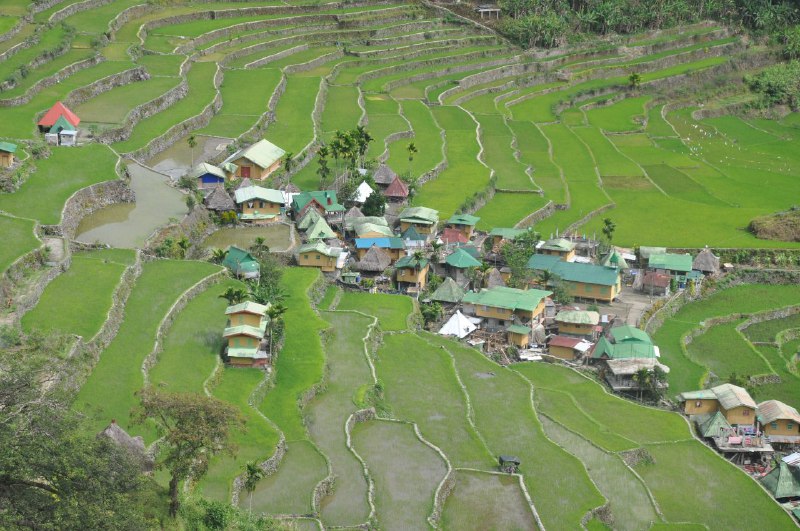
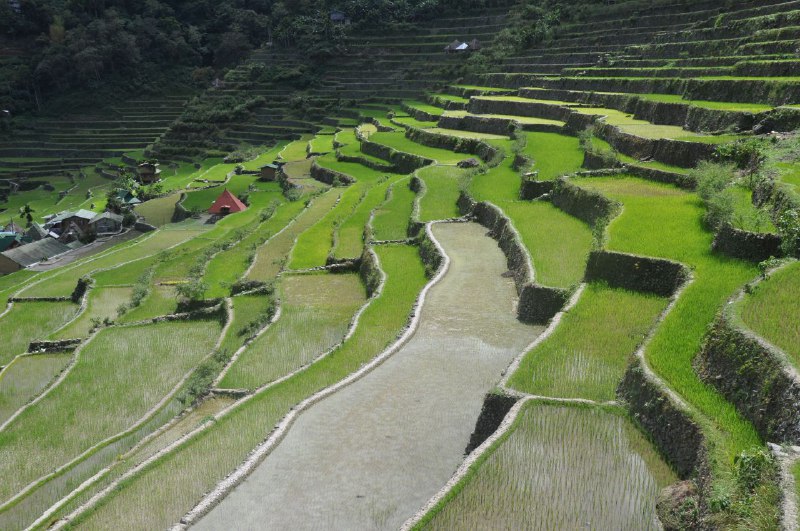
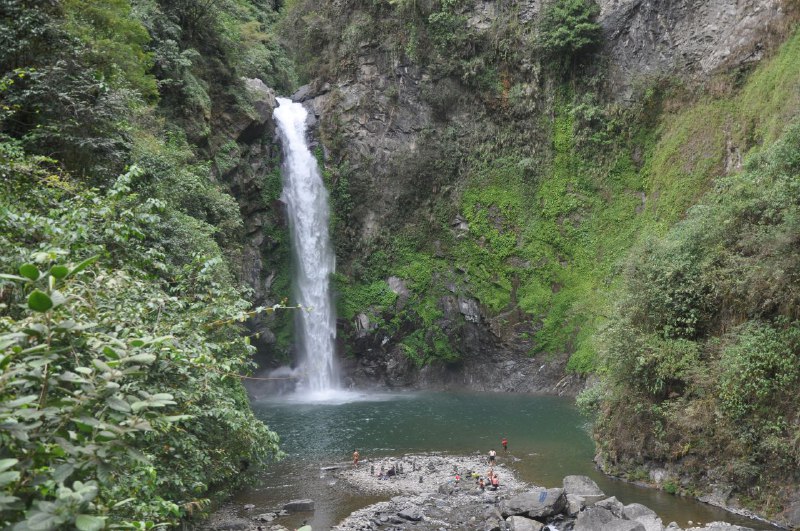
The rice terraces in Banaue have long been touted as the eighth wonder of the world (though there's a pretty long
list of candidates).
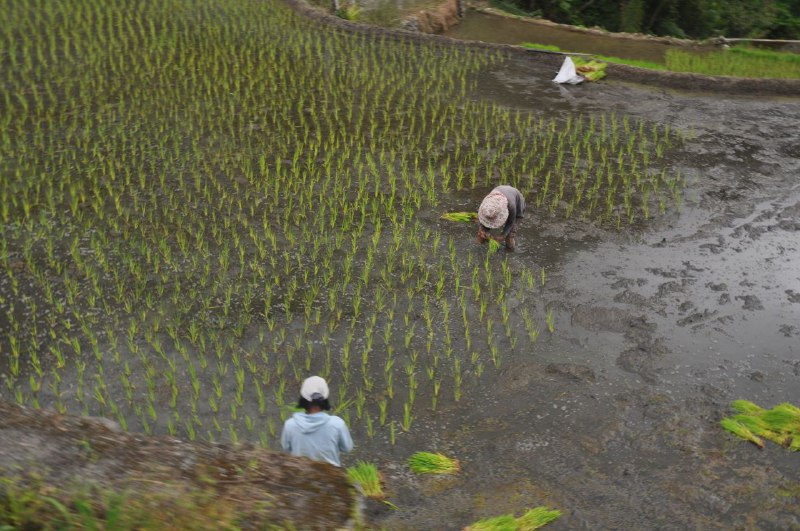
People have been growing rice here for 2,000 years straight (maybe a bit less by some estimates). That said, lately more and more locals would rather work with tourists than do farming. That's why some of the terraces are falling into disrepair and need restoration work.
There's definitely a steady flow of tourists, but nothing like crowds. I kept running into French people. Locals say actual Filipinos don't come here much because the guides treat them worse than foreign visitors.
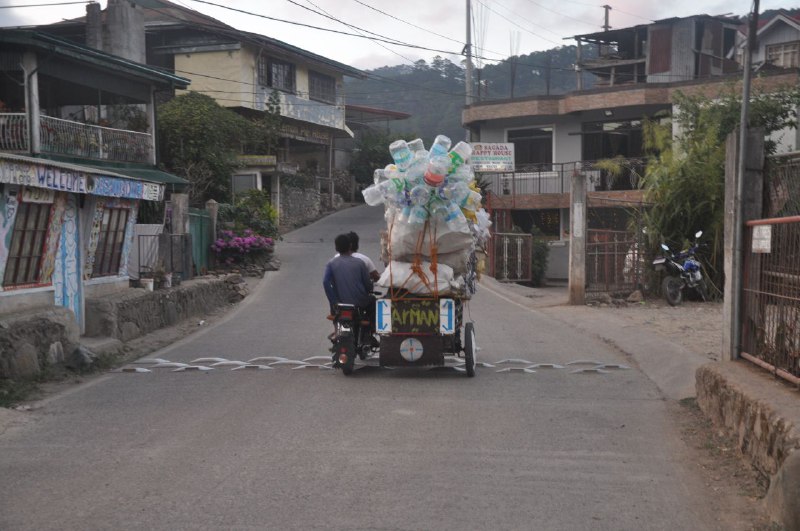
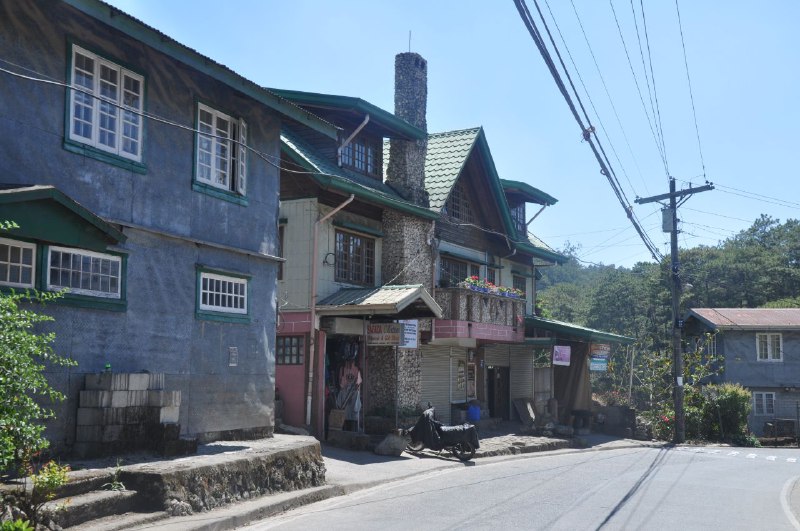
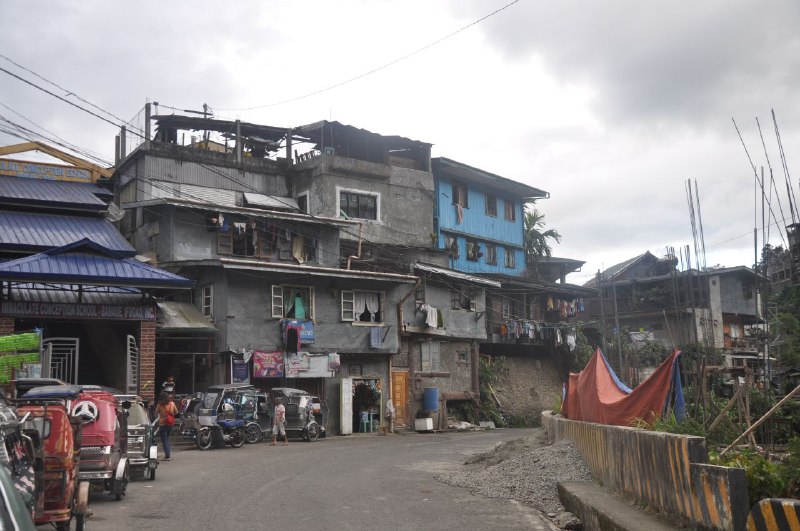
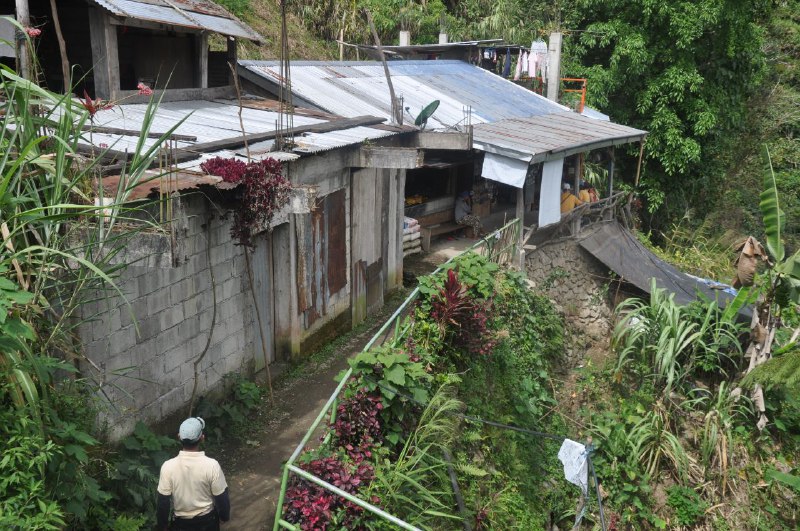
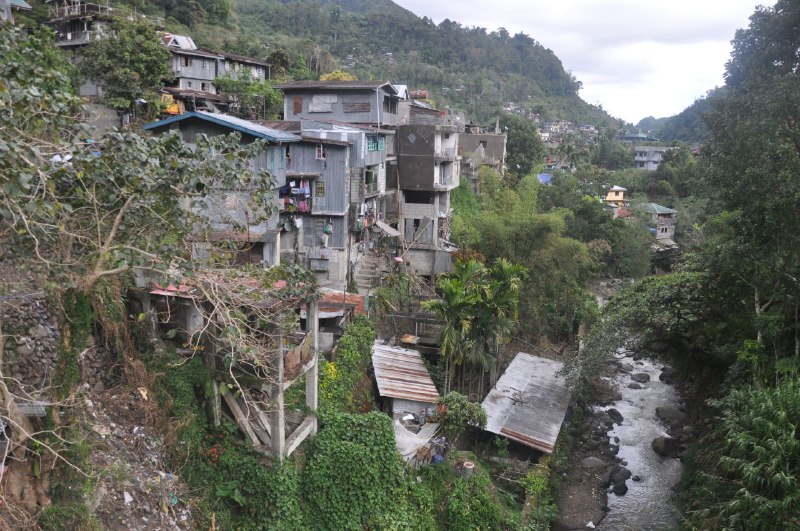
The surrounding villages, though, are still pretty poor. You see a few nice houses here and there, some still under construction, but not many.
PS. I also got to ride on top of a jeepney. Fresh air, felt great. They don't tear around like maniacs here (the roads don't allow it), so it was pretty comfortable.
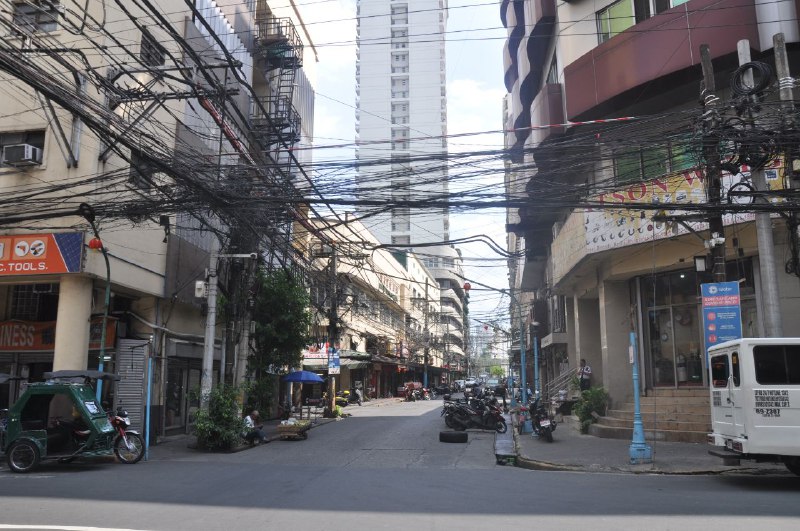
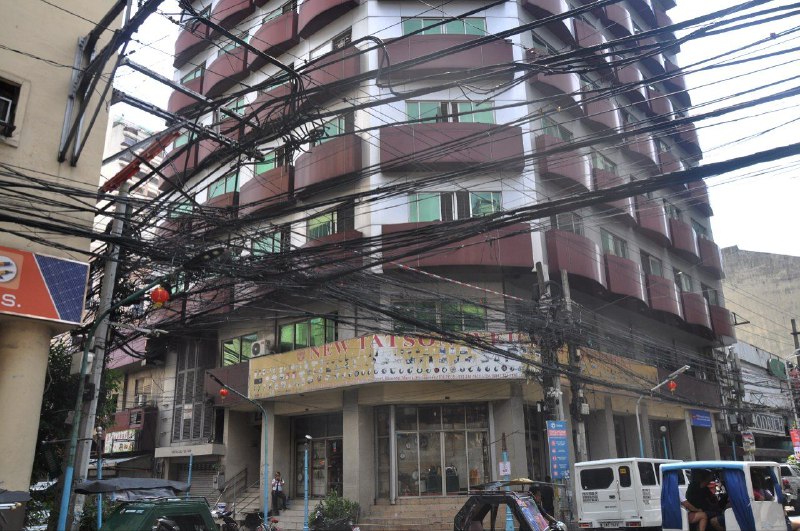
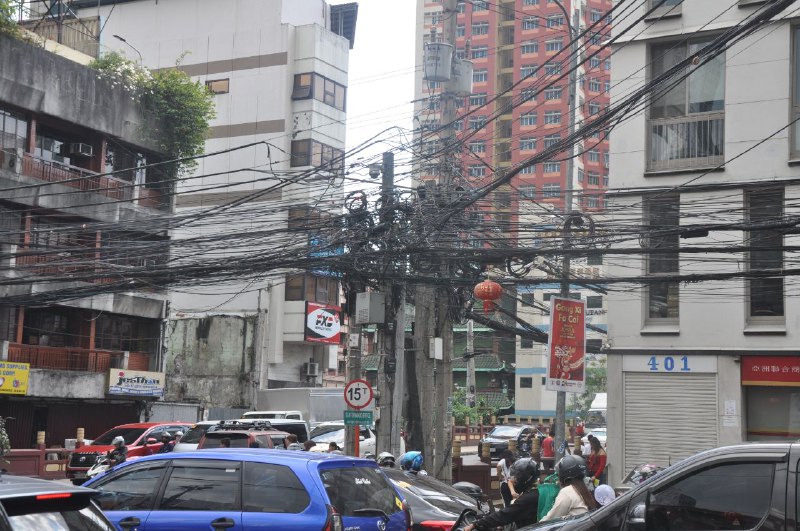
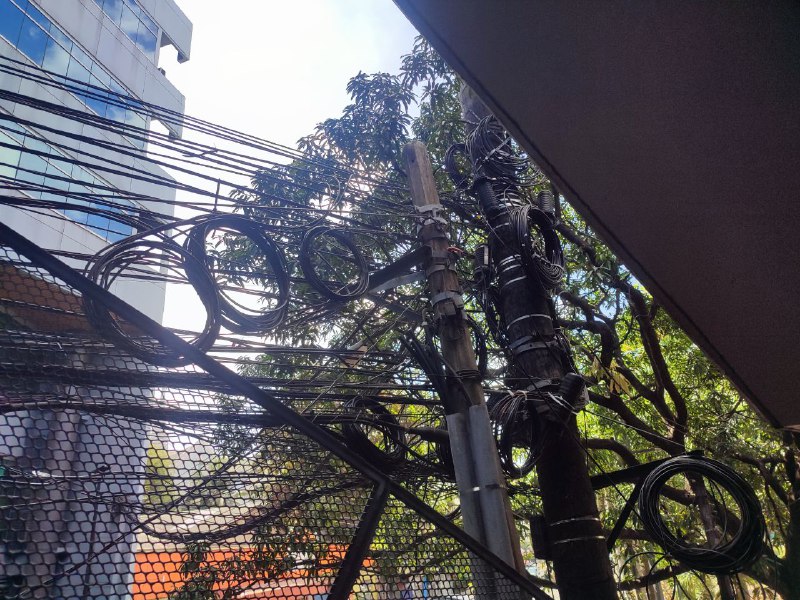
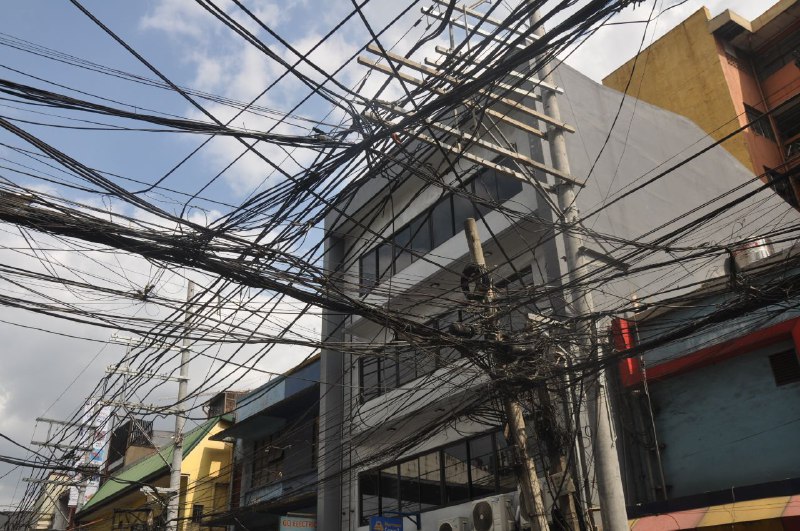
I wouldn't want to work as an electrician in Manila.
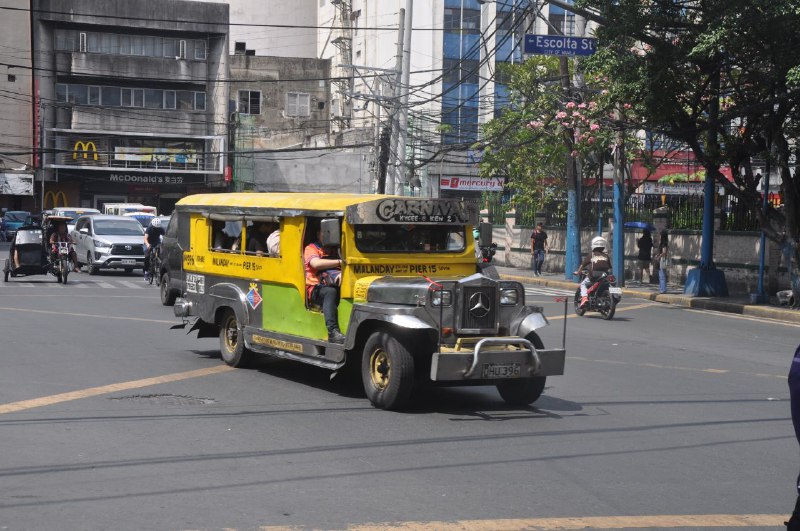
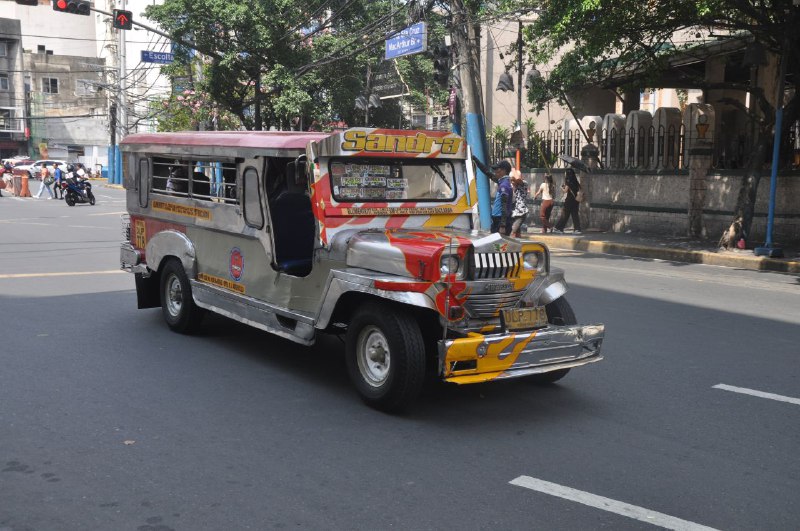
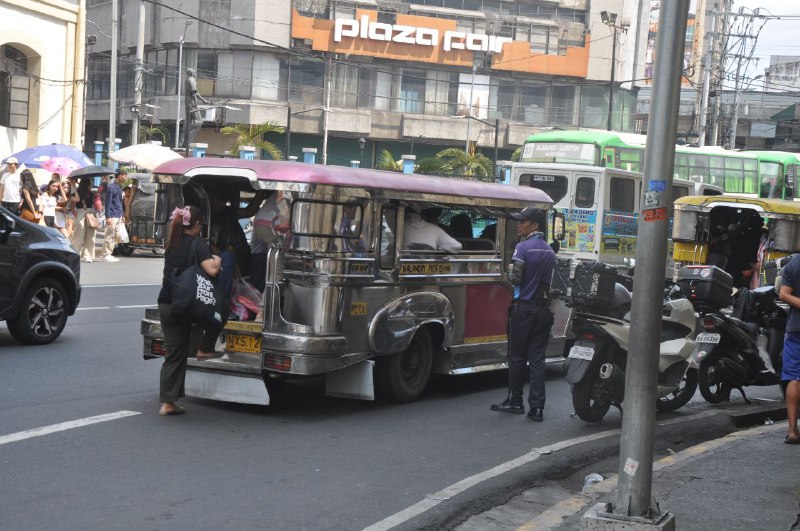
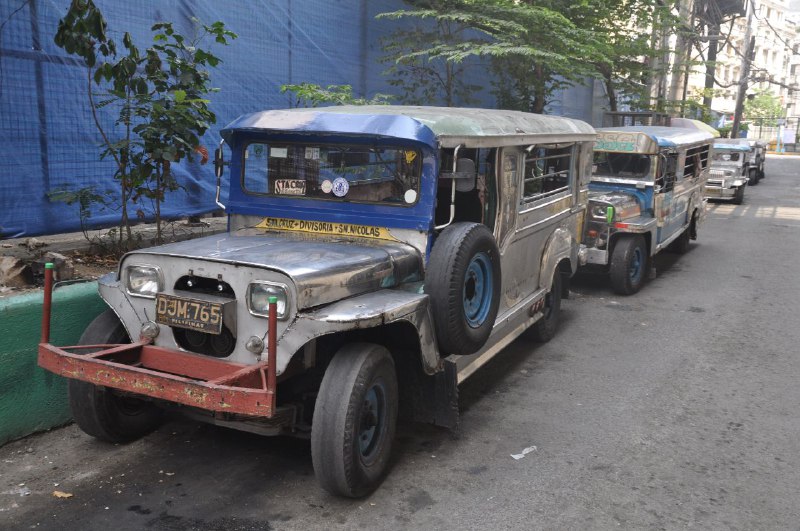
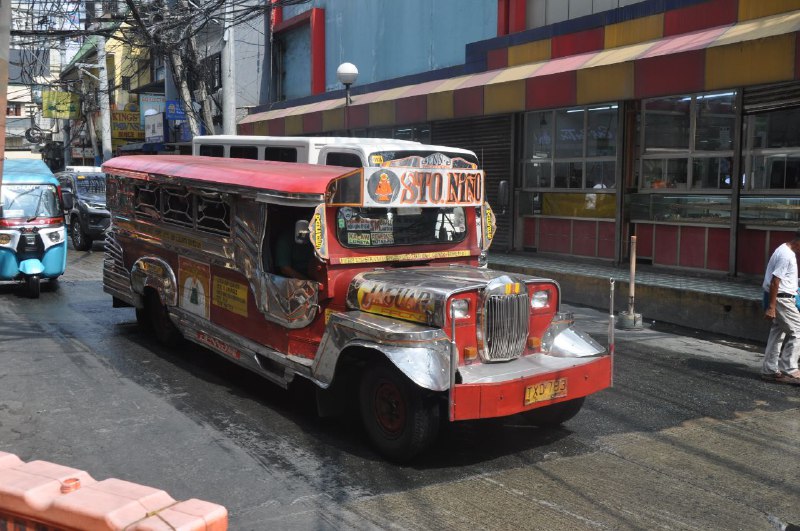
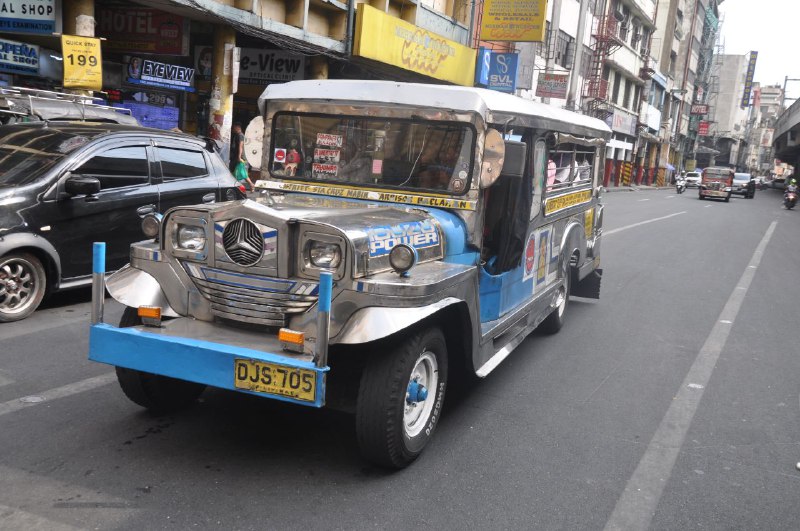
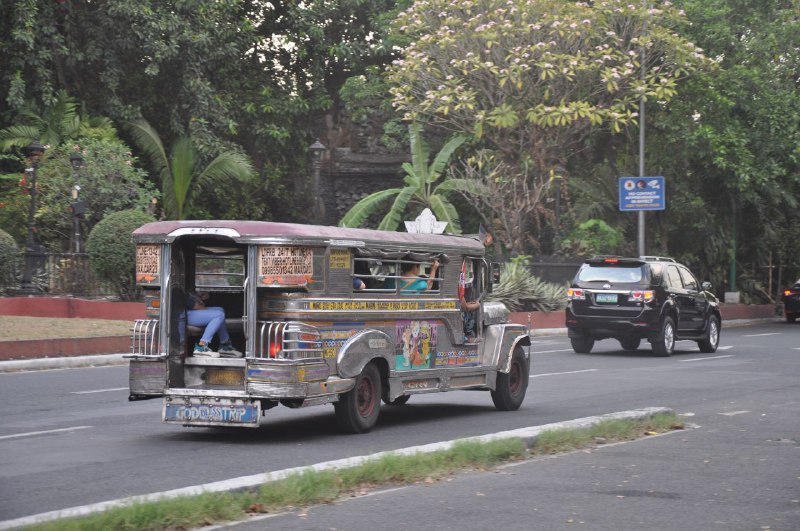
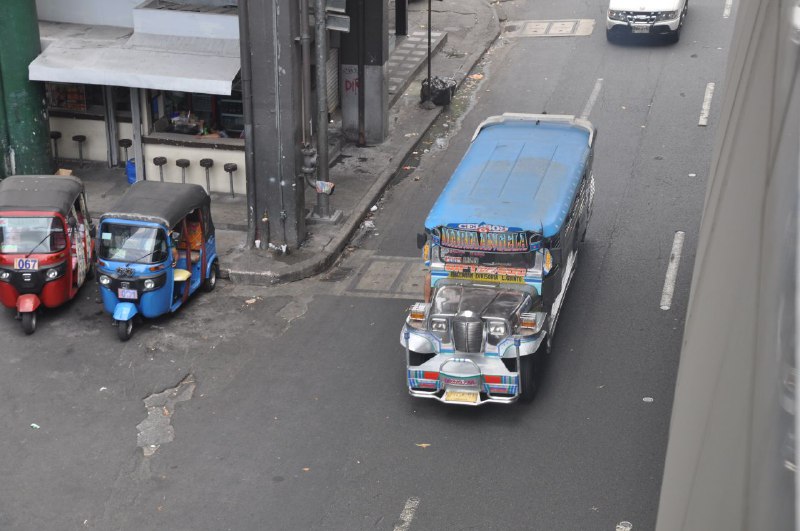
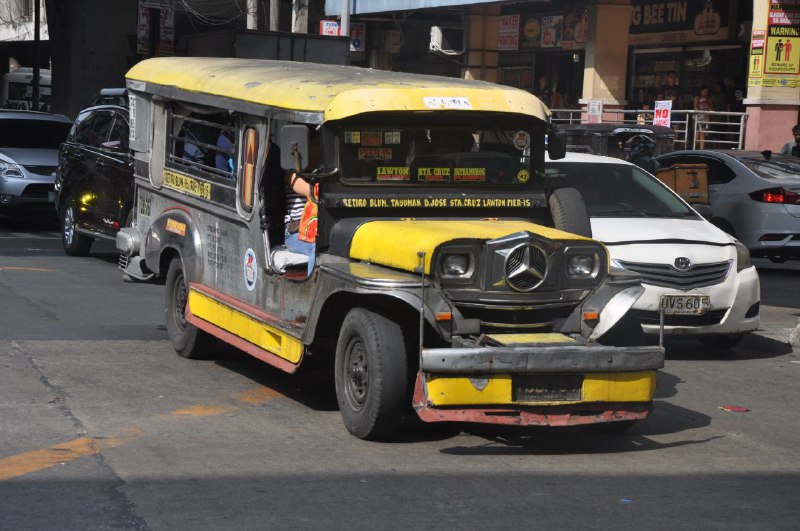
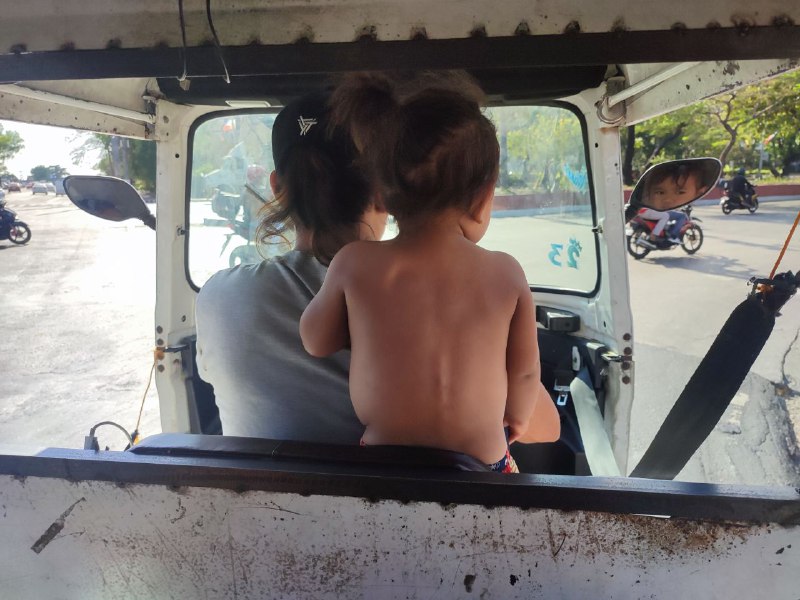
In the Philippines, the cheapest way to get around is by jeepney. These are super colorful minibuses that started popping up everywhere after the Americans left and left behind a bunch of military jeeps that got converted to carry passengers (plus there was something similar but way less common before World War II here too).
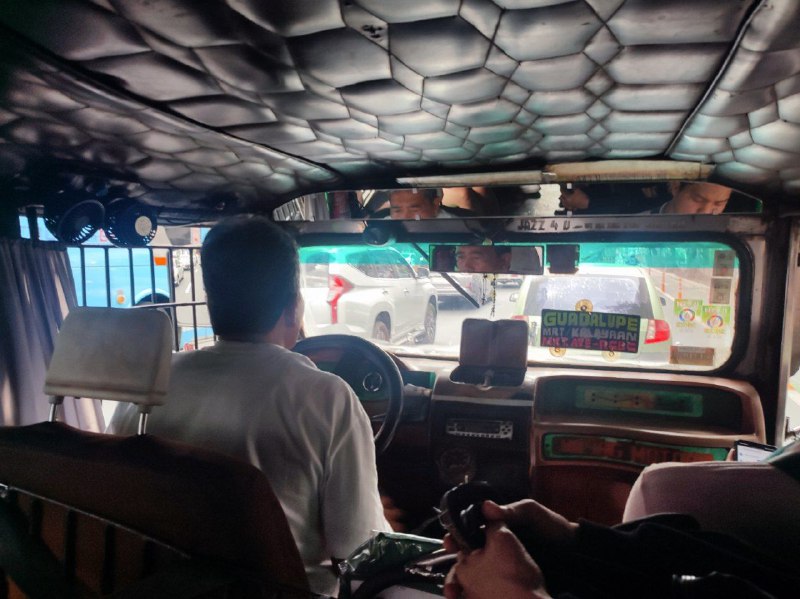
13 pesos (~0.2€) and you're good to go. Exit's in the back, no doors, usually no windows either (but there's a curtain for when it rains). The weather's usually decent for it. Locals say there are basically 2 types of weather here: either sunshine or rain.
The only tricky part is figuring out if it's actually going where you need it to go. There are no route numbers, usually just the starting and ending stations written on it. And those aren't exactly huge either.
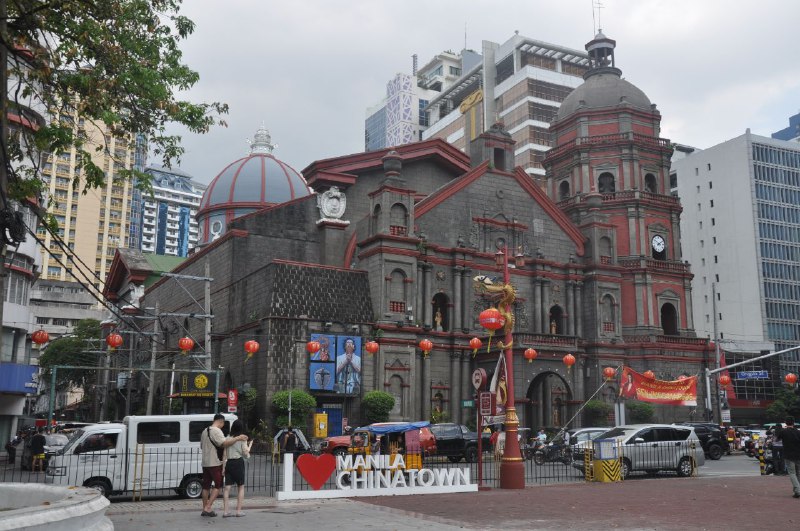
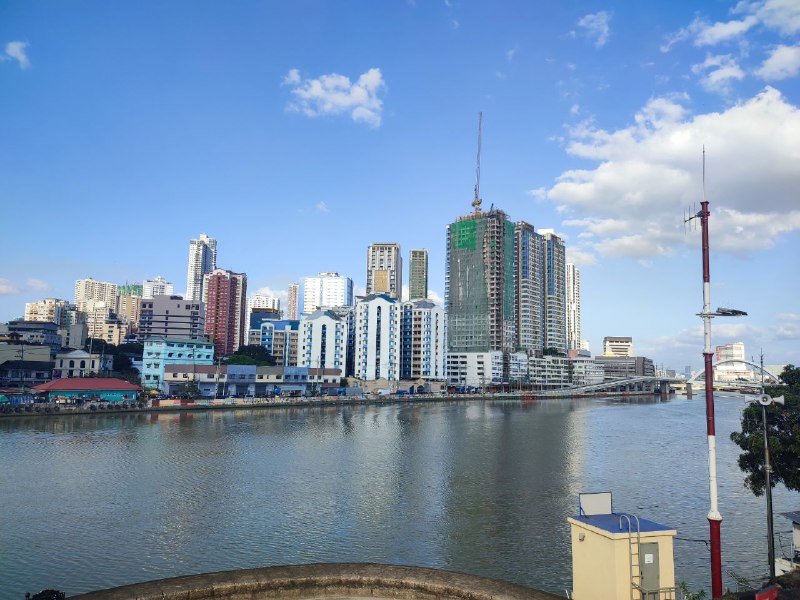
Overall, the capital region is really just several cities merged together. Manila is just one of them.
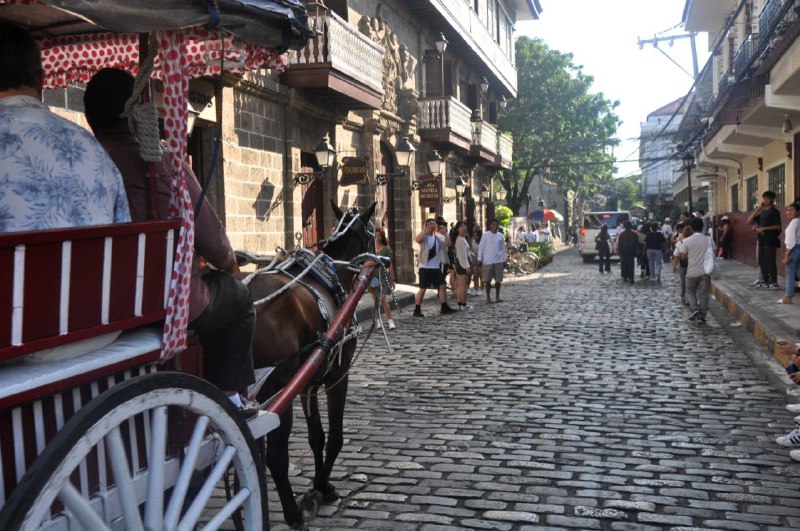
Even in the very center, poverty sits right next to luxury. Right alongside the fancy pedestrian historic streets with museums and temples, there are slums with kids hanging around with nothing to do and piles of clothes drying after washing.
I was shocked to learn that during World War II, Manila was basically completely bombed out. The scale of destruction was comparable to Berlin and Warsaw. During the
battle for the city, over 100,000 civilians were killed. Largely because of the
massacre committed by the Japanese.
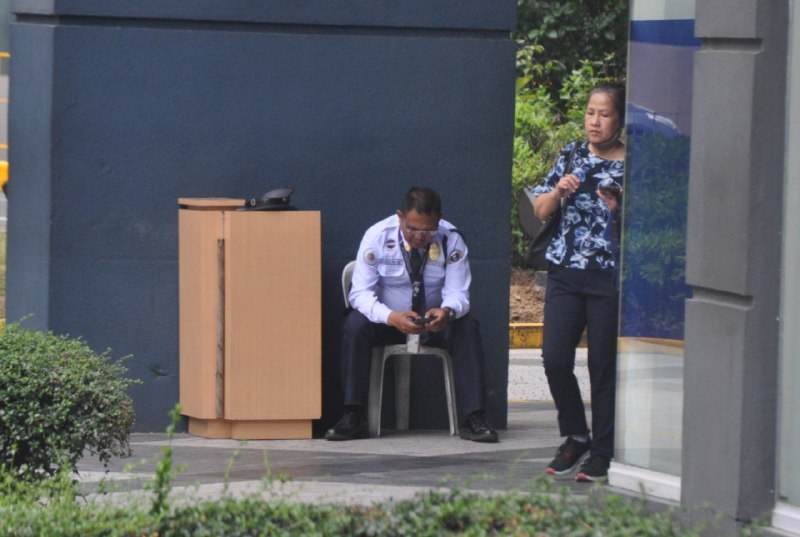
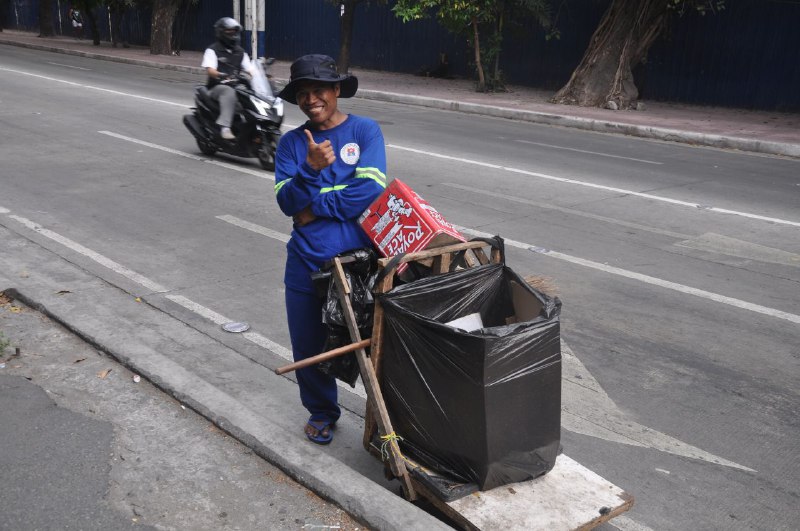
Today it's a city of malls and security guards. You see both at every turn. And you often see more than one guard at a time, especially around money changers and other banks. They're usually pretty heavily armed too.
AAAHHHHH! Manila got me immediately. Now I don't know how to unsee this.
About a month ago, I stumbled upon an English-speaking comedian who (quite fairly) roasts famous chefs. Being a Chinese guy from Malaysia, he's especially passionate about fried rice. It's his thing, you know.
The video with Jamie Oliver is a masterpiece (watch it if you haven't).
Watching the video was fun, but standing on a noisy Manila street outside a shawarma stand, I really felt the pain in what they were doing. I have no idea why they called it shawarma – the only shawarma thing about it is that they set up a spit, skewered the meat, and turned on the fire. But then everything went downhill. The guy cuts RAW meat, turns it into ground meat with knives, somehow it barely becomes half-cooked in the process, and then it goes into a mini wok, where they wrap it in flatbread with vegetables whenever someone orders. Yikes.
I'm hopelessly behind on my travels. Time to catch up.
Made it to a country that could have been called Malaysia. Back in 1962, a
bill to rename it was already in Congress, but while the bureaucratic machinery was grinding away, the Malayan Federation got their act together and claimed the name for themselves. Name squatting at the state level.
So they ended up calling themselves the Philippines instead (even though originally the name referred to just a couple of islands).
One more unusual thing—the country is ultra-religious and divorce is practically impossible here (there's only one other country in the world like this—Vatican City, but it's not as big an issue there). There are a couple of legal loopholes in the law, but they're incredibly hard to use. As a result, people usually just abandon their families. Or you can simply kill your partner without major consequences (worst case, you get banned from coming within 25km of the house, it's called distierro) if you happen to catch them in the act of cheating. The key is to act in the moment though—otherwise you'll face the full weight of the law. Thankfully, people don't actually do this en masse.
(the only exception in the law is for Muslims, who can divorce without restrictions)
My two biggest takeaways from Singapore — everything's expensive and you can't do anything.
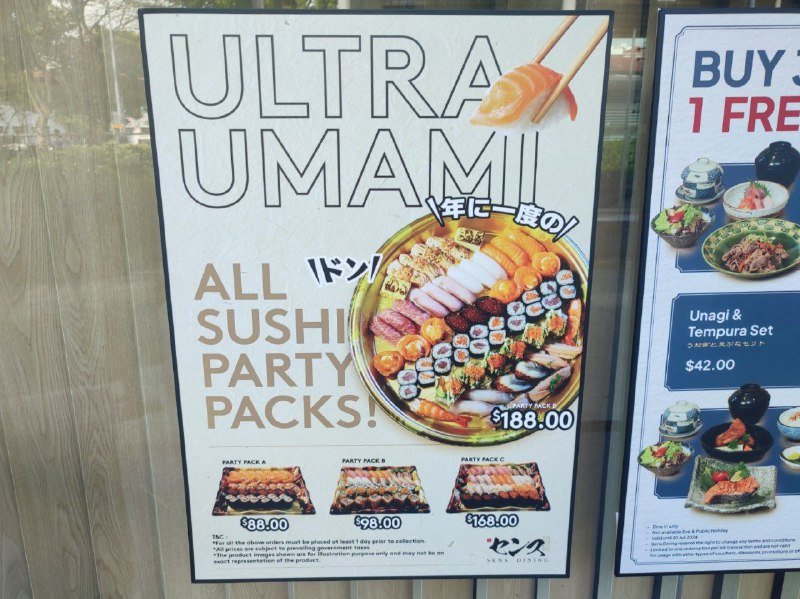
A decent meal starts at S$30 (just to remind you, S$1 ≈ 0.7€). Google is full of places marked S$100+ per person. What really caught my eye is that a regular beer costs S$15-20 (I saw ads on the street for happy hour at S$8). Non-alcoholic drinks are cheaper, but not by much.
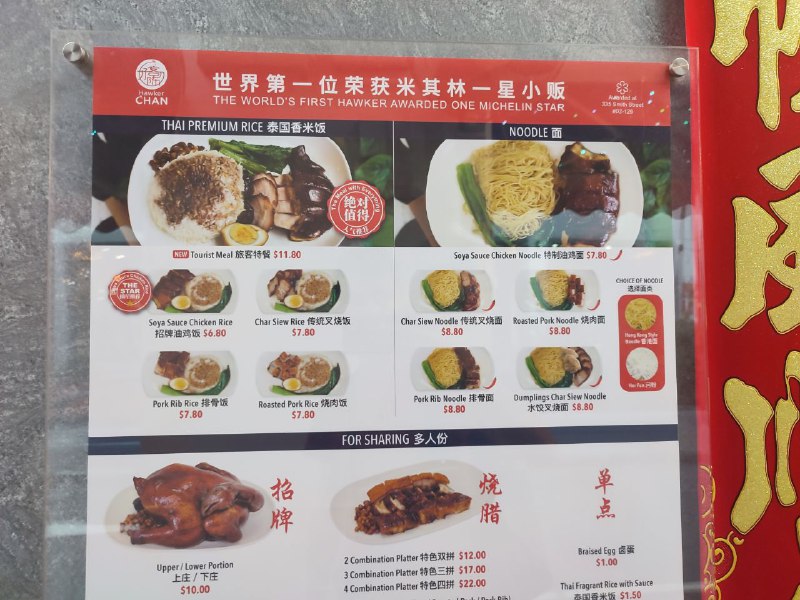
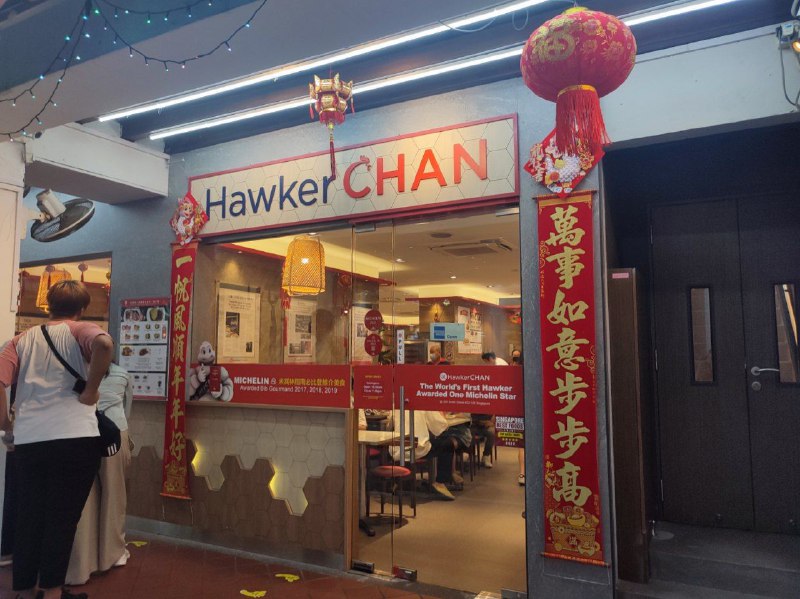
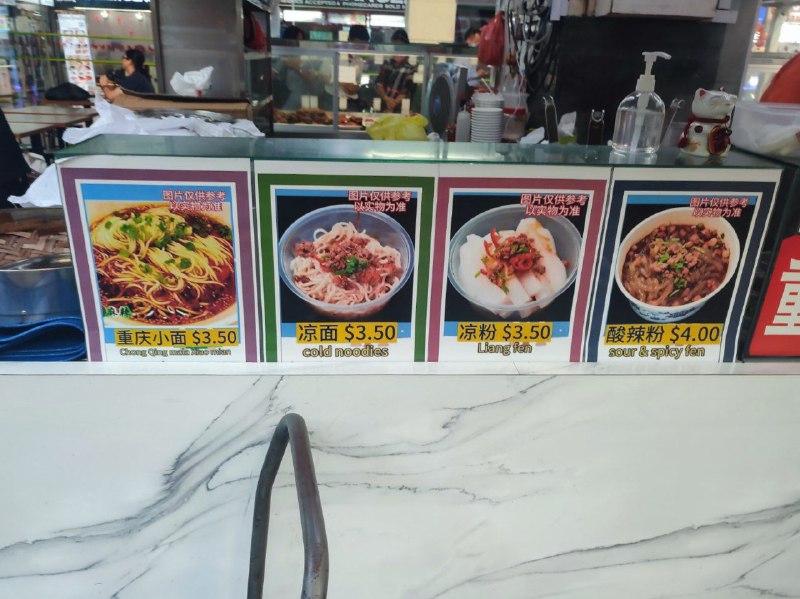
You can eat without breaking the bank at street food stalls. The food is delicious and there are options for less than S$5 per dish. These stalls occasionally get Michelin stars. I went to
the one that used to have one, but I wasn't too impressed. Still, for S$12 I can tell everyone I ate at a Michelin-starred hole-in-the-wall.
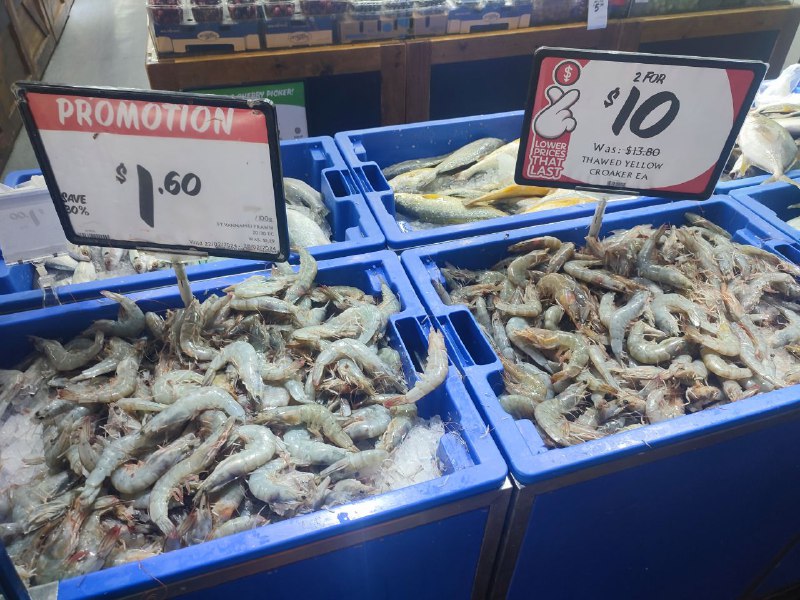
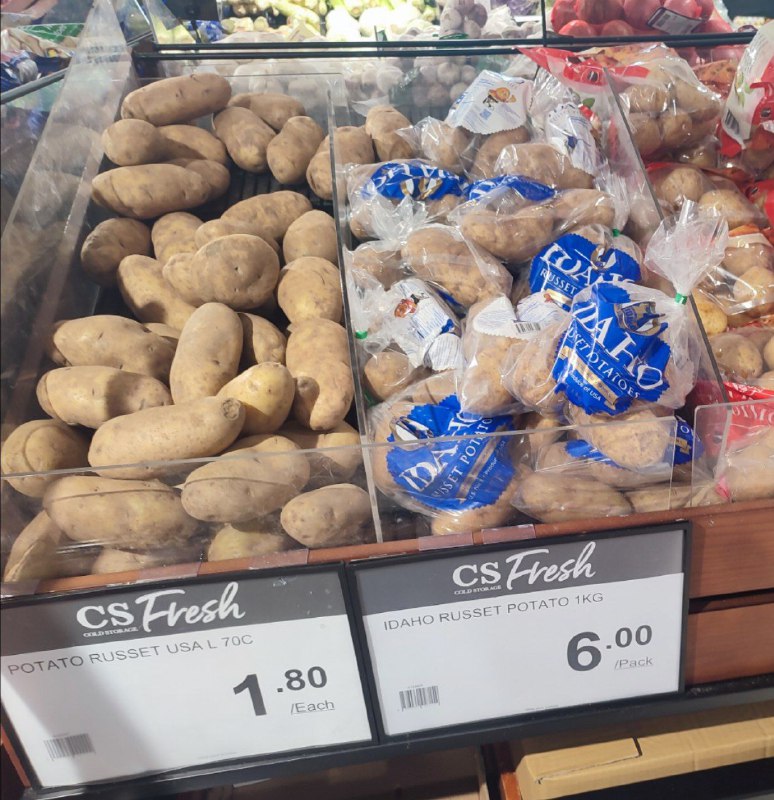
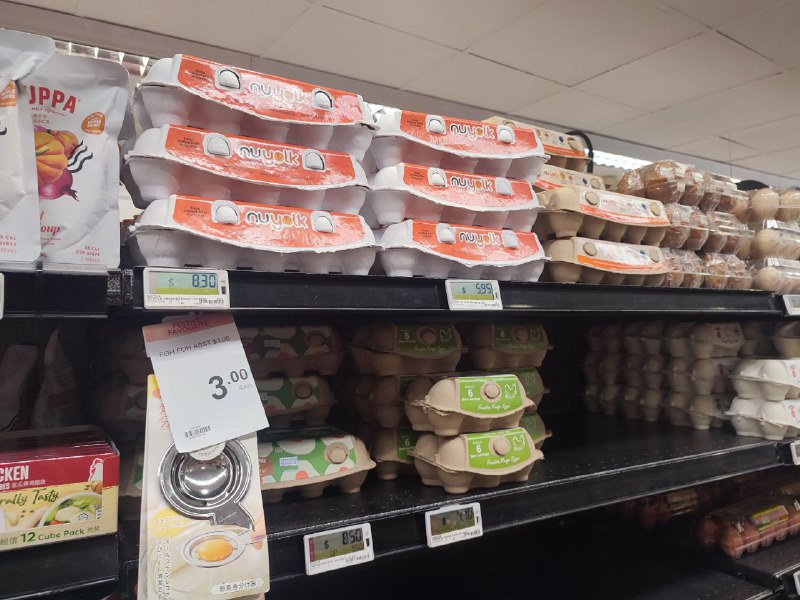
Grocery store prices are great too. A dozen eggs go for S$5-8. Potatoes here are basically a delicacy. S$1.80 per potato (!). I've never seen them sold individually before. Rice and other local stuff is more affordable. S$16 per kilogram of fresh shrimp — that's actually a great price.
No wonder a barista at some unremarkable takeaway spot in a shopping mall is offered S$3000 a month.
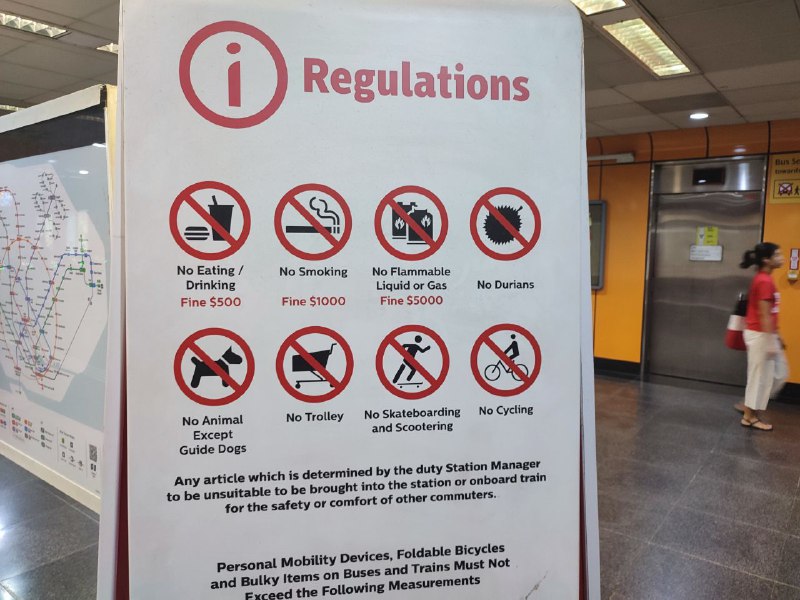
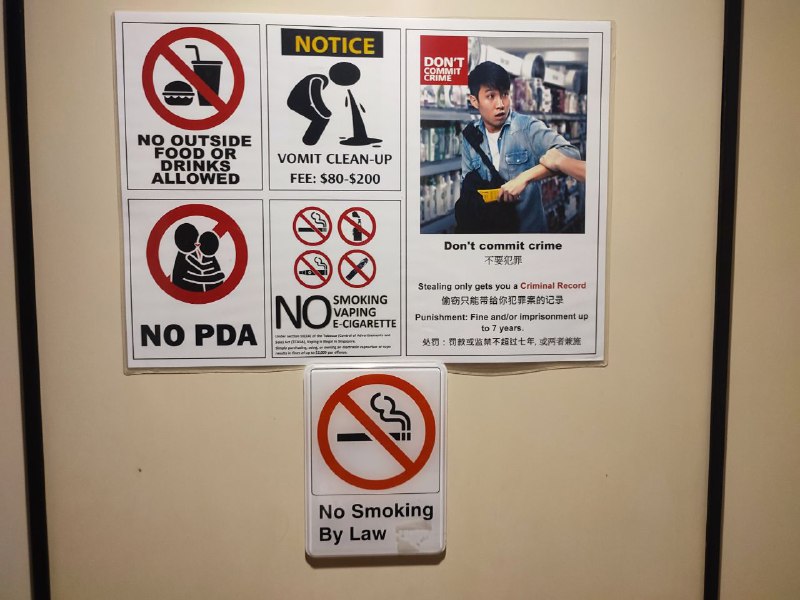
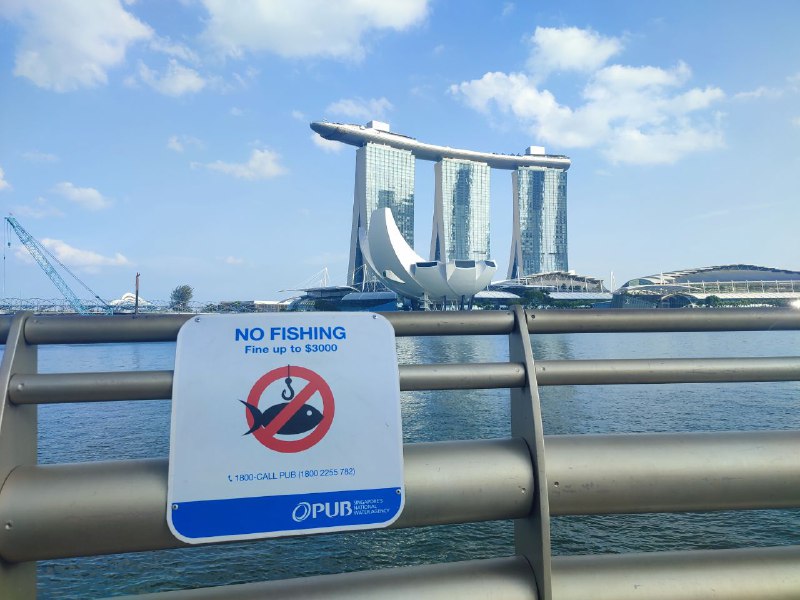
Fines are pretty much astronomical for everything. Prohibition signs are everywhere. I especially loved the fine up to 200 bucks if what you ate or drank comes back up (to be fair, I only saw that in a couple of places). While I was on the metro, I just automatically grabbed a bottle of water from somewhere and took a sip. Then I realized that costs S$500. Nobody seemed to notice. Hopefully I won't get a bill for it.
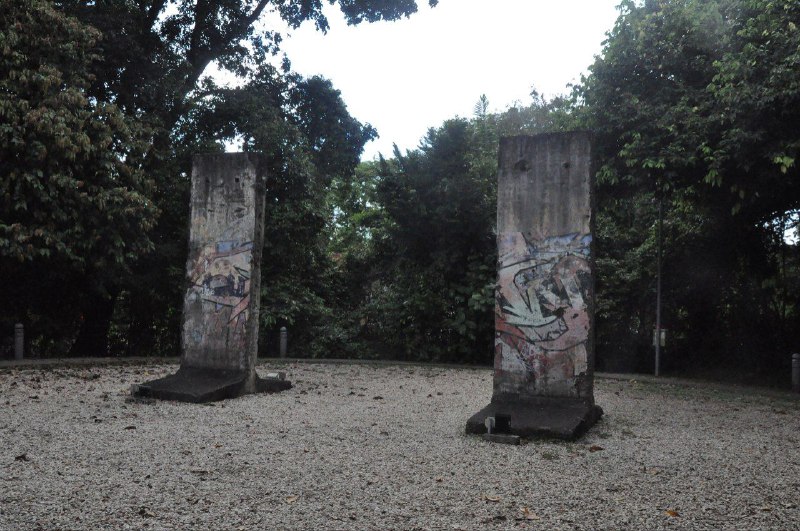
PS. If you look hard enough, you can find a tiiiiny little piece of Berlin in Singapore (literally). If your Schengen visa suddenly runs out but you're dying to get to the German capital, you know what to do.
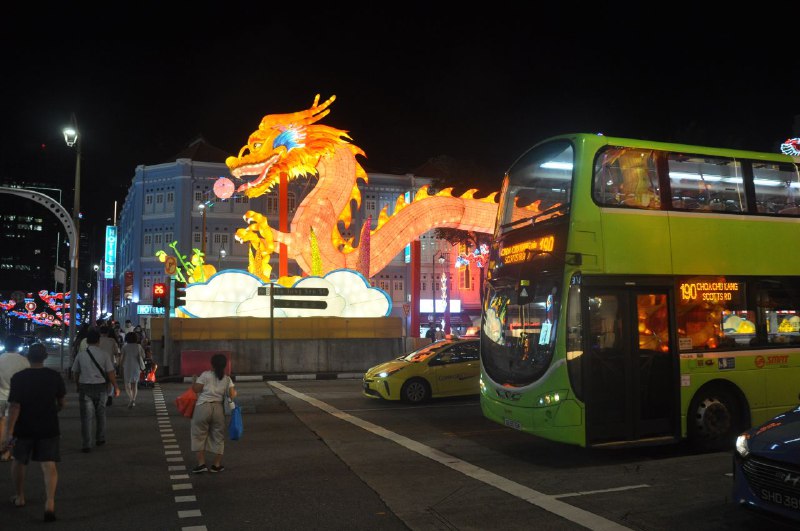
4/4. As expected, China: three-quarters of Singapore's population are Chinese. By the way, people in the video aren't singing for money. It's a local karaoke thing. Anyone who wants to can come and have a blast. There were some performers I thought weren't that great. But nobody took the microphone away from anyone.
 United Kingdom
 Serbia
 Bosnia and Herzegovina
 Turkey
 United Arab Emirates
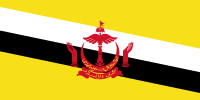 Brunei
 Indonesia
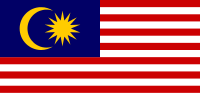 Malaysia
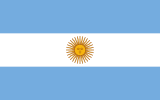 Argentina
 USA
USA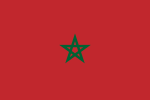 Morocco
 Georgia
 Egypt
Egypt Hong Kong
 China
China Vietnam
 Tunisia
 Montenegro
 Philippines
 Singapore
 Oman
Oman Algeria
 North Macedonia
 Lebanon
 Israel
 Albania
 Russia
 Tanzania
 Netherlands
 Spain
Spain Latvia
 Germany
 Belgium
 France
 Kazakhstan