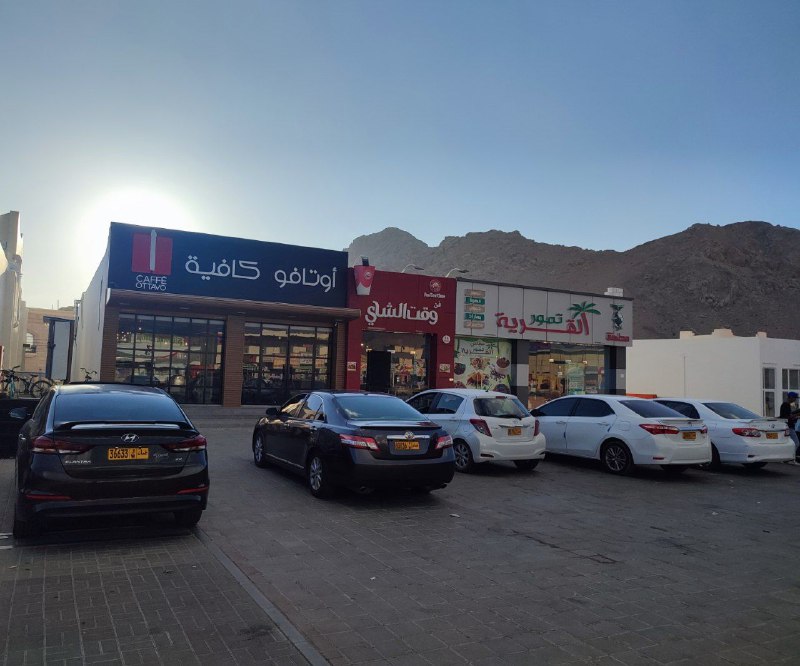
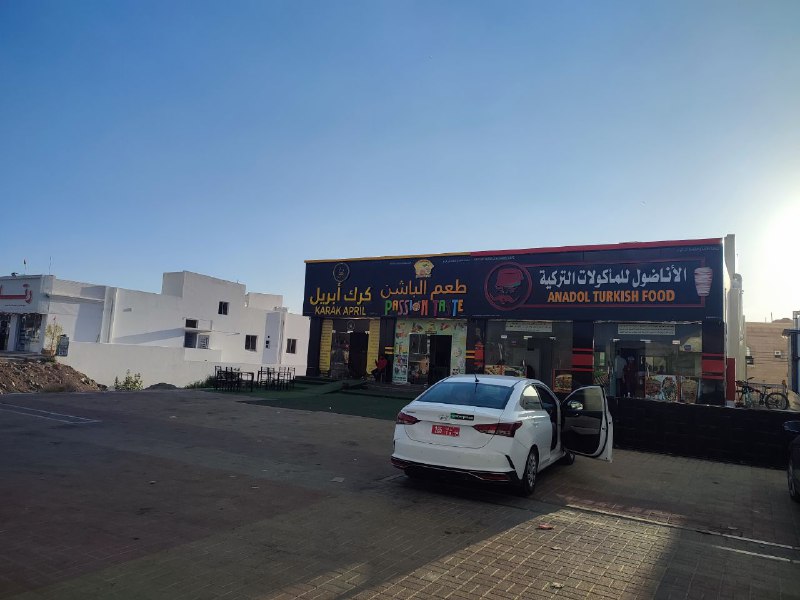
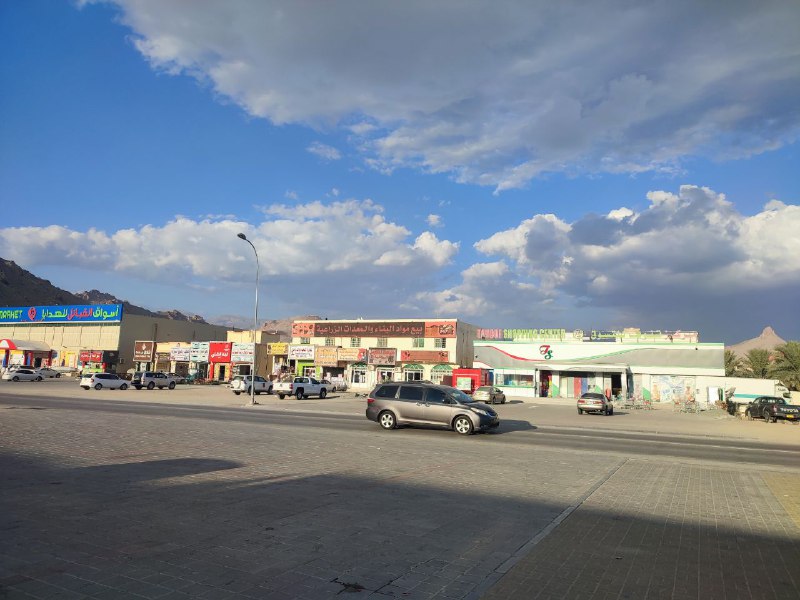
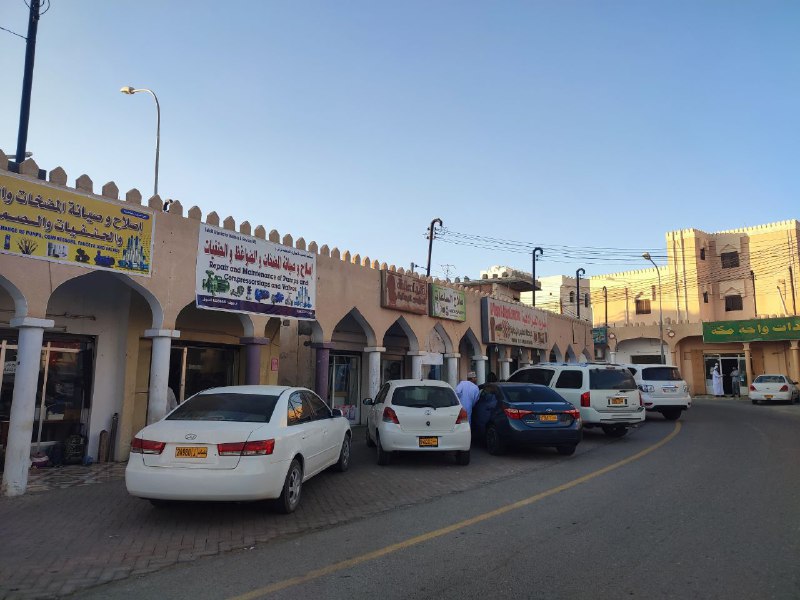
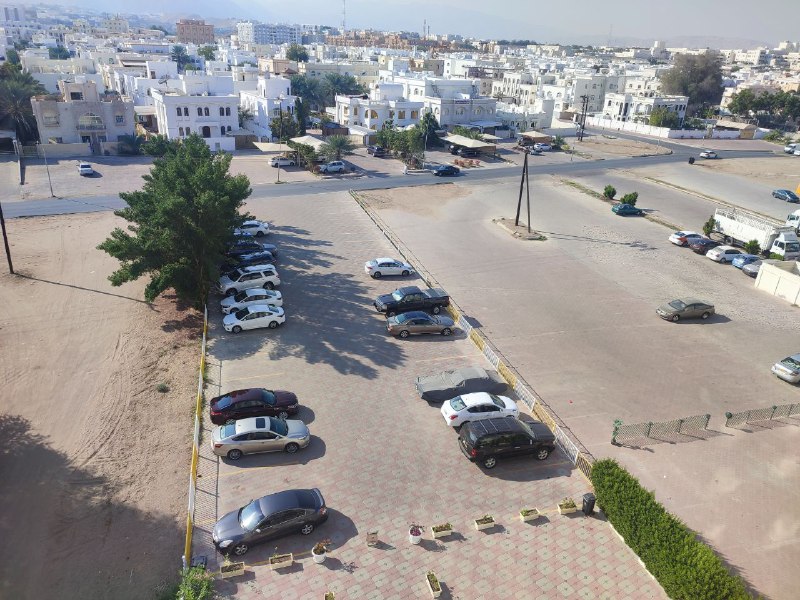
Oman is absolutely a car-centric country. The infrastructure is built entirely around vehicles. There's tons of parking everywhere—even in the city. Outside the city, buildings aren't constructed right up against the road; they leave plenty of space for vehicle access. Sometimes that's like 100 meters of space.
At roadside eateries, people usually don't even get out of their cars. It's not like a McDonald's drive-through window. You just pull up to the restaurant, honk, a waiter comes out with the menu, takes your order, and then brings everything to your car. It's pretty clear that customers aren't expected to sit down and eat inside the restaurant.
Overall, the roads are fine. Not perfect, but definitely drivable. The lanes are really wide—especially after coming from Serbia. And they don't skimp on the width of parking spaces. Though that doesn't stop drivers from taking up multiple spaces at once.
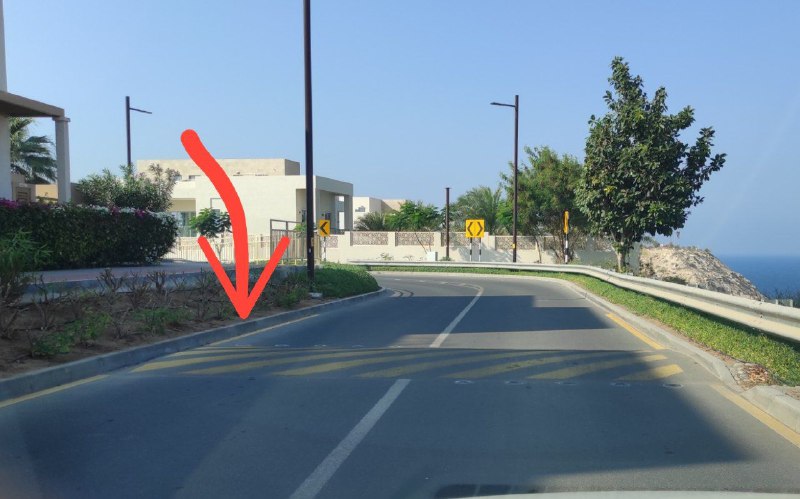
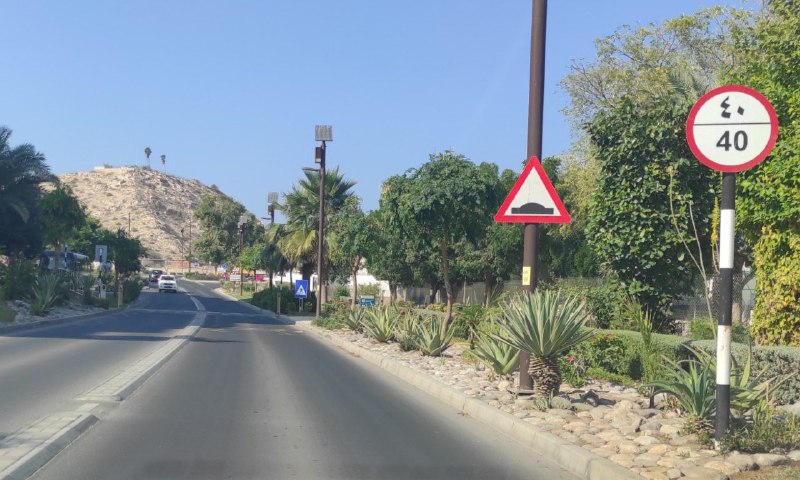
The main headache with local roads is speed bumps. There are tons of them. They're poorly marked. To make matters worse, they like to put the warning sign a good 100 meters before the actual bump. Sometimes you can even forget the sign was there in the first place :)
Happy New Year! Peace and travels 🎄
In Oman, basically nothing happens on New Year's. No fireworks, no celebrations, no holiday decorations, no shortened workdays. It's just a regular day, like if June 30th turned into July 1st. And on January 1st, everyone works as usual.
If holiday hustle and bustle isn't your thing, now you know where to go :)
I almost accidentally increased my trip expenses by 10 times. But somehow it worked out 😅
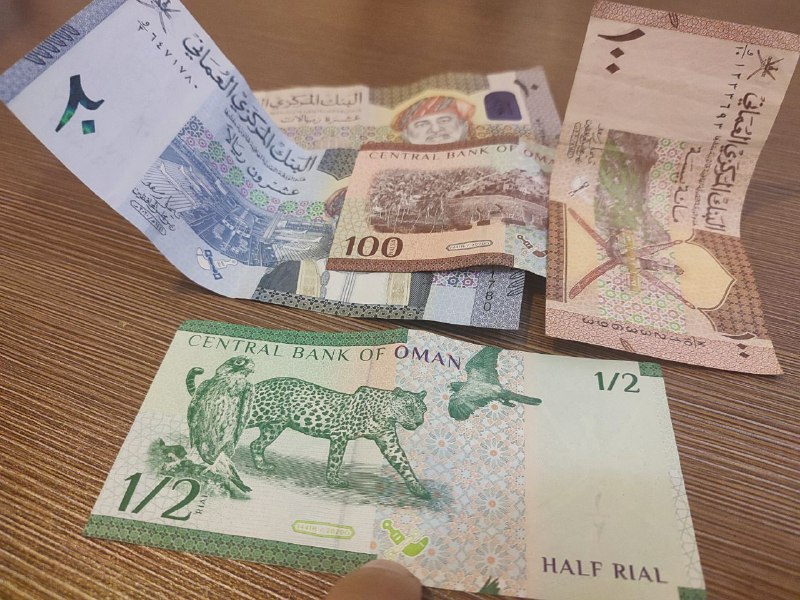
In Oman, they use rials. The exchange rate is $2.6 per unit. It's the third most expensive currency in the world. And instead of dividing by 100 like most currencies, it divides by 1000 baisa. So prices are shown with three decimal places.
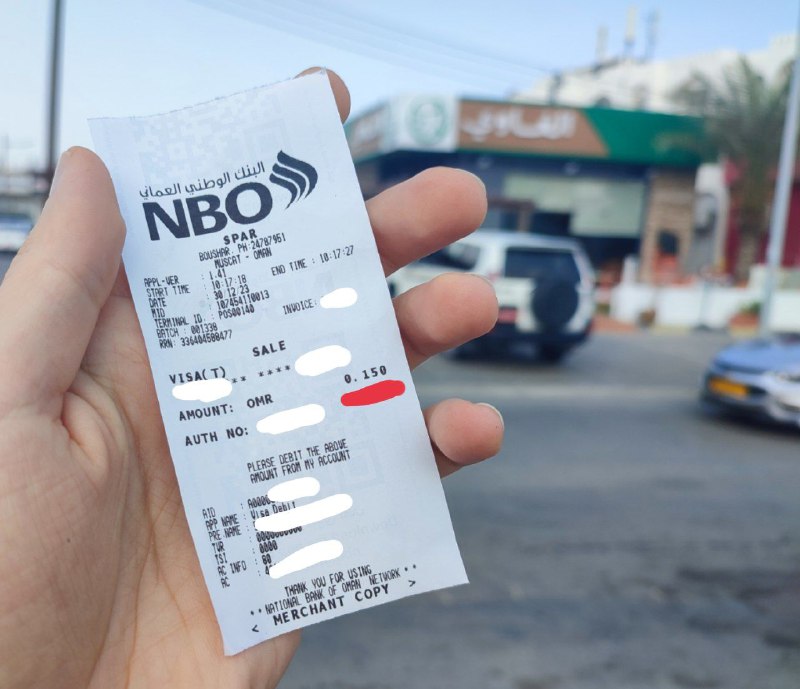
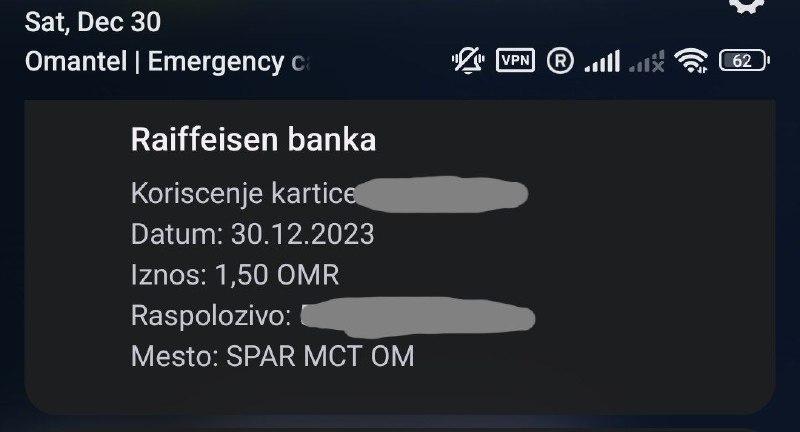
The problem is that Serbian banks completely didn't expect this twist. So I went and bought water for 0.150 OMR. Paid with my card. And I get a push notification saying 1.50 OMR was charged. Which is like 10 times more. The amount here is relatively harmless, but the same thing happened when I paid for the hotel. One that I definitely wasn't planning on paying almost a thousand bucks for per night. Except the notification cheerfully reported exactly that amount being charged.
The fun part is that the notifications come instantly. But the actual transactions show up in the online banking interface a day later (or even later). And support is completely unavailable. I had to worry a bit about my account. But in the end, everything was charged correctly. Not 10x.
PS. The money itself is beautiful. And it's cool that the bills show 1/2. And there's even 1/4.
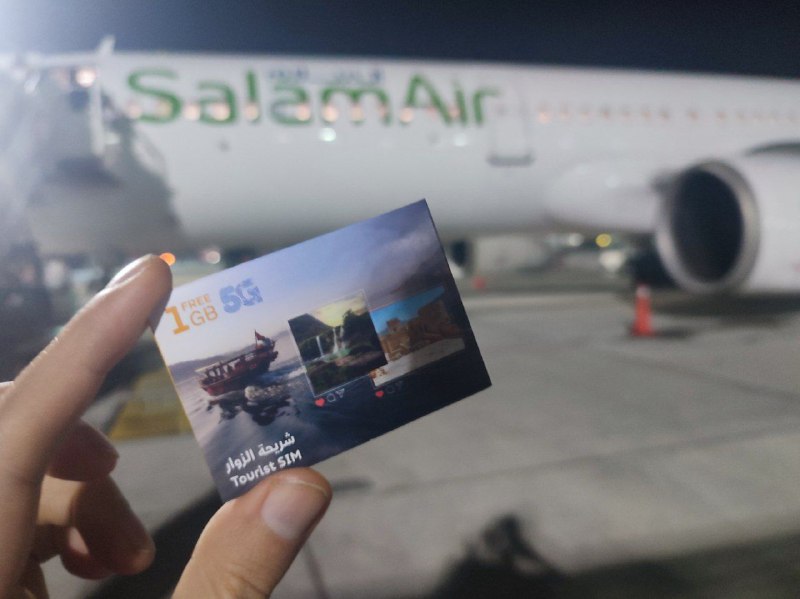
First time I've seen flight attendants handing out SIM cards with free internet right at the exit of the plane. No registration or SMS required. Maybe they're just behind on their plan to expose the population to 5G radiation by the end of the year? :)
Anyway, I'm in Oman. So far everything looks quite interesting.
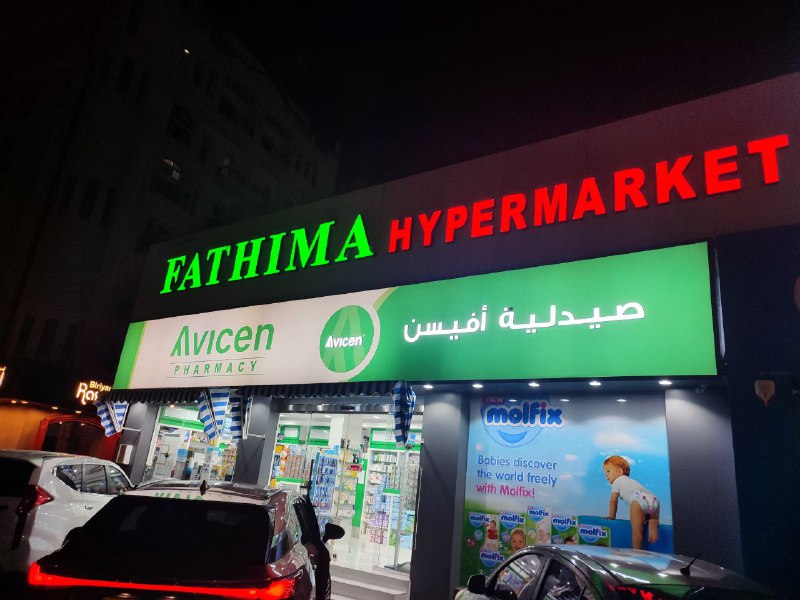
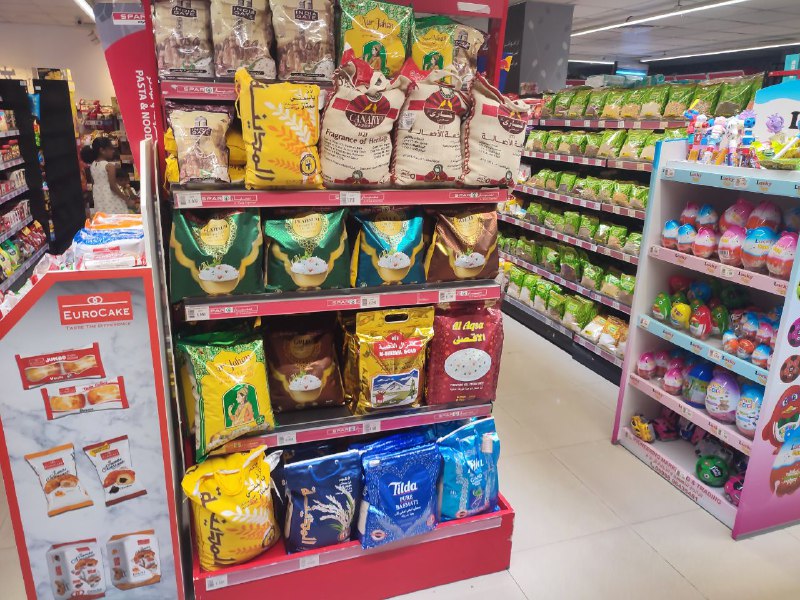
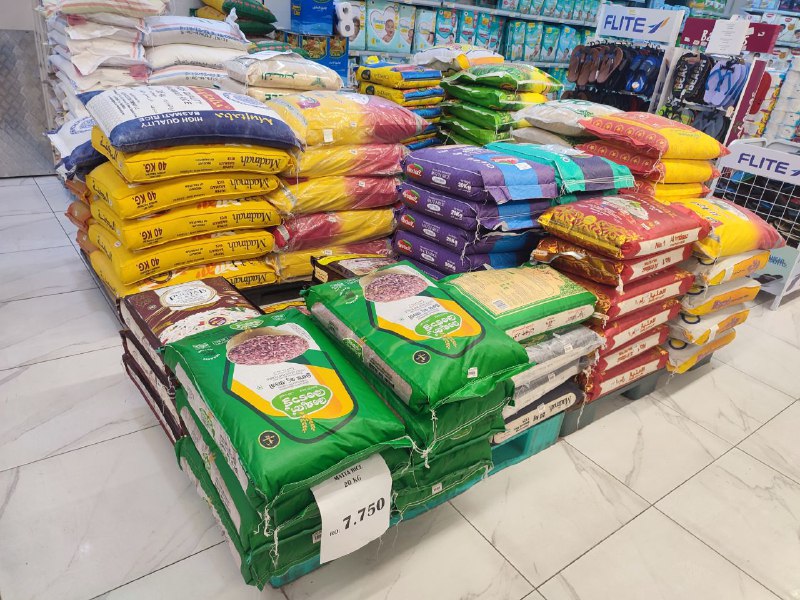
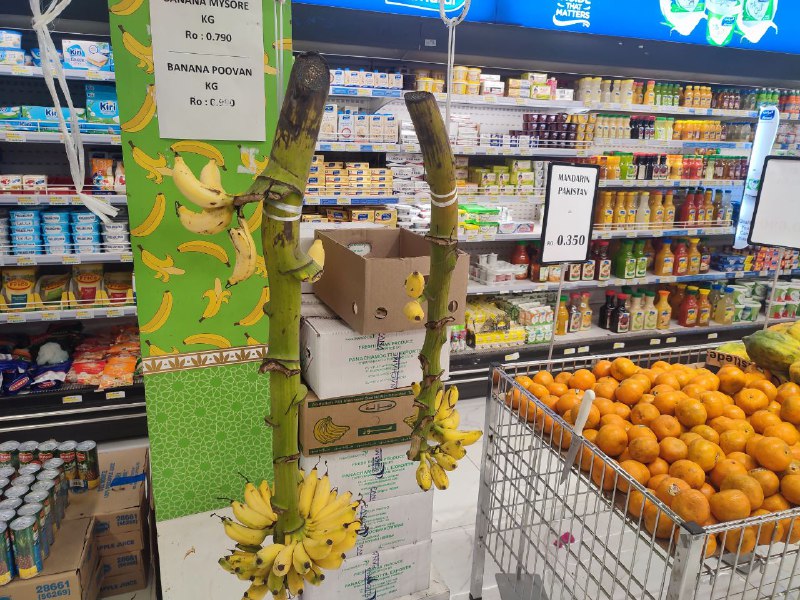
Even shopping at the store in Muscat is interesting!
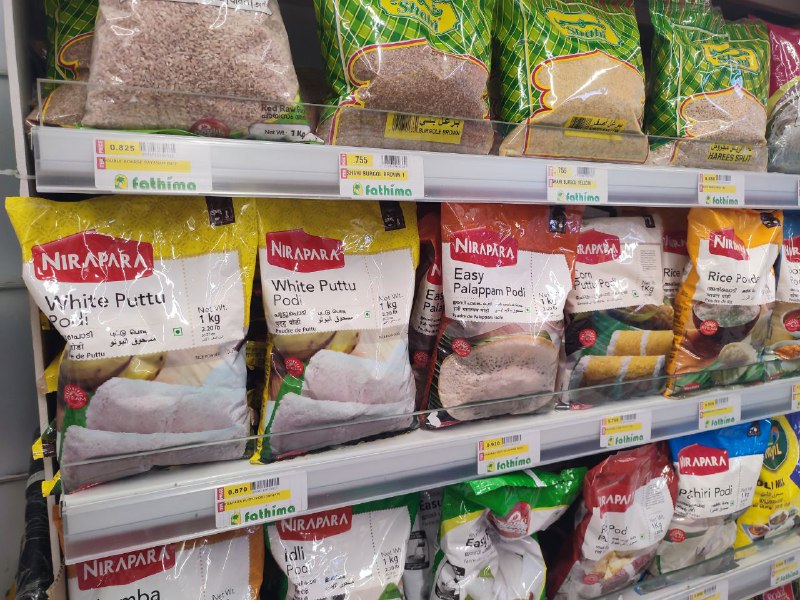
I popped into a regular supermarket and they've got rice bags in 20-40kg sizes. Even at Spar Express they sell 5kg packages.
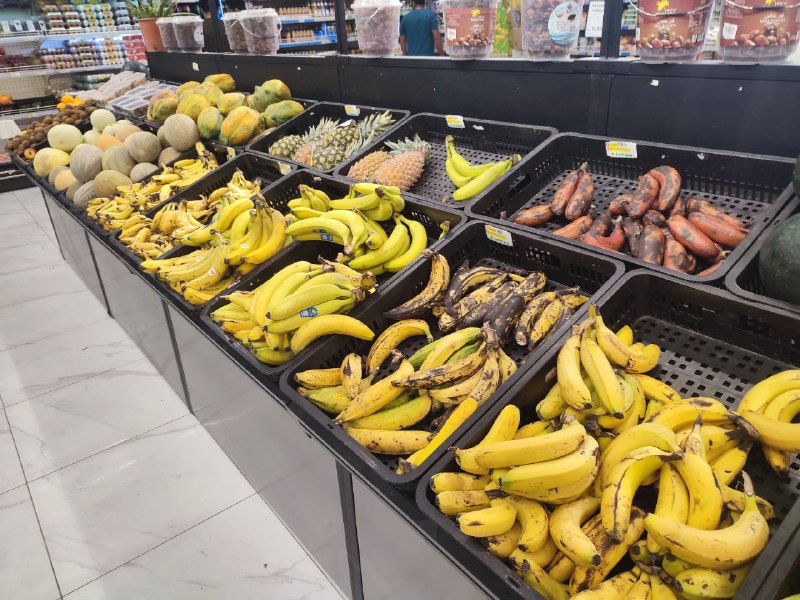
There are tons of overripe bananas. Literally melting in your hands. Give it a bit more time and they'll start fermenting. And it's not just one store that forgot to swap out the blackened ones. It's like this everywhere.
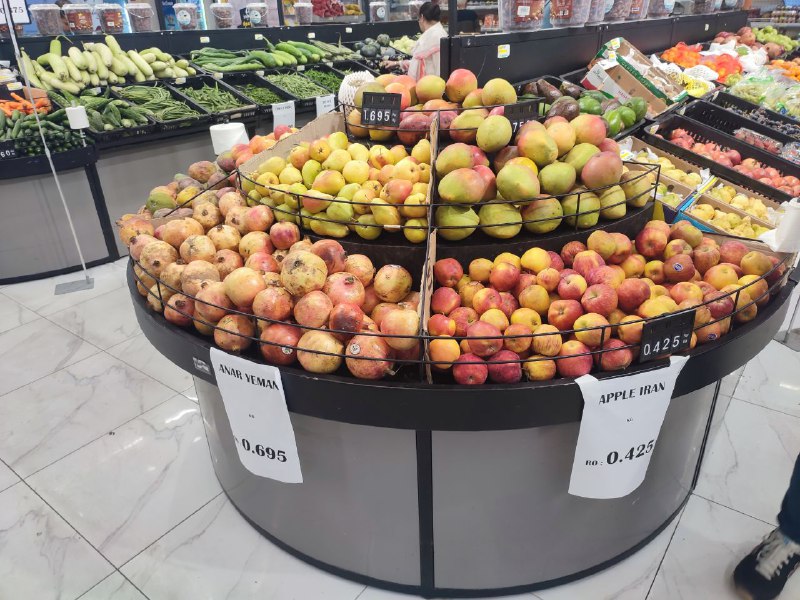
I especially love the prices with three decimal places. 0.725 and stuff like 0.855. I'll write separately about the money.
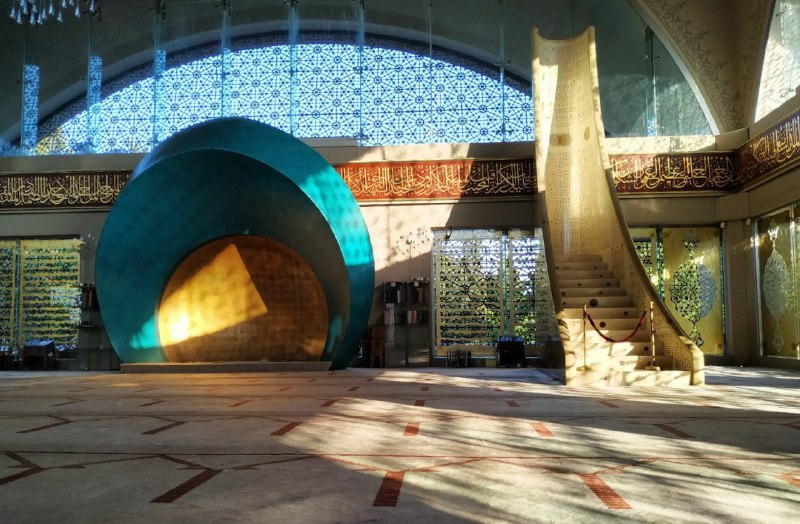
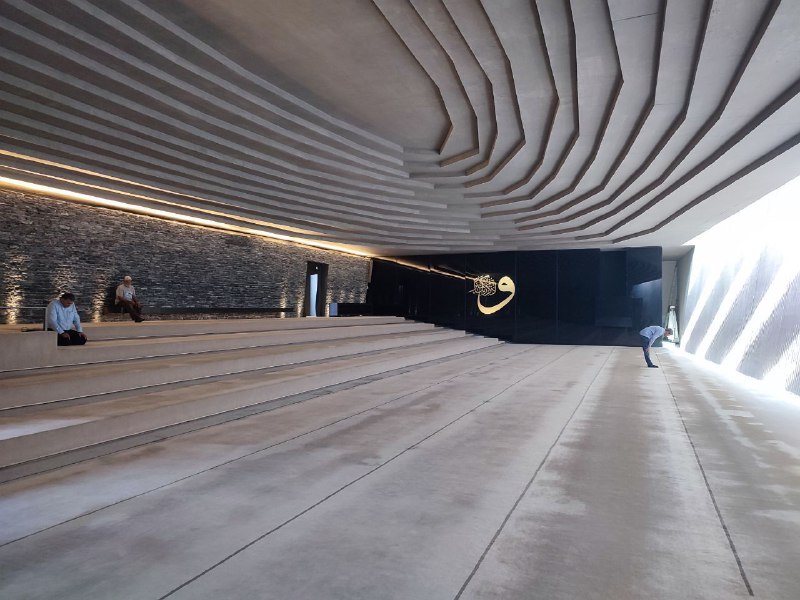
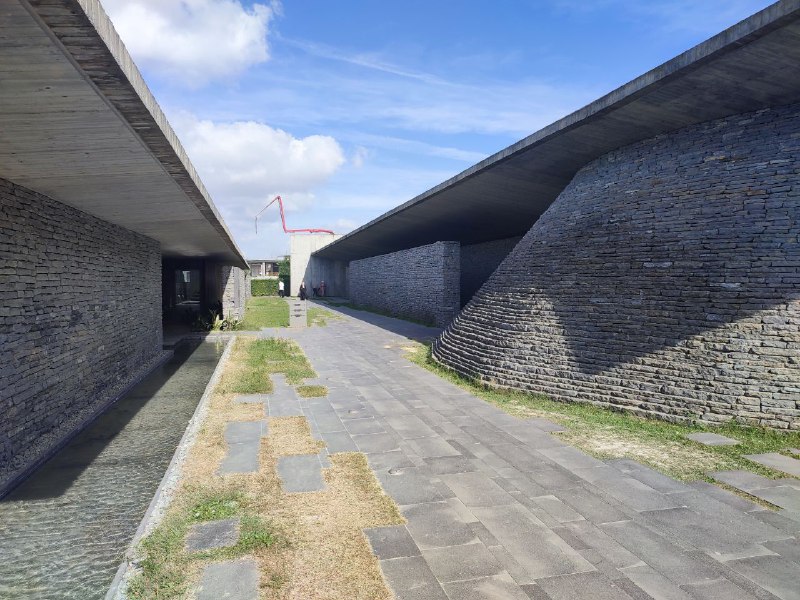
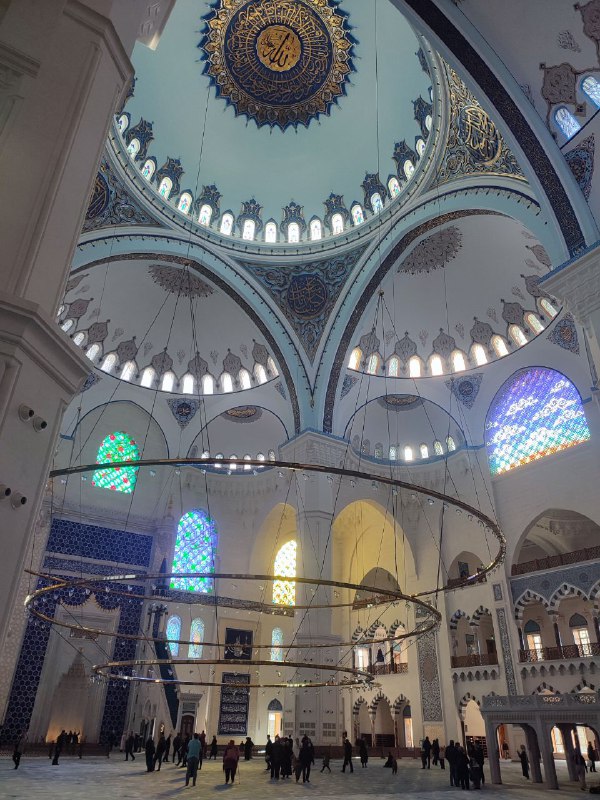
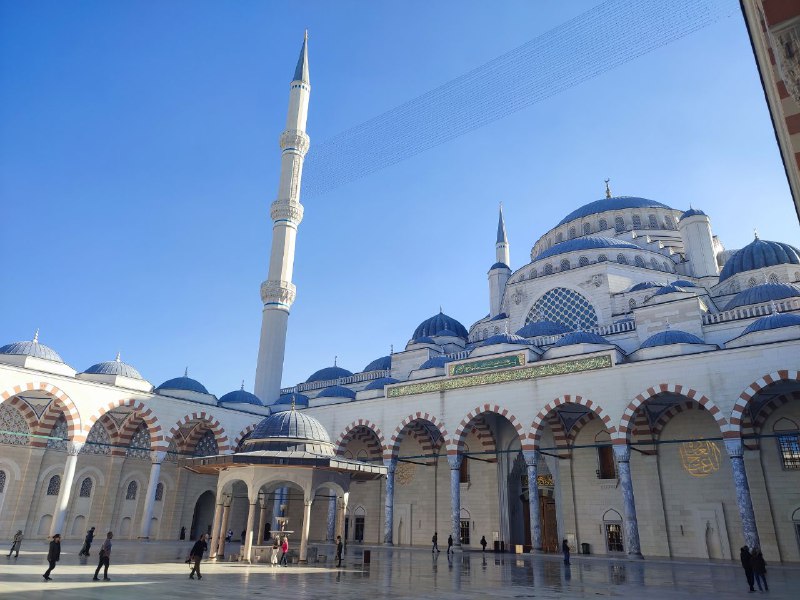
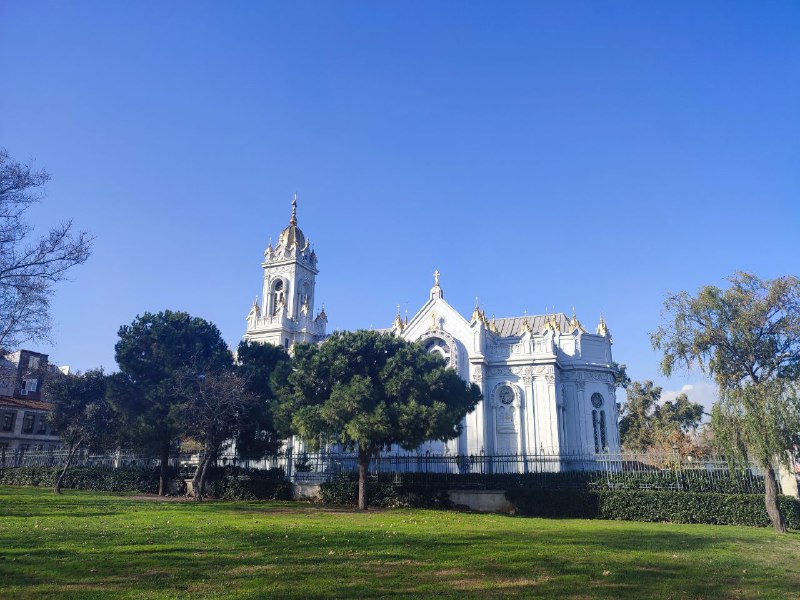
I checked out some of Istanbul's new mosques. The Turks aren't afraid to experiment and build unconventional mosques. They look really cool. The Grand Mosque is also remarkable for being designed by women, which isn't exactly a common occurrence.
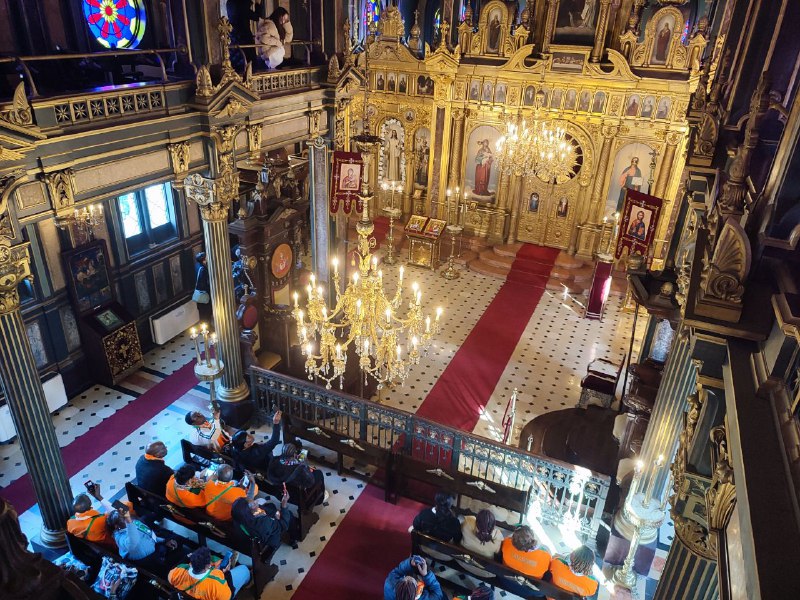
PS. The Bulgarian Iron Church isn't exactly new, but it's also pretty interesting. I was particularly impressed by the fact that the entire 500-ton structure was cast in Vienna and then shipped down the Danube to here.
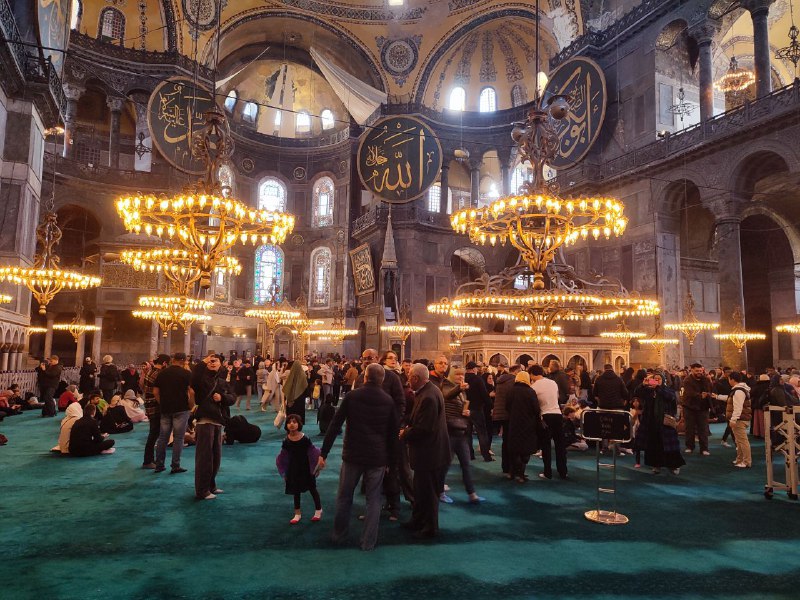
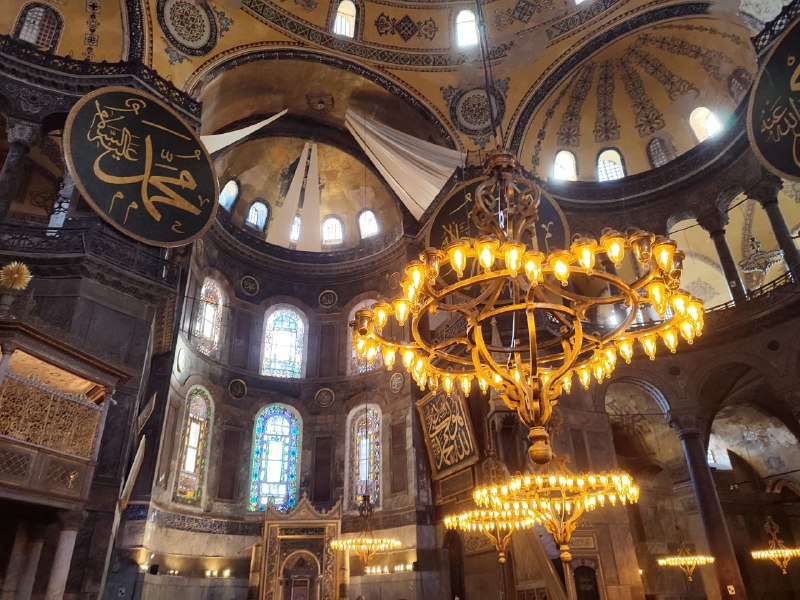
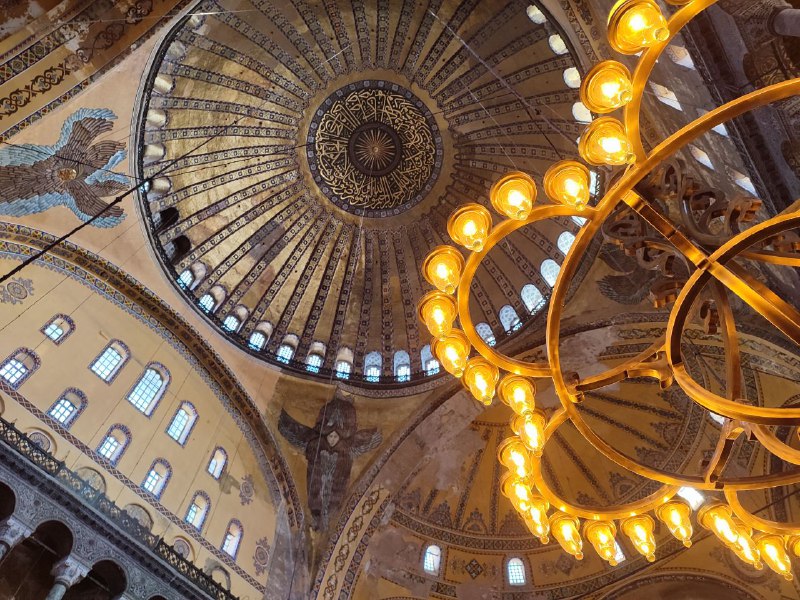
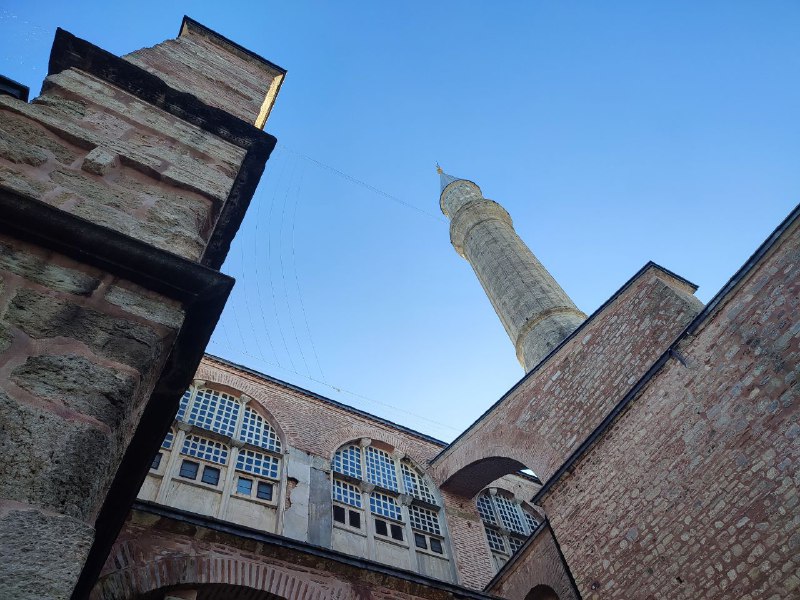
Stopped by Hagia Sophia again since they're still letting people in for free. They're threatening to start charging tourists from mid-January. Everything looks different from when it was a museum. Carpets, really bright lighting, and you can't walk everywhere.
Can't get to the second floor. Not at all. Though they're planning to fix that too in January. For your money, any wish is possible.
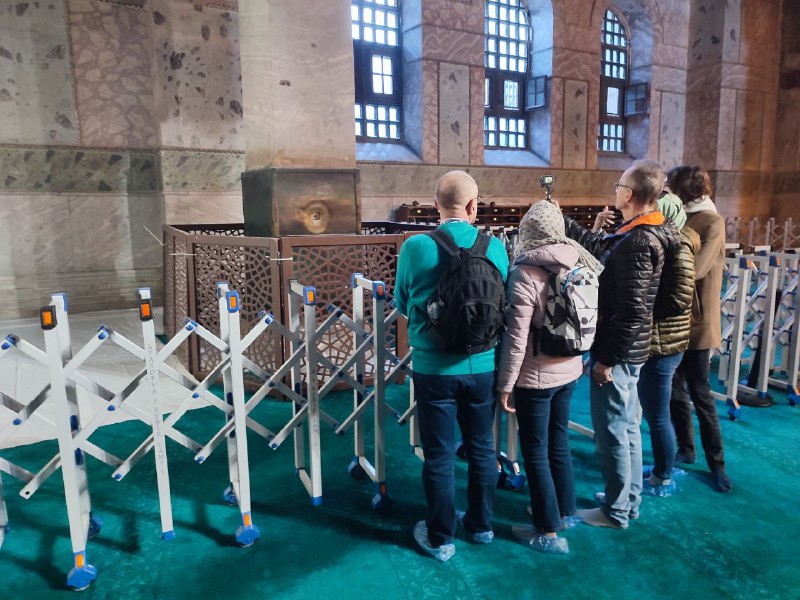
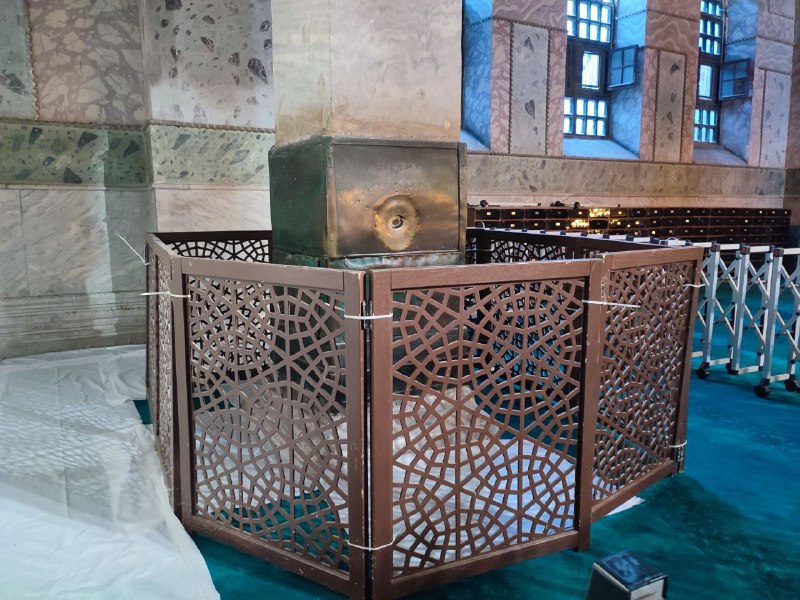
But that's not even the most frustrating part. I read online about a special column inside. According to legend, you make a wish, stick your thumb in the hole, and twist it 360 degrees. If it gets wet, your wish is guaranteed to come true. At some point they decided to protect the column and covered it with bronze sheets. That didn't stop the pilgrims though. They poked holes through the bronze and kept going with the ritual. Today they've blocked access with a little fence and you can't reach it by hand. And no one's trying to climb over it. I haven't heard any promises to open it up again.
Looks like I'm leaving without making a wish :(
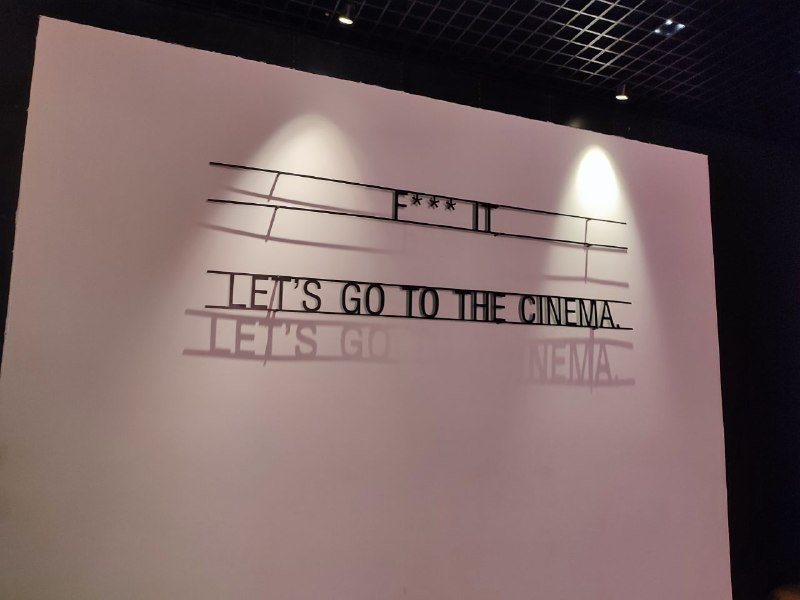
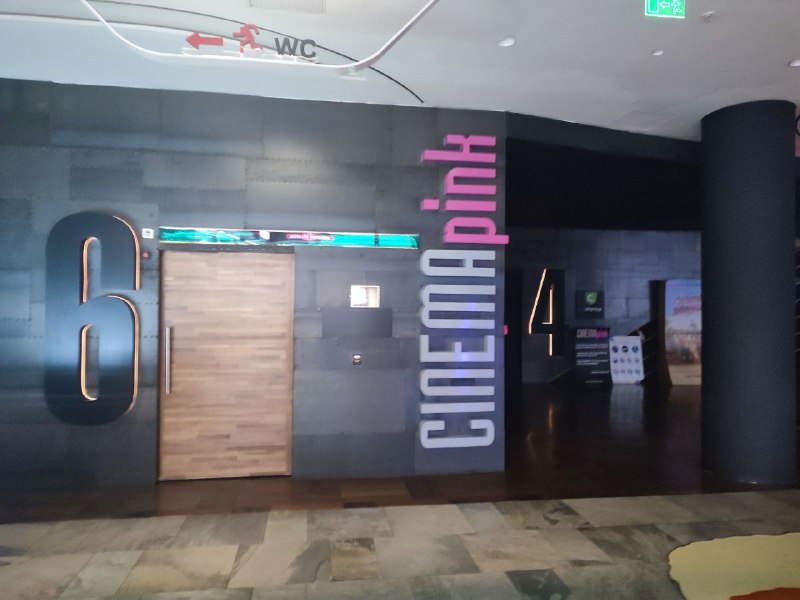
Who would've thought that going to a cinema in Istanbul would be full of surprises?
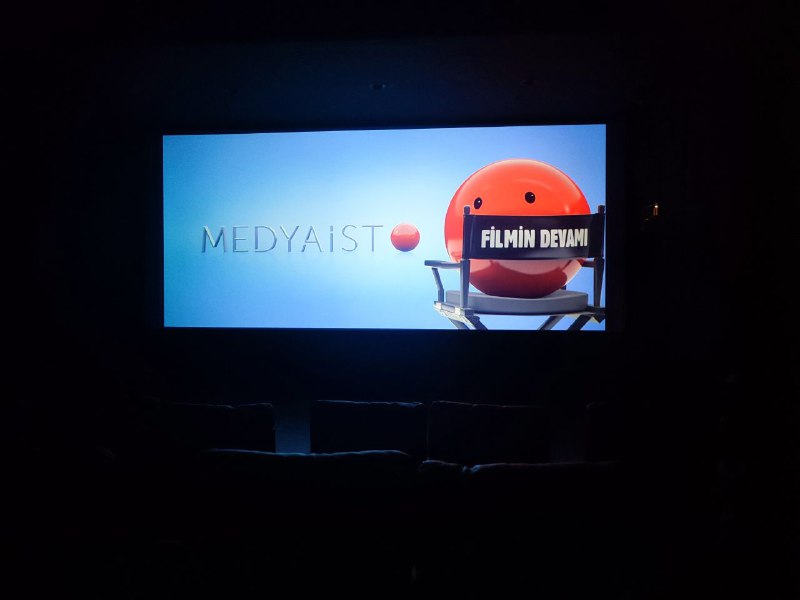
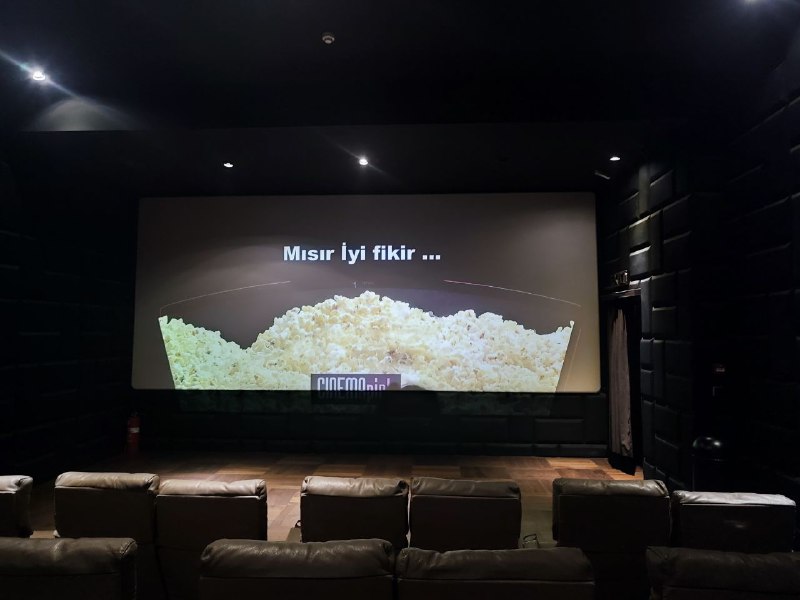
They actually pause the movie halfway through! They literally cut off the actor mid-sentence and put up an intermission screen. Then popcorn fills the whole screen. Like, you know what to do. 10 minutes later, they continue from the same scene.
I found a whole
discussion about how different countries handle this. Apparently intermissions are common in Portugal, India, Iceland, Italy, Malta, Jamaica (and that's clearly not the full list). Some places used to have them (Netherlands, France, New Zealand) but don't anymore. People also complain that Hollywood movies get cut up all over the place. Bollywood screenwriters, though—they actually write the intermission break into the script itself.
The movie was shown in the original language with Turkish subtitles. Dubbing here is mostly only done for kids' films.
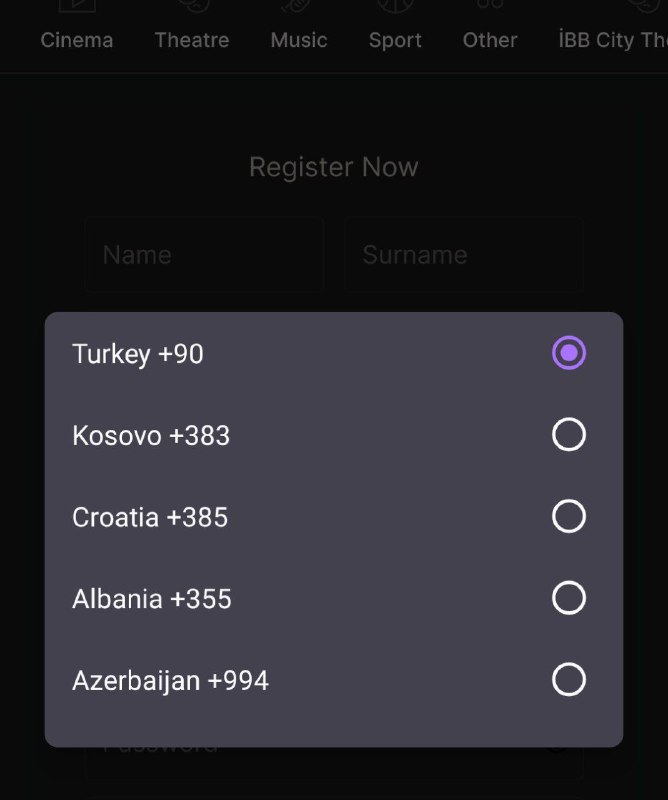
PS. And I couldn't even manage to buy a ticket online. The website requires you to register via SMS. They only send codes to Turkish, Albanian, Azerbaijani, Kosovar, and Croatian numbers, which I don't have. I wouldn't even question Bosnia being on that list. But how did Croatia end up there? 🤔
Think Muslims can't be Orthodox or Catholic? On the Balkans — they can!
Here, Muslim isn't just someone who follows Islam, but also an
ethnicity. These two groups of people don't overlap perfectly (though they do intersect).
Let's go back about 500 years. The Ottomans rule the Balkans. Many Bosnian residents change their religion. And they call themselves
Turks. Of course, this had nothing to do with modern Turks—it meant belonging to Islam. If they needed to specify geography, they'd say they were Bosniak. Ethnicity didn't matter much back then.
By the end of the 19th century, the Ottomans were gone, and the word "Turk" was about to take on a different meaning. Austro-Hungary, which replaced the Ottoman Empire, decided to help BiH residents figure out their identity and declared everyone Bosniaks. It didn't stick: Bosnian Islamic intellectuals of that era often considered themselves (surprisingly) Serbs or Croats. What more can you say about everyone else? It's no coincidence that the Yugoslav Kingdom was initially called the Kingdom of Serbs, Croats and Slovenes.
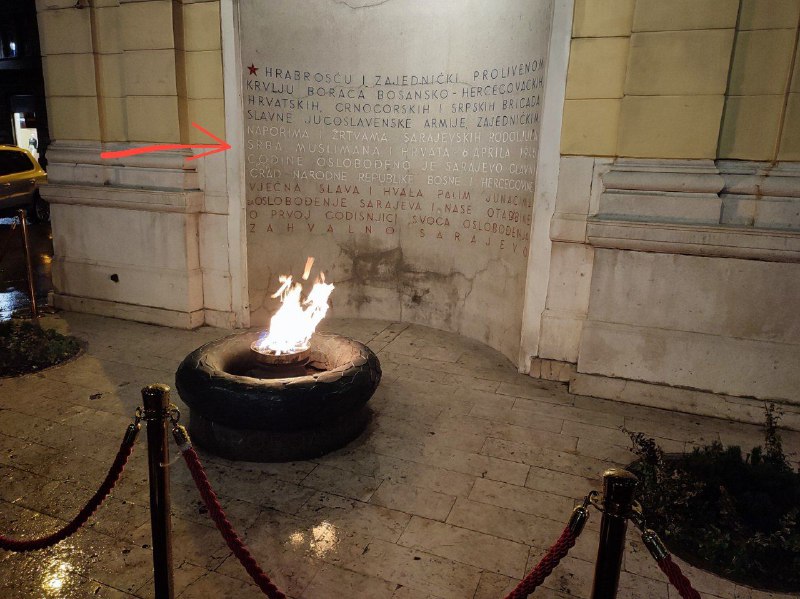
Around the same time, there were ideas floating around about dividing Bosnian lands between Serbia and Croatia. These changed how people thought about nationality. Separatist sentiments even emerged. But then came World War II, followed by communists. BiH became a separate republic within Yugoslavia, but the people living there still had no name. Most practiced Islam, so the party decided to call everyone Muslims. Regardless of religion. In the photo is an eternal flame in Sarajevo. That's where Muslims are a nationality.
After Yugoslavia fell apart, everything was redrawn again. All residents started being called Bosnians, while Bosniaks became the term for people whose ancestors converted to Islam under Ottoman rule. Though even now, everyone basically argues whether Bosniaks are Serbs and Croats who adopted Islam, or a separate people altogether. It's a very sensitive topic and can spark heated discussions. But you shouldn't count out Muslim nationality just yet: even today, tens of thousands of people on the Balkans identify with it.
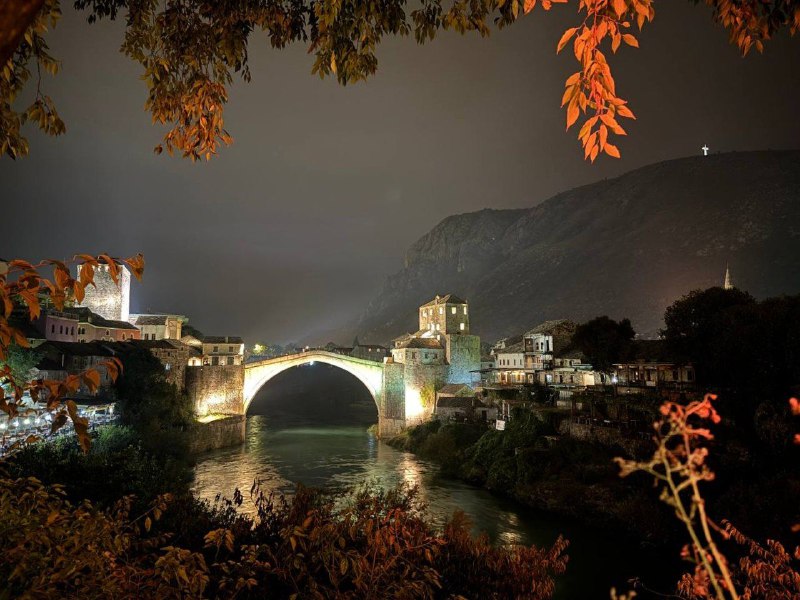
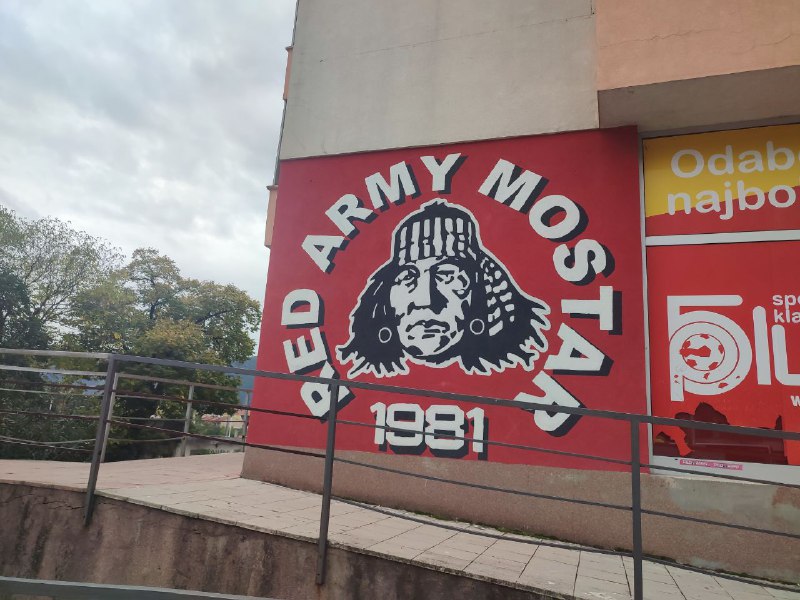
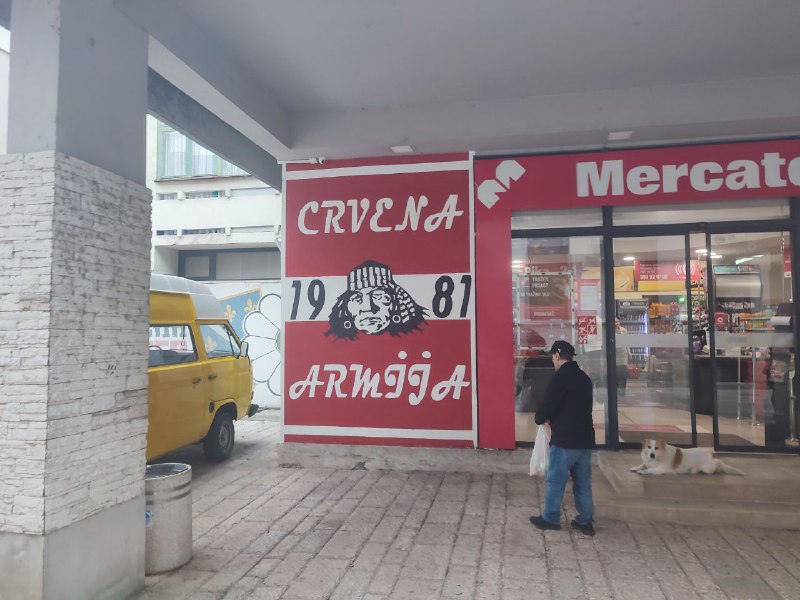
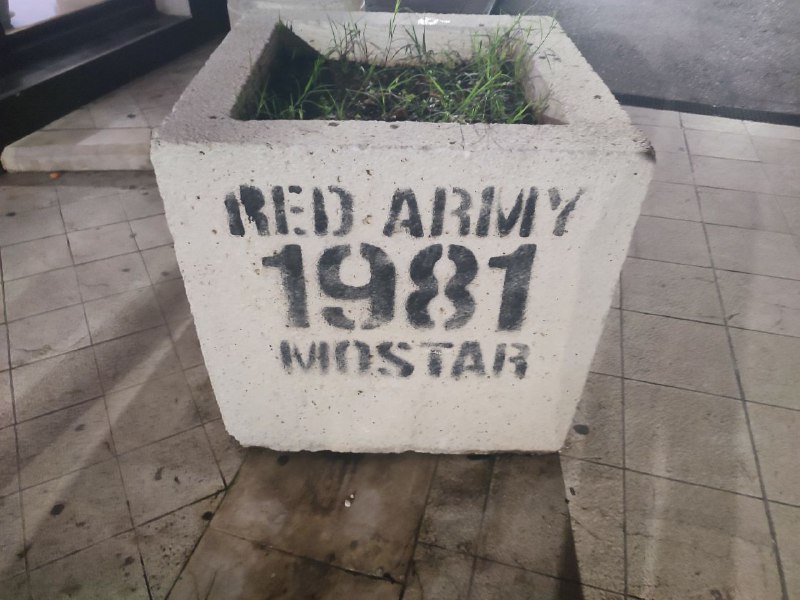
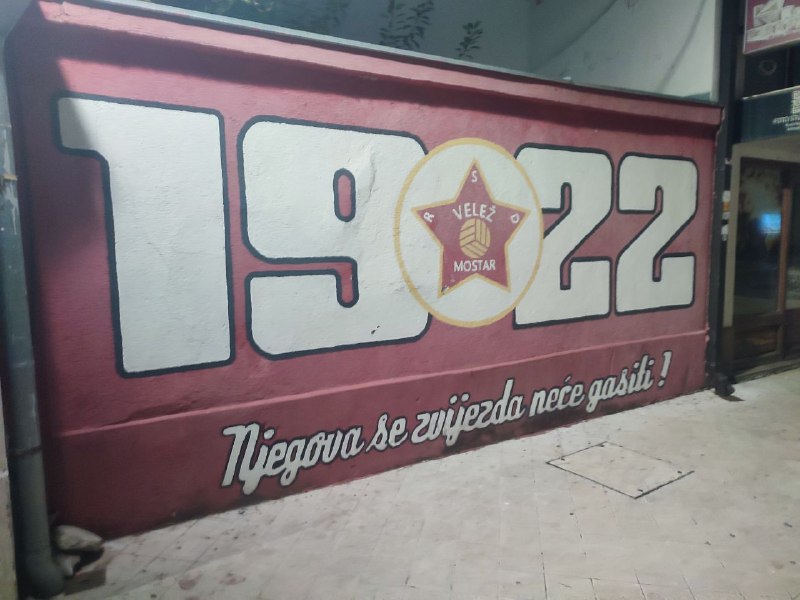
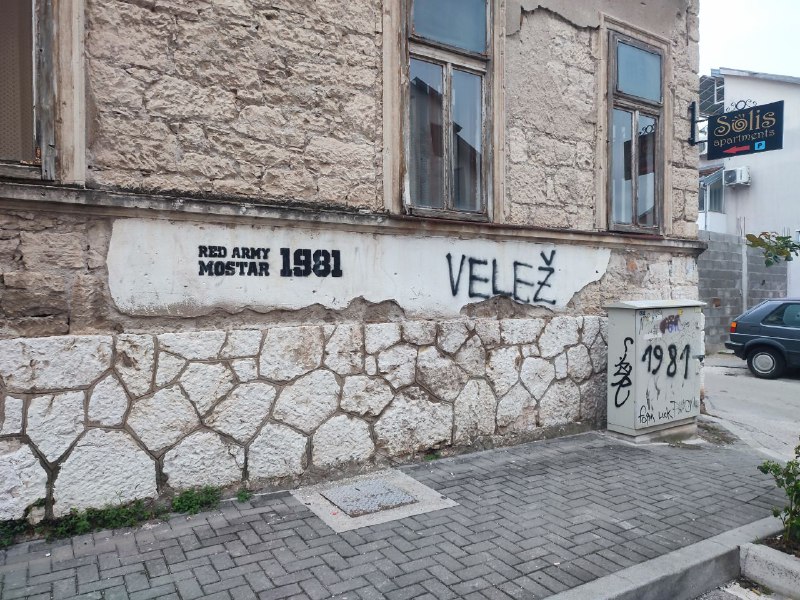
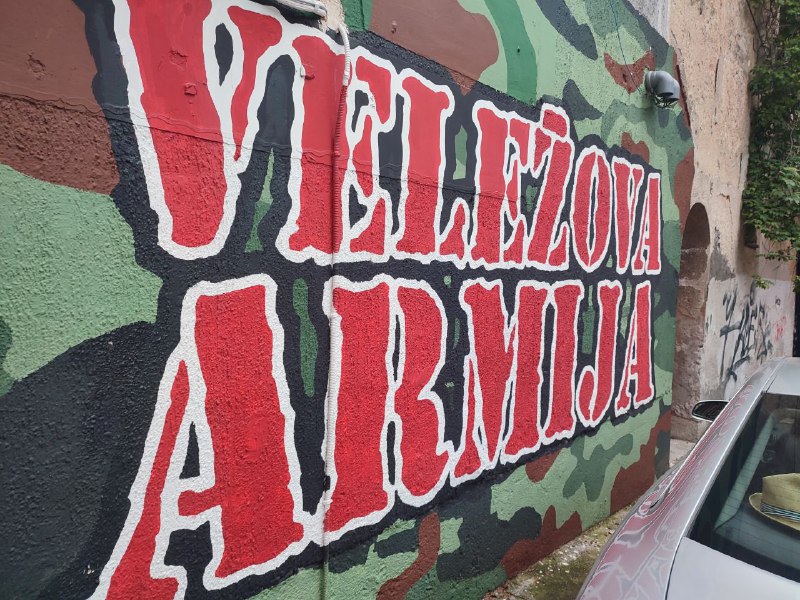
If you venture just outside the heart of Mostar in Bosnia, you'll spot plenty of football graffiti everywhere.
The most popular fan group is the Red Army. They support Mostar's club Velež. The team won the Yugoslav Cup twice and even made it to the UEFA quarterfinals.
Their golden era was the 1980s. Back then, people from all backgrounds supported the club—Croats, Bosnians, and Serbs alike. It was an incredibly unifying thing. During the peak 1985-86 season, over eight thousand (!) Red Army fans traveled to a match in the Croatian city of Split. That's just under 10% of Mostar's entire population.
Music groups even formed around the movement, dedicating their work to the fans. One of the most famous pieces is the
RA anthem.
Everything changed after the war. The level of football dropped dramatically, and the stadium attendance never came back. Mostly Bosnians support the club now, though the movement welcomes everyone with open arms.
While reading about
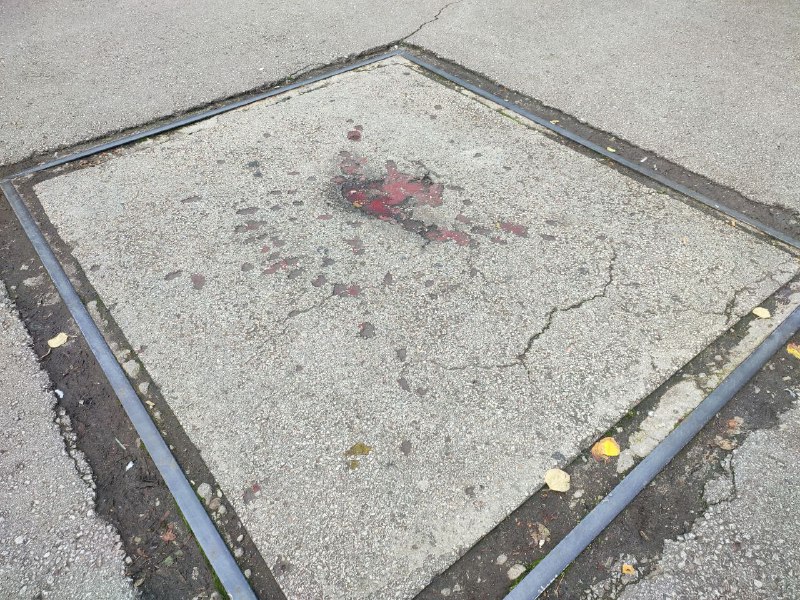
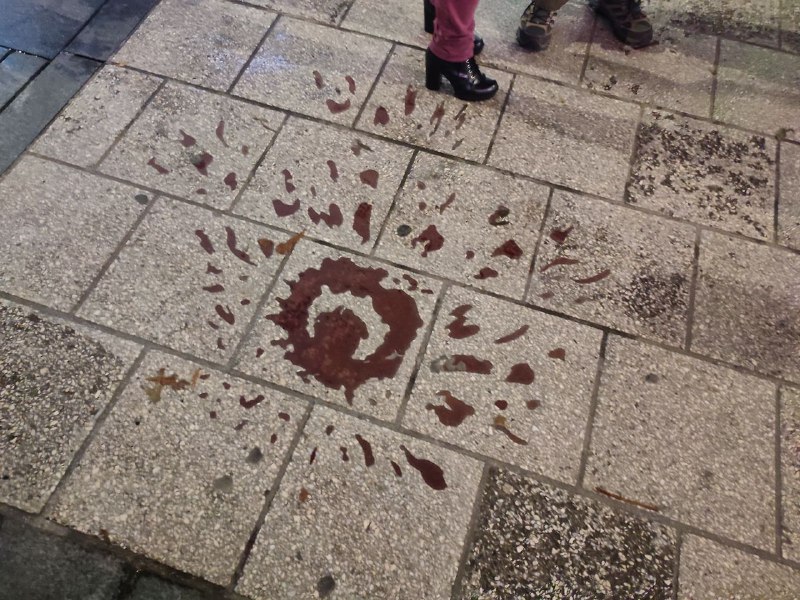
Sarajevo roses, I stumbled upon a completely wild story from the time of the Sarajevo siege in 1992-96.
The story goes that very wealthy foreigners could pay big money to buy an "adventure" and shoot at city residents with a sniper rifle. There doesn't seem to be enough evidence for court yet, but overall the gathered facts look quite plausible. Last year, the Slovenes released a documentary called "
Sarajevo Safari" about this story. I should check it out.
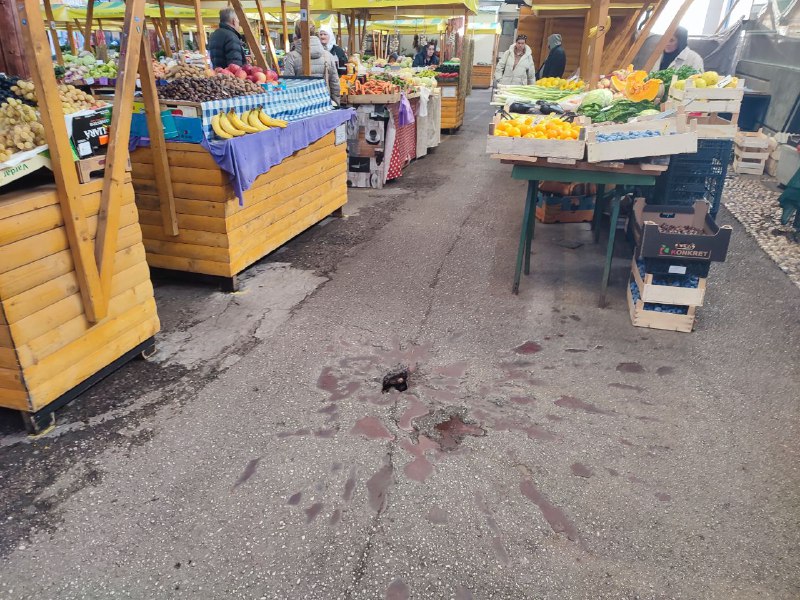
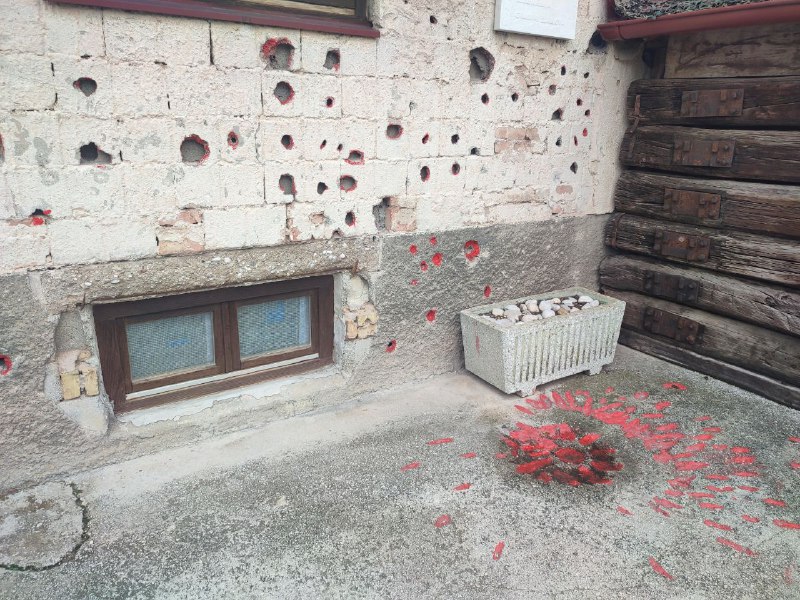
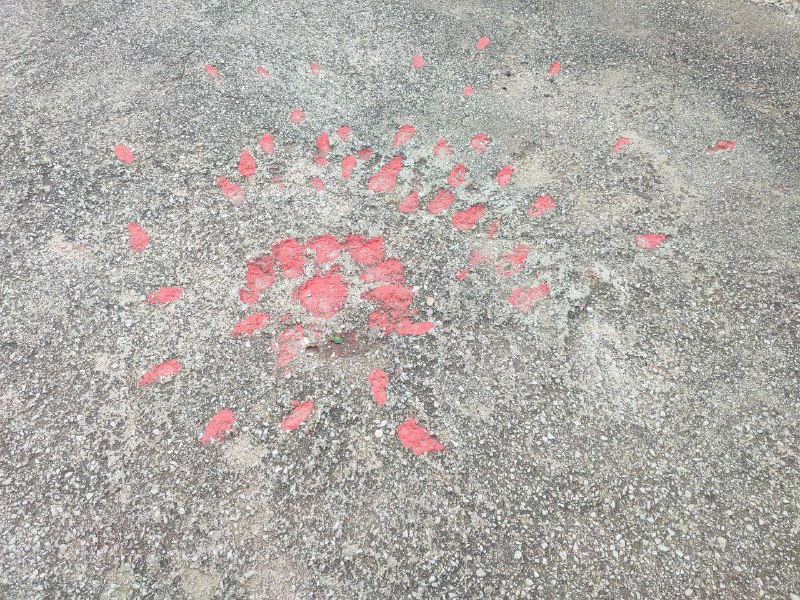
I never really noticed Sarajevo Roses before. They're memorials in places where artillery shells landed during the Bosnian War and killed three or more people.
Instead of filling the shrapnel damage with new asphalt, they used tar mixed with red paint. It ended up looking like rose petals, which is where the name comes from.
There are about 200 of these roses scattered throughout the city. Lately, there are fewer of them: when roads are repaired, sometimes the surface is just replaced without restoring the memorial. A few are very well-known landmarks for locals and even get restored. But the others might disappear over time.
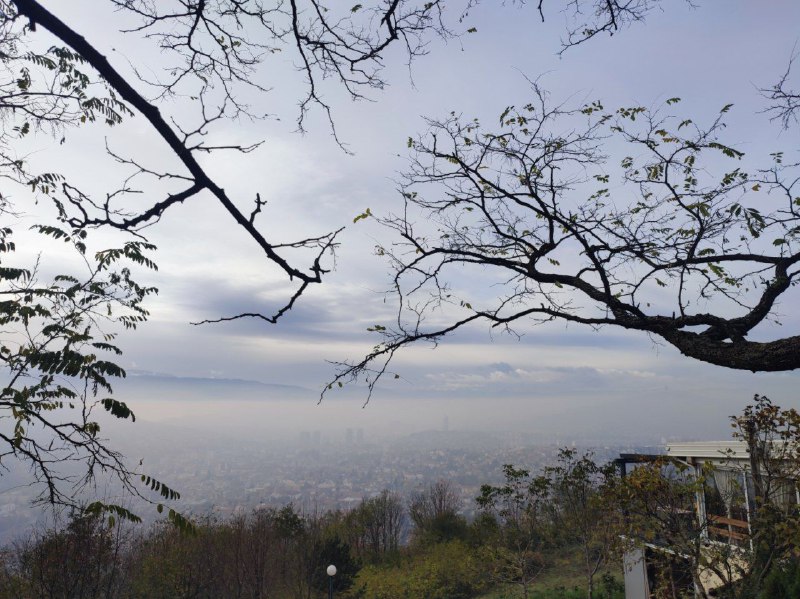
Sarajevo time. It's noticeably cooler here than in Belgrade, and the city is shrouded in smog again. But it's still beautiful here ❤️
I'll definitely remember this waterfall for the rest of my life. I never thought I'd open the swimming season in early November not in some warm sea, but in +15°C in Serbia 😅
This day had to come eventually. I successfully drowned my drone right in the middle of this pond. I didn't notice a small branch, caught it on the propellers, and dove down. Had to go diving. The depth is about five feet. It's good the water is clear and you can see what's happening. I have to say, the swim turned out to be much more pleasant than I expected.
Unfortunately, I couldn't recover the most interesting footage of entering the water. I barely managed to retrieve this video from the water-logged memory card.
PS. To my surprise, after careful drying, the drowned victim flies again.
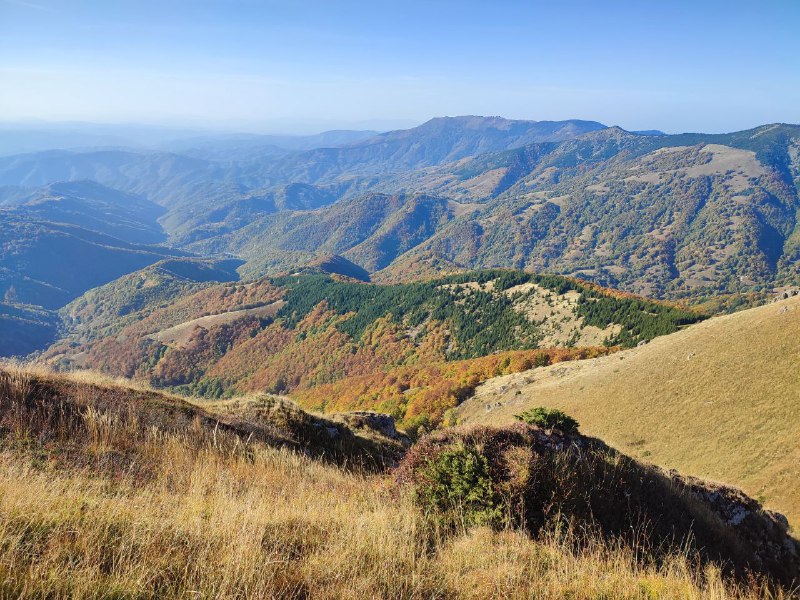
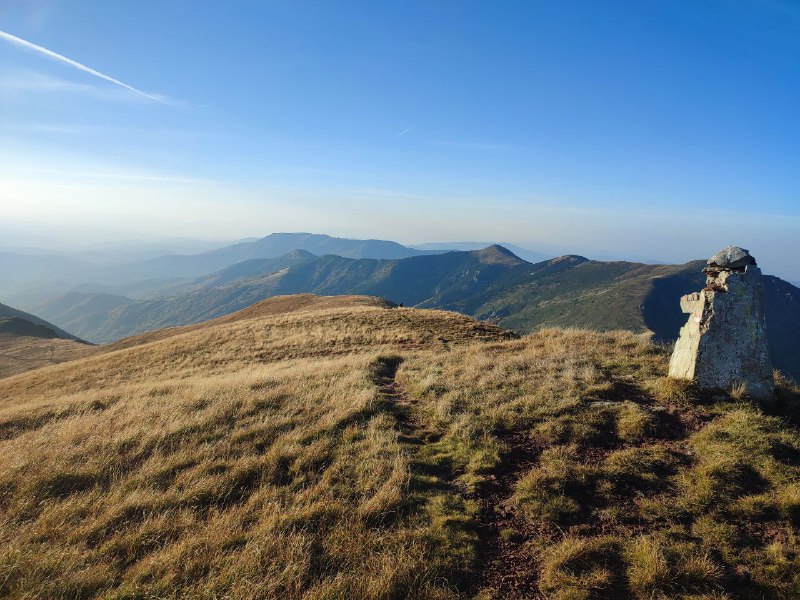
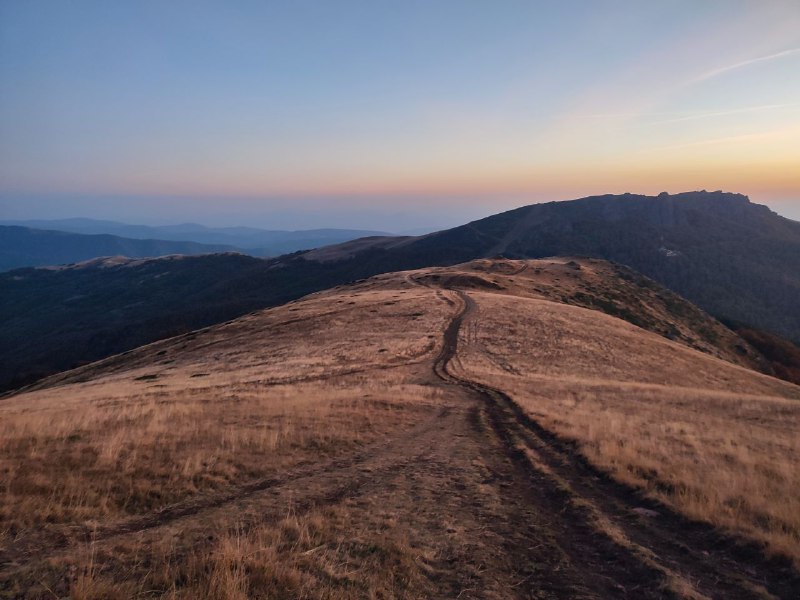
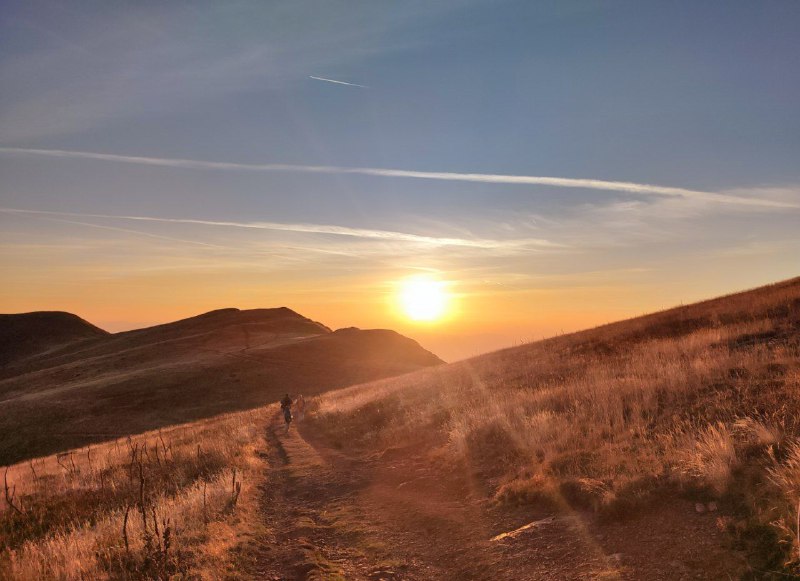
Before it got cold, I went to check out what's on display at the Serbian-Bulgarian border. Really beautiful.
Most of the time part of the trail is hidden somewhere in the forest, but here you get views the whole way. Which is especially nice.
PS. If you ever need to go there too, here's
the link.
On the way home, I managed to lose my luggage again. Third time this year! (thankfully it turned up)
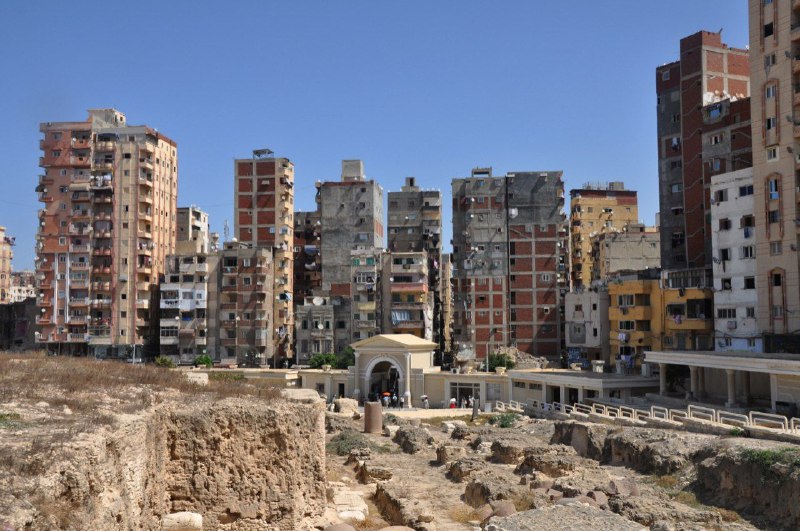
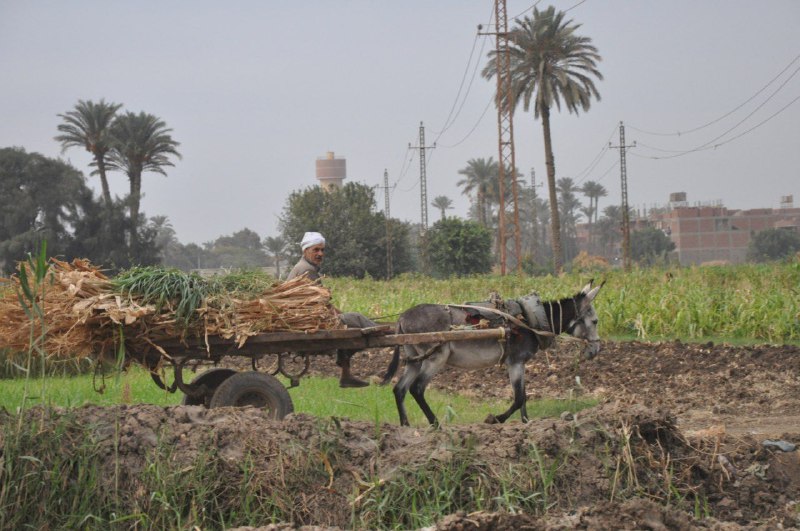
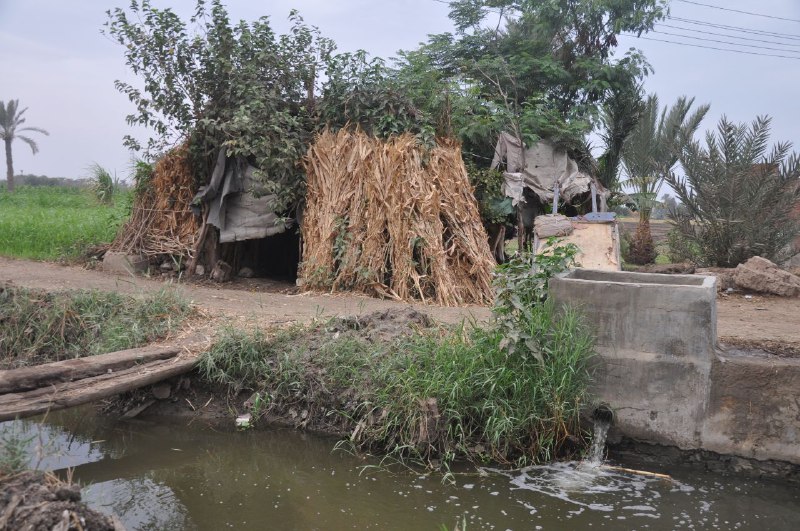
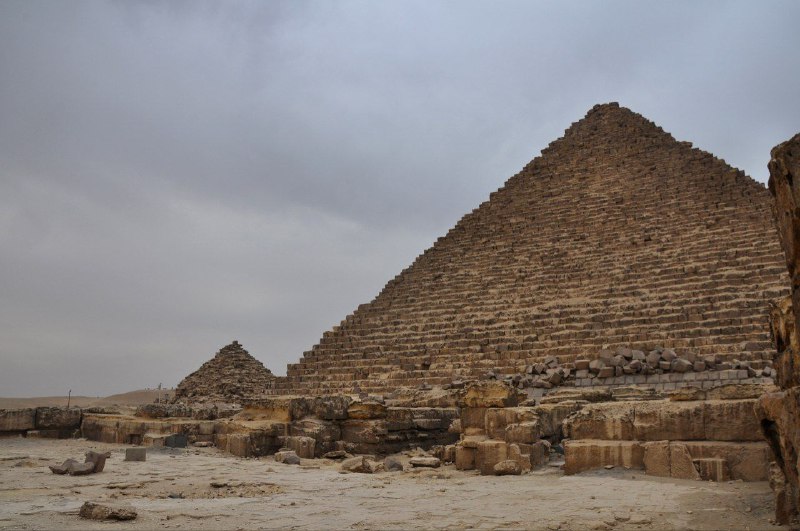
A few more thoughts about Egypt. The poverty level is high. You walk into a UNESCO-protected area where everything looks neat and proper, but behind the fence there are unfinished but occupied ugly concrete boxes.
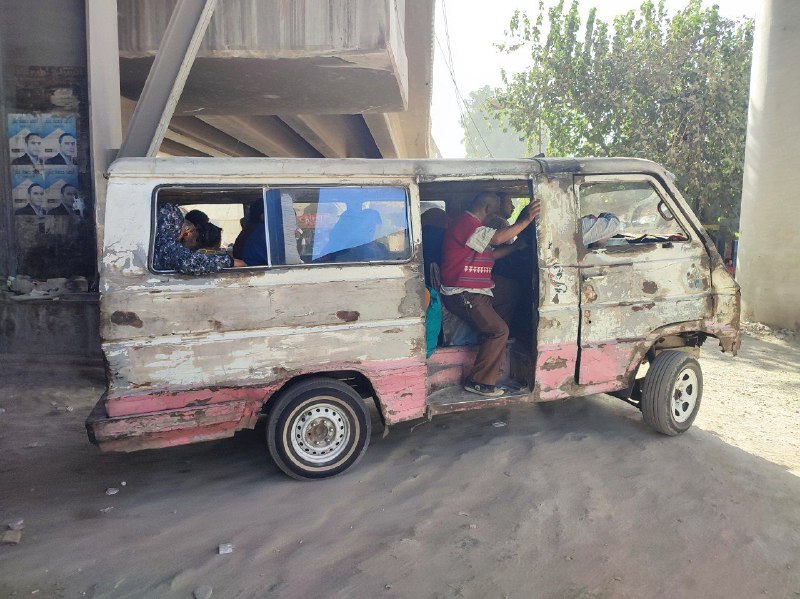
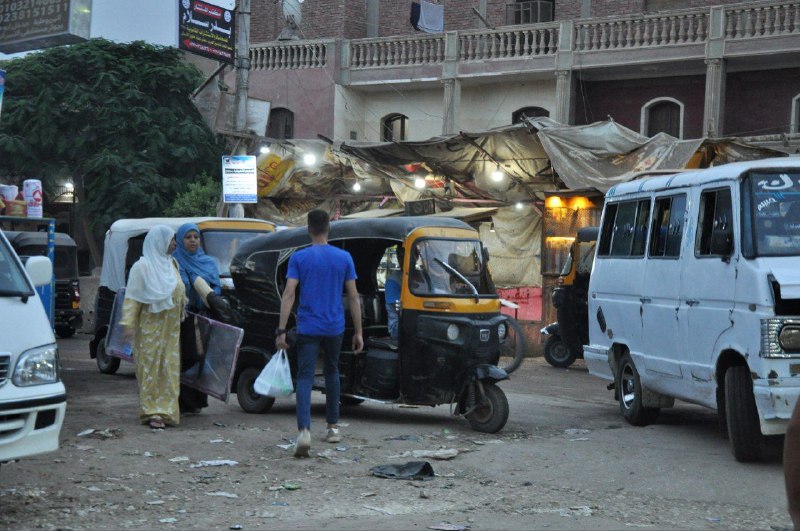
Even in Cairo, many people wear clothes that could use some mending, or better yet, replacing. Looking at public transport sometimes, you wonder how it's still running at all. There are some decent buses, but plenty of beat-up minibuses.
The average salary in the capital is around $300 a month. Prices overall are lower, but I can't imagine how people manage to live on that.
All this deeply influences how people think. Taxi drivers and even tour guides are among the most opportunistic people I've ever dealt with. Short-term gain trumps anything long-term for a lot of them. And that's sad.
Still, there's something captivating and appealing about this country, something genuine and alive. I'll definitely come back here once things settle down in the region.
Peace to all ❤️
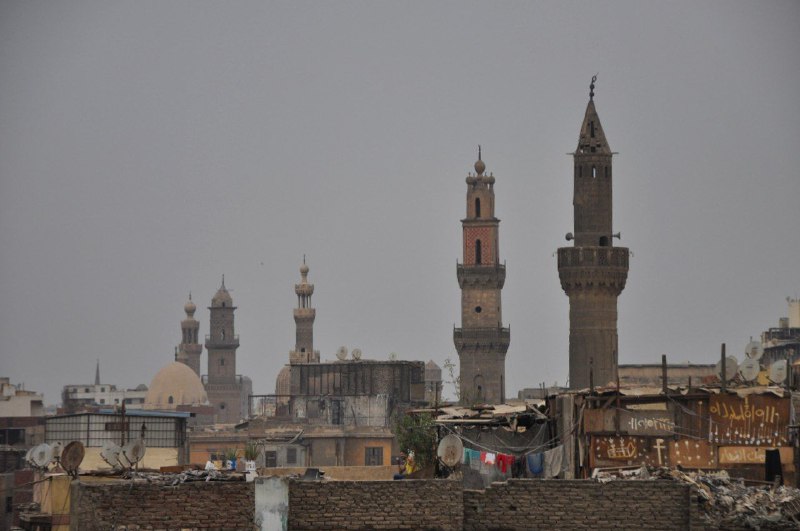
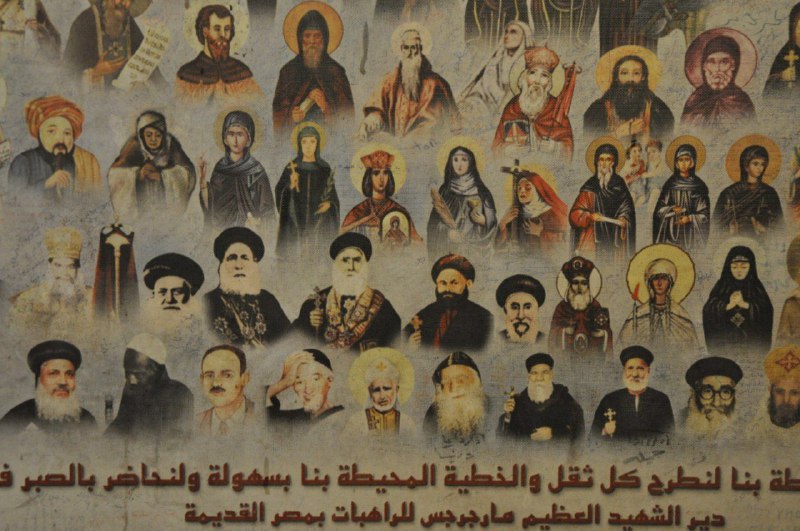
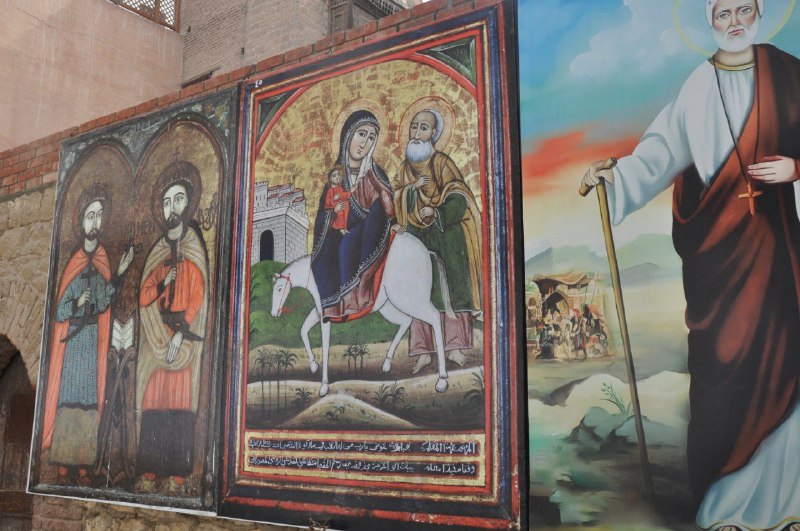
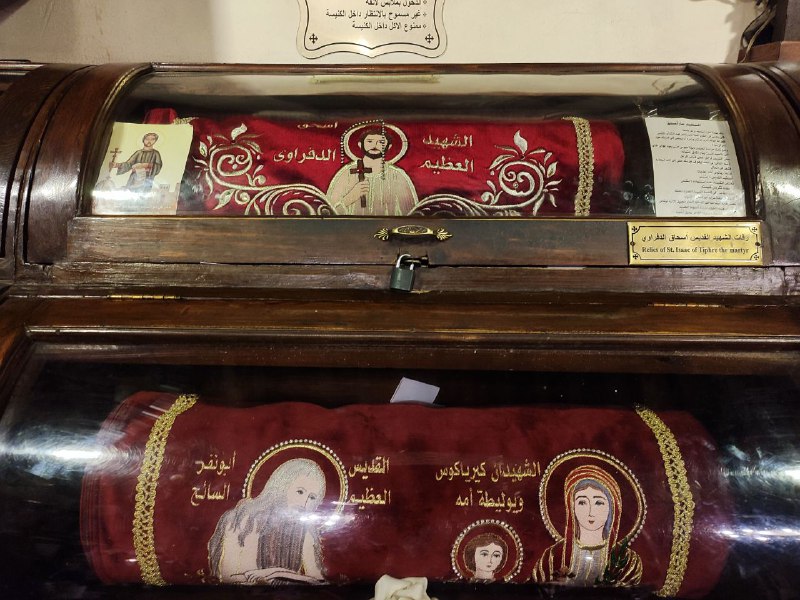
When you see a religious image of bearded Arab elders in turbans next to Arabic calligraphy, your brain automatically makes the connection — oh, Islam, got it. But that's not always the case!
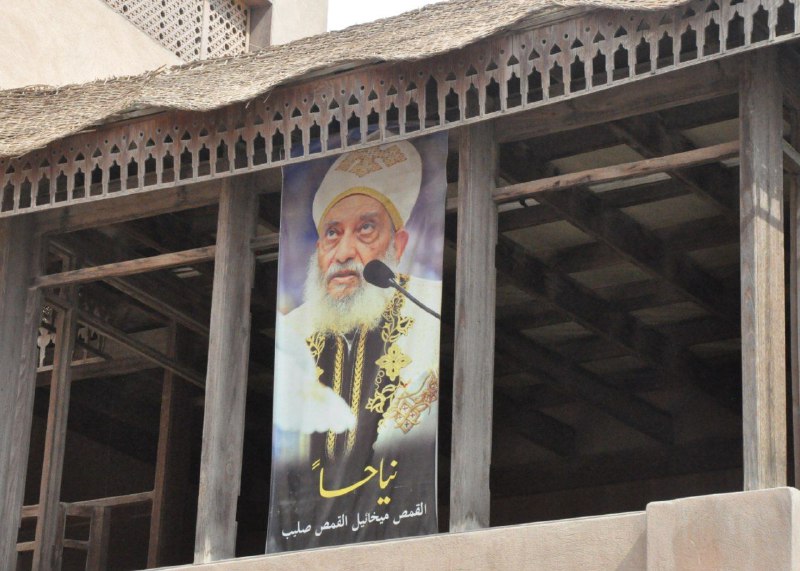
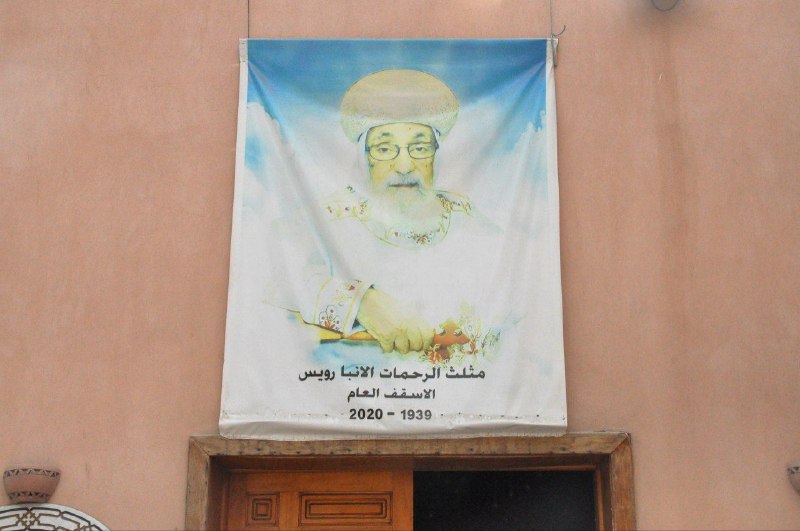
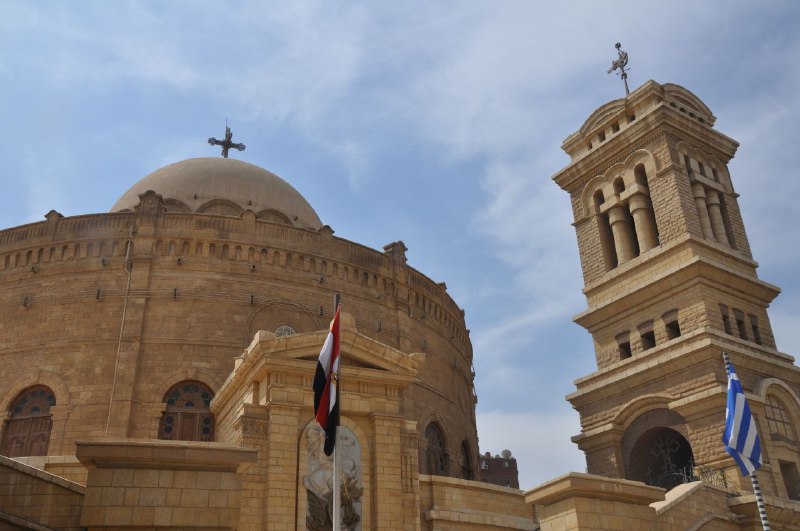
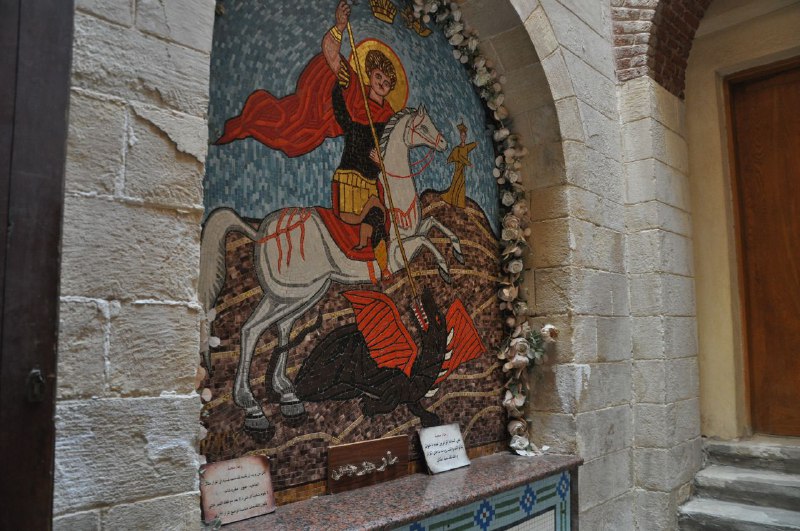
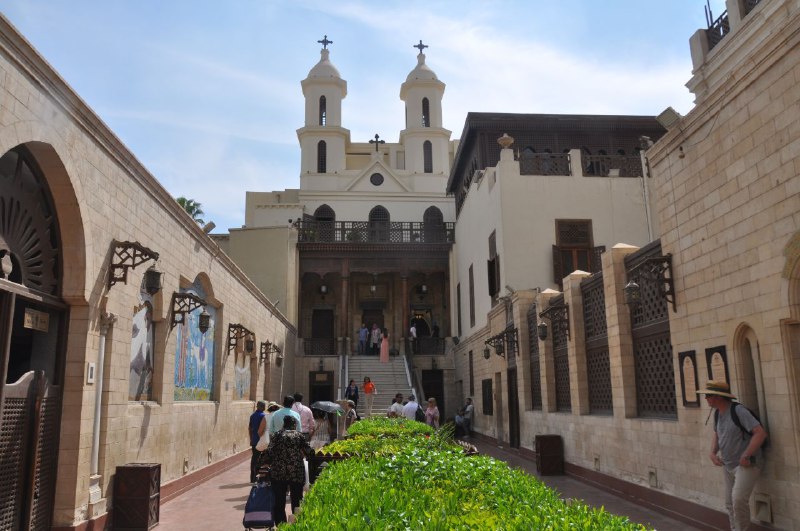
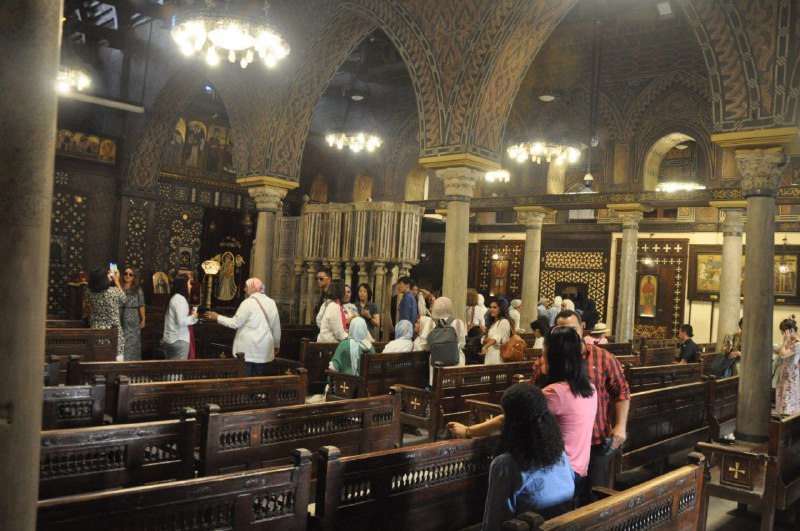
In Egypt, you'll find the same imagery in Christianity too. Same elders, same inscriptions, different religion. Over 10% of the country are Coptic Christians. In Old Cairo, there's a huge neighborhood packed with churches stacked on top of each other (plus a couple of synagogues). Icons with calligraphy do a pretty good job of breaking those stereotypes too.
Technically, Egypt has religious freedom. In practice, it's complicated. For example, Copts used to need permission from the president himself just to do minor temple repairs. Why? Nobody knows. Mosques don't have that rule.
Religious beliefs are written in your passport. So if someone decides to convert from one religion to another, it's a whole ordeal involving document changes. Converting to Islam is easy and straightforward, but going the other way? Not so much. A few years ago, courts refused to issue new passports to dozens of Egyptians converting to Christianity. Eventually, 12 of them won their case at the highest court a year later, but they got marked as "defectors."
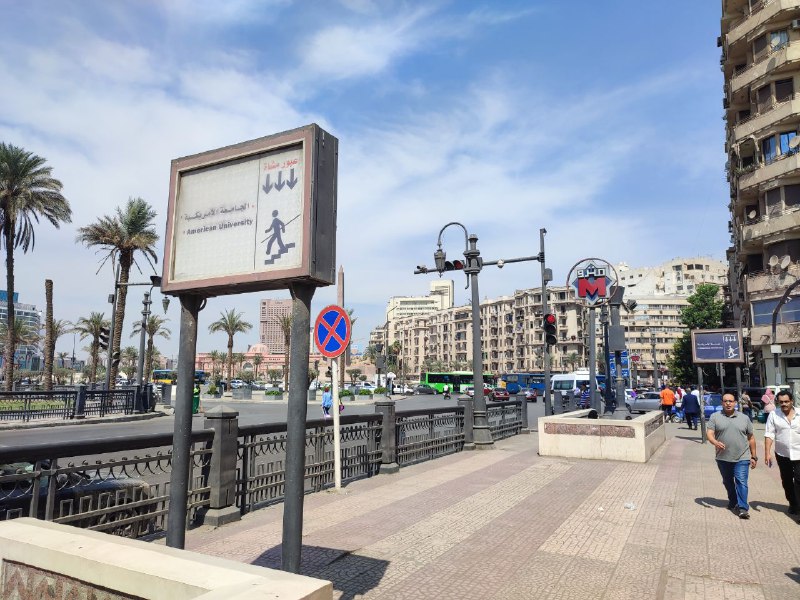
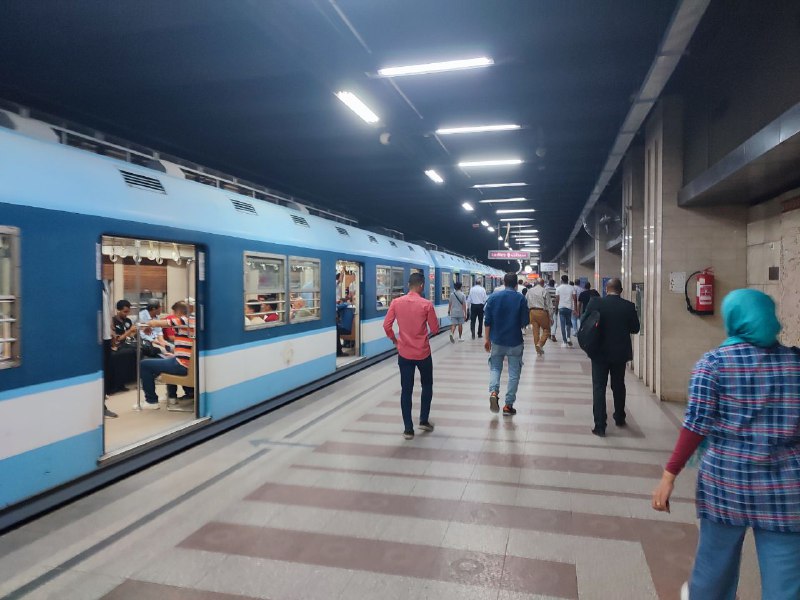
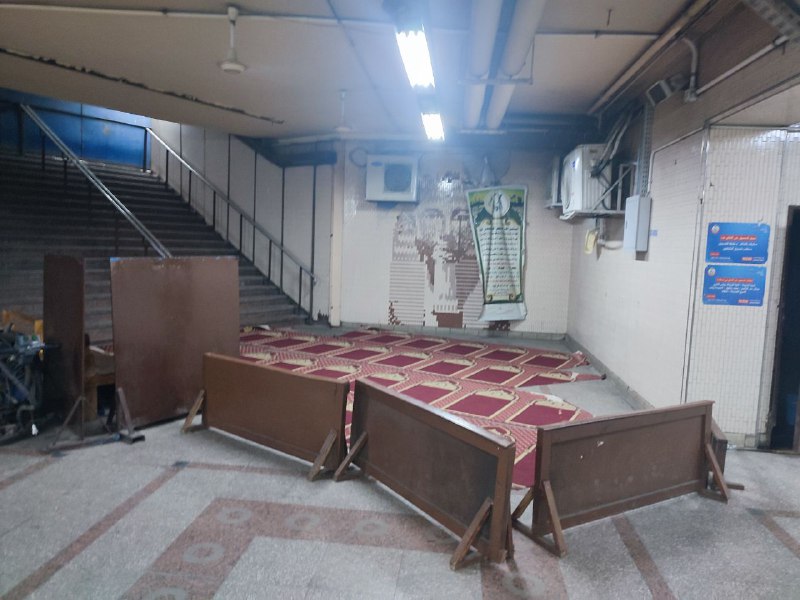
I was really surprised by the Cairo metro – there are actually prayer zones right in the passages, and people actually use them for that purpose.
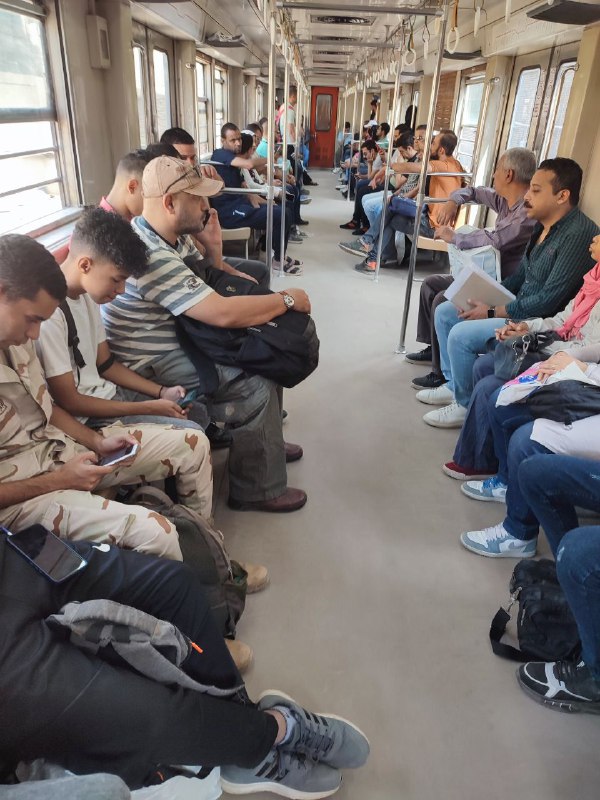
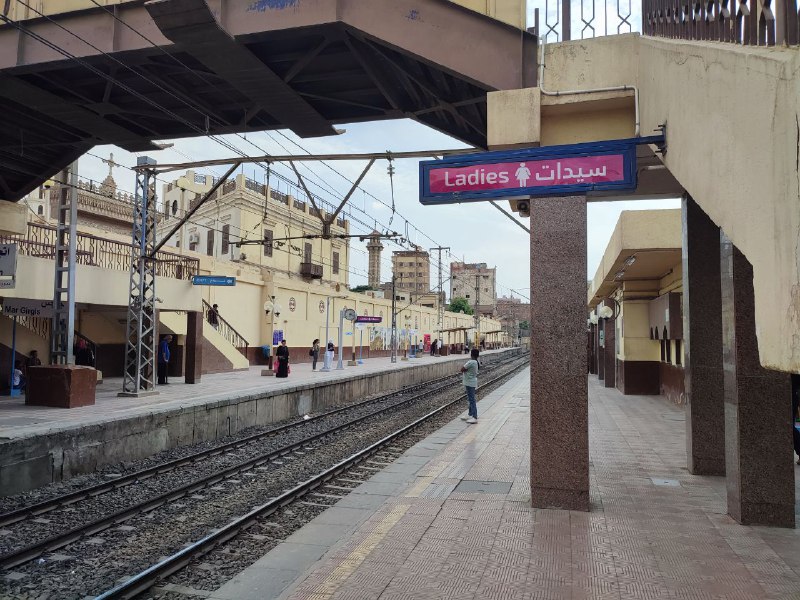
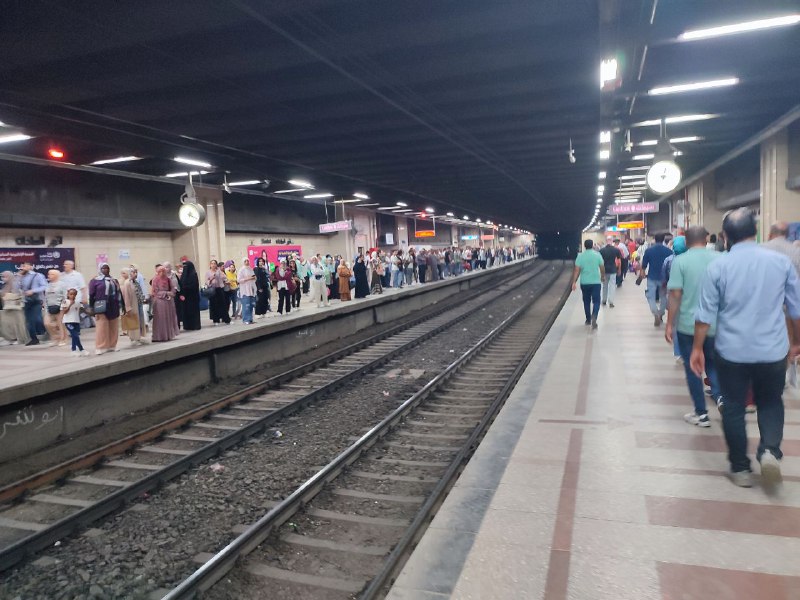
The stations have signs marking "women only" zones. Though honestly, that's not as surprising.
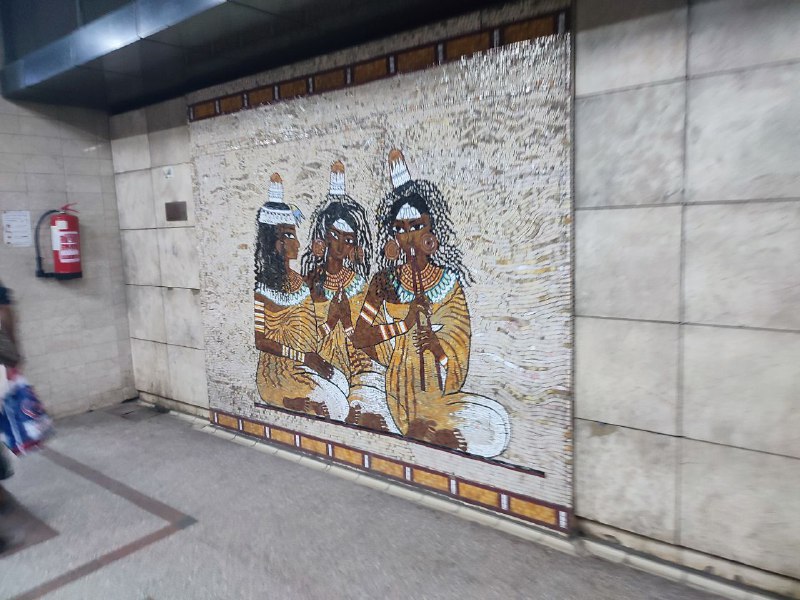
And the police are predictably persistent. If they see you taking photos of the station, they'll definitely come up to you and ask "no photo please".
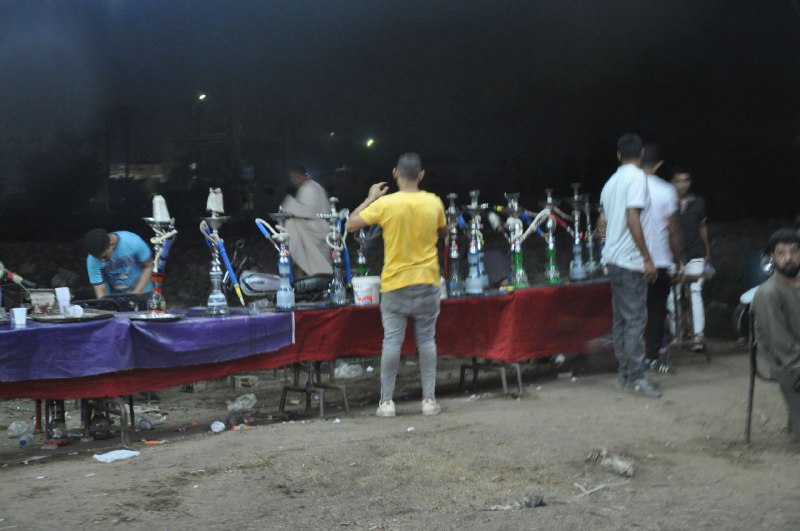
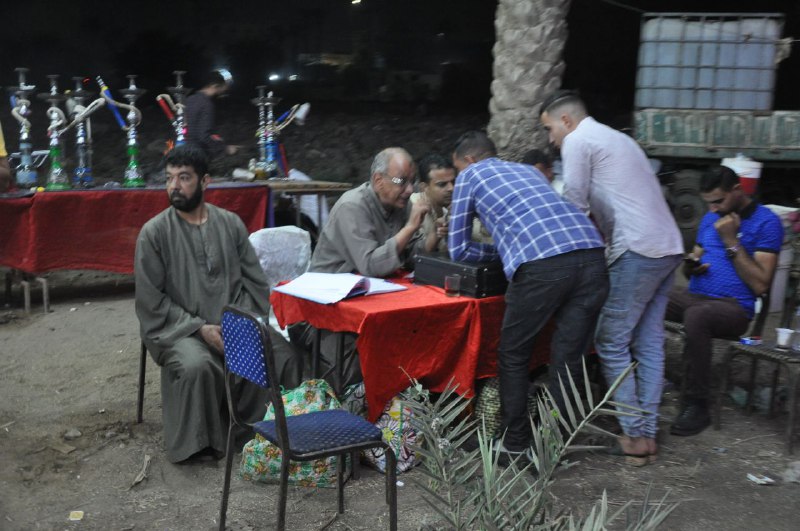
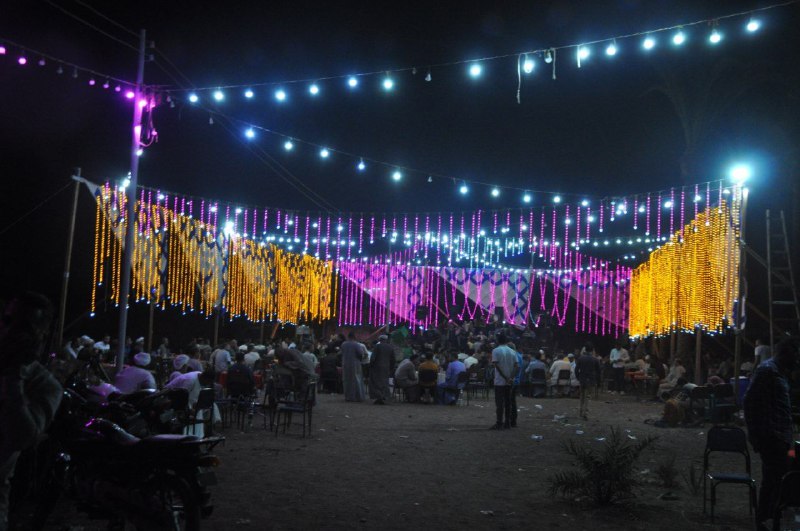
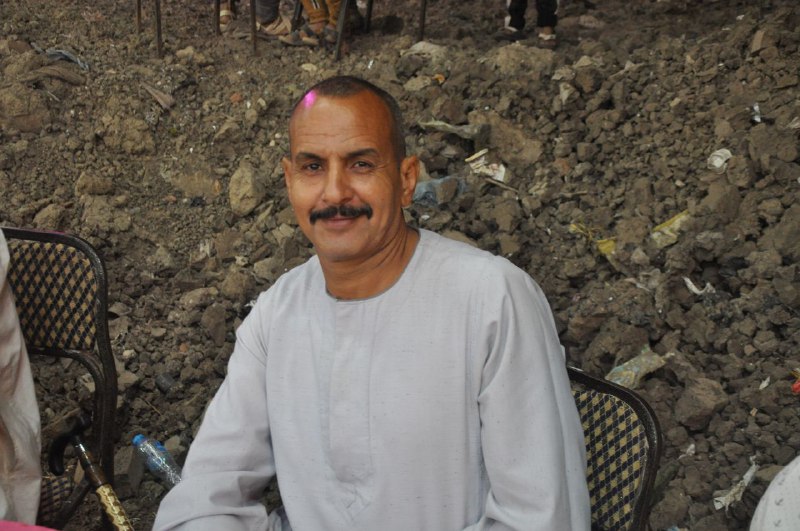
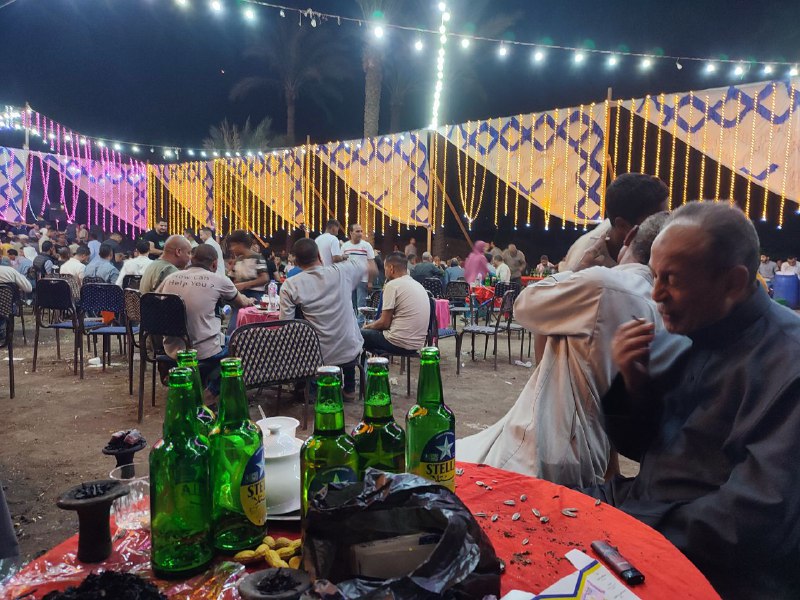
So I ended up at a village wedding outside Cairo. A really simple one. And it's VERY strange stuff.
No toasts, speeches, contests, or any of that dancing. The guys were partying separately from the girls. Literally in different places. Really curious what was going on at the women's celebration :)
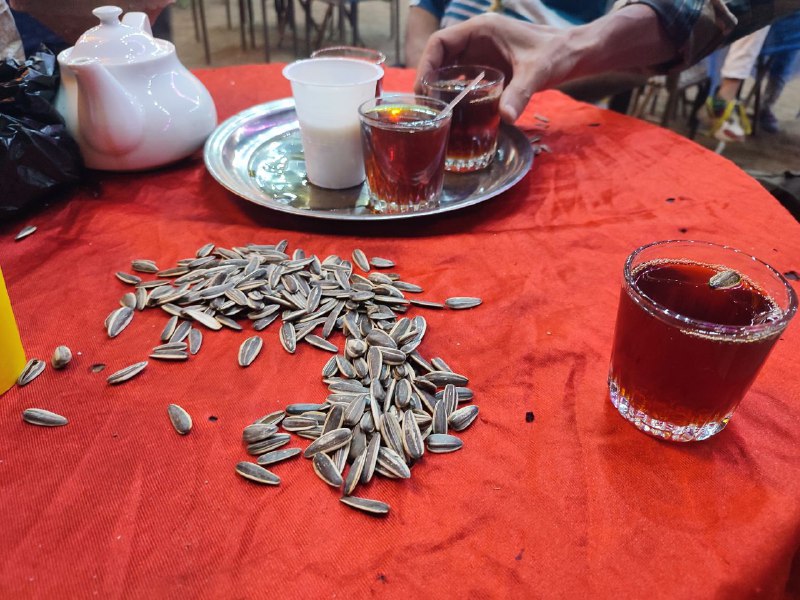
There was no set table. Women walked around selling sunflower seeds and peanuts. They'd just dump a handful on the tablecloth and wait a minute to see if anyone would pay. If no one paid, they'd take it back. After a while, they'd repeat the whole ritual. For extra money, you could buy hot food.
The music was pretty unusual. You should hear it yourself. And it blasted like that all night long. You get tired super fast.
For some reason, the party was on a Monday night going into Tuesday. Things got going around 11 PM. They told me it usually goes until 4-5 AM. I bailed way earlier.
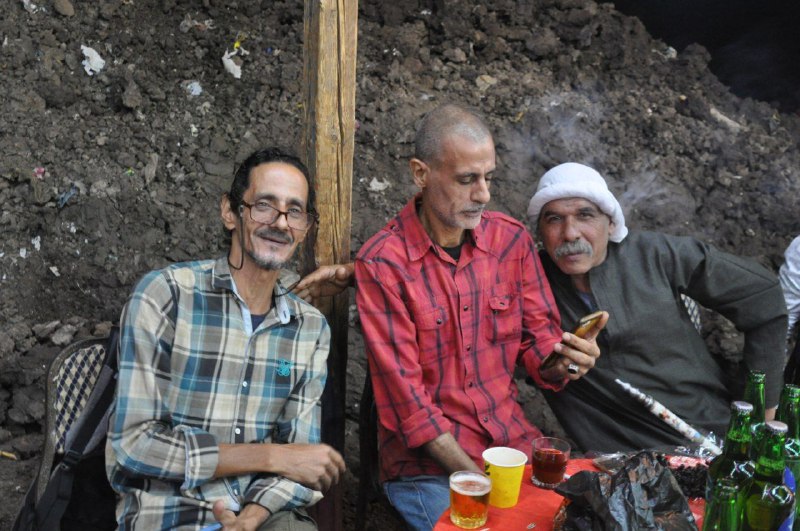
What surprised me was the beer. Actual alcohol. The bottles were sitting out in the open, but they were pouring it under the table like it was some kind of secret. And people drank it from tea glasses. I didn't see any other alcohol.
But there were crazy amounts of hookahs. I've never seen that many in one place. People weren't just smoking tobacco. A lot of guys had hand-rolled cigarettes with weed in them.
I was asked not to photograph people in close-ups, unless they specifically asked me to. At first, not many people wanted that, but later on folks loosened up a bit, though they were still a little shy.
Off to the side, there's this guy sitting with a book. People record how much money each person gave to the newlyweds. When that person or their kids get married later, they have to give back at least that same amount. Kind of like wedding accounting.
Not all weddings look like this. Wealthier guys rent out restaurants, set up proper tables, hire better entertainers. And traditions vary a lot depending on the region anyway.
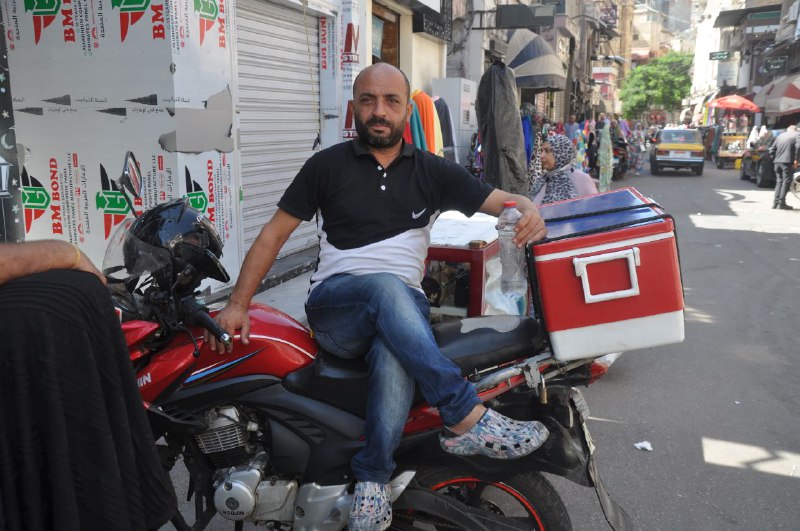
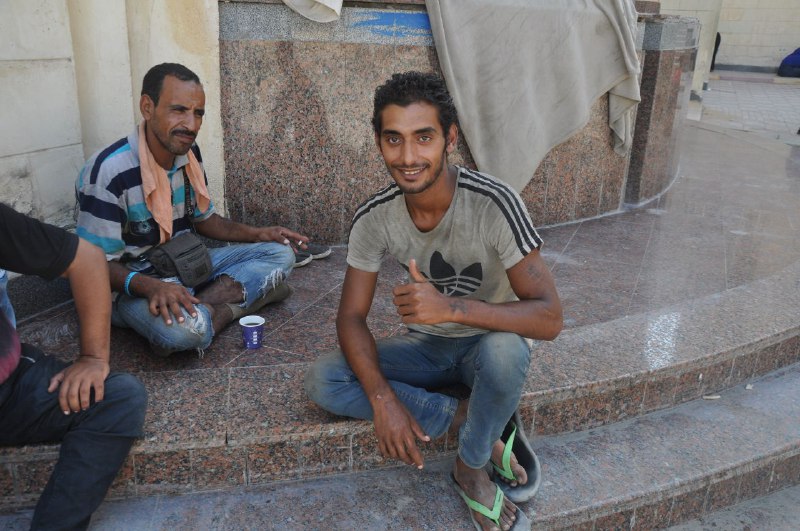
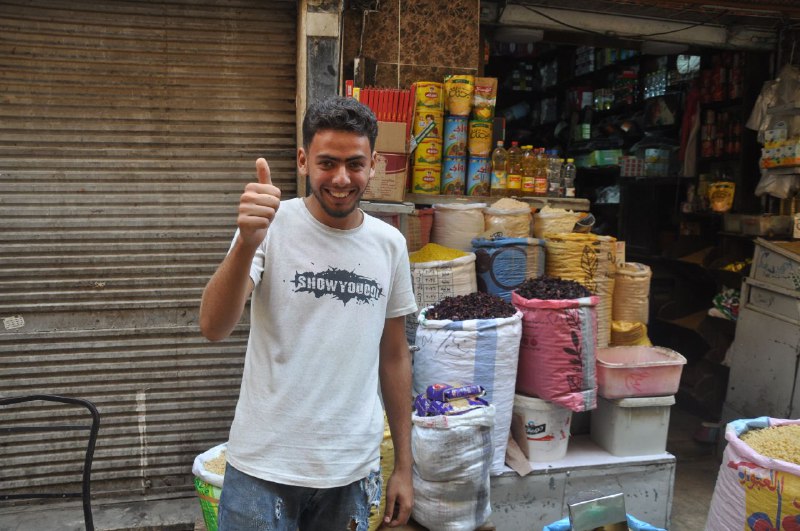
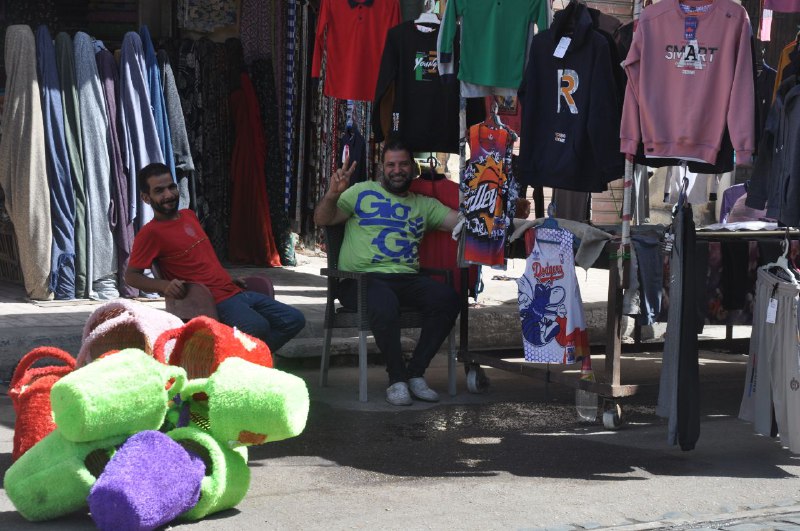
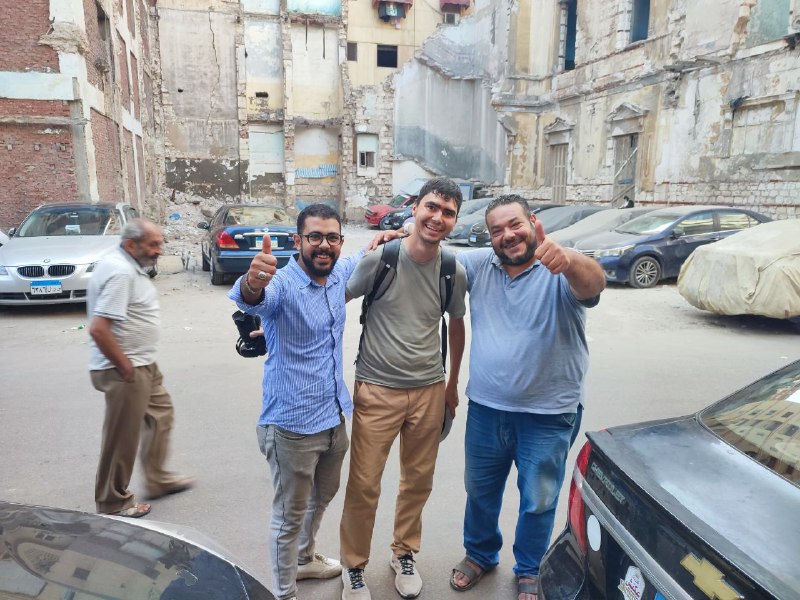
The people in Alexandria are amazingly friendly. I honestly can't think of anywhere else quite like it. As I walked through the city, random strangers would constantly smile and say "welcome" to me, without trying to sell me anything, and just go about their business.
Several people even asked me to take their picture with my camera. They said, "so you'll remember us when you get back home."
 United Kingdom
 Serbia
 Bosnia and Herzegovina
 Turkey
 United Arab Emirates
 Brunei
 Indonesia
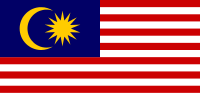 Malaysia
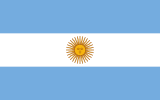 Argentina
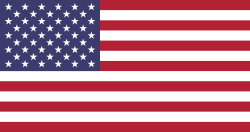 USA
USA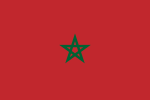 Morocco
 Georgia
 Egypt
Egypt Hong Kong
 China
China Vietnam
 Tunisia
 Montenegro
 Philippines
 Singapore
 Oman
Oman Algeria
 North Macedonia
 Lebanon
 Israel
 Albania
 Russia
 Tanzania
 Netherlands
 Spain
Spain Latvia
 Germany
 Belgium
 France
 Kazakhstan