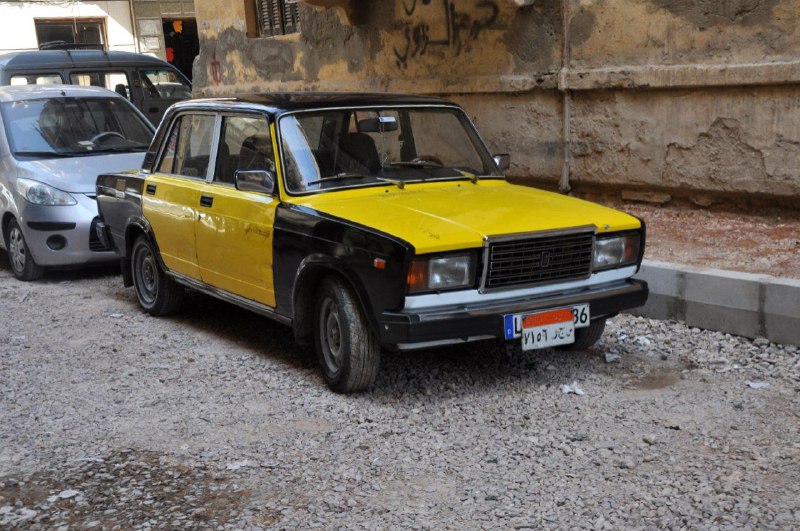
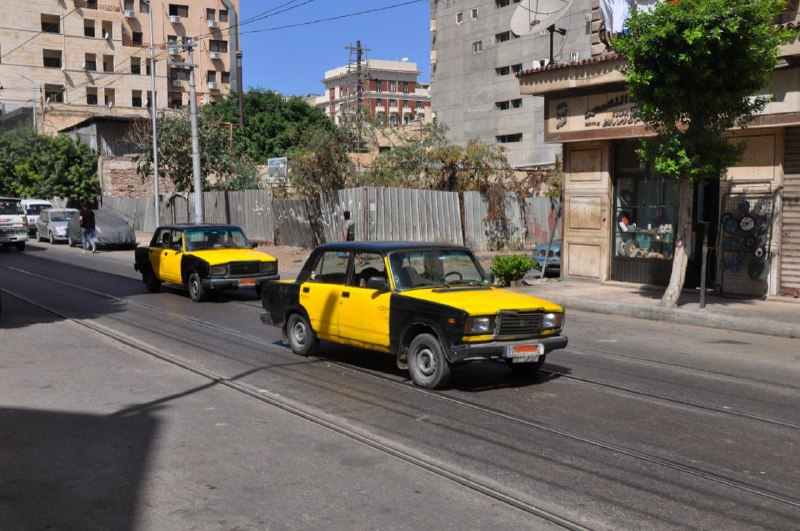
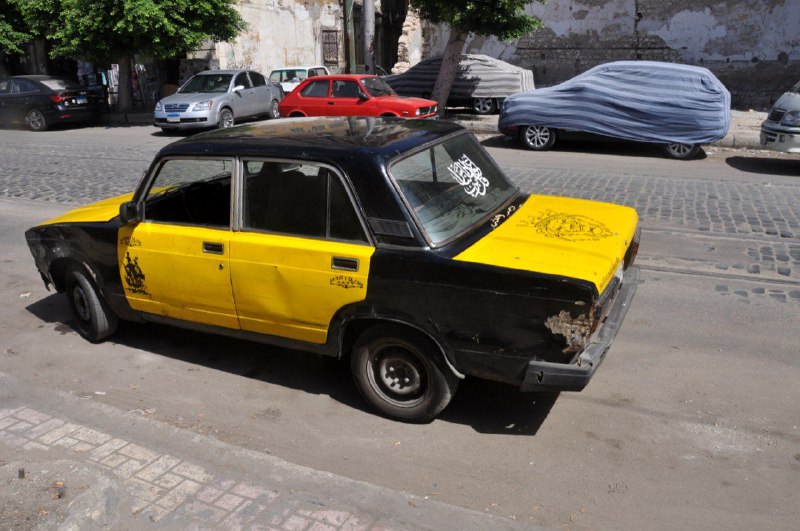
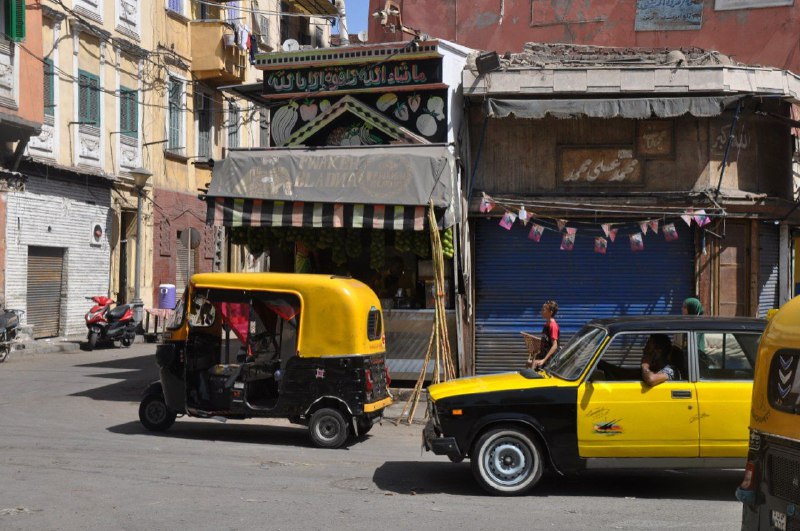
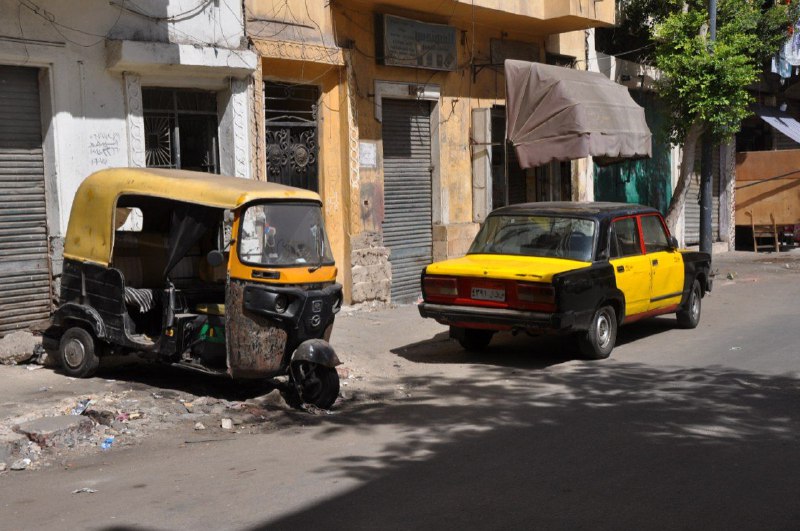
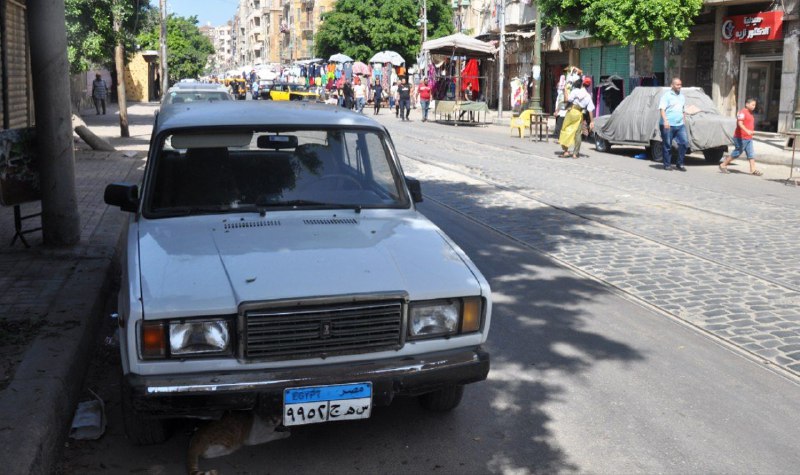
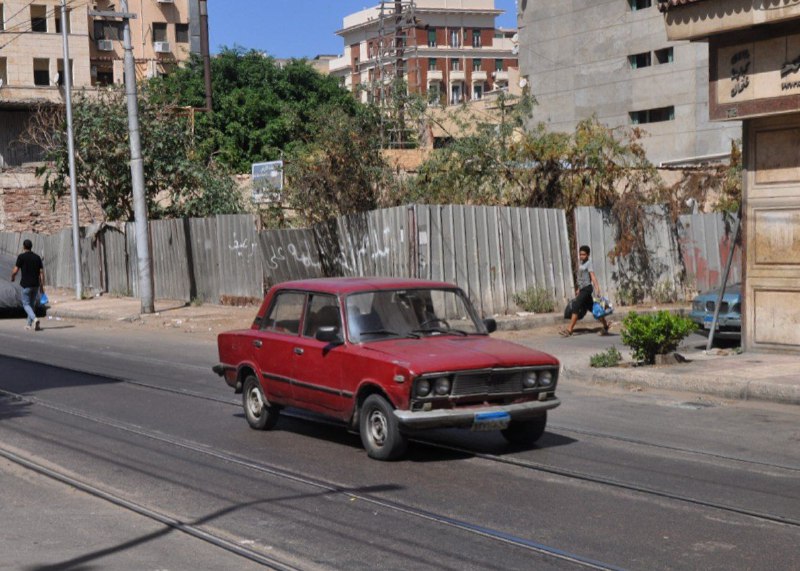
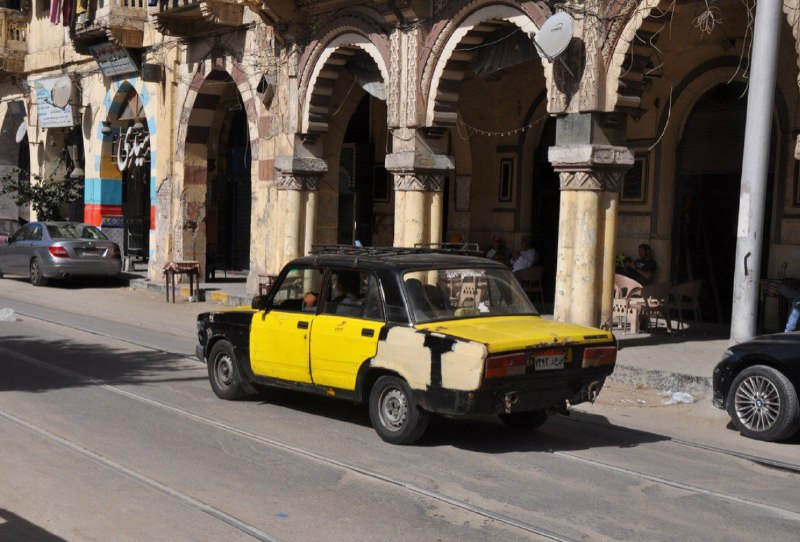
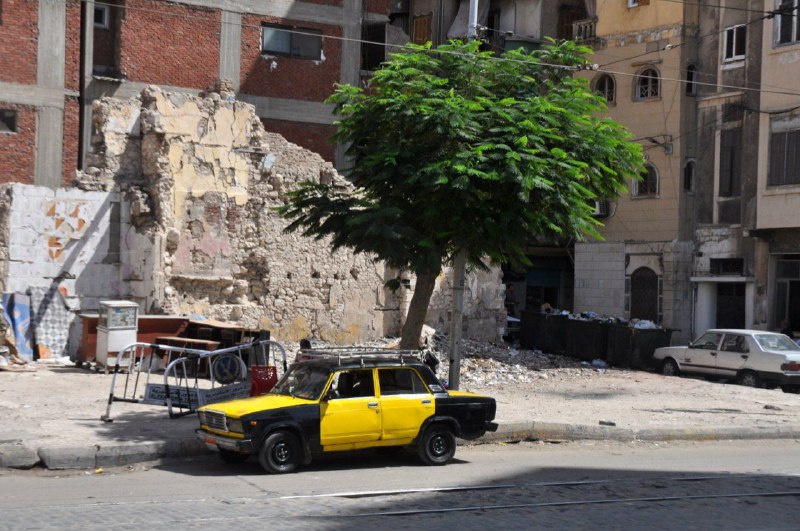
In Alexandria, Egypt, there's basically a nature reserve of Zhigulis. I don't think I've ever seen such a concentration of them in Russia. For locals, it's just a regular foreign car, by the way. And it's actually considered pretty decent. If you ever get a sudden bout of nostalgia, you know where to go.
License plates here are completely in Arabic. When you call an Uber, it becomes a hassle. The app shows me the numbers as 7156, but on the car it's written as ٧١٥٦. The first few times I got stuck comparing them. Eventually the process speeds up. Though honestly, it would make more sense to display them the same way. Then you could compare them even if you don't know the digits.
This year I got completely immersed in the Arab world. From Algeria, I went straight to Egypt. It was really interesting to check out the local tech conference. Though there was nothing supernatural about it. But that's not why we're here.
The atmosphere of Cairo struck me. There's something indescribably captivating here that you just can't stop looking at.
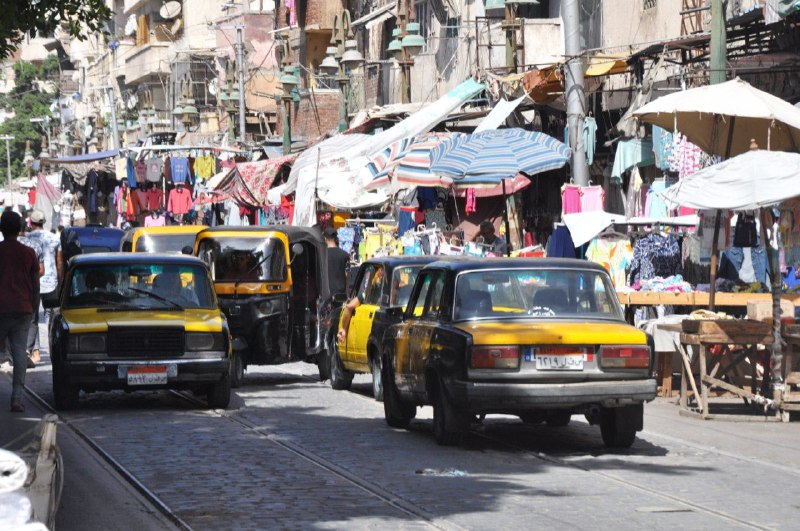
Literally a minute from an ordinary street. But there's chaotic traffic of cars and pedestrians under endless honking, and good old Ladas, and even guys walking hand in hand.
The latter here is considered a sign of close friendship. Though nowadays it's mainly among the older generation. Young people prefer to put an arm around the shoulder and walk that way, so they don't accidentally get mistaken for expressing sexual orientation.
One last thing about Algeria. If you ever find yourself choosing between Algeria and Iceland for your next trip, this story might help you decide.
As soon as North Africa became Muslim, pirates showed up here, dealing in the slave trade of Europeans. Over time, their influence and activity grew. In the 15th century, the head of Algeria was the notorious
Hayreddin Barbarossa. And by the late 18th century, 20% of the US federal budget went to the Algerian Regency just to
leave American ships alone.
In the summer of 1627, pirates led by a
Dutchmanreached Iceland. The raid was successful—they captured almost 400 Icelanders into slavery (that's about 1% of the population at the time, by the way).
For over 9 years, people on the island collected money to ransom their countrymen. Twice, when they'd successfully saved up enough, the trusted representatives used the money for trading instead, and they had to start all over. In the end, they managed to free about 50 people, but some of them decided not to leave. So make of that what you will :)
Jokes aside, the captives probably converted to Islam to make life easier, and after 10+ years, they saw no point in coming back. Plus, not everyone who did dare to return home actually made it.
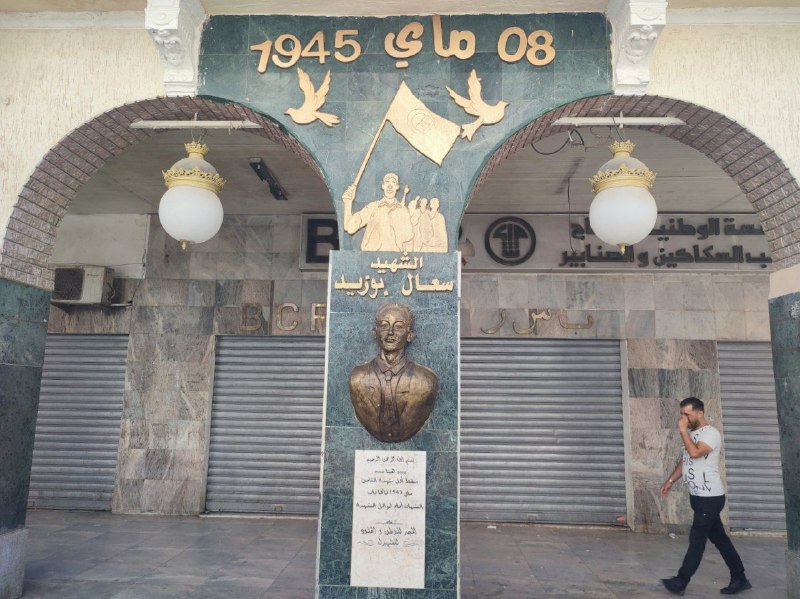
A bit more of a sad colonial history lesson. May 8th is celebrated in Europe as victory over fascism. In Algeria, it's a day of mourning for tens of thousands of fellow citizens killed by French gendarmes.
During World War II, France actively recruited soldiers from residents of its African colonies. Algeria was no exception. Locals I talked to about this told me that France lured people to the front with promises of independence if they won, but they didn't keep their word. I couldn't find any direct promises myself, but maybe I just don't know how to look properly.
Demands for independence grew louder toward the end of the war. On May 8, 1945, thousands of people took to the streets in Algerian cities to celebrate the defeat of the Nazis. In Sétif and Guelma, the processions turned into clashes with French police, in which there were casualties on both sides. In response, the security forces carried out a real massacre. The unrest lasted several days but was brutally suppressed. The result: up to 30,000 civilians killed.
The massacre made the French think that peaceful negotiations with Arabs were impossible and that everything needed to be solved by force. And it made Algerians think that with proper preparation, they could win their freedom. They did. But the cost was steep: a long, bloody war from 1954 to 1963 claimed at least half a million lives.
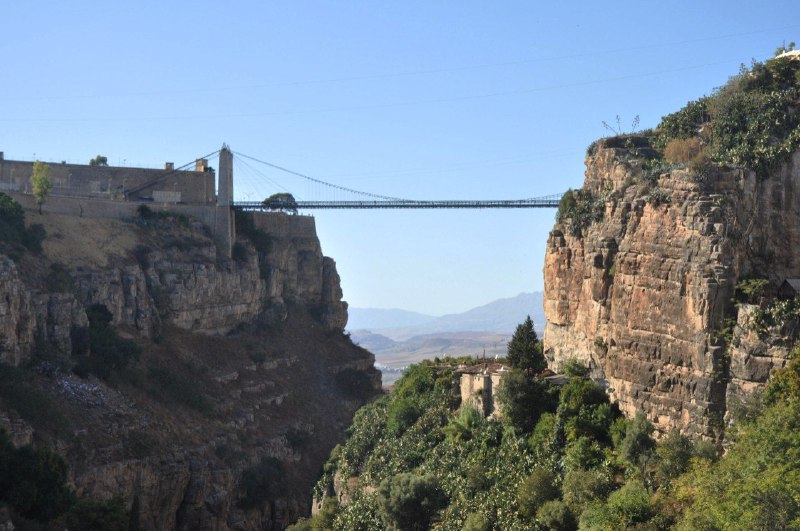
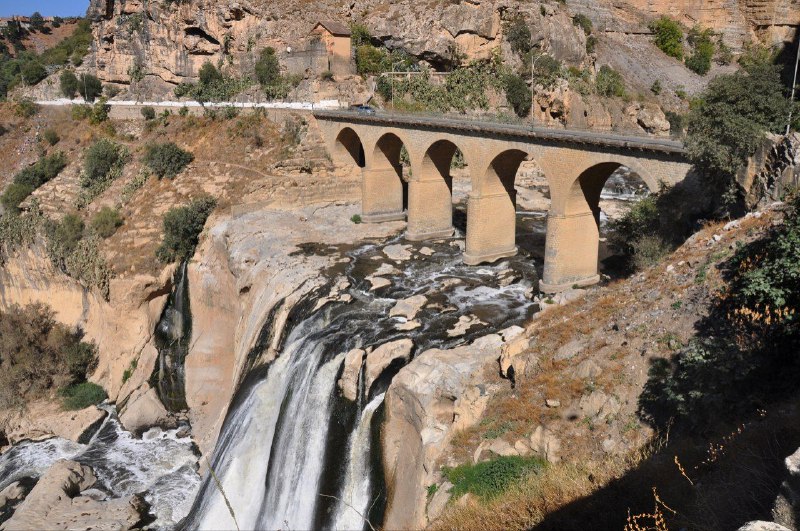
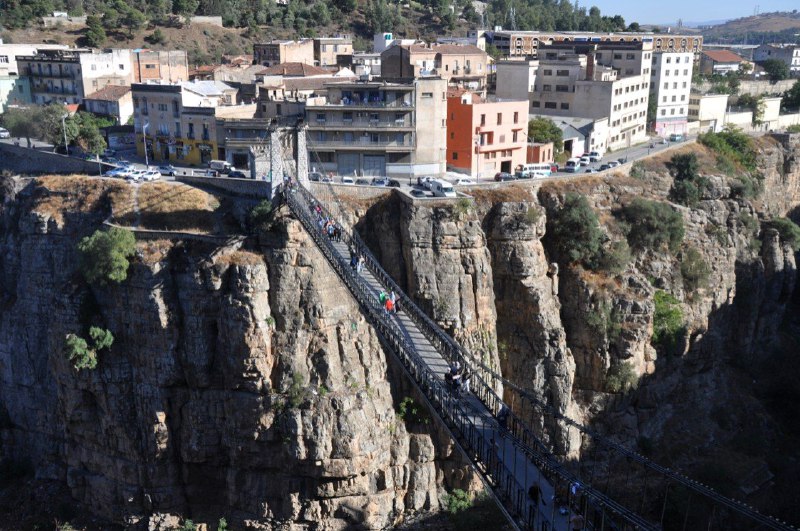
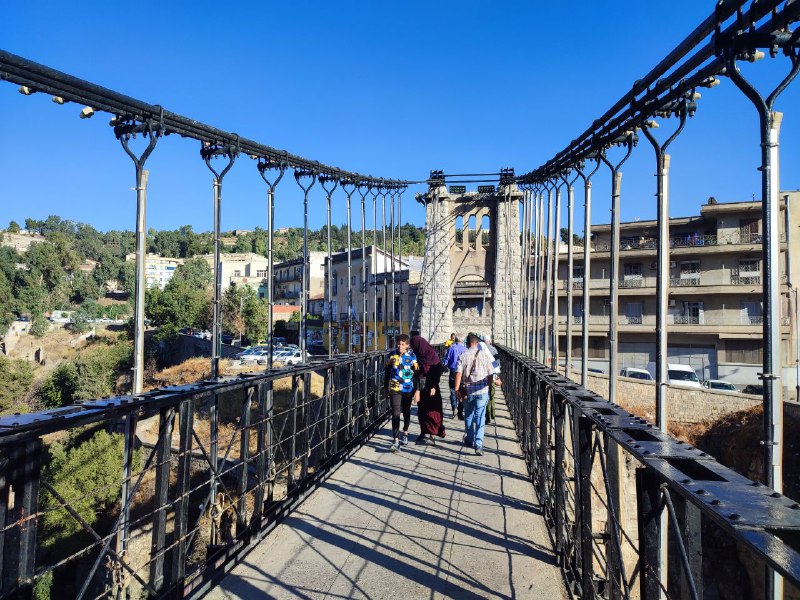
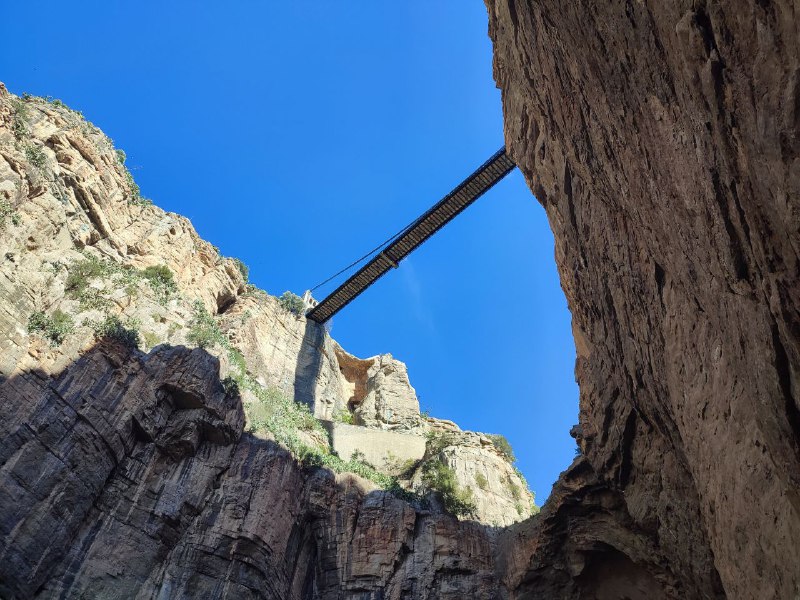
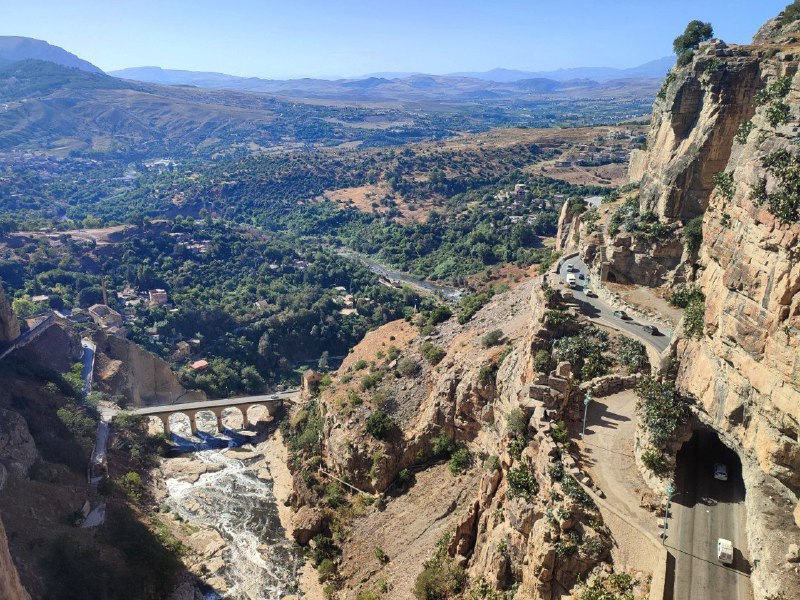
Constantine is a city of bridges. The Romans started building them, the Ottomans continued, then the French took over, and now Algerians handle it themselves. The settlement sits on a rocky plateau with a gorge that needs to be crossed. There's no way around bridges.
When I was reading about Constantine, I got really hooked by the
1934 riots. Or rather, what led up to them. Back in the 14th century, Sephardi Jews fled to Algeria to escape Spanish authorities and lived here pretty peacefully for the next 500 years. In the mid-19th century, the French colonized the country. About 20 years later, they passed a
law that automatically granted French citizenship to all Algerian Jews.
The idea had some pretty vocal opponents back in France itself. Charles du Bouzet, former mayor of Oran and special commissioner for Algeria, argued before the law passed in 1870 that Algerian Jews were incompatible with Western civilization, and that their morals, language, and clothing made them Arabs who didn't deserve citizenship. But that didn't stop the legislative machine.
A French passport in the colony came with lots of privileges and protections. People without documents could have their property seized and were forbidden from appearing in central districts of major cities without special permission. Over time, the inequality and tension just kept building.
In August 1934, a verbal argument between an Arab and a Jew escalated into religious tensions and turned into ethnic violence. Nobody ever figured out exactly what happened during the dispute, but the outcome was tragic: 25 Jews and 3 Muslims died, and over 200 Jewish shops were looted. Against the backdrop of European events at the time, the numbers don't shock as much. But similar things happened elsewhere too.
Algerians later "evened the score" when they got independence. The new state's passports were
issued only to Muslims whose father and at least one grandfather were born in the former colony. In the end, when civil war started in the 1990s, almost all non-citizens left the country.
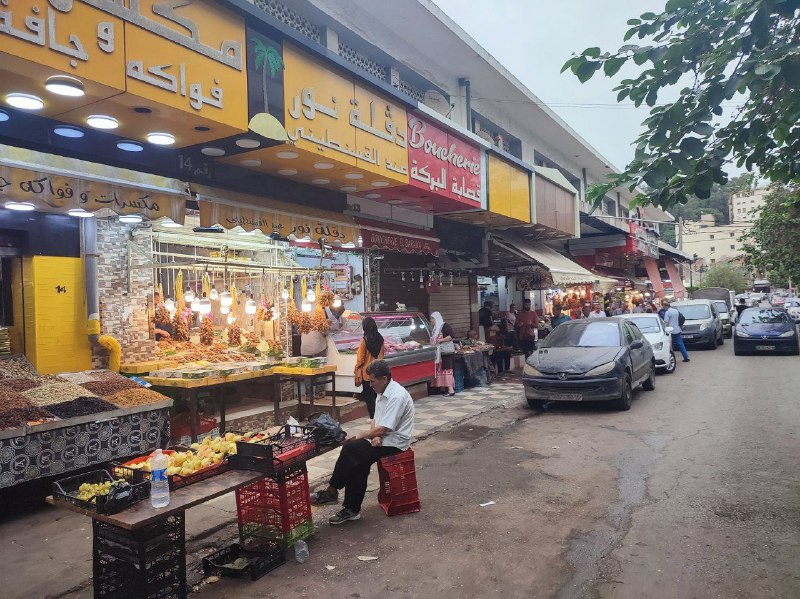
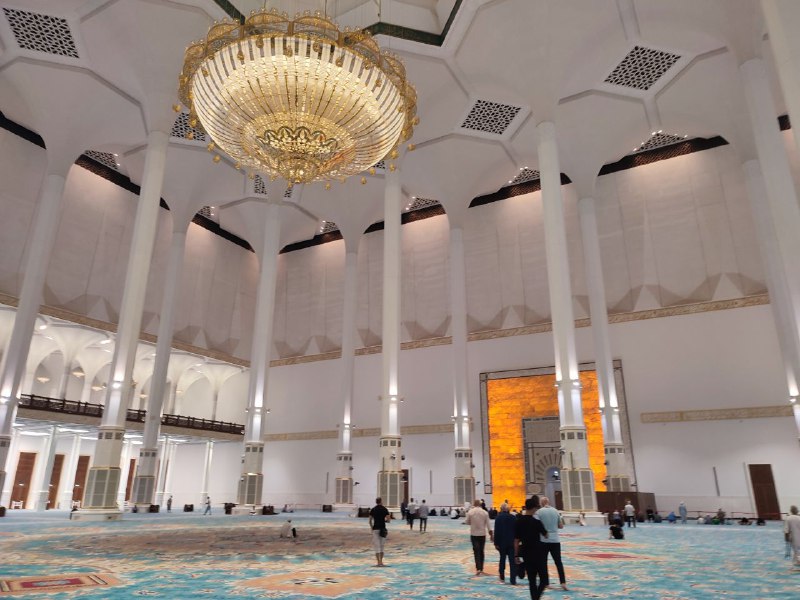
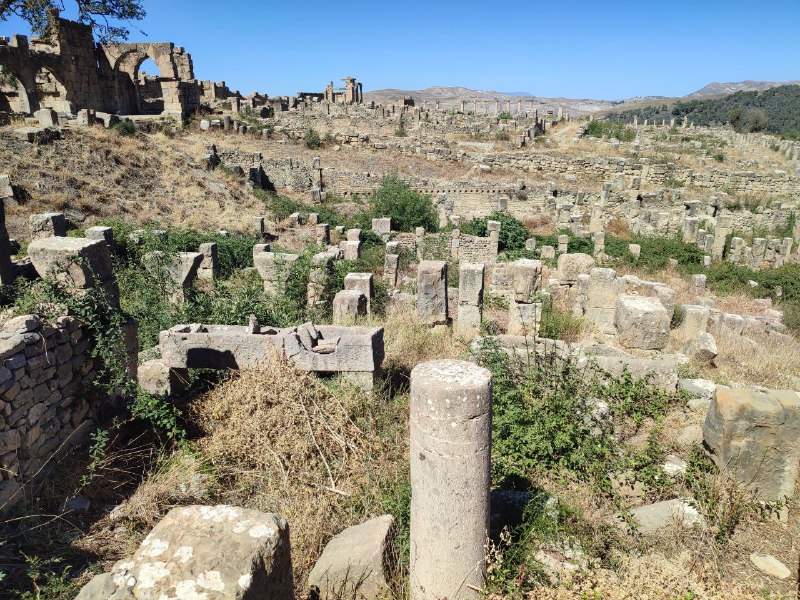
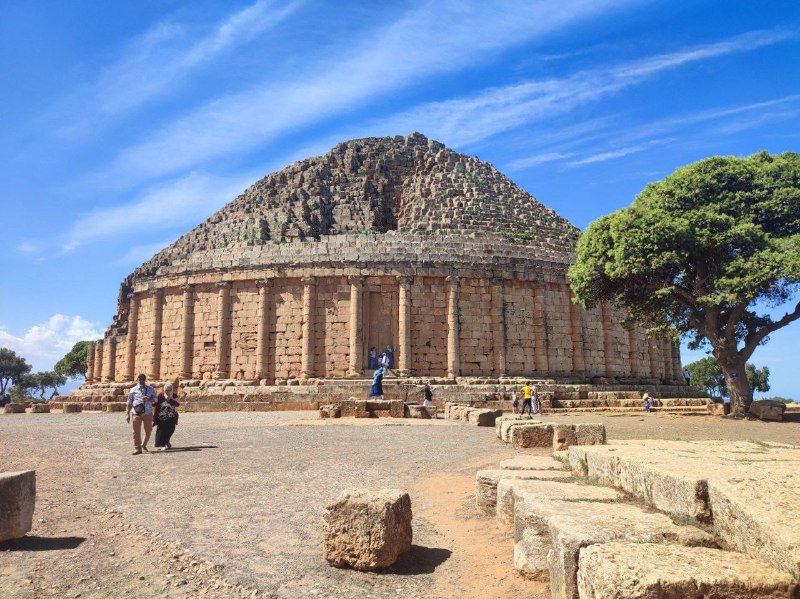
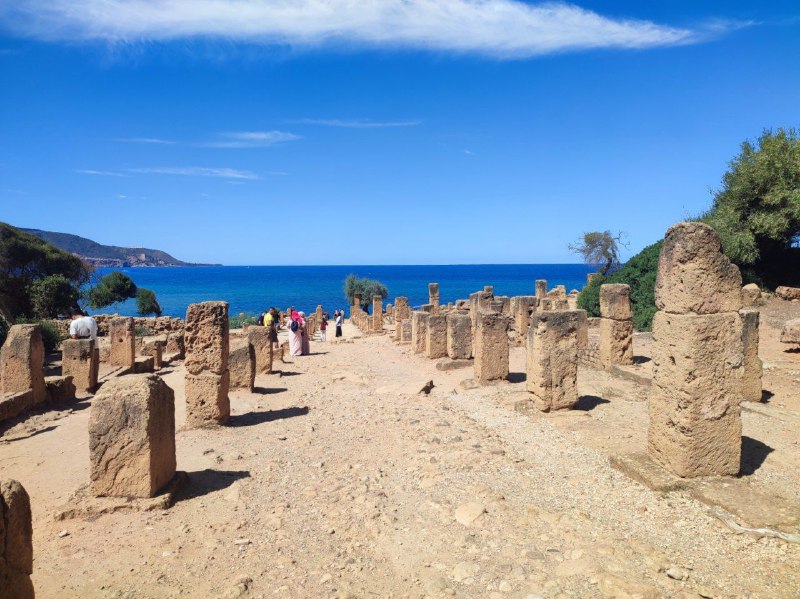
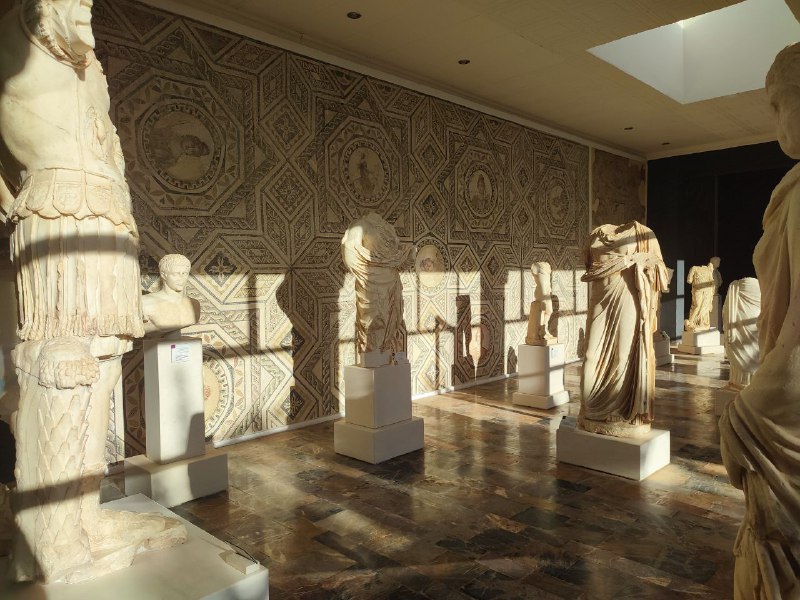
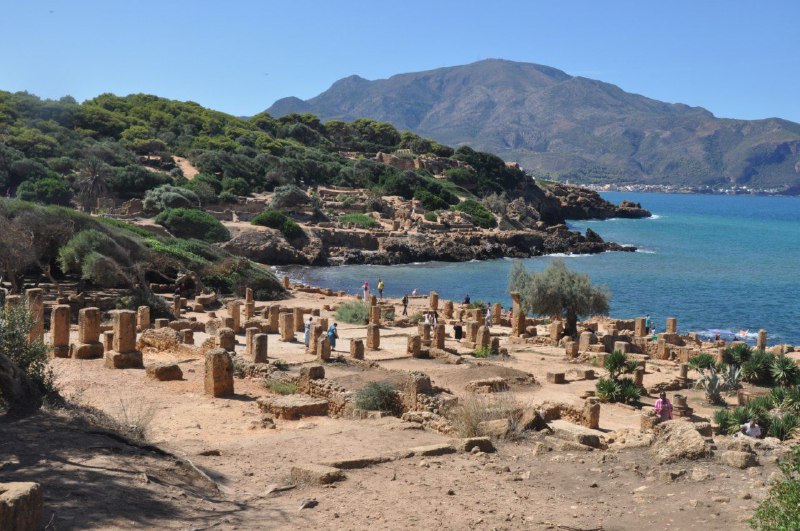
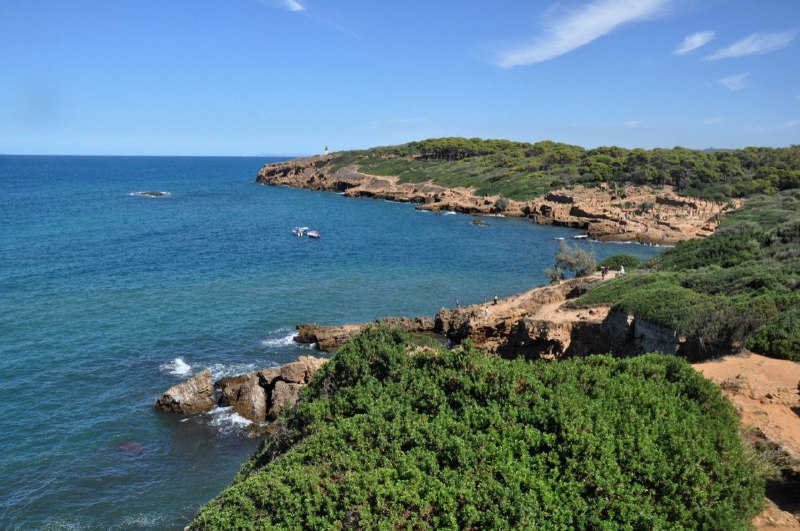
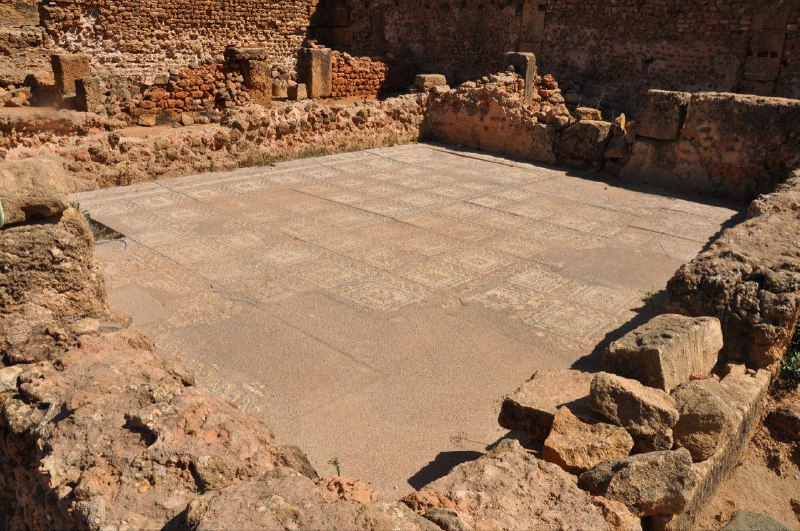
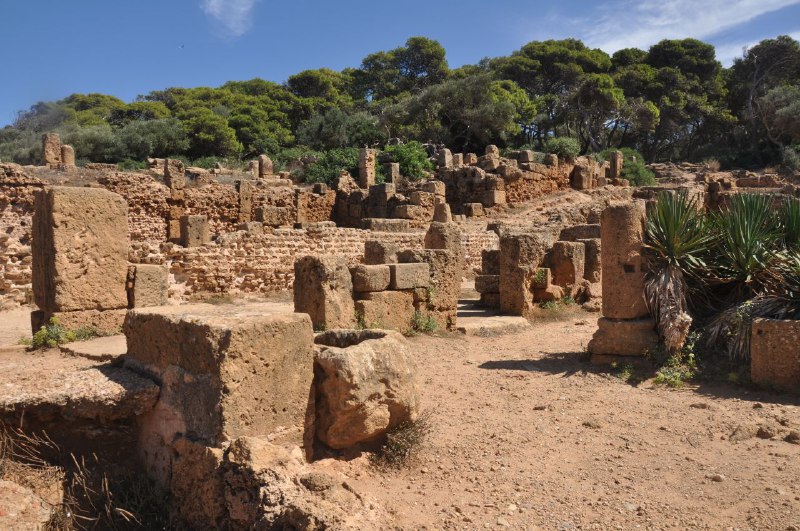
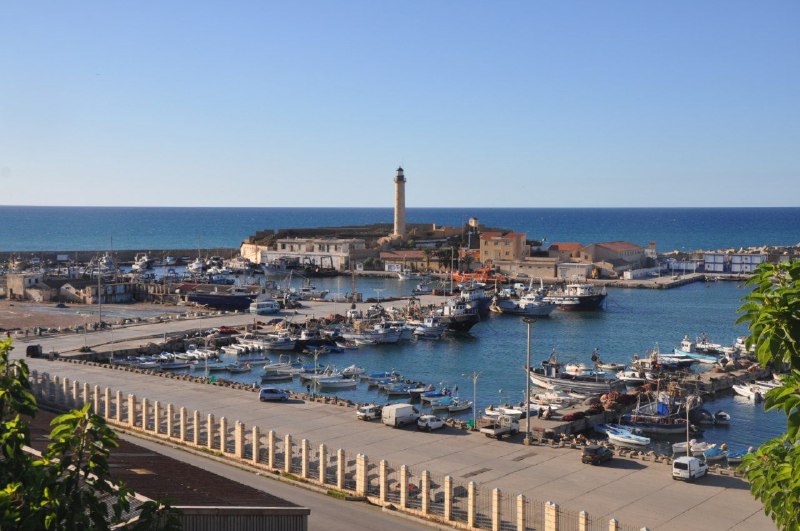
Algeria isn't just desert—it's also got this amazing coastal north with tons of history, ruins that are on UNESCO's World Heritage list, and incredible seafood. 🌊
Last year they actually stopped requiring police escorts for tourists traveling between cities. Hopefully the infrastructure will catch up too :)
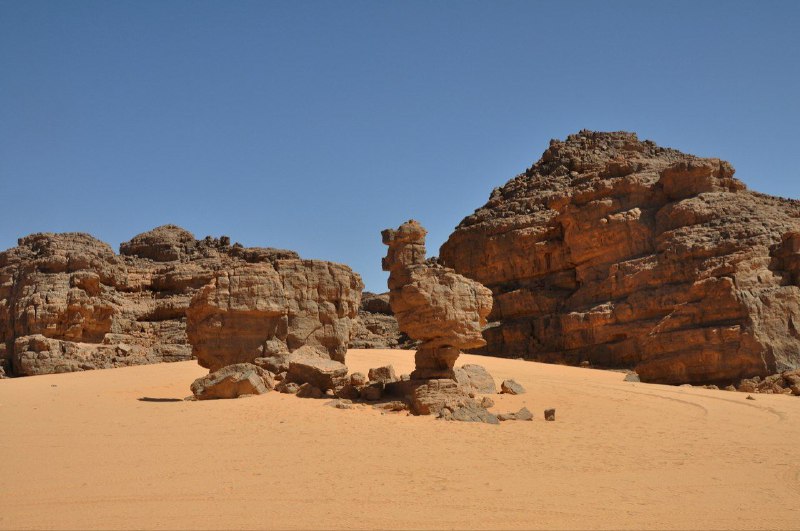
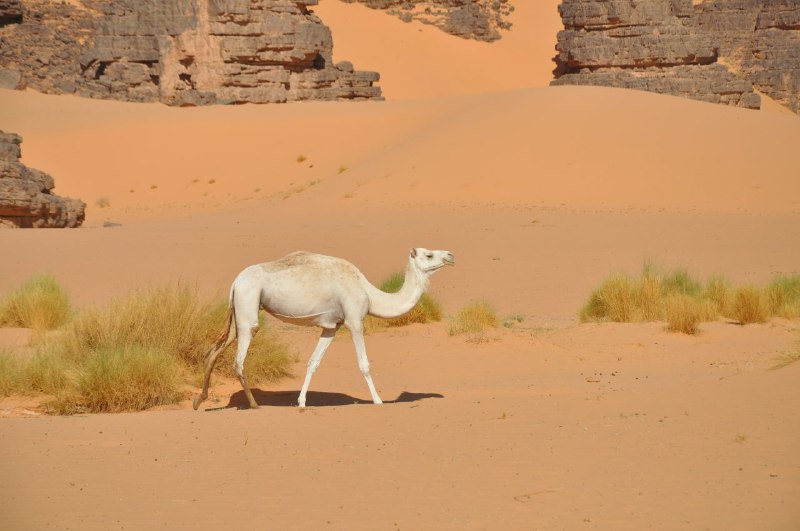
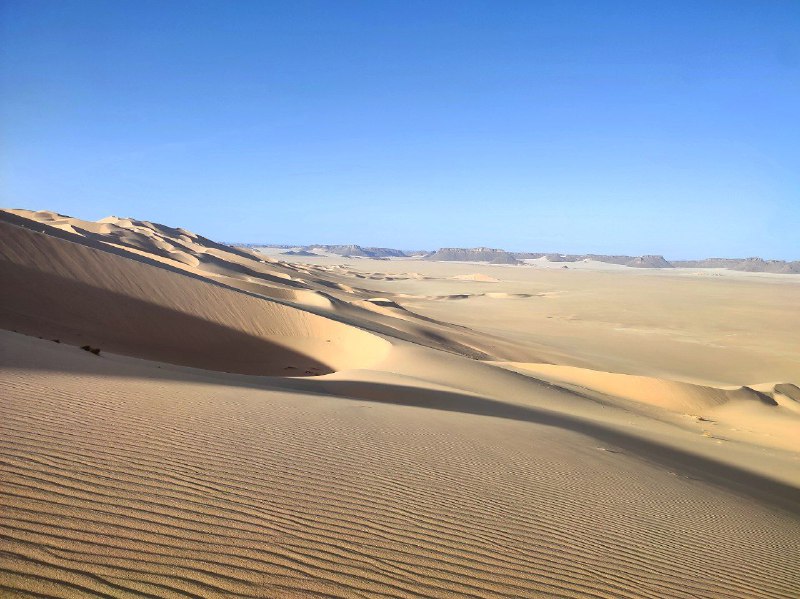
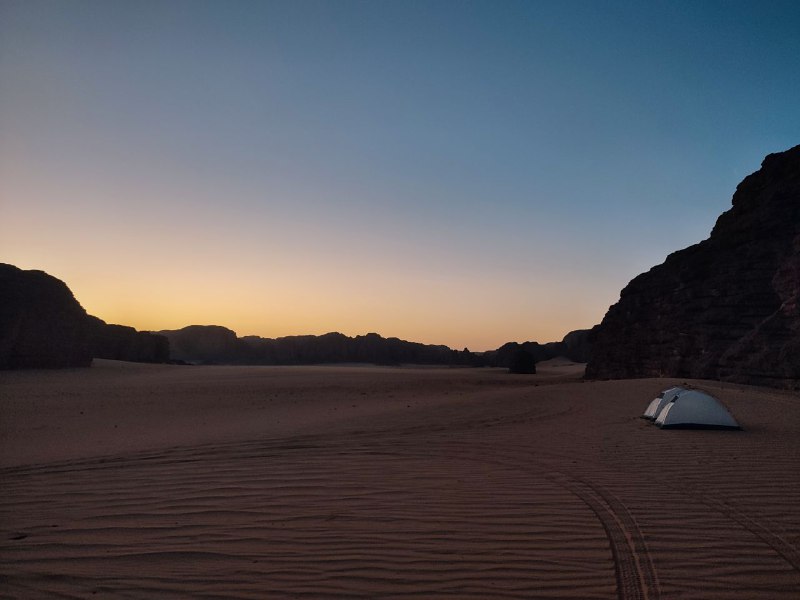
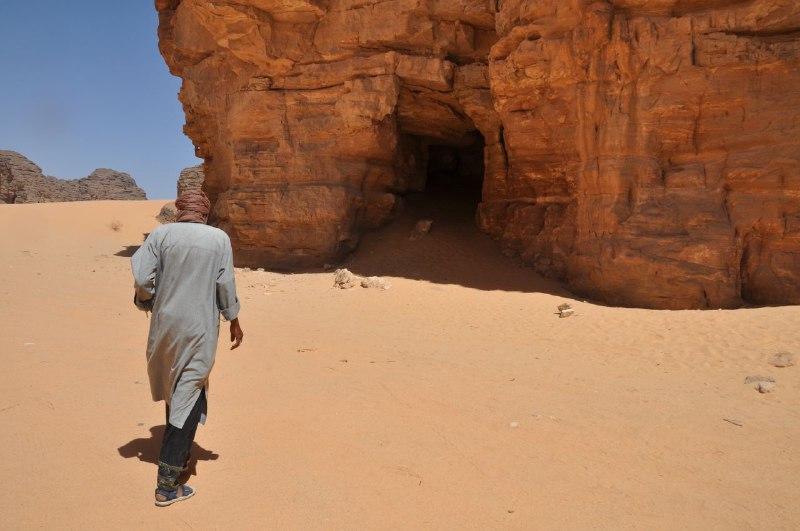
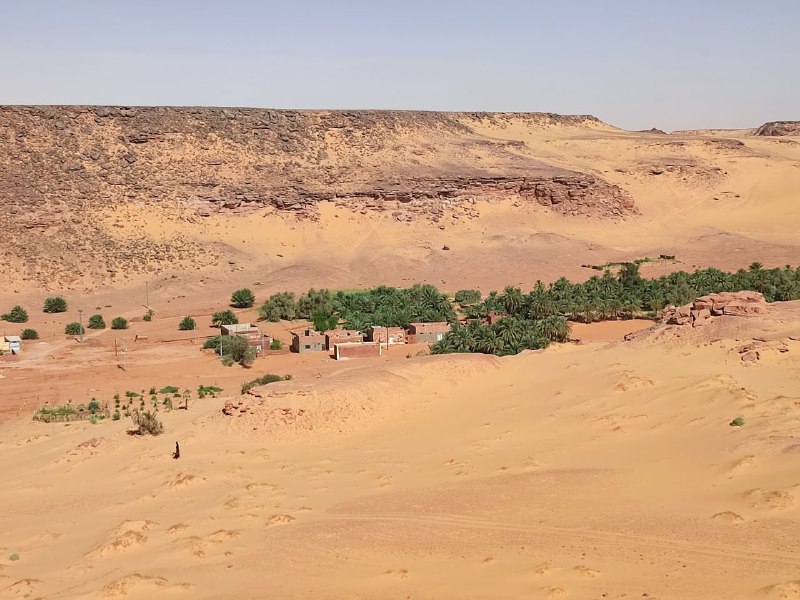
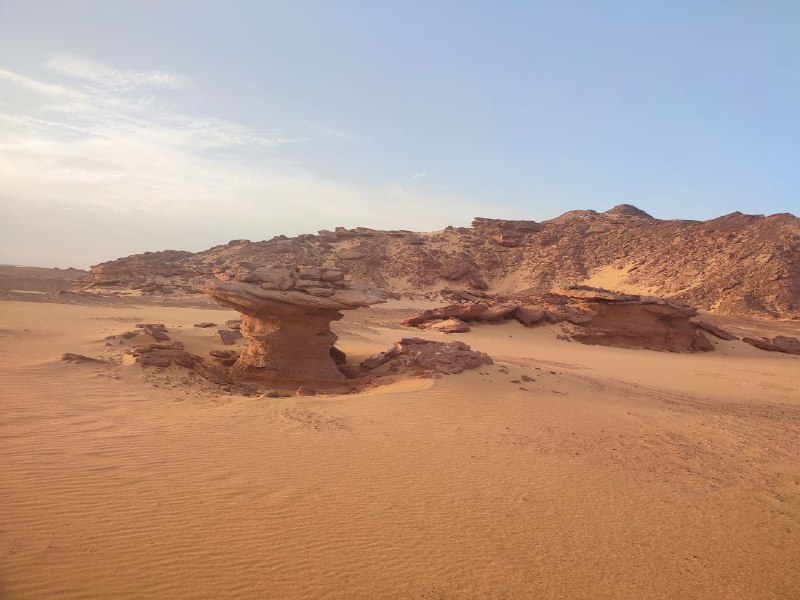
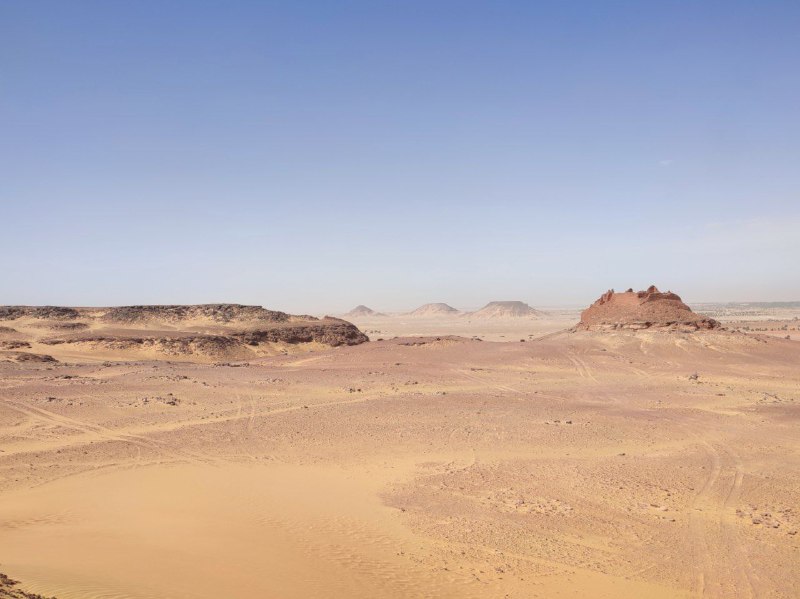
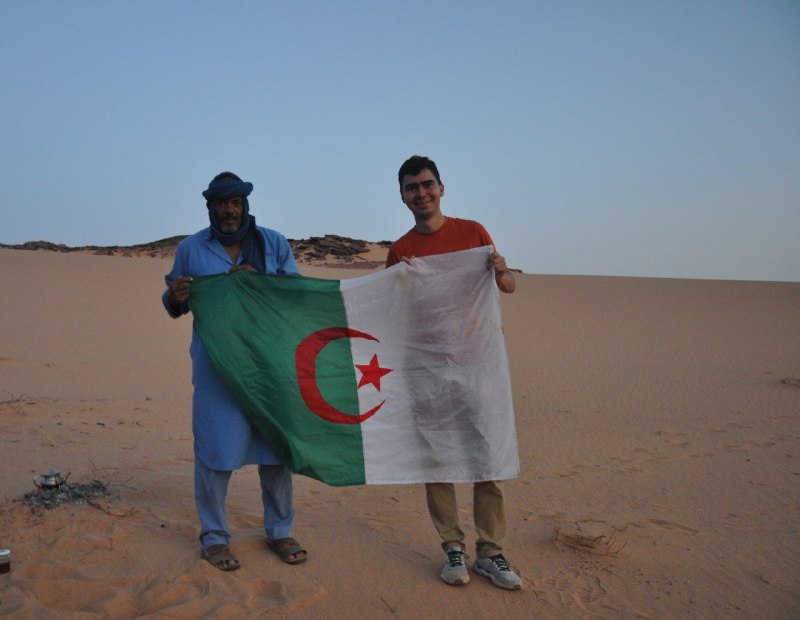
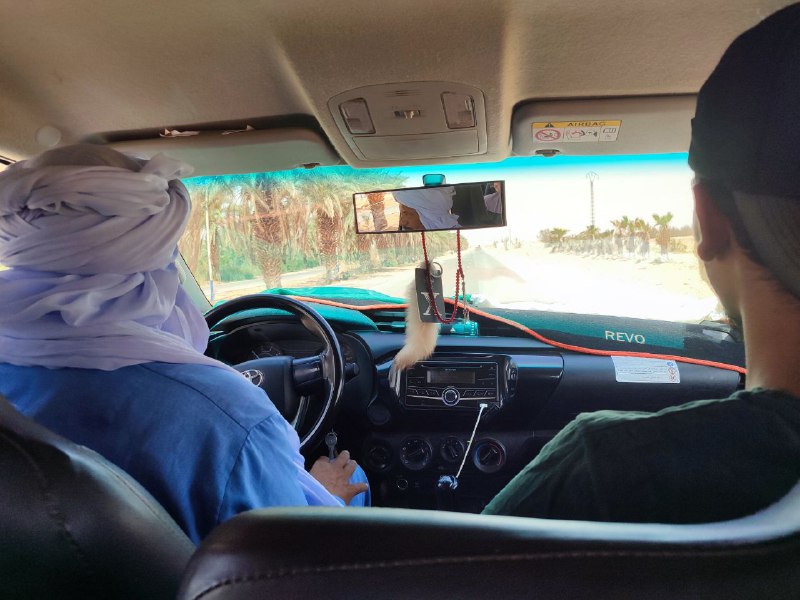
I spent three days wandering through the desert. Going there without a local guide would be a fool's errand. There's asphalt road only between cities. You can only reach interesting spots by driving through the sand. The guide said they know the area, navigate by the mountains and cardinal directions. Even if a sandstorm hits, we won't get lost.
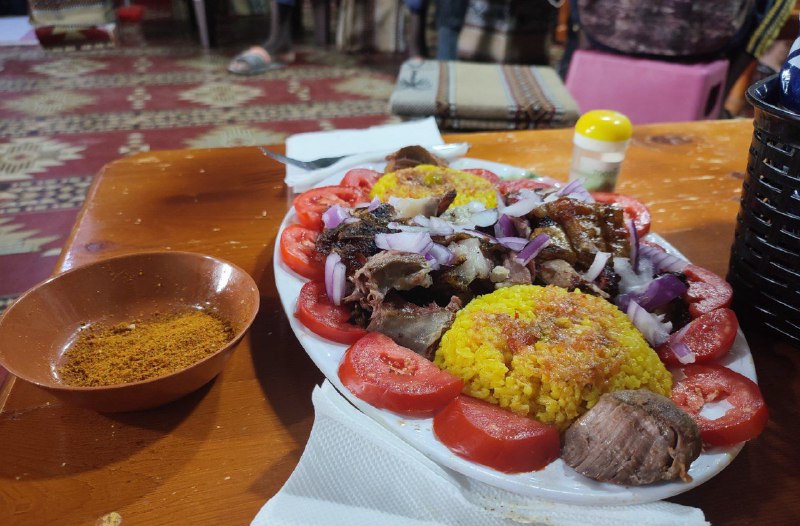
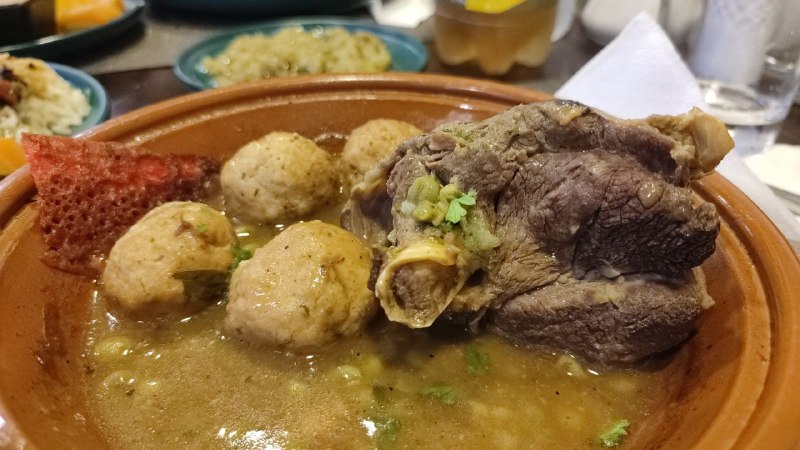
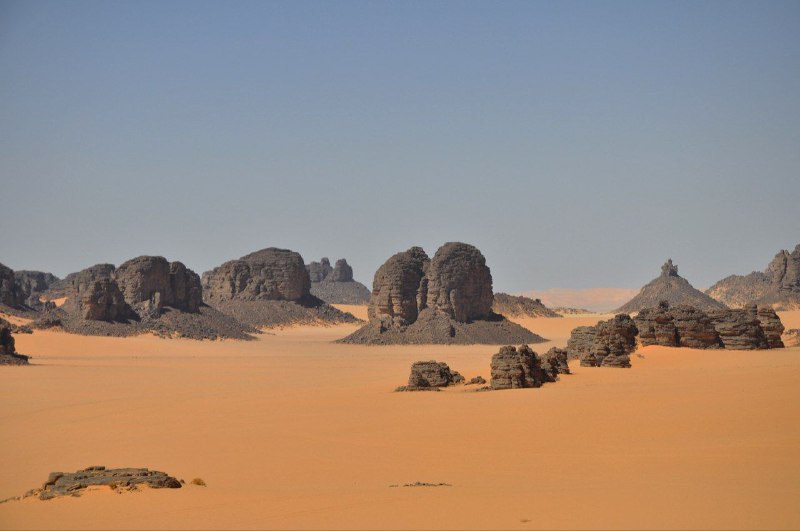
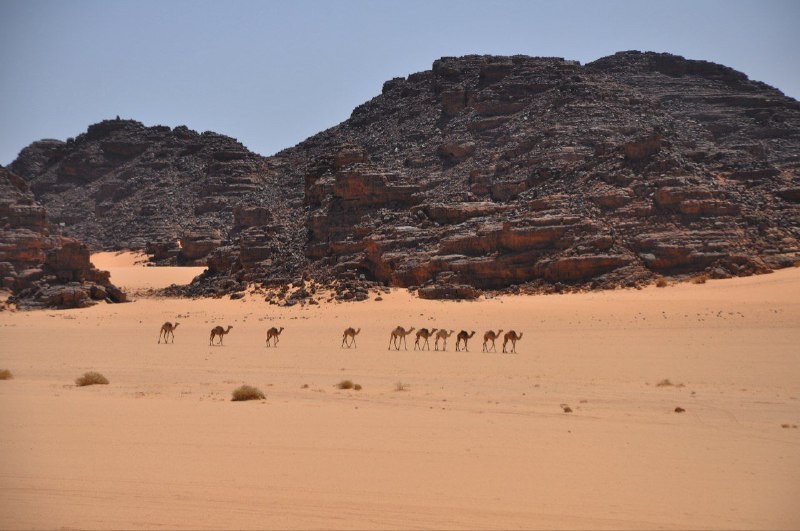
The nature is absolutely fantastic. It's worth coming here just for that. But there's basically zero infrastructure. It's literally a desert out there. The guide cooked himself, but the conditions are such that if your stomach isn't the strongest, you should prepare yourself. Northern Algerians sometimes complain that they themselves don't always handle that kind of cuisine well :)
Our guide is from the Tuaregs. A very freedom-loving nomadic people. No wonder when you live in the desert and your nearest neighbor is like 20 kilometers away. There's no connection in the desert, yet everyone knows everything about each other. News spreads fast. And neighbors are practically considered family.
Tuareg culture is very different from Arab culture. Lineage is inherited through the female line. Women aren't required to have a strict dress code, but they absolutely must get an education. The guys, on the other hand, can go around uneducated :)
Many Tuareg tribes still live nomadically to this day. There are even cases where people moved to the capital, tried to change their lifestyle, and moved back. Though there are successful examples too.
Can you think of a more profitable business than selling water in the desert? :)
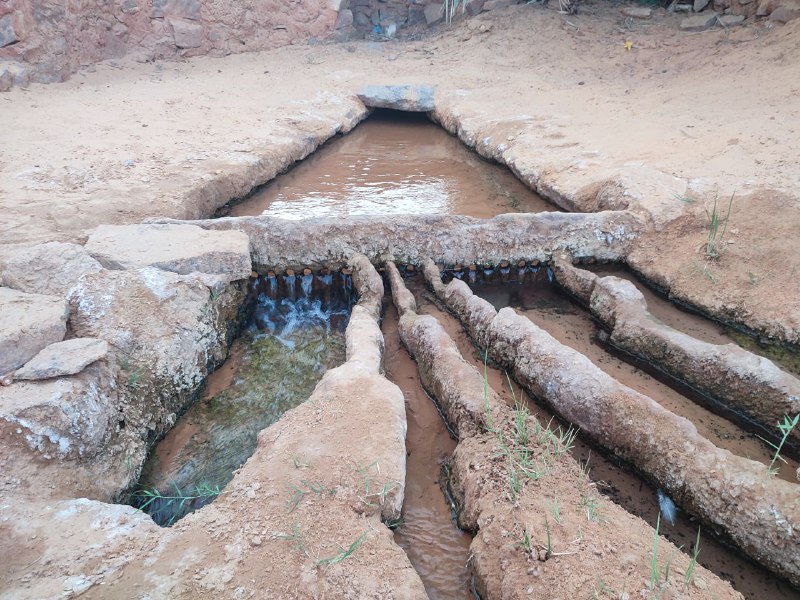
Some Algerian regions have adopted Persian
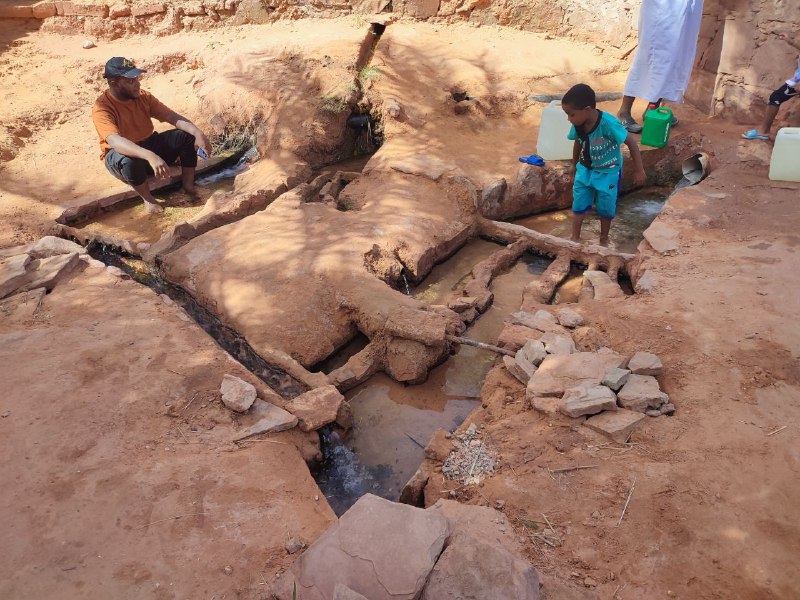
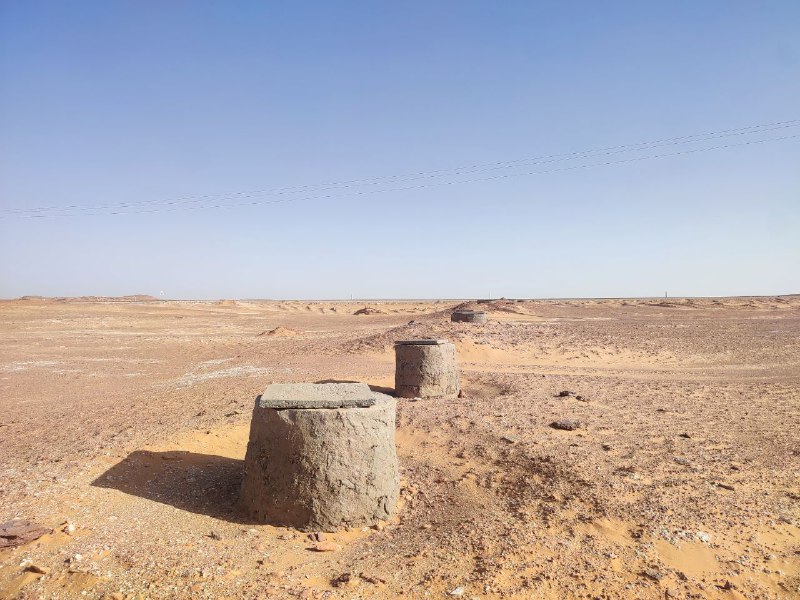
qanats. These are systems for extracting and distributing groundwater. They work purely on gravity. They likely started being used when Islam arrived in the region and continue to this day.
Usually, people pool together to build the system, then rent it out or sell shares. The distribution happens through a distributor (kasria), where each recipient gets a certain number of water outlets. Some people only need one.
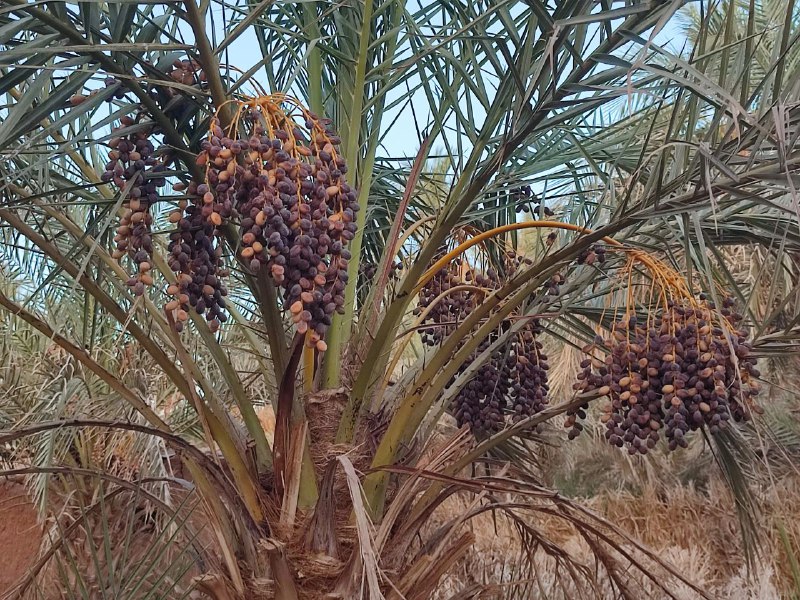
Getting the right amount of water is actually really important. Date palms are the main crop here. If you give a palm tree too much water, the fruit becomes very watery and won't keep until the next season. But if you're too stingy, the dates end up very dry or won't ripen at all.
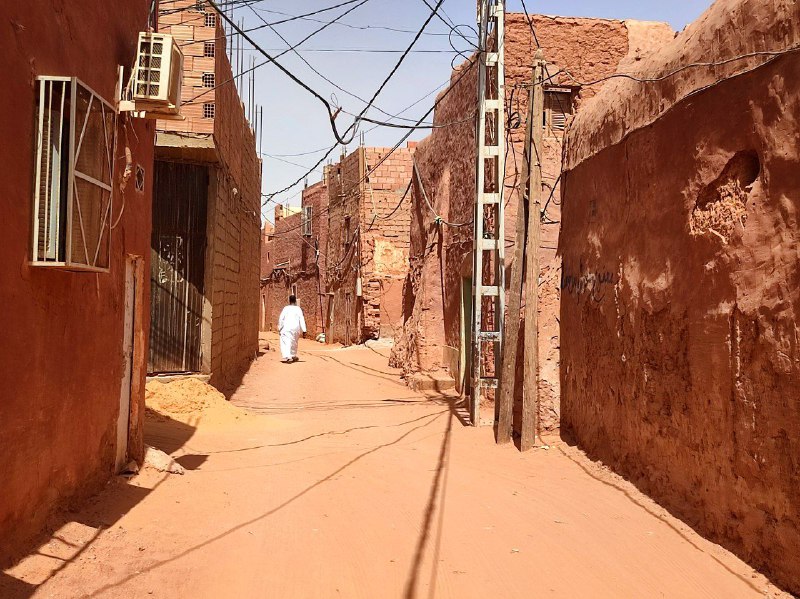
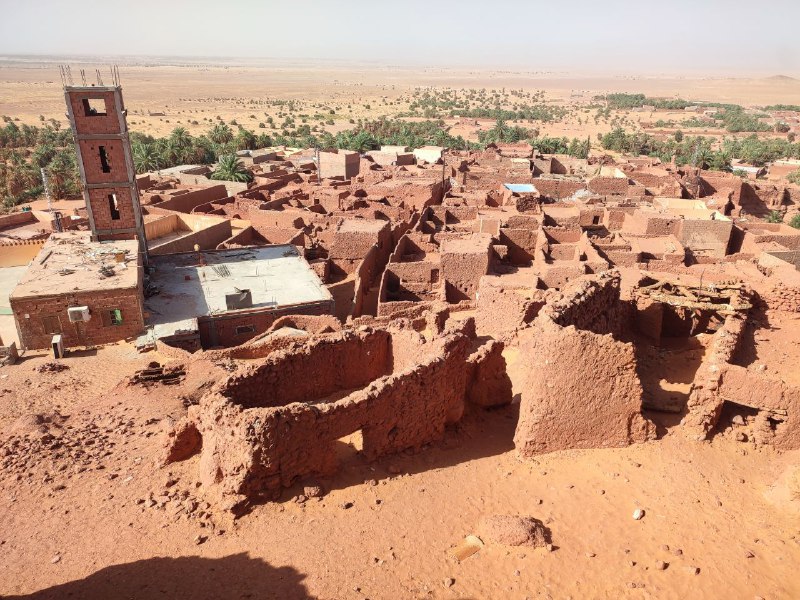
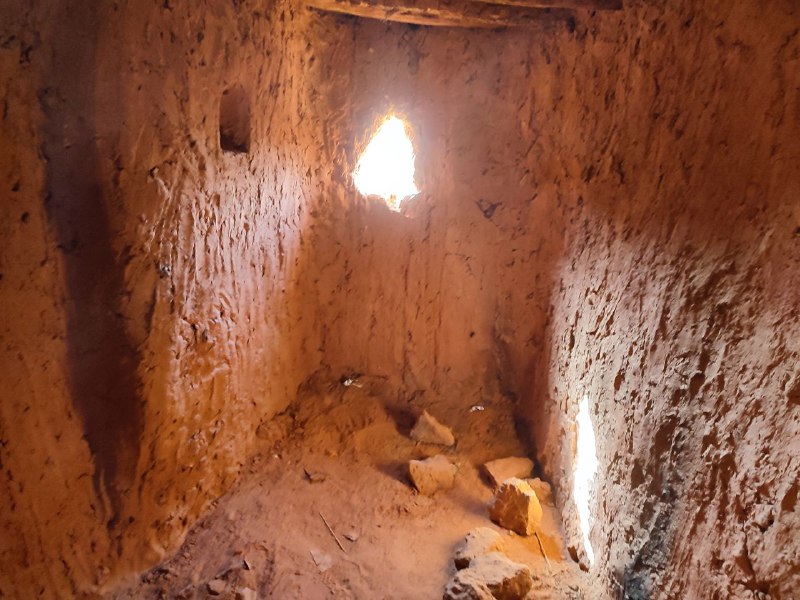
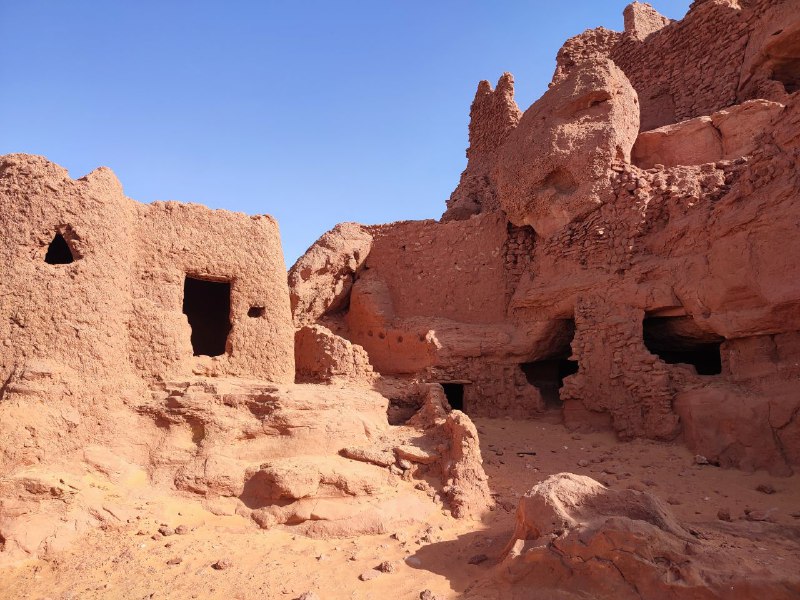
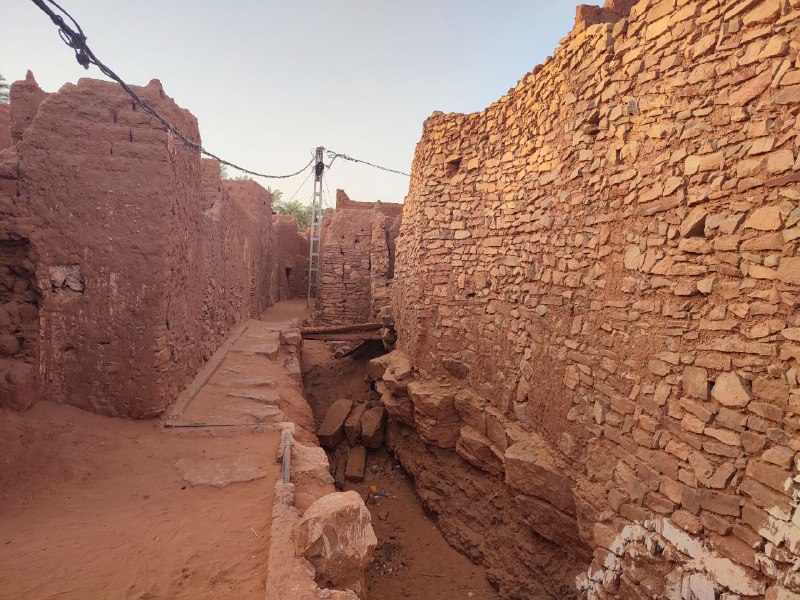
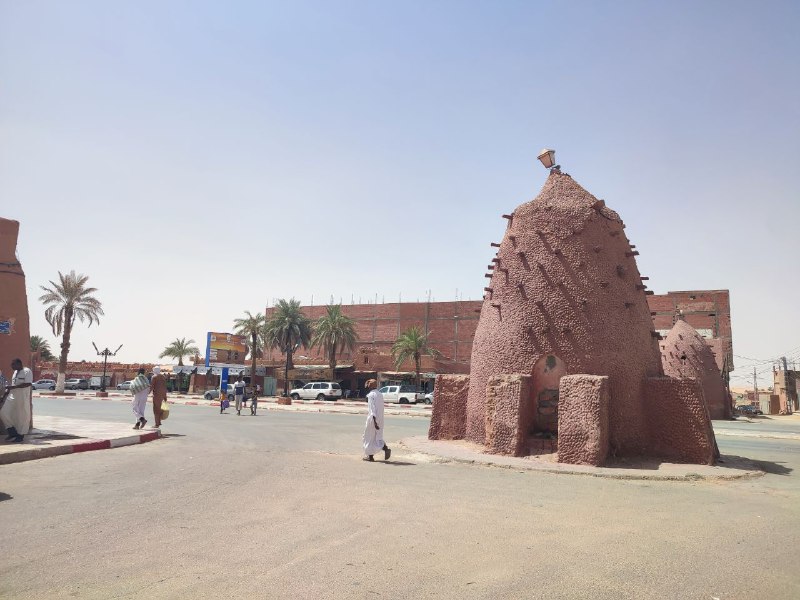
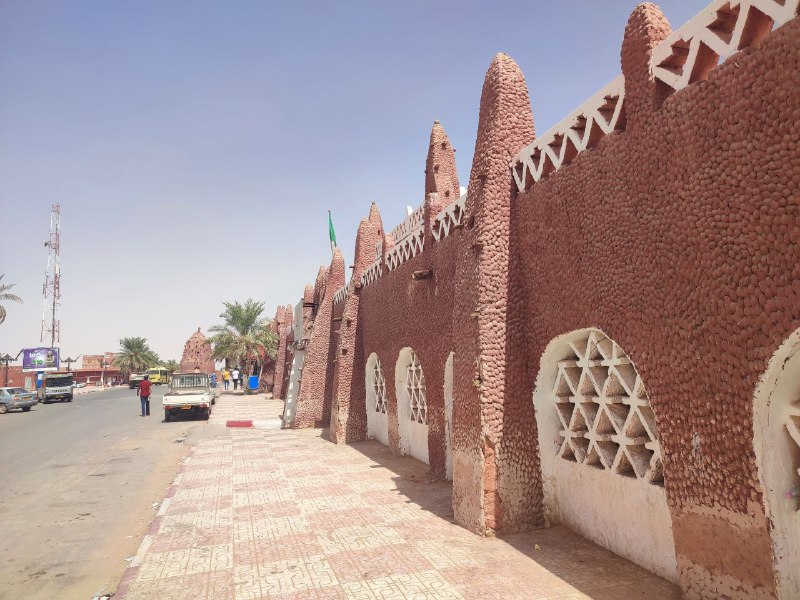
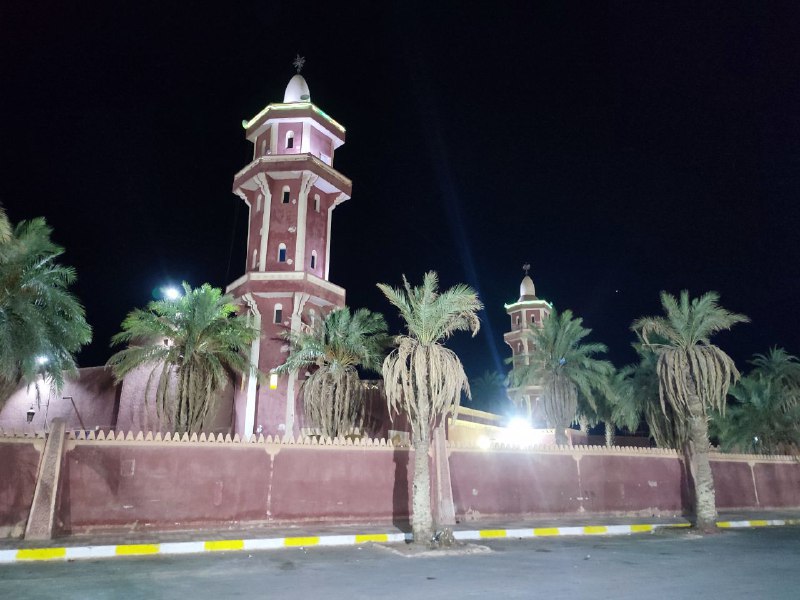
PS. Check out the unusual architecture of Timimoun. Houses in the surrounding villages are built from mud and stones, which gives them that distinctive red color. It gets scorching hot inside during the heat, but if you splash some water on the floor, it becomes much fresher and cooler.
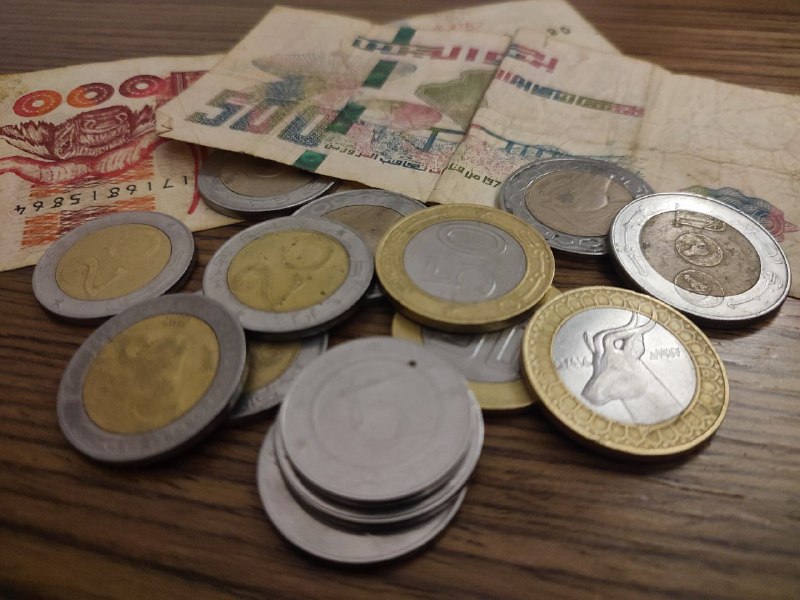
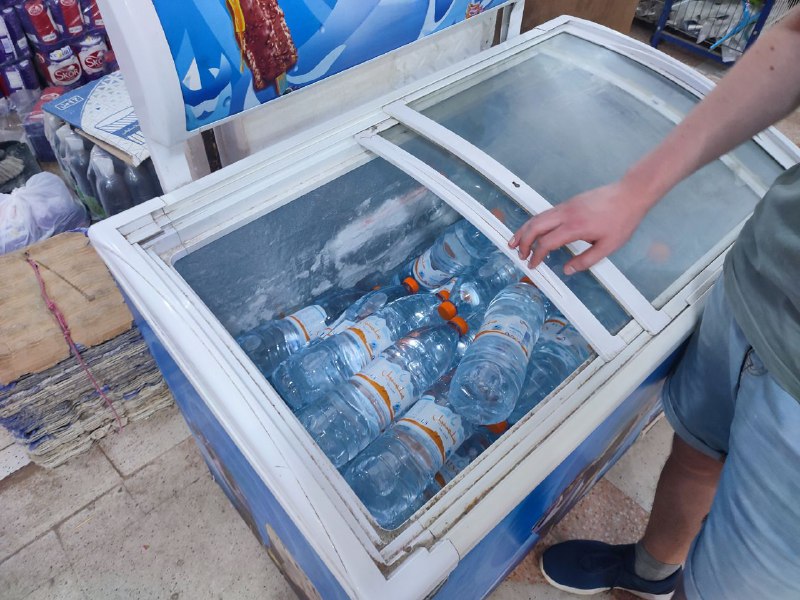
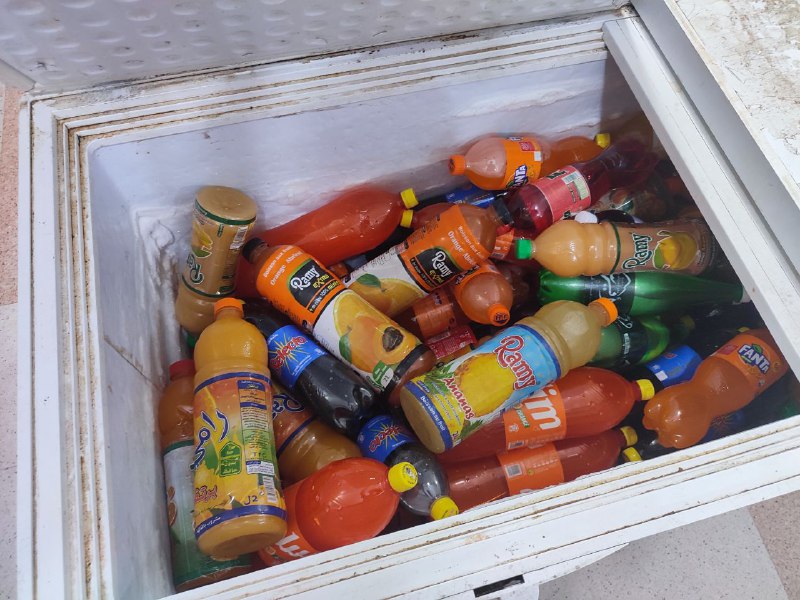
So I walked into a shop in the middle of the Algerian desert to buy 3 bottles of water. The cashier tells me "that'll be 24,000". I convert it to euros and get just over 100€. I asked twice "24,000? wait what?" and got a yes both times.
I wasn't really keen on dropping 100€ on water. Even in the middle of nowhere. So I left the water with the seller and walked out empty-handed, pretty shocked by the prices.
At the shop next door, the seller was speaking in a way I couldn't understand at all, so he just grabbed 200 Algerian dinars from my hand (just under a euro). I started to think the first guy was trying to rip me off. But nope, turns out he wasn't.
Back in 1964, Algeria switched their currency to dinars at a 100-to-1 ratio, but people still haven't adjusted (!) and keep using the old currency. So prices are often quoted in old money. That means you need to divide the amount by 100. The first seller actually wanted just over a euro from me, not a hundred.
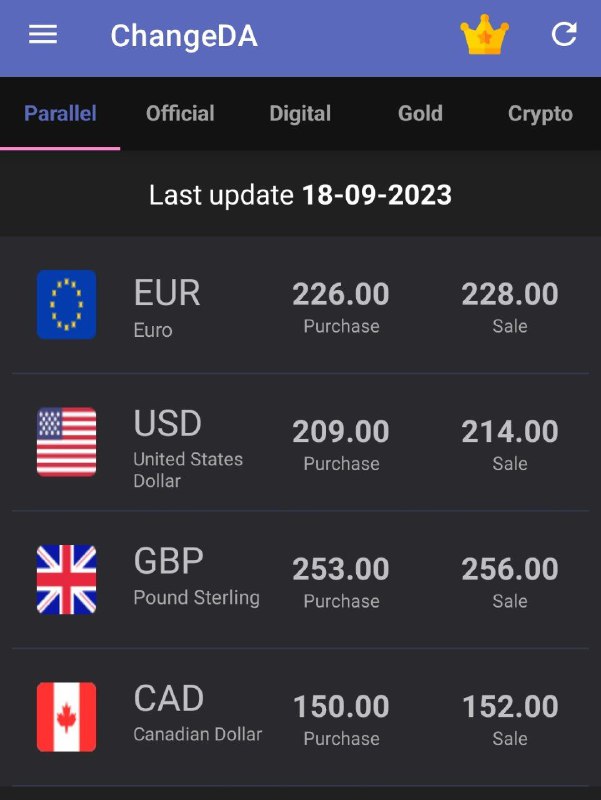
Oh, and there are no money exchange offices here. There's an official rate of 146 dinars per euro. But you can only sell euros at that rate. Then there's the black market where they exchange at 226 dinars per euro. You can literally catch money changers right on the street—these guys with thick stacks of cash. Makes you wonder how people exchange big amounts if they, say, sell an apartment or something? :)
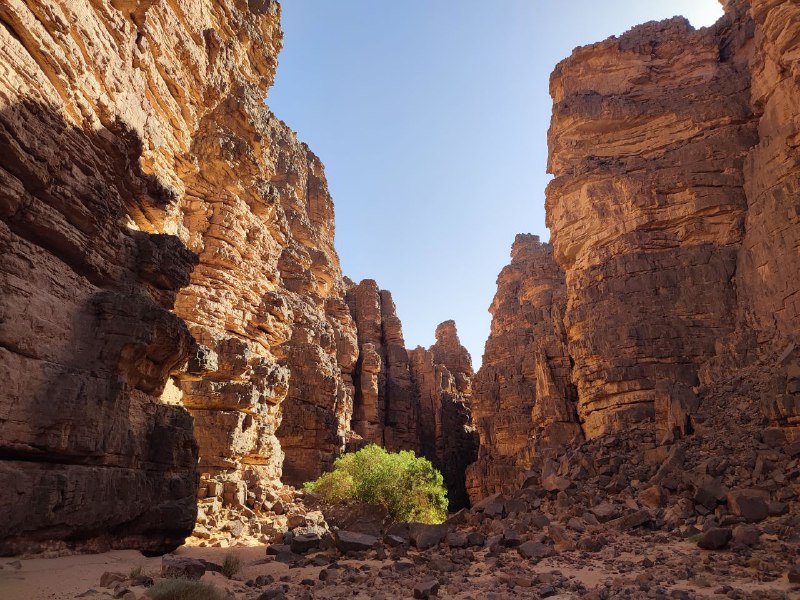
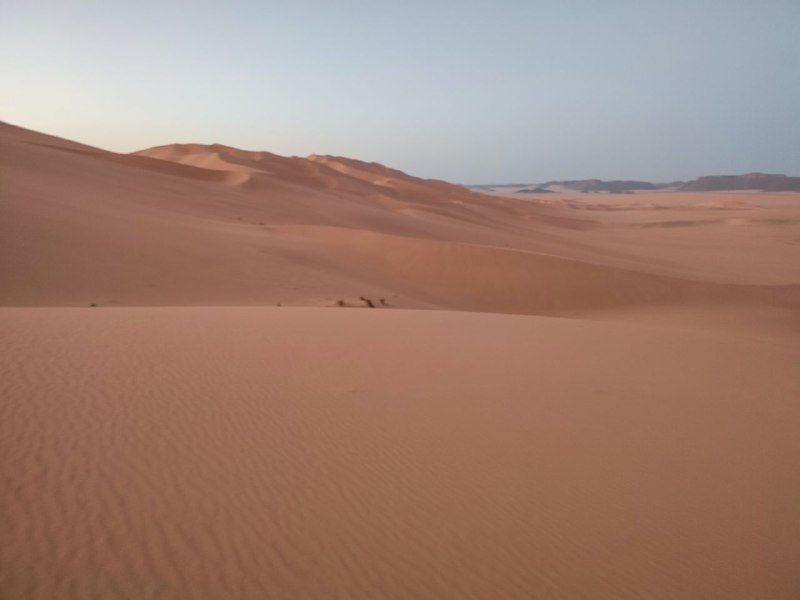
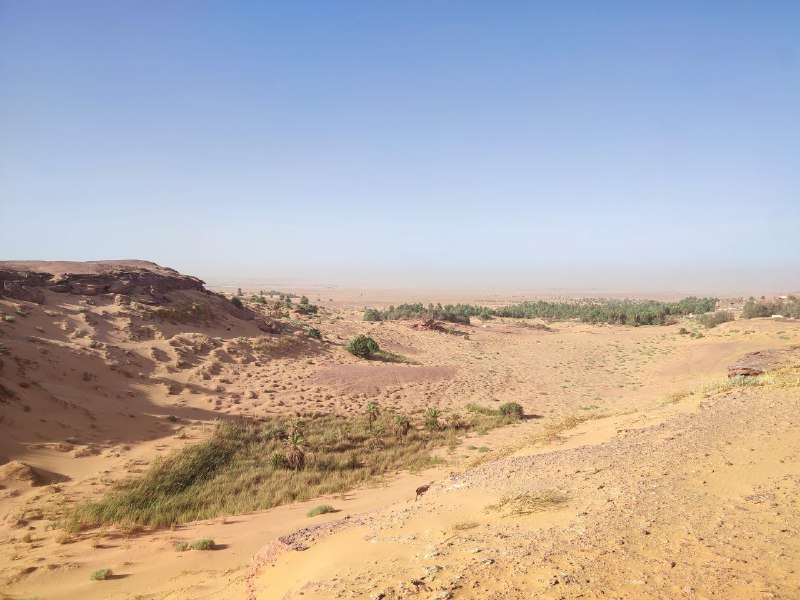
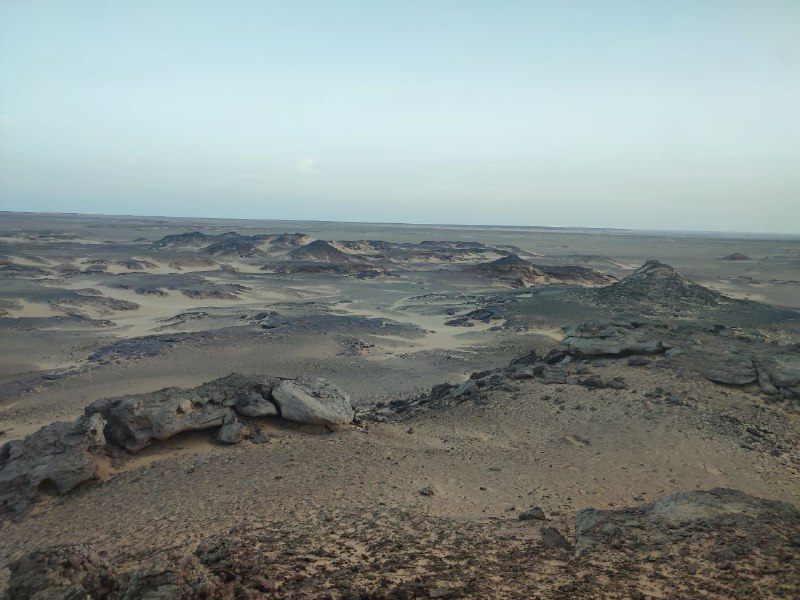
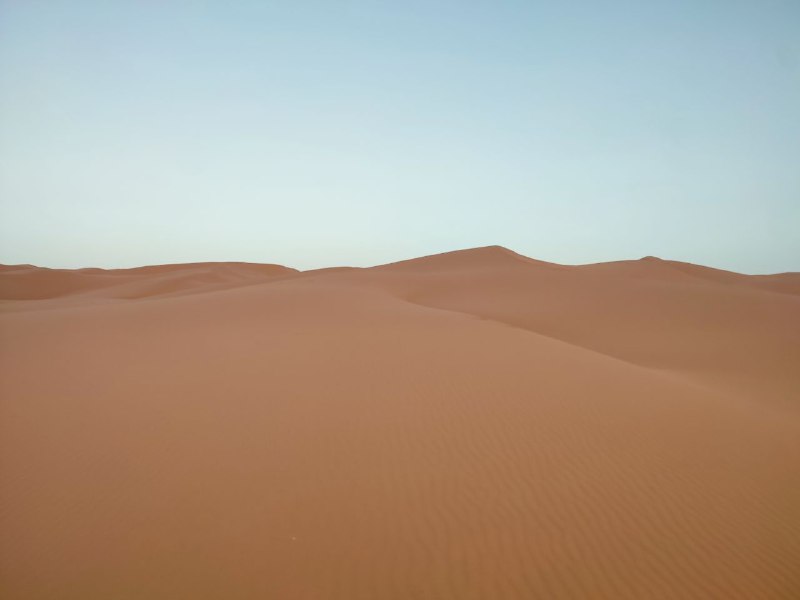
The desert looks nothing like I expected. You usually picture endless sands stretching out to the horizon. But it turned out to be completely different.
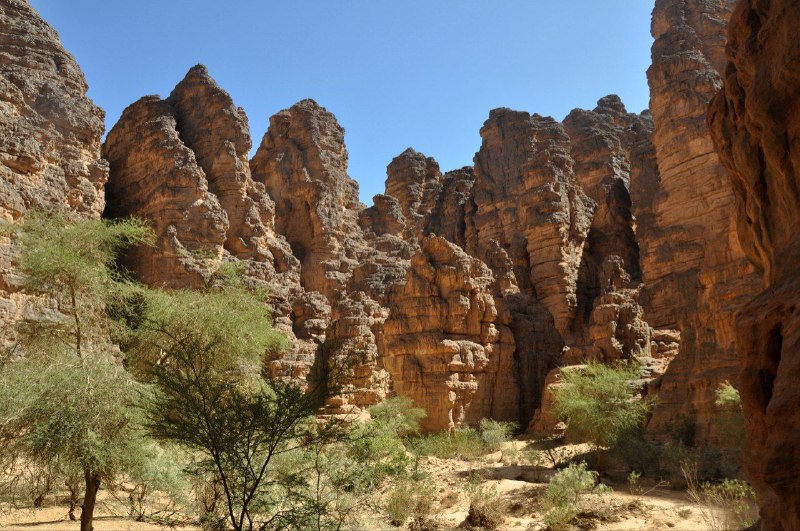
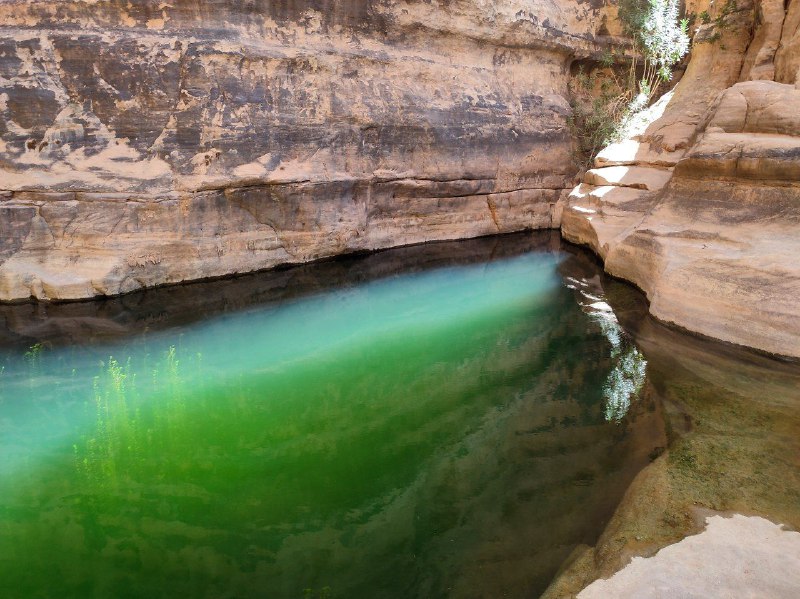
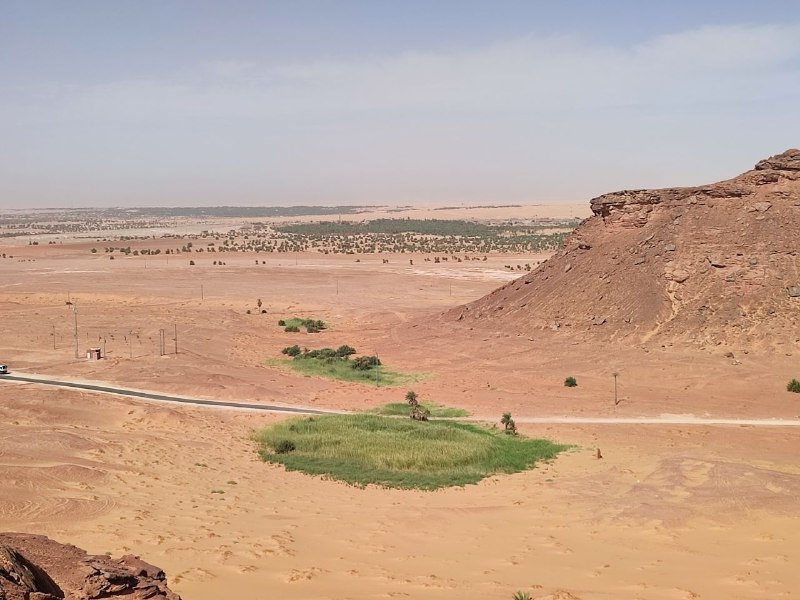
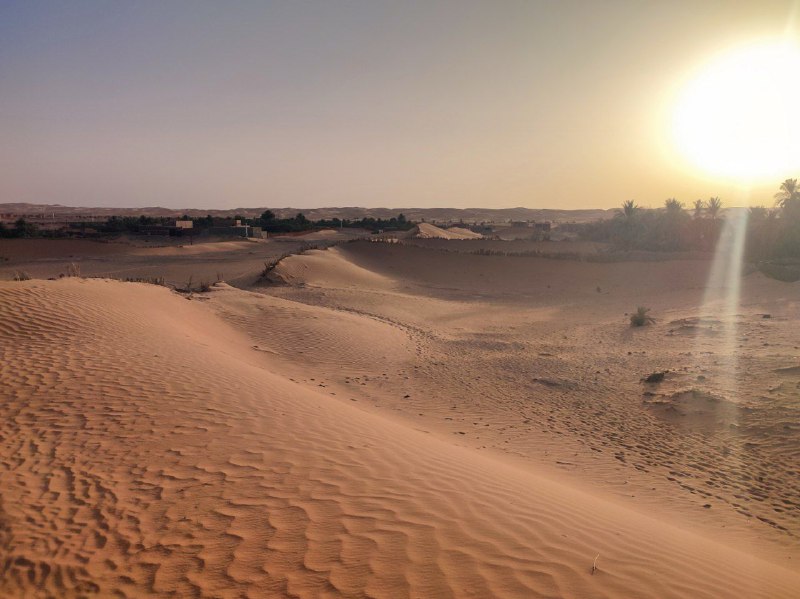
Every now and then you come across green patches. Even in the desert there's plenty of groundwater. In some places it comes close to the surface and life begins. Plants appear, people settle, they start raising goats. You can't really feed cattle, of course, but there's enough for more hardy animals.
But even where oases are few and far between, you still spot some bushes and other thorny plants. A completely barren wasteland is pretty rare to find.
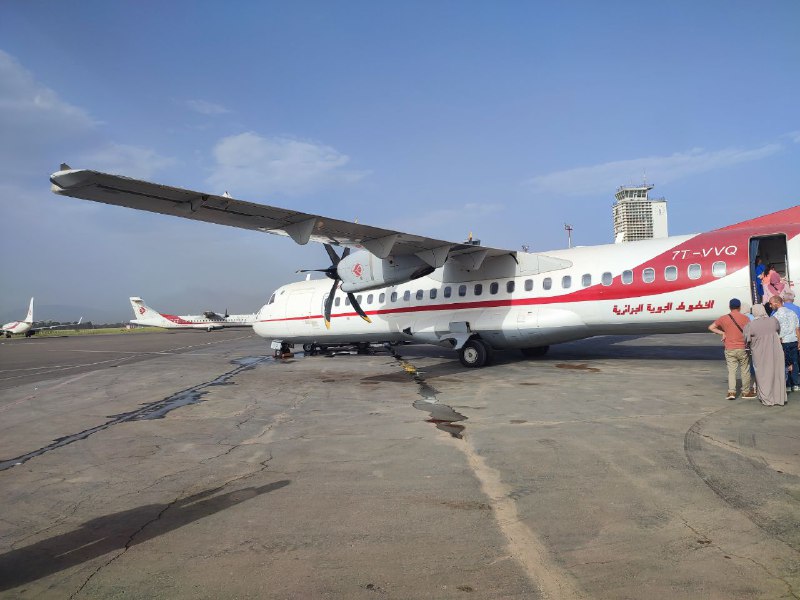
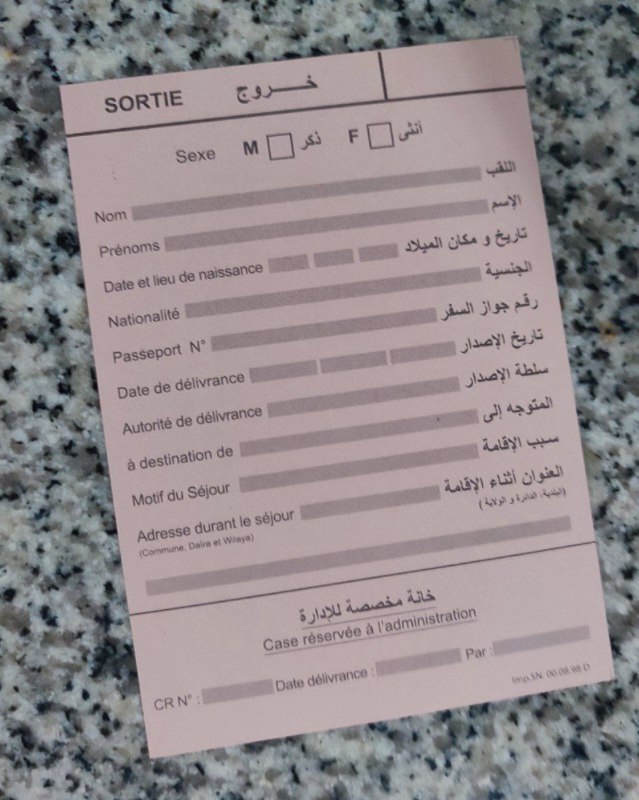
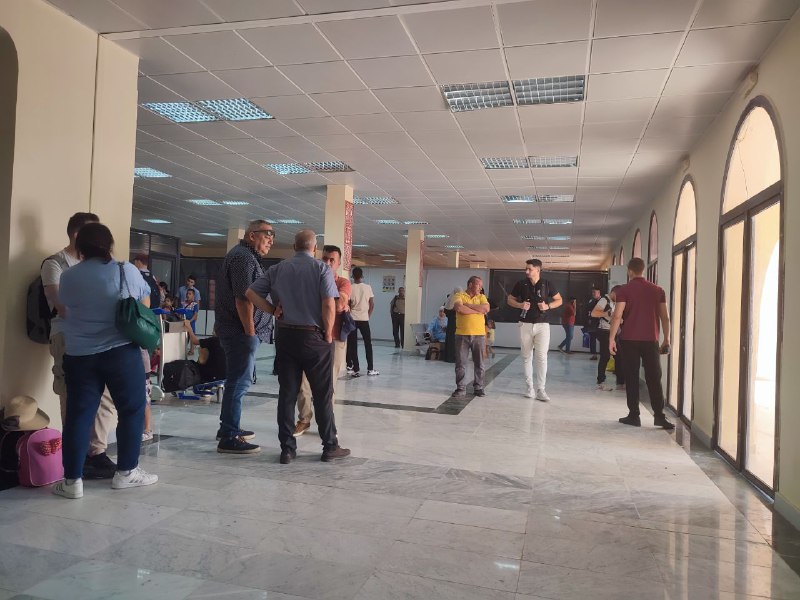
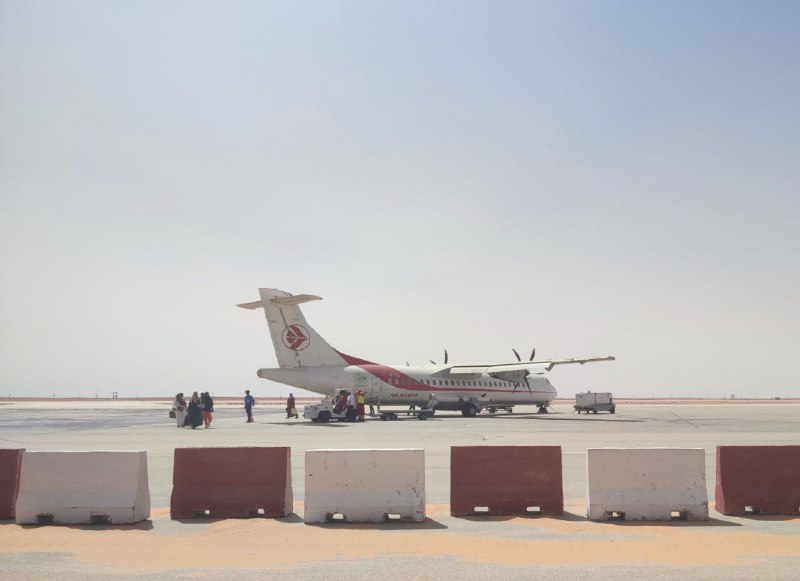
Domestic flights in Algeria are pretty interesting. If you're a foreigner flying to another city on a domestic flight, you still have to fill out an exit form (see the photo). At smaller airports, staff can help you with it, but in the capital, you're on your own. Why they need my profession and my parents' names is beyond me.
There are more security checks, but they feel more like an annoying formality than anything serious. For example, in Algiers the metal detector would go off on every other passenger, but everyone got through without any questions. In Timimoun, they didn't even ask me to remove my belt and let me through to the secure area with a large bottle of water.
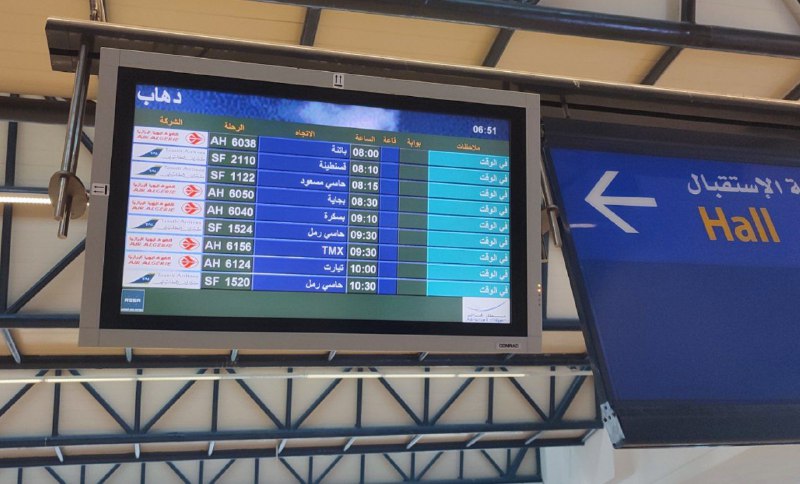
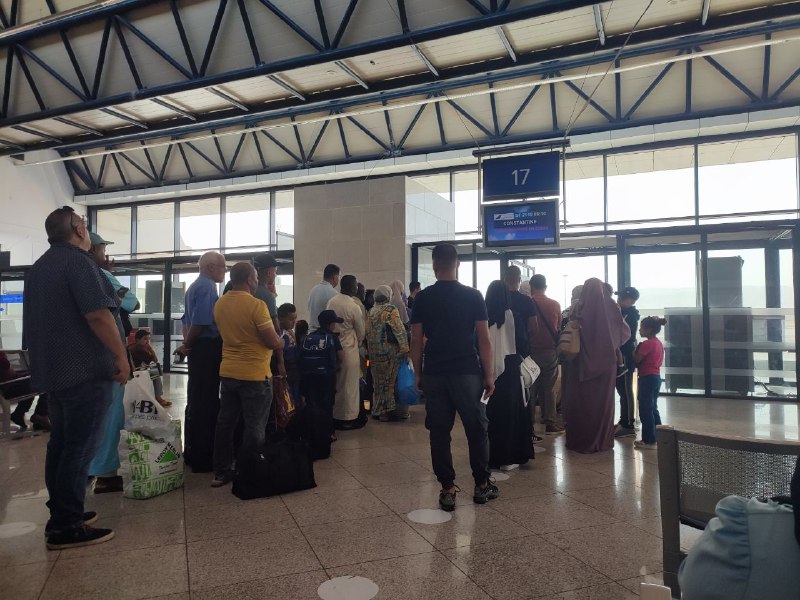
The gate display doesn't need to be updated. And they can change the gate at the last second. I actually had a boarding that was listed under the gate number of a flight that had already left in a completely different direction.
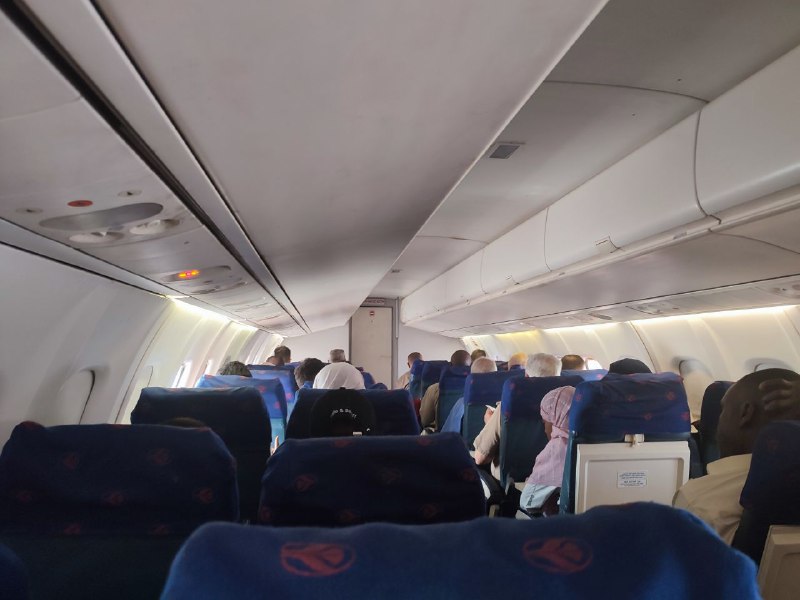
For some reason, passengers are given a boarding pass with a seat number. Why—no idea. Everyone just sits wherever they want, ignoring the numbers. If seats start running out, a flight attendant might help you find an empty one. I wonder if overbooking is allowed here?
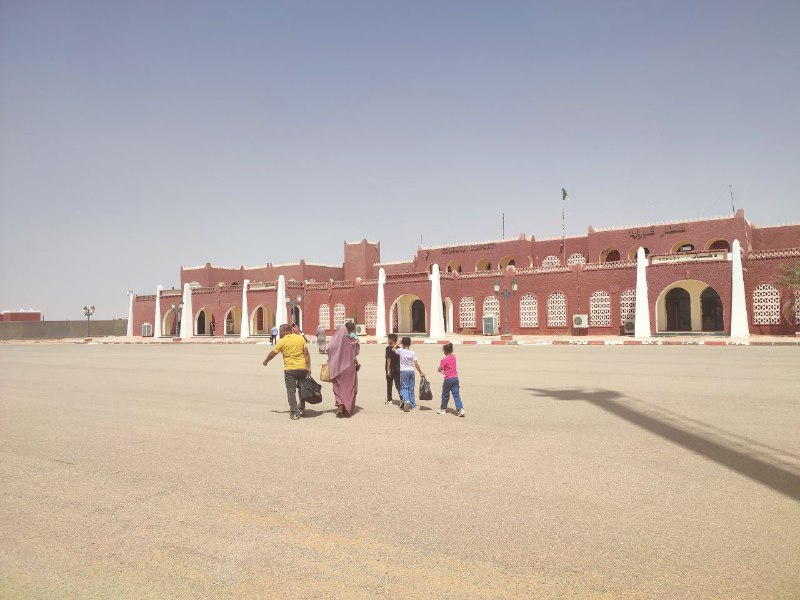
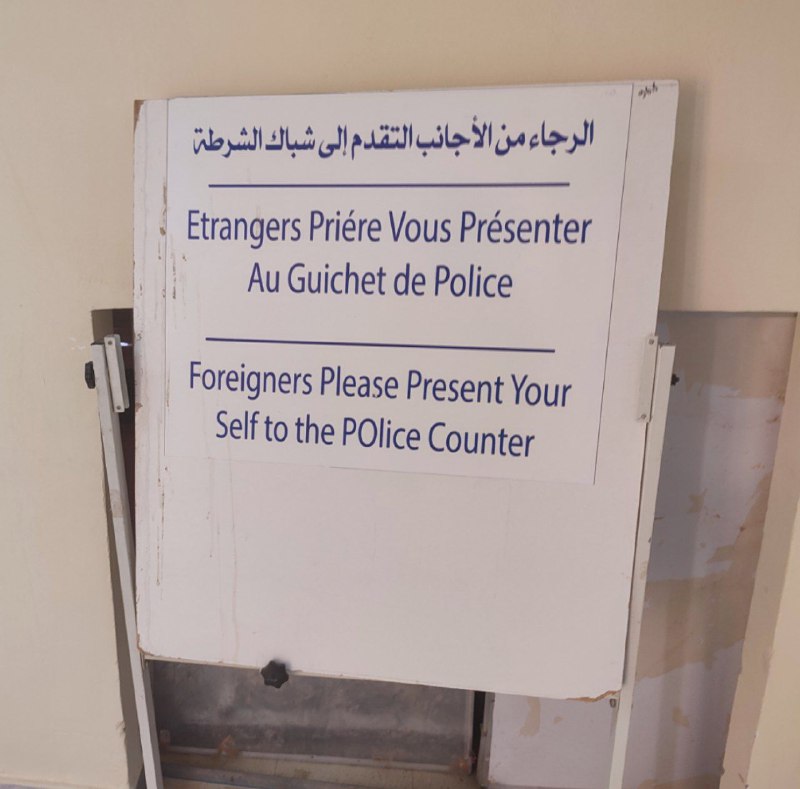
At the tiny Timimoun airport, a uniformed officer took my passport without explanation and handed it to the police. They escorted us to the city. The rules here are such that foreigners can only travel through the desert with a police escort. Locals laugh about it, saying it doesn't make sense anymore, but that's how it works ¯\_ (ツ)_/¯
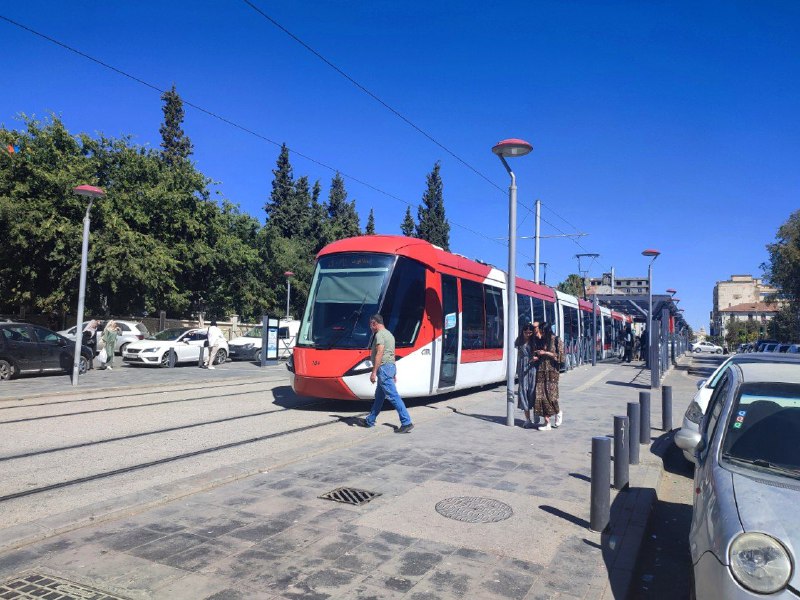
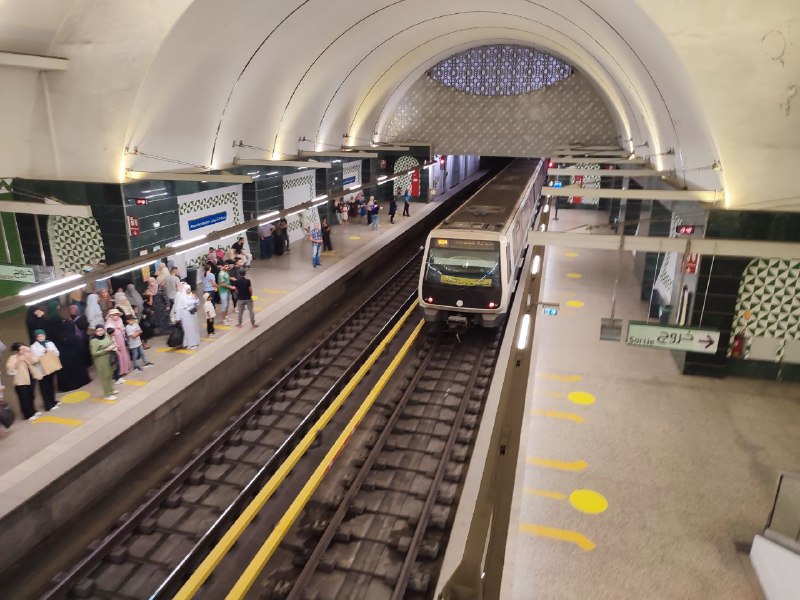
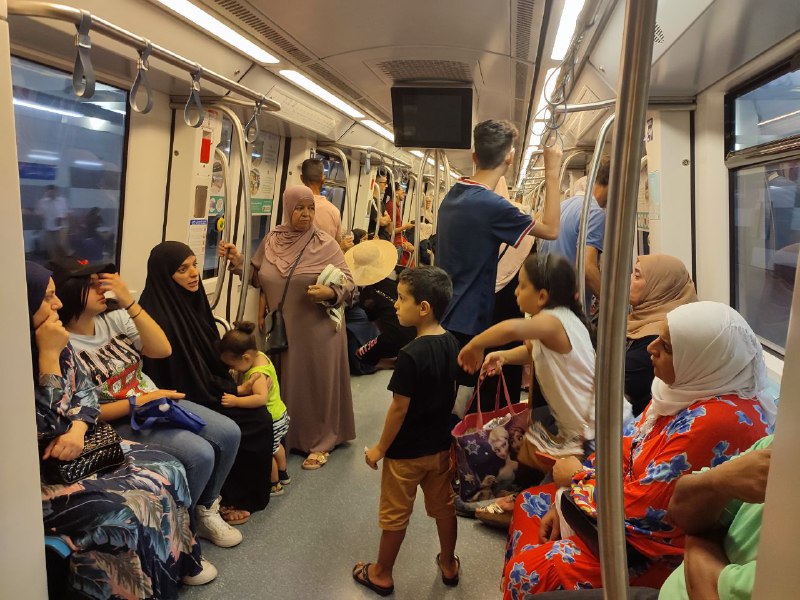
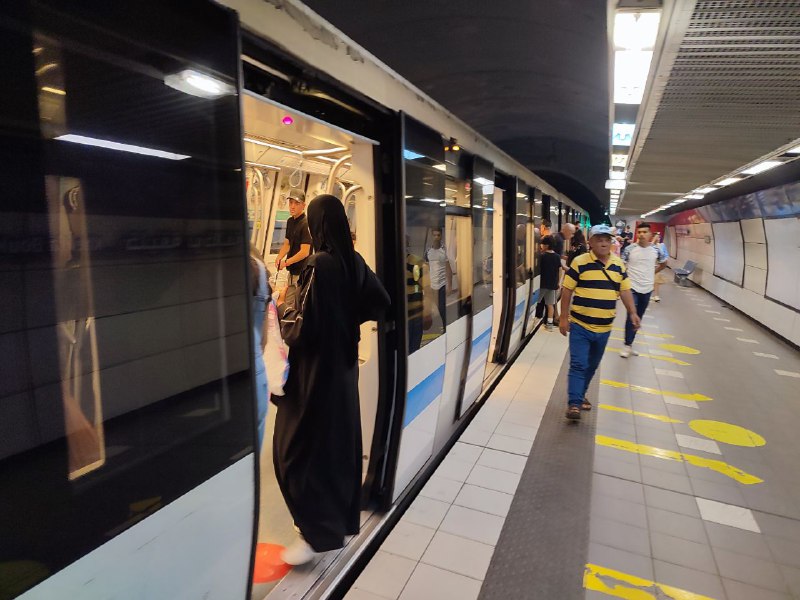
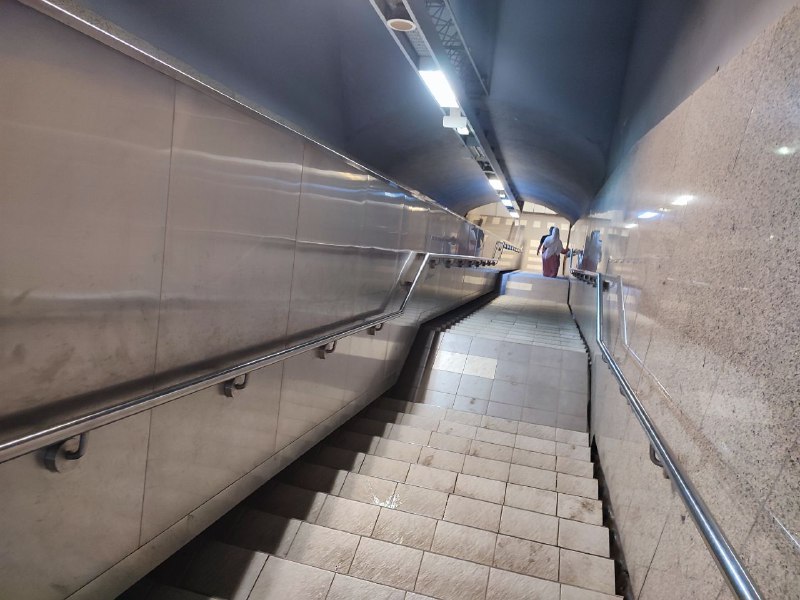
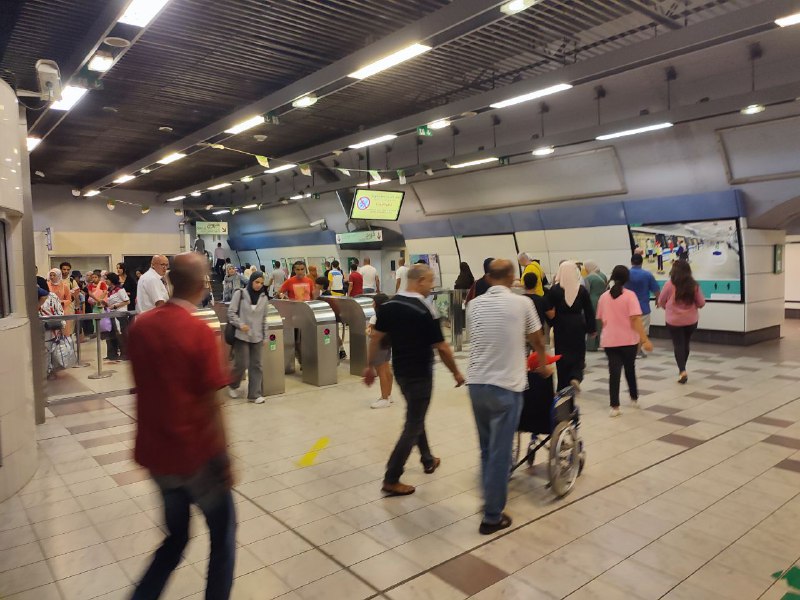
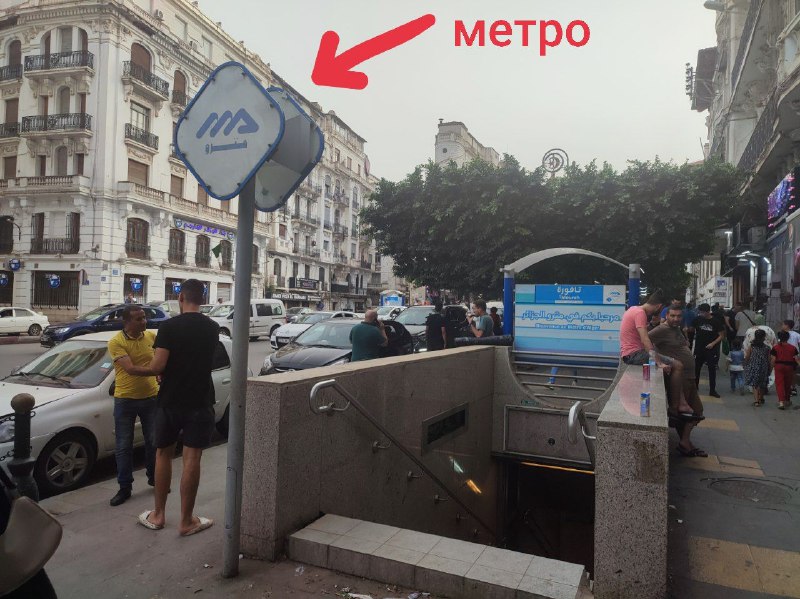
Algeria has a metro! It was a complete surprise for me. I randomly spotted a sign on the street and there it was. It looks kind of like the Paris metro (which makes sense). The stations are really deep. Not all of them have escalators. So at the entrances, up at street level, you can see plenty of out-of-breath passengers who just climbed down a whole bunch of stairs. The fare is cheap—just a quarter euro.
They started designing the subway back in the 1970s. They only finished construction and launched the system in 2011. But even 40 years is noticeably faster than
Belgrade's pace :)
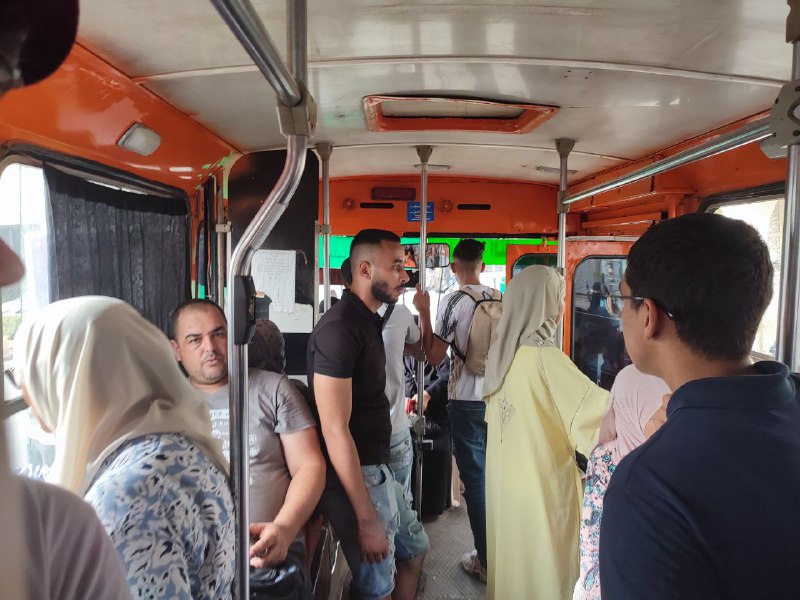
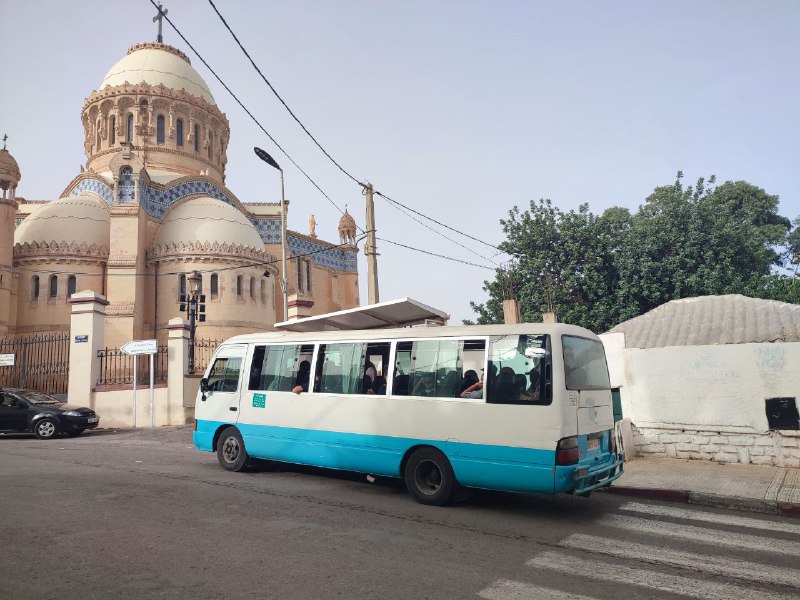
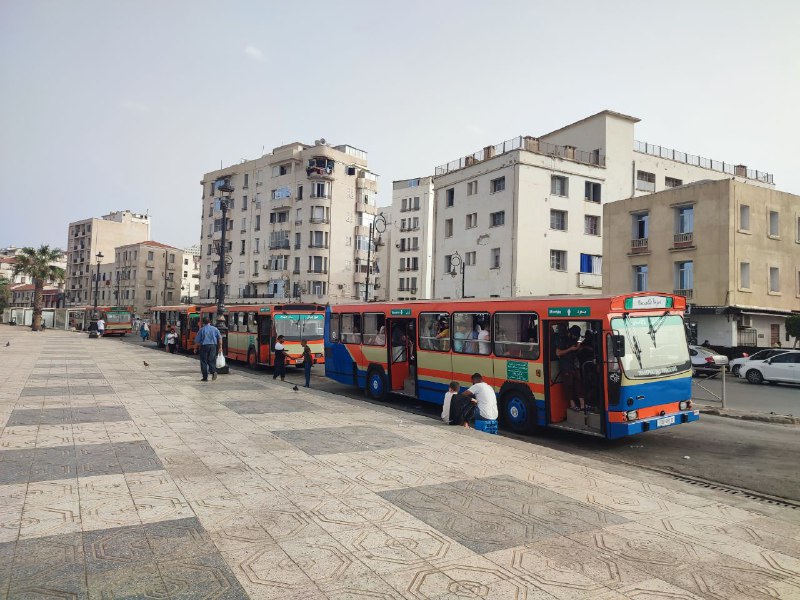
Above-ground transport is trickier. I couldn't find any route maps or schedules online, nothing. Moovit and Google Maps just suggest walking. The stops themselves have no information either. I'd just go up to drivers and ask if they were going to where I needed. I managed to guess right the first time a couple times and heard "yeah, get in," but once I had to switch from a big bus to a minibus. Lucky the other passengers told me, or I'd have gone the wrong way. But at least the fare is half the price of the metro.
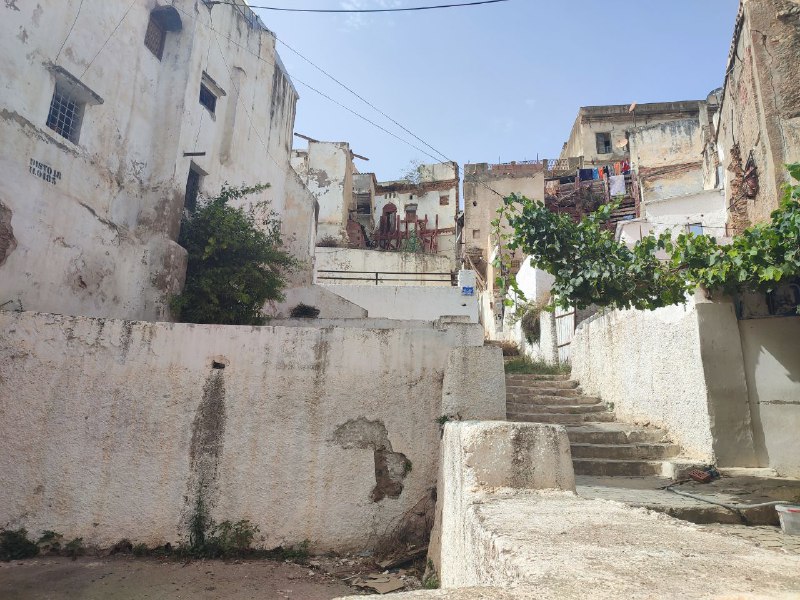
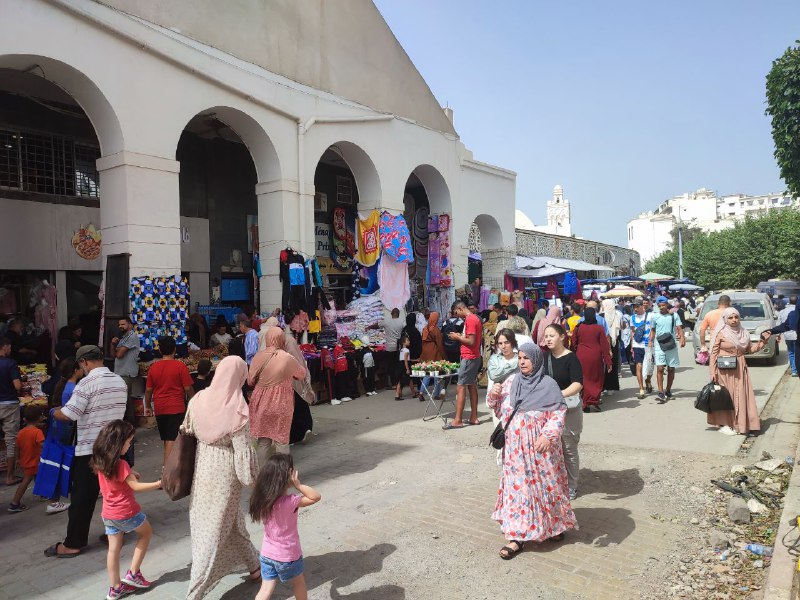
Алжир не самое популярное направление для поездок. Туристов на столичных улицах особо не видно. Что уж там, даже пограничница спросила "Ты же работать сюда едешь?", но услышав, что просто посмотреть, удивилась очень обрадовалась. Хотя может рано ещё. Зимой погода приятнее (:
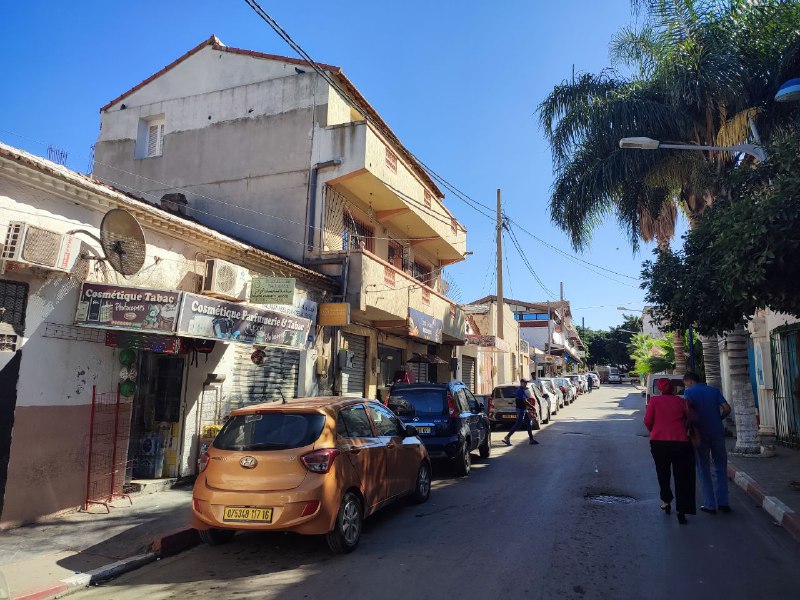
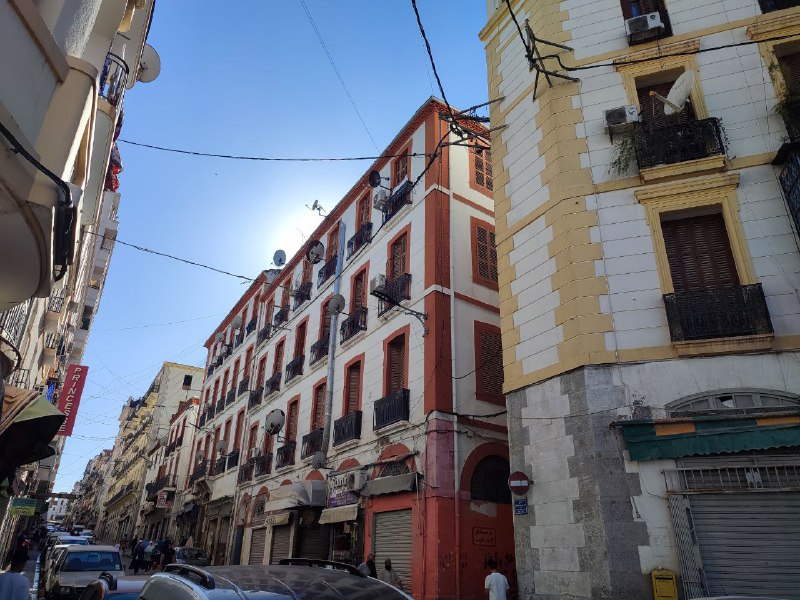
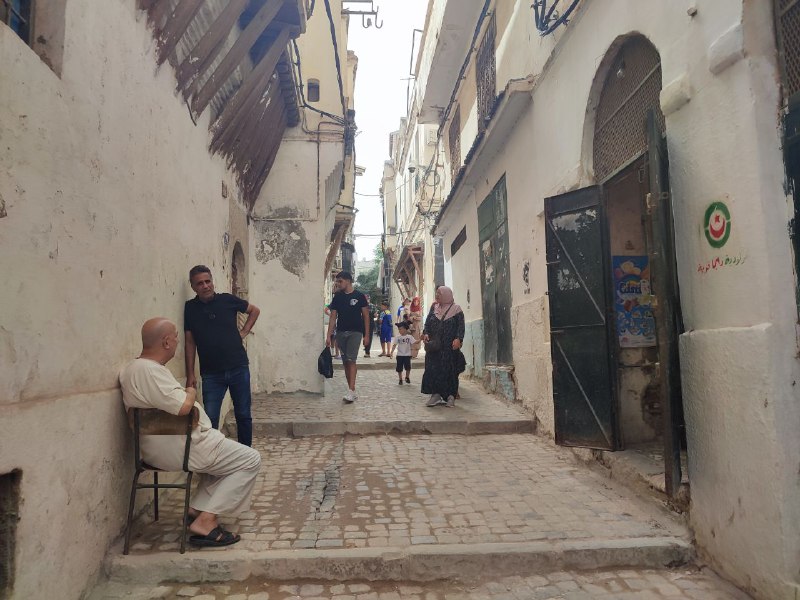
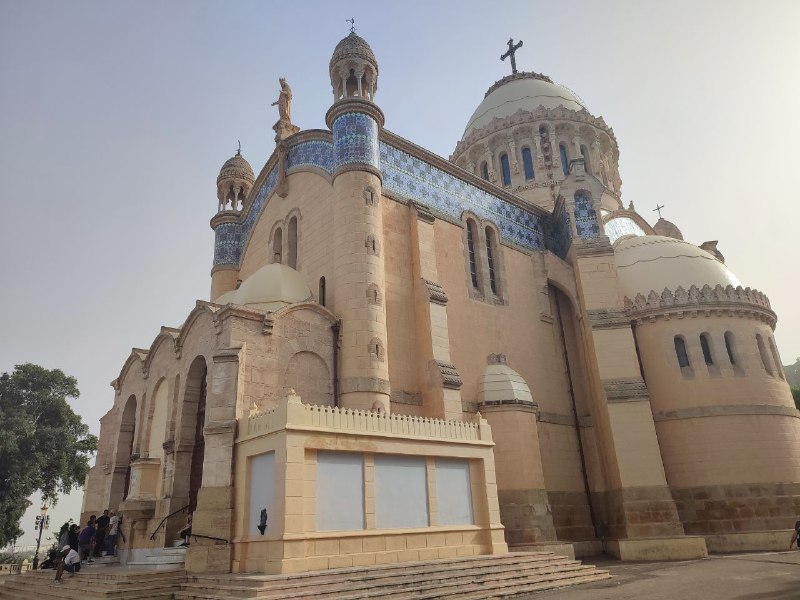
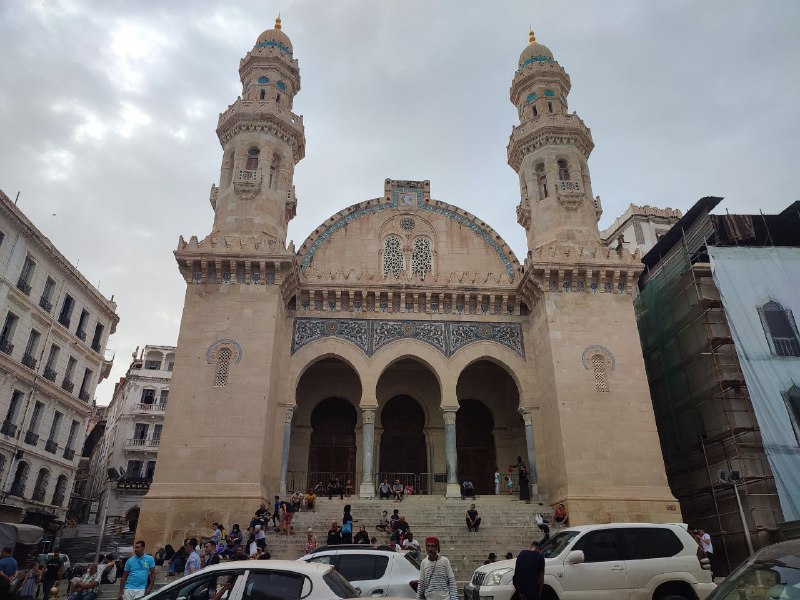
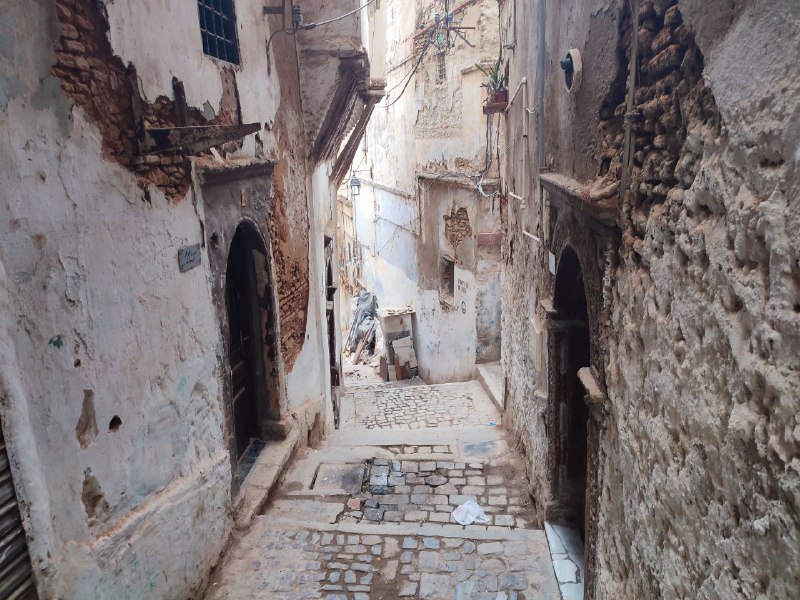
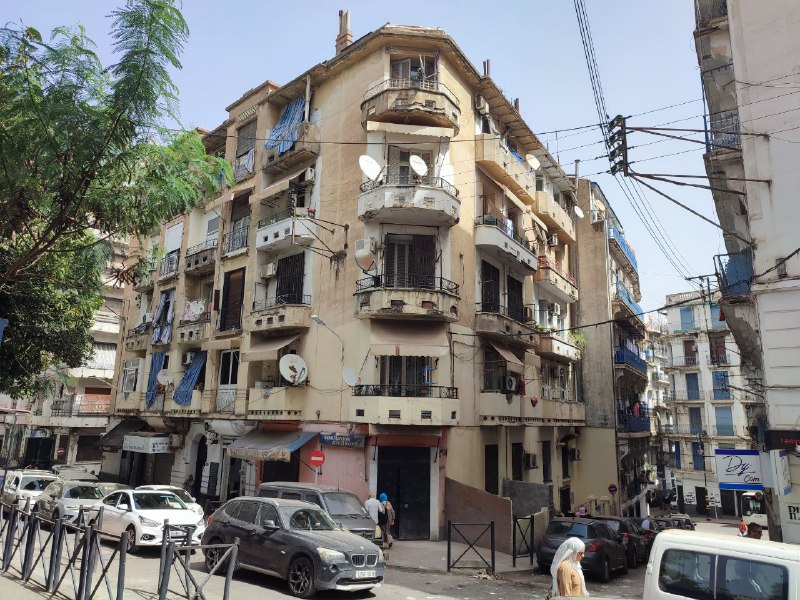
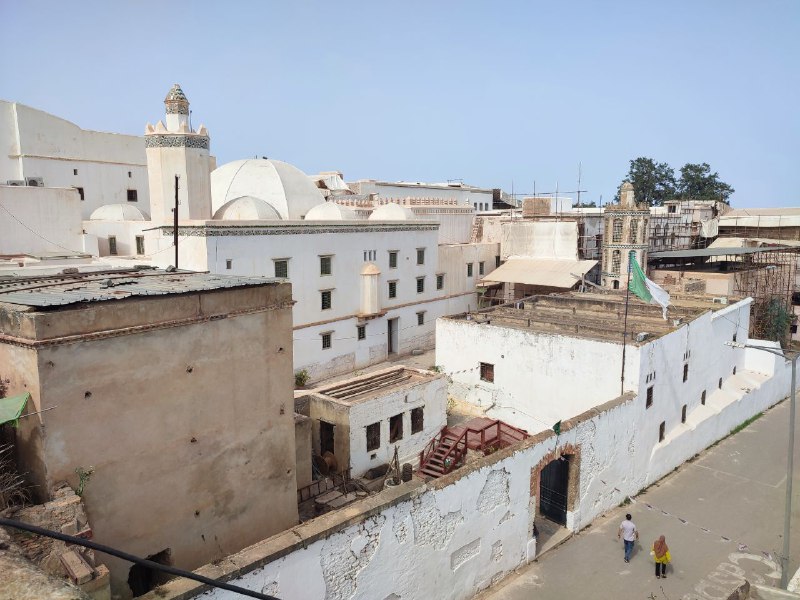
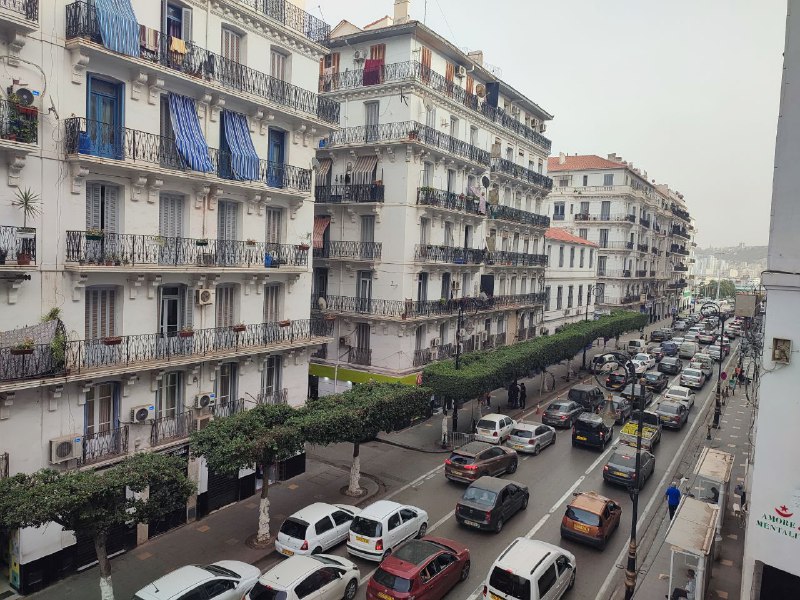
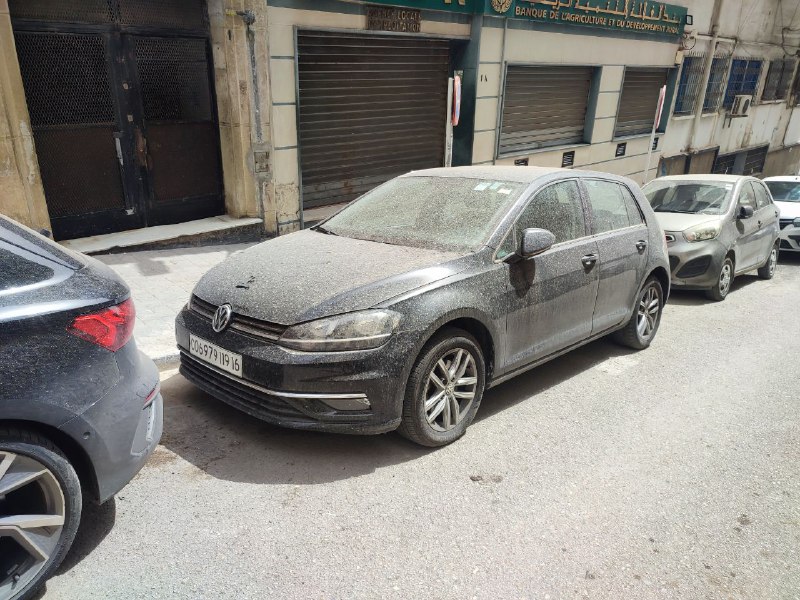
Столица Алжира — Алжир. Тут очень бросаются в глаза 2 вещи: белоснежная архитектура (много обшарпанных зданий, но во всем ансамбле есть свой шарм) и безумно песчано-грязные машины. Дождь тут, похоже, идёт сразу с песком. В какой-то момент даже слегка покапало. Действительно, как-будто песком полили. Да и в целом когда вдаль смотришь, то сильно далеко не видно из-за своего рода песчаной завесы.
Иностранной речи на улице не слышно. Местные говорят на странном арабско-французском суржике. Я и так-то арабский не очень хорошо знаю, а французские вкрапления и влияние местных языков в самых неожиданных местах сильно усложняют коммуникацию. Спасибо тут merci, а не شكراً. Даже считают на французском. Хотя казалось бы.
(translation pending)
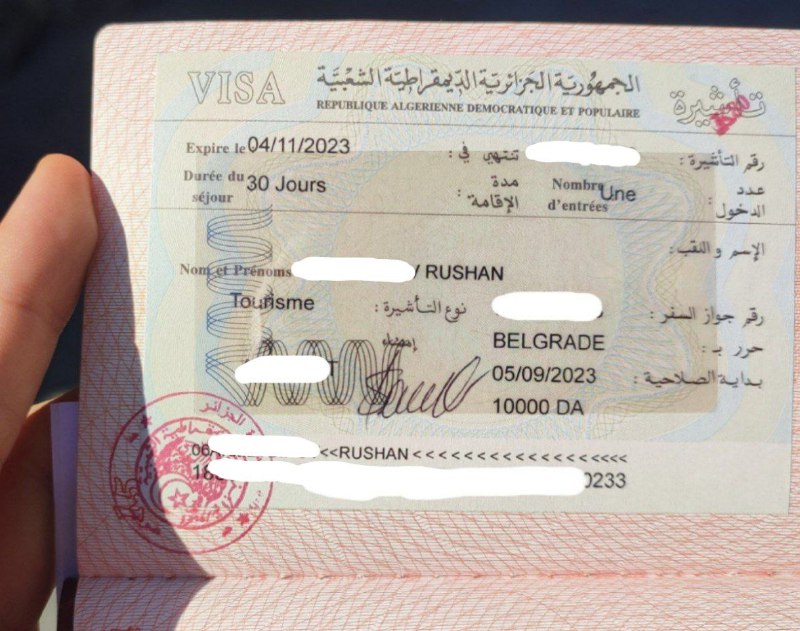
Algeria's visa policy is straightforward: if your country lets our citizens in without a visa, we'll do the same in return. The thing is, only 7 countries worldwide actually accept Algerians visa-free. So basically everyone else, including the French, needs a visa. And honestly, it's probably the strangest one I've ever had to deal with.
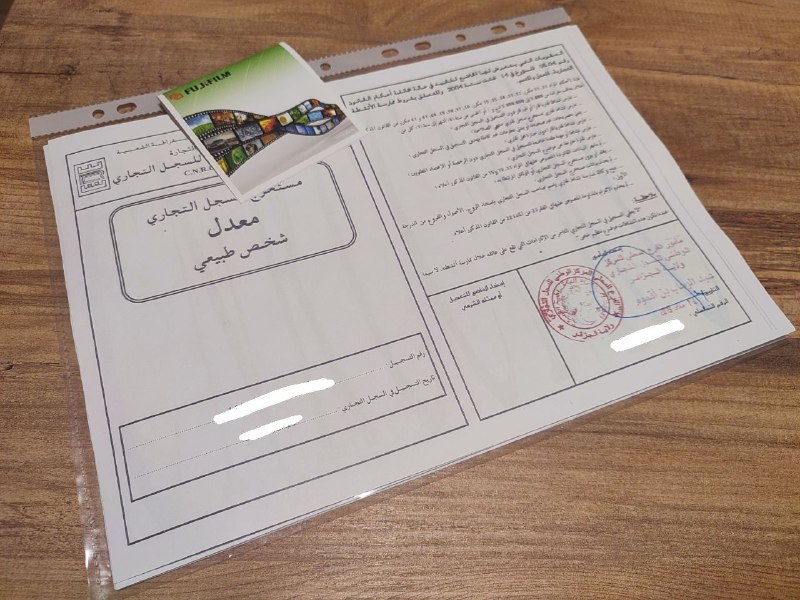
For a tourist visa, you absolutely need an invitation from a local resident or an Algerian travel agency, which gets sent through the tourism ministry to your chosen consulate (mine was in Belgrade). After a couple of weeks, you start calling up the consuls asking "Has the invitation arrived yet? When should I come in?" Yep, by phone. Actually talking to someone. You keep at it until they tell you "Everything's good, come on down."
The list of required documents is on the consulate website. Available in French (super detailed) and Serbian (where the translator apparently decided to cut half the text). Arabic? Totally forgotten. Though I did end up submitting some paperwork in Arabic anyway. Thank goodness the people inviting me provided those.
After you submit everything, you also have to call to find out if it's ready. At least it's not by fax anymore :)
The hardest part of this whole ordeal was actually finding someone to invite me. Everything else? Pretty manageable.
But the nature here is absolutely stunning.
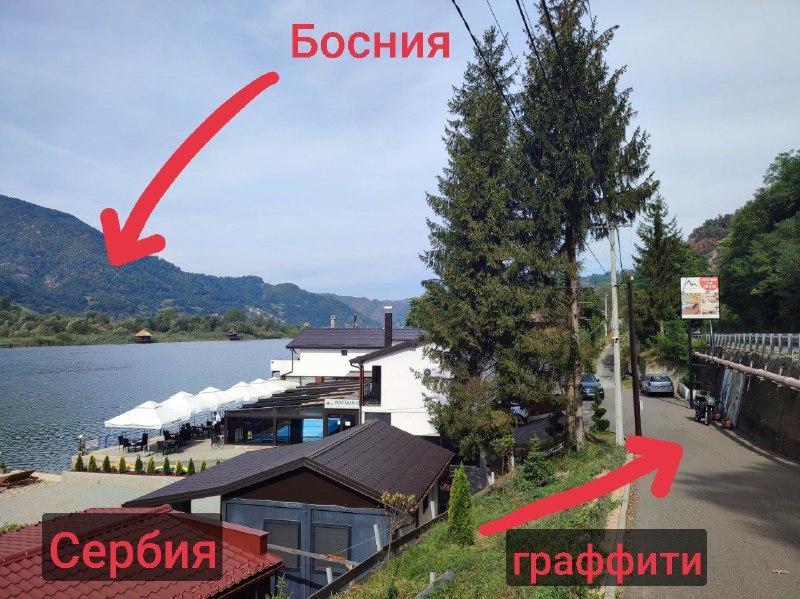
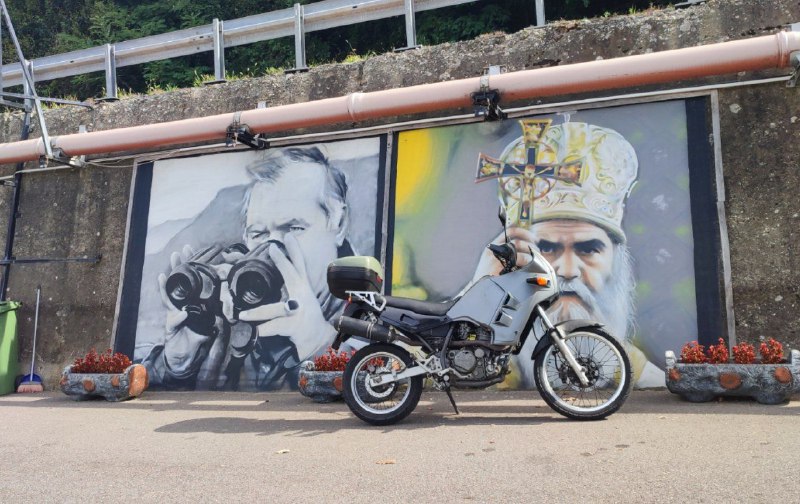
Near my accommodation, I was really struck by some graffiti. Both by what it showed and where it was placed.
You've probably heard of Ratko Mladić? He's serving a life sentence in The Hague for the genocide of Bosnians, and some Serbs consider him a national hero. It's him looking through binoculars toward the Bosnian side. And from what I could tell, he's clearly visible from the other bank.
Serbians always ask for your passport when you check into a hotel or any apartment. If you don't have it, they start to really worry and don't want to let you stay. I had to turn in my passport at the embassy, but I needed to spend the night somewhere other than home. I had my driver's license on me and a photo of my passport, so I figured we could work it out.
What made things complicated was the border with Bosnia right at the edge of the city. The city literally ended at the checkpoint. Everyone's paranoia level was cranked to maximum. They did let me check in, but I practically had to recite my entire family tree. And they told me my driver's license wasn't a valid document :)
The hotel owner strongly urged me not to wander around the city in the evening. According to him, there's a lot of police on the streets, and they're suspicious of outsiders. Without a passport, they could take you to the station for an identity check. If it comes out that they let someone without a passport stay, the hotel could face problems too. Then he went on at length about crowds of Arabs and Iranians trying to illegally cross into Bosnia and then into the EU. If the internet is to be believed, Serbian police really aren't very friendly toward illegal immigrants. There are even unpleasant
incidents (if you don't want to see someone getting beaten, don't click it).
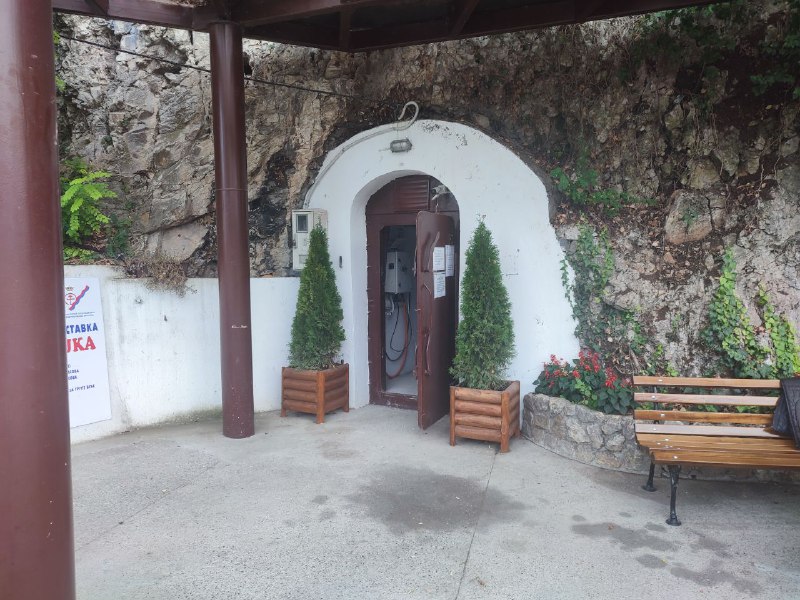
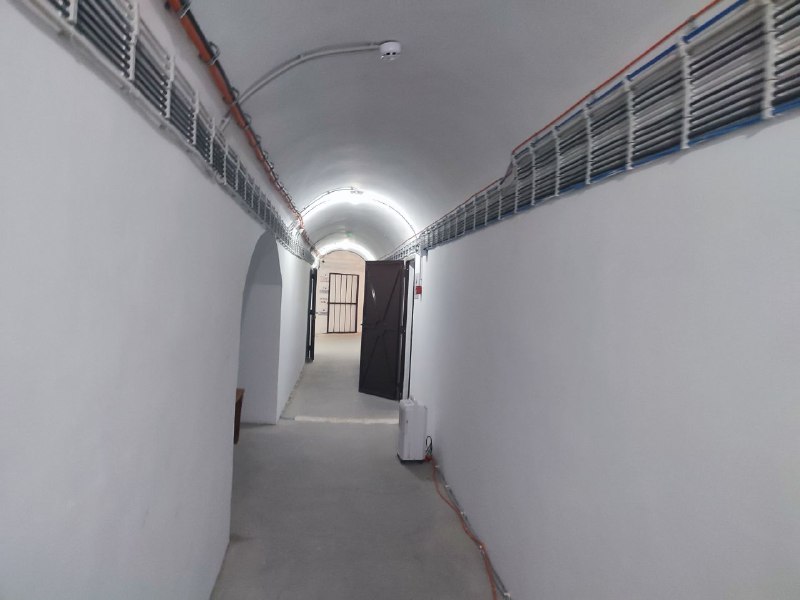
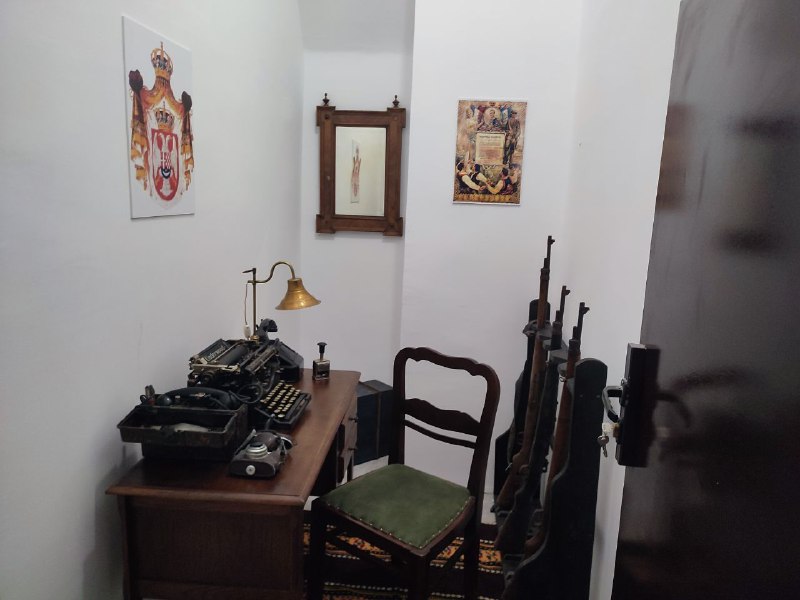
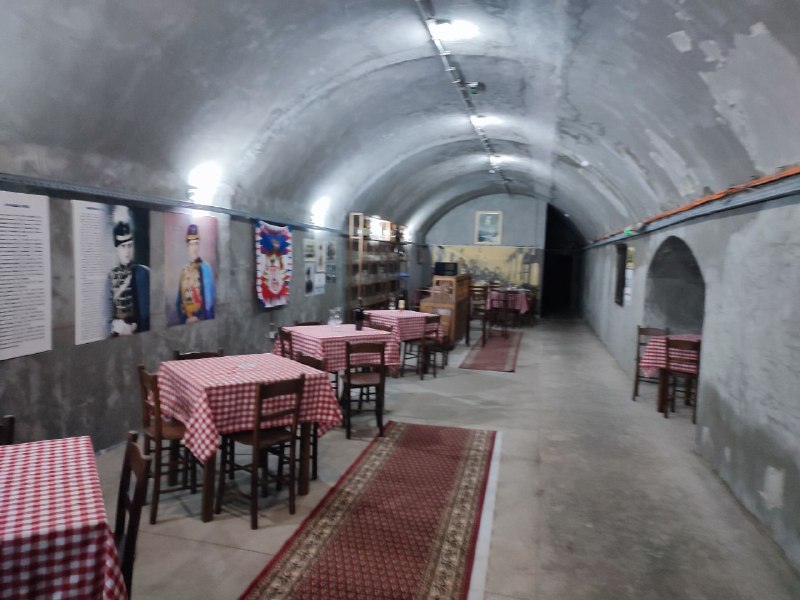
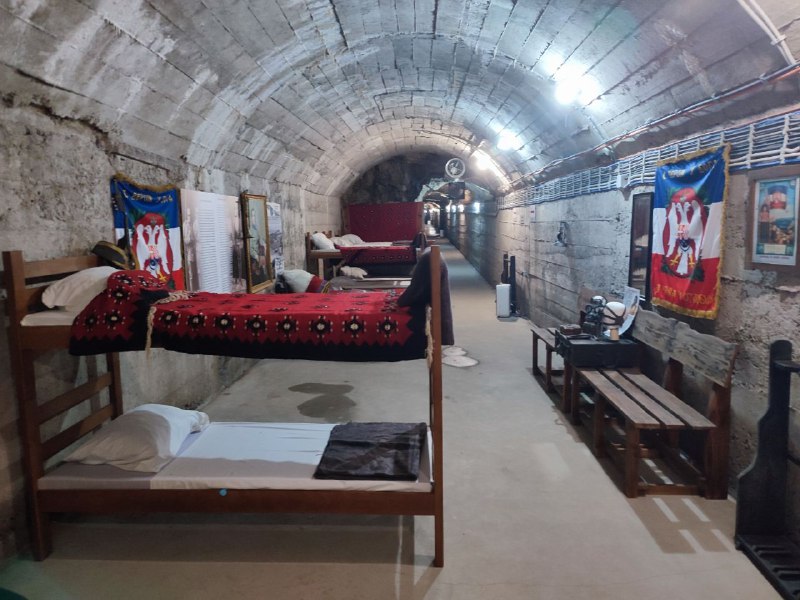
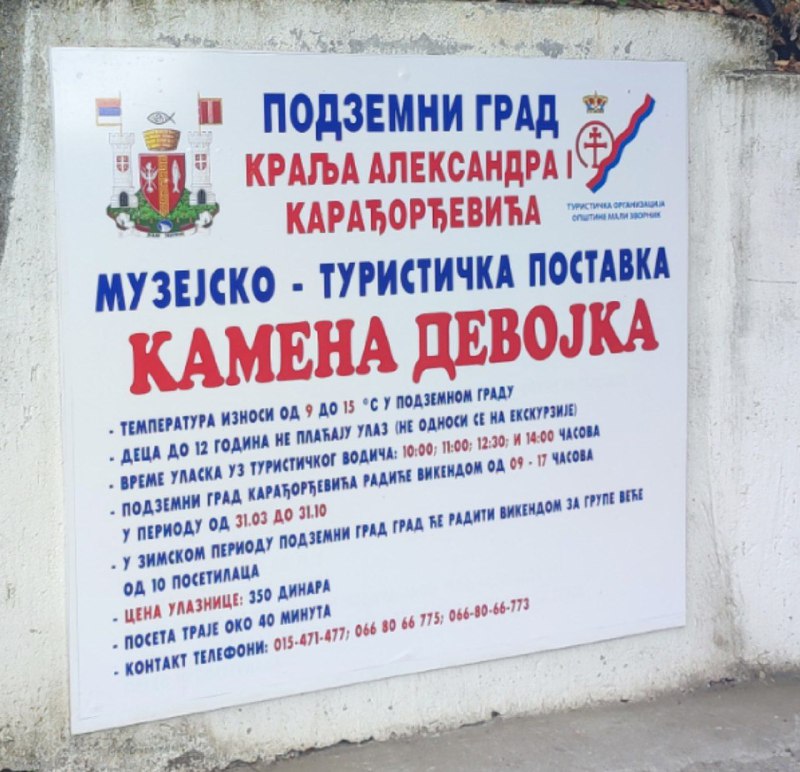
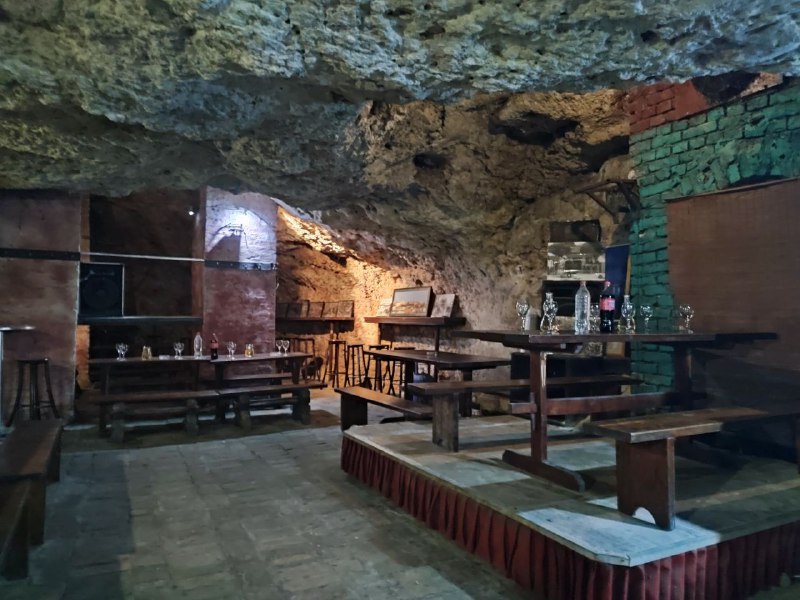
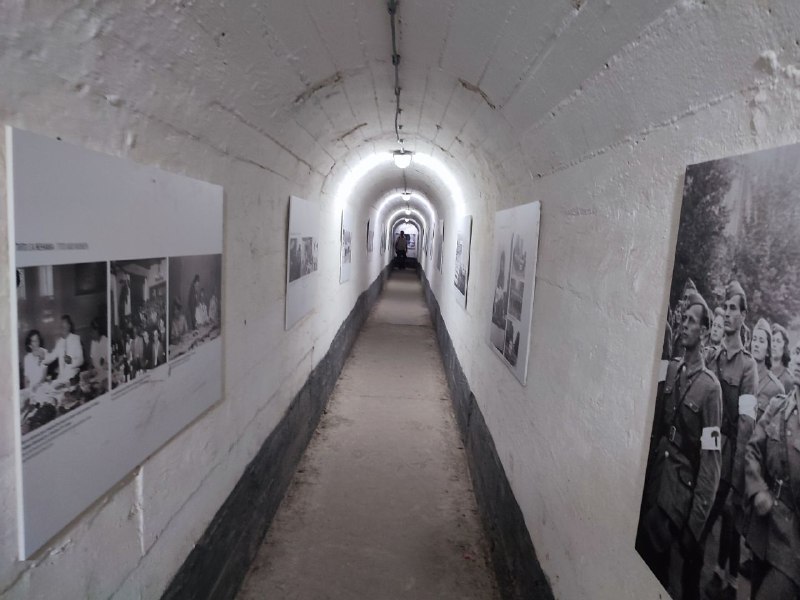
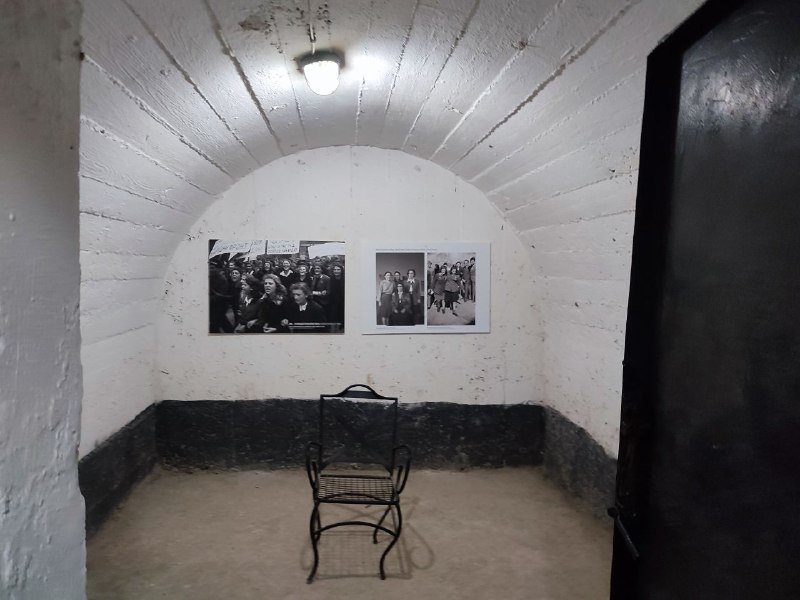
On the Serbian-Bosnian border in the inconspicuous town of Mali Zvornik, at the behest of Yugoslav King Alexander I Karageorgevich, they built not just a bunker in the early 1930s, but an entire underground city called "
Stone Girl". There's even a church inside. In 1934, after the ruler was assassinated in Marseille, the project was frozen, but in those 3 years of construction they managed to accomplish quite a lot, and the results were already operational.
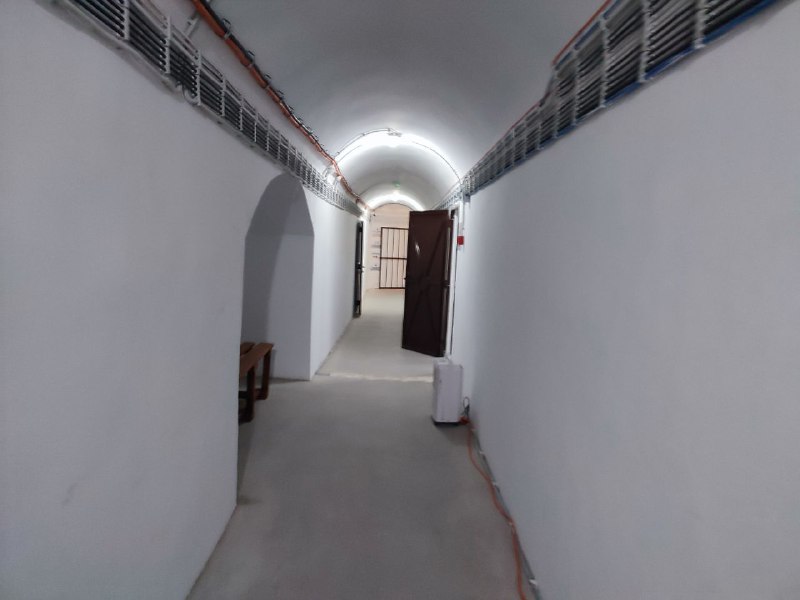
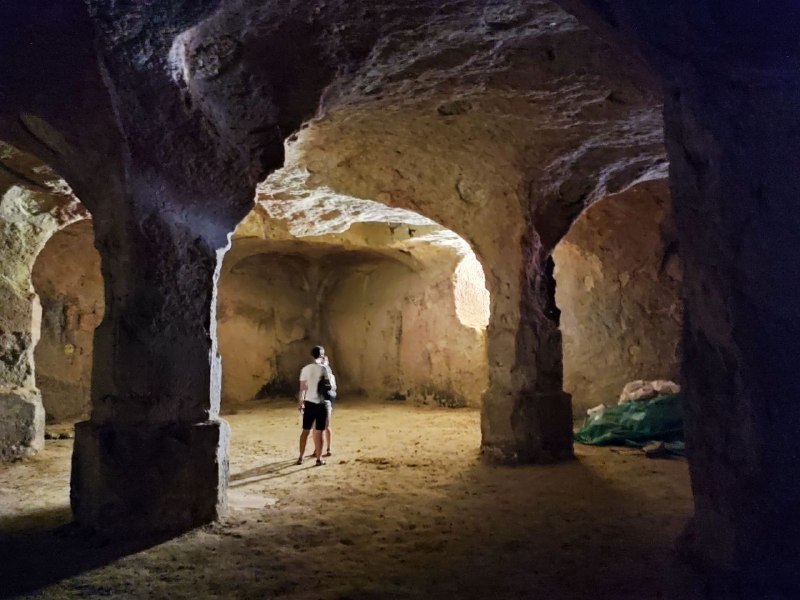
They built on a grand scale. It was designed to accommodate up to five thousand people: 20+ kilometers of tunnels, nearly a hundred different rooms. Right now only a small part is open to visitors, but they say they're planning to expand access.
As is typical for such facilities, all work was conducted in complete secrecy. Only five people had access to the full blueprints. Prisoners were brought in for the physical labor (just like when building
Tito's bunker). The documents remain classified to this day, and the true purpose of the shelter is unknown to the public.
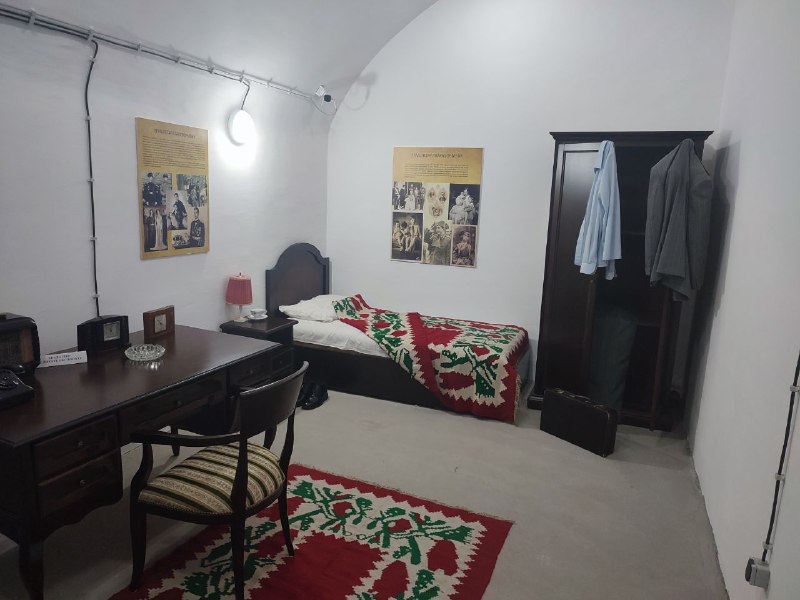
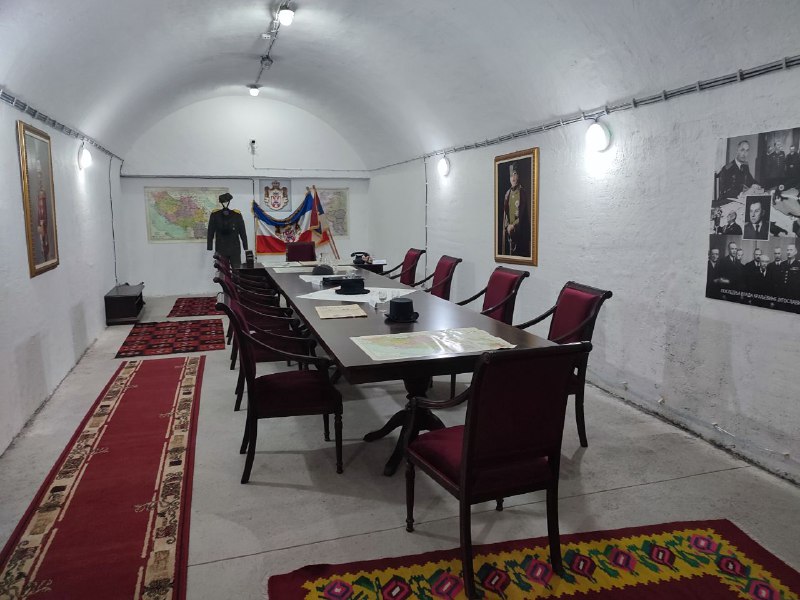
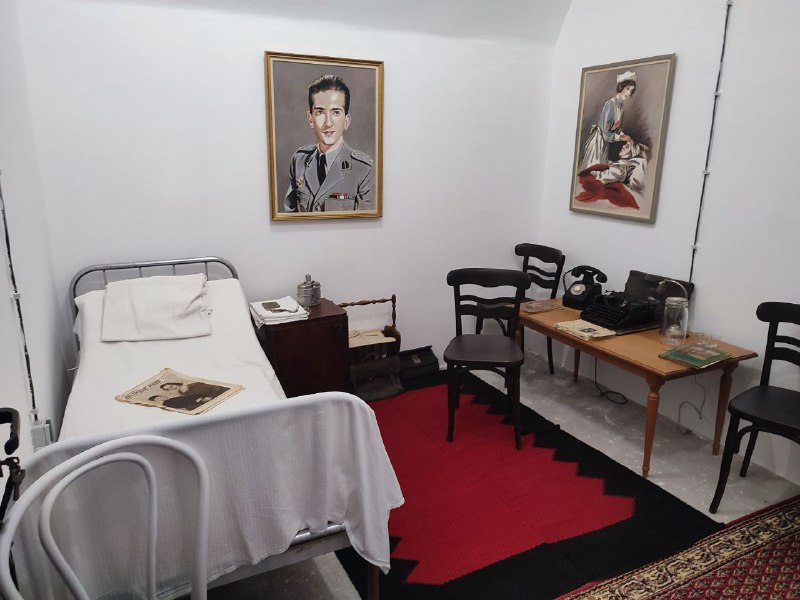
At the beginning of World War II, the last king of Yugoslavia slept here the night before fleeing Serbia, and a week later the final session of the Yugoslav royal government was held here. After the war, Stone Girl was forgotten. Local residents hauled away pretty much everything they could carry: from electrical wiring to the impossibly heavy decorative royal fountain (believed to have been gilded).
Only recently have authorities started restoring the site and attracting tourists. There's plenty of work to be done—we were the only visitors.
PS. If you ever decide to go, the Google Maps marker is wrong. The entrance is
here.
I've been wanting to explore Belgrade's underground tunnels since last year. Finally made it happen.
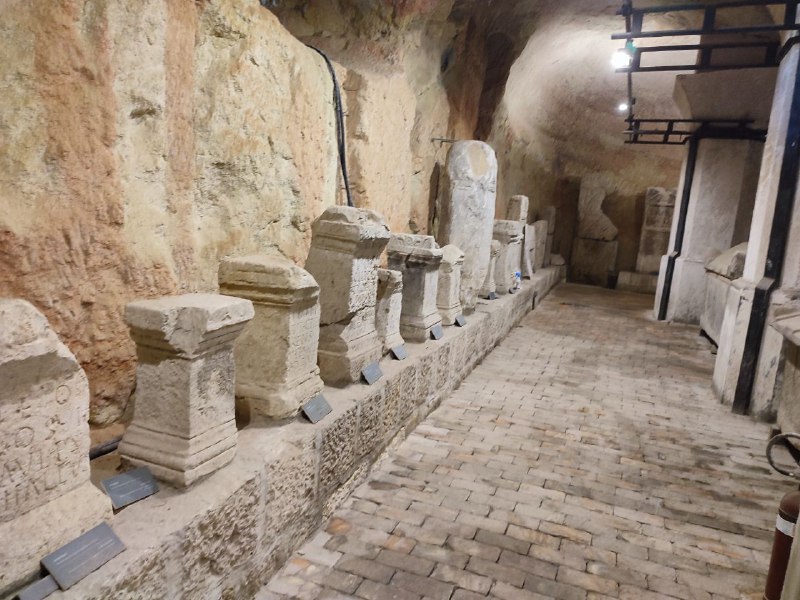
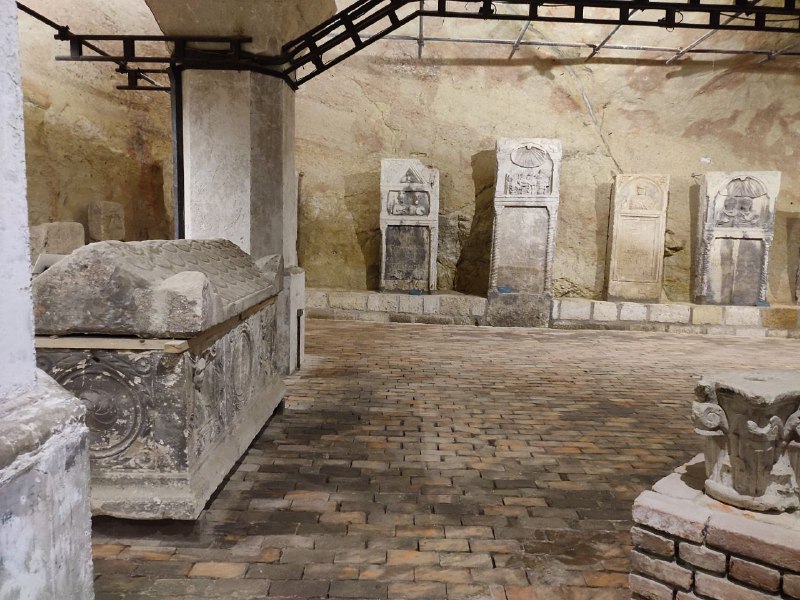
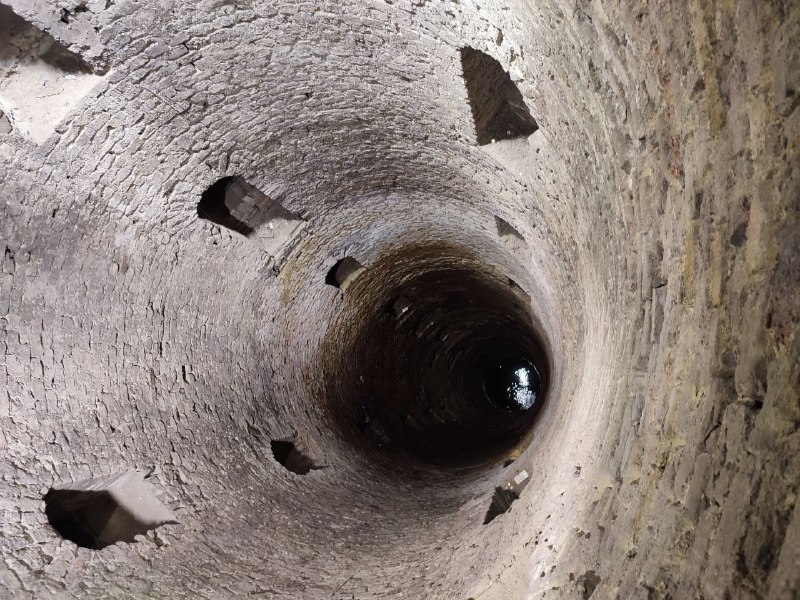
Right beneath the city center, different structures appeared at different times: a Roman well, a gunpowder magazine, and a military bunker.
The so-called Roman well isn't actually Roman or a well. The Austrians dug it about 300 years ago, but it turned out there was no water. They initially wanted to connect it to the Danube, but ended up just filling it with water instead. Since then, the well has accumulated plenty of legends. There are rumors they even threw prisoners down there. But there are confirmed cases too: in 1954, one local guy actually threw his wife down there.
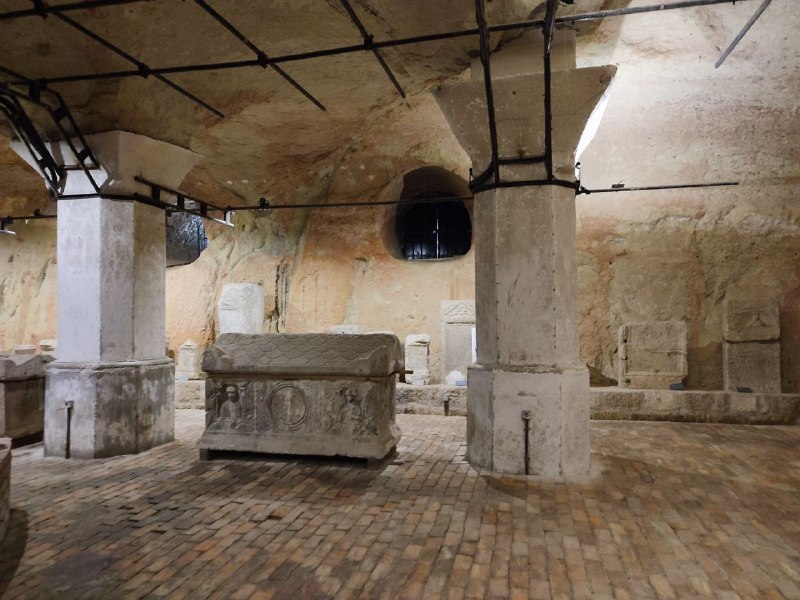
The gunpowder magazine was turned into a lapidarium—basically an exhibition of stone tombstones. Back in the early 2000s, they'd hold various rock concerts here. The acoustics are fantastic. Plus you've got this whole vibe with the tombstones, and apparently visitors would leave beer cans on them. It was basically perfect. But one evening a column collapsed in the hall, and they haven't held any events there since. Though there's still a similar venue operating in Novi Sad if you're interested.
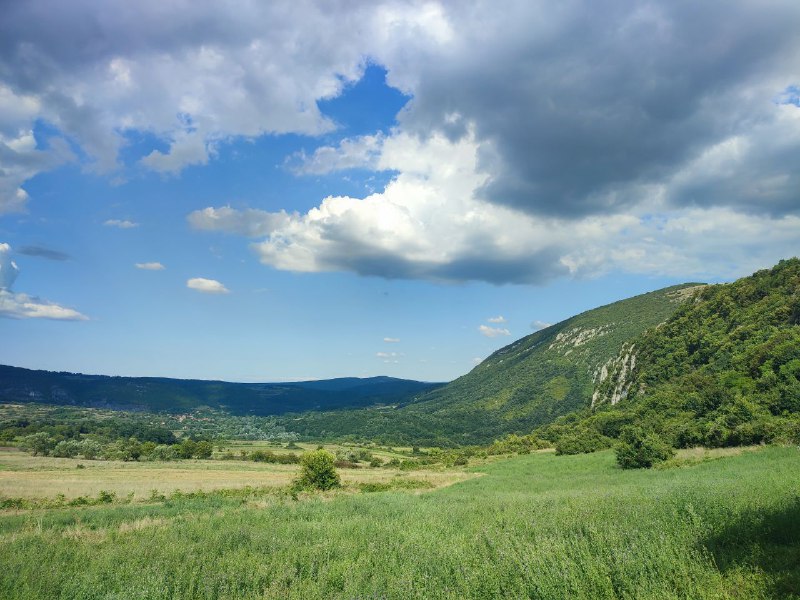
Serbia never stops amazing me with its natural diversity. The southern part of the country is more mountainous. A national park with the rather unassuming name "Stara Planina" has been sitting in my bookmarks for ages. Finally made it here (:
Turns out the rest of the world calls these mountains the Balkans. And that's actually where the peninsula got its name from. According to one theory, the Bulgarians started using this name about 1500 years ago, borrowing the word "balkan" from the Turks. It literally means "mountain."
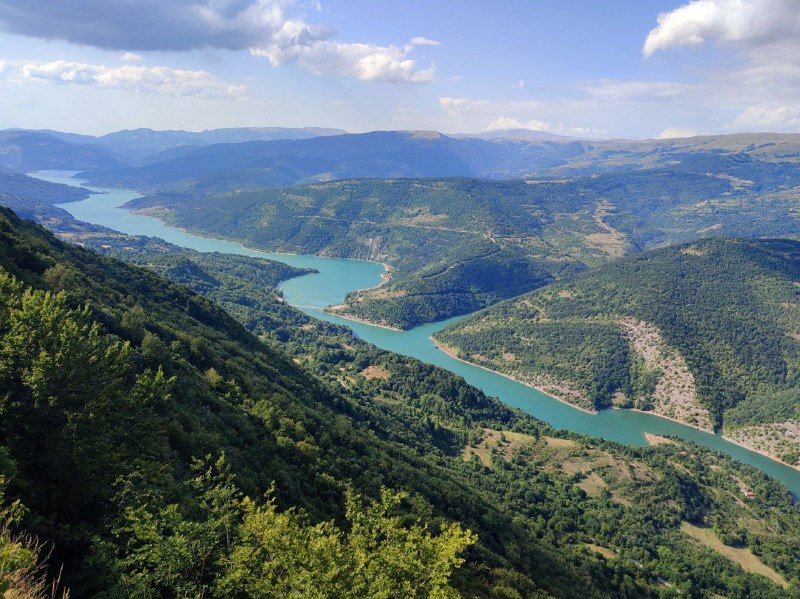
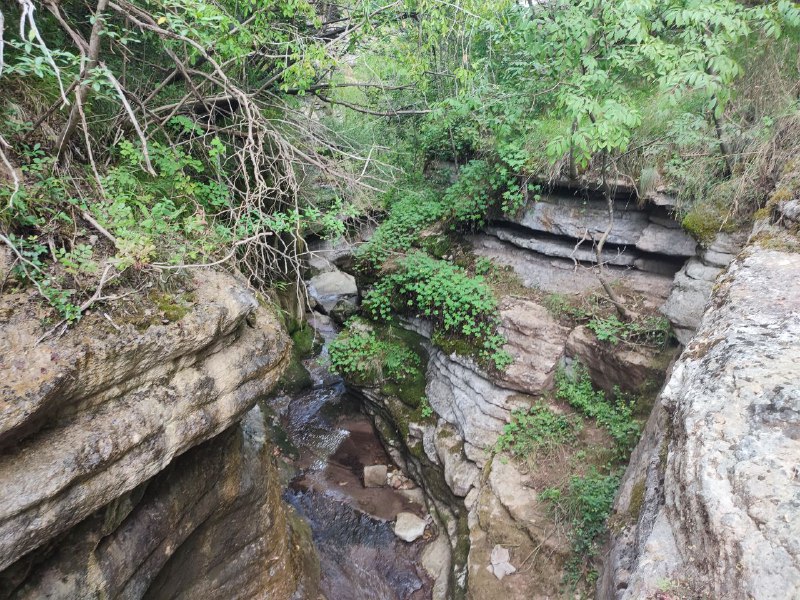
What looks like a river in the photos and videos is actually a lake. I didn't believe it either, even when I saw it myself. I only managed to convince myself by looking at a map.
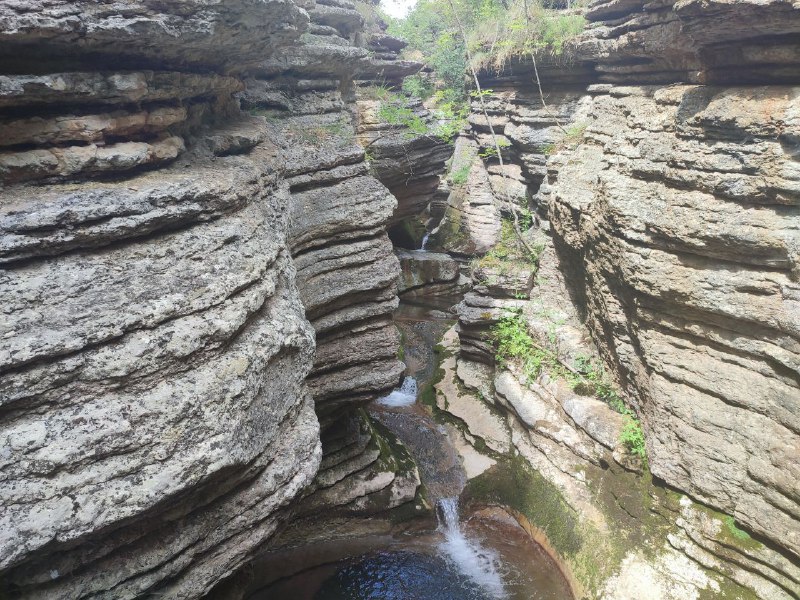
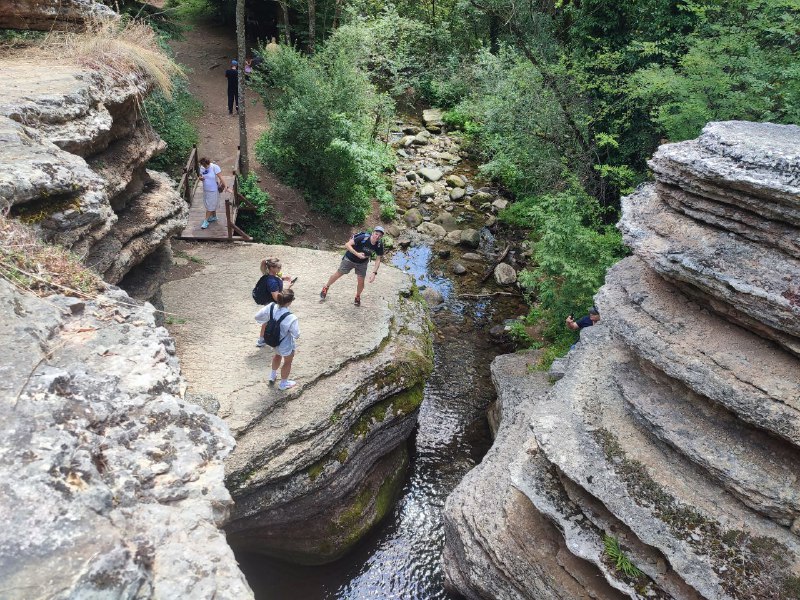
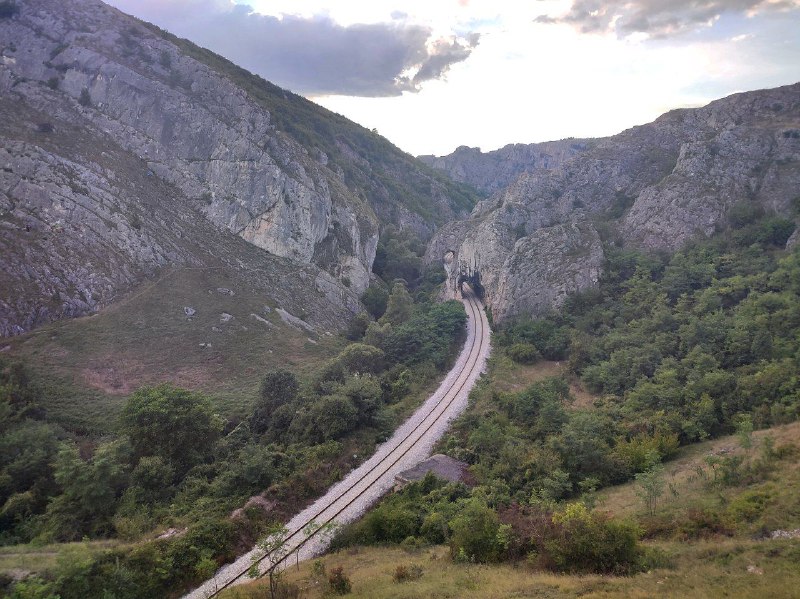
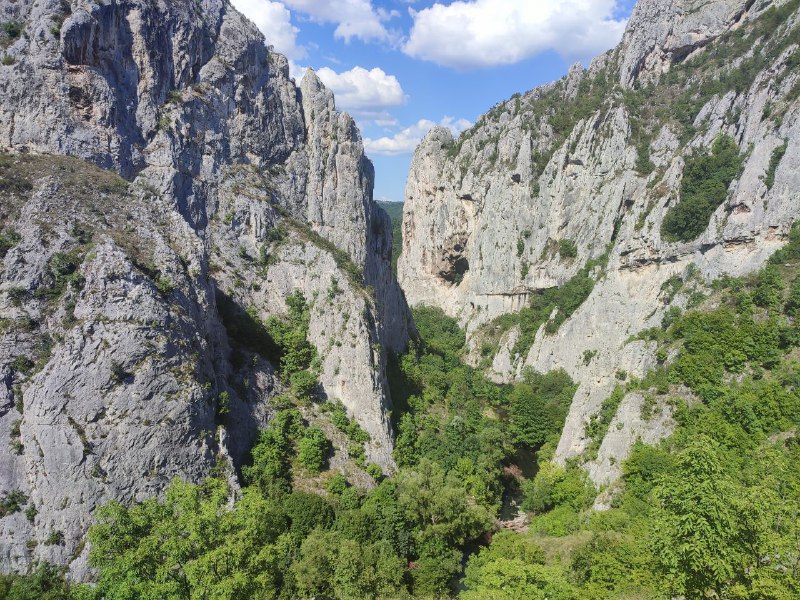
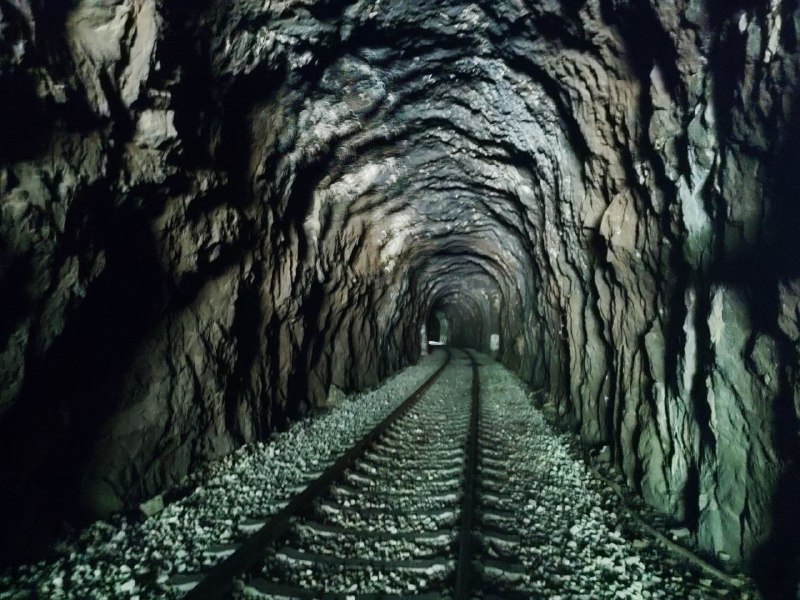
Along the way, I stopped by Nishava Gorge. A railway line runs through the mountains there (and it's still operational!). And part of the hiking route (an officially marked trail with all the proper signs) goes right along it. Including through a pretty long tunnel. Not entirely sure how you're supposed to deal with trains passing through.
 United Kingdom
 Serbia
 Bosnia and Herzegovina
 Turkey
 United Arab Emirates
 Brunei
 Indonesia
 Malaysia
 Argentina
 USA
USA Morocco
 Georgia
 Egypt
Egypt Hong Kong
 China
China Vietnam
 Tunisia
 Montenegro
 Philippines
 Singapore
 Oman
Oman Algeria
 North Macedonia
 Lebanon
 Israel
 Albania
 Russia
 Tanzania
 Netherlands
 Spain
Spain Latvia
 Germany
 Belgium
 France
 Kazakhstan