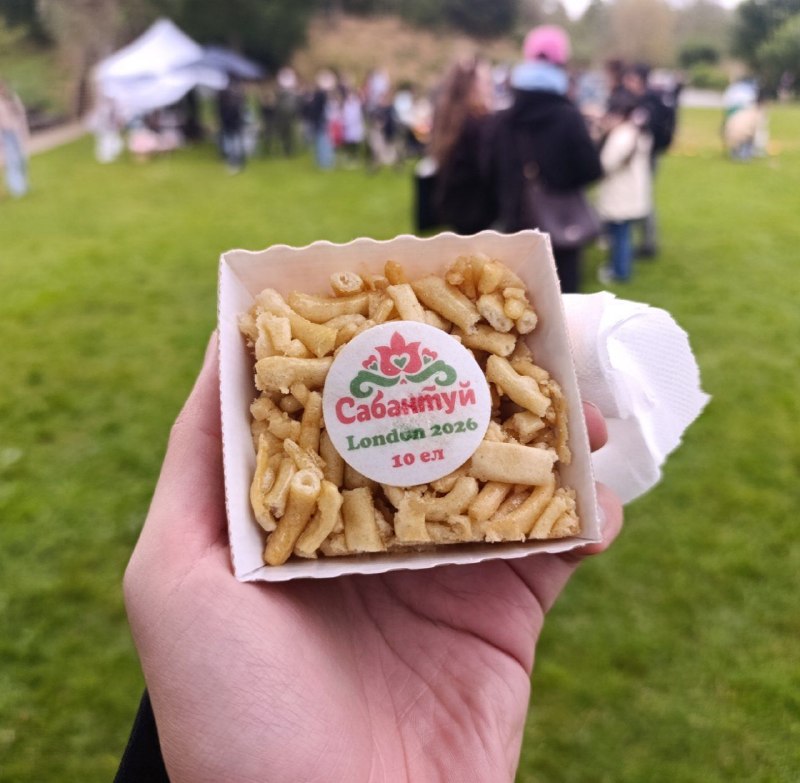
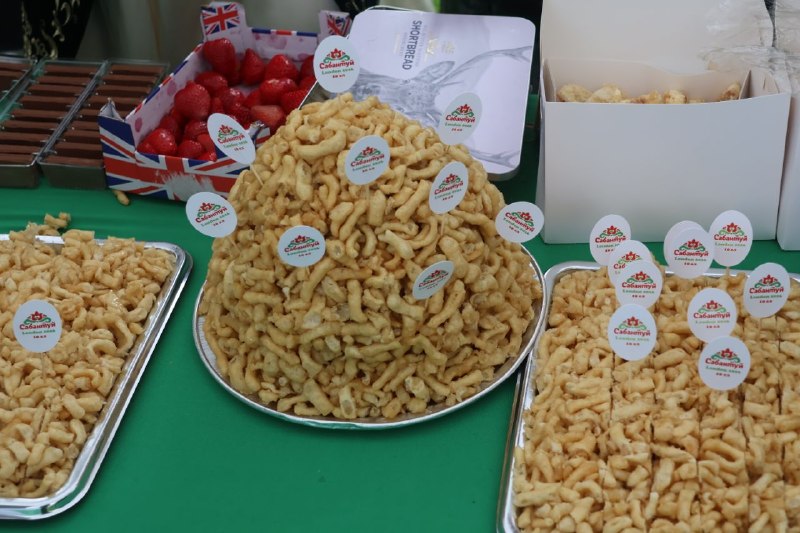
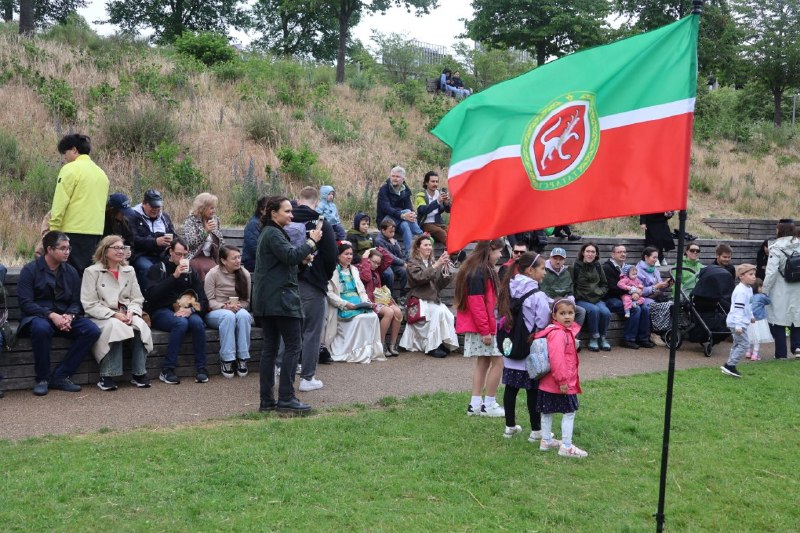
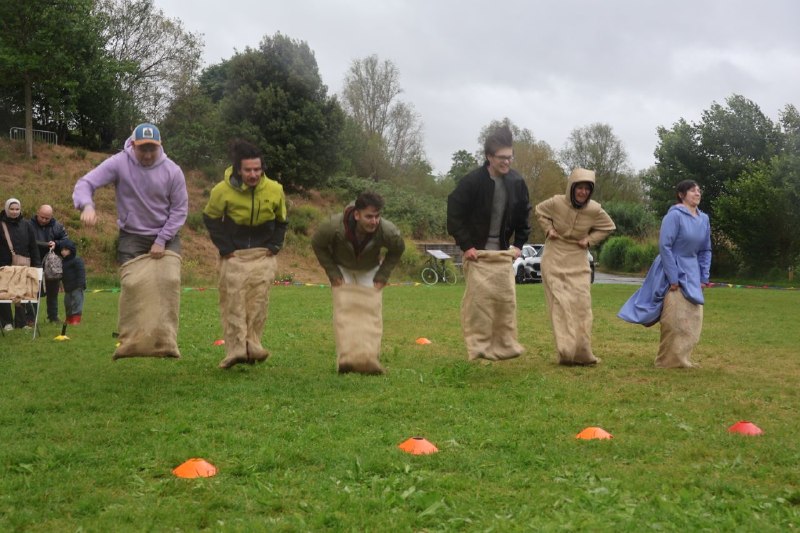
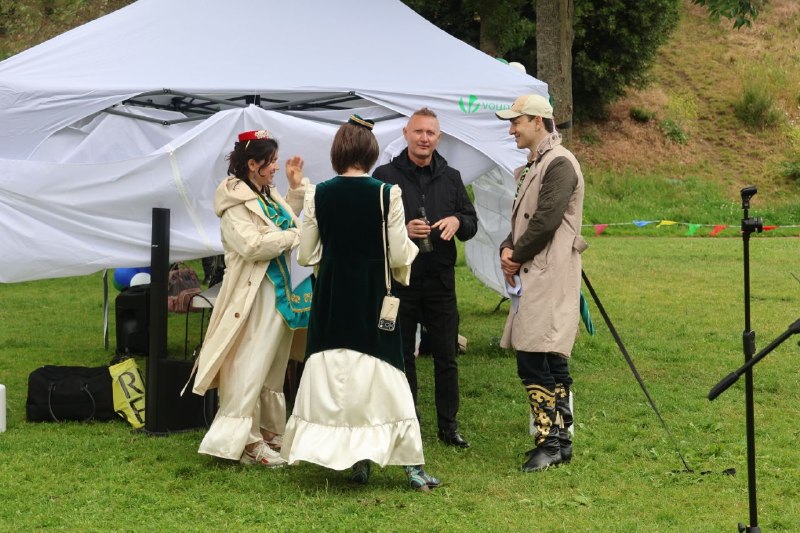
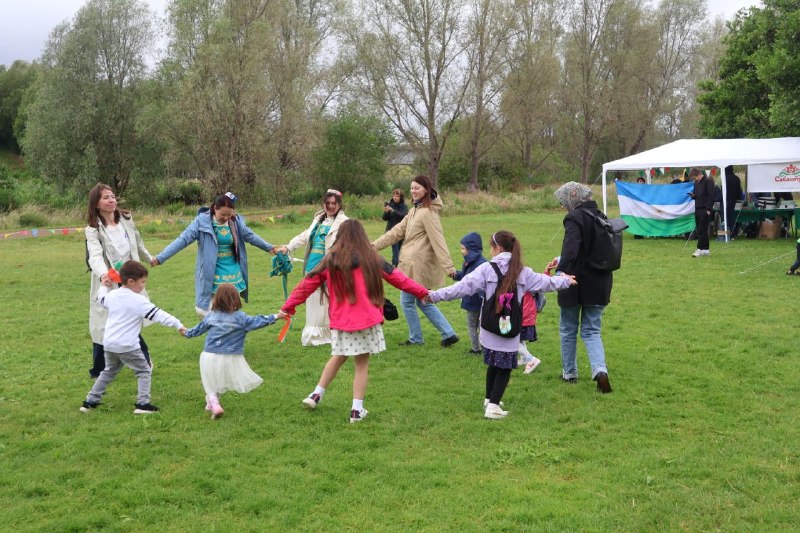
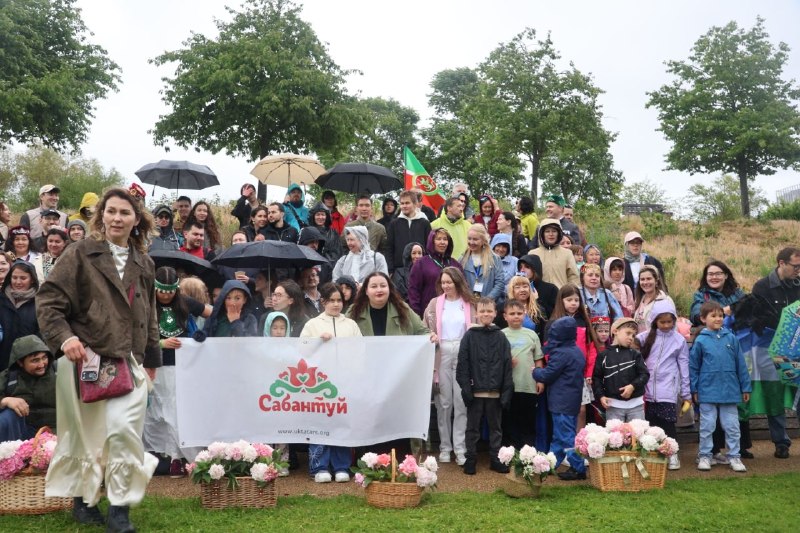
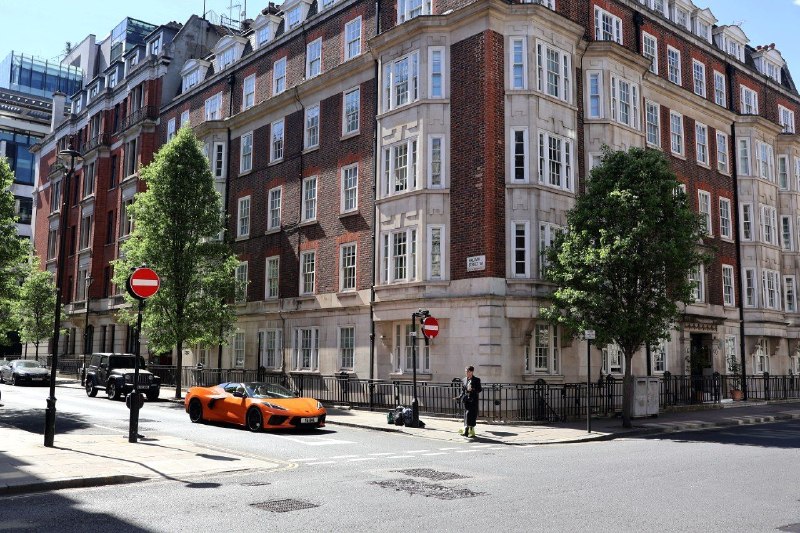
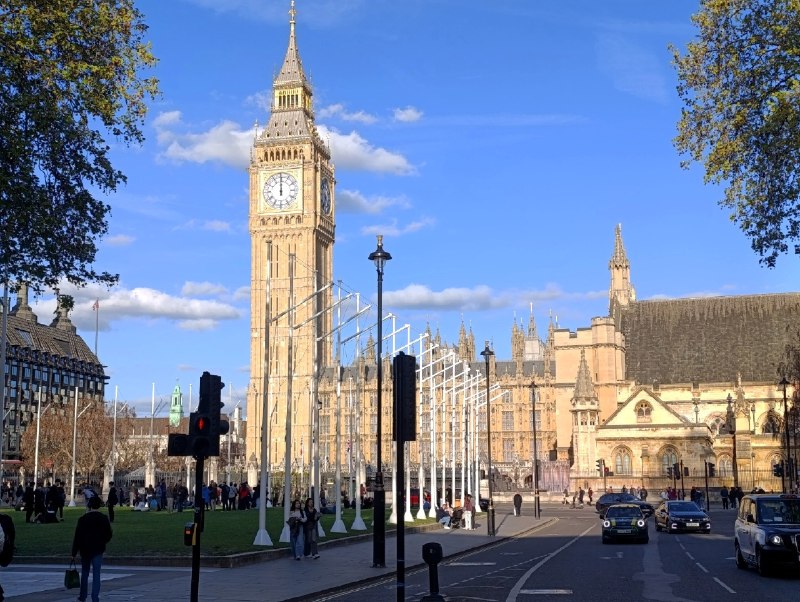
I just caught the anniversary tenth Sabantuy festival in London yesterday!
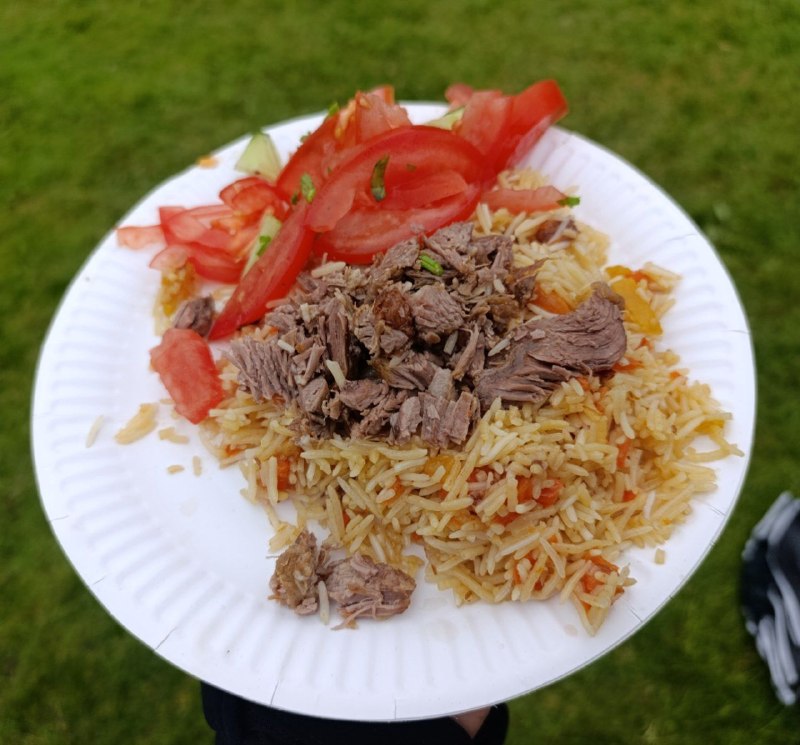
The organizers really went all out: professional hosts and singers, delicious food, and plenty of hot tea. The only thing they couldn't arrange was the weather, but what else would you expect from Britain but rain? (to be fair, last weekend it was scorching hot at almost +30C/86F)
The weather didn't stop anyone from showing up and sticking around for basically the entire main part of the festival. The organizers say there were up to 300 people. The biggest Sabantuy that's ever happened here!
Big thanks to the organizers and everyone who came. If you didn't make it — definitely come next year :)
I think I'm getting the hang of things. Time to explain what's actually going on here. Let me start with some pictures.
I'll be hanging out here for a while now :)
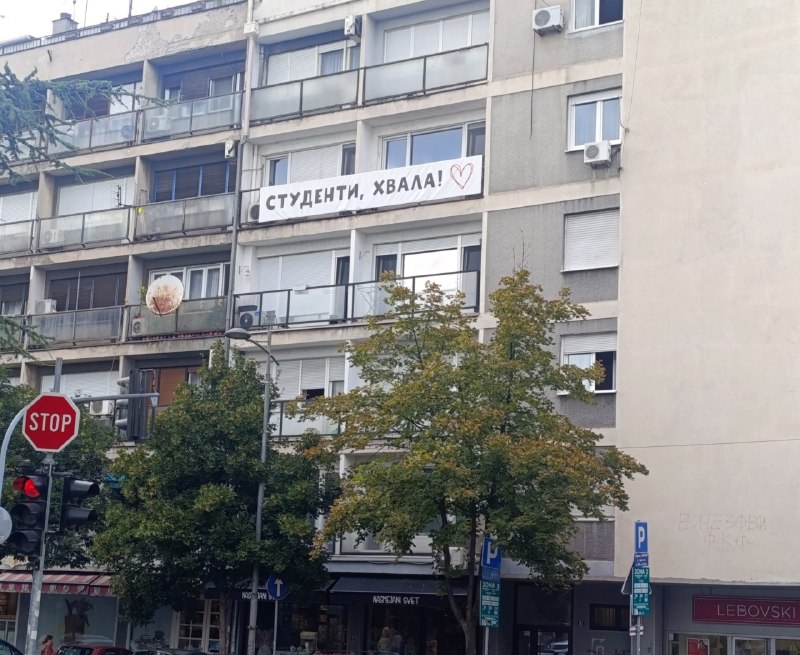
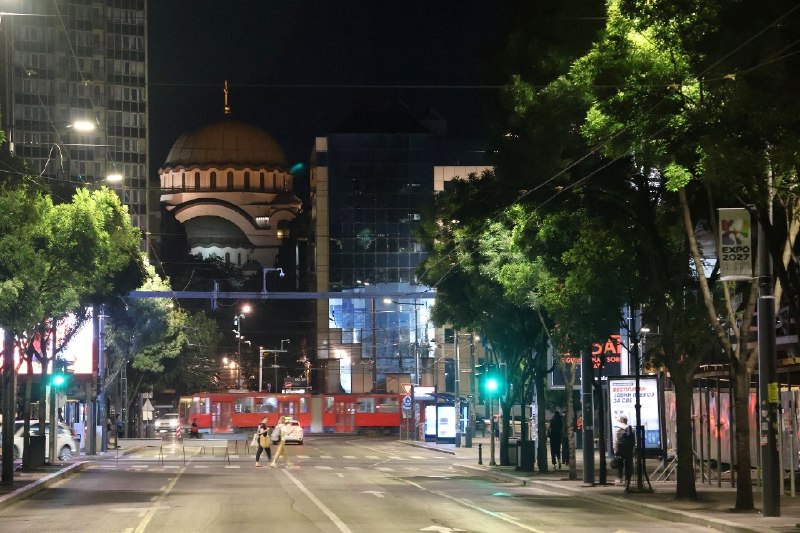
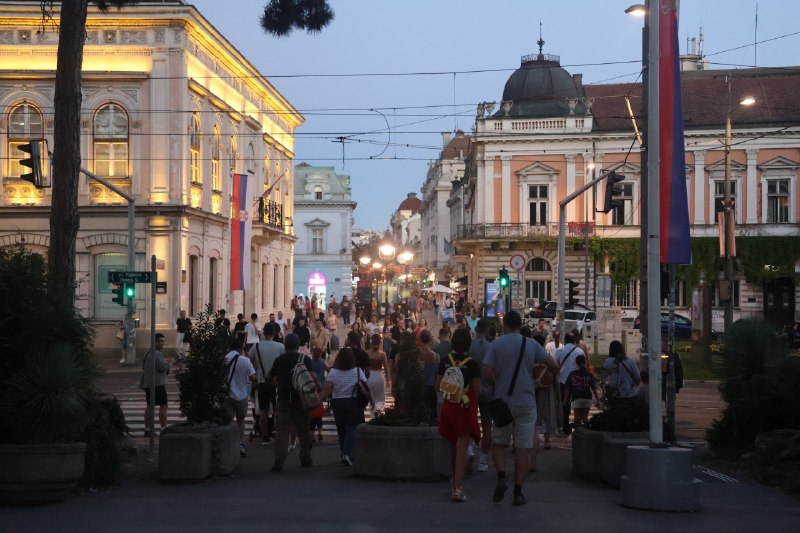
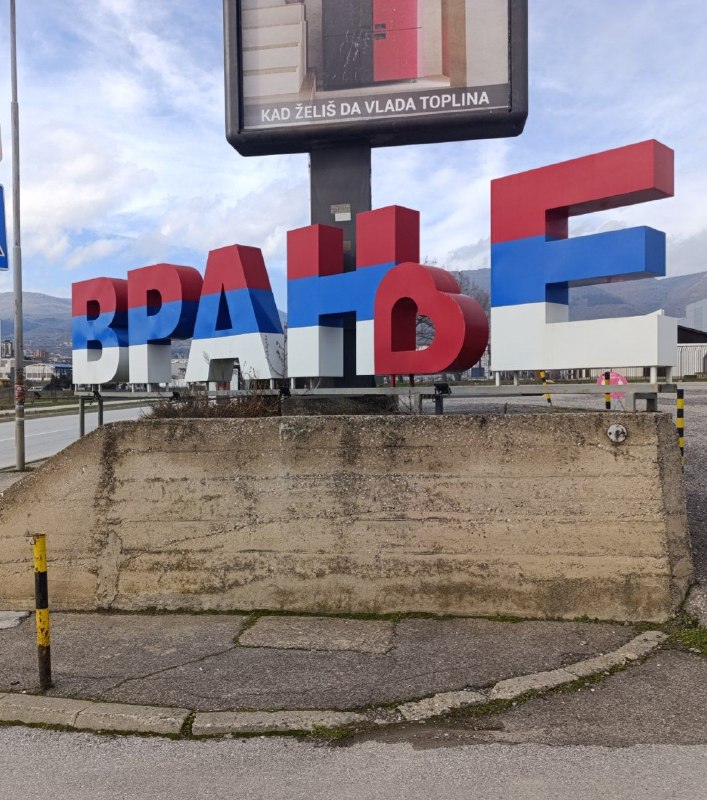
I can't believe it's already been almost four years since I moved here. Serbia turned out to be so much more welcoming and fascinating than I ever expected. Though I had a pretty good idea what I was signing up for after visiting back in 2018.
I'm incredibly grateful to Serbia and its wonderful people for this amazing country that took me in during a difficult time. And to all the friends I made there (and really, all my friends everywhere). I genuinely hope that Serbian reality becomes less black and white and the future isn't as gray as
SARS sings about prospects, and that current problems can be resolved
❤️I'll definitely visit here from time to time (and Bosnia too), but not quite as often.
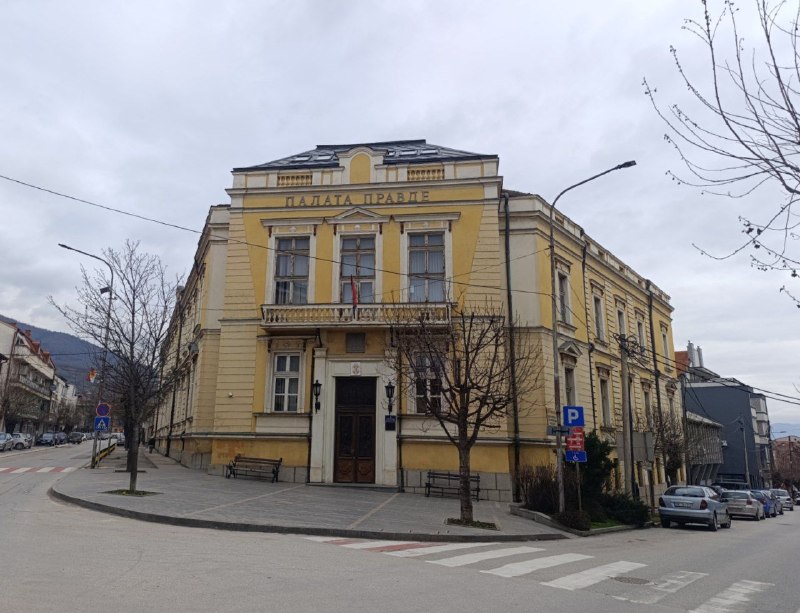
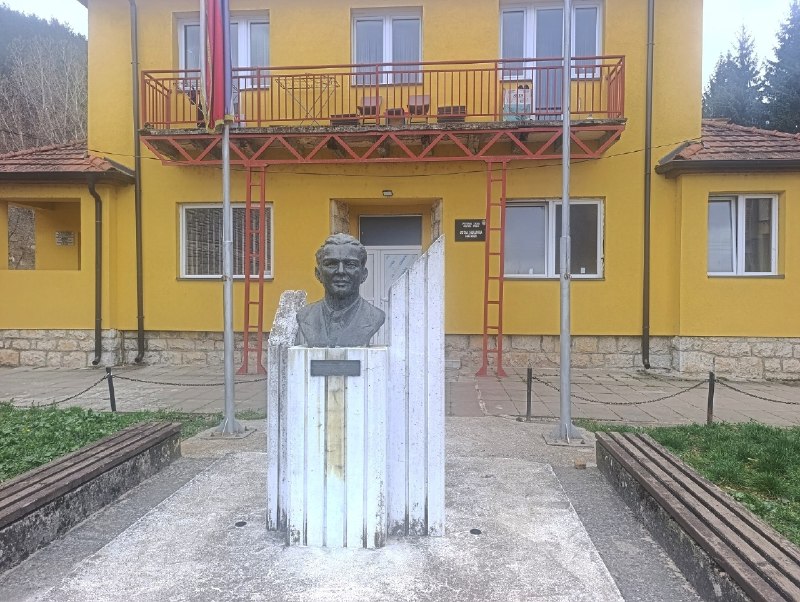
Fun fact: in the center of the Serbian city of Vranje stands the Palace of Justice :)
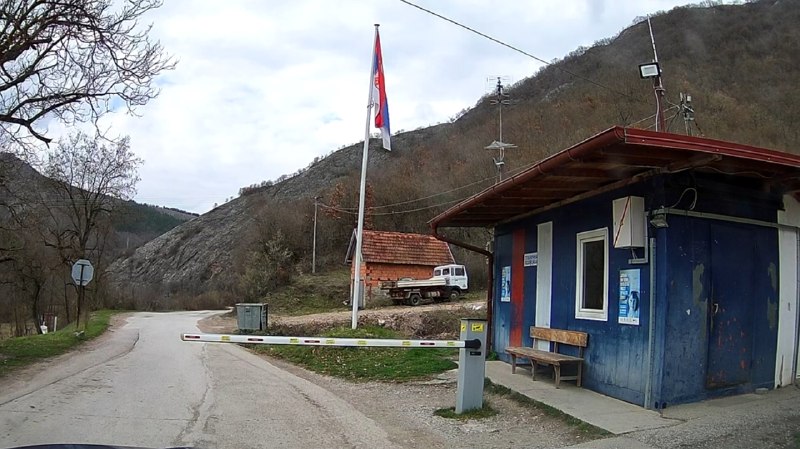
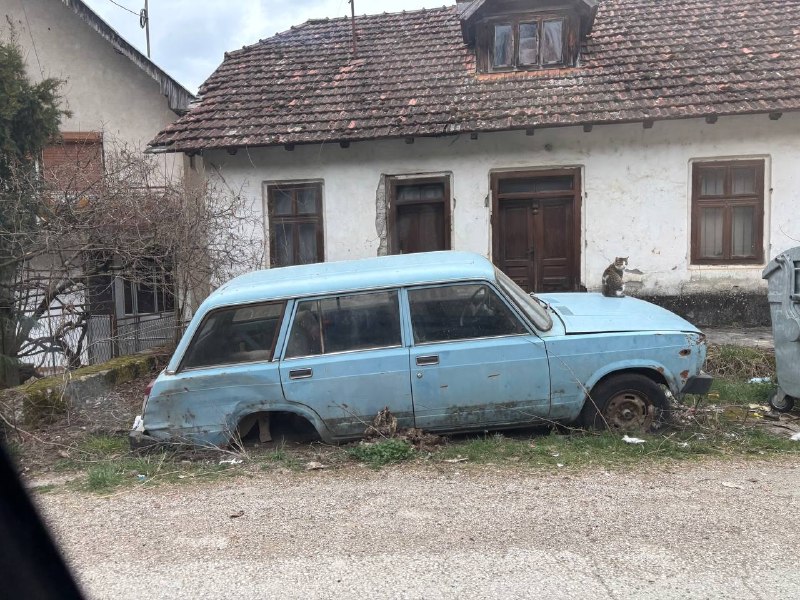
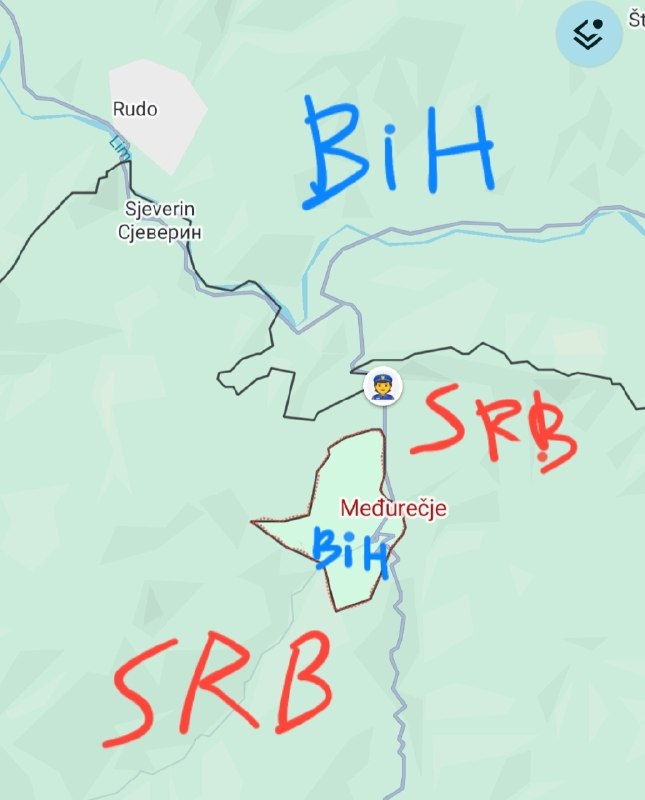
In southwestern Serbia, there's a village called Medjurechje that's not Serbian at all—it's actually quite Bosnian. It's an enclave of Bosnia and Herzegovina. At least on paper, anyway.
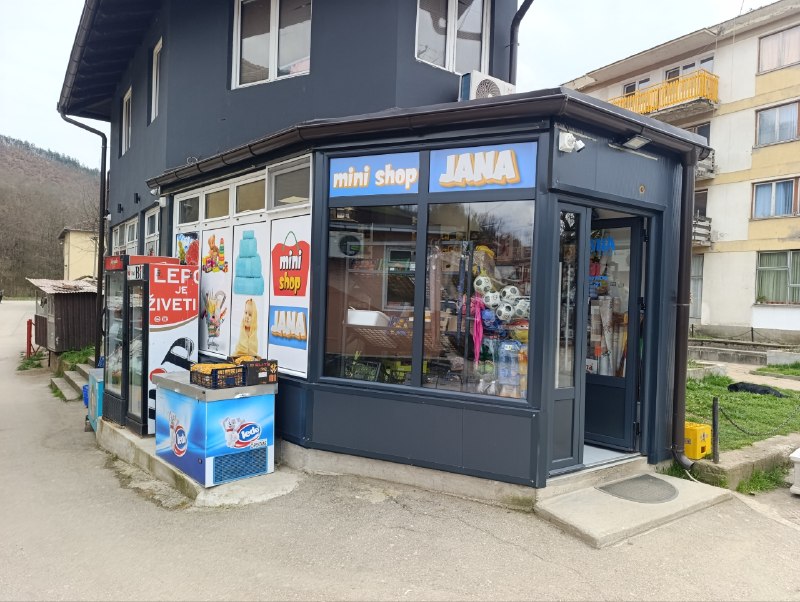
There's no actual border there. Most people living there are Serbs, they work in nearby Serbian cities, all the shop prices are in Serbian dinars, and Serbia provides all the infrastructure. But property taxes go to Bosnia ¯\_(ツ)_/¯
There's no decent road from Belgrade on the Serbian side. It's easier to drive through Bosnia. And the border there is really strange. On the Bosnian side, the border guard didn't even look at my passport. He just waved me through, like, go ahead. Besides locals, it doesn't seem like anyone really drives through there. So the Serbs were curious asking what I was doing there and whether I was a journalist.
The enclave was formed long before Yugoslavia and has nothing to do with the Bosnian War. About 15 years ago there were negotiations about redrawing the border, but nothing came of it. And the fewer years go by, the fewer people care about it. The village population is shrinking rapidly.
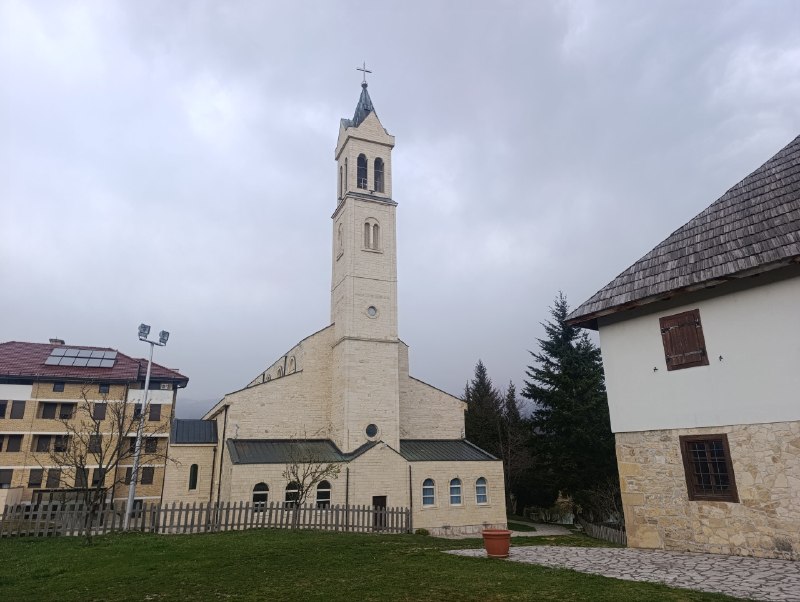
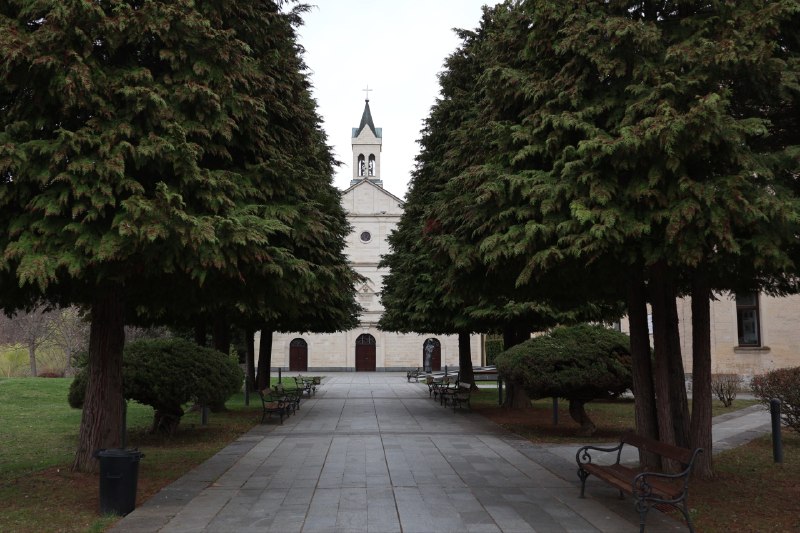
So if you happen to hear "Bosna Argentina," that doesn't necessarily mean a football match. Turns out the Franciscan order is quite prominent in Bosnia, and this is their official
name for the province in Latin. And it actually includes Croatia and Serbia too.
The Franciscans arrived here in the second half of the 13th century to combat
Bosnian Christianity. And they've been here ever since, continuously. Almost immediately after the Ottomans took over the region, the Turkish sultan issued safety guarantees and permission to continue their religious activities. That document is still kept in a monastery in Bosnian Fojnica.
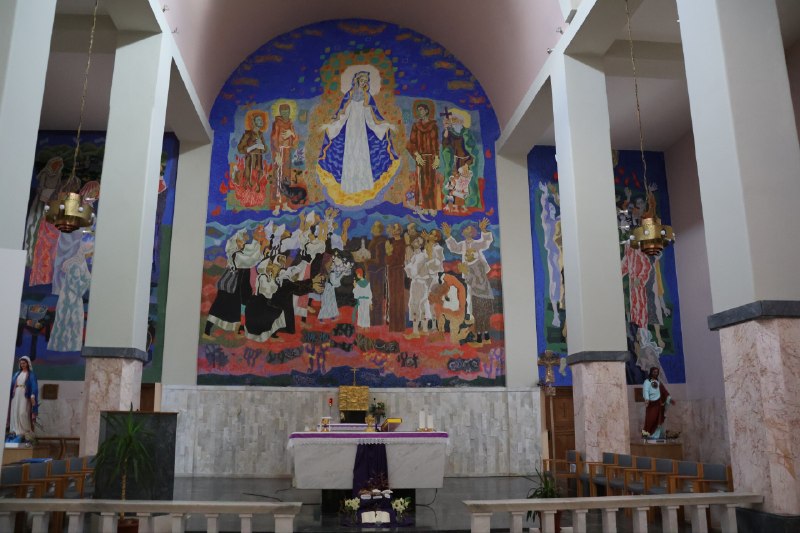
That said, the Franciscans maintained connections with Austrian Catholics, sometimes even crossing into collaboration. And they were terrified the Turks would punish them for it. That's why in the 17th century, they smuggled an icon out of the monastery in Rama, which still hasn't come back—it's now in the Croatian town of Sinj. On the bright side, there's now a
museum at the monastery. Nothing too spectacular, but it was interesting to check out.
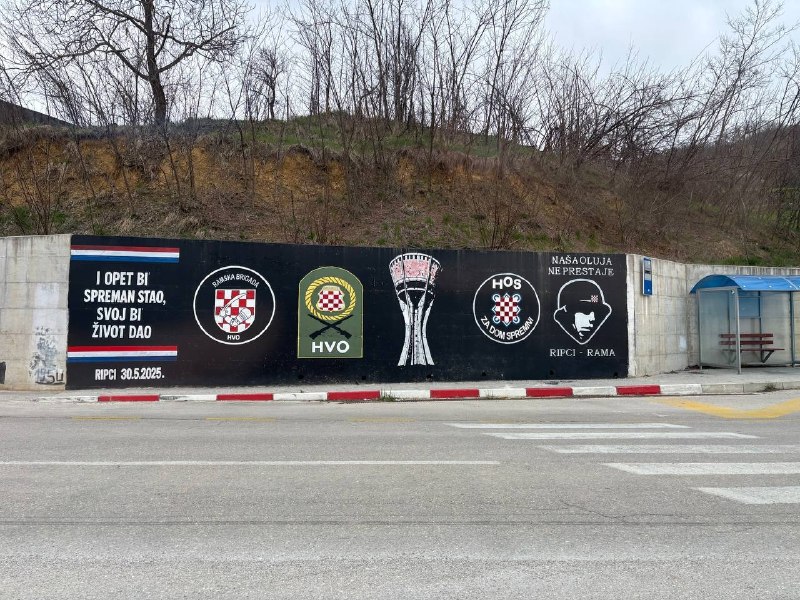
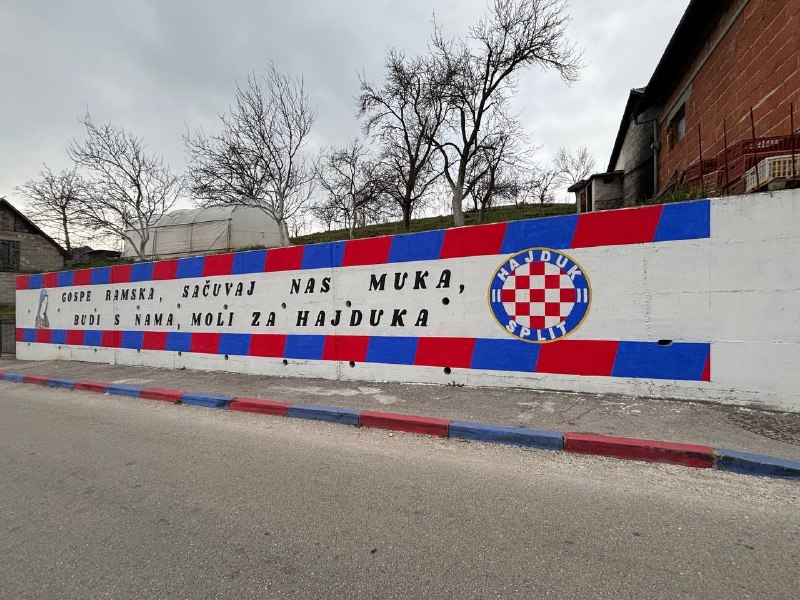
During World War II, some members of the order openly sympathized with the Croatian Ustaše, though others actively fought against them. And today, back in Rama, there's a bunch of graffiti referencing Croatian forces from the Bosnian War, left by fans of Split (some of the rowdiest supporters in the region).
Suddenly realized I've accumulated a bunch of videos with Bosnian castles. Turns out there are quite a lot of them.
In the order they appear on screen:
Srebrenik,
Gradačac,
Ottoman Bridge,
Blagaj Fortress,
Kuslat Mosque,
Sokolac,
Ostrozac and
Vranduk. And way back I also posted
Travnik and Jajce somewhere. Think I didn't forget anyone.
//
youtubeIn Stari Brод in Bosnia, there's a
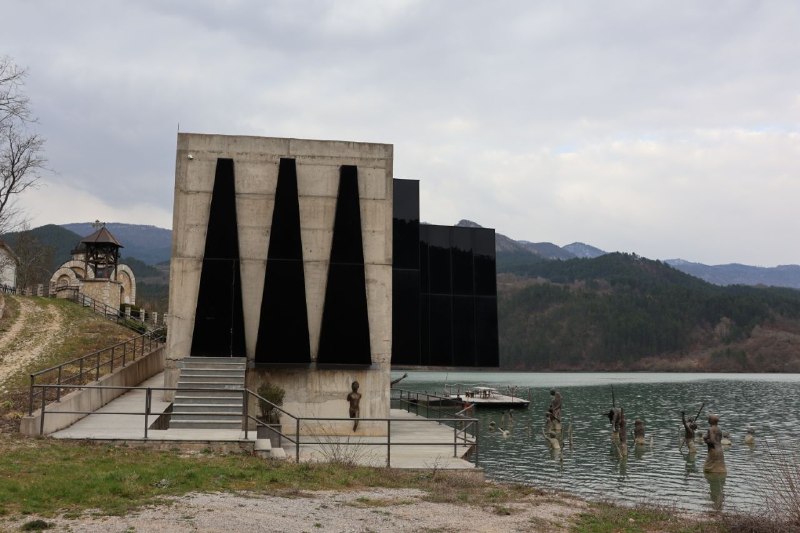
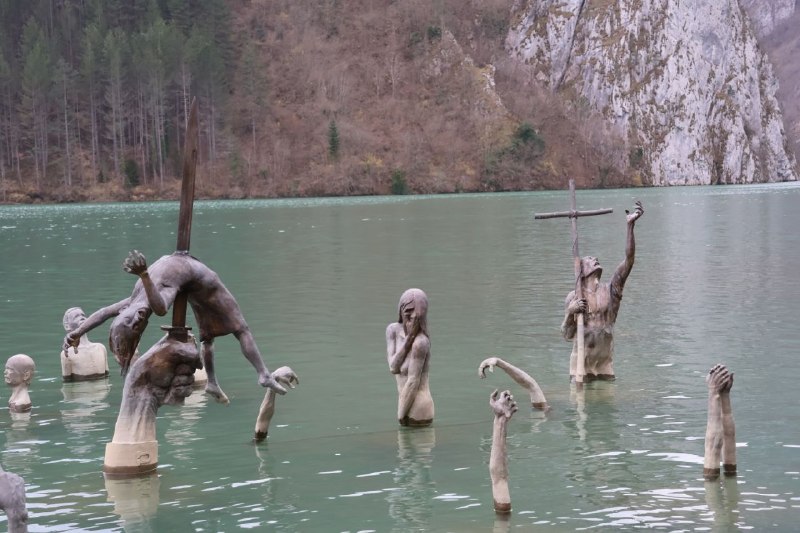
museum dedicated to victims of the
massacre during World War II. Croats and Bosniaks killed up to 6,000 Serbs who were trying to escape from occupied territory. But here's the thing—each people has their own perspective on what happened. They argue about everything except the fact that the massacre occurred: the death toll, how it happened, who was involved. During Yugoslavia, this event wasn't really discussed to avoid damaging relations between the peoples. Only by the late 2010s did Serbs open the museum. This got an extremely negative reaction from the Bosnian side, because a lot of crimes from the Bosnian War are quietly being swept under the rug.
The nearest major city to Stari Brод is Višegrad. Some of the war's most brutal
events happened there. To put things in perspective: before Yugoslavia fell apart, this 20,000-person city was more than 60% Bosniak. Now it's around 10%. You won't find a single memorial plaque or monument to the victims in the city.
Next to Višegrad stands the
Vilina Vlas hotel, where women were systematically raped and held captive. This hotel is still open and you can stay there for 70+ euros even today. And they barely renovated it properly. The beds are literally the same ones from 30 years ago. For ten years, the Montenegrin pension fund sent retirees there on subsidized trips. Only this year, under pressure from civil rights organizations, these tours were
canceled. And there's no memorial plaque there either.
But the real time bomb was planted in the education system. A few years ago, the Bosnian War was added to the school history curriculum. Bosniaks, Serbs, and Croats are taught DIFFERENT versions of what happened. In a single school, kids can literally be divided by ethnicity—some are told the Srebrenica genocide was committed by Serbs, while others are told there was no genocide at all. And every single parent of every single student fought on the right side.
I've been meaning to post a couple of stories about Bosnia and Serbia for a while now. Finally got around to it!
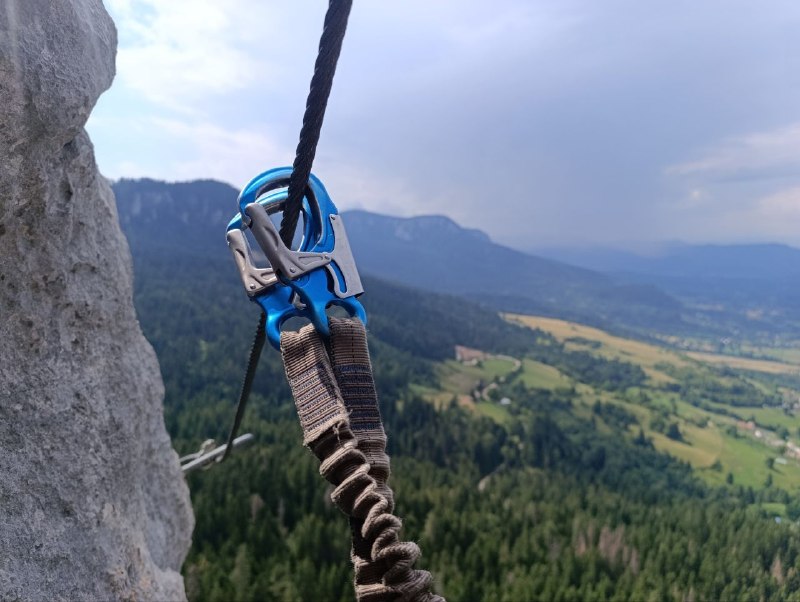
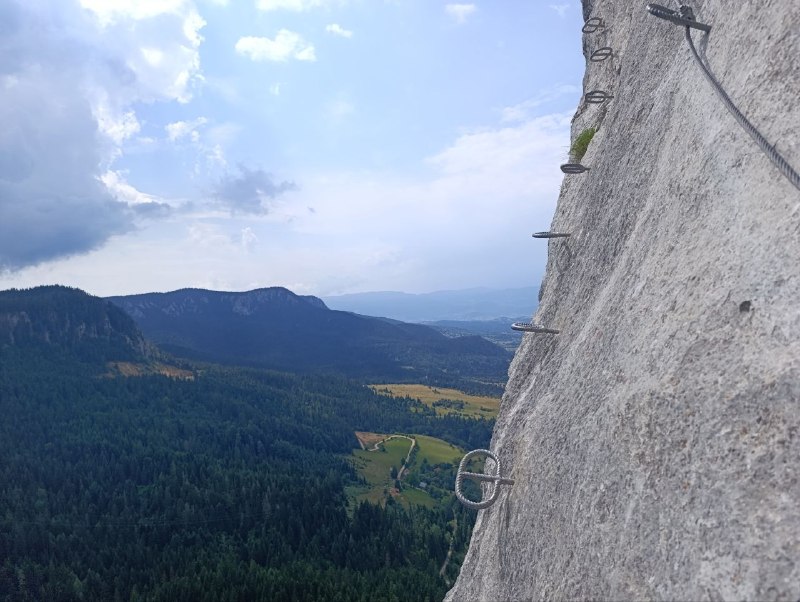
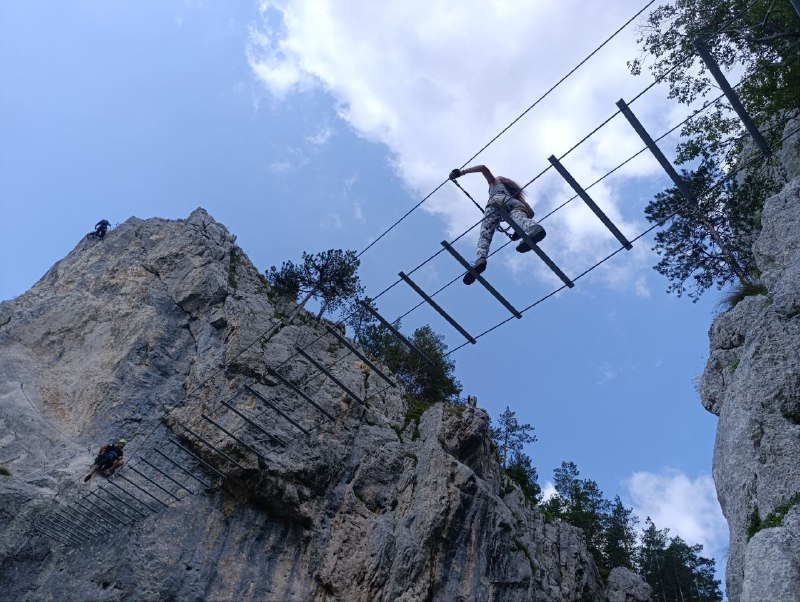
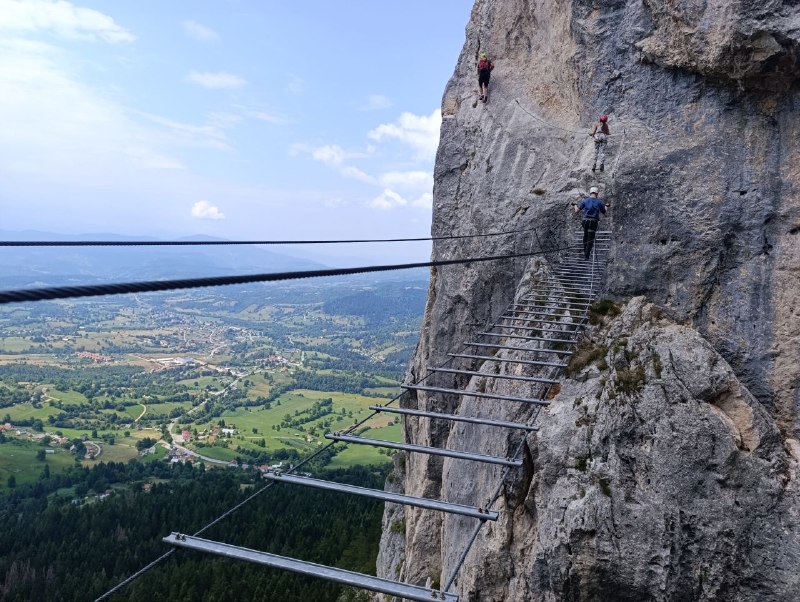
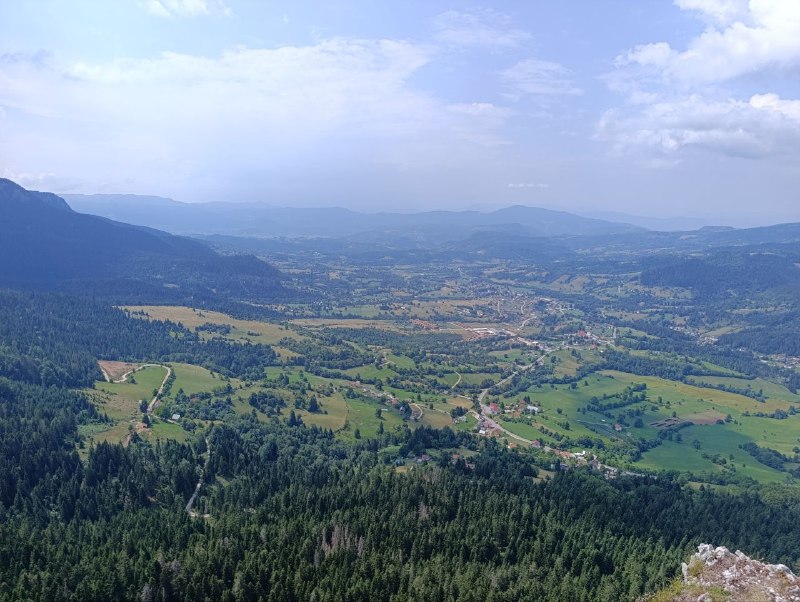
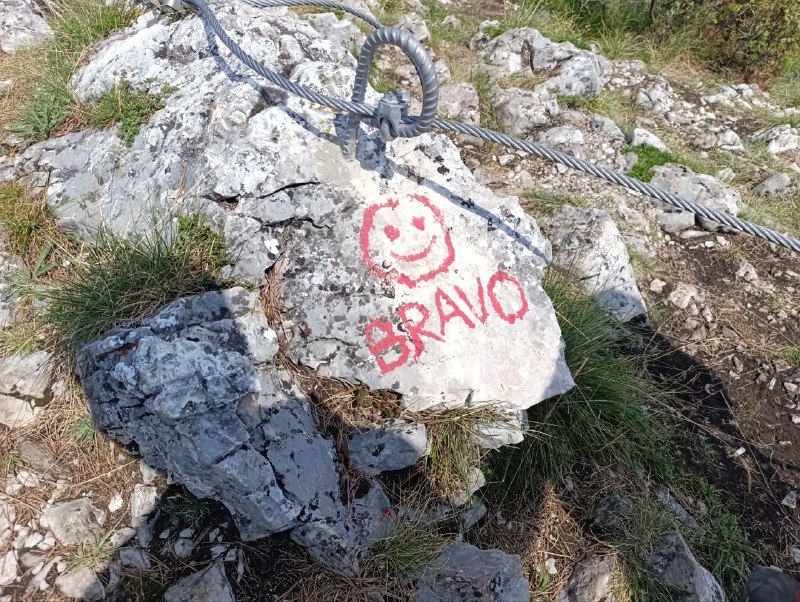
Not far from Sarajevo, there's a
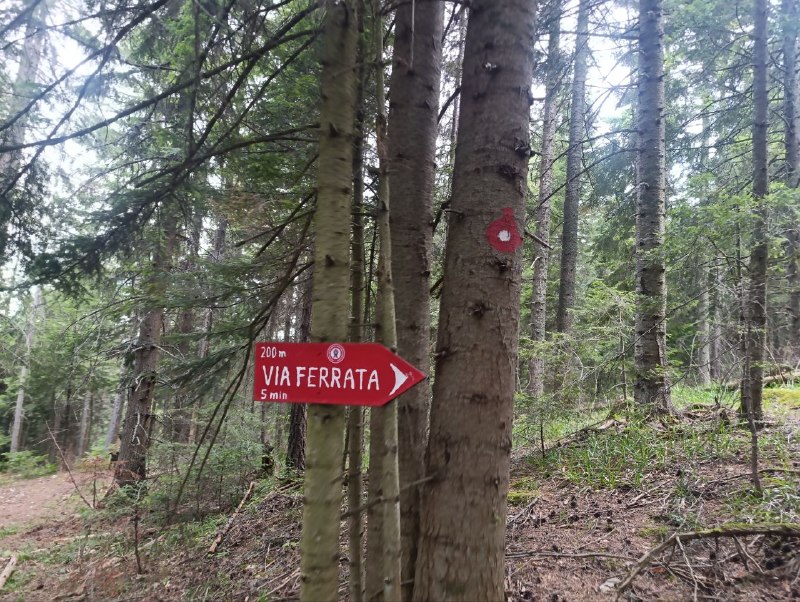
via ferrata. I'd been planning to do it for a couple of years and finally made it happen!
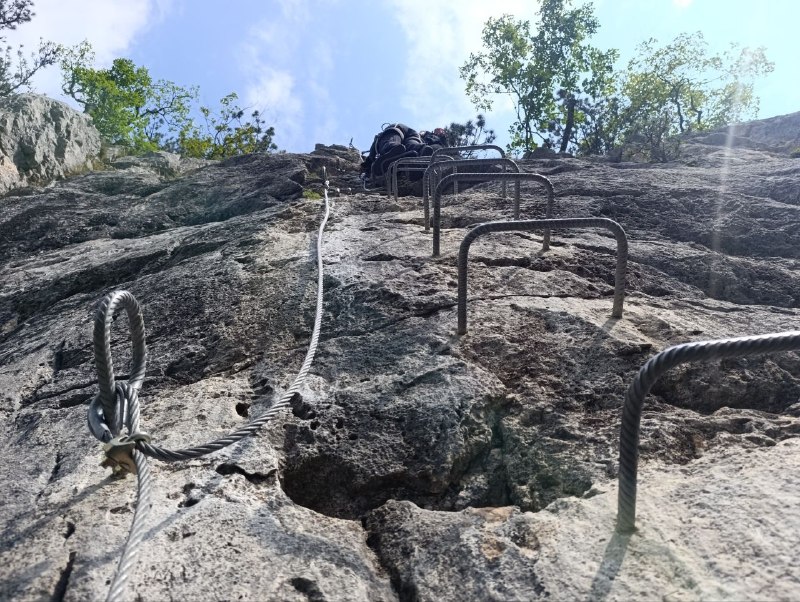
Via ferrata literally translates from Italian as "iron path." They've been used in the Alps for centuries, and by the end of the 20th century, they spread around the world as a tourist attraction.
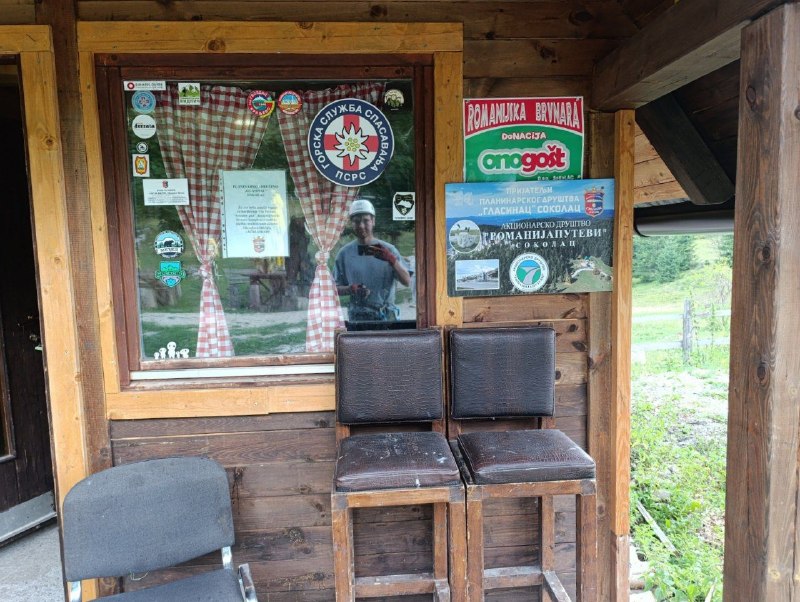
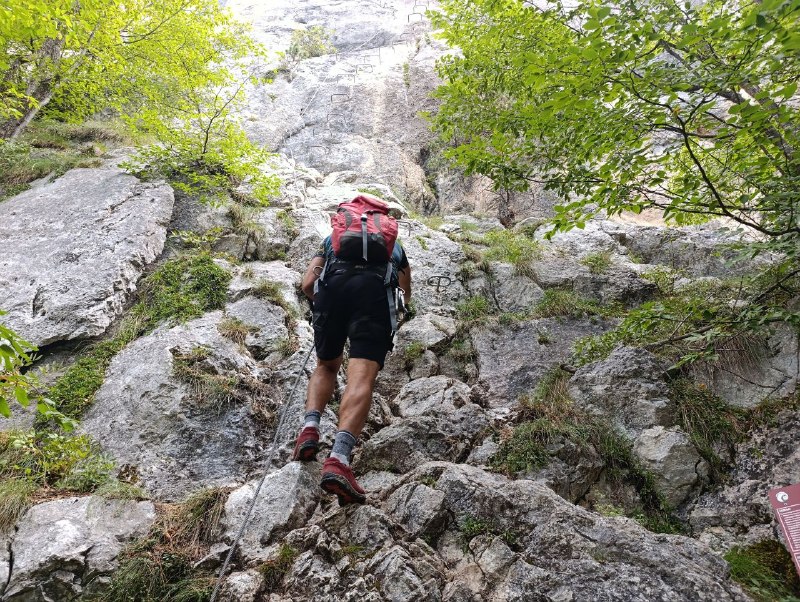
Basically, it's metal brackets hammered into the rock that you use to move along. You don't need climbing experience for easier routes. But you definitely shouldn't go without proper safety gear, and if you have no experience, definitely get a guide. On the Balkans, there's a sports community at every via ferrata where you can find a guide. In this case,
these guys. The guide costs money, but they only charged me 30 euros with full safety equipment. If you're not afraid of heights, I'd highly recommend it.
Overall, the trails to the ferrata are pretty clean, but there were empty bottles lying around in a couple of spots and the guide picked them up and took them with him. The Balkans can get pretty trashy in places like this. But these folks actually take care of it.
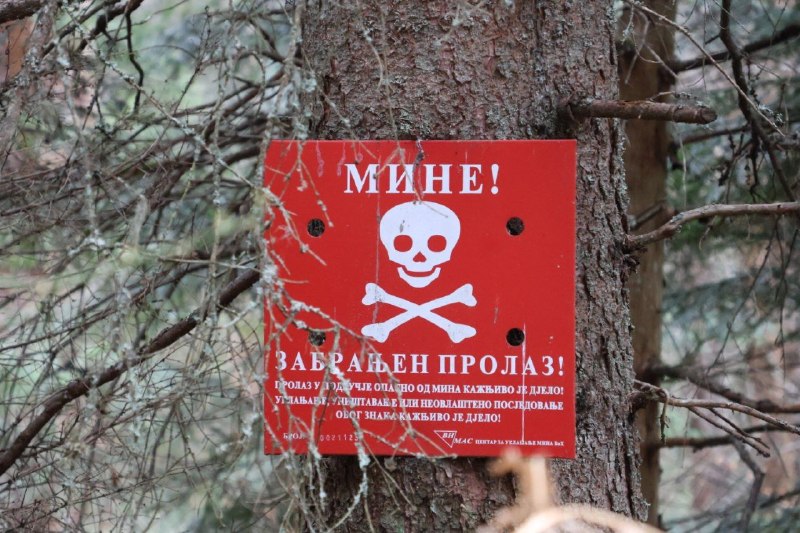
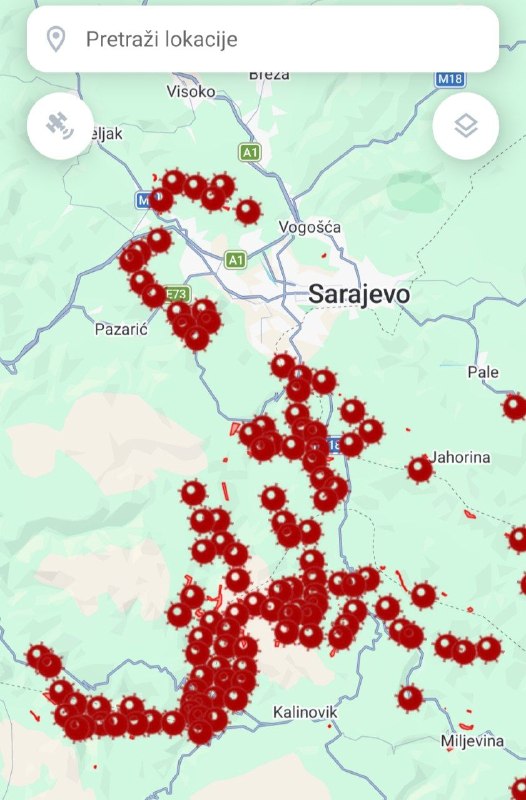
The war in Bosnia ended over 30 years ago, but parts of the country still haven't been demined. Slightly more than 1.5% of the entire country is potentially dangerous. The most densely populated areas have already been cleared, though Sarajevo was only declared completely mine-free in
2021, and Mostar wasn't until
2024!
If you venture away from the major cities and popular tourist routes (there's
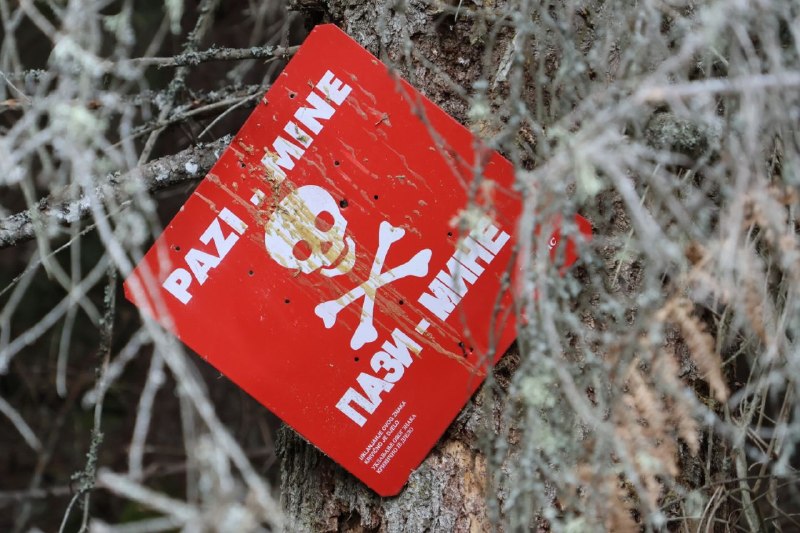
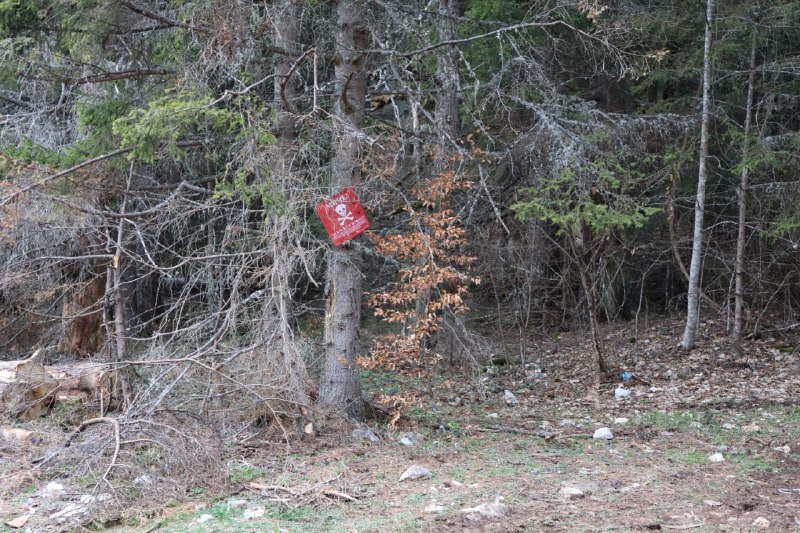
an app here with a map of danger zones), you might come across warning signs like the ones in my photos. Crossing one of these barriers, you'll probably only get one chance. Local news still regularly reports on mine incidents (like
this or
this). And it's not always in some remote wilderness. If you drive from Tuzla towards Serbia, there's a warning sign right on the road.
Recently, the number of casualties has dropped significantly. In the years right after the war, we're talking dozens of people annually, but now it's just 1-2 cases. And in 2024, there were no casualties at all. That said, demining efforts have also slowed considerably—funding is critically insufficient.
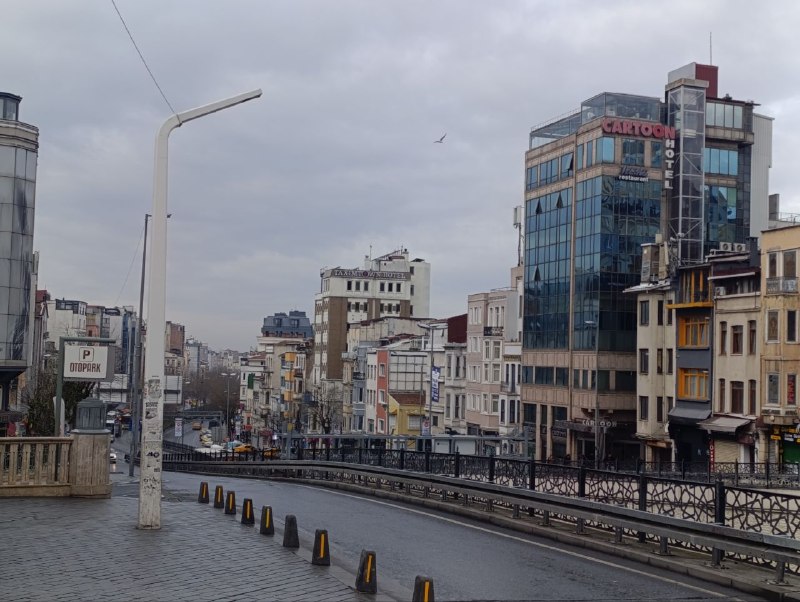
During a layover in Istanbul, I decided to take a walk around the city, but I accidentally wandered into the wrong neighborhood. There were women on the street dressed in very revealing outfits. There was no mistaking what they were offering. Just a dozen meters away, police officers were standing there casually chatting with each other, completely ignoring what was happening around them. And all this was right next to Taksim, one of the city's main squares.
So I started googling. Turns out, prostitution in Turkey has been
legalized for about a hundred years (!)
Technically, during the Ottoman Empire, sexual relations with concubines were considered permissible even from a religious perspective if a man owned the woman. But I wouldn't call that regulation in the modern sense. And once slavery was abolished, the practice faded away.
Official permits for such work are issued only to adult unmarried women and come with a ton of restrictions on their future lives. Together with legal brothels, this doesn't sit well with the Turkish government's recent direction. That said, issuing new permits has been on hold for years, and the last brothel in Istanbul never reopened after COVID. Now they've decided to turn it into an art installation instead. Which, of course, didn't really affect the market size. More women just ended up in the gray zone. Technically, street work is forbidden, but police turn a blind eye to it. Just like they apparently do to missing permits when it's convenient for them.
Fun fact: in the 1990s, the largest taxpayer in Istanbul for five years straight was
Matilda Manukyan, who owned several brothels. The tax service even awarded her for this achievement.
Fatimaaaa... So I was wandering around Dubai's Indian Quarter and got totally hooked on this melody. The guys actually sing it even better than the
original. But it's definitely not for everyone. If I googled it right, it's popular among Kerala's Indian Muslims.
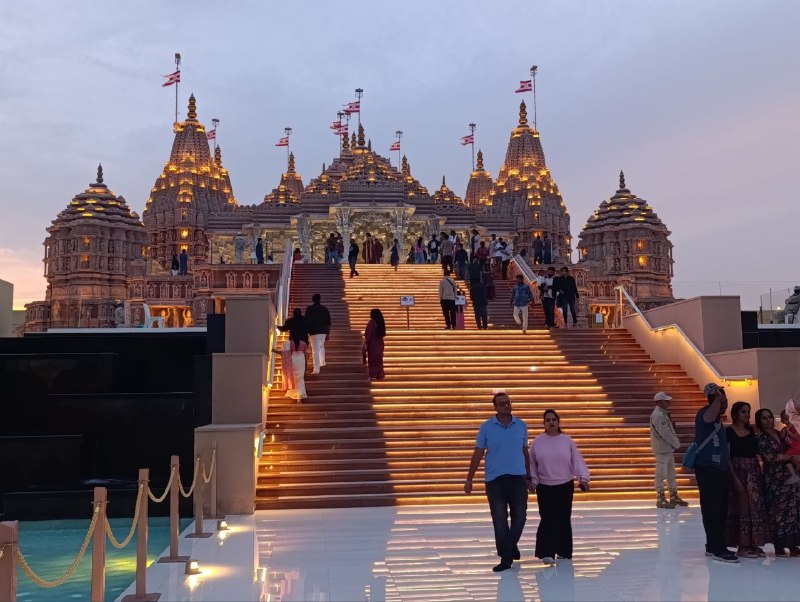
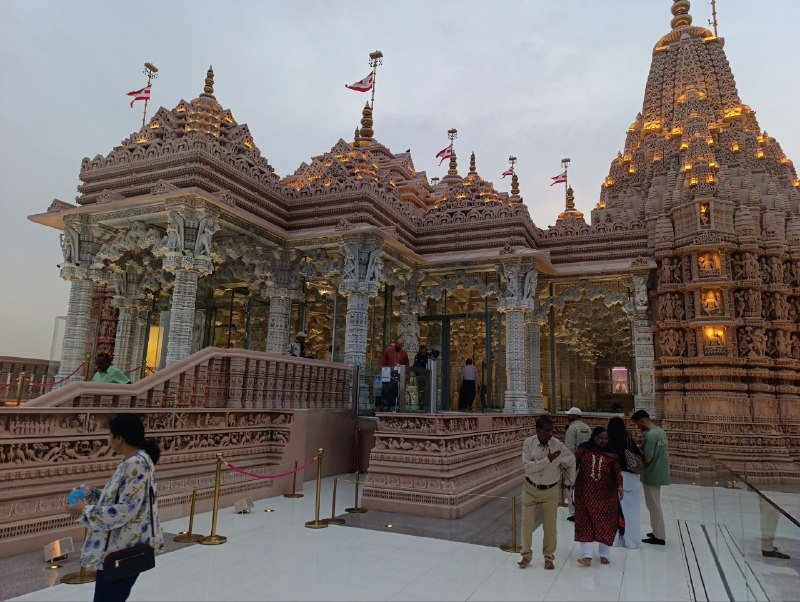
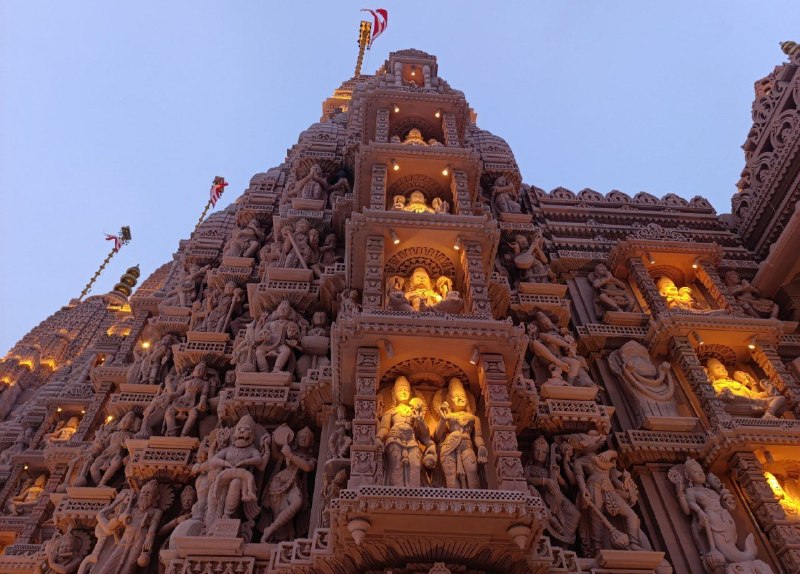
A couple years back, some of their countrymen opened the first Hindu
temple in the Middle East, somewhere between Dubai and Abu Dhabi. It's huge and really interesting, but you can't get there without a car. And for some reason they don't let you take photos with a normal camera. Instead, they make you take off your shoes and walk barefoot.
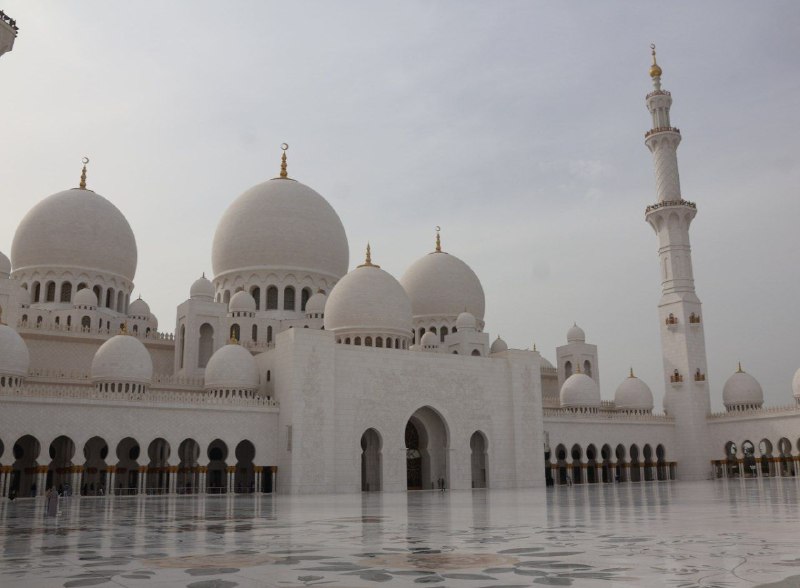
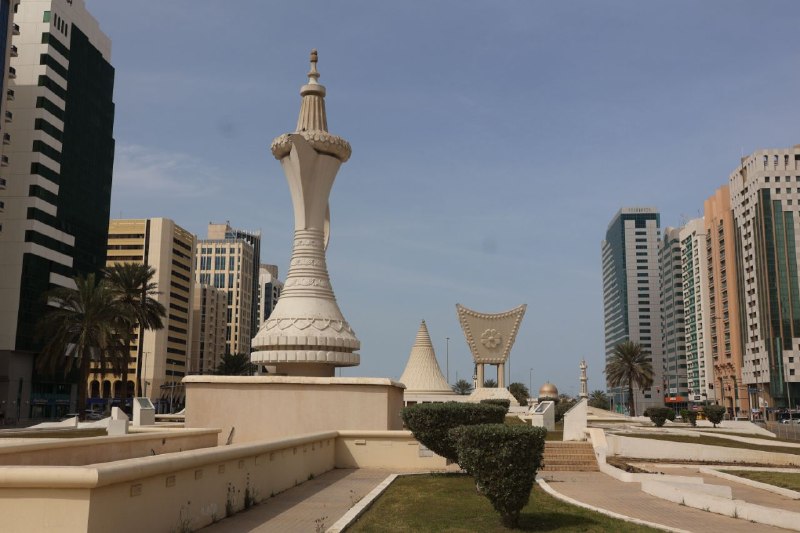
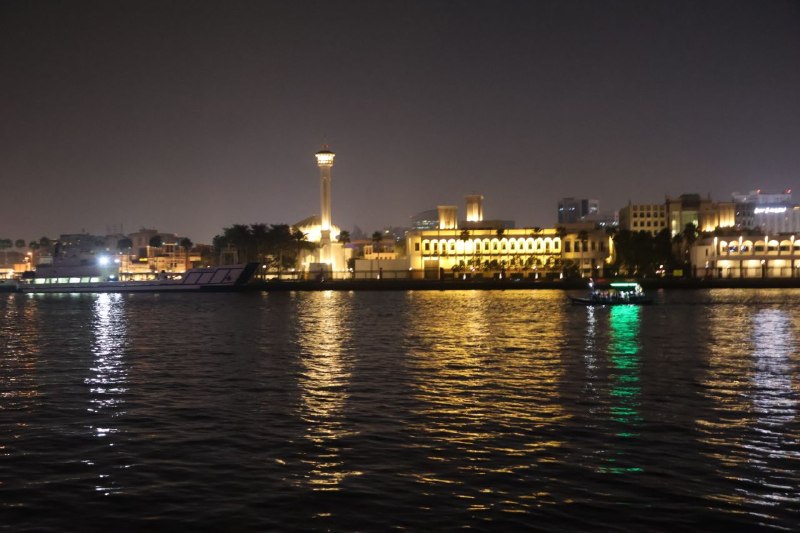
And here are some more classic Emirati shots to wrap things up.
Not all buildings abandoned by locals end up housing migrants, like in
Umm Al Quwain.
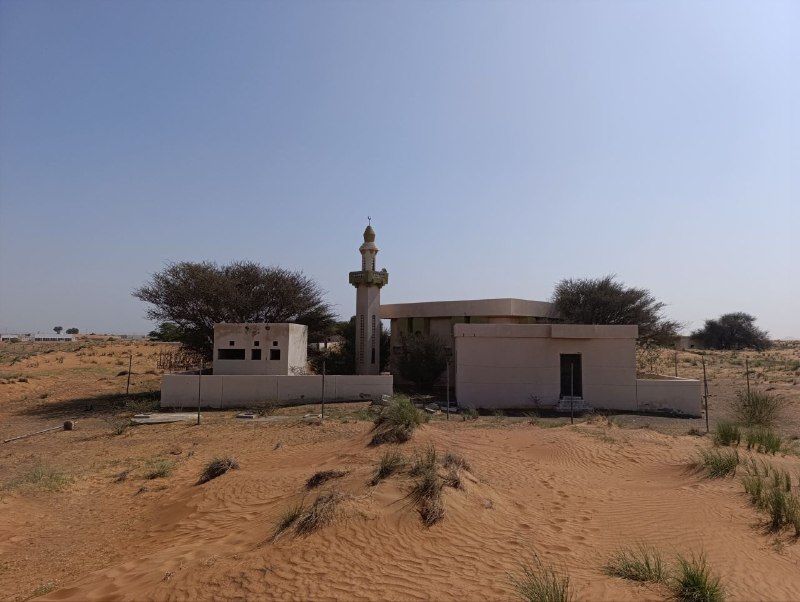
The small village of
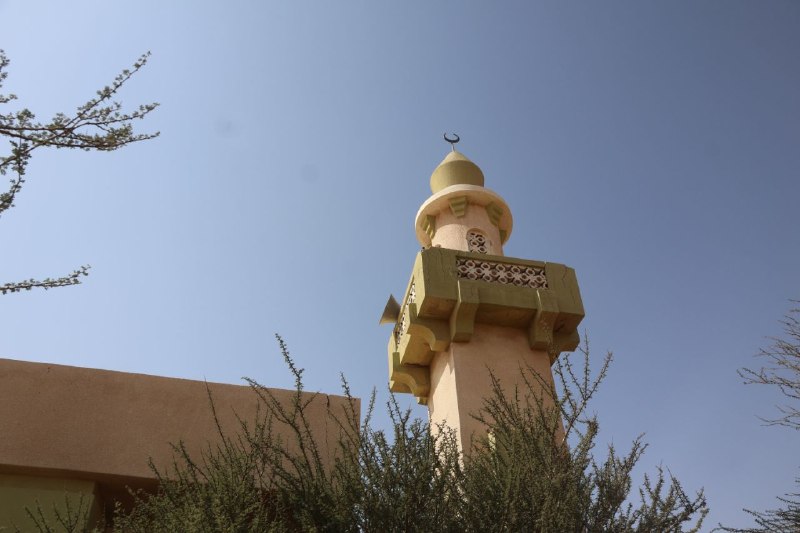
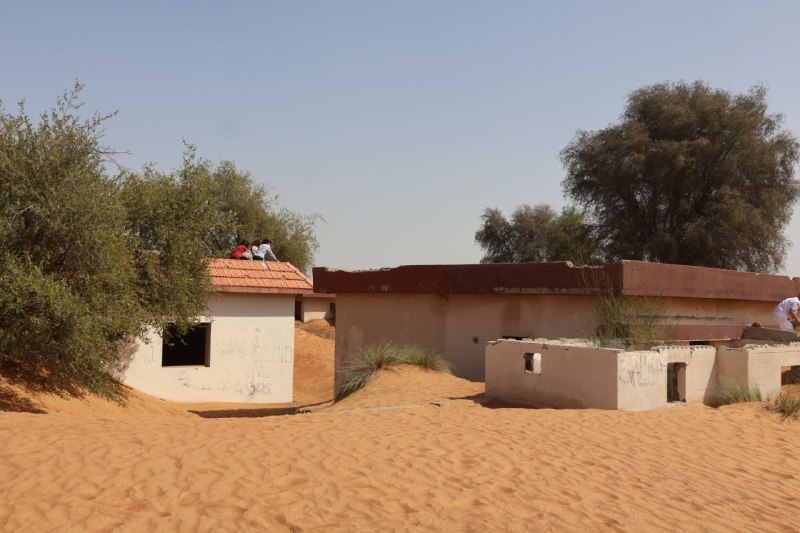
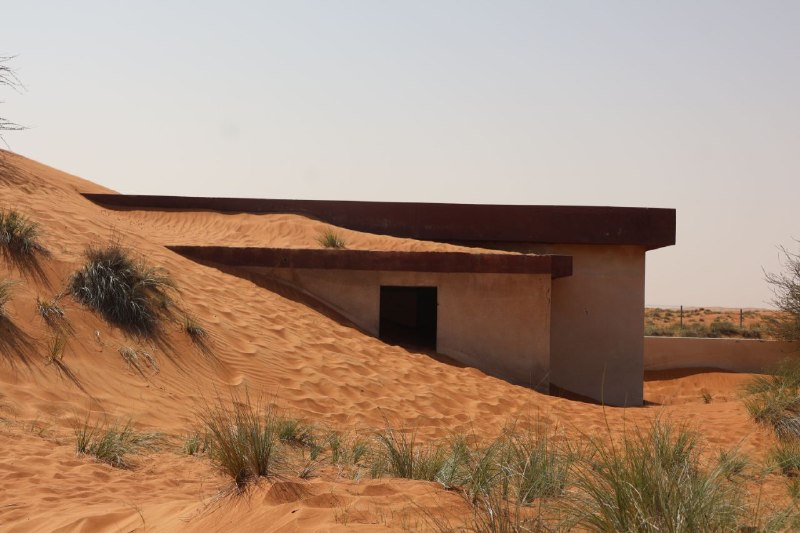
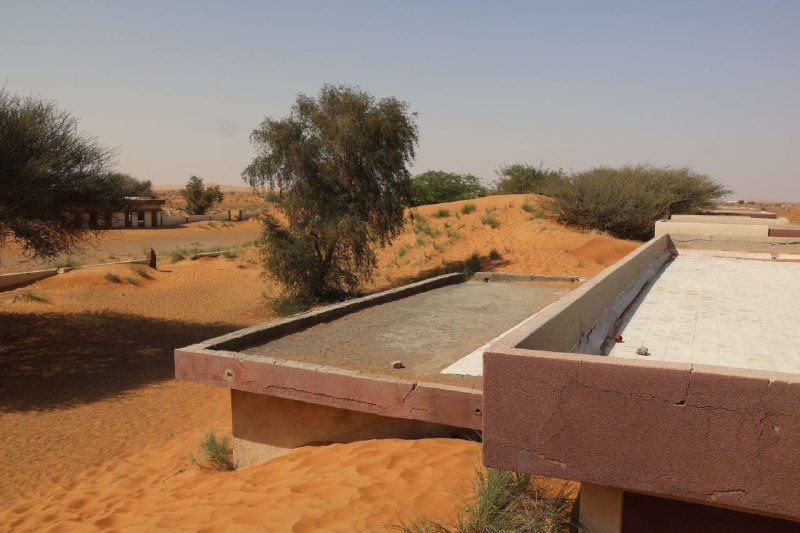
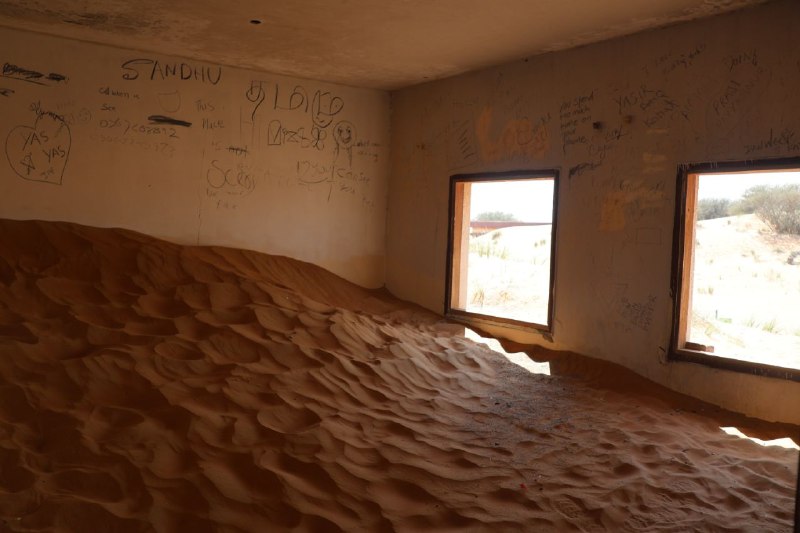
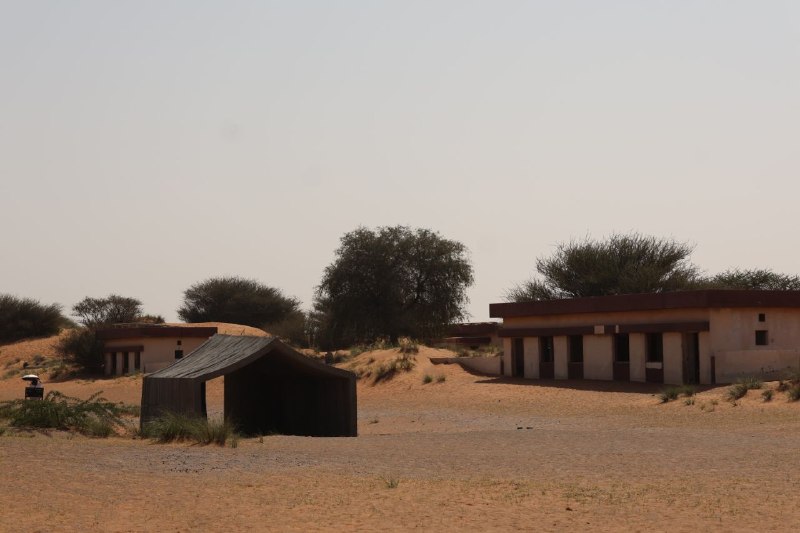
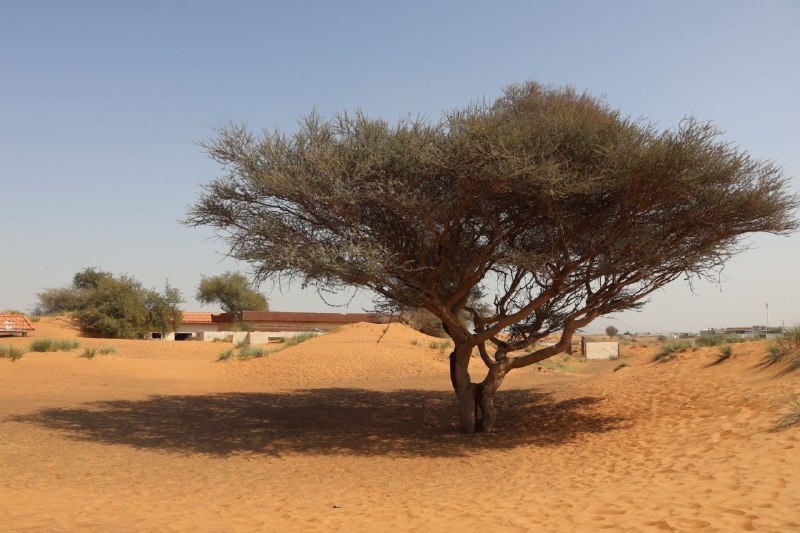
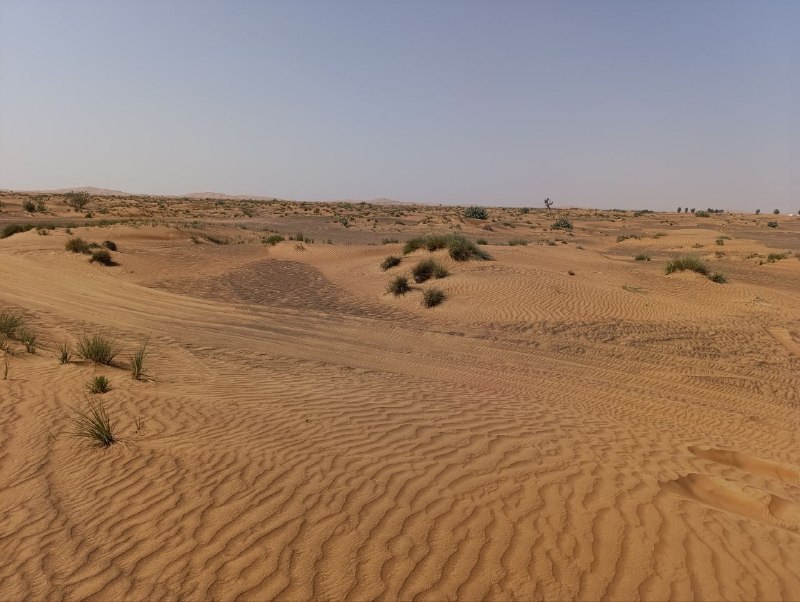
Al Marjan has been literally swallowed by the desert. Buildings are buried in sand—it's even made its way inside them. Though locals have a superstition that
djinn are to blame for it all.
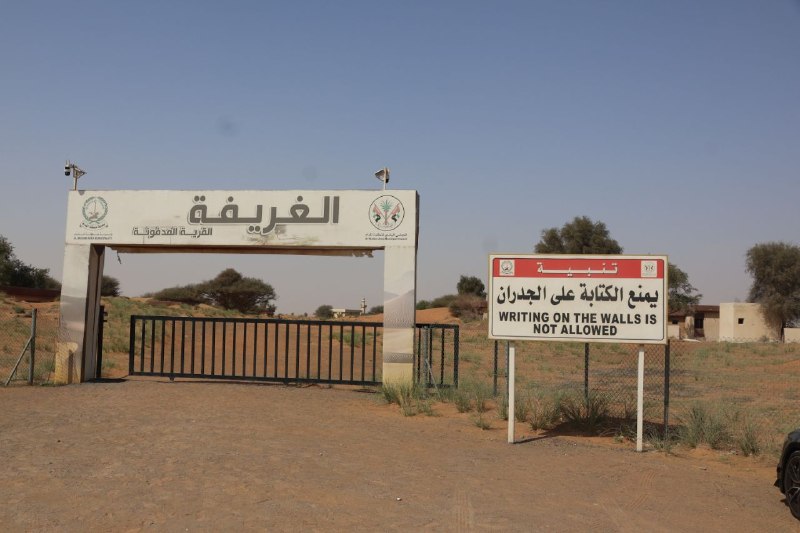
For some reason, the village was enclosed with a wire fence, but on one side it's completely buried under sand, and on the other they just stuck a gate ¯\_(ツ)_/¯
PS. If you ever end up going, there's an excellent
coffee shop nearby. I honestly wasn't expecting to stumble upon a specialty café in the middle of nowhere.
I'm running a bit behind on posts.I was in the Emirates in mid-February, when nobody was shooting there. I prefer not to travel to places where things are actively flying in. Peace to everyone.
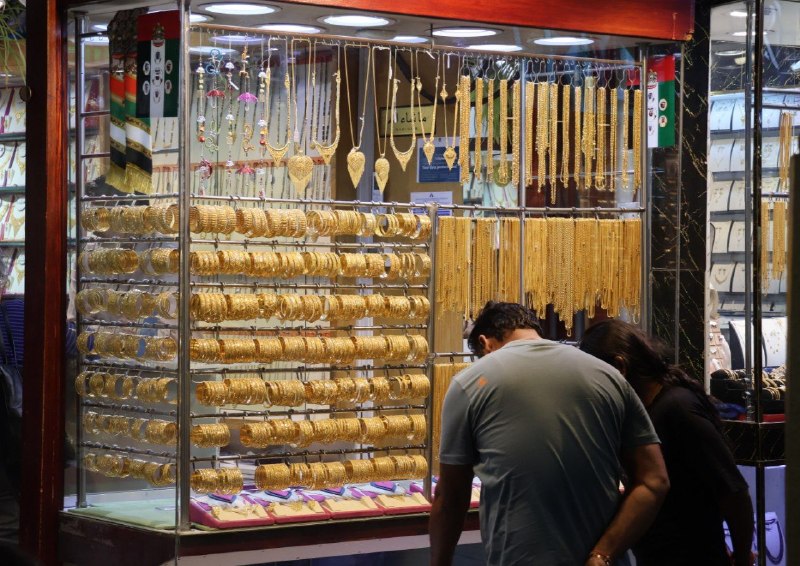
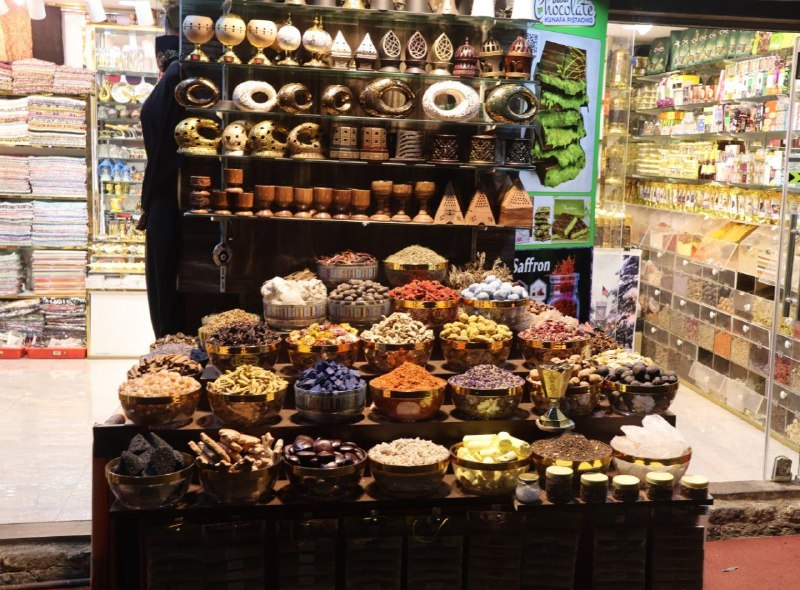
When you think of the Emirates, you usually picture massive skyscrapers, golden bazaars, and all sorts of riches. But not the entire country is like that.
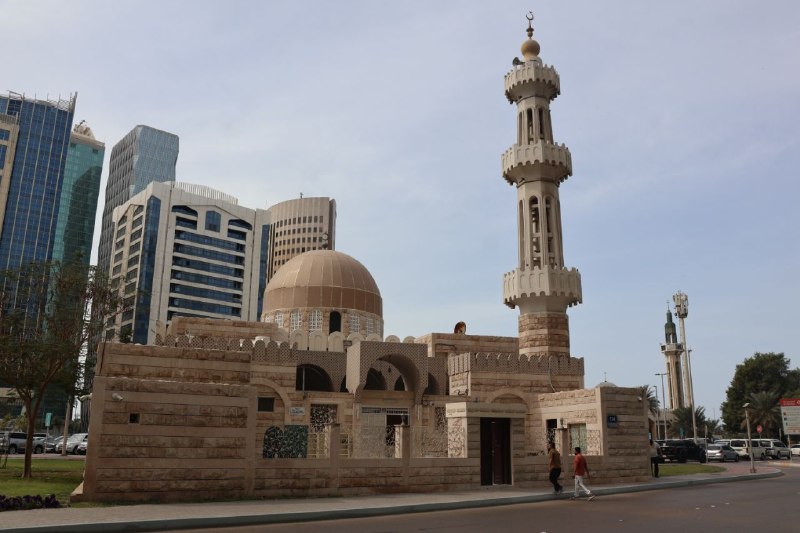
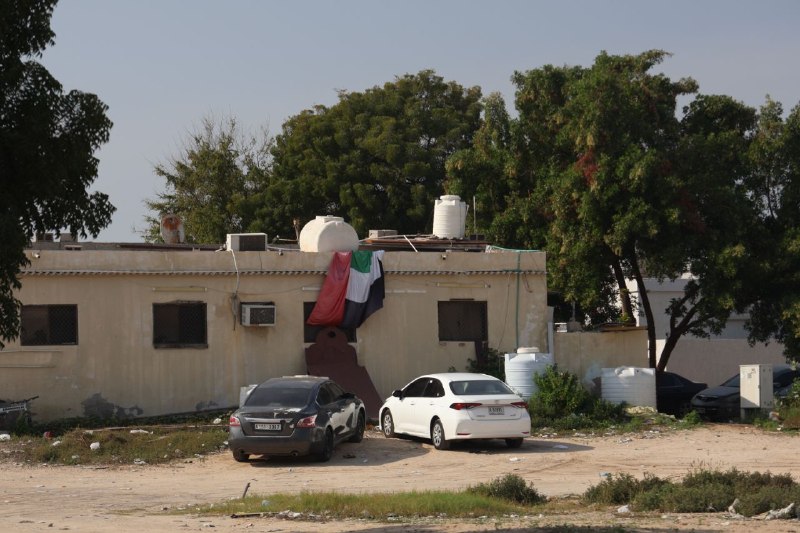
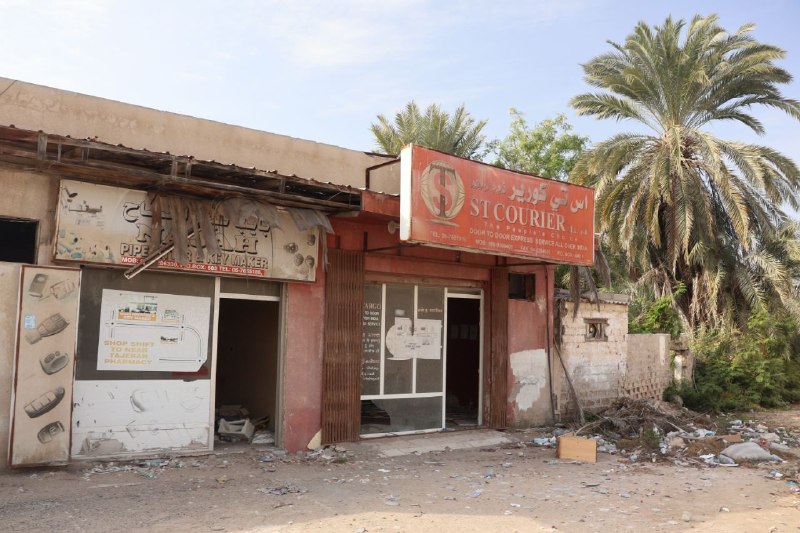
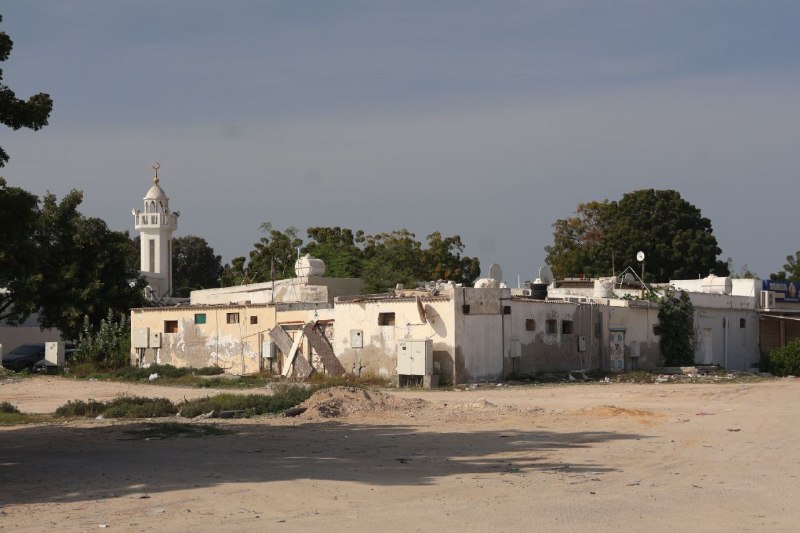
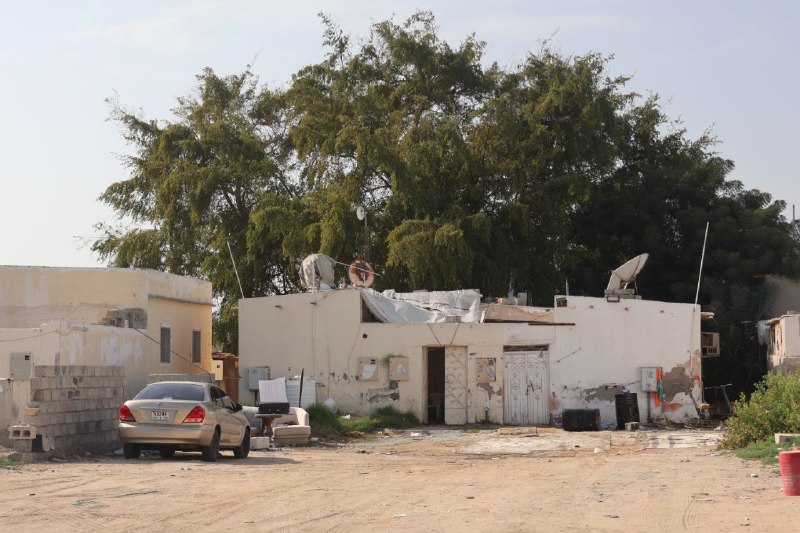
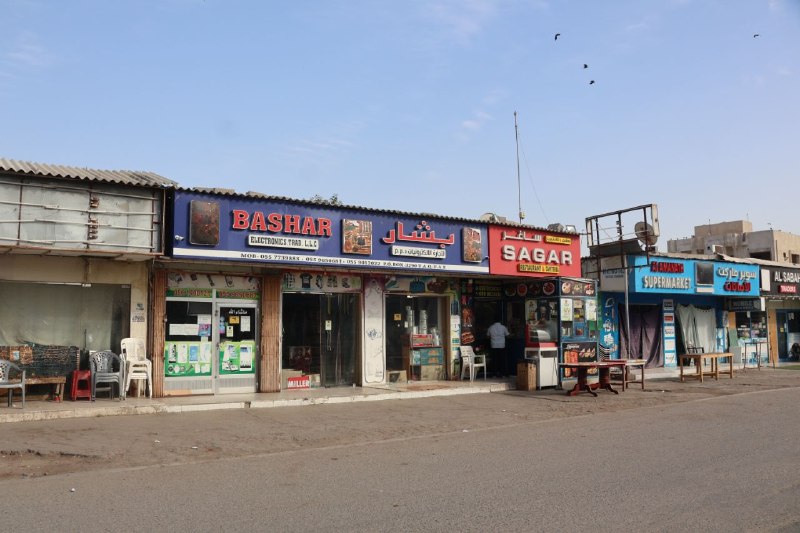
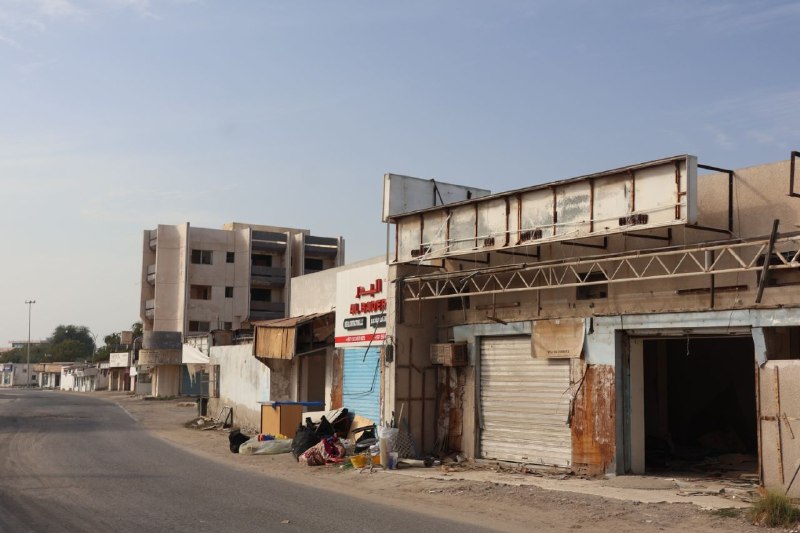
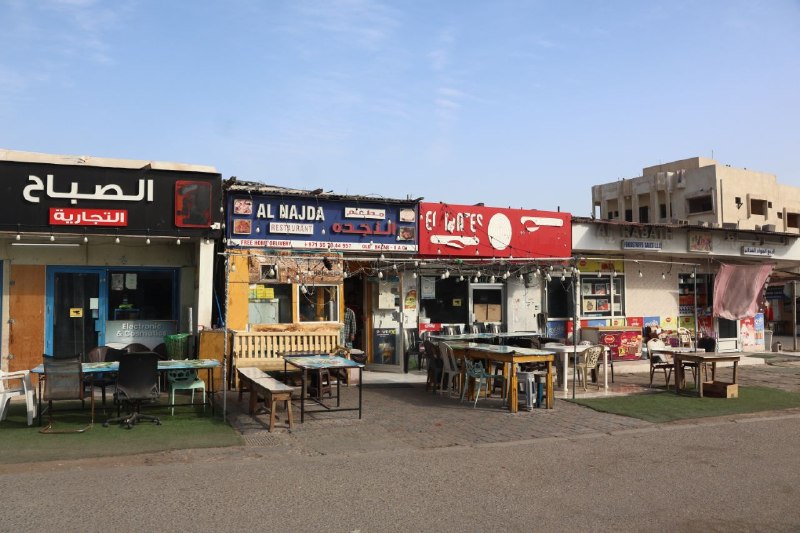
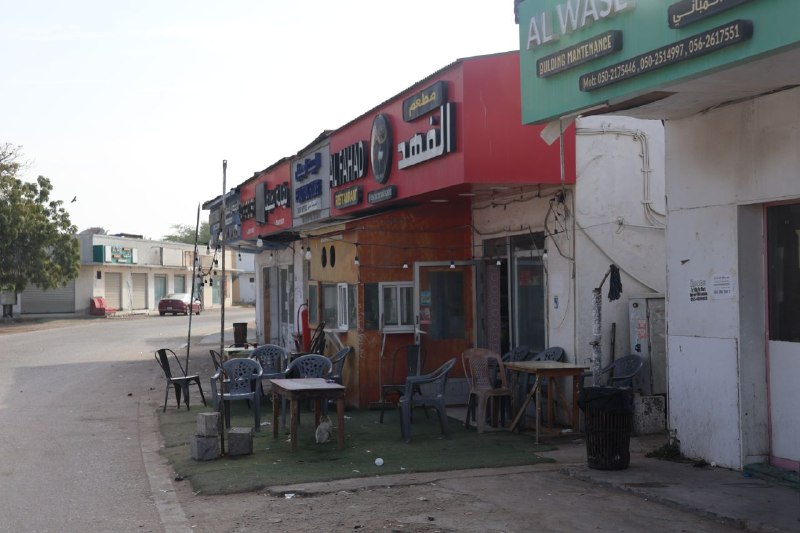
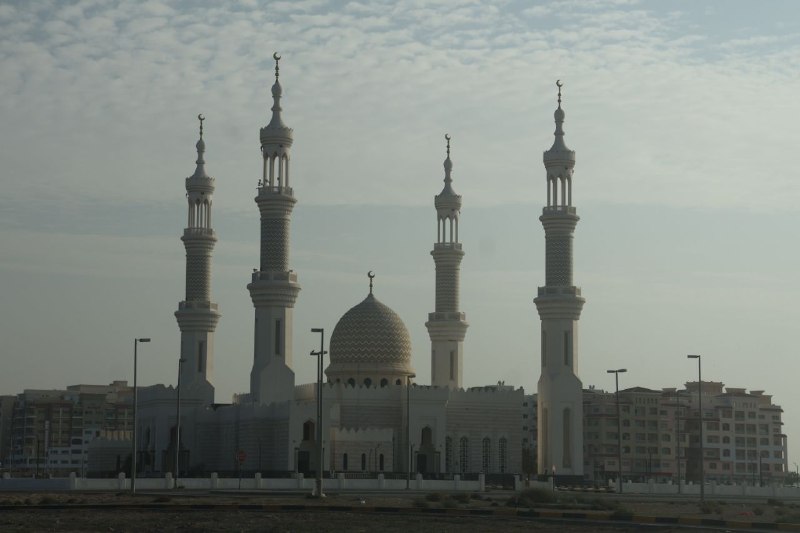
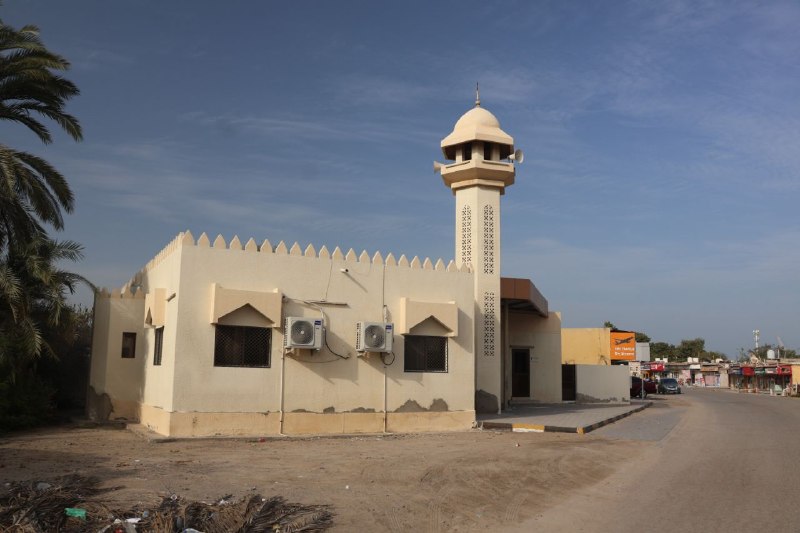
I stopped by Umm Al Quwain, the poorest emirate, and some of its neighborhoods look pretty run-down: shabby houses, broken roads, lacking infrastructure. The photo shows the old city, and while in Europe this is usually a well-maintained historic center, here it's half-abandoned with mostly migrants living there. The newer districts look a bit better, and they even found money for a huge cathedral mosque.
Umm Al Quwain wasn't lucky with oil. Unlike its wealthy neighbors, there's practically none here. And for tourists and businesses, Dubai and Abu Dhabi are much more attractive. So the emirate survives on federal budget subsidies.
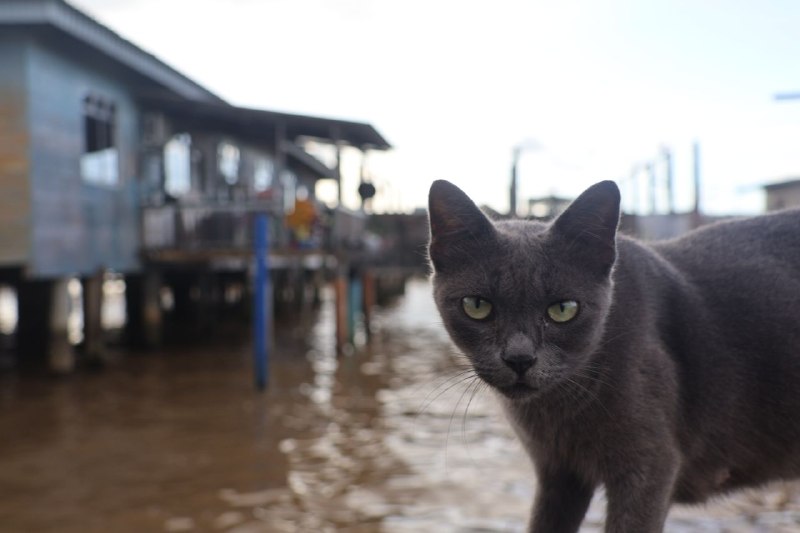
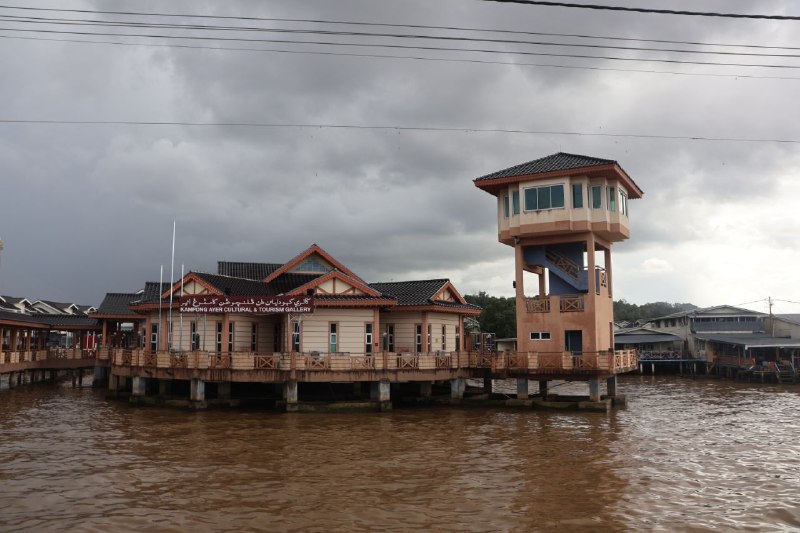
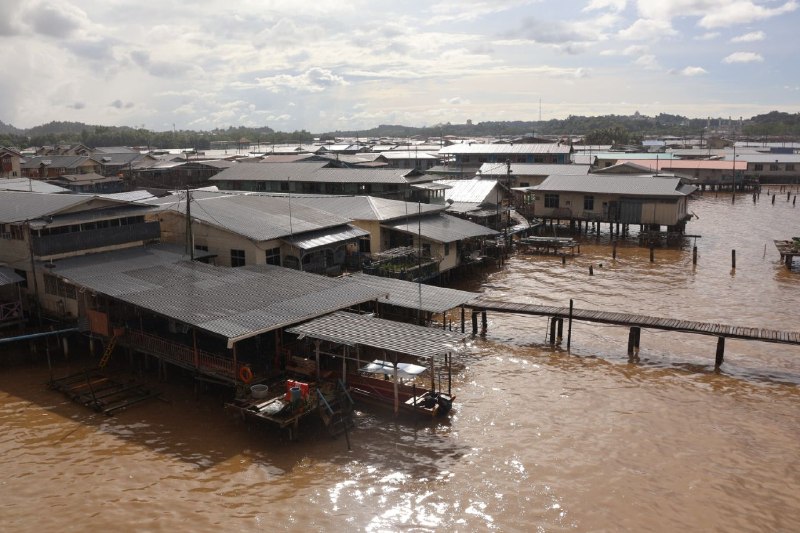
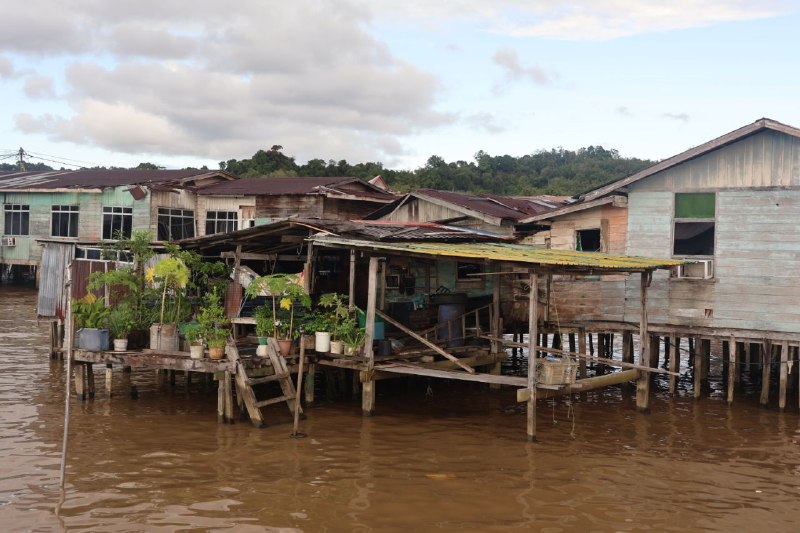
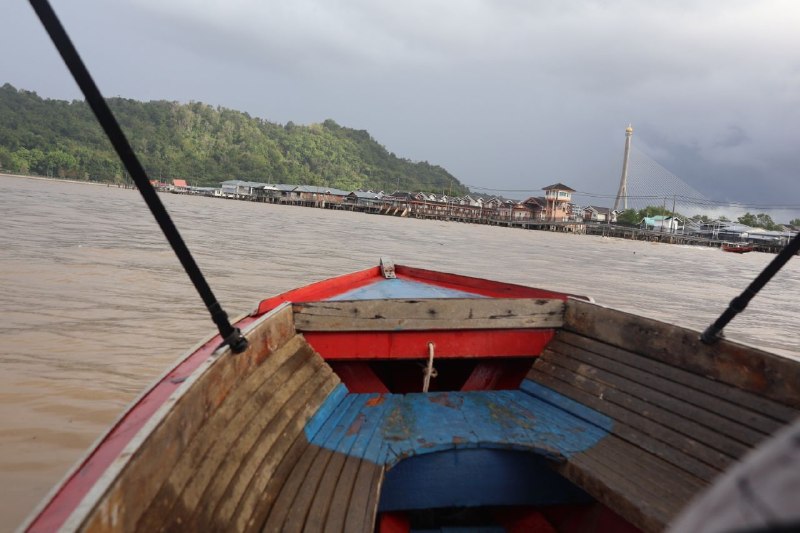
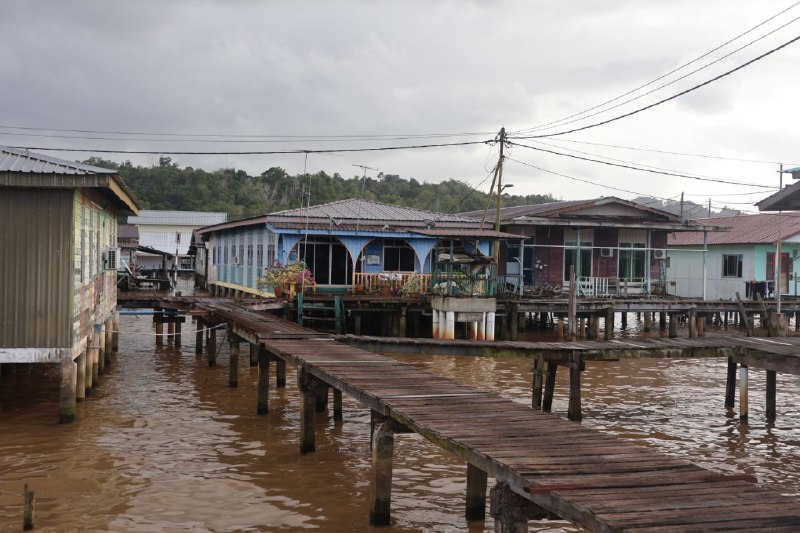
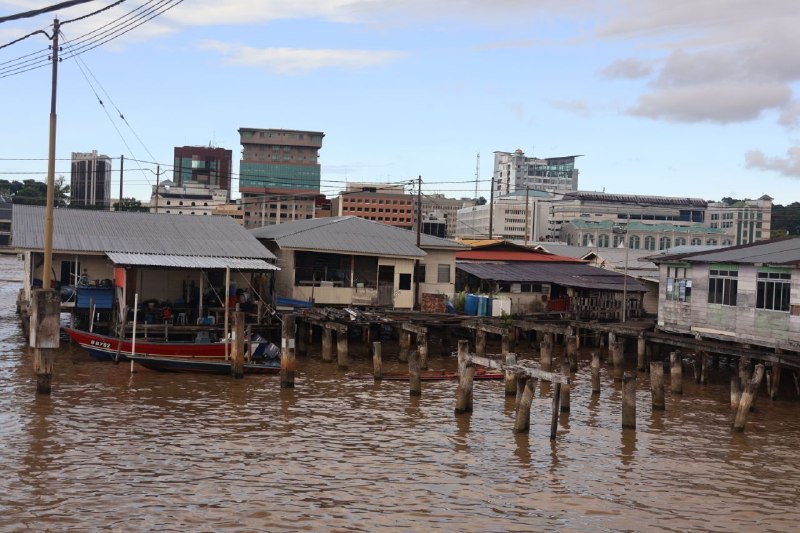
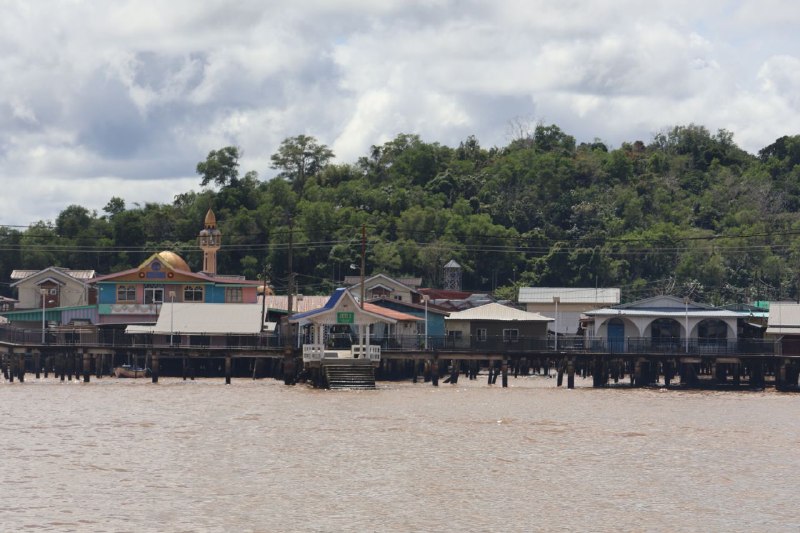
I'd say the most interesting thing in all of Brunei is the water village of Kampong Ayer. It used to be the capital of the country!
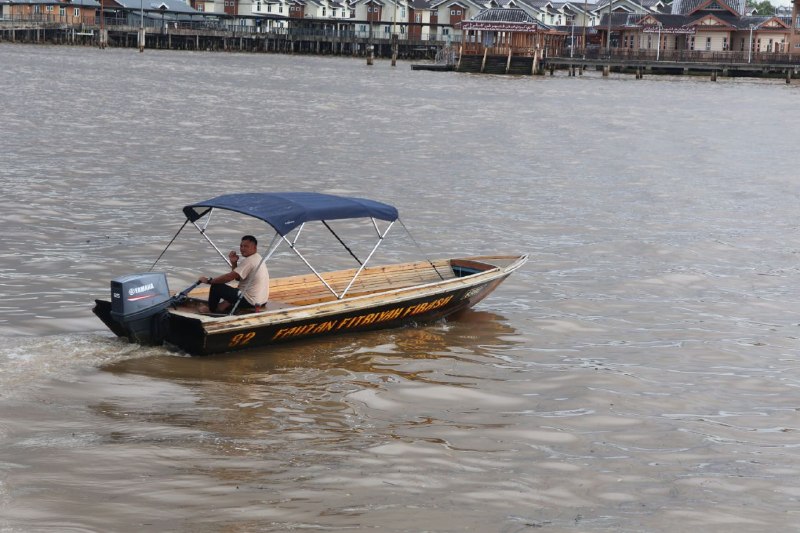
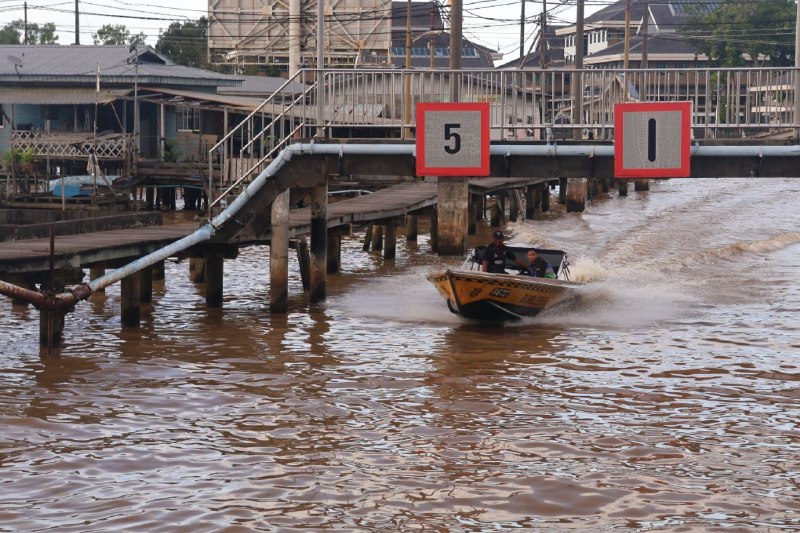
Today, thousands of people live here. You can get around the settlement on wooden bridges (which aren't always in perfect condition) or by boat for a relatively small fee. Living here must be pretty damp.
On my way home, it was hard to resist stopping by Brunei since I'd already made it to
Kota Kinabalu. It's just a stone's throw from there.
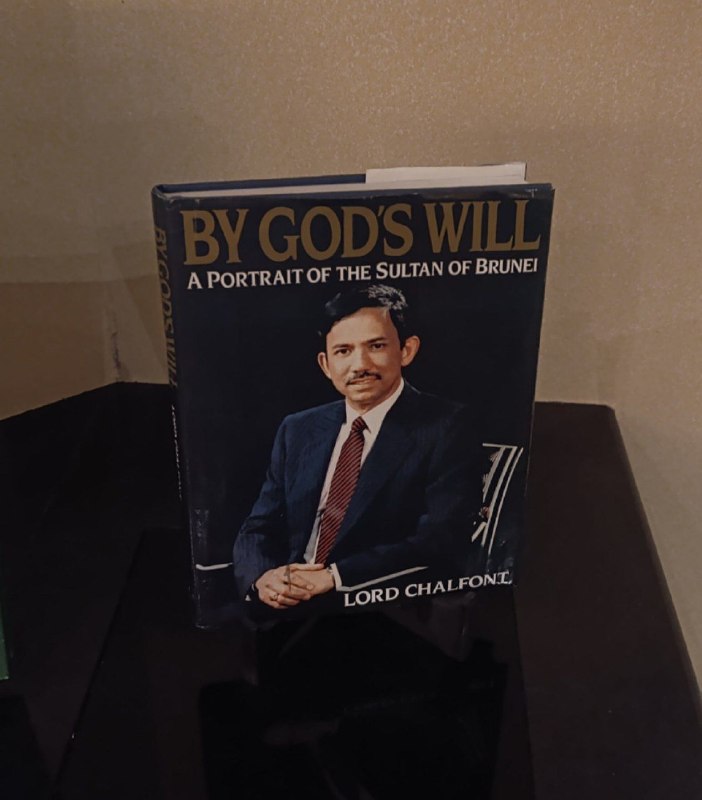
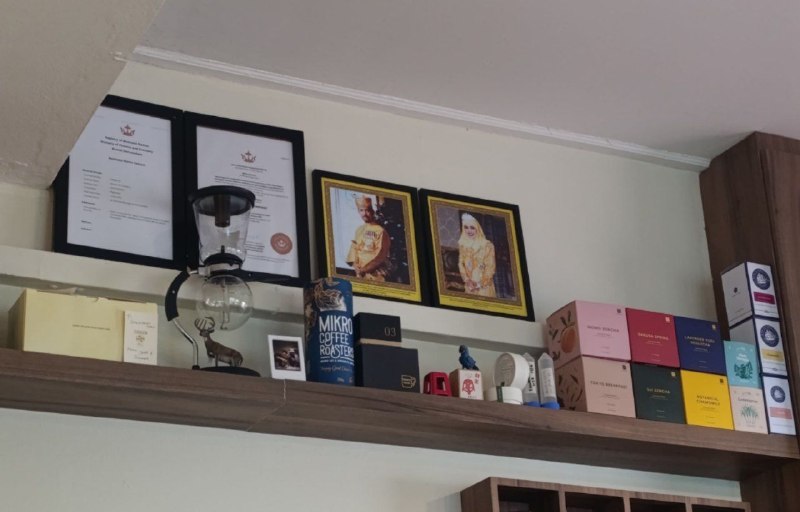
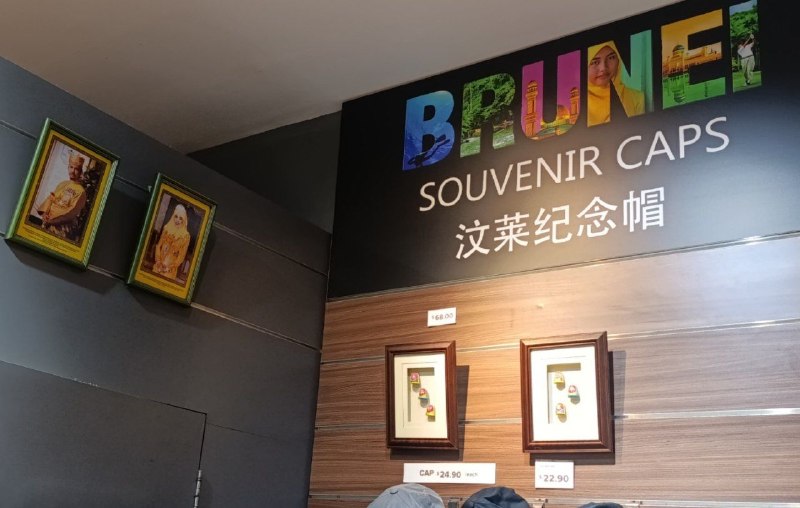
Every little eatery you walk into has a portrait of the Brunei Sultan hanging on the wall (just like in
Oman). And there are legends about his wealth. His fortune is twice the size of Brunei's entire GDP (not the most accurate comparison, but it gives you a sense of scale). He doesn't trust local Bruneians with his personal security—instead, he officially hires
British military personnel for this prestigious job (honestly, it's more of a historical arrangement, and besides personal security, the British also have a military base there).
You can catch a glimpse of some of this wealth at the
museum of gifts to the Sultan. It's all very luxurious. But the lives of ordinary people don't seem that different from neighboring Malaysia, despite much higher economic indicators. Well, except the drivers on the roads are much more polite. The contrast with Indonesia really shows this.
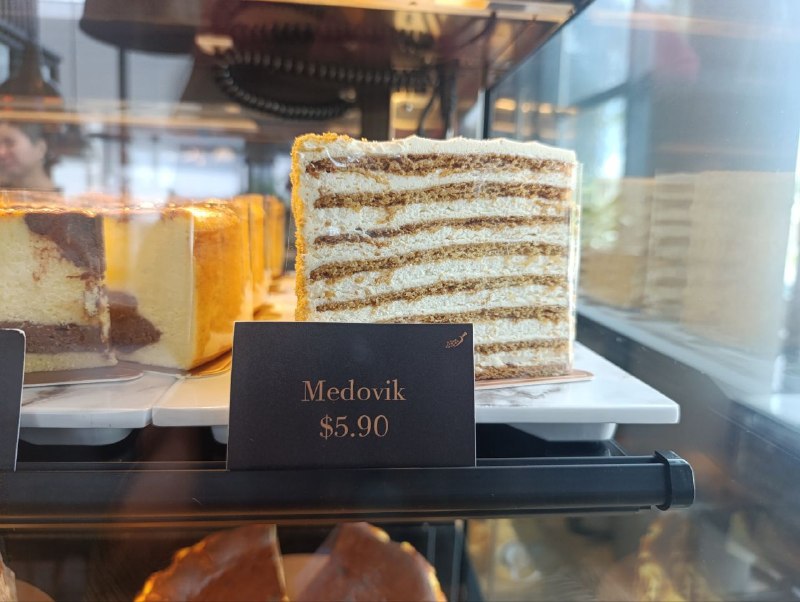
PS. I was totally surprised to spot a medovik honey cake in some random café. How did that even end up there?
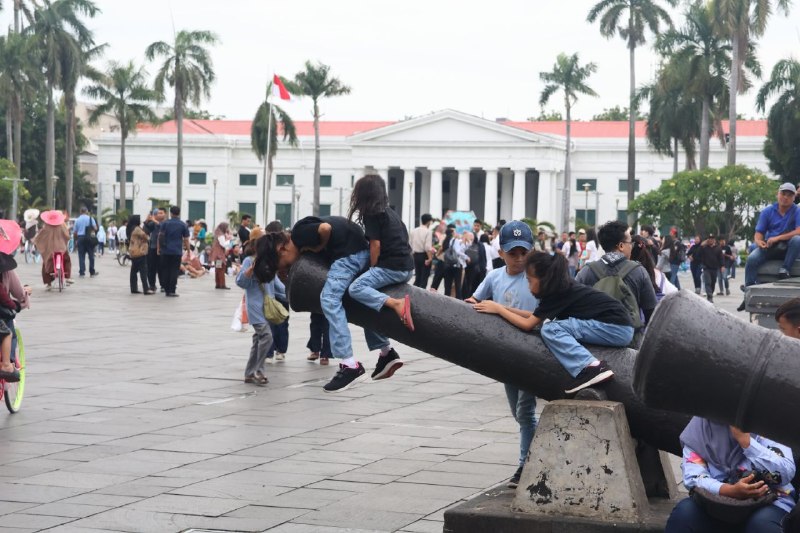
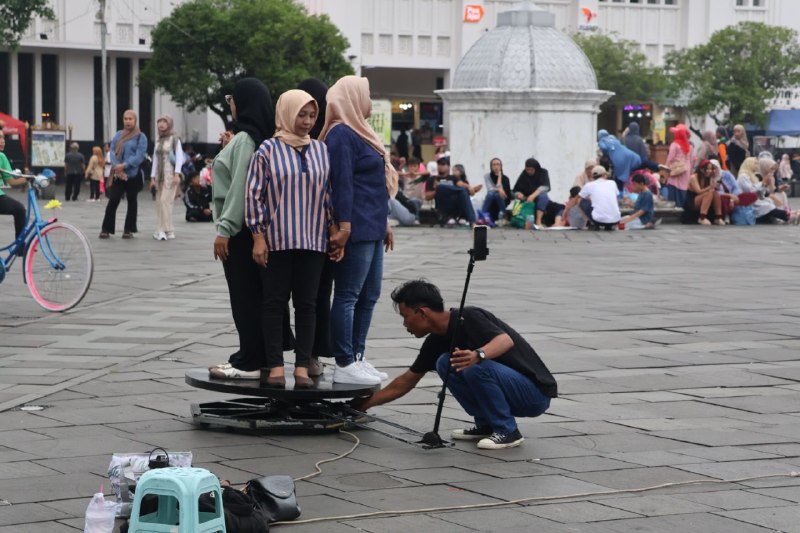
Just a few Indonesian photos to follow up.
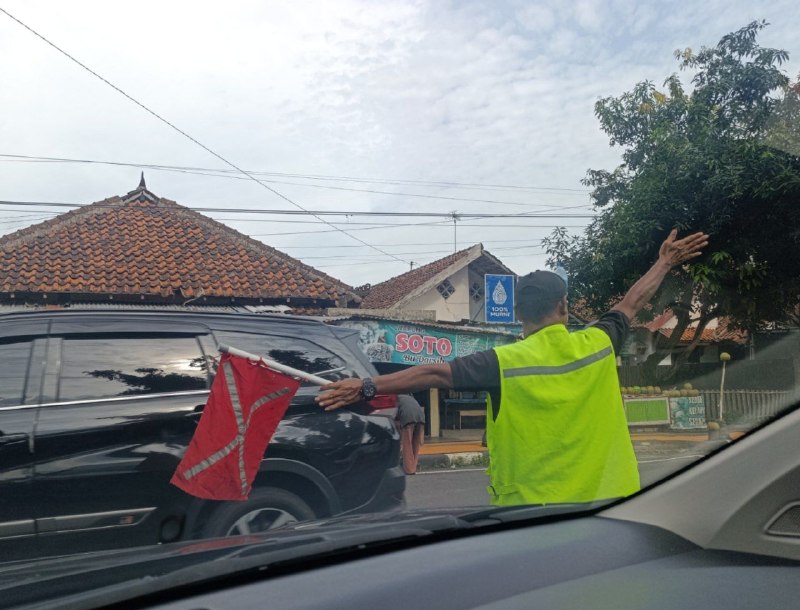
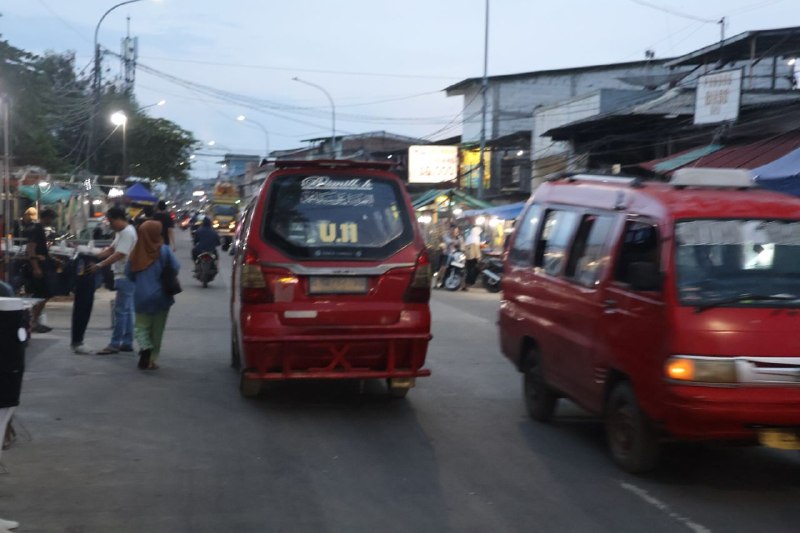
On Indonesian roads, traffic controllers seem to pop up out of nowhere. One minute someone's stopping traffic outside a little restaurant, the next some random guy is manually directing traffic at a busy intersection.
Often they're just regular people trying to make some cash. It's not exactly big money, but they do manage to pocket a couple bucks a day. They're called Pak Oga. Named after a lazy, unemployed character from a children's
puppet show, who'd reluctantly take on work for a little pay, and his most famous line was: "a hundred rupiah first!"
Authorities try to crack down on these guys. They'll arrest the occasional "traffic controller," confiscate their daily earnings, but by the next day they're back at their "posts." There was even talk about legalizing the whole thing—training all these "traffic cops" and giving them uniforms—but it never really went anywhere.
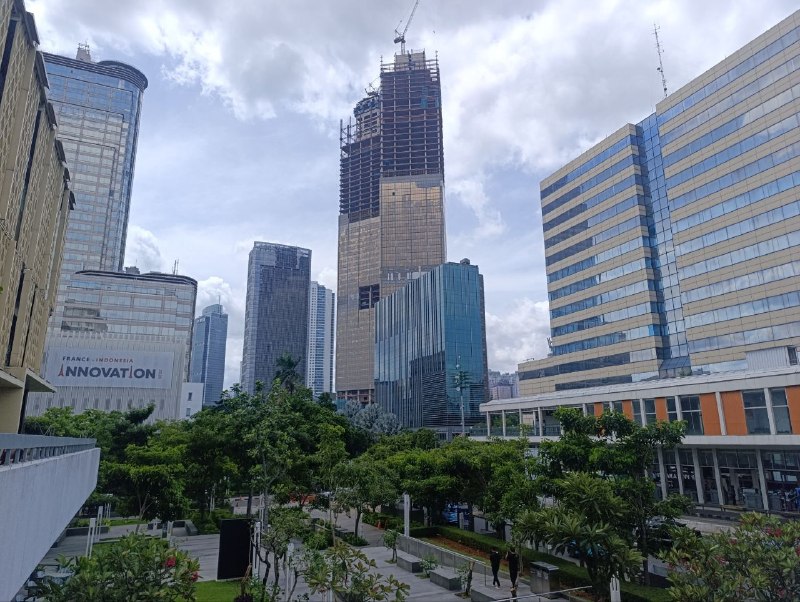
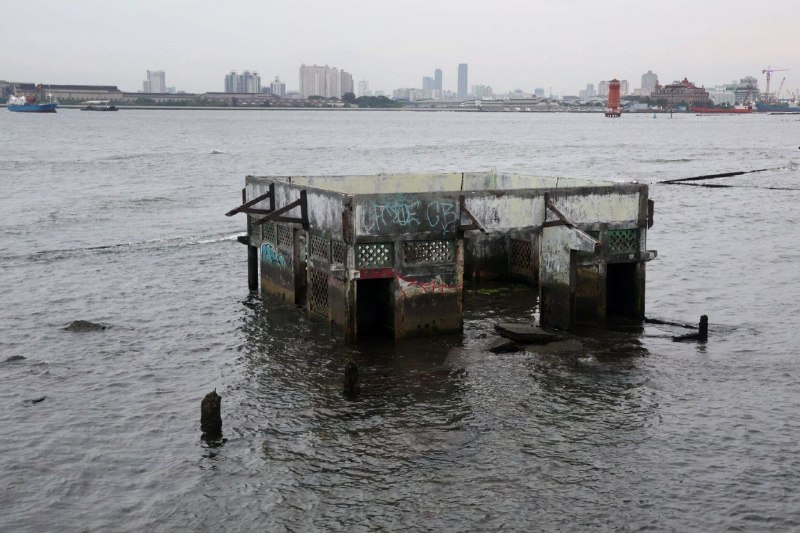
Indonesia's capital is literally sinking: Jakarta subsides by several centimeters every year, and in some districts it's measured in tens of centimeters. The
mosque in the first photo—people used to go there for prayers just ten years ago, but now you'd pretty much need to swim there.
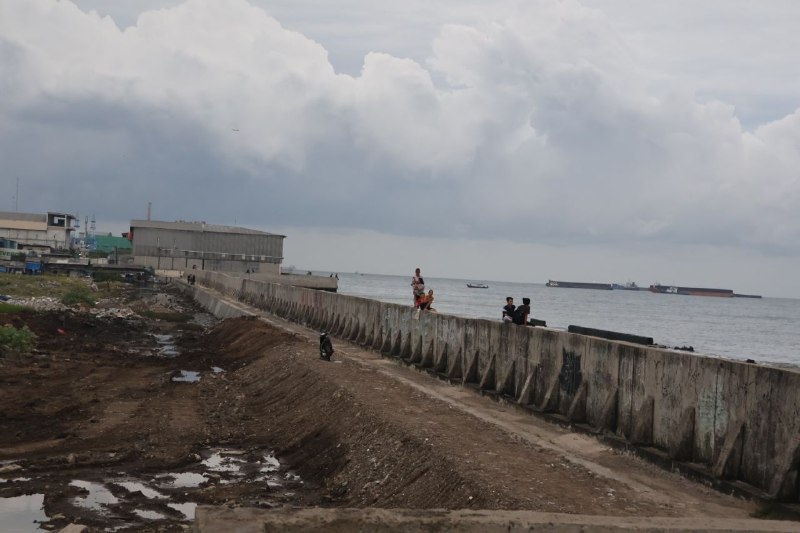
The city and sea are now being separated by a
giant wall. The project is still far from finished, and it's really just buying a little time anyway.
Uncontrolled groundwater consumption, swampy terrain, and rampant development have created the perfect conditions for the city to flood.
The government couldn't come up with anything better than building a new capital in the jungle on another island. They even started construction on
Nusantara a couple years ago, but lately the project has stalled. And no one's planning to move more than ten million Jakarta residents there. Just the officials. Everyone else? They'll figure it out themselves, apparently.
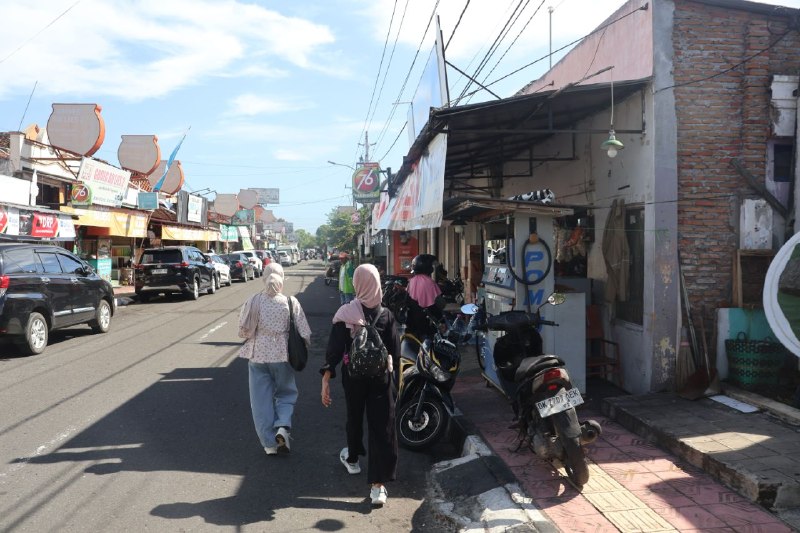
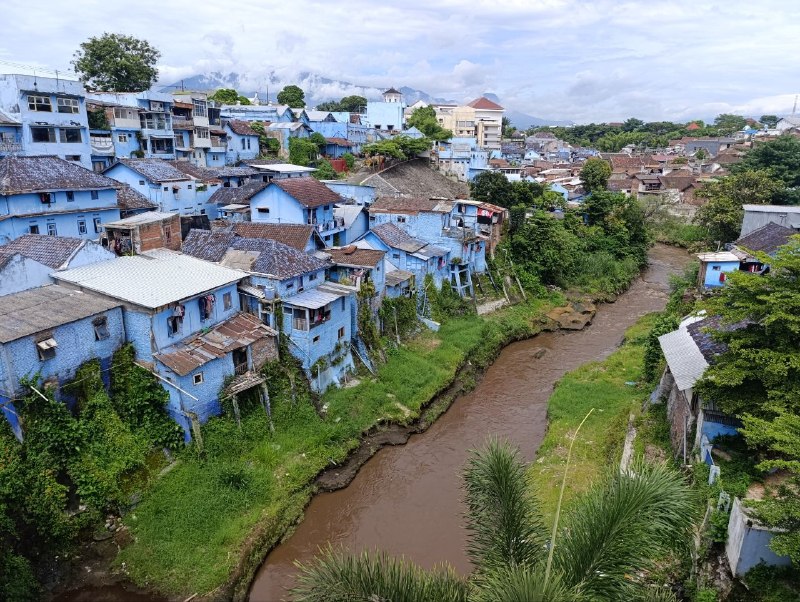
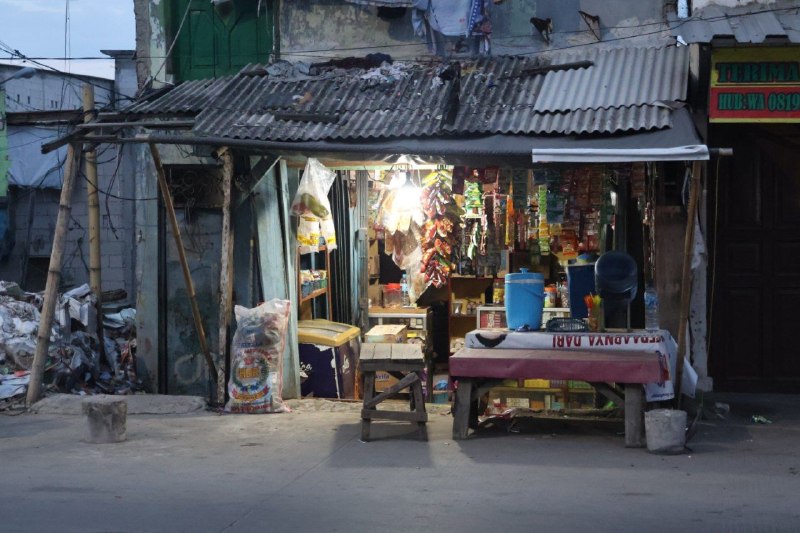
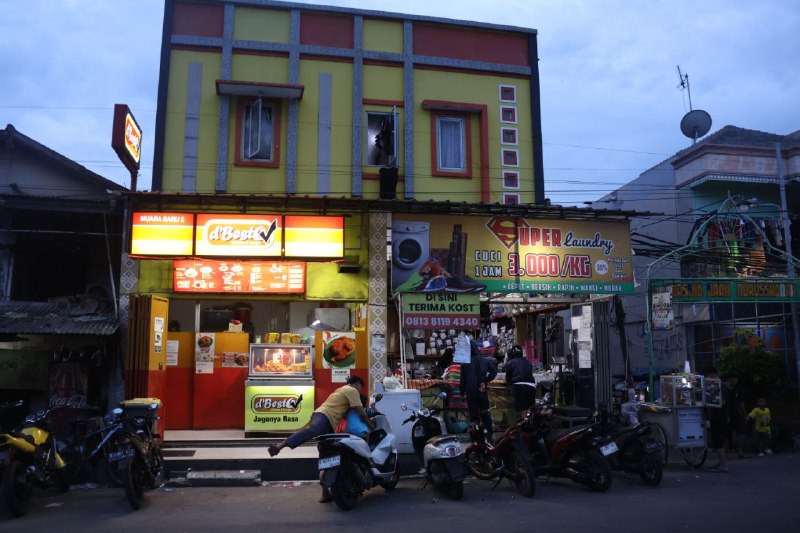
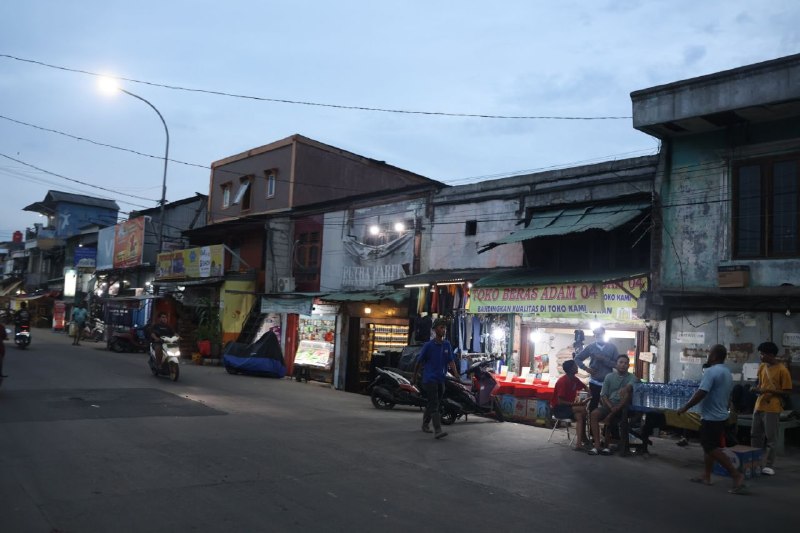
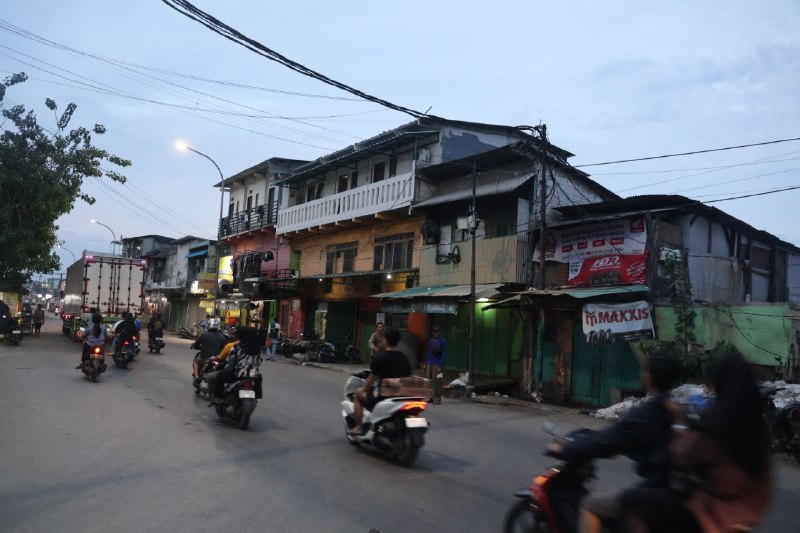
What's really crazy about all this is that the real estate market has been booming in recent years and housing prices just keep going up. By 2050, forecasts say the northern part will be underwater. That's where most of the poor neighborhoods are, like in the photo, but the rest of the city's infrastructure might not be able to handle the increased strain.
 United Kingdom
 Serbia
 Bosnia and Herzegovina
 Turkey
 United Arab Emirates
 Brunei
 Indonesia
 Malaysia
 Argentina
 USA
USA Morocco
 Georgia
 Egypt
Egypt Hong Kong
 China
China Vietnam
 Tunisia
 Montenegro
 Philippines
 Singapore
 Oman
Oman Algeria
 North Macedonia
 Lebanon
 Israel
 Albania
 Russia
 Tanzania
 Netherlands
 Spain
Spain Latvia
 Germany
 Belgium
 France
 Kazakhstan