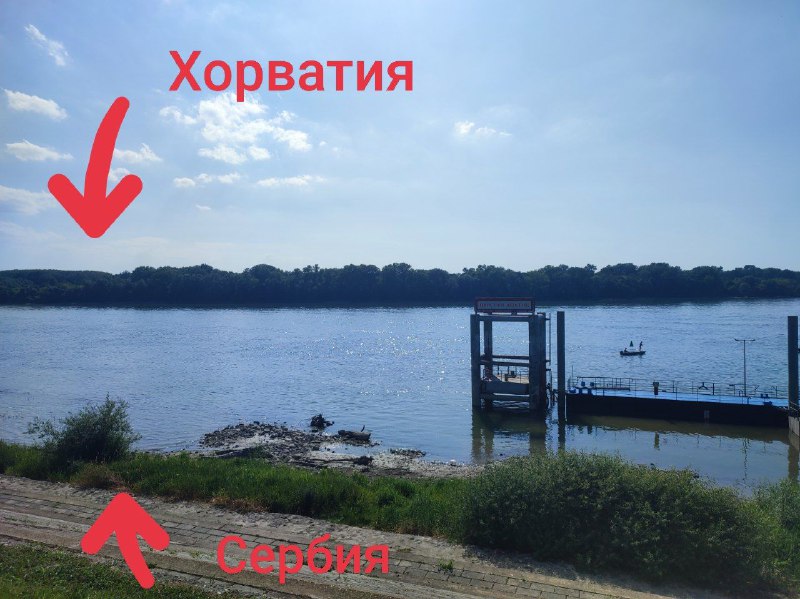
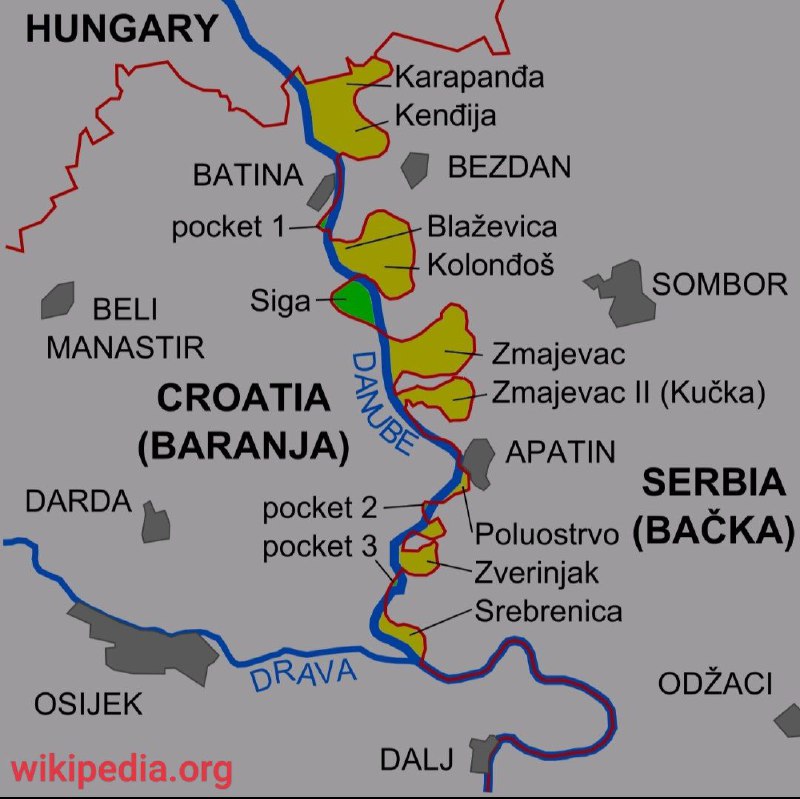
Next time you're drawing a border between countries along a river, make sure the riverbed isn't planning to shift. The Serbs and Croats didn't take this advice, and they're still arguing about who owns what land.
The roots of the problem go back to the 19th century. They recorded the current border in the land registry back then. And the Croats consider it the only correct one. The Serbs, on the other hand, say the border was drawn along the Danube at the time. So let's count it that way now too. But over 200 years, the riverbed has shifted noticeably, and Serbia now has 140 square kilometers more land.
In 2000, the countries created a special commission to settle the dispute. Over 10 years, it met all of 2 (two!) times and came to the conclusion that yes, they do have different understandings of the border. I'm not going to complain anymore about how long it takes to renew my residence permit.
In 2002, there was even a shooting incident when the mayor of the Croatian city of Vukovar and a group of activists decided to visit their lands by simply rowing a boat across the river. But the Serbian police detained everyone and then let them go.
And on a couple of islands between the countries, they even set up unrecognized micro-states — Liberland and Verdis. But it doesn't seem like you can just visit them. Plus, nobody actually lives there.
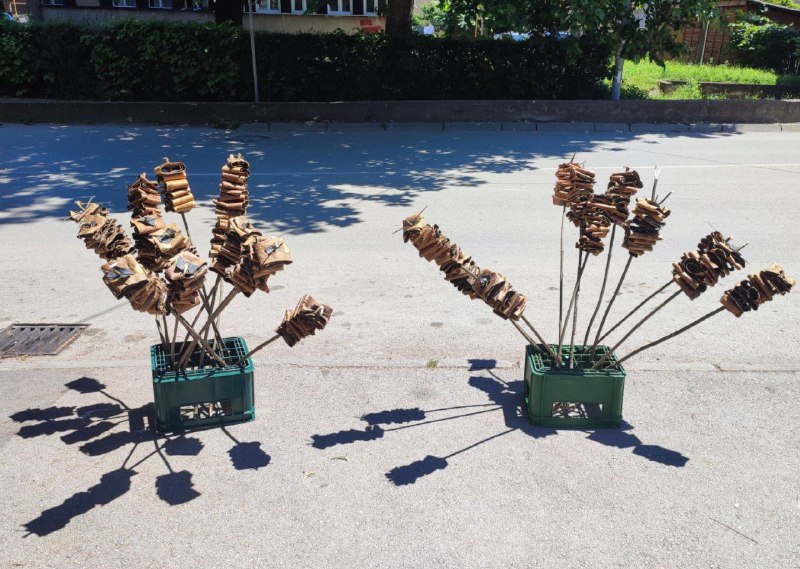
I was in the Serbian town of Valjevo the other day. My eye caught on some birch bark. I don't know about you, but this was the first time in my life I'd ever seen birch bark being sold like this on the street. Being sold at all, for that matter. I got really curious about what it's used for. It's not like you write on it.
I looked into it. Turns out that in western Serbia (and some parts of Bosnia) there's an old and good
pagan Orthodox tradition called lilanje.
In honor of
the Slavic god of fire SvarogSaint Peter, children burn birch bark on the night of July 11-12. The ancient Serbs believed that this ritual would scare off all demons and witches and protect people, animals, and crops.
In Loznica they hold a big annual festival. In fact, it's happening this evening. Unfortunately, I won't make it there this year. But I found a
YouTube video of what it looks like. Pretty interesting.
Sellers complain that they have fewer customers every year. And environmentalists
are concerned that stripping the bark doesn't help the trees. Wild cherry trees especially get hit the hardest.
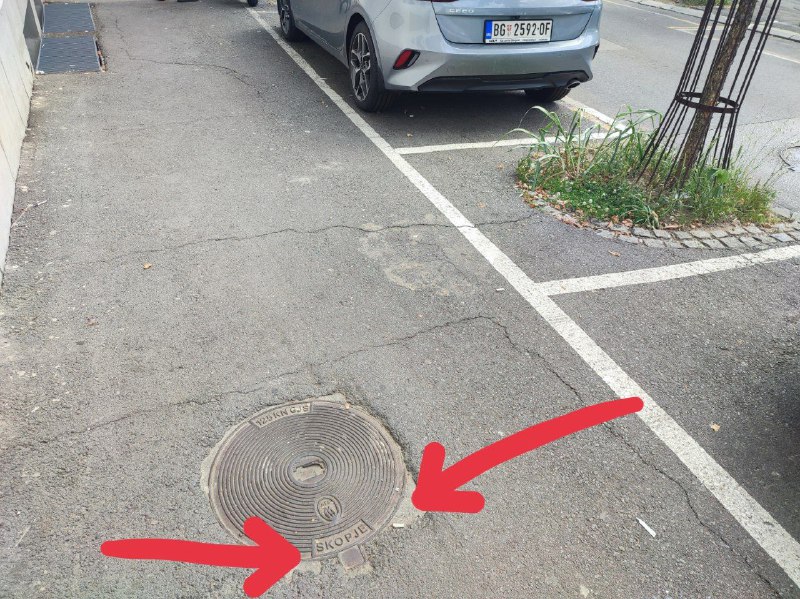
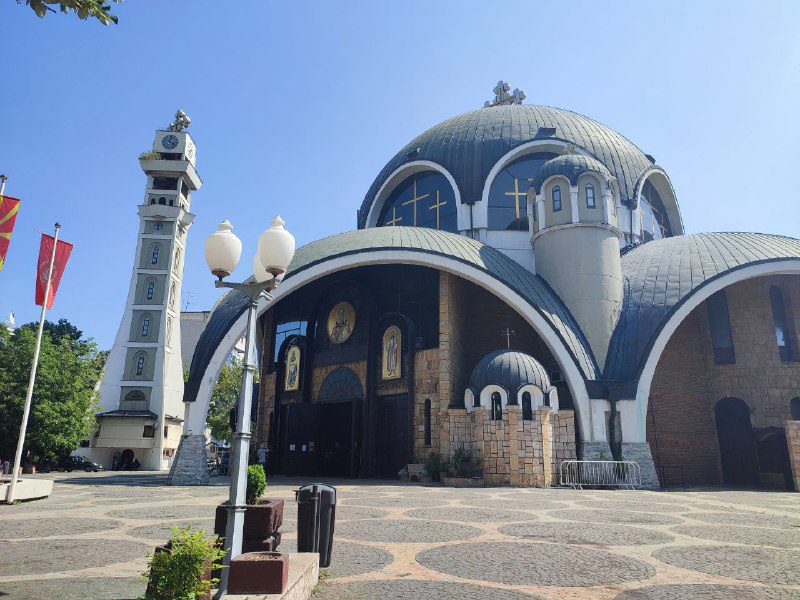
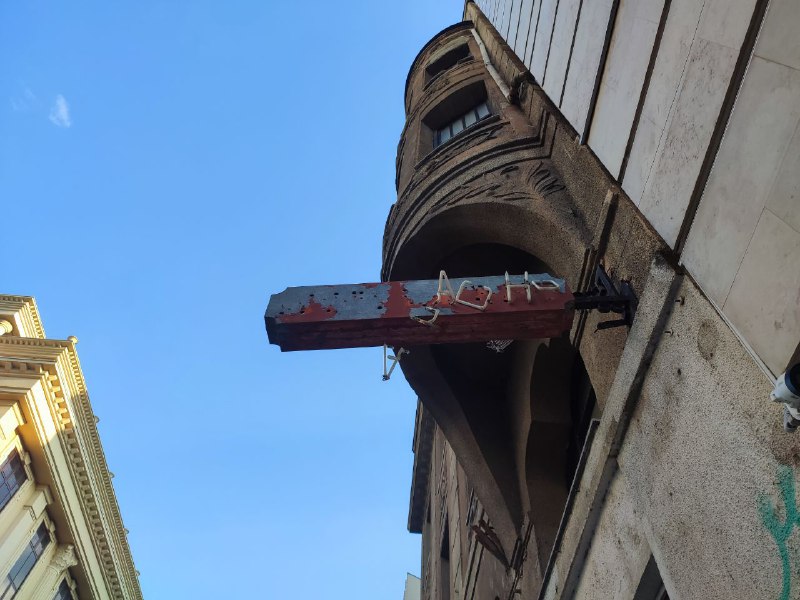
I came back from Skopje to Belgrade, and the next morning I'm walking past the Belgrade University library when I suddenly see the word Skopje written on the ground beneath my feet. For a moment I thought I forgot to leave North Macedonia, but it all turned out fine 😅
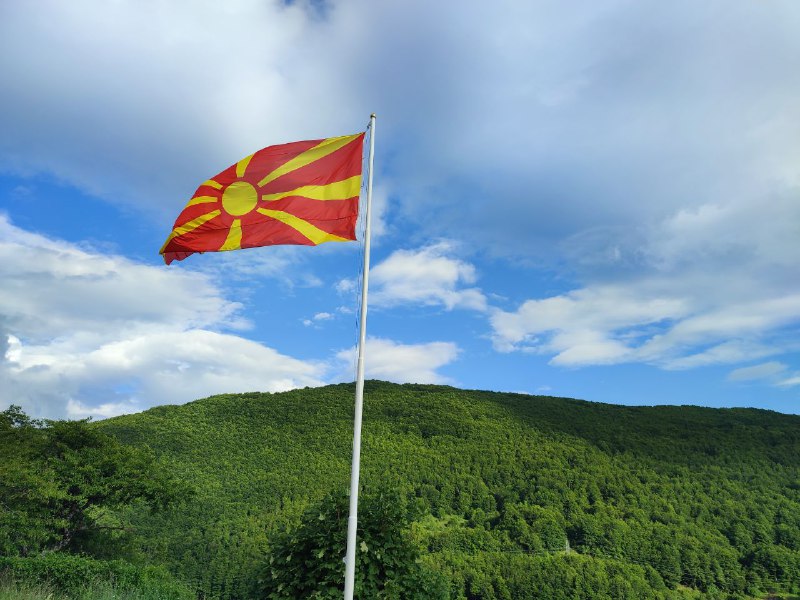
I never thought I'd be able to use my US visa anywhere outside the States. But it actually got me into North Macedonia (Russians no longer get visa-free entry, but you can get in with a US visa, or via Schengen or national visas).
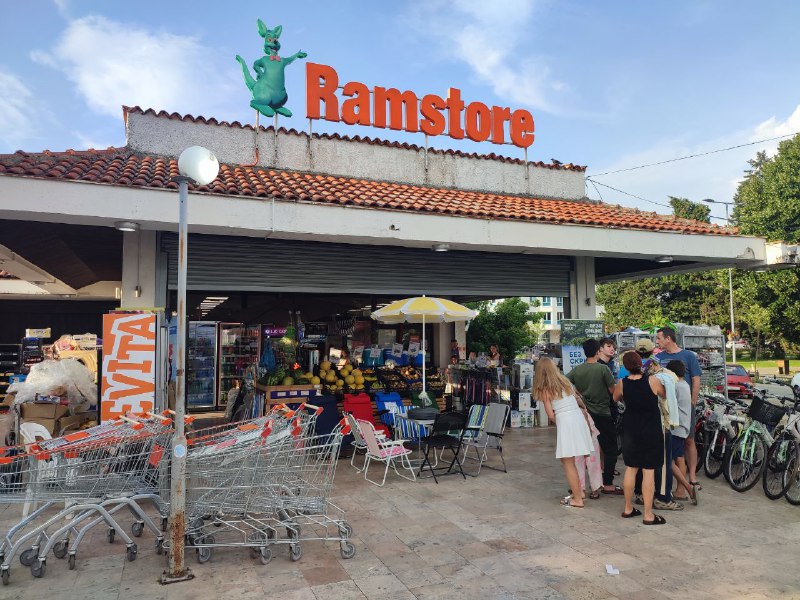
And get this — they still have Ramstores here! Talk about a blast from the past. I thought they all went extinct ages ago. Turns out it's a subsidiary of the Turkish Migros, and it's doing just fine in North Macedonia. According to Wikipedia, they should have them in Kazakhstan too.
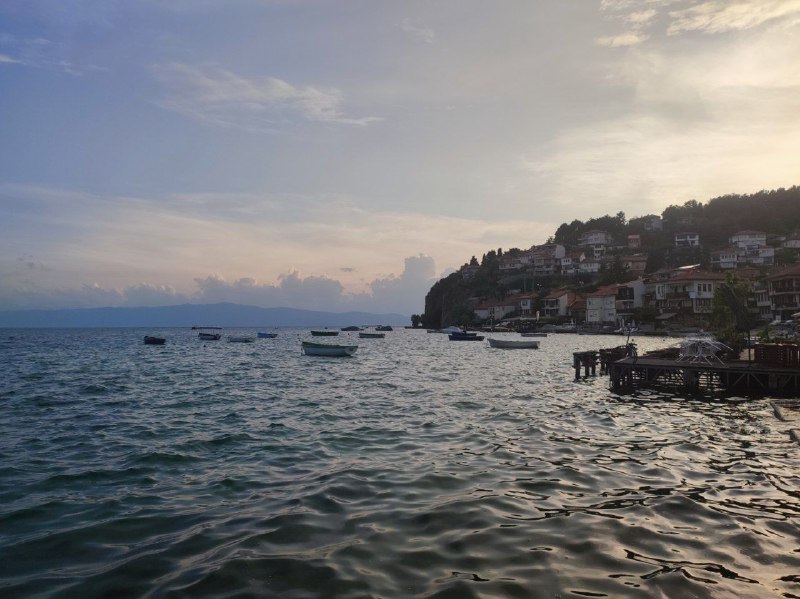
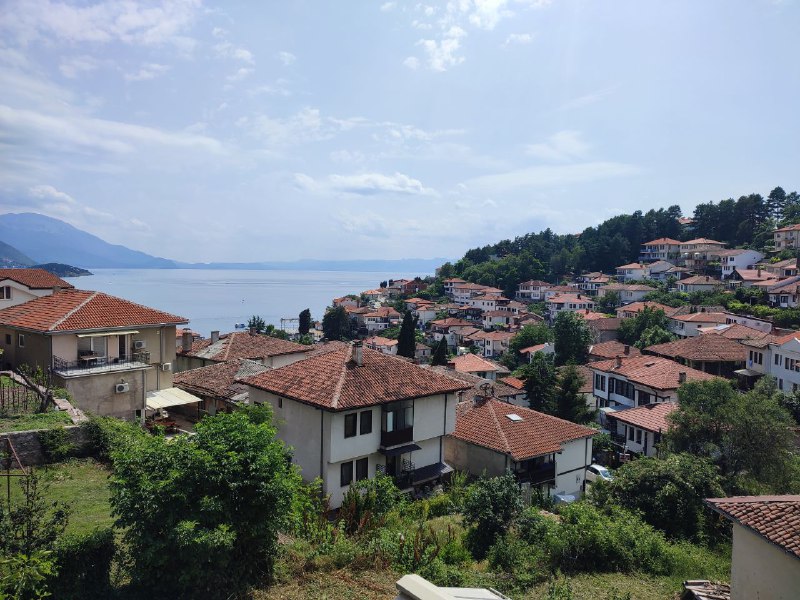
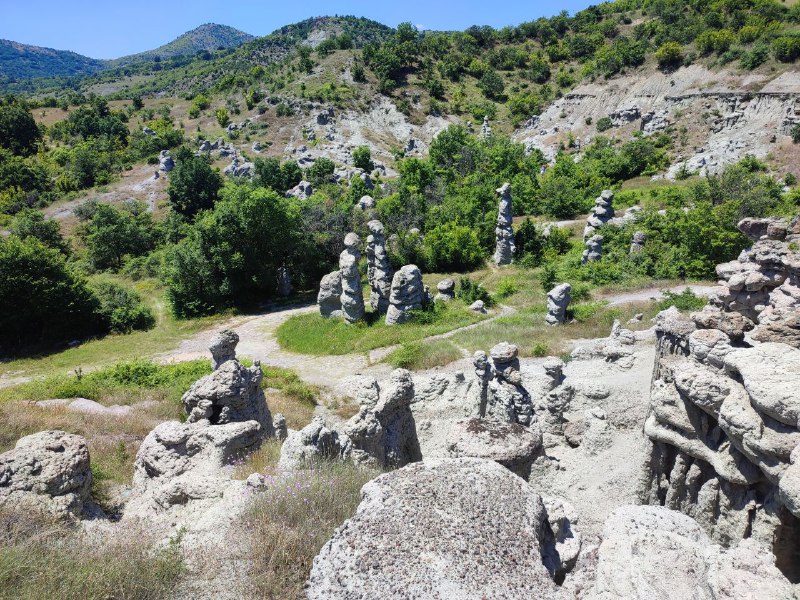
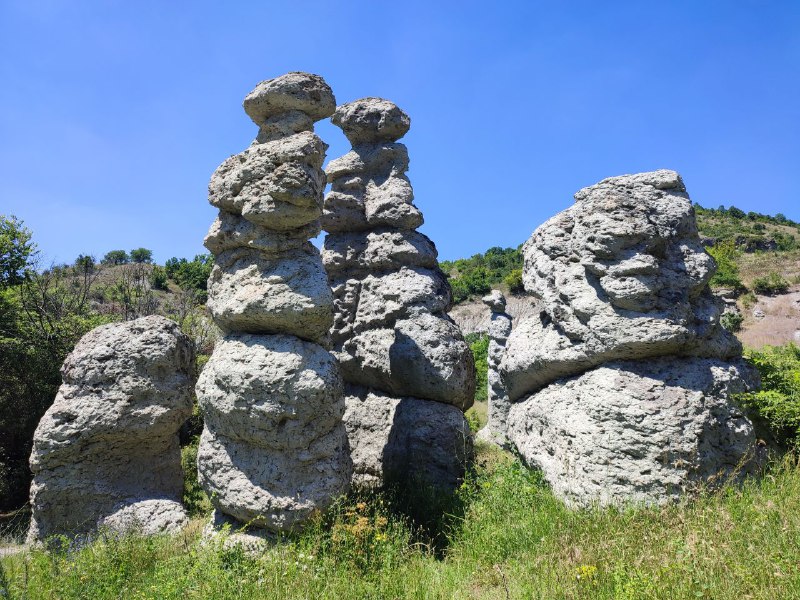
So if you're looking to save money on travel, come check this place out. In the small but charming city of Ohrid, you'll find a piece of Italy's Lake Como. And the stone city in Kuklica? Think of it as the Balkans' answer to Stonehenge (:
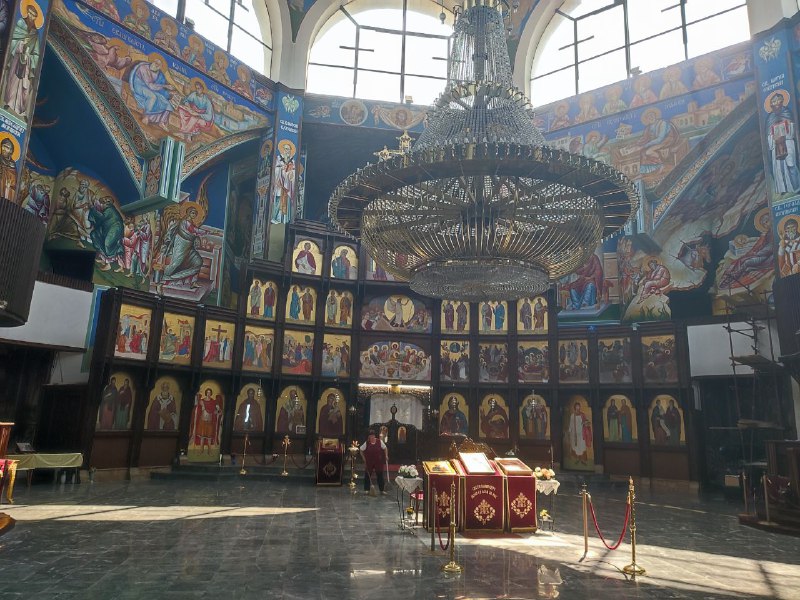
Once again, I've been reminded that our ideas about a country can have absolutely nothing to do with what's actually happening on the ground. I was convinced that North Macedonia was completely Orthodox and inhabited only by Macedonians.
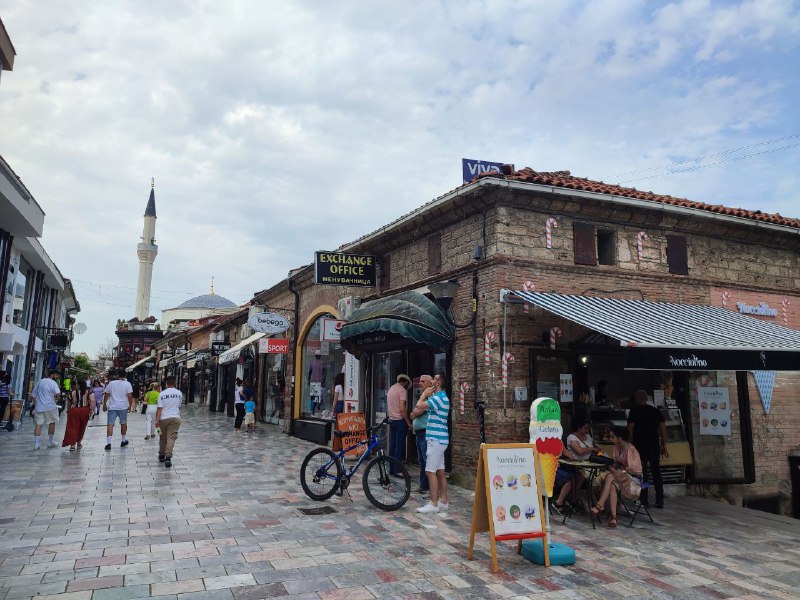
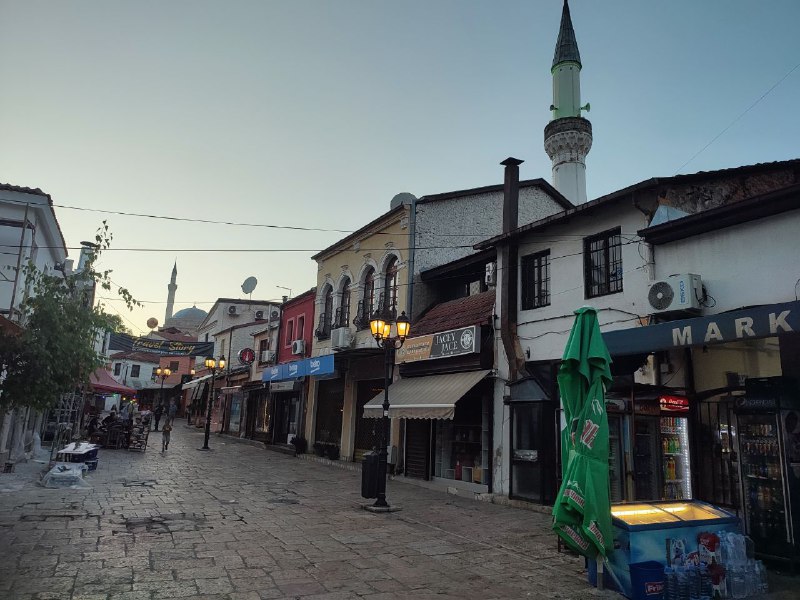
But it turned out that roughly a quarter of the country's population are Muslim Albanians (there are also Catholic Albanians here, but they're vanishingly rare—though at least one of them is known worldwide: Mother Teresa). And the sheer number of mosques in the western part of the country is mind-blowing. It feels like you've stepped into Bosnia or even Turkey.
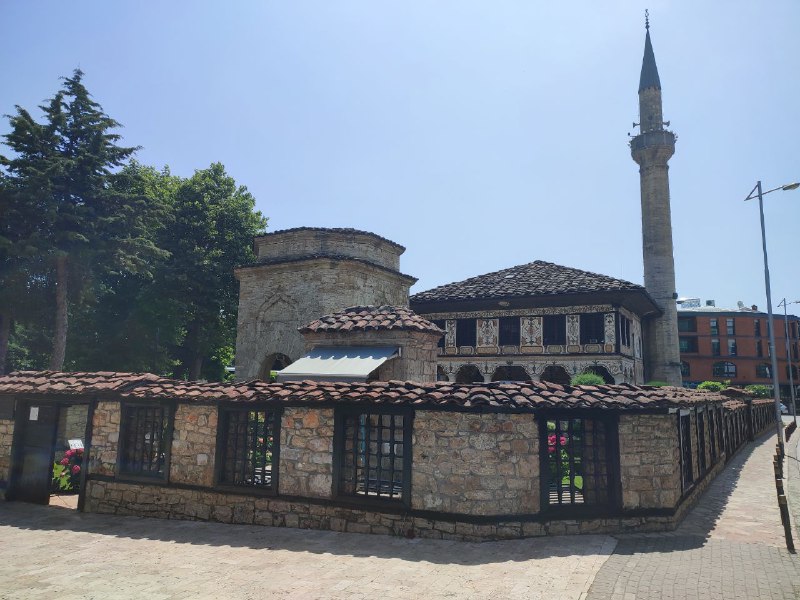
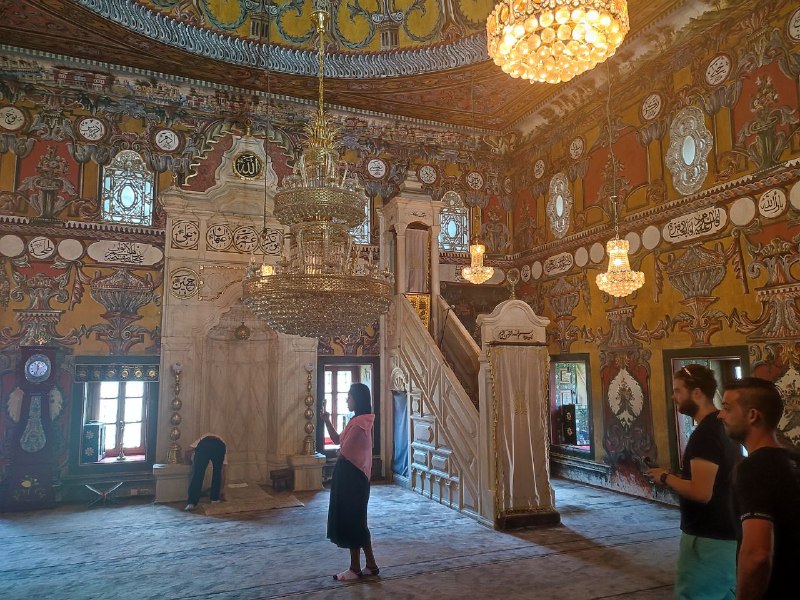
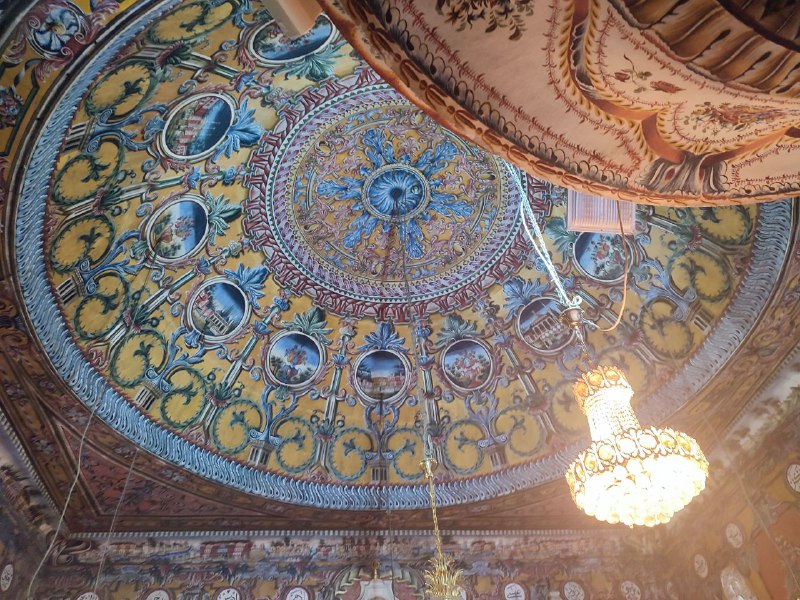
The Painted Mosque in Tetovo is practically one of a kind. It looks absolutely stunning.
In bunch of settlements, you suddenly see Albanian flags hanging around. Even though I definitely didn't cross any border. It's just like the Serbian and Croatian flags in
Bosnia and Herzegovina. Albanians believe they're being oppressed, and this has sparked armed clashes over the years. The biggest one was in
2001, and the most recent was in
2015 (there was also an attack on parliament in
2017, but that was Macedonians and they weren't armed, so we won't count it). I honestly barely remember hearing any news about conflicts from here. Guess the Serbia-Kosovo situation just overshadows everything else.
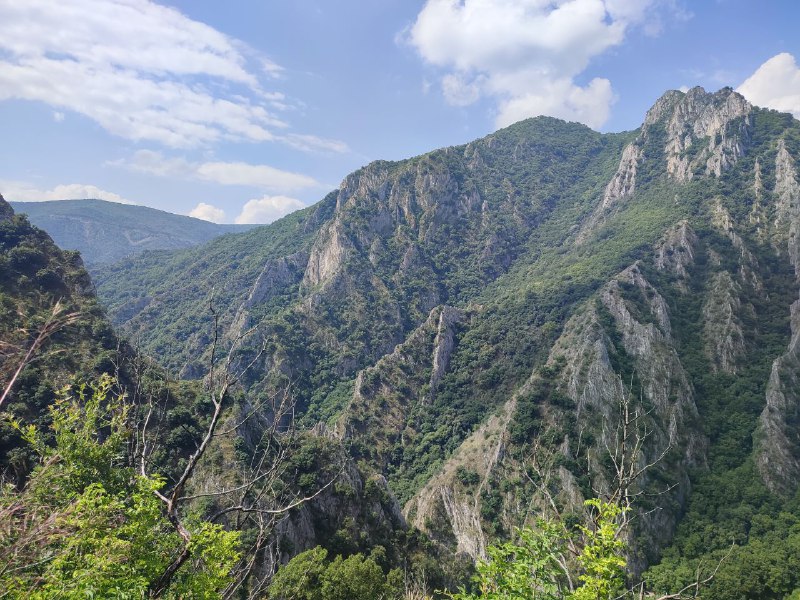
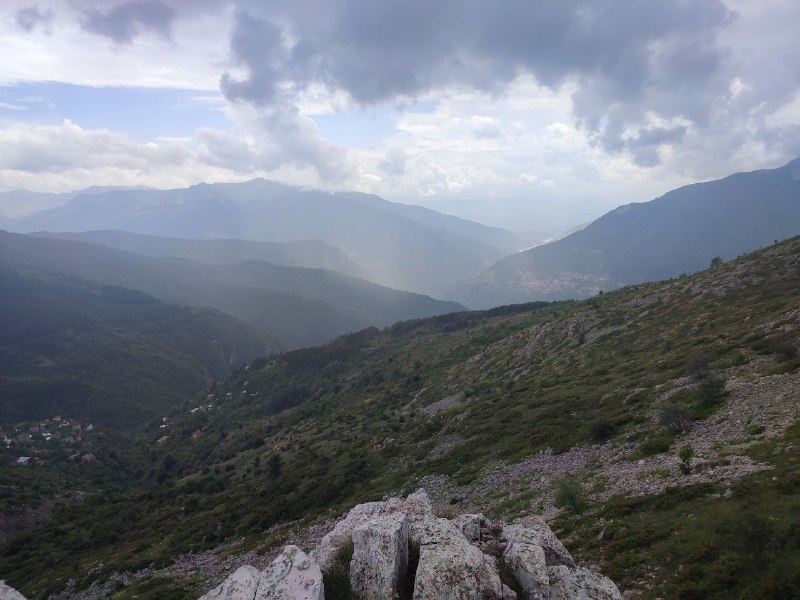
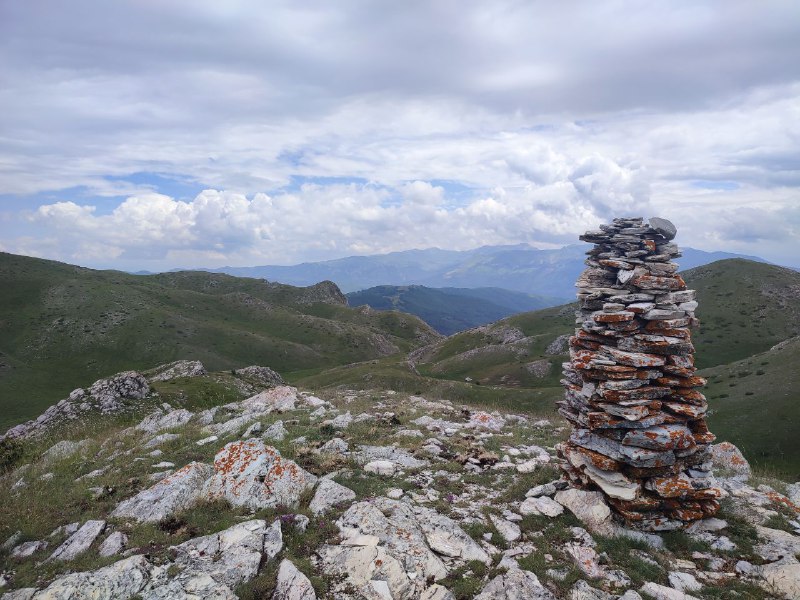
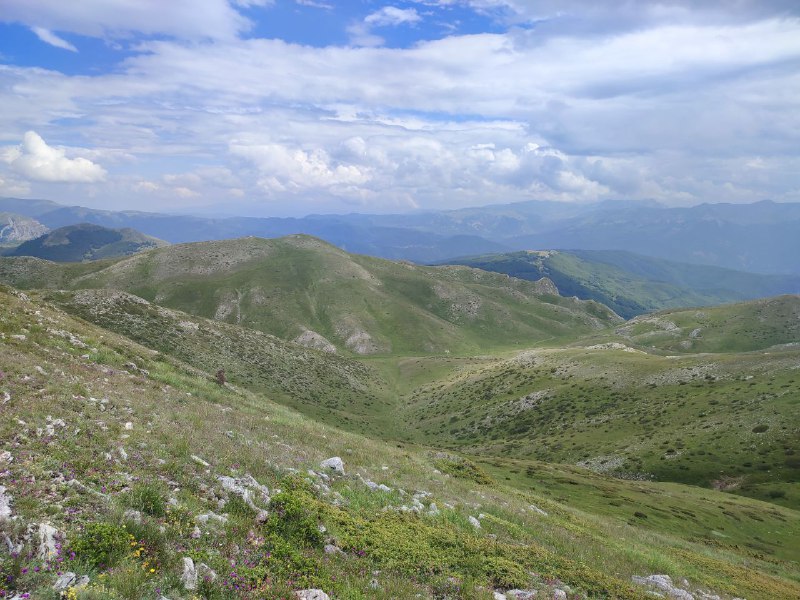
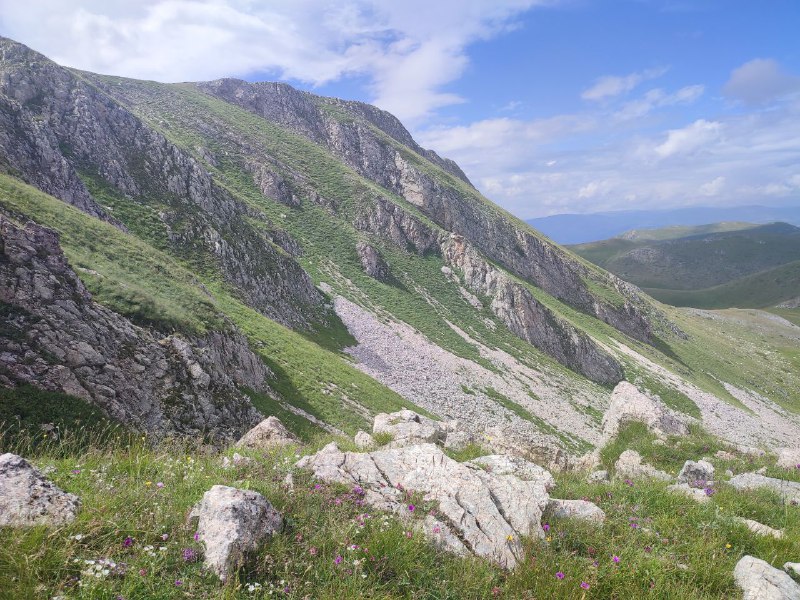
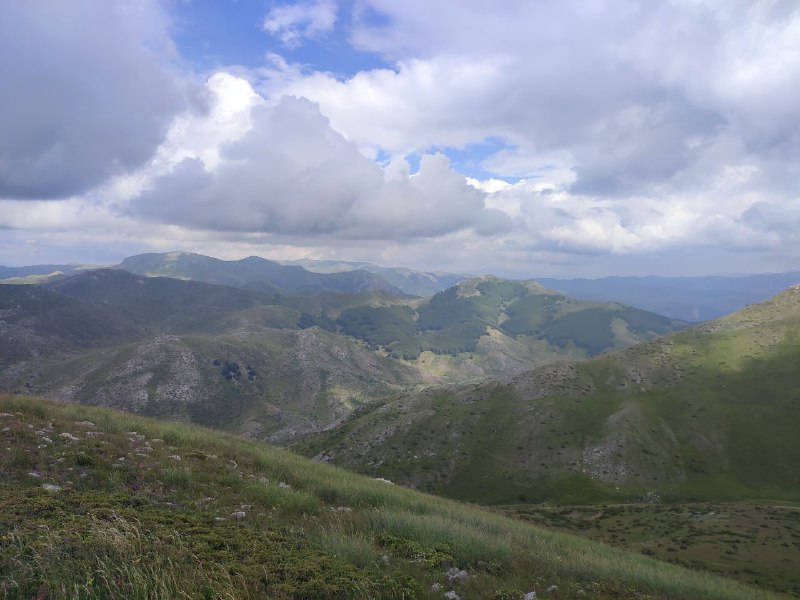
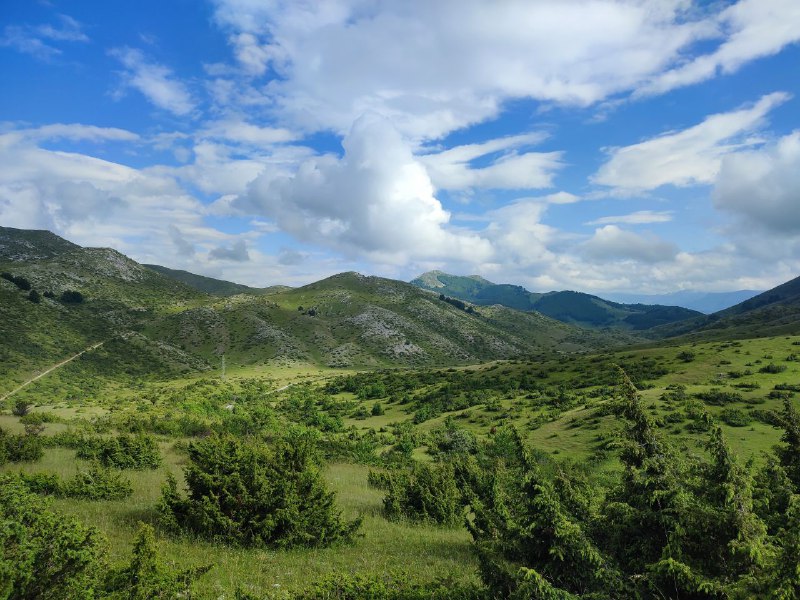
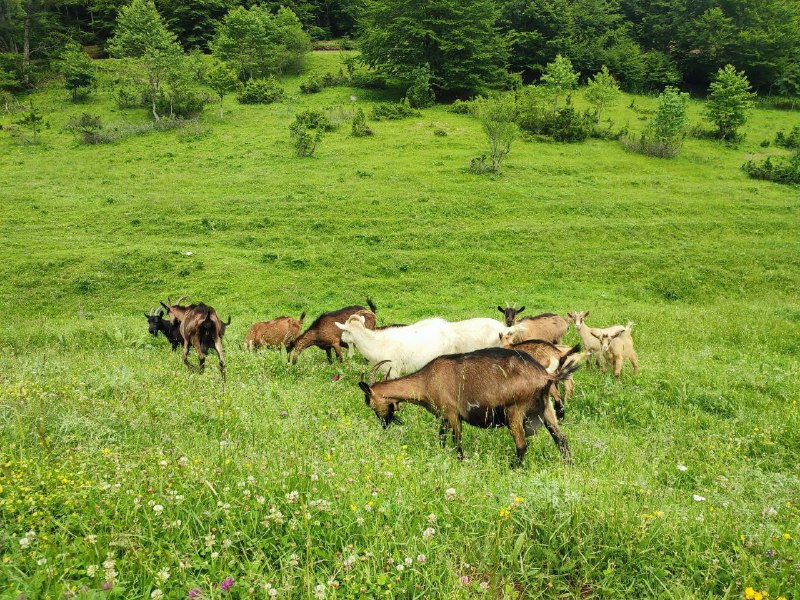
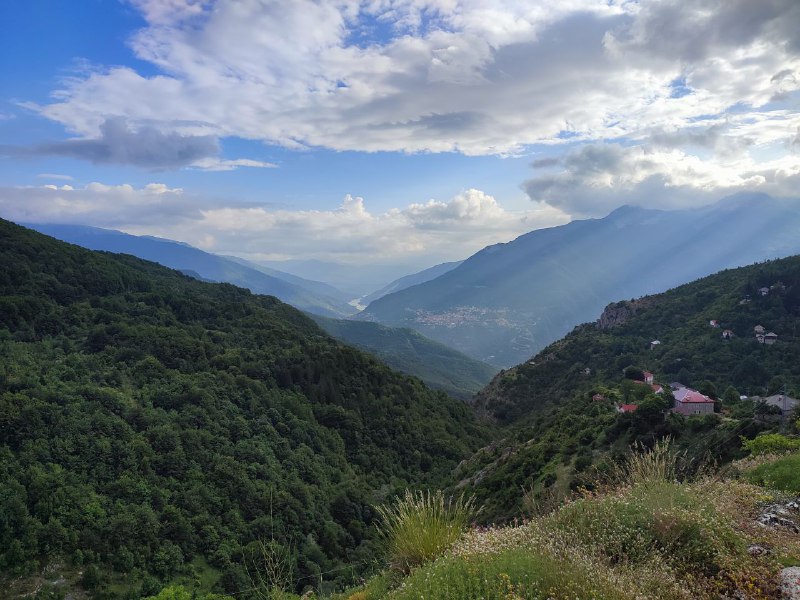
Right on the border with Albania, the Macedonians set up their national park, Mavrovo. You can easily spend 2-3 days here. The park is huge with tons of trails, hills and mountains for every skill level – and it's absolutely beautiful.
The staff at the info center were super helpful. They gave me detailed advice on which trails to take and which to avoid. They mentioned that over 200 bears live in the park, while all of Slovenia only has about 600. So you need to be careful on the more remote trails. That said, there haven't been any documented bear attacks on people.
A night rain messed up our plans, so we ended up taking a different route than we'd originally planned. Looks like we'll have to come back! :)
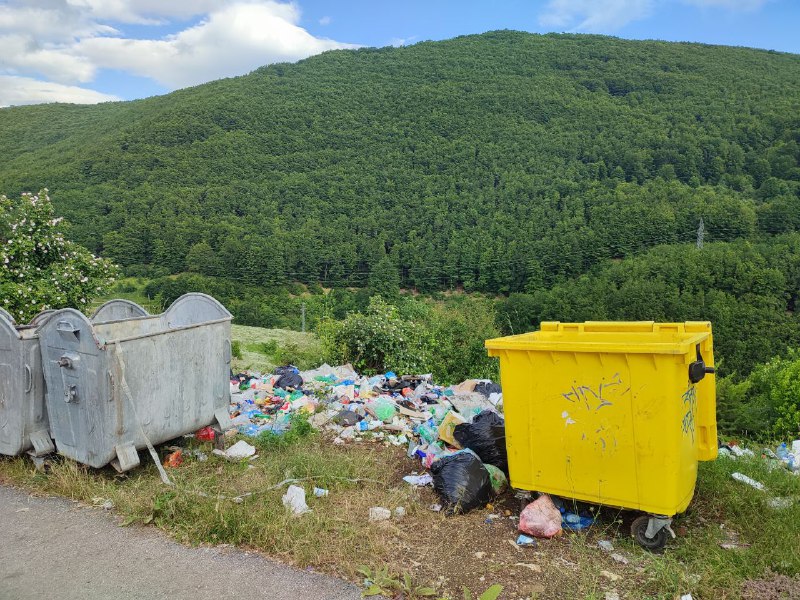
Overall the park is wonderful, but along the roads it gets pretty messy in spots. People literally throw bottles and chip bags out of their cars. The trails themselves are clean, but walking along the highway you just feel 😢
And get this – when I drove through the toll booth, I watched the cashier toss a piece of paper out of their window onto the street. Like it was totally normal. Why would you do that? :(
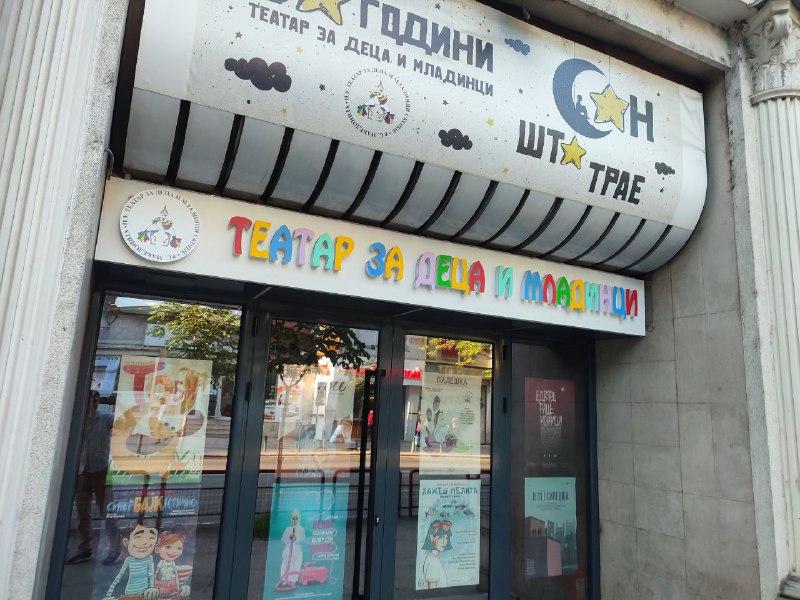
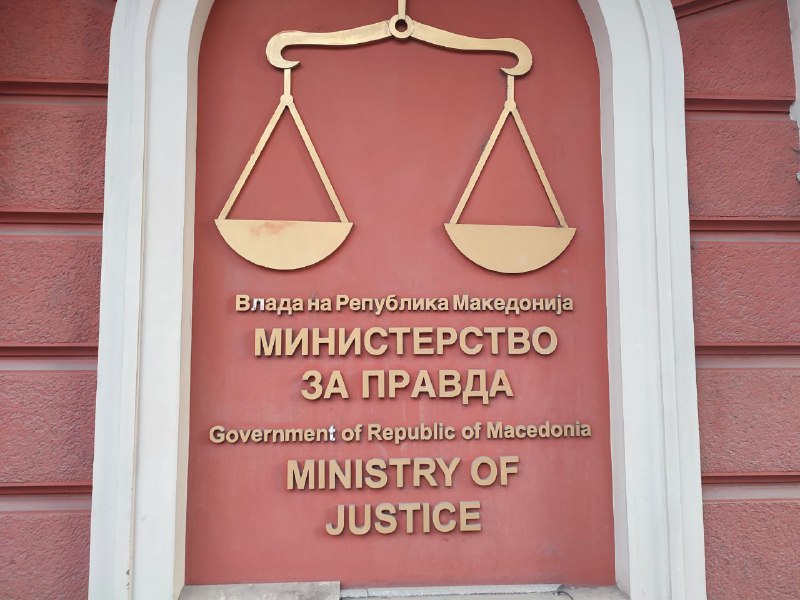
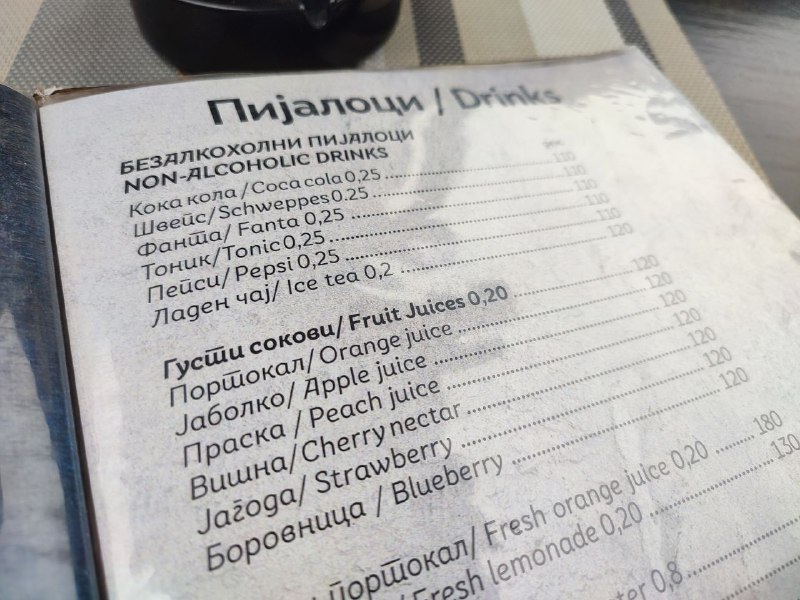
Quick linguistics lesson. They speak Macedonian in Macedonia. It's actually way less similar to Serbian than Montenegrin or Bosnian are. There's seems to be more Russian-Bulgarian influence, I guess. I'm no expert, of course, but the differences are pretty striking.
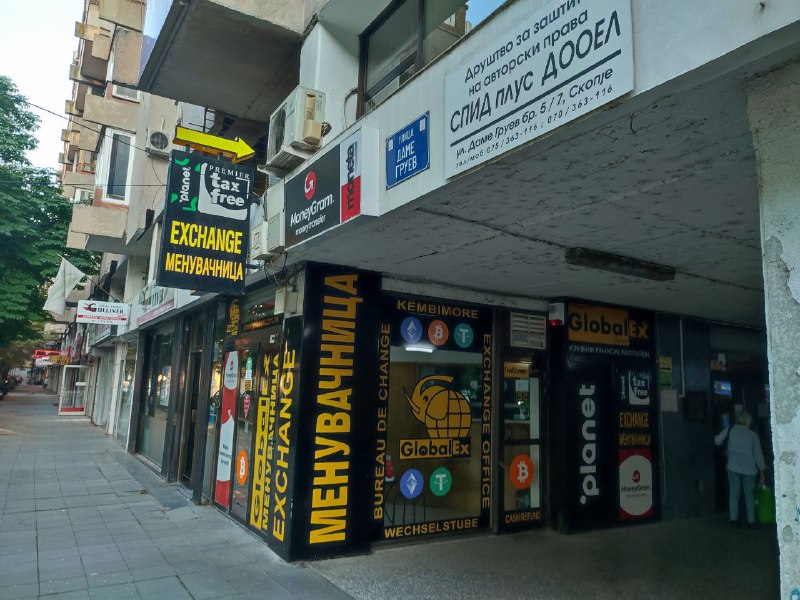
Менувачница instead of мењачницы.
Театар instead of позориште.
Сметка instead of рачуна (bill).
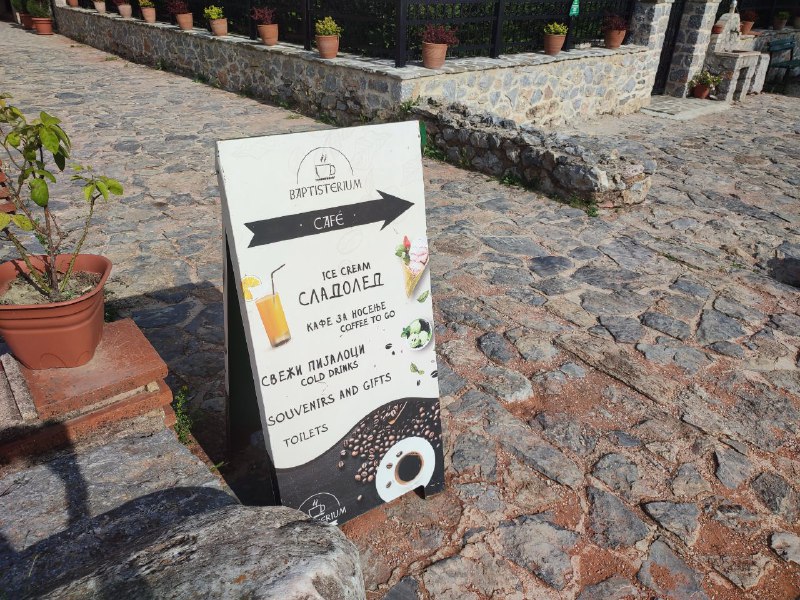
Кафе за носење instead of за понети.
And there are tons of these substitutions.
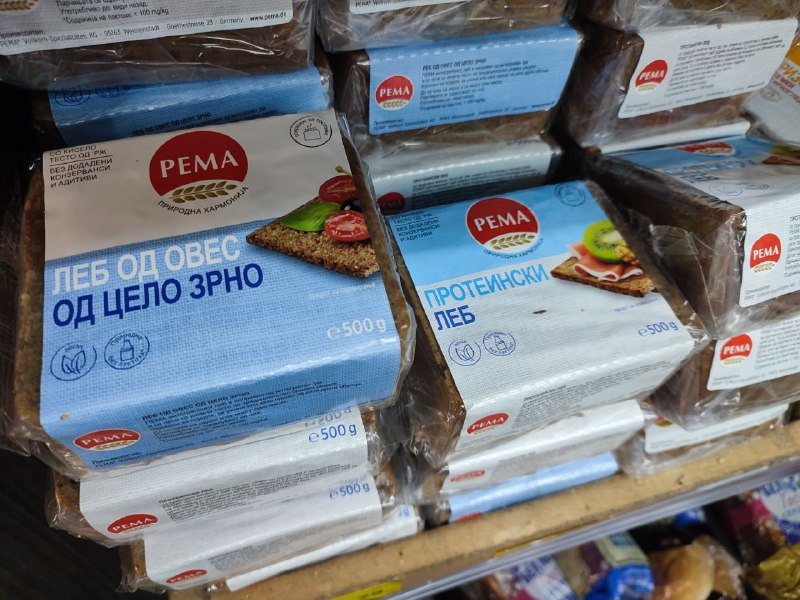
To completely break the system, they use ќ instead of ћ. For example, their word for house is куќа, not кућа. Or ноќ instead of ноћ. And they basically dropped the letter х from the beginning of some words entirely. I had to buy леб and алву.
Still, even with my modest Serbian knowledge, we could understand each other just fine. At one point I tried switching to English when I was checking into my accommodation (it was really hard to express myself in Serbian). But they replied with "let's just stick to Serbian."
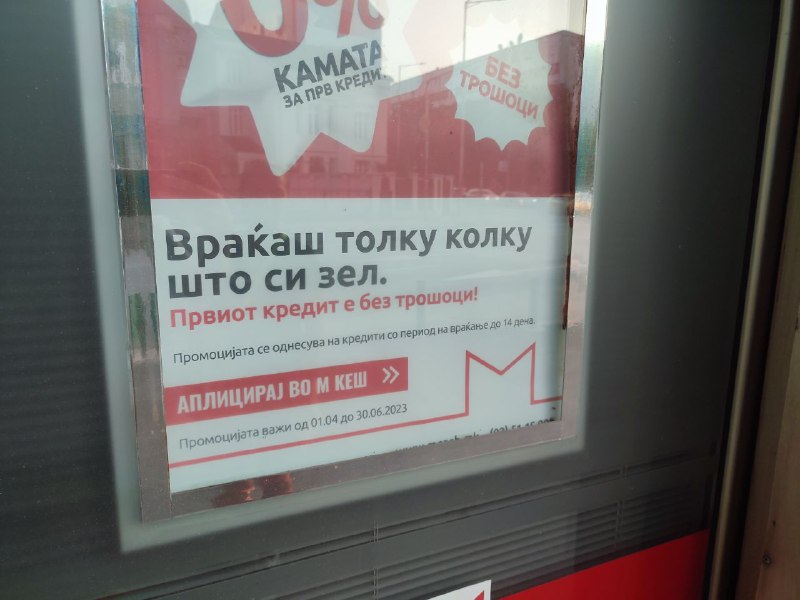
There are some fun brain teaser exercises. I didn't immediately figure out how to translate "Враќаш толку колку што си зел," but then it clicked (:
PS. Wikipedia has
a whole section about whether Macedonian should be considered its own language. They write that throughout history it was considered a Bulgarian dialect, then a Serbian dialect. And only in the middle of the last century did it start being considered a separate language. But Bulgarians still think it's "the Macedonian norm of Bulgarian"!
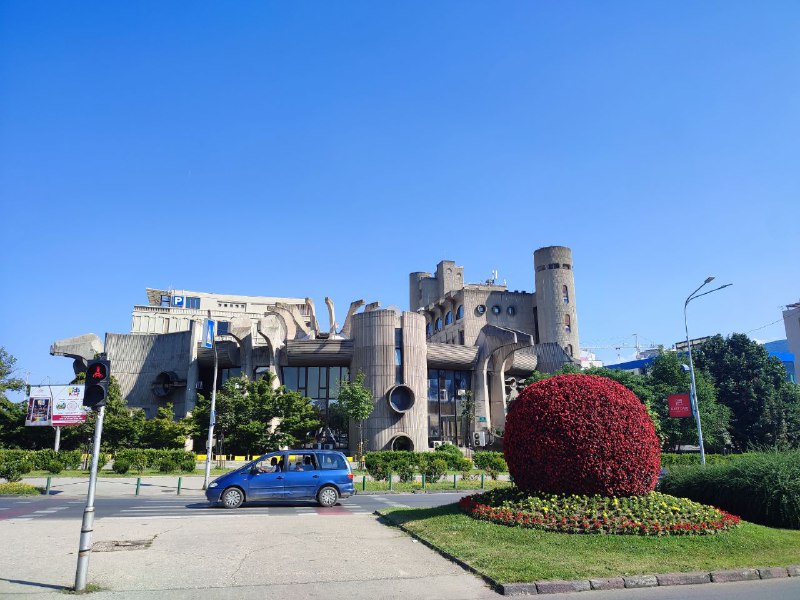
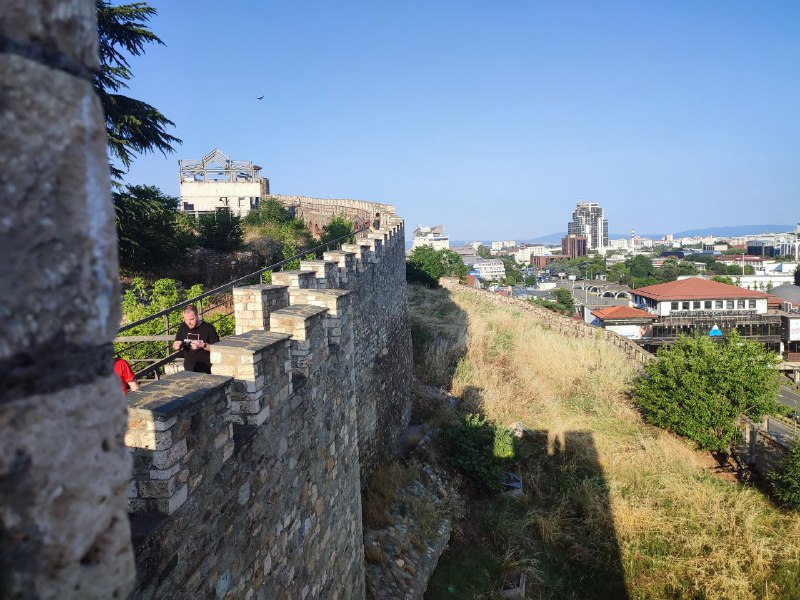
I just arrived in Skopje, and it's a really strange city.
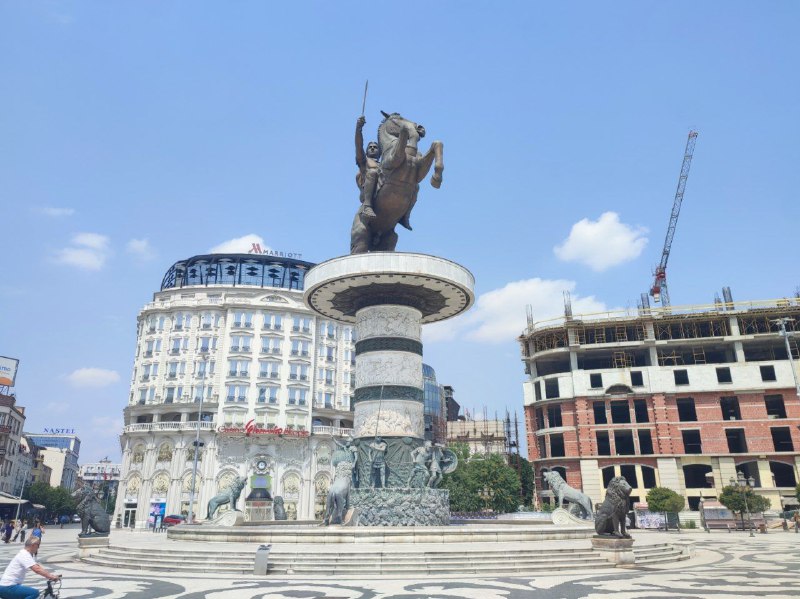
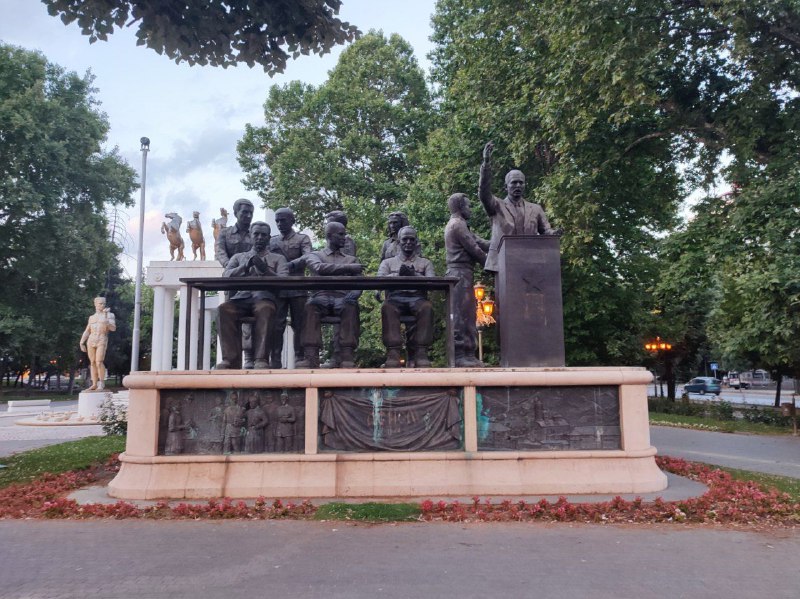
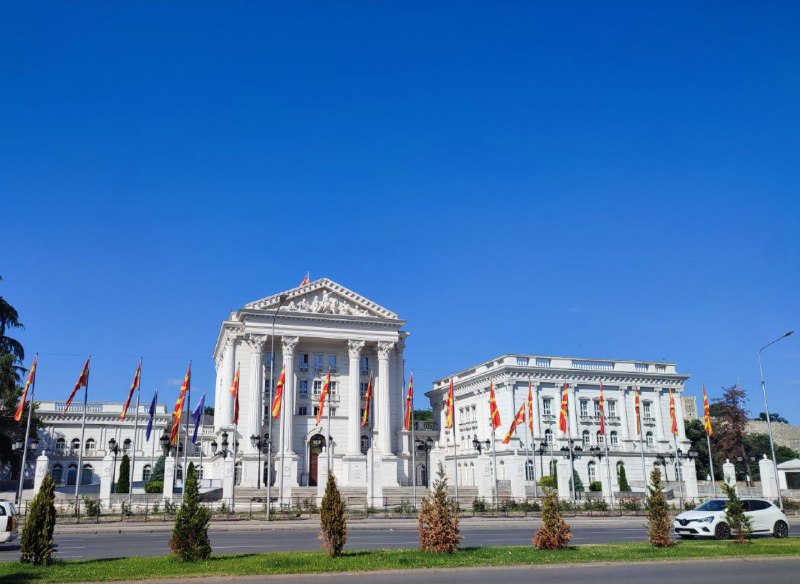
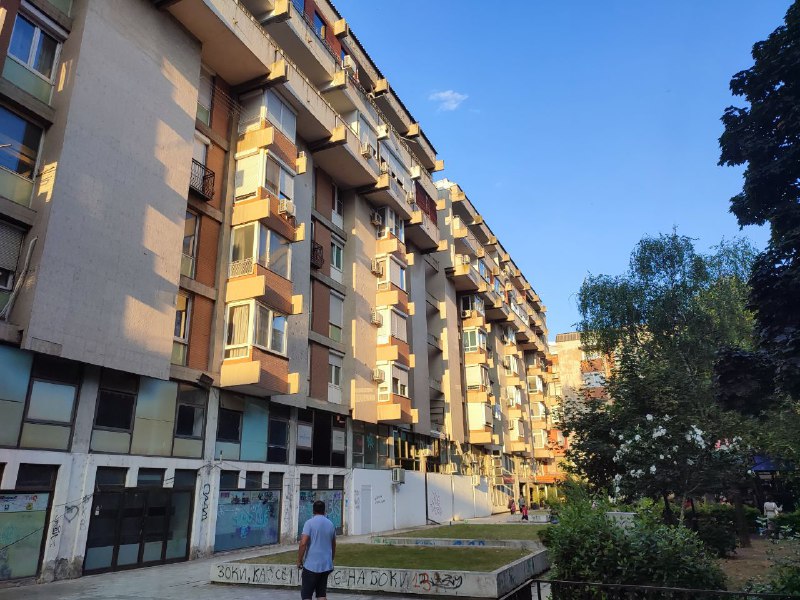
It feels like four different architects are working here all at once: a Greek, a Turk, a Soviet engineer, and someone from the 90s. Everywhere you look, there's this wild mix of styles. Even in the city center, there's no unified aesthetic—everything's all jumbled together. Plus, some buildings are half-finished, while others are built but left incomplete on the inside.
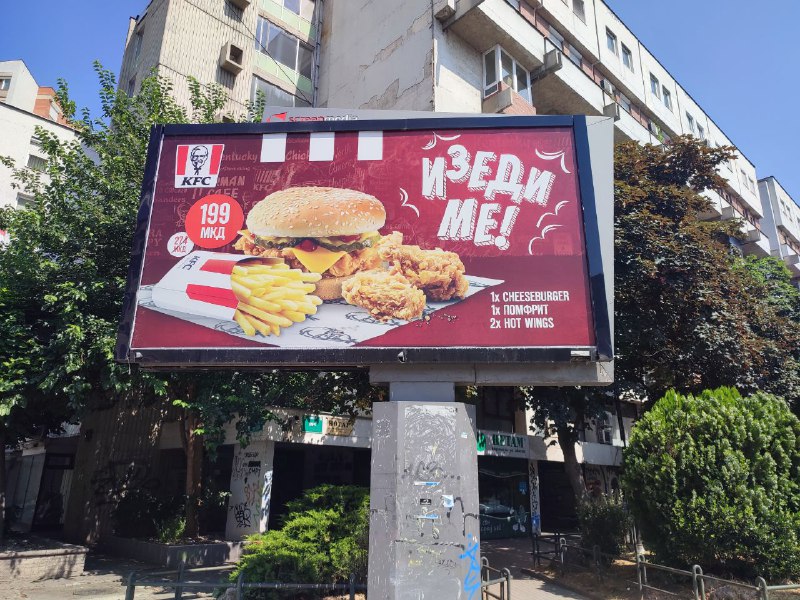
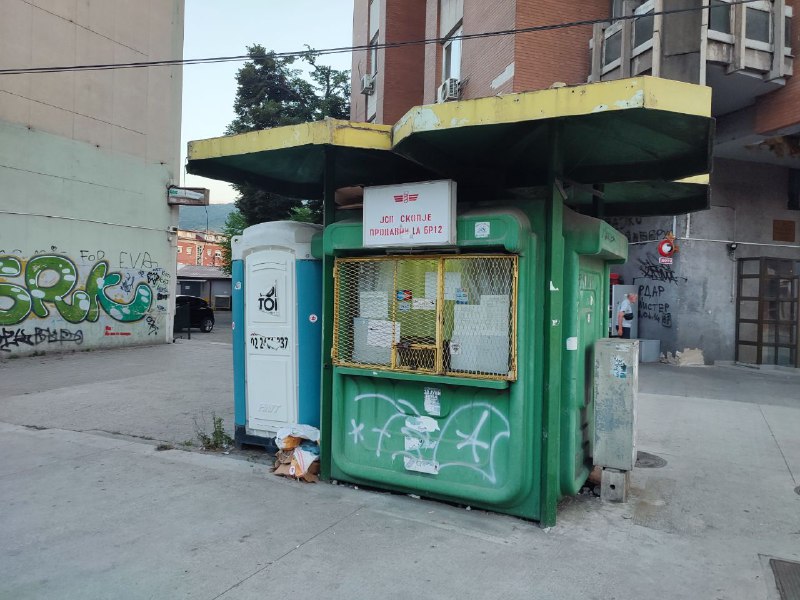
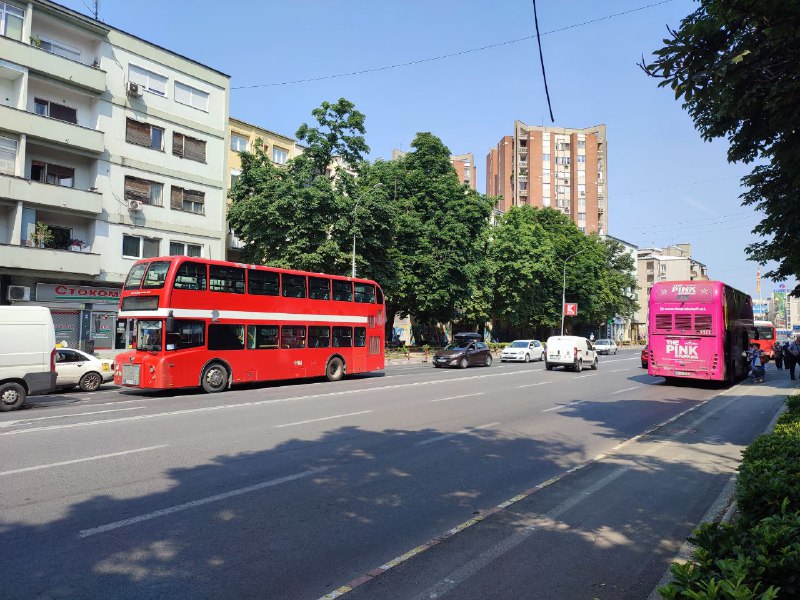
In some neighborhoods, it's like you've stepped into a provincial Russian town from thirty years ago. It's pretty grimy in places. The public transport and bus stops are all worn out. There's tons of tacky advertising everywhere, and it's all in Cyrillic too. Total immersion.
With everything that's been happening over the past couple of days, I found myself reading about the Yugoslav Wars again. I came across this fascinating story from 1991.
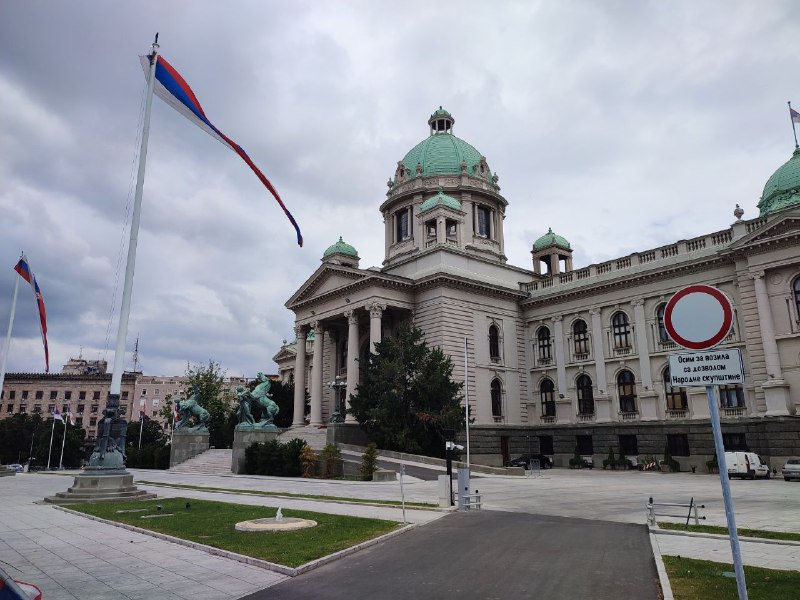
Early autumn. Heavy fighting is raging over Vukovar in Croatia (about 150 kilometers from Belgrade). The city is putting up a heroic resistance, the Yugoslav army is suffering massive losses, and honestly has no idea what it's even fighting for. Serbian soldier Vladimir Živković found himself right in the thick of it, but he really didn't want to fight against the Croats. So this tank commander decided to make a stand: he got in his tank, drove all 150 kilometers to Belgrade without any resistance, and parked it right in front of the Parliament steps.
He was arrested, but the story quickly went public. The authorities didn't want to charge a soldier with desertion in front of the whole country, so instead they declared him mentally unfit and sent him for involuntary treatment. This decision infuriated his fellow soldiers so much that they seized a local radio station and broadcast a message saying "we are not traitors, but we don't want to be aggressors." It didn't free their comrade, but they definitely made their mark on history.
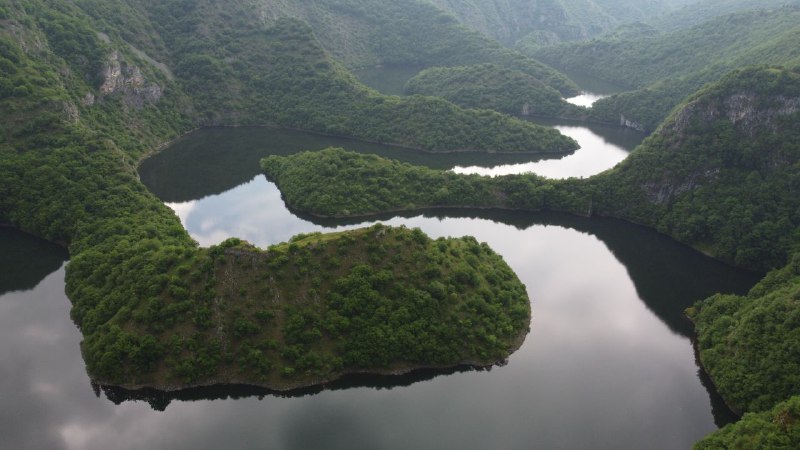
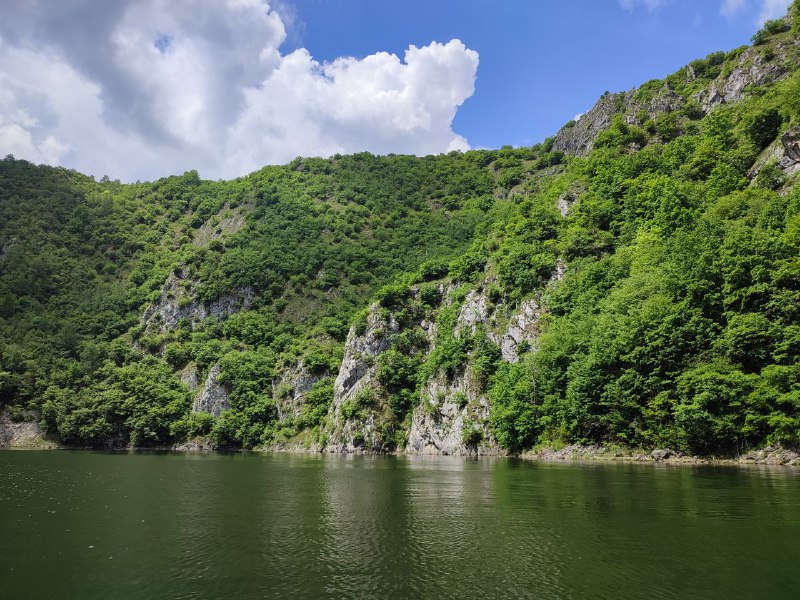
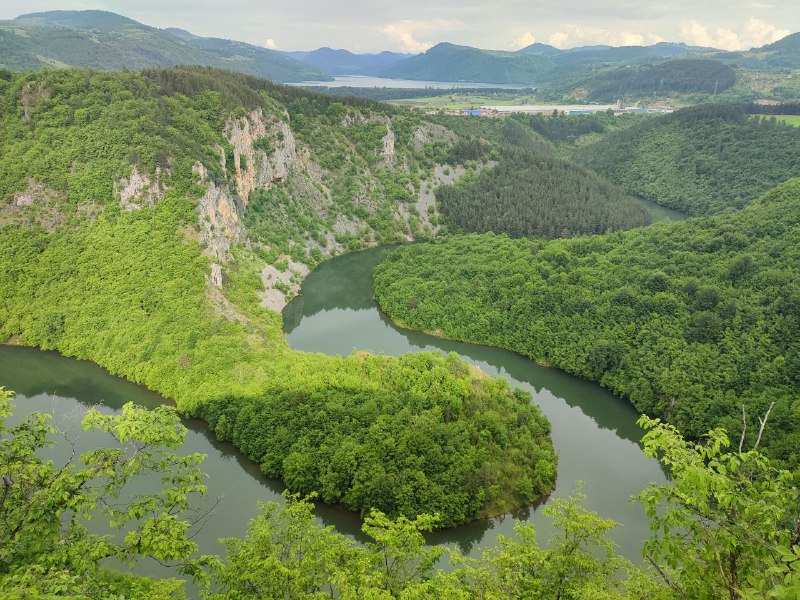
I've been wanting to get to the
Uvac River meanders for a whole year, but it just never worked out. Finally, I'm here.
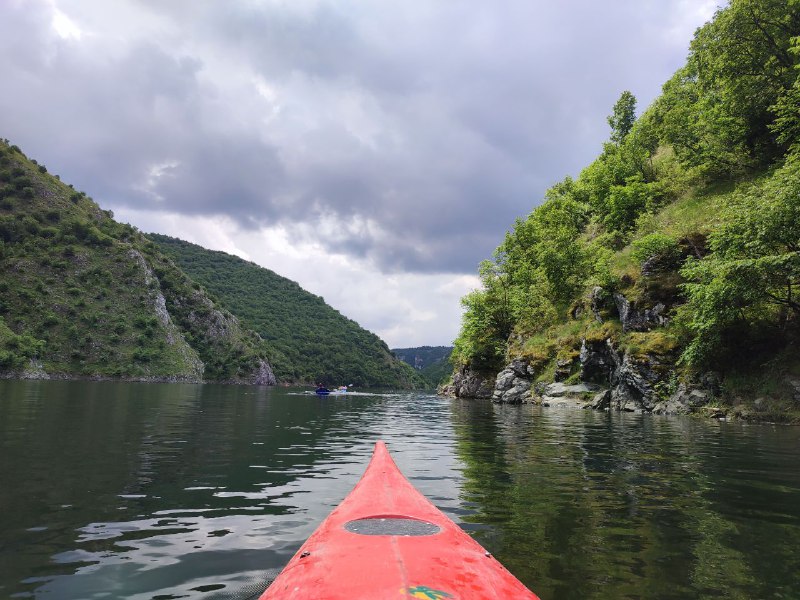
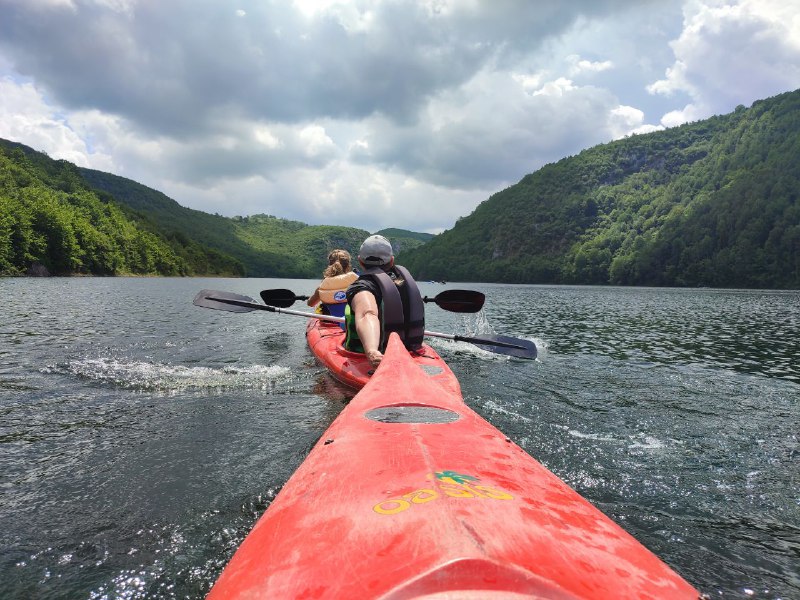
You can drive to the viewpoint with the best views, but that's boring. So we decided to kayak instead. Just 8 kilometers on the water, a short climb, and stunning scenery.
The plan was solid, but there was a misunderstanding with the guys renting us kayaks: they initially said it was just 2 hours of paddling and then walking back. But it turned out they meant something completely different—we had to kayak back to the starting point too (because it's 35 kilometers on foot). Nobody was mentally prepared for another 8 km on the water, but we all made it.
Looking back, they communicated with me by email in English through a translator. But in person, we could only speak Serbian. And man, do they love taking photos with the Serbian flag—you can't stop them (:
The views are absolutely mesmerizing. On the way back, we got caught in some light rain, but the river water was noticeably warmer than the rain, so it was actually nice. Everything turned out great. Highly recommend!
PS. Sometimes comments randomly don't get attached. I still haven't figured out how it works.
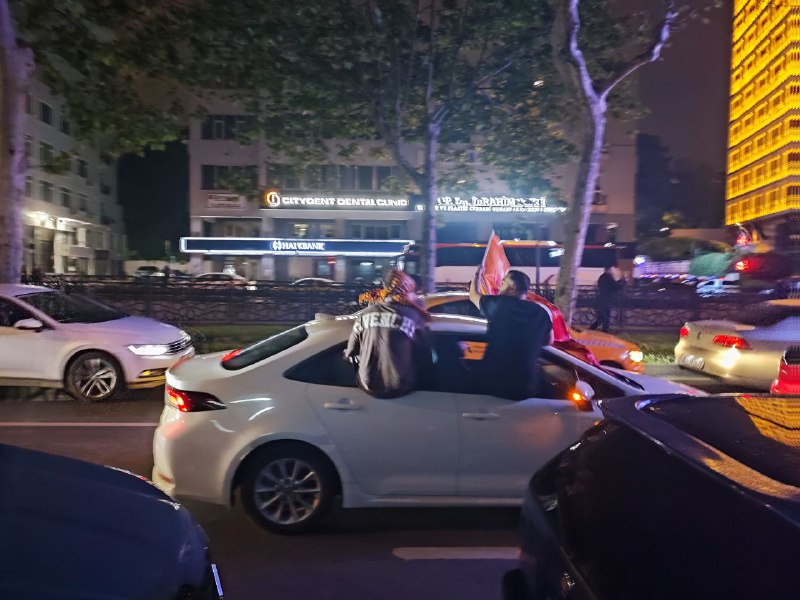
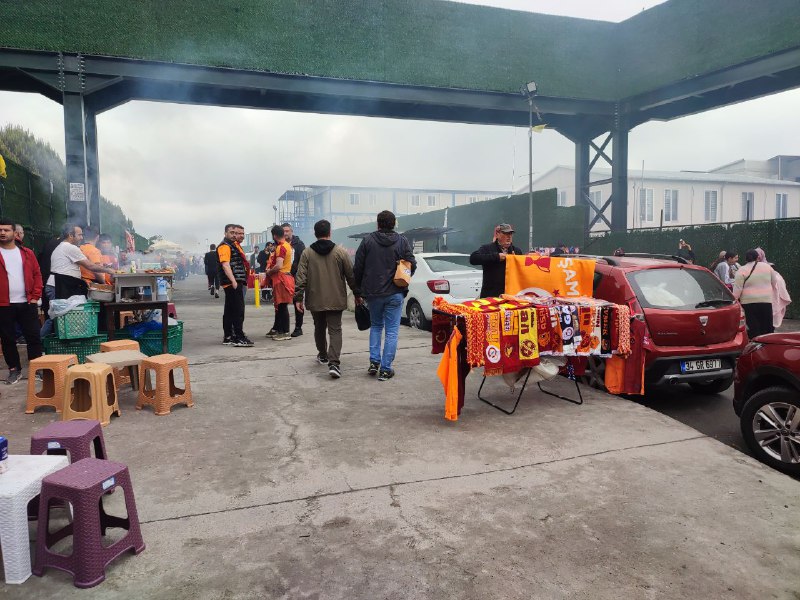
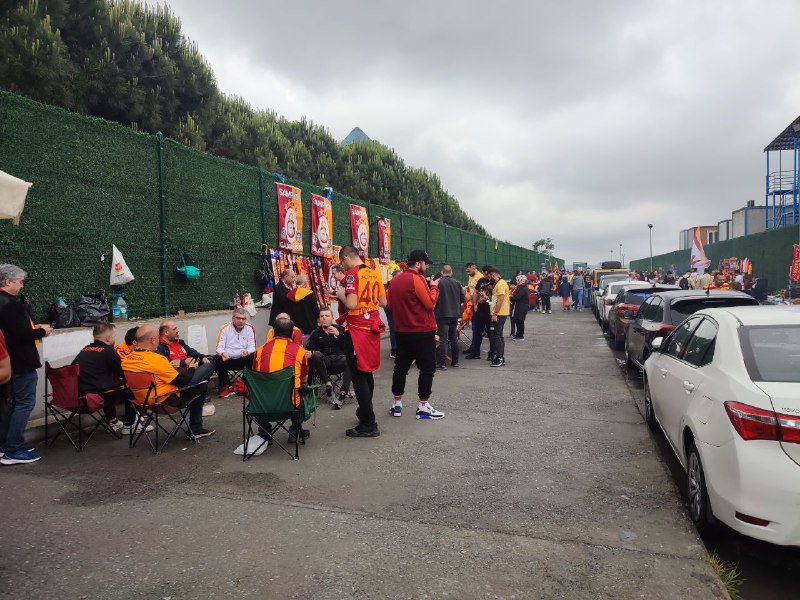
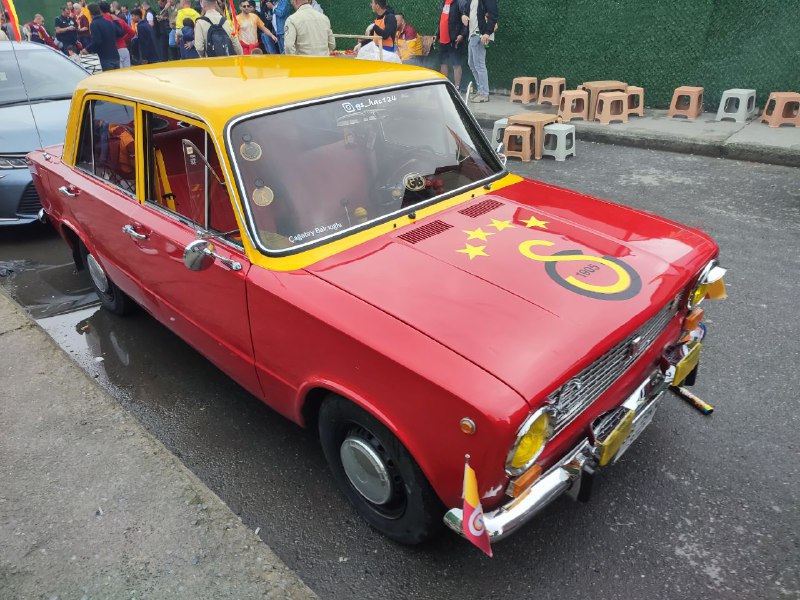
My whole trip to Turkey was planned around watching the Galatasaray vs Fenerbahçe football match. But from the start, something just kept going wrong with it.
I decided to fly out back in January. Got all my tickets, booked accommodation. But then in May, the game suddenly got postponed two weeks ahead, to June 4th. Not ideal, but what can you do? Had to scramble and adjust my plans a bit. Changed everything I needed to, got to the city, and literally just a couple days before the new date, the ticket seller told me there was a mix-up on their end and my tickets were gone. Couldn't find any others. He promised to just refund the money (at least there's that).
So I didn't make it to the stadium yesterday, but the streets of Istanbul had great atmosphere anyway. Looks like I'll have to go back again. I really want to see in person how passionate the Turkish fans get in the stands :(
They say everything looks even more colorful in autumn. Maybe I should make it there sometime.
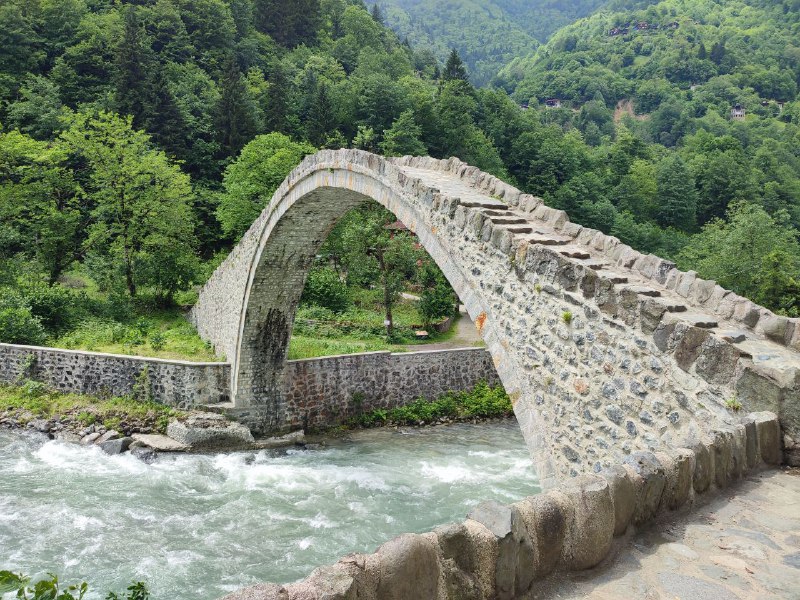
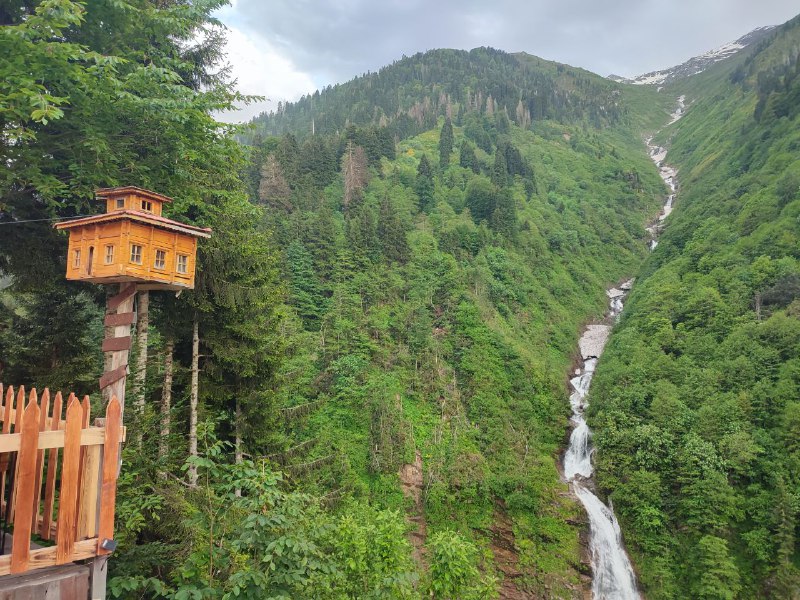
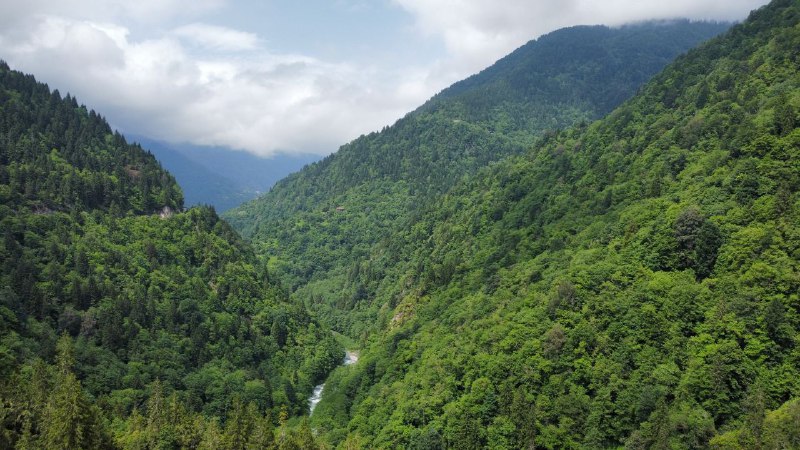
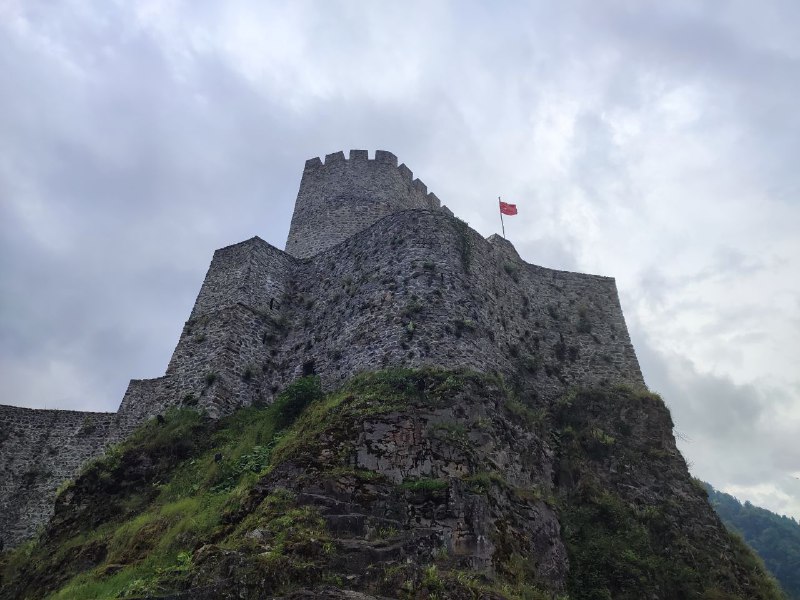
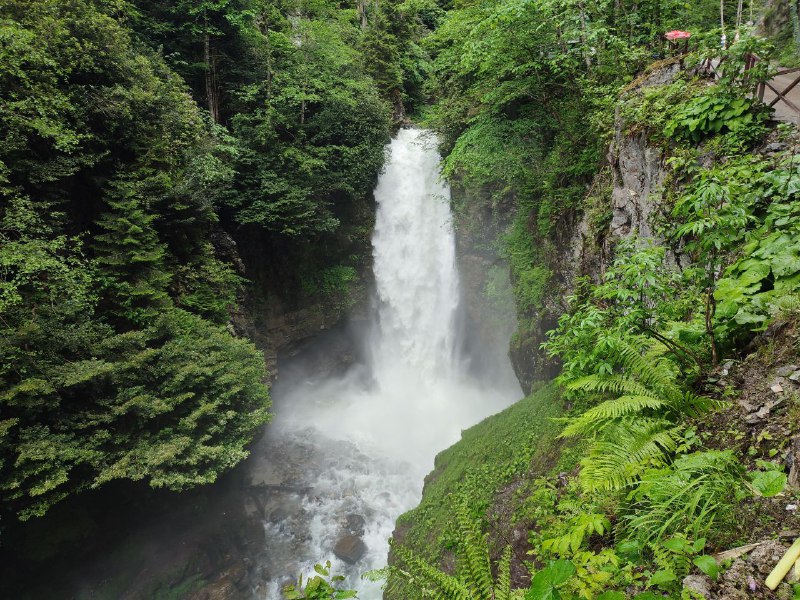
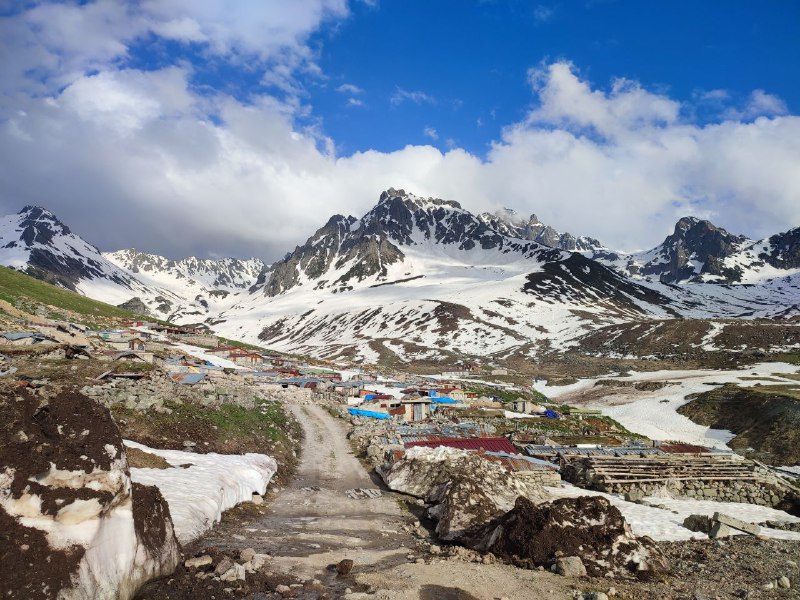
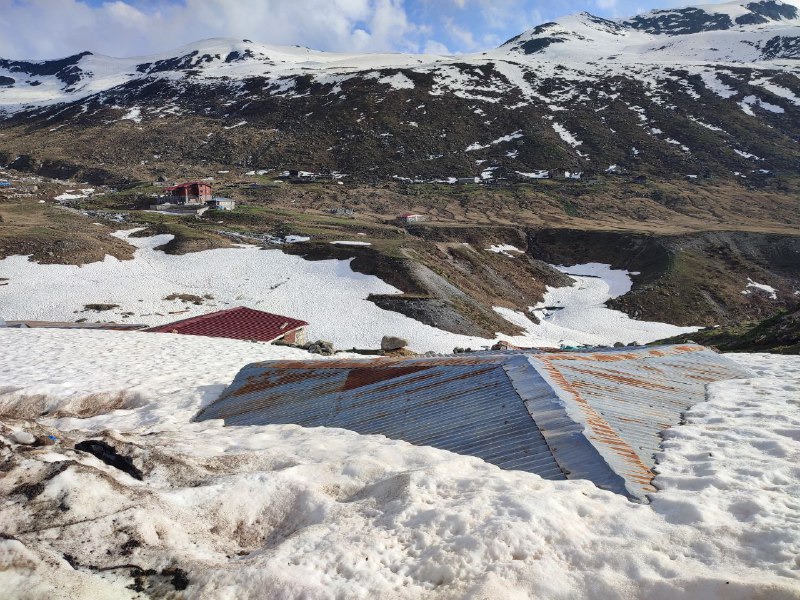
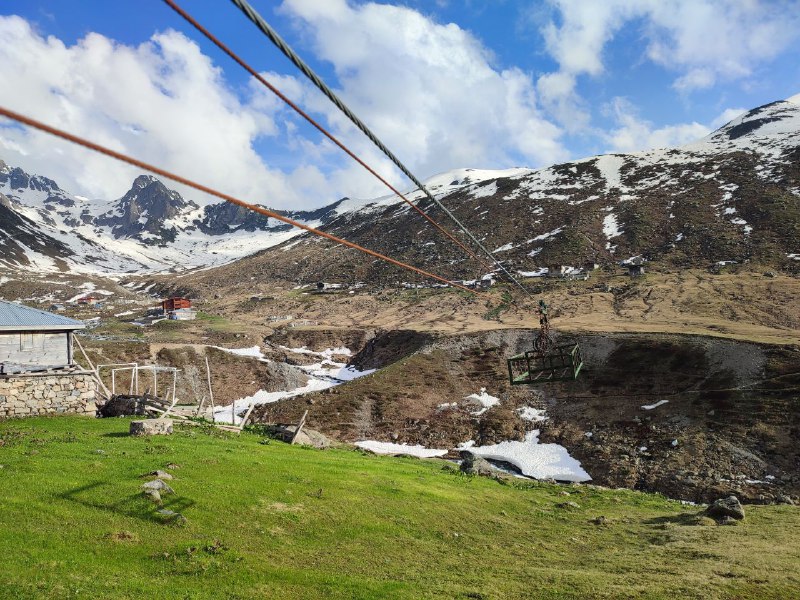
I discovered this amazing Turkish valley called Fırtına. It immediately reminded me of Bosnian landscapes: a gorge running along a river, little villages with minarets, Ottoman bridges, and absolutely stunning nature — it's incredibly similar. The only difference is that the Turks threw in some snow-capped mountains too.
The road isn't always perfect. There was one spot I didn't feel confident enough to drive to, even though minibuses were coming back from that direction with people in them. I didn't want to end up needing a tractor to pull me out if something went wrong, so I turned around halfway and crossed that point off my list. But you can reach all the really interesting places without any issues.
There are tourists around, but not a huge number. Still, there's enough traffic to support cafes, hotels, and a bunch of ziplines. While I was driving between different spots, I kept running into the same people over and over. It was pretty funny.
You can definitely check out all the highlighted spots on
Çamlıhemşin in Google Maps and you'll have a great time.
I also read in the news about a
library that garbage collectors opened based on discarded books for anyone interested. But it's located on the outskirts of Ankara, and I thought I don't really feel like visiting it. But the idea is cool, and it seems like the guys are managing to develop it.
CNN
Garbage collectors open library with abandoned books
Garbage collectors in the Turkish capital have opened a public library made up entirely of books once destined for the landfills.
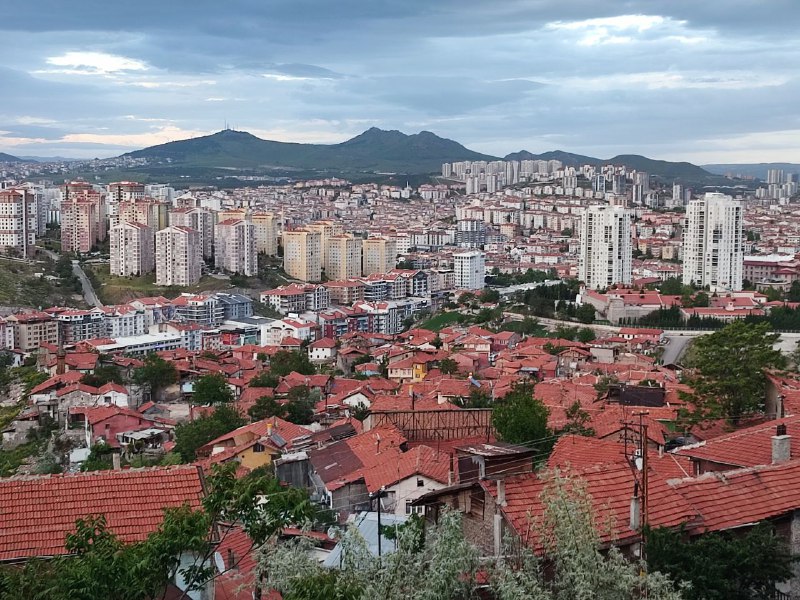
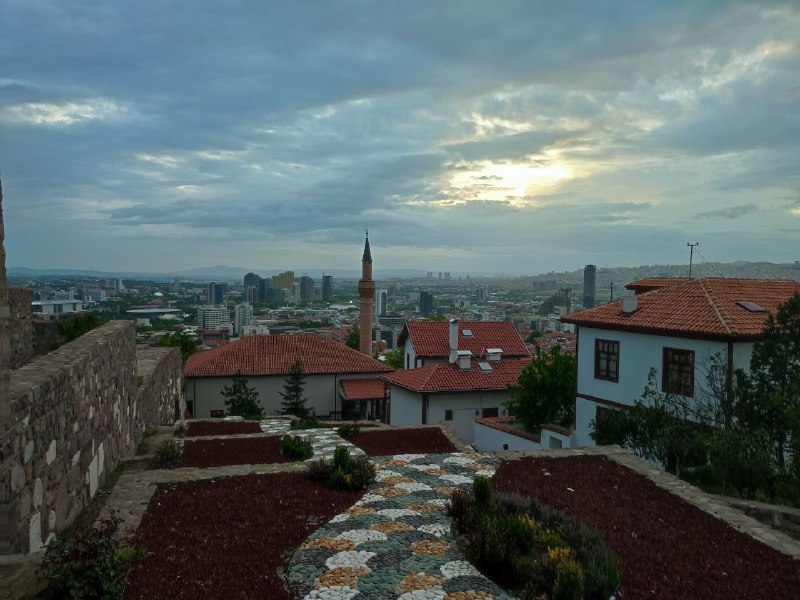
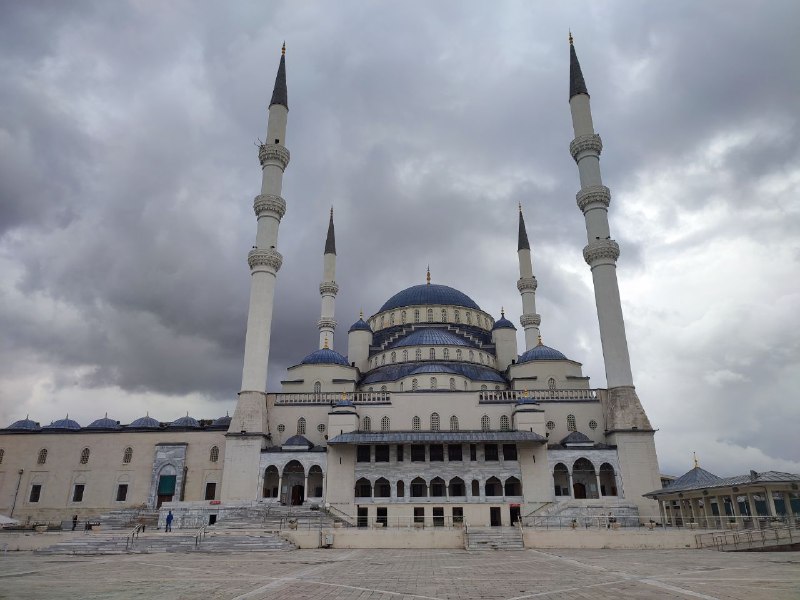
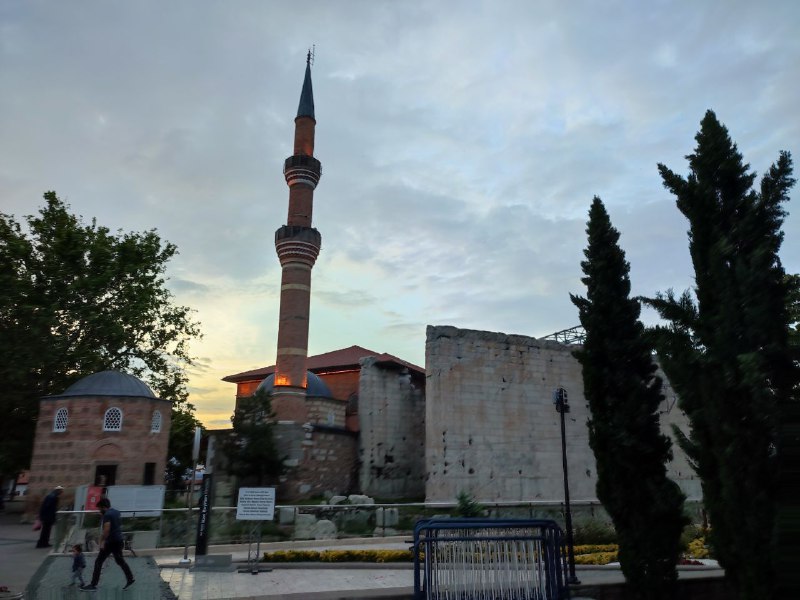
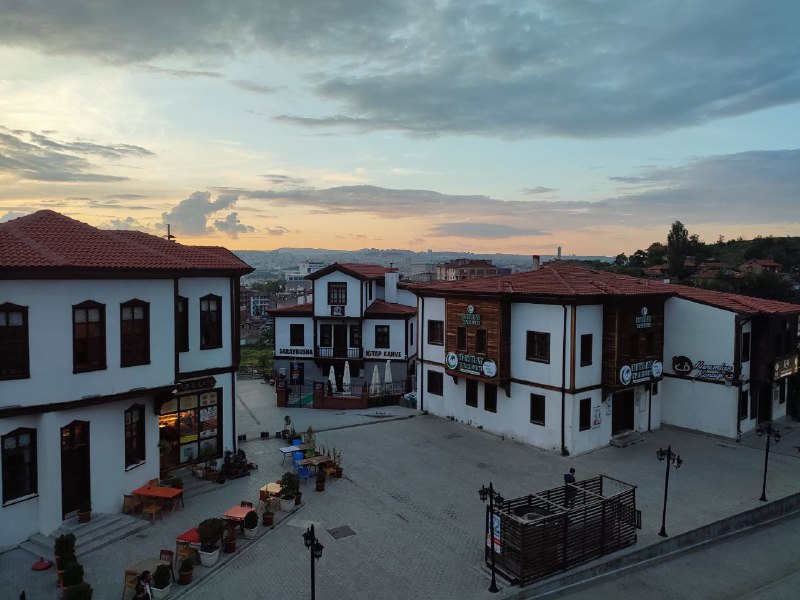
Ankara is way more laid-back than Istanbul. There aren't any crazy crowds of tourists here (though because of that, hardly anyone speaks English, so you'd definitely want to pick up a few Turkish phrases), and there's less hustle and bustle overall. Plus, the city just feels different.
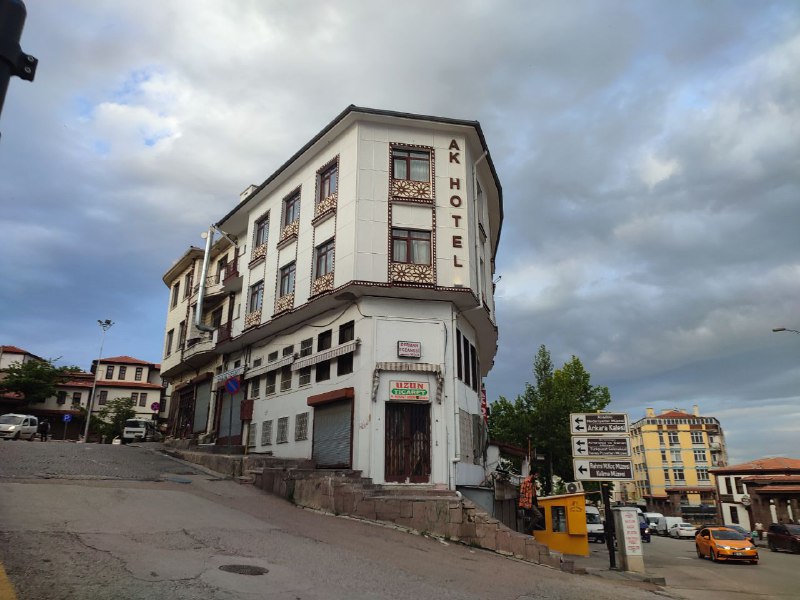
It seems like people only started living here a hundred years ago at most, not back in the 3rd or 4th century BC. The buildings all look super modern and fresh. Against that backdrop, the Ottoman quarters in the city center really stand out.
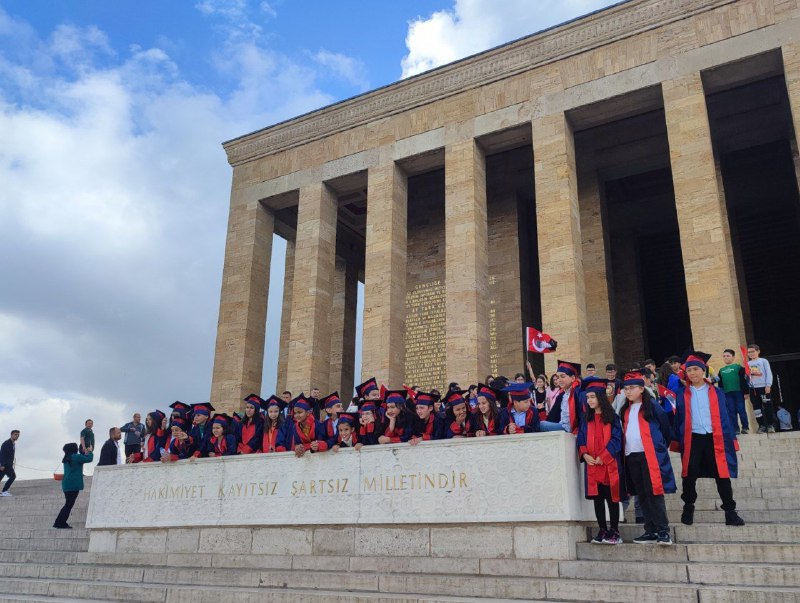
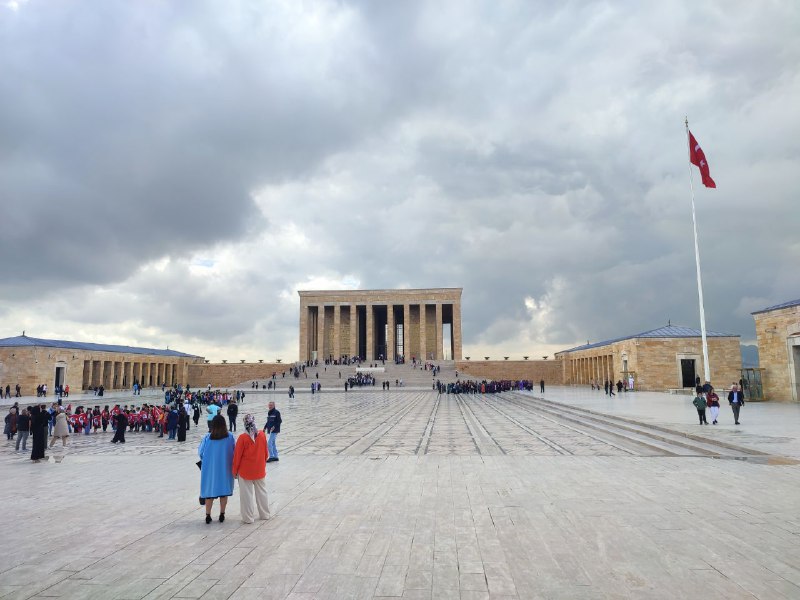
And then there's Atatürk's mausoleum. It's just... weirdly intense. They've allocated a huge territory for the burial. The scale is seriously impressive. And the number of kids on school tours too. In uniform, with flags and all these patriotic symbols. Honestly, it gave me major Soviet pioneer vibes.
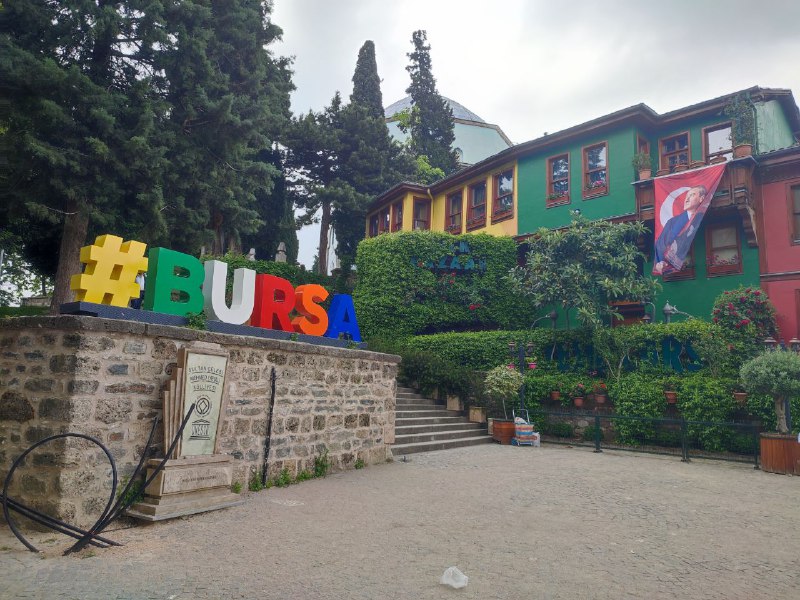
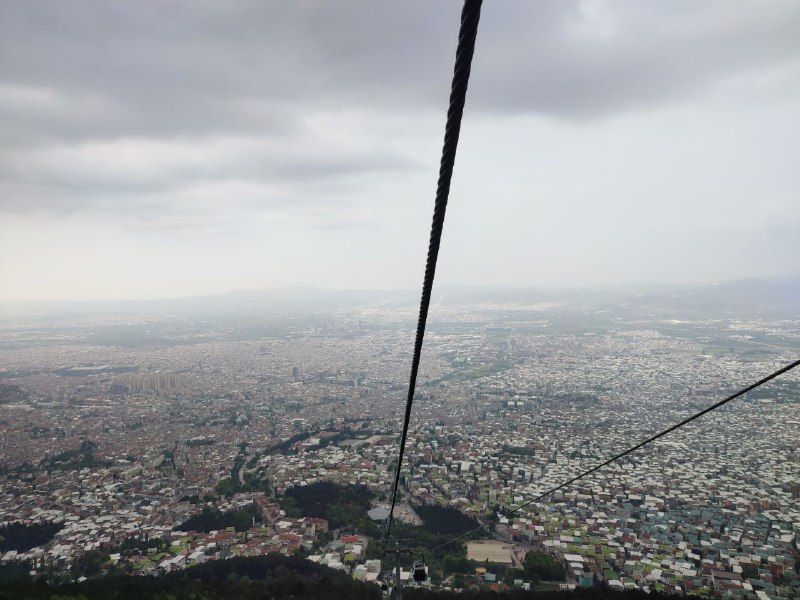
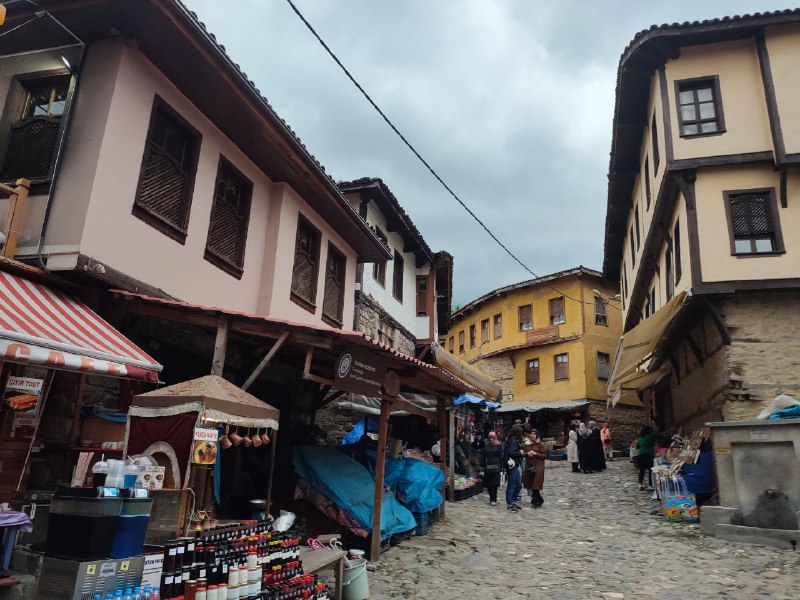
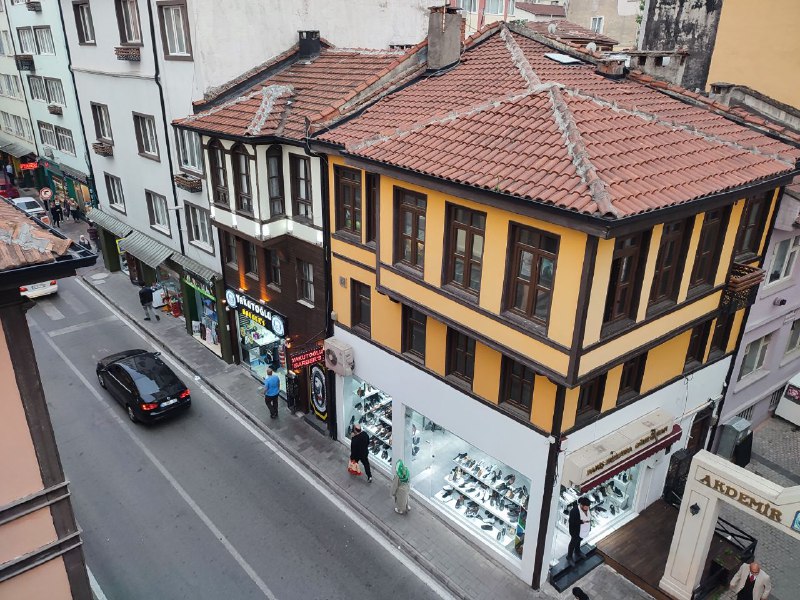
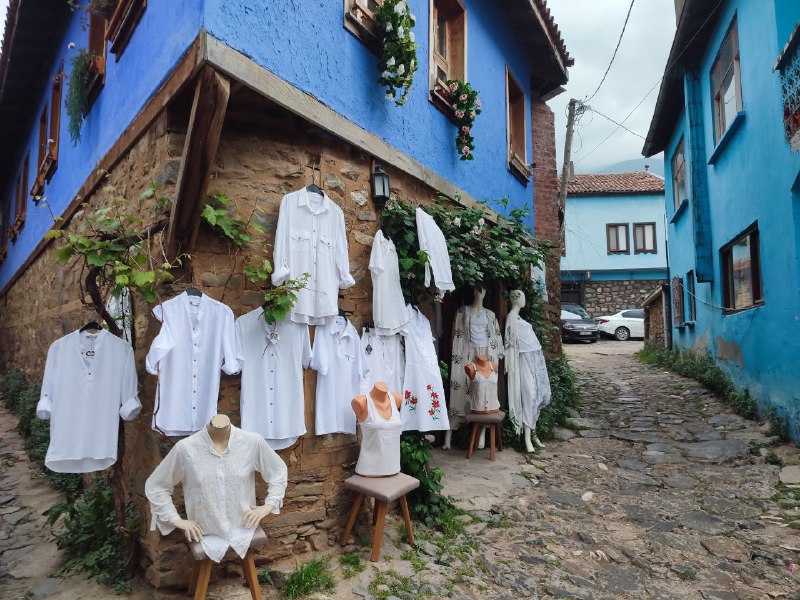
Just got back from Bursa. The city felt like one huge bazaar. You literally have to walk past rows of clothing vendors just to exit the local cable car (!). Of course there were souvenir shops too. But clothes?
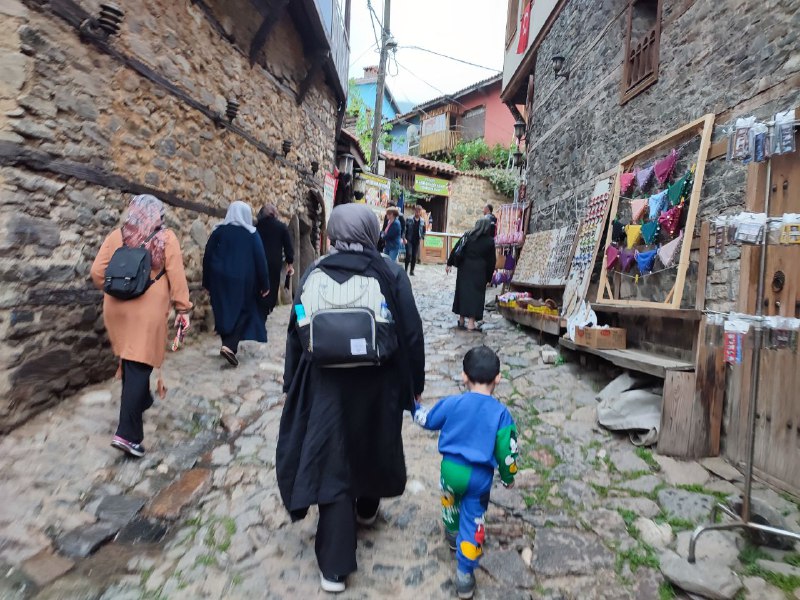
Maybe they're just catering to their specific visitors. There are tons of tourist groups here—lots of women in headscarves. They move through the sights in massive crowds. And by the way, they mostly speak Turkish. Honestly, I wasn't expecting to see that.
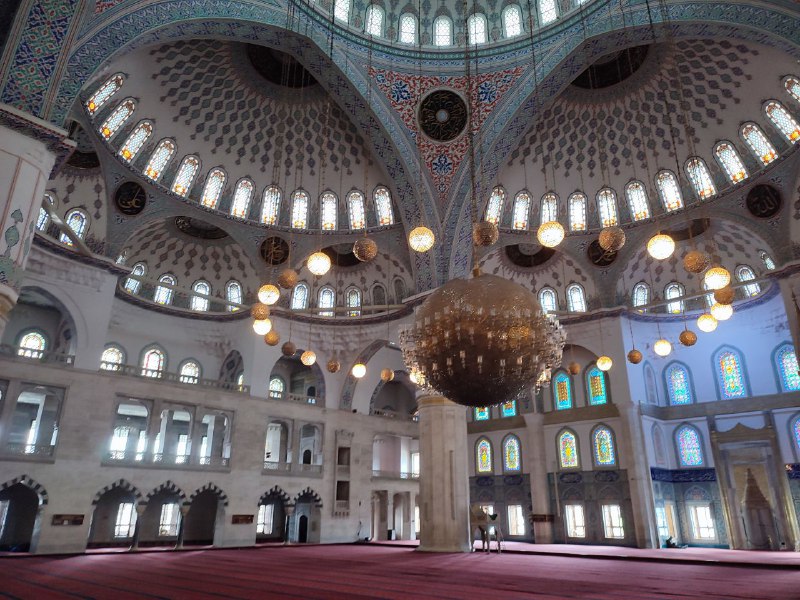
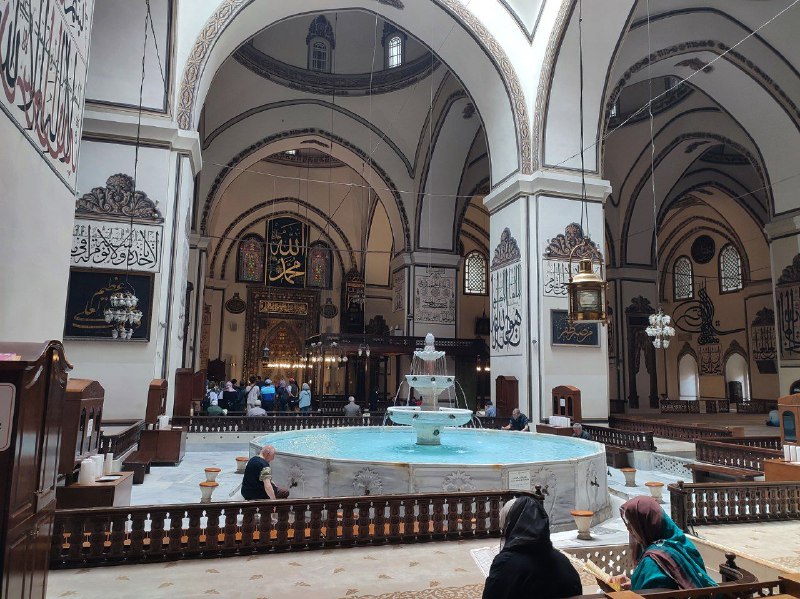
Inside the mosques, there are ablution fountains. Right there in the prayer hall. I'd never seen that before, but apparently it's pretty common here.
I actually liked a little village nearby way more than Bursa—
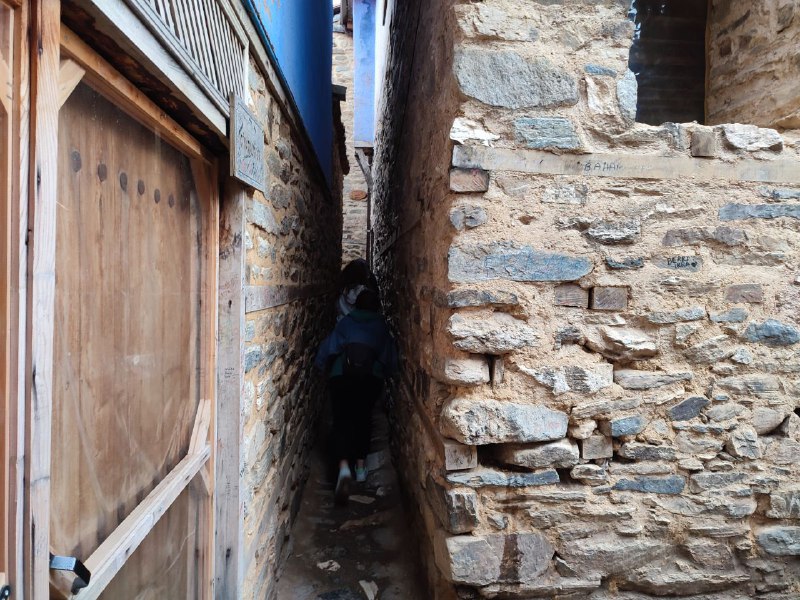
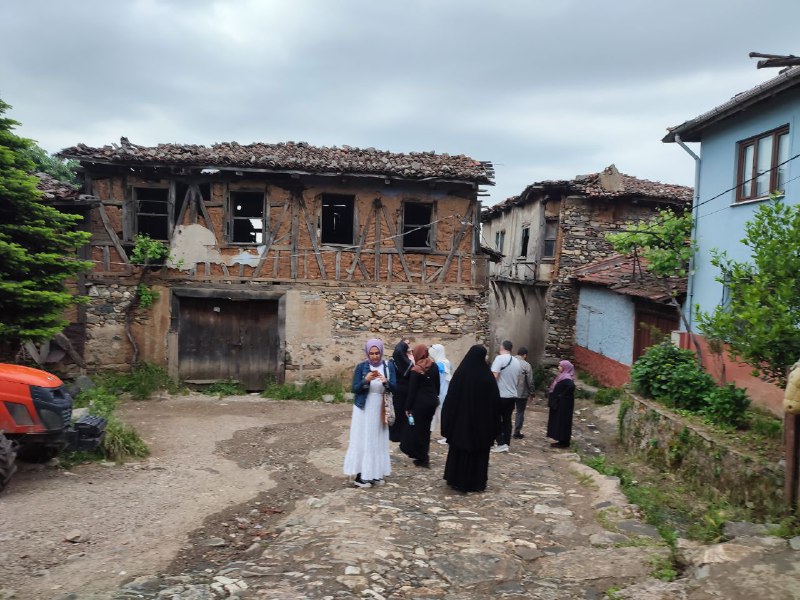
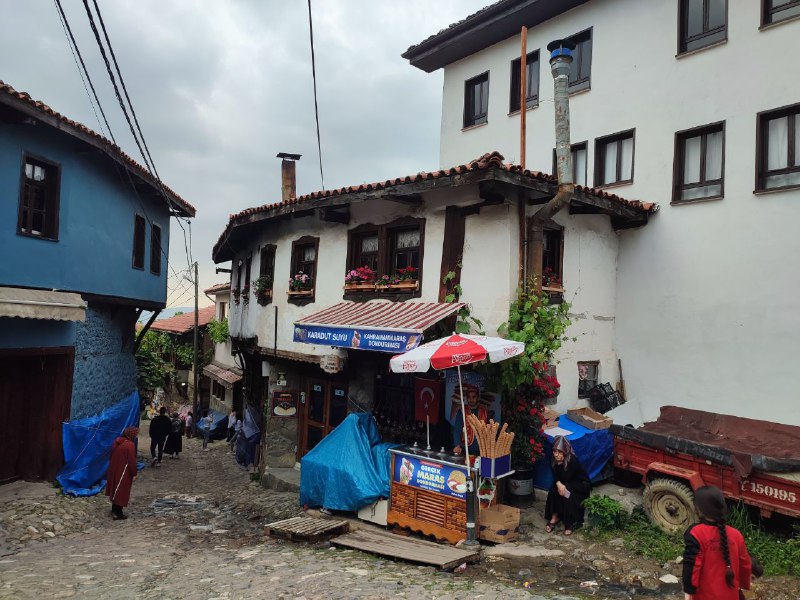
Cumalıkızık. Wikipedia says it's "untouched by tourism," but clearly that article hasn't been updated in a while. The main streets are basically drowning in souvenir shops. Still, it was fun wandering around the cobblestone streets.
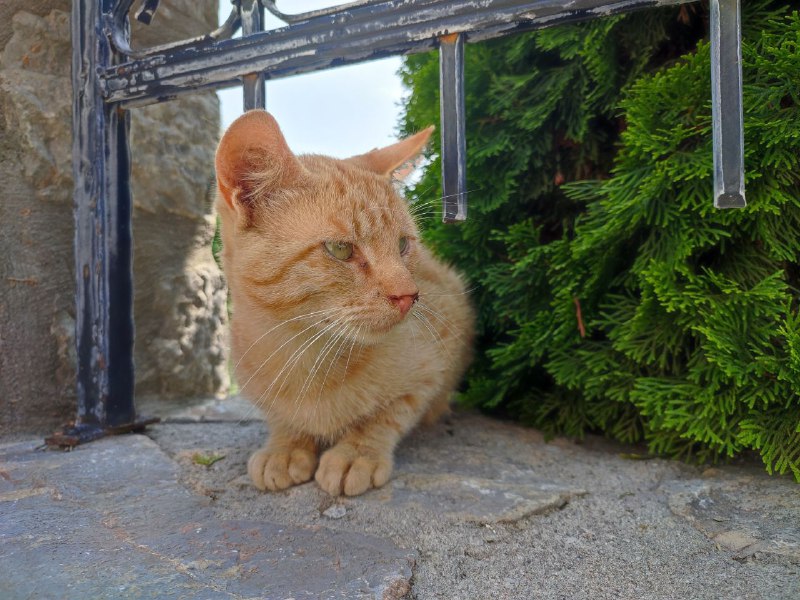
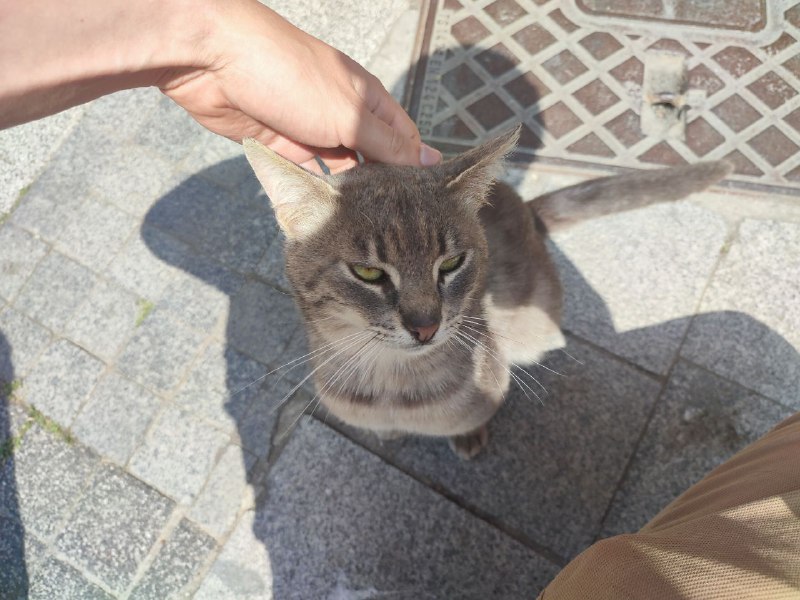
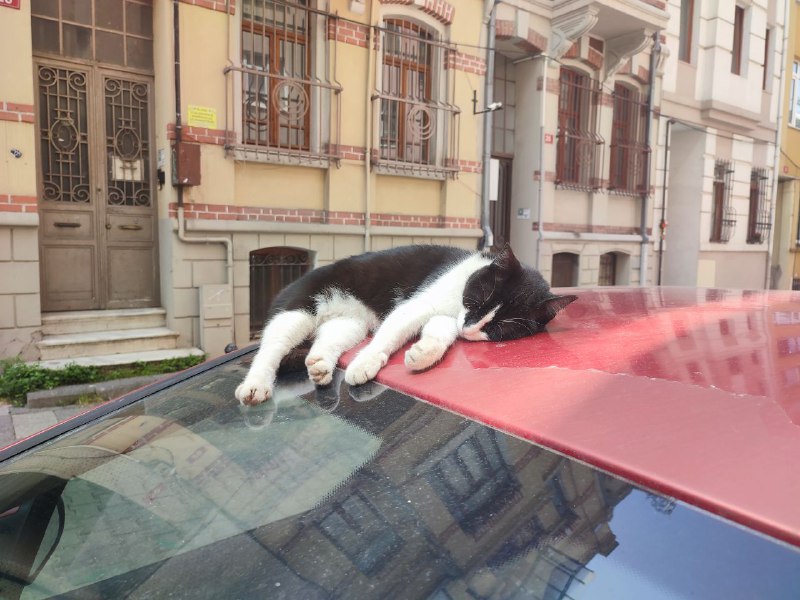
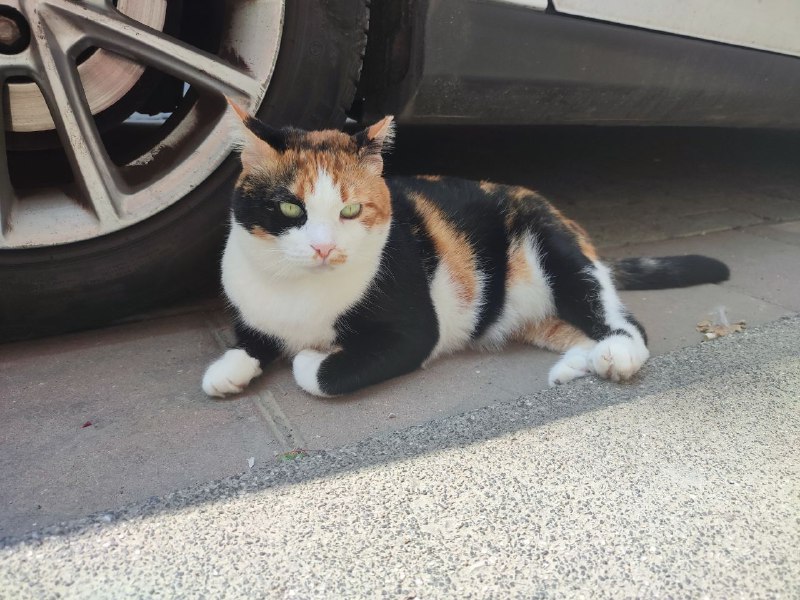
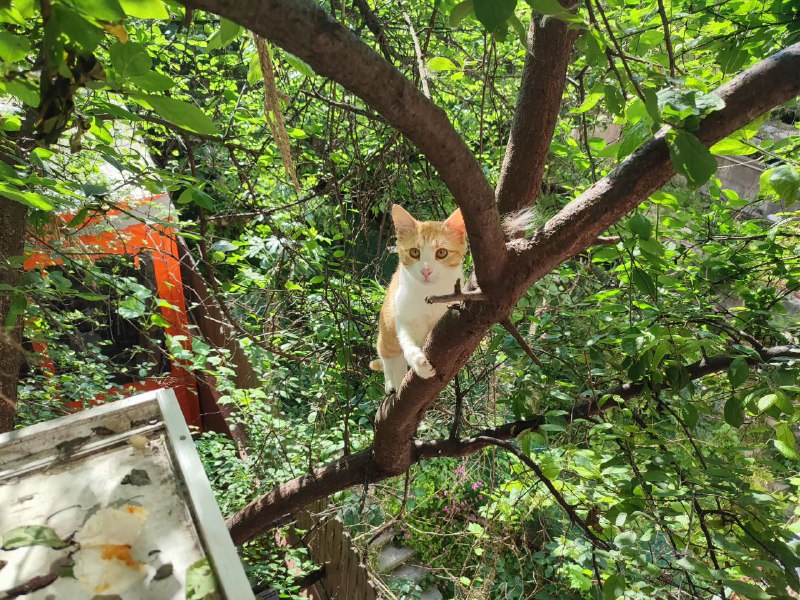
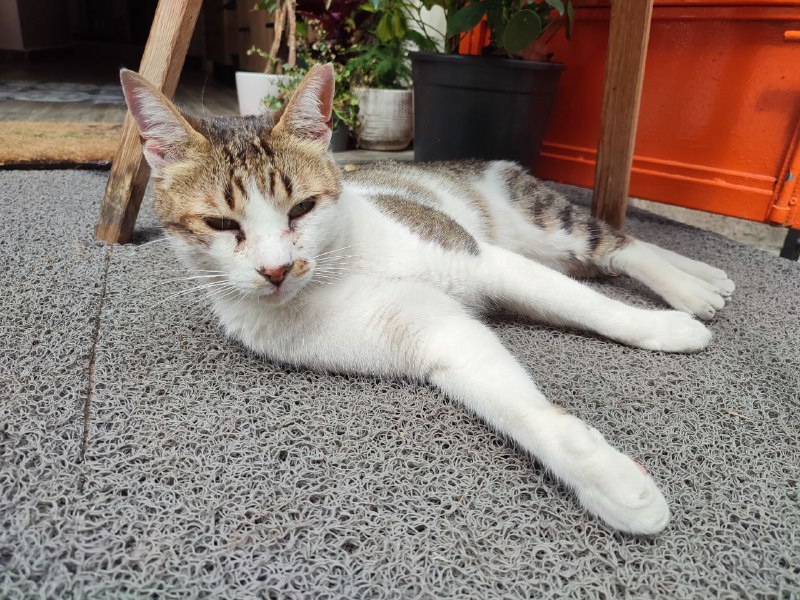
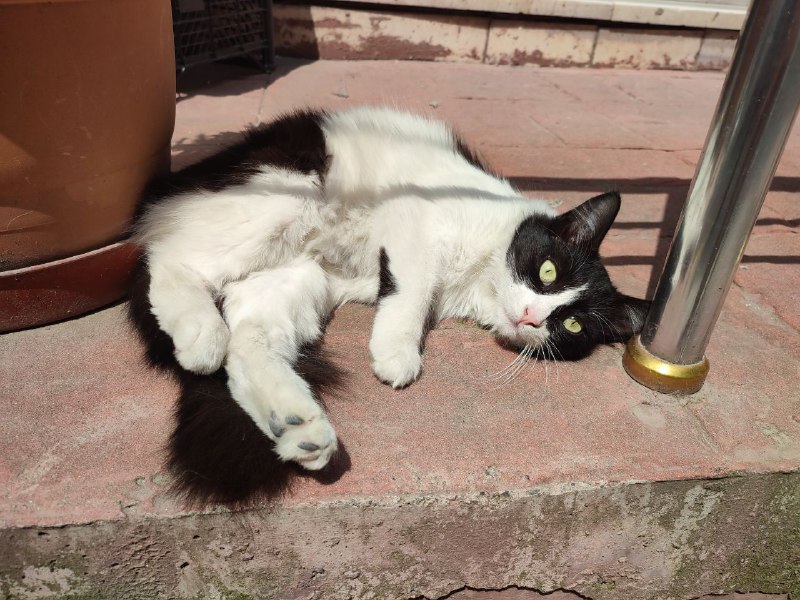
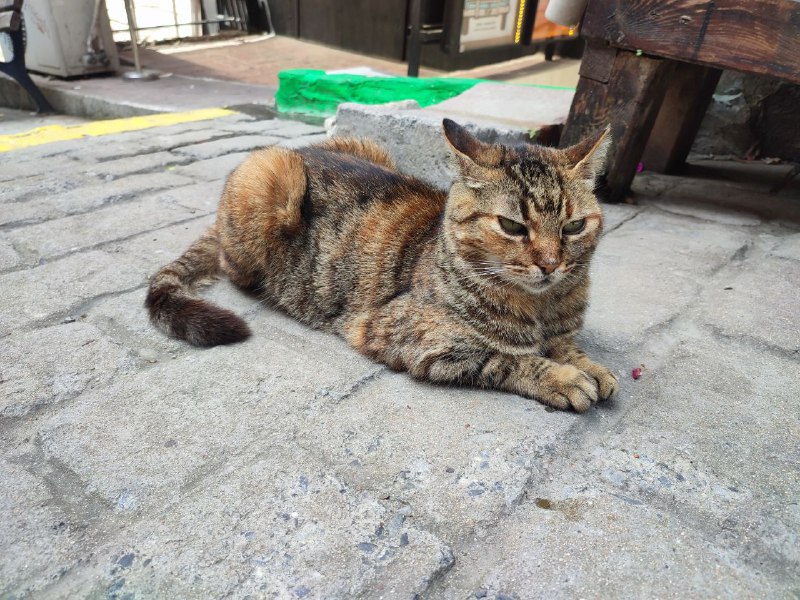
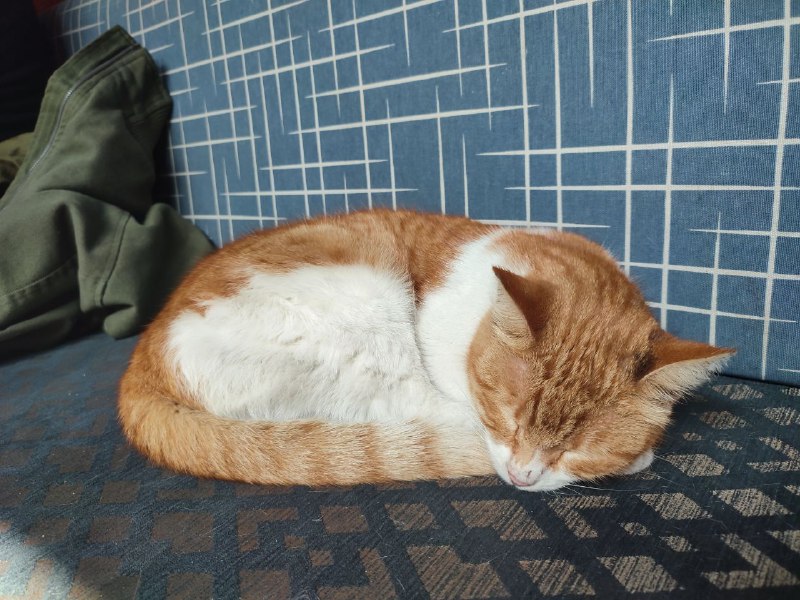
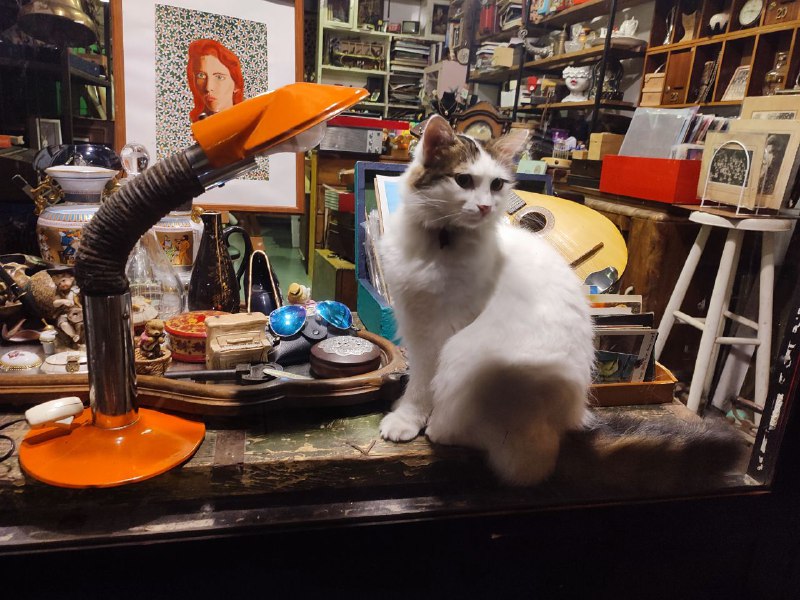
I can't stop photographing Istanbul's cats (:
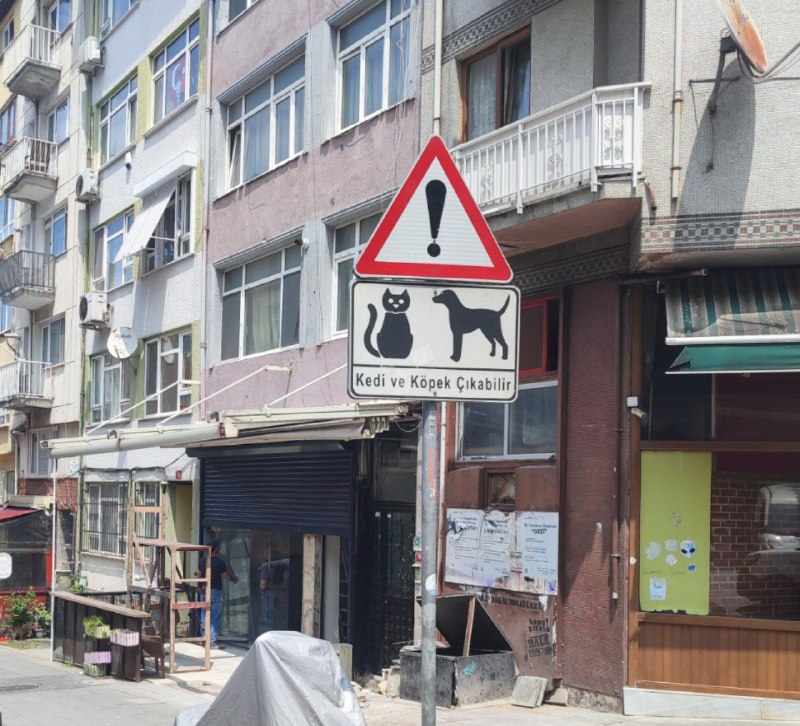
They even have road signs here asking drivers to be more careful.
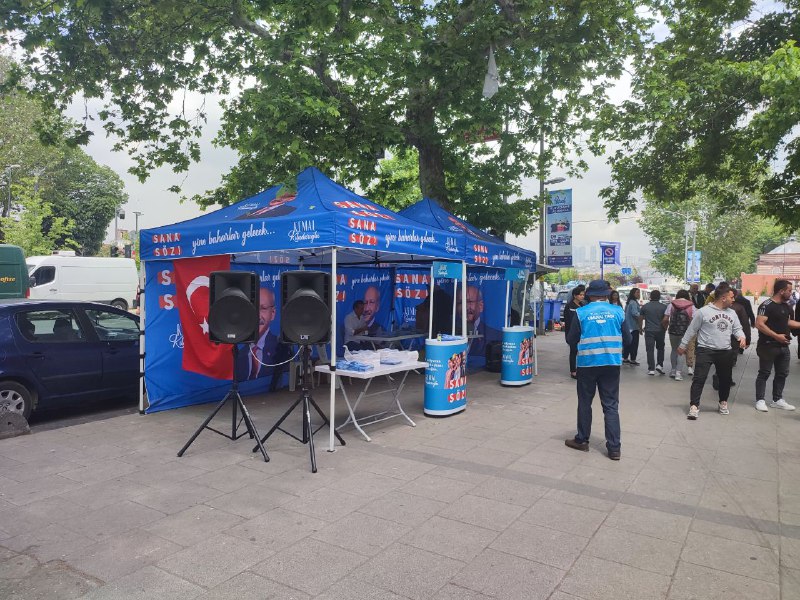
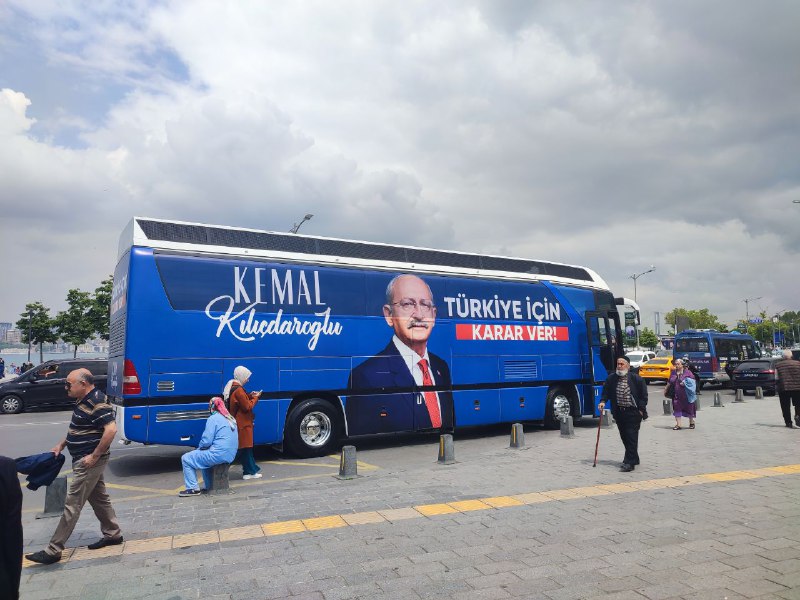
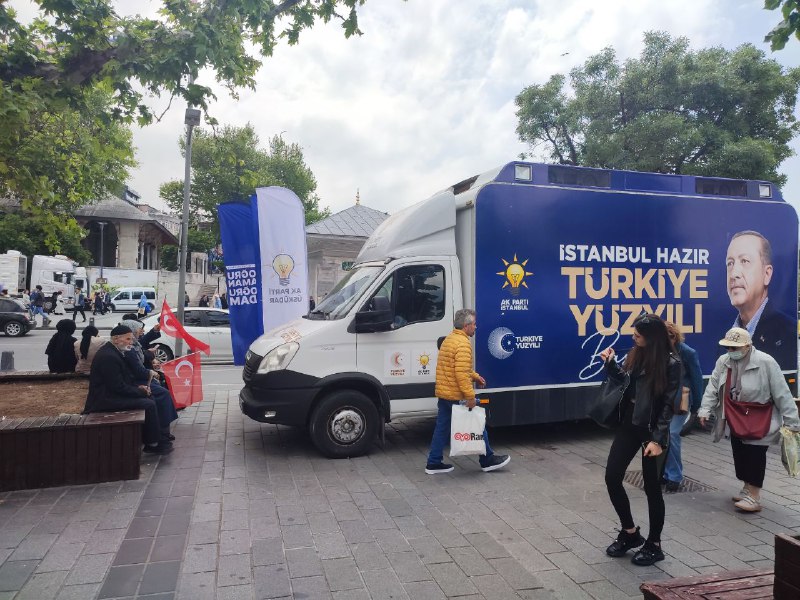
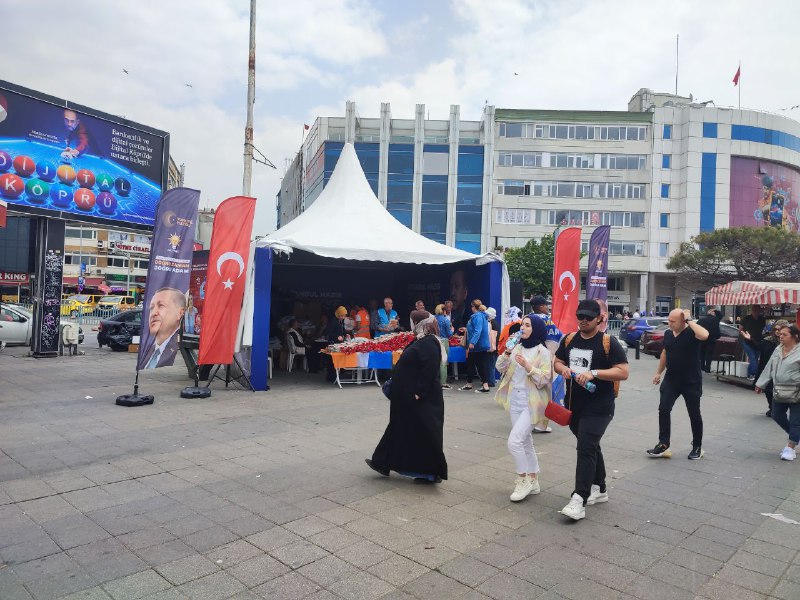
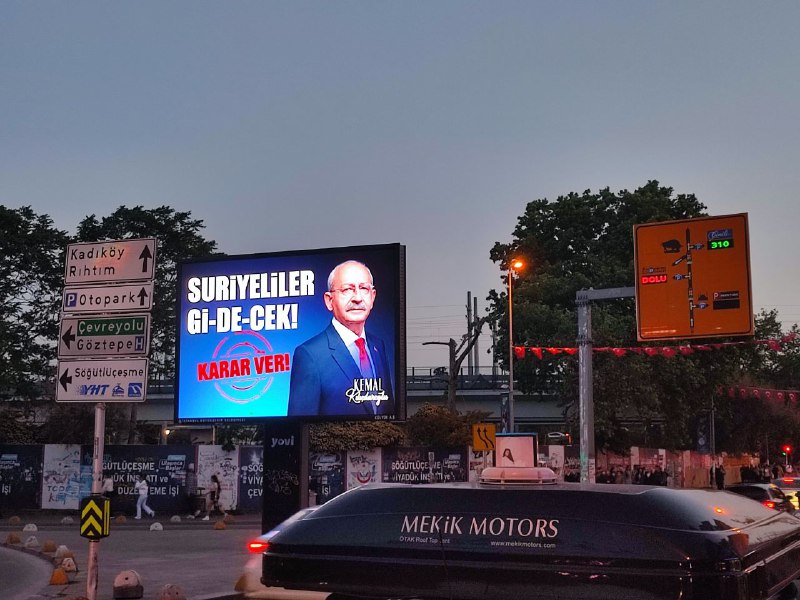
The campaign leading up to Turkey's presidential election is absolutely wild. There's music, dancing, people handing flowers to strangers—it's just a whole vibe, you know?
PS. Honestly, I didn't come here specifically for the election. I bought my tickets back in January when nobody was even talking about it. Let's see what else they've got planned.
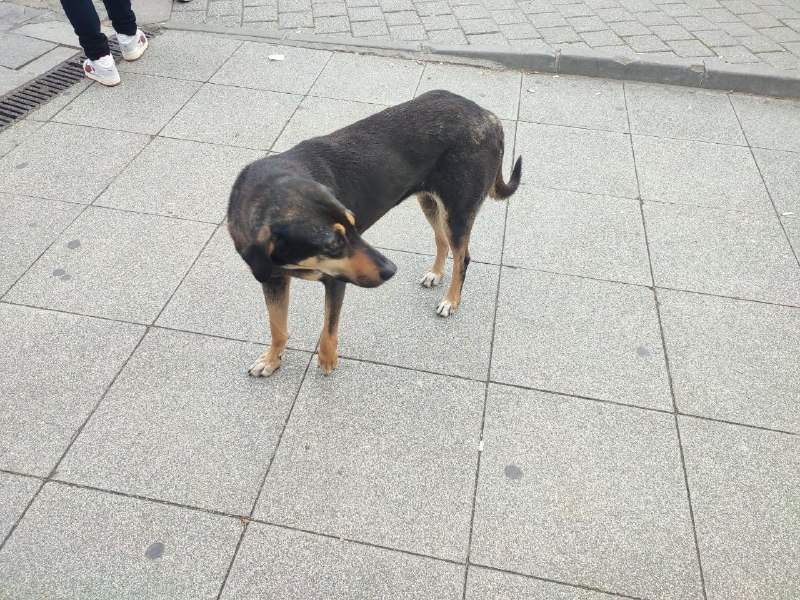
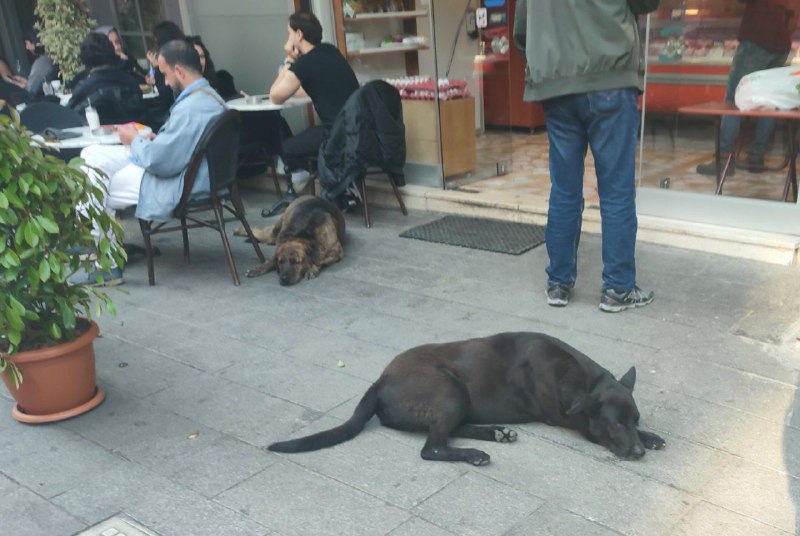
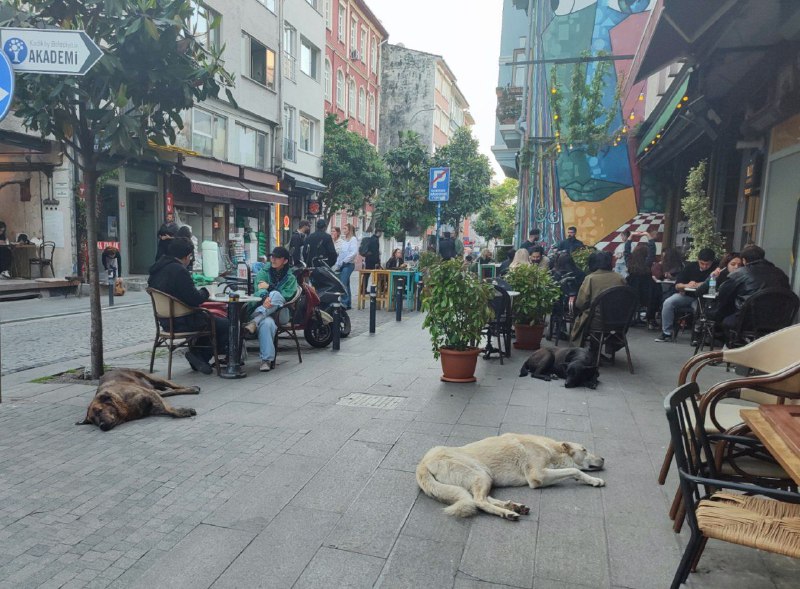
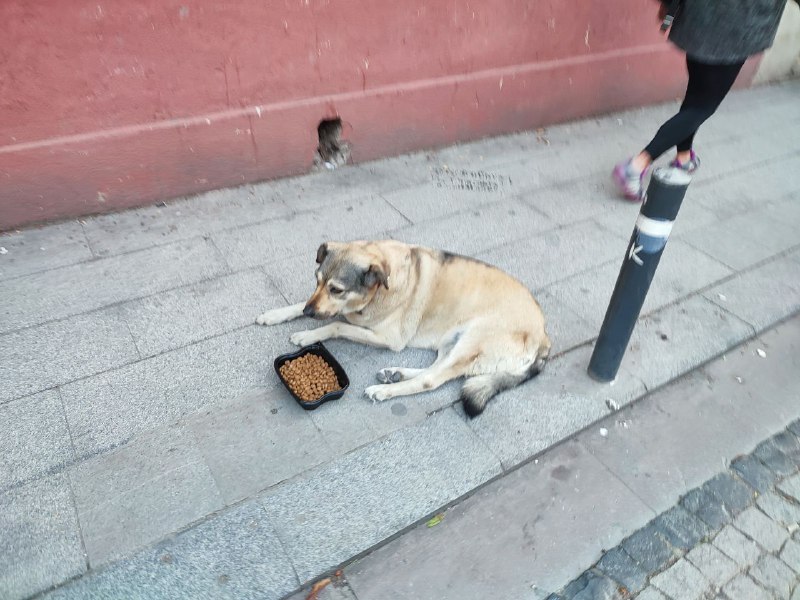
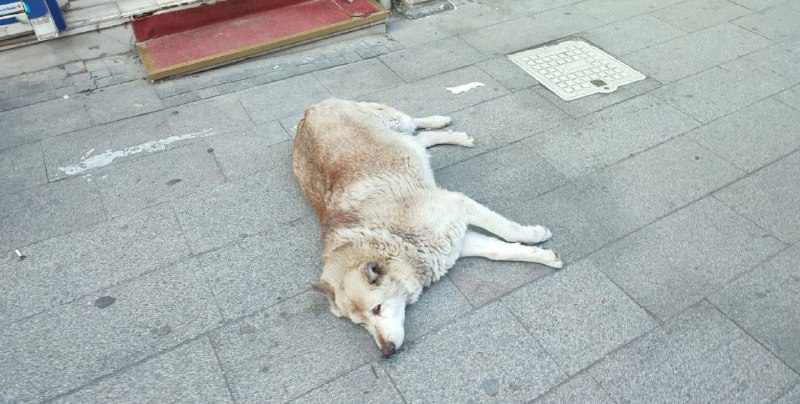
I've written about Istanbul's cats before, but there are plenty of dogs here too. And their story is far sadder.
At the beginning of the 20th century, the mayor of Constantinople at the time decided to rid the city of man's four-legged friends. He couldn't come up with anything better than simply relocating all the dogs to one of the smallest of the Prince Islands — Hayırsızada. How they were supposed to find food and survive on an area of 0.05 square kilometers was never quite explained. As a result of this forced resettlement, tens of thousands of animals died from hunger or drowned trying to escape the island.
Soon after, Istanbul experienced a major earthquake (around 7.3 magnitude). It suddenly clicked in the heads of residents: "God is punishing us for what we did." Meanwhile, the genocide of Armenians was in full swing, but for some reason that didn't bother anyone. All the surviving animals were quickly brought back from the island to the city.
Since then, dogs have been treated much better. People feed them, look after them, and today they're all chipped. But they never earned the kind of love comparable to what cats receive.
 United Kingdom
 Serbia
 Bosnia and Herzegovina
 Turkey
 United Arab Emirates
 Brunei
 Indonesia
 Malaysia
 Argentina
 USA
USA Morocco
 Georgia
 Egypt
Egypt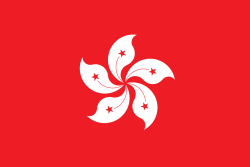 Hong Kong
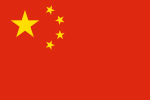 China
China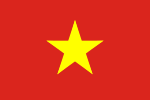 Vietnam
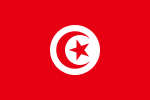 Tunisia
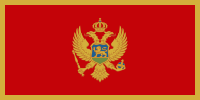 Montenegro
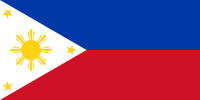 Philippines
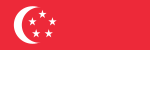 Singapore
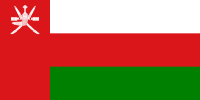 Oman
Oman Algeria
 North Macedonia
 Lebanon
 Israel
 Albania
 Russia
 Tanzania
 Netherlands
 Spain
Spain Latvia
 Germany
 Belgium
 France
 Kazakhstan