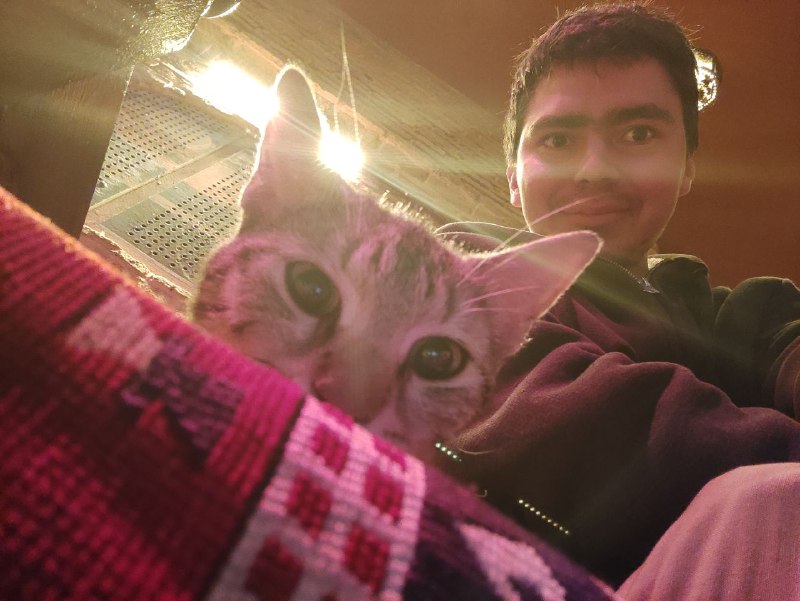
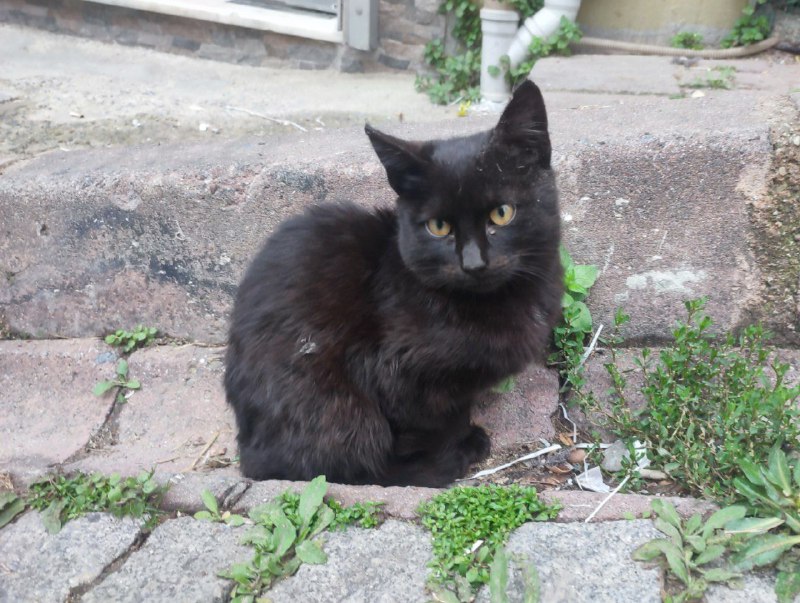
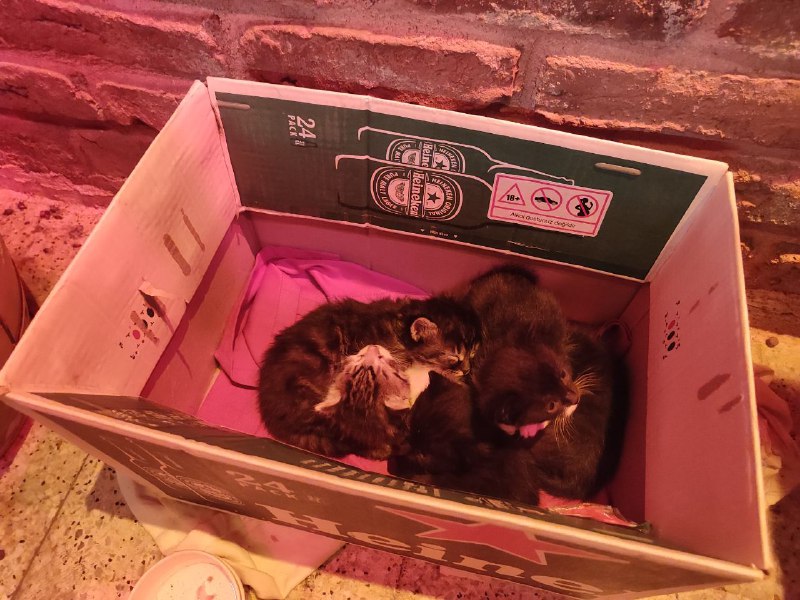
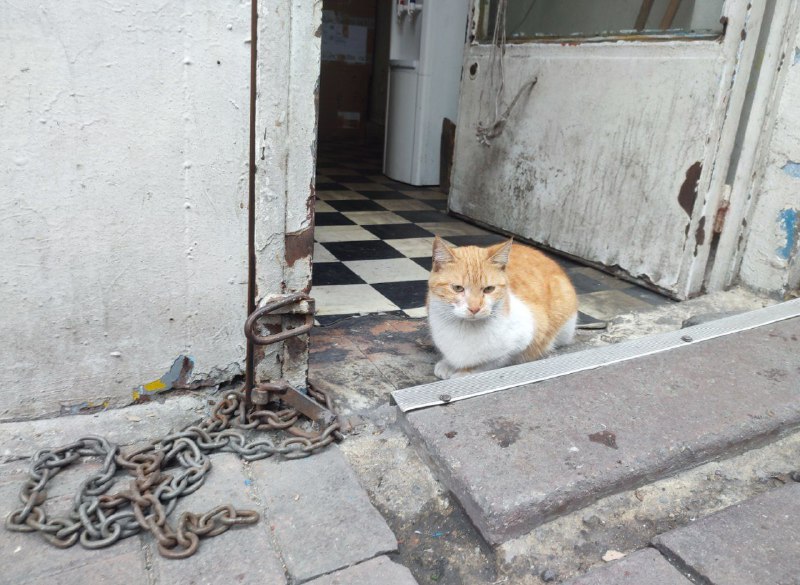
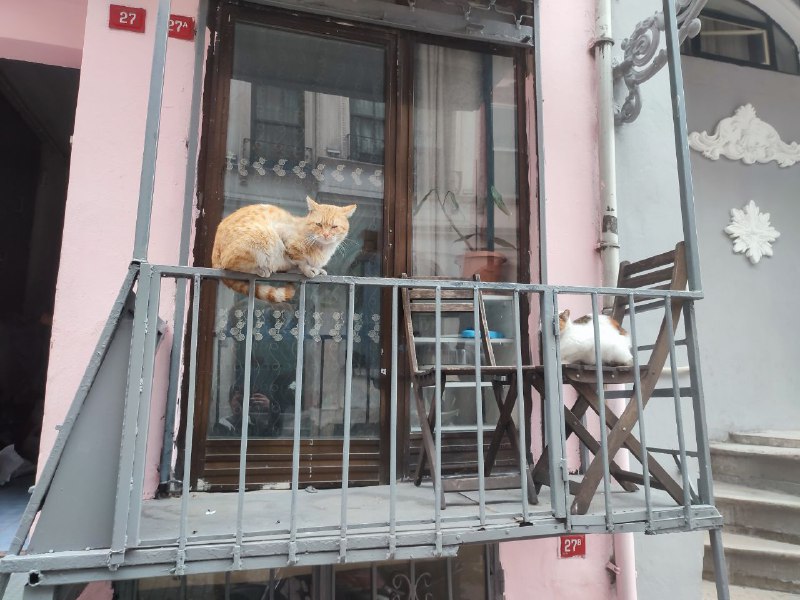
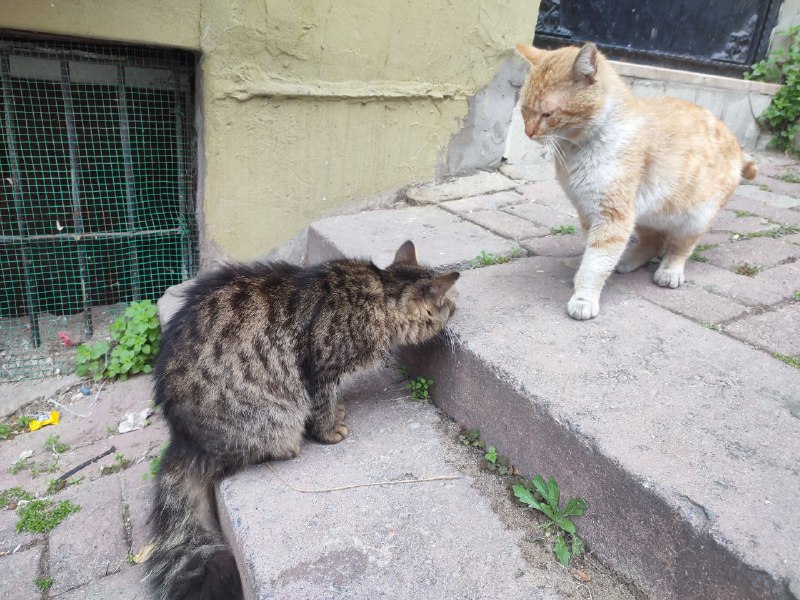
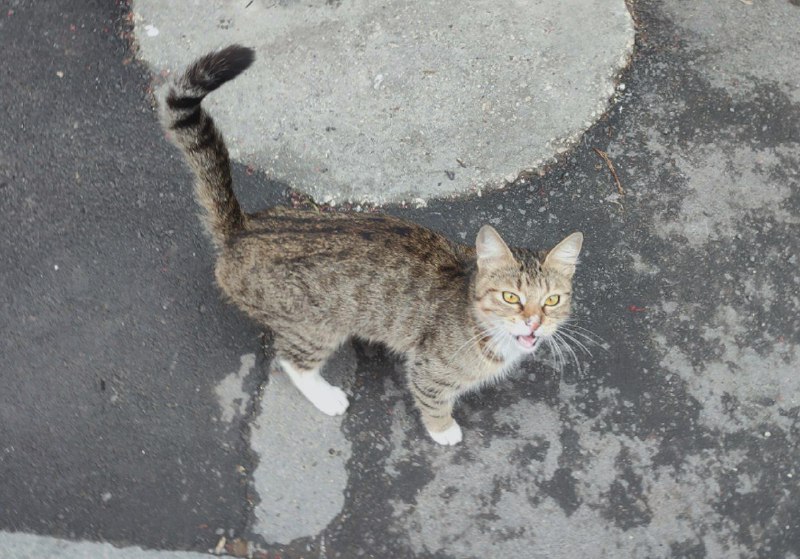
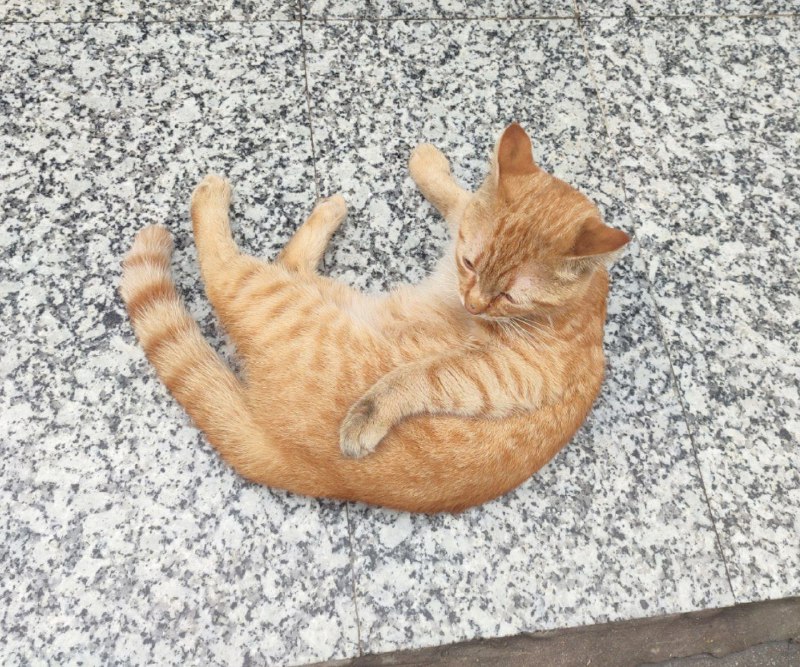
For centuries now, cats have been the real rulers of Istanbul.
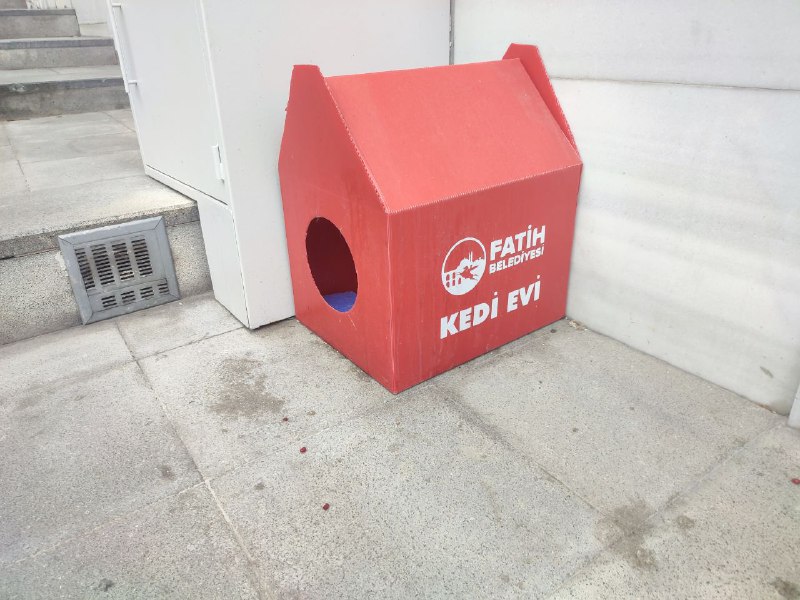
Many locals see them as community animals. You'll often find bowls of food and water on the streets, and occasionally you'll spot cat houses, sometimes even ones maintained by the city. But you'll have better luck finding them in quiet alleys rather than on the busiest streets.
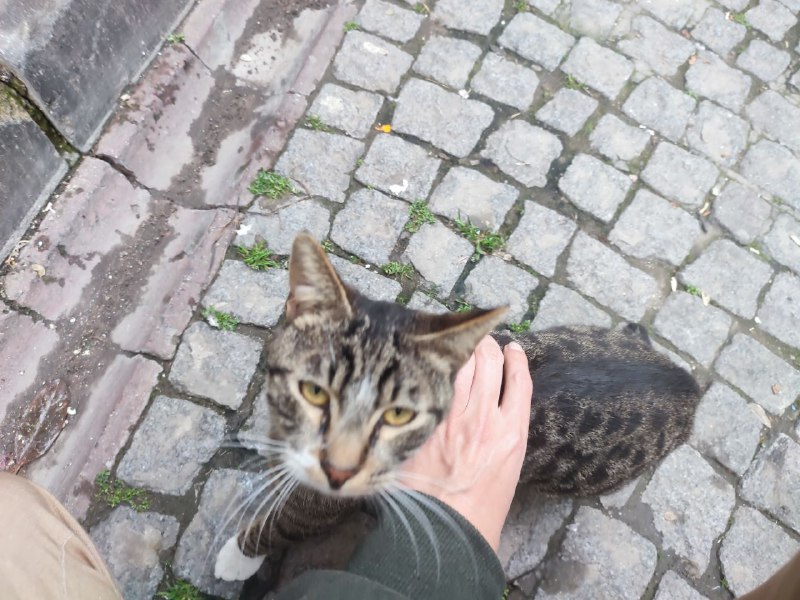
The cats are super social and not scared of people at all. Usually stray animals are more wary of strangers, but not here. Almost all of them are totally fine with being petted. And if you stumble upon a whole group, you might even catch some funny moments of jealousy, where one cat won't let the others near a person.
There's no way to really cover this topic with just a couple of photos in one post. I really recommend checking out the
Turkish documentary Kedi about 7 Istanbul cats. It's in Turkish, but there are tons of subtitles available, including Russian. Even though it's about animals, it really emphasizes their relationships with the locals. It totally changed how I see the city.
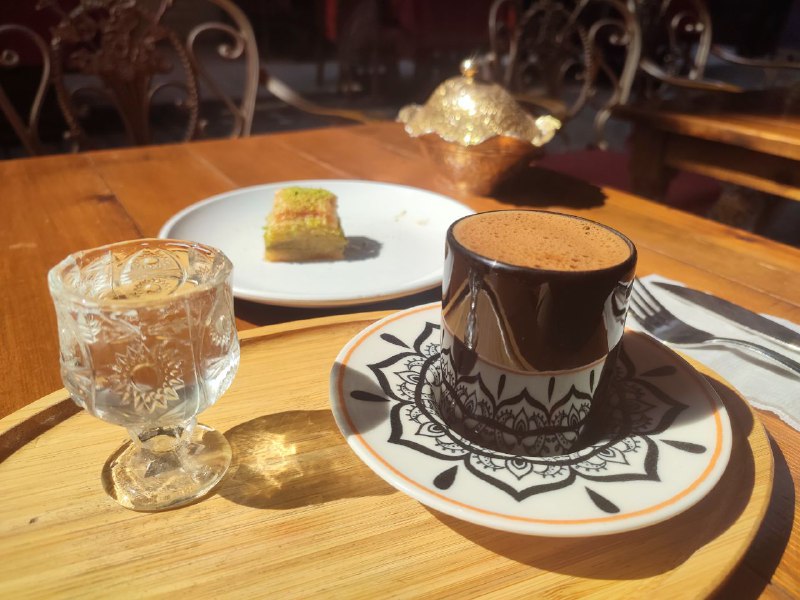
If I were sitting at a café like this in Istanbul four hundred years ago, they'd probably have my head on a platter.
Back then, Ottoman Empire ruler Murad IV banned drinking coffee in public places under penalty of death. Legend has it he'd even disguise himself as a regular person and go around catching violators with an executioner in tow.
The Janissaries and their constant coups were to blame for all this (Murad ended up in power as a kid because of one of them). The sultan was terrified of being overthrown out of nowhere. And where did the military love to hang out and plot? Coffee houses! Made sense to ban it.
That said, nobody actually banned selling coffee or even drinking it publicly outside Istanbul. Heck, the sultan himself enjoyed a cup or two.
But the ban stuck around under the next rulers anyway. Eventually they softened the punishment to a beating for the first offense, and if you got caught again, they'd sew you into a sack and throw you in the Bosphorus. Plus, enforcement got lazier and lazier. By the end of the 18th century it was basically just spies hanging out in coffee houses.
So, want your head chopped off, or can you skip coffee today? 😅
Somehow I ended up in Istanbul, much to my own surprise.
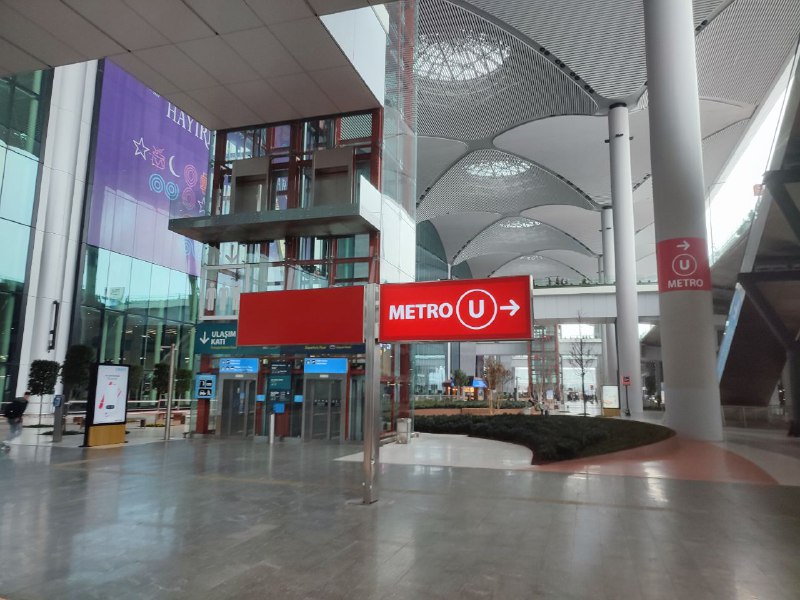
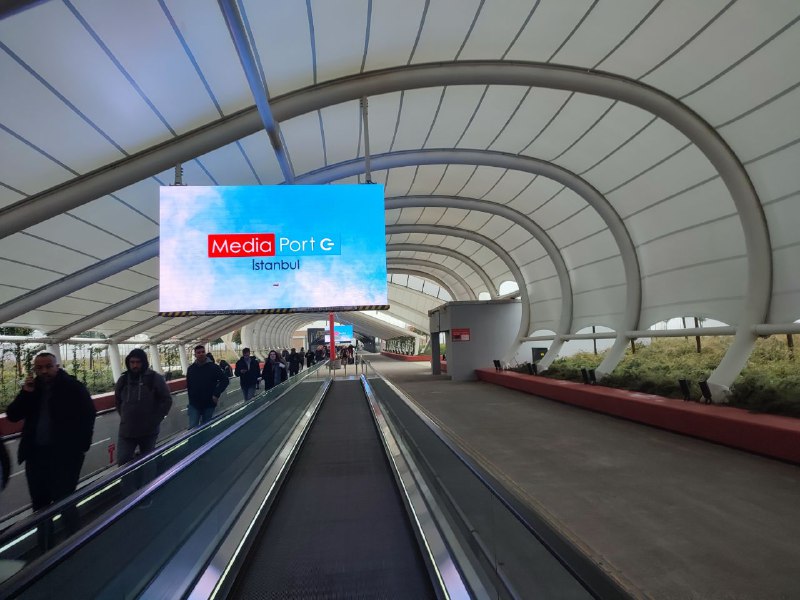
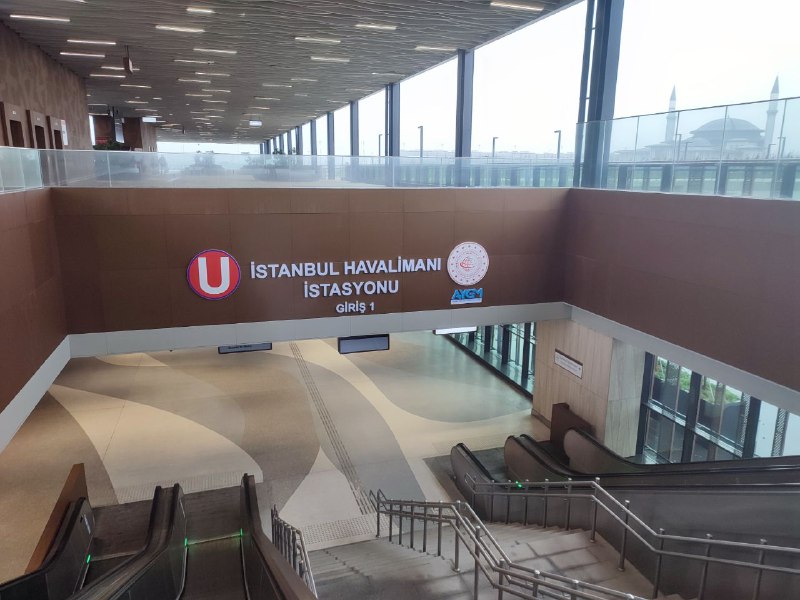
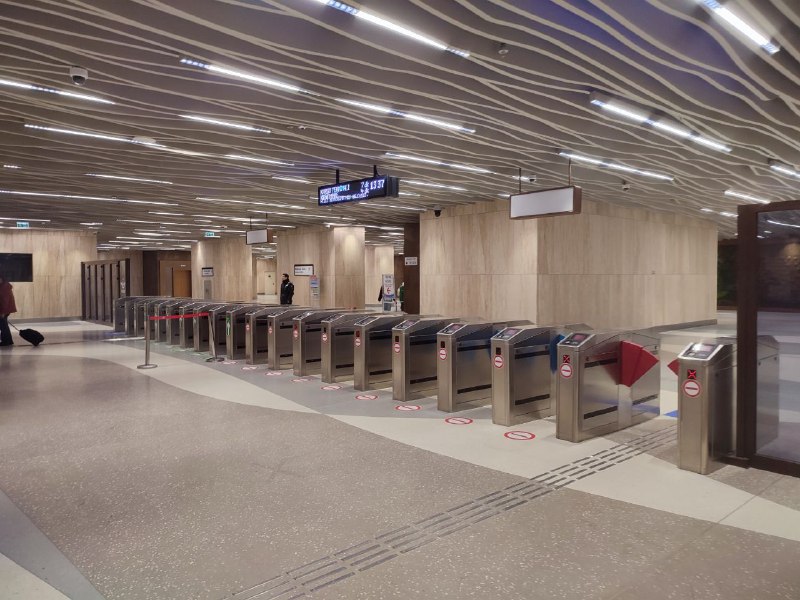
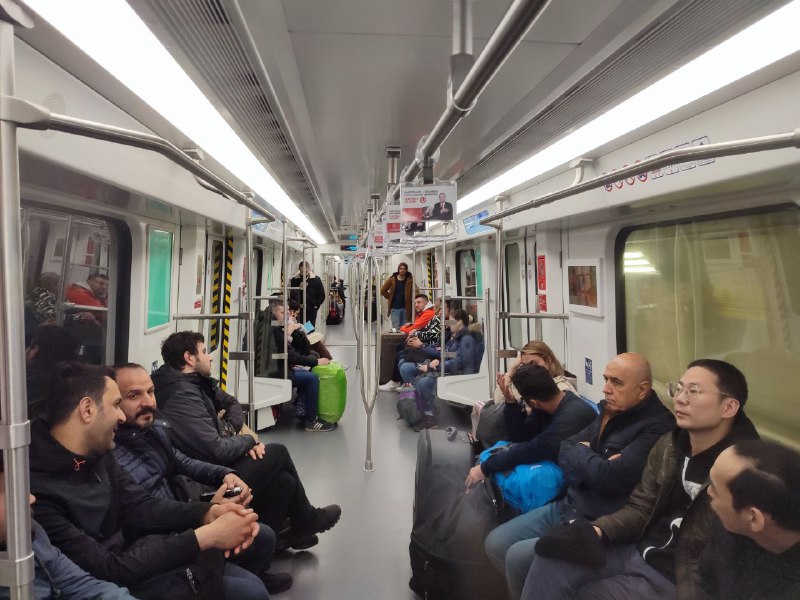
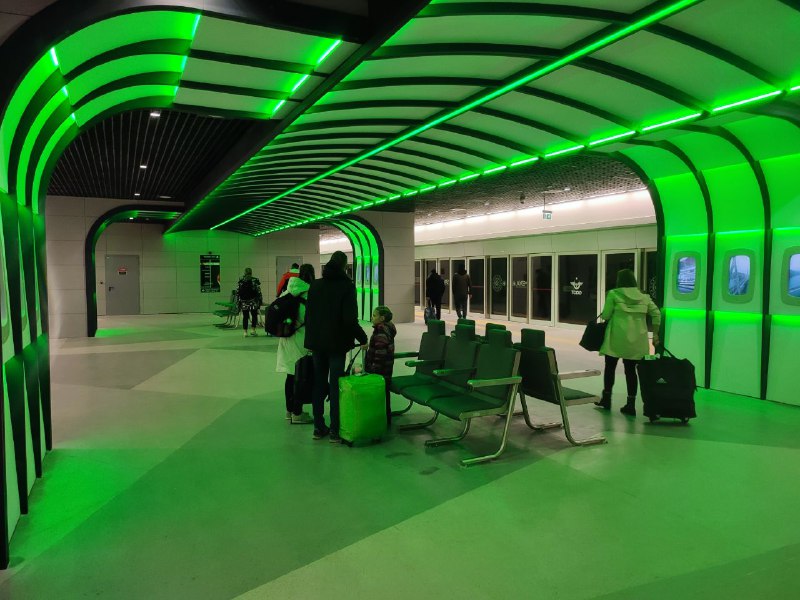
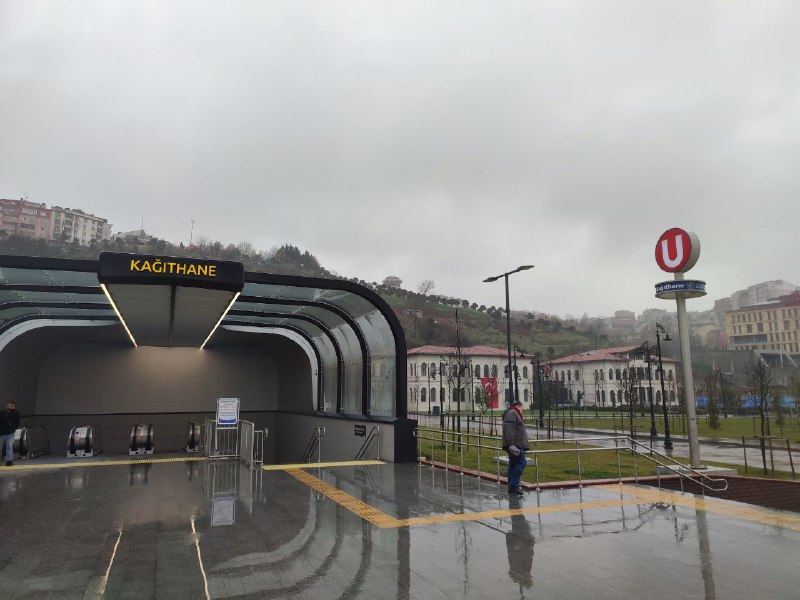
I checked, and it turns out they really did dig the metro from IST airport into the city. And it actually works (though not completely yet; they still haven't opened one station). You can't get to the center without transfers, but I liked it way more than the bus. You definitely won't get stuck in traffic.
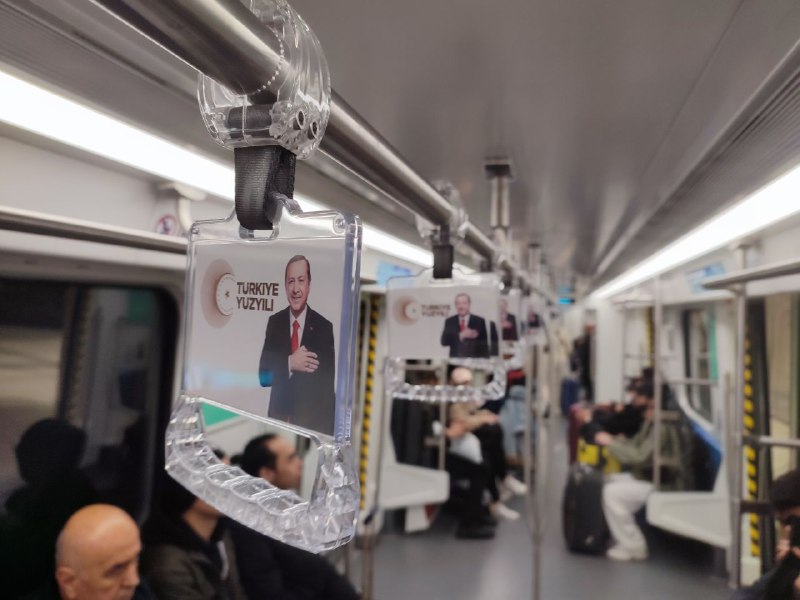
I couldn't help but notice Erdoğan's ads on the handrails. He personally opened this thing. Hopefully they'll take them down at some point.
Not everyone can travel freely and effortlessly. For some, religion literally gets in the way.
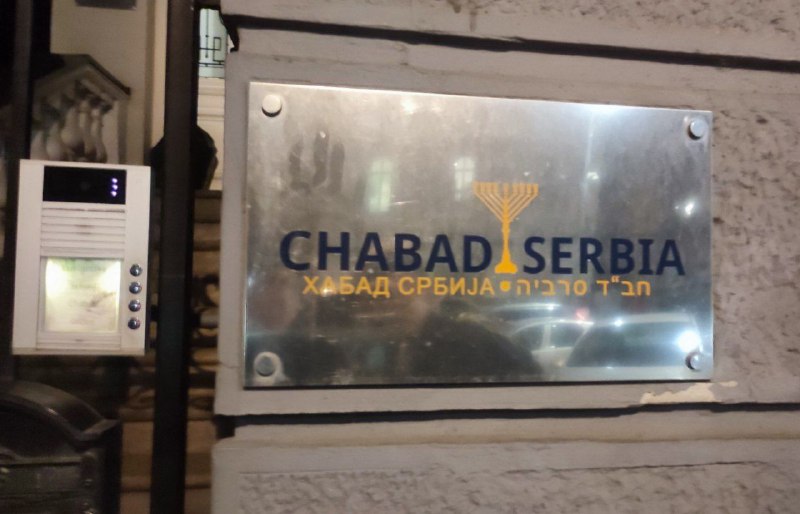
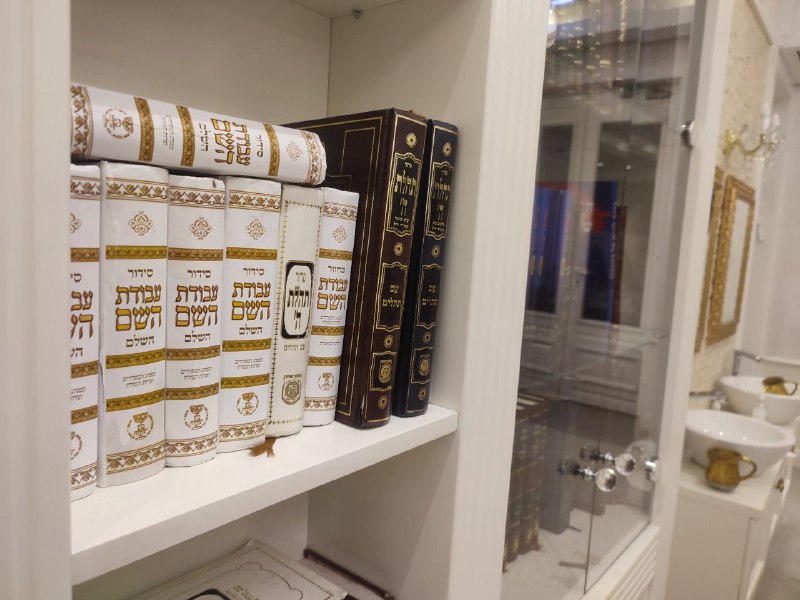
A colleague visited us for a few days who eats exclusively kosher food. That would be fine, but there isn't a single kosher restaurant in Belgrade. This happens pretty often in cities with small Jewish communities.
One of the largest Hasidic movements figured things out and started opening
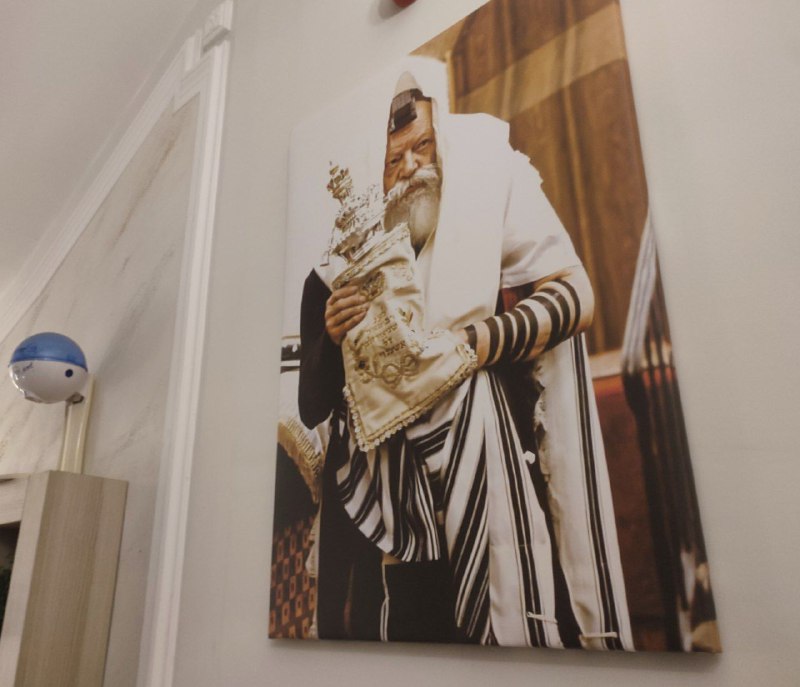
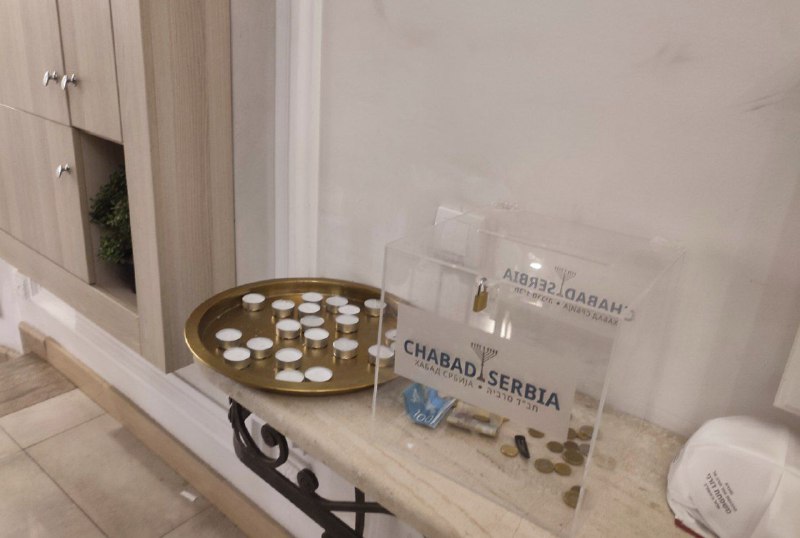
Chabad houses in different countries starting in the early 1970s. Today there are roughly 17,000 of them worldwide by some estimates. They welcome not just members of their own movement, but basically any Jews and interested people.
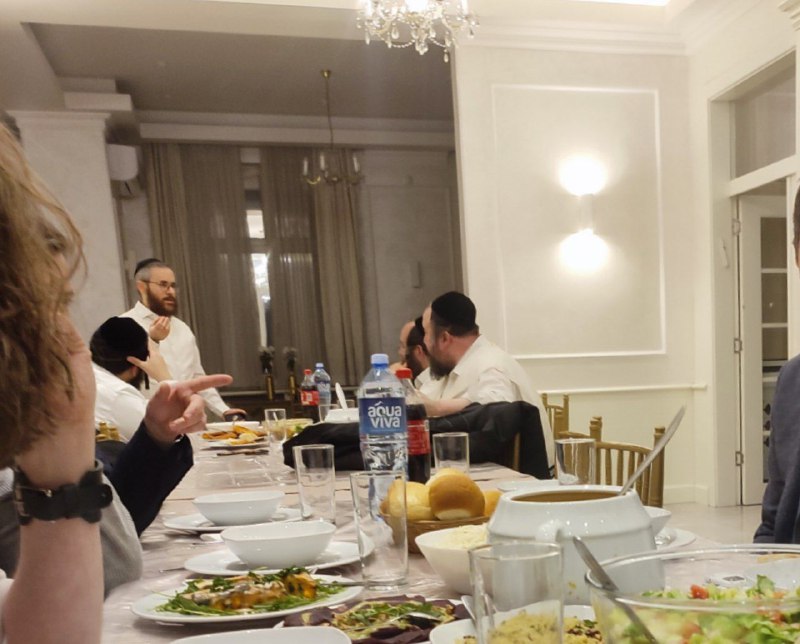
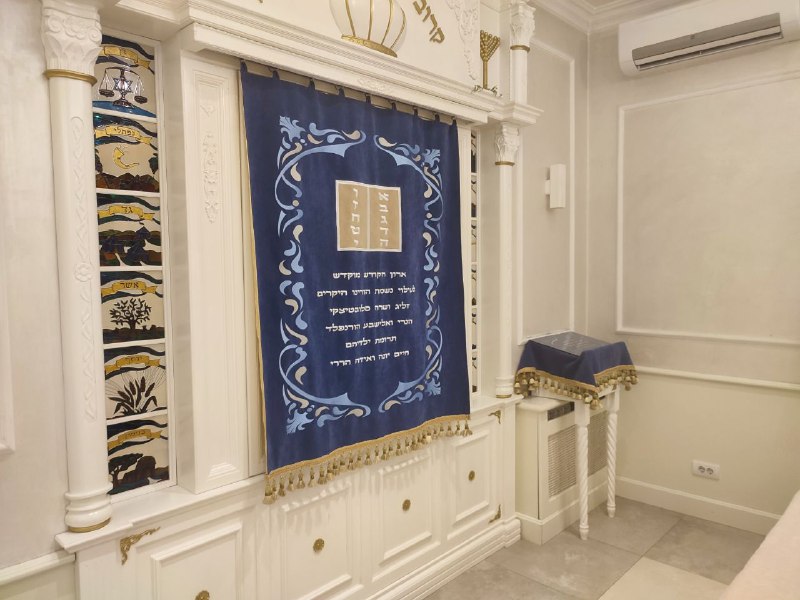
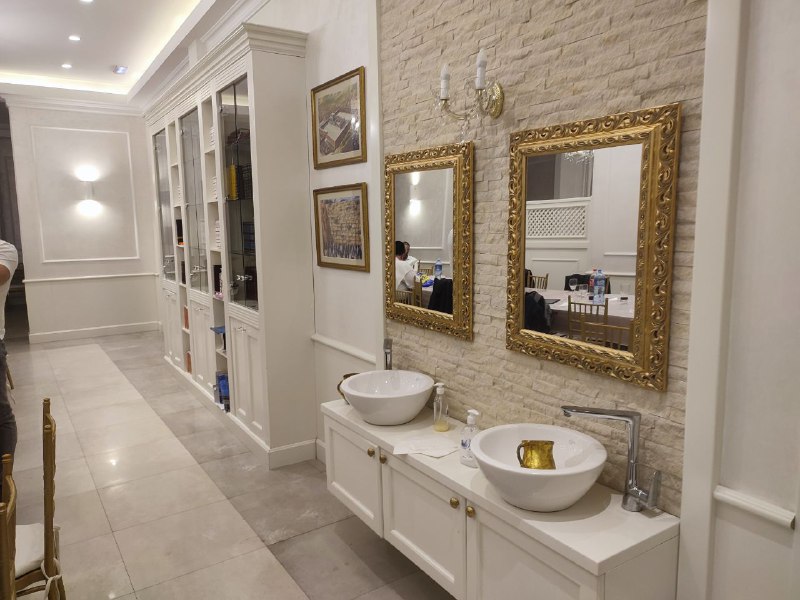
Often it's just a rabbi's house from the local community, with a prayer room for religious celebrations and other events. They also prepare kosher food for visitors and anyone who wants it there. Not for free, of course.
I don't know how it works in other places, but in Belgrade you can't just show up from the street for dinner. You have to book in advance. We went there to eat — it felt like stepping into a parallel universe. But the food was pretty good, really tasty.
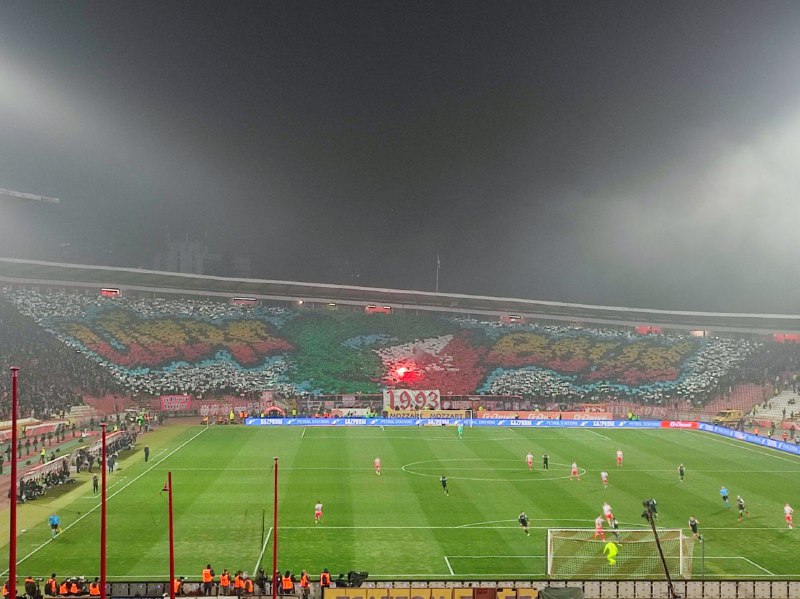
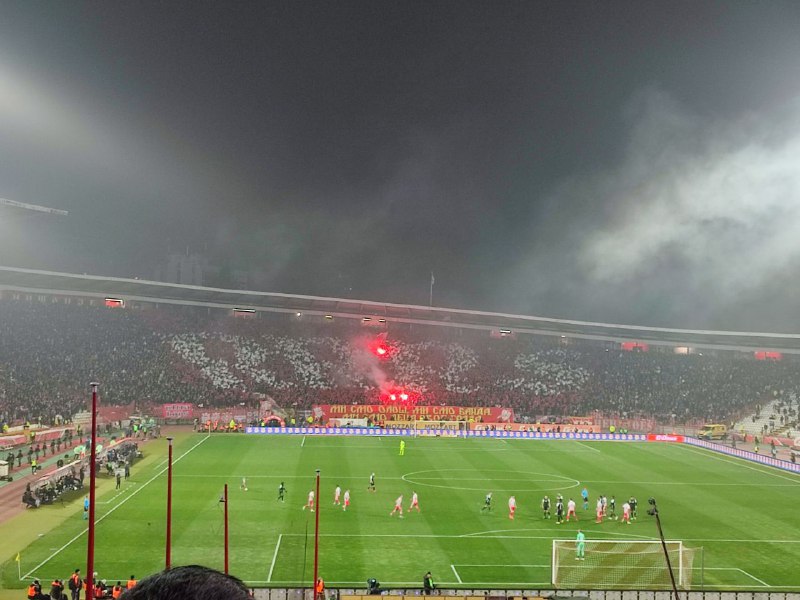
I went to see Serbia's eternal derby: Partizan vs. Red Star. It's quite a spectacle. I hope I managed to capture at least some of the atmosphere in the video.
It's not that they play good football here, but the fan sections are absolutely fired up!
Sometimes literally. The number of flares in the stadium is mind-blowing. Technically you're not allowed to bring them in—security checks everyone at the entrance, though not too thoroughly, and people sneak them in anyway. At times it felt like I was at a fireworks show rather than a match.
The local fans never stop singing or chanting something. The chants are often pretty offensive toward the opposing side. Though they didn't forget about the country's president either.
Each ticket is assigned a specific seat, but in reality no one follows these formalities. Everyone just shows up and stands in the first free spot they find. And they stand the whole match. You'd think they could skip bringing seats altogether.
Especially since a lot of seats got smashed up and sent toward the police on the field. Burning flares sometimes ended up there too. But thankfully no one got hurt and it felt safe.
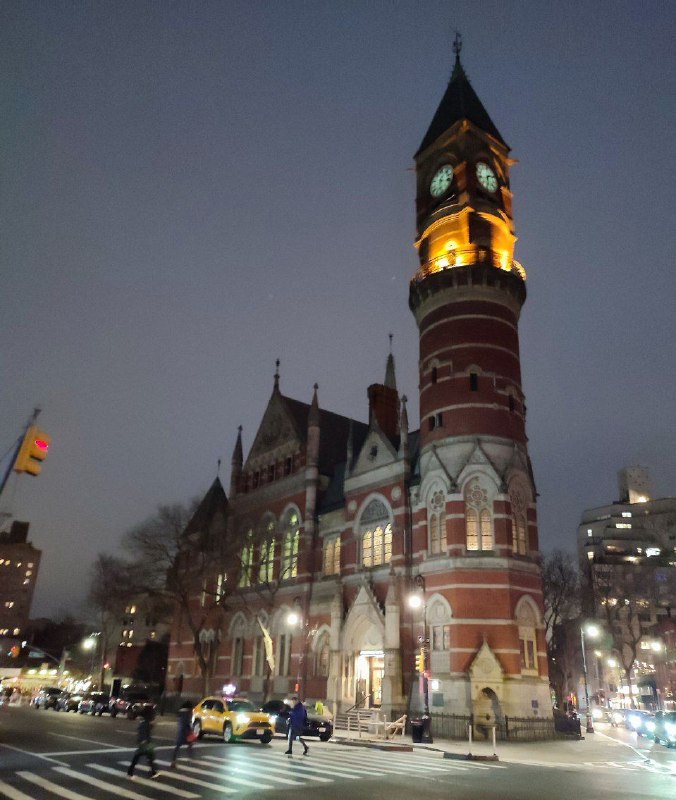
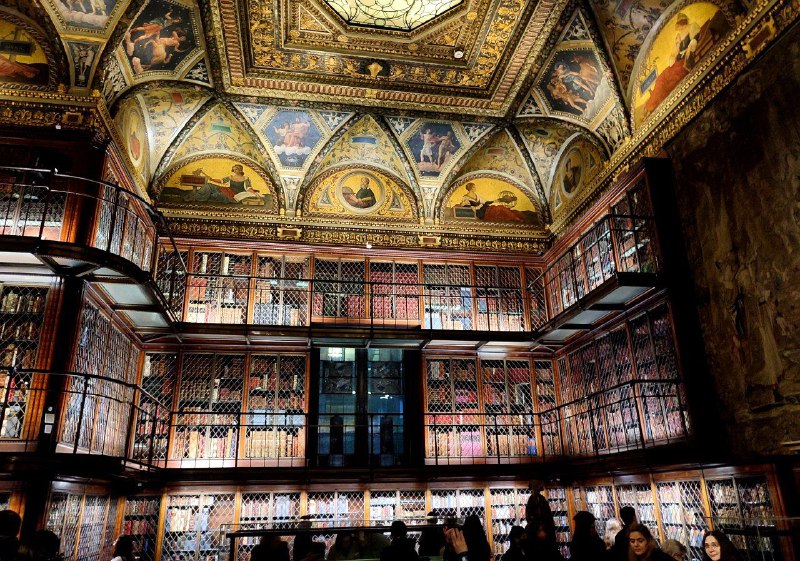
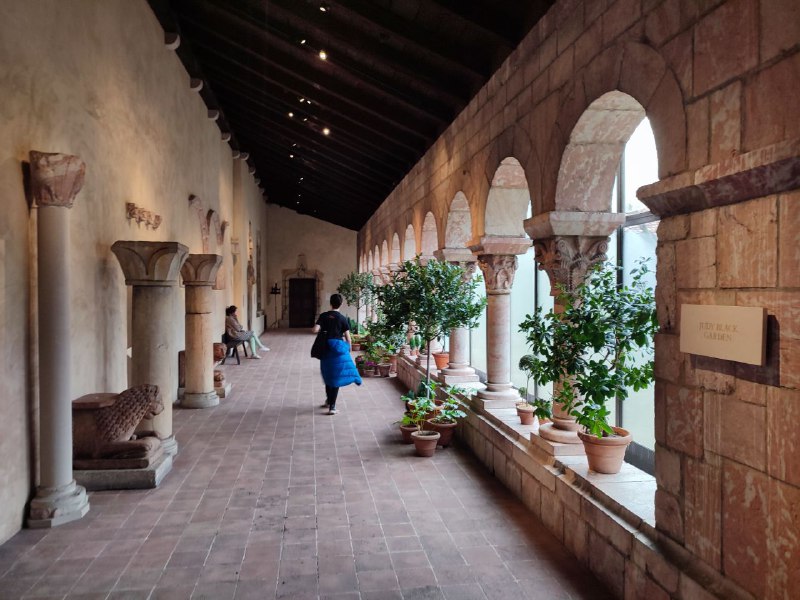
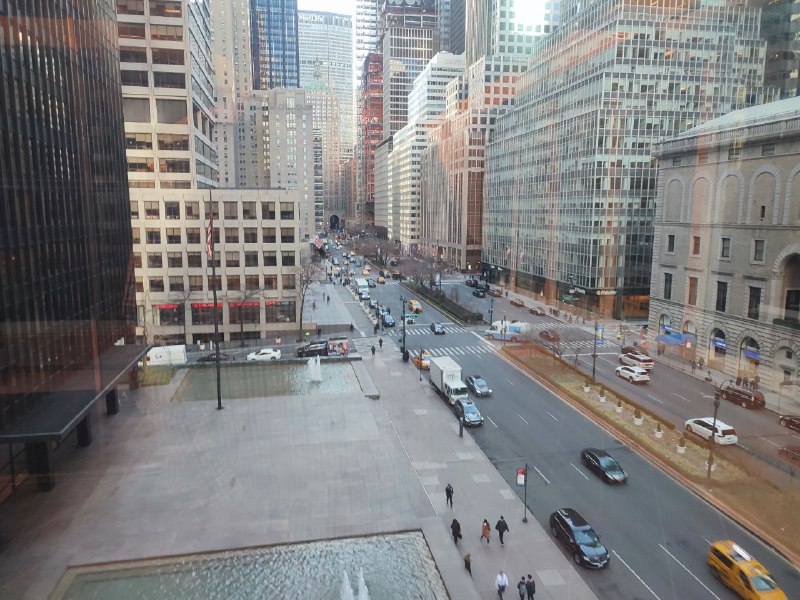
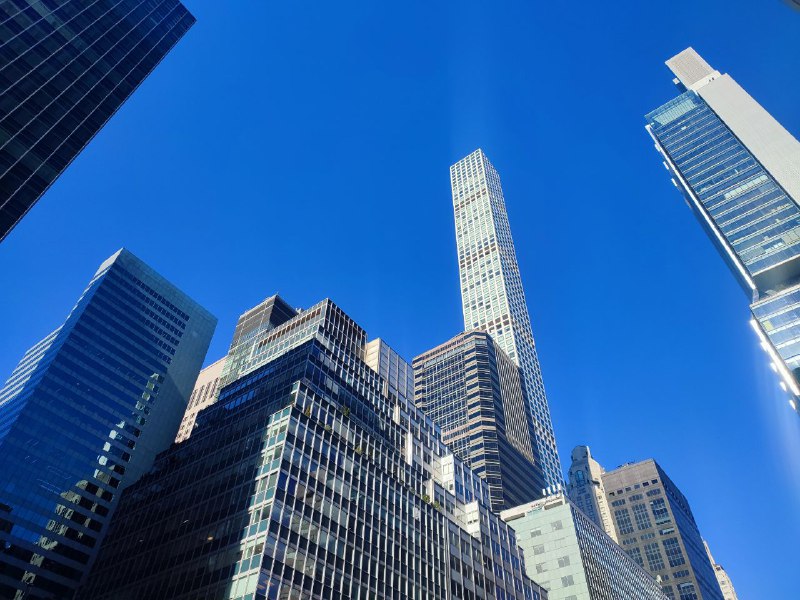
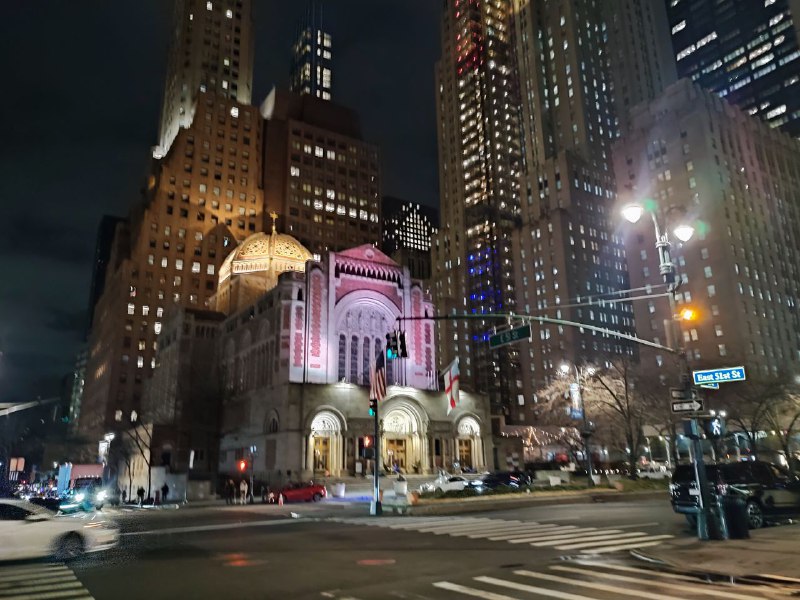
I'm back in Belgrade, but all those photos I took of New York weren't for nothing. I'll share some pictures here.
If you've watched even one American crime movie, you've definitely heard about the U.S. Constitution and its amendments (for example, movies often reference the Fifth Amendment, which allows you not to testify against yourself).
It's the most important law in the country and one of the oldest constitutions still in effect in the world. Since 1789, they've adopted 27 amendments to it. Though they've considered almost 12,000 of them (yes, 12 thousand).
Among the rejected ones was the
Ludlow Amendment. It proposed putting decisions about the necessity to start military operations outside your territory to a general referendum (except in cases where the country was already attacked). Everyone voting FOR would be obligated to sign up as a volunteer and go to the front. I don't understand why every country doesn't adopt such a rule for itself.
But sadly, the proposal was first introduced in 1914, and the most intense phase of discussion and voting fell during World War II. This heavily influenced public opinion, and in the end, it didn't reach the necessary threshold.
PS. If you're interested,
here is a small collection of curious rejected amendments. It's amusing to see how in one year they proposed banning religious leaders from holding public office, and in another year they wanted to write God into the Constitution.
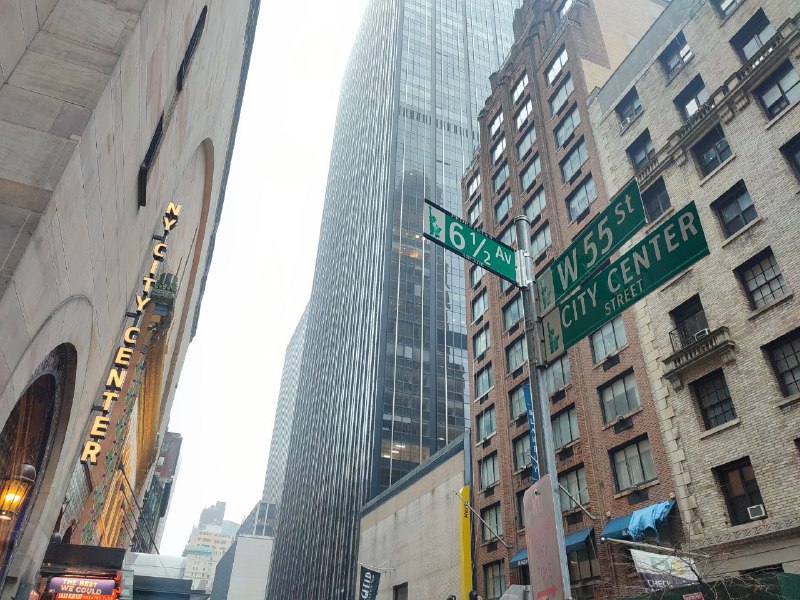
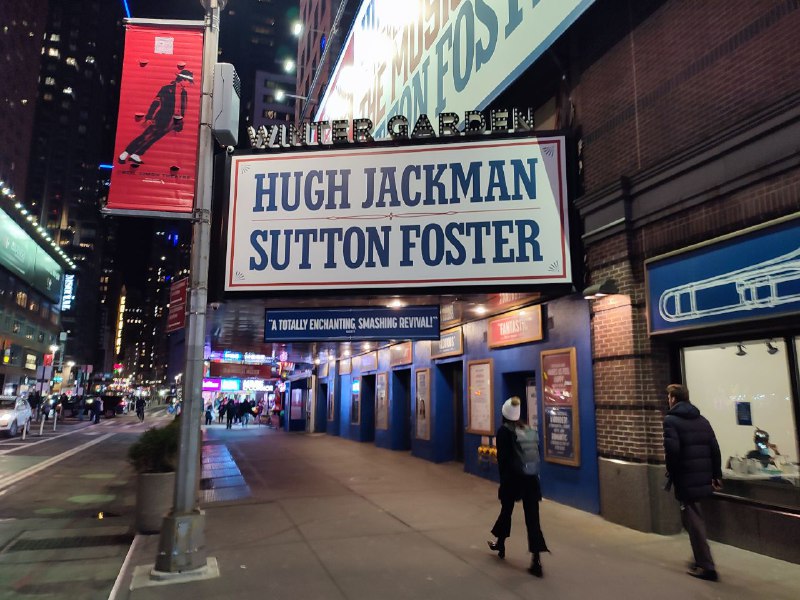
Platform 9¾, you say?
What about
Avenue 6½? :)
The other day I happened to notice something strange in the New York City subway: while waiting for my train and letting a couple of others pass, I caught sight of something peculiar—each time, a window opens in the middle of the train car and the conductor points his finger at something. I looked closer and there it was: a black-and-white wooden sign bolted to the ceiling.
I looked it up and found out there's actually a rule: the conductor has to clearly point to this sign before opening the doors. It's kind of an indicator to make sure nobody steps out into the tunnel. They started doing this after 1996, when doors would open a few times while one or two train cars were still in the tunnel. I wonder if they actually check whether employees bother to follow the procedure?
The black-and-white sign is at every station (sometimes more than one, since trains can vary in length).
According to
Wikipedia, this practice is widespread in Japan (though I didn't see anything like it when I was there; guess I'll have to go back).
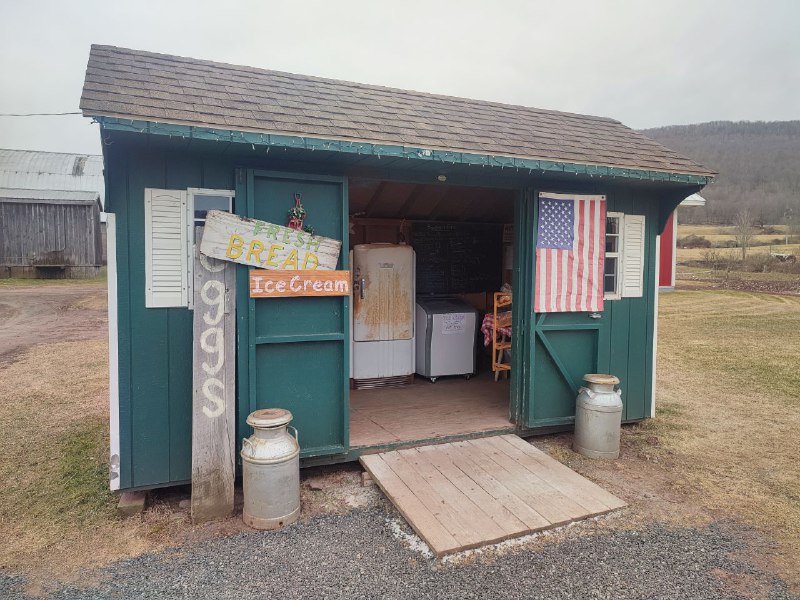
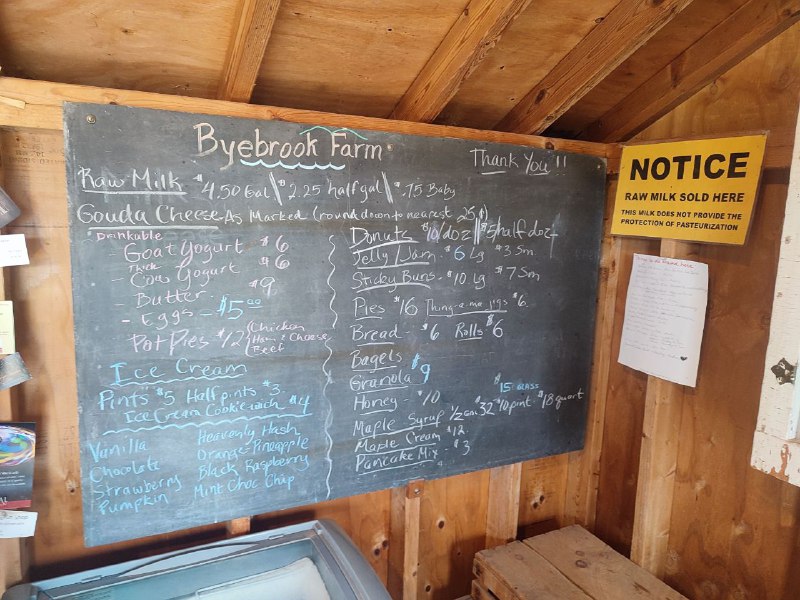
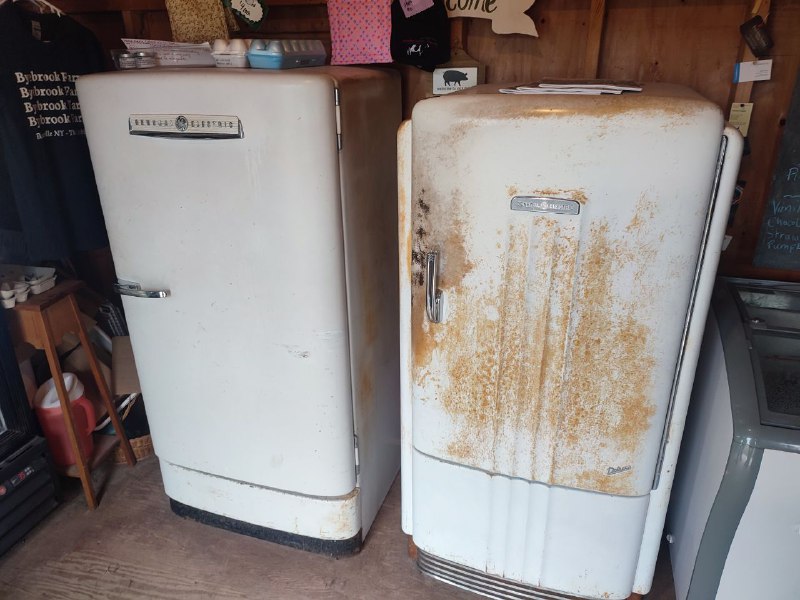
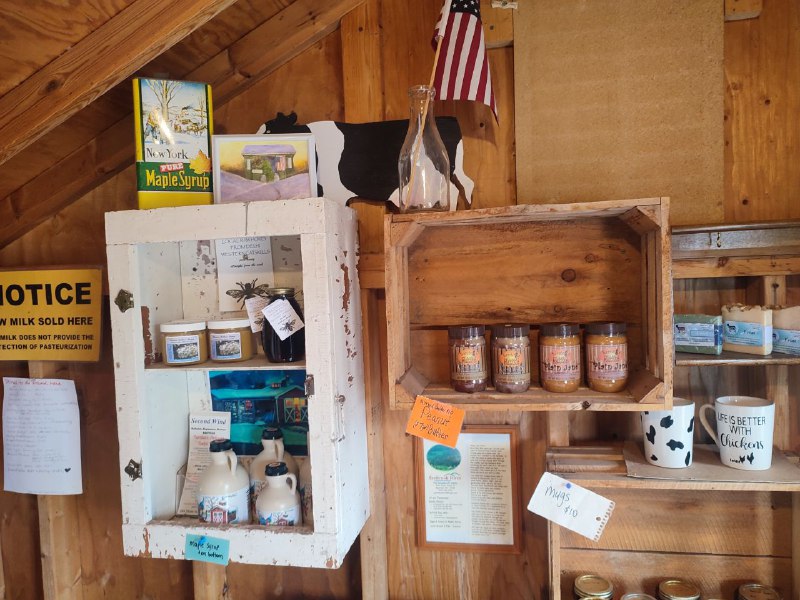
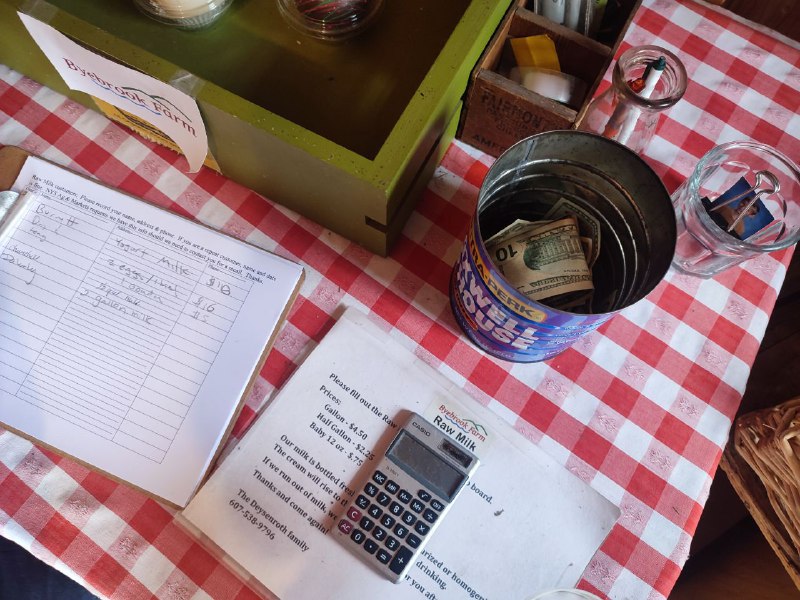
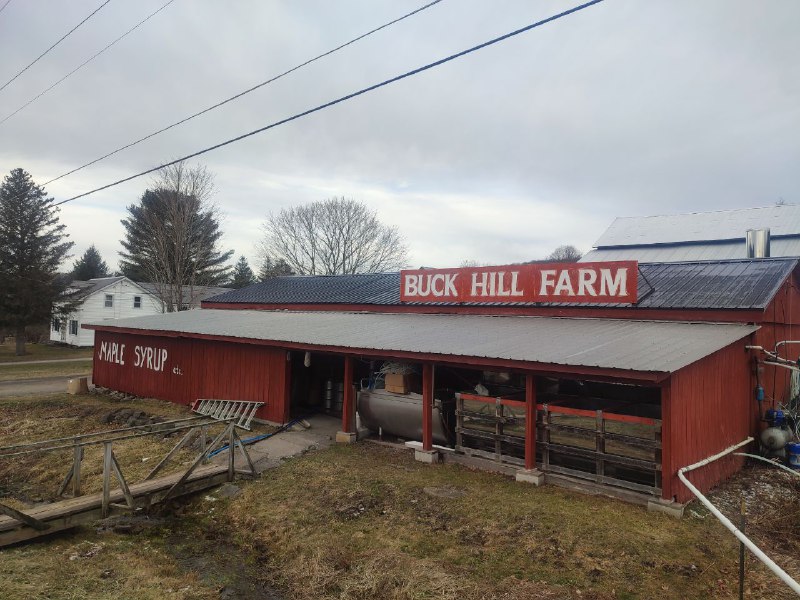
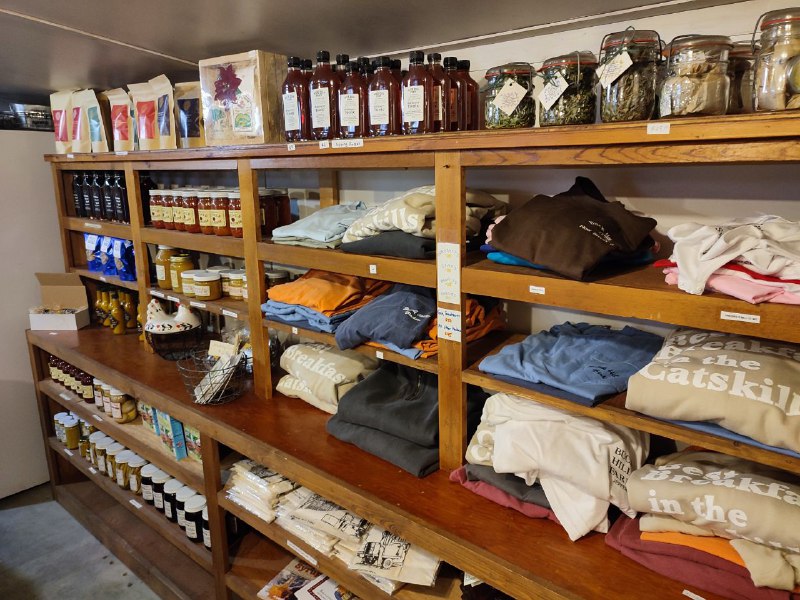
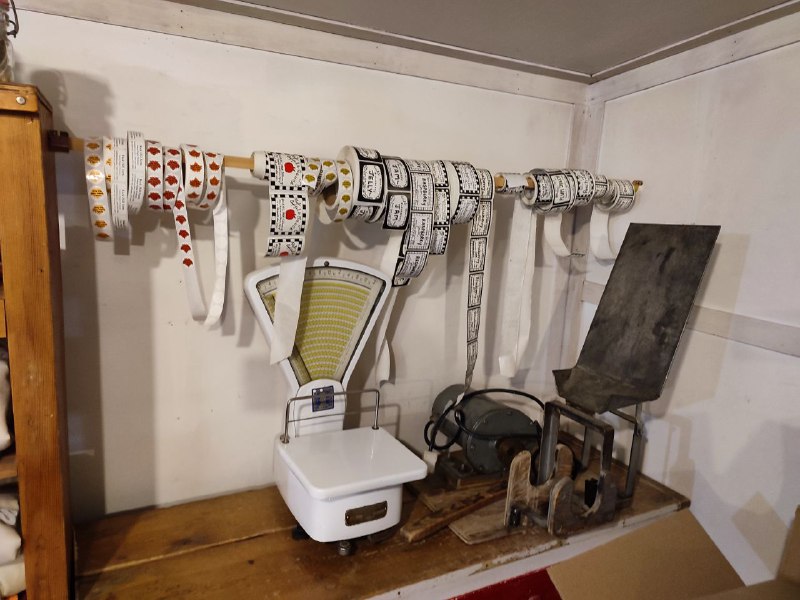
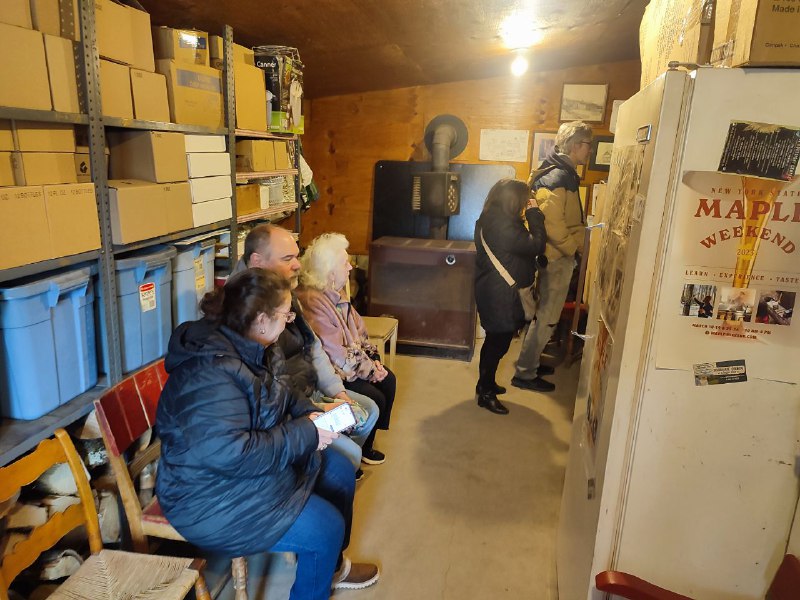
And here's the most surprising part — many farms have unmanned shops. You just walk into a tent, grab what you need, write down your purchases in a special notebook, leave some money, and head out. I thought that kind of thing only happened in the Swiss mountains. But nope. Just a couple hundred kilometers from New York City, they actually do this regularly.
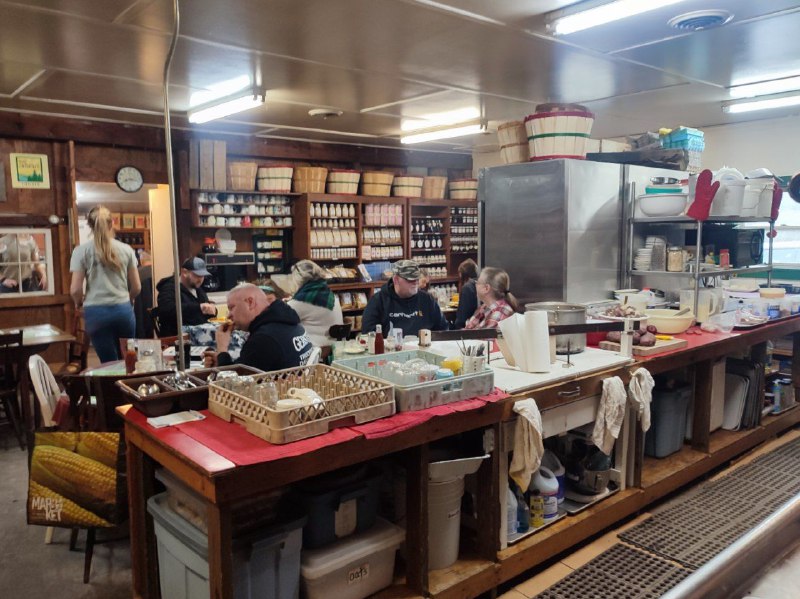
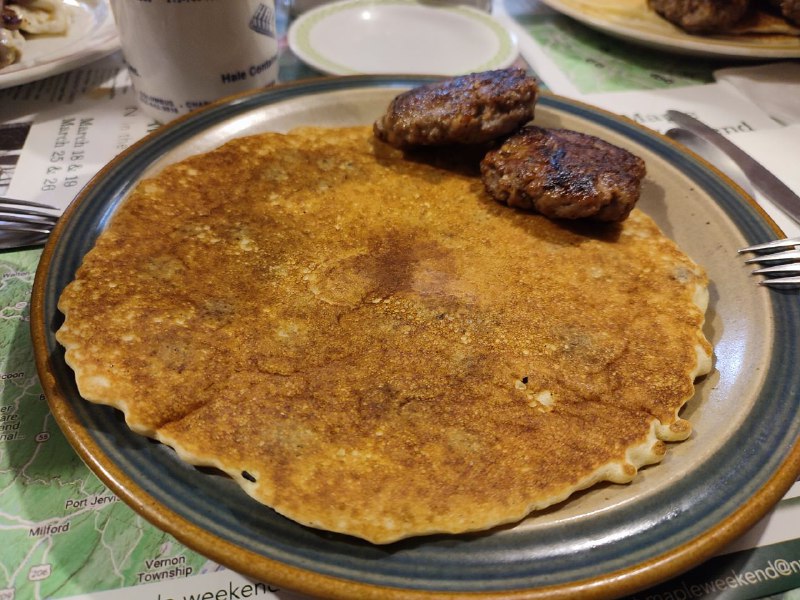
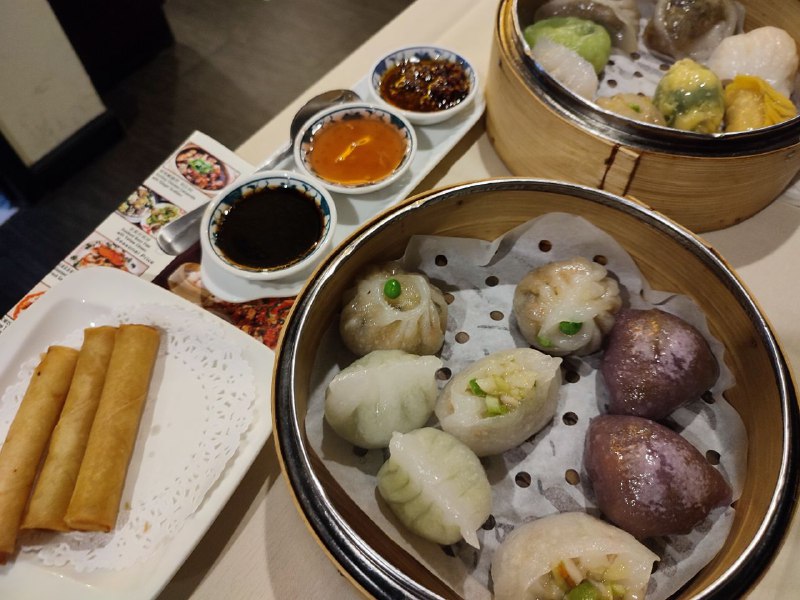
You can head out to one of the nearby farms for breakfast. There are plenty of farms around here, but not all of them serve breakfast.
That said, it's a pretty popular thing to do, so you don't want to sleep in too late—the later you arrive, the longer you'll probably end up waiting in line.
We got there at 8 in the morning and were first in line, but all the tables were already taken, so we had to wait a bit anyway. By the time we left, there were way more people. I've heard that during peak season, the line starts outside and can get pretty long.
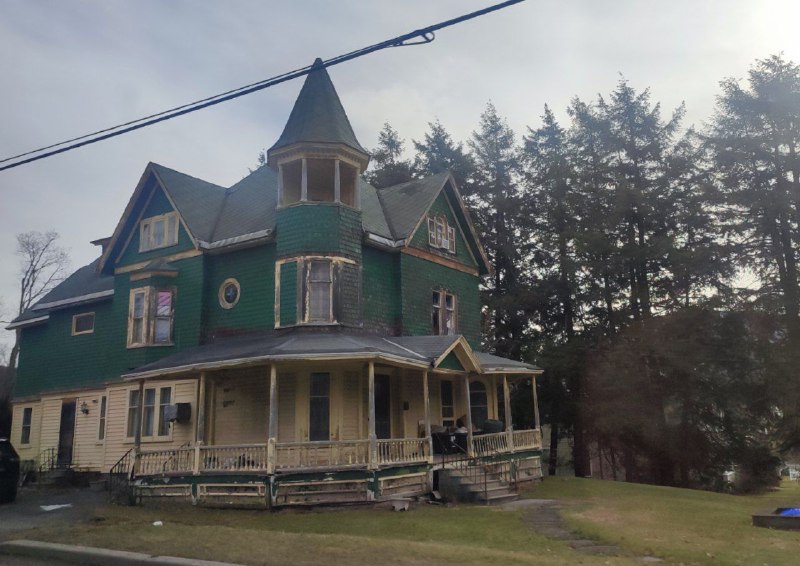
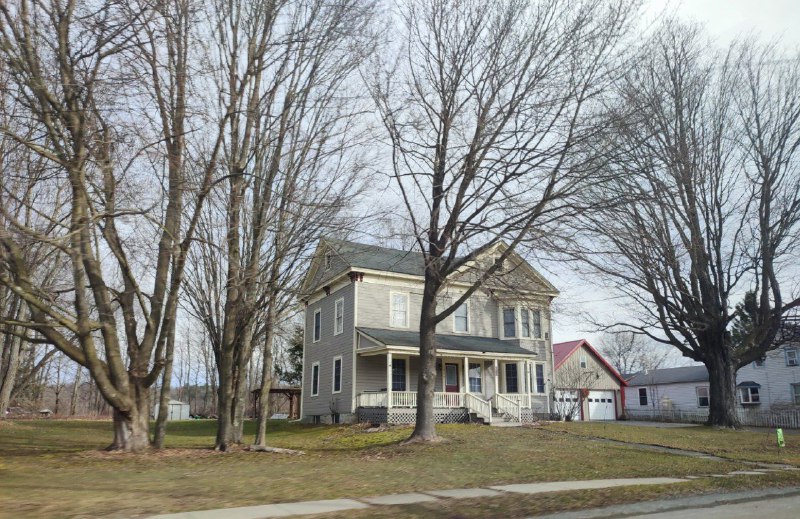
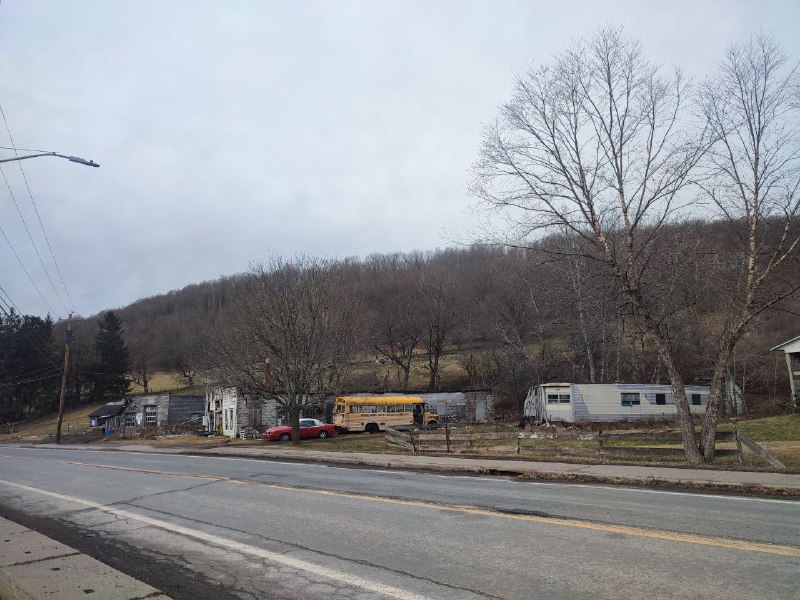
The area is full of small, completely typical little towns—it feels like you've stepped into an American movie. People clearly live a bit closer together here, but it's still more like a village than a real city.
If you ever need emergency help, an ambulance or police will take about 20 minutes to reach you. And the firefighters? They're all volunteers out here. They only get paid salaries in the bigger towns where the budget can actually support that kind of thing.
This place is so remote that there's basically no mobile signal anywhere. Locals have wired connections, which also allows them to set up additional mini-stations from the mobile operator. But if you're just passing through as a tourist, it's better to be safe and download offline maps beforehand.
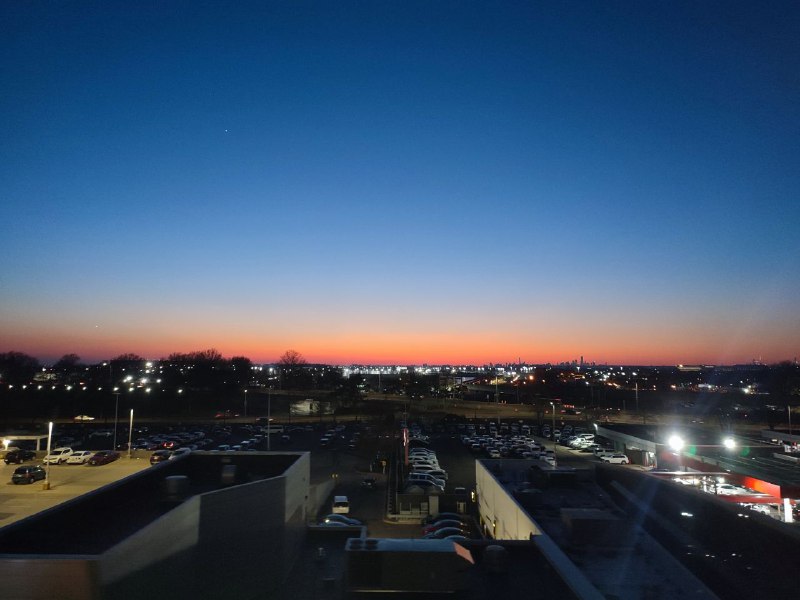
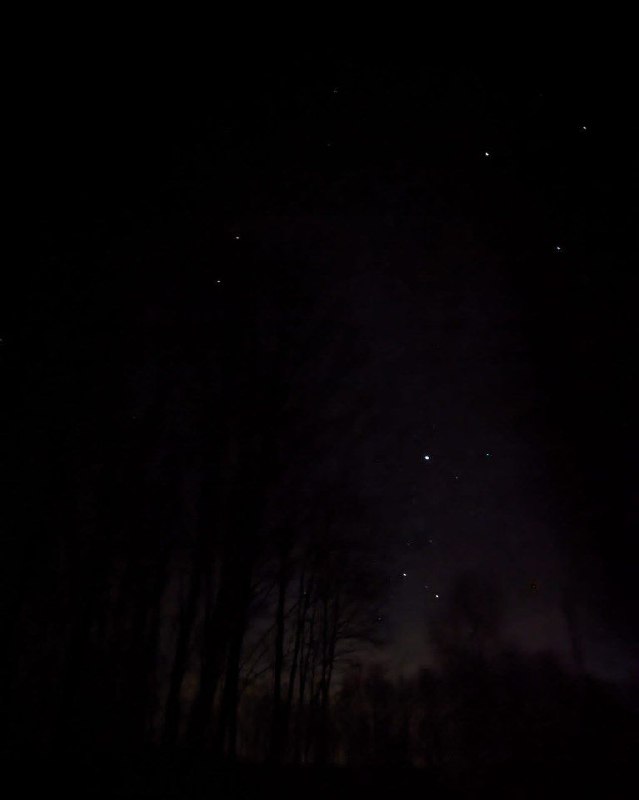
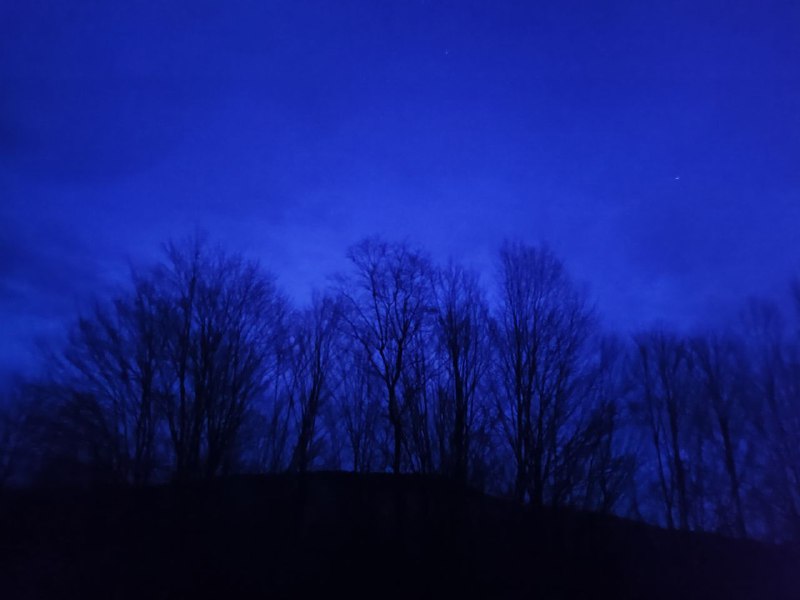
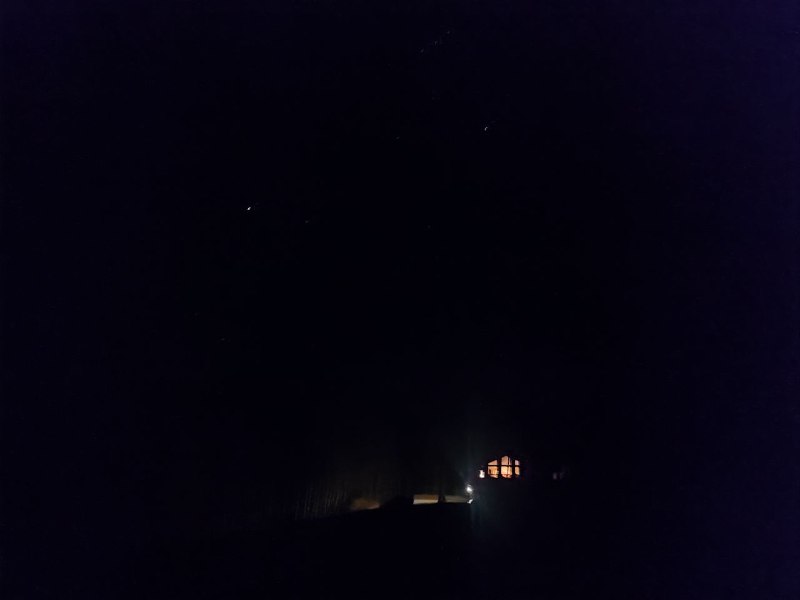
At night, when there's no moon, it gets so dark that you literally can't see where you're stepping without a flashlight. But the stars are absolutely stunning. I didn't bring a proper camera with me, so I just made do with my phone, sorry about that. Trust me, it's even more beautiful in person (:
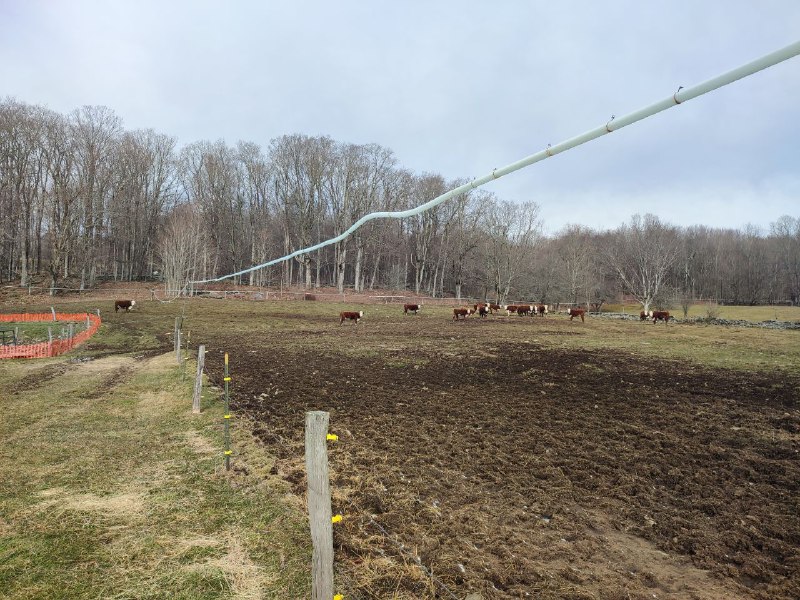
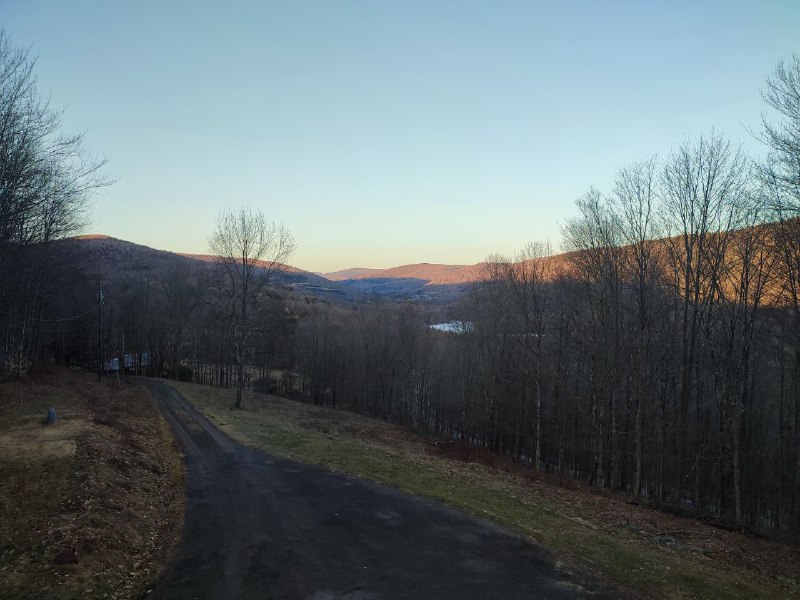
The area is quite forested, with houses located at a considerable distance from each other. During the day, neighbors' houses are practically not visible from the property. At night, their lit windows might give them away, but you can literally count them on the fingers of one hand.
A colleague invited me to spend the weekend at his country house in upstate New York. It's totally different from anything I've seen before in the States.
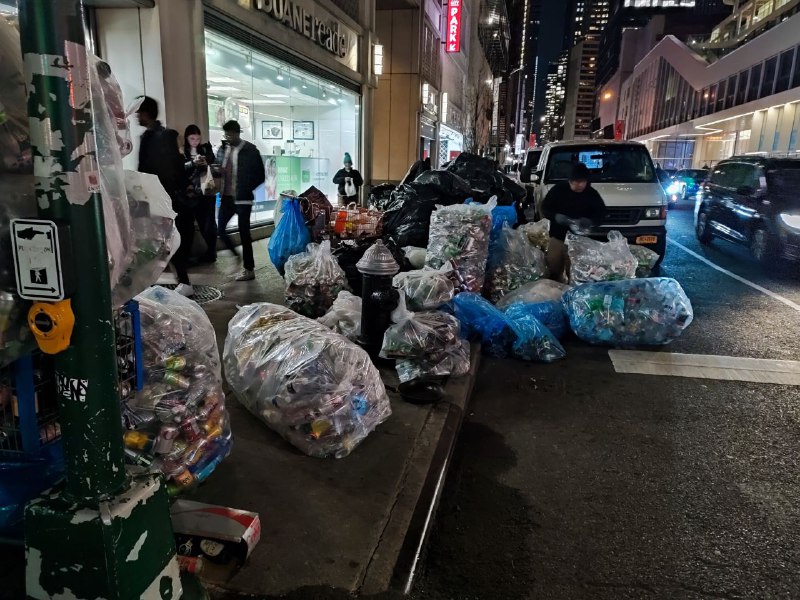
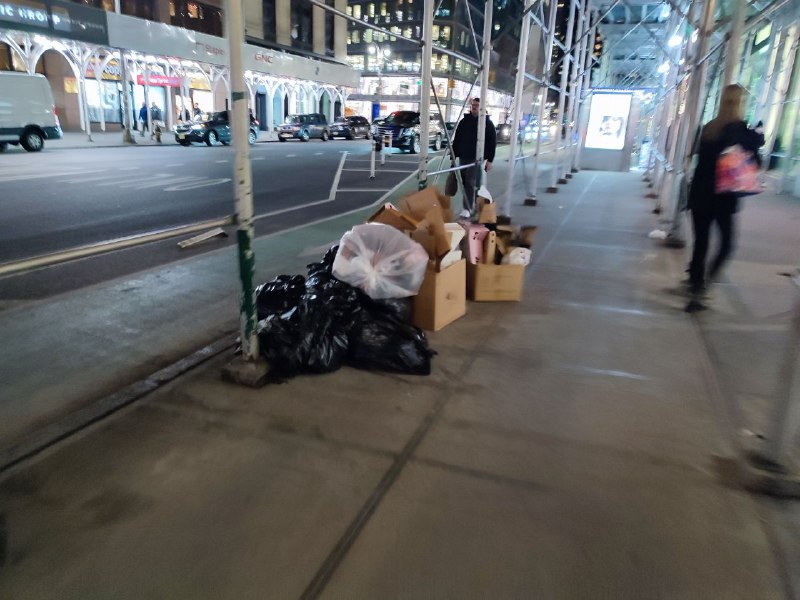
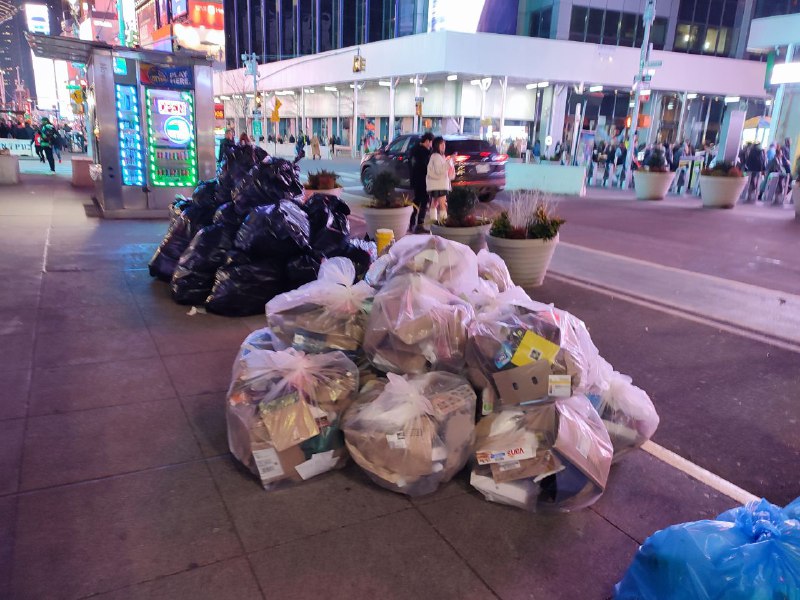
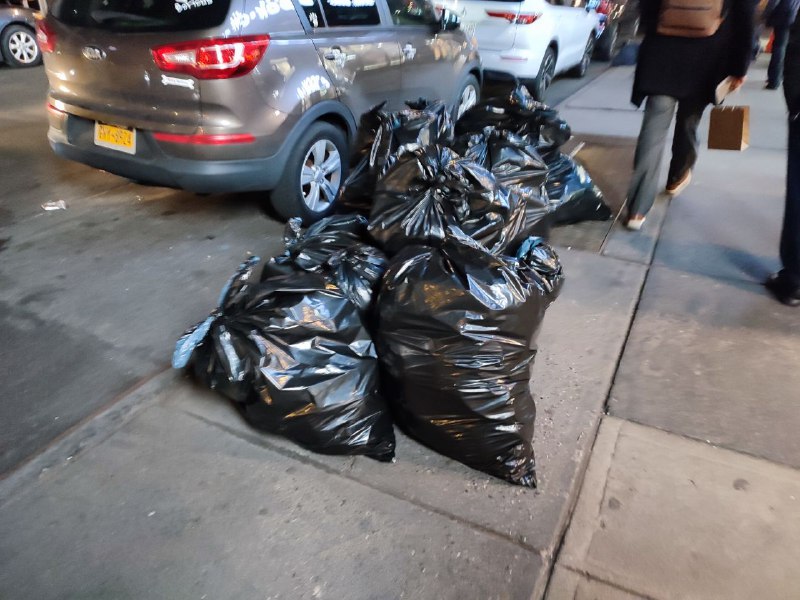
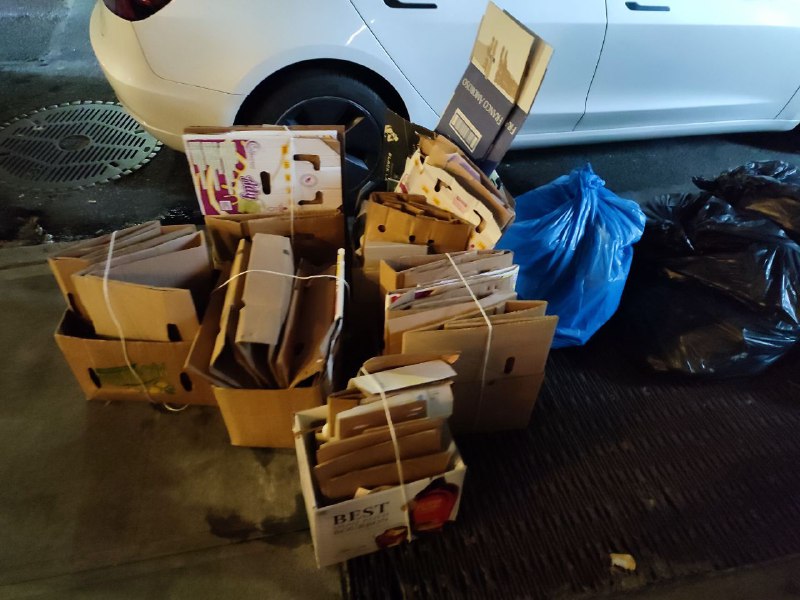
Garbage on New York City streets hasn't gone anywhere. Plus, during COVID they suspended routine rat control operations. As a result, rats multiplied so much that the city hall was looking for an entire
director of rodent control back in December 2022 (they took down the posting now, probably found someone, but the job description promised a salary range of $120-170 thousand a year).
It's surprising that one of the world's largest cities can't solve such a straightforward garbage disposal problem. If they put trash bags in containers instead of on the street, it would be harder for rats to get to them. And the rat population should naturally decrease. But this measure would noticeably reduce the number of parking spots. Apparently, the authorities aren't willing to do that.
Maybe I should've sent them my resume?)I guess I got a bit caught up in work, sorry about that. New York is still here, it's not going anywhere.
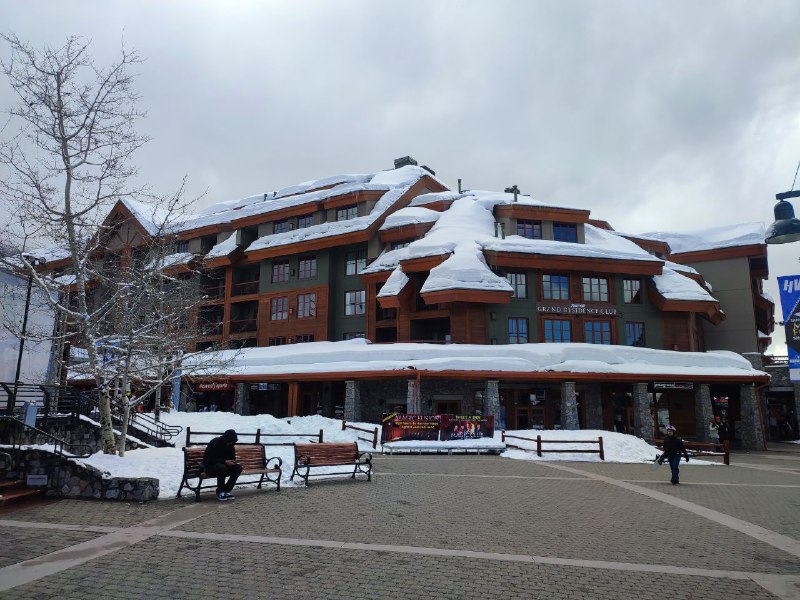
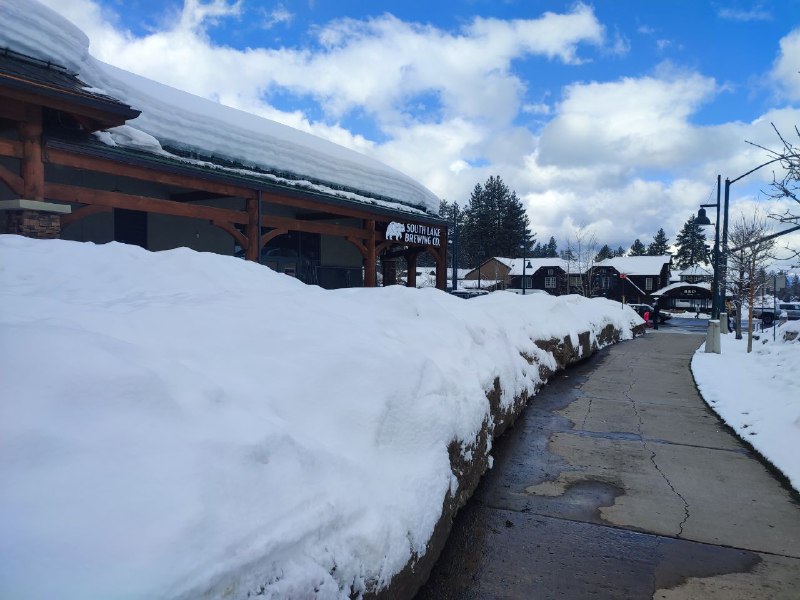
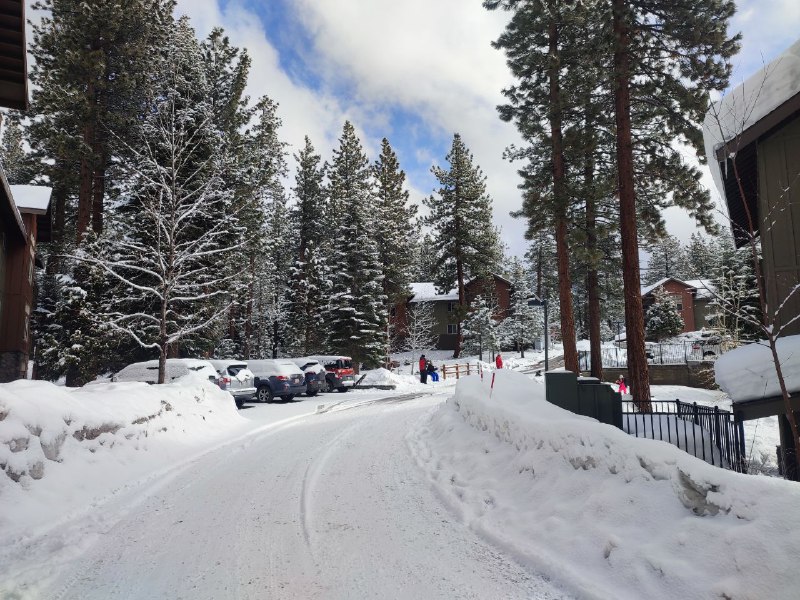
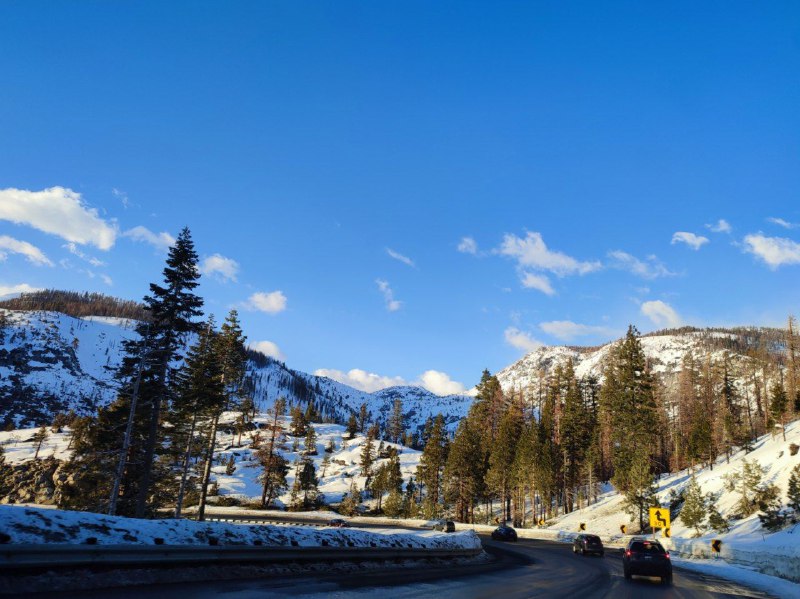
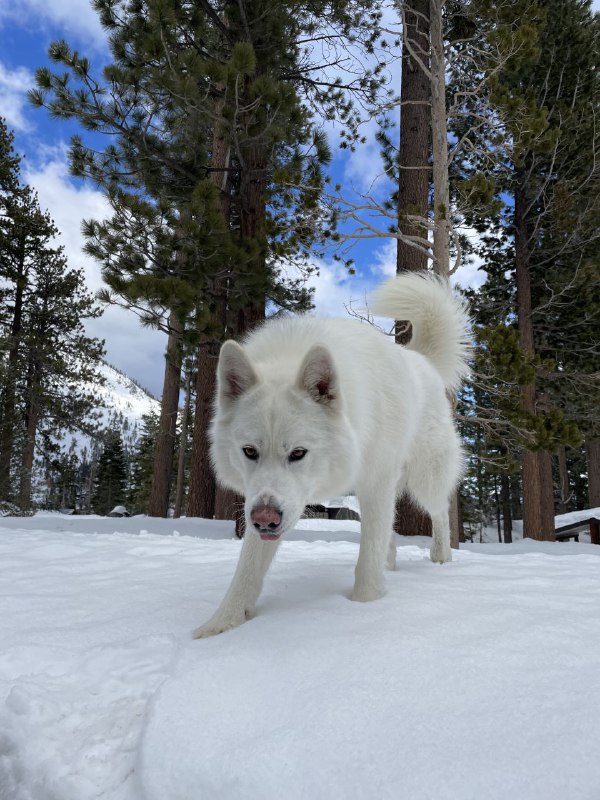
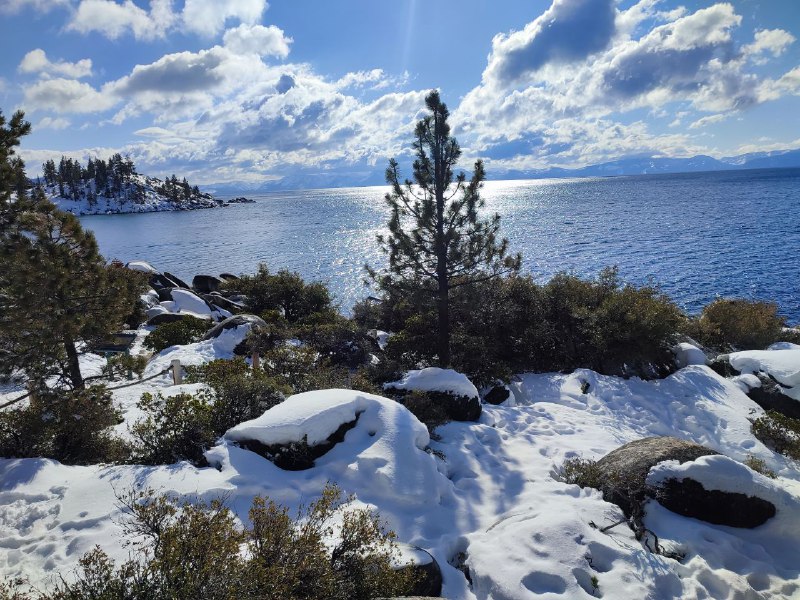
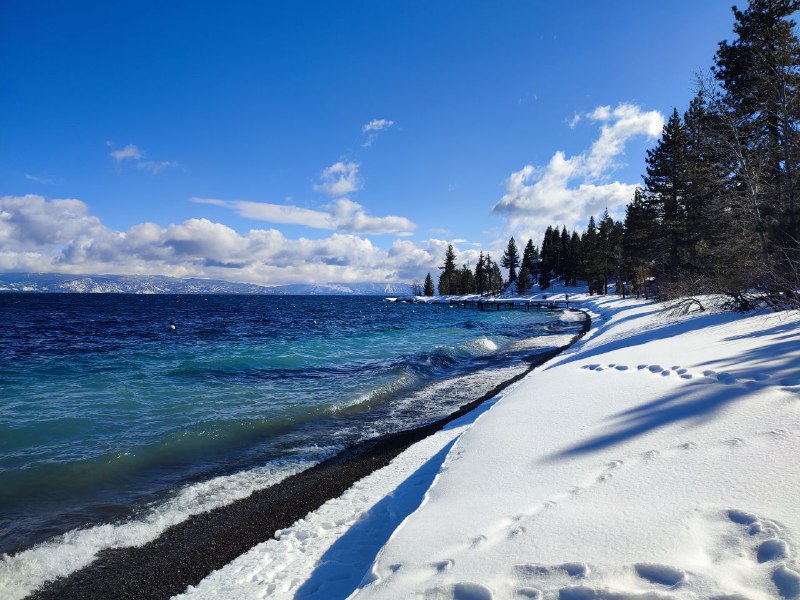
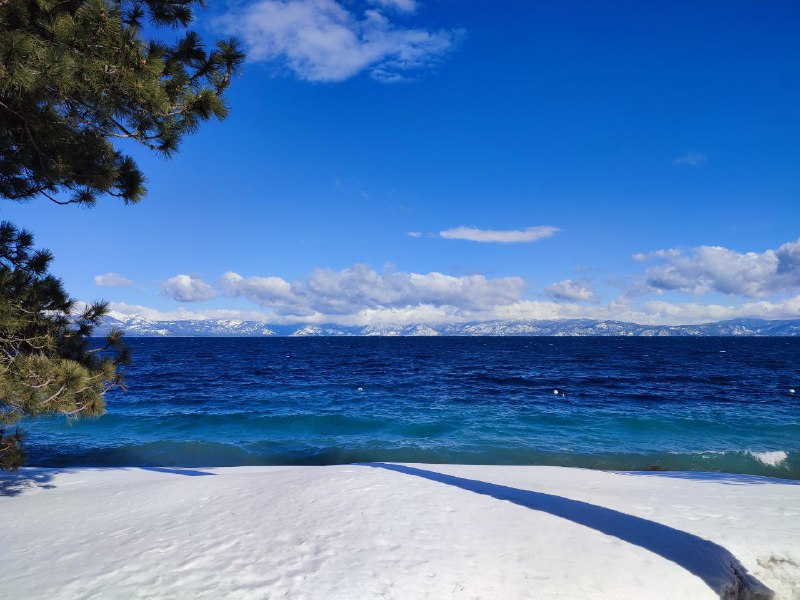
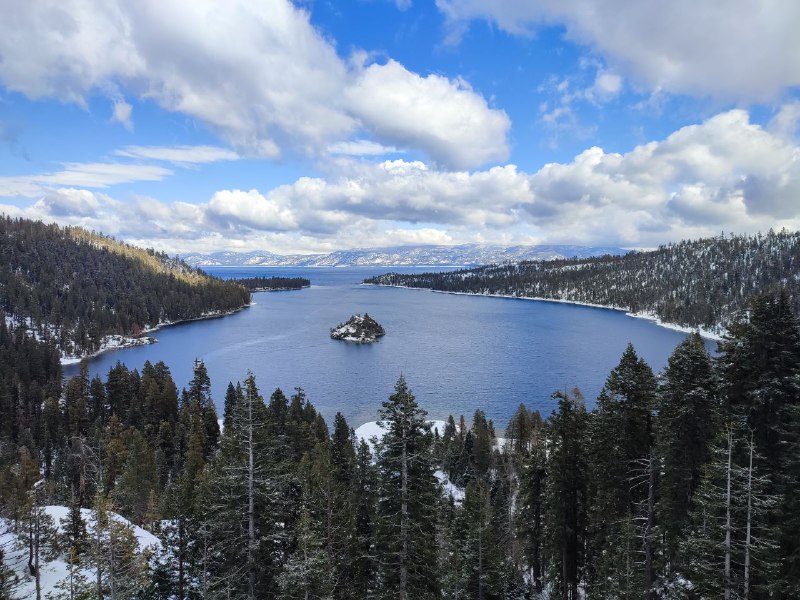
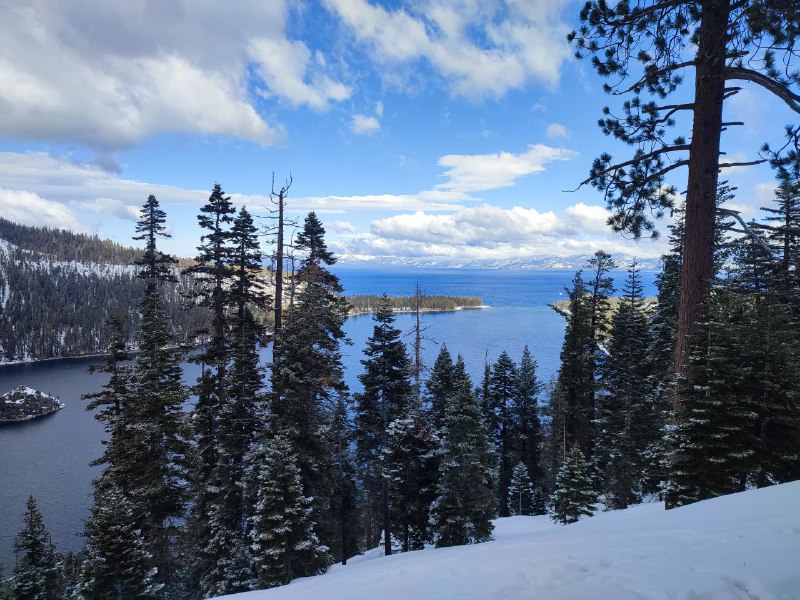
Winter around San Francisco is warm and there's no sign of snow. But if you really want to see a snowy winter, you can drive about 300 kilometers to Lake Tahoe and there it is.
It's a really popular spot—everyone loves having that controllable weather where you can turn on the cold for a couple days and then head back to the warmth. Plus you can ski and snowboard there too.
We got a ton of snow this year. On the north side, there's easily 3-5 feet piled up, so some of the hiking trails and parking areas aren't very accessible right now. We'll have to come back and check them out sometime in the summer.
 United Kingdom
 Serbia
 Bosnia and Herzegovina
 Turkey
 United Arab Emirates
 Brunei
 Indonesia
 Malaysia
 Argentina
 USA
USA Morocco
 Georgia
 Egypt
Egypt Hong Kong
 China
China Vietnam
 Tunisia
 Montenegro
 Philippines
 Singapore
 Oman
Oman Algeria
 North Macedonia
 Lebanon
 Israel
 Albania
 Russia
 Tanzania
 Netherlands
 Spain
Spain Latvia
 Germany
 Belgium
 France
 Kazakhstan