Telegram mirror
Telegram is a messenger where I post short travel notes. This page is a self-hosted backup of that channel.
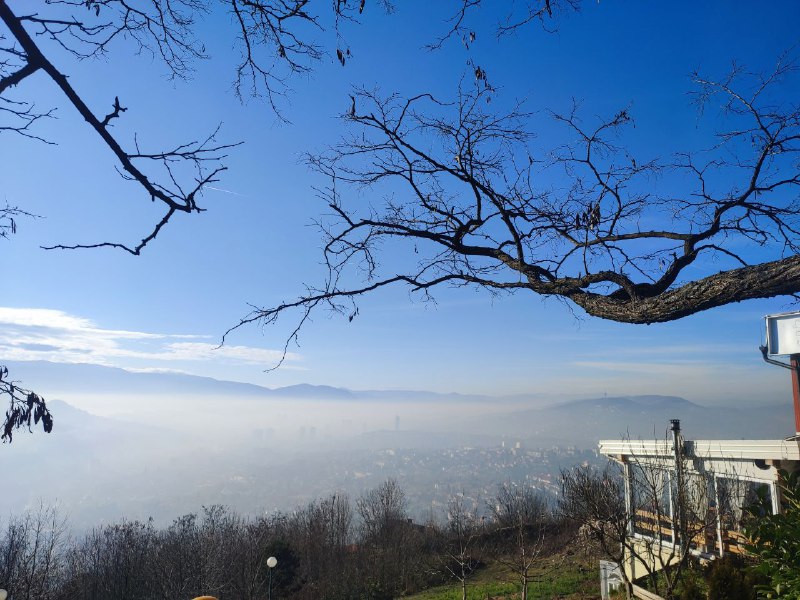
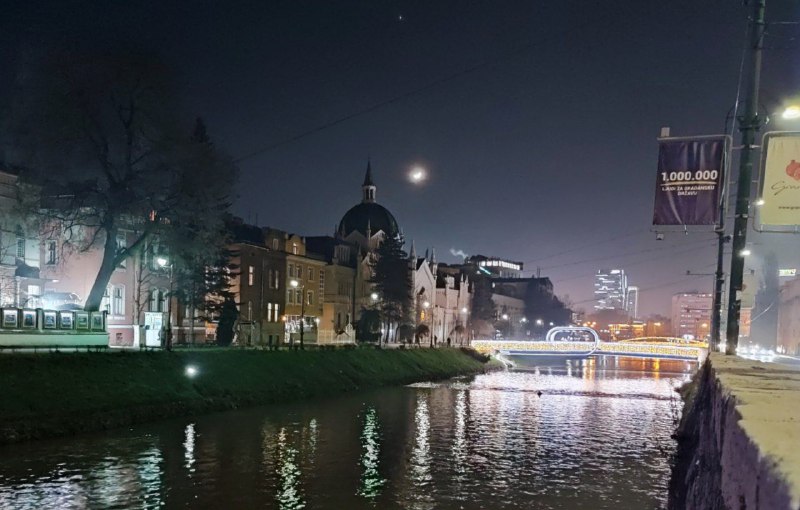
But Sarajevo is drowning in smog. You can barely make out the silhouettes of the skyscrapers.
Check out this adorable Herbalist!
Almost every city in Bosnia that I visited is located in a river valley nestled between hills. In summer it looks incredibly picturesque, but in winter the fog and smog get trapped in these valleys and just linger. Many people heat with firewood or coal, which only makes it worse. That said, you don't really smell the smoke, but it's still not pleasant to spend a lot of time in such conditions.
Almost every city in Bosnia that I visited is located in a river valley nestled between hills. In summer it looks incredibly picturesque, but in winter the fog and smog get trapped in these valleys and just linger. Many people heat with firewood or coal, which only makes it worse. That said, you don't really smell the smoke, but it's still not pleasant to spend a lot of time in such conditions.
I've always been amazed at how one midnight of the year stands out from all the others. People suddenly start hoping, believing, and eagerly anticipating something magical. And you can't help but get caught up in the collective mood. If that's not magic, what is?
Peaceful skies in the New Year!
Thank you for reading!
Peaceful skies in the New Year!
Thank you for reading!
►
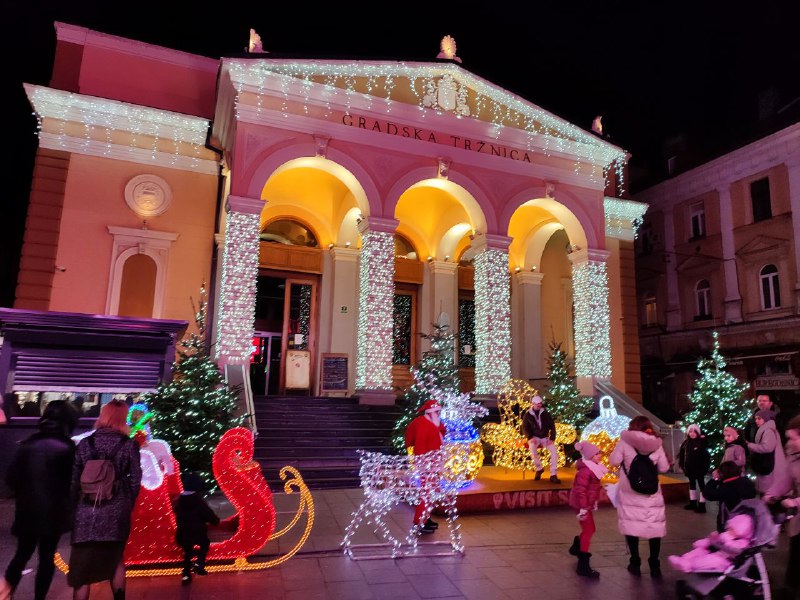
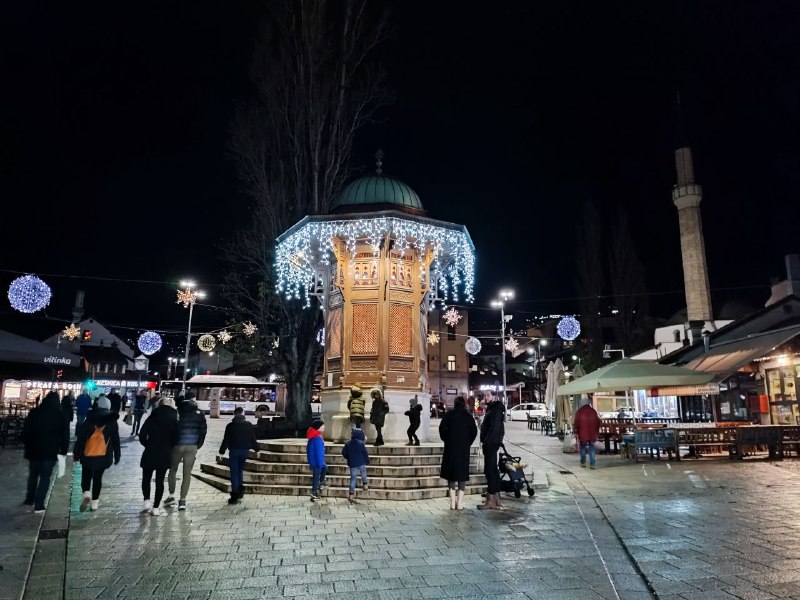
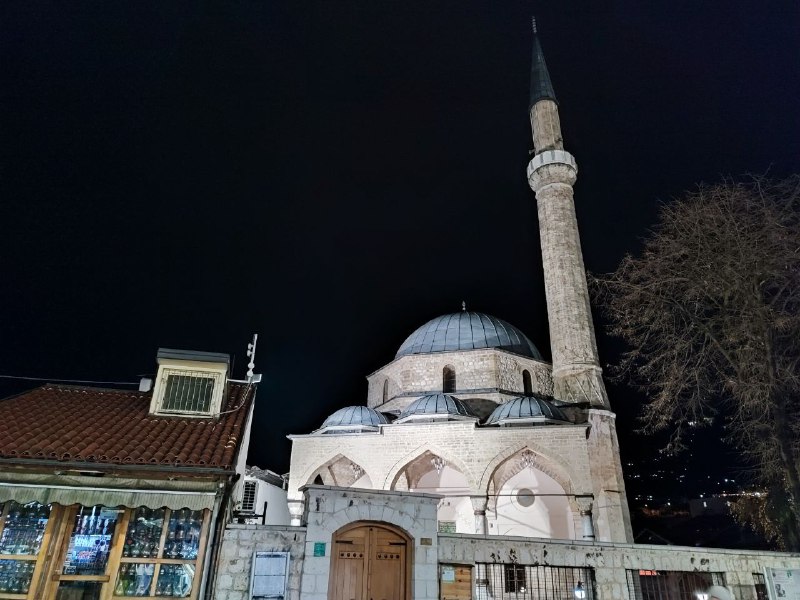
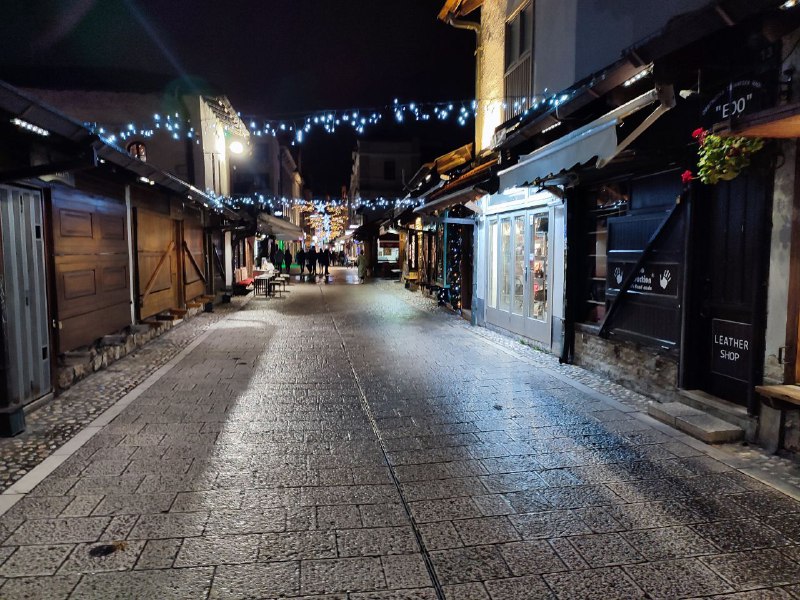
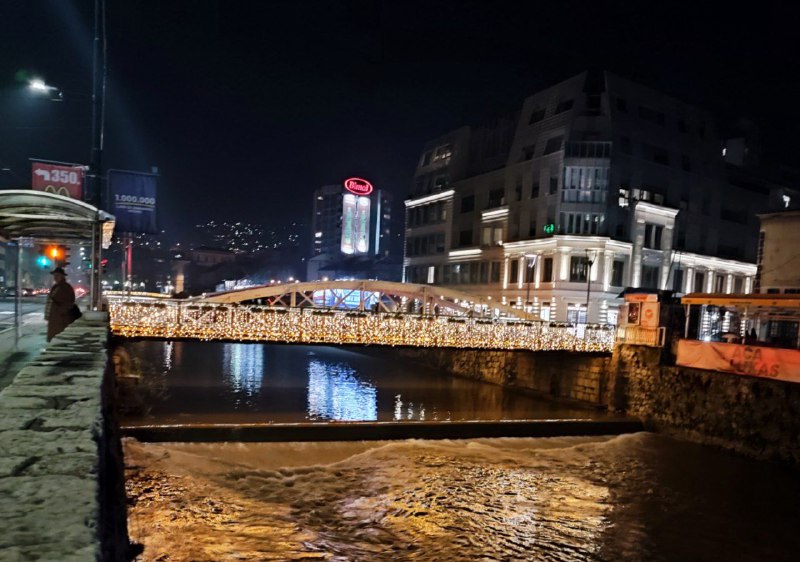
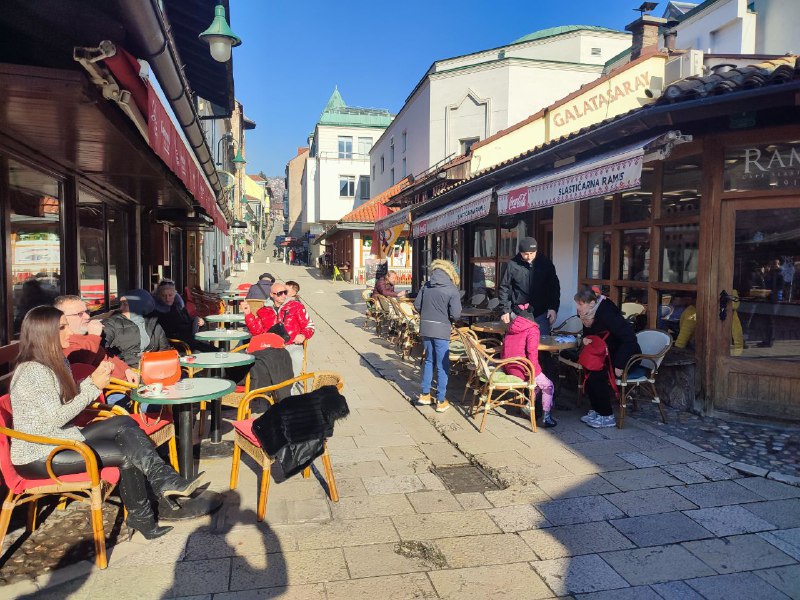
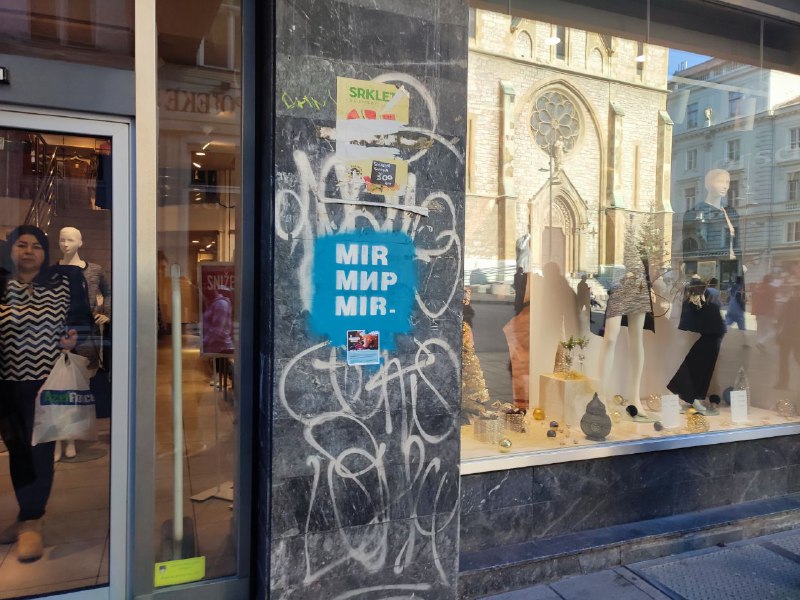
"Two heads are better than one, so three must be even better!" thought Bosnia and Herzegovina, and decided to elect three presidents at once: a Serb, a Bosniak, and a Croat. The three of them mess around serve as president for the entire 4-year term. You can't be elected more than twice in a row, but you can with a break in between. Two of them have even done this already (a Croat and a Bosniak). Nevertheless, the country has 14 (!) living former presidents.
One of the three is appointed chair, and the position rotates every 8 months. Over 4 years, that's exactly 2 complete cycles.
Decisions are made collectively, by unanimous consent. But on controversial issues, this doesn't work at all. For example, Bosniaks and Croats would be happy to recognize Kosovo's independence, but the Serbs are categorically opposed.
Elections are also complicated: Croats living in the Serb Republic have to vote for the Serbian representative, while Serbs who moved to the Federation can't vote for him, even though they'd really like to. It's a mirror situation with the other candidates.
And the real problem is that the presidents' ethnicities are iron-clad in the Dayton Accords. Representatives of other peoples can't be elected. There was a case at the European Court of Human Rights against B&H brought by a Jew and a Roma because of such discrimination. The court ruled back in 2009 that the rules need to be changed, but the system hasn't been reformed since then.
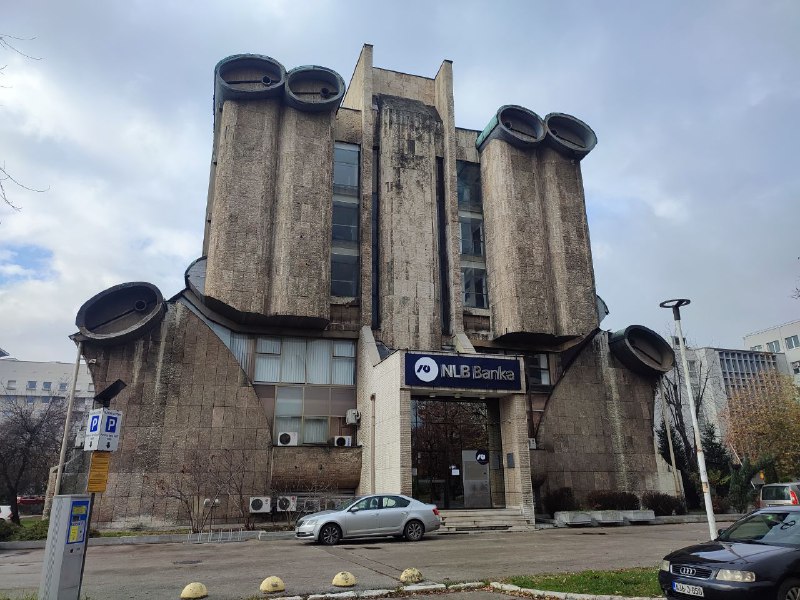
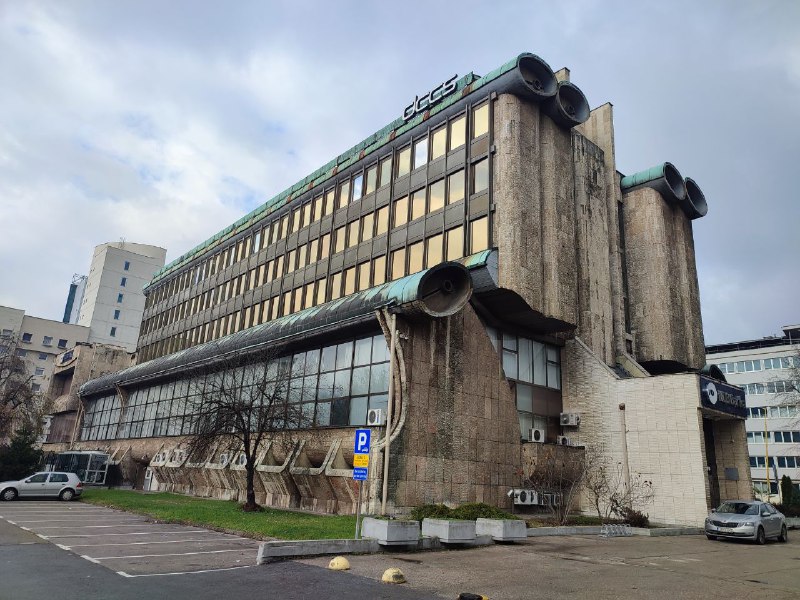
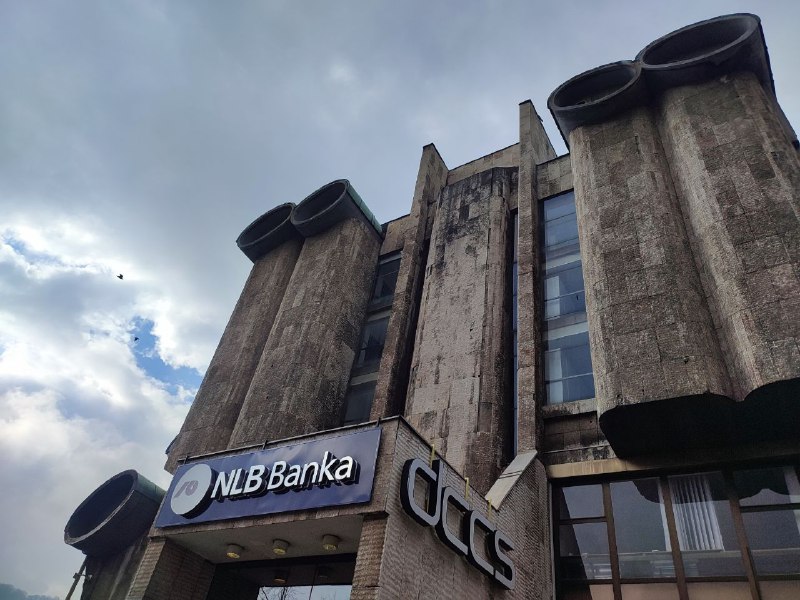
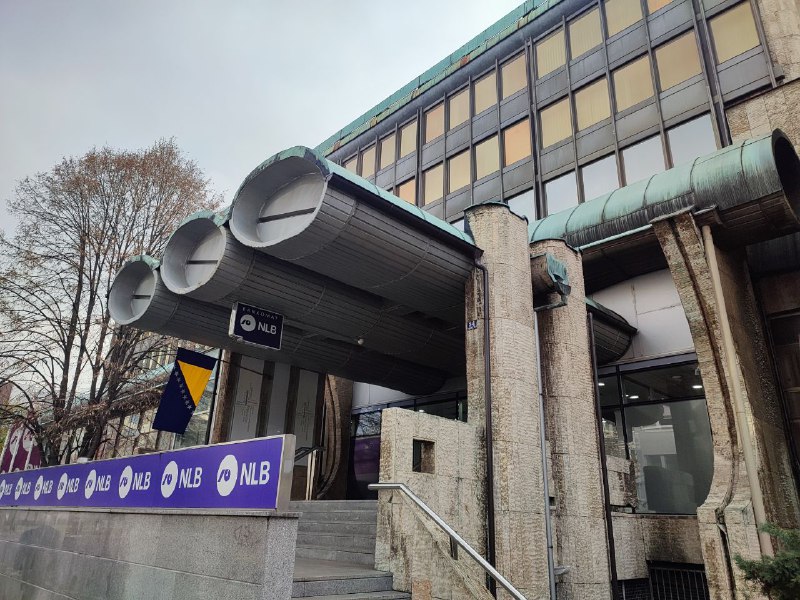
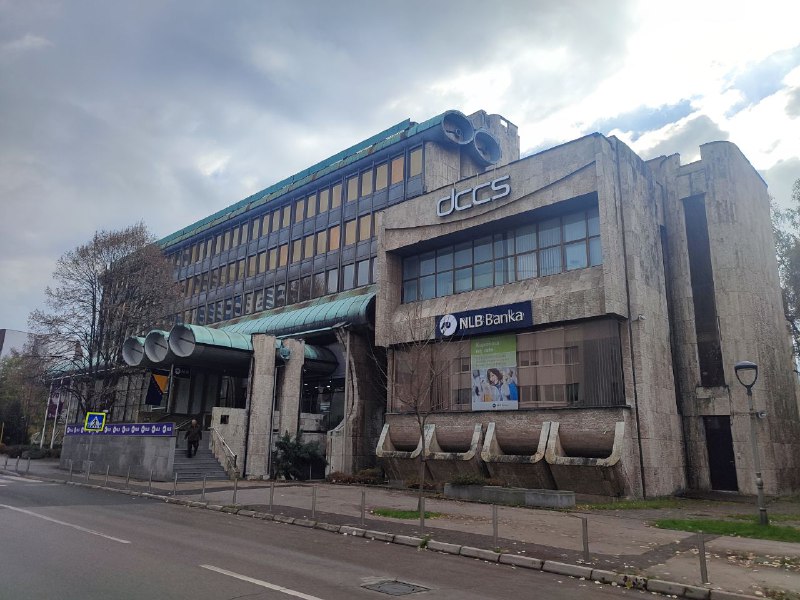
And that wraps up today's civics lesson. And in the photo below is the building in Sarajevo where the presidents meet.
One of the three is appointed chair, and the position rotates every 8 months. Over 4 years, that's exactly 2 complete cycles.
Decisions are made collectively, by unanimous consent. But on controversial issues, this doesn't work at all. For example, Bosniaks and Croats would be happy to recognize Kosovo's independence, but the Serbs are categorically opposed.
Elections are also complicated: Croats living in the Serb Republic have to vote for the Serbian representative, while Serbs who moved to the Federation can't vote for him, even though they'd really like to. It's a mirror situation with the other candidates.
And the real problem is that the presidents' ethnicities are iron-clad in the Dayton Accords. Representatives of other peoples can't be elected. There was a case at the European Court of Human Rights against B&H brought by a Jew and a Roma because of such discrimination. The court ruled back in 2009 that the rules need to be changed, but the system hasn't been reformed since then.
And that wraps up today's civics lesson. And in the photo below is the building in Sarajevo where the presidents meet.
Montenegro has its own kind of Shabbat. A simplified version. In 2019, the country's parliament passed a law that turned Sunday into a sort of mandatory day off for all stores. The only exceptions are gas stations and small kiosks selling beer and cigarettes. The fine for breaking the rules can go up to ten thousand euros.
The main reason behind this move was the authorities' desire to give shop workers more time with their families. The law doesn't apply to cafes and restaurants, so you won't starve. Either way, you can't really reschedule your Sunday grocery run.
It's no wonder Montenegrins are considered the laziest people in the Balkans (sorry for the stereotype, but take it with a grain of salt). The locals themselves have played a role in this reputation, even coming up with their own 10 commandments. Though to be fair, this is relatively new folklore, mostly created to attract tourists.
The main reason behind this move was the authorities' desire to give shop workers more time with their families. The law doesn't apply to cafes and restaurants, so you won't starve. Either way, you can't really reschedule your Sunday grocery run.
It's no wonder Montenegrins are considered the laziest people in the Balkans (sorry for the stereotype, but take it with a grain of salt). The locals themselves have played a role in this reputation, even coming up with their own 10 commandments. Though to be fair, this is relatively new folklore, mostly created to attract tourists.
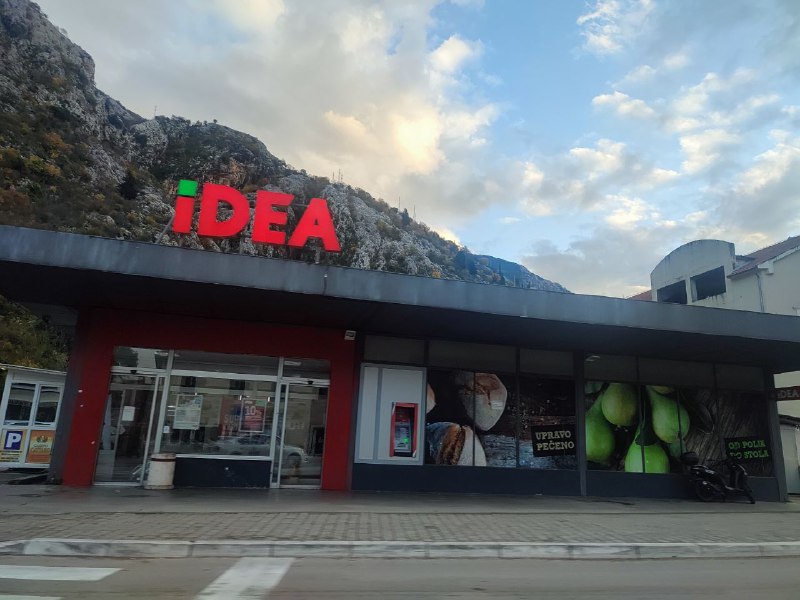
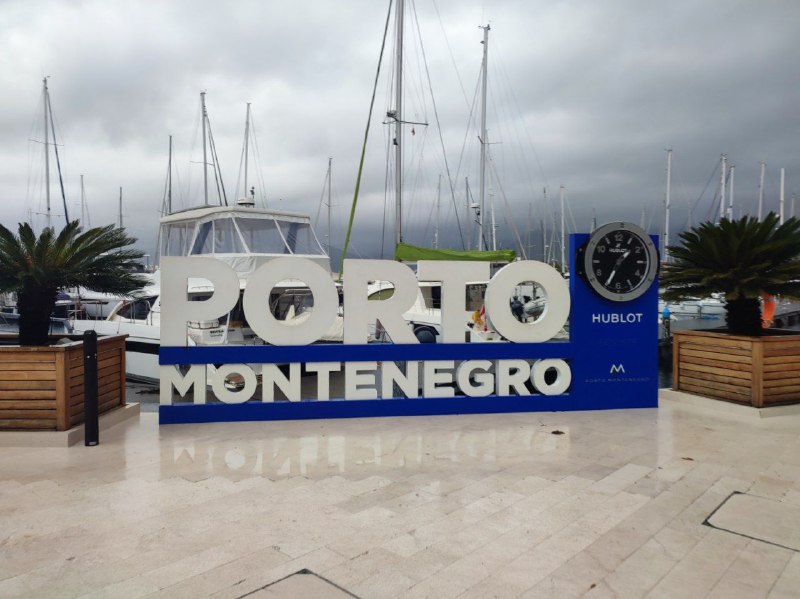
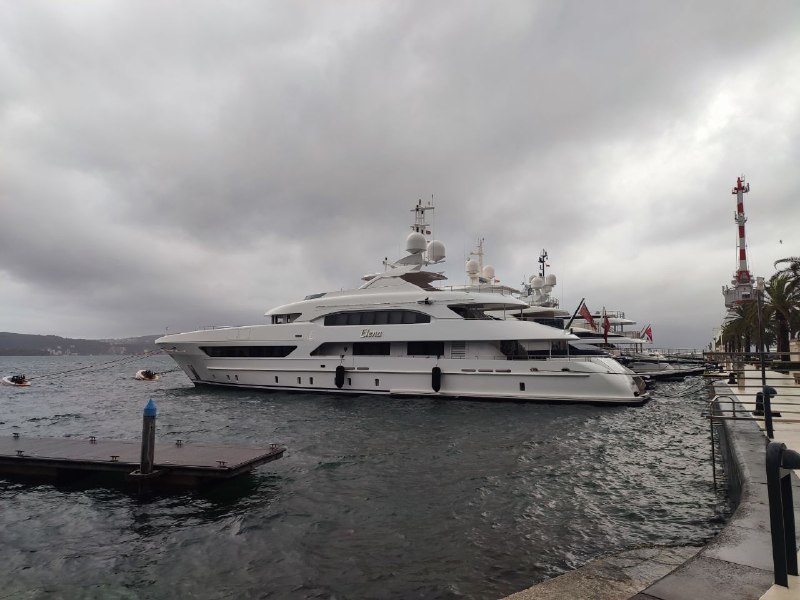
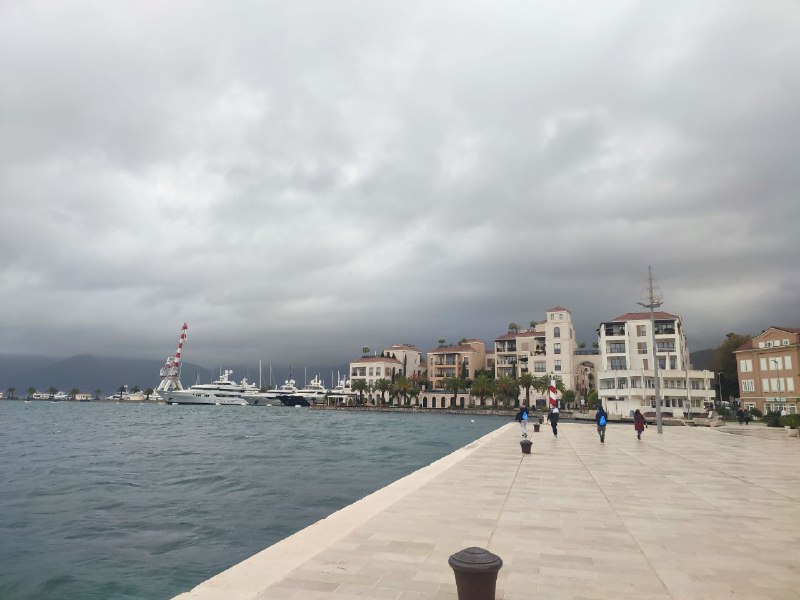
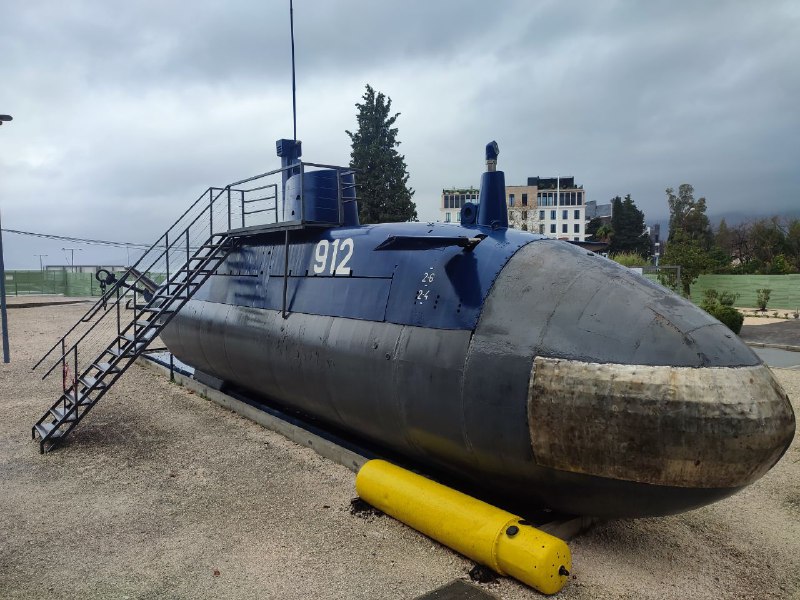
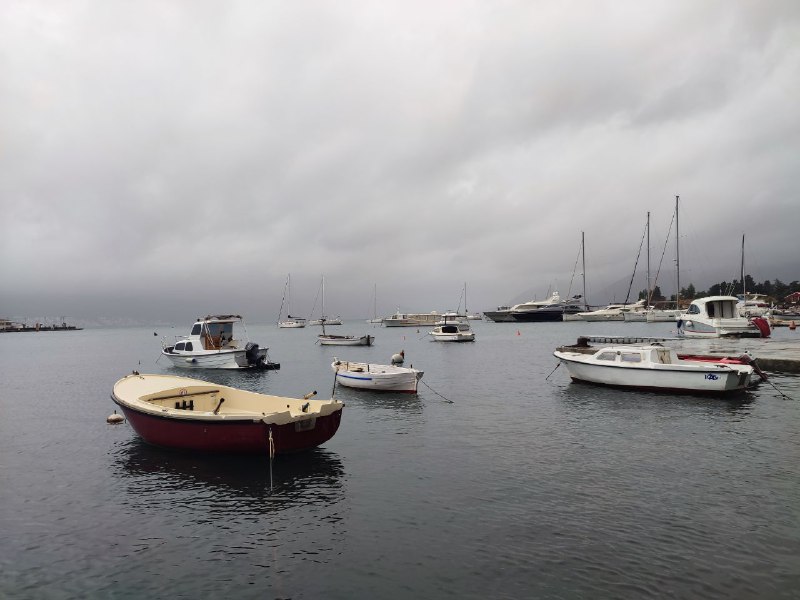
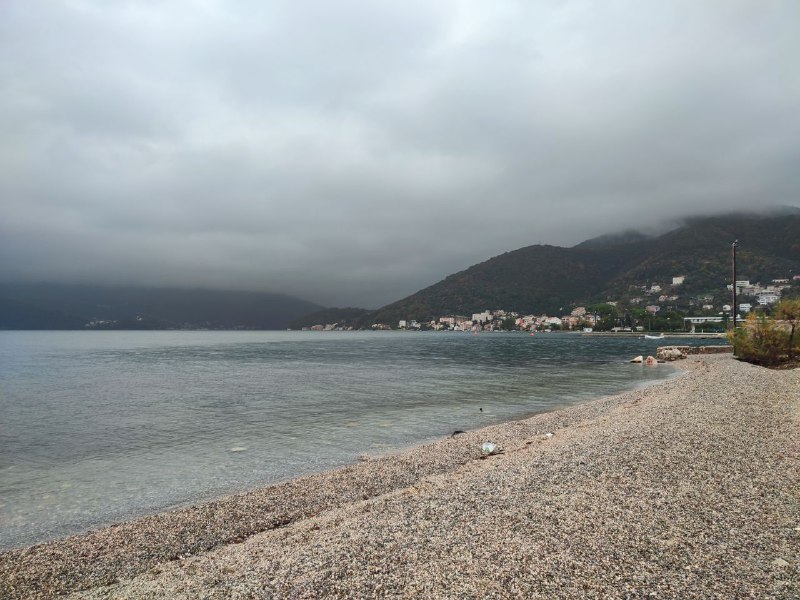
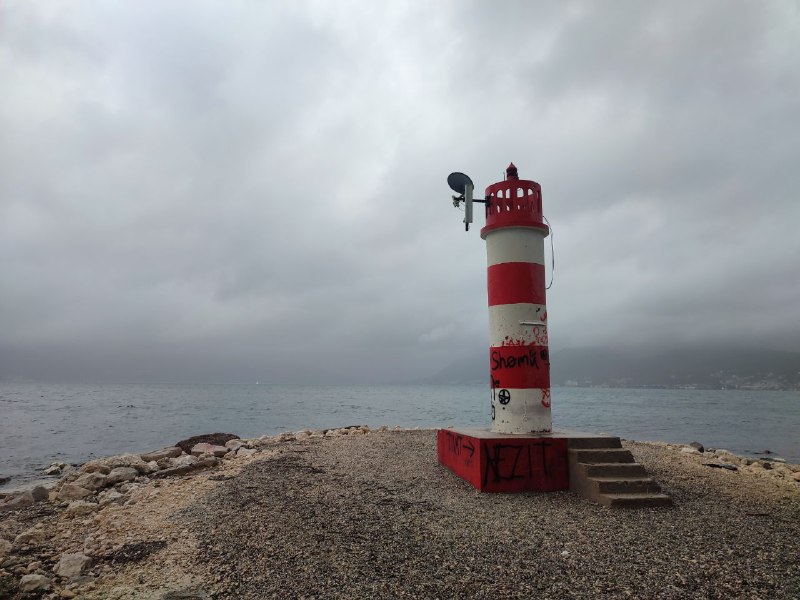
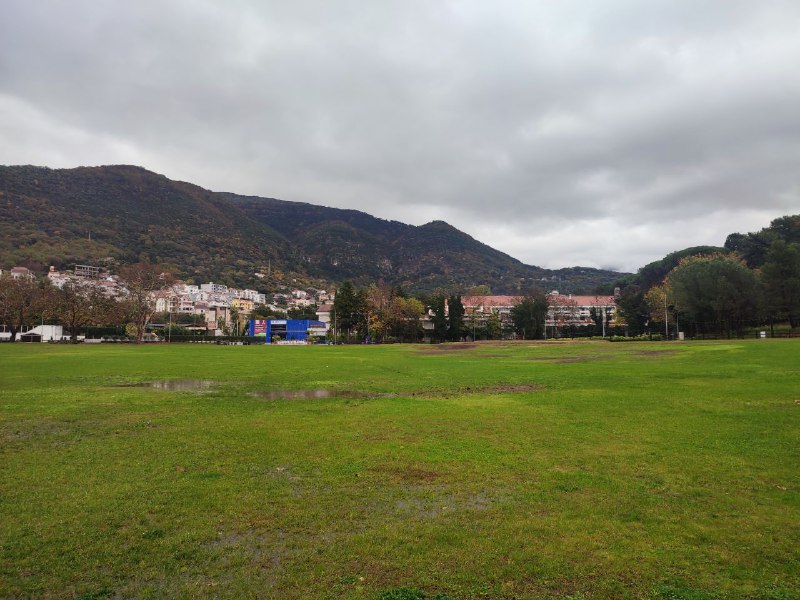
It's holding at +18°, and I've made it to Montenegro. These pictures from Tivat are just for attention, but I'll tell you about Montenegro's independence.
For practically its entire history, except for a brief period before World War I, the country has been under someone's protectorate. And even after Yugoslavia fell apart, it remained part of a union state with Serbia. This was so recent that even today on various websites with particularly lazy developers, you can still find Serbia and Montenegro listed as one country in the list of countries (here's the first example that comes to mind, look for Montenegro in "Country of residence"). If it works, don't touch it (:
In 2006, the Montenegrin authorities decided to ask residents whether they wanted to live in an independent state. The opposition fought this tooth and nail, and even managed to push through raising the threshold for the decision from the constitutional 50% to 55%. Though the prime minister at the time did make statements that he'd accept any result with more than half the votes "for", and if turnout was below 50% or the referendum decided "no", he'd resign altogether.
In any case, turnout ended up being almost 90%, and 55.49% voted for independence. In percentage terms it looks good, but in absolute numbers not so great: the population is small, and 0.49% is less than 2,000 votes. Considering that 3,500 ballots were deemed invalid, there was plenty of room for all sorts of conspiracy theories.
The choice for or against naturally correlated with ethnic background and place of residence. Bosniaks and Albanians living near the Albanian border ensured a high level of "pro-independence" votes in their regions. Serbs from border areas with Serbia — against.
The announcement of the final result was delayed several times due to objections and appeals from supporters of integration with Serbia, but ultimately they announced the creation of a sovereign Montenegro, and the international community went along with it. It all ended in a peaceful separation. Today that's seen as a miracle.
For practically its entire history, except for a brief period before World War I, the country has been under someone's protectorate. And even after Yugoslavia fell apart, it remained part of a union state with Serbia. This was so recent that even today on various websites with particularly lazy developers, you can still find Serbia and Montenegro listed as one country in the list of countries (here's the first example that comes to mind, look for Montenegro in "Country of residence"). If it works, don't touch it (:
In 2006, the Montenegrin authorities decided to ask residents whether they wanted to live in an independent state. The opposition fought this tooth and nail, and even managed to push through raising the threshold for the decision from the constitutional 50% to 55%. Though the prime minister at the time did make statements that he'd accept any result with more than half the votes "for", and if turnout was below 50% or the referendum decided "no", he'd resign altogether.
In any case, turnout ended up being almost 90%, and 55.49% voted for independence. In percentage terms it looks good, but in absolute numbers not so great: the population is small, and 0.49% is less than 2,000 votes. Considering that 3,500 ballots were deemed invalid, there was plenty of room for all sorts of conspiracy theories.
The choice for or against naturally correlated with ethnic background and place of residence. Bosniaks and Albanians living near the Albanian border ensured a high level of "pro-independence" votes in their regions. Serbs from border areas with Serbia — against.
The announcement of the final result was delayed several times due to objections and appeals from supporters of integration with Serbia, but ultimately they announced the creation of a sovereign Montenegro, and the international community went along with it. It all ended in a peaceful separation. Today that's seen as a miracle.
One last thing about Israel: it's a very musical country. You're constantly hearing someone humming to themselves, or sometimes even singing quite loudly. They even had political campaigns before elections with music and dancing. And the Orthodox Jews aren't opposed to breaking into a dance when the occasion calls for it.
My introduction to local pop music started long before my trip. Back at the beginning of COVID, I accidentally stumbled upon a Jewish wedding through astronaut.io (a brilliant service that shows super cute YouTube videos that nobody watches). The melody grabbed me, I found it and away I went.
Then came Q2A, Ofra Haza and others like דולי ופן. I arrived there and from various cafes you'd sometimes hear familiar melodies. And I picked up some new ones too, like this or this.
PS. As a bonus, I'll mention the Yemenite Jewish sisters A-WA. Even though they sing in Arabic, they were also played in various nightspots around Tel Aviv and Jerusalem (one, two, three; plus the videos are amazing) (:
My introduction to local pop music started long before my trip. Back at the beginning of COVID, I accidentally stumbled upon a Jewish wedding through astronaut.io (a brilliant service that shows super cute YouTube videos that nobody watches). The melody grabbed me, I found it and away I went.
Then came Q2A, Ofra Haza and others like דולי ופן. I arrived there and from various cafes you'd sometimes hear familiar melodies. And I picked up some new ones too, like this or this.
PS. As a bonus, I'll mention the Yemenite Jewish sisters A-WA. Even though they sing in Arabic, they were also played in various nightspots around Tel Aviv and Jerusalem (one, two, three; plus the videos are amazing) (:
►
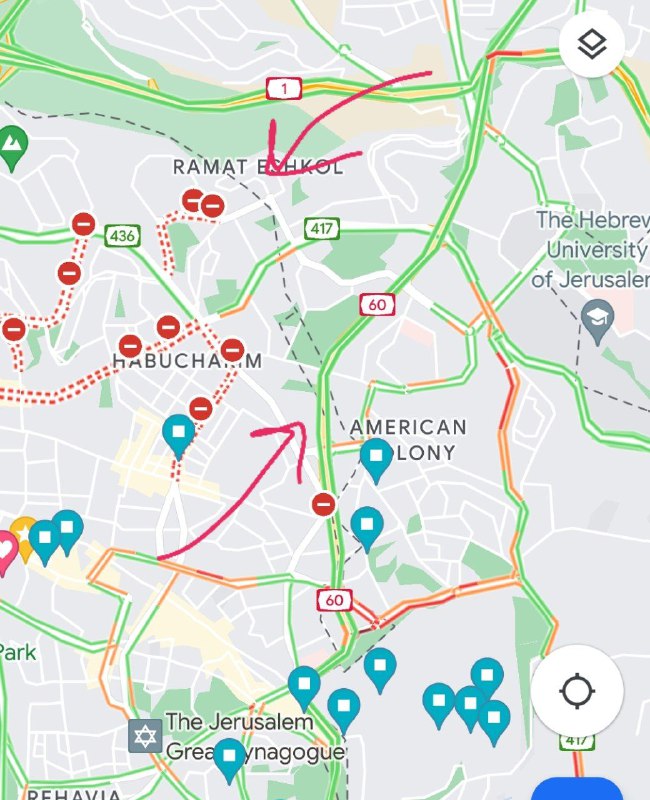
I could go on and on about kosher mobile numbers, where rabbis decide what and when users can do, and other mezuzahs (parchment scrolls with prayers) attached to the doorframes of Jewish homes. But nothing in Israel impressed me as much as United Hatzalah.
It's a volunteer organization providing emergency medical assistance. I don't understand why this isn't practiced worldwide. It's an absolutely genius concept that literally saves lives every single day. The idea is based on quick training of volunteers (around 60 hours), who are immediately ready to save lives. They get a phone for alerts and a first aid kit/equipment. When the service receives a call, nearby volunteers are dispatched to help until the ambulance arrives. These people can't work as doctors, but they have enough knowledge to keep someone alive until a medical professional arrives.
Back in 1960s America, local Hasidic Jews who only spoke Yiddish had trouble communicating with American doctors. When it comes to sudden health problems, every second counts. So the community organized a volunteer movement to eliminate translation difficulties. Apparently for this reason, only Jewish volunteers were recruited. Once trained, they'd start responding to calls. As a bonus, volunteers arrived faster since they lived and worked within their own neighborhoods. The idea spread rapidly across the States and countries with large Jewish communities. Nevertheless, Hatzalah (as they were called) saved everyone in need, not just their own. For example, they were among the first to arrive during the 9/11 terror attack in New York.
This story could've stayed local in neighborhoods with dense Orthodox Jewish populations, but eventually it reached Israel too. There was no language barrier there, but there was a need for volunteers. So a bunch of independent "branches" formed. However, one person fundamentally changed the system. Back in 1978, five-year-old Eli Beer witnessed a bus explosion. The chaos and slow response of emergency services left a lasting mark on the boy, and he dedicated his life to saving people. Almost 30 years after that incident, he managed to unite all Israeli branches into one massive organization—United Hatzalah.
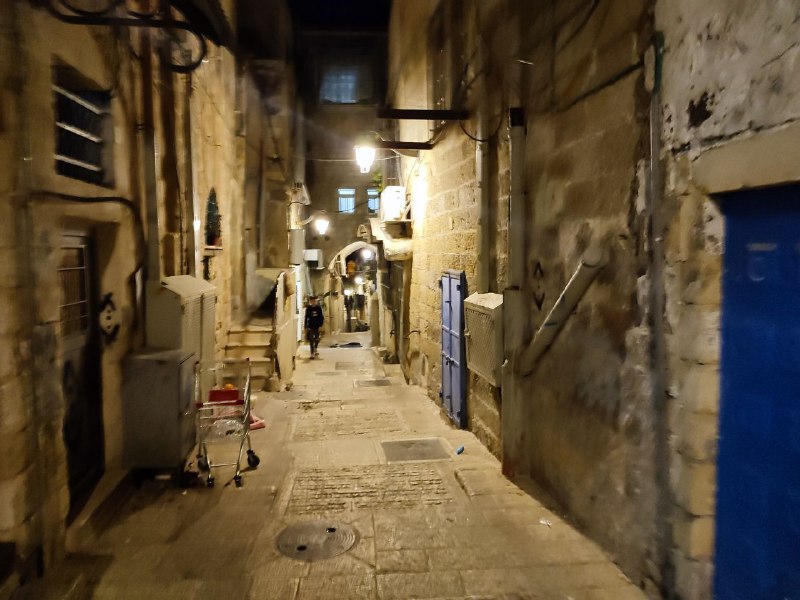
That was just the beginning. Then came innovations affecting all the "subsidiaries." They stopped caring about nationality and religion, and started accepting anyone who wanted to help. They decided to use motorcycles extensively to reach emergency scenes faster. This allows for much quicker response to victims during rush hour (a major problem in big cities). And in historic areas, it made it possible to reach patients. For example, in Old Jerusalem, a big ambulance simply can't navigate narrow streets.
They were first to implement GPS for automatically detecting if anyone was near a call location and sending alerts to those meeting the criteria. GPS might not sound miraculous today, but they rolled out this technology in 2008! Because of it, help in the city arrives in an average of one and a half minutes. Ninety seconds (!)! Regular ambulances usually take 8-9 minutes. You can find more impressive statistics on the website. If the official statistics are to be believed, mortality from heart attacks in the country dropped by 50% thanks to these guys.
It's a volunteer organization providing emergency medical assistance. I don't understand why this isn't practiced worldwide. It's an absolutely genius concept that literally saves lives every single day. The idea is based on quick training of volunteers (around 60 hours), who are immediately ready to save lives. They get a phone for alerts and a first aid kit/equipment. When the service receives a call, nearby volunteers are dispatched to help until the ambulance arrives. These people can't work as doctors, but they have enough knowledge to keep someone alive until a medical professional arrives.
Back in 1960s America, local Hasidic Jews who only spoke Yiddish had trouble communicating with American doctors. When it comes to sudden health problems, every second counts. So the community organized a volunteer movement to eliminate translation difficulties. Apparently for this reason, only Jewish volunteers were recruited. Once trained, they'd start responding to calls. As a bonus, volunteers arrived faster since they lived and worked within their own neighborhoods. The idea spread rapidly across the States and countries with large Jewish communities. Nevertheless, Hatzalah (as they were called) saved everyone in need, not just their own. For example, they were among the first to arrive during the 9/11 terror attack in New York.
This story could've stayed local in neighborhoods with dense Orthodox Jewish populations, but eventually it reached Israel too. There was no language barrier there, but there was a need for volunteers. So a bunch of independent "branches" formed. However, one person fundamentally changed the system. Back in 1978, five-year-old Eli Beer witnessed a bus explosion. The chaos and slow response of emergency services left a lasting mark on the boy, and he dedicated his life to saving people. Almost 30 years after that incident, he managed to unite all Israeli branches into one massive organization—United Hatzalah.
That was just the beginning. Then came innovations affecting all the "subsidiaries." They stopped caring about nationality and religion, and started accepting anyone who wanted to help. They decided to use motorcycles extensively to reach emergency scenes faster. This allows for much quicker response to victims during rush hour (a major problem in big cities). And in historic areas, it made it possible to reach patients. For example, in Old Jerusalem, a big ambulance simply can't navigate narrow streets.
They were first to implement GPS for automatically detecting if anyone was near a call location and sending alerts to those meeting the criteria. GPS might not sound miraculous today, but they rolled out this technology in 2008! Because of it, help in the city arrives in an average of one and a half minutes. Ninety seconds (!)! Regular ambulances usually take 8-9 minutes. You can find more impressive statistics on the website. If the official statistics are to be believed, mortality from heart attacks in the country dropped by 50% thanks to these guys.
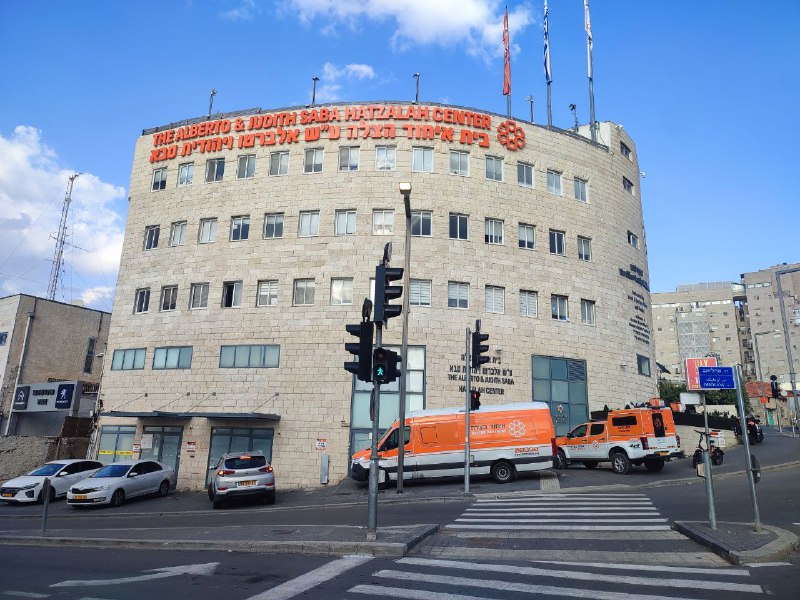
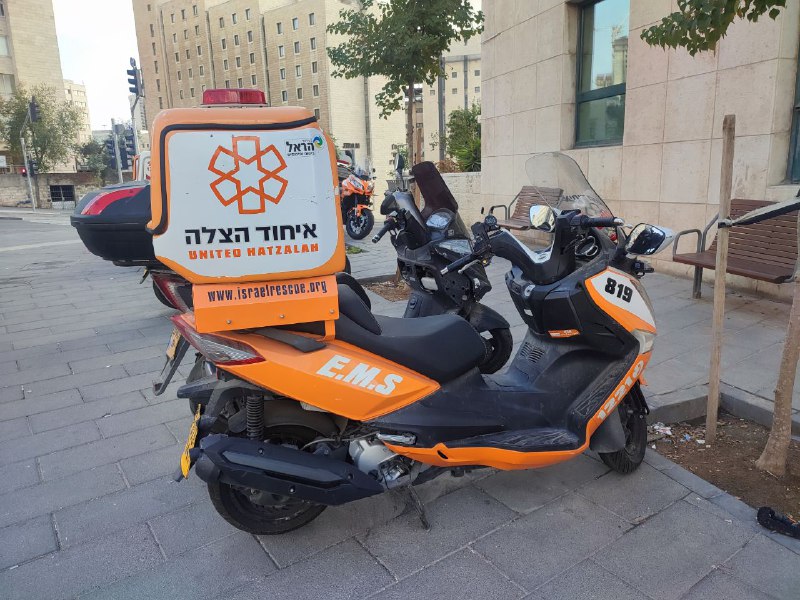
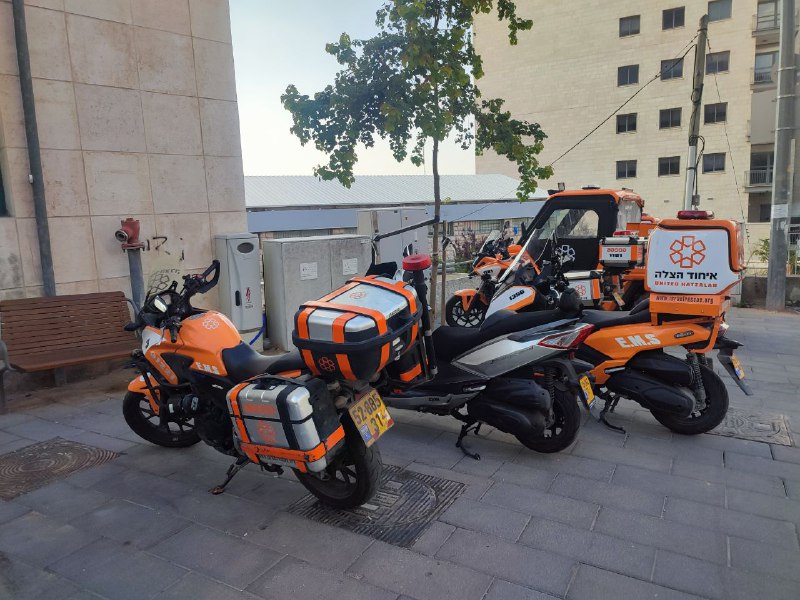
Leaving Israel turned out to be way harder than getting in.
I arrived at the airline counter an hour and a half before my flight. I was confident that was plenty of time (they usually close check-in 40 minutes before departure). But when I got there, it turned out I was just a couple minutes before they shut it down.
Then things got interesting at security. They pulled me aside to a separate area for a detailed search, and I spent over an hour there. The officers went through all my belongings, basically examining every single document individually. They even literally searched inside my pants with some kind of explosive trace detector (this happened in a closed booth behind a screen).
It all ended when my laptop triggered some kind of sensor. After a million clarifying questions, I was told that according to protocol, my laptop would have to go on a different flight. They packed it up right in front of me, sealed it, and even gave me a receipt like it was extra baggage so I could track it if needed. Then they wished me a good flight.
I finally made it to the gate about 5 minutes after departure time. Luckily the plane hadn't left yet and they hadn't even finished boarding. The last passengers were casually scanning their boarding passes.
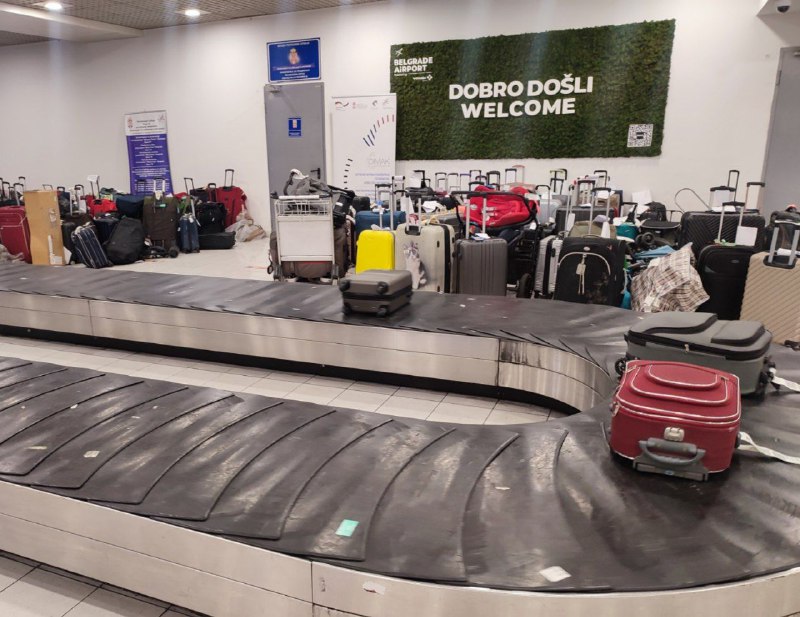
Well, I didn't get my laptop in Belgrade (shocker), and on top of that, they forgot my luggage at the connection in Istanbul. They promised to deliver everything to my place tomorrow. We'll see how that works out.
PS. I'm back in Serbia, but there are a couple more things about Israel I want to share. I'll write about that a bit later.
I arrived at the airline counter an hour and a half before my flight. I was confident that was plenty of time (they usually close check-in 40 minutes before departure). But when I got there, it turned out I was just a couple minutes before they shut it down.
Then things got interesting at security. They pulled me aside to a separate area for a detailed search, and I spent over an hour there. The officers went through all my belongings, basically examining every single document individually. They even literally searched inside my pants with some kind of explosive trace detector (this happened in a closed booth behind a screen).
It all ended when my laptop triggered some kind of sensor. After a million clarifying questions, I was told that according to protocol, my laptop would have to go on a different flight. They packed it up right in front of me, sealed it, and even gave me a receipt like it was extra baggage so I could track it if needed. Then they wished me a good flight.
I finally made it to the gate about 5 minutes after departure time. Luckily the plane hadn't left yet and they hadn't even finished boarding. The last passengers were casually scanning their boarding passes.
Well, I didn't get my laptop in Belgrade (shocker), and on top of that, they forgot my luggage at the connection in Istanbul. They promised to deliver everything to my place tomorrow. We'll see how that works out.
PS. I'm back in Serbia, but there are a couple more things about Israel I want to share. I'll write about that a bit later.
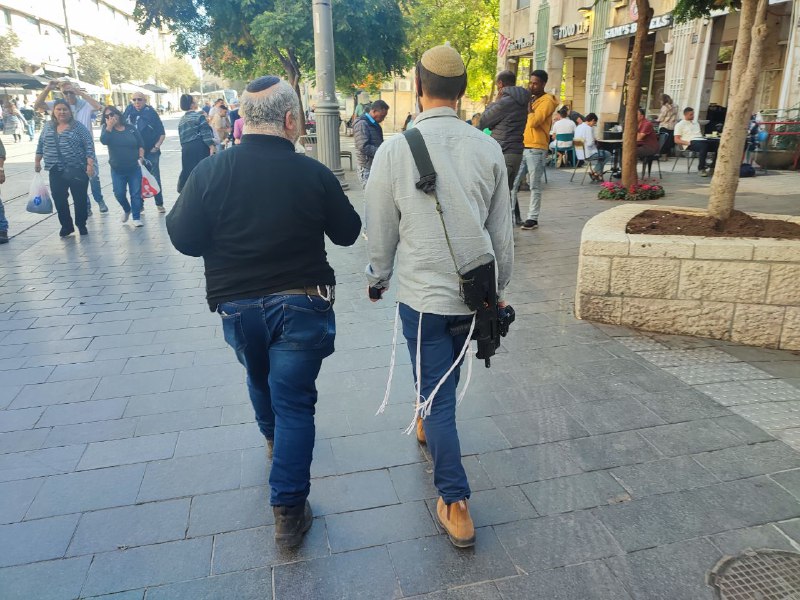
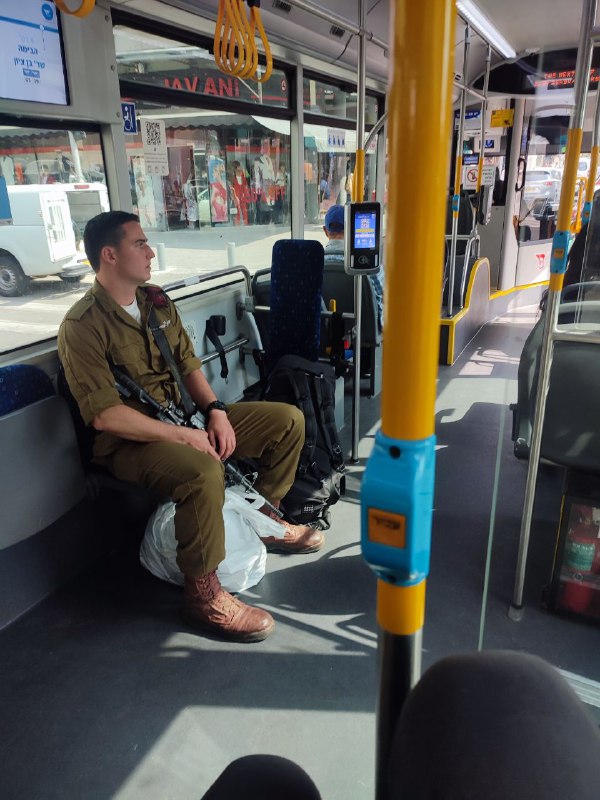
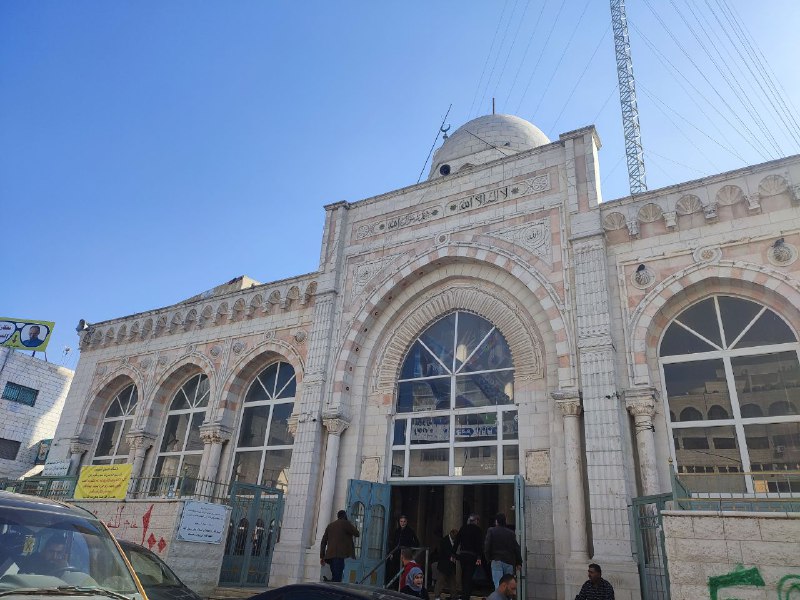
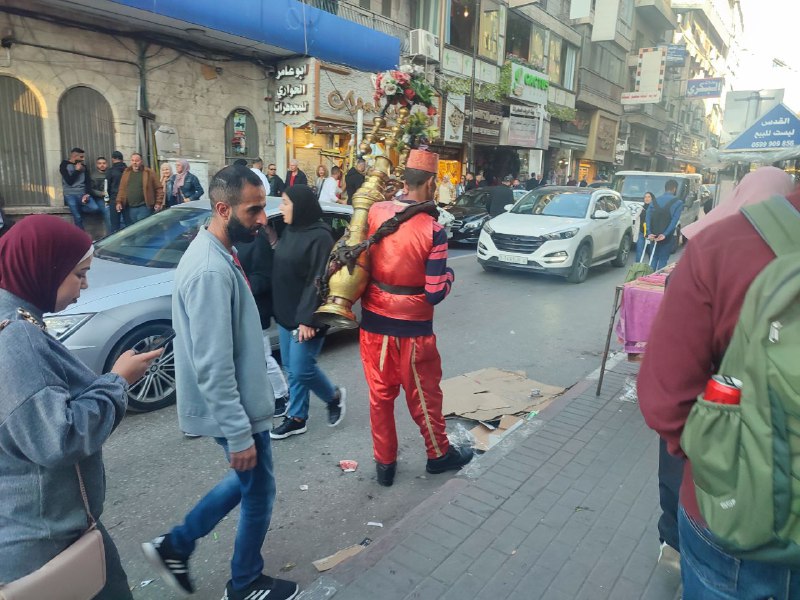
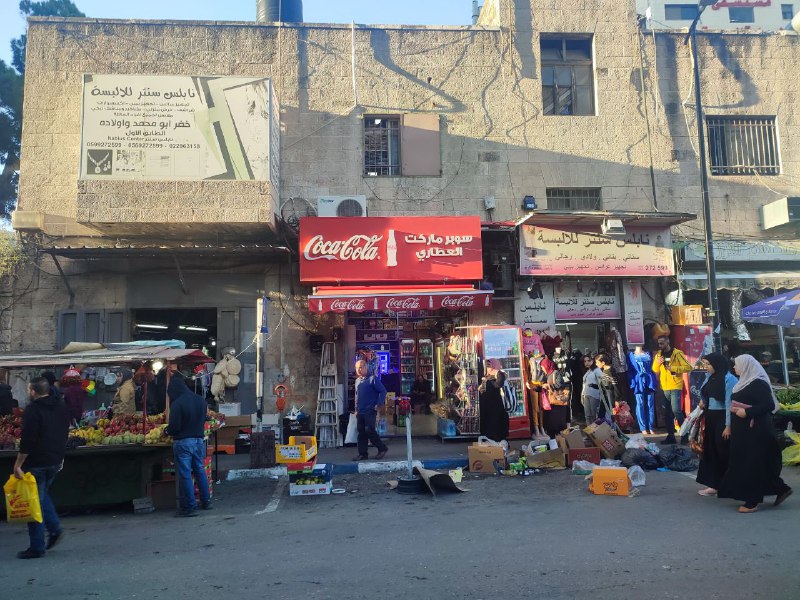
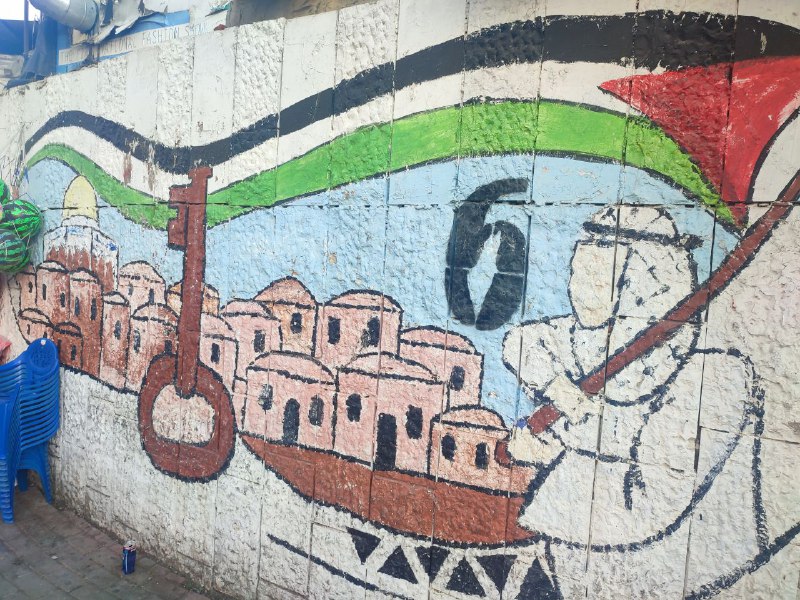
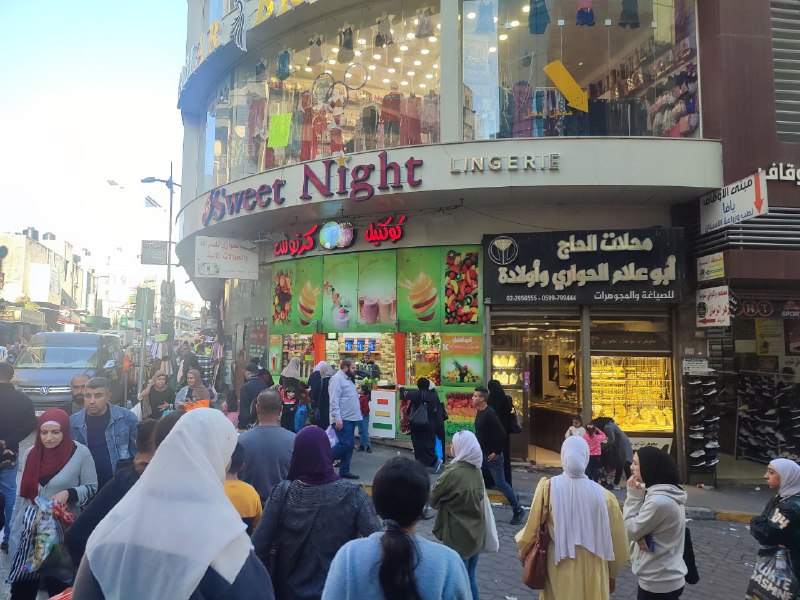
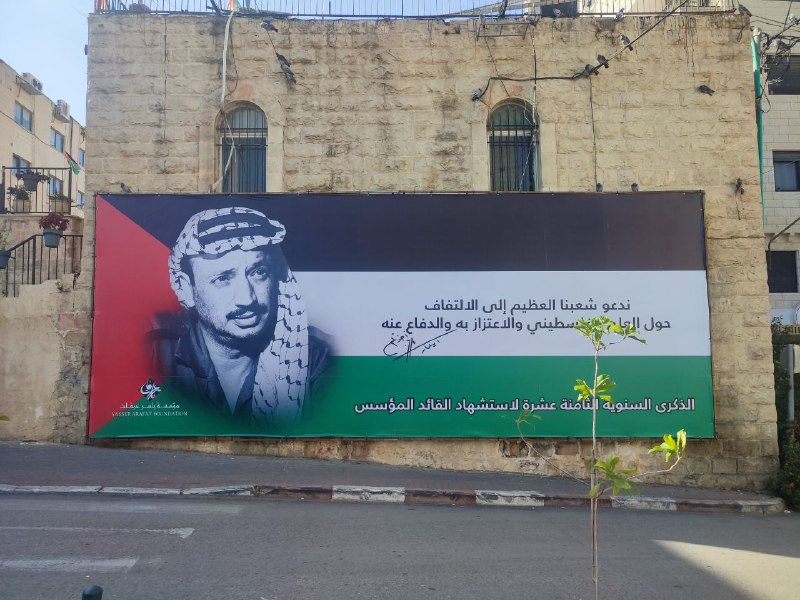
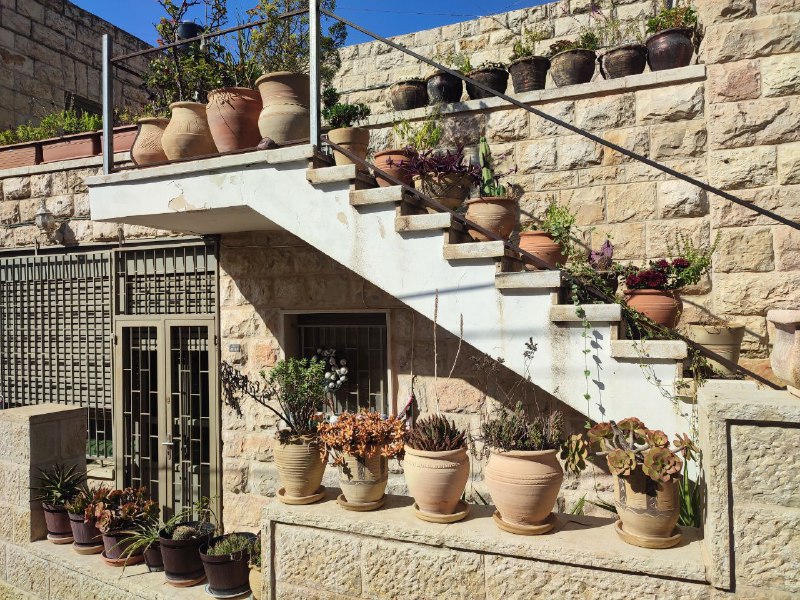
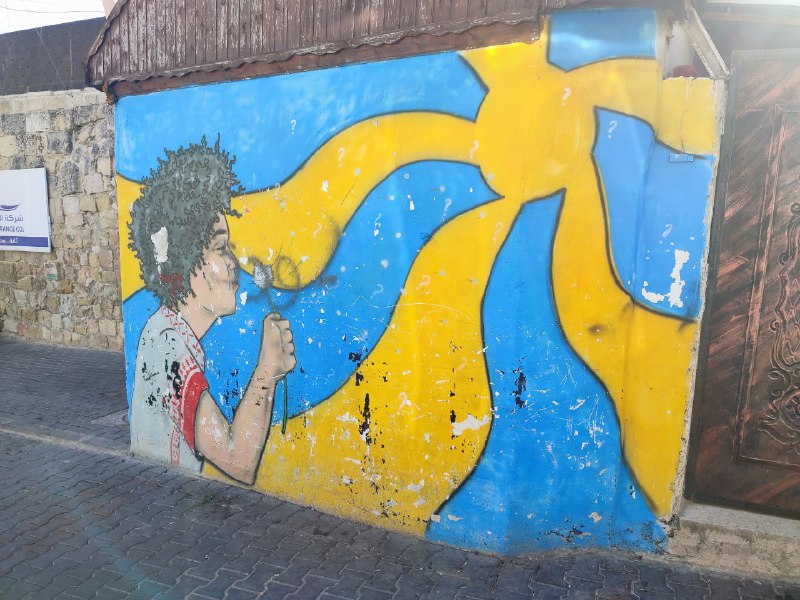
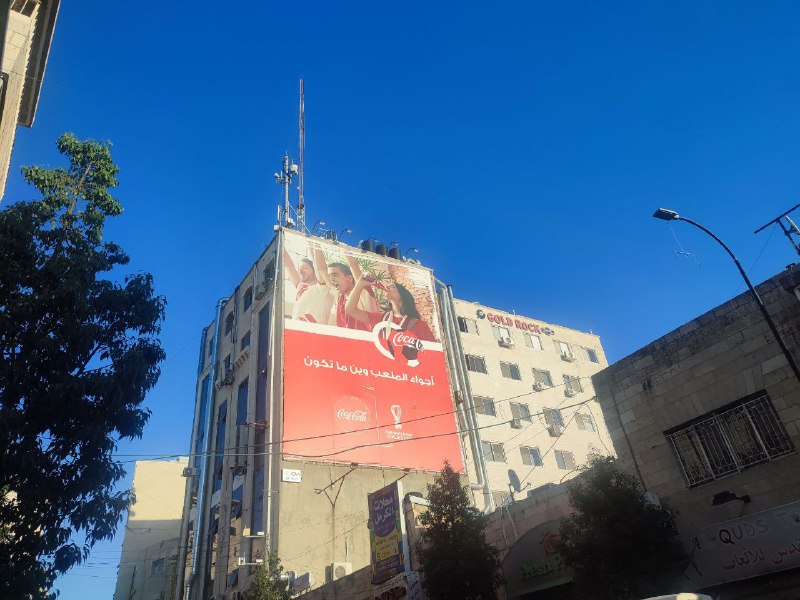
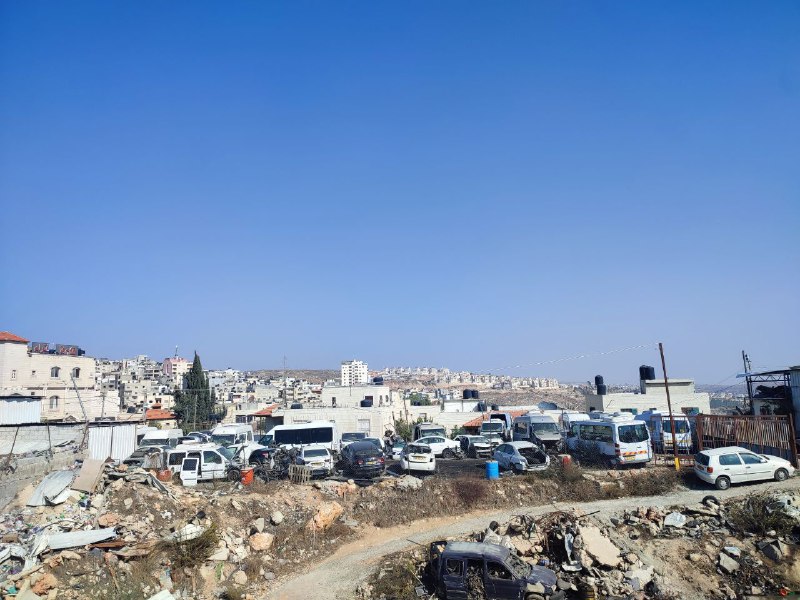
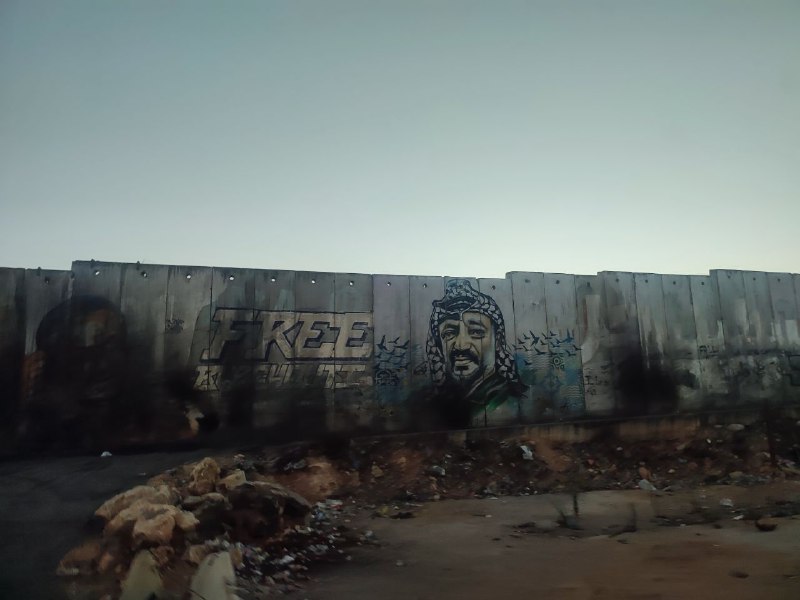
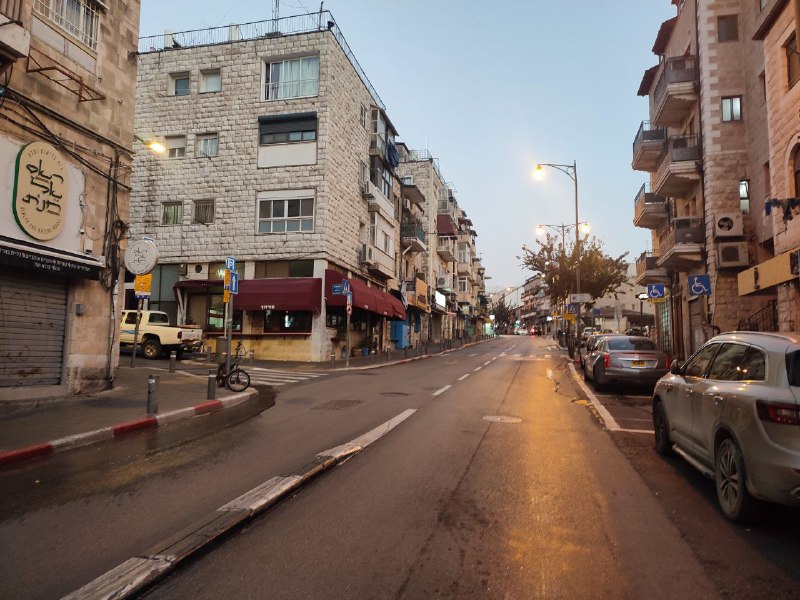
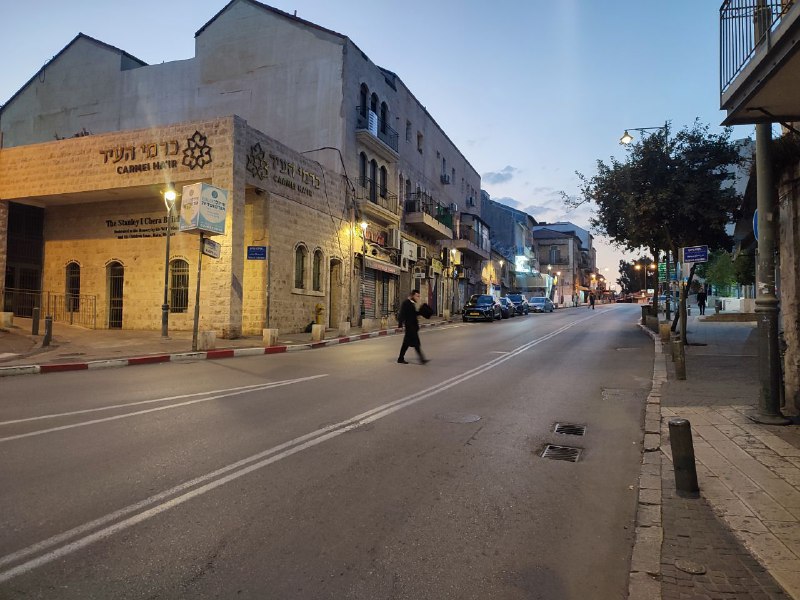
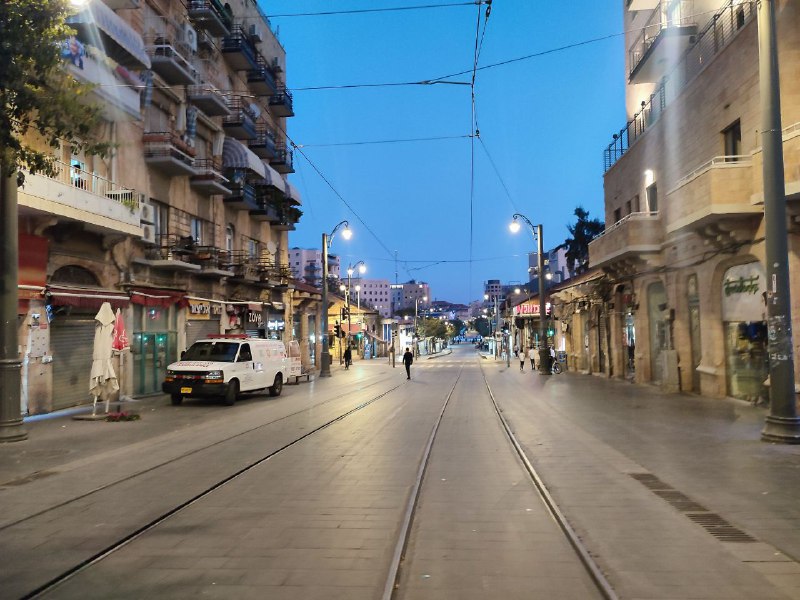
Meanwhile, life is bustling in the Palestinian part. Markets and shops are open, transport is running, and I even accidentally stumbled upon a mini-concert.
►
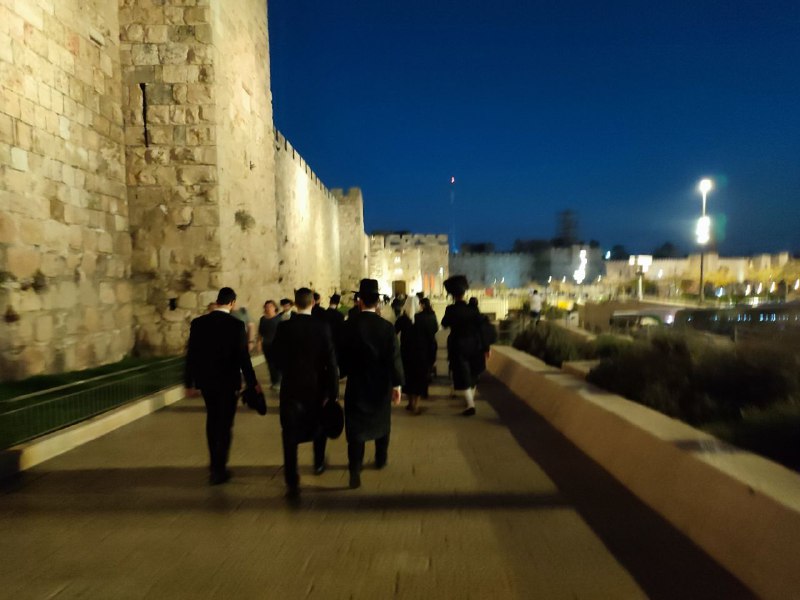
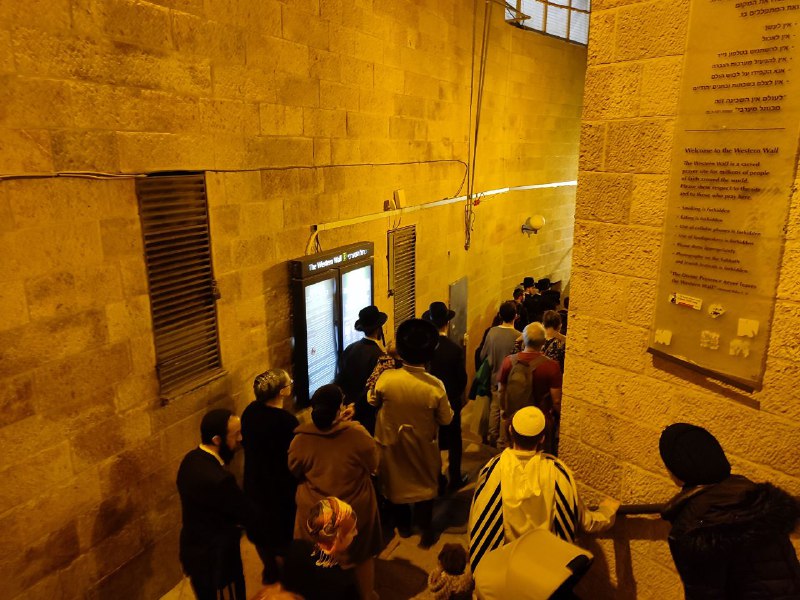
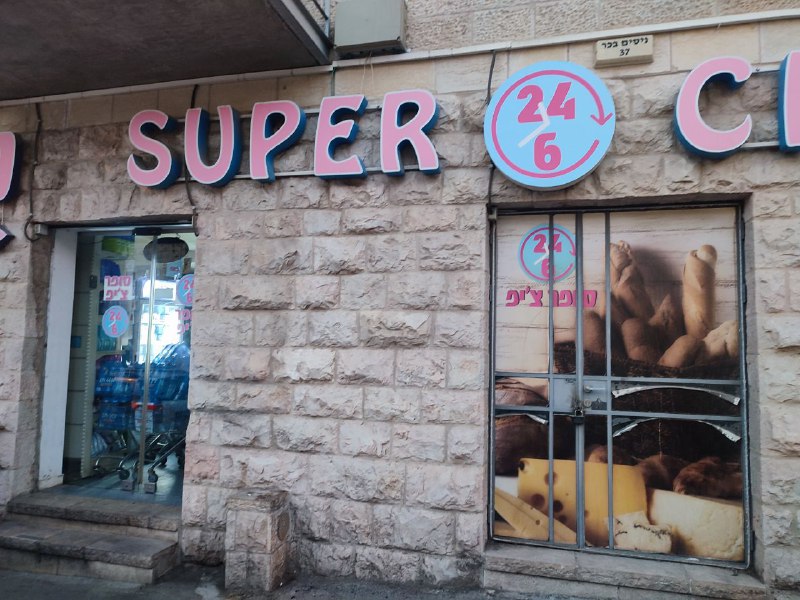
Countries
 United Kingdom3
 Serbia100
 Bosnia and Herzegovina54
 Turkey42
 United Arab Emirates3
 Brunei2
 Indonesia12
 Malaysia15
 Argentina16
 USA117
 Morocco5
 Georgia5
 Egypt16
 Hong Kong8
 China4
 Vietnam9
 Tunisia7
 Montenegro9
 Philippines12
 Singapore10
 Oman12
 Algeria12
 North Macedonia5
 Lebanon11
 Israel27
 Albania17
 Russia63
 Tanzania50
 Netherlands7
 Spain14
 Latvia2
 Germany7
 Belgium3
 France27
 Kazakhstan32