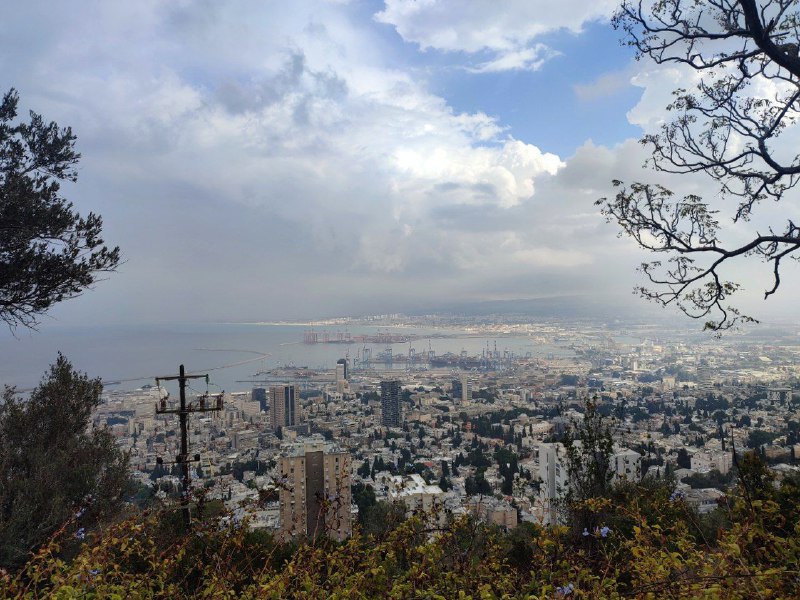
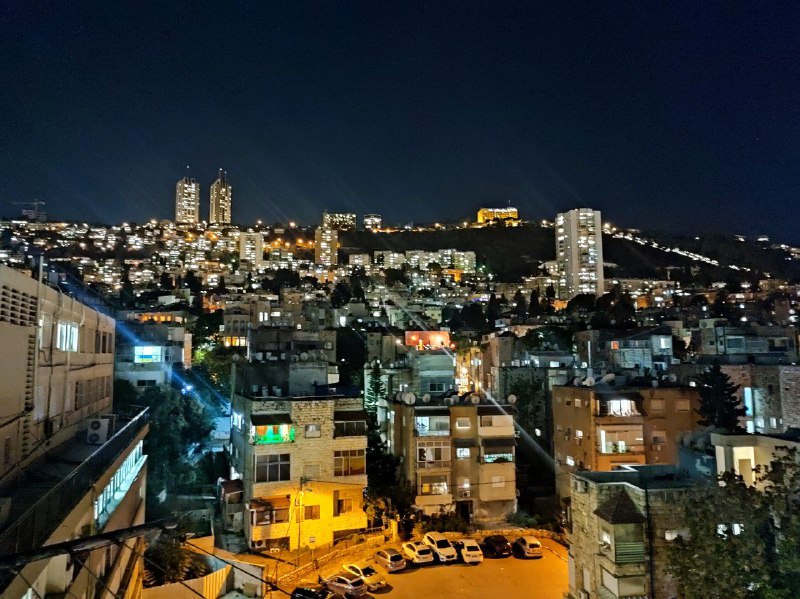
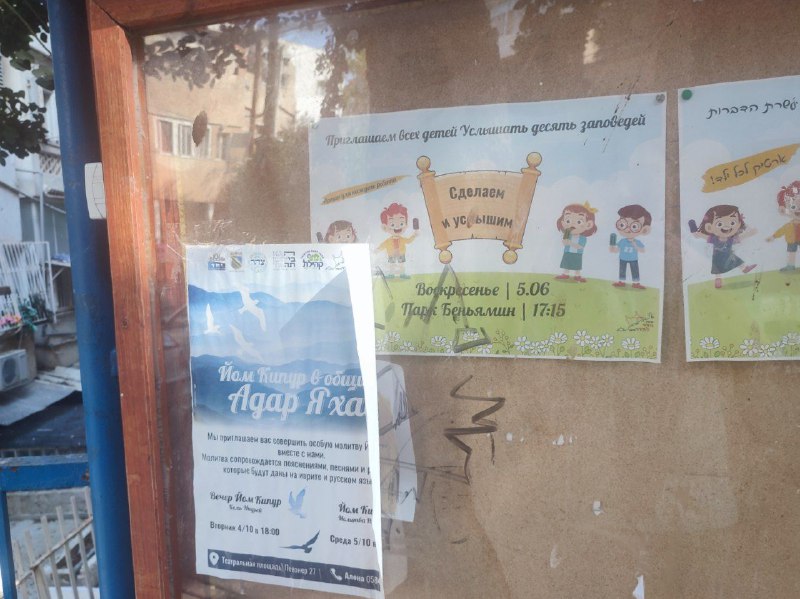
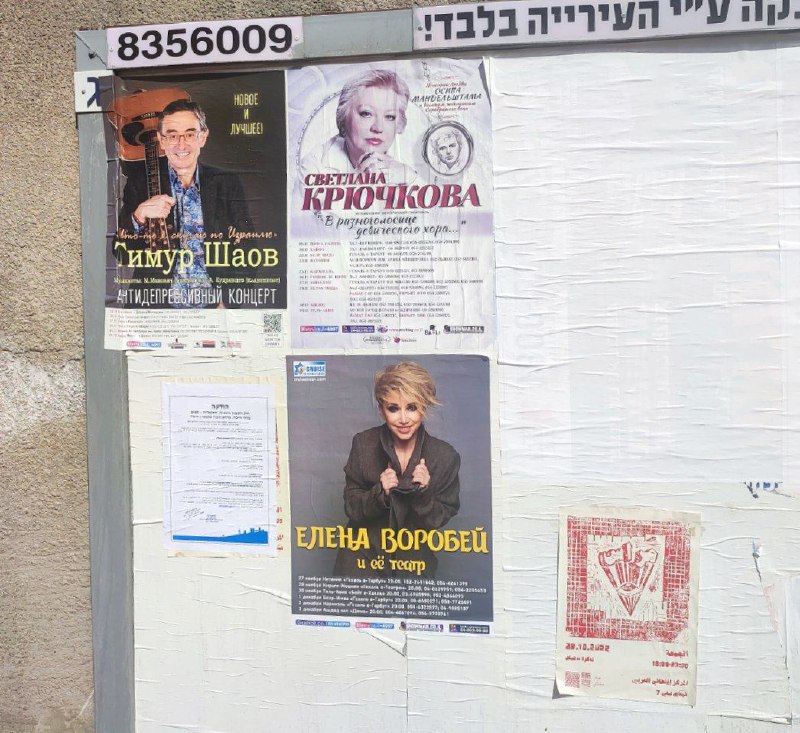
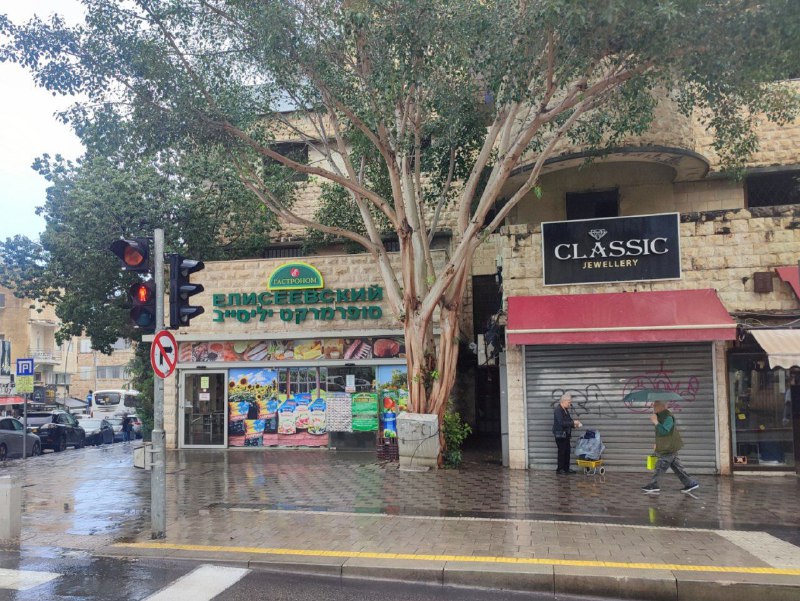
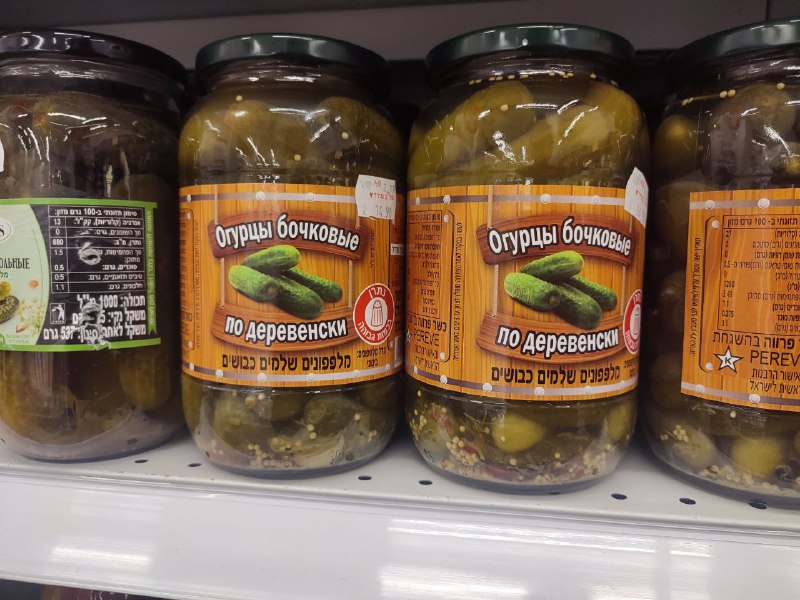
Haifa is the most Russian-speaking city in Israel. Almost a third of the population comes from former Soviet countries, but I've run into plenty of local Arabs and Jews who speak the language pretty well too.
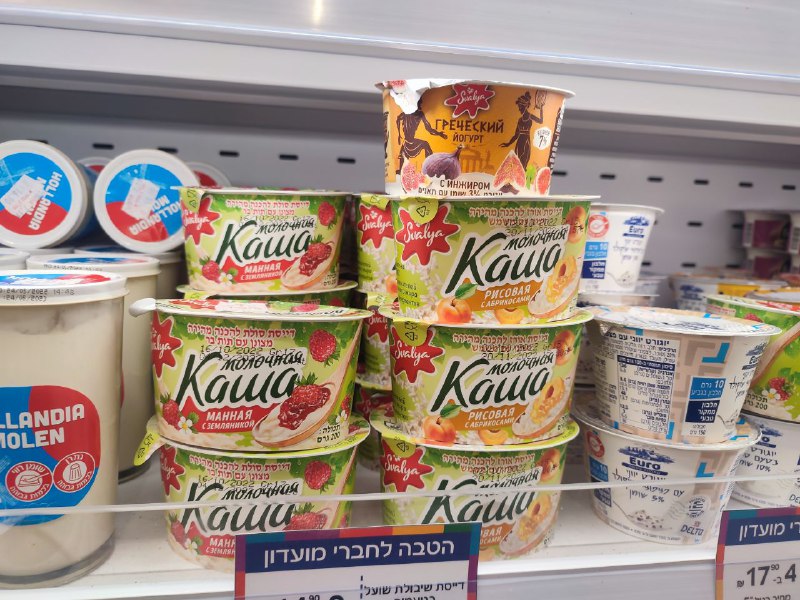
Russian signs and announcements are everywhere you look. There are even stores selling goods from Russia, Ukraine, and Belarus all over the place. You'll see oatmeal from Chelyabinsk and wonder why it's here but wasn't in Moscow.
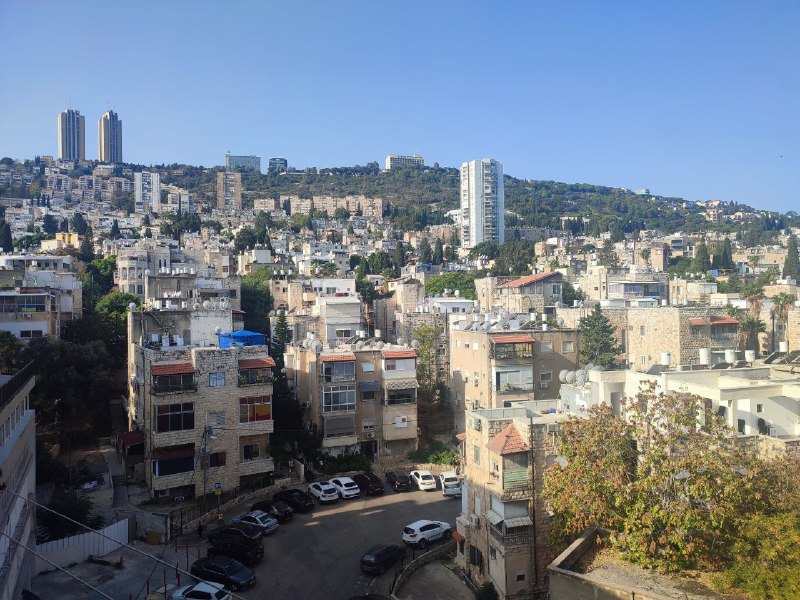
The city has a metro underground funicular! Super useful, considering the buildings are basically built on a hillside. Getting from the lower part to the upper part isn't easy.
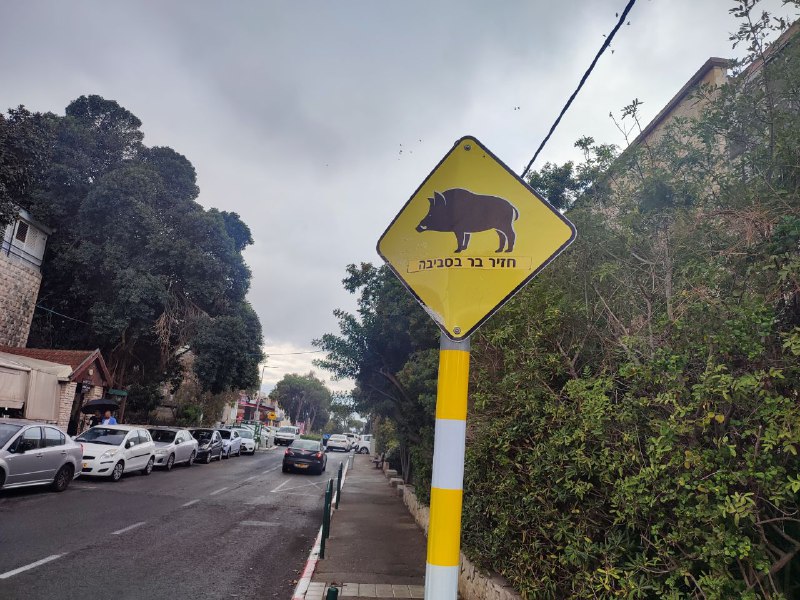
Oh, and wild boars run around the streets here. They even have warning signs. Apparently they're most active on Saturdays. I'm moving on before things get interesting (:
Let's talk about porn and the Holocaust
😅Right after World War II and up until the trial of Adolf Eichmann in Israel, it wasn't customary to talk about the Holocaust. Although there were many concentration camp survivors in the country. Survivors tried to return to normal life. By the end of the 1950s, their children were growing up and entering puberty.
Around the same time, the novel "
House of Dolls" was published, about Jewish women in concentration camps who were forced to sleep with German soldiers (supposedly based on real events, though people still debate it). In an atmosphere of absolute silence, the book was a major event.
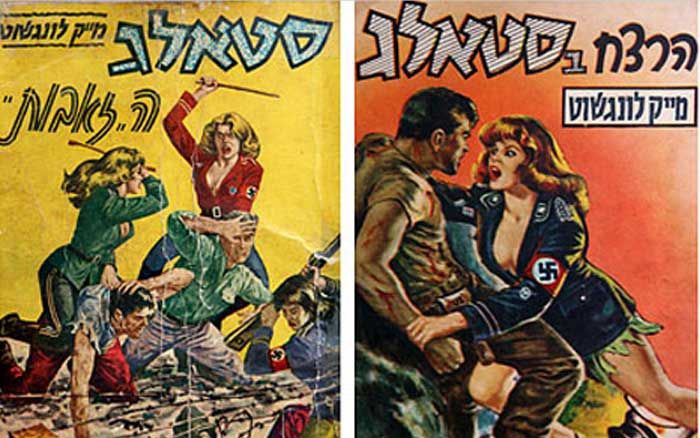
It sparked a series of pornographic comics called
Stalag, featuring a male prisoner and a female SS officer. Often with themes of rape and revenge. The series was quite popular among teenagers, but didn't last long: the authorities initially pretended nothing was happening, then banned it altogether.
Nowadays you can find the issues in the National Library of Israel. Though they only let researchers and historians in. Or you can find them online.
I arrived in Haifa. Not a particularly notable city, you don't see it in the news. But then it suddenly turns out that this is a worldwide religious center with millions of followers around the globe—a religion I had no idea even existed. How is that possible?
In the late 19th century,
Baháʼí Faith emerged based on Islam. Essentially, it's a meta-religion claiming that all major religions are united, and that Bahá'u'lláh (the founder), Buddha, Zoroaster, Krishna, and various prophets are all manifestations of God. At first glance, it all sounds peaceful: they advocate for gender equality, universal education, and a world government instead of a bunch of separate countries. By the standards of a century ago, ultra-progressive.
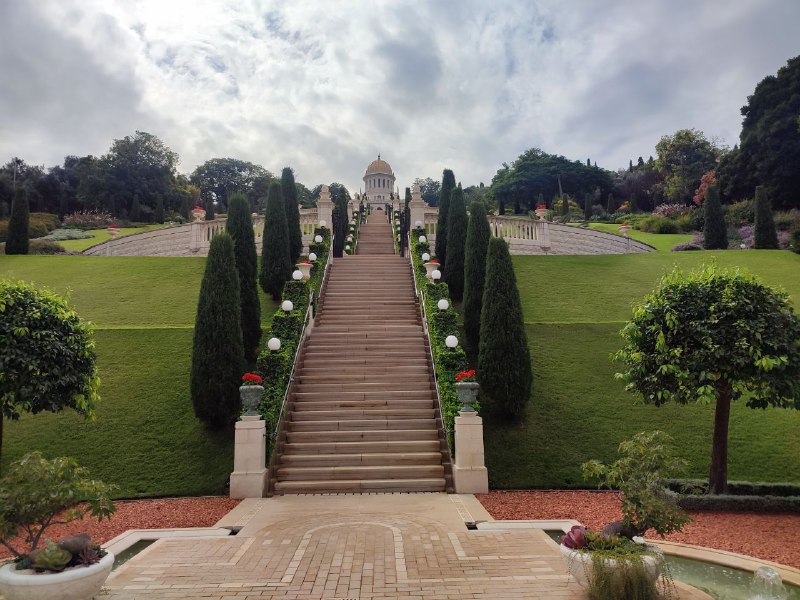
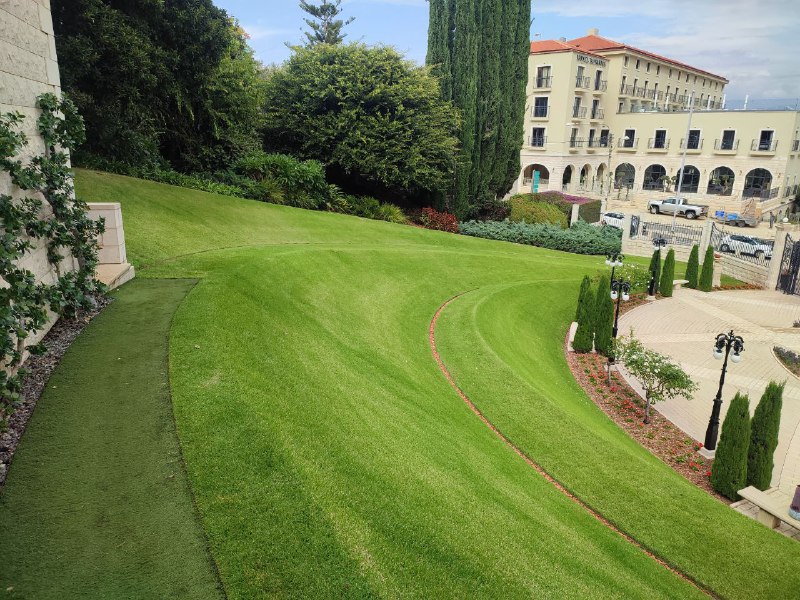
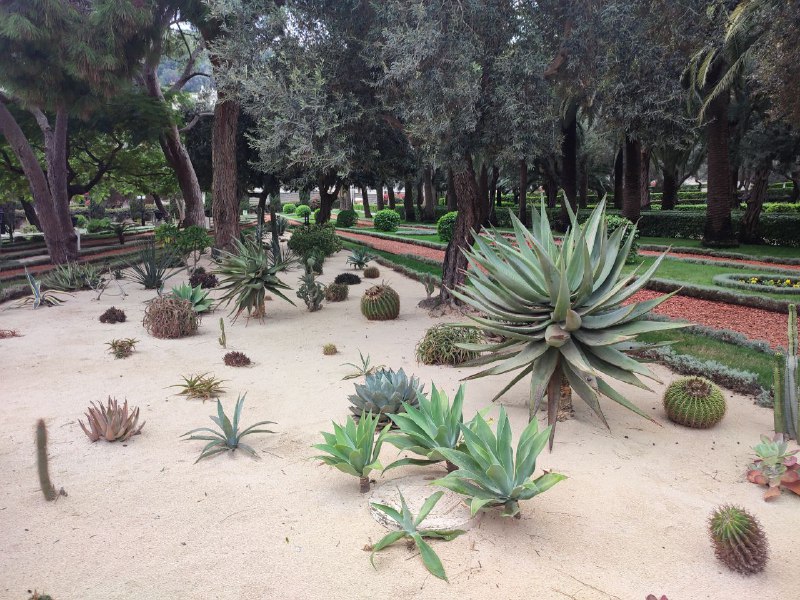
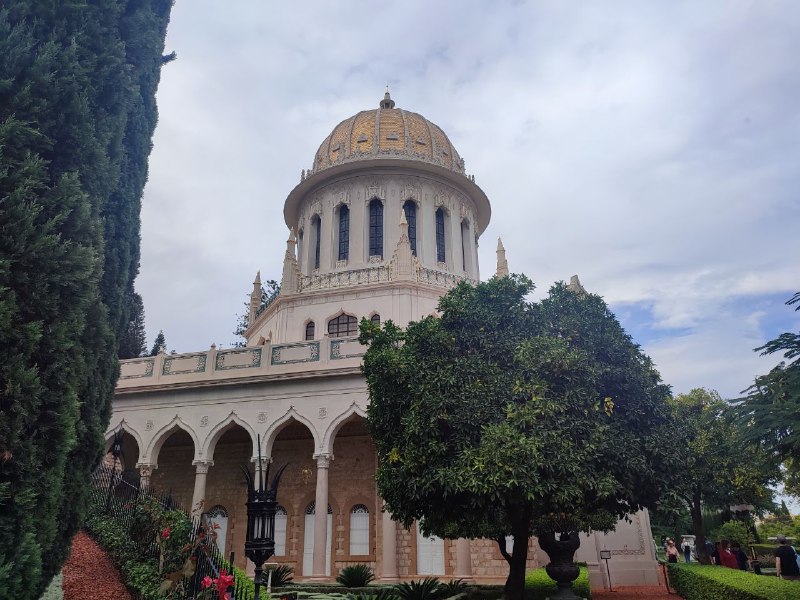
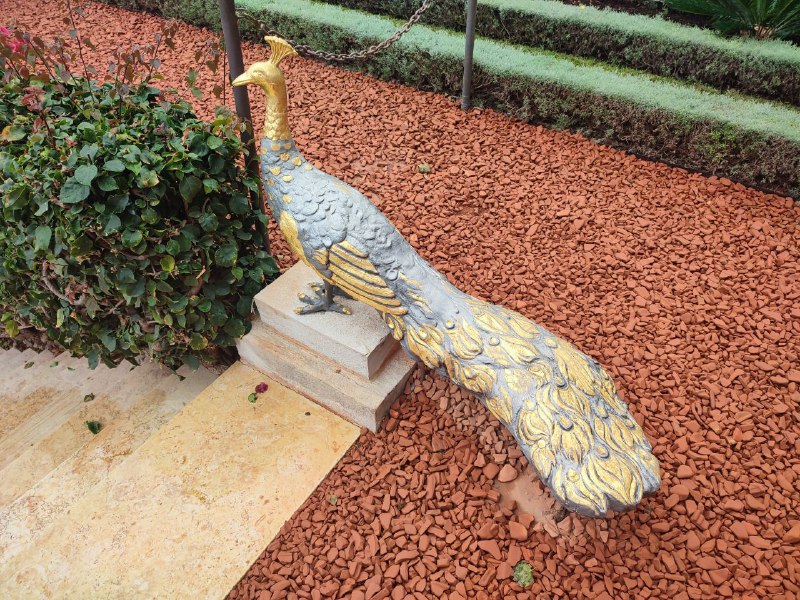
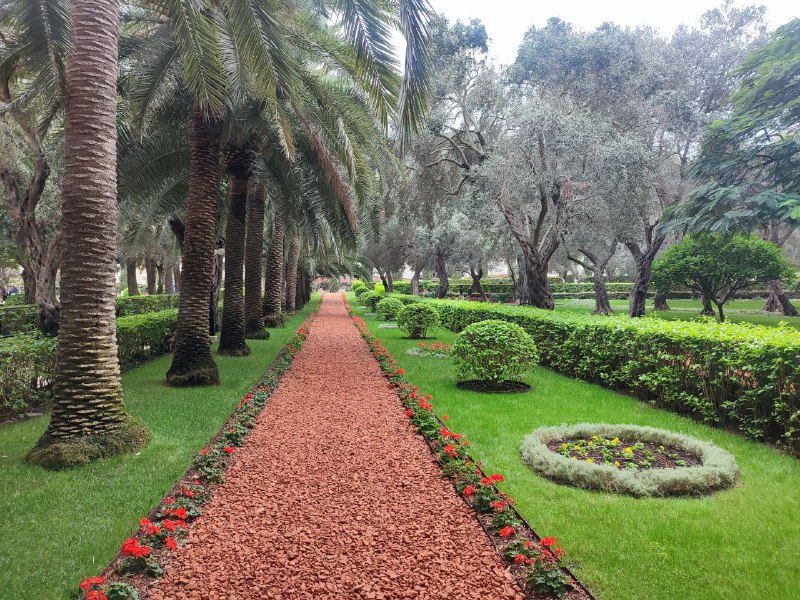
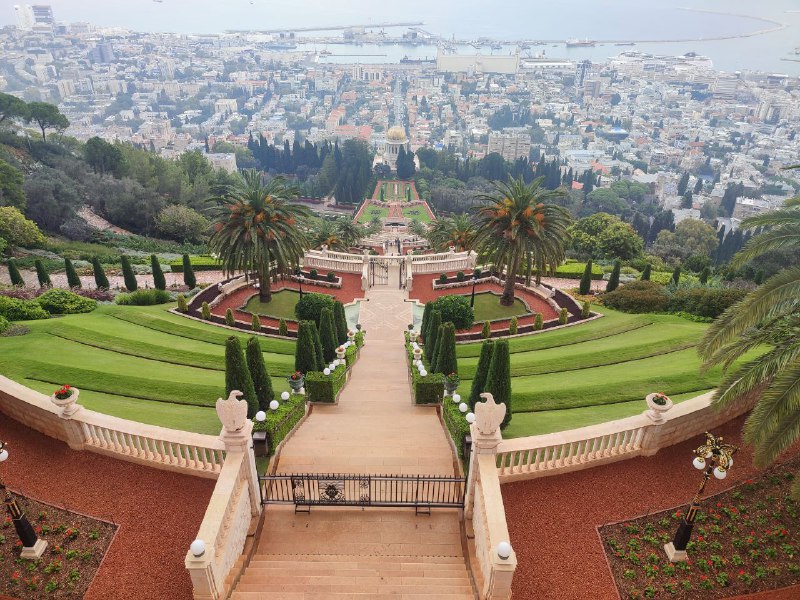
In Haifa, followers built the Baháʼí Gardens. In 2008, they were added to UNESCO's World Heritage list. Now it's the city's main attraction.
The faith emerged in Iran but faced severe persecution there, which continues to this day. That's why the gardens ended up in Israel.
There are over 5 million (!) Baháʼís in the world, and their numbers are growing by 5.5% each year. And that's good news, because every believer is obligated to voluntarily contribute 19% of their excess wealth to the Baháʼí center. I couldn't find any public financial data on their official website, but something tells me the numbers are quite impressive.
And they even have their own calendar (what else?): 19 months of 19 days each, plus 4-5 extra days to round out to 365.
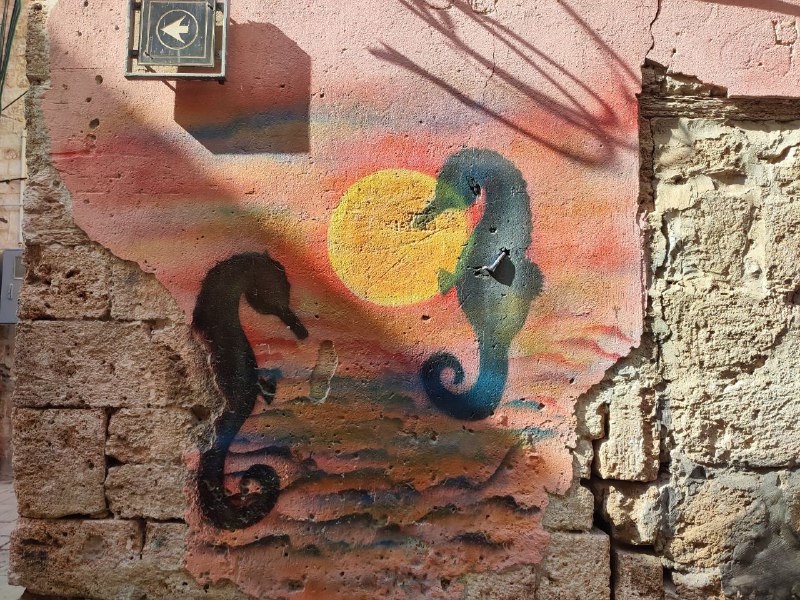
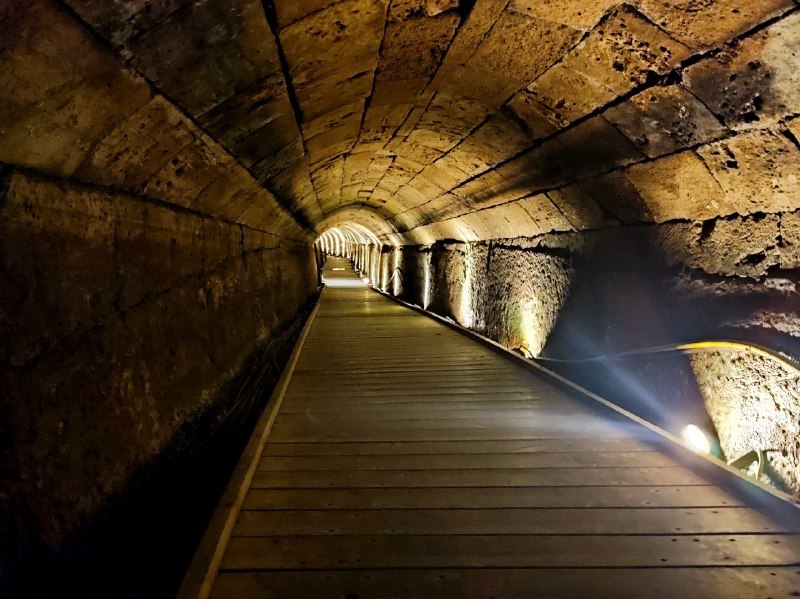
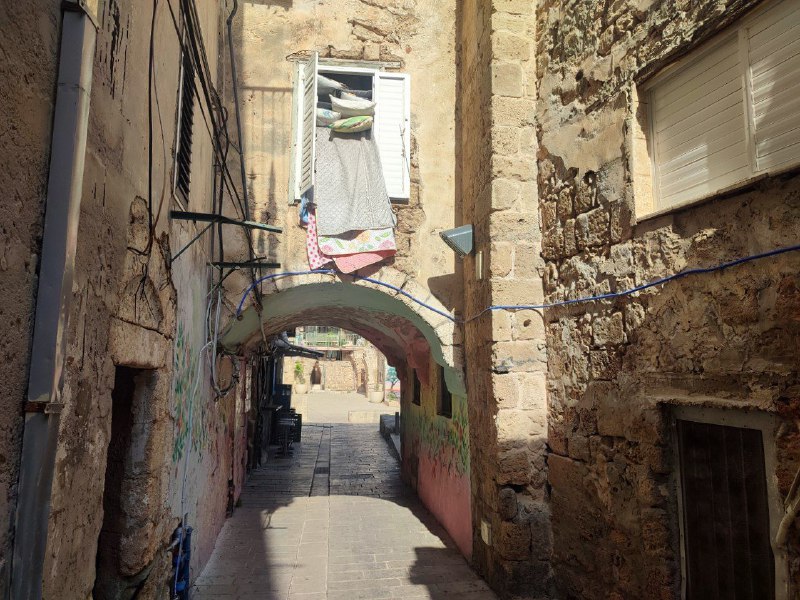
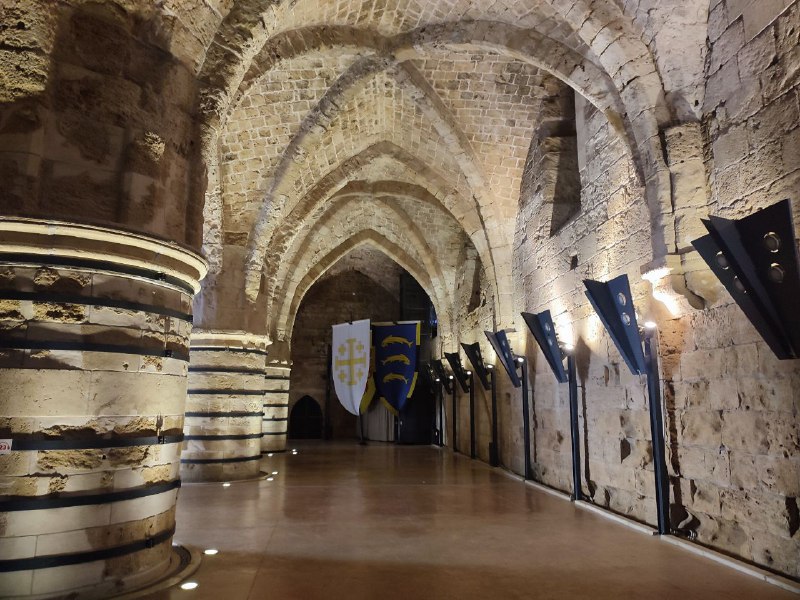
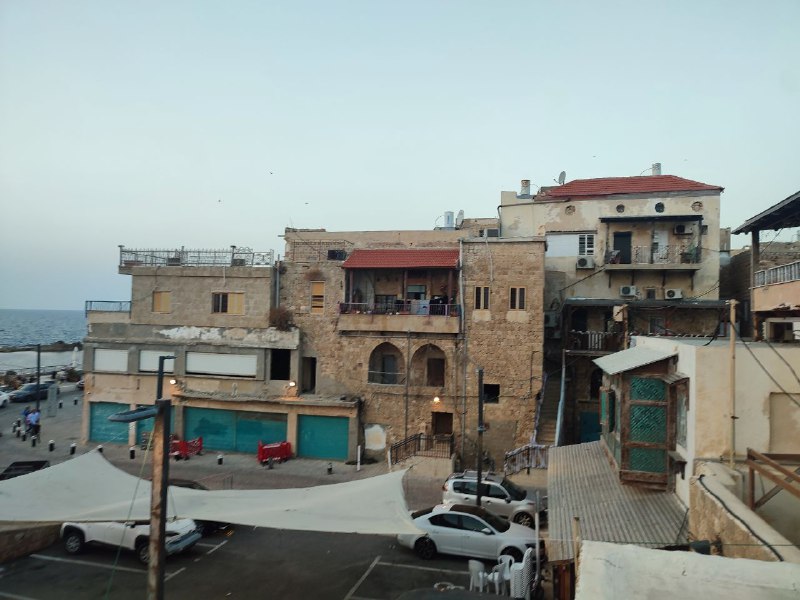
It seems like every country has that one small town with its own unique atmosphere that's completely different from everything else. In the old city of Akko, you really don't feel like you're in Israel at all (maybe I just haven't made it to Jerusalem yet)
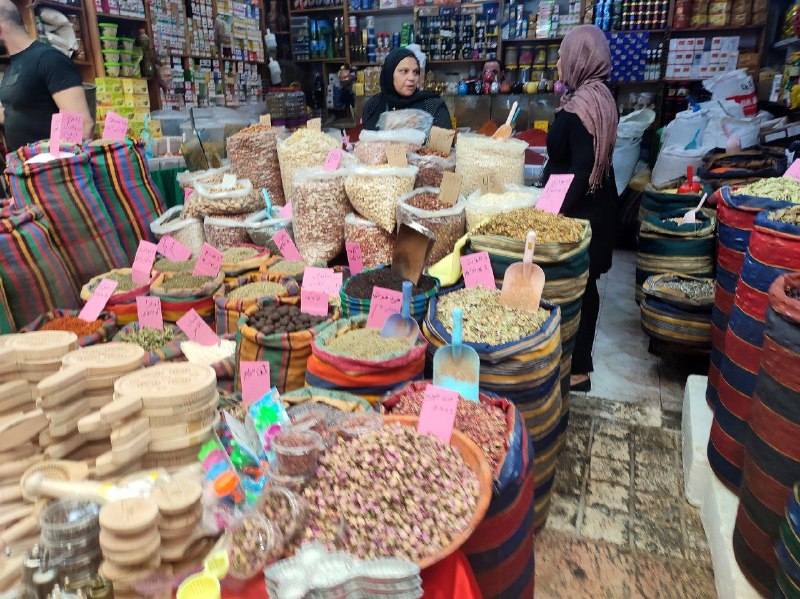
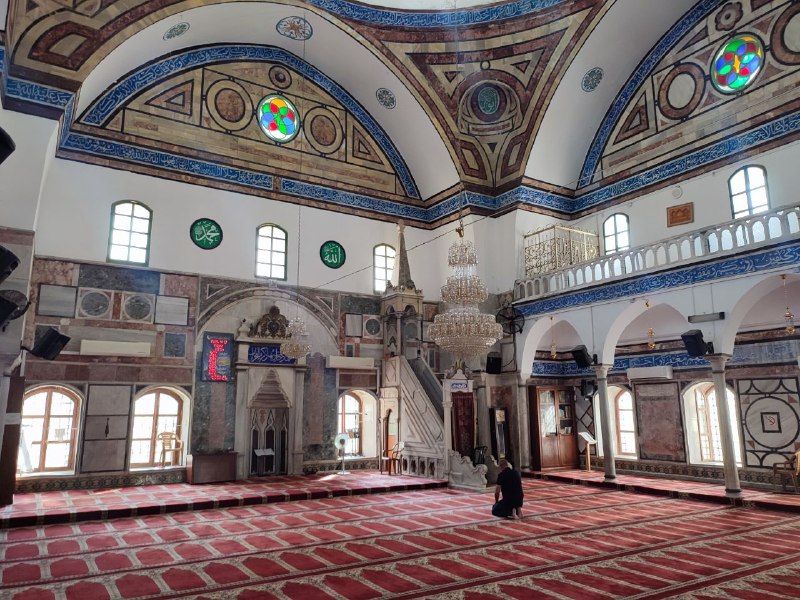
You constantly hear Arabic being spoken around you, there's this massive oriental bazaar in the center with an unforgettable spice smell, and mosques on every corner with the call to prayer echoing out. A lot of the signs are only in Arabic script, without any Hebrew at all.
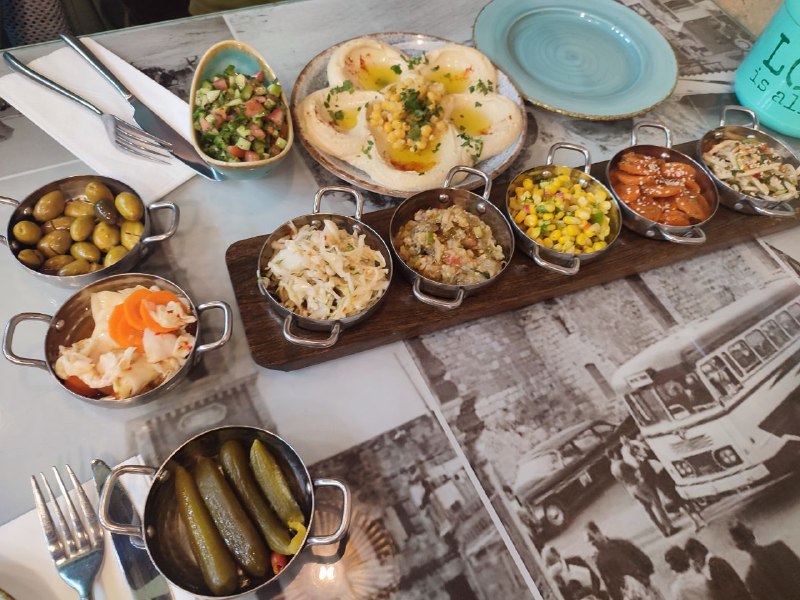
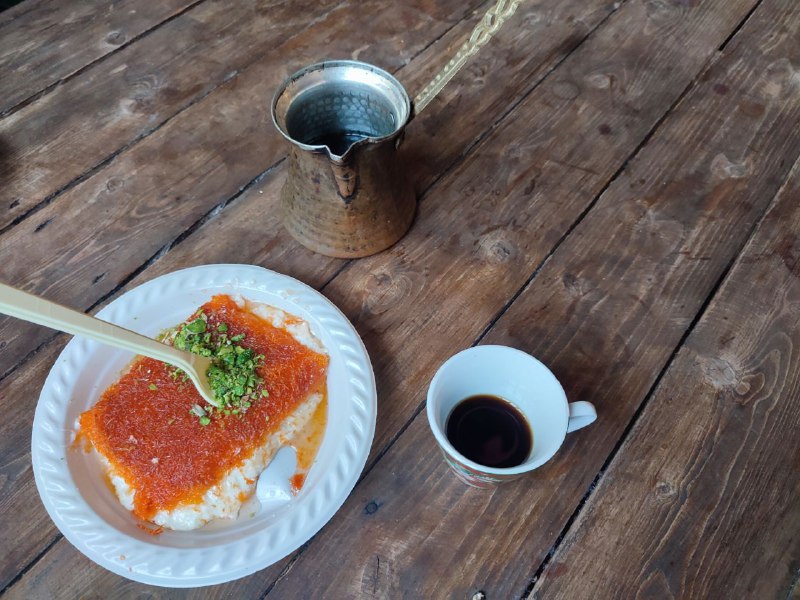
At the cafe, I actually had to dust off my rusty Arabic because there was no menu whatsoever, and I couldn't explain in English that I wanted something sweet with my coffee. But they understood the Arabic just fine. By the way, I really recommend trying the local
knafeh (that's the one in the photo with the drink).
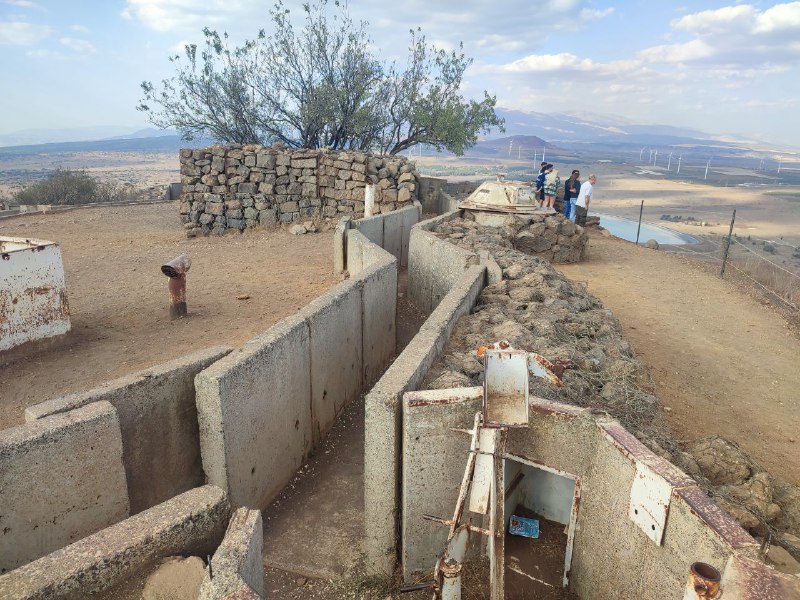
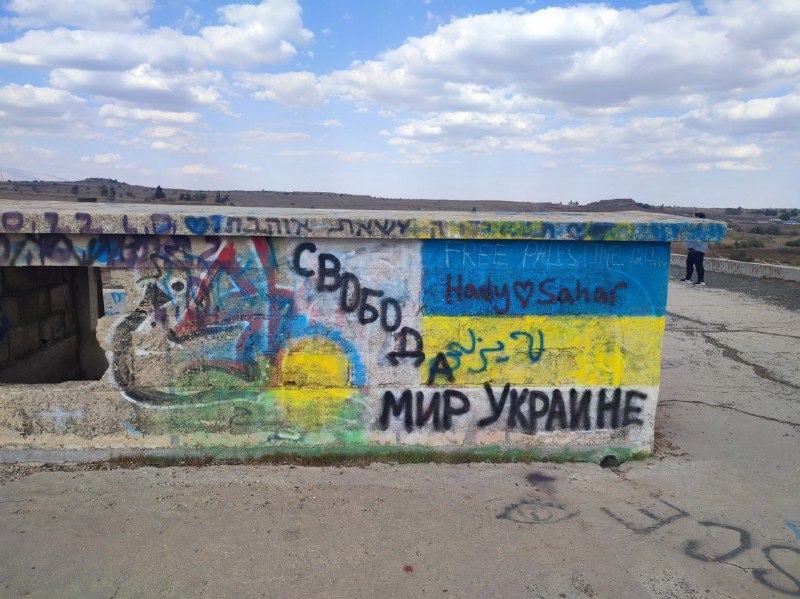
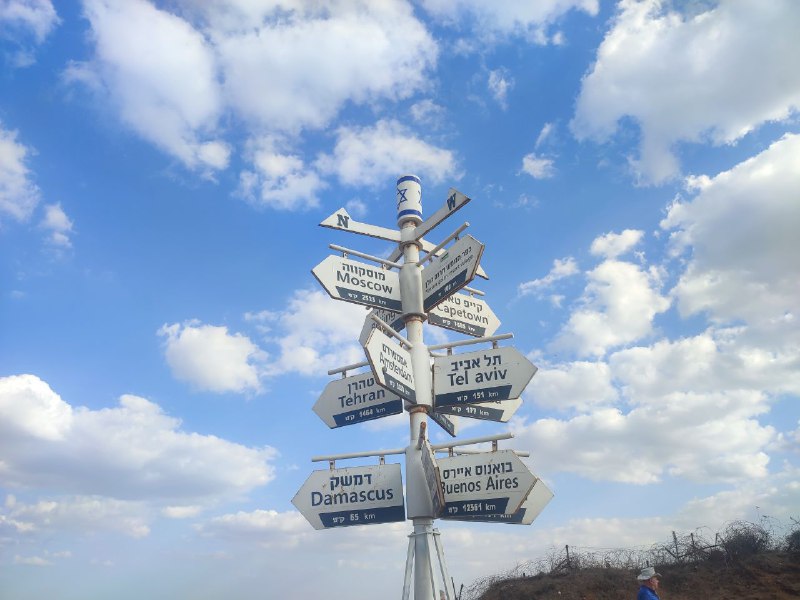
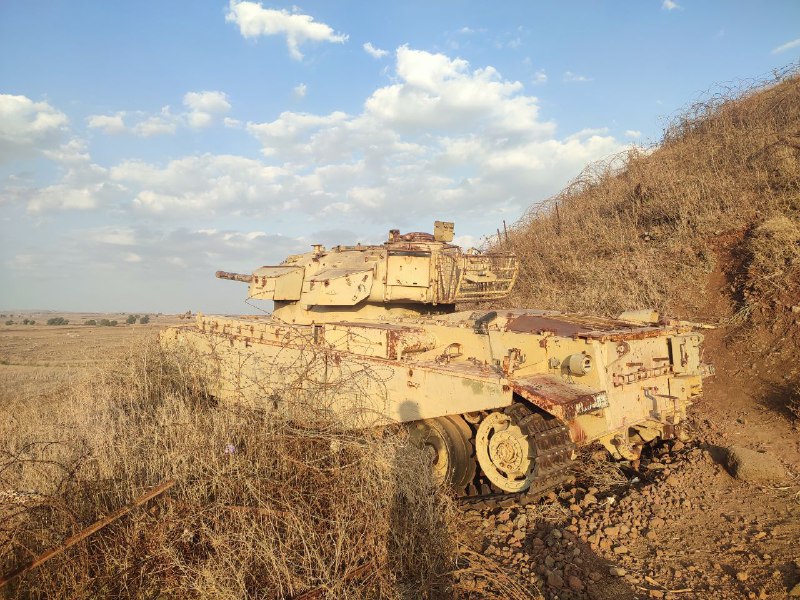
I checked out the Golan Heights. Occupied territories are always a complicated subject.
There are many places on the heights dedicated to the
Six-Day War and the
Yom Kippur War. You look at the memorials and there are photos of fallen soldiers, much younger than me :(
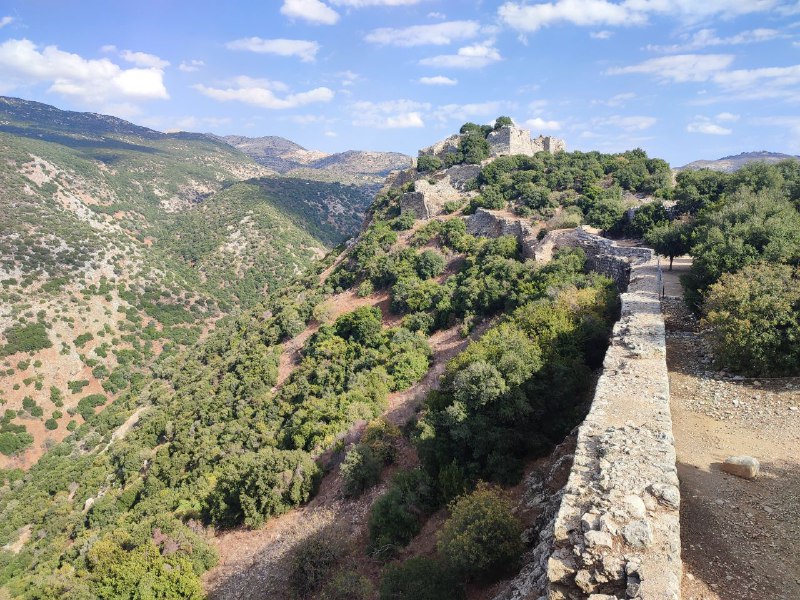
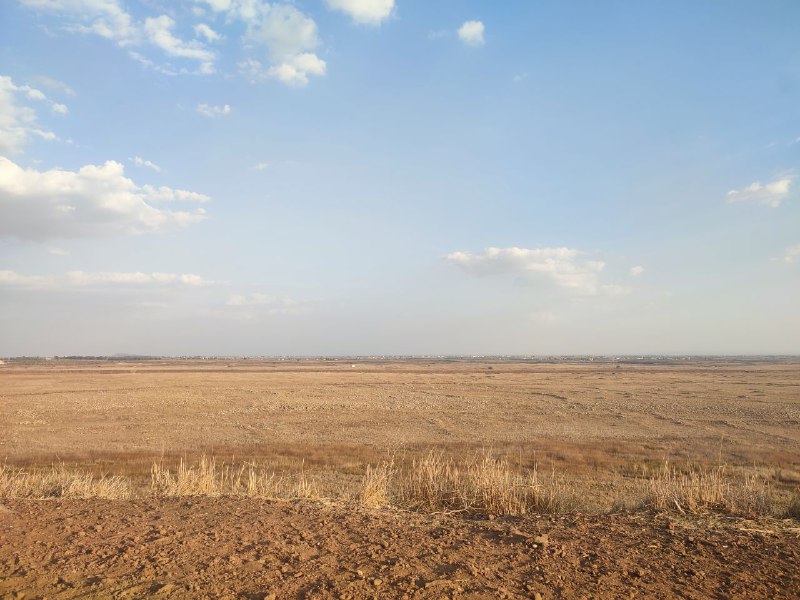
All of this is right on the DMZ line with Syria. You can even see some Syrian settlements (in the last photo).
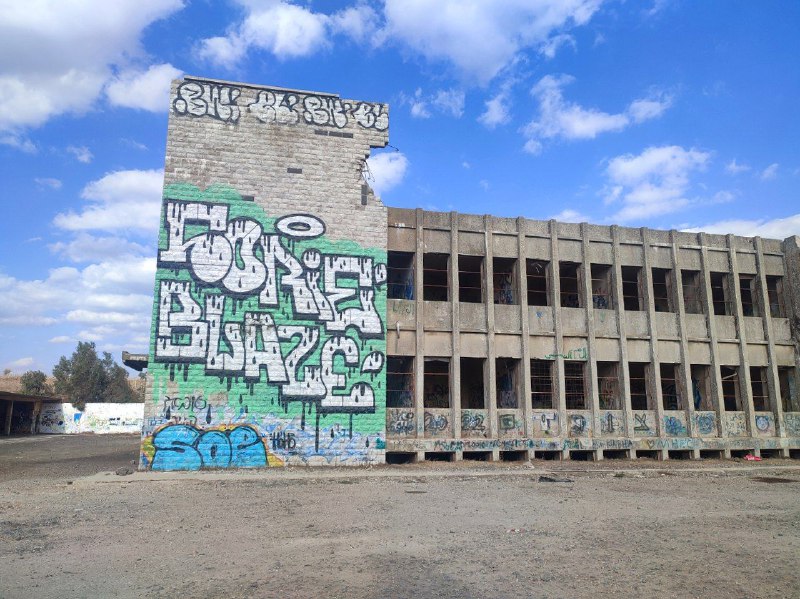
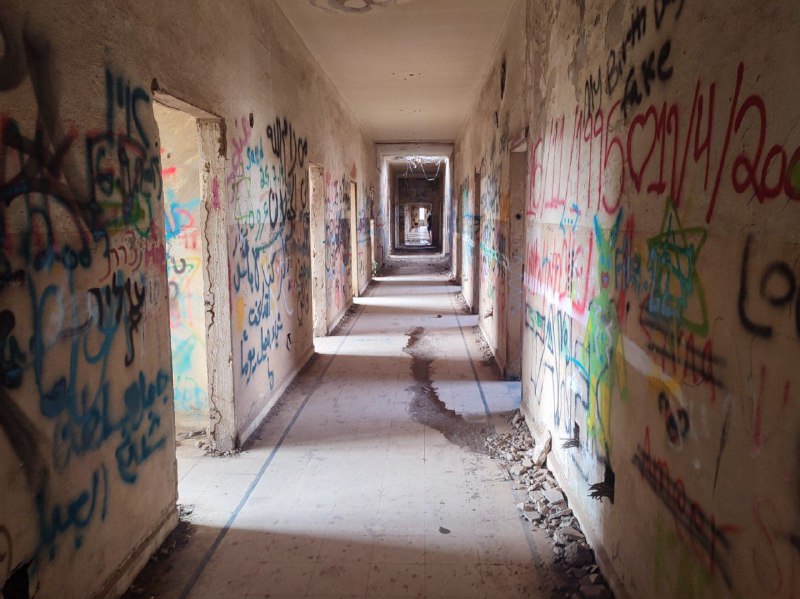
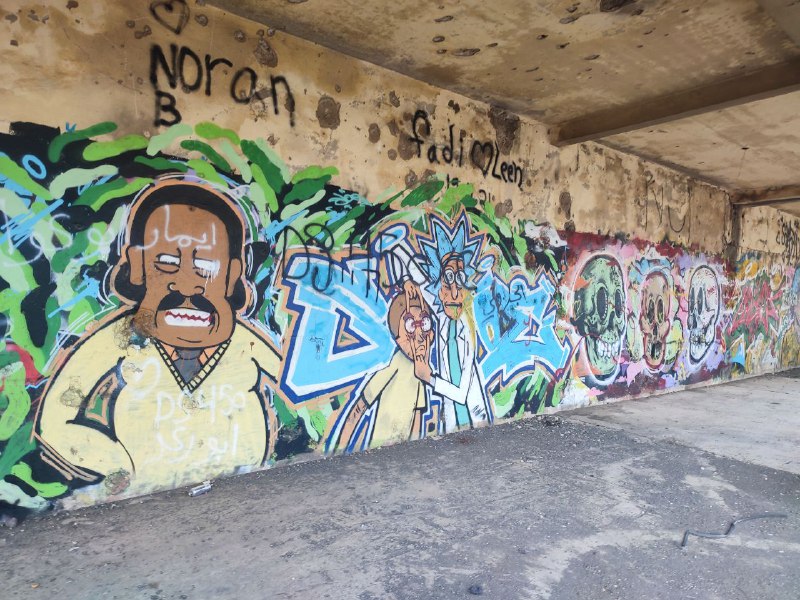
An abandoned building with graffiti—a former Syrian headquarters. Eli Cohen used to visit here, and there are posters about him inside the building. If you haven't heard of him, I recommend watching
The Spy on Netflix.
While reading about the Arab-Israeli wars, I sometimes felt like they were talking about the war in Ukraine. Or maybe armed conflicts just look similar.
Israel hasn't been at war since 2006. I'd like to believe that people here figured out it's better to negotiate than kill each other. The recent diplomatic successes are impressive: in 2020, the UAE, Bahrain, Morocco, and Sudan all signed peace treaties with Israel at once.
And maybe they'll work out a deal with Syria and Lebanon too. And return the Golan Heights to Syria. After all, they returned the Sinai to Egypt.
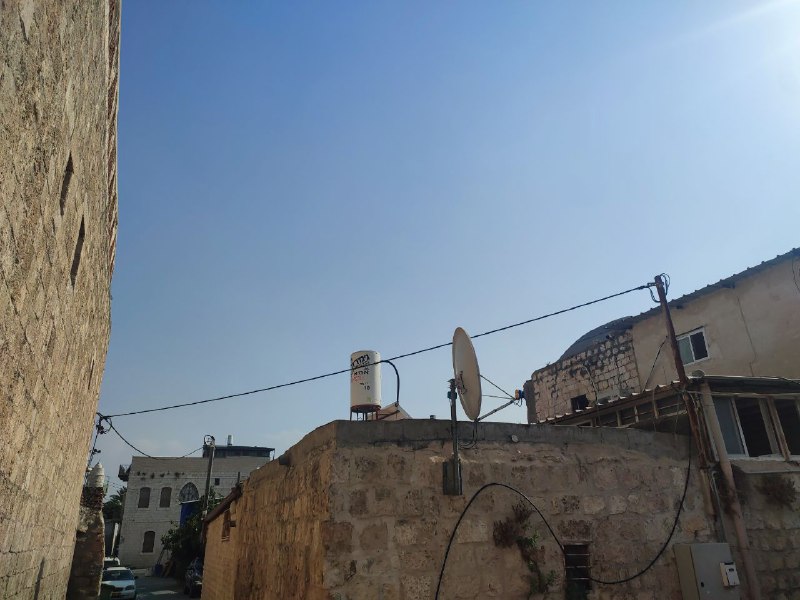
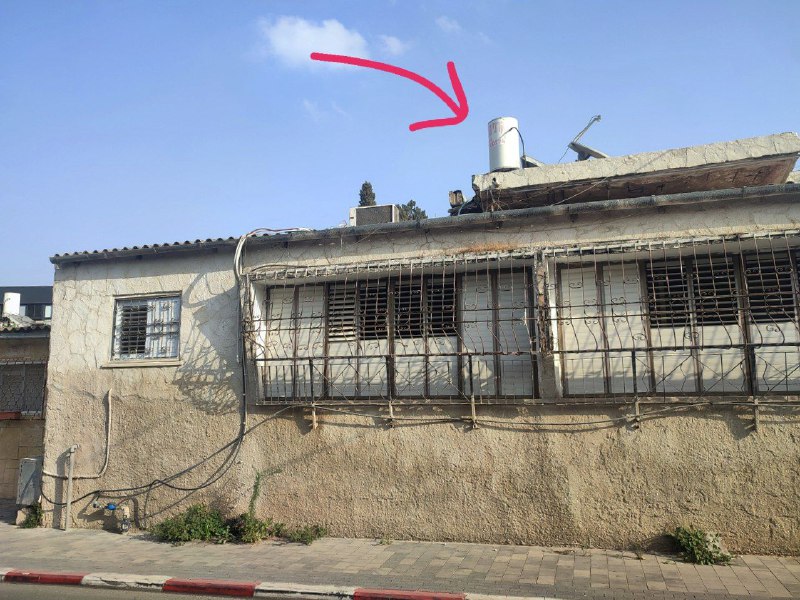
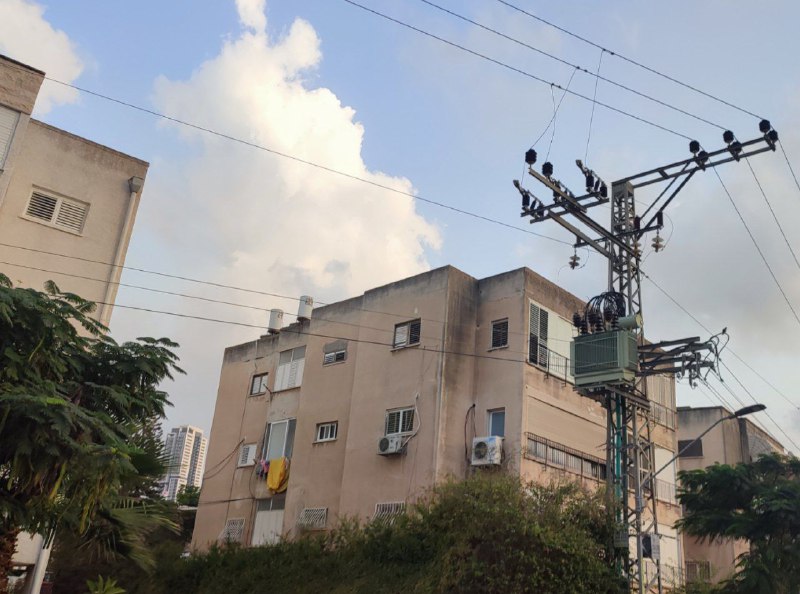
Israel started using solar energy before it became trendy. For hot water. Pretty genius, right?
The country only supplies cold water through the central system. But you've got scorching sun almost year-round (especially in summer) that's really good at heating everything. That's exactly what you need: if you look carefully at rooftops even in big cities, you'll notice water tanks. Heated by the sun alone. The output temperature is actually scalding—I checked it myself. Even when it's just 25°C outside.
For bad weather days, sometimes they install a backup option like a boiler or instant water heater. But usually you don't even need them.
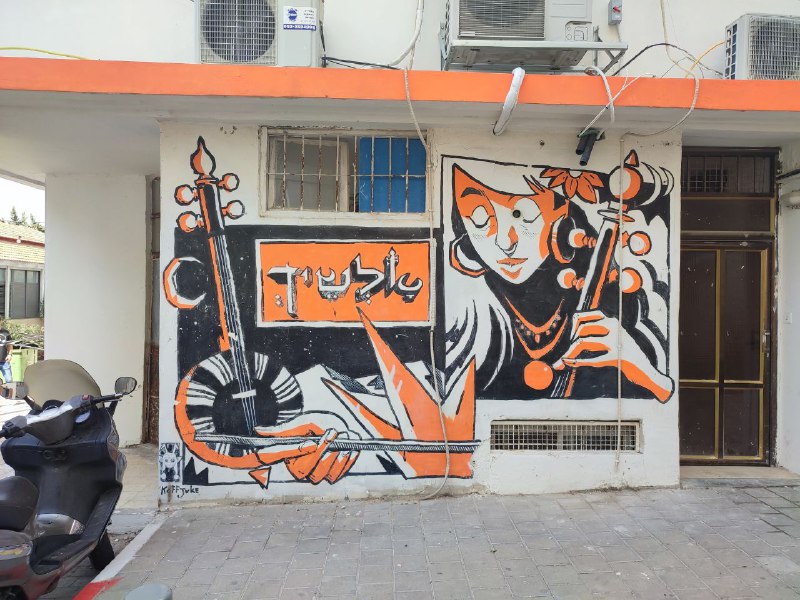
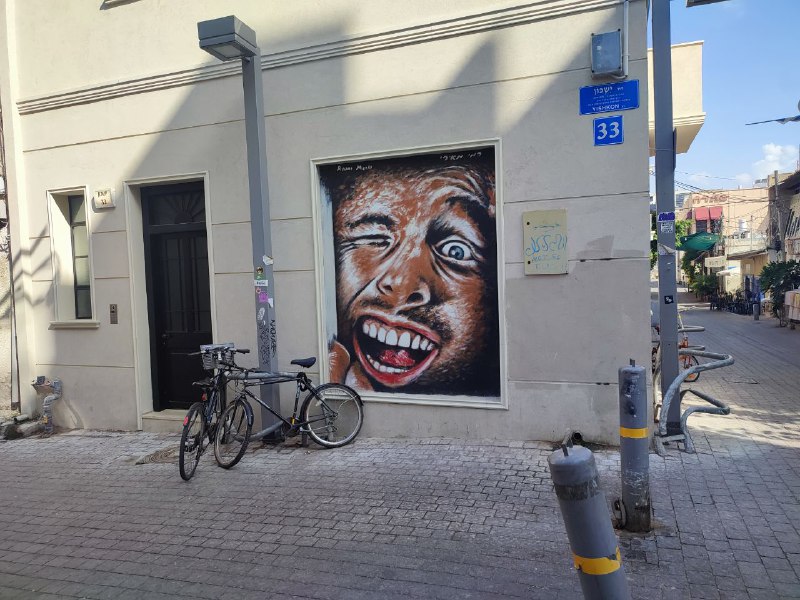
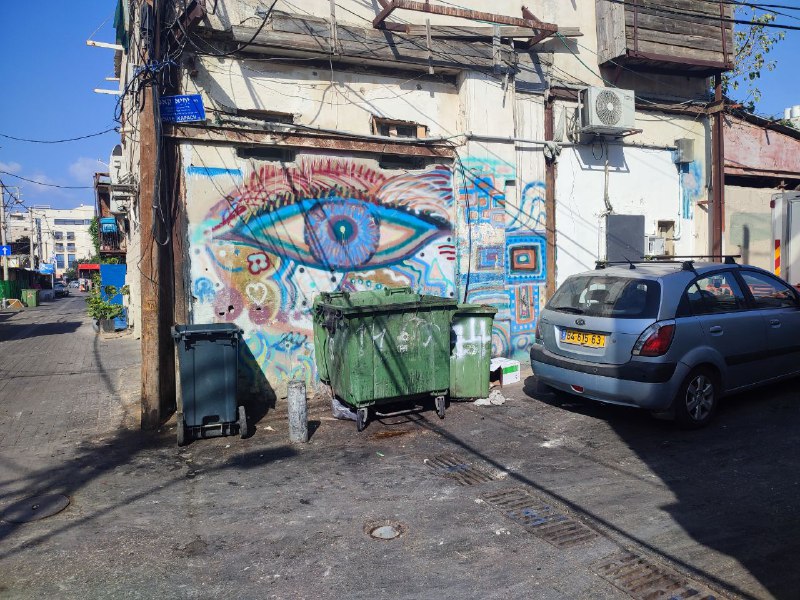
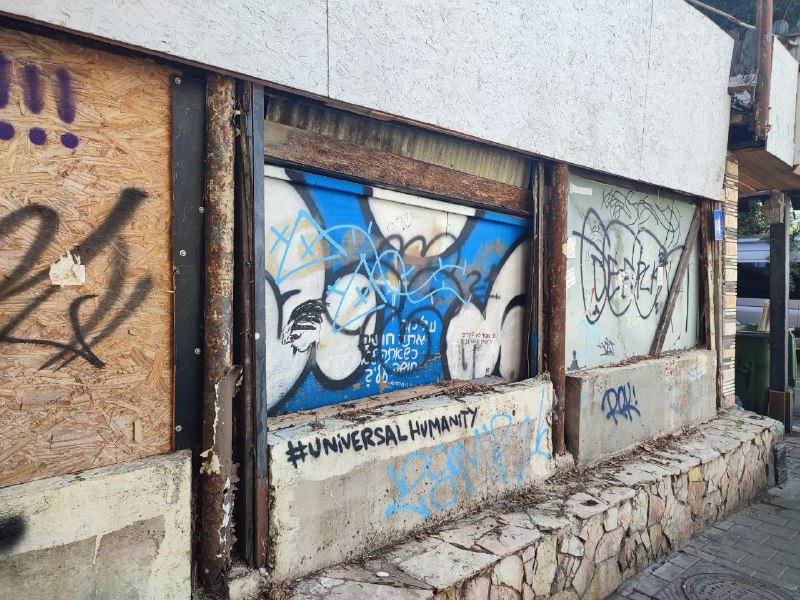
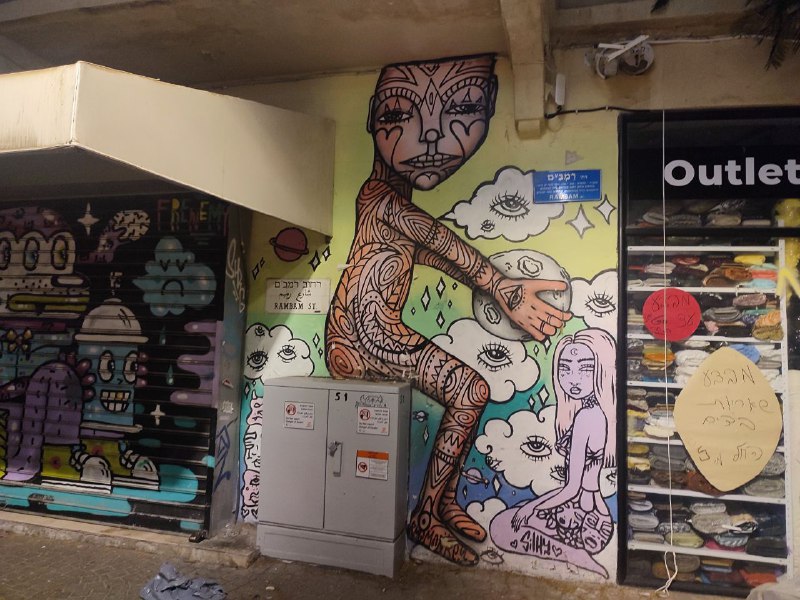
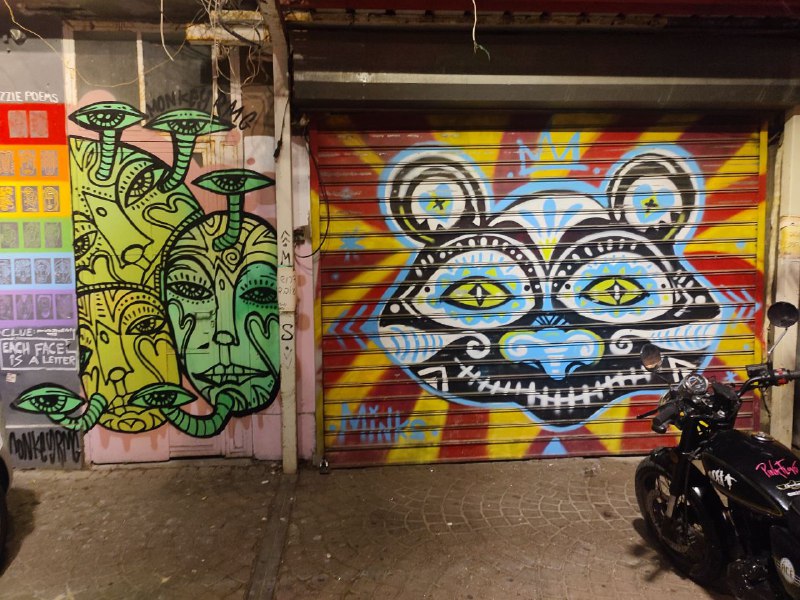
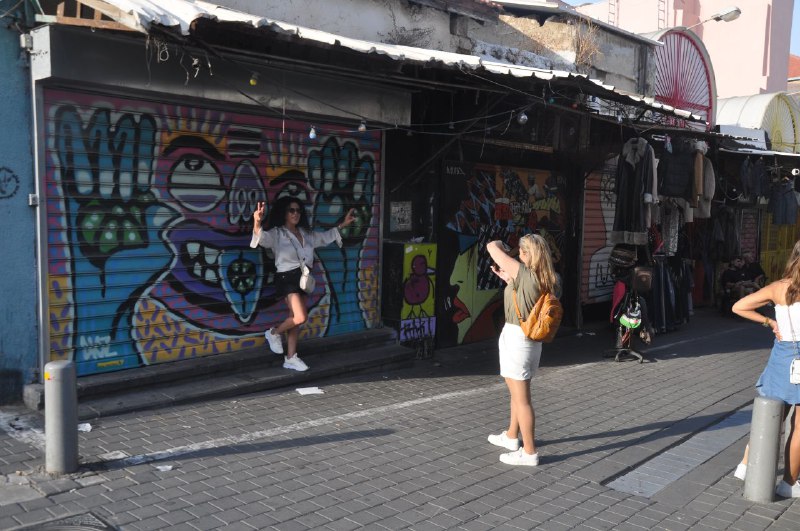
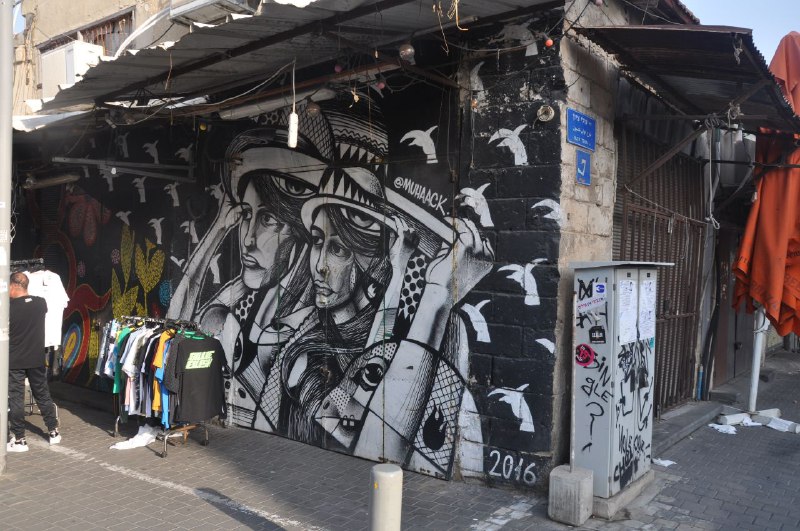
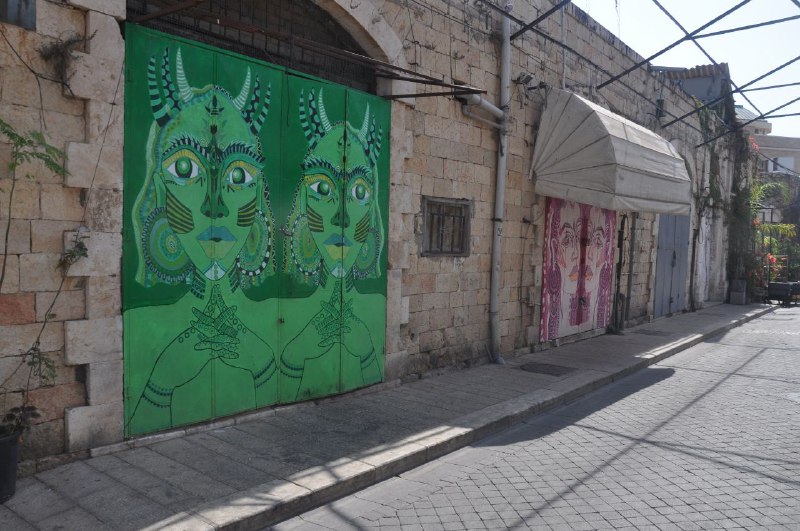
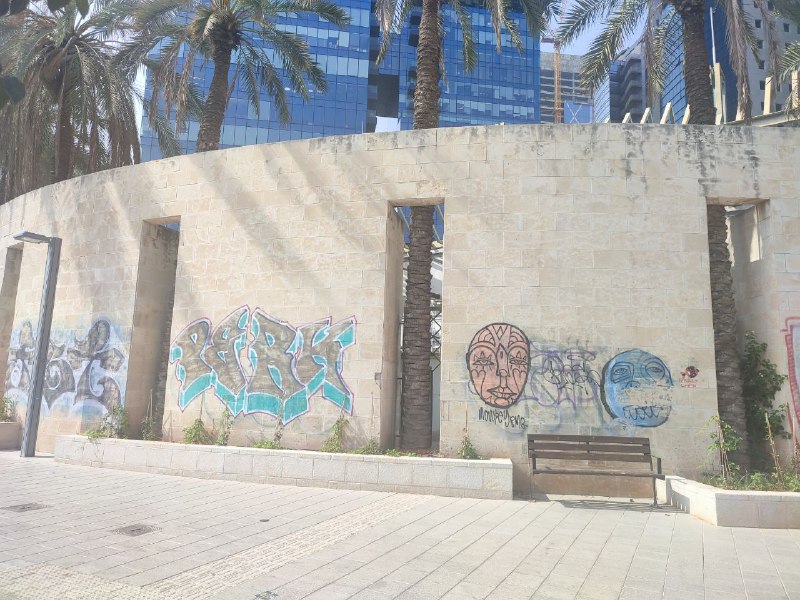
Just check out the Tel Aviv graffiti. If you ask me, most of it is really nice. Some of it's a bit creepy, but there's not much like that.
You'd expect international corporations to provide roughly the same level of service regardless of country. But that's not always the case. For example, IKEA for some reason doesn't translate its websites even into English. And while you can get by in
Serbia without too much trouble, good luck navigating the
Israeli version (though they did manage to create an
English version in the Emirates).
And they don't offer delivery either. At all. If you really need it, you can order through a
third-party company (their interface is also only in Hebrew). Just 250 shekels (72€) and they'll bring everything. The catch is that smaller items aren't available through them, so you'll have to pick those up yourself. But there is a plus side: delivery includes stair climbing to any floor. This matters because many buildings don't have elevators, and movers charge decent money per flight of stairs.
The local IKEA also charges more for the same products. For example, a bed in
Israel costs 17% more than the same one in
Serbia.
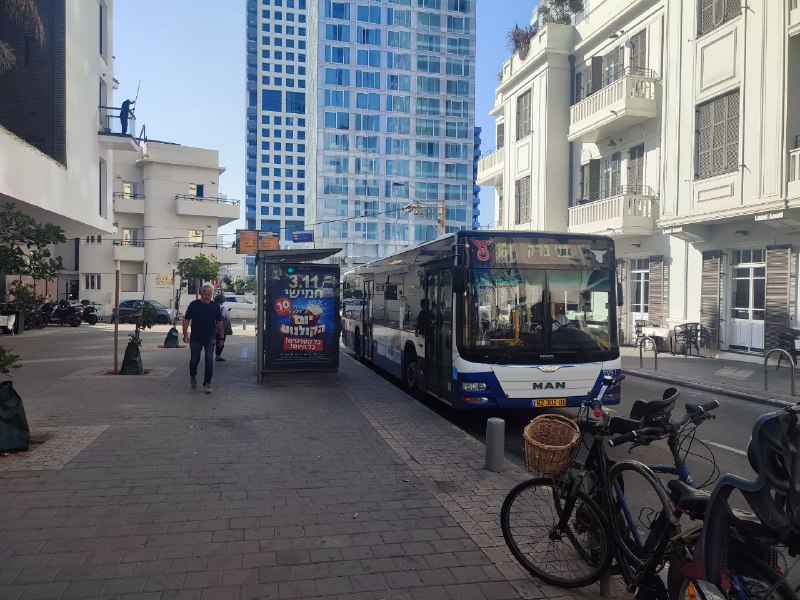
If you just wait for a bus at a stop in Israel, you might not catch it. Usually it only stops here if you wave your hand. Or if one of the passengers needs to get off (there's a special button inside that you absolutely have to press). Otherwise, the driver will just pass by.
Plus, the bus can drive in the second lane, overtaking someone, right near the stop. So you need to watch the road carefully so you don't suddenly miss your bus.
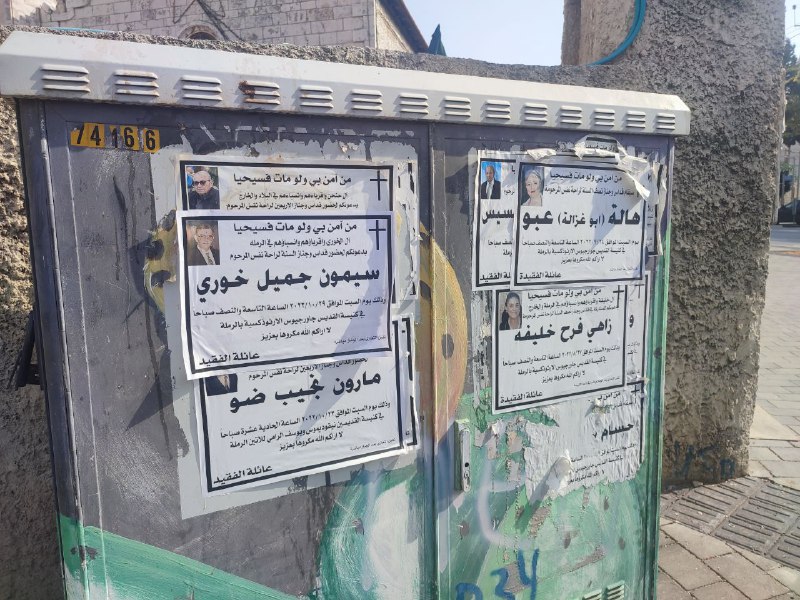
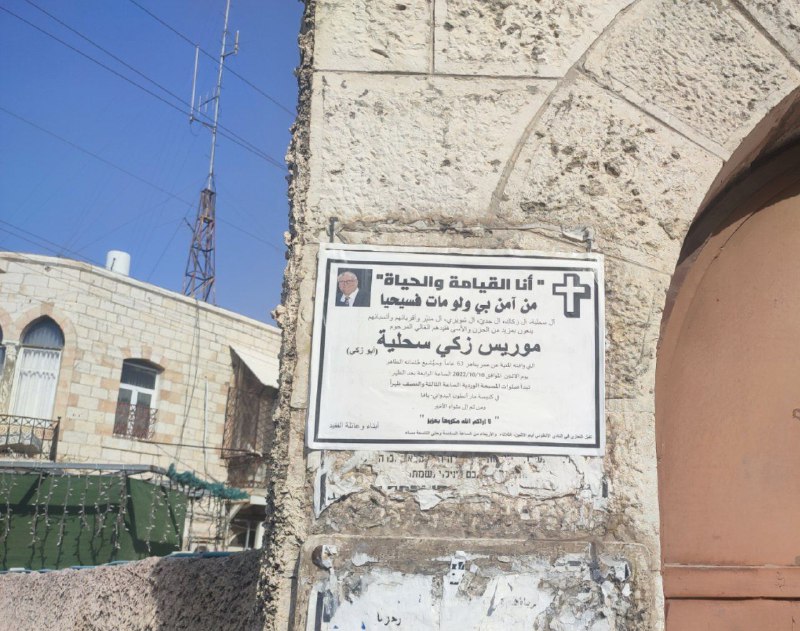
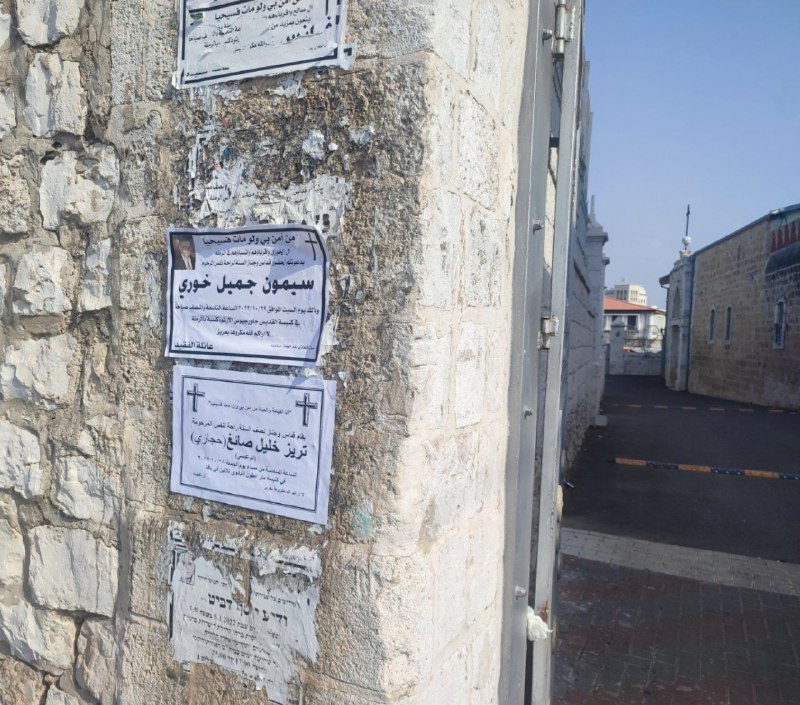
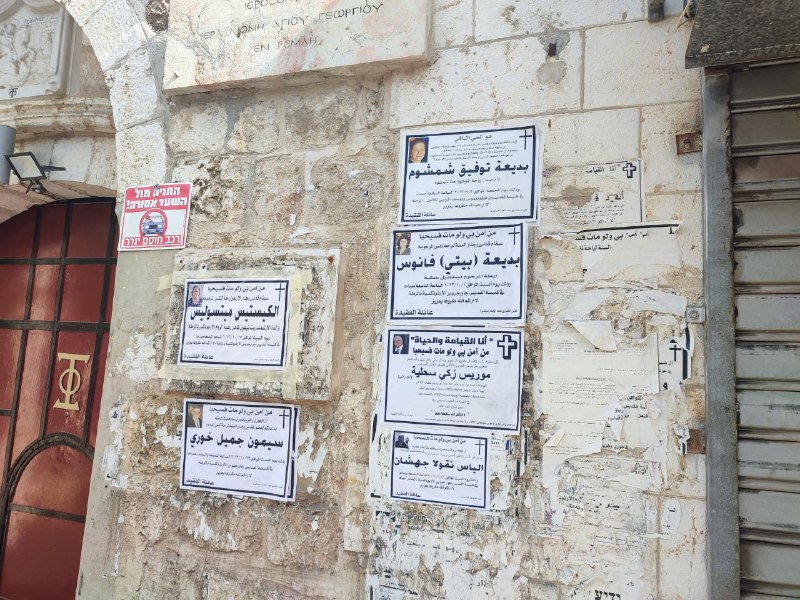
Oh wow!! Remember those death notices? I was totally convinced it was just a Balkan thing.
Turns out it's not. Arab Christians in Israel hang up the exact same things. There's a lot of text, but basically it just has the deceased's name and an invitation to the memorial service with the date (in numbers) and time (for some reason in words).
An eruv is nice and all, but check this out—there's an Arab guy who buys up all the bread in Israel every year for a week!
Every year, Judaism celebrates the Exodus from Egypt (Passover). The Torah forbids eating chametz (any baked good that's undergone fermentation) for all 7 festival days and requires "removing leavened products from your homes." You've got two options: "completely destroy it" or "sell it to a non-Jew." Not much of a choice to make, really.
But Israel took this whole selling thing to the state level. This Arab businessman, Hussein Jabbar, has been buying up all the chametz in the country before Passover starts—for the last 20 years. Or rather, he declares his intention to buy: he signs a contract with the Israeli Minister of Economy (!) and the Chief Rabbi, committing to purchasing everything, and puts down a deposit of around fifteen thousand dollars. From that moment on, technically the "forbidden stuff" belongs to him, even though it's still sitting in the original owners' homes. To complete the deal, he needs to scrape together the missing (estimates vary) 300 million dollars before Passover ends. In all these years of trying, he's never once managed to come up with the full amount. So when the holiday wraps up, the purchase agreement gets canceled, the bread gets "returned" to the Jews, and the businessman gets his deposit back.
And everyone's happy. Then the next year, the whole thing repeats. Journalists never miss a chance to
ask: "Mr. Jabbar, do you really want to buy this bread, or are you just doing the state a favor?"
To which he gets indignant and says, "Of course I want to! The previous times I just couldn't manage to pull together the necessary funds in time. But this year—I'm telling you—I'll definitely get it!" You've gotta wonder, what's he actually planning to do with all that bread?
During Shabbat, observant Jews are not allowed to carry anything outside their home. Not even apartment keys, children, or medicine. But there's a loophole: a courtyard is considered part of one's home. So entire cities here are surrounded by a symbolic fence—an eruv—and declared a communal courtyard, to which the restriction no longer applies.
Tel Aviv is divided into several large zones (
map) within which you can move around.
But just putting up a fence isn't enough. You need to make sure it stays in good condition. So every Friday before Shabbat begins, a special team drives around the eruv to check that nothing has broken. If something's wrong, it needs to be fixed before the first star appears, otherwise the eruv won't be valid.
By the way, this exists not just in Israel, but also in cities with large observant communities. For example in New York or
Moscow.
Officially, Israel is a Jewish democratic state. Supposedly secular. However, religion plays a very significant role in everyday life here. In no small part thanks to strong lobbying in government. Hence a bunch of uncomfortable restrictions, those who observe them come up with various ways to get around them, and those uninvolved simply suffer from strange rules that have somehow become laws.
For example, in Israel it's officially forbidden to register not even same-sex marriages, but interfaith ones. A Jew can't formalize a relationship with a Muslim woman or an atheist with a Christian woman. At the same time, it's all fine if a couple registers in, say, Egypt. Such a union is recognized without any issues by all state structures.
Or on Shabbat, public transport pretty much stops running across the country. Though this really depends more on regional authorities. In Tel Aviv it's noticeably less of an issue, but in smaller cities everything pretty much shuts down. But you just can't leave the airport like that.
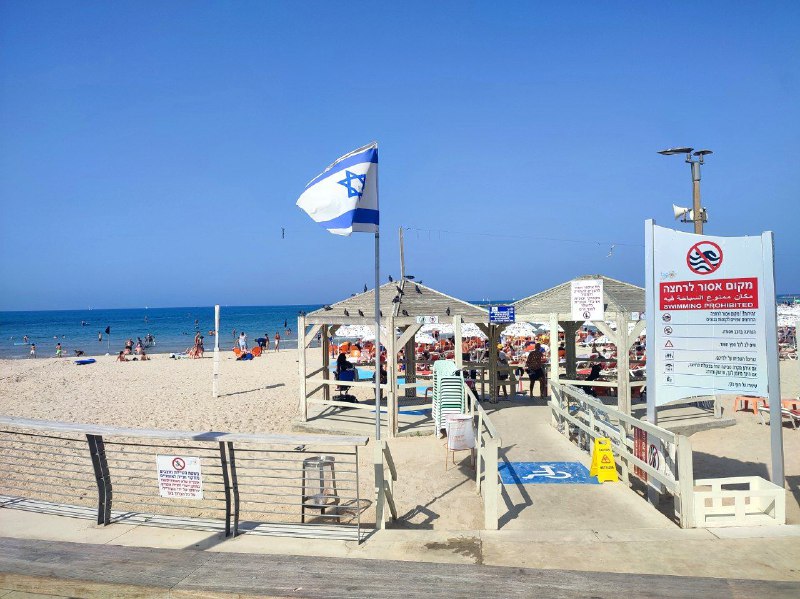
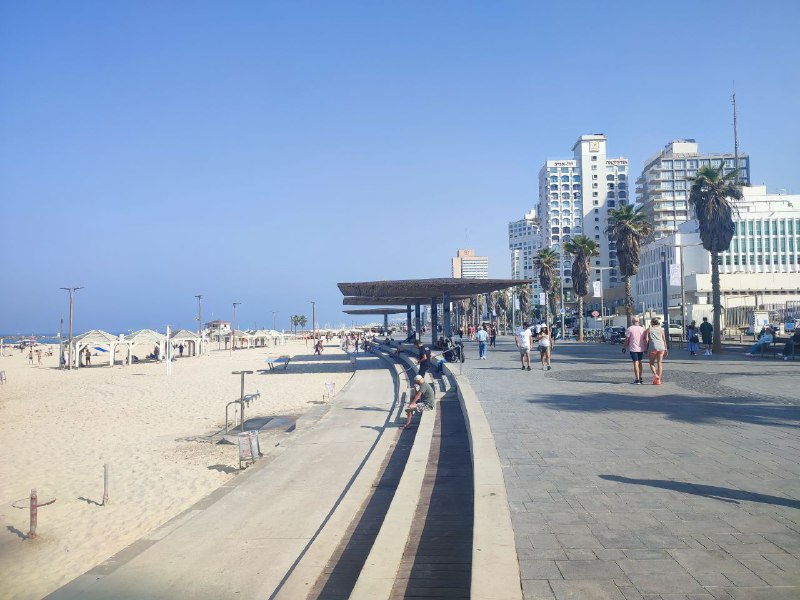
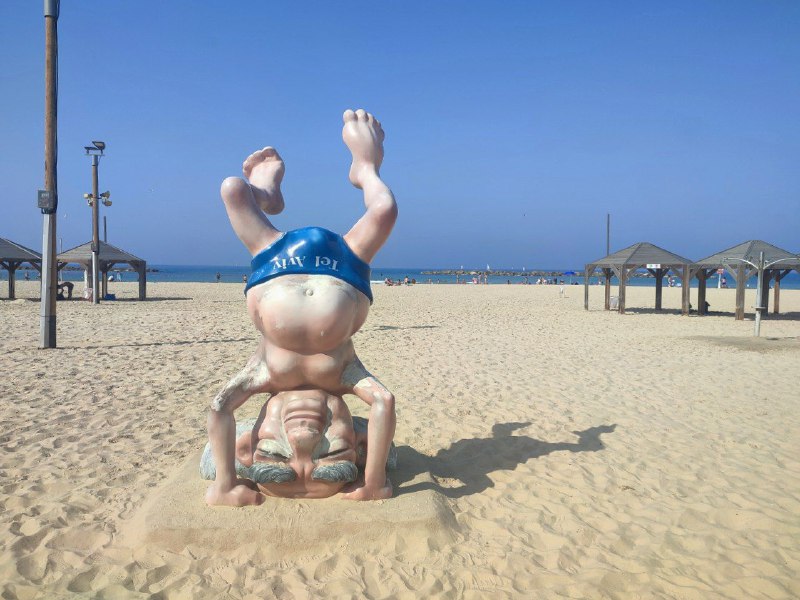
There was a competition on a Tel Aviv beach for a local version of footvolley (though I'm not entirely sure that's what it was). I'm not sure how else to explain it, but everyone on the beach was playing this game, and some were even playing it in team format. But check out how beautiful it is.
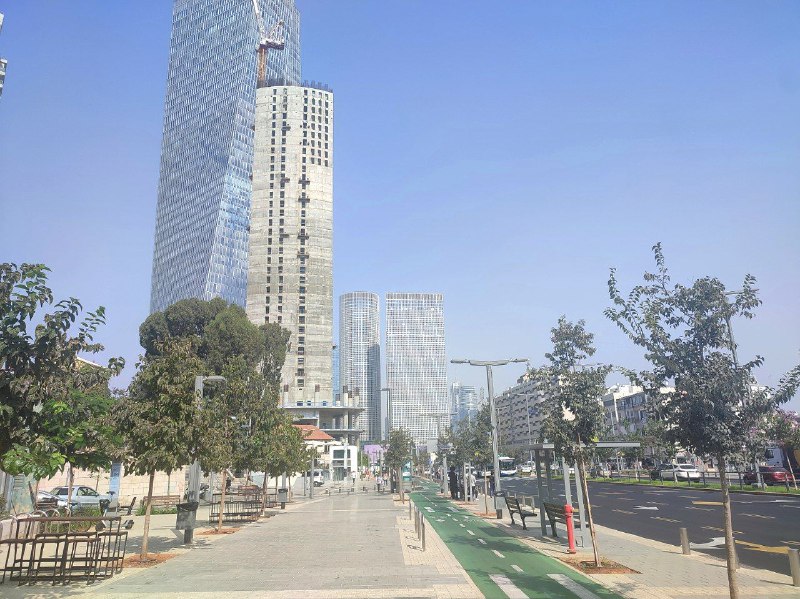
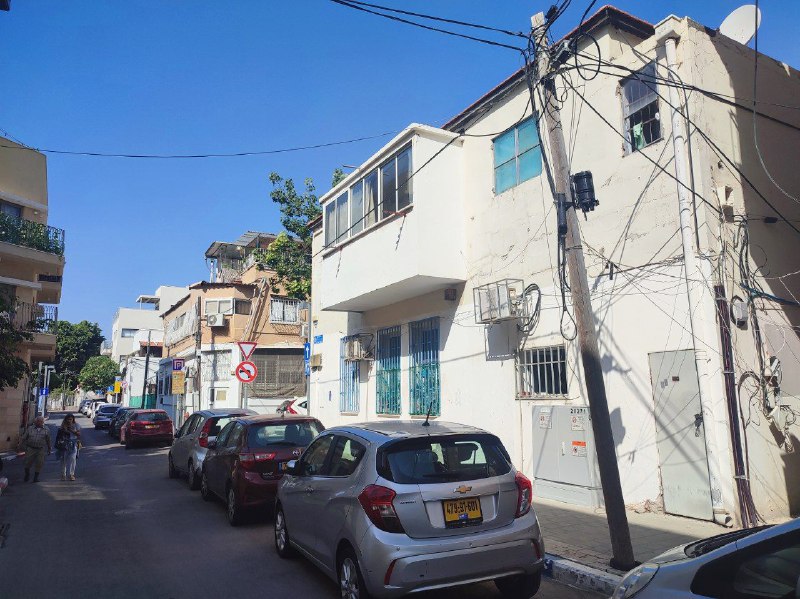
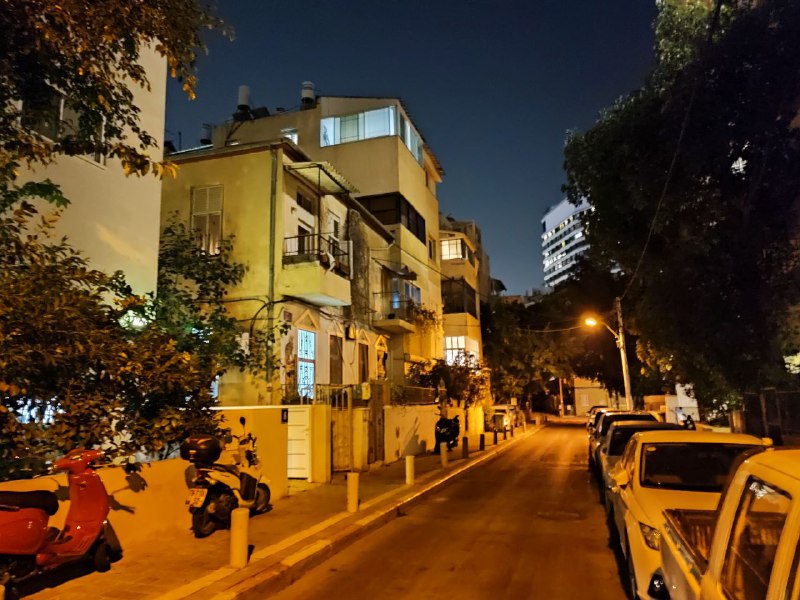
I'm really into the Middle Eastern vibe here. It feels cozy and homey.
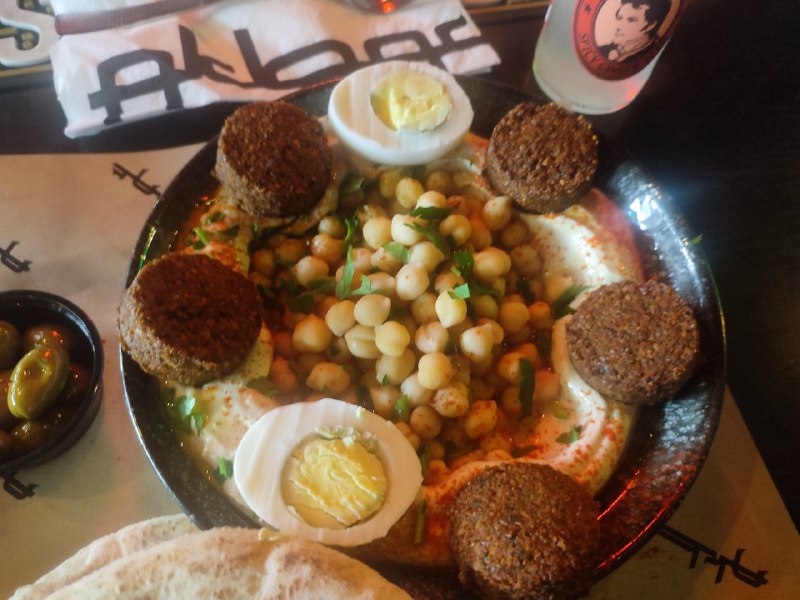
So far, the main thing that strikes me is how expensive everything is (especially after Belgrade). You could brew three local coffees in Serbia for the price of one here. Cafes are about twice as expensive. Even street food doesn't really help. That said, everything tastes amazing.
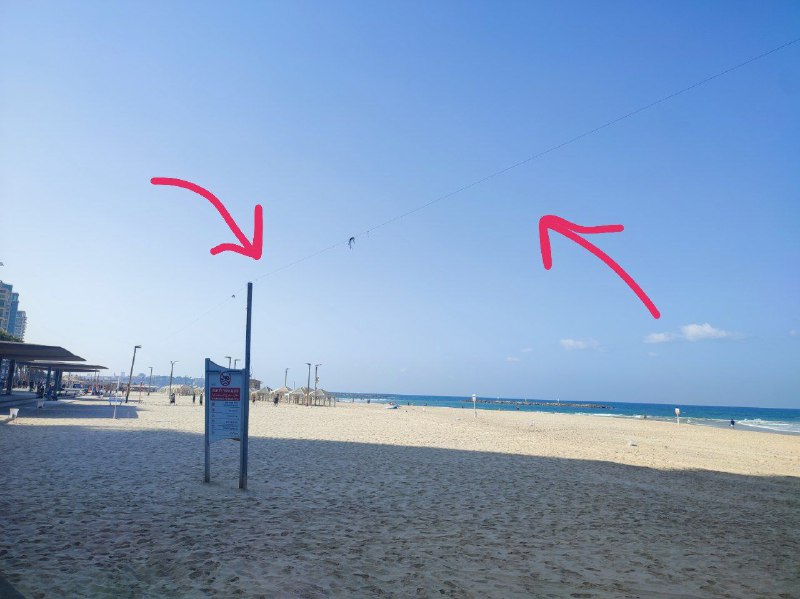
I need to figure out the local rules. For example, there's a sign at the beach entrance that says "no swimming." And there are tons of these signs all along the coast. But right behind them there's a crowd of people swimming. Though maybe they're not actually swimming, just splashing around. Those kinds of details matter here :)
Istanbul is still beautiful, even if it's a late-night layover with an airport change, when you barely have time to grab a bite.
The contrast with Belgrade is striking. It feels like I've landed in a crazy megacity after a peaceful province. You can't get anywhere on foot, and the metro took me over an hour from the center to the outskirts. Everywhere you look, crowds of people rushing around, endless traffic jams, noise and chaos on the streets. Where did that familiar peace go?)
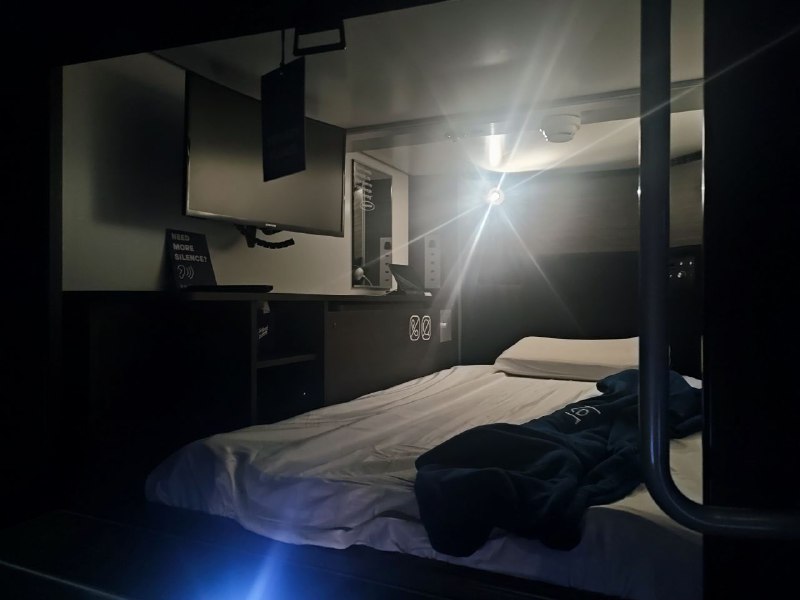
But at least I finally got some real use out of the "free" business lounges, where you can actually get some sleep (in quotes because access is included in the bank's fee). The capsule is more than compact, but I got a good rest. And honestly, even if I had to pay, it would've been way cheaper than a regular hotel. The only catch is that it's after passport control. So if I'd had luggage, I couldn't have gotten there that early.
A few more photos for you :)
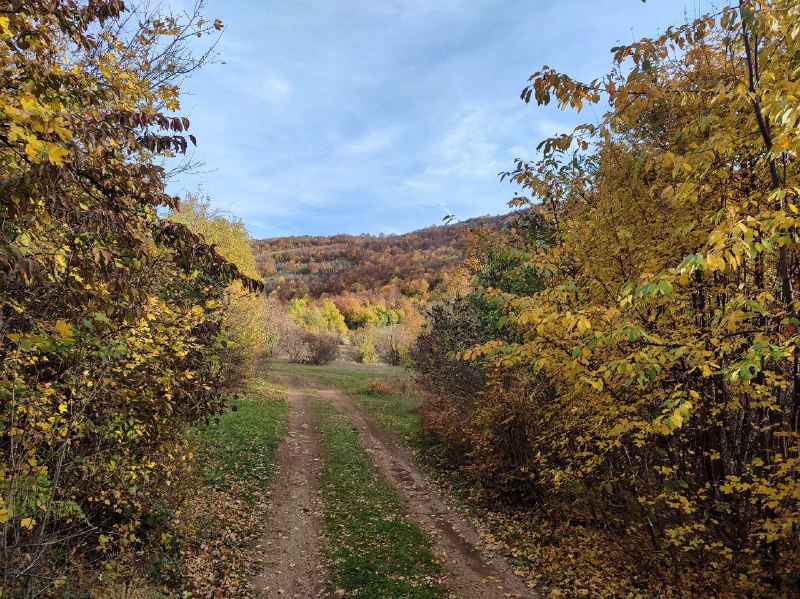
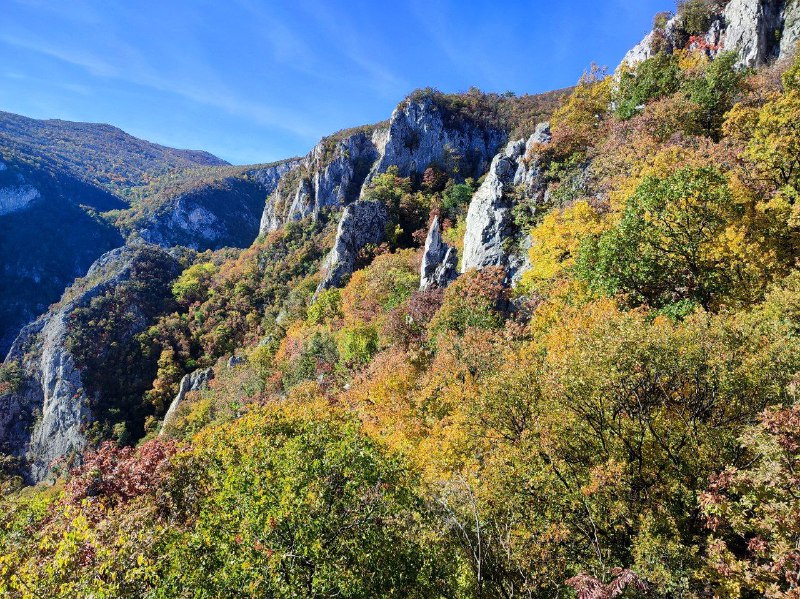
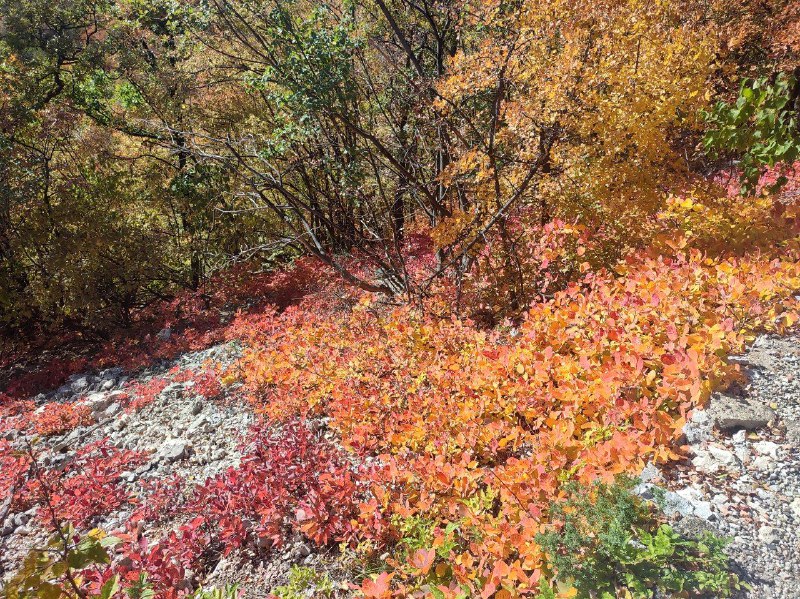
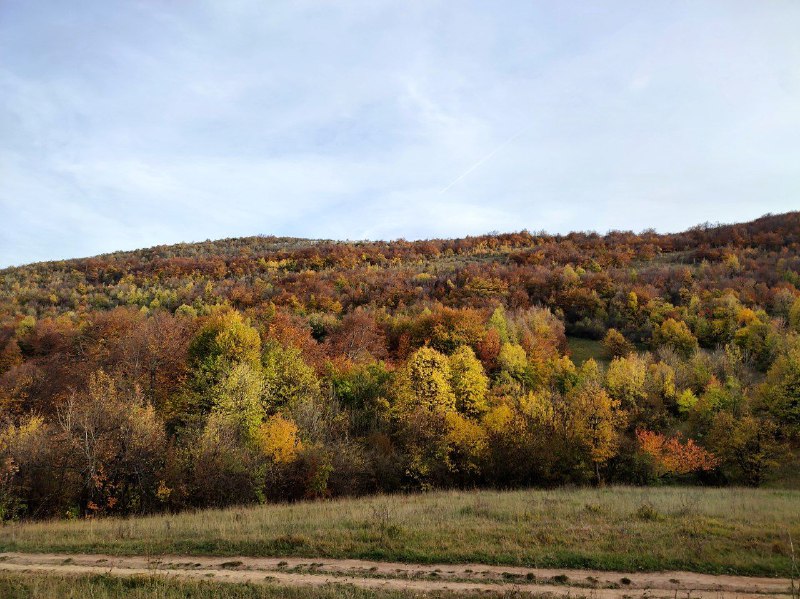
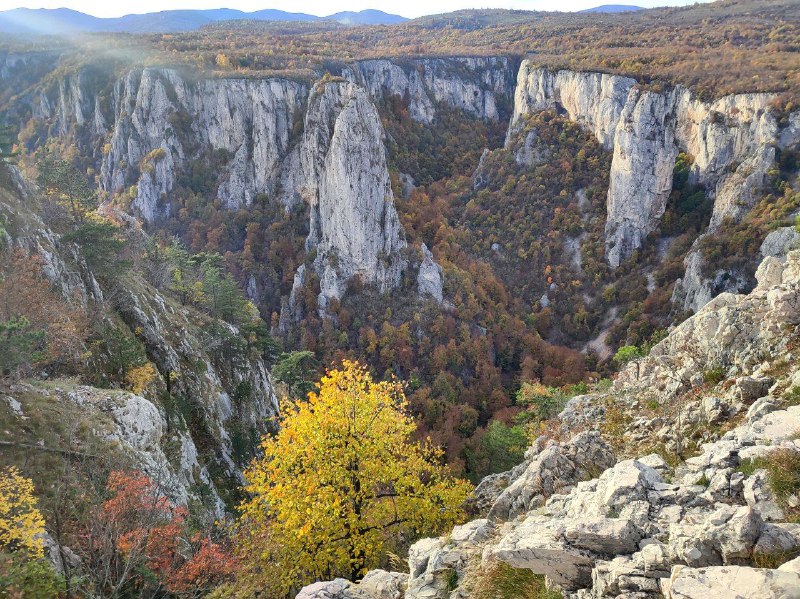
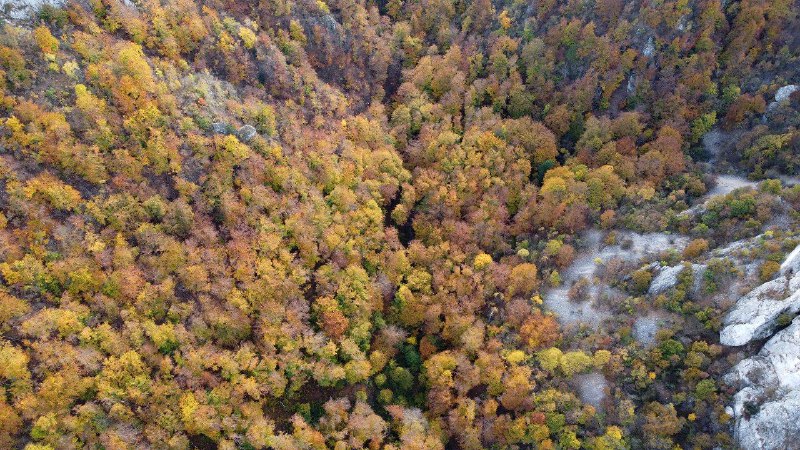
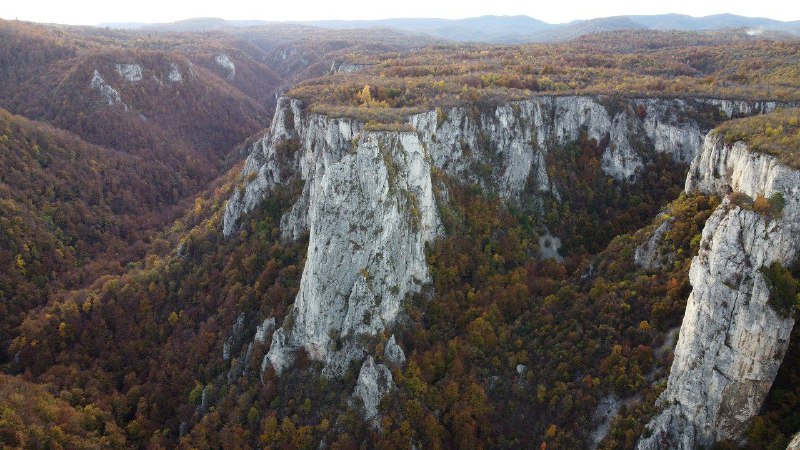
I really needed to go back to Lazarev Canyon. For some reason, I thought it would be all yellow, but it turned out to be multicolored, and honestly, that's even better.
The way I felt, I could have gone back a week later. Or even two weeks. If the leaves don't fall, the colors will be even more vibrant. Although I have completely different plans for next weekend. But yesterday's trip turned out great. Autumn is the best time to visit the canyon if you haven't yet.
This time there were actually people on the trail! Over the summer, I'd run into maybe 3-4 people all day, but now there were even large groups. Guess it's peak season :)
During a break, my neighbors were discussing the funny names of the viewpoints:
Amazing Lazarov kanjon viewpoint and
Best viewpoint of Lazarov kanjon. I checked—the names don't lie! Those are genuinely the best spots.
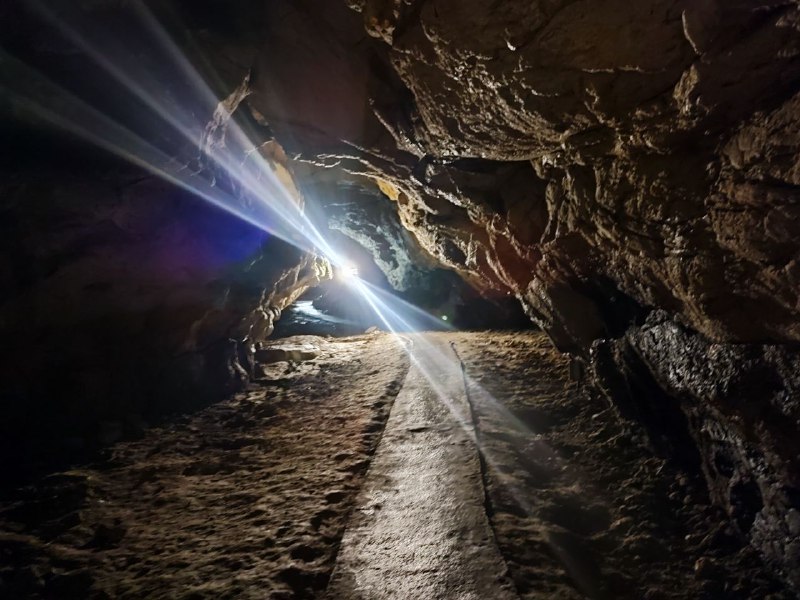
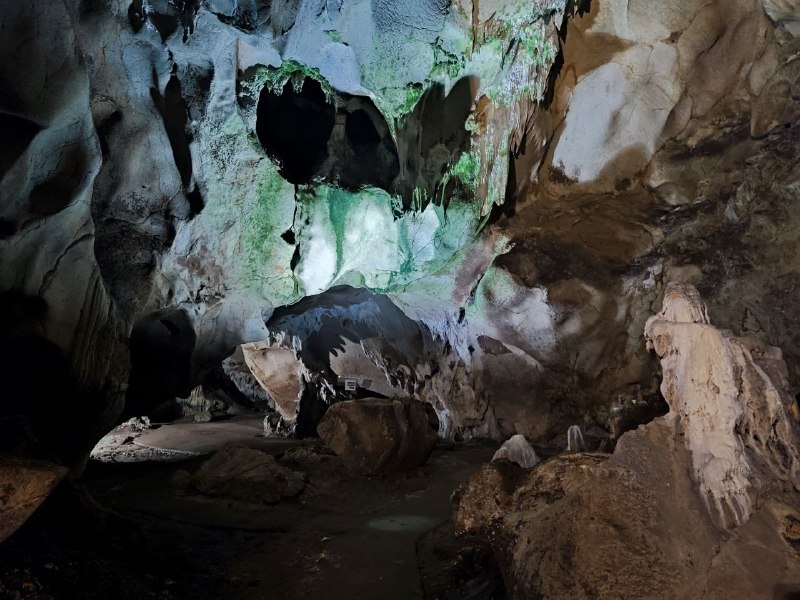
To mix things up besides rock scrambling, I also explored Lazareva Cave below the mountain. It's cool, but more as a bonus activity. The plus side: it stays really cool inside. I remember it was late October, but I was hiking in just a t-shirt (and I wasn't the only one) because otherwise it would be too hot.

 United Kingdom
 Serbia
 Bosnia and Herzegovina
 Turkey
 United Arab Emirates
 Brunei
 Indonesia
 Malaysia
 Argentina
 USA
USA Morocco
 Georgia
 Egypt
Egypt Hong Kong
 China
China Vietnam
 Tunisia
 Montenegro
 Philippines
 Singapore
 Oman
Oman Algeria
 North Macedonia
 Lebanon
 Israel
 Albania
 Russia
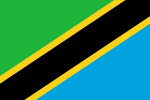 Tanzania
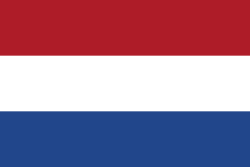 Netherlands
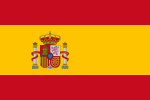 Spain
Spain Latvia
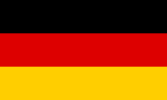 Germany
 Belgium
 France
 Kazakhstan