Telegram mirror

Telegram is a messenger where I post short travel notes. This page is a self-hosted backup of that channel.

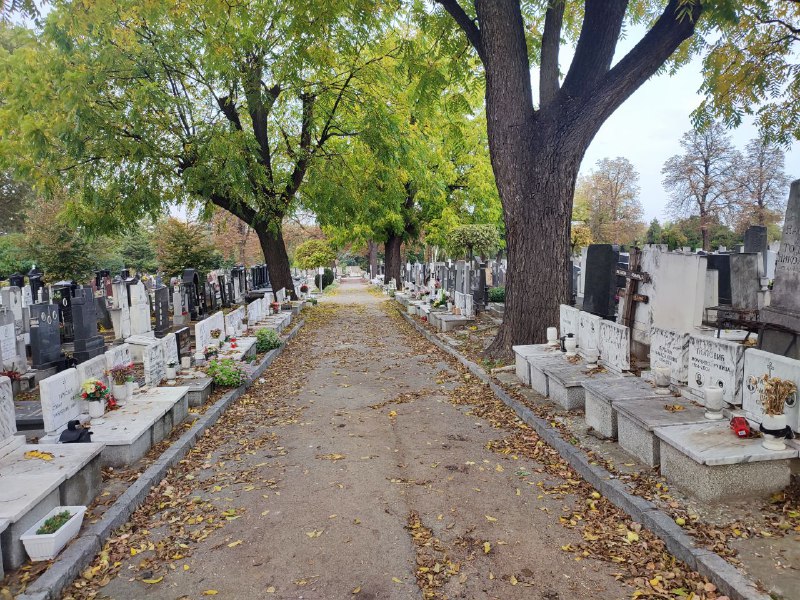
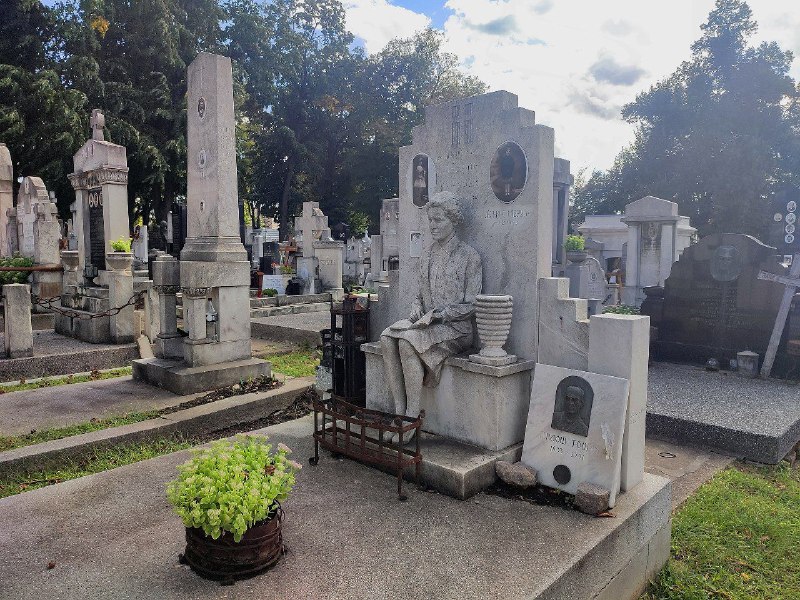
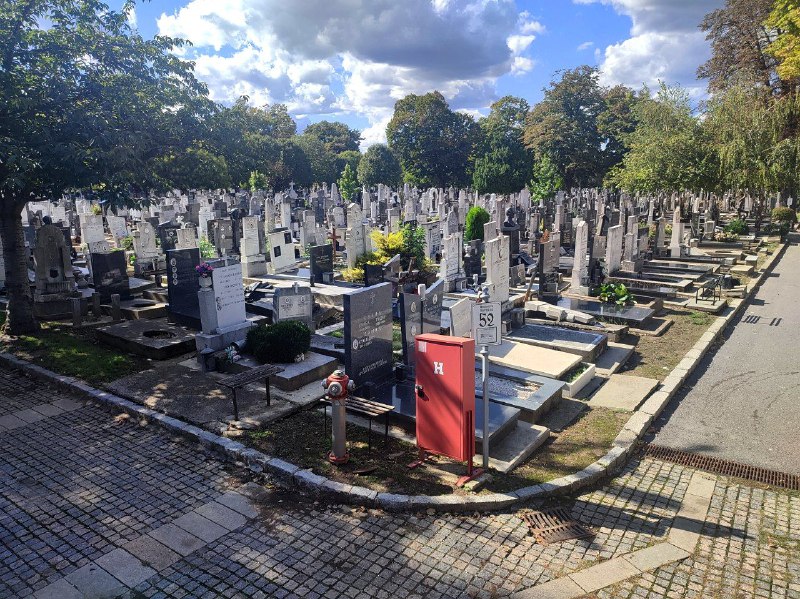
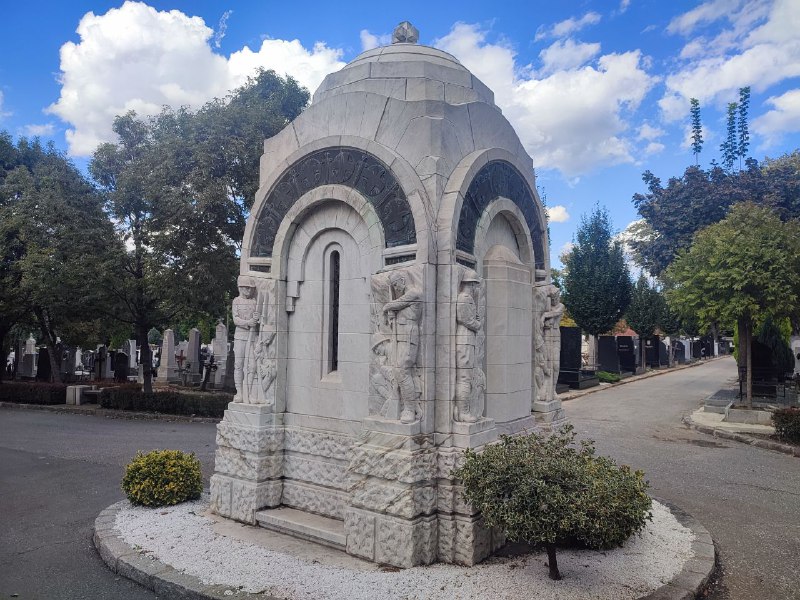
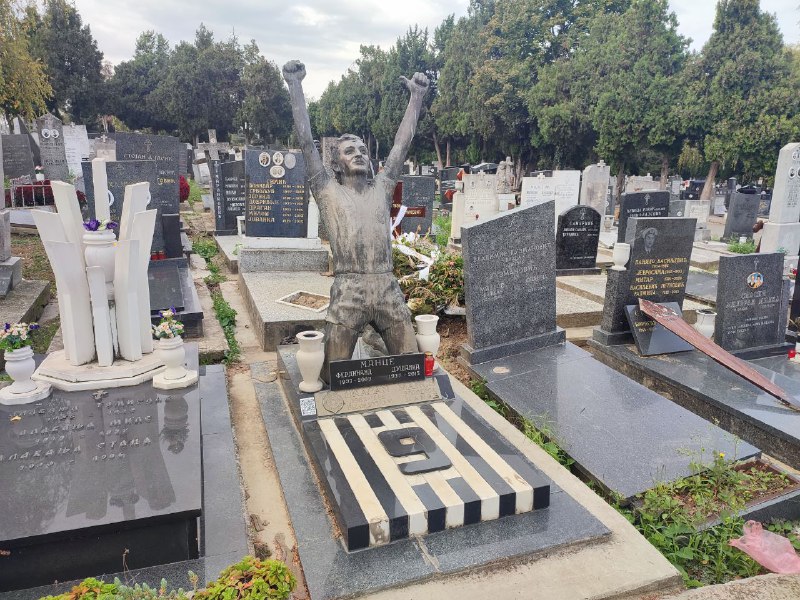
I'm not really one for hanging around cemeteries, but Novo groblje in Belgrade totally blew me away. Despite its name, it's actually one of the oldest active cemeteries in the city. 150 years in and they still haven't renamed it to "Old" :)

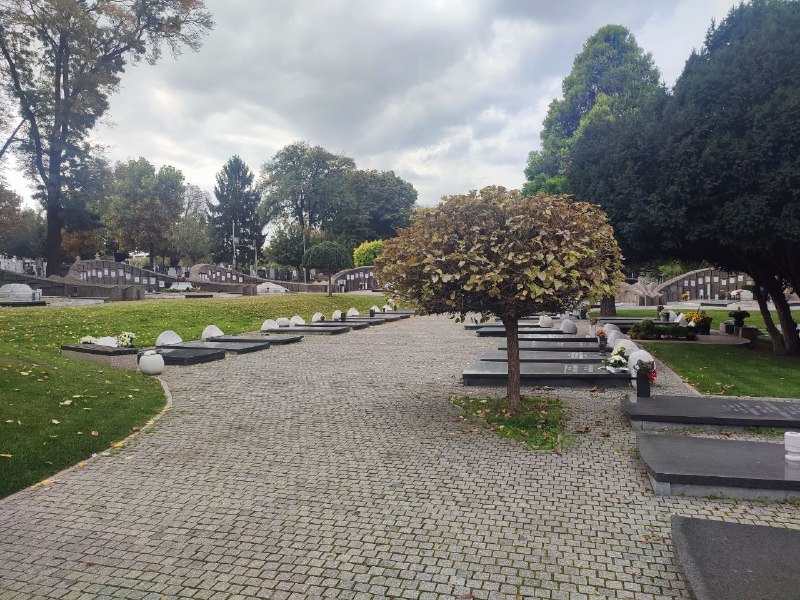
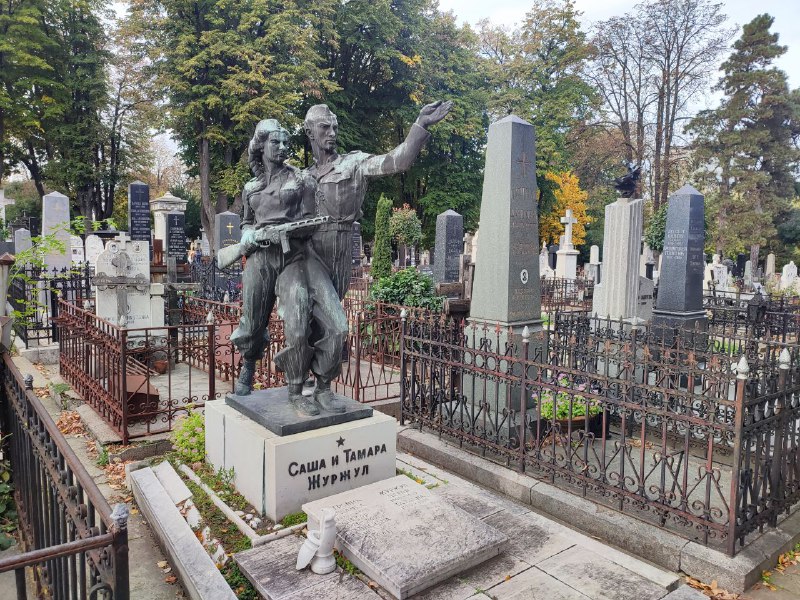
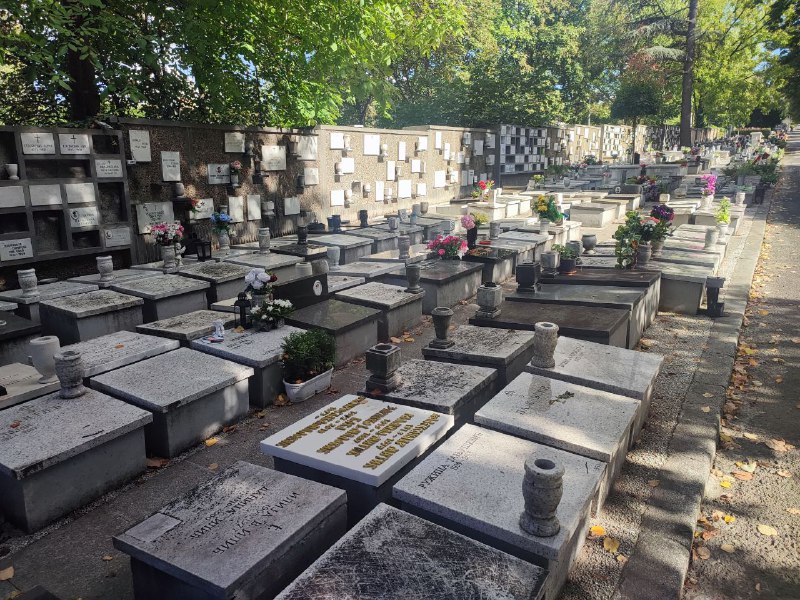
Walking through here feels like you're in a museum—sculptures, monuments, and history everywhere you look. Even when they were just planning it out, the authorities made sure to learn from past burial mistakes and designed the space properly from the start. And get this: since 1884, they've managed to keep it from becoming a chaotic mess of graves. The whole area is divided into sections—there's a special block for notable people, monuments to victims of the world wars, and even a separate area for Russian white émigrés.

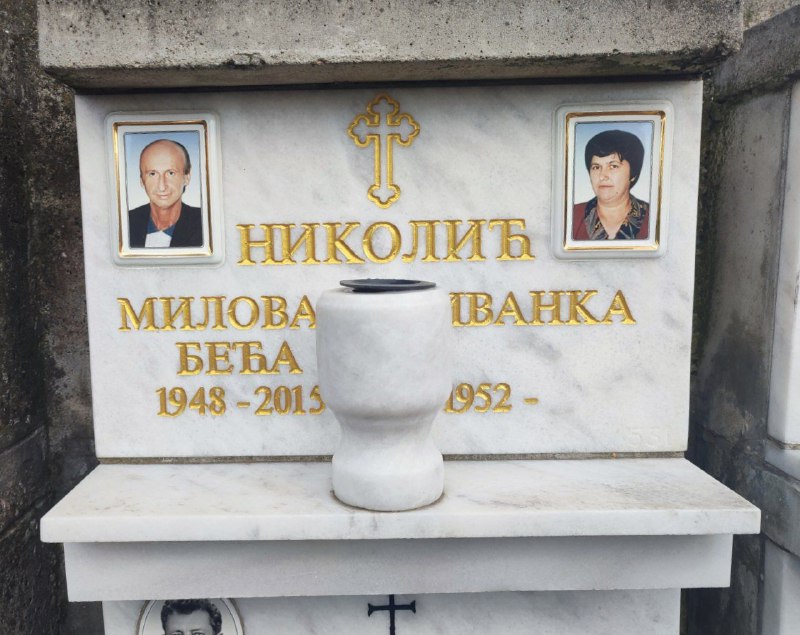
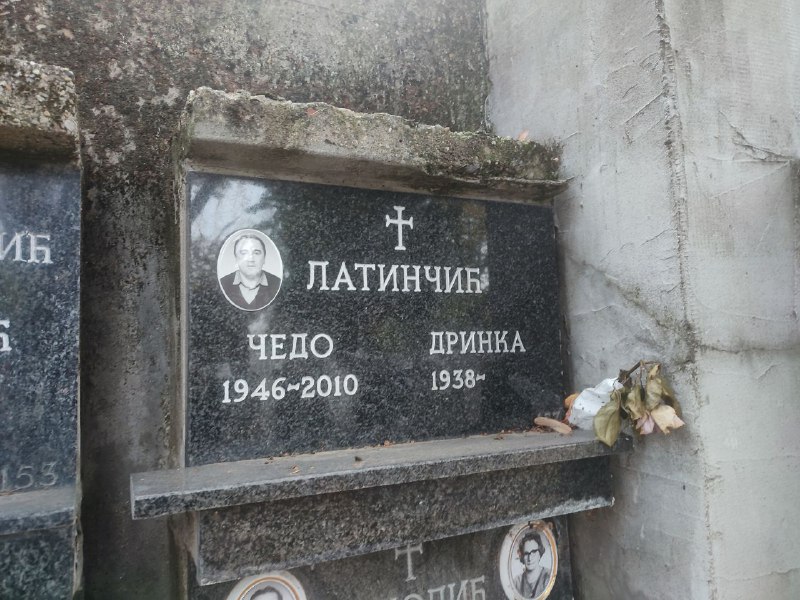
What really catches your eye are the gravestones with no death date on them (and there are quite a few). Turns out these people are still... alive. When one spouse passes away, sometimes families order a monument for both of them right away, but they only carve in the dates they know. It's basically a way of saying the living partner will stay faithful and take their place beside them when their time comes. It was pretty strange to see at first, but apparently it's just how things are done here.
Sorry, but before I get back to writing regular posts, I'm going to tune out the mobilization news for a while and be in crisis mode helping friends and acquaintances who are urgently leaving. Undoubtedly, it's much easier and calmer for me to do this from Serbia.

However, I really need to share a story where I finally found the best answer to the age-old question: "You travel around all these countries, so why can't you just stay home?".

Back in peaceful 2019, I spent a week in wonderful Kazakhstan. Who knew that trip would help me out so much in 2022.

Recently, I was looking for housing in Almaty for three people evacuating. A few days before check-in, I booked a great apartment on Airbnb (nothing complicated about that). But a day before check-in, the host never got back to me, support couldn't reach him either, and they canceled everything, wishing me luck with my search. On the next try, the owner turned out to be alive, but the apartment was already booked—they just forgot to turn off those dates. Another cancellation.

At this point, booking was only showing two hotels at $1000+ per night for the dates I needed. Many of the aggregators I knew claimed there were no options whatsoever. On Airbnb, all the listings seemed too suspicious, and even sending out a batch of preliminary booking requests didn't bring any results.

Someone suggested a Kazakh short-term rental website and other local chat groups (Nika, thanks!), but I had no luck there either. I tried contacting the owners of several listings, but everything was already booked. Turkish students in Almaty even got involved in the process (Ruslan, thanks!), but that didn't help much either.

The prospect of sleeping God knows where was becoming real. That's when I decided the situation was hopeless and I needed to do something differently. Back in 2019, I went to all those Kolsay Lakes and Charyn Canyon and other sites around Almaty with a guide, and just in case, I saved his contact. So I wrote to him. I didn't have high hopes for this option—at best, I expected some advice like "try looking there." The guide said the short-term rental market had indeed gone crazy, but he managed to find housing without bankrupting me, and even personally met everyone and helped them check in (Sergey, THANK YOU!). People can be wonderful. Even in difficult times like these.

If that's not a reason to travel, I don't know what else you need.

Take care of yourselves. Don't go to the military recruitment office. Peace to you ❤️
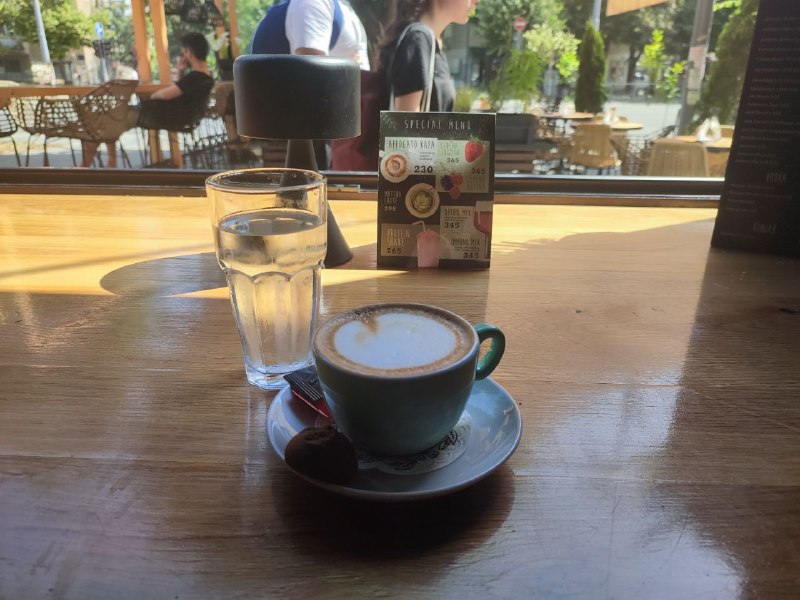
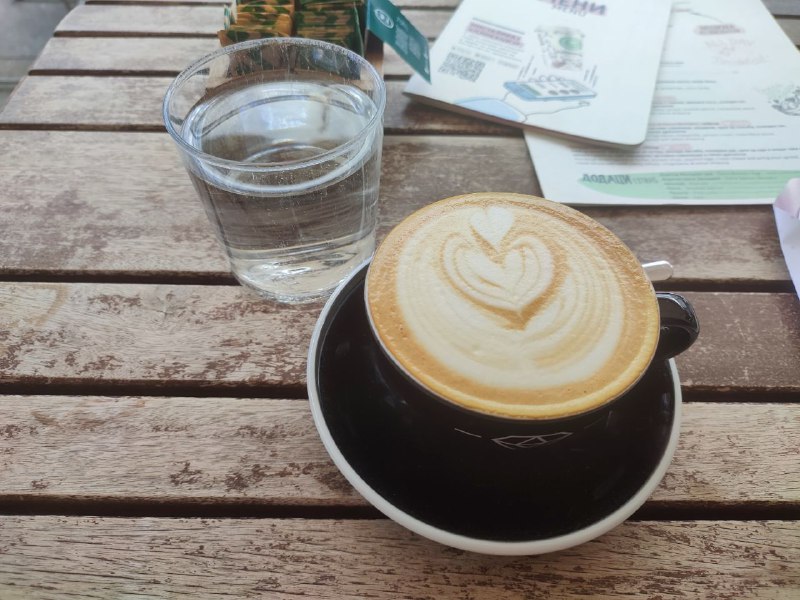
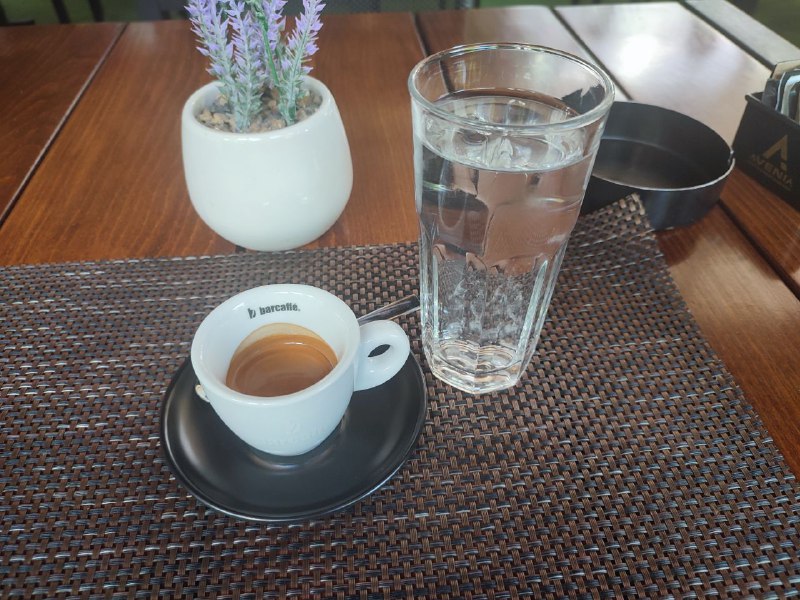
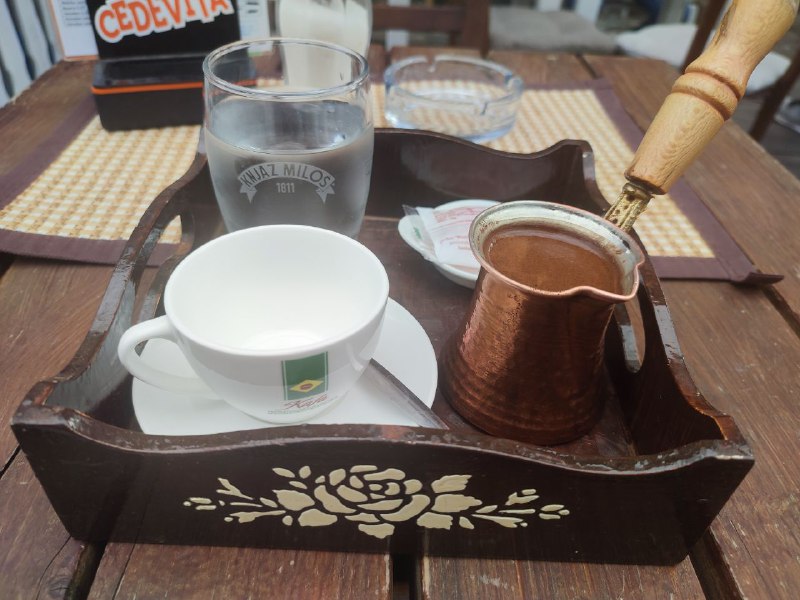
That said, Turkish coffee and other cappuccinos are made really well in plenty of places around here.

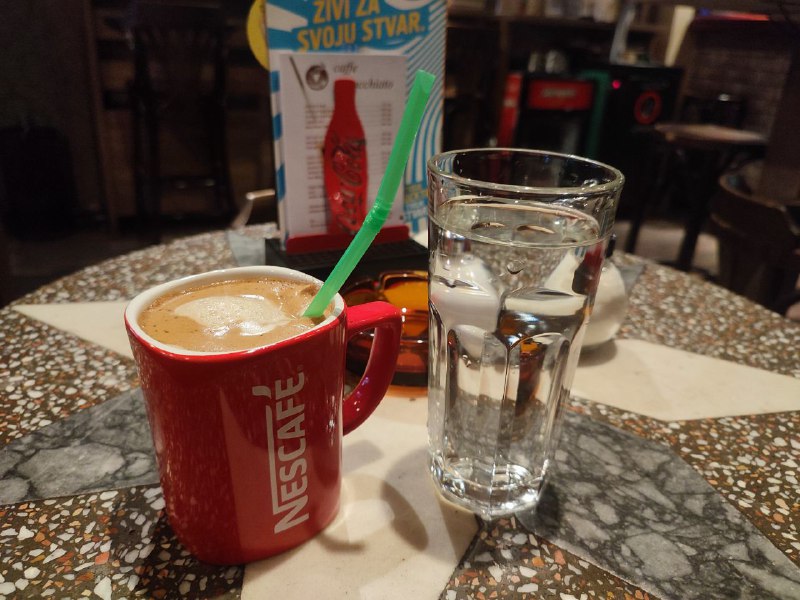
By the way, they always bring a glass of water with your drink. Yeah, it's tap water, but it's totally fine to drink. And when it's hot out, it's a great addition. Sometimes they'll even throw in something sweet like Turkish delight or a cookie. You get all these nice extras only if you drink your coffee on the spot, not if you're taking it to go.

And honestly, people really love their coffee here. Even when you walk past all these barbershops and little stores, you often see employees hanging out with their coffee, having set up a little table right on the street.
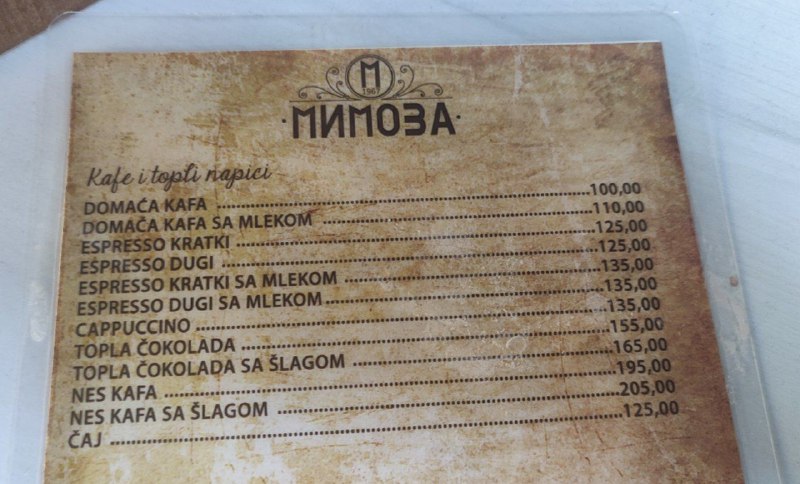
At many Serbian cafés, you can order not just regular coffee, but instant Nescafé! For roughly the price of two cups of traditional Turkish coffee (sometimes the difference is smaller). The pricier, the better, right? :)

I tried it once, but honestly it tasted even worse than I expected. Though some locals seem to like it.

This phenomenon has roots in two things. Coffee in Serbia is made noticeably stronger than what I'm used to back home. Instant is milder and made with so much milk that it's basically milk with coffee rather than the other way around.

And second, nearby Greece is one of the most popular vacation destinations for Serbians. Nice clean beaches, relatively affordable, plus plenty of history—what else do you need for a good holiday? Greeks have frappé (a sweet cold instant coffee with ice and milk foam) as practically their national drink. So vacationers bring back all sorts of foreign habits.

Unlike its cousin, nes café is served hot, without ice or sugar, which unfortunately doesn't make it any better. But there is a cold version too.
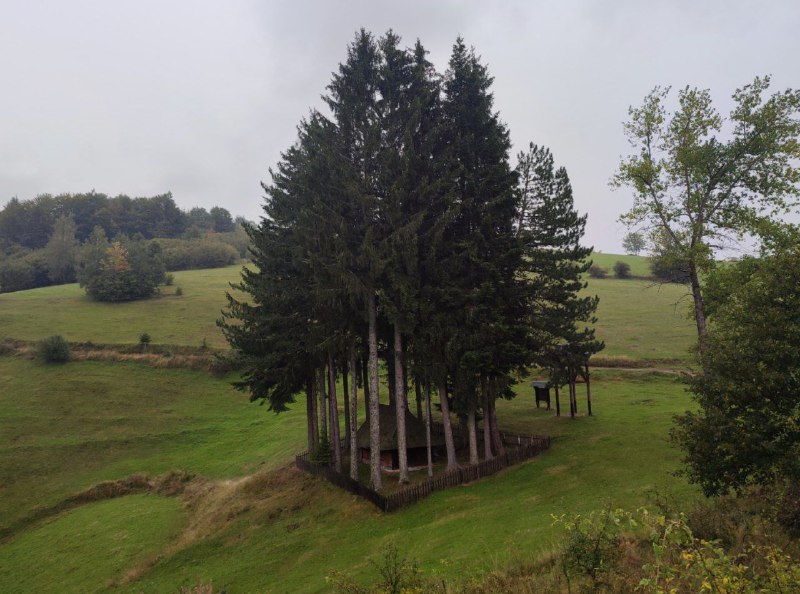
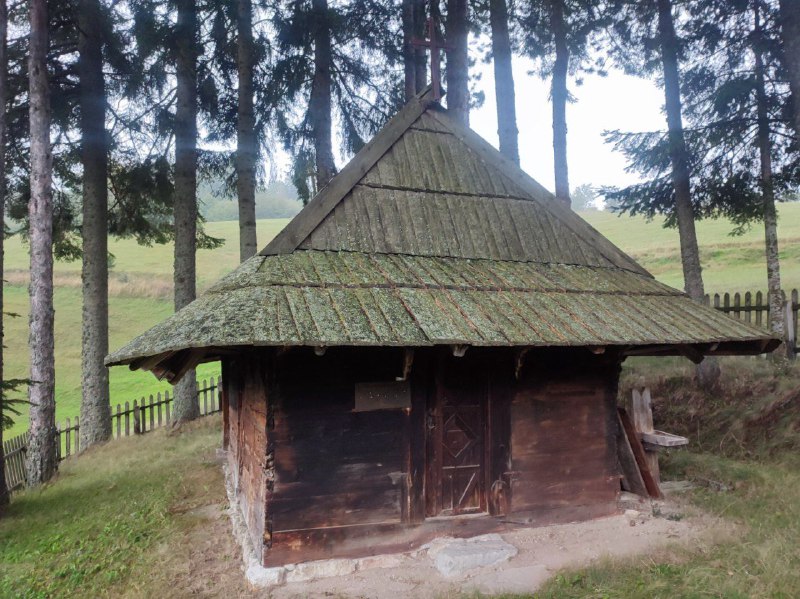
- Excuse me, is this church in a field or in a forest?
- Yes.

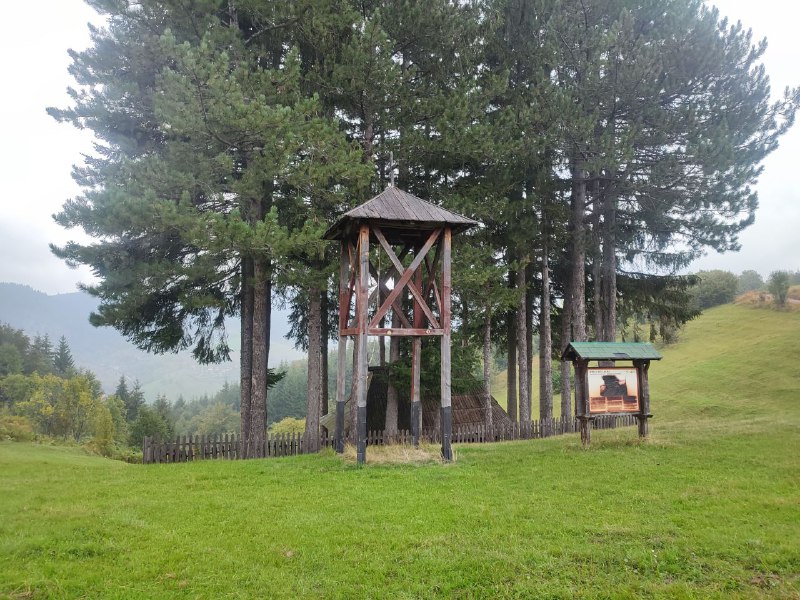
I never thought such an unassuming wooden church could look so fantastic.

It's located in the small village of Kučani in western Serbia, but even with a car, it's not easy to get there. About 5 kilometers before the end, the asphalt runs out and turns into a dirt road that's basically impassable. The locals somehow manage to drive regular sedans through it—I've seen it myself. But they know where to find a tractor, and I don't. So I walked there on foot.

There's no exact data on when it was built, just theories about the 18th or 19th century. According to one version, the pine trees were hiding the building from Ottoman authorities. Back during the empire, it was hard to get permission to build a new church, so they hid it however they could. Though in such a remote place, they probably didn't need to try so hard.

There's also a legend that it was originally built somewhere far away on a mountain, and then one night the building moved to its current location.
This picture always goes perfectly with stories like these)
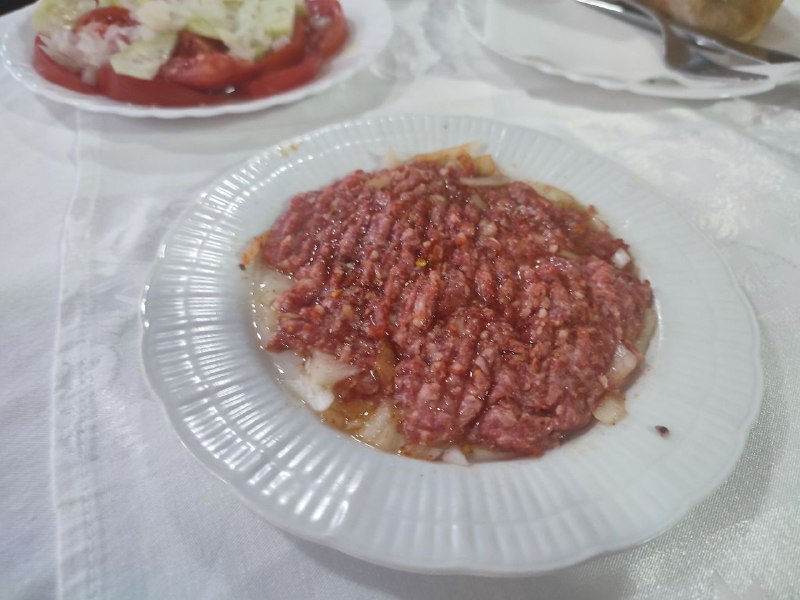
You've probably heard of Tatar beef steak (raw minced meat with spices, which has basically nothing to do with Tatar cuisine; and it came to Europe thanks to Americans and was even called American at first). And Serbian pljeskavica (probably one of the most famous local dishes).

In Serbia they love both. But in Valjevo they decided to combine these things. And came up with... raw pljeskavica 😅

In Serbian it's called "živa pljeskavica" (time to remember the meme about Gordon Ramsay and the raw steak finishing his salad). The dish is basically not much different from Tatar beef steak, except they serve it with toasted bread, and it's theirs, homegrown. Even Serbian news outlets praise it. They say the recipe is over 50 years old and tastes much better than its competitor.

Curiosity got the better of me and I went for a tasting. Surprisingly, it was really tasty. And no, I wasn't that hungry)
Not every hike goes smoothly. But when you do everything yourself, it's not as disappointing. This time though, I have someone to blame (:

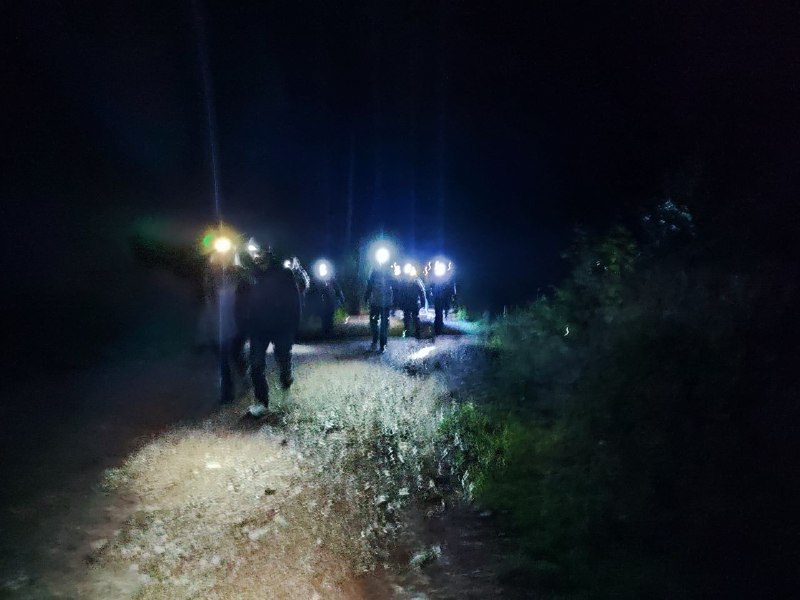
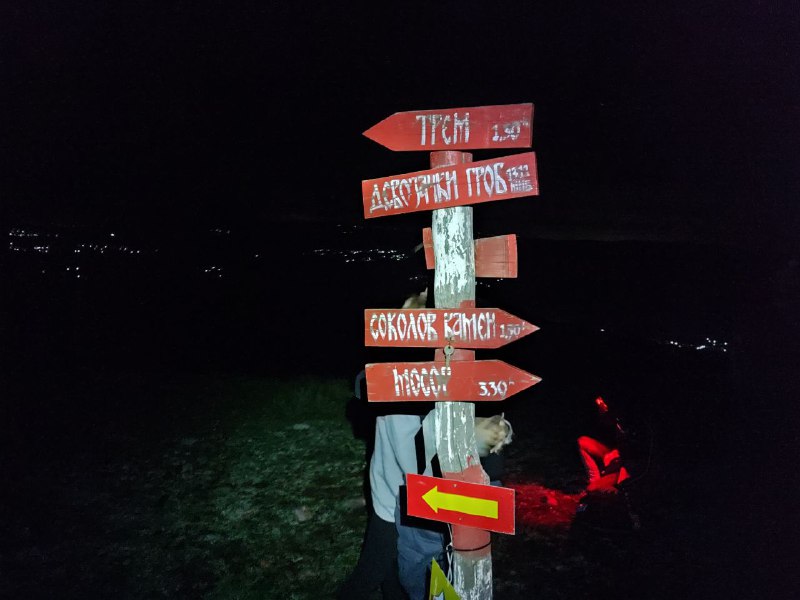
Despite my dislike of large group outings, I fell for the local hiking club's offer of a night ascent to Suva Mountain (1810m above sea level; starting from ~900m). "I'd never go climbing an unfamiliar mountain in the dark alone, but these folks know what they're doing," I thought, and signed up. I was also curious how organized tourism works here.
funfact: You can pay for the trip either at the hiking club office or with an "electronic" payment at the nearest post office. Why it's called electronic isn't entirely clear (:

The plan was simple: arrive around midnight at the trailhead, climb to the top, catch the sunrise, and head back. The description really oversold the difficulty of the climb and the winter cold at the summit. In reality, everything was the opposite: the trail was comfortable, the top was fresh but not cold.

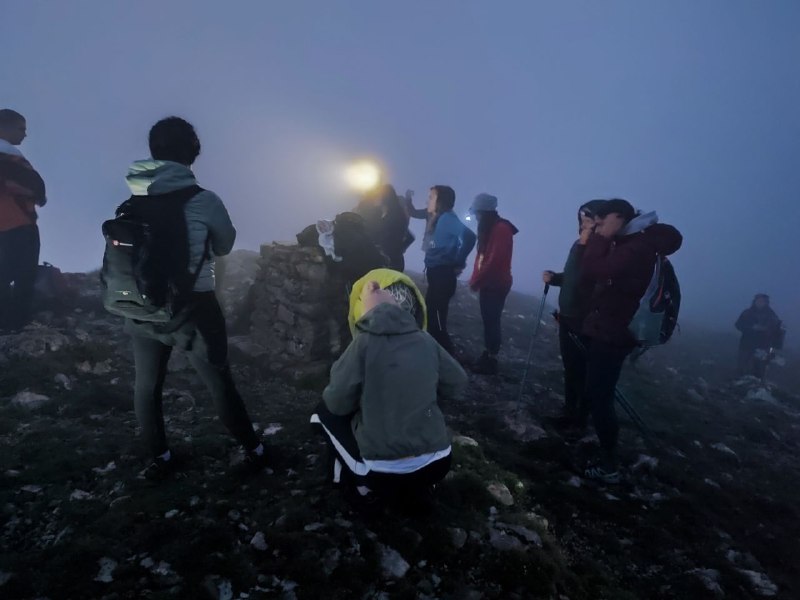
The place is fantastic, definitely worth going. But the organization fell short: there were too many people, and part of the group with the main guide rushed ahead and then agonizingly waited for the second half to catch up. Then the rested, faster folks waited for the tired, slow ones to recover. In the end, I spent half the hike in painful waiting (:

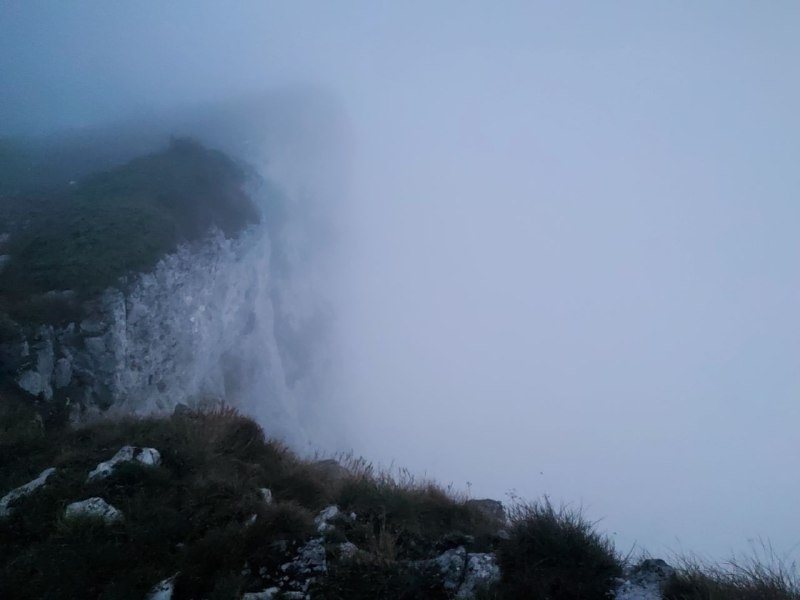
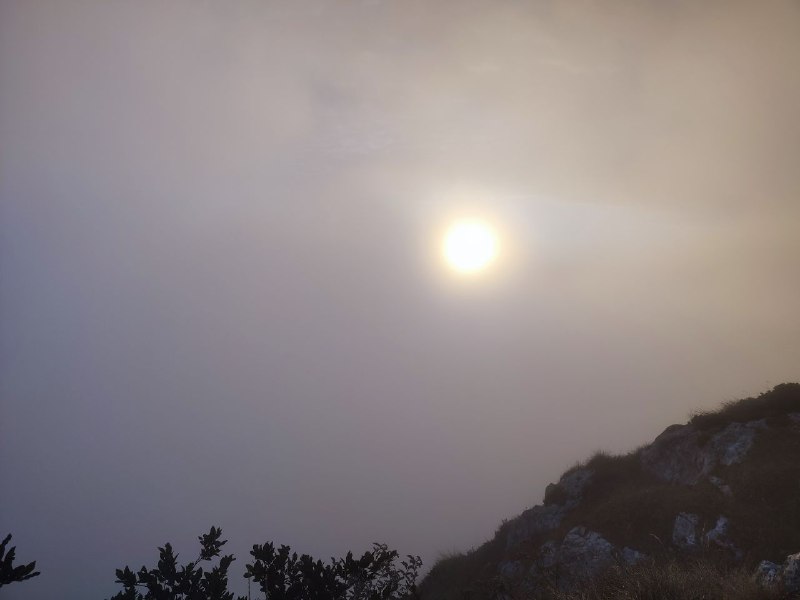
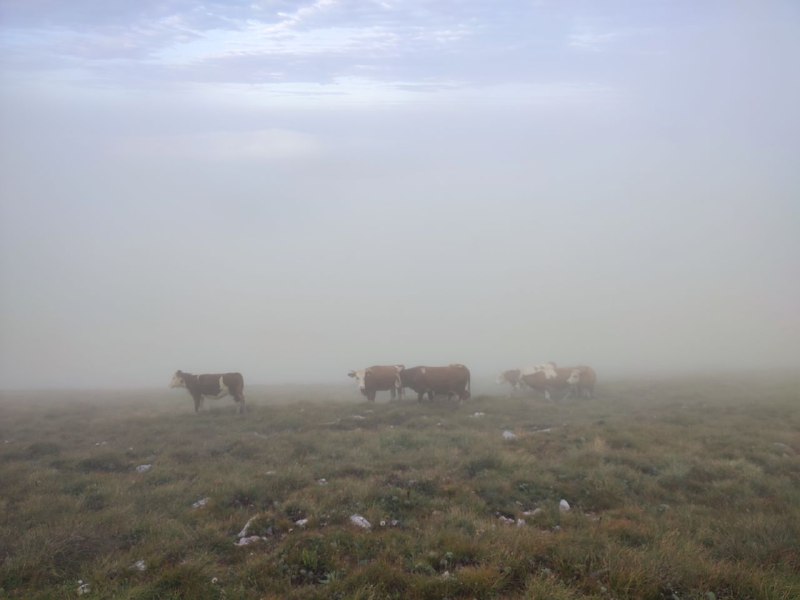
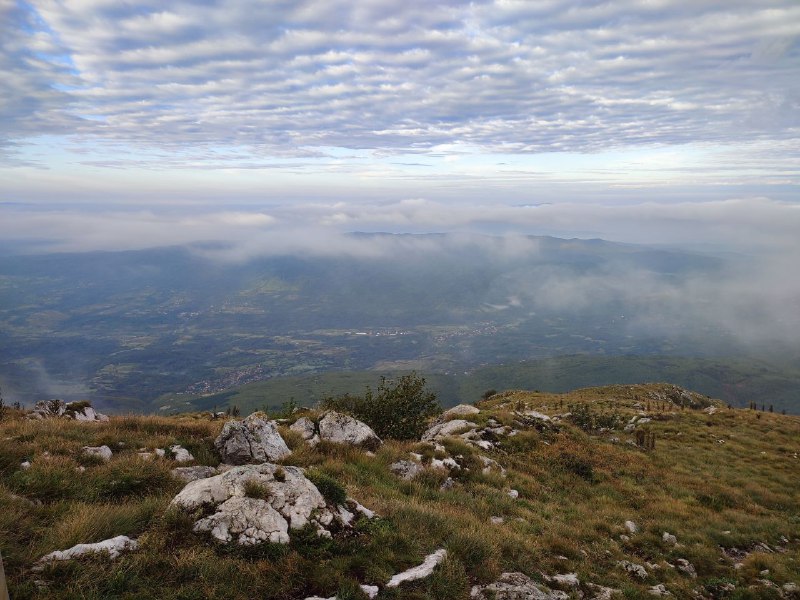
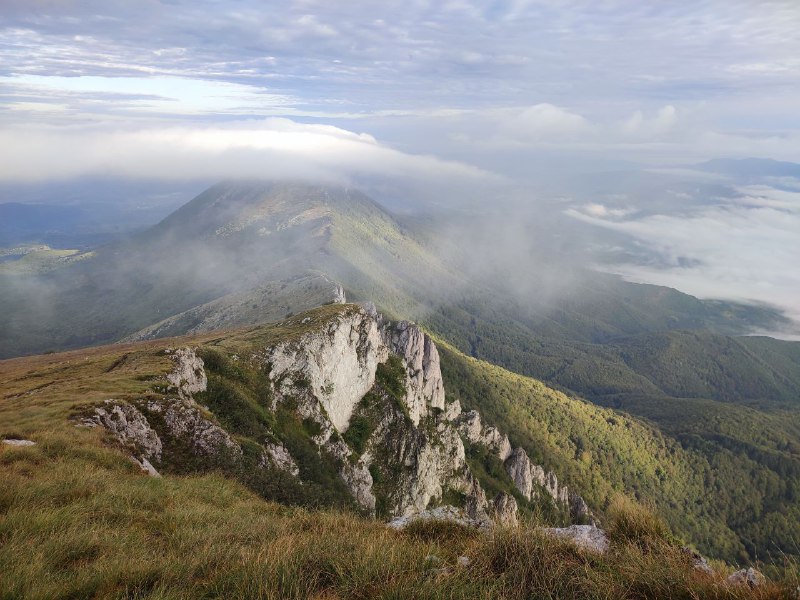
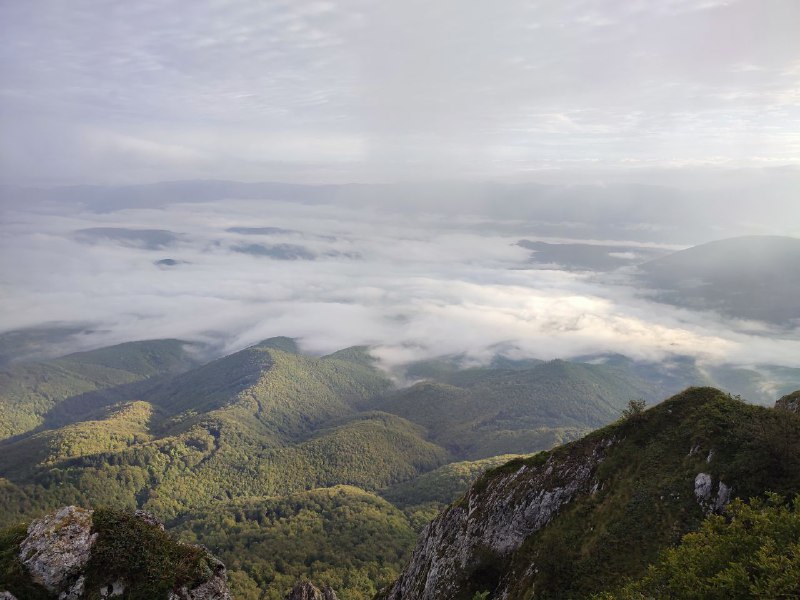
But while you can come to terms with waiting, you can't with missing out on beauty. Well, actually there were beautiful views, but we barely got to see them. During the night climb, the starry sky was magnificent—I hadn't seen anything like it in ages. As dawn approached, we got engulfed in clouds and watched the sunrise from inside them. Early morning in such places, that's usually the story—you often need to wait a bit to see something interesting. But the guide decided to head back through the curtain of water. About an hour later, I looked back and the summit was almost completely cleared. Well, so be it. Maybe next time.

At least we walked through the fog. It was amusing to suddenly encounter a herd of cows in it. All the beauty ended up being shown well below the summit, but even there it was lovely.
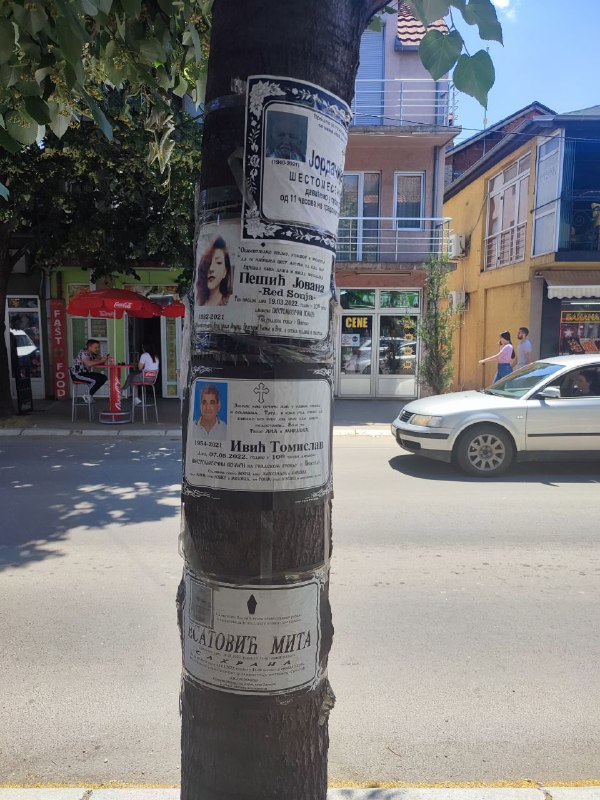
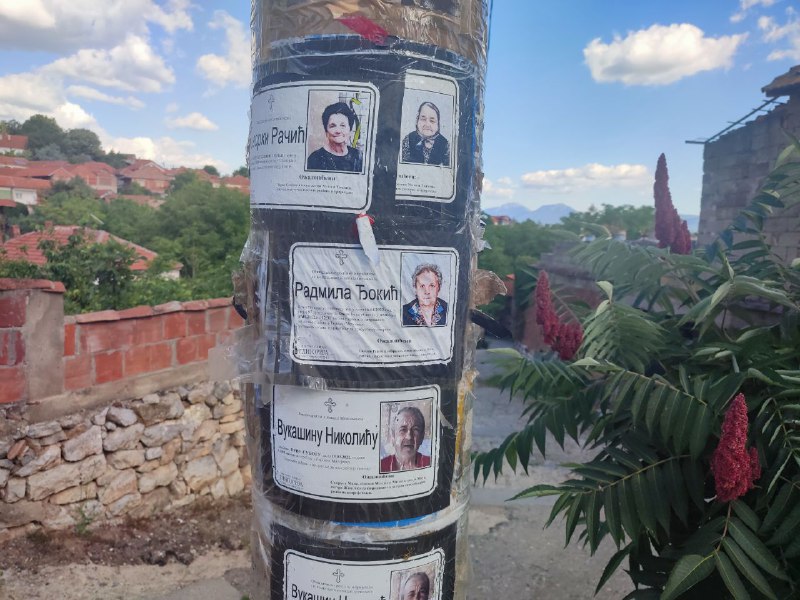
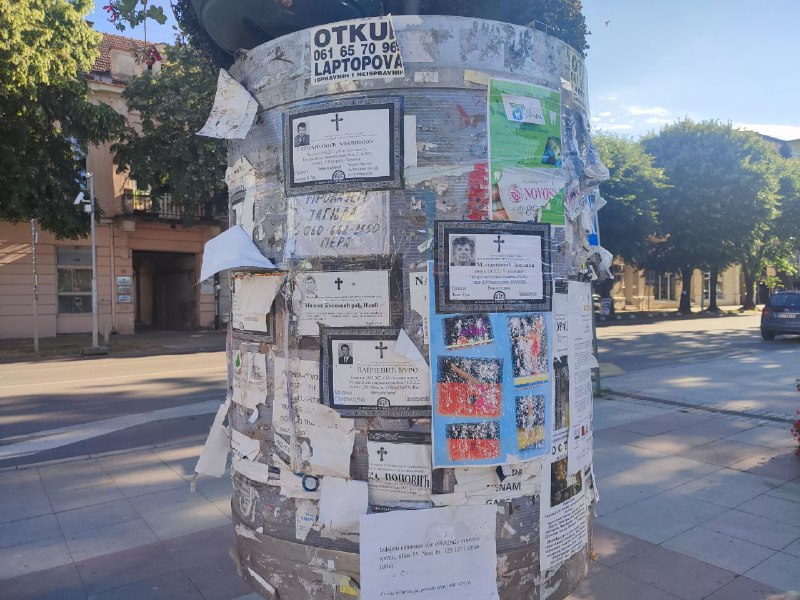
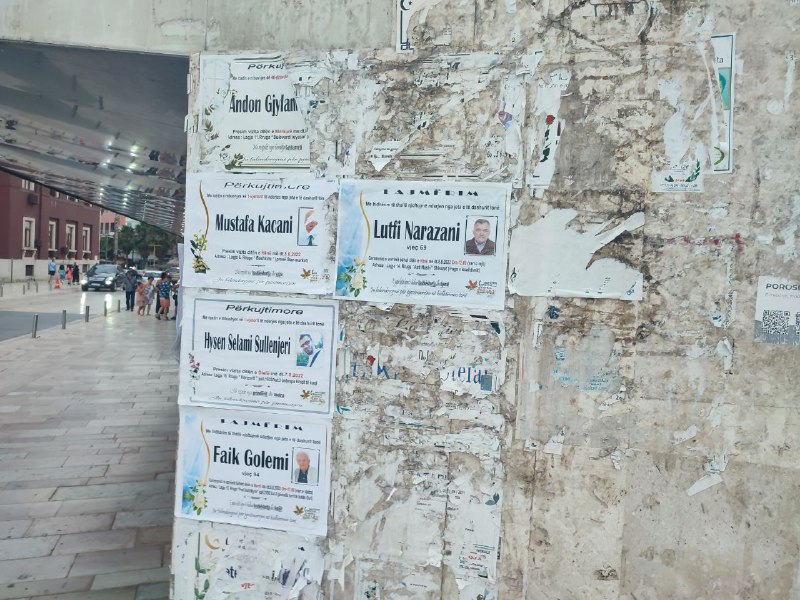
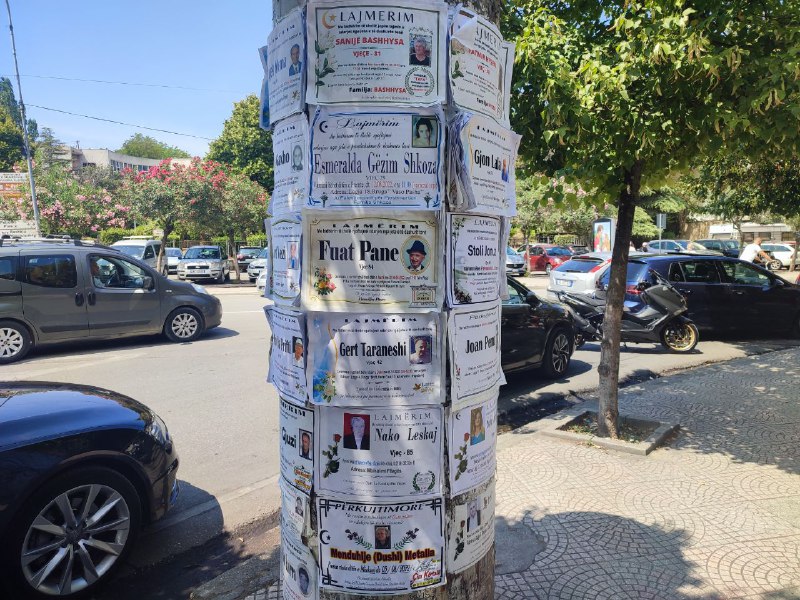
Если на улицах балканских городов и деревушек внимательно смотреть по сторонам, то часто можно увидеть поминальные листки. Иногда они неприметно висят на задворках, иногда на самом виду, но формат неизменный на всех Балканах: есть имя умершего человека, фото, даты жизни, вероисповедание и время предстоящей панихиды. Предполагается, что старые листовки снимают, но это происходит не всегда, поэтому порой можно читать текст годичной давности.

В экс-югославских странах такие штуки называются умрлице или смртовницы, но встречаются и за их пределами: и в Албании, и даже в Болгарии. Для местных это совершенно обыденное явление. Мне кажется, многие даже и не подозревают, что где-то может быть иначе. Если просишь рассказать подробнее, то часто реакция такая, как будто я спросил каждый ли день сменяется ночью. Про что тут вообще говорить?

Считается, что на такие некрологи люди обращают больше внимания, чем на всё остальное. Некоторые эксплуатируют повышенное внимание в корыстных целях. Например, дают в таком виде рекламу о сдаче квартиры. В этой статье рассуждают допустимо ли это (зацените заголовок на сербском; "бизарно"! какое чудесное слово). Тут рассказывают про писателя, который развешал заметки про свою смерть в 2075 году с приглашением на презентацию собственной книги вместо панихиды. Но не каждый такой случай заканчивается безобидно: вот мужчина получил полгода тюрьмы за публикацию в своем фейсбуке умрлицы вполне живого президента Сербии. Якобы это подорвало госбезопасность. Здесь (наконец-то ссылка на русском) ребята собрали отличную подборку "неправильного" использования смртовниц. Там много всякого, вплоть до похорон футбольного клуба (:

Время не стоит на месте, и 21 век требует технологичных решений даже в вопросах смерти. Нынче появились десятки сайтов, где можно публиковать смртовницы онлайн без регистраций и смс (ихправдаоченьиоченьиоченьмного). Не везде, правда, бесплатно: где-то хотят денег за размещение, а где-то за неудаление пару недель спустя. Следом подтянулись мобильныеприложения.

В новостях про такие решения наивно мечтают, что если все вдруг переключатся на электронный вариант, то дружно перестанут вешать смртовницы на остановках. Но пока ничего не меняется. Разве что по моим ощущениям в городах, где население больше, умрлиц развешано меньше, чем в деревнях. А может их просто оперативнее вытирают.
(translation pending)
Thank you, Timur, for the recommendation🙃
Telegram
World, gamarjoba
Small travel channels: who to follow Wow! You've sent me a bunch of cool travel and world channels in DMs and comments on this post. I'm sharing the ones I've had time to check out and loved. A birch tree in the land of the rising sun — I'm thrilled about…
After the panic in early August (mostly in Russian media), yesterday news appeared that Kosovo and Serbia have resolved their disagreements and the conflict is off.

Why am I bringing this up? I came across an old article that counted how many times in a year (from April 2016 to April 2017) popular daily Serbian newspapers announced or predicted war on their front pages. It came out to about 2-3 times a week. Srpski telegraf had 155 issues, Informer had 110. Not always about Kosovo—sometimes Albania and NATO also featured as sources of threats. And here guys say that after Kosovo's leadership changed in 2020, warlike headlines actually increased even more.

This situation doesn't look healthy or normal, but when the media keeps changing its tune, people will inevitably ignore such headlines, and experts will convince everyone there's no reason to panic. Then again, sometimes things do blow up.
A few thoughts on Albania in general, before everything gets completely jumbled in my head.

Nature — amazing, history — really fascinating, though often tough for the locals. Everything's developing fast now, the country clearly has money and investors. Budgets aren't always spent wisely, but except for a couple of things, I liked everything I saw. The guys are aiming for European integration and EU membership. They're putting a lot of hopes in that.

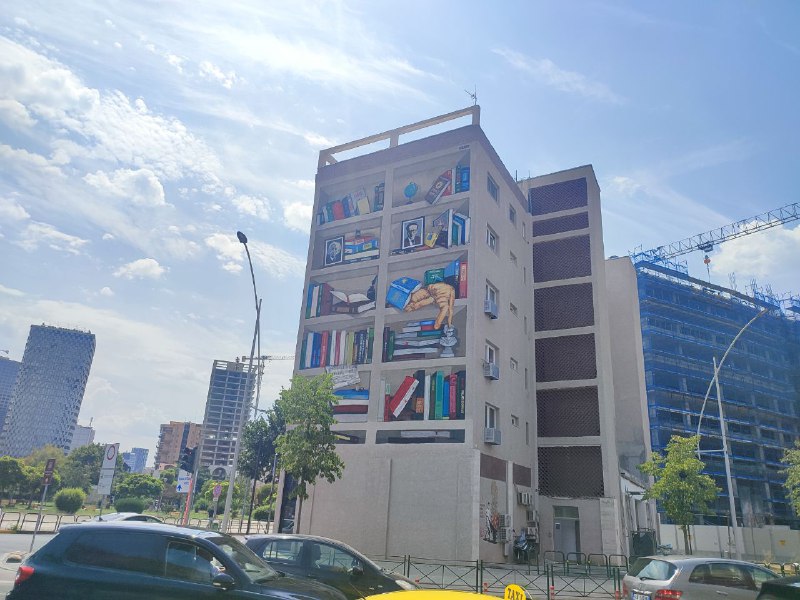
Wasteful spending — that's building a billion skyscrapers right in the center of the capital, blocking historical buildings. I chalked this up to something tied to local culture. The density of Mercedes per square centimeter in Albania can only be compared to Azerbaijan. When people get a penny, they gotta buy a German automaker's masterpiece. But unlike our eastern neighbor, there are plenty of newer models here too. In a country where 30 years ago almost nobody had cars, this kind of thing still plays an important status role. Apparently it's the same with high-rises.

Unfortunately, I didn't get to talk much with locals, but I wish I had. Their traditions and customs, judging by the internet, are more than curious. Take the non-religious code of laws Kanun and the blood feud described in it, which, by the way, they still practice. Not as widespread now, but it happens. And the practice is way harsher than what I've read about other peoples, and the feud can last for generations.

Their self-name is cool: Shqipëria (land of eagles), and Albanians are Shqiptare (children of eagles). The language itself is curious. Doesn't really sound like anything else. You catch Slavic-Italian notes here and there, but that's about it. They also like doubling R in unexpected places. For example, rruga means street. Who even doubles R at the start of a word? Seriously, learning "thank you" took effort: faleminderit didn't stick on the first try.

Don't believe me — listen to a couple of songs. Like Xheloz or Kenge moj. There's also an animated history, but watch it out of academic interest, not for the music (there are explanations with timestamps in one of the top comments).

For full immersion, read Ismail Kadare. Just finished "The General of the Dead Army." Highly recommend.

There are plenty of scary stories about the Albanian mafia, but it felt more than safe. Even in the most out-of-the-way places I happened to wander into. They say tourists don't interest them — they make money differently.

A week was enough for roughly half of what would be good to see. If you end up going, take a longer vacation. I might visit again sometime since I live close by anyway.

The one thing that didn't impress me the whole trip — the food. And it was often way too salty. Even after Serbia, where they already use a lot more salt than you'd want.

PS. Bonus video from Berat.
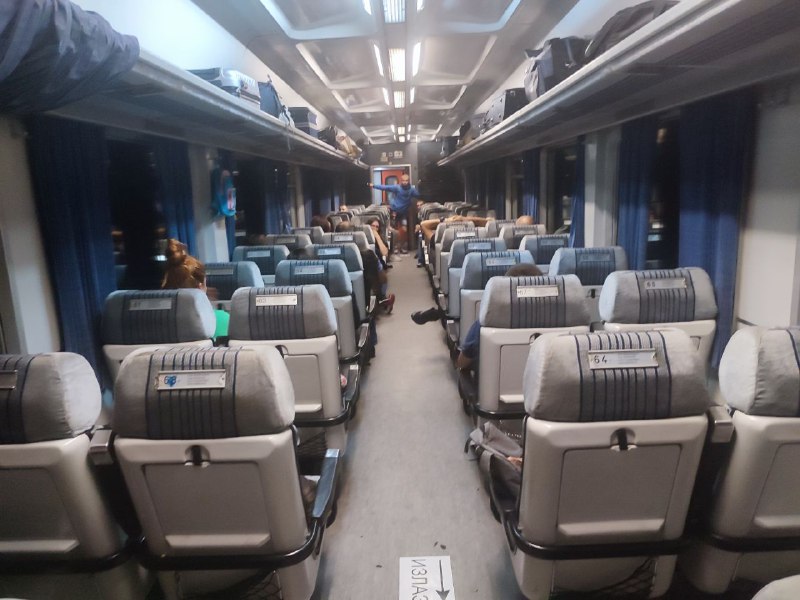
I was too quick to praise that train. I was heading back in a seat car because there were no other tickets available. "What could go wrong?" I thought, and agreed to it. Well, pretty much everything went wrong.

The train arrived 40 minutes late, and it turned out my seat was already taken. The girl occupying it said that seats in this car aren't reserved—it's first come, first served. Besides, she was in the same situation and wasn't at fault.

The conductor didn't confirm her story, but complained that they oversell tickets and there's nothing he can do to help me. He suggested I find an empty seat on my own. Problem was, there were no free seats anywhere, and I really didn't want to stand all night.

Fortunately, after one stop, I managed to find an empty seat. But it turned out that in the vestibule, people were drinking, smoking, and blasting local pop music at full volume. There was constant foot traffic through there, so the car was just as smoky and noisy. It got better toward morning.

Don't make my mistake: don't agree to a seat car. Better to book a ticket for another date, but in a compartment instead. It's much better there.
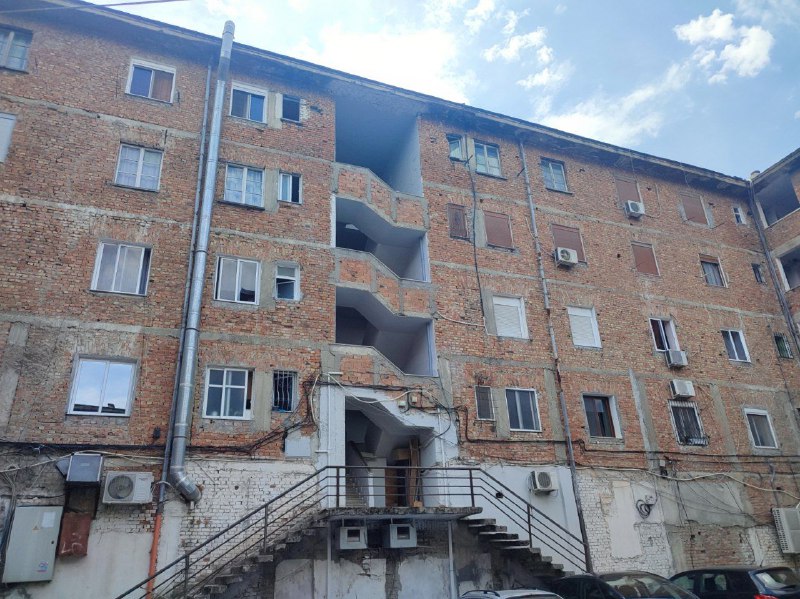
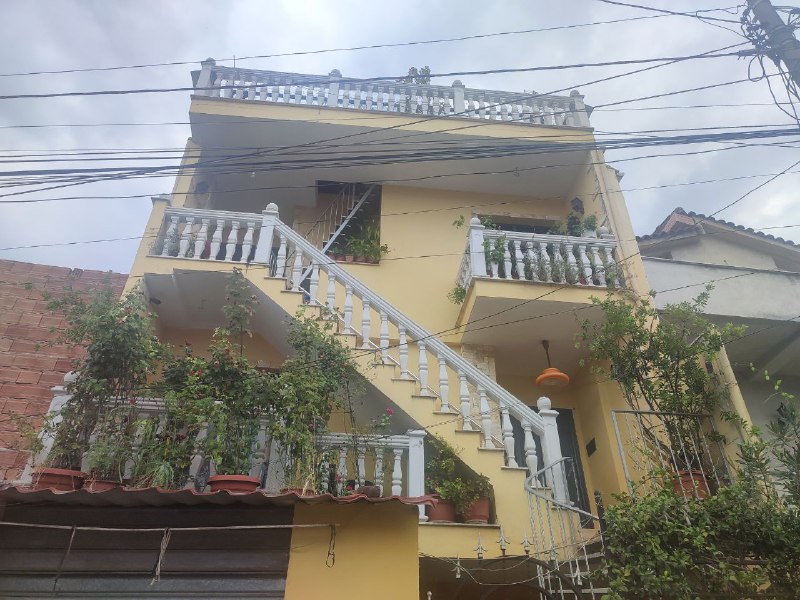
And clearly Albanian winters are pretty mild. A lot of apartment buildings have open-air entryways. The buildings in the photo are already finished. There's nothing left undone here – it's just a common cost-saving measure when the climate allows for it.
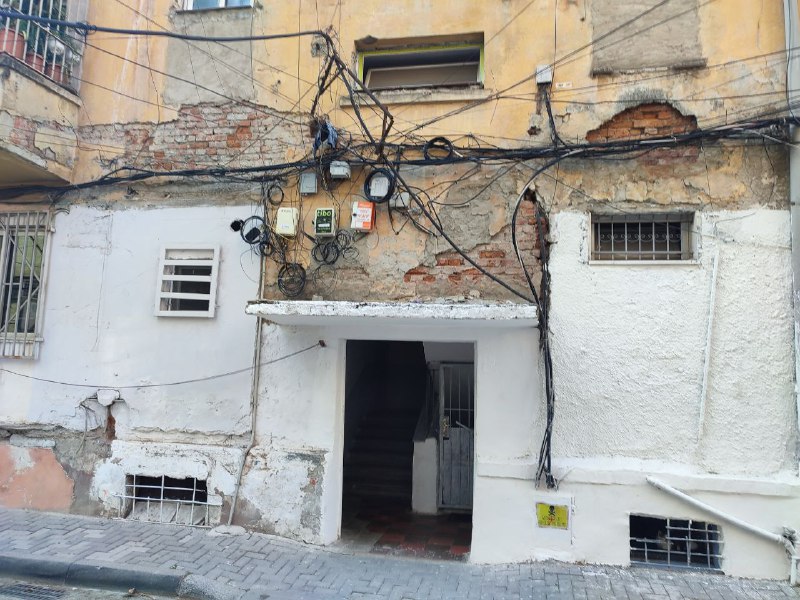
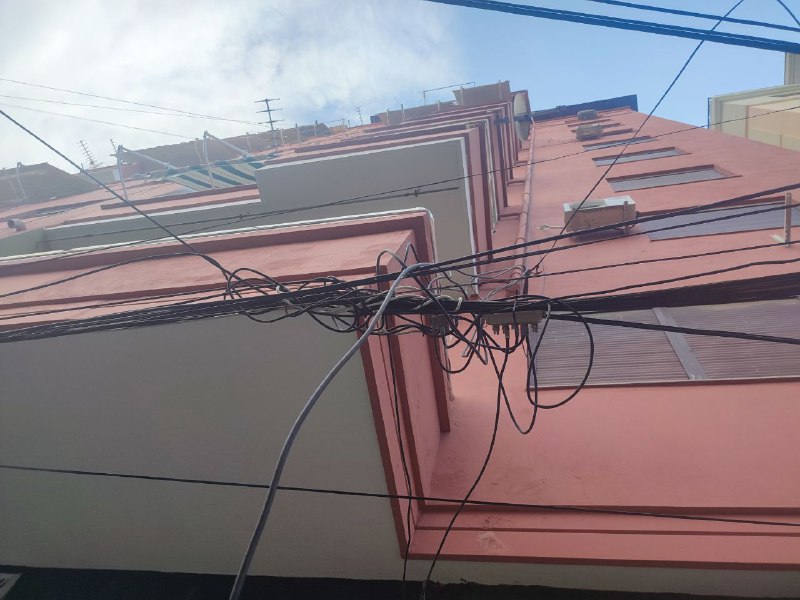
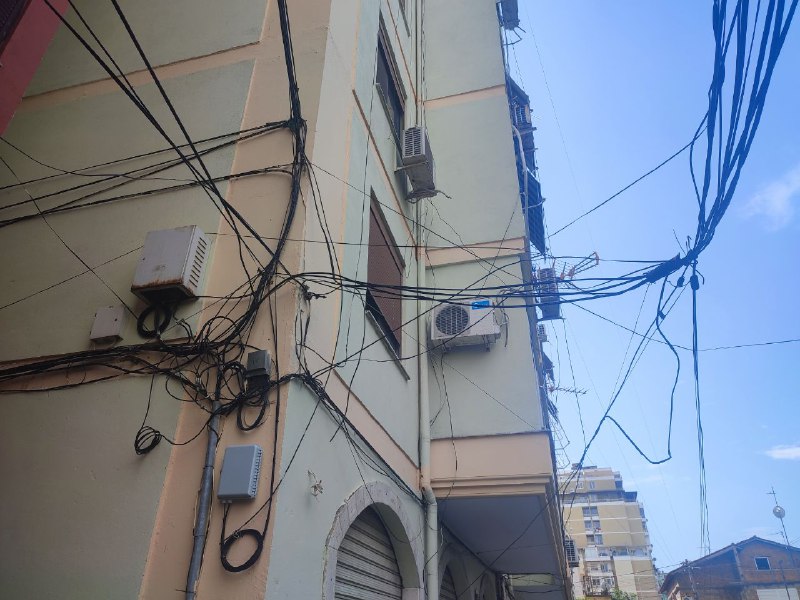
Albania has a ton of these awful tangled wire messes hanging around everywhere. It's like you've landed in Asia.
They managed to hide it all on the main streets, but when you peek into the courtyards — that's where it really shows.
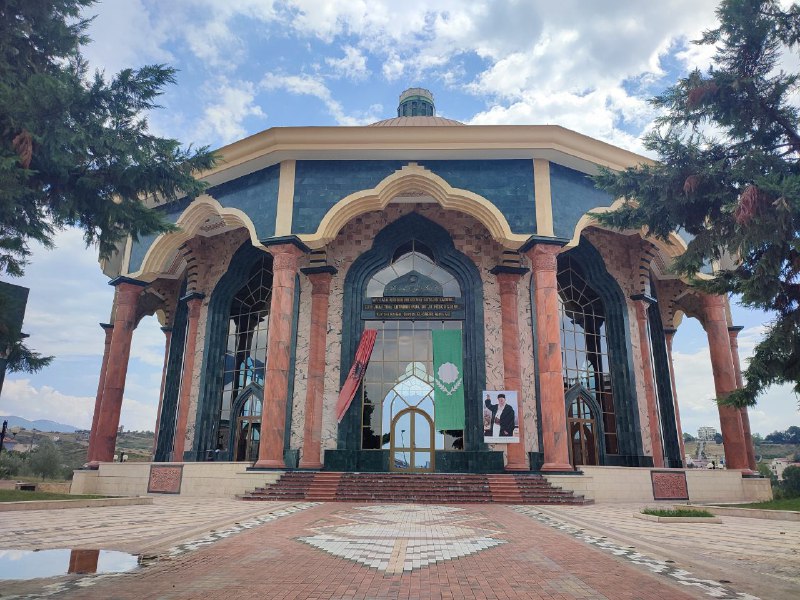
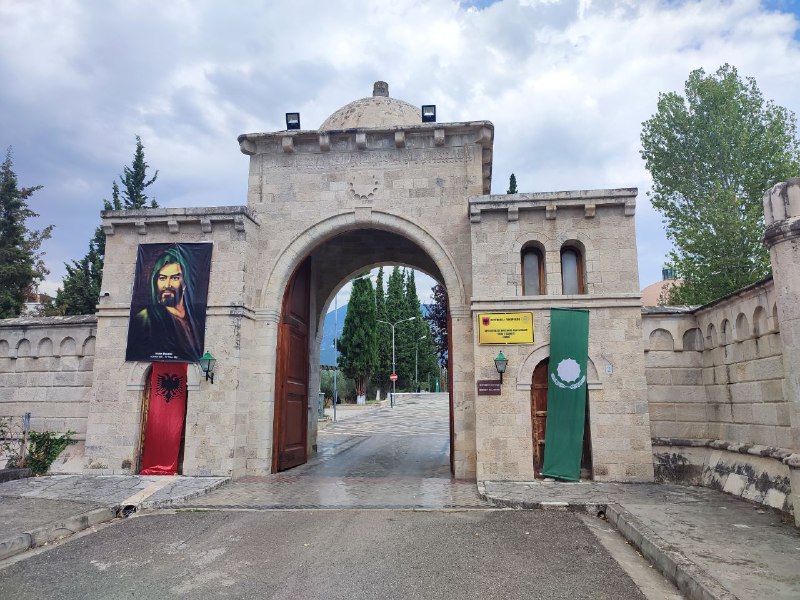
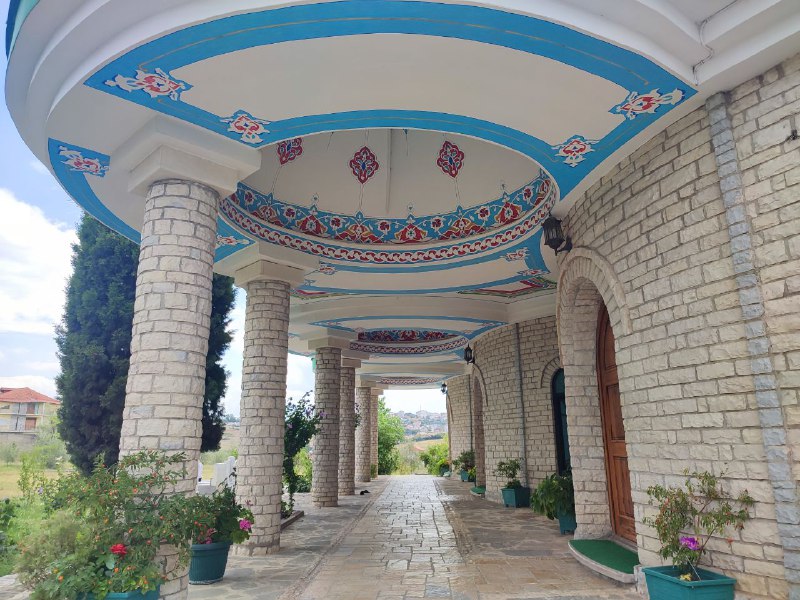
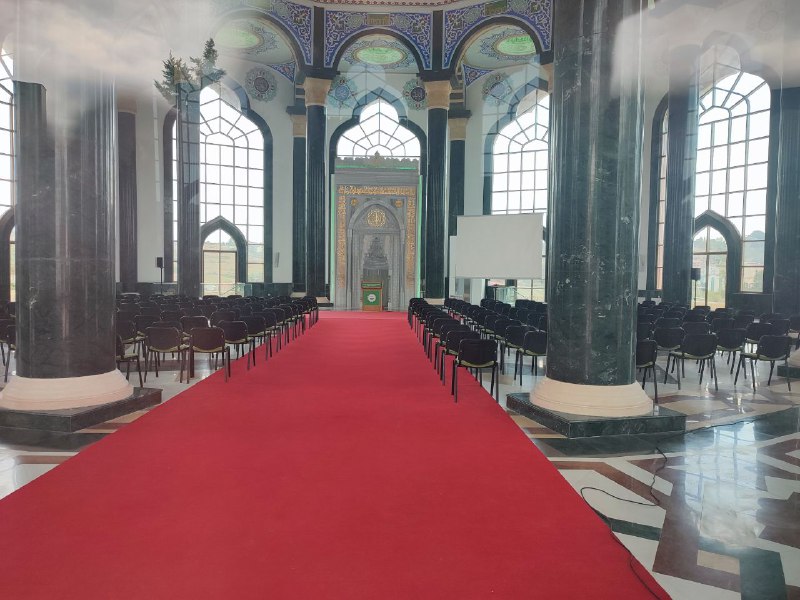
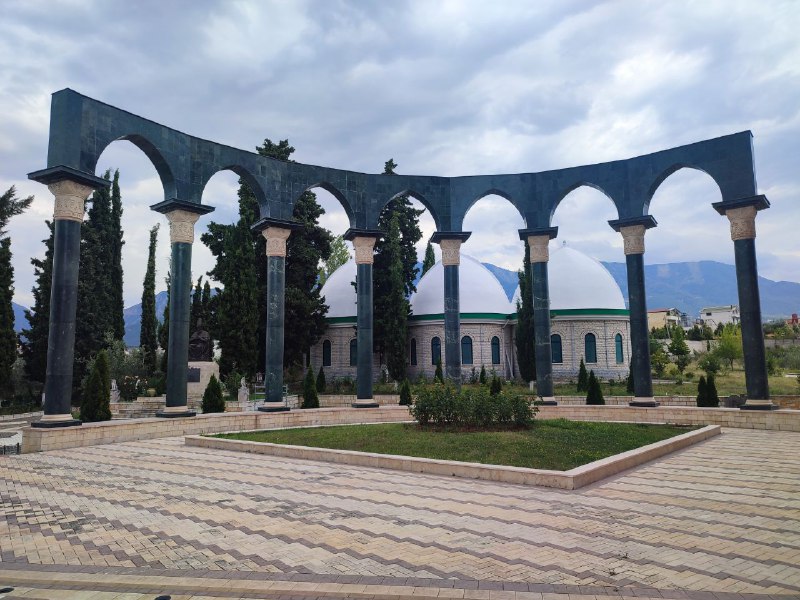
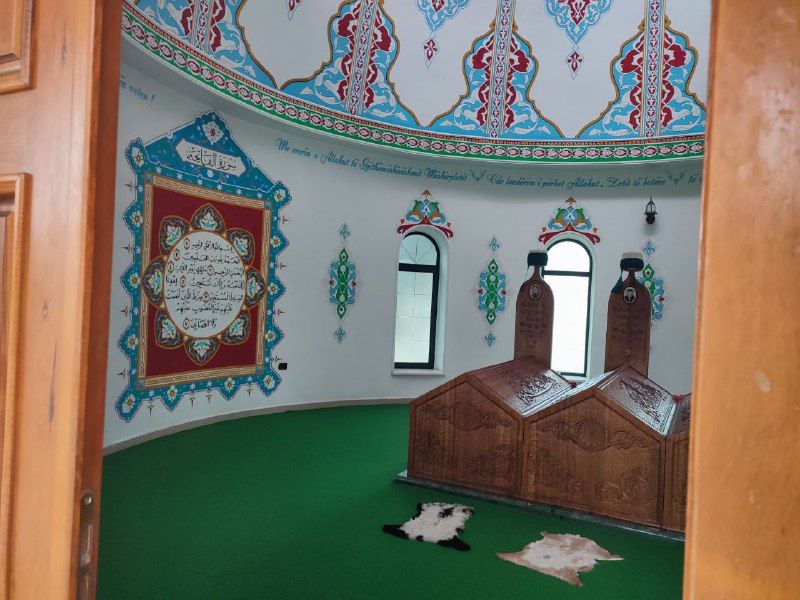
I visited a really strange place: the world headquarters of the Bektashi. These folks practice an unusual form of Islam: formally it's considered Sufism, but you can drink alcohol, you need communion, confession, and to baptize children.

In Tirana they have an official headquarters. You can enter, but they clearly don't expect random visitors. The territory is surrounded by a huge fence, partially with barbed wire. A security guard sits at the entrance and speaks only Albanian. I managed to explain with gestures that I just wanted to look around. He was fine with that and let me through.
The compound is enormous, and judging by the buildings, the religious movement is pretty well-funded. While I was wandering around the temple, the guard apparently decided not to leave me unsupervised and came over asking to see my passport. When he saw my Russian document, he suddenly started wondering if I was from Macedonia. A very logical question. After hearing "no," he asked me not to take photos with a camera—which I didn't have anyway. But he was fine with me using my phone.
I have no idea how they expect to recruit new followers this way :(
To paint a complete picture, let me say a few words about Albanian communism. Throughout the regime, there were only two leaders: Enver Hoxha ruled for over 40 years and his successor Ramiz Alia lasted 7 years.
Enver was a fanatical admirer of Stalin. After Stalin's death, attitudes toward the former Soviet General Secretary began to shift in other Eastern Bloc countries, but not in Albania. Due to ideological differences, the Albanian dictator fell out with Khrushchev and the USSR first, then with Tito and Yugoslavia, and eventually even with China. Each was successively condemned as a traitor to Marxist-Leninist ideas and Stalin personally. This whole drama even crystallized into its own branch of communism — Hoxhaism.

But as political ties severed, economic ones did too. By the early 1980s, the country found itself in complete isolation. The food ration coupons, housing queues, and chronic shortages so familiar to late Soviet citizens thrived here in full force. Add to that a system of denunciations and repression, censorship, corruption, and the list goes on. On top of that, you couldn't leave Albania legally, and illegally was extremely dangerous: the border guards themselves would open fire to kill. And if someone managed to escape, it guaranteed problems for their remaining relatives.

The state survived on self-sufficiency, but of course you can't produce everything. For example, there was basically no automobile industry. In 1990, Albania had fewer than 5,000 cars for its entire population of 3 million people. So when the country suddenly opened to the world, driving culture developed quite chaotically. Even today, road markings aren't always respected, but at least hardly anyone tears around at insane speeds. And overall, speed limits are quite low.

Hoxha's successor's main achievement was a bloodless transition to a democratic system. The country experienced unrest (called a civil war in the English Wikipedia), but much later, in 1997. The trigger was the collapse of financial pyramids.

As our guide in Tirana said: "Don't build communism at home—we already tried it for you."