Telegram mirror

Telegram is a messenger where I post short travel notes. This page is a self-hosted backup of that channel.

The US is a very religious country. Sometimes this shows up in unexpected ways.

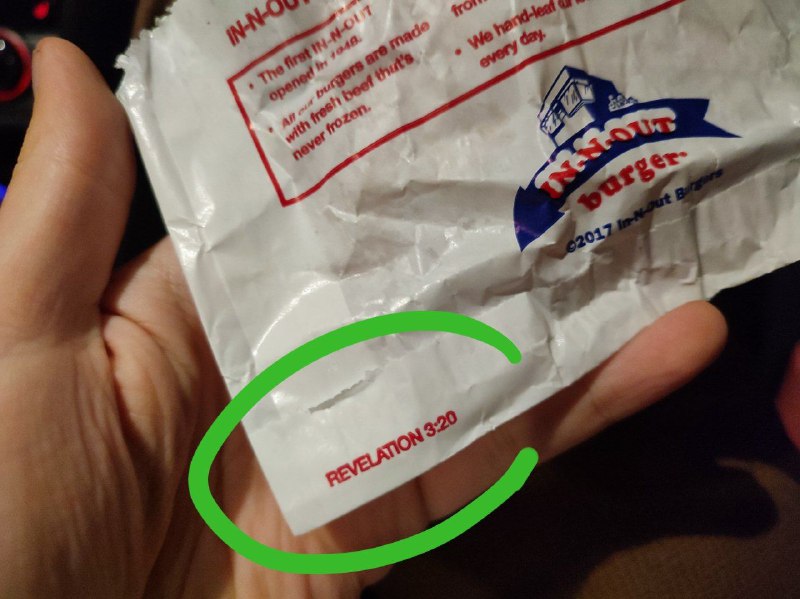
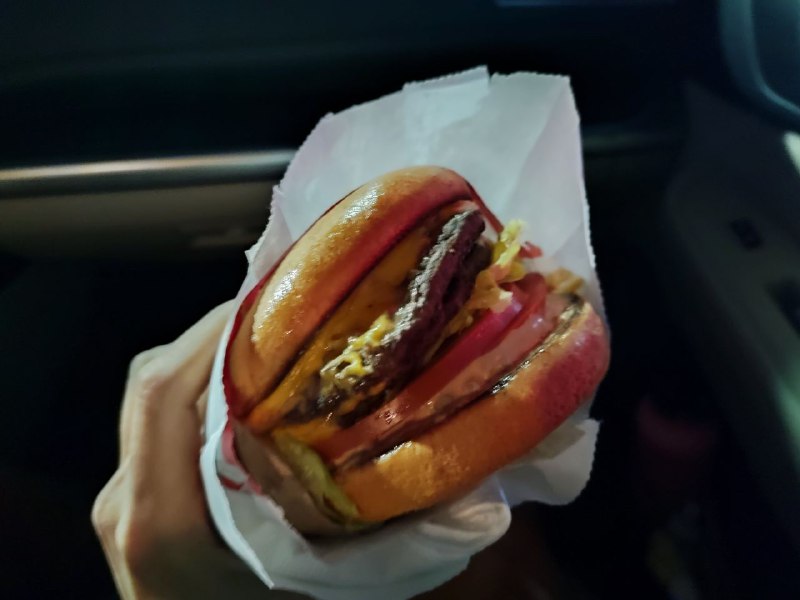
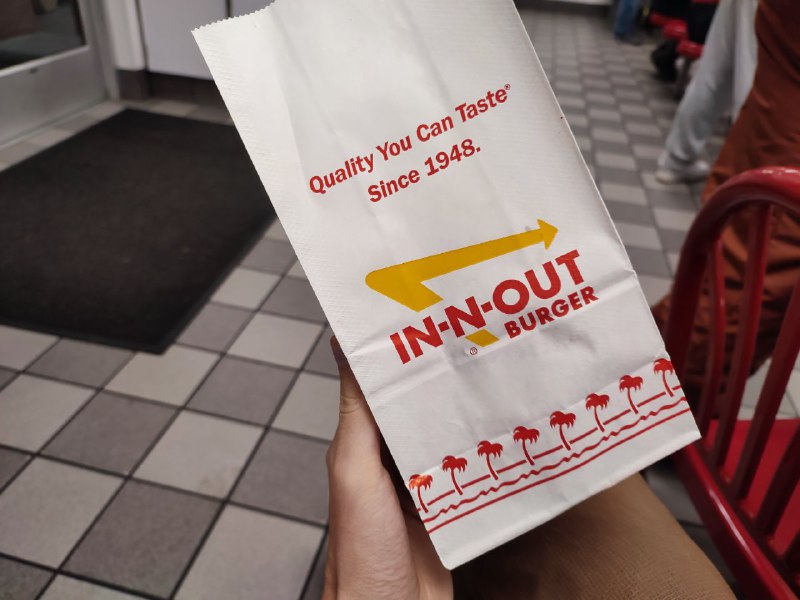
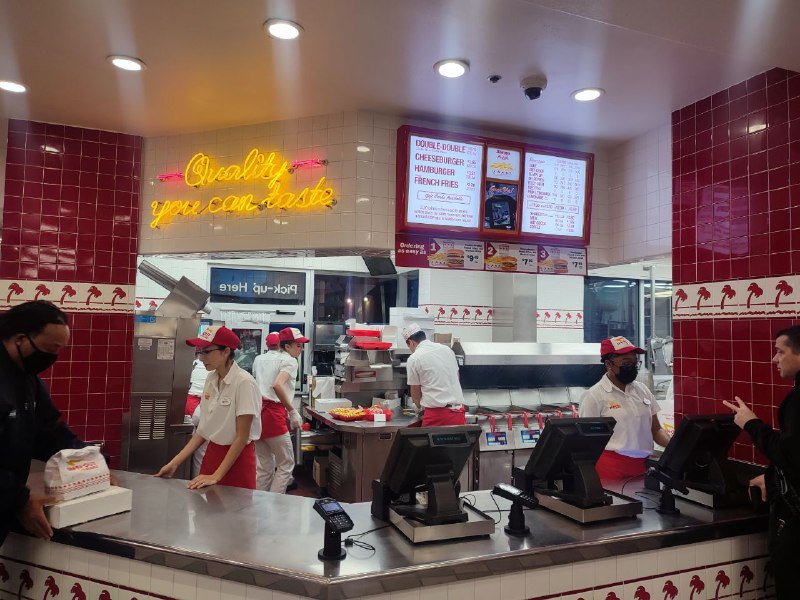
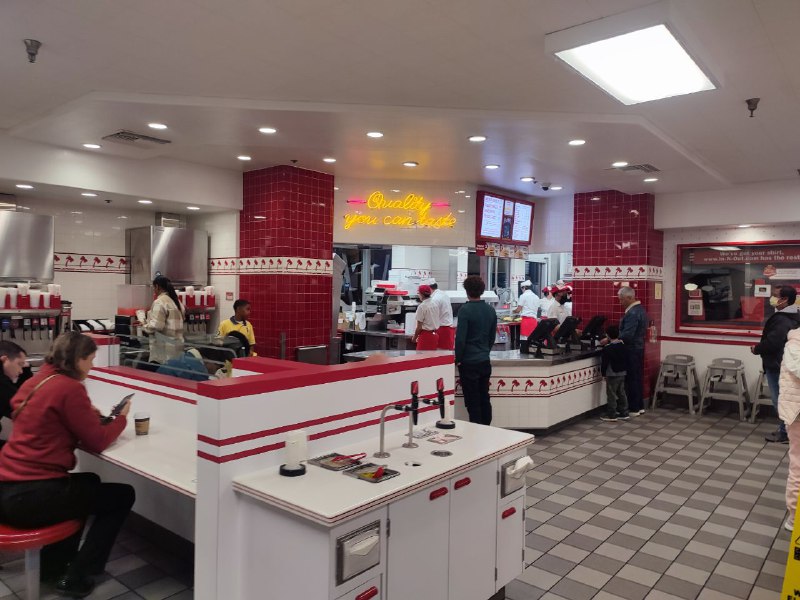
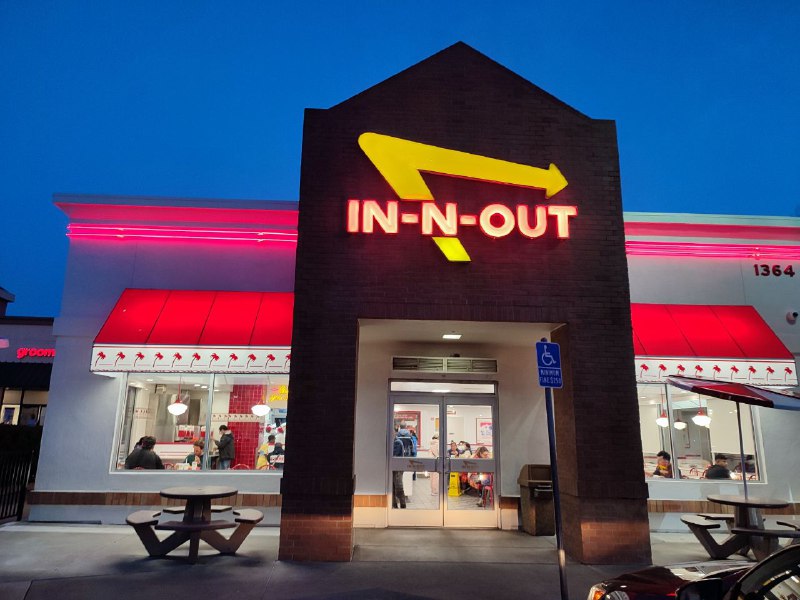
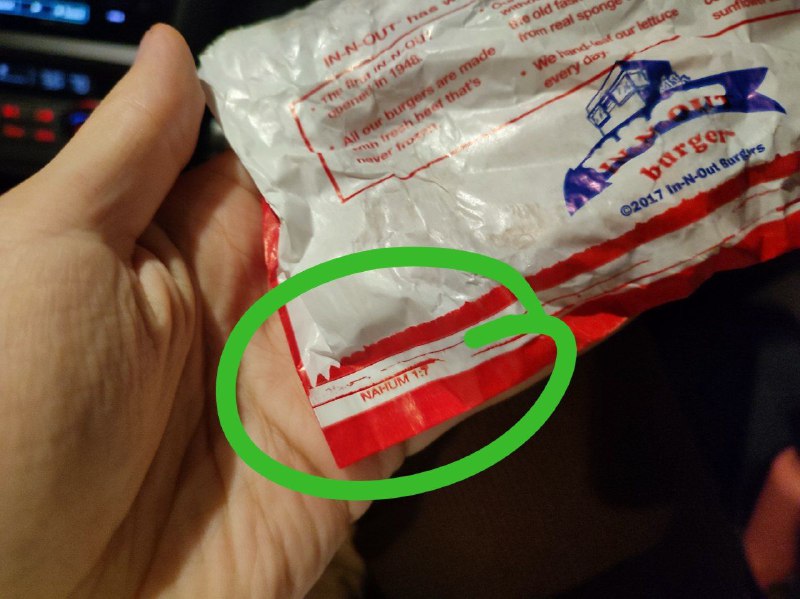
For example, the California fast-food chain In-N-Out Burgers prints Bible verse references right on their packaging. I'd heard about this for a long time, but I finally saw it myself. It's actually true.

Since they're a private chain, they can do whatever they want without worrying about others. It's trickier for public companies, but some of them want to do something similar too. For instance, Alaska Airlines used to include prayer cards with the meals on their flights. But these guys trade on the stock exchange and have to listen to their shareholders. The shareholders started complaining that this practice might come across as disrespectful to people of other religions, and there are plenty of those in America. So they ended a practice that had gone on for over thirty years.

PS. The burgers are pretty tasty though.
This is what the local music scene looks like. A hundred years ago, this industry in Chicago was booming. And a big part of that was thanks to the mob and Prohibition.

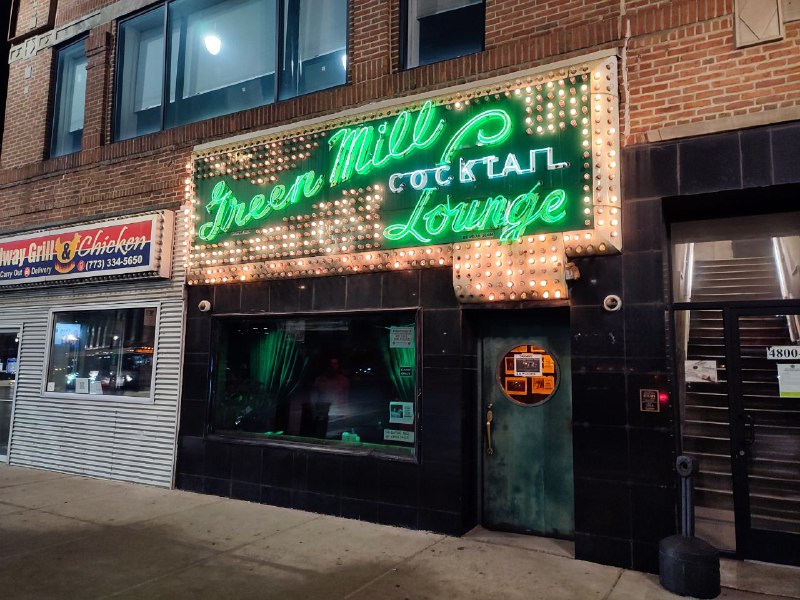
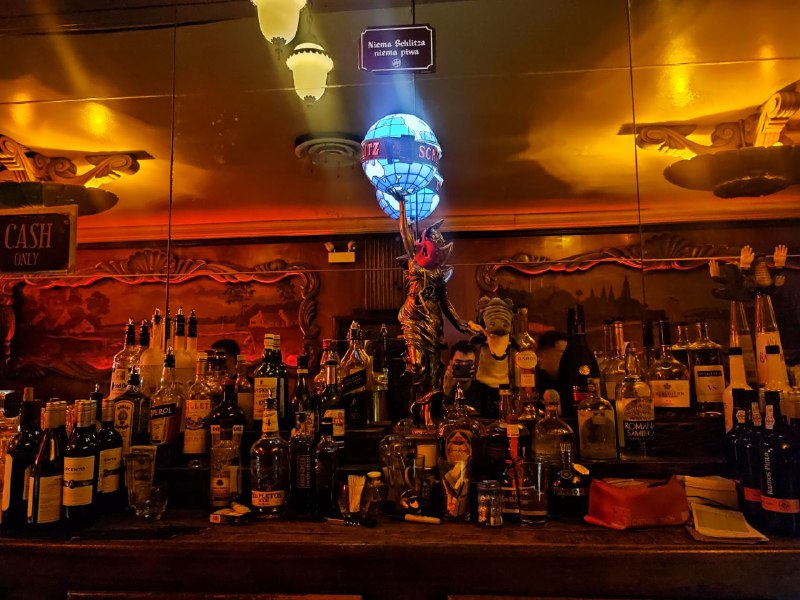
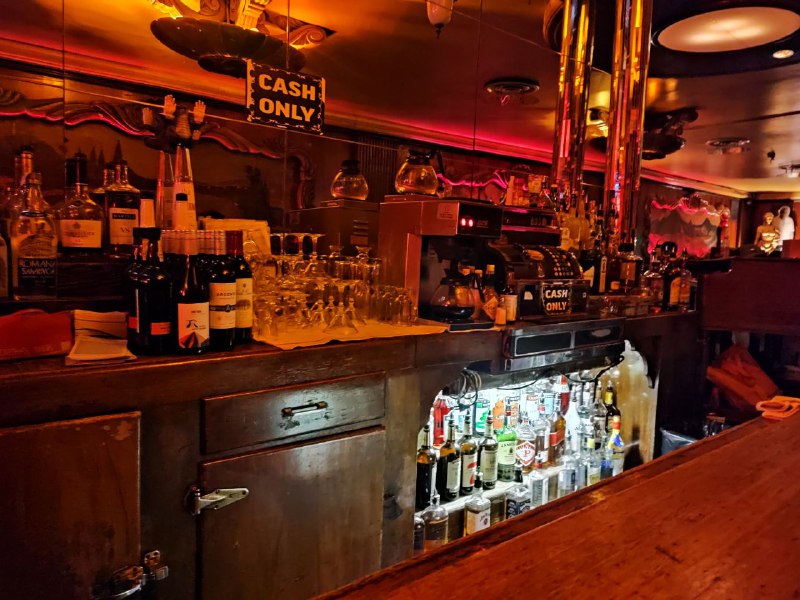
One of the most iconic spots from that era is the Green Mill lounge (the name is a nod to the Moulin Rouge). It's still operating and they play jazz every single night! For over a hundred years now. The Green Mill has been through its share of ups and downs. It even had a stint under the management of Al Capone's associates. Their methods were pretty brutal—they actually cut one famous singer's throat because he refused to perform there.

These days everything's civilized and pleasant. The only reminder of those wild times is the tunnel the mob used to escape through during police raids.

PS. Oh, and they've made it their thing to only accept cash. They also close at 1:11 AM.
So it wasn't for nothing that I moved to the Balkans 😅
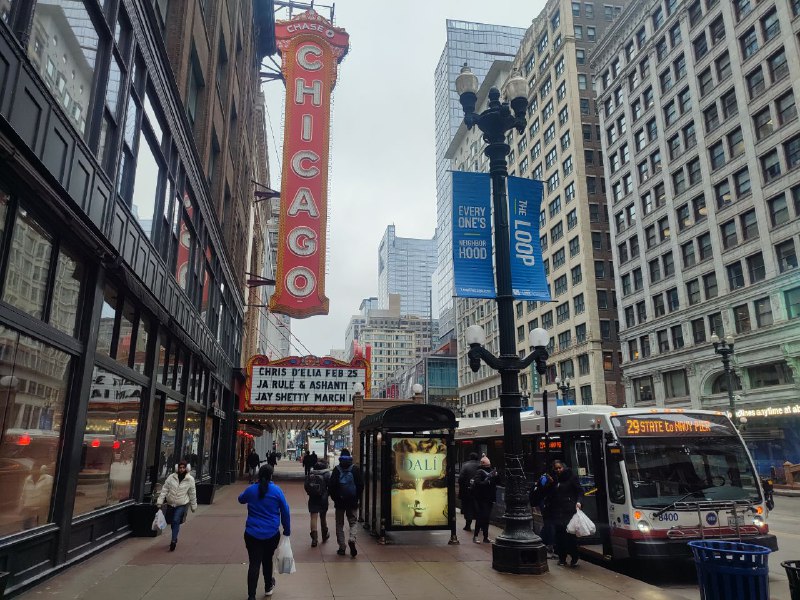
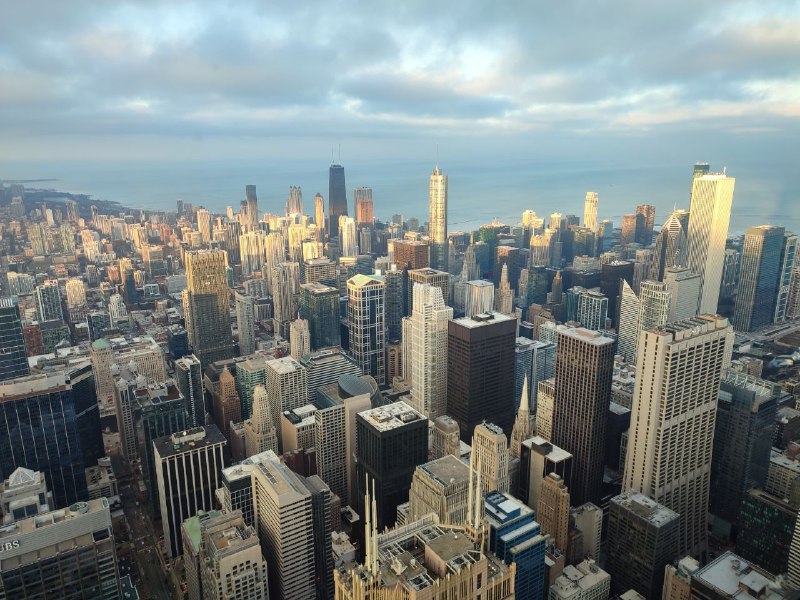
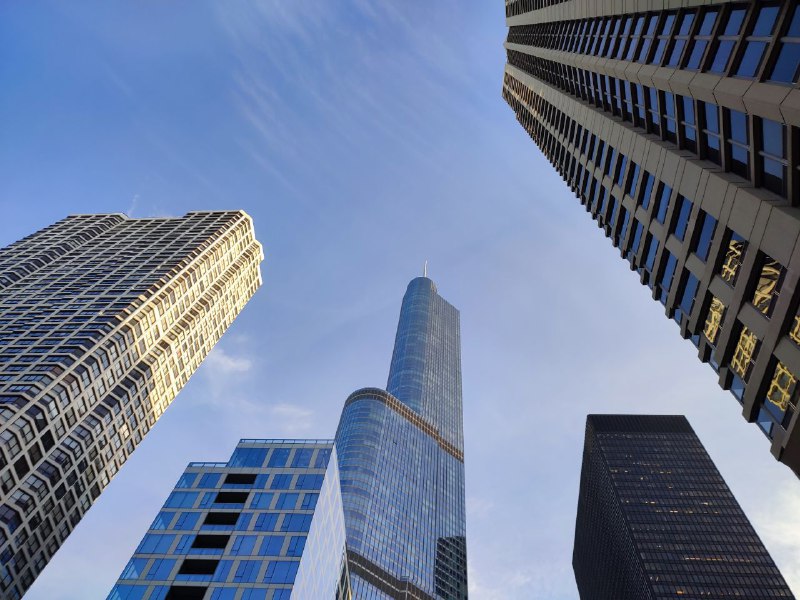
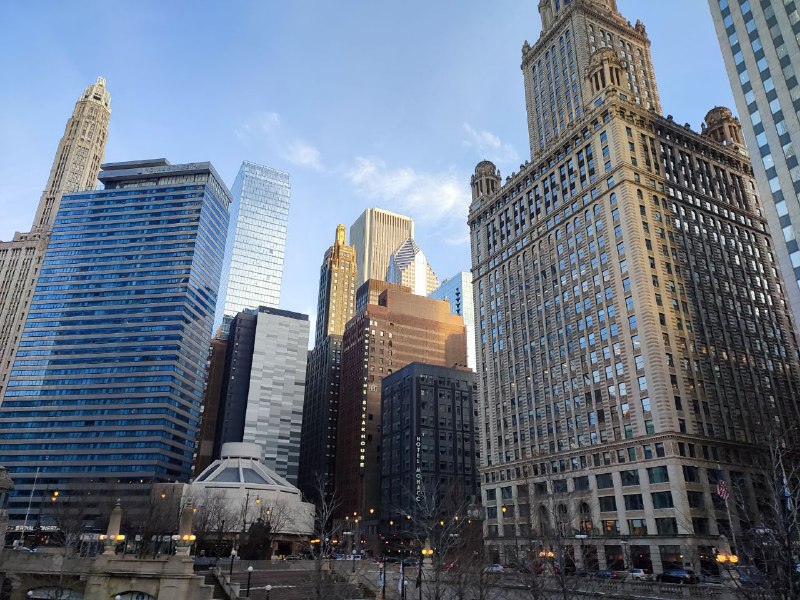
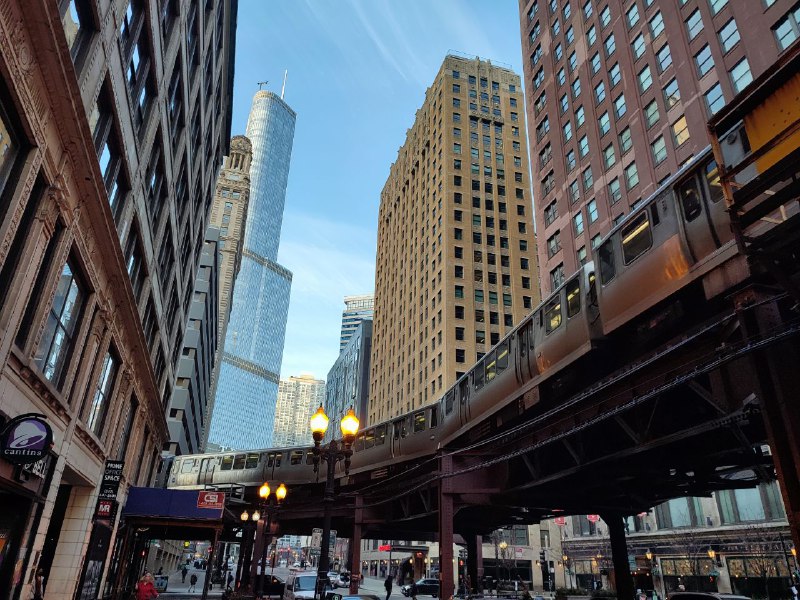
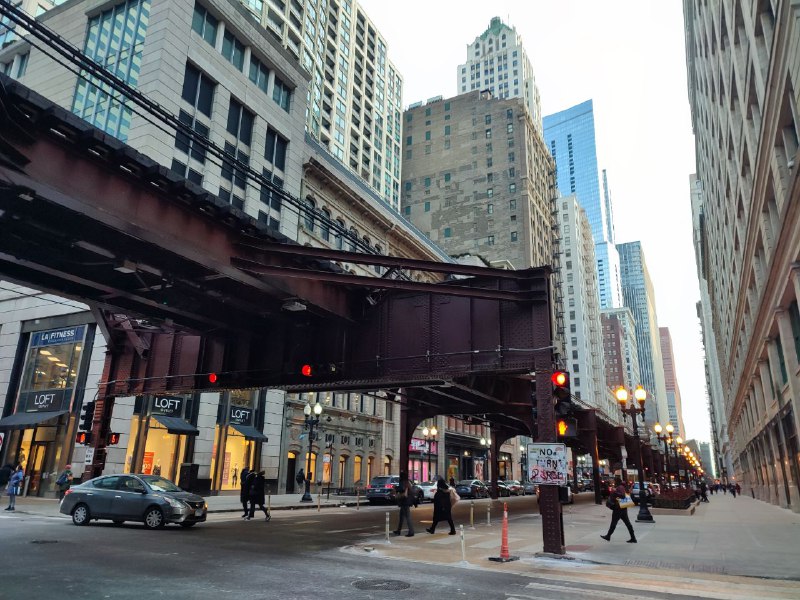
I checked out a bunch of different landmarks. Overall, it's pretty nice walking around the city. It's not as crazy and hectic as New York. But still, it's the same concrete jungle. I don't get how people live here (:
I've gotten a bit out of the habit of that mode where you can see a bunch of stuff in one day and then dump it all here (:

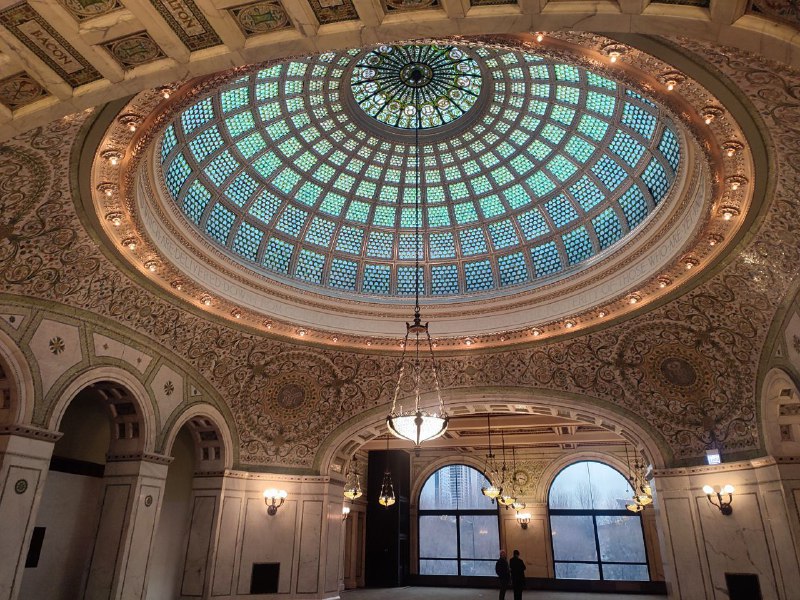
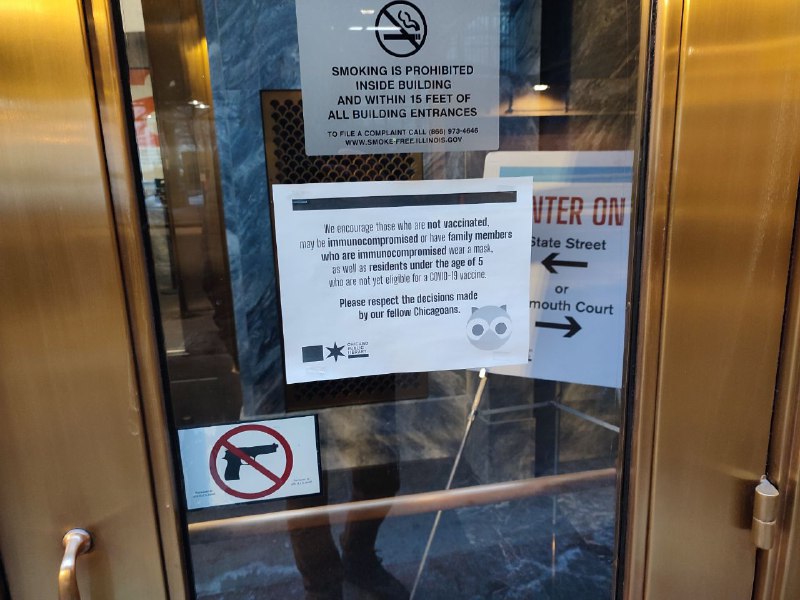
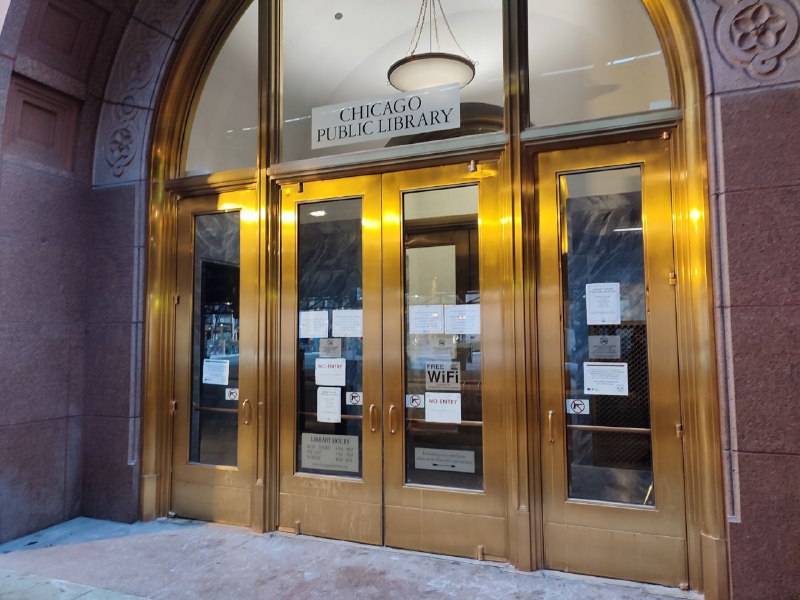
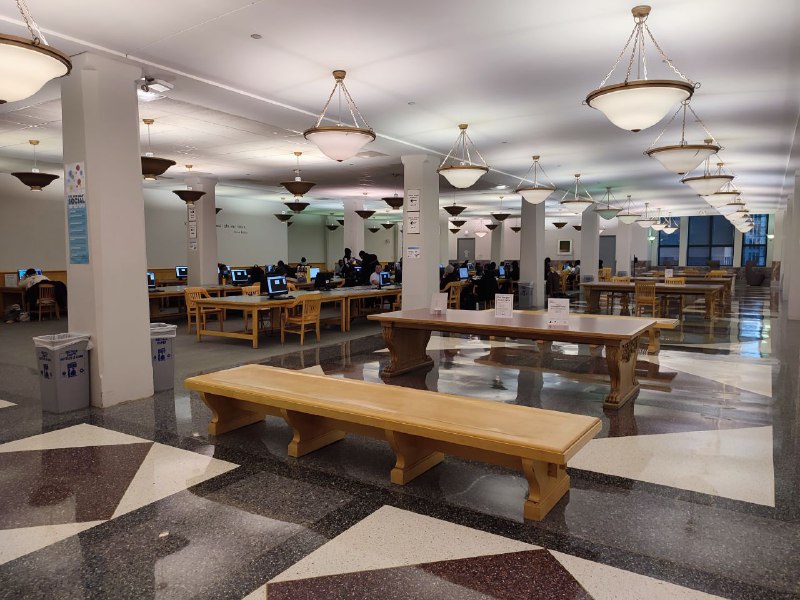
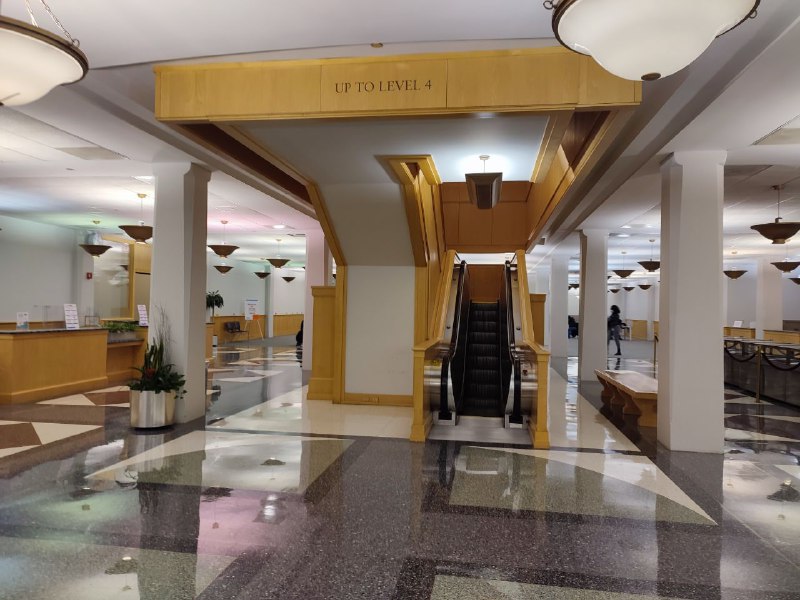
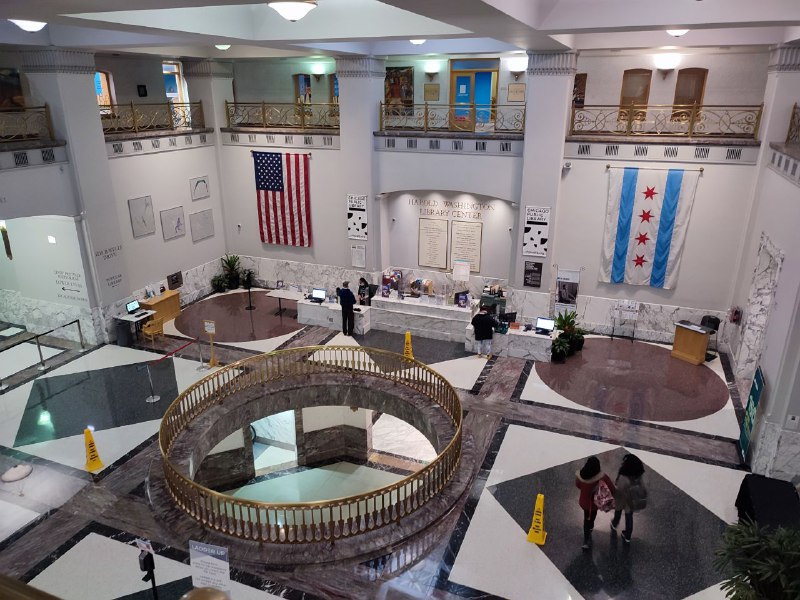
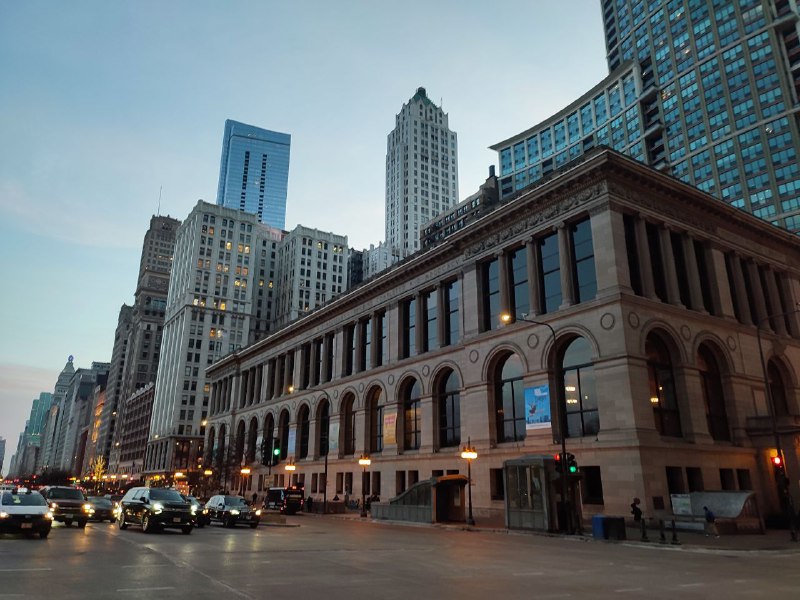
Stumbled into a Chicago library by accident. Setting aside the fact that you can't bring weapons inside, two things really surprised me:

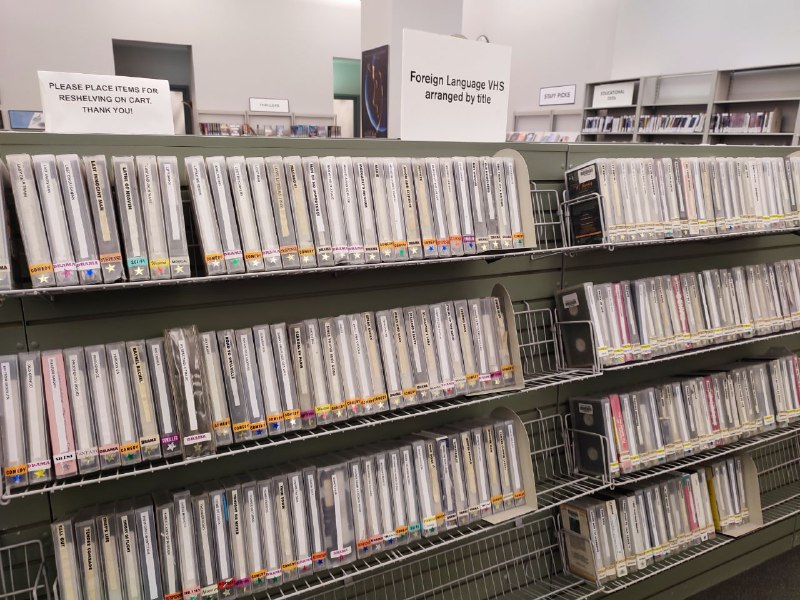
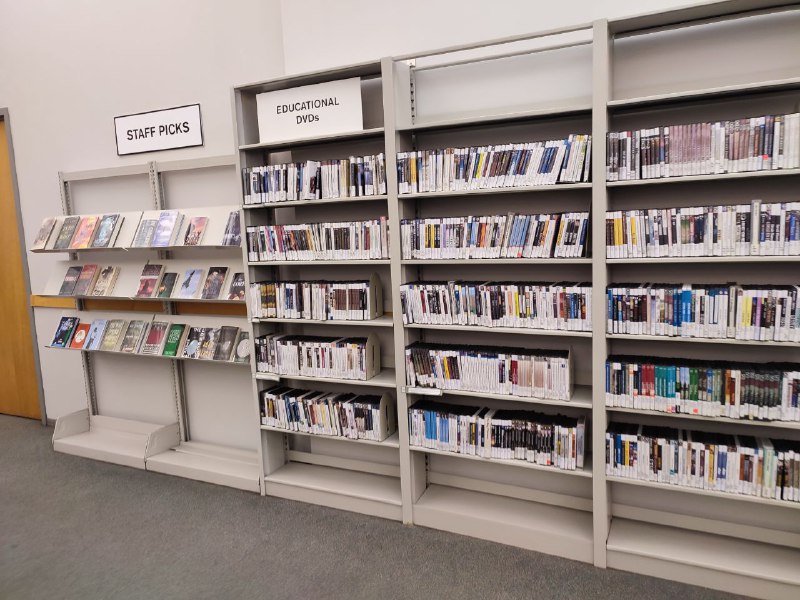
1. You can borrow not just books, but DVDs too, and even good old VHS tapes (does anyone still have players for those? o.O)

2. There's a room with pretty decent computers with internet access. You need to sign up in advance, but it's completely free.

Maybe I just haven't been to other libraries in ages. But VHS tapes are definitely the best.
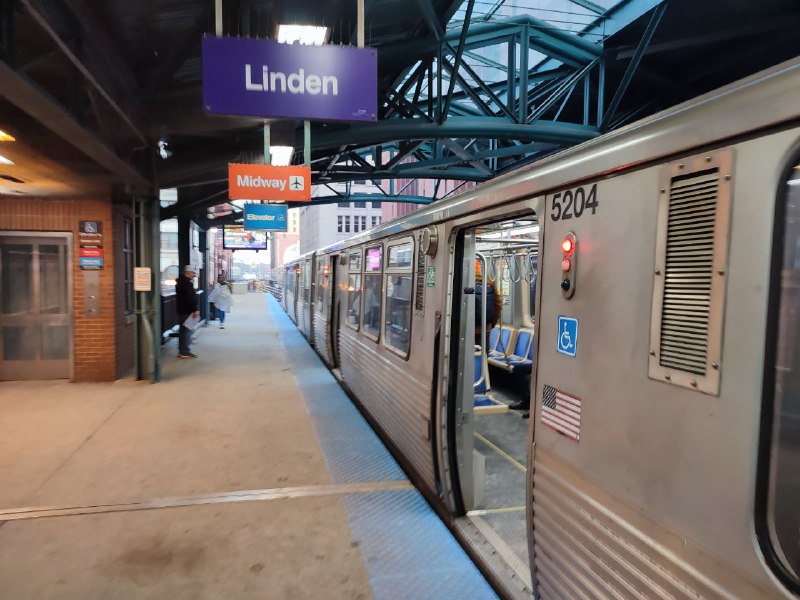
Made it to Chicago. It's really convenient when there's a metro connection from the airport to the city.

I decided to get off at an earlier station and take a walk around. As I was leaving the metro and hesitating for a second about which exit to take, this girl suddenly comes up to me and starts asking where I'm headed so she can give me directions. After I tell her the address, she goes: "You've got another whole station to go, don't get off here, there are way too many crazy people on Chicago's streets". And it's like, literally just a 15-minute walk (and it's not that much closer from the next station anyway).

When she realized I wasn't going to listen to her advice, she made me promise to be careful on the street (though honestly everything was fine, the neighborhood seemed pretty decent).

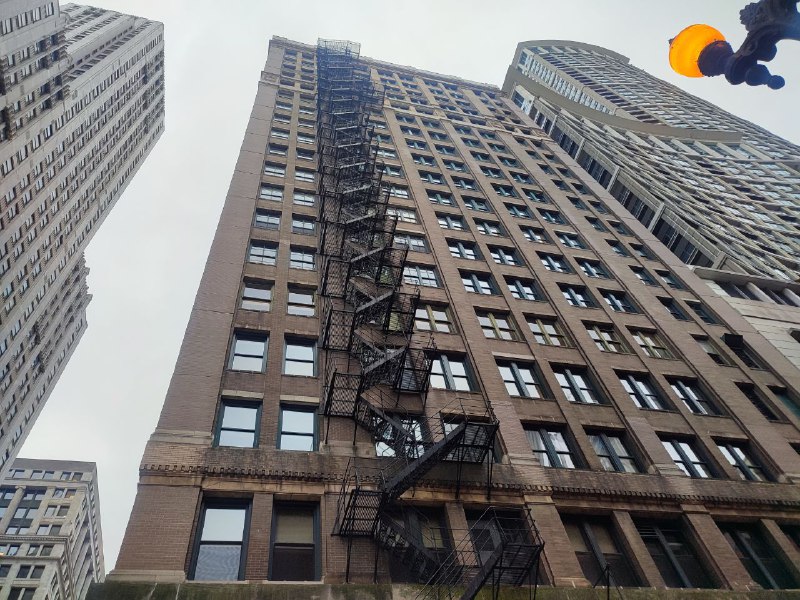
PS. Other than that, so far it just looks like your typical American city with massive skyscrapers and huge cars.

I'm kind of losing my mind over the prices here. I forgot to bring an adapter for local outlets. At the first store I came across, they wanted $50 for it. I walked around a bit more and found one for $18. Which, you know, is still a lot, but I paid it thinking "well, it's not that bad" (:
I've been flying for a while now, but this is the first time I've been on a flight where they offer a business class upgrade through an auction (I googled it – turns out it's a pretty common thing).

Here's how it works: Air Serbia sends you a link where you decide how much you're willing to pay for the upgrade. Then you cross your fingers and hope there are fewer people willing to pay more than you than there are available seats.

The minimum upgrade fee for one leg isn't that different from the cost of economy round-trip: from 65k dinars (~$600) to 125k (~$1160). The return flight bids are 1.5 times higher.

Against all my expectations, it turns out that a direct flight from Belgrade to New York takes the same 10 hours it used to from Moscow. Well, alright then. Guess I'll be suffering in economy 😅
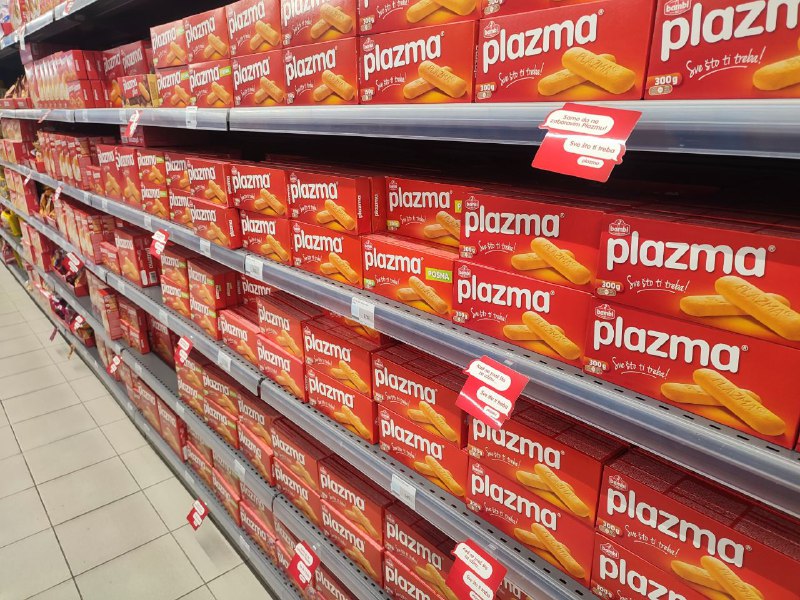
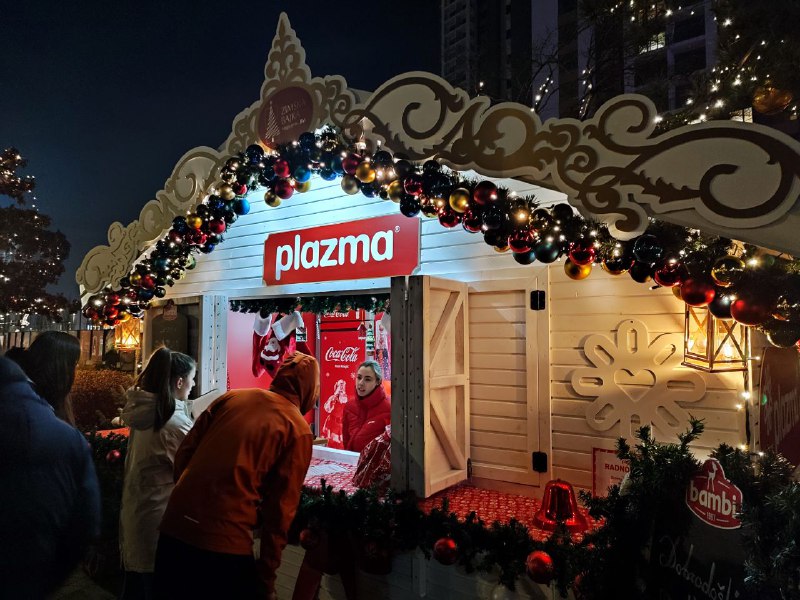
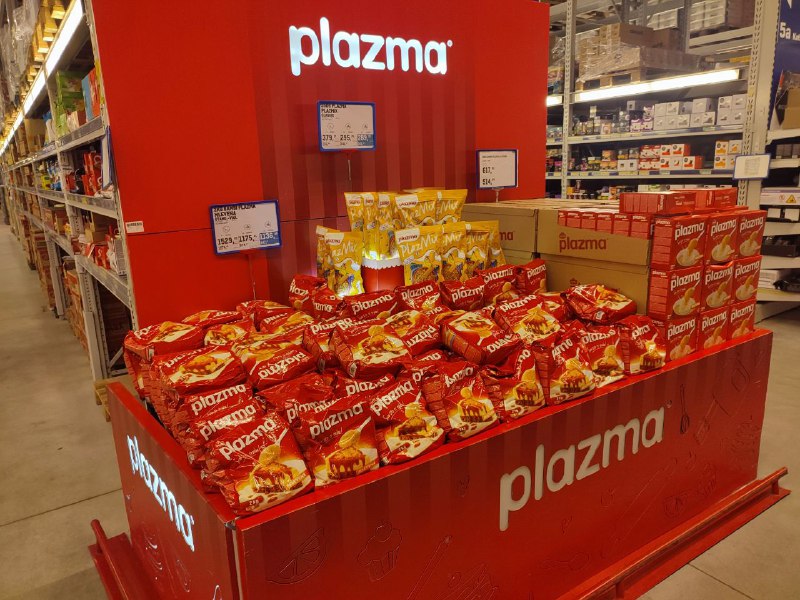
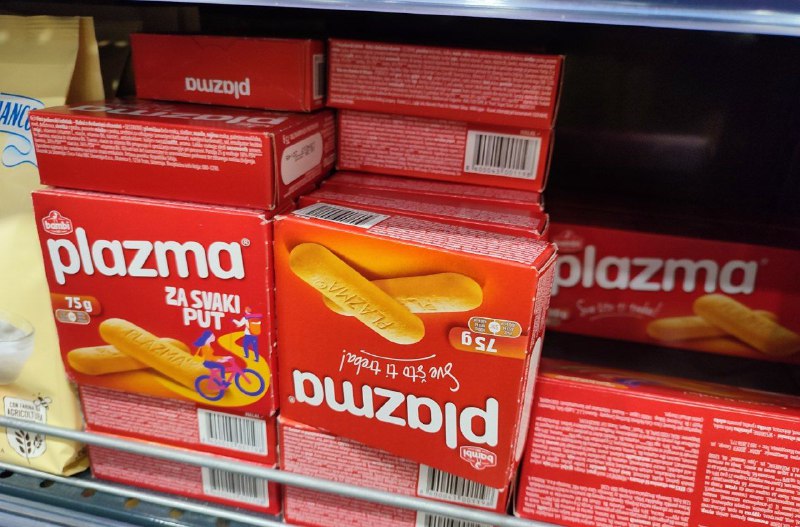
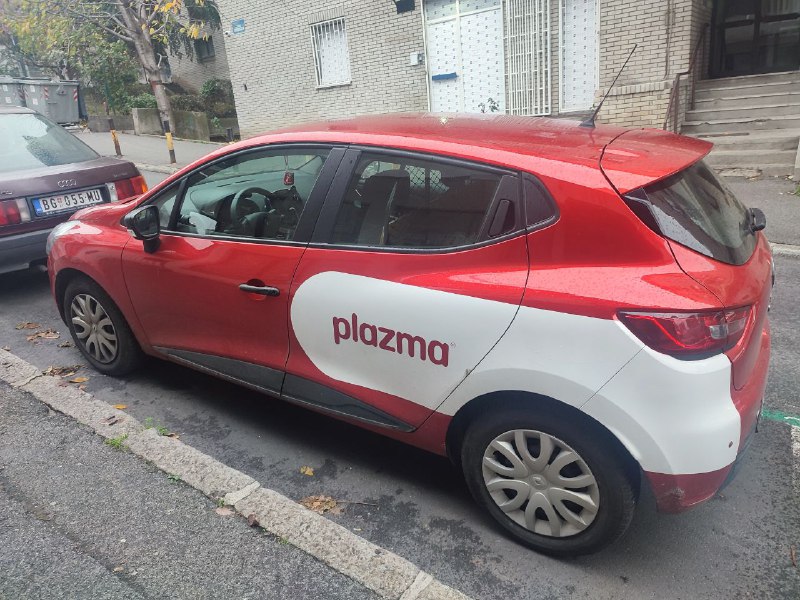
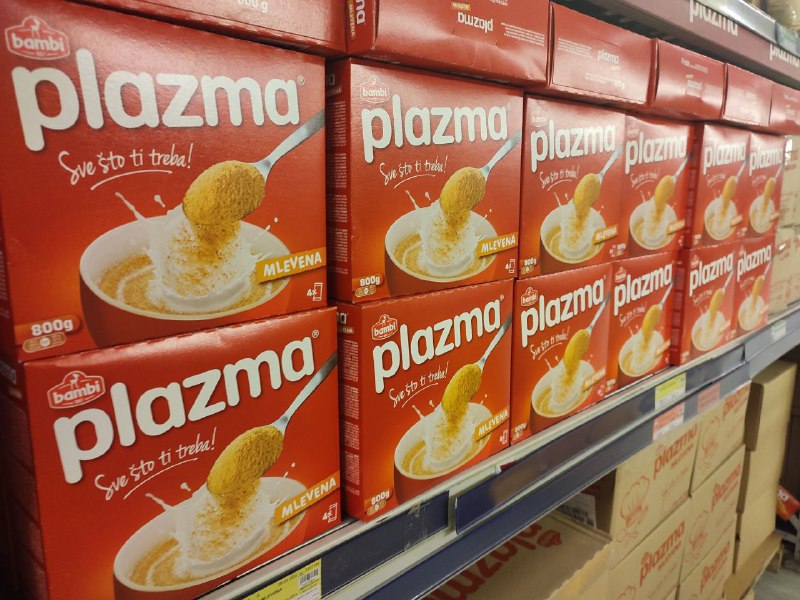
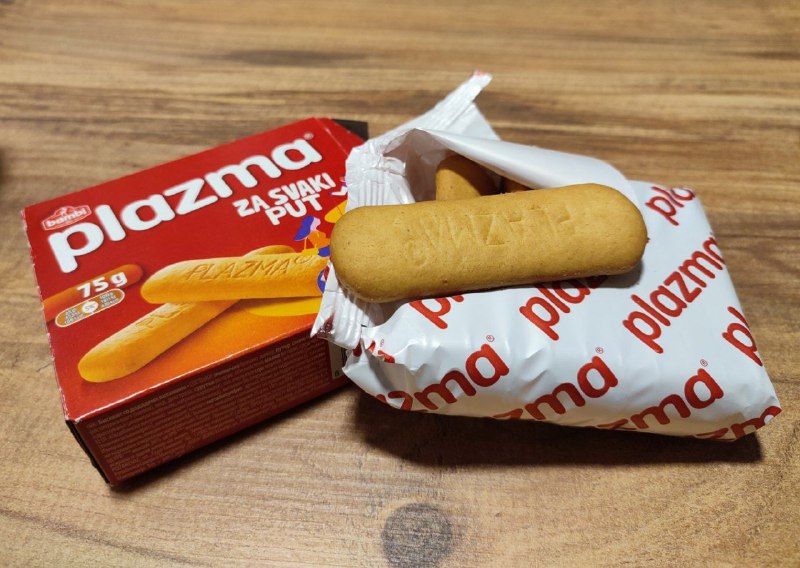
It seems like every Serb is at least 50% made up of Plazma cookies, and they eat them in pretty much any confusing situation. They're literally everywhere here.

This story started back in the 1960s in Italy, where they were making (and still are) the original — Plasmon. Then Heinz bought the manufacturer and immediately laid off a bunch of employees. One of the people who lost his job was Petar Tutovac. He went back to Yugoslavia and, with government support, started a confectionery factory. No point in letting all that experience go to waste, right?

It turned out the Italian recipe was too expensive to produce, so they swapped out a ton of ingredients for cheaper alternatives and named the product Plazma (so nobody would catch on). But the Yugoslavs loved the result so much that generations have been happily buying it ever since.

Pretty soon the Italians got wind of it, and the lawsuits started. It all ended with a ban on exporting Plasma from the country. But then in the 90s, they figured out that if you export it under a different name, the ban doesn't apply. So that's exactly what they did. Look for Lane in your stores.

Or just come visit the Balkans — we've got cookies here :)
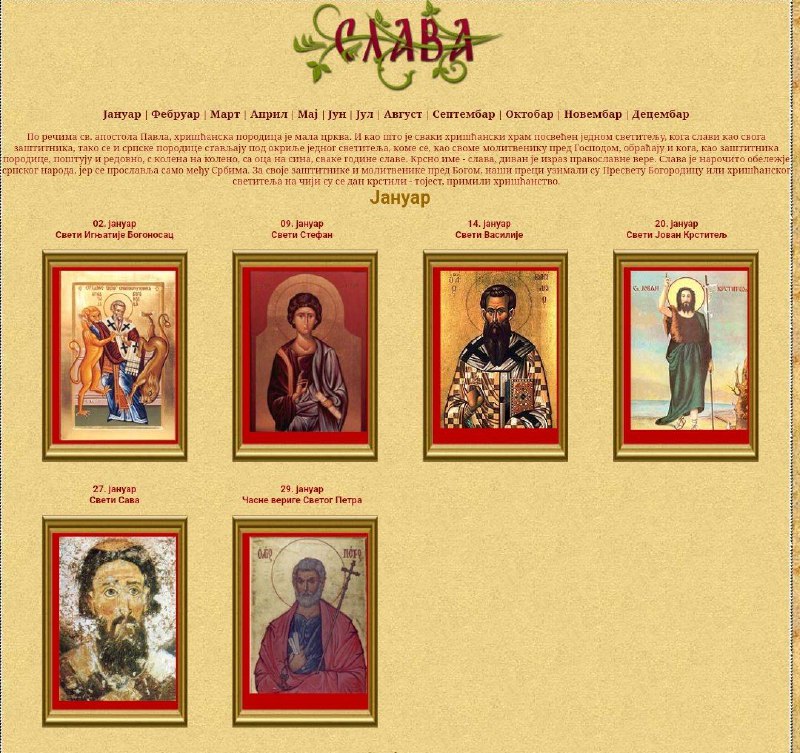
Every year, Serbians celebrate Slava—the feast day of their family's patron saint. On this day, everyone who works gets an official day off, as written in the labor code. It doesn't matter if you're a local or just someone who moved there, or what you actually practice religion-wise: you get the day off, so you can should use it.

The thing is, there's no single day when the whole country celebrates, because there are many patron saints. Each family has their own: men inherit theirs, and women usually celebrate their father's saint first, then their husband's (though sometimes after marriage they celebrate both twice a year).

This tradition isn't unique to Serbia—you'll find it in neighboring Balkan countries too. Though Serbians often see Slava as a kind of marker of their national identity. But honestly, it's more complicated than that.

PS. For 2023, I counted about 10 public holidays total, plus you get 20 vacation days (though I know people whose employers give them 25). Guess I should read through the Serbian labor code again—maybe there are some other perks hiding in there :()
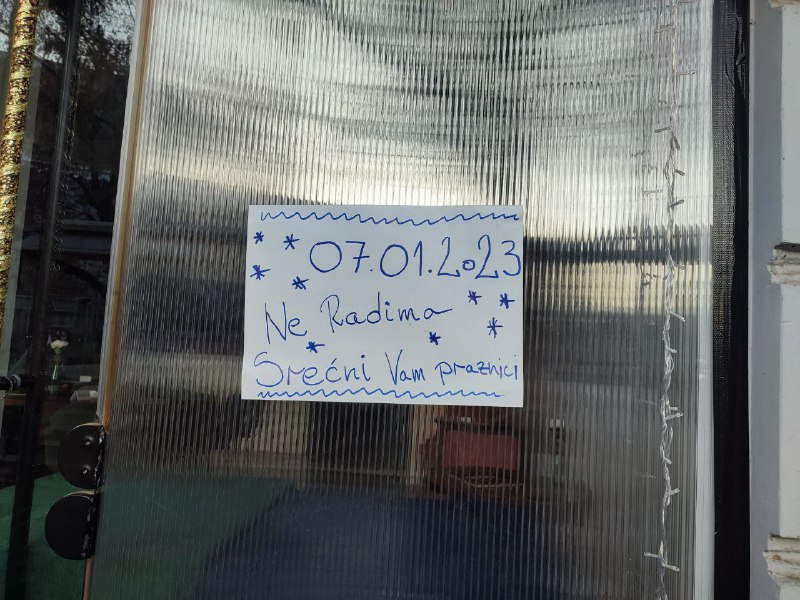
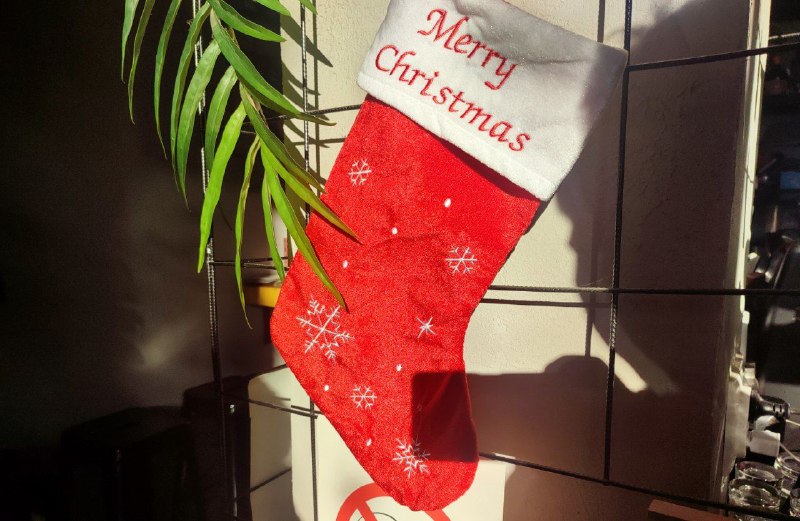
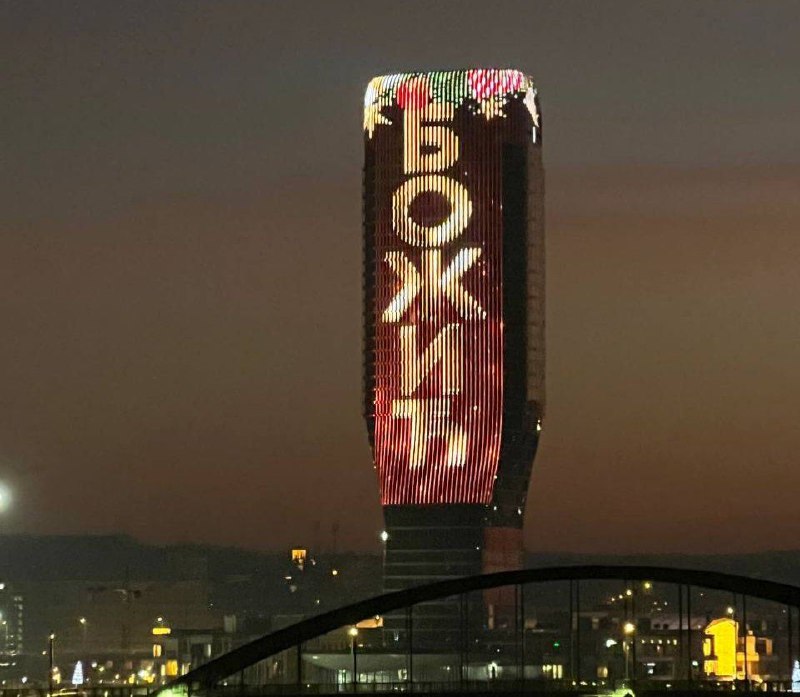
Serbian Christmas is a very family-oriented holiday. So on the 7th, almost nothing is open except for a few cafes. And places start closing from the evening of the 6th. This year the 8th fell on a Sunday, so some establishments decided not to open on that day either.

Usually everything is celebrated at home, and fish dishes are often prepared because it's customary to fast during these days, but I'm not a big expert on festive menus.

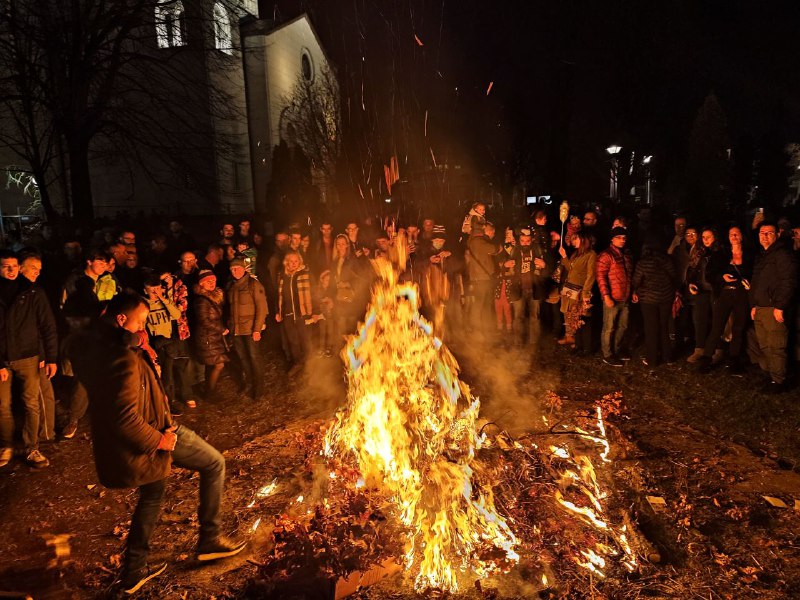
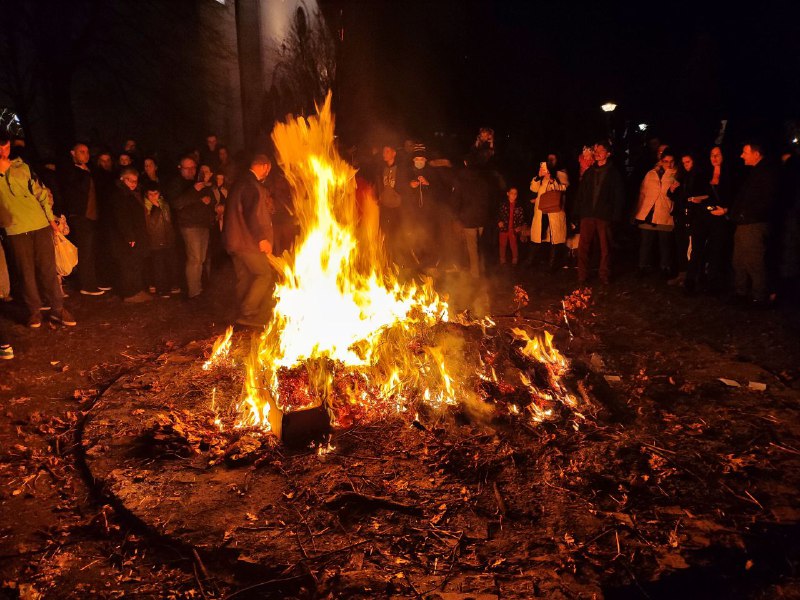
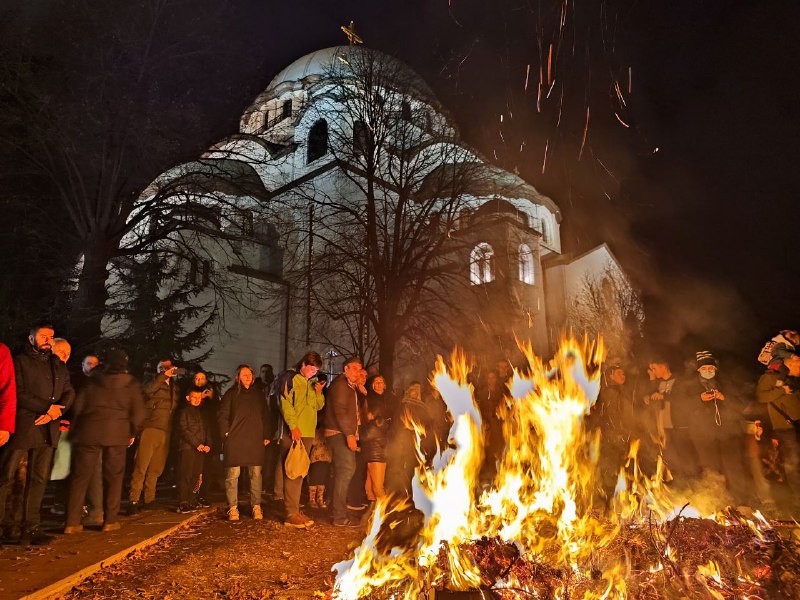
As for celebrations in the streets, besides burning the Yule log and amateur fireworks, there wasn't really much ¯\_ (ツ)_/¯
Although the country isn't very large, the nuances of traditions often vary depending on the region, and some are practiced only in certain parts of the country.

For example, in the east until the early 20th century, people tried to appease Herman (a mythical creature that influences rain, floods, and other weather important for agriculture).

The head of the household would take brandy, wine, some bread, and a candle from home, walk around his lands, and shout: "Herman, wherever you are, come now so we don't meet in summer". He'd drink the alcohol and return home, where he'd tell everyone that he met with the spirit, they drank together, worked everything out, and parted ways peacefully.

There are plenty of such examples to fill an entire book (:
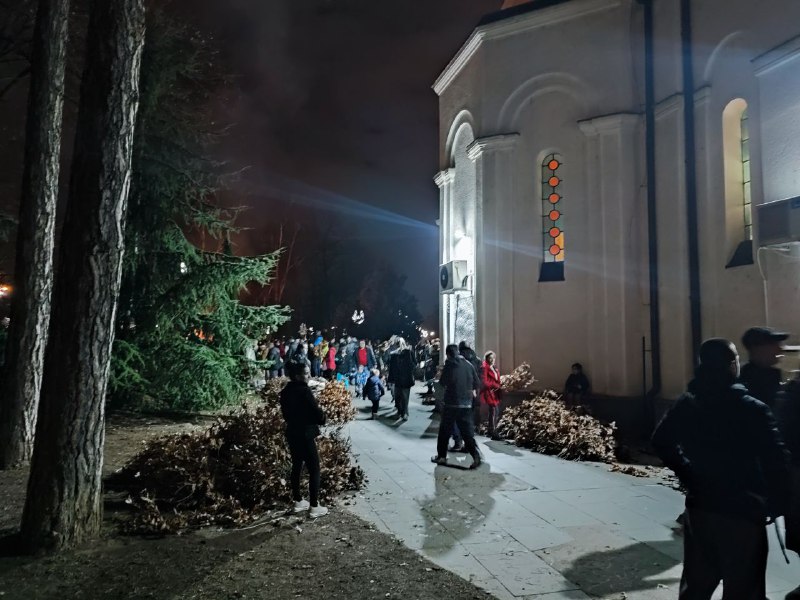
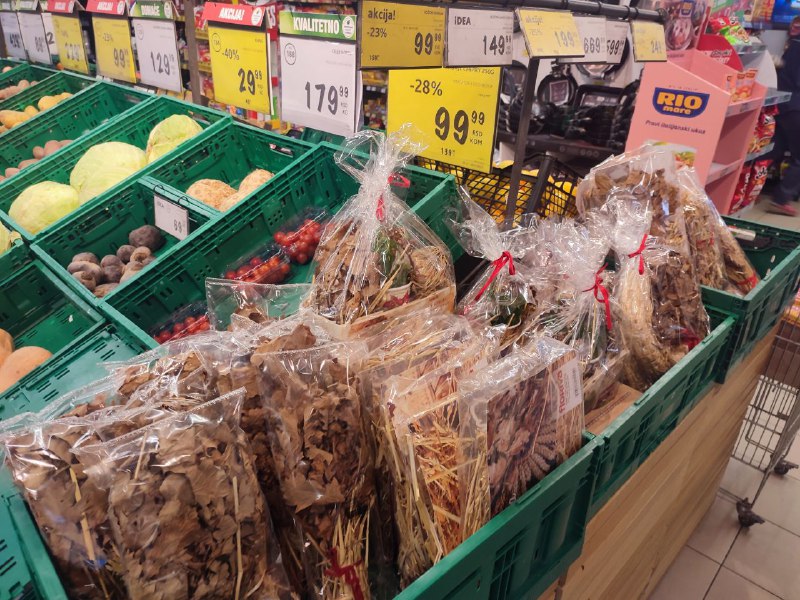
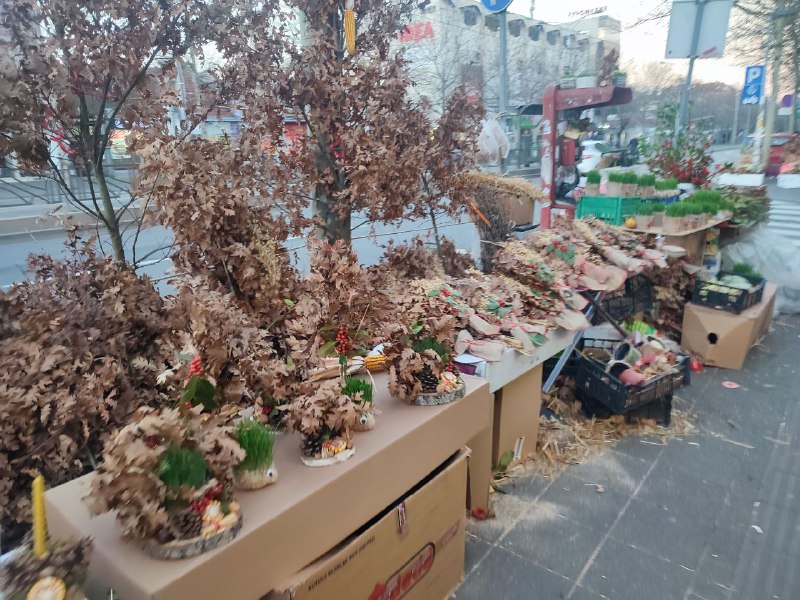
In the city, people honestly burn oak wood near temples toward evening. If someone didn't manage to stock up on badnjak during the day, they can grab some right there on the spot.

In villages, though, people usually burn logs right at home. They stick one end into the fire and gradually push it deeper into the stove as the wood burns down.

This ritual kind of symbolizes saying goodbye to the old year.
On January 6th, early in the morning before dawn, the head of the household in villages goes into the forest with his sons to find an oak log (badnjak) that they'll burn in the evening.

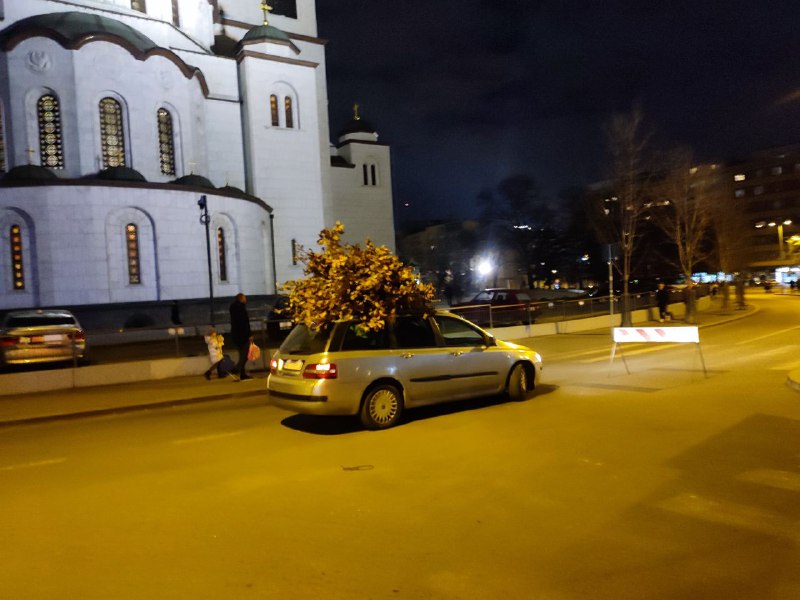
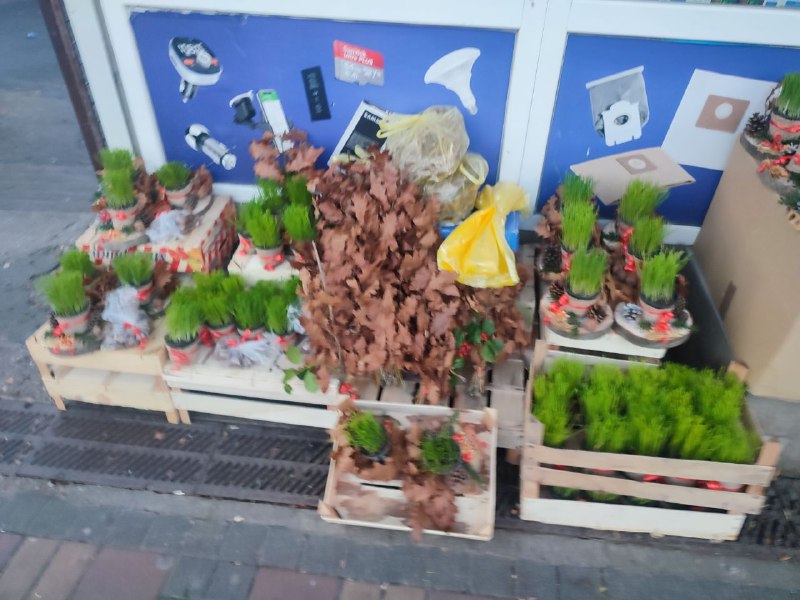
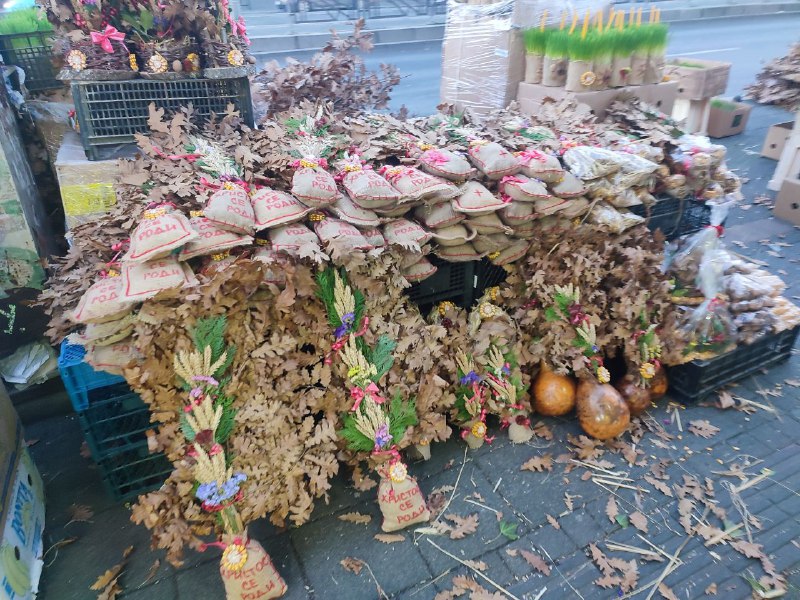
In the city, this has turned into a massive sale of oak branches in markets and shops. I mean, not all of Belgrade is going to go out together and chop down the nearby oak trees. Plus, there's nowhere to burn it all anyway.
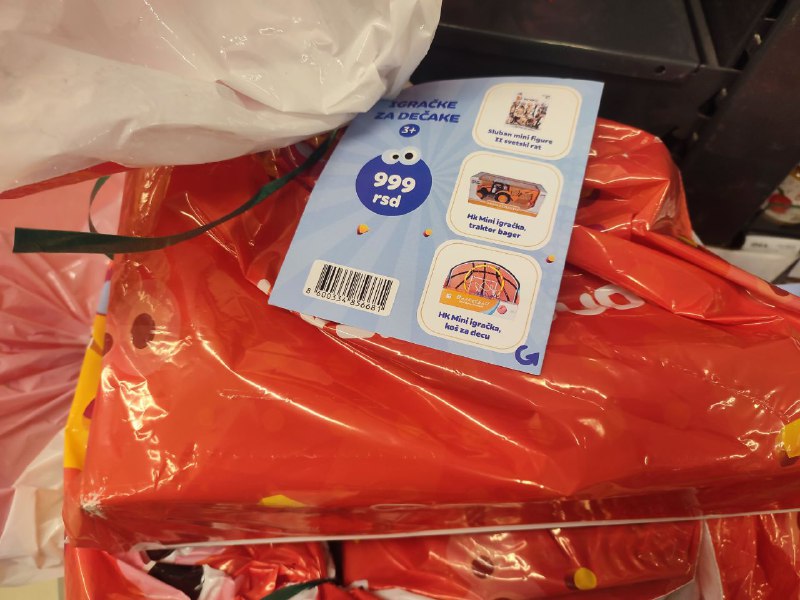
Serbs typically don't exchange gifts on Christmas Day itself. Instead, they do it over three consecutive Sundays leading up to Christmas Eve: dětinjci (gifts from the kids), materice (from mom), and oci (from dad).

Gift-giving happens as a sort of ransom game. In the morning, you sneak up on the gift-giver, tie their hands and feet with a towel or scarf, and they buy their freedom with a present.

It's all done as a playful joke. Don't picture families tying people up like bank robbers with bruises left behind afterward. Kids often can't hold back their laughter when they're supposed to tie up their parents, who pretend not to notice and keep sleeping. A Serbian friend told me his dad would actually start running away, and the whole family would chase him down to finally get their gifts.

Kids sometimes get toys or just a small bill that inevitably goes toward candy. Parents usually get a promise to behave better next year as their gift, though kids sometimes just skip giving it altogether.
I managed to get back to Belgrade just in time for the big Christmas celebrations to see the festivities firsthand.

Serbia has a whole bunch of traditions around these days, many of which have survived from pre-Christian pagan rituals. Today, a lot of these rituals only remain in villages and small towns, while in larger cities they gradually fade away or transform. But I'll try to quickly walk you through the main highlights.

The main visible action happens on the evening of January 6th (the actual holiday is the 7th). But the preparations start about a month before.
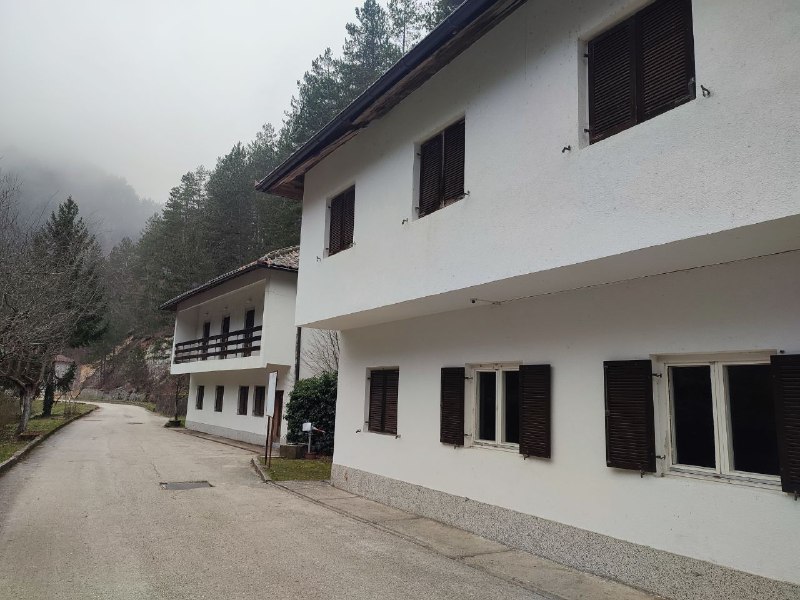
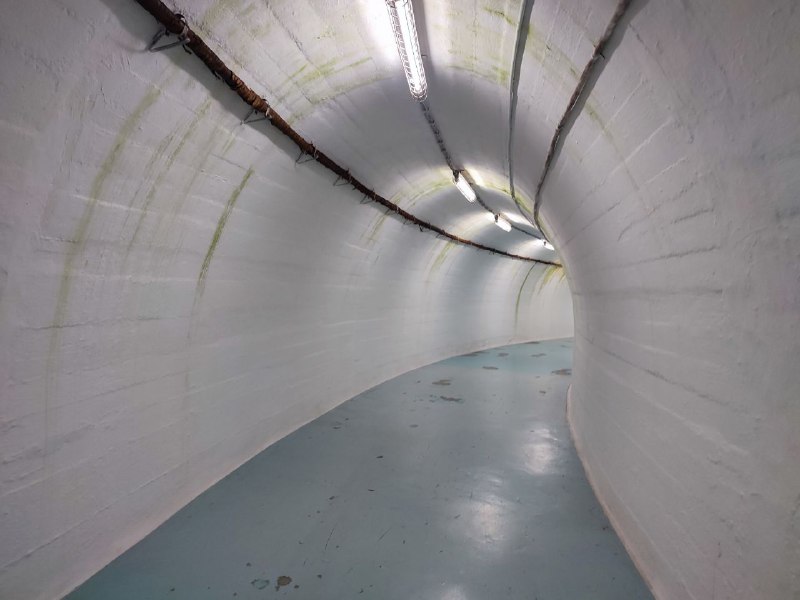
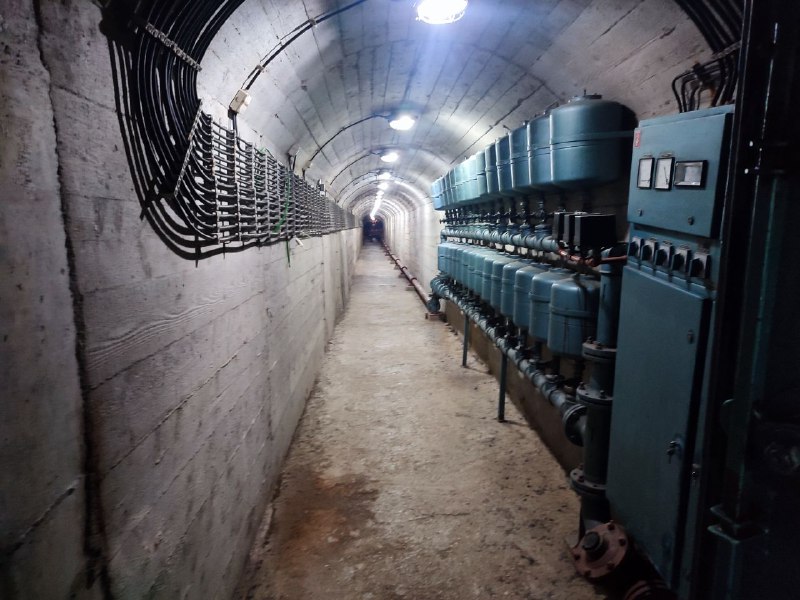
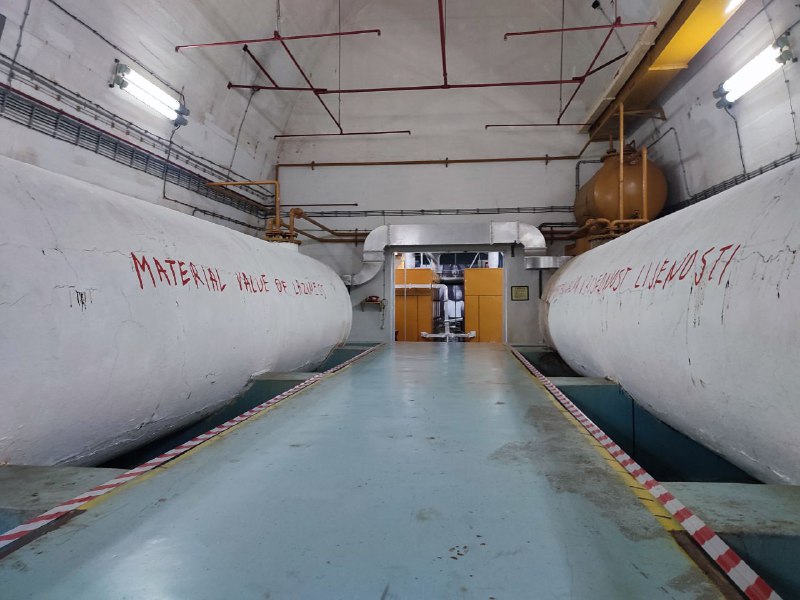
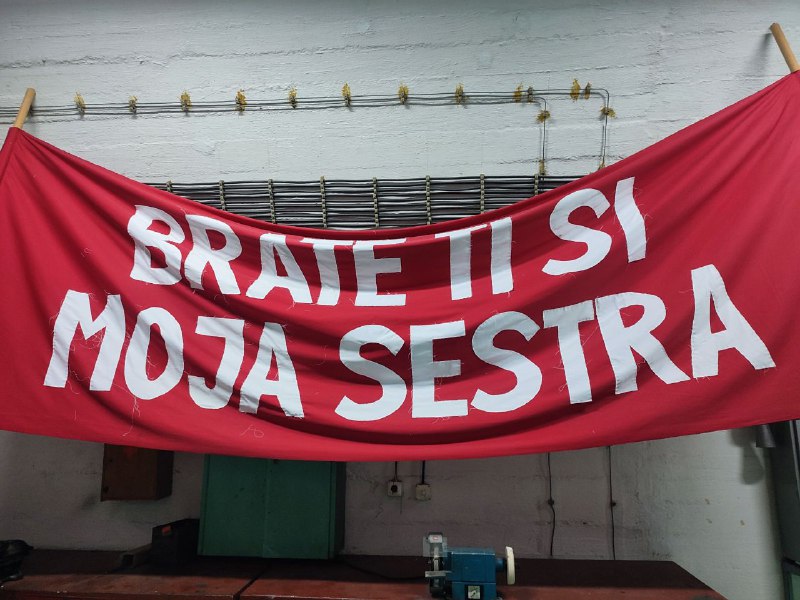
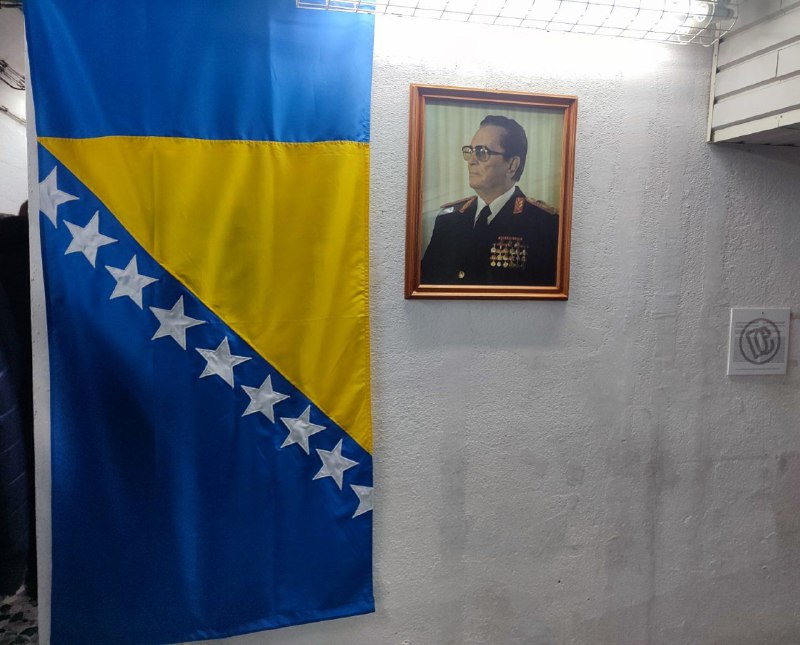
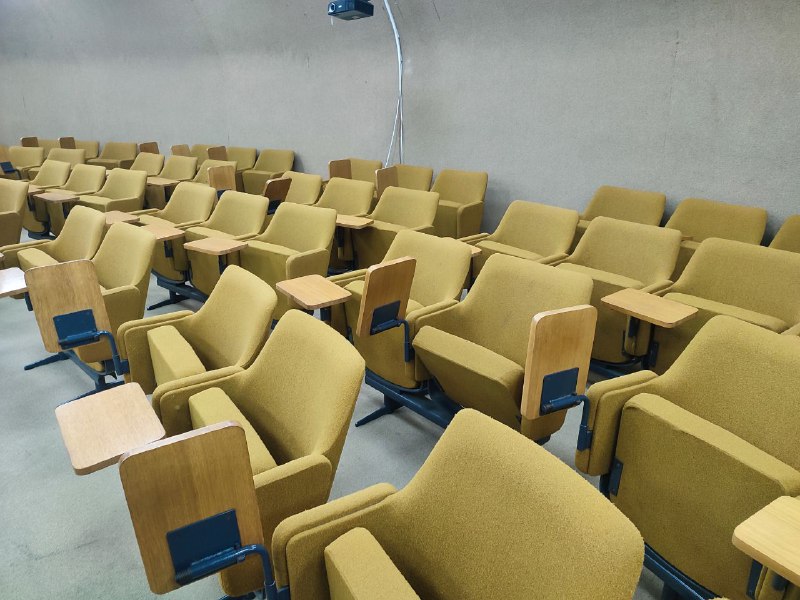
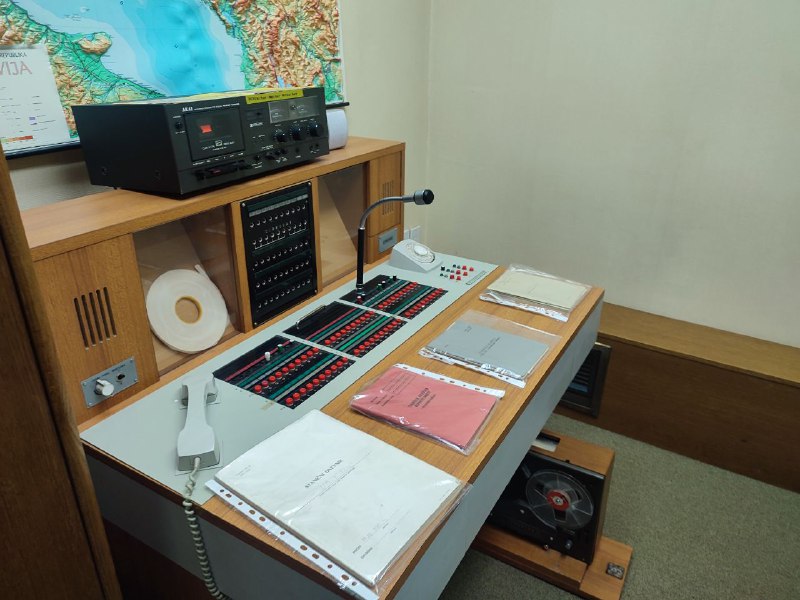
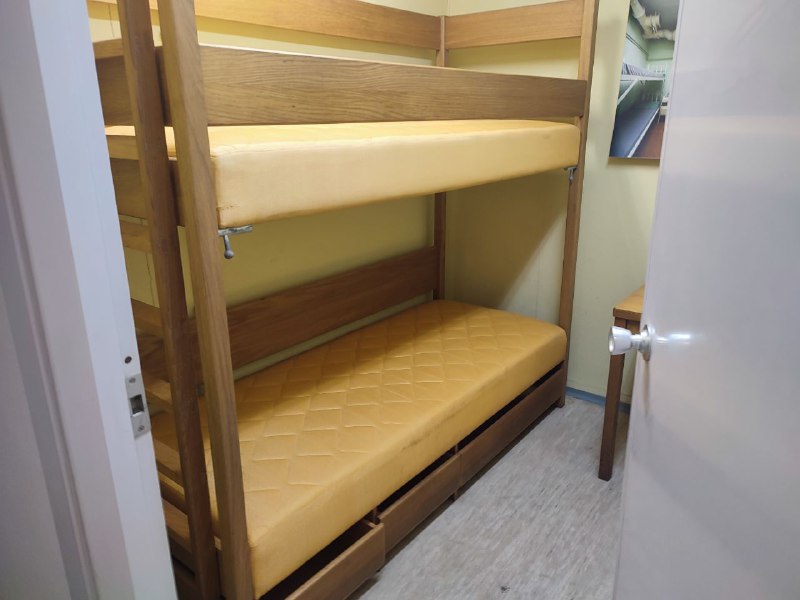
Tito, like any typical dictator, built himself a bunker as a fallback in case of nuclear war. Located in the inconspicuous town of Konjic, not far from Sarajevo.

Officially, there was nothing there: a completely classified project, the construction was disguised as a local weapons factory production facility, and the residents had no idea what was actually happening. All 26 years of construction (hard to believe, I know).

Almost immediately after completion, the Yugoslav leader died, having visited the bunker only once. The military preserved the shelter but continued to maintain minimum readiness in case of conflict. So 16 soldiers guarded the facility until the country's collapse.

During Yugoslavia's breakup, one general ordered the facility destroyed so it wouldn't fall into Bosnian hands. But two soldiers sabotaged the order and cut the wires to the explosives, later handing the shelter over to the Bosnian Army. It actually came in handy during the 1992-95 war.

Today it's an absolutely fantastic museum. Everything is in excellent condition, and in addition to the internal infrastructure, they also display artwork.
When you read about war—whether in the news or in a history textbook—it usually comes down to dry numbers and facts. So many people died, this or that location was liberated. I guess that's how historians have to study it. But from a human perspective, it doesn't really show what people caught in the middle of these events actually go through.
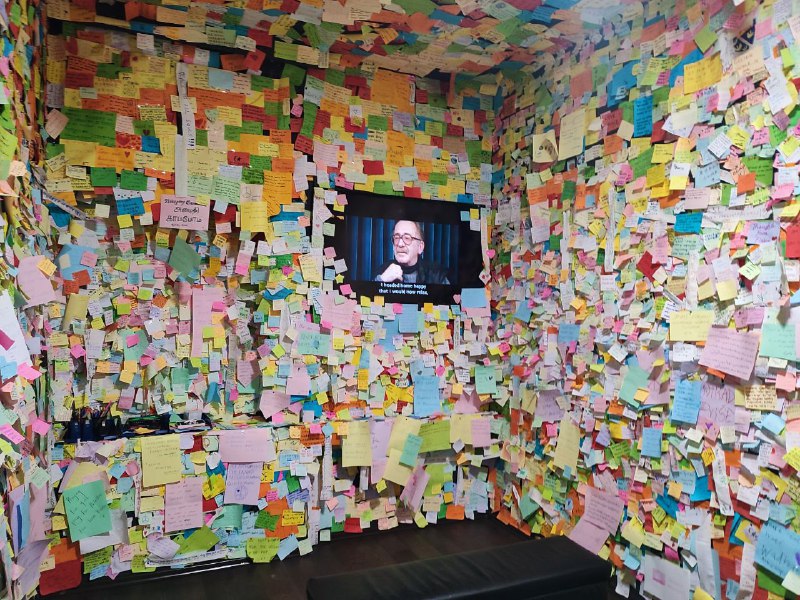
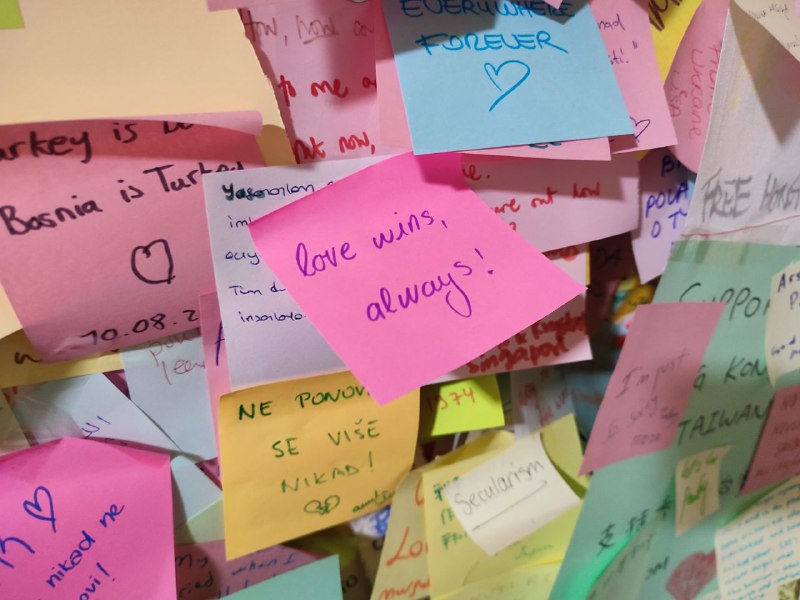
In Sarajevo's Museum of Crimes Against Humanity and Genocide, they've tried to show the Bosnian War through the eyes of ordinary residents. The exhibition isn't huge, but it's filled with small stories from everyday people who witnessed it firsthand. Often heartbreakingly brutal, but sometimes incredibly moving.
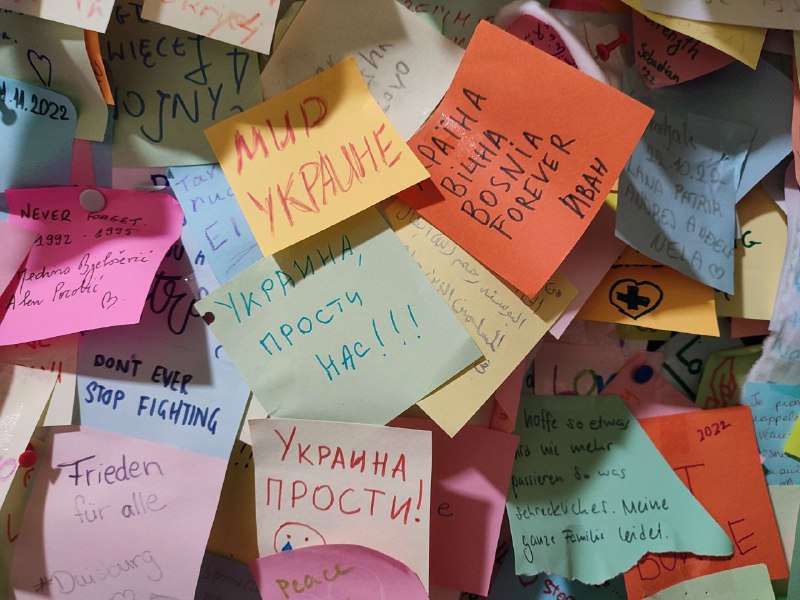
And there's a room that really restores your faith in humanity—where any visitor can make and leave their own sticker.

Then you step out, still emotional from what you've seen, and there's just a regular street outside where everyone's rushing around and life goes on as usual. I really wish it was like that everywhere.
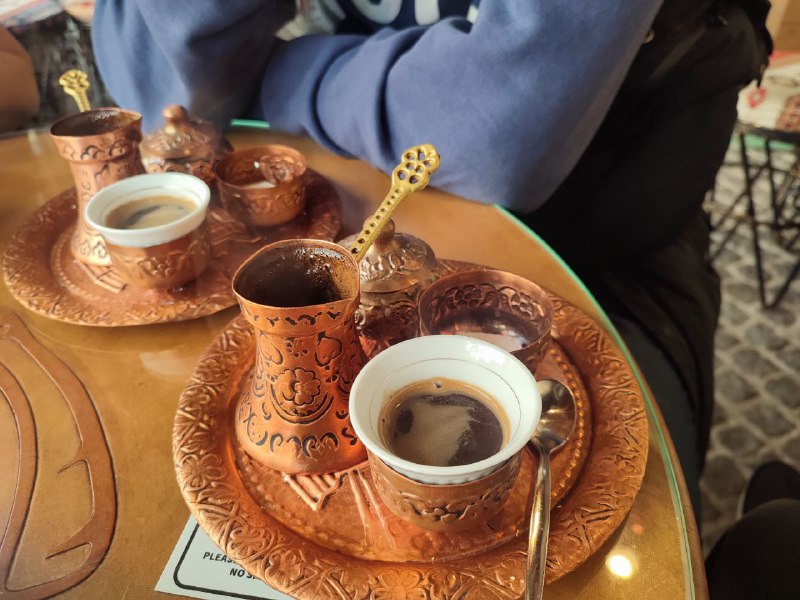
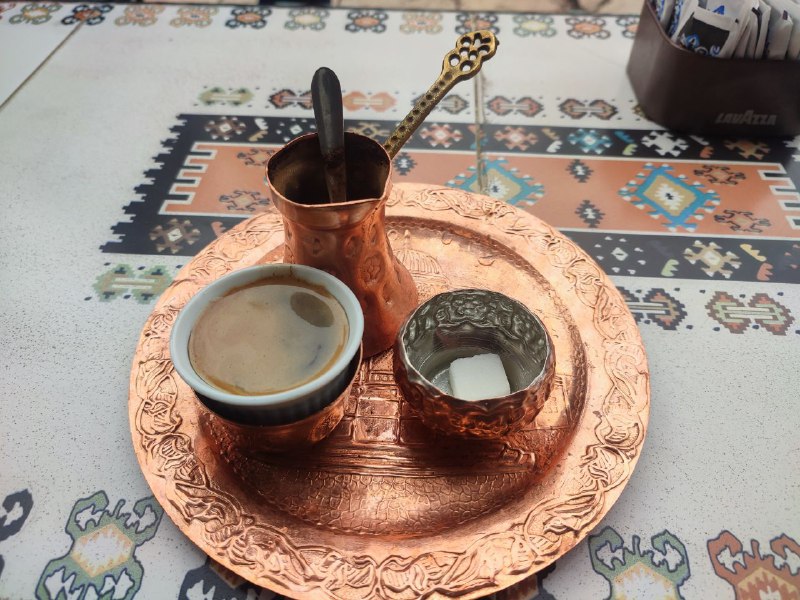
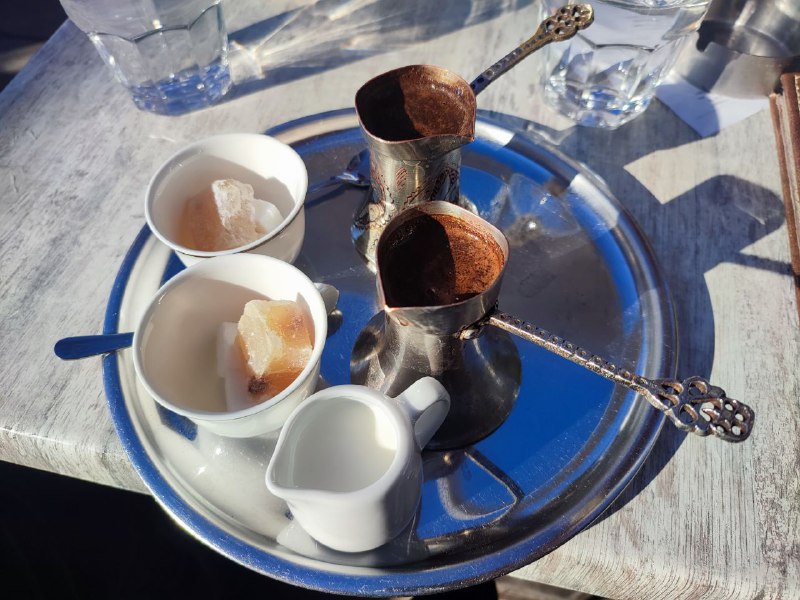
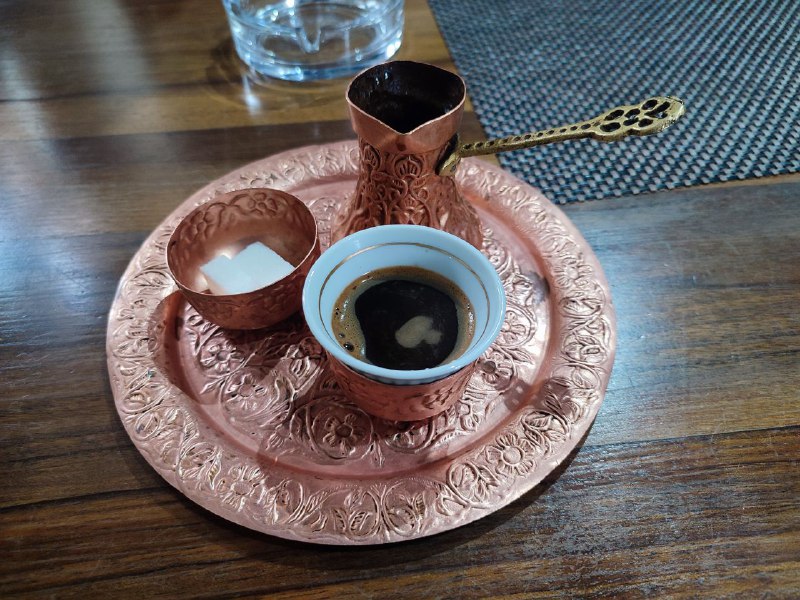
Turkish coffee here is brewed using a special recipe and they call it Bosnian coffee. During preparation, they first separate some of the water, then add it back to create a thick foam on top. It's believed this helps preserve the flavor and aroma better. They also apparently only use lightly roasted beans. And it's always served in a cezve with a teaspoon so you can stir the foam.

Honestly, it really does taste great. It's just a shame they don't make it in every café. In Sarajevo, you mostly only find it in the tourist center, while most other places stick to standard espresso and cappuccino.
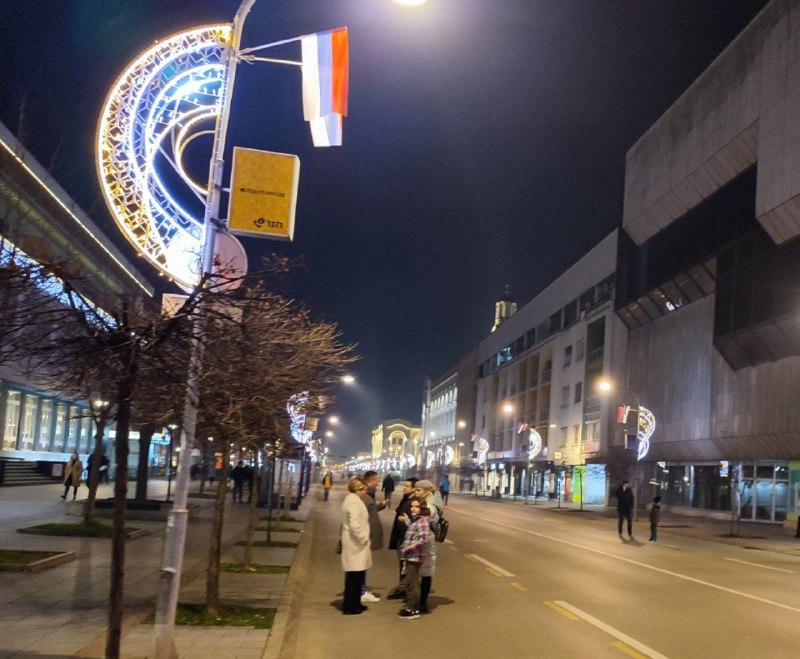
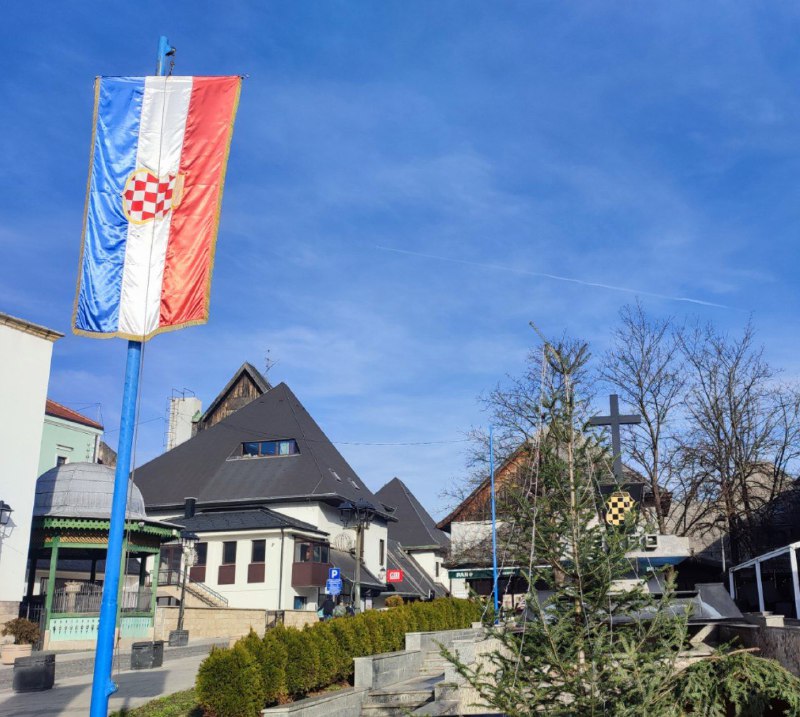
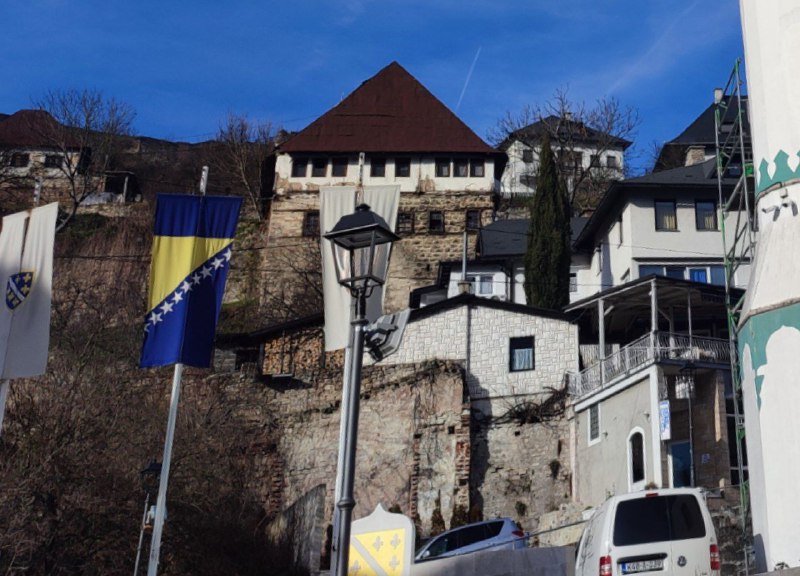
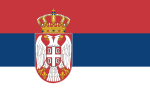
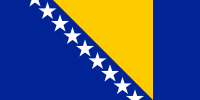
These aren't photos from different countries—it's all Bosnia and Herzegovina. It's just that Serbs prefer to hang the Serbian flag, Croats hang the Croatian one, and only Bosniaks hang the yellow-blue version, and even then not always. Even on official buildings!

I was really surprised by such blatant separatism, but it turns out the whole thing is much more complicated: people were literally forced to accept the current flag.

To understand how this happened, let's rewind to 1995. The war had just ended. The world was worried things might flare up again, so the EU and USA decided to put a... temporary "administrator" in place. They created the position of High Representative for Bosnia and Herzegovina, and they appoint the person from outside themselves (still do!). And they gave this position two superpowers:
1) fire ANY official in the country suspected of breaking the law
2) make a decision independently if the authorities can't agree

And this isn't just an empty threat. Over two hundred officials have been removed under this system. They didn't even spare presidents. Though sometimes they missed the mark: a Croatian president was removed in 2005, but later all charges were dropped—though by then it was too late to reinstate him. But he did win the election again in 2015. And a Serbian president apparently got fired purely over political disagreements. Cases like these really do look like blatant abuse of power.

In 1998, the country was choosing its symbols, but the government couldn't agree for a long time. That's when they used the superpower: the High Representative imposed their own design for the coat of arms and flag. So now people hang whichever one they prefer, rather than what they were ordered to.

This concentration of power in one person's hands, combined with vague criteria for when to apply the rules, naturally drew criticism. The US eventually stopped participating in this arrangement, and Europe decided in 2008 to finally abolish the position and even set a final date. But this move triggered a wave of disappointment among Bosnia and Herzegovina's citizens and even more criticism. The local government was reasonably seen as corrupt and unable to function effectively without external oversight. So they left everything as is indefinitely.