I seem to have a knack for baggage adventures. This time my suitcase made it to the conveyor belt in the baggage claim area, but another passenger accidentally grabbed it, and all my socks and various toothbrushes suddenly left the airport without me.
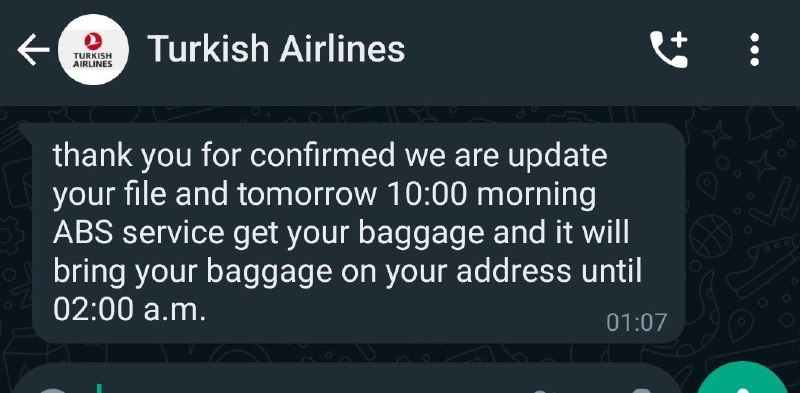
Within a day, the Turkish folks managed to track down my stuff and really insisted I come pick it up from the airport myself. In the end, they said they'd deliver everything to me sometime between 10 AM and 2 AM. Thank goodness it's not a weekday delivery window.
So anyway, hello again, Istanbul!
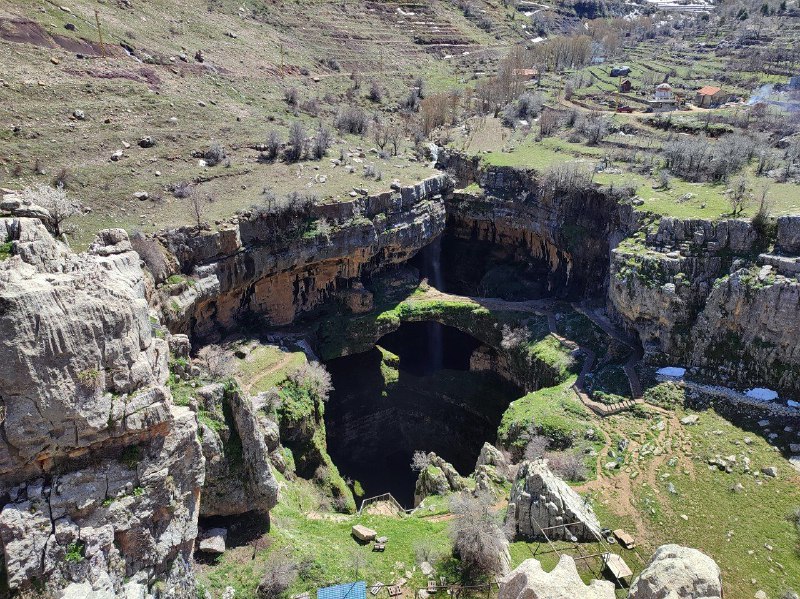
And here are the
waterfalls.
Who would've thought I'd see a crowd of Indian Catholic pilgrims in a small Croatian town in Bosnia 😅
I stopped by Medjugorje completely by chance for the night and suddenly found myself in an important Catholic site in Europe.
In 1981, six teenagers claimed that the Virgin Mary appeared to them (each one separately). The Vatican still can't make up its mind about the official position: whether to confirm the miracle or not. They say the Virgin appeared in the town again after that. They assembled entire commissions, but the initial findings were that the story wasn't credible. Nevertheless, people didn't need much more than rumors, and believers started flooding the city.
By 2019, the Vatican gave up trying to stop all this and decided to take charge instead. The Pope blessed pilgrimage for ordinary people, though not yet for official Catholic figures.
The locals switched their economy to pilgrimage mode: hotels, guesthouses, souvenirs on every corner, restaurants—everything is focused on religious tourism. That's how they make a living.
And I was just passing through to see a nearby waterfall, so Medjugorje turned out to be a really convenient spot.
What I love about Bosnia is the roads. They're terrible and beautiful at the same time.
Most of the route in practically any direction consists of exhausting switchbacks. If the GPS says the next 200 kilometers will take 4 hours, it's not lying—it really does take that long.
But the views are so stunning that you want to stop every hundred meters (:
PS. The insanely emerald color of the water isn't because the camera went crazy—it really looks like that in person.
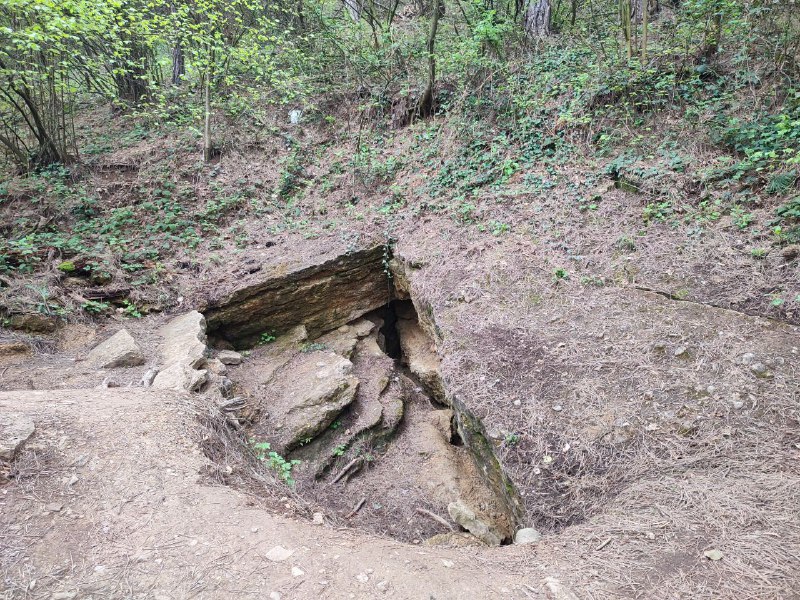
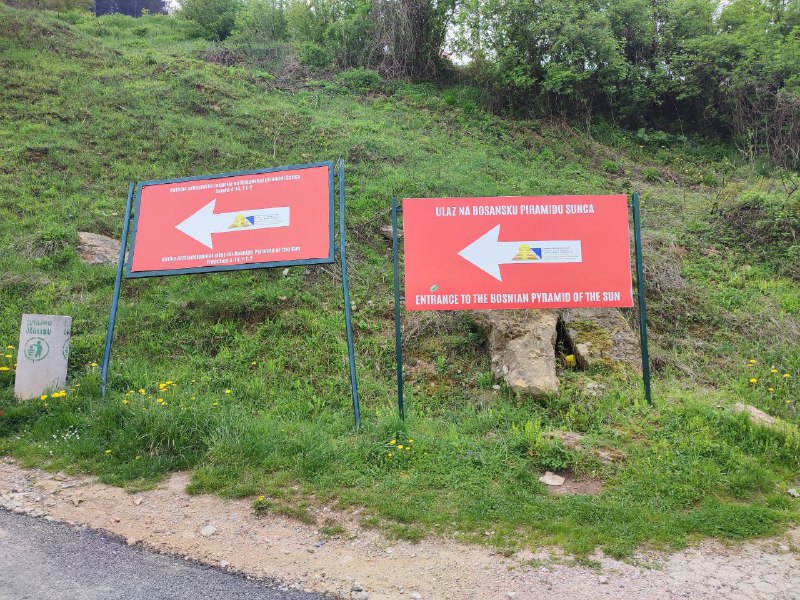
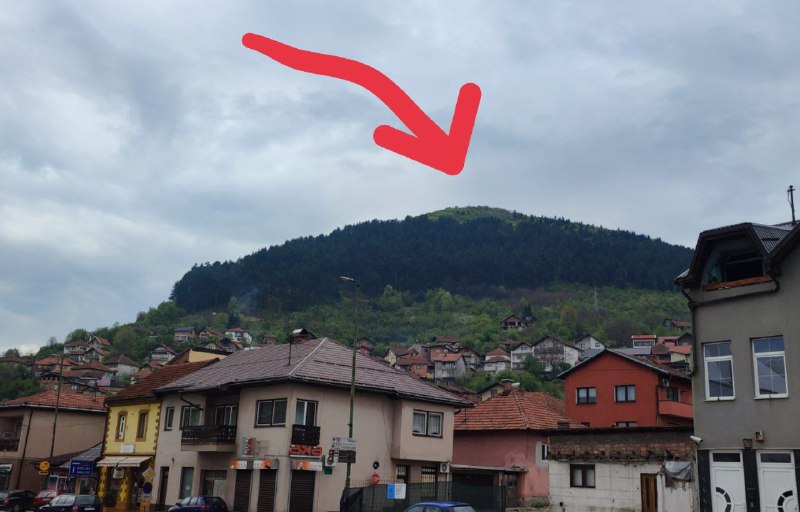
Ever heard of the Bosnian pyramids?
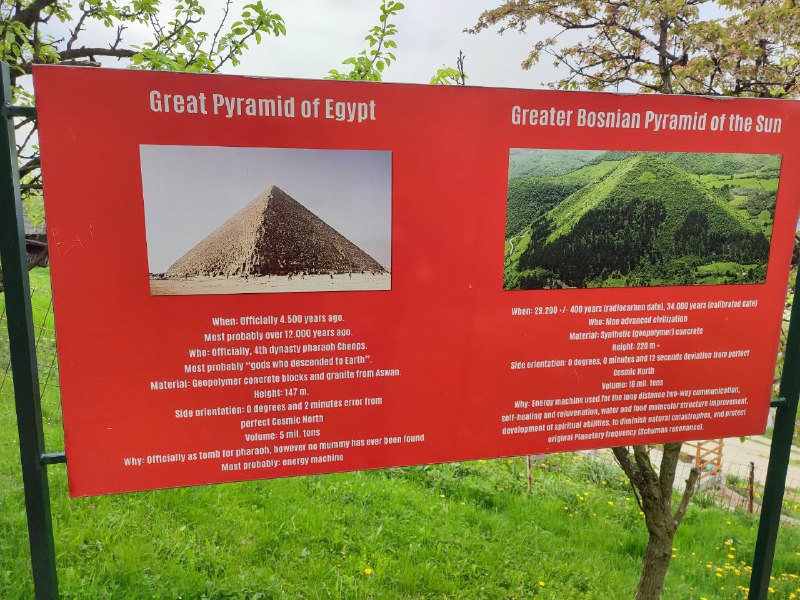
If not, it's probably because they don't actually exist. But there are people who are quite determined to convince the whole world otherwise.
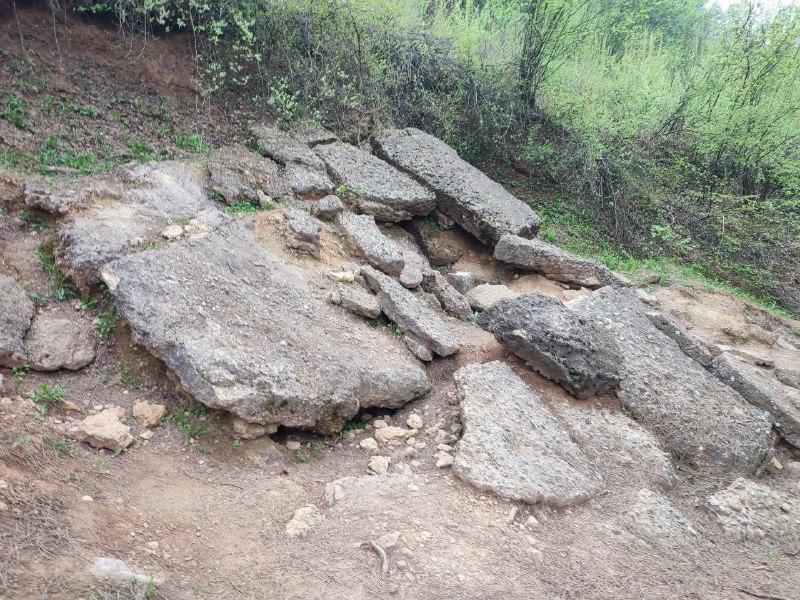
Near Sarajevo, there are two hills with a pyramidal shape. Almost 20 years ago, an enterprising Bosnian guy named Samir Osmanagic suddenly announced that these were actually man-made pyramids. So ancient that they'd gotten overgrown with earth over time and now look like natural hills. He tried to attract renowned archaeologists to excavate them, but the scientific community caught on pretty quickly, debunked his theory, and refused to participate in what was clearly a hoax.
The local authorities, though, got interested. They allocated a budget for research and development of the area. During the excavations, they tweaked the shape a bit and opened up a whole archaeological park. And to make sure the idea really caught on with the masses, they started bringing Bosnian schoolchildren on tours, telling them about their ancestors' great legacy.
I even ran into the consequences personally. I was learning Serbian from a girl from Bosnia. One time I asked her about these fake pyramids. Turns out, I nearly mortally offended her by questioning whether the structures were authentic. When I cautiously mentioned what the scientific community thinks, she told me that you can't necessarily trust these scientists about everything. Fortunately, not all Bosnians share that view.
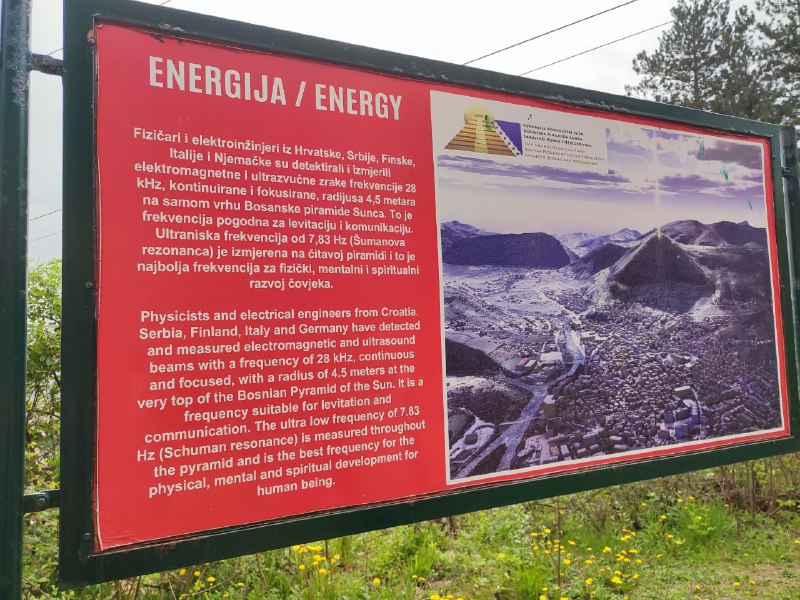
PS. Osmanagic could've come across as reasonable, but lately he's been pushing a theory that special waves emanate from the hilltops, which serve as a cosmic "internet" and are also good for your health 🙈
Hooray! I got my sock passport back! I can go somewhere for a bit before they take it away again to glue in the residence permit sticker.
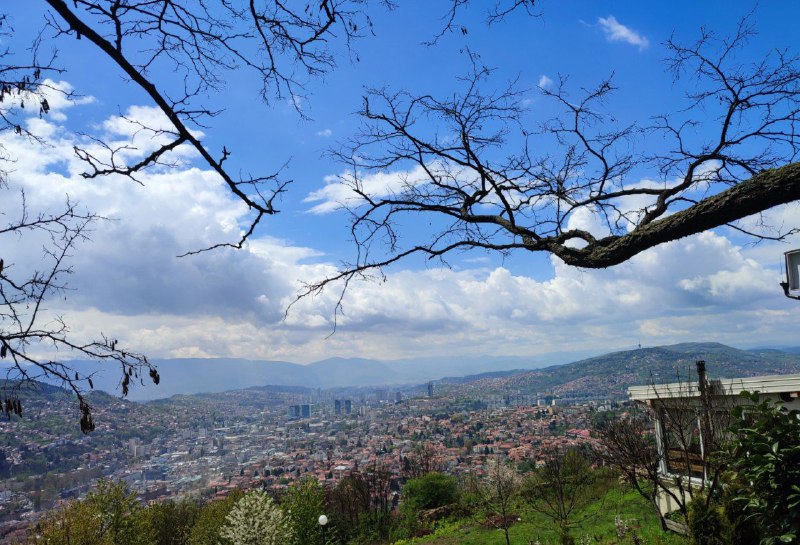
Remember Sarajevo in the haze?
Same spot right now.
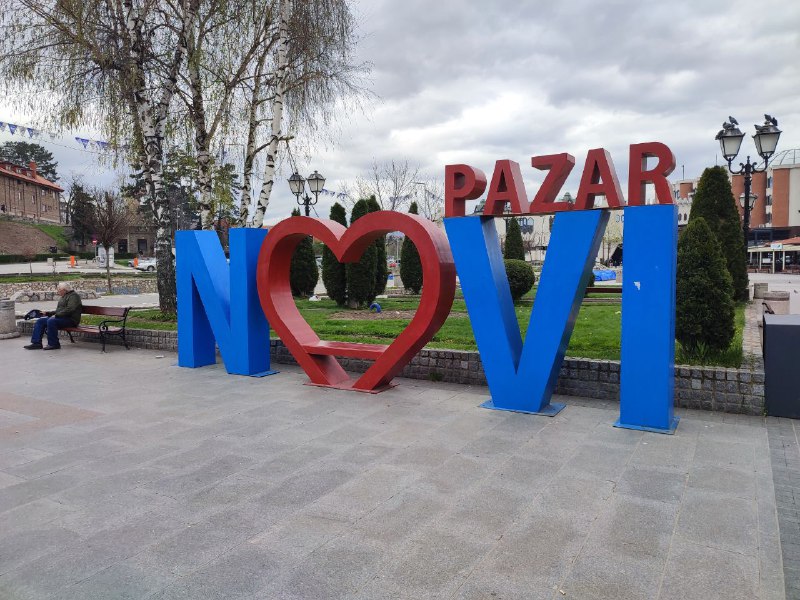
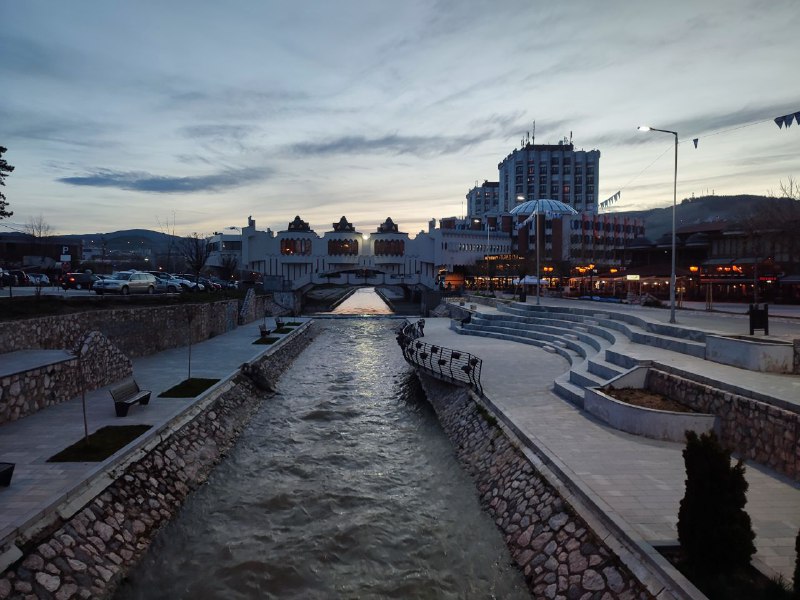
Honestly, Serbia is probably the last place you'd expect to hear the call to prayer echoing through the streets and see women in headscarves everywhere.
But Novi Pazar shatters all those stereotypes. Most of the residents here are Bosnian Muslims. I mean, I saw fewer women wearing headscarves in Beirut than I do here.
And Ramadan? It's impossible to miss. At sunset, a loud cannon blast announces to everyone that it's time to break the fast for the day.
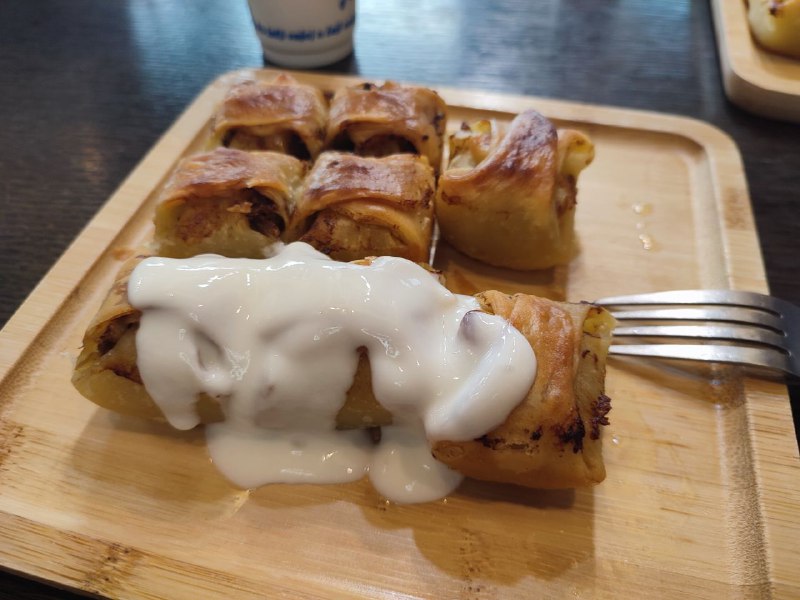
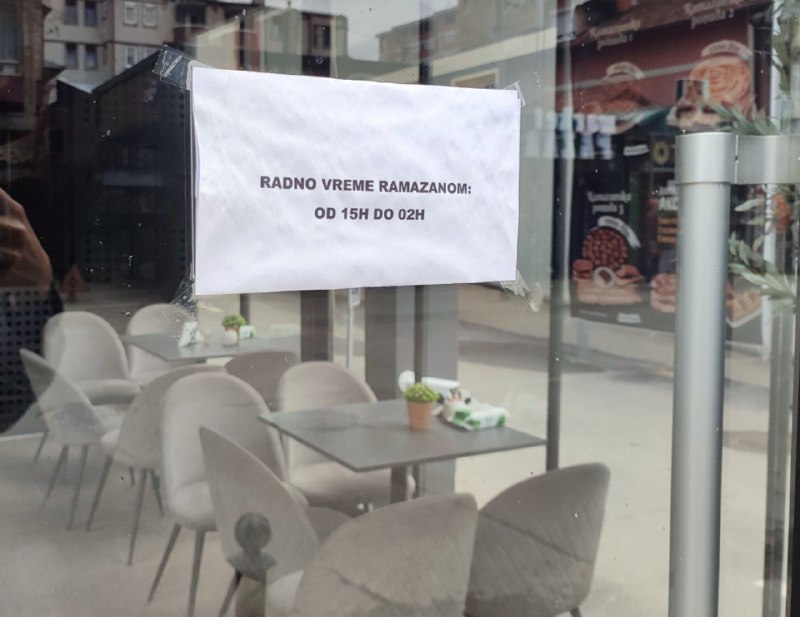
By that point, restaurants are packed with people ready to eat. For a restaurant, serving food to a completely full dining room all at once is quite the challenge. So they get creative with set menus—each customer picks a combo they like. Otherwise, there's no way to keep up. I even saw some places that shifted their schedule to evenings: they operate from 3 PM to 2 AM.
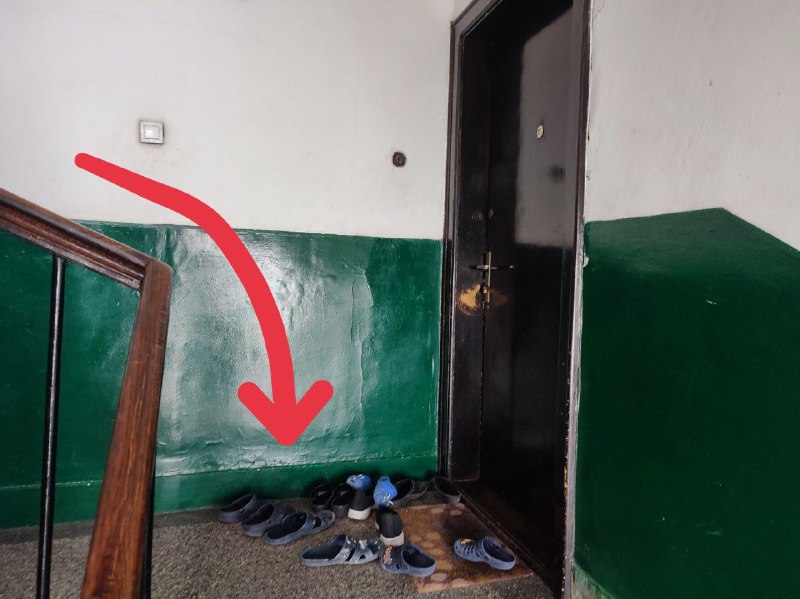
When I was heading up the stairs to my Airbnb, I noticed something interesting—there were shoes sitting right on the landings outside people's doors. And when my host showed me the apartment, he took off his shoes before crossing the threshold. I was curious, so I peeked into a couple of the neighboring entrances. Same thing there too!
As a bonus, here's about buying a local SIM card.
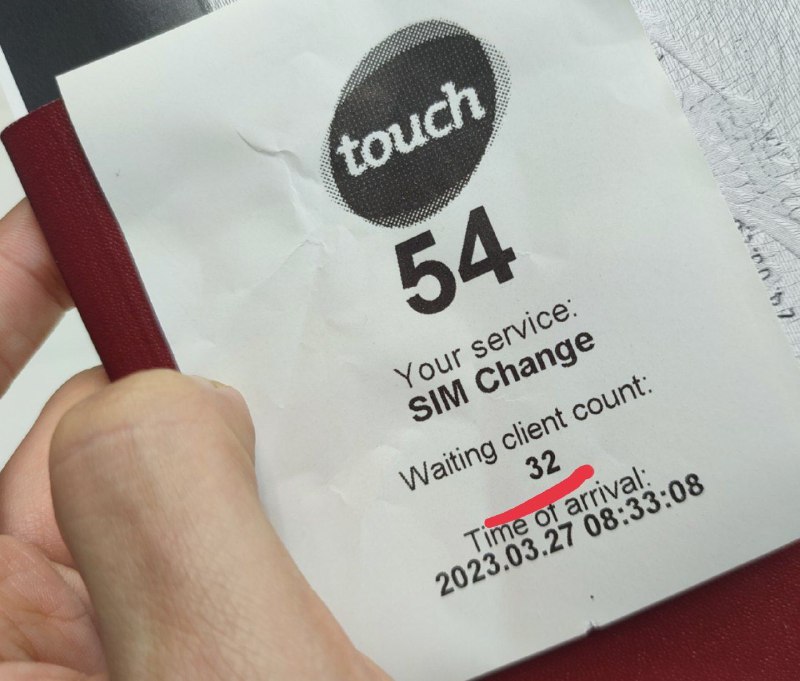
You can't buy an e-SIM online, only at the office. Same with a regular SIM. Convenient, right? So I went to the most official Touch store in Beirut to get a regular SIM card. They gave me a ticket saying there were 32 people ahead of me. Just out of curiosity, I decided to watch how the queue was moving. Turns out it went pretty fast. They got to me in about 20 minutes!
The queue system is set up in an amusing way: there's a display showing the customer number and the window number. But here's the catch: the number only appears after the customer sits down at the window. Next to the screen sits a guy who shouts out the next number. In Arabic. If nobody responds, he just keeps calling. Lucky for me, I knew how my number sounded in Arabic, otherwise I would've left empty-handed. They charged me $18 for 10GB a month.
Later I found out that smaller shops don't have these queues, but they might charge you more for the same plans.
Finally got around to finishing my piece on Lebanon. Given my passion for the Middle East, I found it interesting, but it has its own peculiarities.
The country was hit by a banking crisis even before COVID. In 2017-18, practically every bank was offering foreign currency deposits at crazy 15-20% annual rates. A pyramid scheme at the state level. No wonder those high rates didn't last long, and depositors were offered to either withdraw their money at a "fixed" exchange rate completely divorced from reality, or leave it in their accounts until better times come. Those times still haven't arrived.
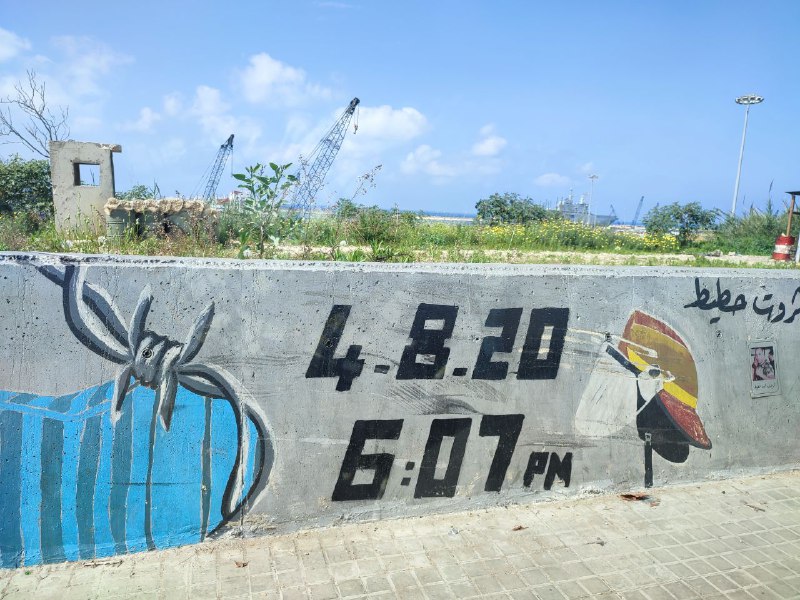
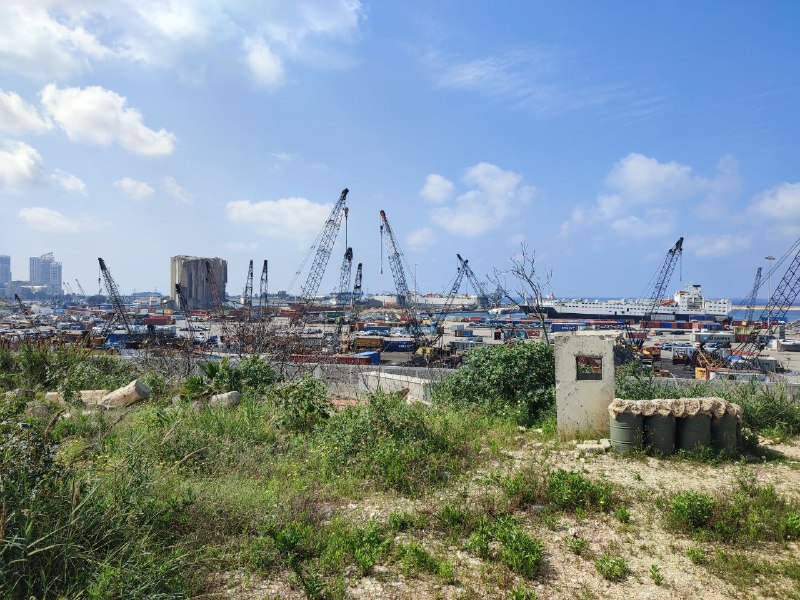
COVID and the ammonium nitrate explosion in the port in 2020 completely finished off an already practically dead economy. To this day, many shops and restaurants just stand there with smashed windows because there's no point in reopening. Even 3 years later.
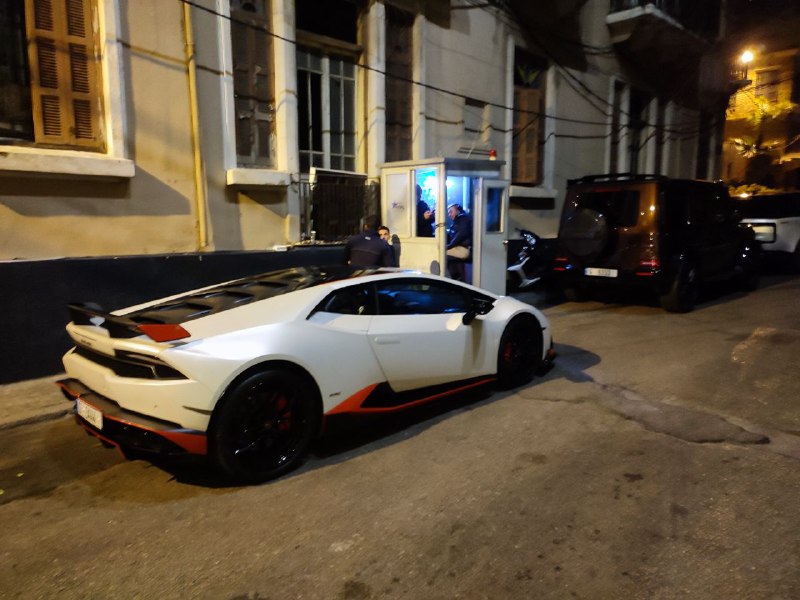
At the same time, the abundance of expensive cars on the streets, crowds of people in restaurants, and tons of ads saying "buy citizenship of a normal country for $100,000+" don't at all create the impression of a suffering population. On the other hand, there are plenty of beggars on the streets, and all the youth dream of moving away.
PS. If you haven't watched "
Waltz with Bashir" yet, I highly recommend it. Heavy, but fascinating.
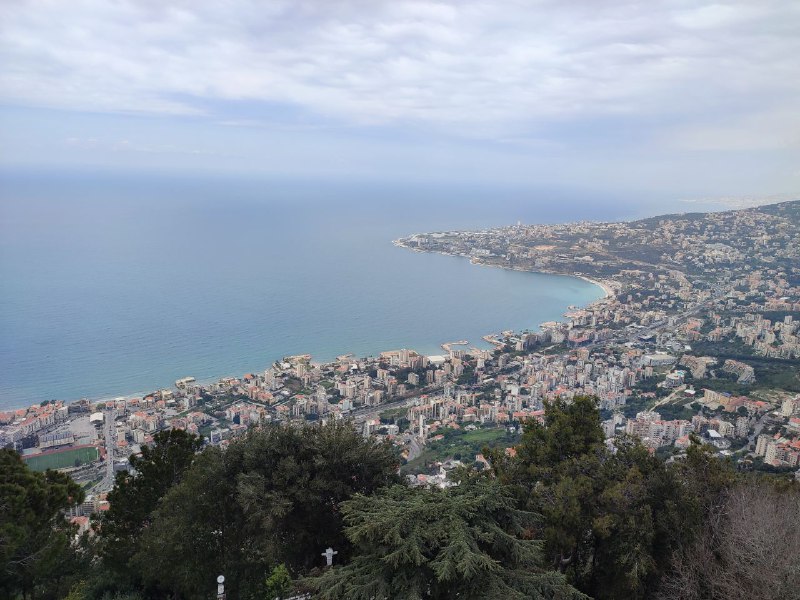
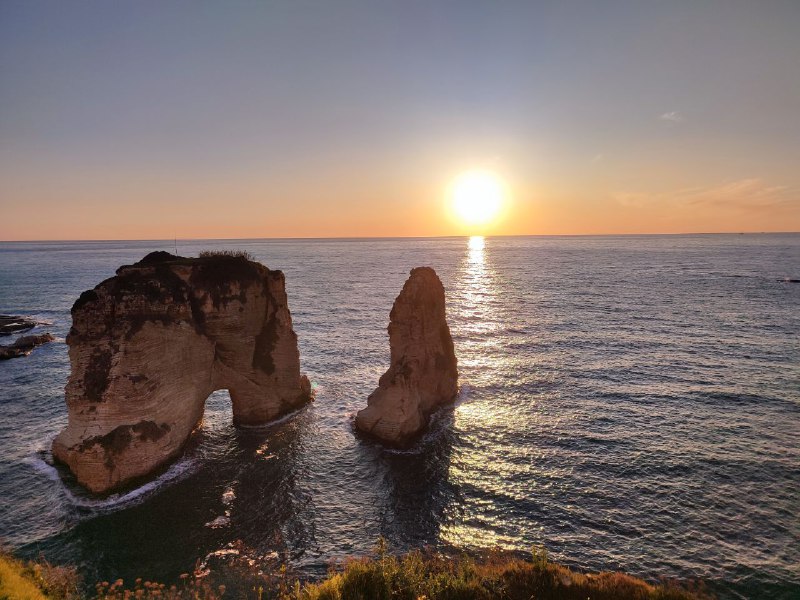
In person, it's definitely much better, of course (:
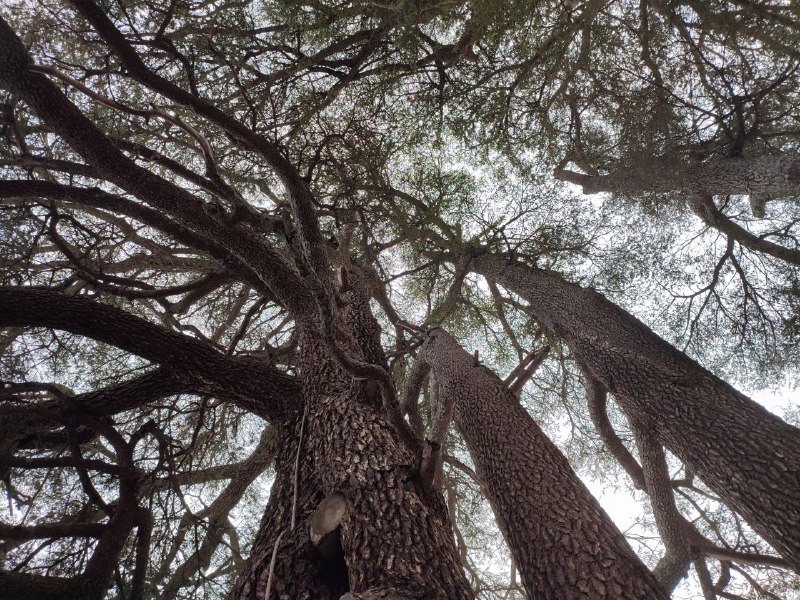
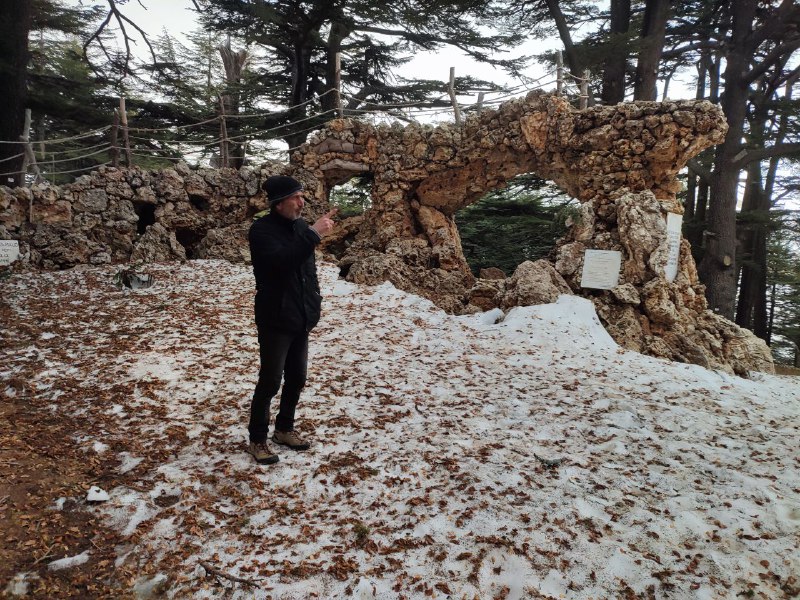
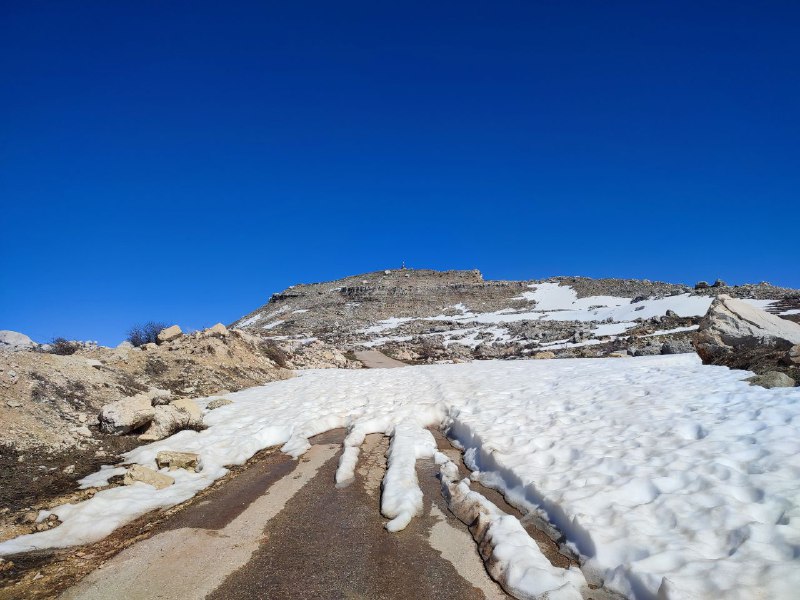
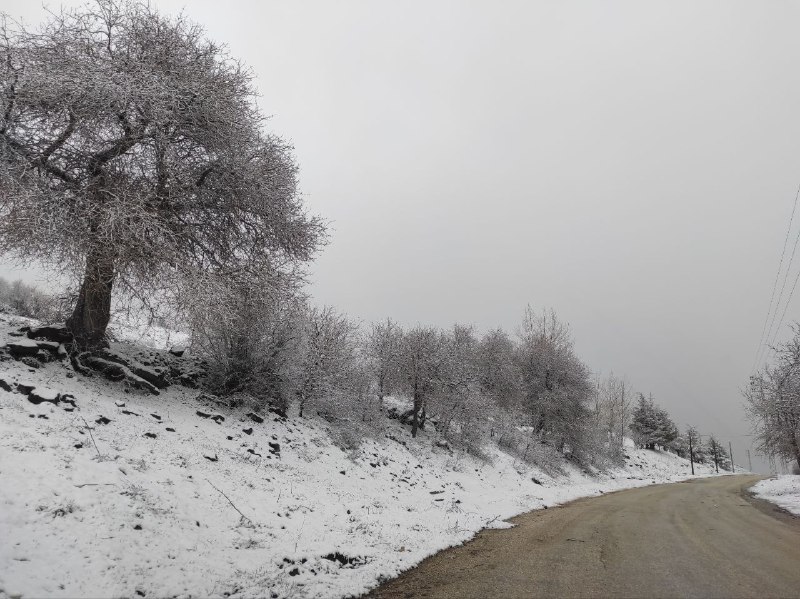
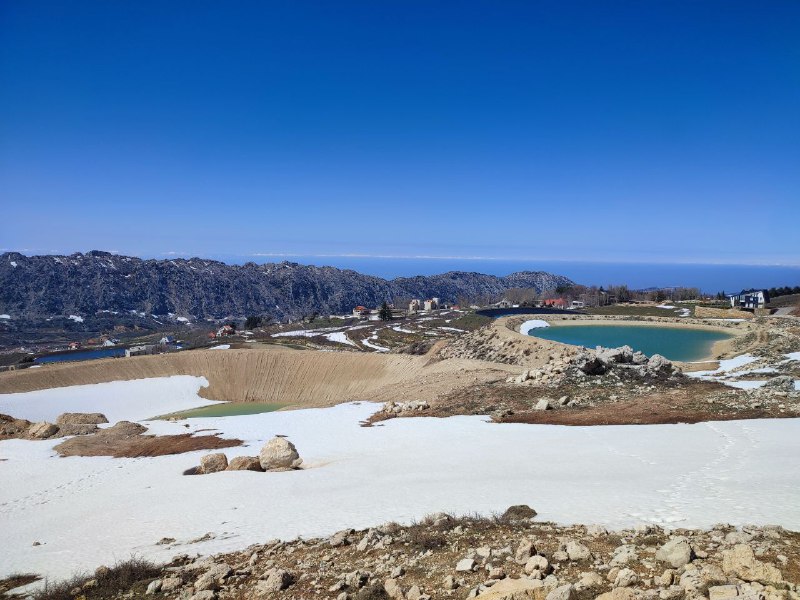
Just a 40-minute drive and the warm coastline turns into cold Lebanese mountains. I clearly arrived before peak season and unexpectedly found myself stuck in snowdrifts. In a couple of spots, I even had to find detours because the road was completely buried in snow. Lost a couple of hours to that.
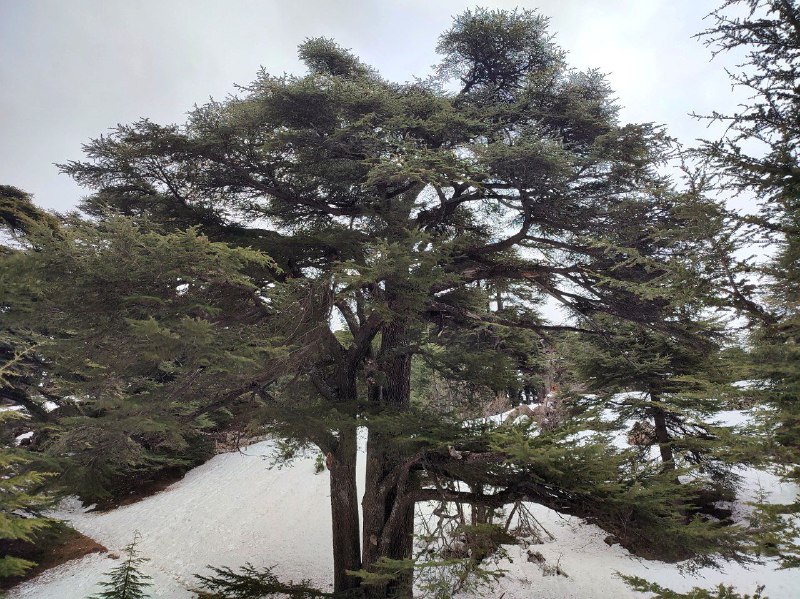
The divine Cedar Forest (that's literally its name) turned out to be closed because of the weather. The forest is surrounded by a stone wall (thanks to Queen Victoria of England) and you can't just walk in. It's frustrating to show up at a closed door at one of the most famous spots in the country.
But I got lucky: there was a souvenir shop right by the entrance that was open. The owner figured out what was going on and asked conspiratorially: "Want to get inside? 😉". After I said yes, he led me along hidden trails and I actually got to walk among thousand-year-old trees.
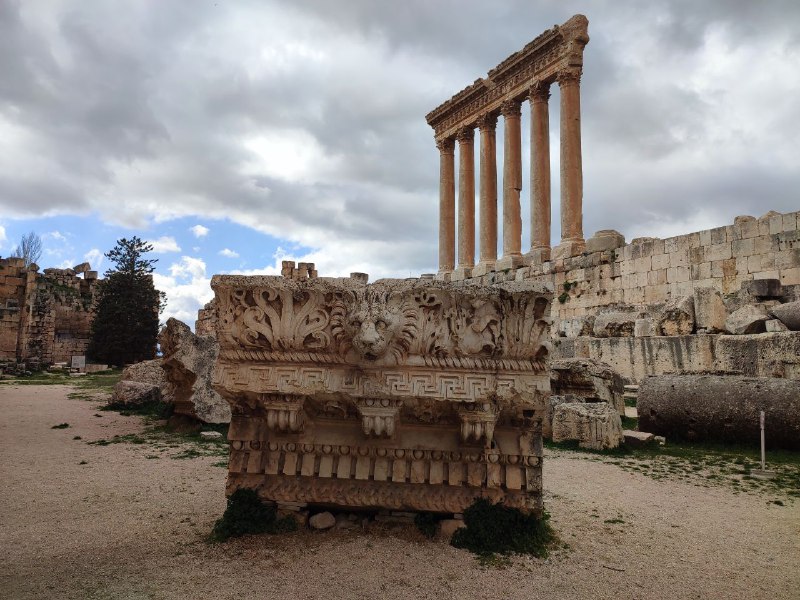
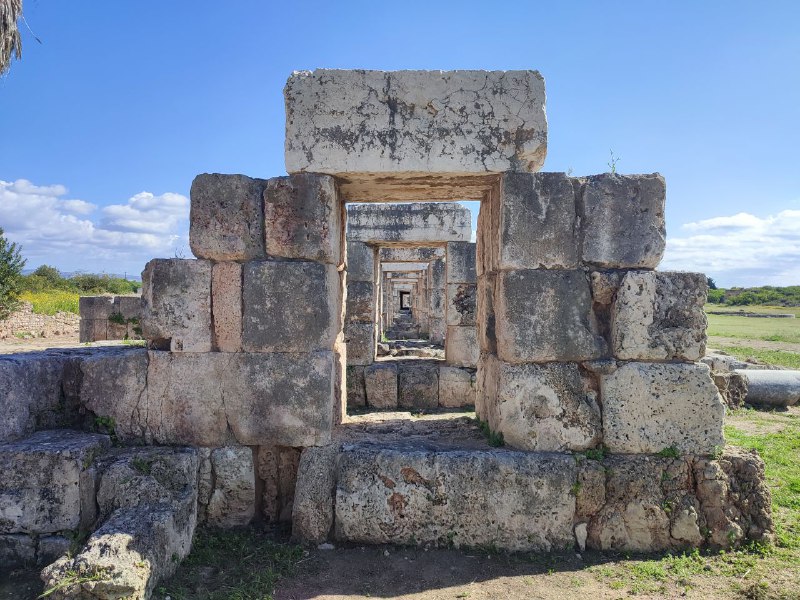
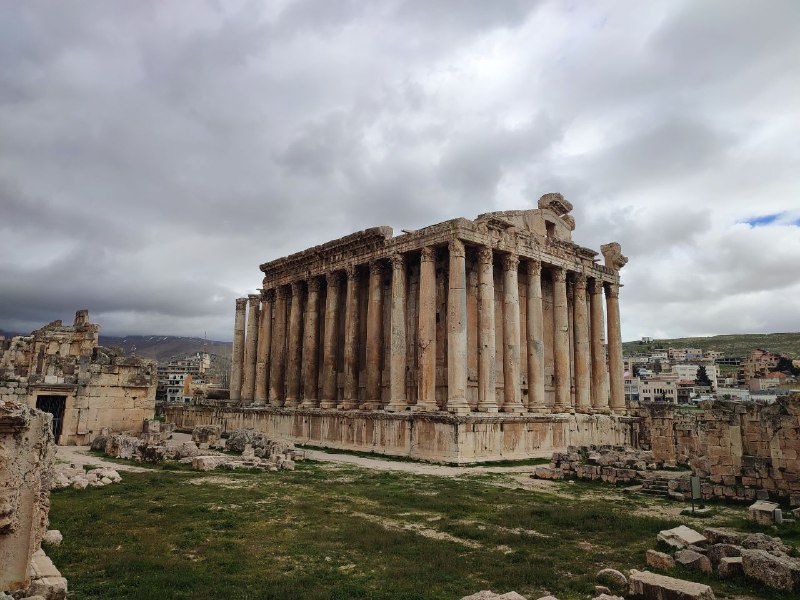
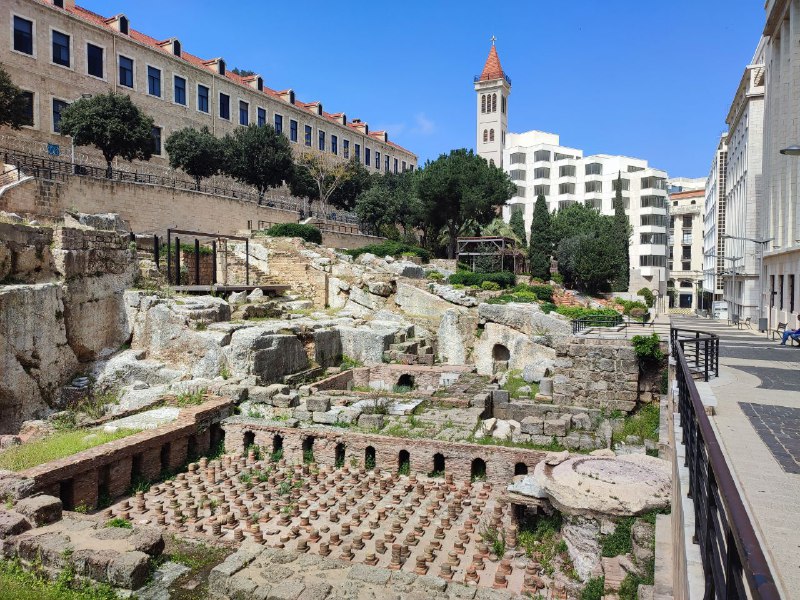
PS. Since we're talking about millennia, the sheer number of Roman structures in Lebanon that have survived to this day in pretty good condition is mind-blowing. As is the fact that you can just walk around them without any fences or barriers. Probably because there aren't many visitors.
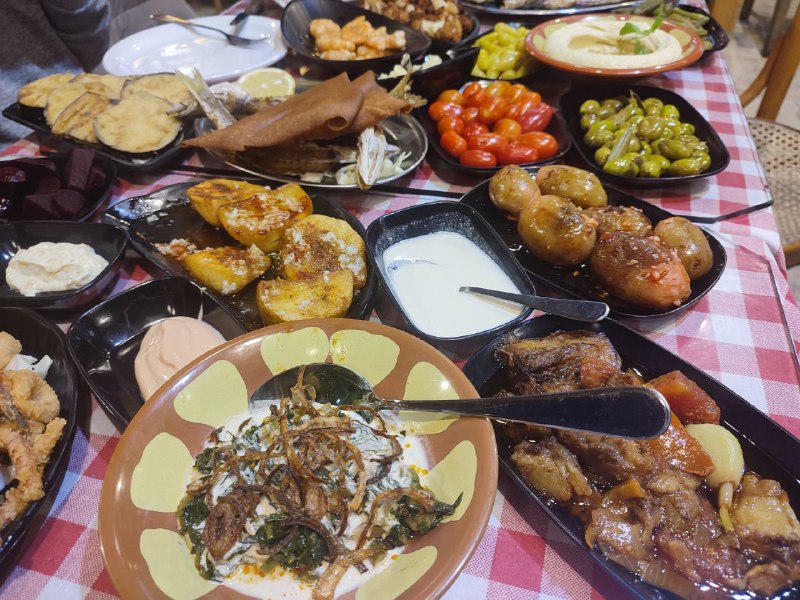
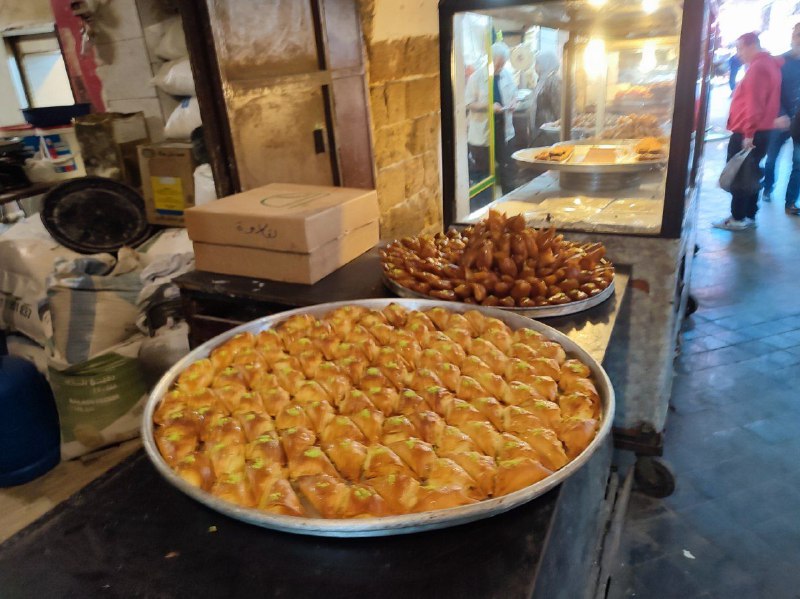
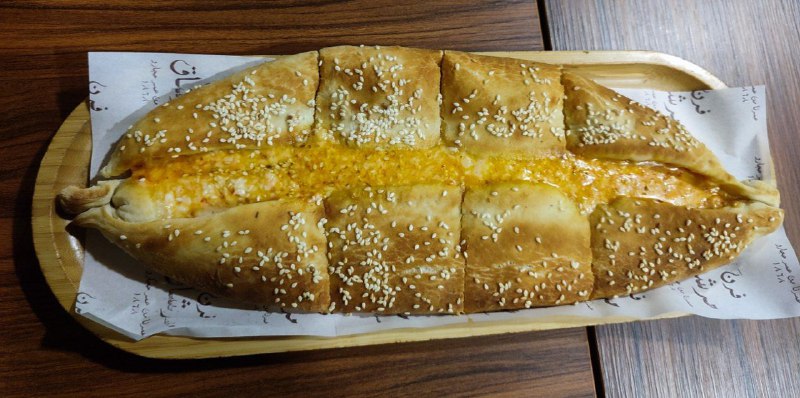
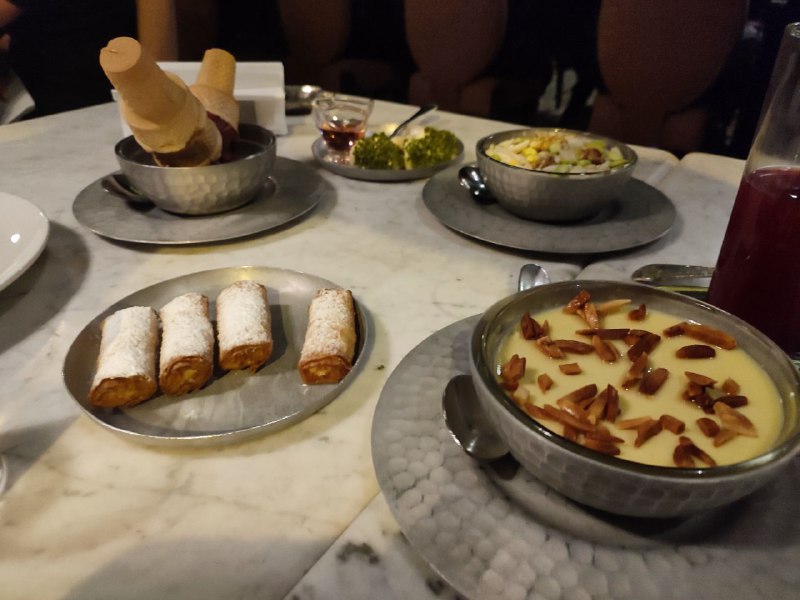
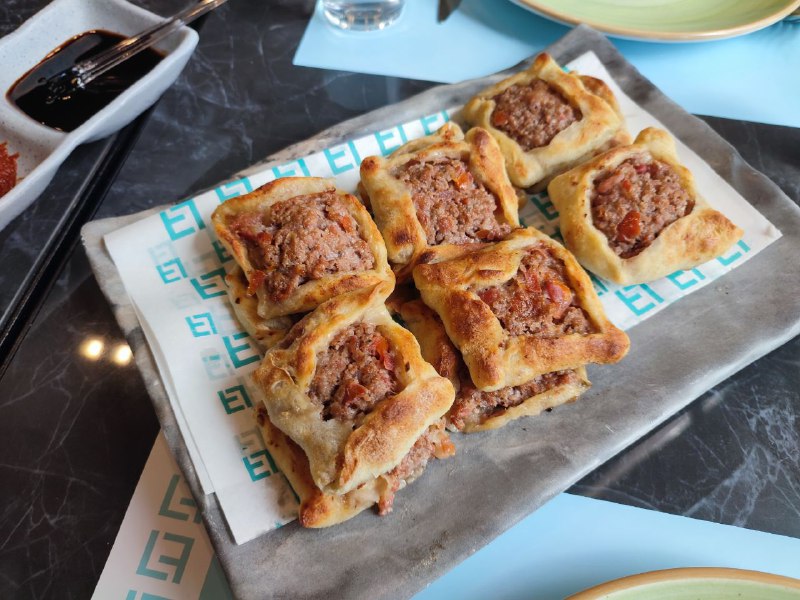
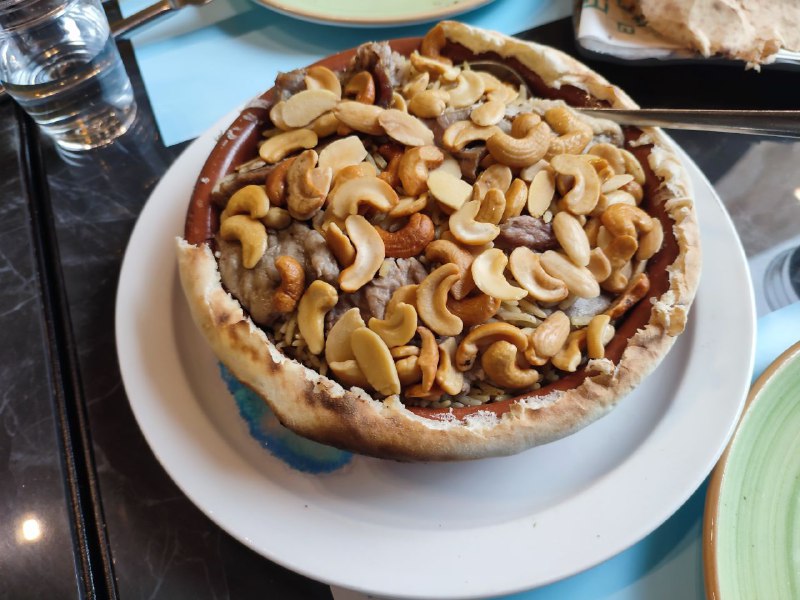
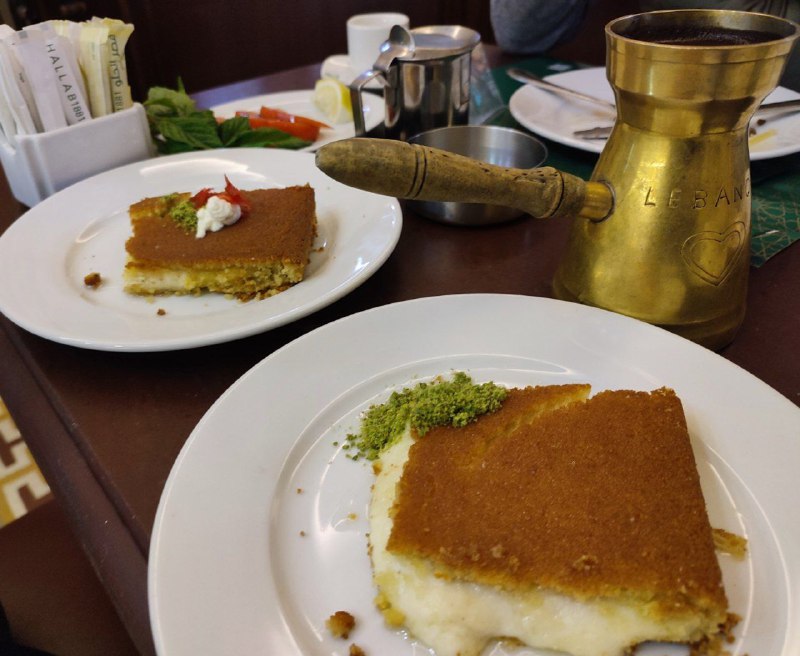
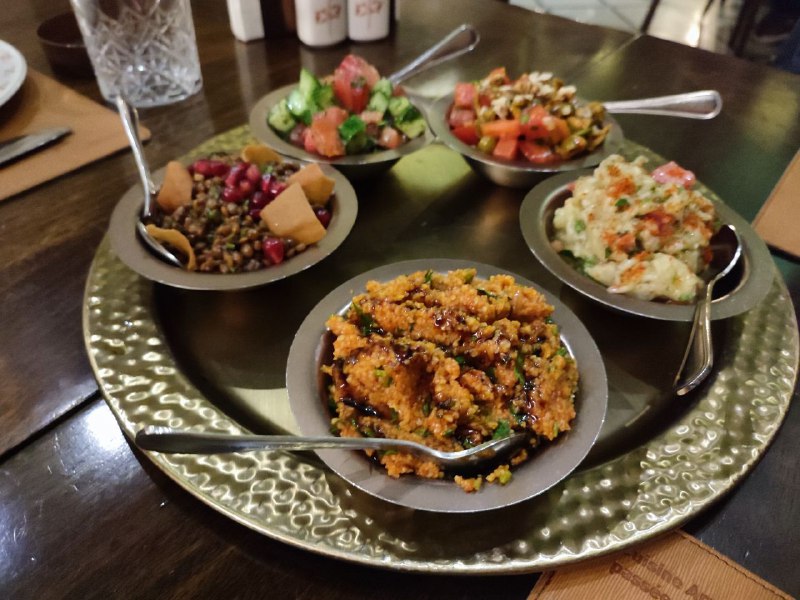
В Ливан стоит приехать хотя бы ради местной кухни. Она и выглядит потрясающе и на вкус бесподобна!
В стране вроде и кризис, но столик в приличном месте лучше бронировать заранее, иначе можно остаться без ужина.
Варианты есть на любой кошелек: от фалафеля за $2 в шаурмячной до безумного количества еды за $50+ на человека. Хотя в целом у меня не было впечатления, что тут как-то ультрадешево. Но практически везде вкусно. Всего пару мест попалось, где было так себе.
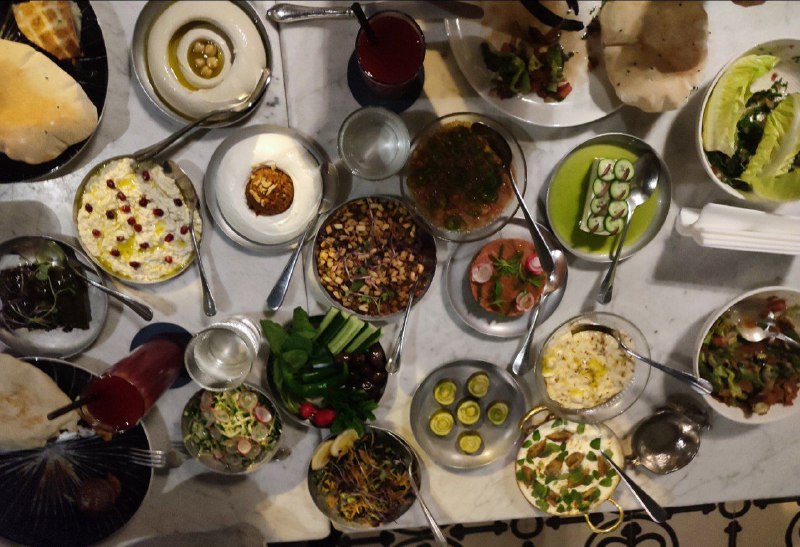
Фото где яблоку негде упасть, это не шведский стол. Это отдельный формат, где ты ничего не выбираешь из меню, а просто все приносят тебе
и смотрят как ты будешь справляться. У ливанцев, кстати, вполне неплохо получается осилить такие порции.
Большинство едален ставят на столы QR код со ссылкой на онлайн меню. Бумажное меню или делают с ценами в $ или вообще без цен. Спасибо волатильному курсу.
Теперьуменяоченьмногоразныхменю (:
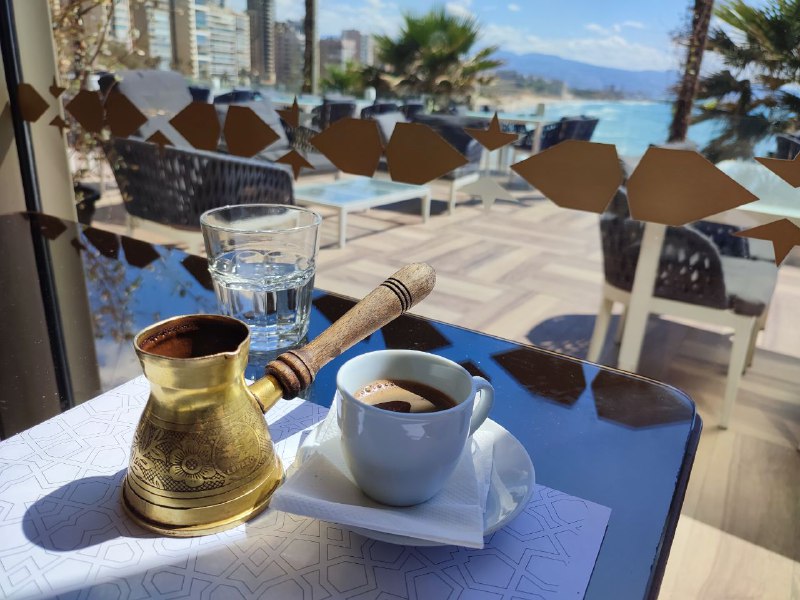
PS. Турецкий кофе тут зачем-то переименовали в ливанский ракве, хотя это просто местное название джезвы и рецепт отличается примерно ничем.
(translation pending)
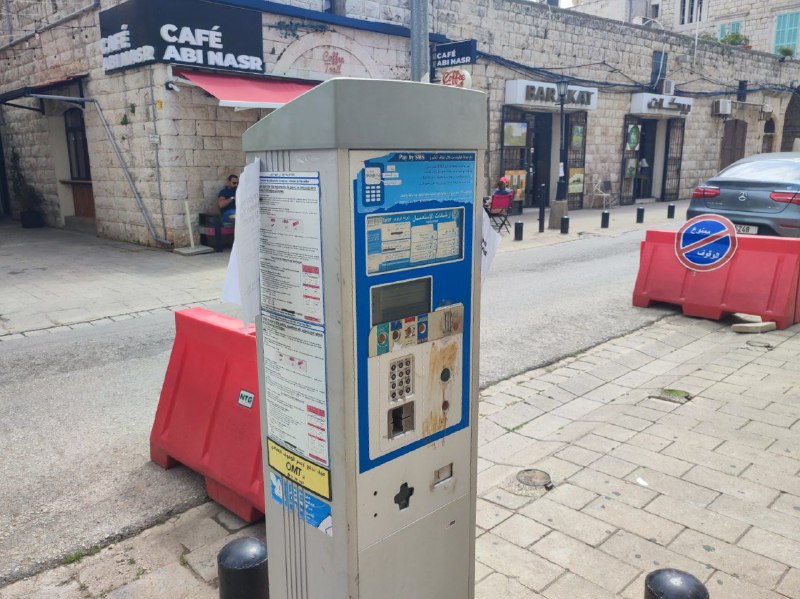
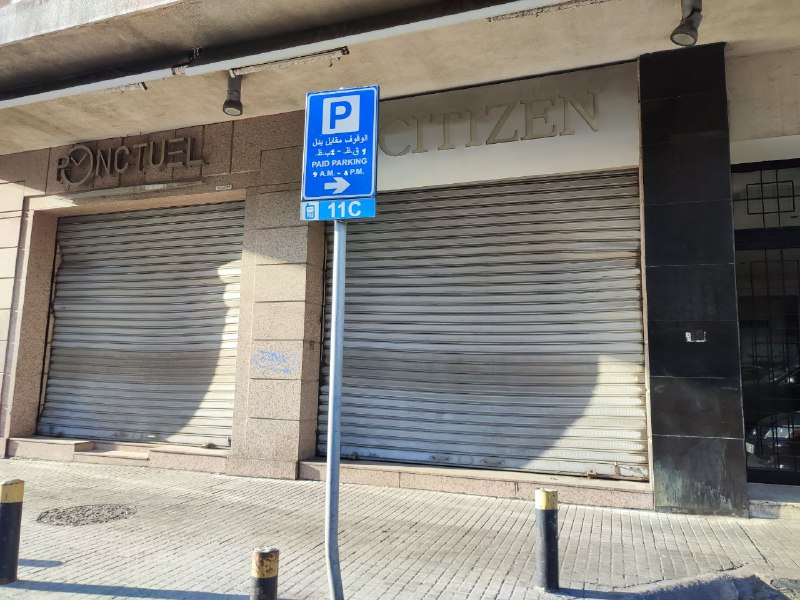
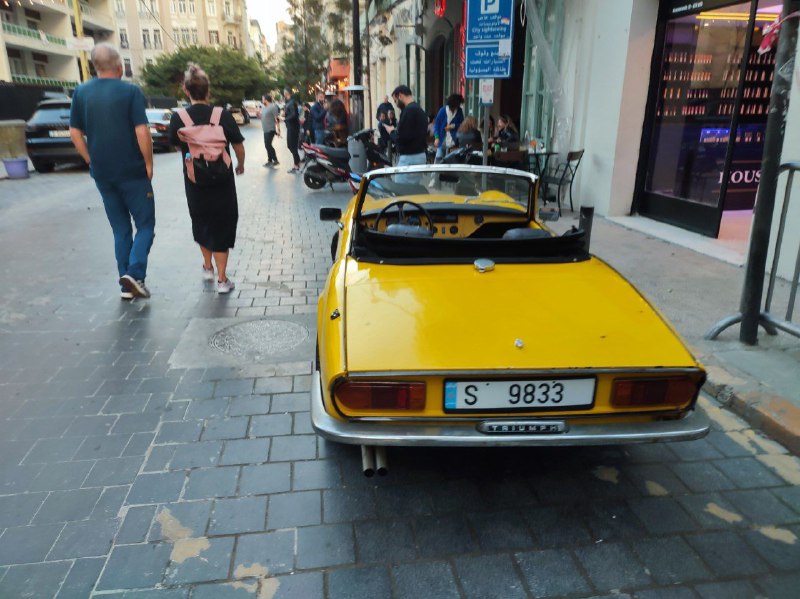
Paid parking in Lebanon first showed up back in 2004, but a couple years ago it basically became free.
Then in 2020, it suddenly came out that parking fees were being collected regularly, but not a single lira ever made it into the government's coffers from day one. Parking operators unofficially said that just in Beirut alone, people were paying around $6M a year.
Politicians claimed all the money went toward installing new parking meters. Residents weren't really buying that excuse and just stopped paying for parking altogether. And apparently nobody's getting in trouble for it either. The signs and meters are still there though.
For over 30 years, Lebanon has been rationing electricity on a schedule. Since the end of the civil war, the country just can't keep up with growing demand (currently about a 30% shortfall).
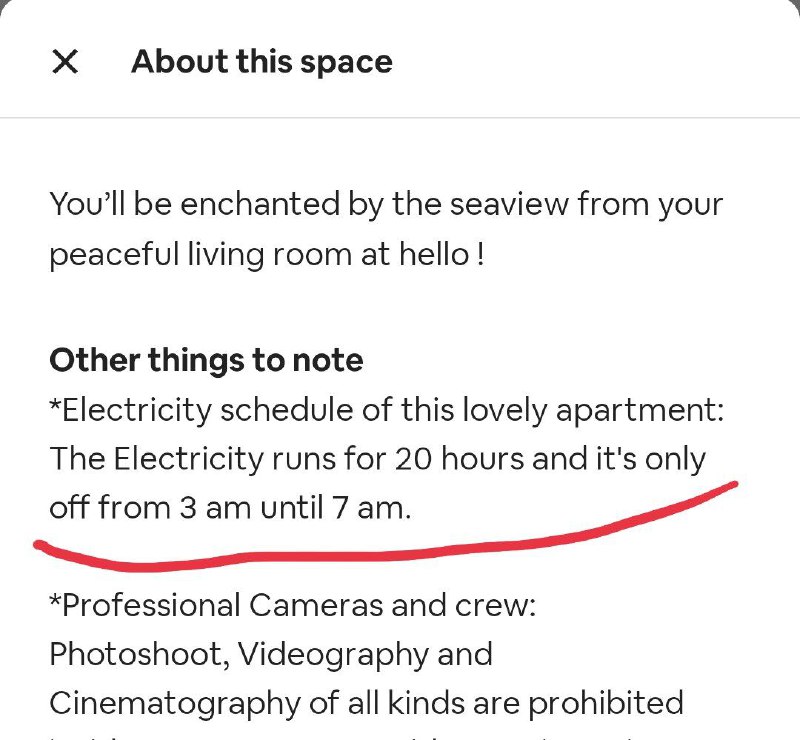
Beirut gets it relatively easy — 20 hours a day, but in places like Koura, there's only 4 hours of power (and it used to be just one hour per week). Businesses and residents are forced to buy diesel generators and produce their own electricity.
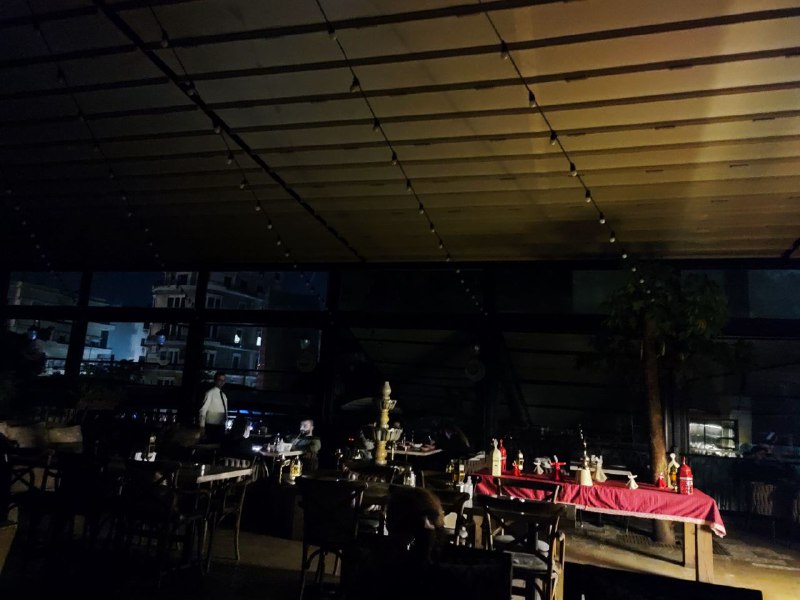
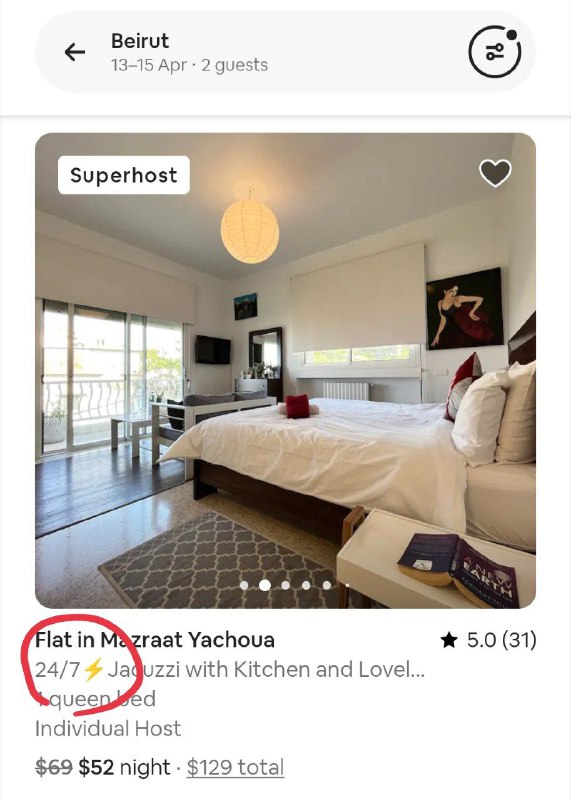
On Airbnb, you'll often see listings saying "we have 24/7 power" or listing the outage schedule. In restaurants, you might catch the moment they switch to the generator — when everything suddenly goes dark for about 10 seconds.
Government institutions are less flexible budget-wise and just cut their operating hours. The national museum, for example, now operates from 10 AM to 2 PM instead of 9 AM to 5 PM.
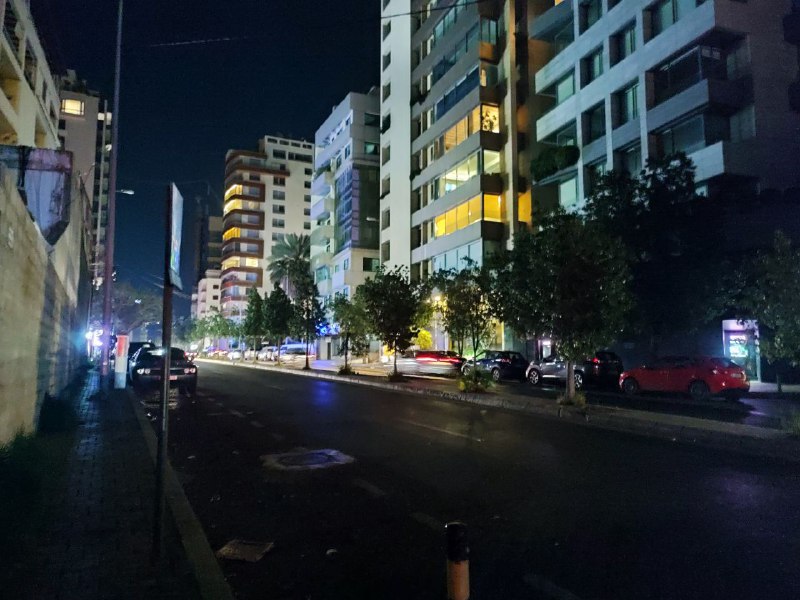
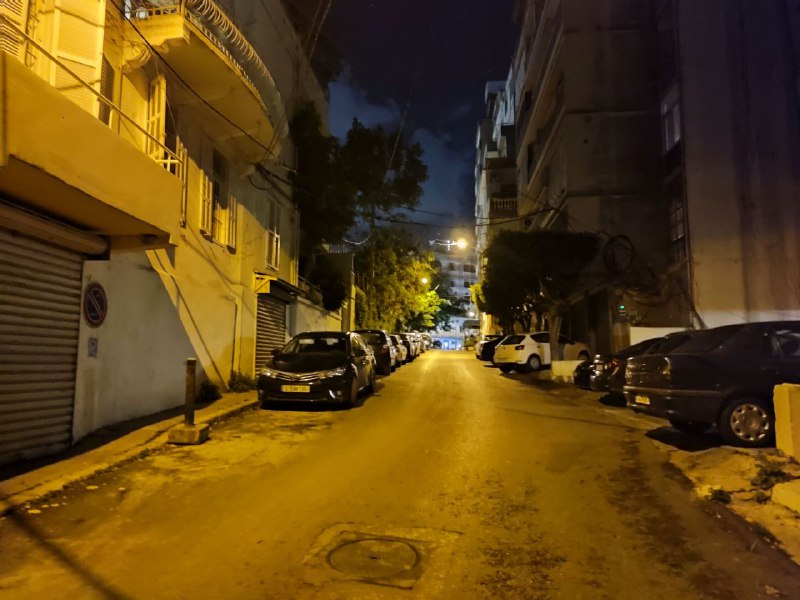
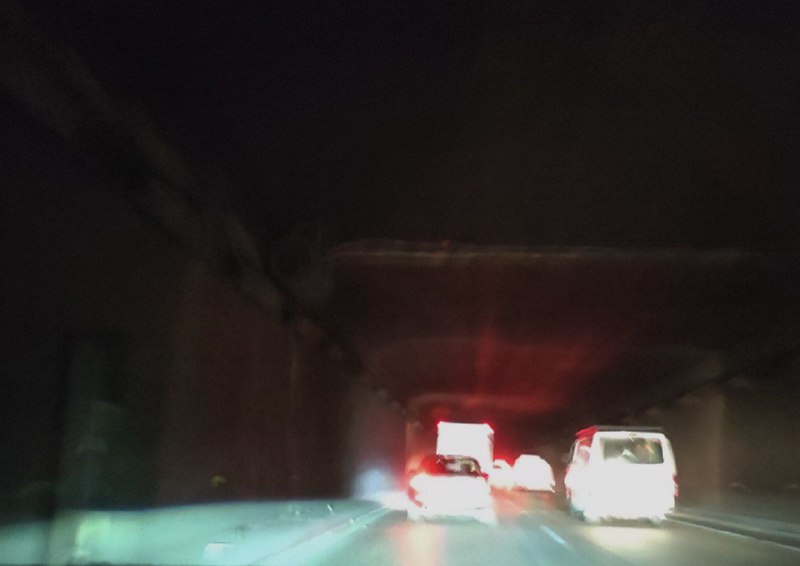
The main streets are well-lit, but take a side street and it gets pretty dark. And those long car tunnels without lights are really uncomfortable, so turning on your hazard lights is considered basic courtesy.
There's one city where energy isn't an issue — Zahle. The secret? Electricity is managed by a private company, EDZ, not the state utility
EDL, like everywhere else. They managed to cut transmission losses down to just 5% (compared to EDL's 37%) and actually collect money from customers on time.
There's a whole research paper on how they pulled it off and what corruption has to do with it. Really interesting read.
So I decided to rent a car in Lebanon. People told me that driving here is unique, but I had no idea how different it would be from what I'm used to on the road.
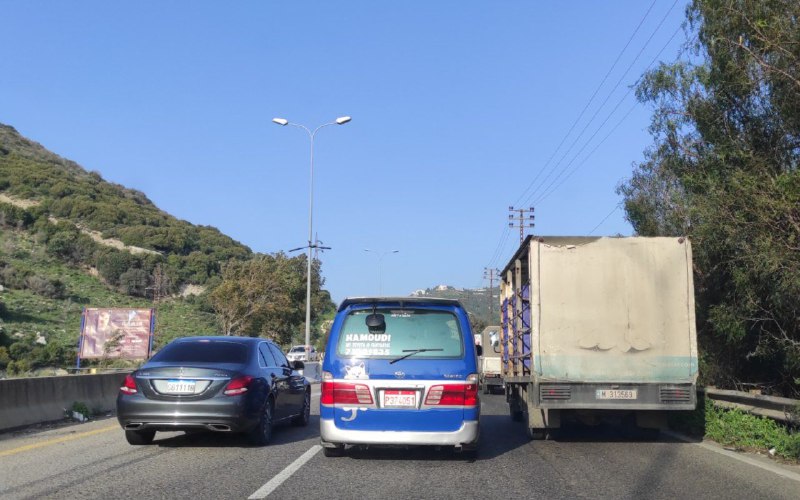
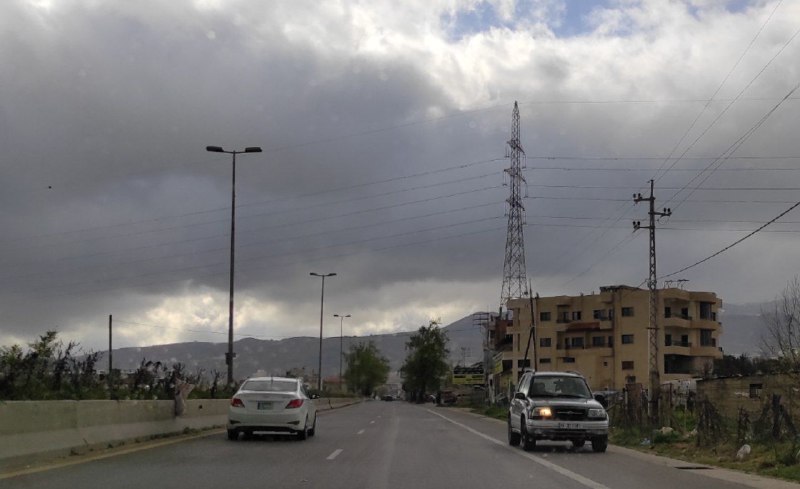
There are basically no traffic lights. There are poles with lights, but some just don't work, and drivers often ignore the ones that are on anyway—they just drive if they don't see any obstacles.
Road markings are often either missing or faded. And even when they're there, a lot of people drive however they want.
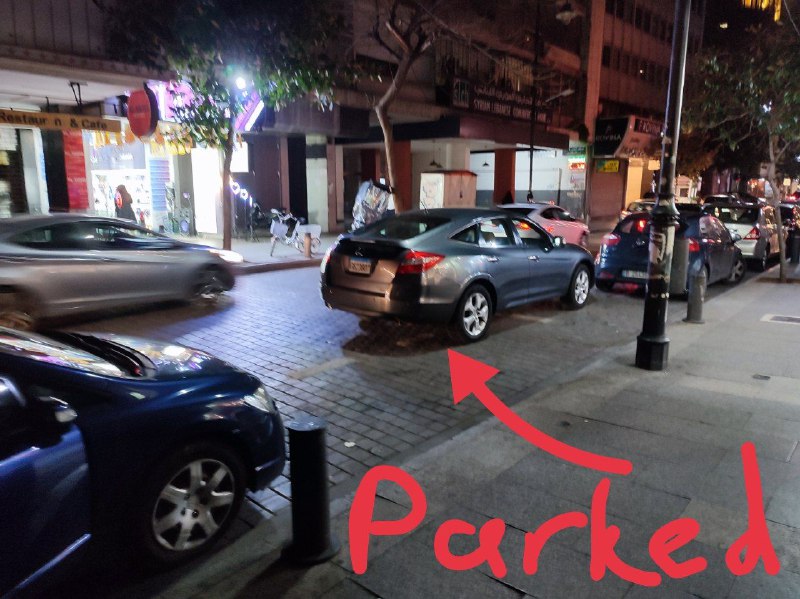
Need to stop and chat with someone or park in the second lane? No problem at all. People around you aren't too upset and just wait or try to get around—tomorrow they might find themselves in the same situation.
If cars are coming at you from both the right and left at the same time, that's totally normal. Sometimes two roads merge and one lane needs to switch into oncoming traffic. Or sometimes people just feel like cutting across the opposing lane. And they'll flash their lights to get you to yield.
Trucks and semi-trailers constantly drive in the far right left lane.
Roundabouts work on the principle of whoever's more aggressive gets through. People sometimes drive the wrong way around them too.
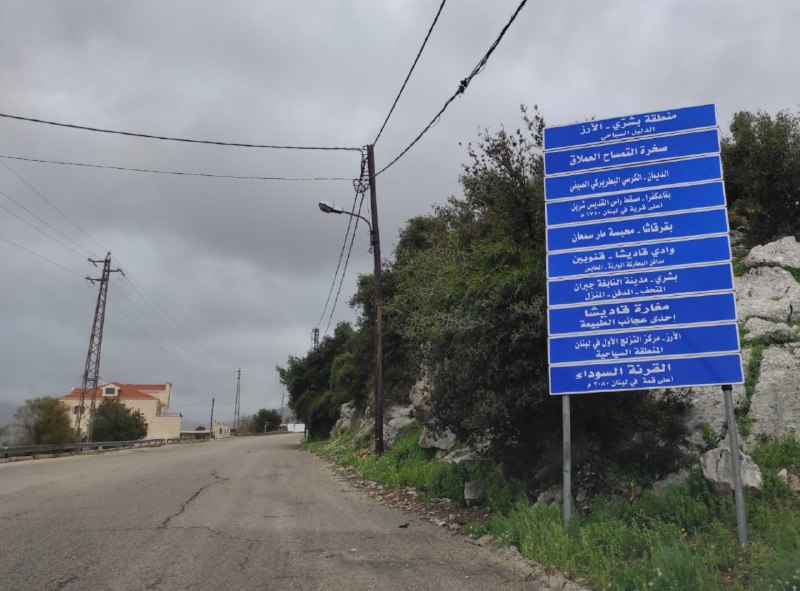
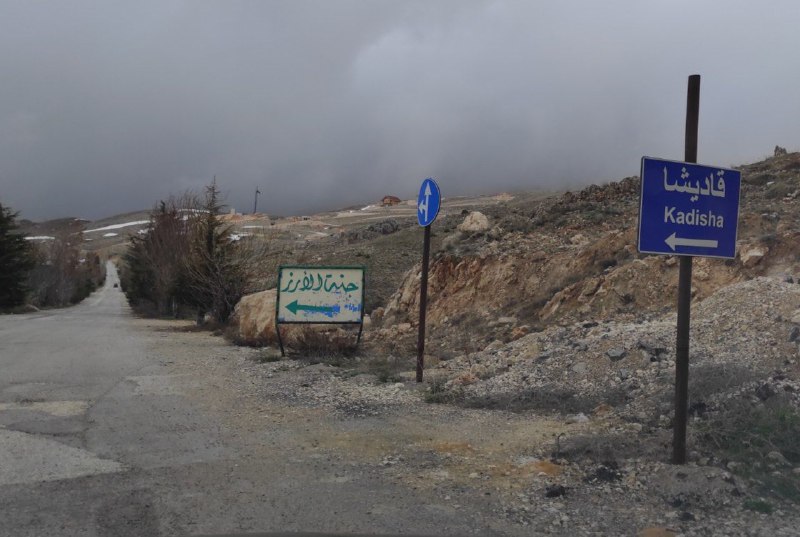
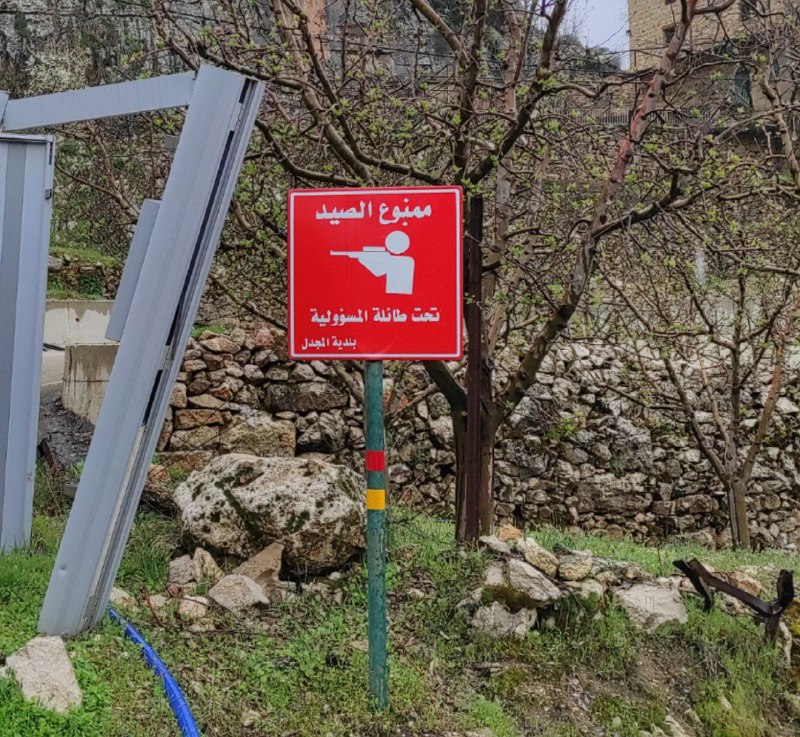
Almost all signs are duplicated in Latin letters. But sometimes they're only written in Arabic script. There was a red sign with a guy and a gun that I translated before driving under it. Turns out it just means hunting is forbidden, not "don't enter—sniper."
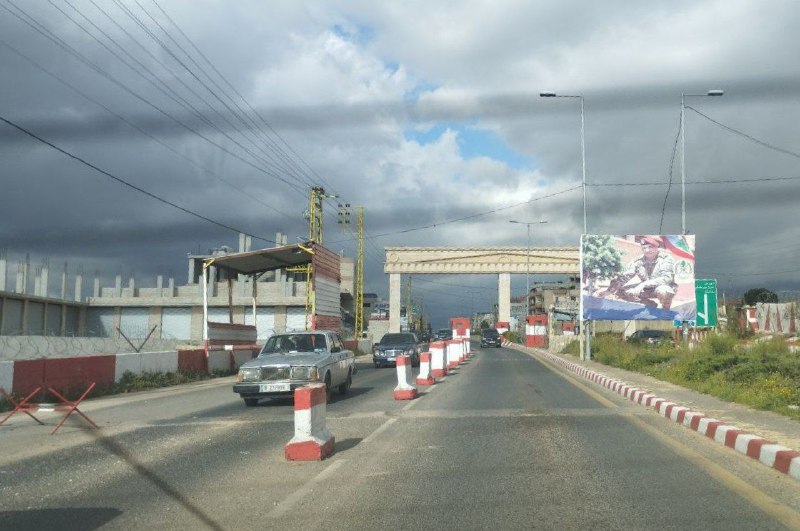
On intercity roads there are sometimes checkpoints with military. I always slowed down, but they never stopped me or asked anything. At one checkpoint up in the mountains there were actually spikes, but a guy in uniform came out and removed them.
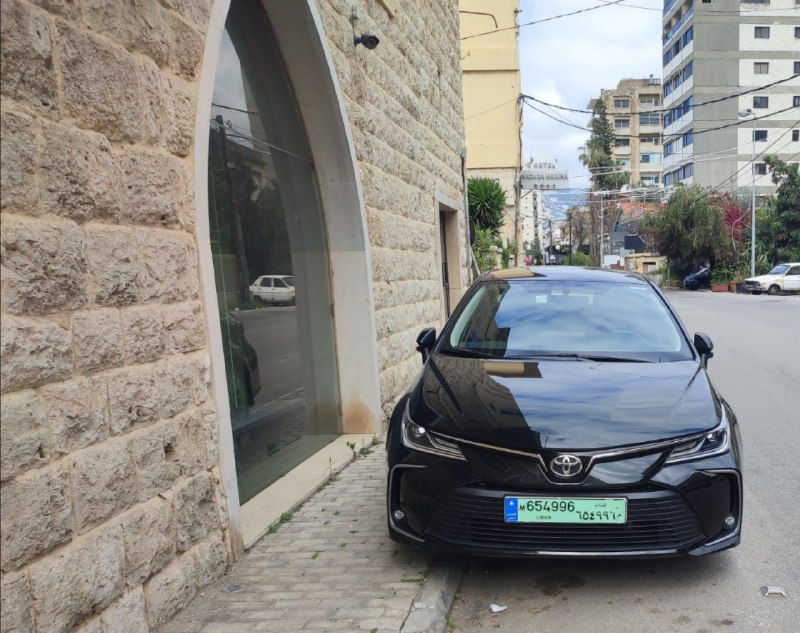
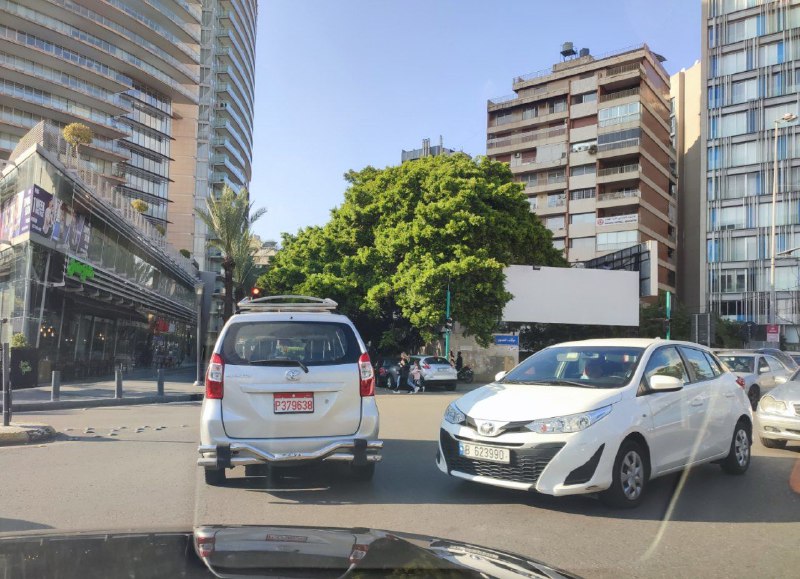
You can tell what kind of car it is just by the license plate: rental cars have green plates, red ones go to taxi drivers and minibus operators. And if you've got money, you can legally buy a fancy or short number plate. They say a three-digit plate goes for $5000 and up (and you can resell it later).
That said, I only saw one accident. Hard to miss though—locals have to get out and take photos, so traffic backs up immediately.
The roads are tolerable. In sparsely populated areas there are tons of potholes and speed bumps without any markings. But overall, if you're confident in your abilities and ready for a bit more stress than usual, you can drive here.
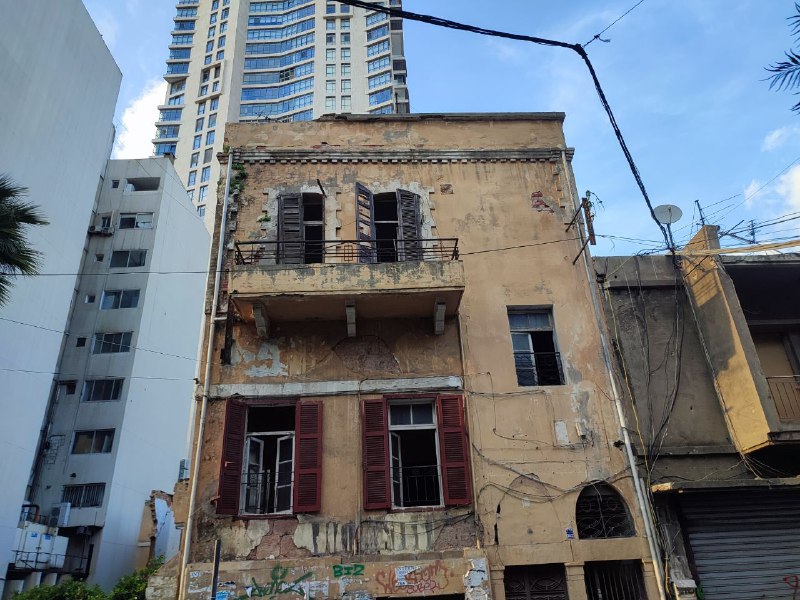
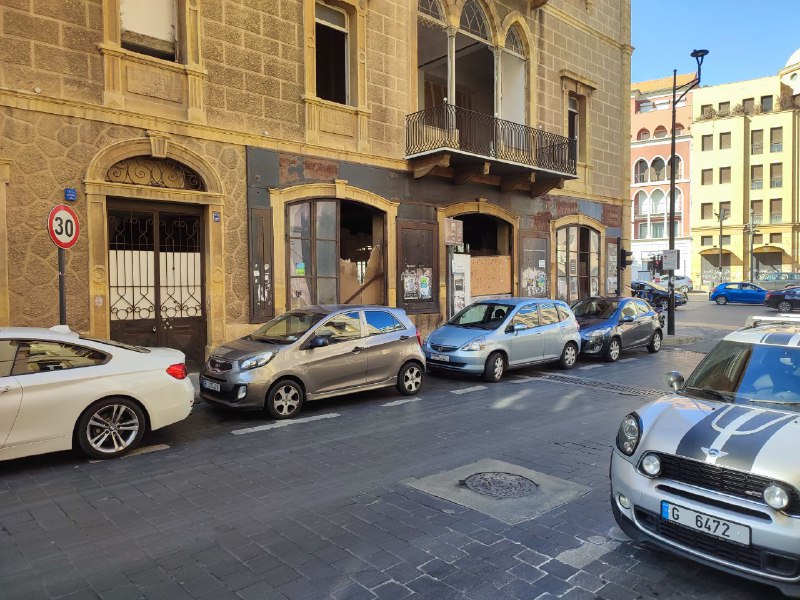
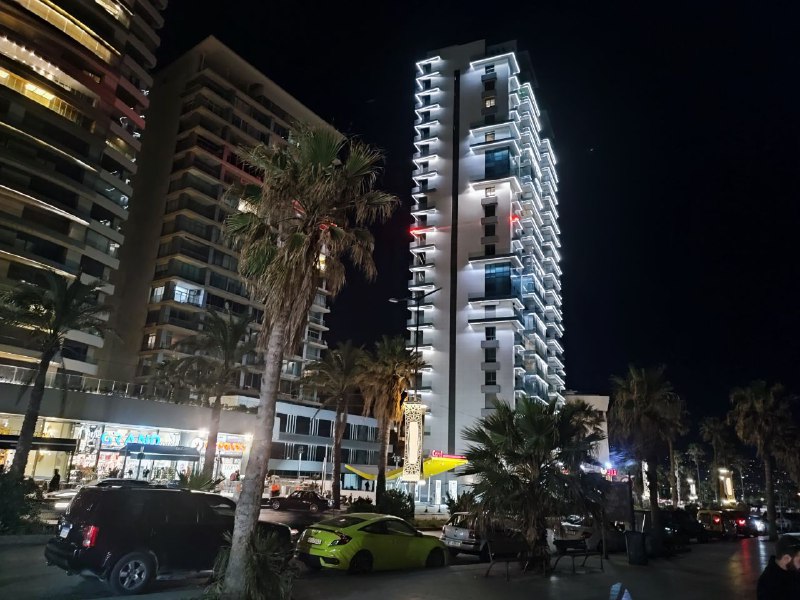
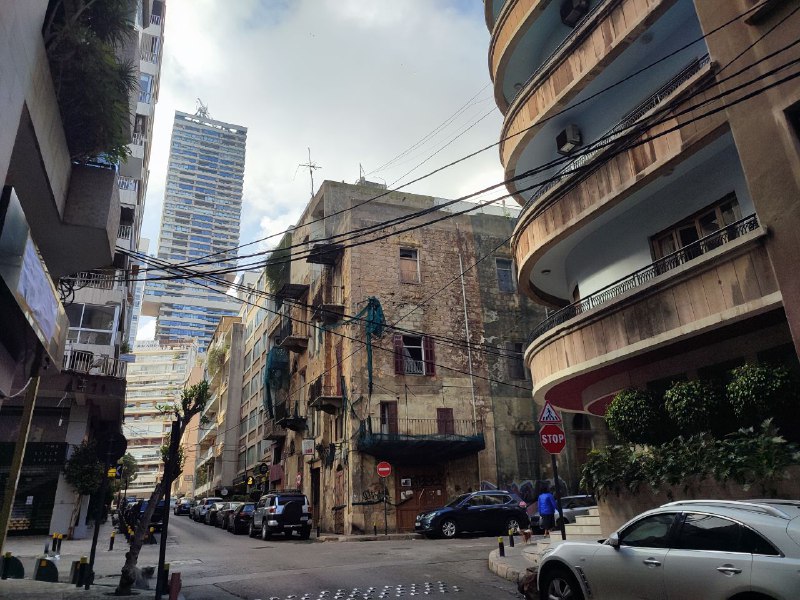
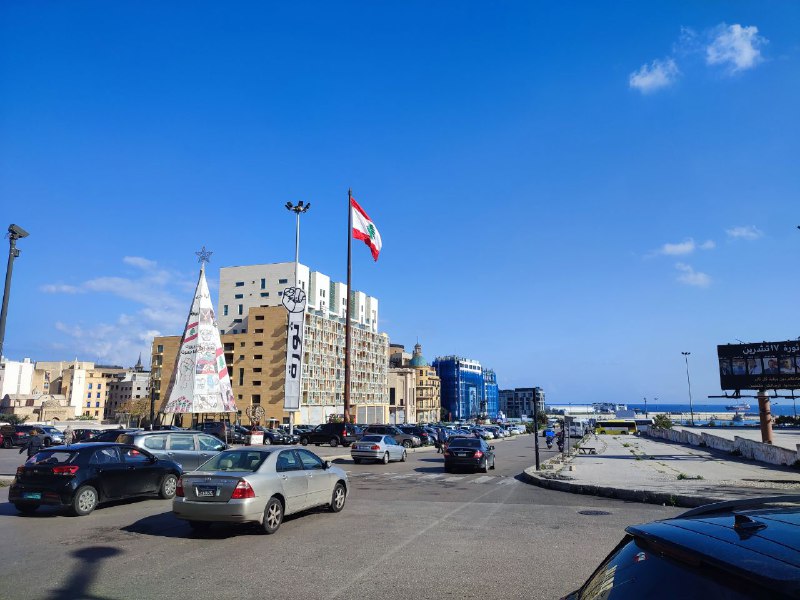
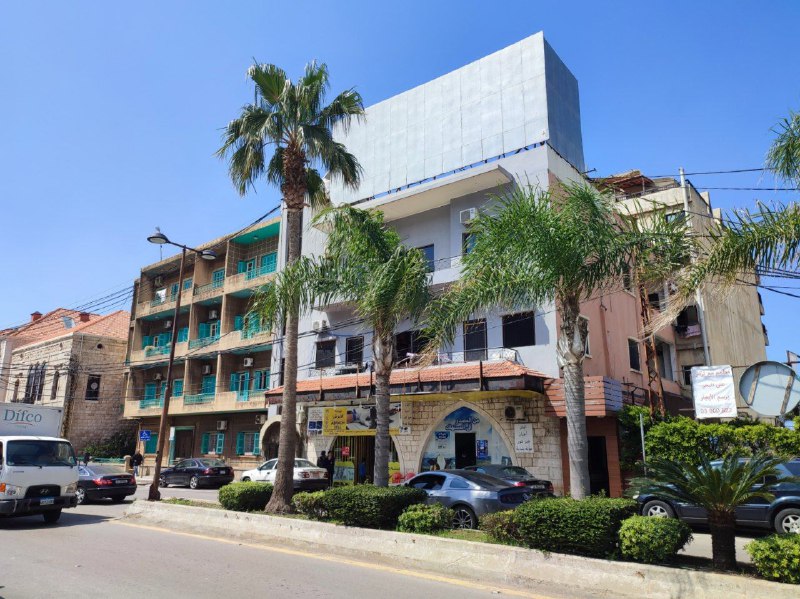
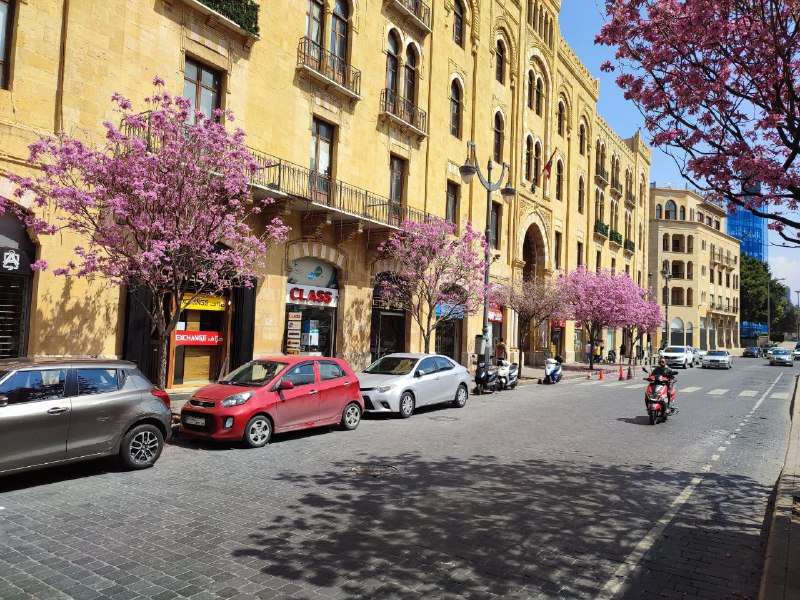
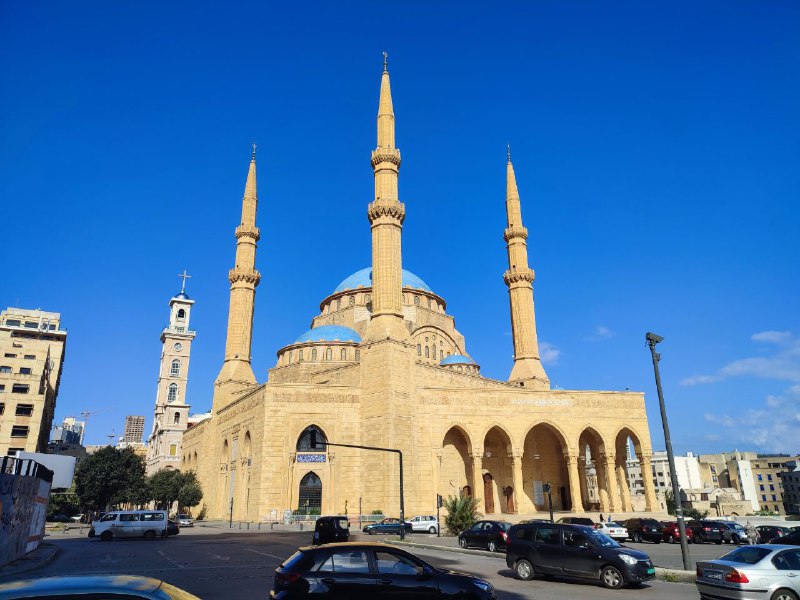
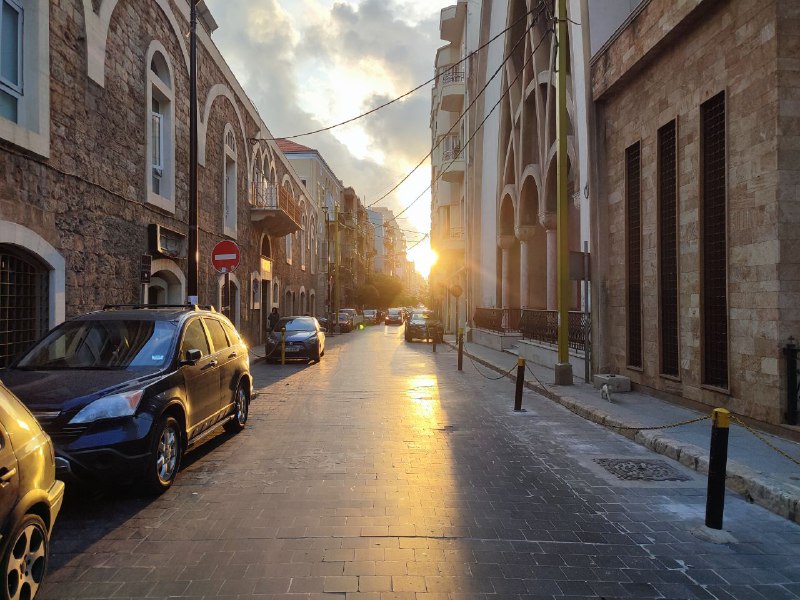
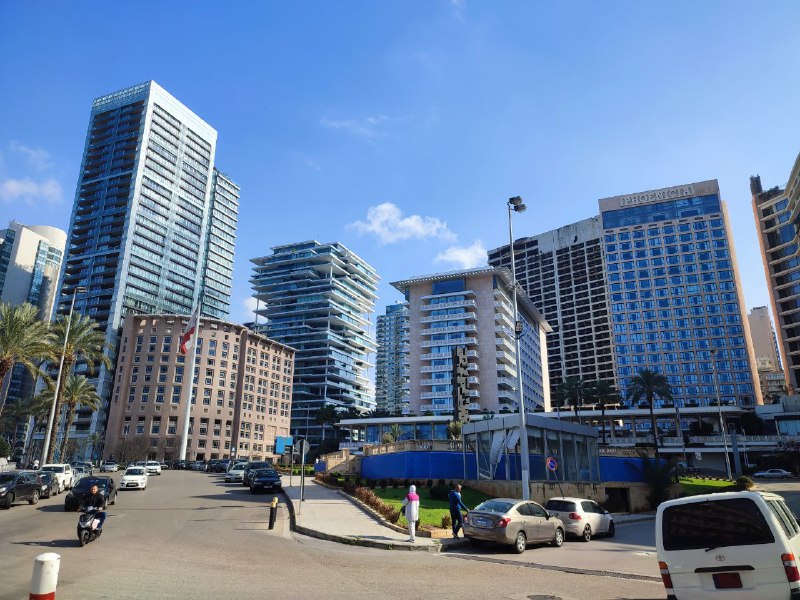
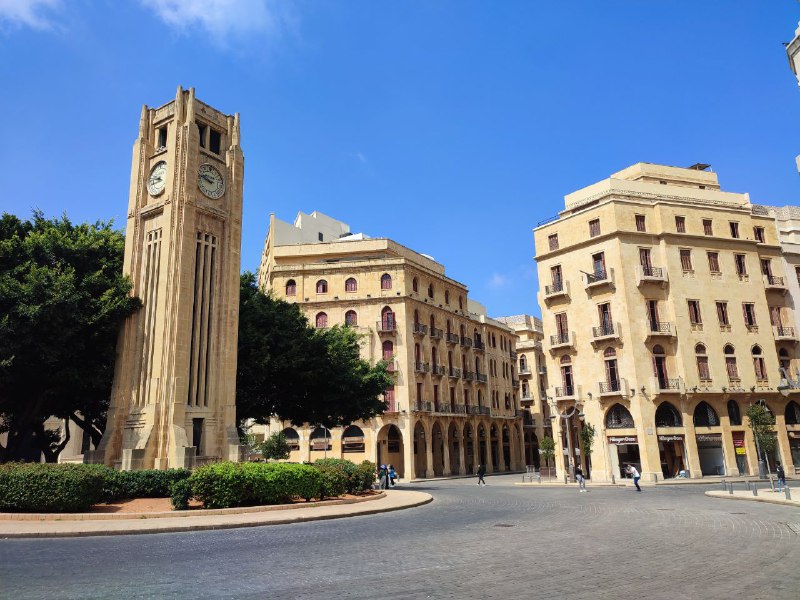
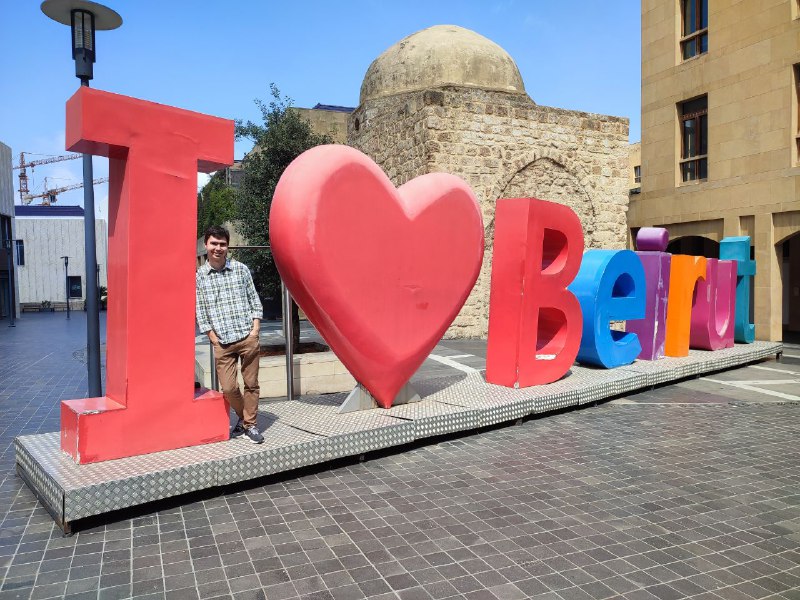
Beirut turned out to be surprisingly much nicer than I expected. The vibe is amazing. It's got that Arab Eastern feel, but way more tolerant than its neighbors. European and Eastern architecture blend perfectly together. The food is delicious.
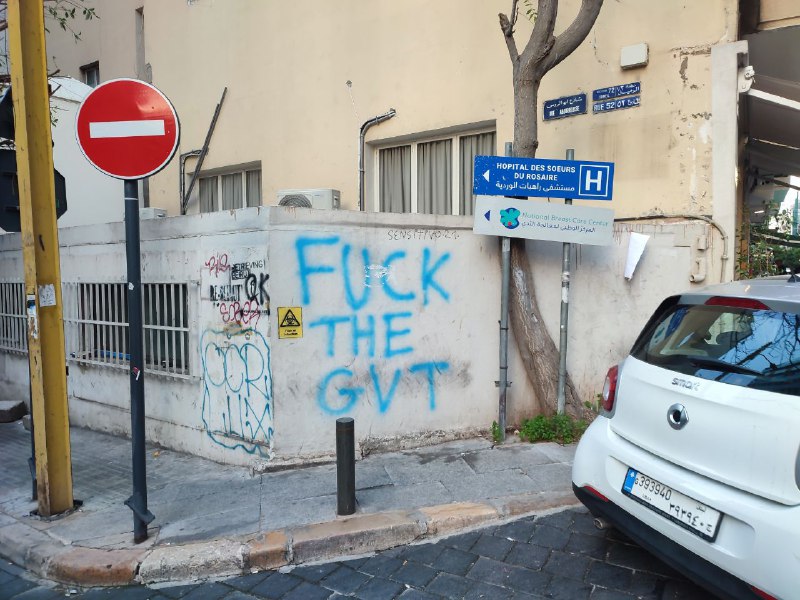
There are some unpleasant aspects, but they're bearable. Walking around isn't pleasant everywhere though—the infrastructure is designed mainly for cars. At busy intersections, there are lots of street kids begging (even the magic phrase "مافي مصاري" doesn't work on the first try). Pretty much all these problems have roots in the economy. I'll write about that separately.
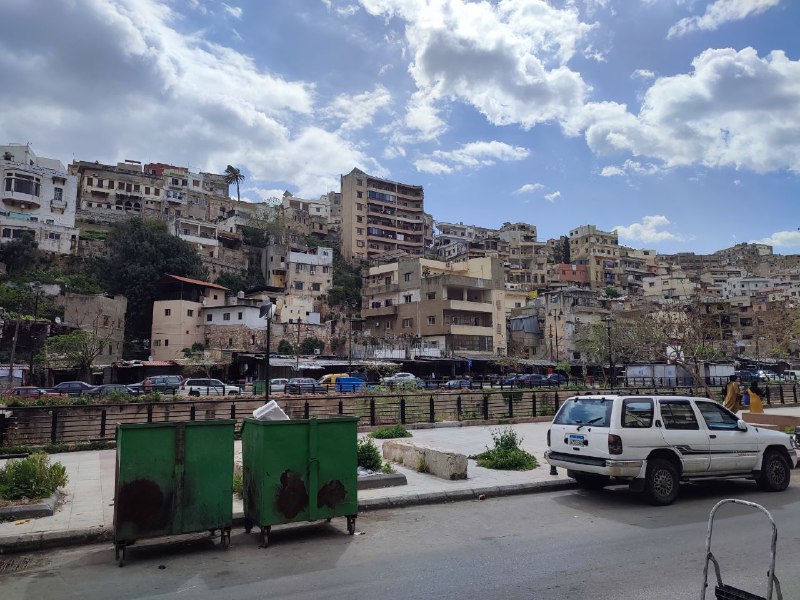
PS. The photo shows the prosperous downtown area. I didn't venture out to the suburbs or the Palestinian refugee neighborhood. To make it interesting rather than just wandering through slums, you'd need to find a fixer and go around with them. I wasn't that keen on going there myself. But I'd recommend checking out what it looks like
through the eyes of a Lebanese person.
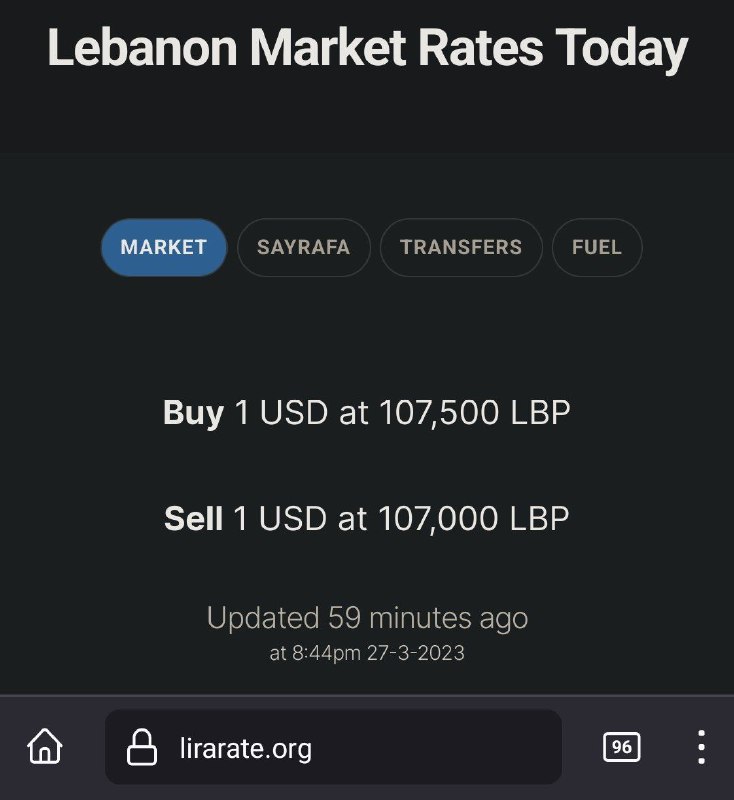
Lebanon has 4 different parallel exchange rates with huge differences between them.
If the
official rate today is 15,000LL per $ (they even raised it in February from 1,500 where it had been for the last 25 years), then the
actual rate is 107,000.
Then there's the llollar rate (8,000LL/$), which is what banks use to give people cash in lira.
And sayrafa (90,000LL/$) for non-cash transactions.
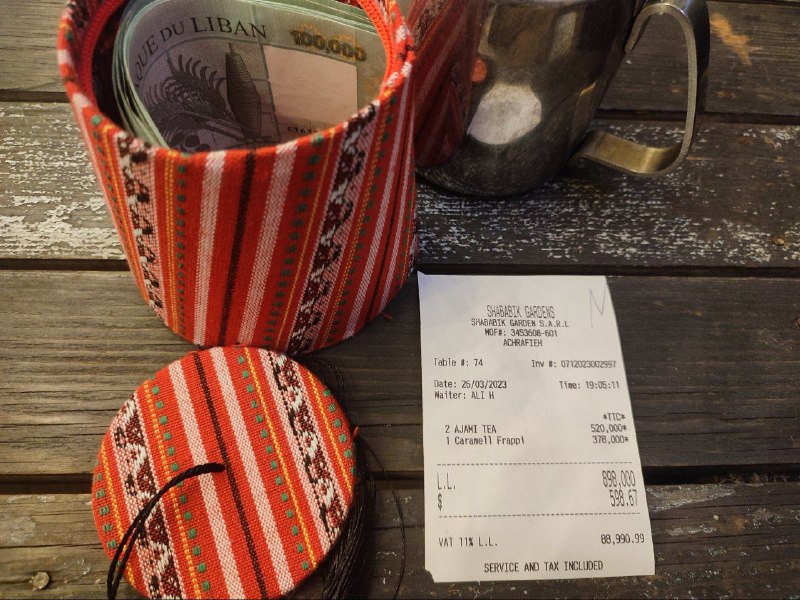
When paying by card in LL, the conversion should be at sayrafa rates. But a lot of local places can just bill you in dollars straight on the terminal. Though at one café they somehow charged me $600 for tea and coffee at the old rate. I paid in cash with lira instead.
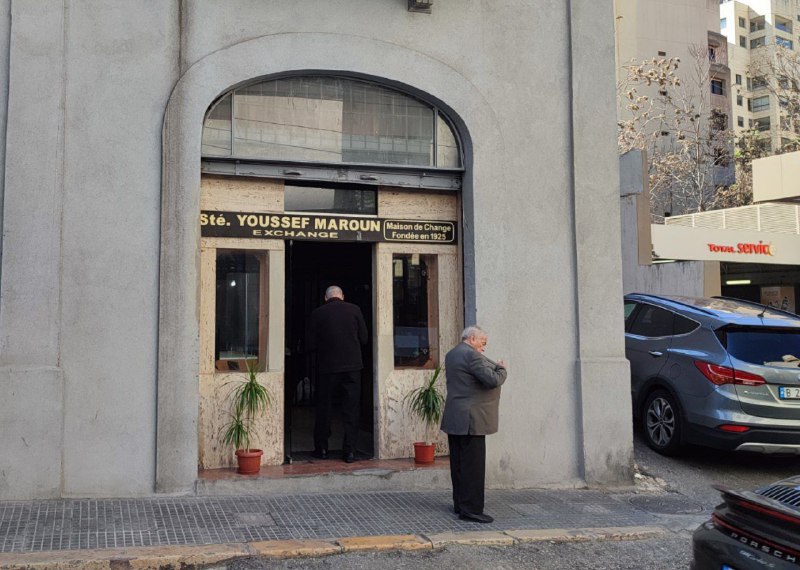
At any street money changer, they swap at the actual rate. It's not exactly legal as far as I understand, but nobody's getting punished for it yet, and you don't need to find shady people or do anything cloak-and-dagger.
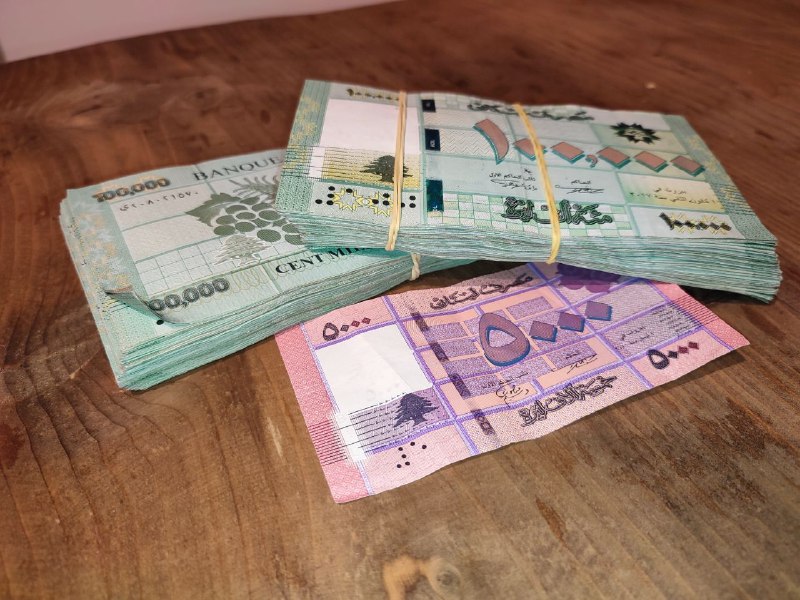
I exchanged two hundred bucks and got two thick stacks of the biggest bills—100,000 lira notes. Never held that much cash in my hands at once. And think about it—4 years ago that same stack would've been worth almost $15,000.
I just made a joke about time travel, and then I literally got lost in it.
I came to Beirut and now I can't answer the simplest question: "What time is it?"
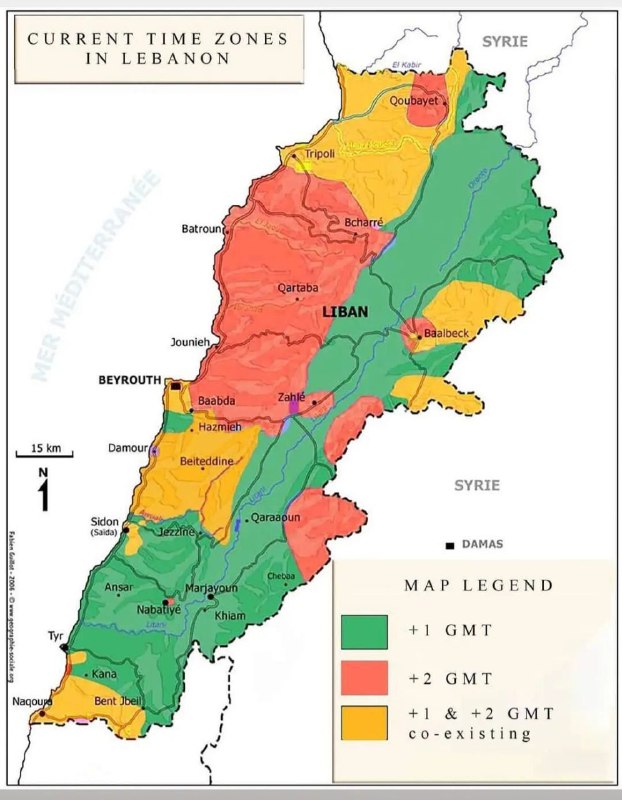
Lebanon was supposed to switch to daylight saving time last Sunday. But the government suddenly decided to postpone it by a month. Just a couple of days before it was supposed to happen. Because of Ramadan.
Of course, no IT system can update that fast. Time zones are already
complicated, and last-minute changes throw everything into complete chaos. Sunday night, every smartphone in the country switched to daylight saving time. Even though officially the clocks weren't changed. People are confused (check the map) and just getting angrier at the government.
Christian leaders openly expressed offense that nobody even asked for their opinion when making this decision, and they refused to accept the new rules. Besides, fasting during Ramadan isn't calculated by the clock anyway—it's based on the sun. So how does moving the time later help?
They literally dug a hole for themselves out of nowhere. And here I am trying to figure out what time to head to the airport for my return flight. At least it's not tomorrow
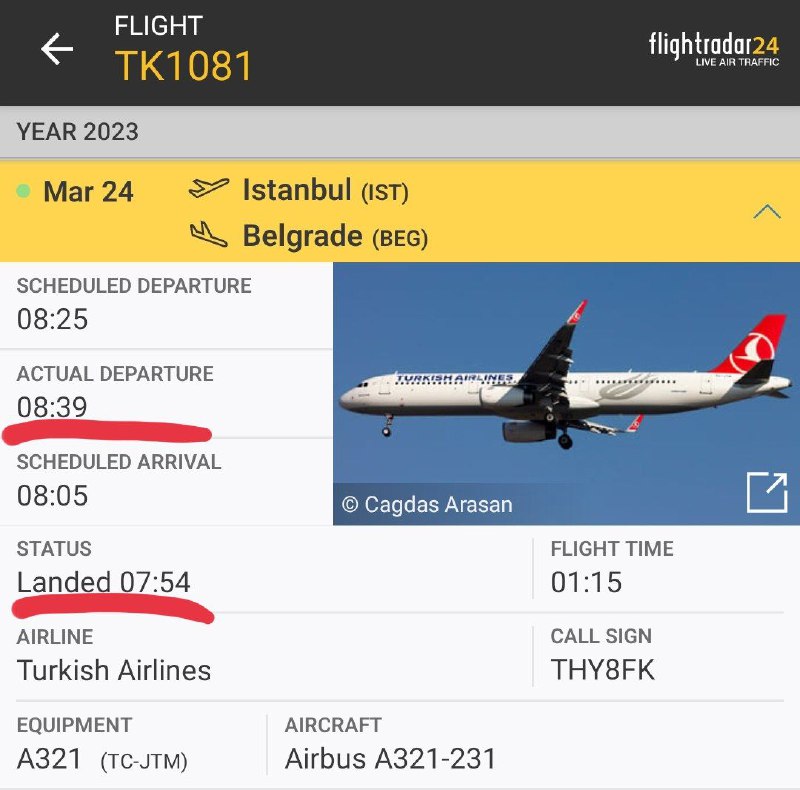
😅I've mastered time travel. Arrived before I took off.
Now I need to learn teleportation. If anyone knows how, let me know.
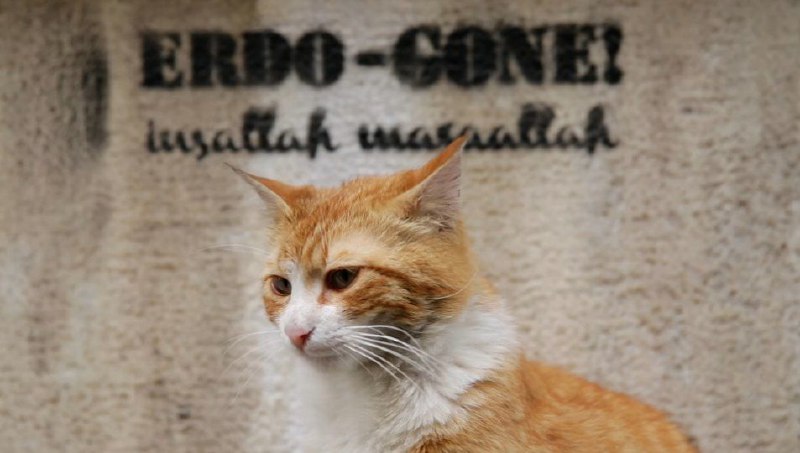
I really loved this shot from the documentary 😅
 United Kingdom3
 Serbia100
 Bosnia and Herzegovina54
 Turkey42
 United Arab Emirates3
 Brunei2
 Indonesia12
 Malaysia15
 Argentina16
 USA117
 Morocco5
 Georgia5
 Egypt16
 Hong Kong8
 China4
 Vietnam9
 Tunisia7
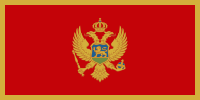 Montenegro9
 Philippines12
 Singapore10
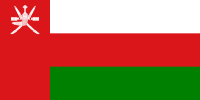 Oman12
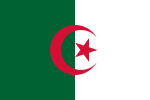 Algeria12
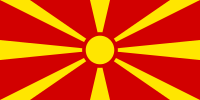 North Macedonia5
 Lebanon11
 Israel27
 Albania17
 Russia63
 Tanzania50
 Netherlands7
 Spain14
 Latvia2
 Germany7
 Belgium3
 France27
 Kazakhstan32