For over 30 years, Lebanon has been rationing electricity on a schedule. Since the end of the civil war, the country just can't keep up with growing demand (currently about a 30% shortfall).
Beirut gets it relatively easy — 20 hours a day, but in places like Koura, there's only 4 hours of power (and it used to be just one hour per week). Businesses and residents are forced to buy diesel generators and produce their own electricity.
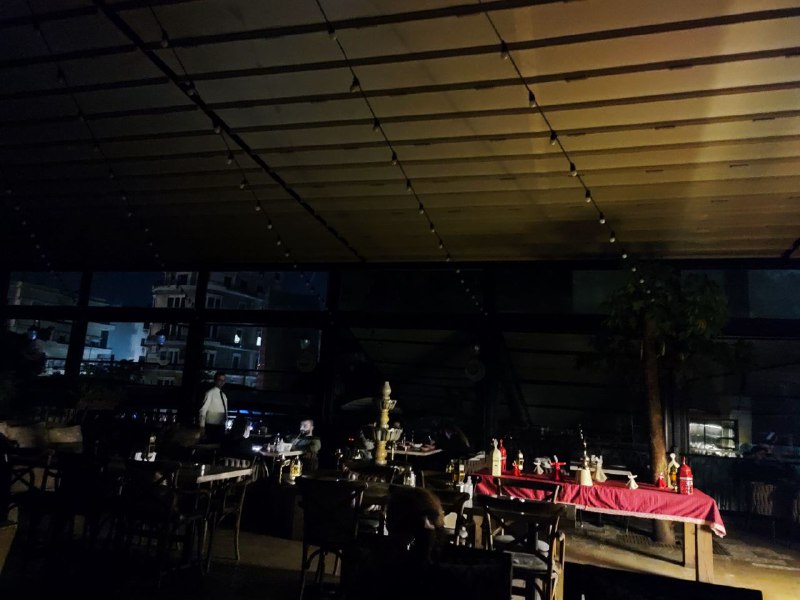
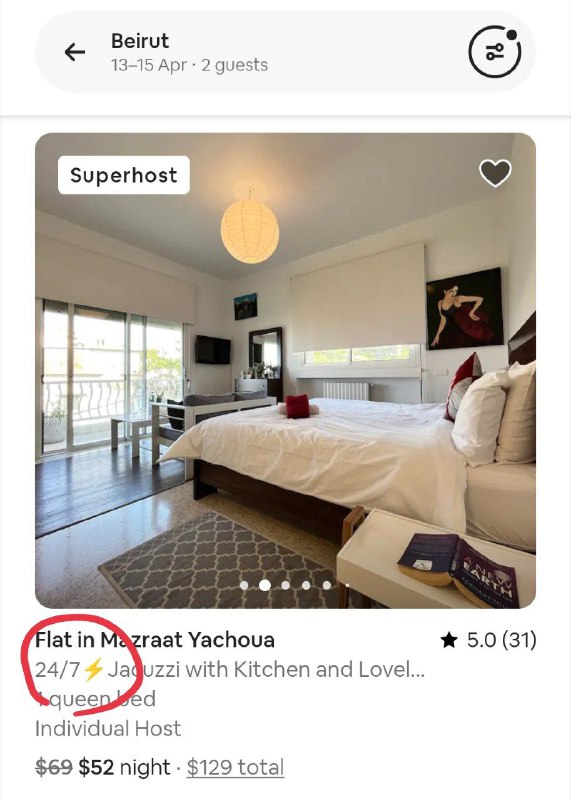
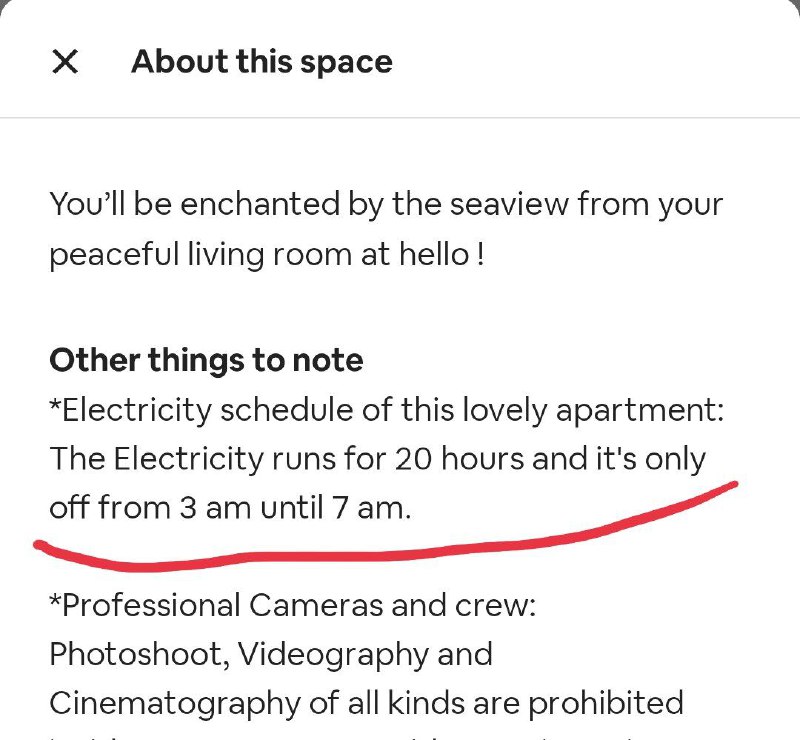
On Airbnb, you'll often see listings saying "we have 24/7 power" or listing the outage schedule. In restaurants, you might catch the moment they switch to the generator — when everything suddenly goes dark for about 10 seconds.
Government institutions are less flexible budget-wise and just cut their operating hours. The national museum, for example, now operates from 10 AM to 2 PM instead of 9 AM to 5 PM.
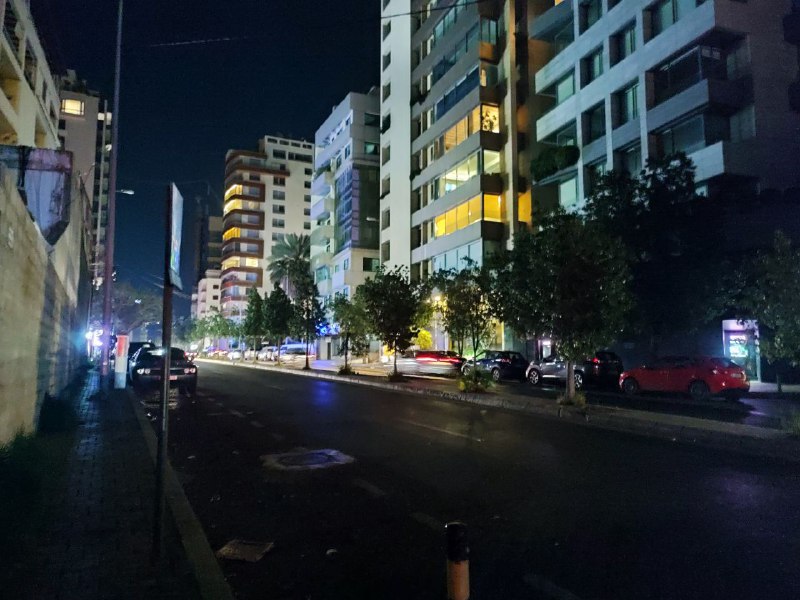
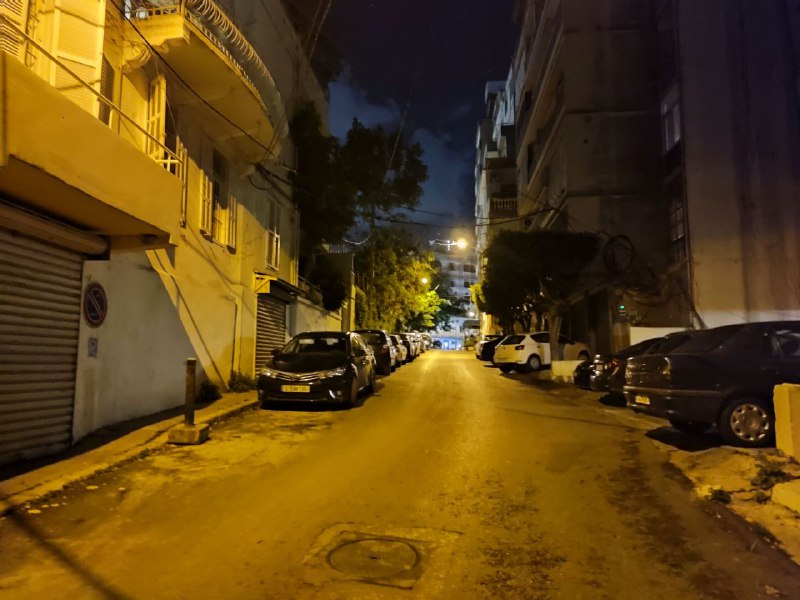
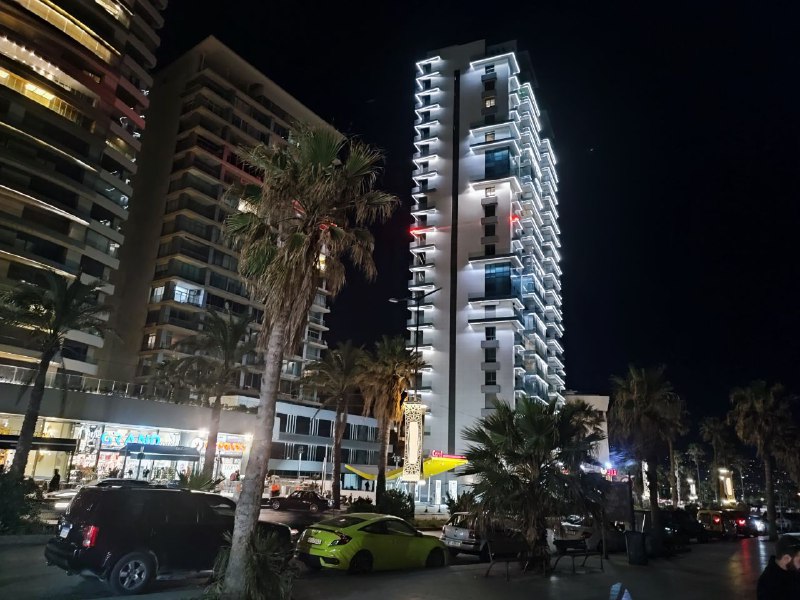
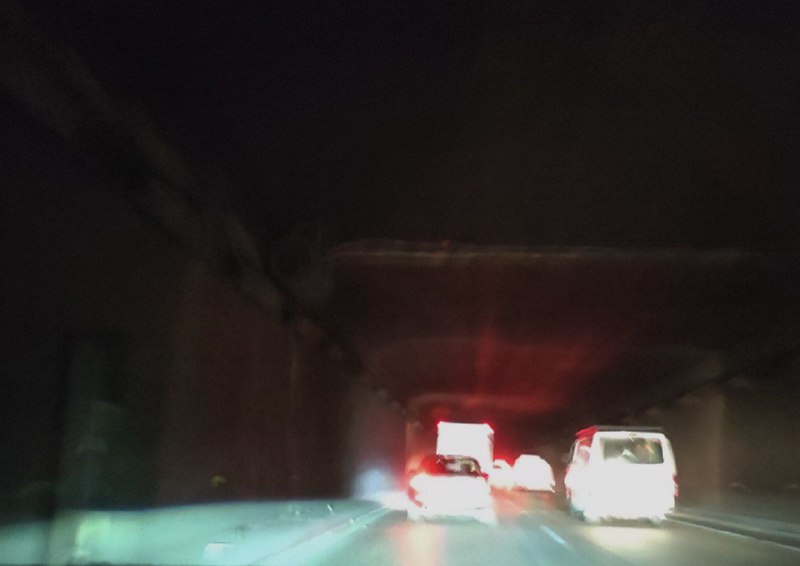
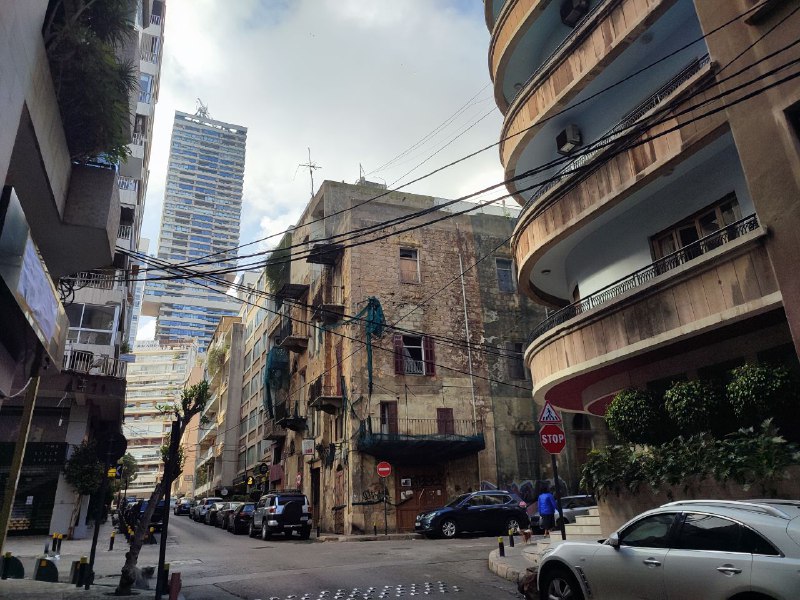
The main streets are well-lit, but take a side street and it gets pretty dark. And those long car tunnels without lights are really uncomfortable, so turning on your hazard lights is considered basic courtesy.
There's one city where energy isn't an issue — Zahle. The secret? Electricity is managed by a private company, EDZ, not the state utility EDL, like everywhere else. They managed to cut transmission losses down to just 5% (compared to EDL's 37%) and actually collect money from customers on time. There's a whole research paper on how they pulled it off and what corruption has to do with it. Really interesting read.
Beirut gets it relatively easy — 20 hours a day, but in places like Koura, there's only 4 hours of power (and it used to be just one hour per week). Businesses and residents are forced to buy diesel generators and produce their own electricity.
On Airbnb, you'll often see listings saying "we have 24/7 power" or listing the outage schedule. In restaurants, you might catch the moment they switch to the generator — when everything suddenly goes dark for about 10 seconds.
Government institutions are less flexible budget-wise and just cut their operating hours. The national museum, for example, now operates from 10 AM to 2 PM instead of 9 AM to 5 PM.
The main streets are well-lit, but take a side street and it gets pretty dark. And those long car tunnels without lights are really uncomfortable, so turning on your hazard lights is considered basic courtesy.
There's one city where energy isn't an issue — Zahle. The secret? Electricity is managed by a private company, EDZ, not the state utility EDL, like everywhere else. They managed to cut transmission losses down to just 5% (compared to EDL's 37%) and actually collect money from customers on time. There's a whole research paper on how they pulled it off and what corruption has to do with it. Really interesting read.
 United Kingdom
 Serbia
 Bosnia and Herzegovina
 Turkey
 United Arab Emirates
 Brunei
 Indonesia
 Malaysia
 Argentina
 USA
USA Morocco
 Georgia
 Egypt
Egypt Hong Kong
 China
China Vietnam
 Tunisia
 Montenegro
 Philippines
 Singapore
 Oman
Oman Algeria
 North Macedonia
 Lebanon
 Israel
 Albania
 Russia
 Tanzania
 Netherlands
 Spain
Spain Latvia
 Germany
 Belgium
 France
 Kazakhstan