The most famous
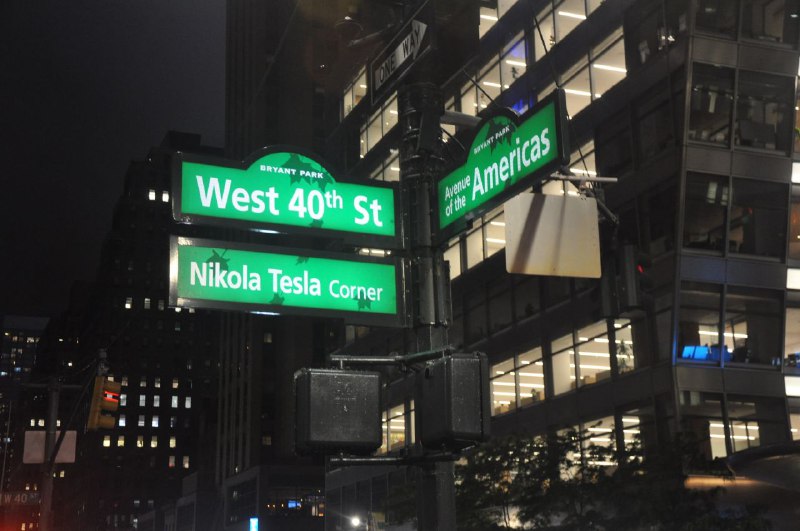
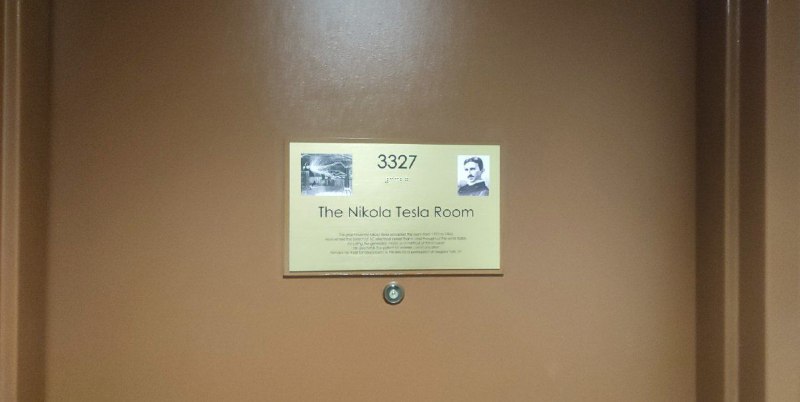
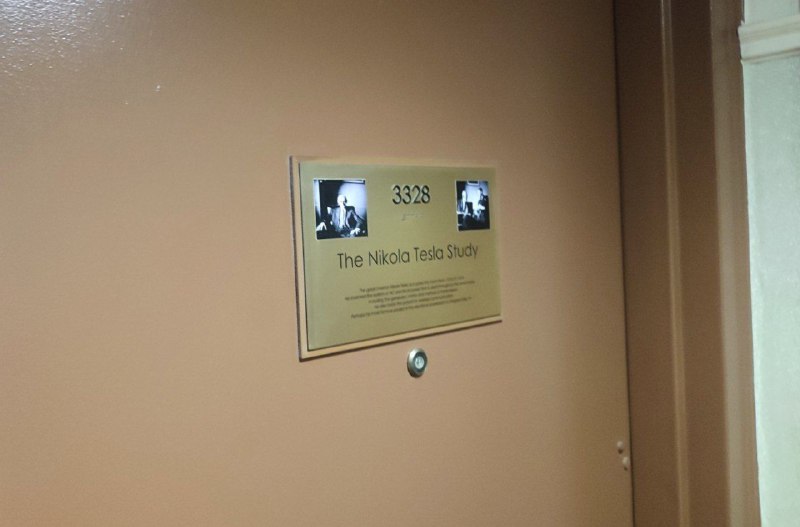
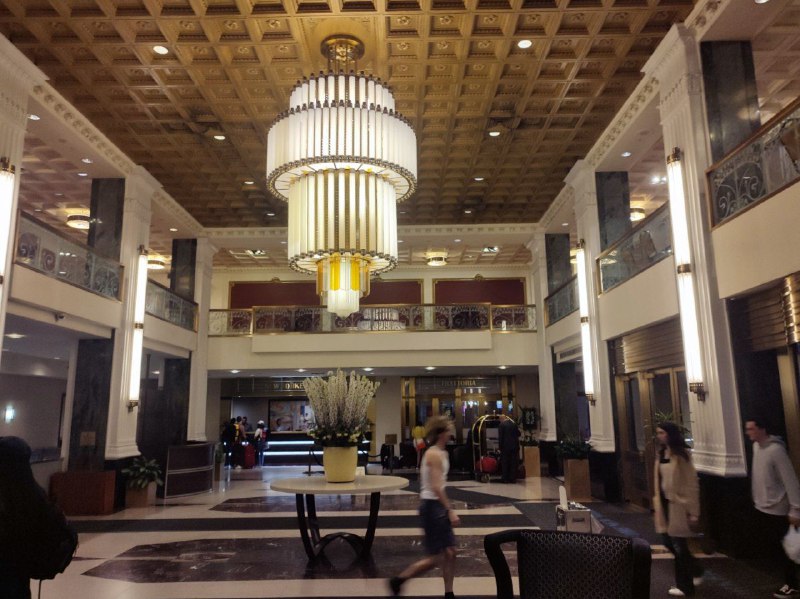
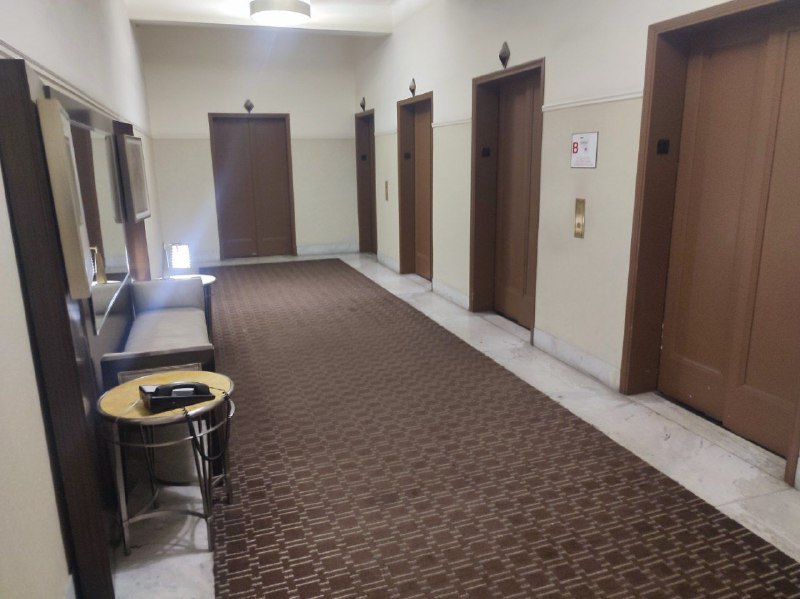
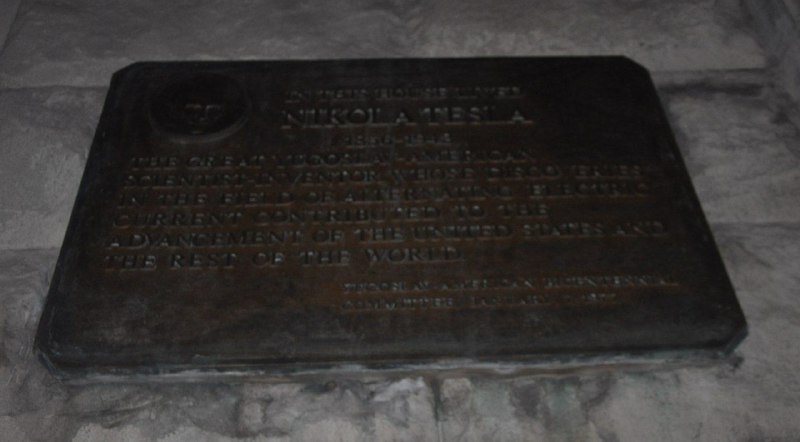
Croat Serb spent most of his life in New York. The corner of Bryant Park is named after Nikola Tesla, where he loved feeding pigeons. And in the New Yorker Hotel, where the scientist lived for more than ten of his final years, they placed a bust, and hung a plaque on room 3327.
In his old age, the inventor was openly struggling financially, drifting from hotel to hotel, leaving behind huge unpaid bills. By the time he moved into the New Yorker, Westinghouse Electric & Manufacturing Company began paying Tesla a salary of $125 (about $3000 in today's money) and covering his rent. He lived there until the end of his days.
In his final years, Tesla was slowly losing his mind (literally). He worked on a death ray (
Teleforce) hoping it would help end wars. Despite claims that the invention was ready, no papers were ever found. All sorts of conspiracy theories still circulate that the blueprints were seized by special services.
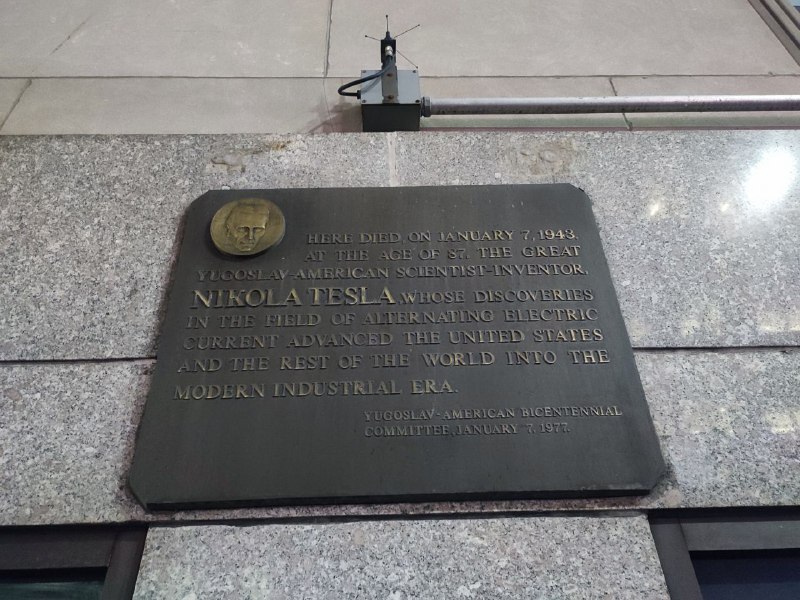
On the Radio Wave building there's a plaque reminding us that Tesla held the first patent for radio. But in history, Marconi went down as the inventor of radio. And he even won a Nobel Prize for it. In subsequent years, lawsuits over the invention rights continued. In 1904, a US court awarded primacy to the Italian, despite the patent history. Plus, he had excellent connections in England, which contributed to the rapid commercial growth of his company. After Tesla's death in 1943, the court reconsidered its decision. Partly because Marconi's company (Marconi himself was already gone) tried to get a ton of money from the US for violating the radio patent during World War I. Anyway, for Nikola it was already too late.
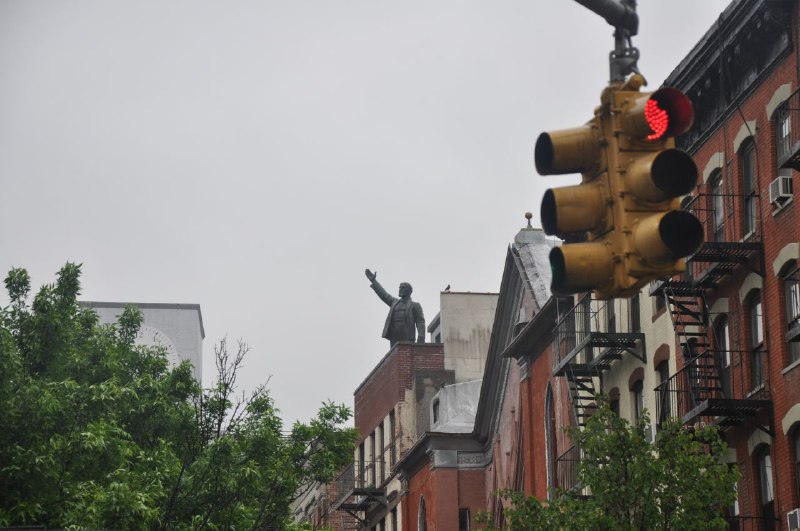
Come to the States. They defeated communism.
The States:
if anything, it's right here right on the roofEven after two years of living in the Balkans, such names never stop being funny 😅
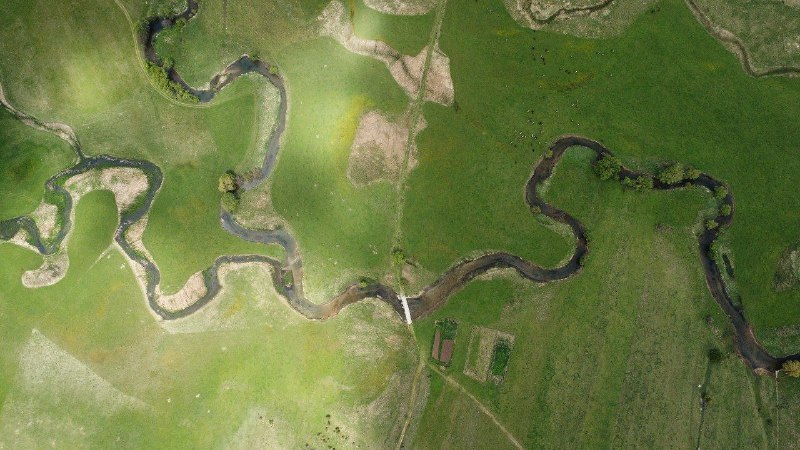
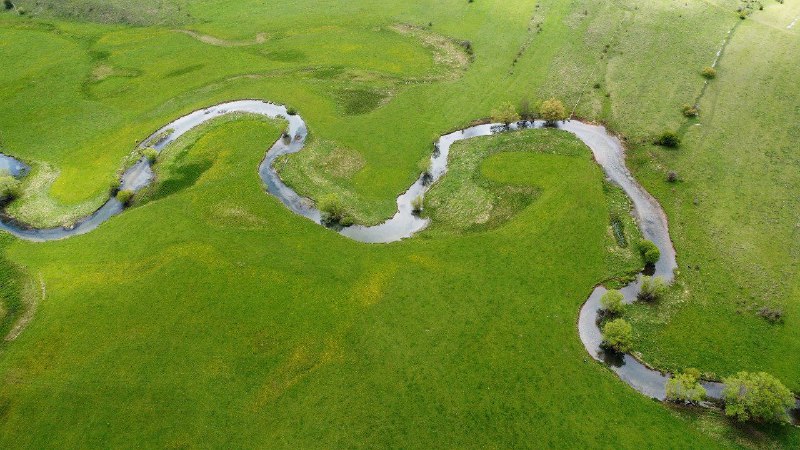
Meanders exist not only in
Serbia, but also in
Montenegro. Just a small detour on the way to Belgrade, but it's worth it.
And Durmitor is magnificent, of course.
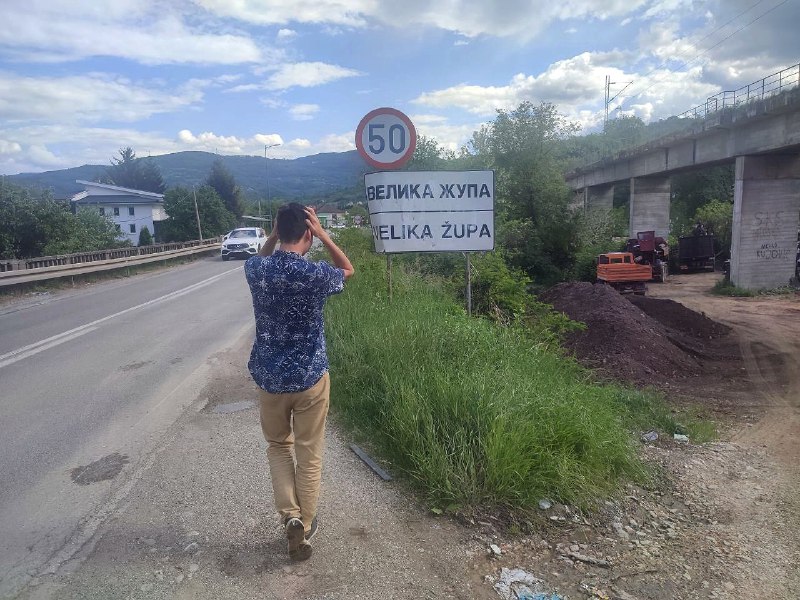
On the border between Serbia and Montenegro, there's a region called
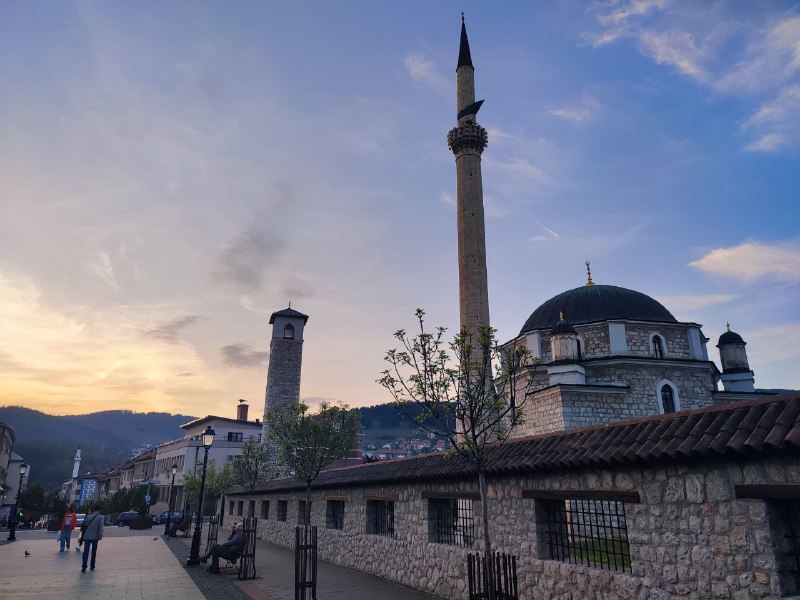
Sandžak with a large Muslim population. You wouldn't expect that from these countries. I've already told you about the Serbian
Novi Pazar.
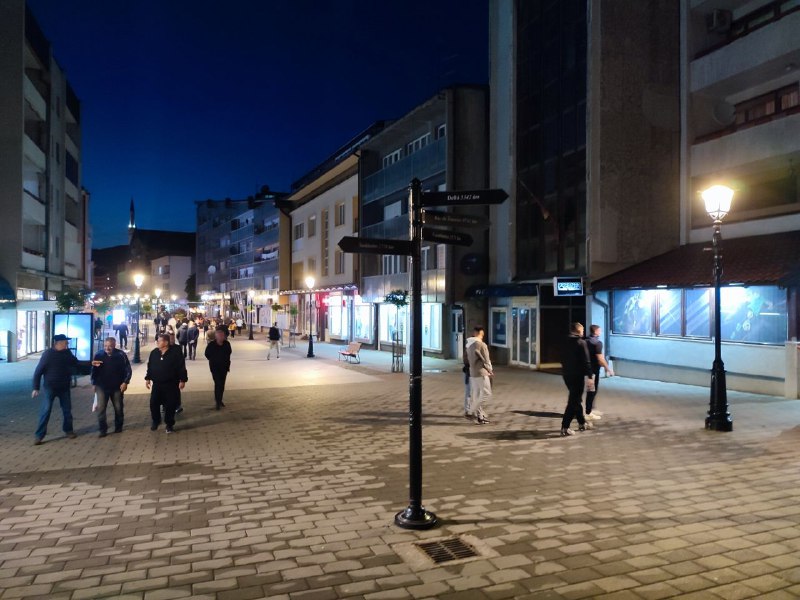
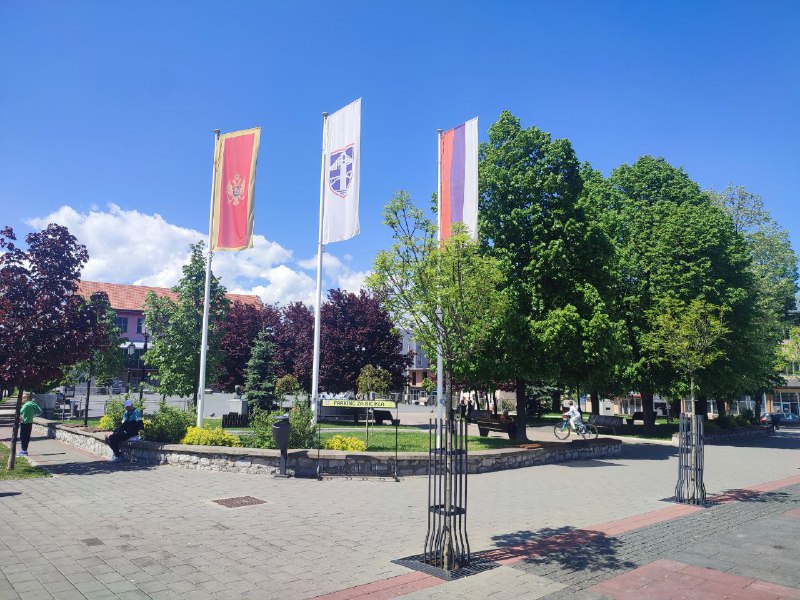
On the Montenegrin side, the most notable city is Pljevlja. Even though it only has about 16,000 residents, it's the third-largest settlement.
These days it's a peaceful, quiet town, but during the breakup of Yugoslavia things were tense here. In 1992, the police confiscated a car from an assistant to a local military major. The major then came to the police station and literally threatened to declare war on the city if the car wasn't returned immediately.
In normal times, he probably would've been arrested on the spot, but back then half the police switched sides with the military and the city began to descend into chaos. Amid the confusion, there were threats to wipe out the entire Muslim population of Pljevlja. The Yugoslav Army simply refused to fight them.
Fortunately, it ended without bloodshed—diplomacy won out. The presidents of Montenegro and Yugoslavia rushed to the scene and promised the Muslims they'd disarm the rebels, and in exchange, to calm things down, they got a promise that the separatists wouldn't seek independence. Not that anyone here was really trying to.
Tensions died down after that, but things only fully calmed down after the Bosnian War ended in 1995.
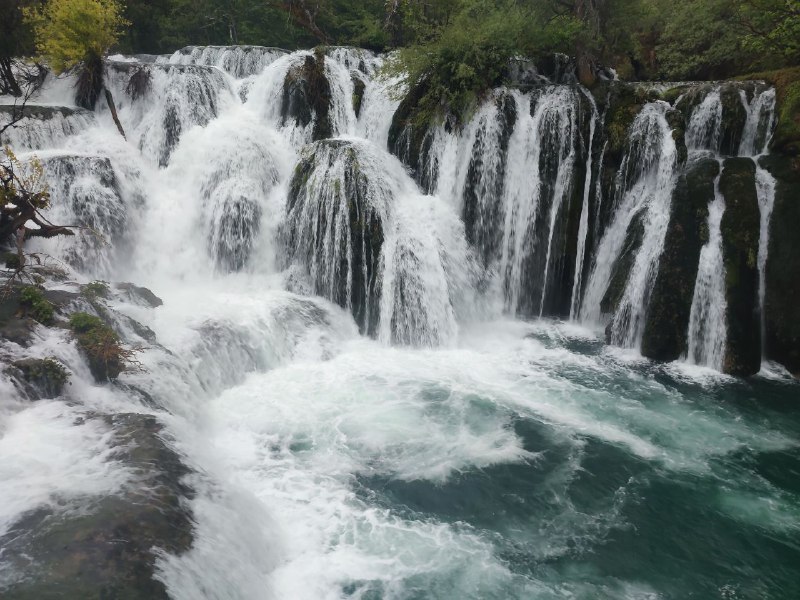
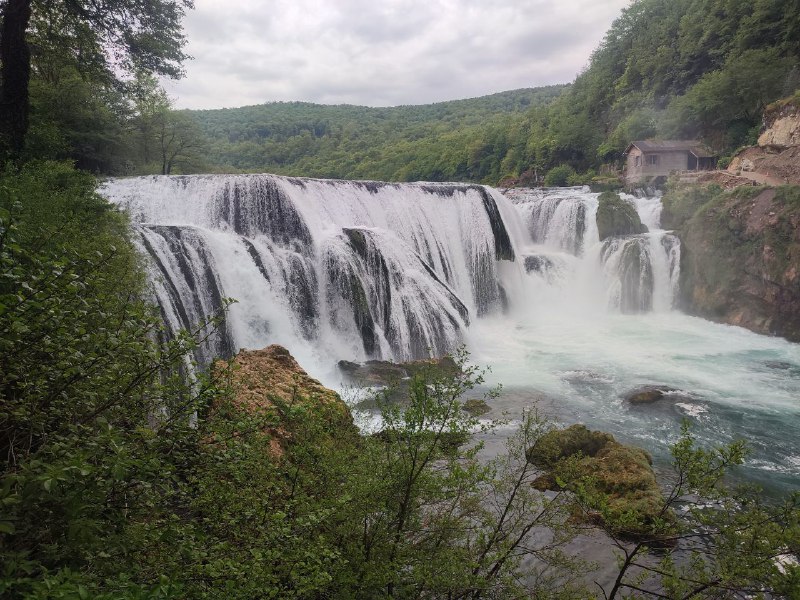
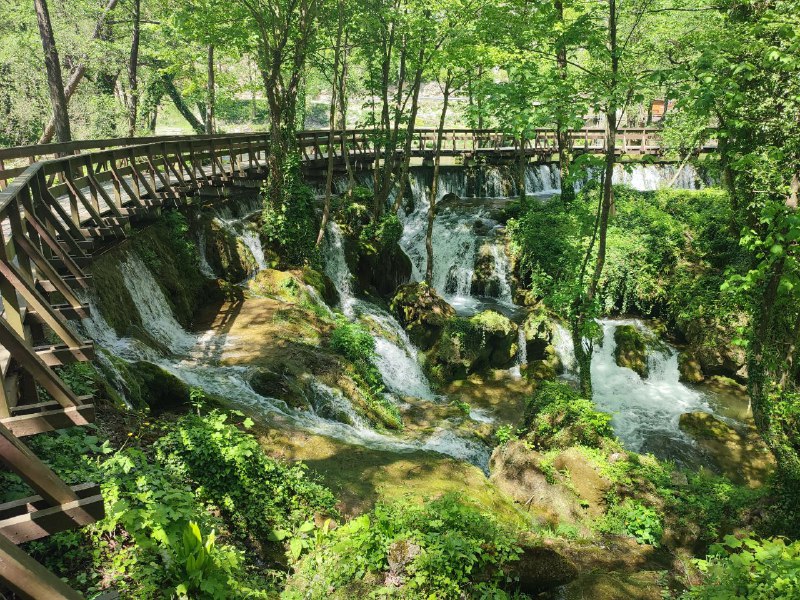
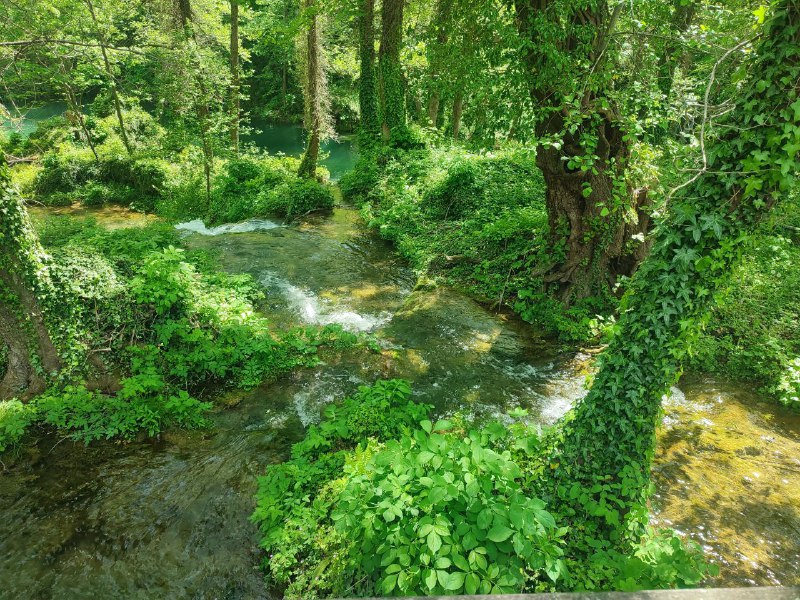
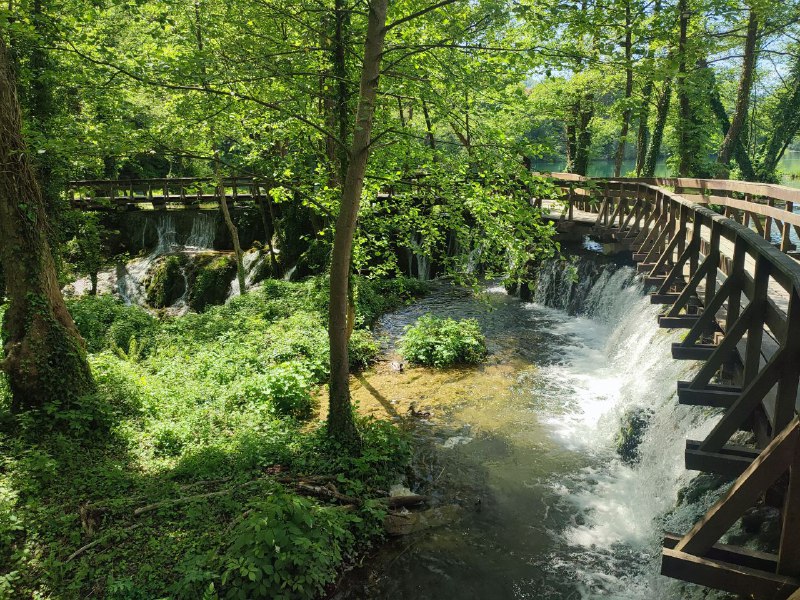
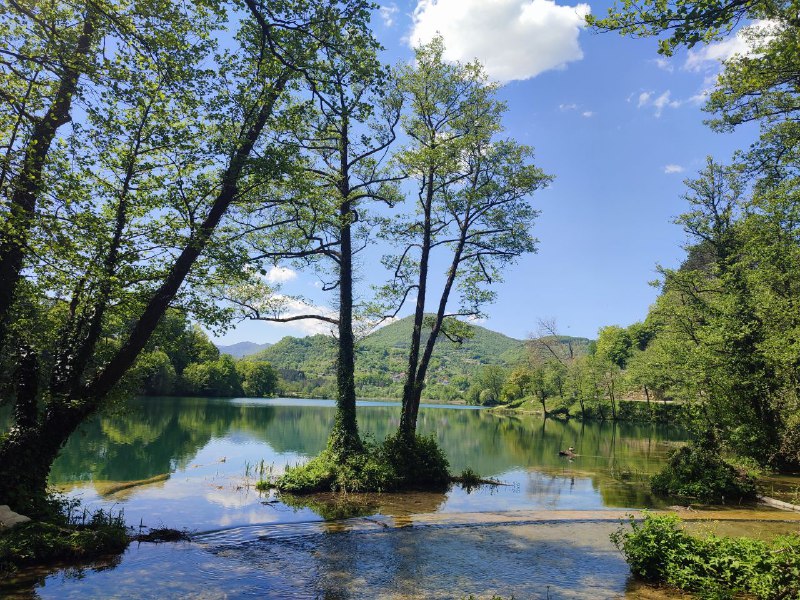
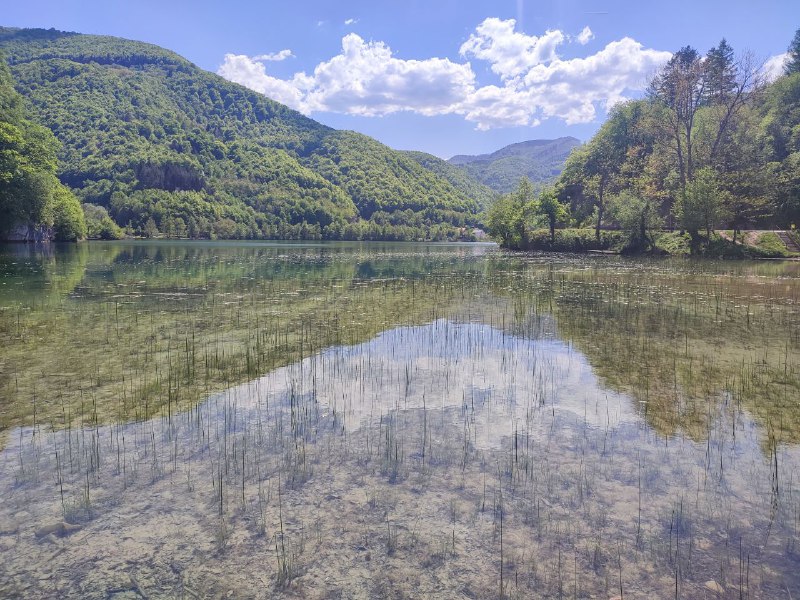
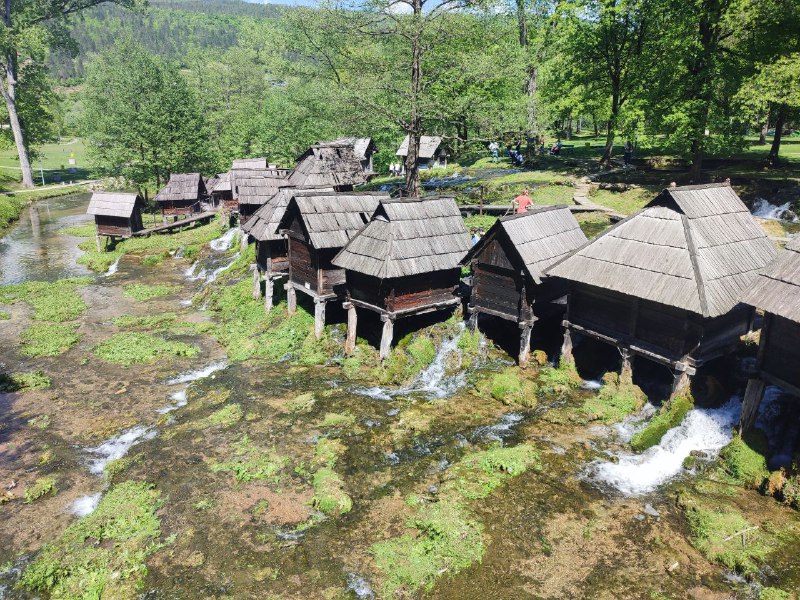
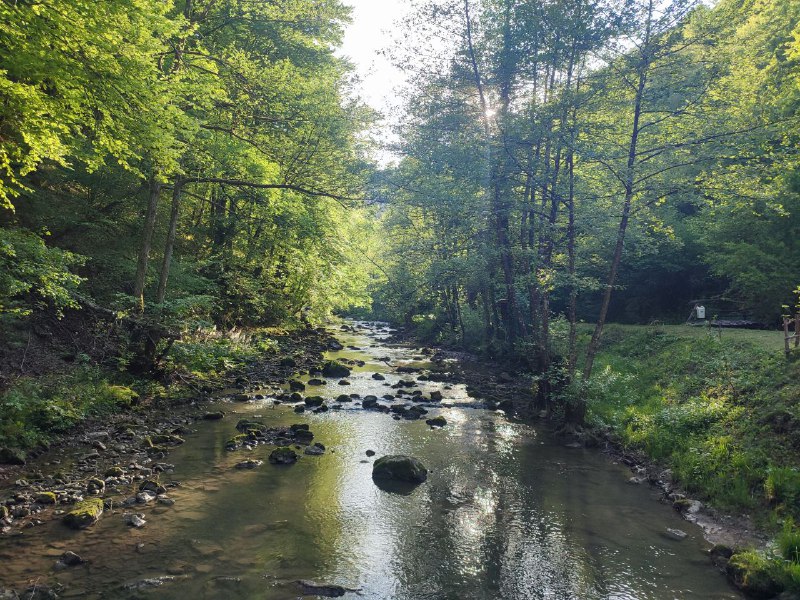
So I ended up taking this super visual trip without diving too deep into the history. But the Bosnian Una National Park right on the border with Croatia looks absolutely amazing. The Una River—Bosnia on one bank, Croatia on the other.
The countries are in talks to expand the park to the Croatian side and manage the nature together. I'm hoping they can make something happen with this.
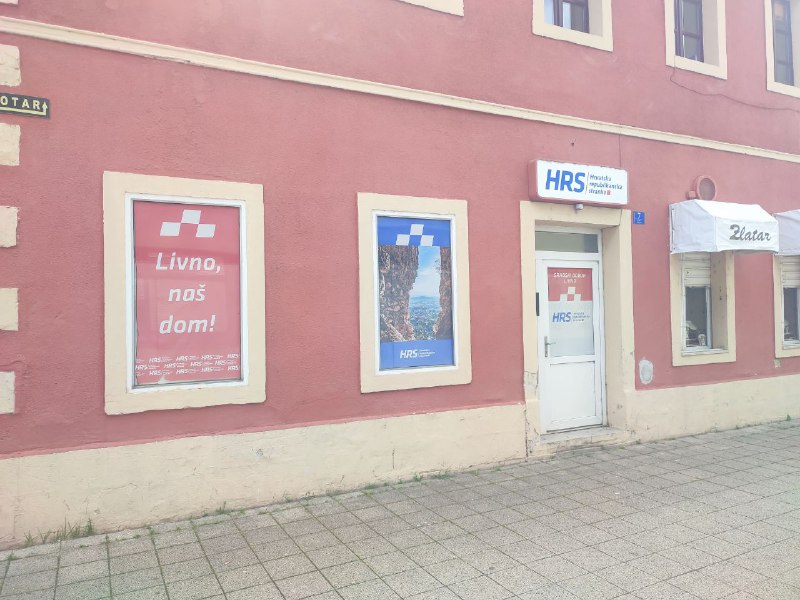
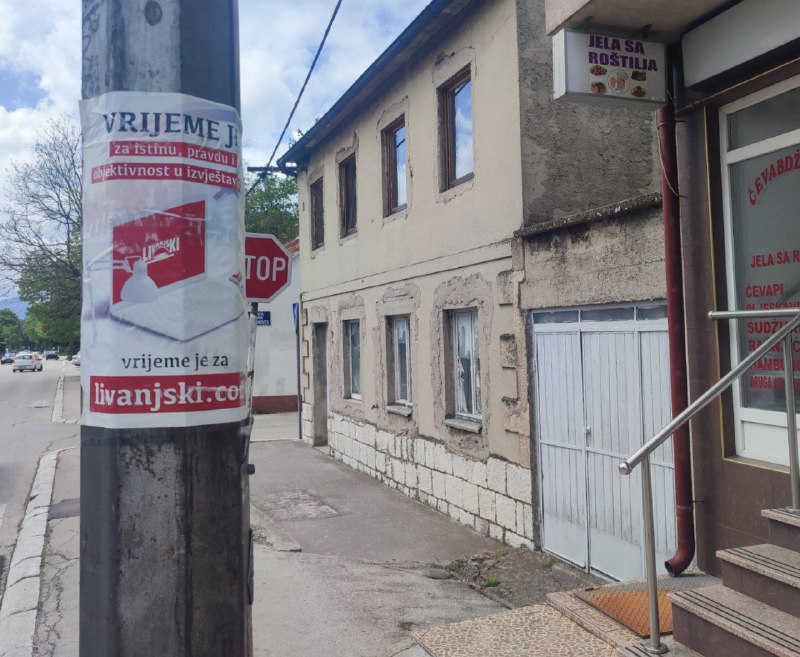
If you happen to spot livanjski sir in Balkan shops, it has absolutely nothing to do with Lebanon. That's just the quirky name for cheese from the city of Livno in the Herzegovinian part of Bosnia.
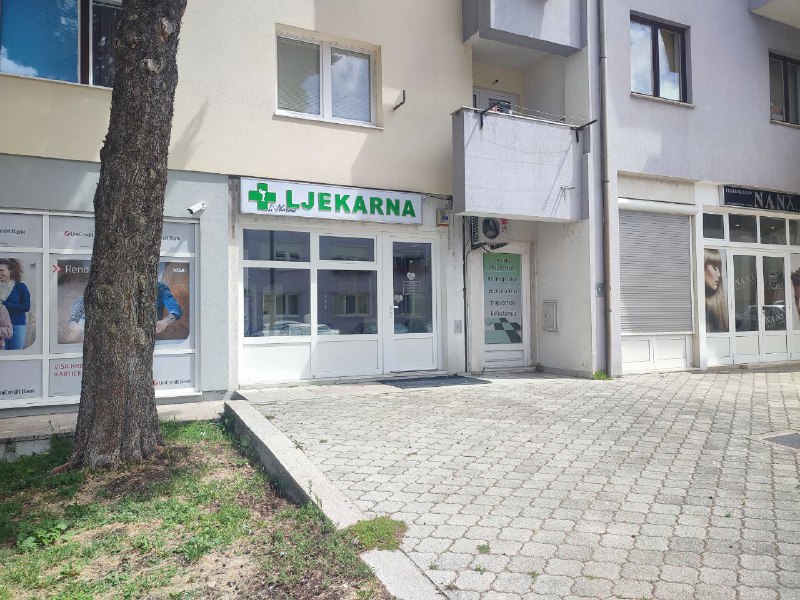
This region is mainly inhabited by Croats. You can tell right away just from the way they name ljekar pharmacies. Back during the kingdom, it was even part of the Croatian Banate (the country's administrative unit).
During the Bosnian War, a lot of people left and never came back. You really notice this when you're driving between cities and see villages lining the highway that are pretty much completely abandoned.
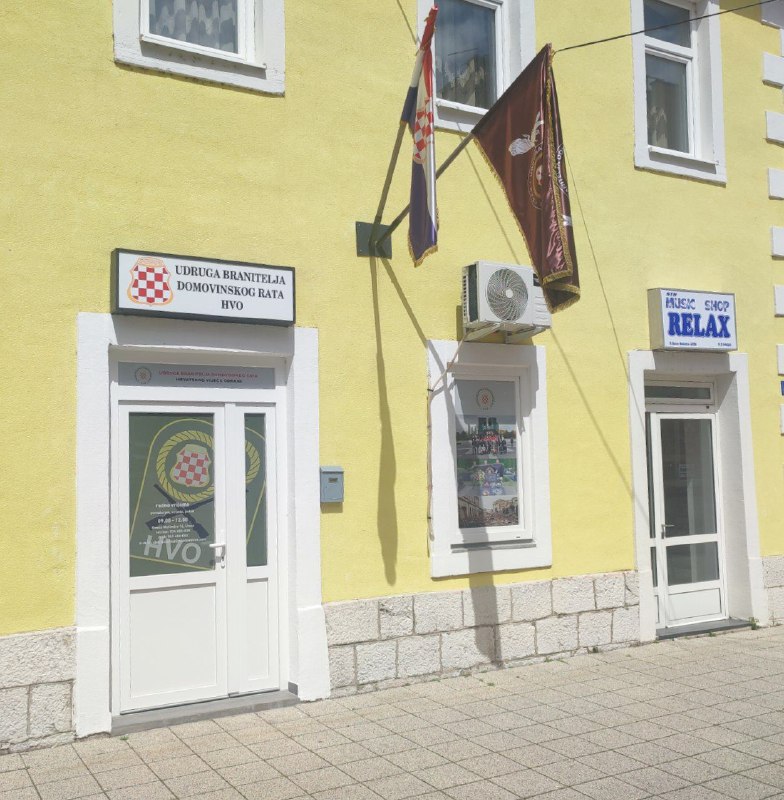
What really surprised me was seeing a sign with HVO (the Croatian Defense Council from the time of the Bosnian War). I figured that after the 92-95 war, people wouldn't mention that kind of thing anymore. But apparently, they actually commemorate the organization's founding day every year. Even with government officials participating.
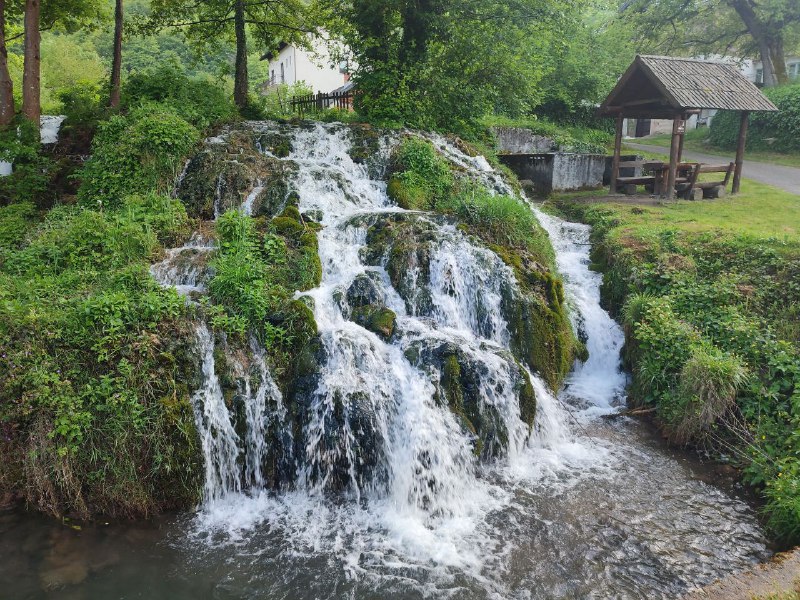
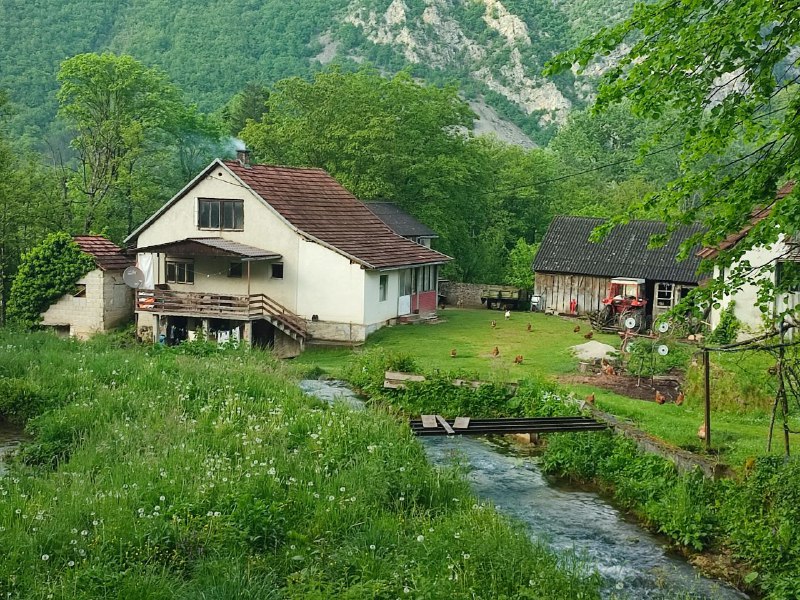
Sorry, but didn't I show you that Bosnia and Herzegovina has absolutely stunning nature? ❤️
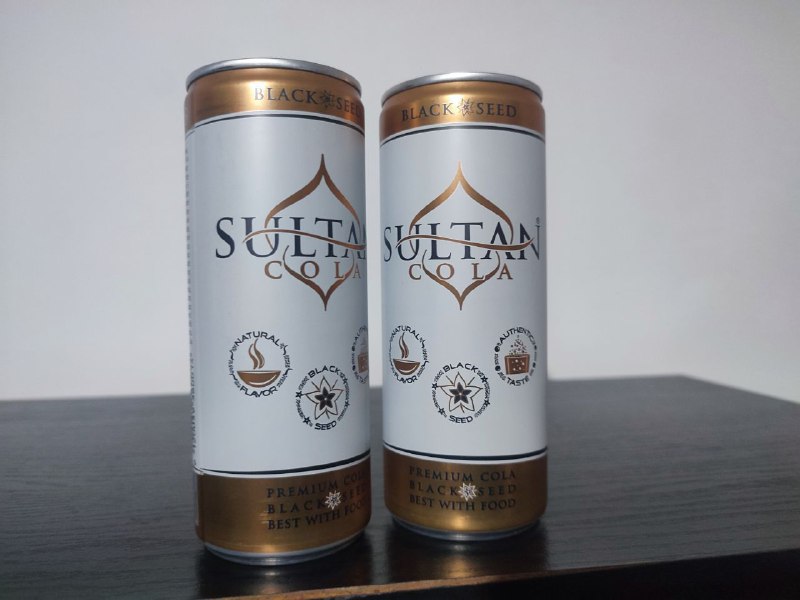
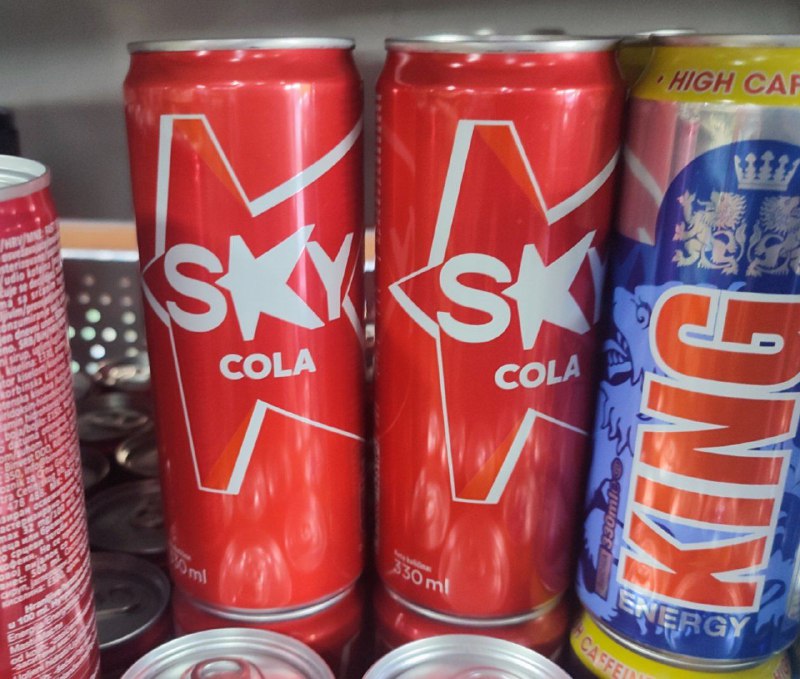
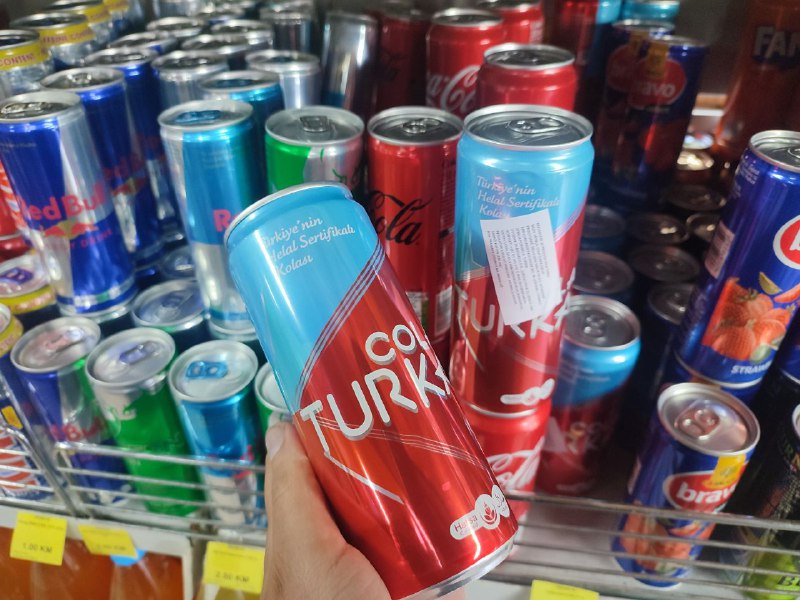
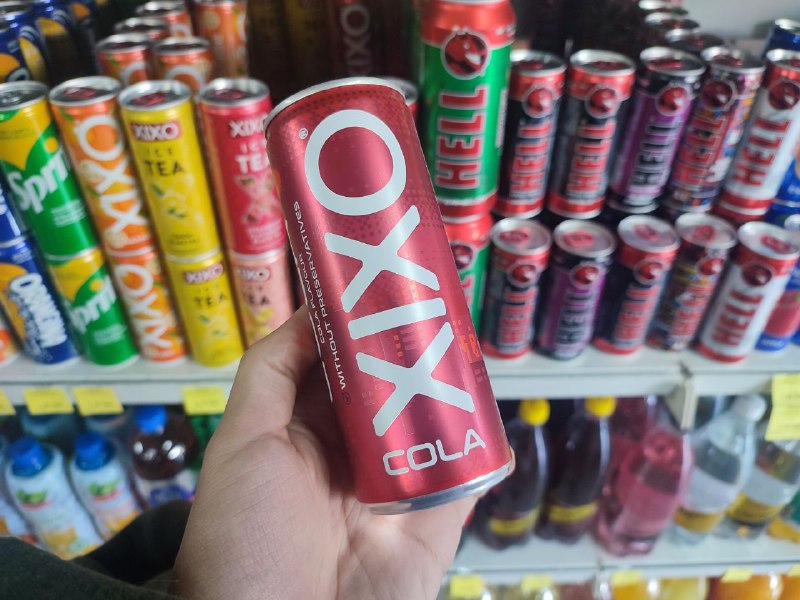
I walked into a random shop in Travnik, Bosnia, and my eyes started spinning from all the cola varieties. More than 5 different types. It's like a call center, but for cola 😄 I didn't even see that many in Sarajevo right away. Or maybe I just didn't notice.
I didn't try all of them. I stuck with Sultan Cola. The sugar content is noticeably lower than the original. It's not as cloying. A pleasant drink.
You can guess right away – 3 different countries where it's made. I'm betting Austria won't be one of them :)
PS. Nobody paid me for this ad, but if they want to, just let me know where to send the details :)
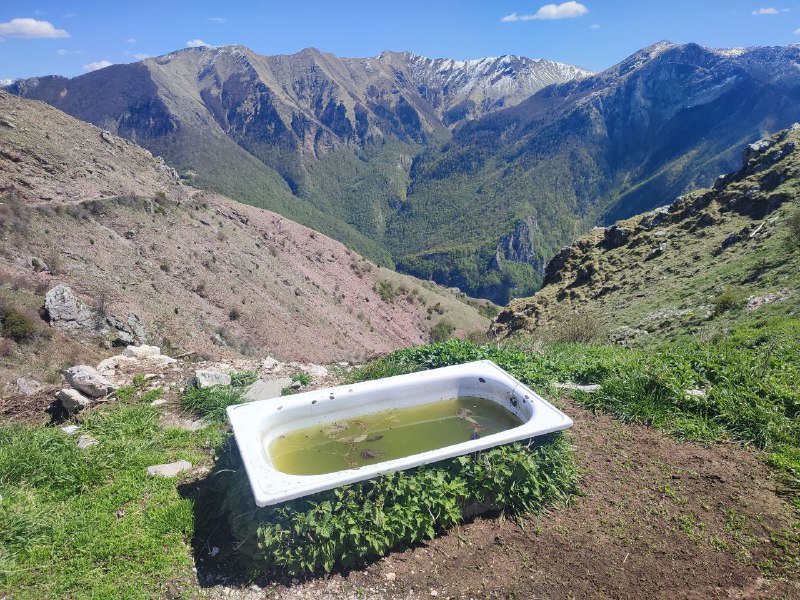
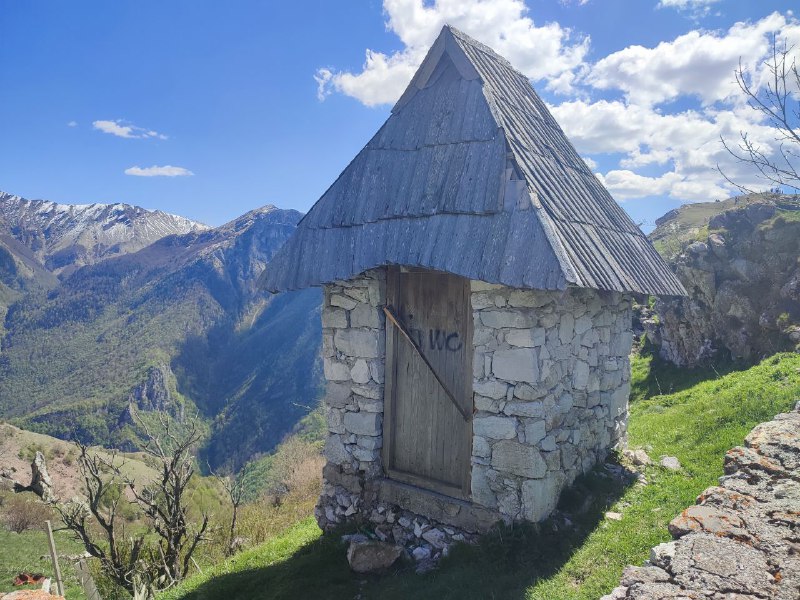
Getting to Gornji Lukomir wasn't easy. The last 20km took a whole hour to crawl through in the car. But the views are worth every bit of suffering.
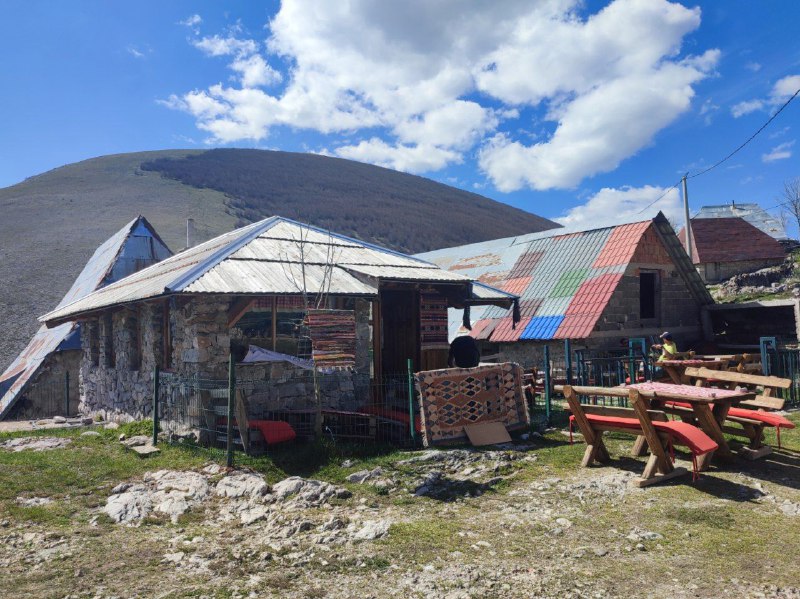
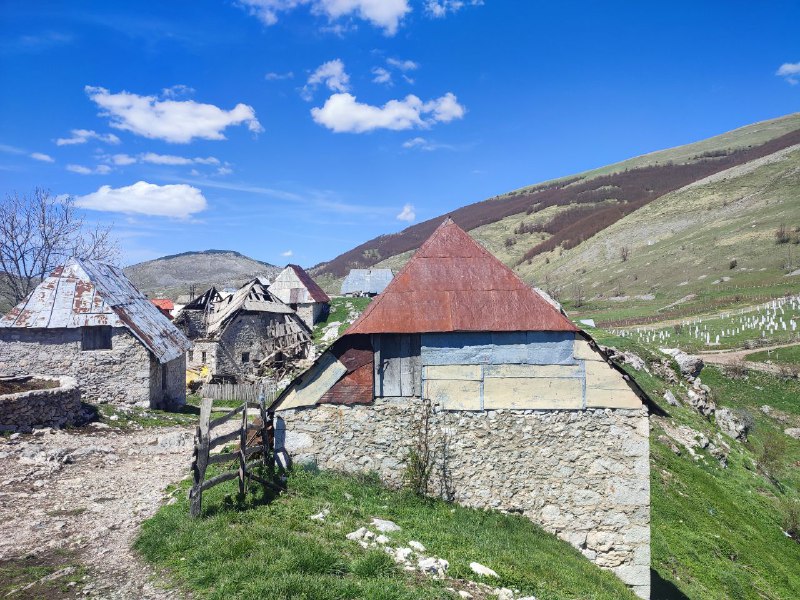
Lukomir is considered one of the oldest villages in Bosnia. Just 10 years ago, there were only about a dozen permanent residents here, and back in the 1970s there were nearly three hundred. Today people only live here during summer. That way they can earn money from tourists and avoid being completely cut off from the rest of the world in winter.
I read how locals lament that the village is gradually losing its unique character and turning into just another ethnic theme park. The roofs used to be Lukomir's trademark, but modern materials are much cheaper, even if they don't look as charming. Money wins again, and the expensive traditional options are slowly being replaced by what people can actually afford.
Still, there's plenty to see here: tons of hiking trails, amazing viewpoints, and even 15th-century stonework (I actually talked about them
recently).
While Serbia's enjoying those long May holidays, you can still do a bit more exploring around Bosnia.
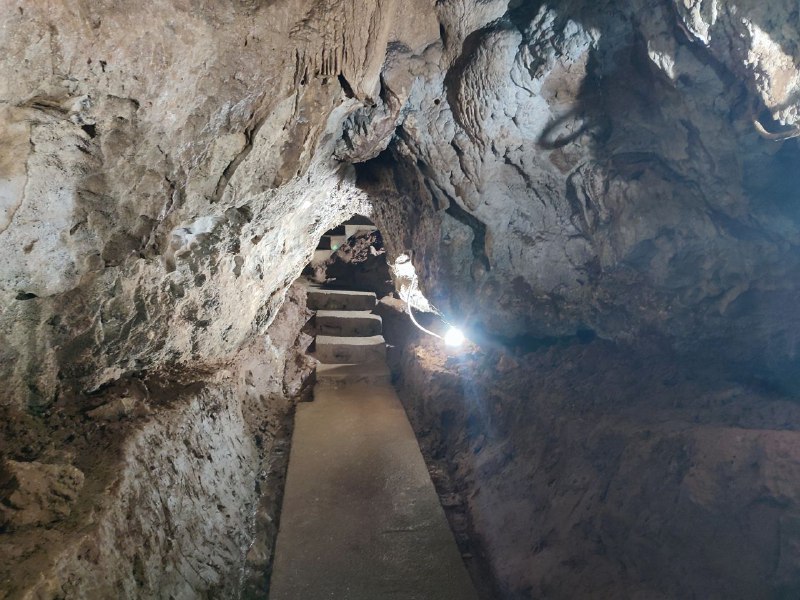
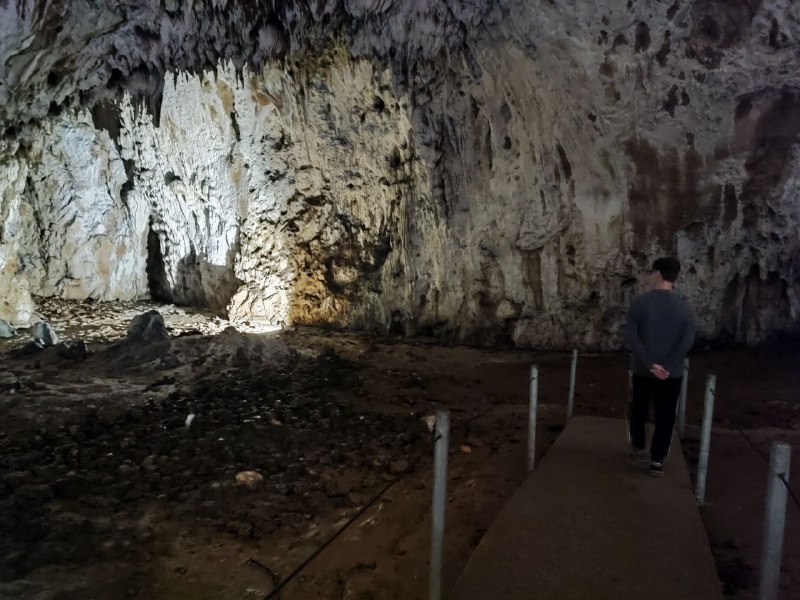
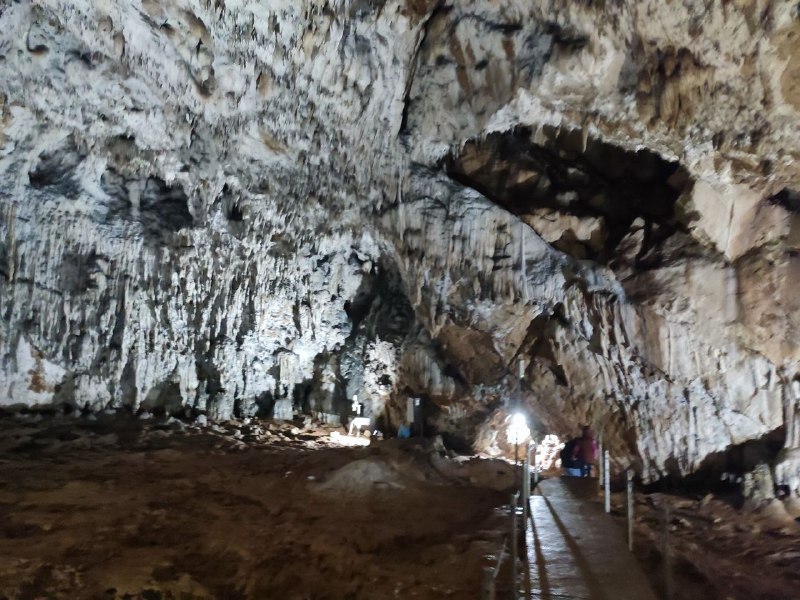
If you ever decide to get married, consider
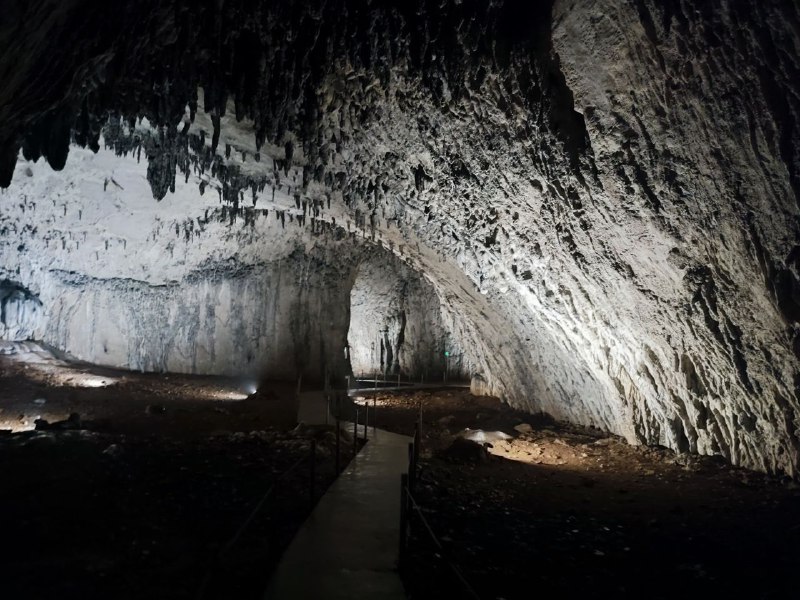
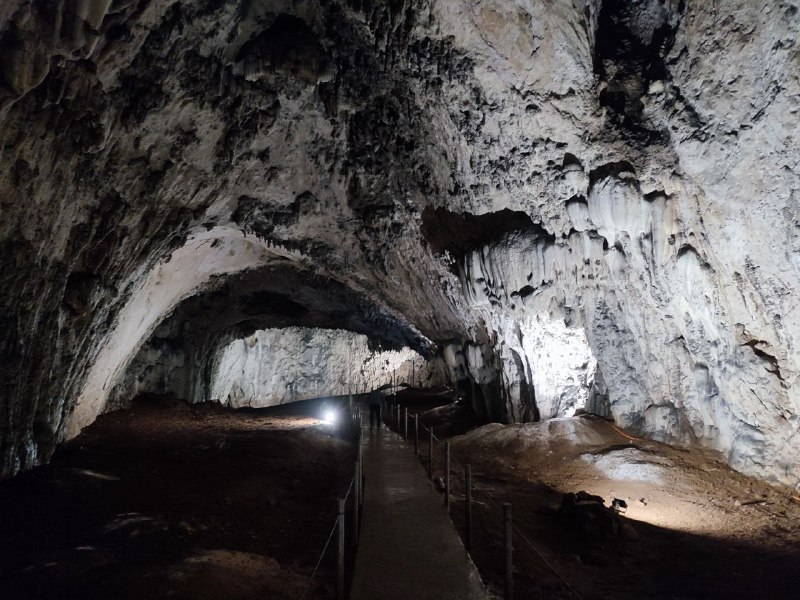
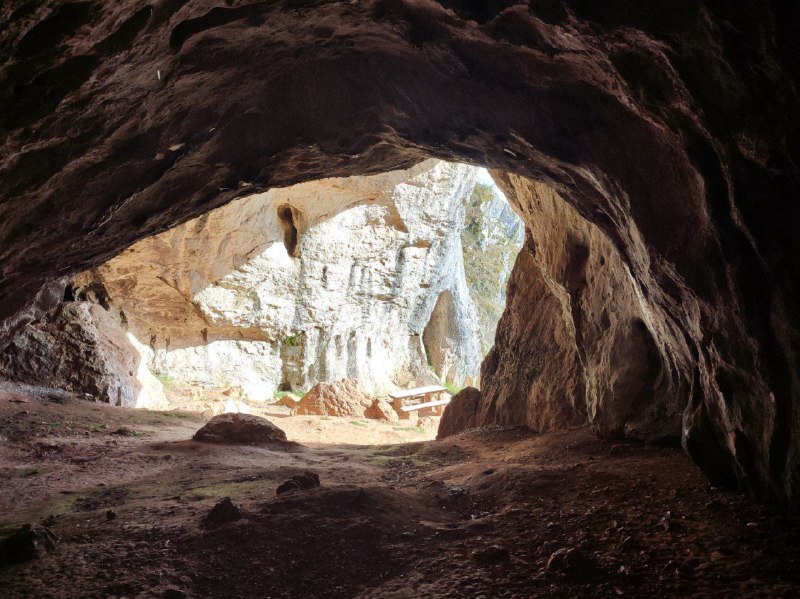
Bijambare Cave for your ceremony. According to local legend, if you tie the knot inside this particular cave, your marriage will be long and happy. I haven't seen any big pilgrimages of newlyweds there, but apparently there's this one Bosnian-German couple who got married there thirty or forty years ago, and they're still living together in Sarajevo to this day. Hopefully it works out!
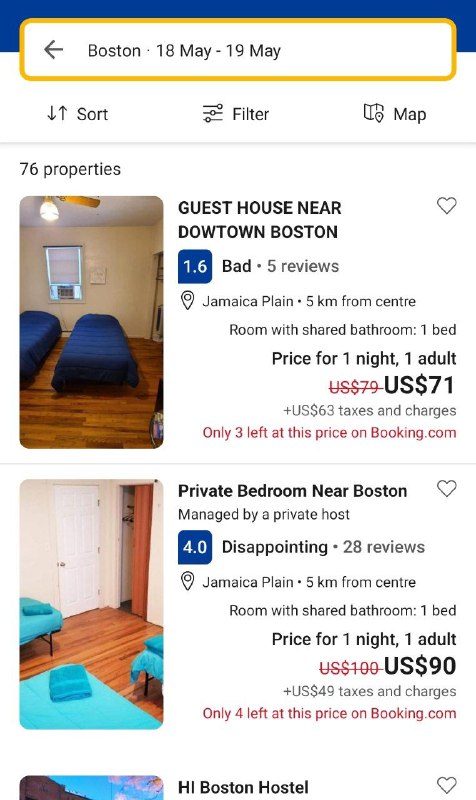
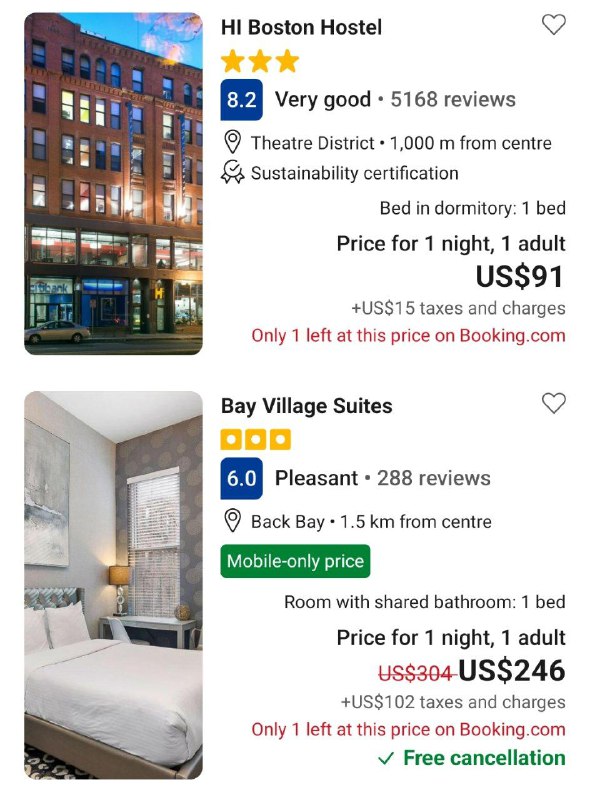
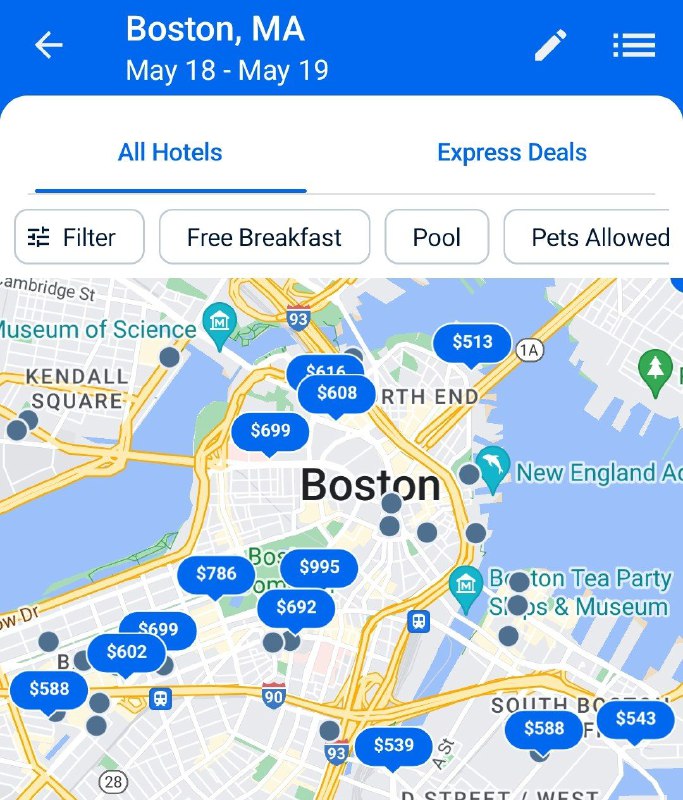
So I'm trying to plan a business trip to the States and I'm absolutely blown away by the housing prices. I'll have some free time over the weekend and I'm thinking about making a quick trip to Boston. Looking for somewhere to stay. The cheapest hostel in Boston costs over a hundred bucks. It's literally just a bed in an 8-person room. For a sketchy guesthouse with cockroaches, rats, and a 1.6 rating on Booking (one point six, come on!) they want $130. Per night.
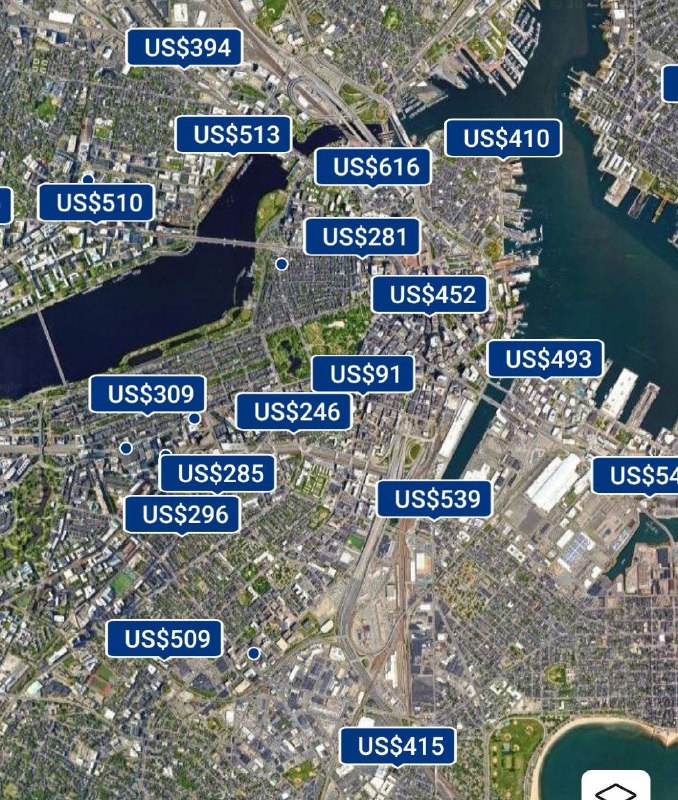
Hotels are asking for $350+. Per night. For a single room. In Sarajevo, I could live for a week on that money in a big 3-bedroom apartment near the center (talking about short-term rental, for long-term, you can find a place for a month in Bosnia's capital for $300-400).
And this isn't even for the long weekend of May 25-27 with
Memorial Day, when the whole country is frantically trying to get away somewhere, and not during the Boston Marathon days, when prices predictably shoot through the roof. If you shift the dates from the weekend to weekdays, it'll be about 30% cheaper. Better, but still not great.
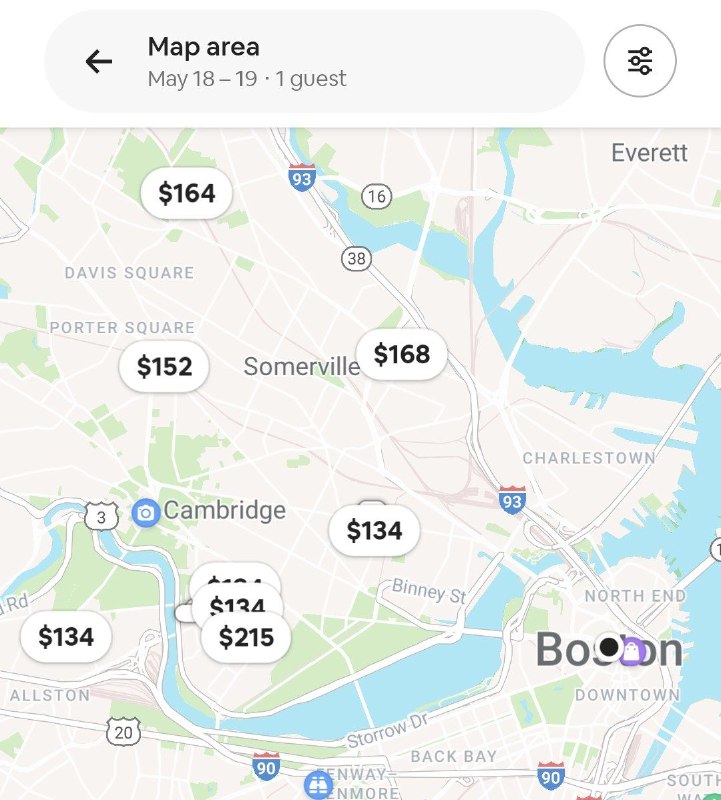
You can find something for under $100 a night only in a room (not an apartment, a room) on Airbnb. But it'll be nowhere near the center. Some Priceline cheerfully offers motels for 100 bucks half an hour away by car, which I won't have.
Before converting to Islam, Bosnians were Christians. And it was a special kind of Christianity —
Bosnian Christianity. There was just one problem: nobody recognized it. Both Catholics and Orthodox Christians considered Bosnians heretics. Serbs called them "evil heretics." Meanwhile, Bosnians called themselves the "good people" or "good Bosnians."
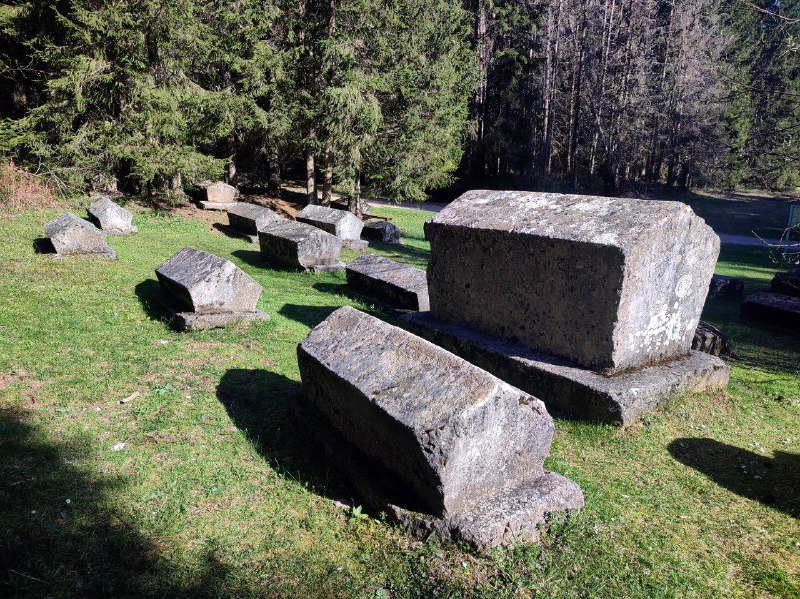
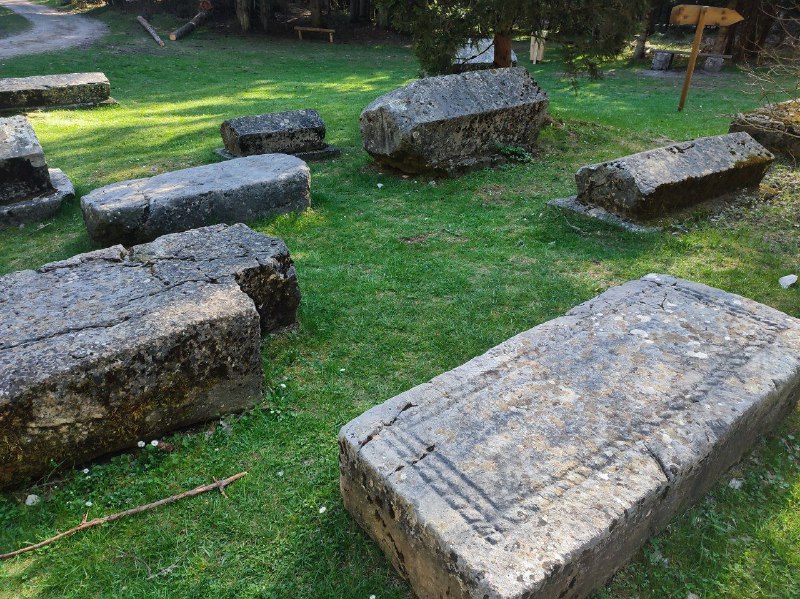
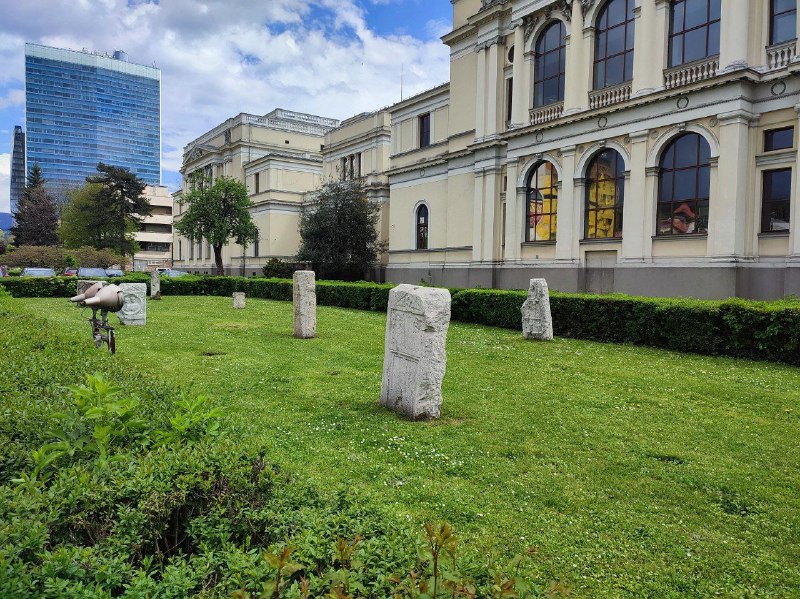
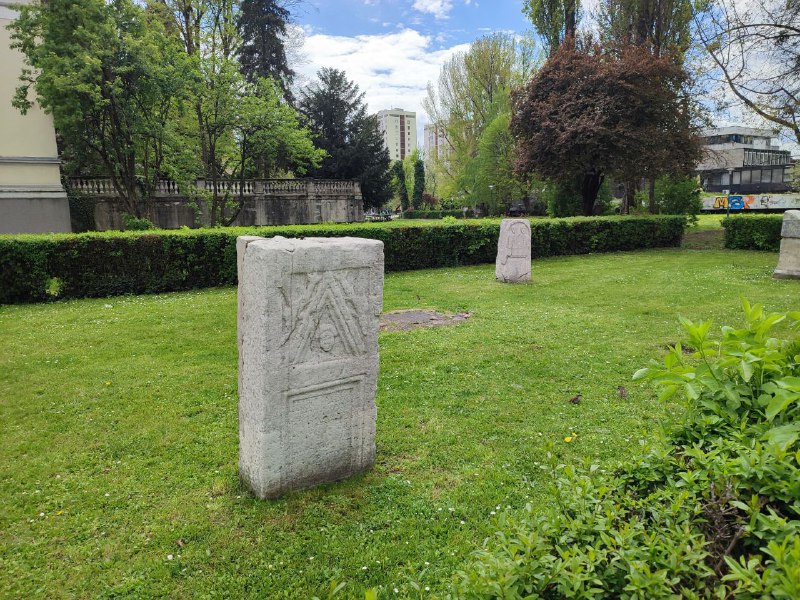
You can often find
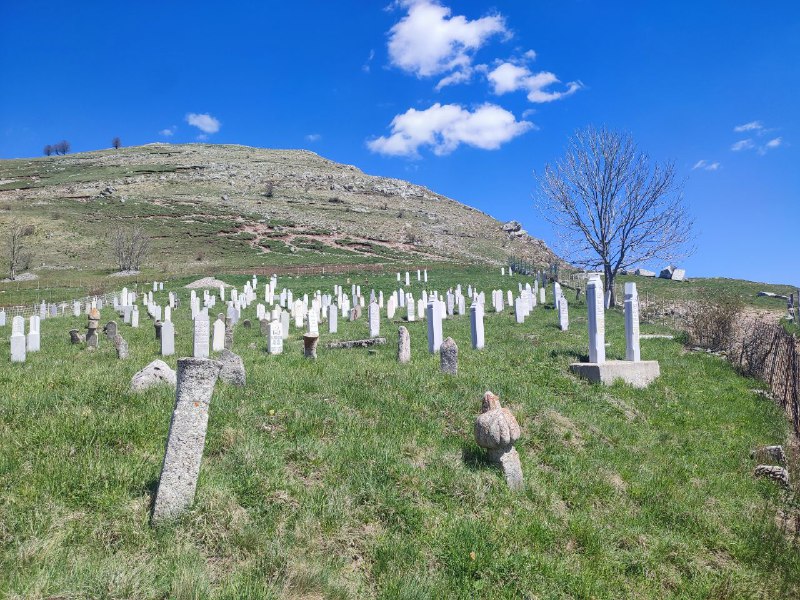
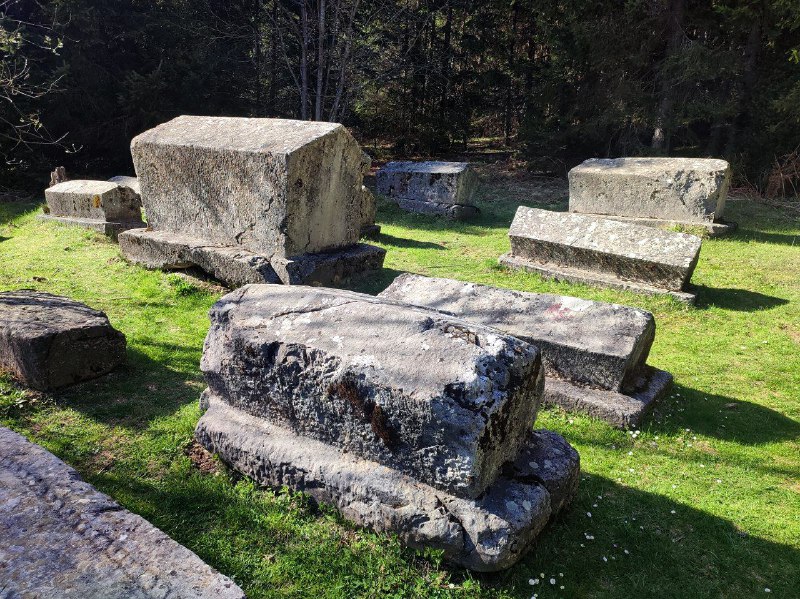
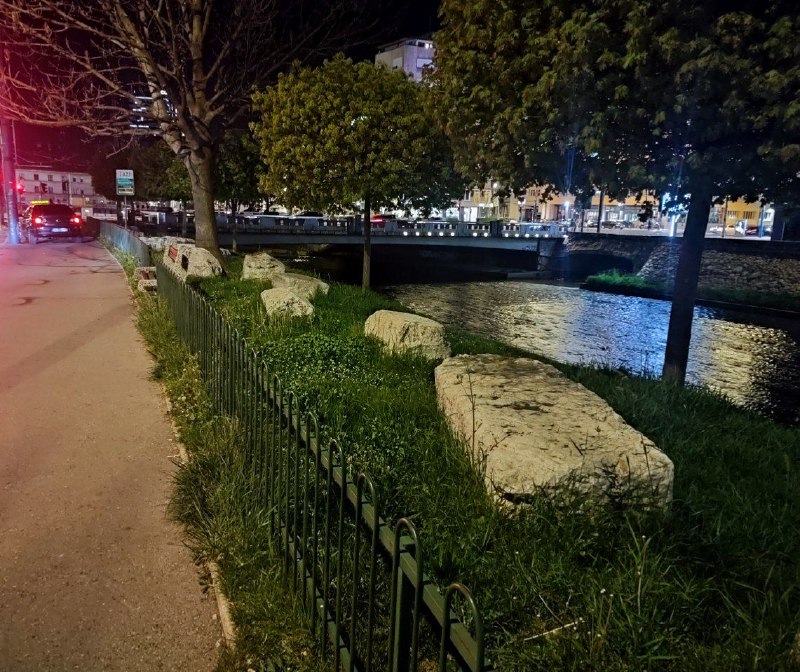
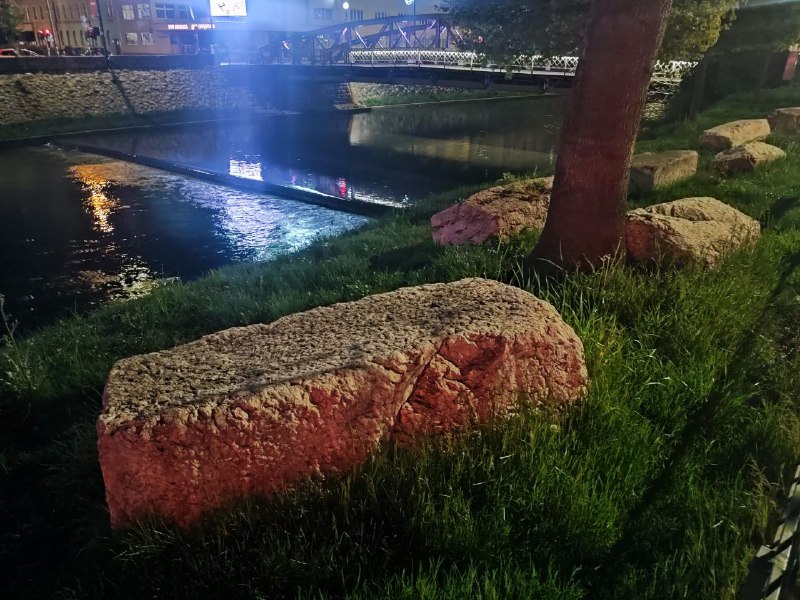
stečaks throughout the country (medieval tombstones from Bosnian-Christian traditions). They're among the few remaining artifacts from that era. In Sarajevo (for example,
here or
here) you'll sometimes spot them lying inconspicuously by the roadside with no markers at all.
Since medieval Bosnia was apparently full of heretics, something had to be done about it. Catholics regularly showed up with crusades and enslaved the locals. A single successful crusade could result in thousands of people being taken into slavery.
The slave trade continued for several centuries. Dubrovnik didn't pass a law banning the sale of people until 1416, and even then it took a long time to see real results.
Shortly before the Ottoman conquest, Bosnians were forcibly converted to Catholicism and their church was effectively destroyed. So when they later adopted Islam, it wasn't really that surprising.
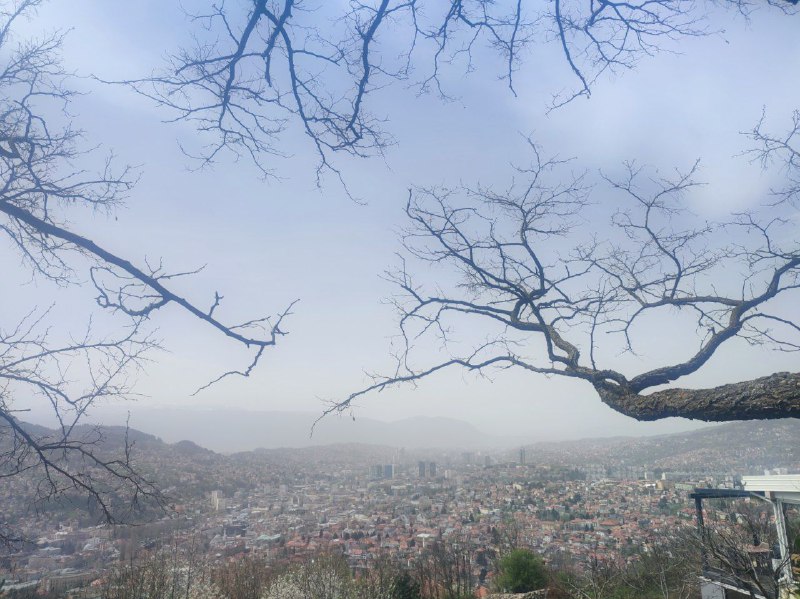
That's a better view of Sarajevo.
I keep being amazed by how residential buildings and cemeteries are intertwined here. Windows overlooking graves are a completely ordinary sight. And this time, I myself lived about 50 meters away from them.
Because of the white stone, the cemeteries don't look as gloomy, but still.
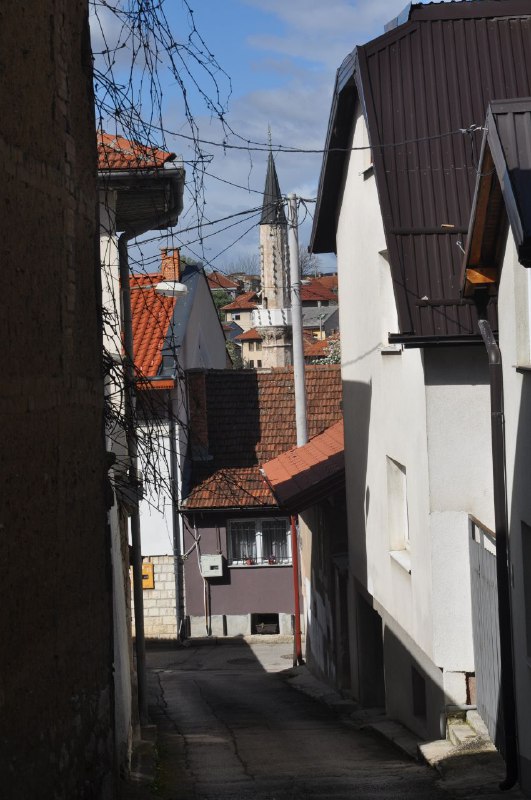
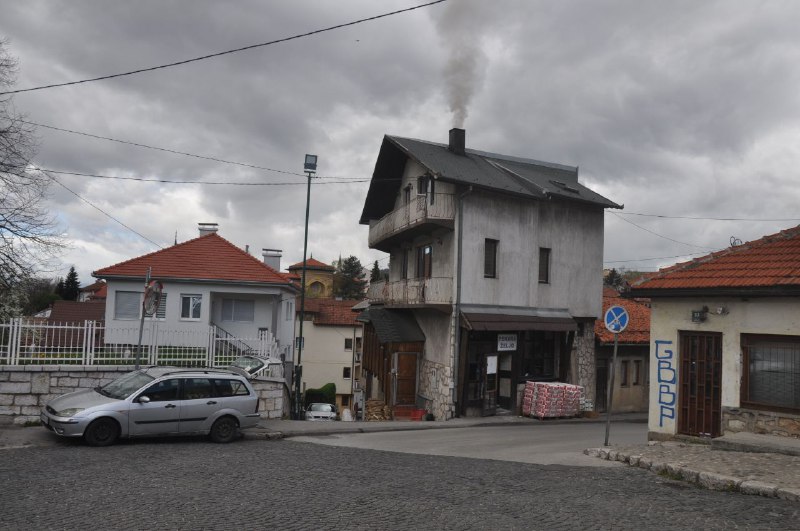
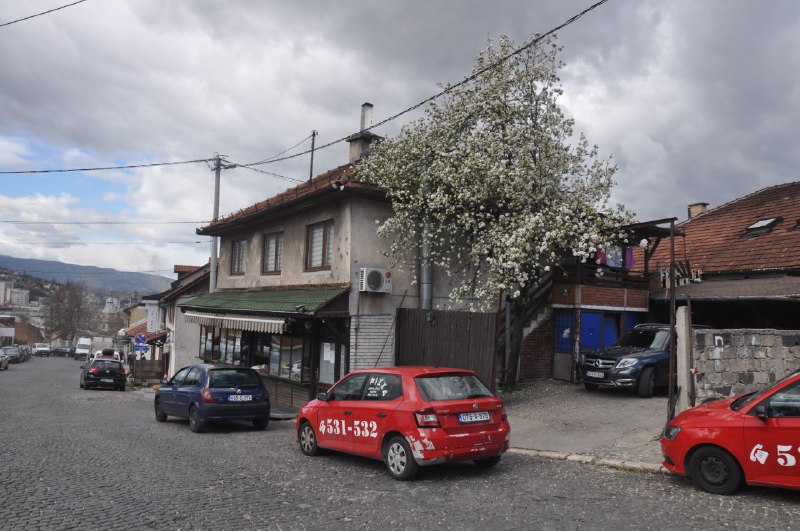
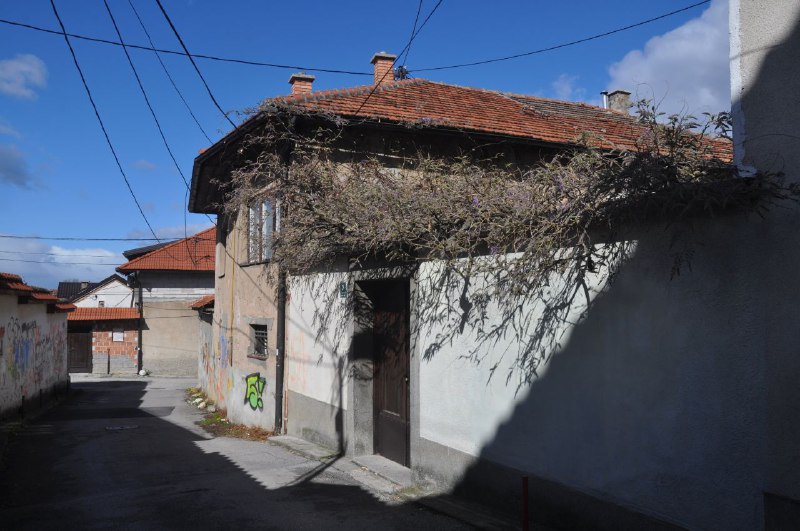
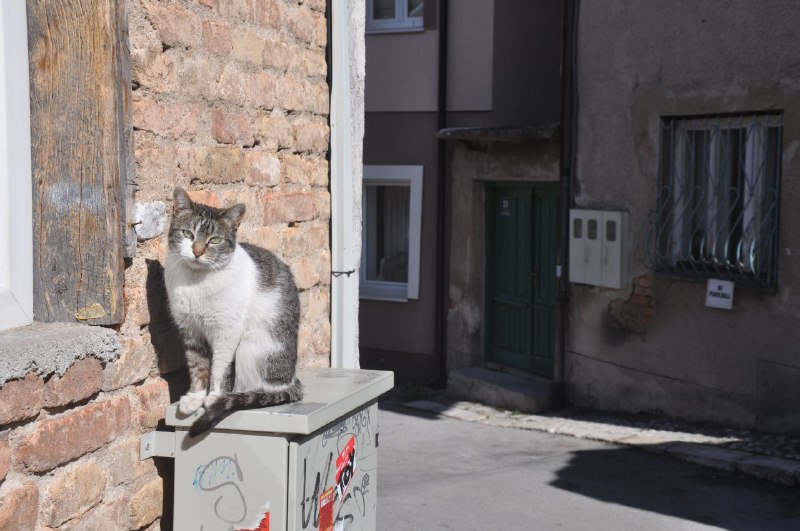
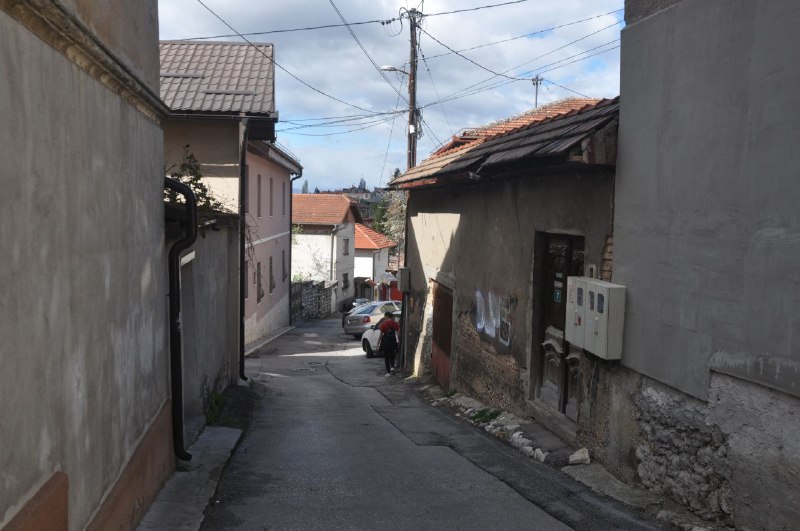
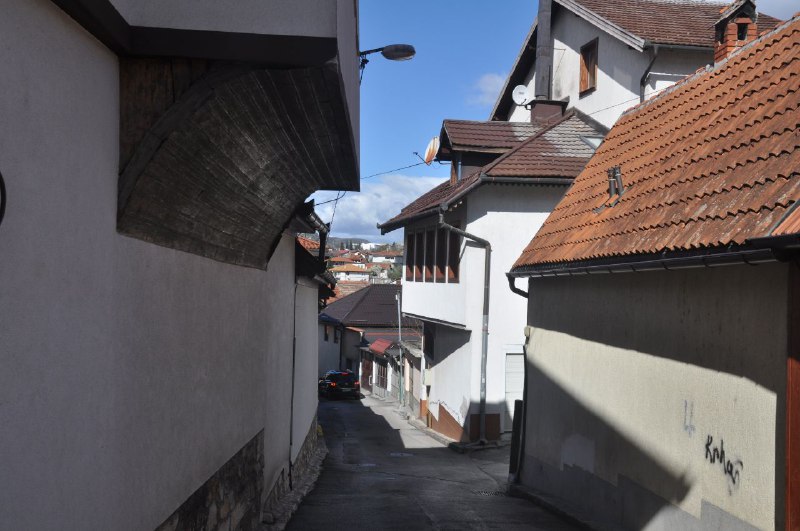
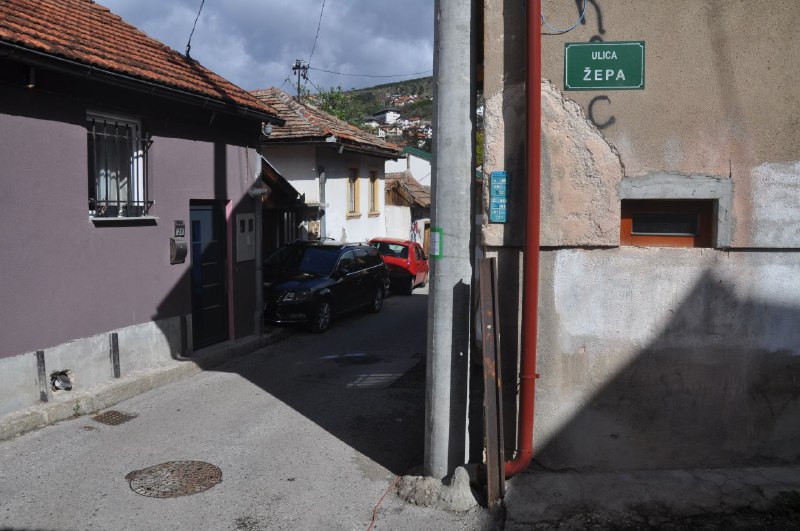
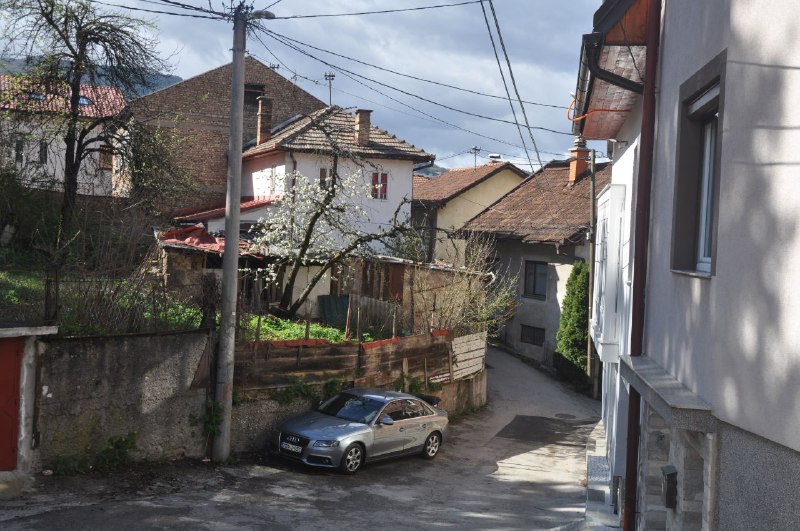
I stayed outside the center of Sarajevo and discovered a completely different city. The center sits in a river valley where everything is flat. But take a step to the side and the hills start. The slopes have really dense development and the street layout is super old. It's actually pretty fun to walk around there.
Driving there though? Not so comfortable. The streets are incredibly narrow, sharp right-angle turns constantly, and barely any room to maneuver. Two cars coming from opposite directions can't pass each other. And Google Maps routes you through backyards taking the shortest path. I had to memorize the main wide roads. They take longer, sure, but you can drive more peacefully and sometimes even faster. Now I can confidently get around without GPS between the main spots :)
By the way, these photos aren't from the outskirts—they're within a kilometer of Baščaršija, one of the city's main attractions.
PS. Yesterday marked 32 years since the start of the Sarajevo siege. I happened to catch a children's ensemble performance marking the occasion.
In Sarajevo during Ramadan, a cannon shot announces iftar (the meal eaten after fasting) every single day. And with a salute, no less! Last year, they did the same thing in the Serbian
Novi Pazar. At the time, I thought it was just a local custom. Now I had to Google it.
Turns out, it's a major
tradition that likely started in Egypt in the 19th century (though some historians claim it goes back to the 15th or even 10th century), and by the mid-20th century it had spread to most Muslim countries.
According to legend, the Sultan gave Egyptian soldiers a cannon, and they decided to test it: they cleaned it and fired it. It just so happened that this took place right at sunset. The locals took the loud boom as a signal that the fast had ended and were extremely grateful to the ruler for such a brilliant idea. Keep in mind that back then people didn't have watches or phones readily available like today. In the end, the Sultan's daughter convinced her father to order the cannon to be fired like this every day during Ramadan. In Cairo, the tradition is sometimes even named after her—Hajja Fatima.
Crowds gather to watch the spectacle. Some people bring food (usually pizza from a nearby bakery) and start eating right after the shot. It probably also helps that during Ramadan, getting into a decent restaurant for dinner without a reservation is really lucky. When you call to book a table, there's often no availability even for the next day.
P.S. Spotify suddenly started recommending Bosnian religious
music to me. It's not like I'm into that, but now I know it exists. It actually sounds pretty good, by the way. And the lyrics were interesting to listen to.
Sarajevo is still beautiful.
I just realized I've never posted about the view from
this little café. It's my favorite spot in the city. The coffee here is excellent, but inflation doesn't spare anyone. Now a cup of Bosnian coffee costs 3 marks (1.5€) instead of 2 like a year ago. And in the city center, it's even gone up to 4 as the average price.
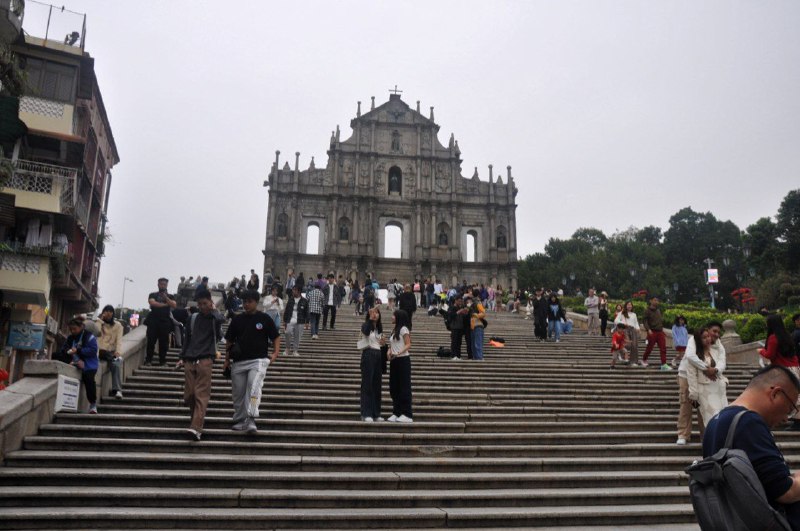
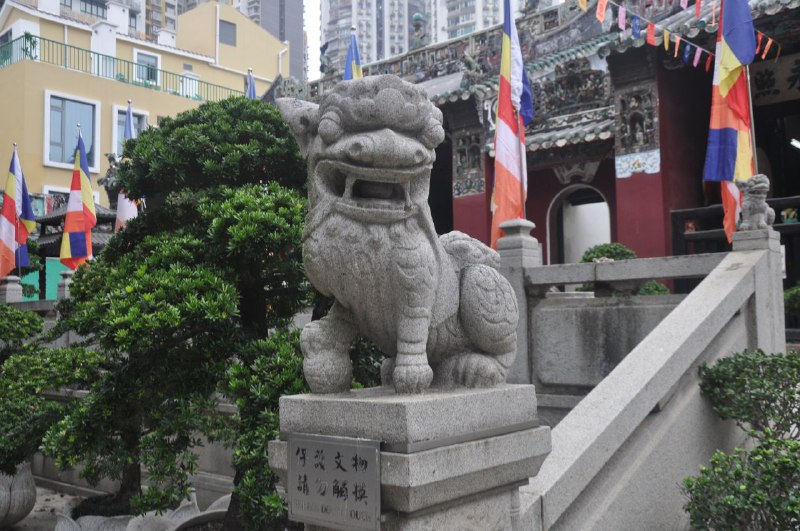
You can take a ferry from Hong Kong to Macau. It was hard to resist. And I even managed not to repeat the fate of
Patrick O'Brien, who boarded the same ferry without documents in 1952 and then spent 11 months sailing back and forth because neither Macau nor Hong Kong would let him in (he even became a local celebrity among regular ferry passengers).
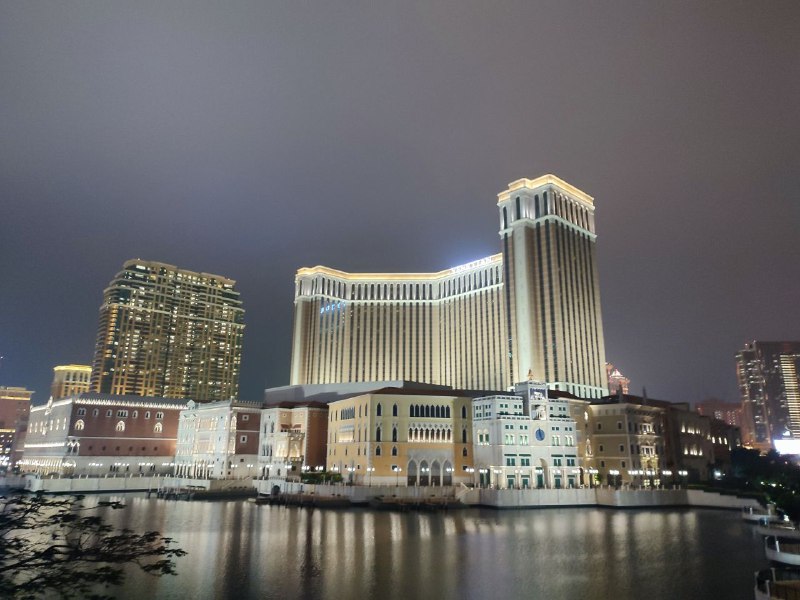
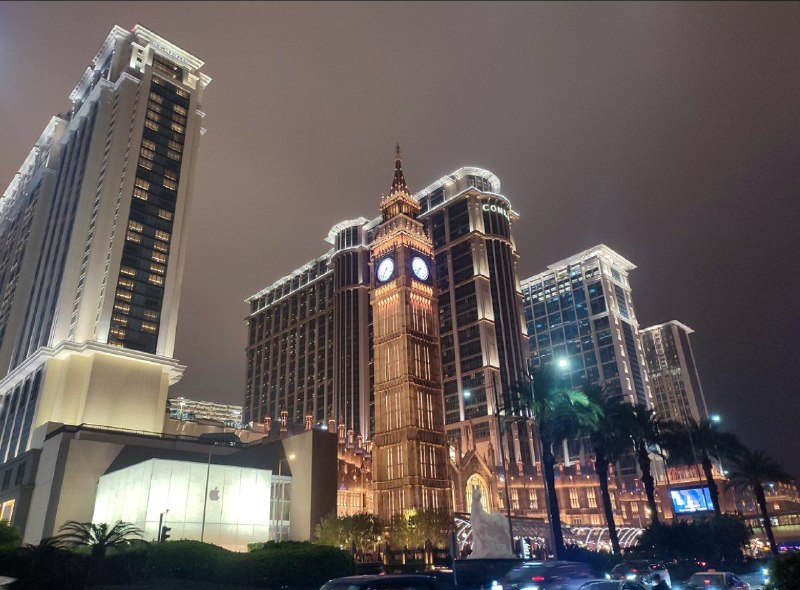
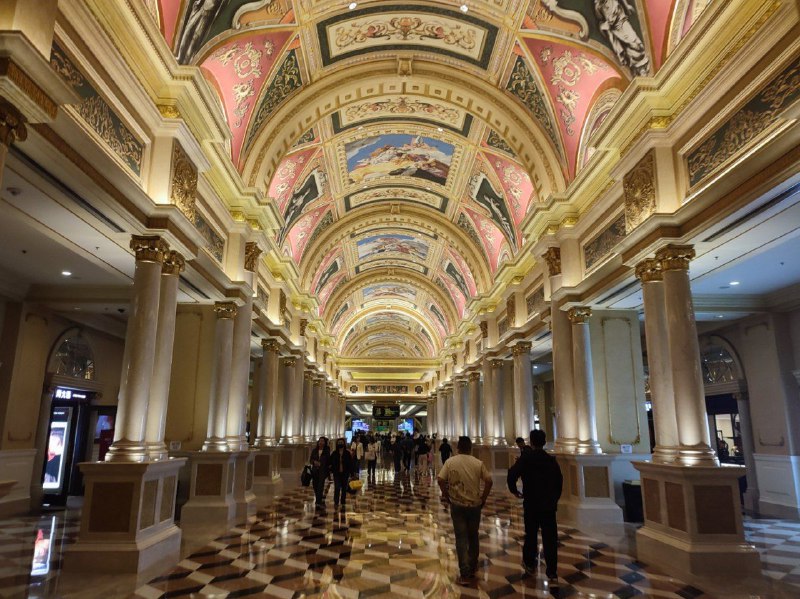
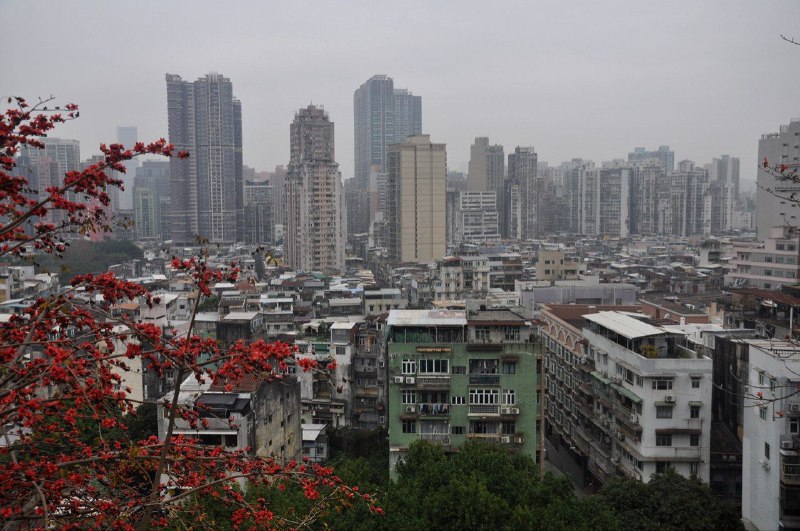
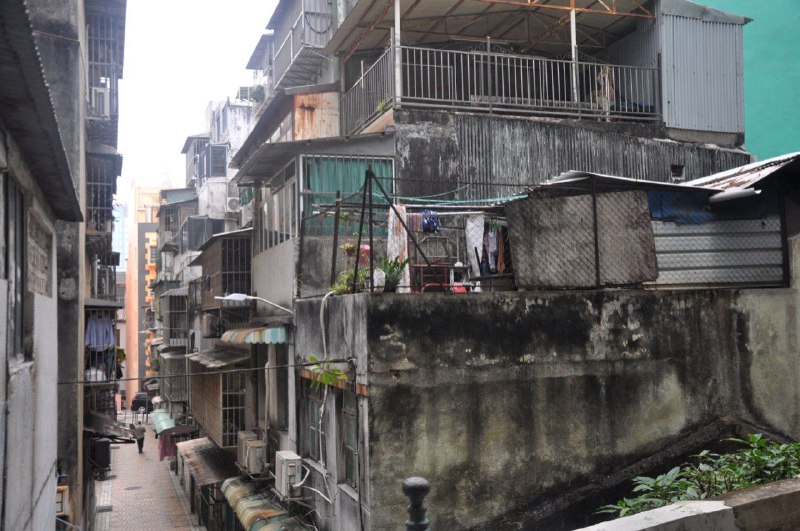
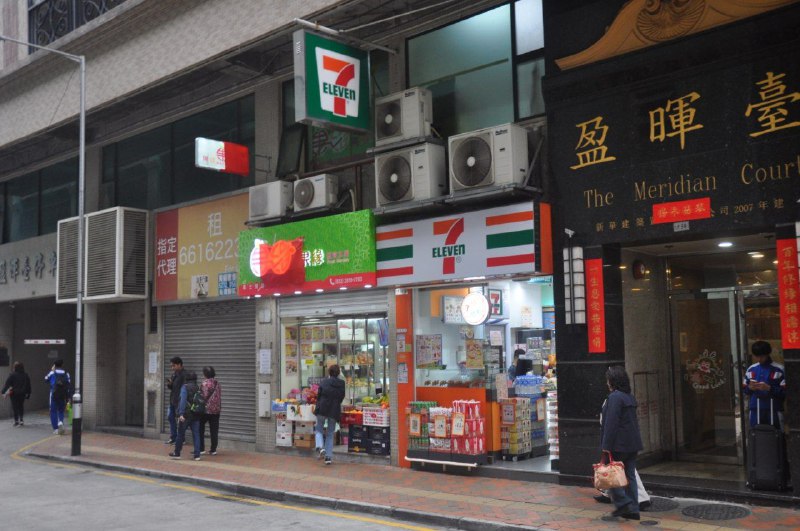
Macau is way simpler than Hong Kong. The only real grandeur is in the casino district, but since I'm not into gambling, I wasn't too tempted. Interestingly, online sources say the gaming industry's revenue and turnover here is several times bigger than in Las Vegas. That said, it's all much more private inside. The casinos are separated by screens, and there's no crazy overload of slot machines everywhere. It's like the focus is more on games with live dealers.
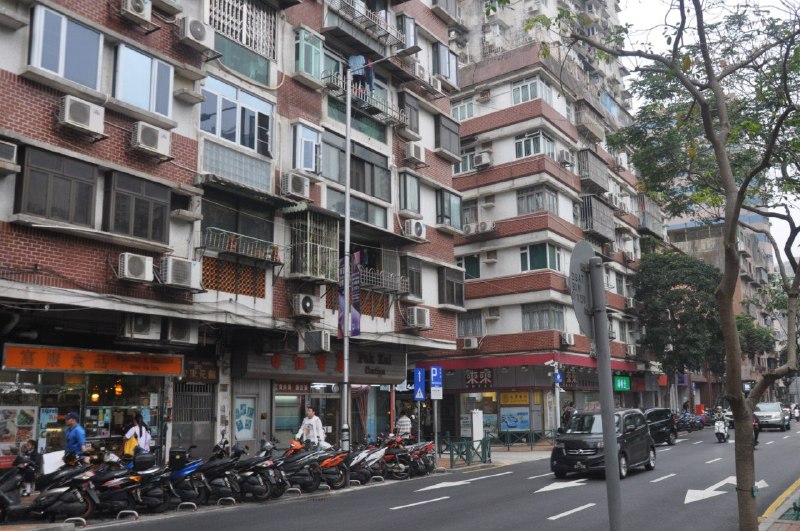
From the observation points, you can see the vastness of mainland China. And the contrast really stands out. It feels like casino money doesn't do much for the city's development.
By the end of the day, I wanted to get back to Hong Kong as quickly as possible. On top of that, my GPS started acting up and showed my location about 600 meters off :)
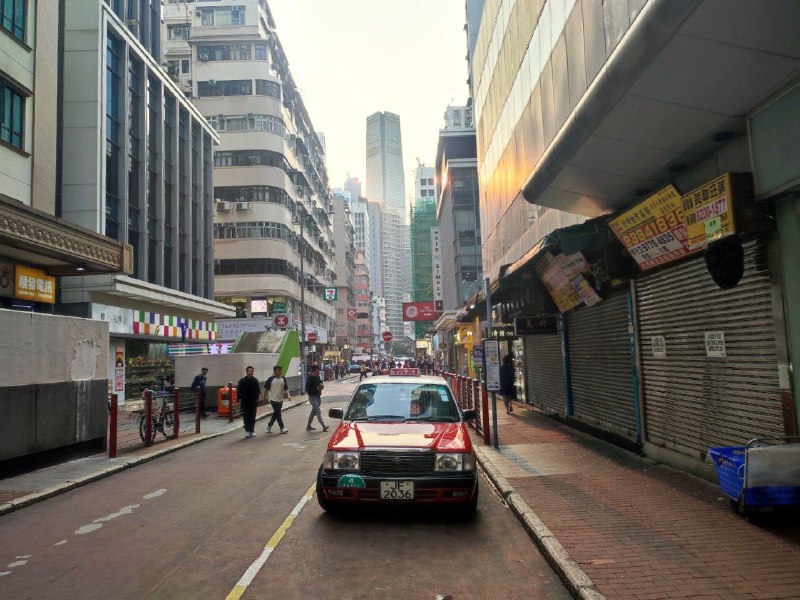
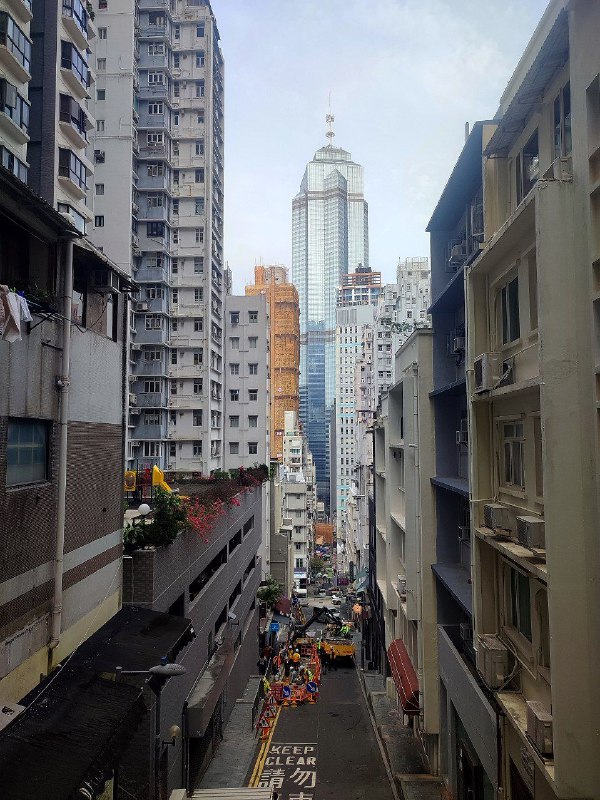
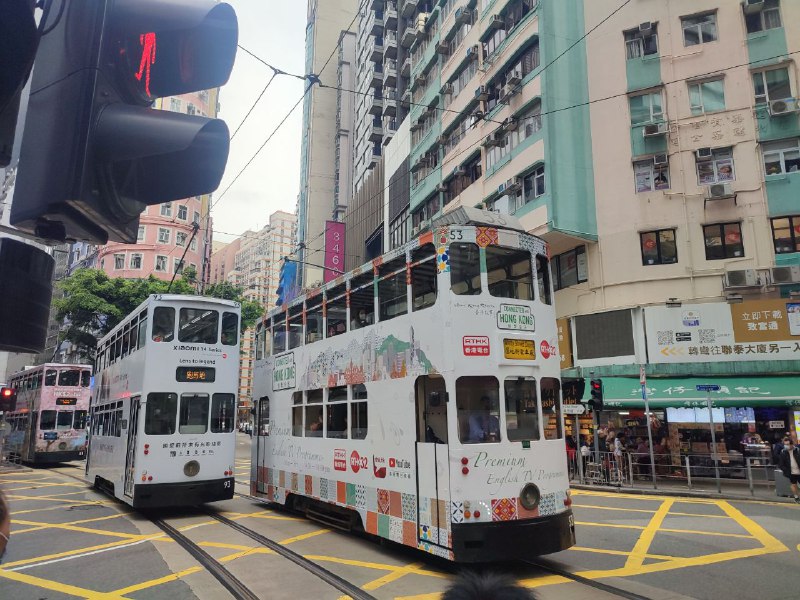
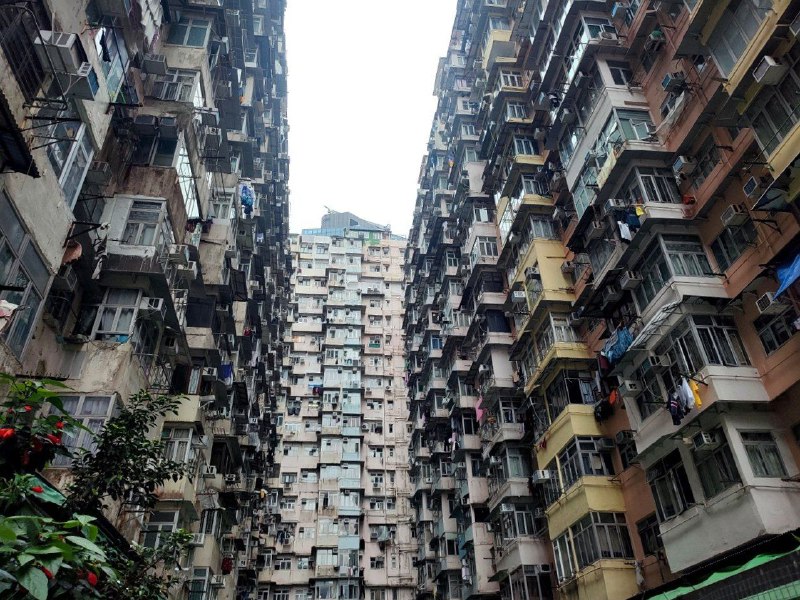
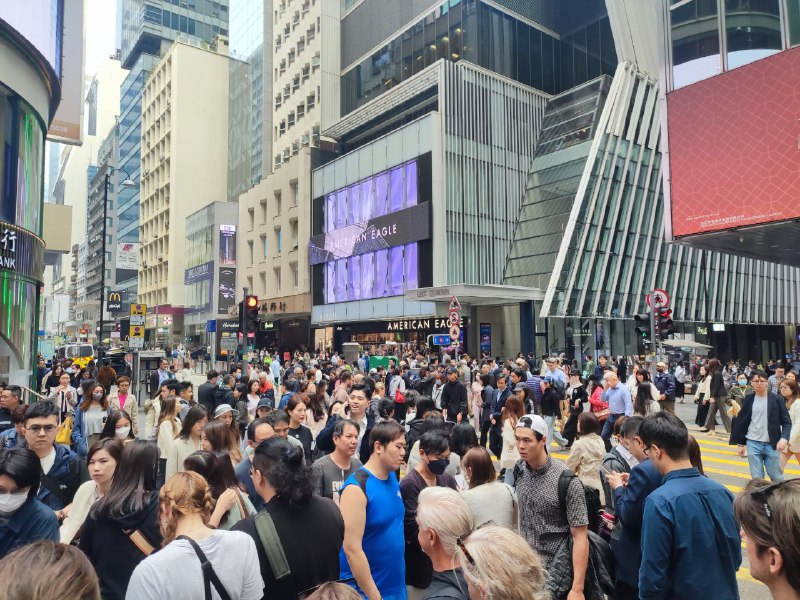
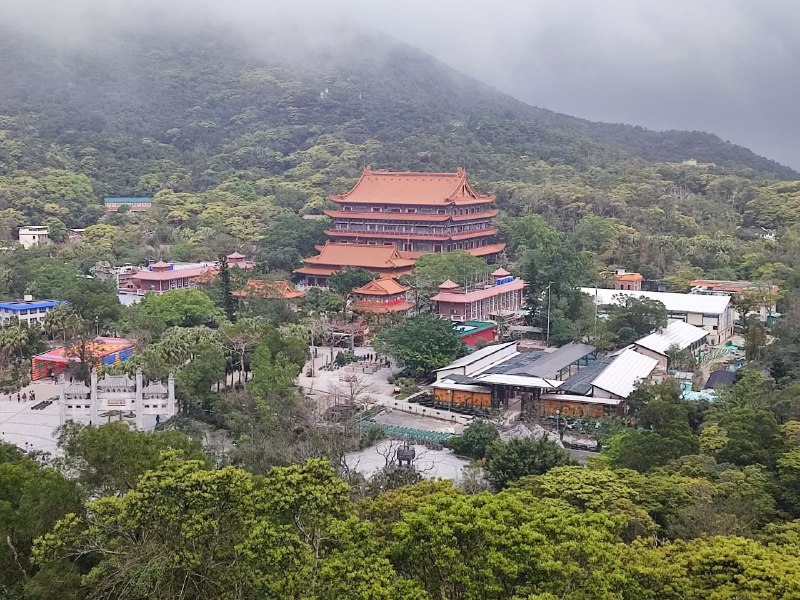
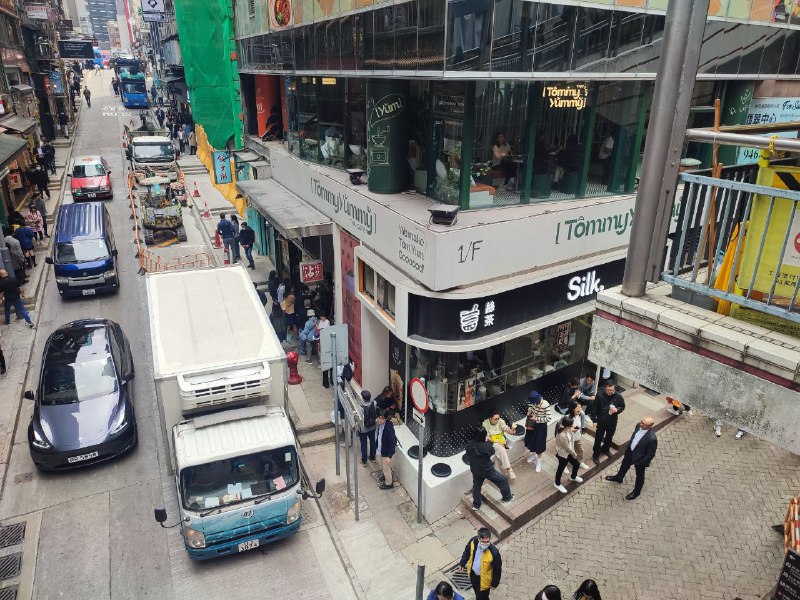
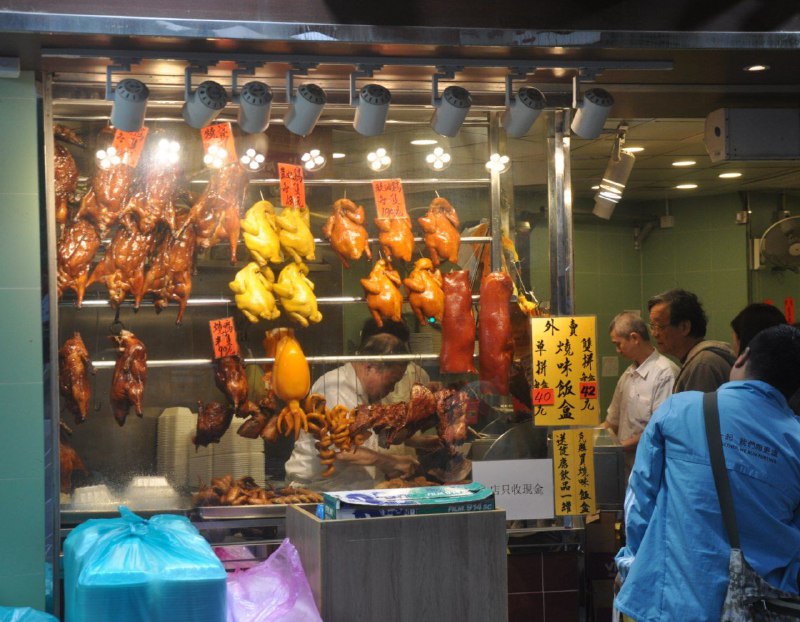
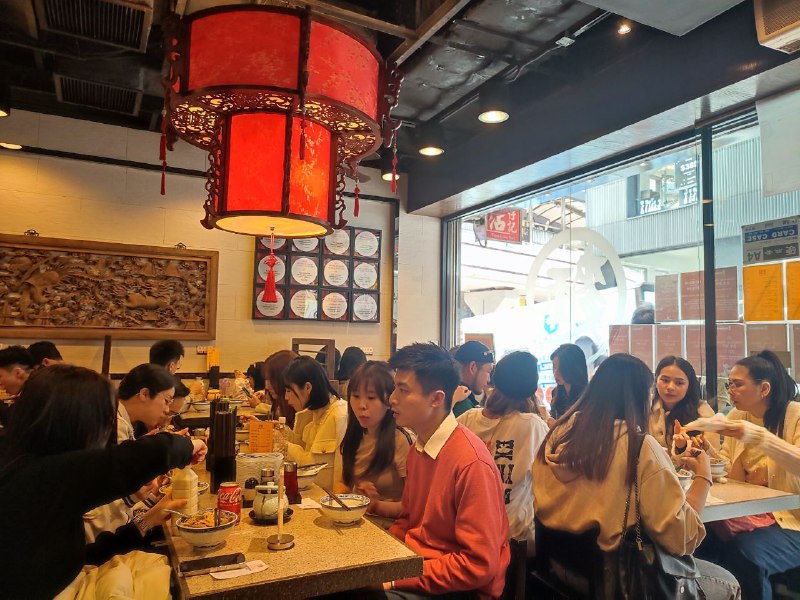
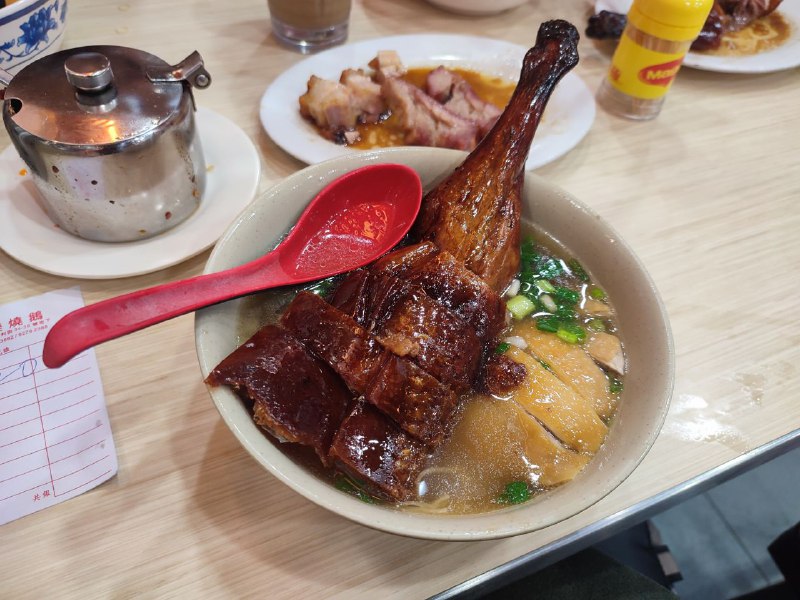
Finally sorted through my Hong Kong photos. Wanted to post them before I leave again. I also have Macau pics, but that's coming tomorrow.
HK is an amazing city I'd really love to go back to. Highly recommend it.
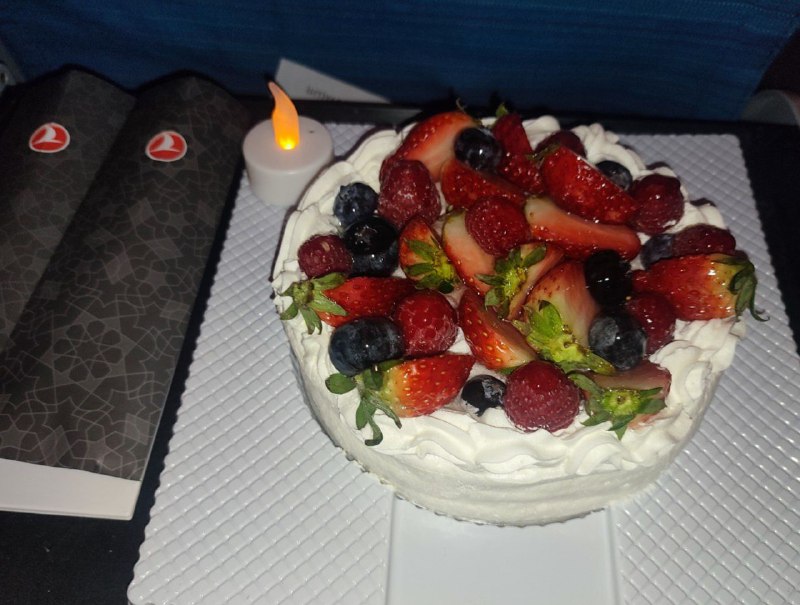
Just a reminder: if your birthday happens to fall within 3 days of your Turkish Airlines flight, you're entitled to a complimentary cake during the flight! All you need to do is call their office in advance (at least a day before departure) and let them know you'd like to enjoy something sweet. Full details about this offer
here.
I've tested it myself — it really works. Delicious too. The flight attendants even sang "Happy Birthday" for me. The cake is huge, easily enough for two or three people.
 United Kingdom
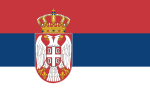 Serbia
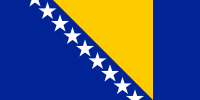 Bosnia and Herzegovina
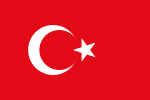 Turkey
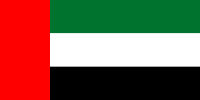 United Arab Emirates
 Brunei
 Indonesia
 Malaysia
 Argentina
 USA
USA Morocco
 Georgia
 Egypt
Egypt Hong Kong
 China
China Vietnam
 Tunisia
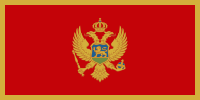 Montenegro
 Philippines
 Singapore
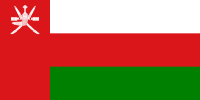 Oman
Oman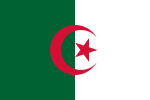 Algeria
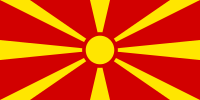 North Macedonia
 Lebanon
 Israel
 Albania
 Russia
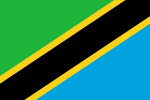 Tanzania
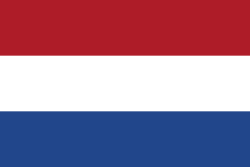 Netherlands
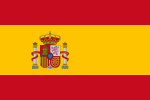 Spain
Spain Latvia
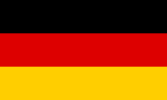 Germany
 Belgium
 France
 Kazakhstan