Telegram mirror
Telegram is a messenger where I post short travel notes. This page is a self-hosted backup of that channel.
Thank you, Timur, for the recommendation🙃
Telegram
World, gamarjoba
Small travel channels: who to follow Wow! You've sent me a bunch of cool travel and world channels in DMs and comments on this post. I'm sharing the ones I've had time to check out and loved. A birch tree in the land of the rising sun — I'm thrilled about…
After the panic in early August (mostly in Russian media), yesterday news appeared that Kosovo and Serbia have resolved their disagreements and the conflict is off.
Why am I bringing this up? I came across an old article that counted how many times in a year (from April 2016 to April 2017) popular daily Serbian newspapers announced or predicted war on their front pages. It came out to about 2-3 times a week. Srpski telegraf had 155 issues, Informer had 110. Not always about Kosovo—sometimes Albania and NATO also featured as sources of threats. And here guys say that after Kosovo's leadership changed in 2020, warlike headlines actually increased even more.
This situation doesn't look healthy or normal, but when the media keeps changing its tune, people will inevitably ignore such headlines, and experts will convince everyone there's no reason to panic. Then again, sometimes things do blow up.
Why am I bringing this up? I came across an old article that counted how many times in a year (from April 2016 to April 2017) popular daily Serbian newspapers announced or predicted war on their front pages. It came out to about 2-3 times a week. Srpski telegraf had 155 issues, Informer had 110. Not always about Kosovo—sometimes Albania and NATO also featured as sources of threats. And here guys say that after Kosovo's leadership changed in 2020, warlike headlines actually increased even more.
This situation doesn't look healthy or normal, but when the media keeps changing its tune, people will inevitably ignore such headlines, and experts will convince everyone there's no reason to panic. Then again, sometimes things do blow up.
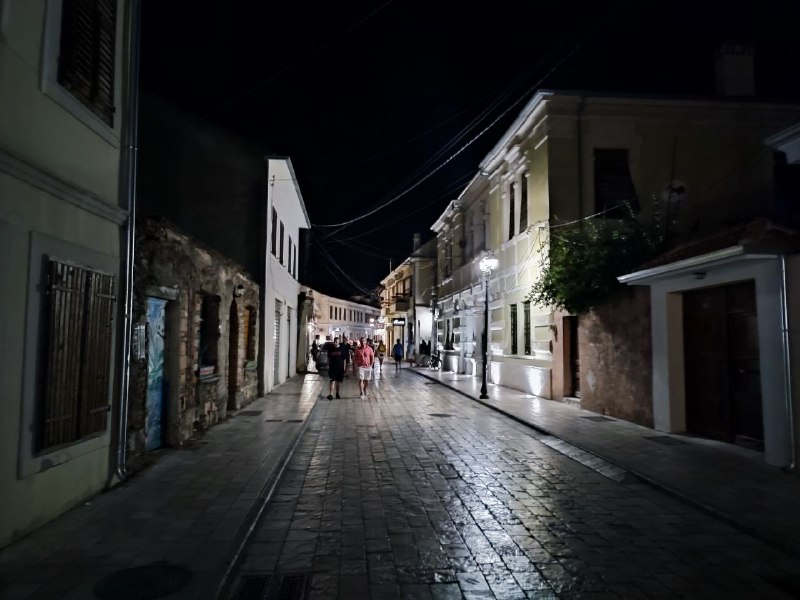
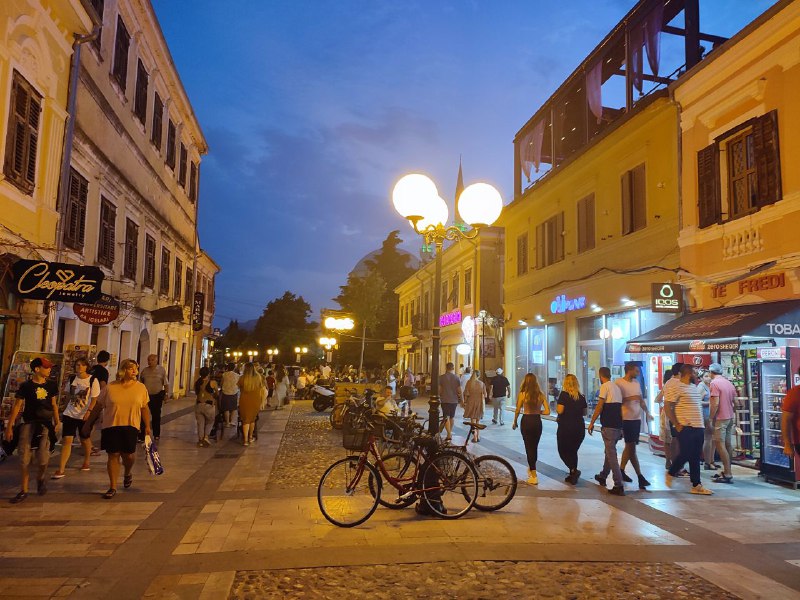
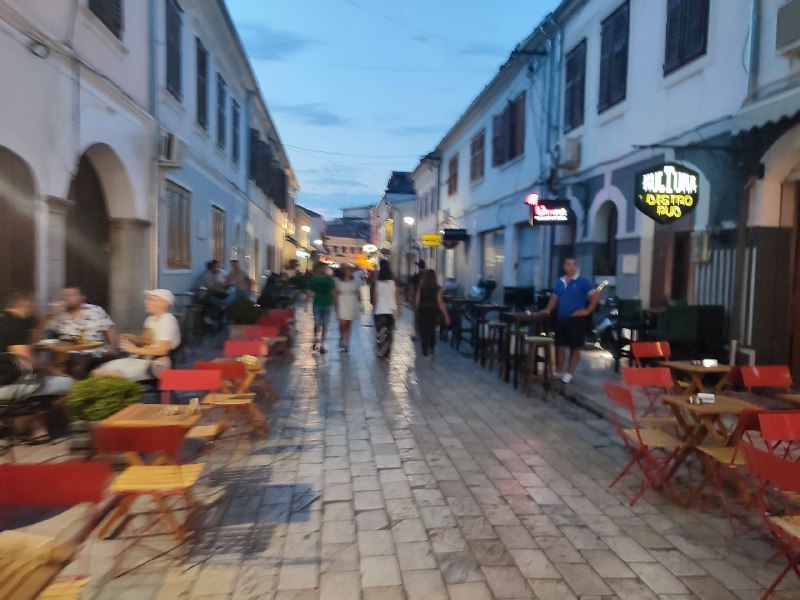
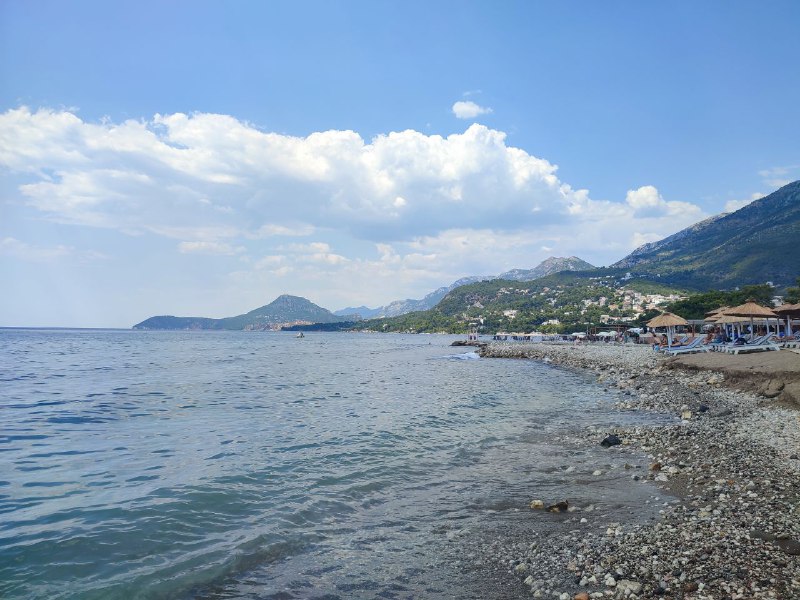
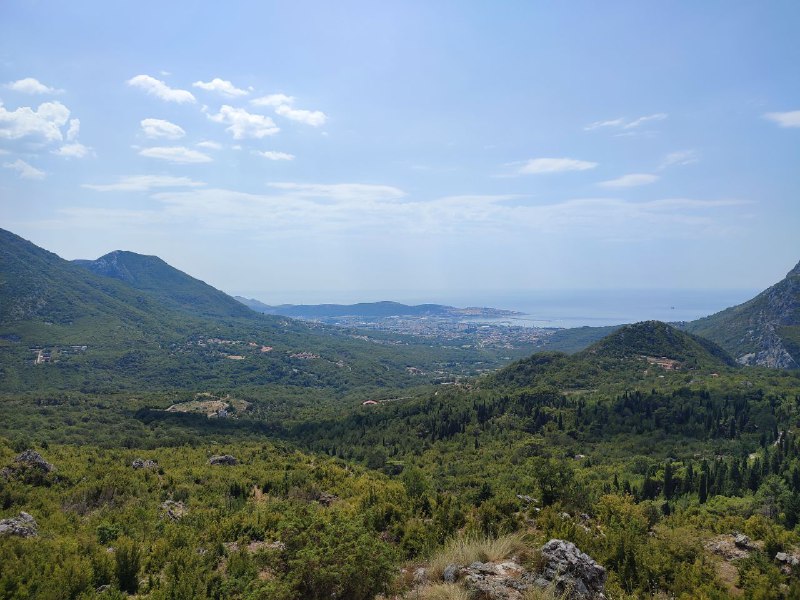
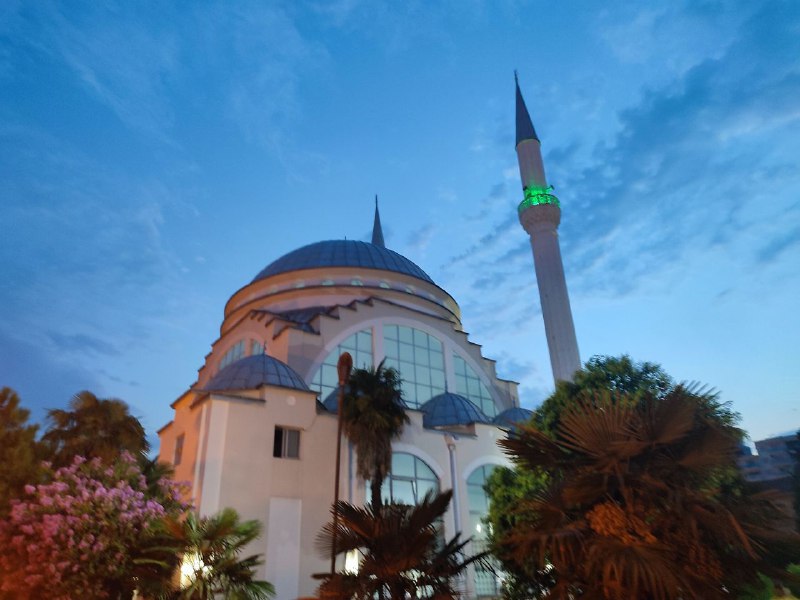
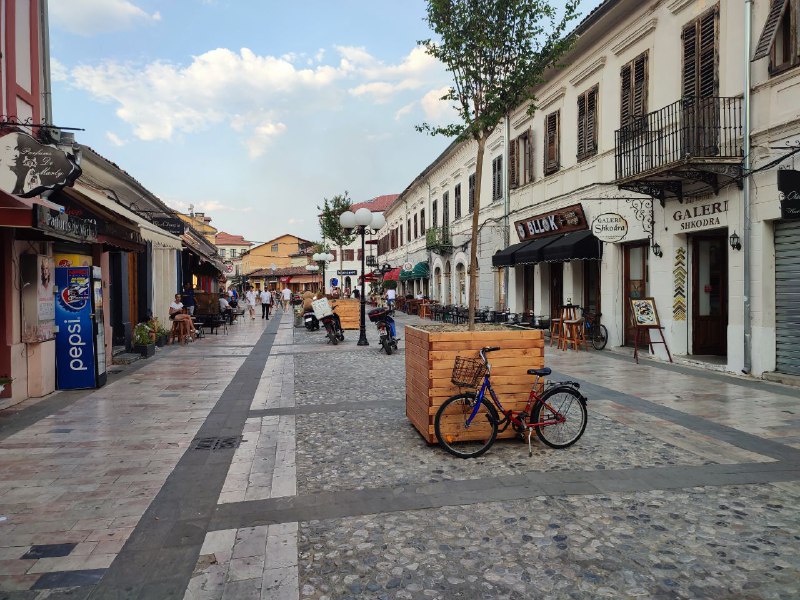
A few thoughts on Albania in general, before everything gets completely jumbled in my head.
Nature — amazing, history — really fascinating, though often tough for the locals. Everything's developing fast now, the country clearly has money and investors. Budgets aren't always spent wisely, but except for a couple of things, I liked everything I saw. The guys are aiming for European integration and EU membership. They're putting a lot of hopes in that.
Wasteful spending — that's building a billion skyscrapers right in the center of the capital, blocking historical buildings. I chalked this up to something tied to local culture. The density of Mercedes per square centimeter in Albania can only be compared to Azerbaijan. When people get a penny, they gotta buy a German automaker's masterpiece. But unlike our eastern neighbor, there are plenty of newer models here too. In a country where 30 years ago almost nobody had cars, this kind of thing still plays an important status role. Apparently it's the same with high-rises.
Unfortunately, I didn't get to talk much with locals, but I wish I had. Their traditions and customs, judging by the internet, are more than curious. Take the non-religious code of laws Kanun and the blood feud described in it, which, by the way, they still practice. Not as widespread now, but it happens. And the practice is way harsher than what I've read about other peoples, and the feud can last for generations.
Their self-name is cool: Shqipëria (land of eagles), and Albanians are Shqiptare (children of eagles). The language itself is curious. Doesn't really sound like anything else. You catch Slavic-Italian notes here and there, but that's about it. They also like doubling R in unexpected places. For example, rruga means street. Who even doubles R at the start of a word? Seriously, learning "thank you" took effort: faleminderit didn't stick on the first try.
Don't believe me — listen to a couple of songs. Like Xheloz or Kenge moj. There's also an animated history, but watch it out of academic interest, not for the music (there are explanations with timestamps in one of the top comments).
For full immersion, read Ismail Kadare. Just finished "The General of the Dead Army." Highly recommend.
There are plenty of scary stories about the Albanian mafia, but it felt more than safe. Even in the most out-of-the-way places I happened to wander into. They say tourists don't interest them — they make money differently.
A week was enough for roughly half of what would be good to see. If you end up going, take a longer vacation. I might visit again sometime since I live close by anyway.
The one thing that didn't impress me the whole trip — the food. And it was often way too salty. Even after Serbia, where they already use a lot more salt than you'd want.
PS. Bonus video from Berat.
Nature — amazing, history — really fascinating, though often tough for the locals. Everything's developing fast now, the country clearly has money and investors. Budgets aren't always spent wisely, but except for a couple of things, I liked everything I saw. The guys are aiming for European integration and EU membership. They're putting a lot of hopes in that.
Wasteful spending — that's building a billion skyscrapers right in the center of the capital, blocking historical buildings. I chalked this up to something tied to local culture. The density of Mercedes per square centimeter in Albania can only be compared to Azerbaijan. When people get a penny, they gotta buy a German automaker's masterpiece. But unlike our eastern neighbor, there are plenty of newer models here too. In a country where 30 years ago almost nobody had cars, this kind of thing still plays an important status role. Apparently it's the same with high-rises.
Unfortunately, I didn't get to talk much with locals, but I wish I had. Their traditions and customs, judging by the internet, are more than curious. Take the non-religious code of laws Kanun and the blood feud described in it, which, by the way, they still practice. Not as widespread now, but it happens. And the practice is way harsher than what I've read about other peoples, and the feud can last for generations.
Their self-name is cool: Shqipëria (land of eagles), and Albanians are Shqiptare (children of eagles). The language itself is curious. Doesn't really sound like anything else. You catch Slavic-Italian notes here and there, but that's about it. They also like doubling R in unexpected places. For example, rruga means street. Who even doubles R at the start of a word? Seriously, learning "thank you" took effort: faleminderit didn't stick on the first try.
Don't believe me — listen to a couple of songs. Like Xheloz or Kenge moj. There's also an animated history, but watch it out of academic interest, not for the music (there are explanations with timestamps in one of the top comments).
For full immersion, read Ismail Kadare. Just finished "The General of the Dead Army." Highly recommend.
There are plenty of scary stories about the Albanian mafia, but it felt more than safe. Even in the most out-of-the-way places I happened to wander into. They say tourists don't interest them — they make money differently.
A week was enough for roughly half of what would be good to see. If you end up going, take a longer vacation. I might visit again sometime since I live close by anyway.
The one thing that didn't impress me the whole trip — the food. And it was often way too salty. Even after Serbia, where they already use a lot more salt than you'd want.
PS. Bonus video from Berat.
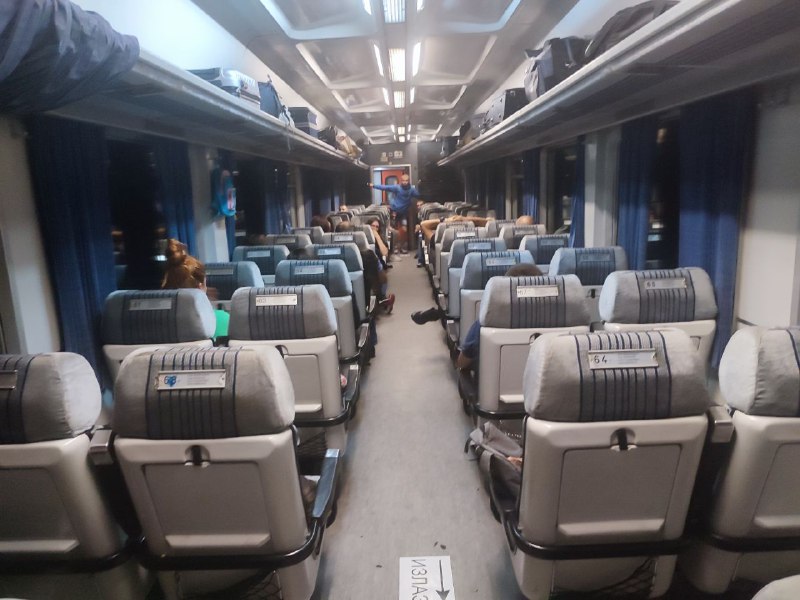
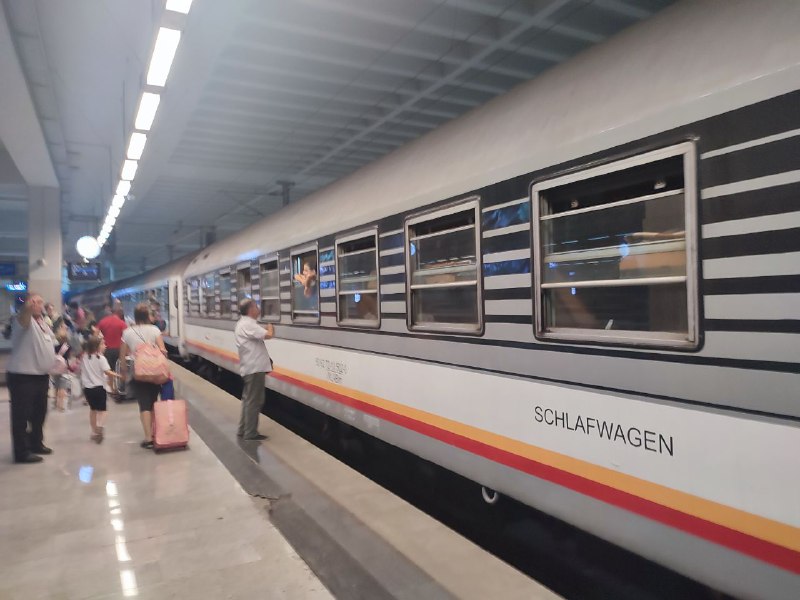
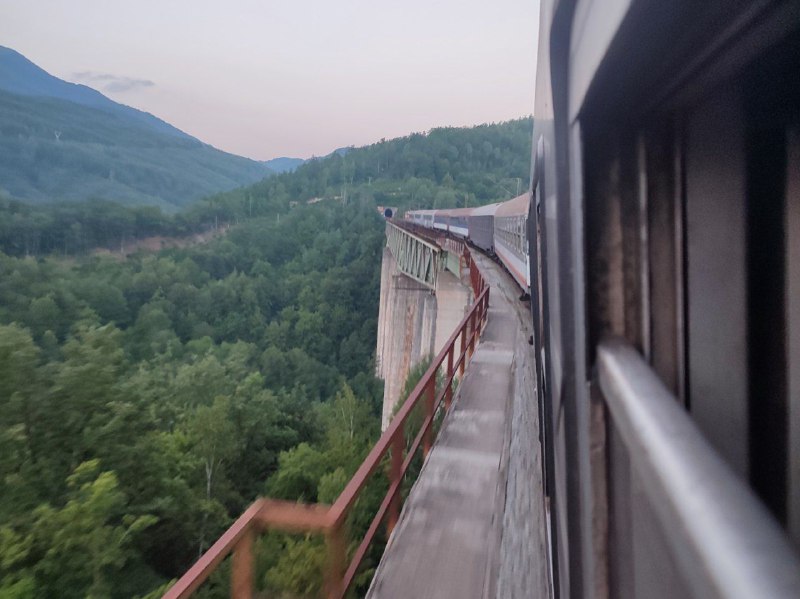
I was too quick to praise that train. I was heading back in a seat car because there were no other tickets available. "What could go wrong?" I thought, and agreed to it. Well, pretty much everything went wrong.
The train arrived 40 minutes late, and it turned out my seat was already taken. The girl occupying it said that seats in this car aren't reserved—it's first come, first served. Besides, she was in the same situation and wasn't at fault.
The conductor didn't confirm her story, but complained that they oversell tickets and there's nothing he can do to help me. He suggested I find an empty seat on my own. Problem was, there were no free seats anywhere, and I really didn't want to stand all night.
Fortunately, after one stop, I managed to find an empty seat. But it turned out that in the vestibule, people were drinking, smoking, and blasting local pop music at full volume. There was constant foot traffic through there, so the car was just as smoky and noisy. It got better toward morning.
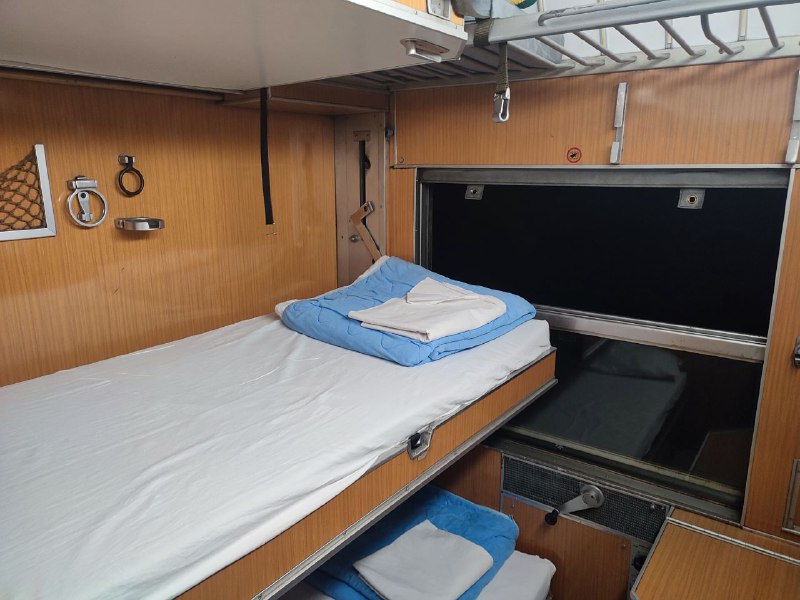
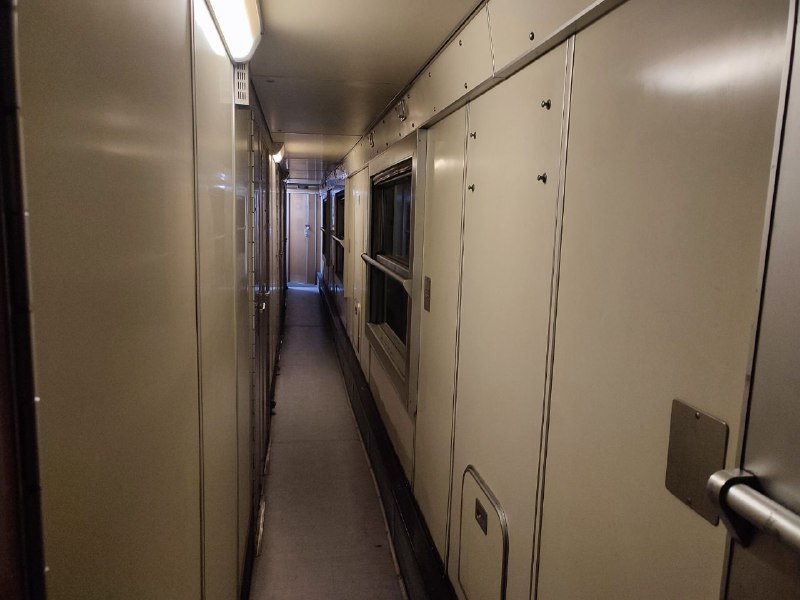
Don't make my mistake: don't agree to a seat car. Better to book a ticket for another date, but in a compartment instead. It's much better there.
The train arrived 40 minutes late, and it turned out my seat was already taken. The girl occupying it said that seats in this car aren't reserved—it's first come, first served. Besides, she was in the same situation and wasn't at fault.
The conductor didn't confirm her story, but complained that they oversell tickets and there's nothing he can do to help me. He suggested I find an empty seat on my own. Problem was, there were no free seats anywhere, and I really didn't want to stand all night.
Fortunately, after one stop, I managed to find an empty seat. But it turned out that in the vestibule, people were drinking, smoking, and blasting local pop music at full volume. There was constant foot traffic through there, so the car was just as smoky and noisy. It got better toward morning.
Don't make my mistake: don't agree to a seat car. Better to book a ticket for another date, but in a compartment instead. It's much better there.
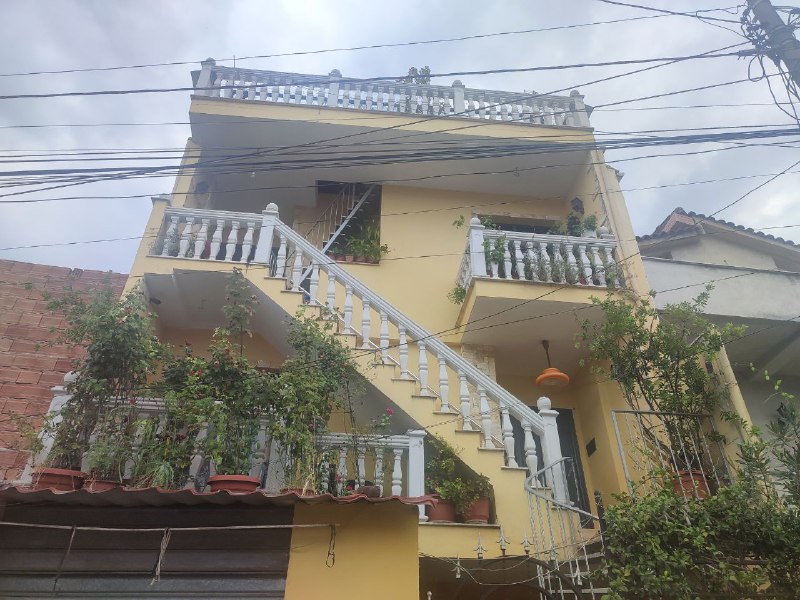
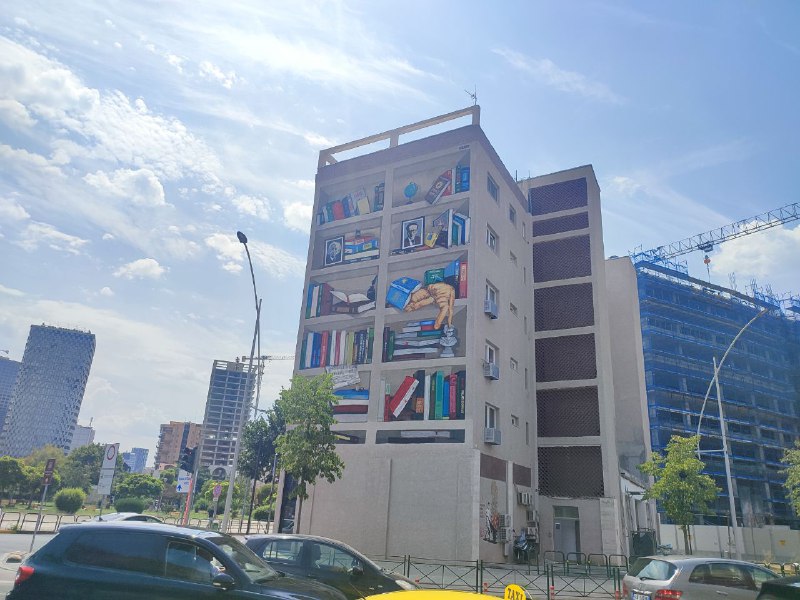
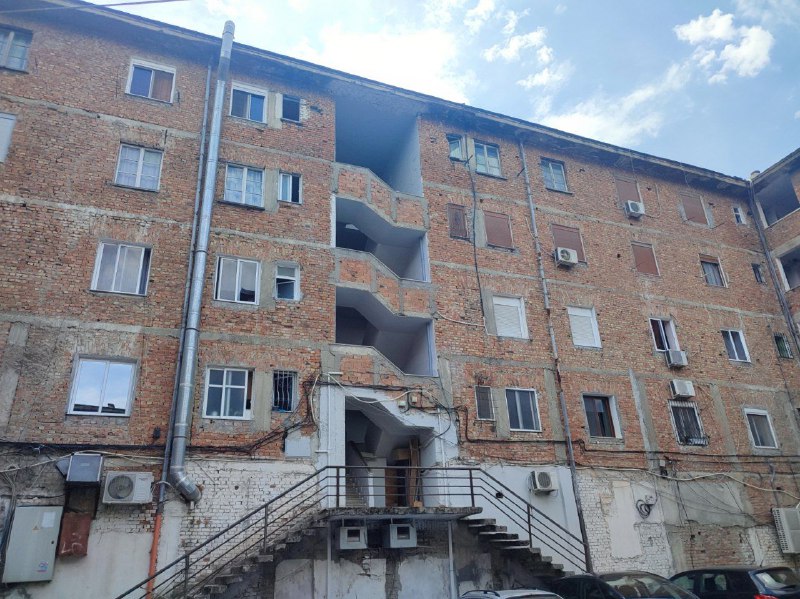
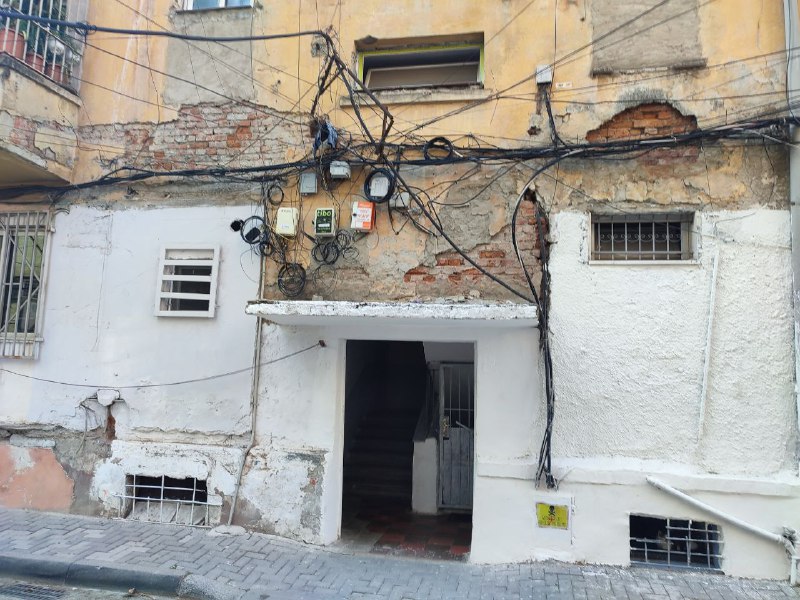
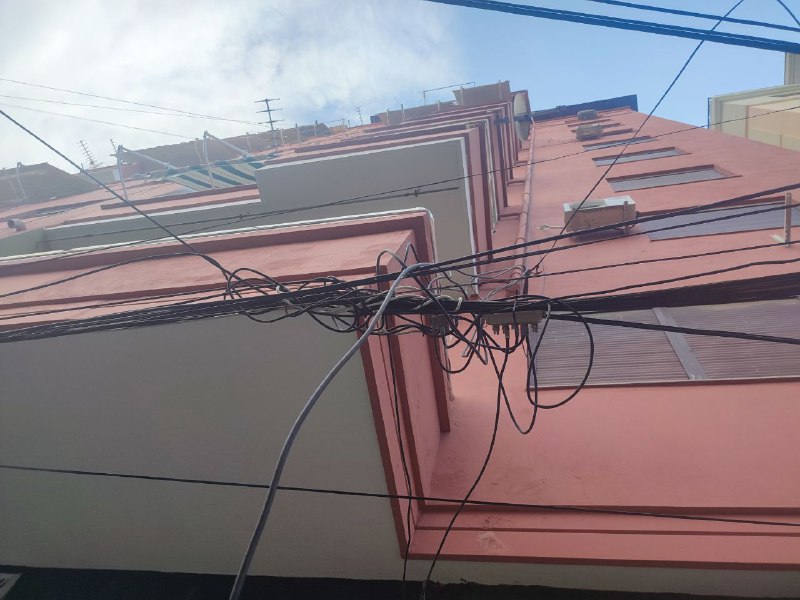
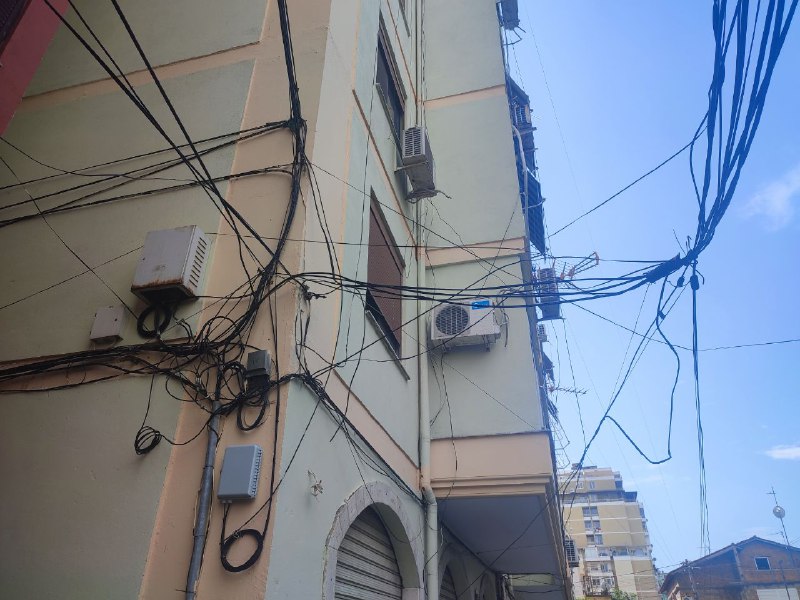
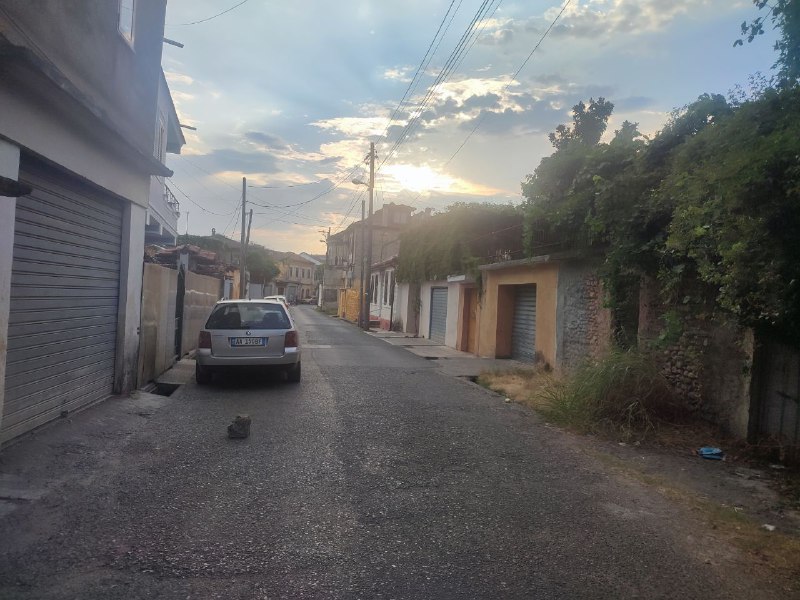
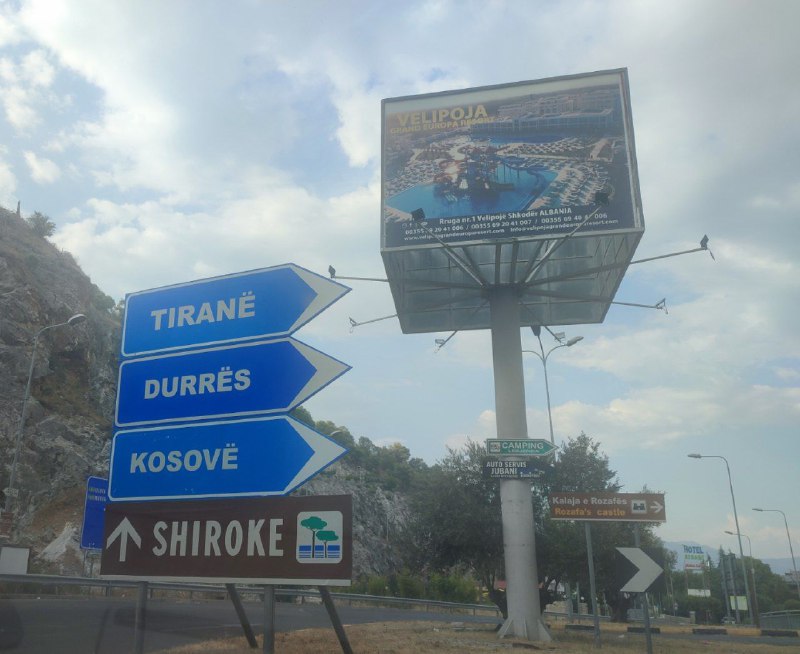
In Albania, there are practically no house numbers anywhere. People somehow live in a system where there are only street names and that's it.
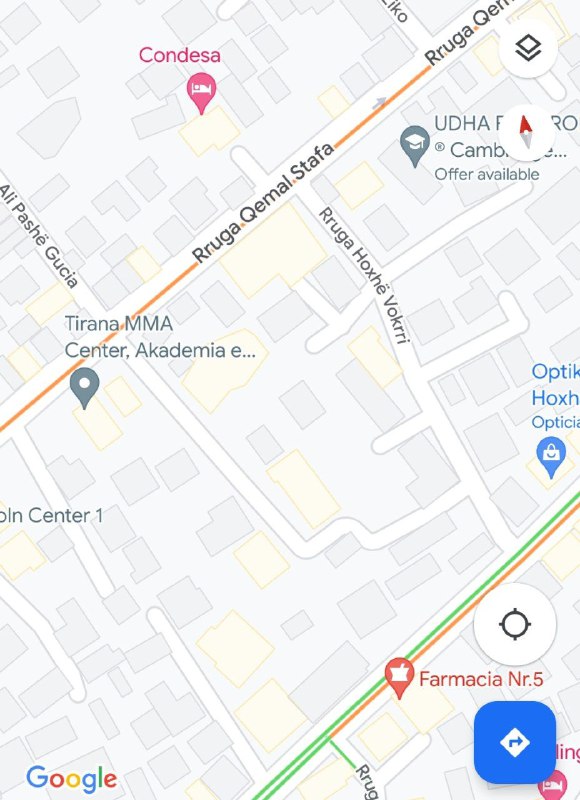
Mail gets sent to addresses like "Tirana, Kemal Stafa Street, the house near the mosque, John Smith". And it works. It's up to the postal workers to know all these people.
In my opinion, this solution doesn't scale very well. Especially in a world where people are constantly moving.
I mean, just the other day I was moving into a place, and the location on the map was marked incorrectly, with only a pretty long street name in the address. I had to ask locals for directions.
Mail gets sent to addresses like "Tirana, Kemal Stafa Street, the house near the mosque, John Smith". And it works. It's up to the postal workers to know all these people.
In my opinion, this solution doesn't scale very well. Especially in a world where people are constantly moving.
I mean, just the other day I was moving into a place, and the location on the map was marked incorrectly, with only a pretty long street name in the address. I had to ask locals for directions.
►
►
I really love how small local restaurants in Serbia just close down for their vacation period (and honestly, this is pretty common practice across Europe too). And it's not just a rare thing – it's totally normal here.
"So, we're all taking a break, come back in a couple weeks." At least someone's actually managing that work/life balance (hopefully).
The only inconvenience is that nobody updates their hours on Google Maps. So sometimes you show up to find the doors locked and have to frantically search for another place.
"So, we're all taking a break, come back in a couple weeks." At least someone's actually managing that work/life balance (hopefully).
The only inconvenience is that nobody updates their hours on Google Maps. So sometimes you show up to find the doors locked and have to frantically search for another place.
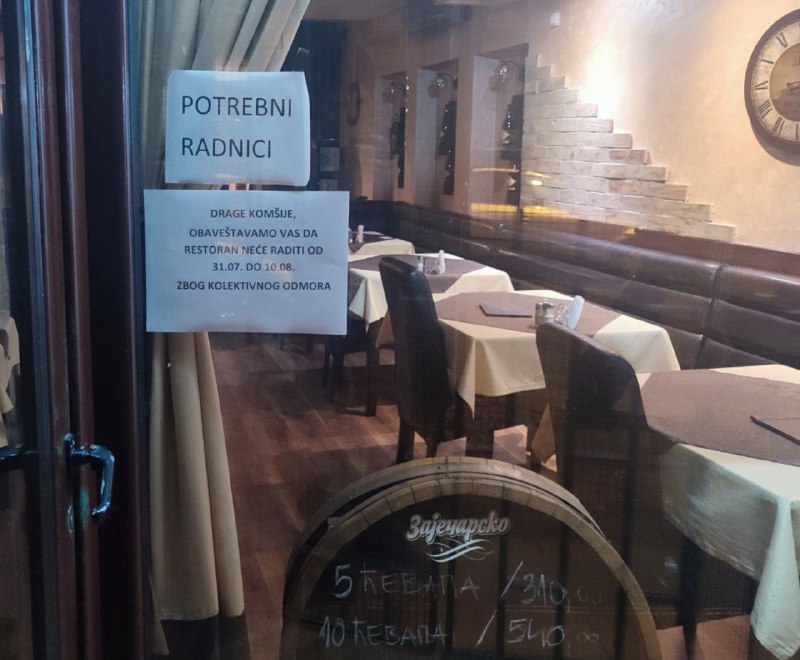
I just couldn't drive past this sign. Totally caught my eye by chance, would've missed it otherwise (:
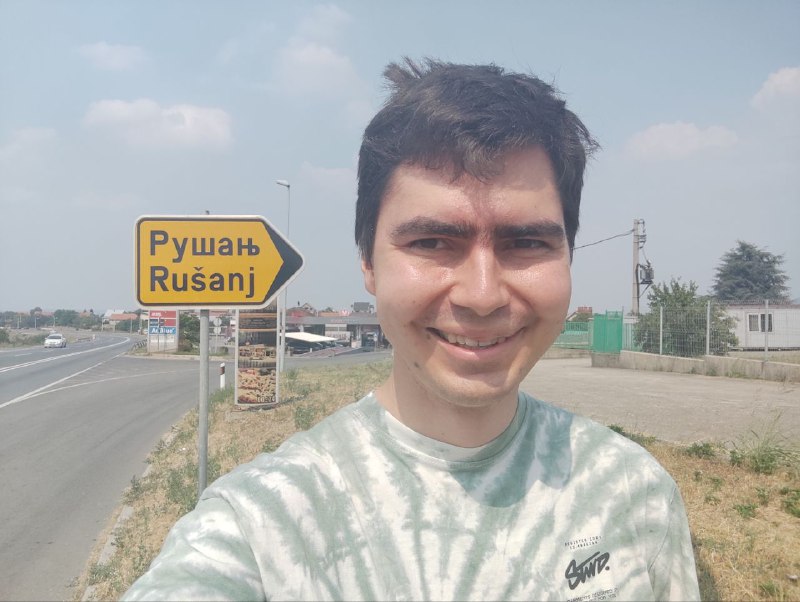
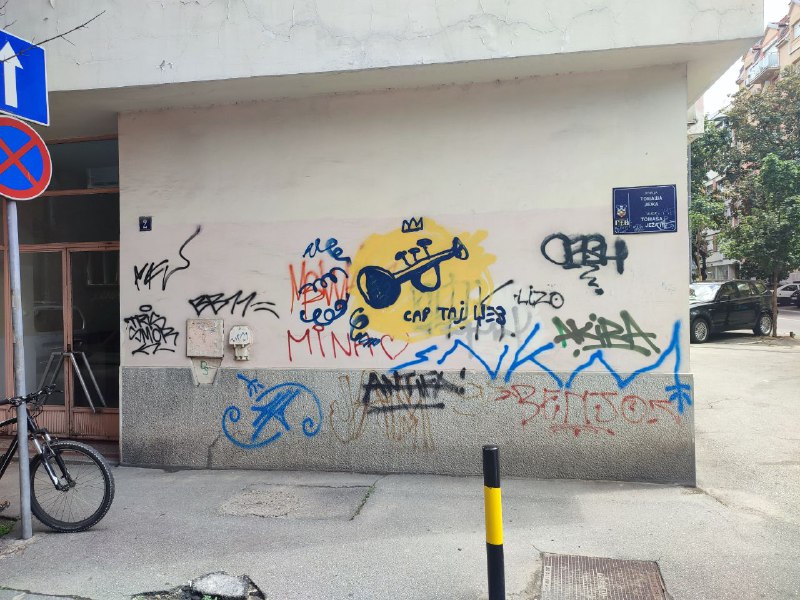
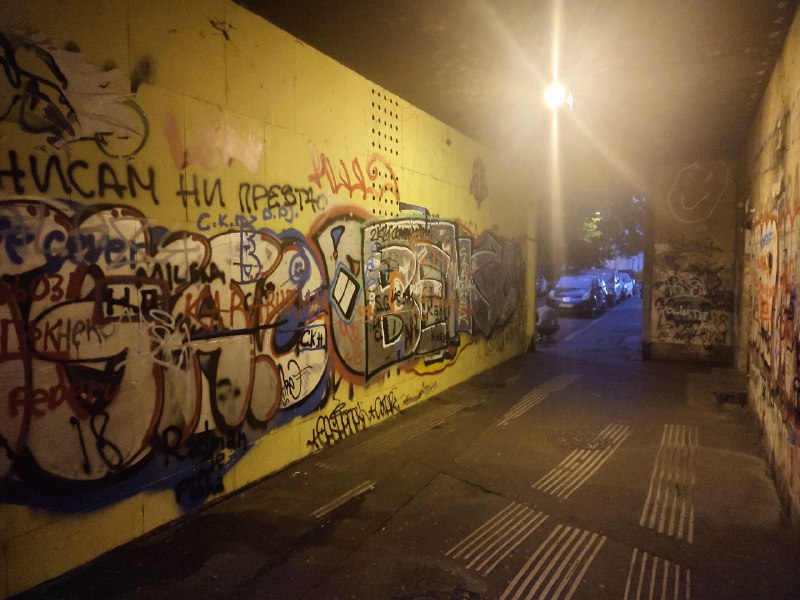
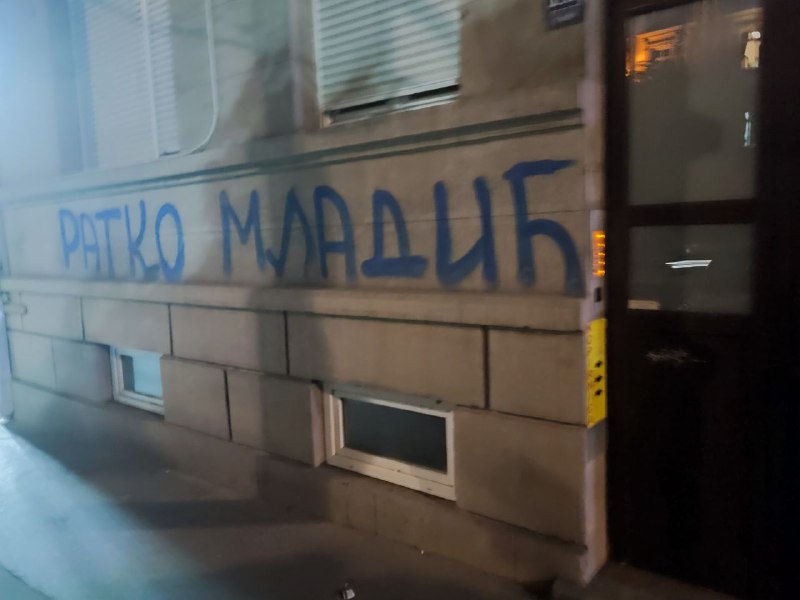
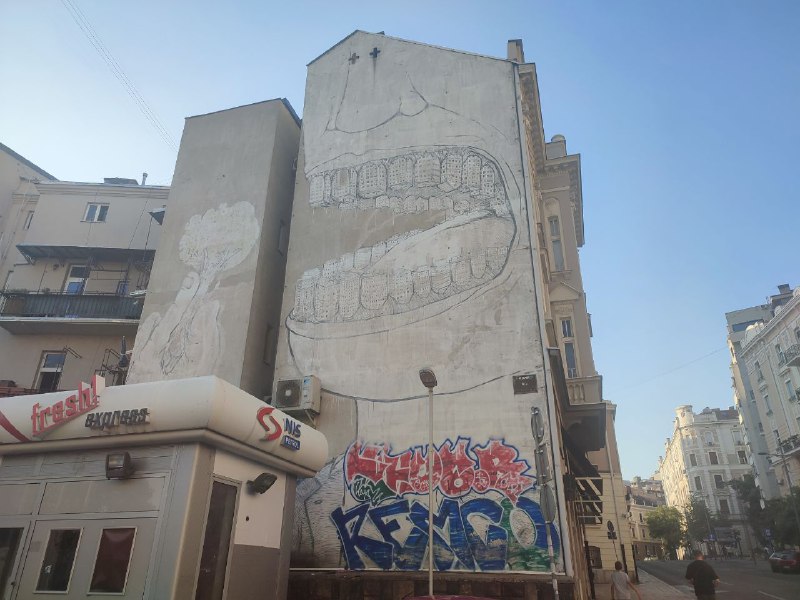
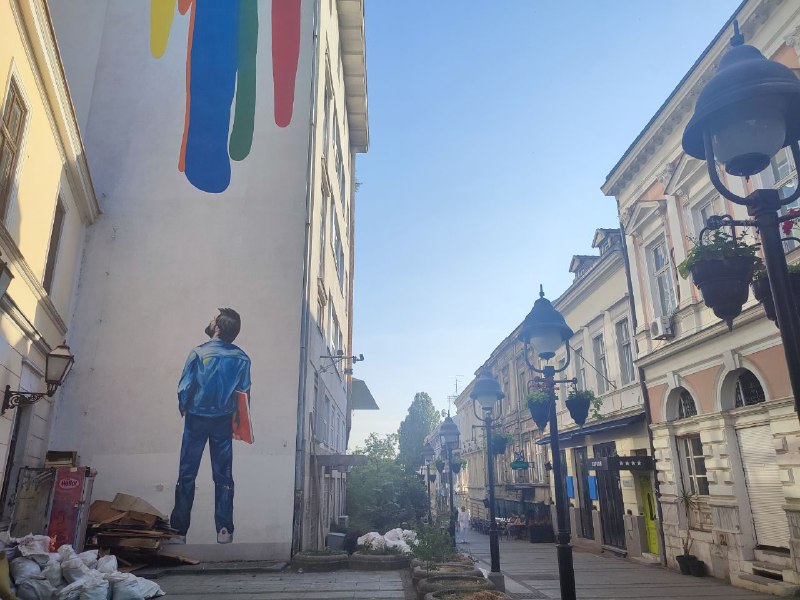
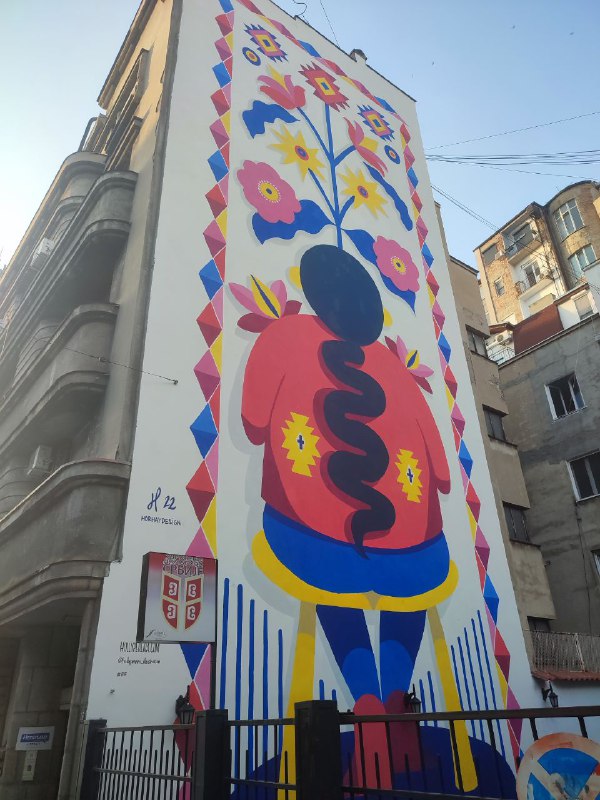
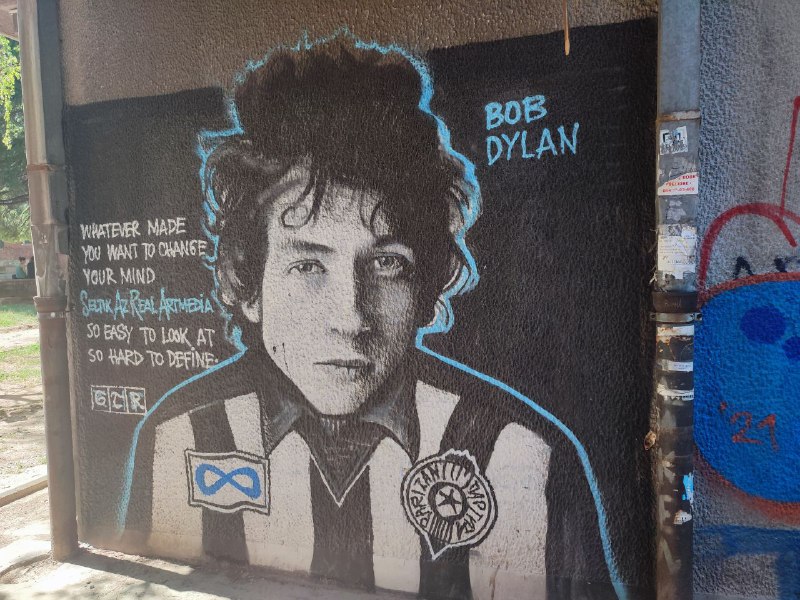
Пробую слегка освоить сербский, чтобы комфортнее себя ощущать с местными. Радует, что бонусом к сербскому идут ещё три языка: боснийский, хорватский и черногорский. Все похожи как родные братья. Выучил один — понимаешь все 4. Говорить, впрочем, смогу только на одном. Тут действует схема: серб поймет хорвата, но при этом говорить на хорватском не сможет. Обратное тоже верно.
У сербов в отличие от остальных используется сразу два алфавита: кириллица и латиница. Первый нужен для всякой официальной бюрократии и прочих государственных дел (даже автомобильные номера у полиции всегда начинаются на букву П). Второй — больше для повседневной жизни. Молодежь предпочитает латиницу. Возможно, в будущем только она и останется.
Букв здесь чуть больше, чем в стандартных вариантах кириллицы / латиницы. Некоторые понятны и так: например њ и љ. А с остальными придется разобраться. К счастью, их немного. А некоторых привычных нам букв нет. Например, Ы (и произносить они такой звук не умеют). Зато очень хвалят правило “пишется как слышится”.
Сложнее привыкнуть к ударениям: в большинстве слов оно в начале. И даже если слово такое же в русском, с ударением в другом месте оно звучит совершенно непривычно. Я как-то пытался заказать торт Москва в кафешке, но девушка меня упорно не понимала. На четвертой попытке я догадался переставить ударение в начало, и тут же последовала реакция “Ах, мОсква! дОбро!”.
И еще сложнее свыкнуться со спряжениями глаголов. В первом лице оно выглядит как в русском вариант для "мы". Получается я учу = ja учим. Очень странно говорить осебе нас во множественном числе.
А ещё тут любят всё переставлять. Чуть не сломал язык, когда пробовал говорить "све" (=“всё”) в предложениях. Или међународни (читается меджународни). Значит международный.
Перестановка букв ещё куда ни шло. Тут и смыслы местами съезжают: “слово” = буква, “речи” = слово, “бокал” = графин, “црно (черное) вино” = красное вино. А следом вылезают совсем обманчивые слова: "вредниј" = полезный, "матерњи језик" = родной язык. По всей Сербии куча реклама минеральной воды со слоганом “Књаз ниjе вода то jе наш понос”, что переводится как “Князь это не вода, это наша гордость” (:
И есть тут особая страсть к заимствованиям. На Балканах несколько столетий заправляли турки. В результате в сербский импортировали больше 3000 слов из турецкого. Так что знания какого-нибудь тюркского языка помогут понять что сат это час, а шечер — сахар. В Белграде, кстати, даже есть районы с тюркскими названиями: Бульбулдер, Дорчол, Карабурма. Но не турками едиными. Хватает слов и из венгерского, немецкого и прочего английского.
А вот хорваты напротив активно борются за чистоту языка. И всё что можно и нельзя заменяют на исконно славянские названия. Если в Сербии помидор это заимствованный парадаjз, то в Хорватии это rajčica (да, именно от рая).
Мое отдельное восхищение уходит словам ногомет (футбол) и возила (автомобиль). Не понимаю, почему в русском иначе.
Самая большая беда — с онлайн переводчиками. Гугл явно с русского на сербский переводит через английский. В результате половина слов совершенно неправильные. Жить по мнению гугла это ливе. Хотя должно быть жити. Очень больно от этого.
Зато я выучил сербскую присказку-паразит — “то jе то”. Фразу ставят в конец своего рассказа. Переводится в духе “ну как-то так”. Если заканчивать ей свой рассказ, то можно сойти за местного.
PS. Бонусом прикрепил сербские стикеры.
То jе то (:
У сербов в отличие от остальных используется сразу два алфавита: кириллица и латиница. Первый нужен для всякой официальной бюрократии и прочих государственных дел (даже автомобильные номера у полиции всегда начинаются на букву П). Второй — больше для повседневной жизни. Молодежь предпочитает латиницу. Возможно, в будущем только она и останется.
Букв здесь чуть больше, чем в стандартных вариантах кириллицы / латиницы. Некоторые понятны и так: например њ и љ. А с остальными придется разобраться. К счастью, их немного. А некоторых привычных нам букв нет. Например, Ы (и произносить они такой звук не умеют). Зато очень хвалят правило “пишется как слышится”.
Сложнее привыкнуть к ударениям: в большинстве слов оно в начале. И даже если слово такое же в русском, с ударением в другом месте оно звучит совершенно непривычно. Я как-то пытался заказать торт Москва в кафешке, но девушка меня упорно не понимала. На четвертой попытке я догадался переставить ударение в начало, и тут же последовала реакция “Ах, мОсква! дОбро!”.
И еще сложнее свыкнуться со спряжениями глаголов. В первом лице оно выглядит как в русском вариант для "мы". Получается я учу = ja учим. Очень странно говорить о
А ещё тут любят всё переставлять. Чуть не сломал язык, когда пробовал говорить "све" (=“всё”) в предложениях. Или међународни (читается меджународни). Значит международный.
Перестановка букв ещё куда ни шло. Тут и смыслы местами съезжают: “слово” = буква, “речи” = слово, “бокал” = графин, “црно (черное) вино” = красное вино. А следом вылезают совсем обманчивые слова: "вредниј" = полезный, "матерњи језик" = родной язык. По всей Сербии куча реклама минеральной воды со слоганом “Књаз ниjе вода то jе наш понос”, что переводится как “Князь это не вода, это наша гордость” (:
И есть тут особая страсть к заимствованиям. На Балканах несколько столетий заправляли турки. В результате в сербский импортировали больше 3000 слов из турецкого. Так что знания какого-нибудь тюркского языка помогут понять что сат это час, а шечер — сахар. В Белграде, кстати, даже есть районы с тюркскими названиями: Бульбулдер, Дорчол, Карабурма. Но не турками едиными. Хватает слов и из венгерского, немецкого и прочего английского.
А вот хорваты напротив активно борются за чистоту языка. И всё что можно и нельзя заменяют на исконно славянские названия. Если в Сербии помидор это заимствованный парадаjз, то в Хорватии это rajčica (да, именно от рая).
Мое отдельное восхищение уходит словам ногомет (футбол) и возила (автомобиль). Не понимаю, почему в русском иначе.
Самая большая беда — с онлайн переводчиками. Гугл явно с русского на сербский переводит через английский. В результате половина слов совершенно неправильные. Жить по мнению гугла это ливе. Хотя должно быть жити. Очень больно от этого.
Зато я выучил сербскую присказку-паразит — “то jе то”. Фразу ставят в конец своего рассказа. Переводится в духе “ну как-то так”. Если заканчивать ей свой рассказ, то можно сойти за местного.
PS. Бонусом прикрепил сербские стикеры.
То jе то (:
(translation pending)
A huge number of people from Russia suddenly moved to Belgrade all at once, disrupting their usual routines and established social connections. Now they're all trying to rebuild those, something like this.
It's funny watching tourists passing by who apparently mistake the scene for local Serbs, filming it on their phones (I saw Koreans and Germans), and then they'll be sharing it with their friends (:
It's funny watching tourists passing by who apparently mistake the scene for local Serbs, filming it on their phones (I saw Koreans and Germans), and then they'll be sharing it with their friends (:
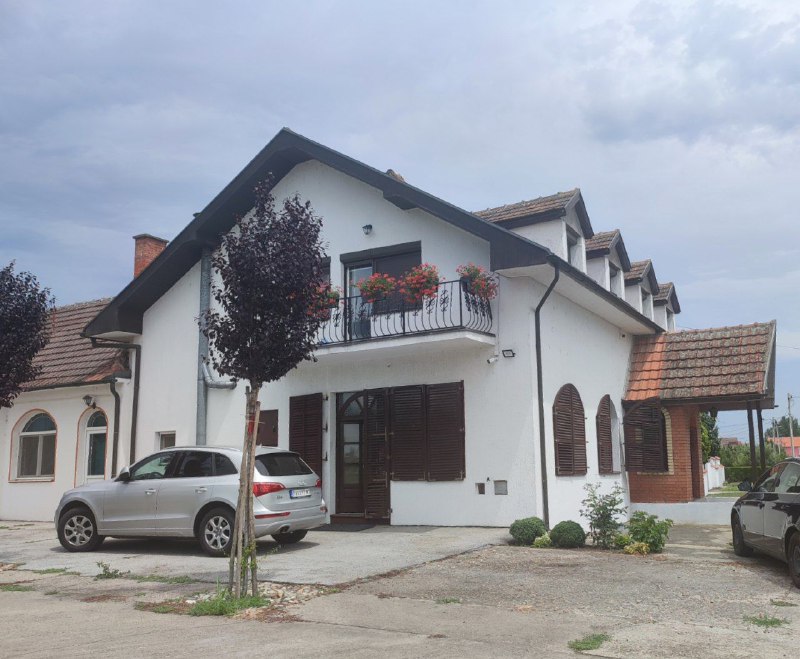
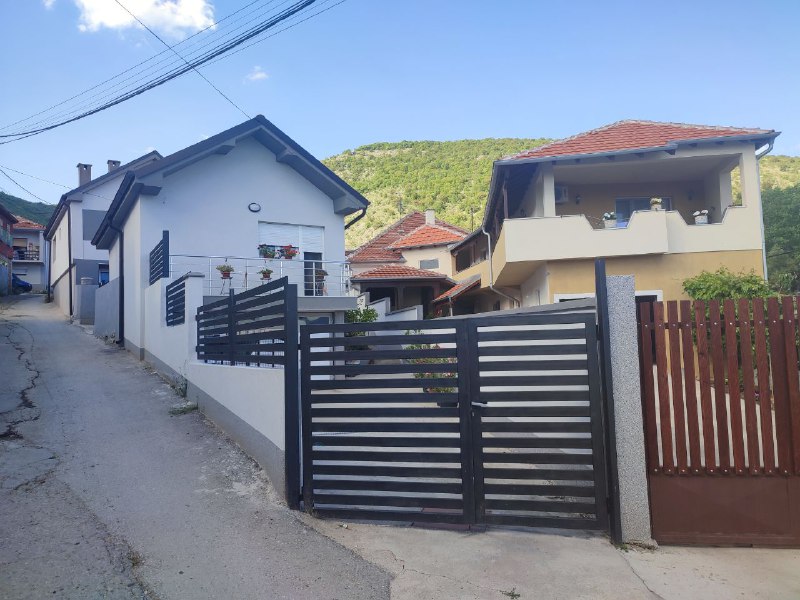
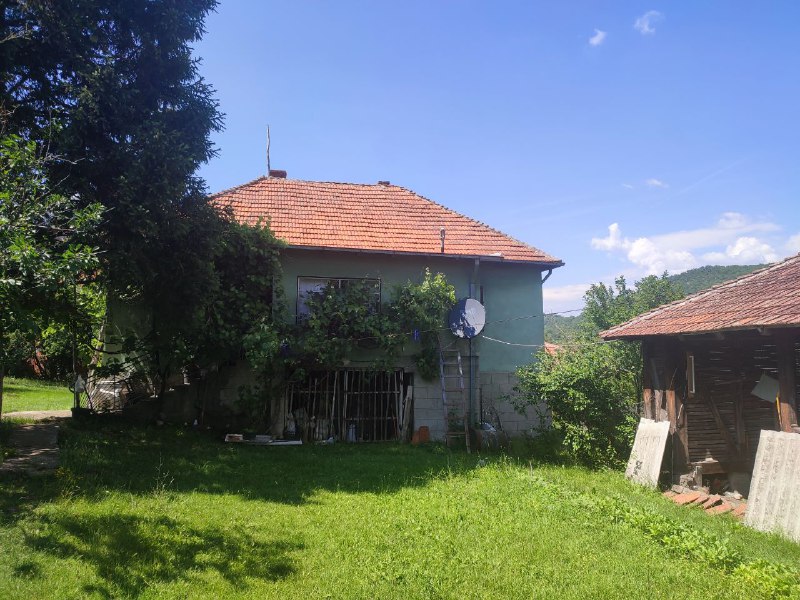
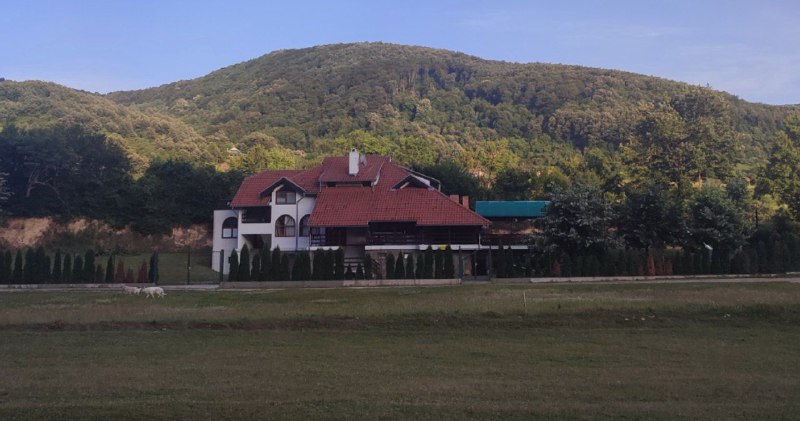
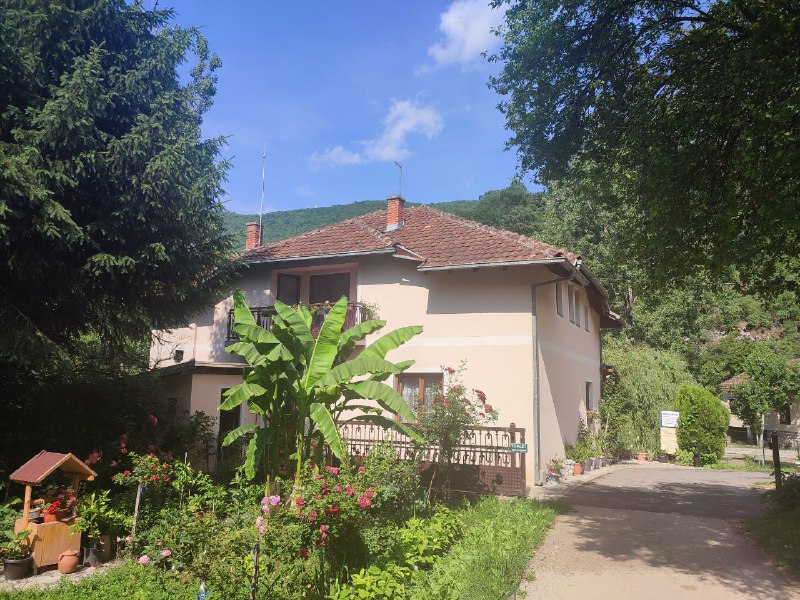
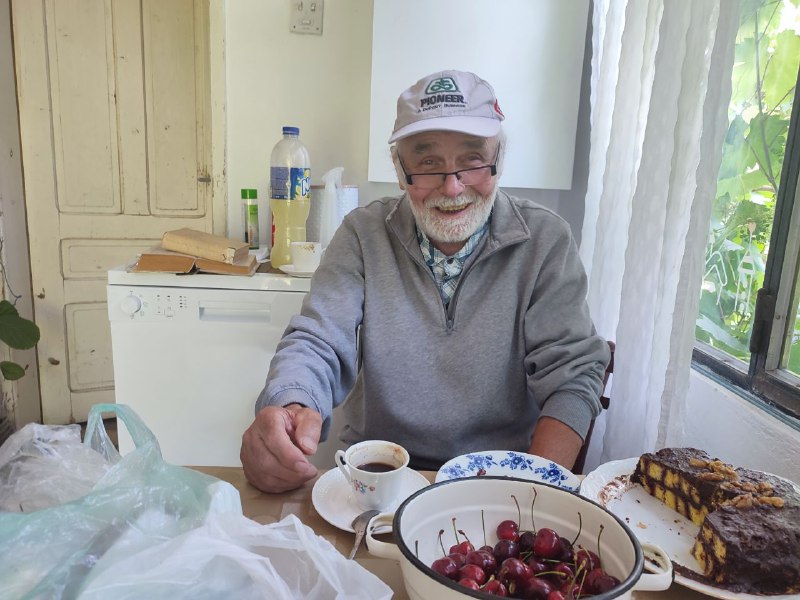
This weekend turned out to be great for conversation! On the way to Devil's Town (those stone pillars near the Kosovo border), I spotted an old guy hitchhiking with bags of cherries and other vegetables. Figured I'd give him a ride—it was on my way anyway. Turns out he'd missed his bus.
As thanks, I dragged Rade back to my place for a cup of coffee. And I gotta say, not every café makes coffee this good.
If I manage to live to his age (he's 74 now), I hope I'm just as full of life. We mostly spoke Serbian—well, he spoke Serbian and I spoke this Serbian-Russian mix. But Rade still remembers the basics of English and German pretty well. Even knows a few words of Arabic. So whenever Serbian wasn't cutting it, we'd mix in a few different languages. Back in the day, he was an engineer, spent a year studying in Germany, and even had work trips to Iraq. He lived through the Yugoslav Wars. Now he spends summers here—nature, fresh air, peace and quiet. Winters in Belgrade though.
He pointed to his head and said the main thing is to keep the old noggin sharp, and everything else will fall into place (:"
As thanks, I dragged Rade back to my place for a cup of coffee. And I gotta say, not every café makes coffee this good.
If I manage to live to his age (he's 74 now), I hope I'm just as full of life. We mostly spoke Serbian—well, he spoke Serbian and I spoke this Serbian-Russian mix. But Rade still remembers the basics of English and German pretty well. Even knows a few words of Arabic. So whenever Serbian wasn't cutting it, we'd mix in a few different languages. Back in the day, he was an engineer, spent a year studying in Germany, and even had work trips to Iraq. He lived through the Yugoslav Wars. Now he spends summers here—nature, fresh air, peace and quiet. Winters in Belgrade though.
He pointed to his head and said the main thing is to keep the old noggin sharp, and everything else will fall into place (:"
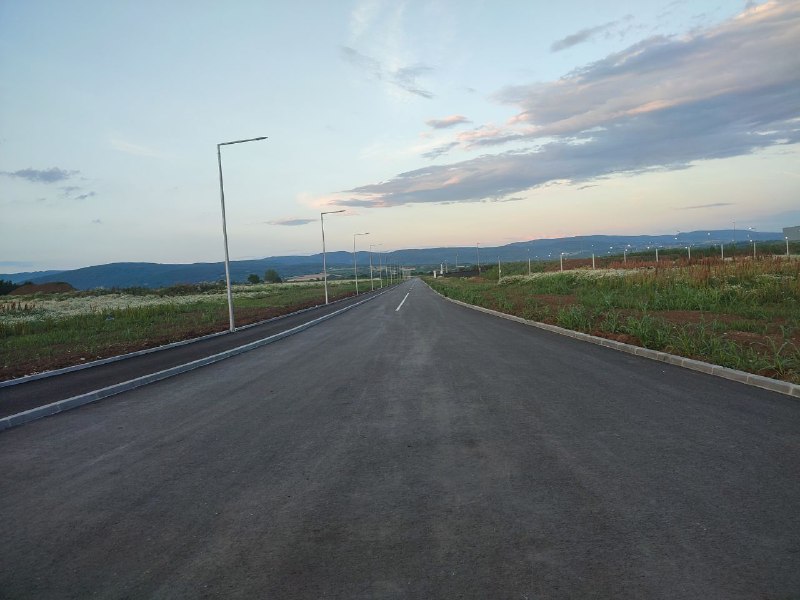
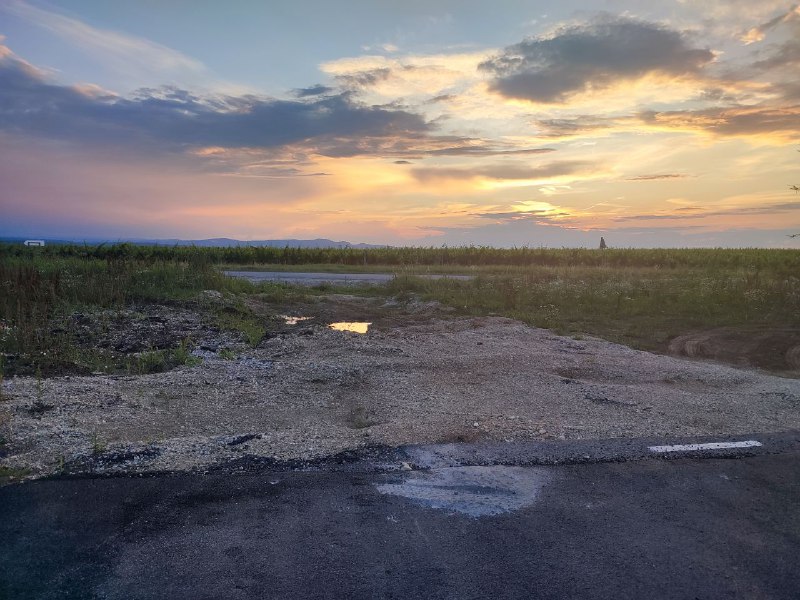
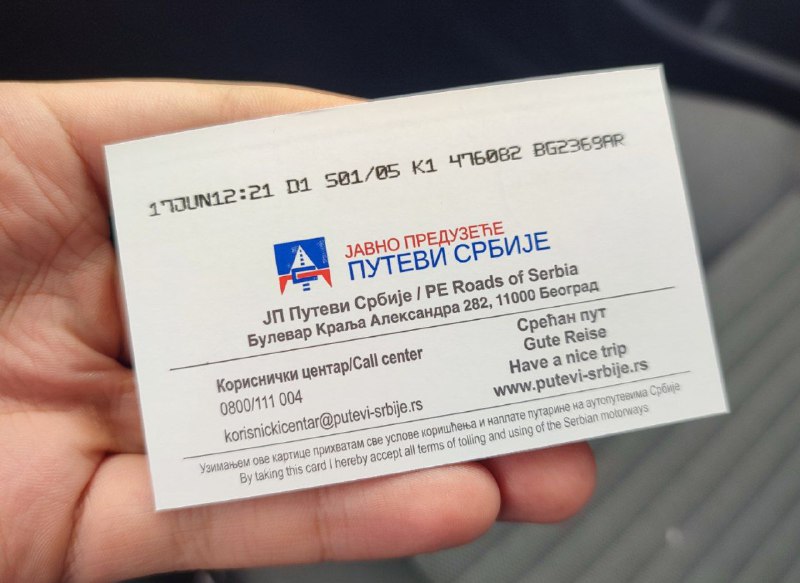
Drove on a toll road to Niš. Looks decent. Speed limit is 130, but a lot of people drive much faster. Just to be safe, I checked the map — it definitely wasn't a German Autobahn.
There were construction zones more often than I would've liked. Four lanes turn into two, the median disappears, and the speed limit drops to 80 (actually even lower in practice, thanks to the trucks and buses). When you're driving there, you start wondering why they're charging you for this :(
The only consolation is that the toll is relatively cheap. I drove two sections of about 100 km each and paid 700 dinars (~6€) total.
There were construction zones more often than I would've liked. Four lanes turn into two, the median disappears, and the speed limit drops to 80 (actually even lower in practice, thanks to the trucks and buses). When you're driving there, you start wondering why they're charging you for this :(
The only consolation is that the toll is relatively cheap. I drove two sections of about 100 km each and paid 700 dinars (~6€) total.
Countries
 United Kingdom3
 Serbia100
 Bosnia and Herzegovina54
 Turkey42
 United Arab Emirates3
 Brunei2
 Indonesia12
 Malaysia15
 Argentina16
 USA117
 Morocco5
 Georgia5
 Egypt16
 Hong Kong8
 China4
 Vietnam9
 Tunisia7
 Montenegro9
 Philippines12
 Singapore10
 Oman12
 Algeria12
 North Macedonia5
 Lebanon11
 Israel27
 Albania17
 Russia63
 Tanzania50
 Netherlands7
 Spain14
 Latvia2
 Germany7
 Belgium3
 France27
 Kazakhstan32