Since I'm not traveling anywhere yet, I got curious about what people listen to in different countries. I discovered this amazing everynoise site. Now I know what Mumbai indie, Mexican trance, and African metal sound like :)
Plus there's a cool breakdown by countries for 2020. Highly recommend!
Telegram mirror
Telegram is a messenger where I post short travel notes. This page is a self-hosted backup of that channel.
There's an surprisingly huge number of people wanting to see the city. Some museums require you to book in advance. If you just walk in off the street — there are no spots available. On Saturday afternoon, they're offering reservations for Sunday evening. Apparently that's when all the weekend tourists leave town.
The café situation isn't much better. I tried a couple of decent places and they said I'd have to wait an hour and a half. On the fourth try, I managed to find a free table.
The café situation isn't much better. I tried a couple of decent places and they said I'd have to wait an hour and a half. On the fourth try, I managed to find a free table.
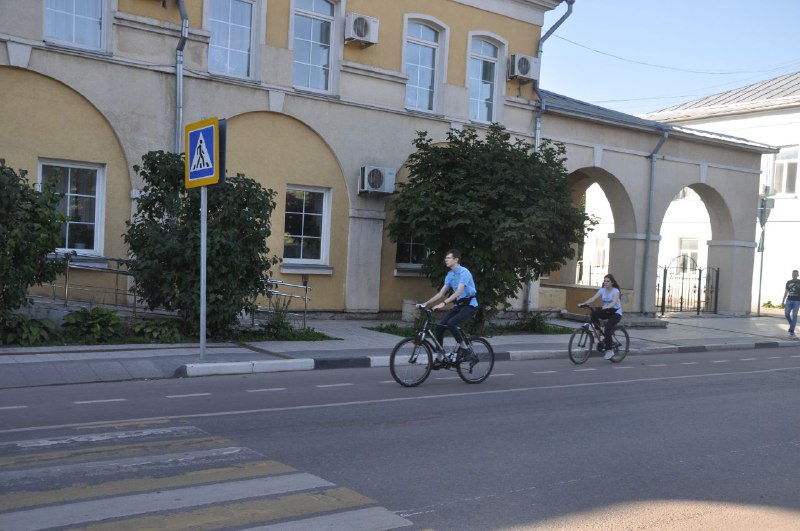
Kolomna has bike lanes! And pedestrians don't even walk on them.
The virus is still raging around the world, and most borders remain locked down. But the bravest are already starting to travel somehow. I decided not to fall behind and went to the data center :)
(actually, a hard drive died prematurely and I had to replace it, but at least it's some kind of change of scenery)
(actually, a hard drive died prematurely and I had to replace it, but at least it's some kind of change of scenery)
A little taste of Istanbul on the way home. Once I catch my breath, I'll share my overall impressions from the trip.
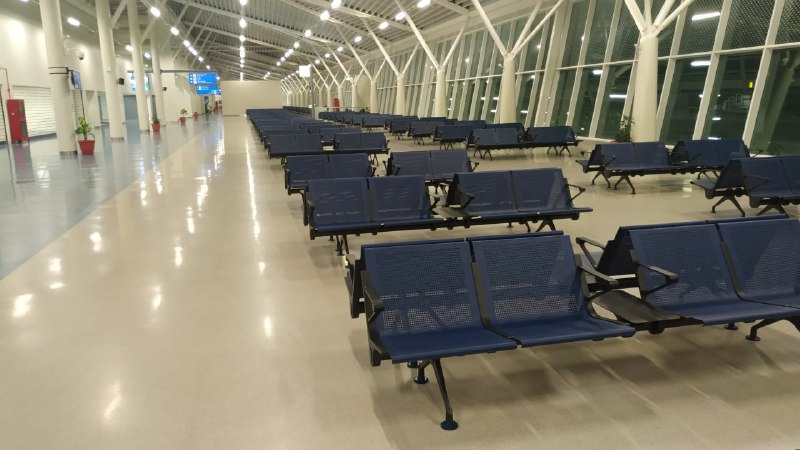
By the way, the Dar es Salaam airport terminal itself is so new that besides a couple of cafes and one souvenir shop with magnets, there's basically nothing here. The halls are empty, and there are very few flights. The terminal only just opened in 2019.
It turned out that without a pen, you can't just enter—you also can't leave. To cross the border, you need to fill out a similar form, and of course, there are no pens. Fortunately, the border guards this time were more accommodating.
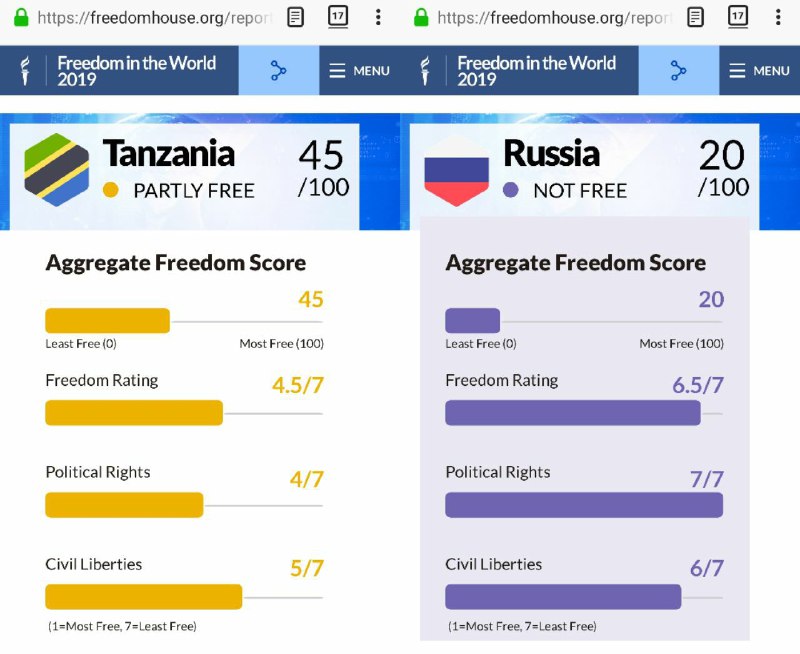
Here's a funny (not really) fact: freedom of speech in Tanzania is significantly better than in Russia.
Police are police, even in Africa.
In Tanzania, you need to get a million licenses and permits just to provide tourist services. Local police particularly love stopping cars with white people for "document checks." Drivers happily pay them off with a couple of bucks.
According to our guide, if you actually get caught doing something wrong, you can usually work it out on the spot without any official paperwork.
The government tries to fight this by paying officers almost a third of officially issued fines, but it doesn't really help much.
There's also this weird paranoia about photographing law enforcement here. If locals see you trying to take a picture of a police station, they immediately start yelling that you can't, telling you to put the camera away. And our guide kept saying under no circumstances should you photograph military or police, because they might confiscate your memory card (or camera).
In Tanzania, you need to get a million licenses and permits just to provide tourist services. Local police particularly love stopping cars with white people for "document checks." Drivers happily pay them off with a couple of bucks.
According to our guide, if you actually get caught doing something wrong, you can usually work it out on the spot without any official paperwork.
The government tries to fight this by paying officers almost a third of officially issued fines, but it doesn't really help much.
There's also this weird paranoia about photographing law enforcement here. If locals see you trying to take a picture of a police station, they immediately start yelling that you can't, telling you to put the camera away. And our guide kept saying under no circumstances should you photograph military or police, because they might confiscate your memory card (or camera).
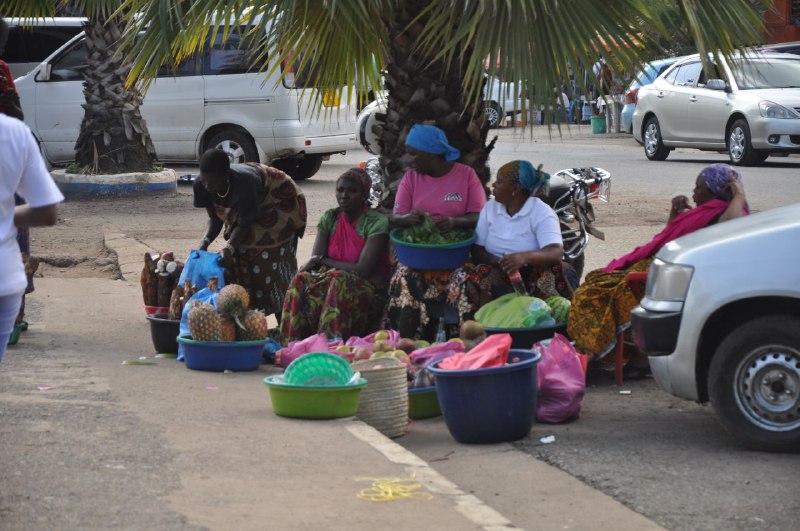
All the small villages and towns follow the same layout: a main street (usually a highway) lined with an informal market, with residential houses spreading back from there.
People sell whatever they can. Everything from fruit to household goods. You can even find meat, which sits in a basin out in the heat without refrigeration.
But honestly, there's not much to do here. There are no attractions at all, and looking at the market—which is basically identical to the one in the previous town—for the tenth time gets pretty boring.
People sell whatever they can. Everything from fruit to household goods. You can even find meat, which sits in a basin out in the heat without refrigeration.
But honestly, there's not much to do here. There are no attractions at all, and looking at the market—which is basically identical to the one in the previous town—for the tenth time gets pretty boring.
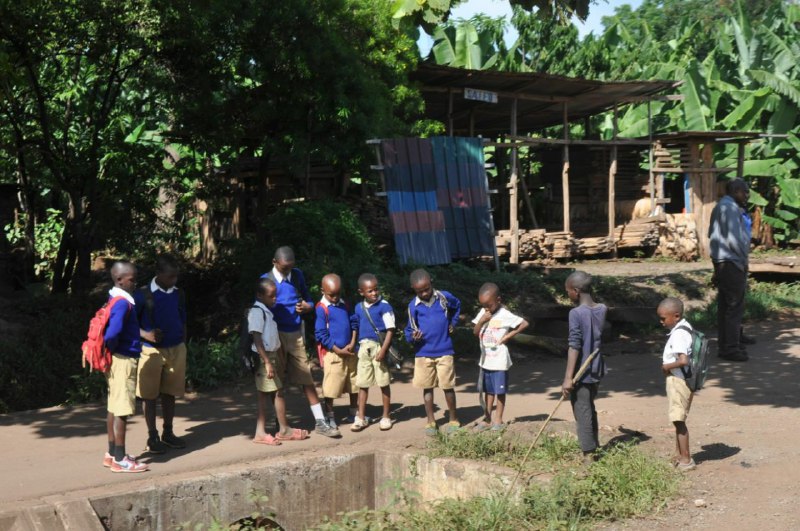
Crowds of schoolchildren roam through the villages. Everyone in uniform. The style depends on the school, but there's always something white (at least a shirt). I keep being amazed that despite all the dust on the streets, the children's uniforms are spotless and look like they were just bought yesterday.
Adults are no different: women often wear bright clothes and they're also perfectly clean. How do they manage it?
PS. The school schedule is interesting: January through June is the school term, July through December is vacation.
Adults are no different: women often wear bright clothes and they're also perfectly clean. How do they manage it?
PS. The school schedule is interesting: January through June is the school term, July through December is vacation.
At one of the hotels we stayed at, all guests are greeted exactly like this. Something out of this world.
►
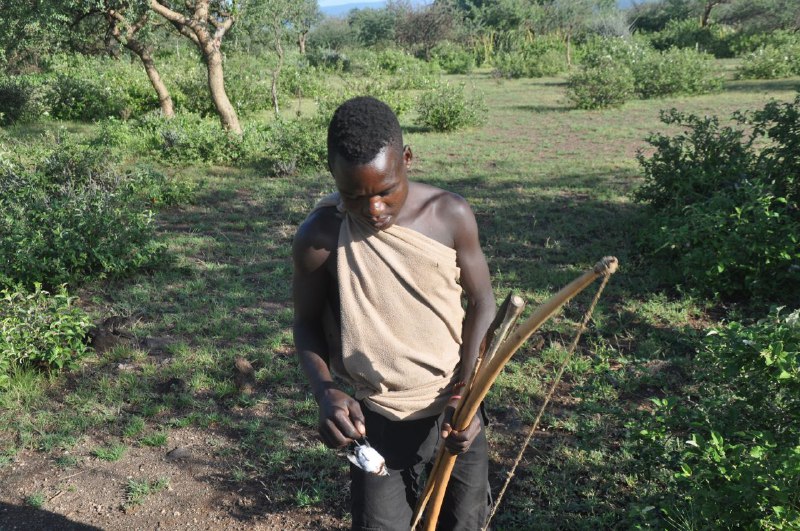
They hunt mainly birds with a bow. Sometimes larger game, but less often. They go hunting twice a day: early in the morning and toward evening when it's not so hot.
During a couple hours of hunting, they caught 3 small birds.
During a couple hours of hunting, they caught 3 small birds.
Frame of the day :)
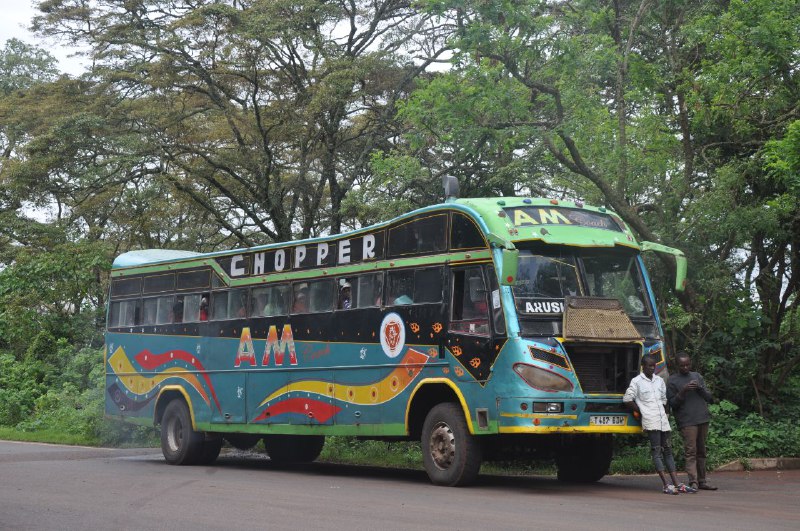
Public transport routes run through the parks.
You can save money and ride on a bus like this :) Though the driver probably won't stop near the elephants and lions, and the roof doesn't open.
You can save money and ride on a bus like this :) Though the driver probably won't stop near the elephants and lions, and the roof doesn't open.
There are so many animals here :)
No matter how many locals I asked, they all say yes, there's poverty and problems in the country, but they really love it here and wouldn't want to move for anything.
And overall, people here are more laid-back, don't stress over the small stuff, and appreciate what they have.
And overall, people here are more laid-back, don't stress over the small stuff, and appreciate what they have.
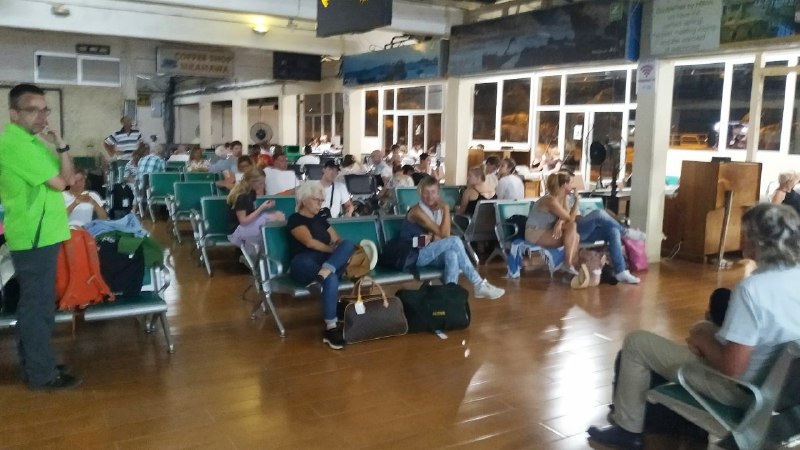
The waiting area at Zanzibar Airport.
The printer broke down at check-in. So they wrote out the boarding pass by hand. No date, no surname, no barcodes.
There's no air conditioning in the main waiting area (none at all). There is a lounge, but even there it's pretty hot (though much better).
No departure board. They just announce boarding over the microphone. About as clear as announcements at Russian train stations.
The flight was delayed over an hour. No announcements about it, nobody knows why or when we're leaving. Well, your plane hasn't arrived yet, you'll fly out eventually, hakuna matata.
I've never seen such a madhouse before.
The printer broke down at check-in. So they wrote out the boarding pass by hand. No date, no surname, no barcodes.
There's no air conditioning in the main waiting area (none at all). There is a lounge, but even there it's pretty hot (though much better).
No departure board. They just announce boarding over the microphone. About as clear as announcements at Russian train stations.
The flight was delayed over an hour. No announcements about it, nobody knows why or when we're leaving. Well, your plane hasn't arrived yet, you'll fly out eventually, hakuna matata.
I've never seen such a madhouse before.
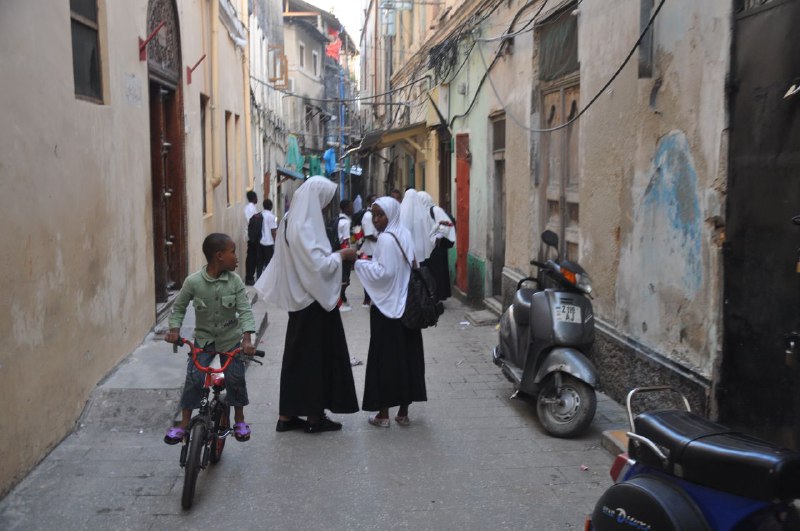
Daily life in Zanzibar.
That's roughly how they climb up for coconuts and bananas and stuff. And they sing while doing it. The locals are really musical in general—they do a lot of routine tasks while humming along.
►
Countries
 United Kingdom3
 Serbia100
 Bosnia and Herzegovina54
 Turkey42
 United Arab Emirates3
 Brunei2
 Indonesia12
 Malaysia15
 Argentina16
 USA117
 Morocco5
 Georgia5
 Egypt16
 Hong Kong8
 China4
 Vietnam9
 Tunisia7
 Montenegro9
 Philippines12
 Singapore10
 Oman12
 Algeria12
 North Macedonia5
 Lebanon11
 Israel27
 Albania17
 Russia63
 Tanzania50
 Netherlands7
 Spain14
 Latvia2
 Germany7
 Belgium3
 France27
 Kazakhstan32