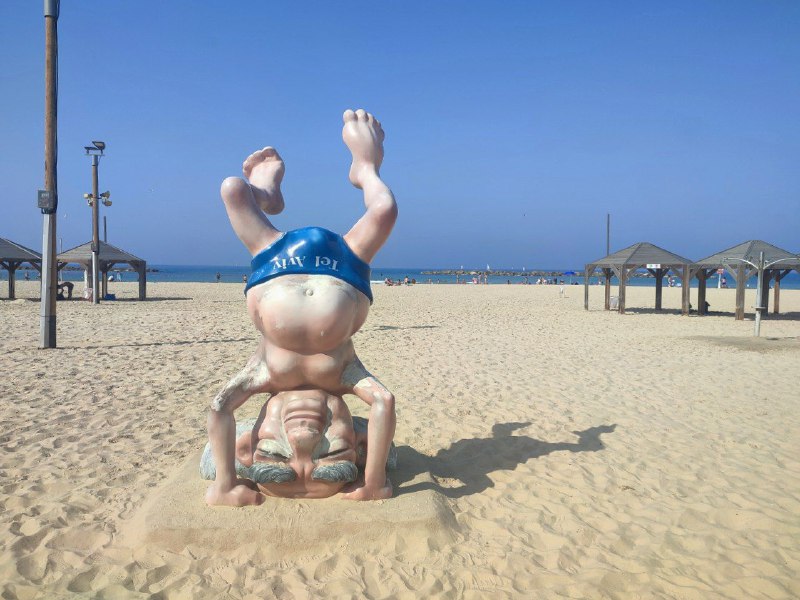
Check out this adorable Herbalist!
Almost every city in Bosnia that I visited is located in a river valley nestled between hills. In summer it looks incredibly picturesque, but in winter the fog and smog get trapped in these valleys and just linger. Many people heat with firewood or coal, which only makes it worse. That said, you don't really smell the smoke, but it's still not pleasant to spend a lot of time in such conditions.
Telegram mirror
Telegram is a messenger where I post short travel notes. This page is a self-hosted backup of that channel.
I've always been amazed at how one midnight of the year stands out from all the others. People suddenly start hoping, believing, and eagerly anticipating something magical. And you can't help but get caught up in the collective mood. If that's not magic, what is?
Peaceful skies in the New Year!
Thank you for reading!
Peaceful skies in the New Year!
Thank you for reading!
►
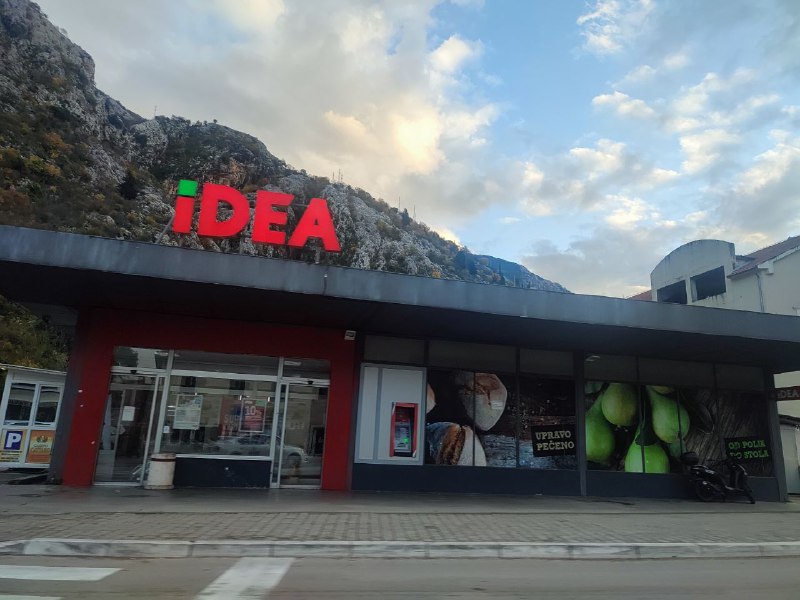
Montenegro has its own kind of Shabbat. A simplified version. In 2019, the country's parliament passed a law that turned Sunday into a sort of mandatory day off for all stores. The only exceptions are gas stations and small kiosks selling beer and cigarettes. The fine for breaking the rules can go up to ten thousand euros.
The main reason behind this move was the authorities' desire to give shop workers more time with their families. The law doesn't apply to cafes and restaurants, so you won't starve. Either way, you can't really reschedule your Sunday grocery run.
It's no wonder Montenegrins are considered the laziest people in the Balkans (sorry for the stereotype, but take it with a grain of salt). The locals themselves have played a role in this reputation, even coming up with their own 10 commandments. Though to be fair, this is relatively new folklore, mostly created to attract tourists.
The main reason behind this move was the authorities' desire to give shop workers more time with their families. The law doesn't apply to cafes and restaurants, so you won't starve. Either way, you can't really reschedule your Sunday grocery run.
It's no wonder Montenegrins are considered the laziest people in the Balkans (sorry for the stereotype, but take it with a grain of salt). The locals themselves have played a role in this reputation, even coming up with their own 10 commandments. Though to be fair, this is relatively new folklore, mostly created to attract tourists.
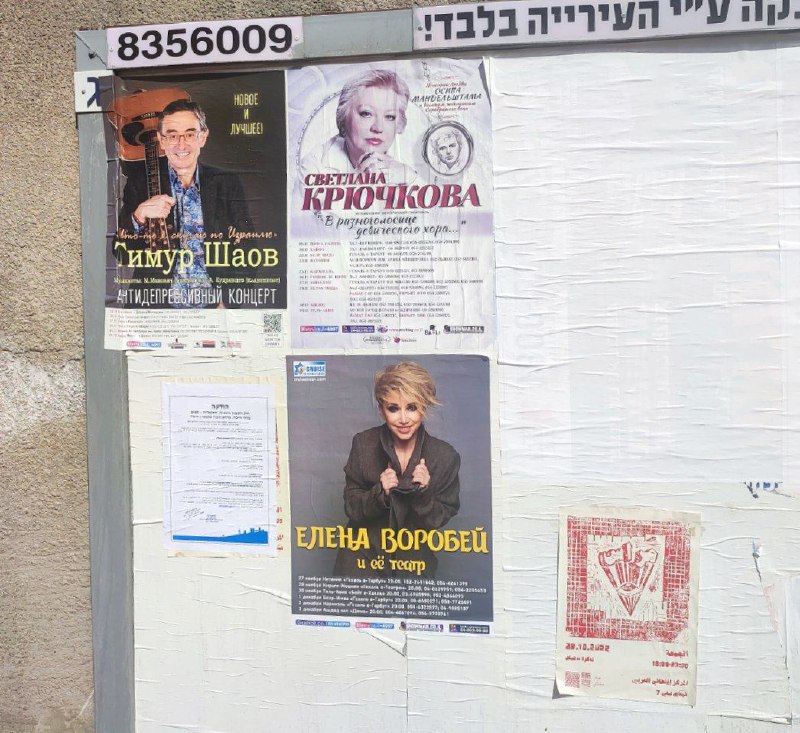
One last thing about Israel: it's a very musical country. You're constantly hearing someone humming to themselves, or sometimes even singing quite loudly. They even had political campaigns before elections with music and dancing. And the Orthodox Jews aren't opposed to breaking into a dance when the occasion calls for it.
My introduction to local pop music started long before my trip. Back at the beginning of COVID, I accidentally stumbled upon a Jewish wedding through astronaut.io (a brilliant service that shows super cute YouTube videos that nobody watches). The melody grabbed me, I found it and away I went.
Then came Q2A, Ofra Haza and others like דולי ופן. I arrived there and from various cafes you'd sometimes hear familiar melodies. And I picked up some new ones too, like this or this.
PS. As a bonus, I'll mention the Yemenite Jewish sisters A-WA. Even though they sing in Arabic, they were also played in various nightspots around Tel Aviv and Jerusalem (one, two, three; plus the videos are amazing) (:
My introduction to local pop music started long before my trip. Back at the beginning of COVID, I accidentally stumbled upon a Jewish wedding through astronaut.io (a brilliant service that shows super cute YouTube videos that nobody watches). The melody grabbed me, I found it and away I went.
Then came Q2A, Ofra Haza and others like דולי ופן. I arrived there and from various cafes you'd sometimes hear familiar melodies. And I picked up some new ones too, like this or this.
PS. As a bonus, I'll mention the Yemenite Jewish sisters A-WA. Even though they sing in Arabic, they were also played in various nightspots around Tel Aviv and Jerusalem (one, two, three; plus the videos are amazing) (:
►
I could go on and on about kosher mobile numbers, where rabbis decide what and when users can do, and other mezuzahs (parchment scrolls with prayers) attached to the doorframes of Jewish homes. But nothing in Israel impressed me as much as United Hatzalah.
It's a volunteer organization providing emergency medical assistance. I don't understand why this isn't practiced worldwide. It's an absolutely genius concept that literally saves lives every single day. The idea is based on quick training of volunteers (around 60 hours), who are immediately ready to save lives. They get a phone for alerts and a first aid kit/equipment. When the service receives a call, nearby volunteers are dispatched to help until the ambulance arrives. These people can't work as doctors, but they have enough knowledge to keep someone alive until a medical professional arrives.
Back in 1960s America, local Hasidic Jews who only spoke Yiddish had trouble communicating with American doctors. When it comes to sudden health problems, every second counts. So the community organized a volunteer movement to eliminate translation difficulties. Apparently for this reason, only Jewish volunteers were recruited. Once trained, they'd start responding to calls. As a bonus, volunteers arrived faster since they lived and worked within their own neighborhoods. The idea spread rapidly across the States and countries with large Jewish communities. Nevertheless, Hatzalah (as they were called) saved everyone in need, not just their own. For example, they were among the first to arrive during the 9/11 terror attack in New York.
This story could've stayed local in neighborhoods with dense Orthodox Jewish populations, but eventually it reached Israel too. There was no language barrier there, but there was a need for volunteers. So a bunch of independent "branches" formed. However, one person fundamentally changed the system. Back in 1978, five-year-old Eli Beer witnessed a bus explosion. The chaos and slow response of emergency services left a lasting mark on the boy, and he dedicated his life to saving people. Almost 30 years after that incident, he managed to unite all Israeli branches into one massive organization—United Hatzalah.
That was just the beginning. Then came innovations affecting all the "subsidiaries." They stopped caring about nationality and religion, and started accepting anyone who wanted to help. They decided to use motorcycles extensively to reach emergency scenes faster. This allows for much quicker response to victims during rush hour (a major problem in big cities). And in historic areas, it made it possible to reach patients. For example, in Old Jerusalem, a big ambulance simply can't navigate narrow streets.
They were first to implement GPS for automatically detecting if anyone was near a call location and sending alerts to those meeting the criteria. GPS might not sound miraculous today, but they rolled out this technology in 2008! Because of it, help in the city arrives in an average of one and a half minutes. Ninety seconds (!)! Regular ambulances usually take 8-9 minutes. You can find more impressive statistics on the website. If the official statistics are to be believed, mortality from heart attacks in the country dropped by 50% thanks to these guys.
It's a volunteer organization providing emergency medical assistance. I don't understand why this isn't practiced worldwide. It's an absolutely genius concept that literally saves lives every single day. The idea is based on quick training of volunteers (around 60 hours), who are immediately ready to save lives. They get a phone for alerts and a first aid kit/equipment. When the service receives a call, nearby volunteers are dispatched to help until the ambulance arrives. These people can't work as doctors, but they have enough knowledge to keep someone alive until a medical professional arrives.
Back in 1960s America, local Hasidic Jews who only spoke Yiddish had trouble communicating with American doctors. When it comes to sudden health problems, every second counts. So the community organized a volunteer movement to eliminate translation difficulties. Apparently for this reason, only Jewish volunteers were recruited. Once trained, they'd start responding to calls. As a bonus, volunteers arrived faster since they lived and worked within their own neighborhoods. The idea spread rapidly across the States and countries with large Jewish communities. Nevertheless, Hatzalah (as they were called) saved everyone in need, not just their own. For example, they were among the first to arrive during the 9/11 terror attack in New York.
This story could've stayed local in neighborhoods with dense Orthodox Jewish populations, but eventually it reached Israel too. There was no language barrier there, but there was a need for volunteers. So a bunch of independent "branches" formed. However, one person fundamentally changed the system. Back in 1978, five-year-old Eli Beer witnessed a bus explosion. The chaos and slow response of emergency services left a lasting mark on the boy, and he dedicated his life to saving people. Almost 30 years after that incident, he managed to unite all Israeli branches into one massive organization—United Hatzalah.
That was just the beginning. Then came innovations affecting all the "subsidiaries." They stopped caring about nationality and religion, and started accepting anyone who wanted to help. They decided to use motorcycles extensively to reach emergency scenes faster. This allows for much quicker response to victims during rush hour (a major problem in big cities). And in historic areas, it made it possible to reach patients. For example, in Old Jerusalem, a big ambulance simply can't navigate narrow streets.
They were first to implement GPS for automatically detecting if anyone was near a call location and sending alerts to those meeting the criteria. GPS might not sound miraculous today, but they rolled out this technology in 2008! Because of it, help in the city arrives in an average of one and a half minutes. Ninety seconds (!)! Regular ambulances usually take 8-9 minutes. You can find more impressive statistics on the website. If the official statistics are to be believed, mortality from heart attacks in the country dropped by 50% thanks to these guys.
Leaving Israel turned out to be way harder than getting in.
I arrived at the airline counter an hour and a half before my flight. I was confident that was plenty of time (they usually close check-in 40 minutes before departure). But when I got there, it turned out I was just a couple minutes before they shut it down.
Then things got interesting at security. They pulled me aside to a separate area for a detailed search, and I spent over an hour there. The officers went through all my belongings, basically examining every single document individually. They even literally searched inside my pants with some kind of explosive trace detector (this happened in a closed booth behind a screen).
It all ended when my laptop triggered some kind of sensor. After a million clarifying questions, I was told that according to protocol, my laptop would have to go on a different flight. They packed it up right in front of me, sealed it, and even gave me a receipt like it was extra baggage so I could track it if needed. Then they wished me a good flight.
I finally made it to the gate about 5 minutes after departure time. Luckily the plane hadn't left yet and they hadn't even finished boarding. The last passengers were casually scanning their boarding passes.
Well, I didn't get my laptop in Belgrade (shocker), and on top of that, they forgot my luggage at the connection in Istanbul. They promised to deliver everything to my place tomorrow. We'll see how that works out.
PS. I'm back in Serbia, but there are a couple more things about Israel I want to share. I'll write about that a bit later.
I arrived at the airline counter an hour and a half before my flight. I was confident that was plenty of time (they usually close check-in 40 minutes before departure). But when I got there, it turned out I was just a couple minutes before they shut it down.
Then things got interesting at security. They pulled me aside to a separate area for a detailed search, and I spent over an hour there. The officers went through all my belongings, basically examining every single document individually. They even literally searched inside my pants with some kind of explosive trace detector (this happened in a closed booth behind a screen).
It all ended when my laptop triggered some kind of sensor. After a million clarifying questions, I was told that according to protocol, my laptop would have to go on a different flight. They packed it up right in front of me, sealed it, and even gave me a receipt like it was extra baggage so I could track it if needed. Then they wished me a good flight.
I finally made it to the gate about 5 minutes after departure time. Luckily the plane hadn't left yet and they hadn't even finished boarding. The last passengers were casually scanning their boarding passes.
Well, I didn't get my laptop in Belgrade (shocker), and on top of that, they forgot my luggage at the connection in Istanbul. They promised to deliver everything to my place tomorrow. We'll see how that works out.
PS. I'm back in Serbia, but there are a couple more things about Israel I want to share. I'll write about that a bit later.
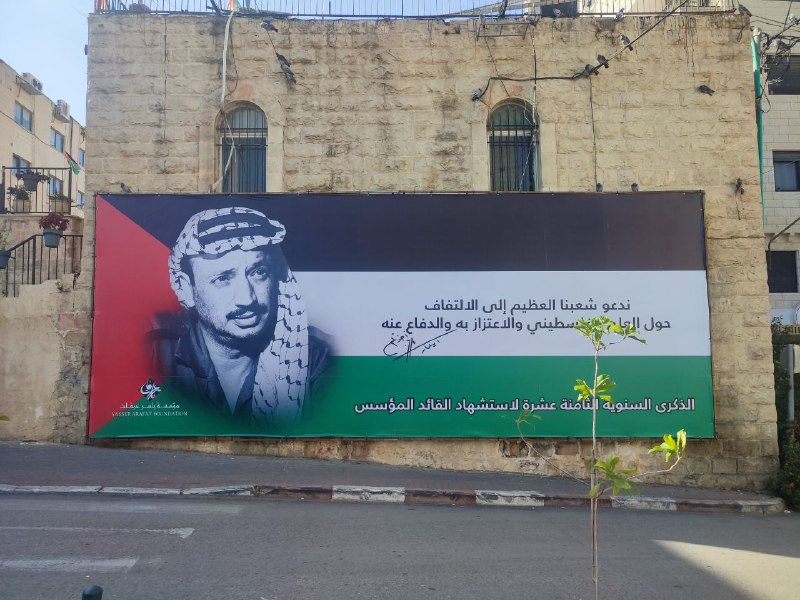
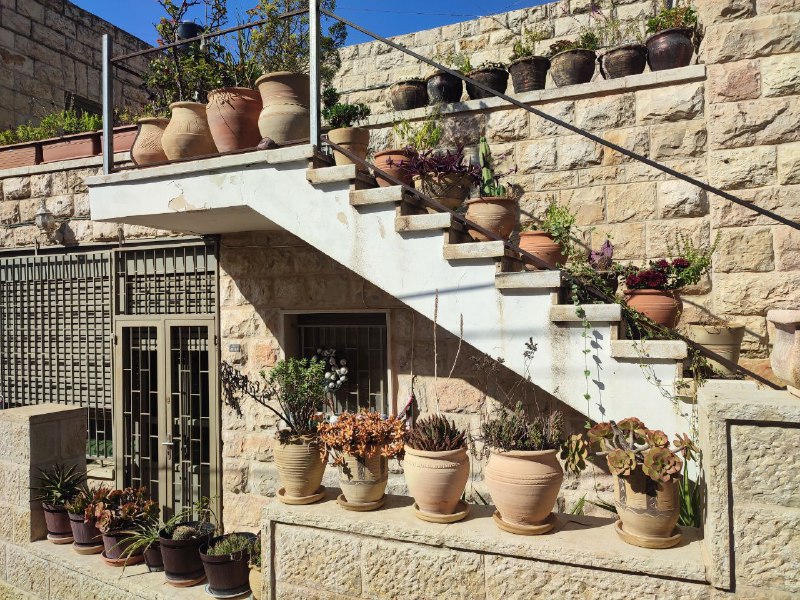
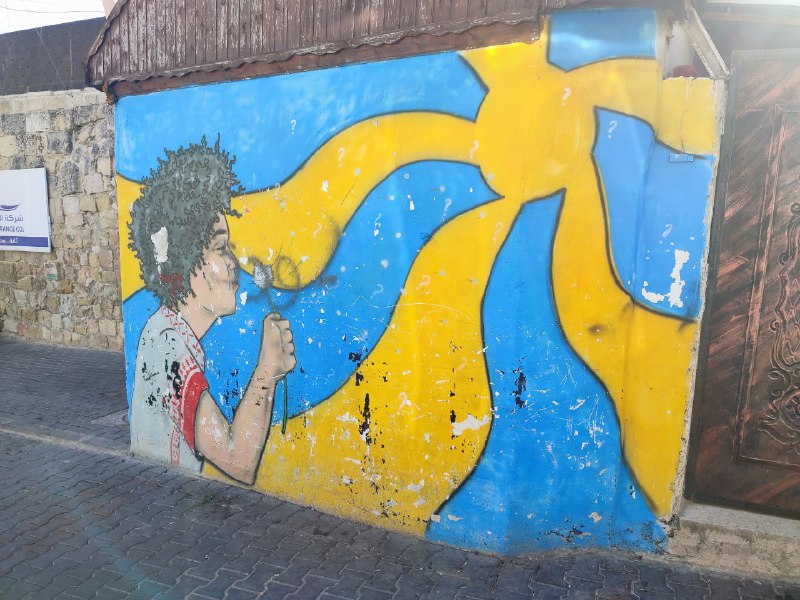
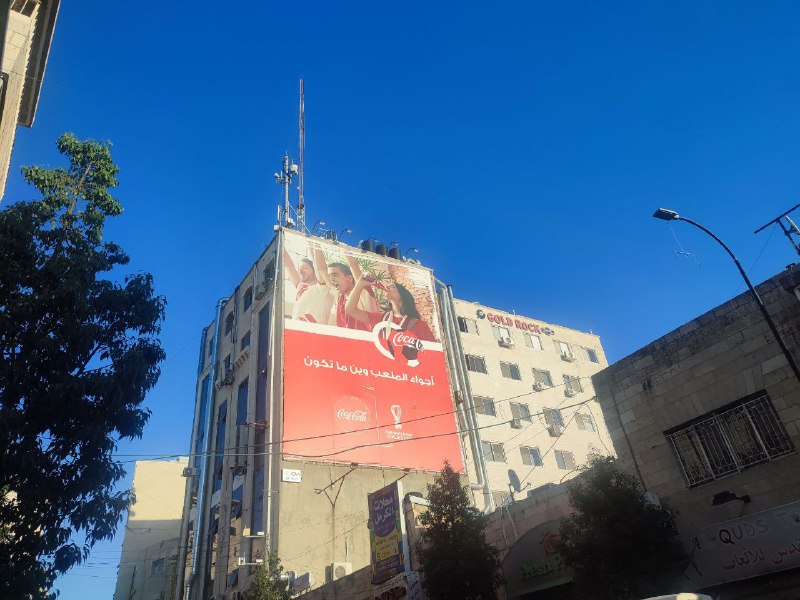


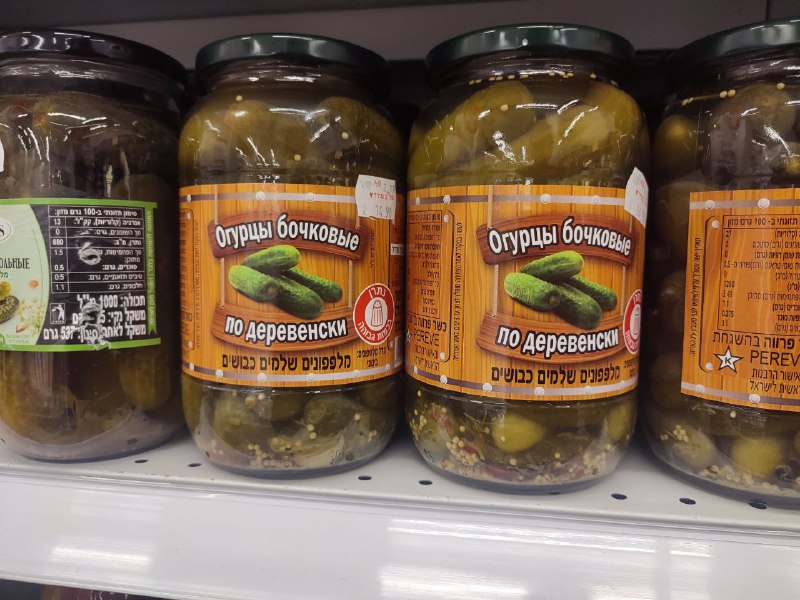
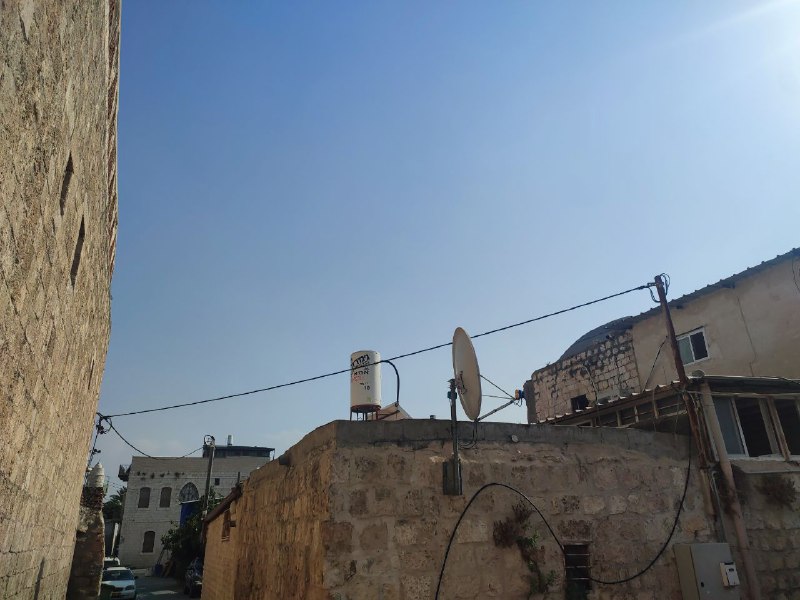
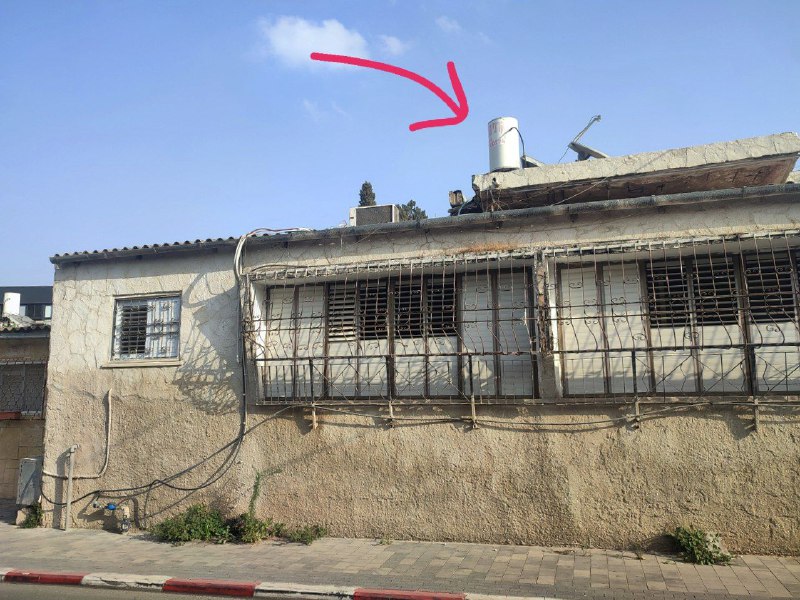
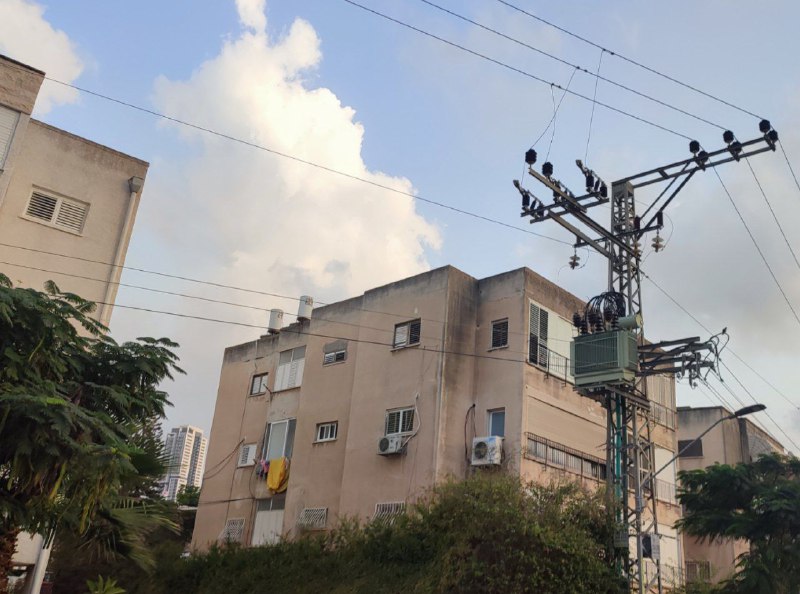
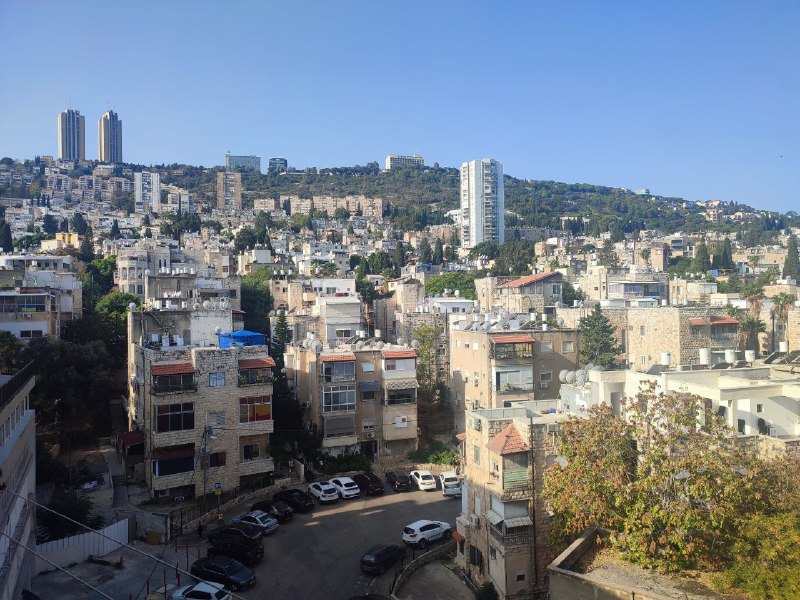
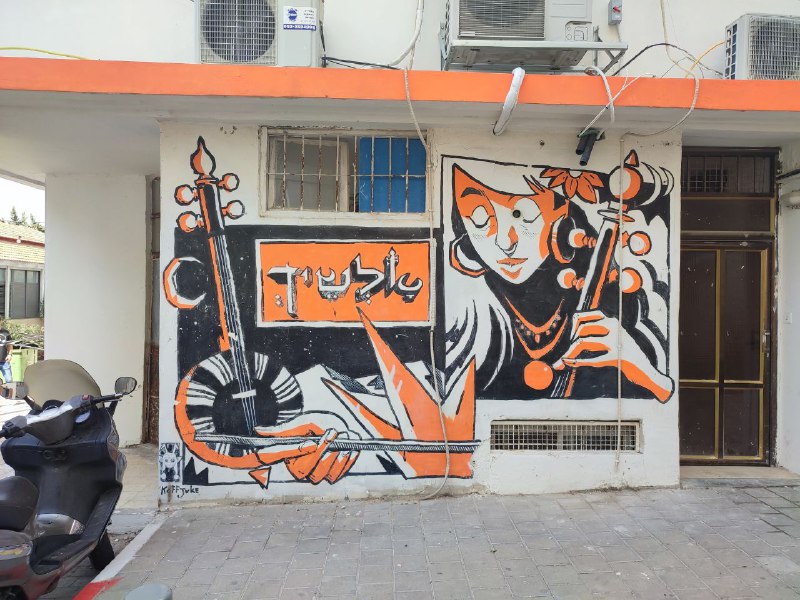
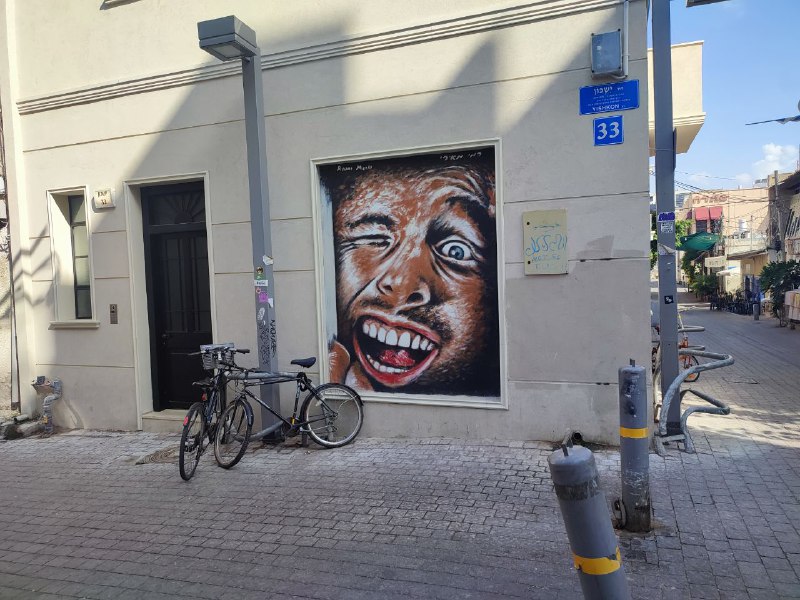
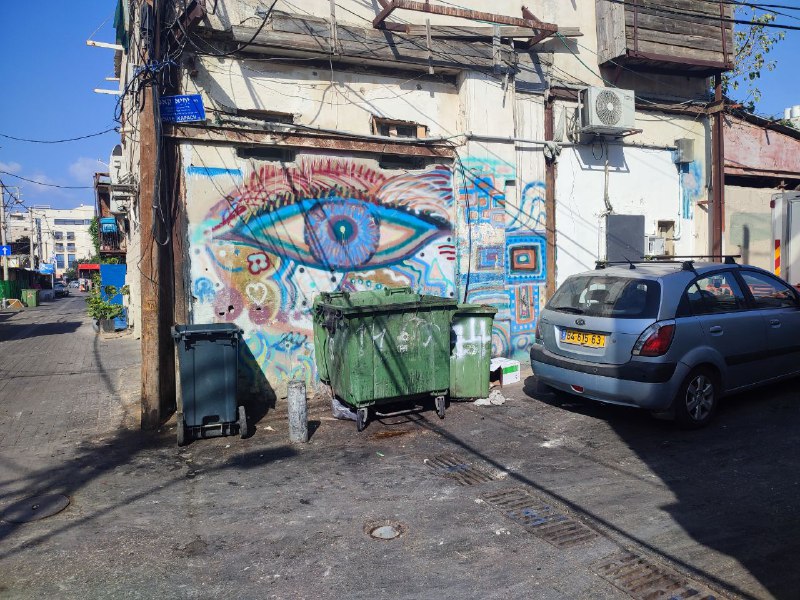
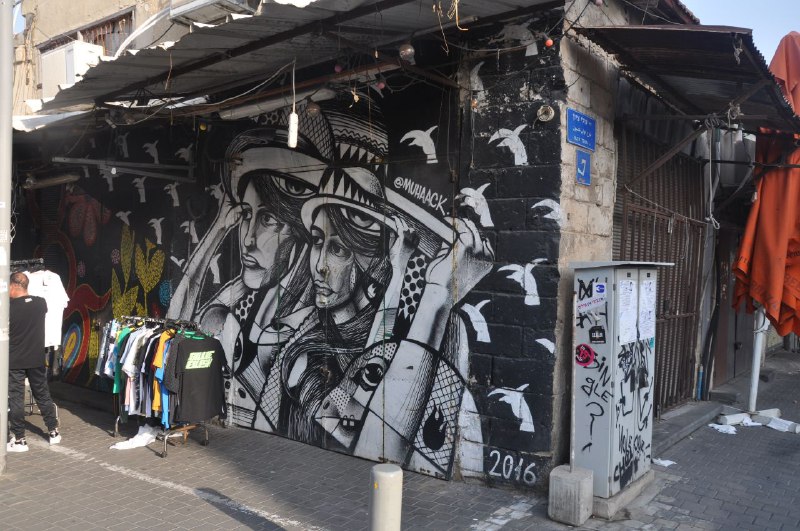
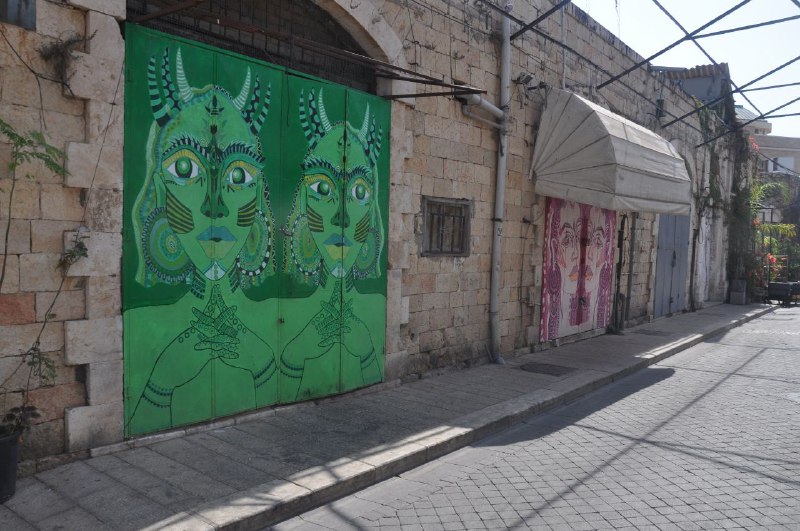
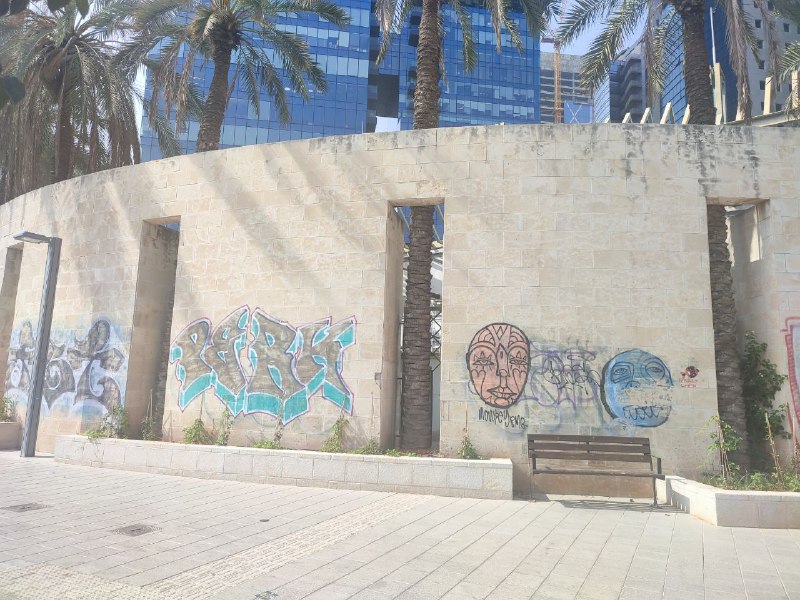
You'd expect international corporations to provide roughly the same level of service regardless of country. But that's not always the case. For example, IKEA for some reason doesn't translate its websites even into English. And while you can get by in Serbia without too much trouble, good luck navigating the Israeli version (though they did manage to create an English version in the Emirates).
And they don't offer delivery either. At all. If you really need it, you can order through a third-party company (their interface is also only in Hebrew). Just 250 shekels (72€) and they'll bring everything. The catch is that smaller items aren't available through them, so you'll have to pick those up yourself. But there is a plus side: delivery includes stair climbing to any floor. This matters because many buildings don't have elevators, and movers charge decent money per flight of stairs.
The local IKEA also charges more for the same products. For example, a bed in Israel costs 17% more than the same one in Serbia.
And they don't offer delivery either. At all. If you really need it, you can order through a third-party company (their interface is also only in Hebrew). Just 250 shekels (72€) and they'll bring everything. The catch is that smaller items aren't available through them, so you'll have to pick those up yourself. But there is a plus side: delivery includes stair climbing to any floor. This matters because many buildings don't have elevators, and movers charge decent money per flight of stairs.
The local IKEA also charges more for the same products. For example, a bed in Israel costs 17% more than the same one in Serbia.
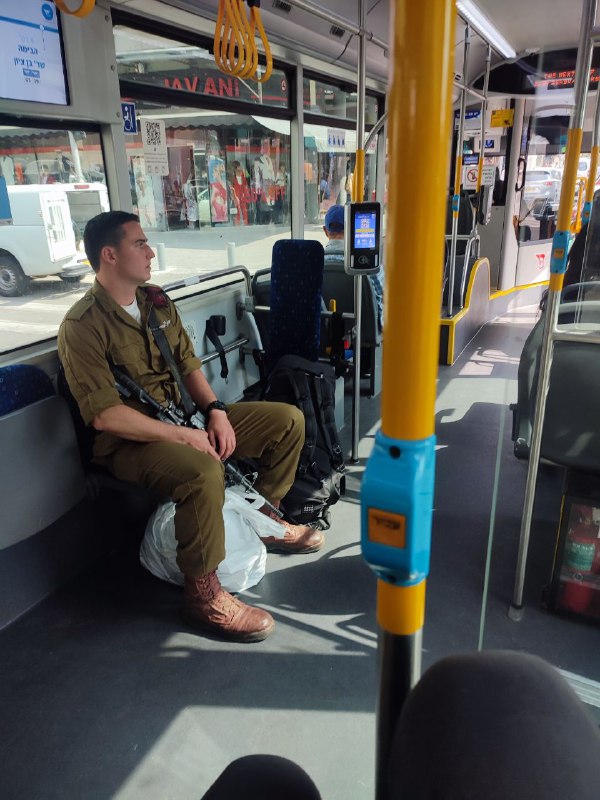
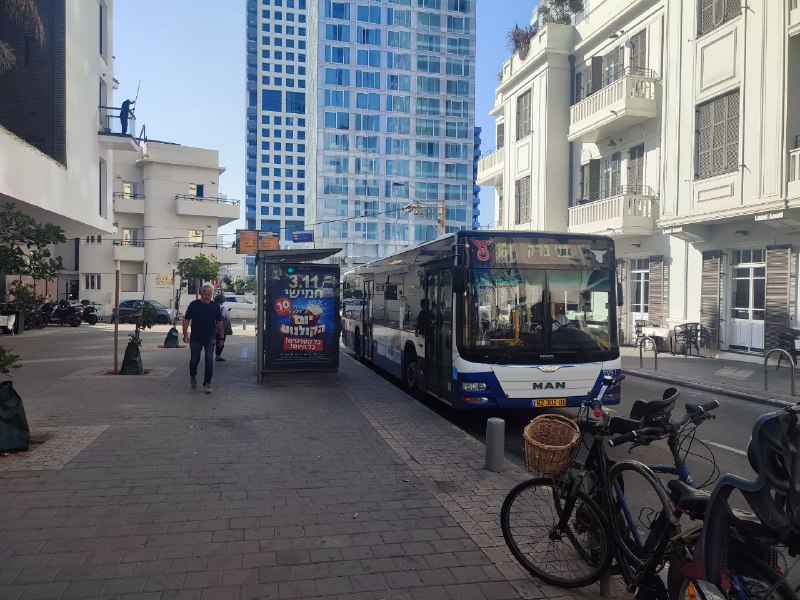
If you just wait for a bus at a stop in Israel, you might not catch it. Usually it only stops here if you wave your hand. Or if one of the passengers needs to get off (there's a special button inside that you absolutely have to press). Otherwise, the driver will just pass by.
Plus, the bus can drive in the second lane, overtaking someone, right near the stop. So you need to watch the road carefully so you don't suddenly miss your bus.
Plus, the bus can drive in the second lane, overtaking someone, right near the stop. So you need to watch the road carefully so you don't suddenly miss your bus.
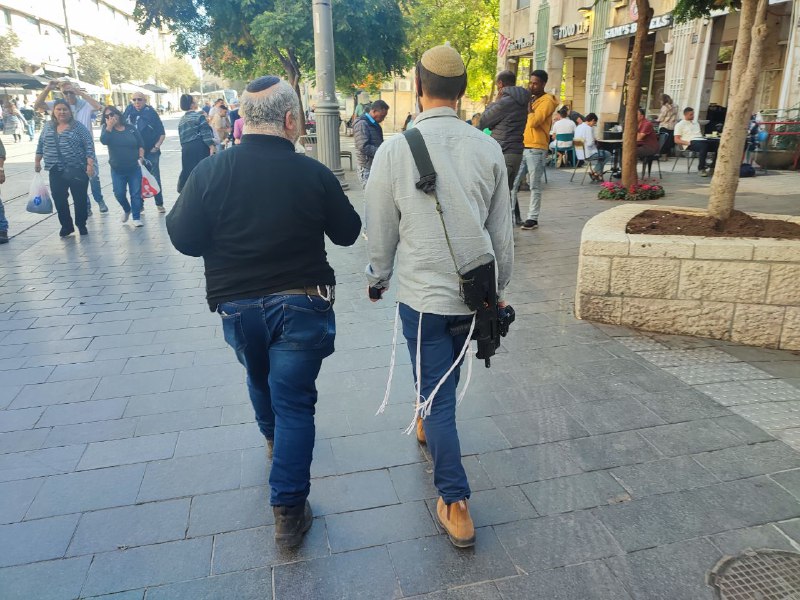
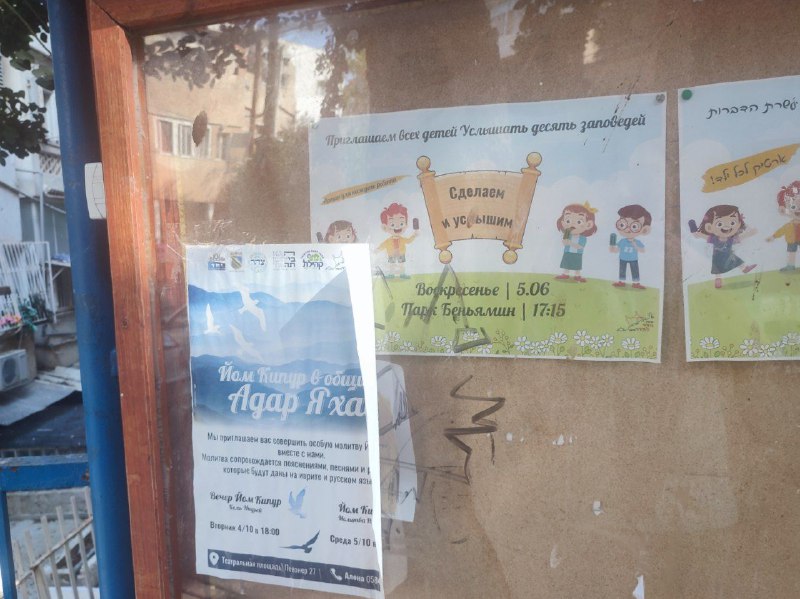
Officially, Israel is a Jewish democratic state. Supposedly secular. However, religion plays a very significant role in everyday life here. In no small part thanks to strong lobbying in government. Hence a bunch of uncomfortable restrictions, those who observe them come up with various ways to get around them, and those uninvolved simply suffer from strange rules that have somehow become laws.
For example, in Israel it's officially forbidden to register not even same-sex marriages, but interfaith ones. A Jew can't formalize a relationship with a Muslim woman or an atheist with a Christian woman. At the same time, it's all fine if a couple registers in, say, Egypt. Such a union is recognized without any issues by all state structures.
Or on Shabbat, public transport pretty much stops running across the country. Though this really depends more on regional authorities. In Tel Aviv it's noticeably less of an issue, but in smaller cities everything pretty much shuts down. But you just can't leave the airport like that.
For example, in Israel it's officially forbidden to register not even same-sex marriages, but interfaith ones. A Jew can't formalize a relationship with a Muslim woman or an atheist with a Christian woman. At the same time, it's all fine if a couple registers in, say, Egypt. Such a union is recognized without any issues by all state structures.
Or on Shabbat, public transport pretty much stops running across the country. Though this really depends more on regional authorities. In Tel Aviv it's noticeably less of an issue, but in smaller cities everything pretty much shuts down. But you just can't leave the airport like that.
Shabbat shalom :)
Istanbul is still beautiful, even if it's a late-night layover with an airport change, when you barely have time to grab a bite.
The contrast with Belgrade is striking. It feels like I've landed in a crazy megacity after a peaceful province. You can't get anywhere on foot, and the metro took me over an hour from the center to the outskirts. Everywhere you look, crowds of people rushing around, endless traffic jams, noise and chaos on the streets. Where did that familiar peace go?)
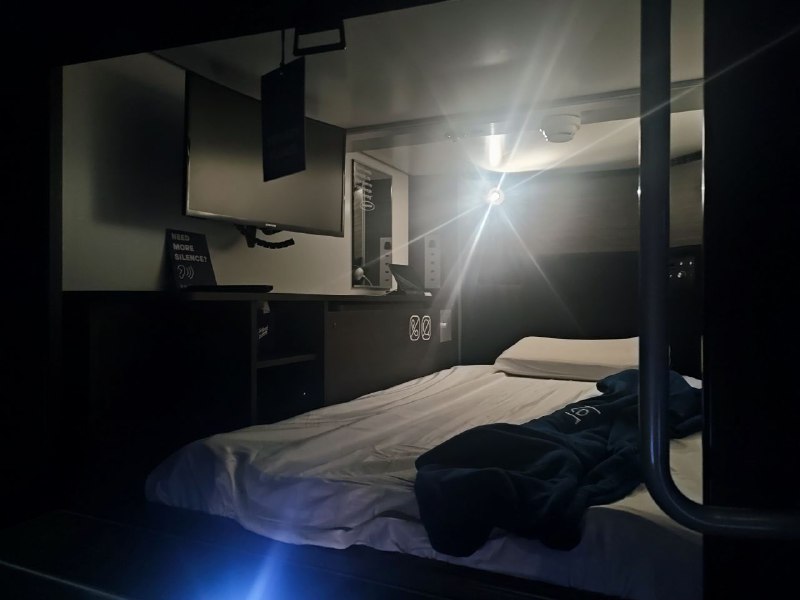
But at least I finally got some real use out of the "free" business lounges, where you can actually get some sleep (in quotes because access is included in the bank's fee). The capsule is more than compact, but I got a good rest. And honestly, even if I had to pay, it would've been way cheaper than a regular hotel. The only catch is that it's after passport control. So if I'd had luggage, I couldn't have gotten there that early.
The contrast with Belgrade is striking. It feels like I've landed in a crazy megacity after a peaceful province. You can't get anywhere on foot, and the metro took me over an hour from the center to the outskirts. Everywhere you look, crowds of people rushing around, endless traffic jams, noise and chaos on the streets. Where did that familiar peace go?)
But at least I finally got some real use out of the "free" business lounges, where you can actually get some sleep (in quotes because access is included in the bank's fee). The capsule is more than compact, but I got a good rest. And honestly, even if I had to pay, it would've been way cheaper than a regular hotel. The only catch is that it's after passport control. So if I'd had luggage, I couldn't have gotten there that early.
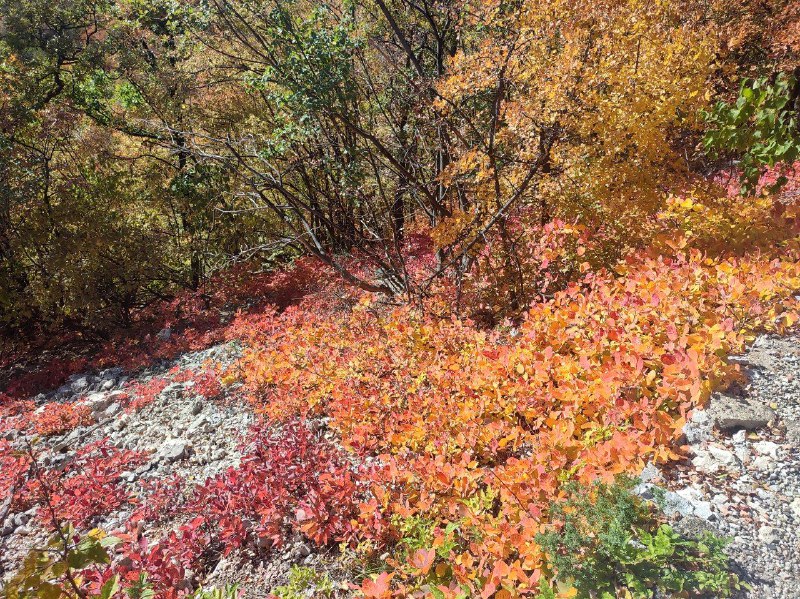
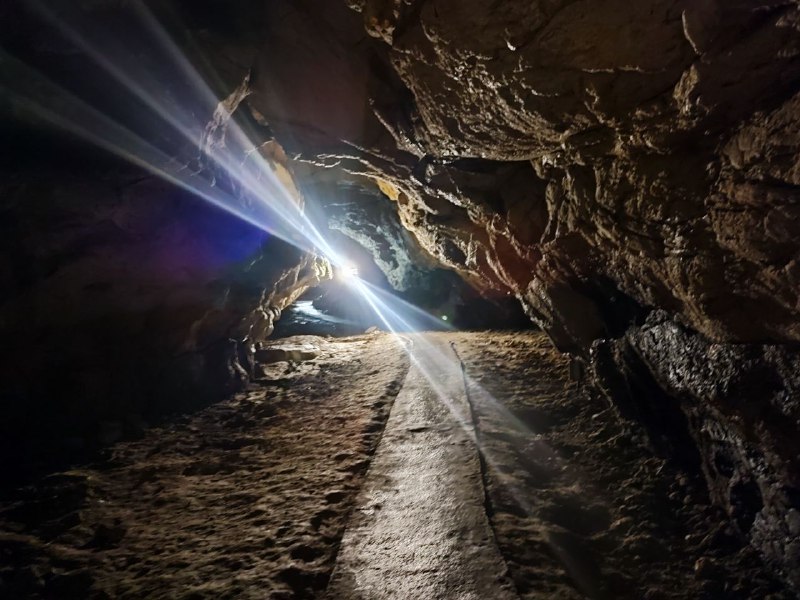
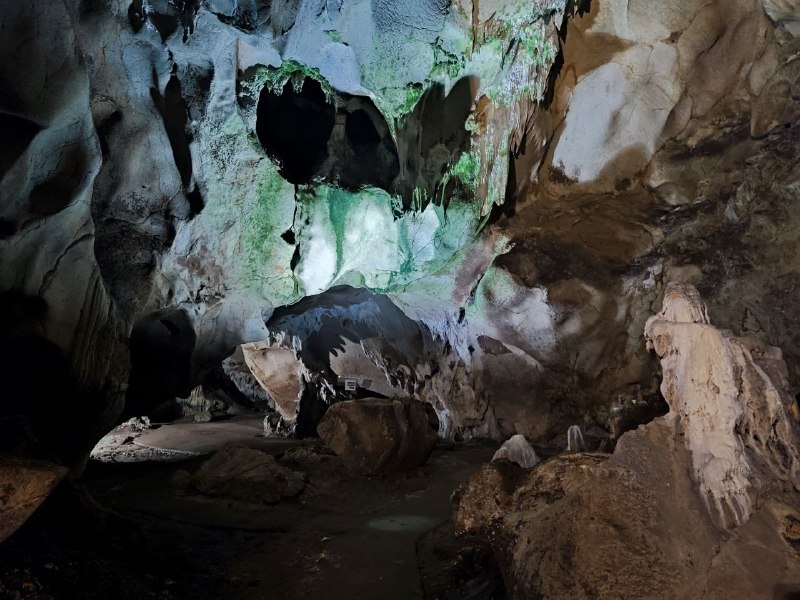
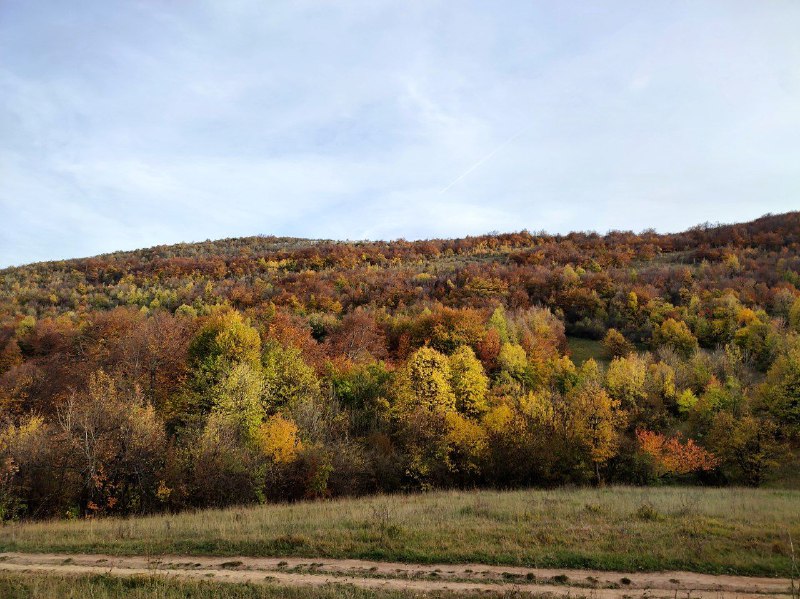
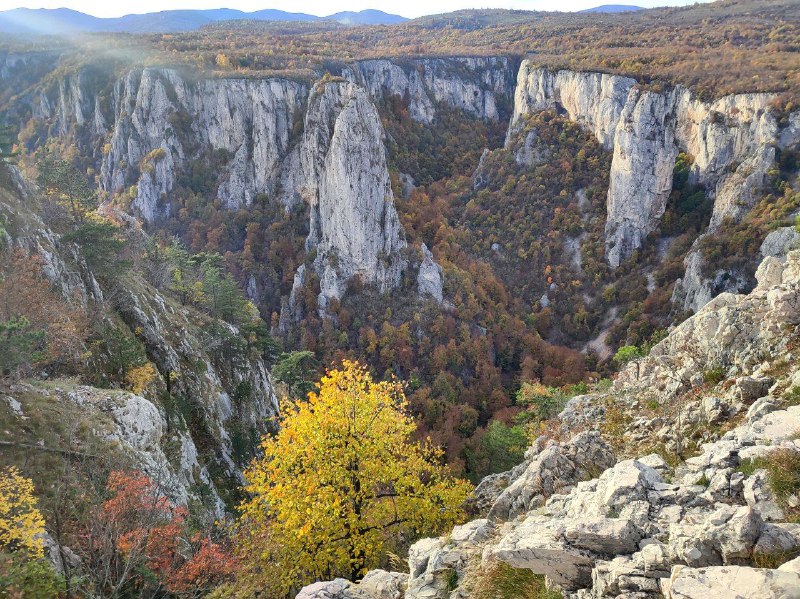
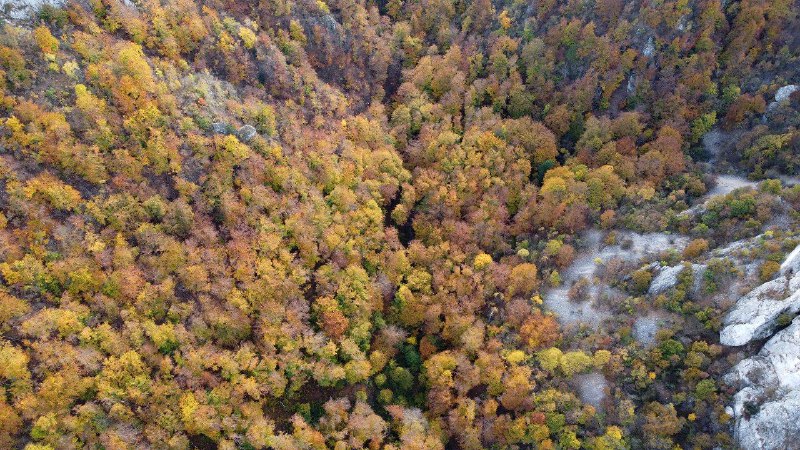
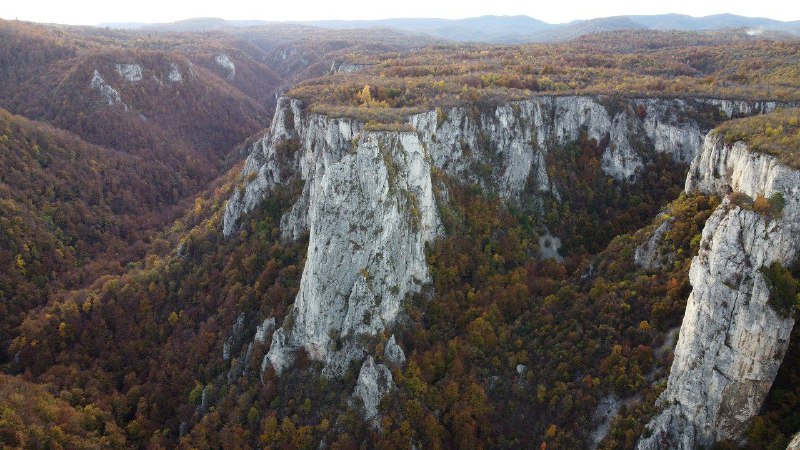
Sorry, but before I get back to writing regular posts, I'm going to tune out the mobilization news for a while and be in crisis mode helping friends and acquaintances who are urgently leaving. Undoubtedly, it's much easier and calmer for me to do this from Serbia.
However, I really need to share a story where I finally found the best answer to the age-old question: "You travel around all these countries, so why can't you just stay home?".
Back in peaceful 2019, I spent a week in wonderful Kazakhstan. Who knew that trip would help me out so much in 2022.
Recently, I was looking for housing in Almaty for three people evacuating. A few days before check-in, I booked a great apartment on Airbnb (nothing complicated about that). But a day before check-in, the host never got back to me, support couldn't reach him either, and they canceled everything, wishing me luck with my search. On the next try, the owner turned out to be alive, but the apartment was already booked—they just forgot to turn off those dates. Another cancellation.
At this point, booking was only showing two hotels at $1000+ per night for the dates I needed. Many of the aggregators I knew claimed there were no options whatsoever. On Airbnb, all the listings seemed too suspicious, and even sending out a batch of preliminary booking requests didn't bring any results.
Someone suggested a Kazakh short-term rental website and other local chat groups (Nika, thanks!), but I had no luck there either. I tried contacting the owners of several listings, but everything was already booked. Turkish students in Almaty even got involved in the process (Ruslan, thanks!), but that didn't help much either.
The prospect of sleeping God knows where was becoming real. That's when I decided the situation was hopeless and I needed to do something differently. Back in 2019, I went to all those Kolsay Lakes and Charyn Canyon and other sites around Almaty with a guide, and just in case, I saved his contact. So I wrote to him. I didn't have high hopes for this option—at best, I expected some advice like "try looking there." The guide said the short-term rental market had indeed gone crazy, but he managed to find housing without bankrupting me, and even personally met everyone and helped them check in (Sergey, THANK YOU!). People can be wonderful. Even in difficult times like these.
If that's not a reason to travel, I don't know what else you need.
Take care of yourselves. Don't go to the military recruitment office. Peace to you ❤️
However, I really need to share a story where I finally found the best answer to the age-old question: "You travel around all these countries, so why can't you just stay home?".
Back in peaceful 2019, I spent a week in wonderful Kazakhstan. Who knew that trip would help me out so much in 2022.
Recently, I was looking for housing in Almaty for three people evacuating. A few days before check-in, I booked a great apartment on Airbnb (nothing complicated about that). But a day before check-in, the host never got back to me, support couldn't reach him either, and they canceled everything, wishing me luck with my search. On the next try, the owner turned out to be alive, but the apartment was already booked—they just forgot to turn off those dates. Another cancellation.
At this point, booking was only showing two hotels at $1000+ per night for the dates I needed. Many of the aggregators I knew claimed there were no options whatsoever. On Airbnb, all the listings seemed too suspicious, and even sending out a batch of preliminary booking requests didn't bring any results.
Someone suggested a Kazakh short-term rental website and other local chat groups (Nika, thanks!), but I had no luck there either. I tried contacting the owners of several listings, but everything was already booked. Turkish students in Almaty even got involved in the process (Ruslan, thanks!), but that didn't help much either.
The prospect of sleeping God knows where was becoming real. That's when I decided the situation was hopeless and I needed to do something differently. Back in 2019, I went to all those Kolsay Lakes and Charyn Canyon and other sites around Almaty with a guide, and just in case, I saved his contact. So I wrote to him. I didn't have high hopes for this option—at best, I expected some advice like "try looking there." The guide said the short-term rental market had indeed gone crazy, but he managed to find housing without bankrupting me, and even personally met everyone and helped them check in (Sergey, THANK YOU!). People can be wonderful. Even in difficult times like these.
If that's not a reason to travel, I don't know what else you need.
Take care of yourselves. Don't go to the military recruitment office. Peace to you ❤️
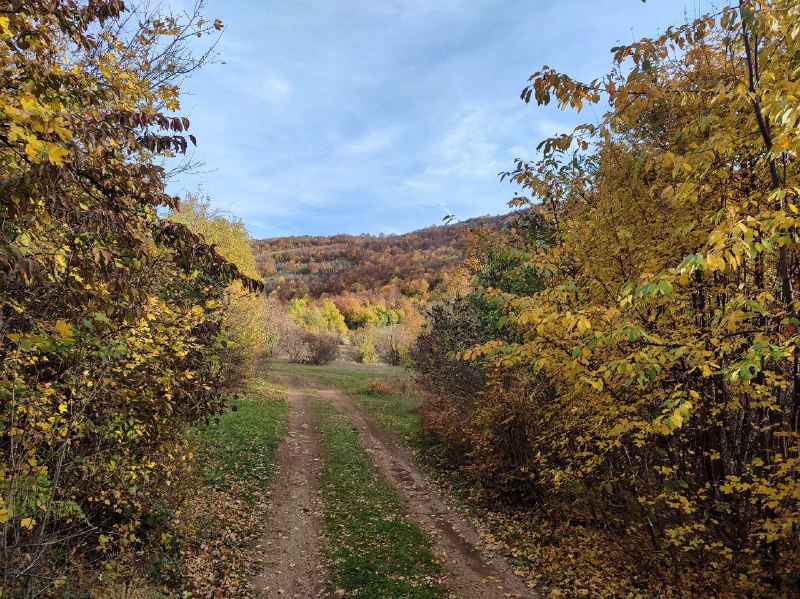
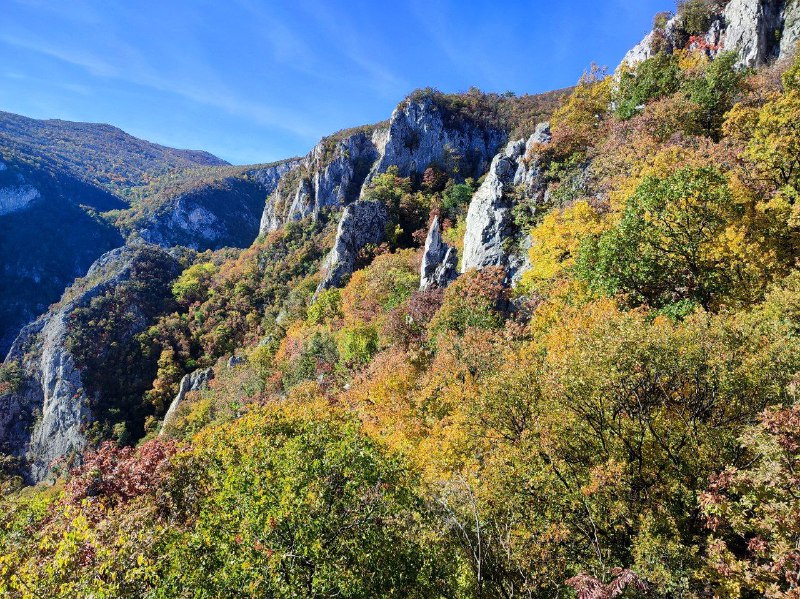
This picture always goes perfectly with stories like these)

Countries
 United Kingdom3
 Serbia100
 Bosnia and Herzegovina54
 Turkey42
 United Arab Emirates3
 Brunei2
 Indonesia12
 Malaysia15
 Argentina16
 USA117
 Morocco5
 Georgia5
 Egypt16
 Hong Kong8
 China4
 Vietnam9
 Tunisia7
 Montenegro9
 Philippines12
 Singapore10
 Oman12
 Algeria12
 North Macedonia5
 Lebanon11
 Israel27
 Albania17
 Russia63
 Tanzania50
 Netherlands7
 Spain14
 Latvia2
 Germany7
 Belgium3
 France27
 Kazakhstan32