After
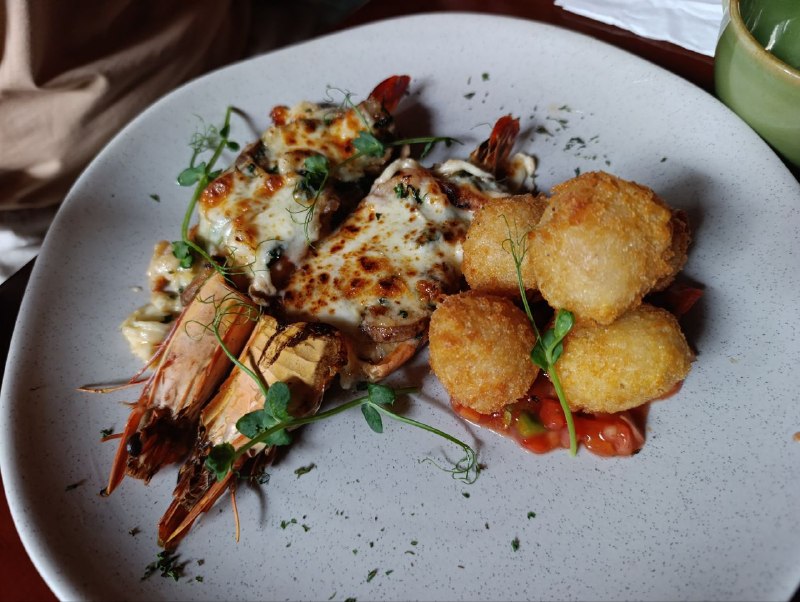
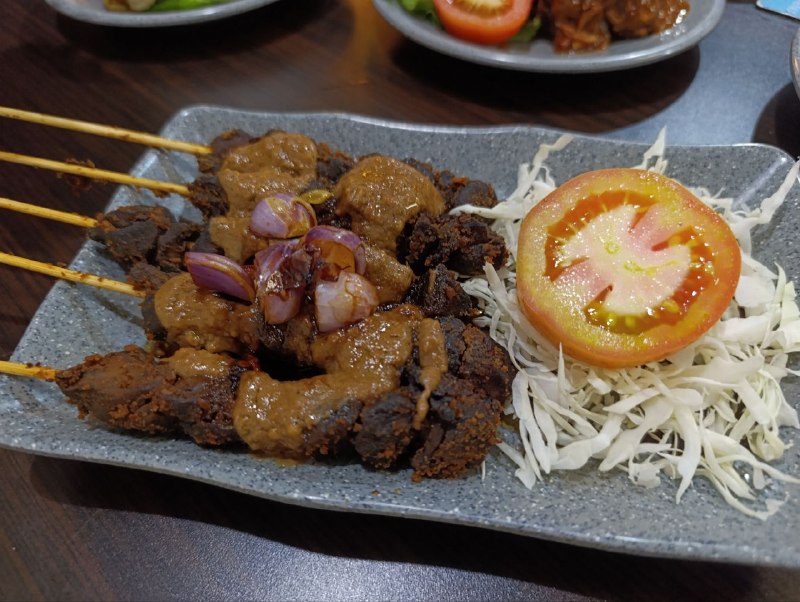
Malaysia, Indonesian restaurant bills are much more pleasant. Especially in small towns.
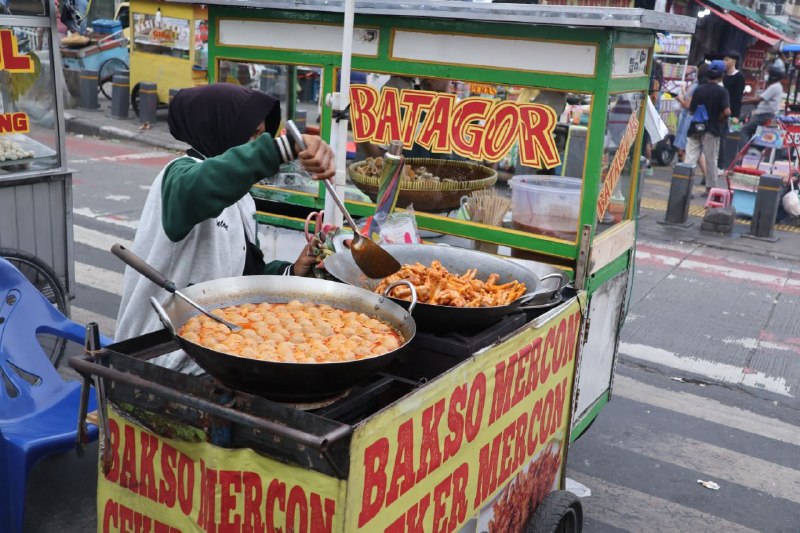
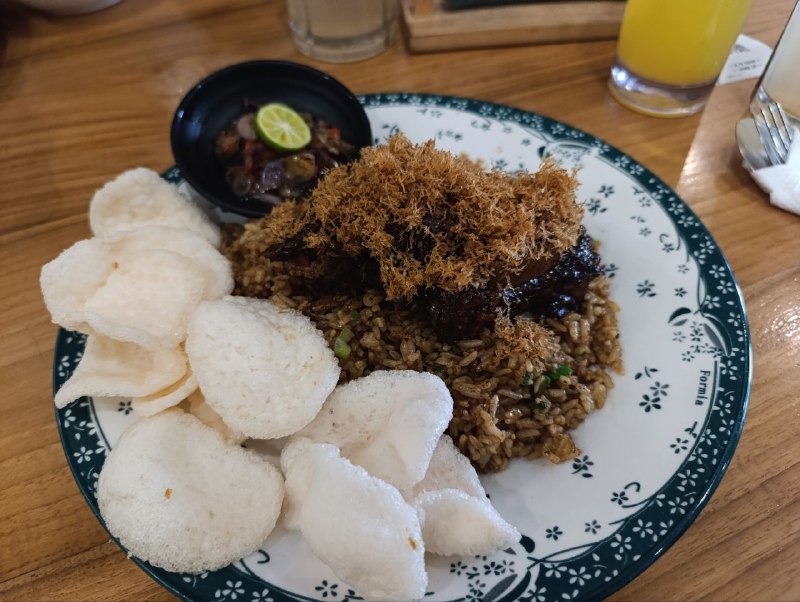
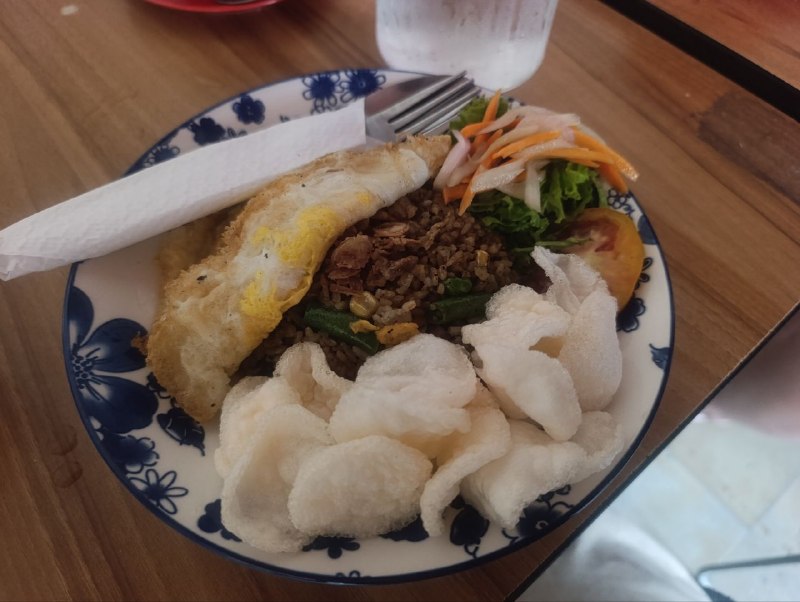
At local street food spots, you can eat for 3-4 euros per person. Though there's no guarantee it'll be delicious. There are places with European cuisine and European prices too.
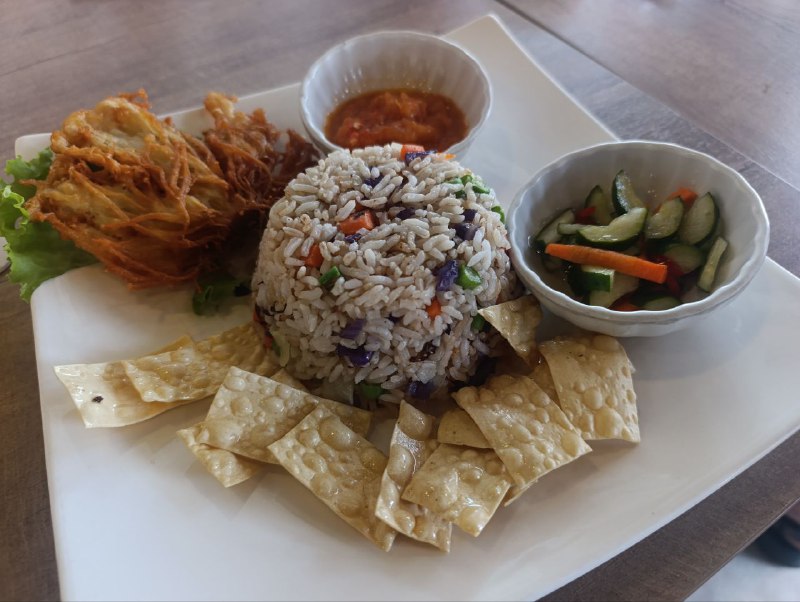
I was really impressed by this mushroom
restaurant. I've never seen such a variety of mushroom dishes anywhere else, honestly.
There's tons of street food. Some spots are even featured in films. For example, this
place was in Netflix's
street food series (that's the video in this post).
I saw a couple of places selling ant eggs, with crowds of ants crawling all over the counter. Apparently they put them in salads ¯\_(ツ)_/¯
And
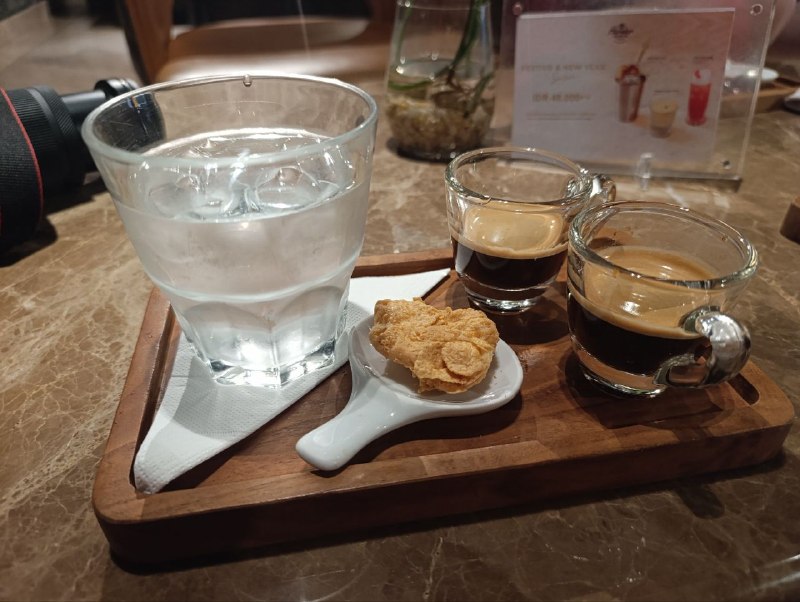
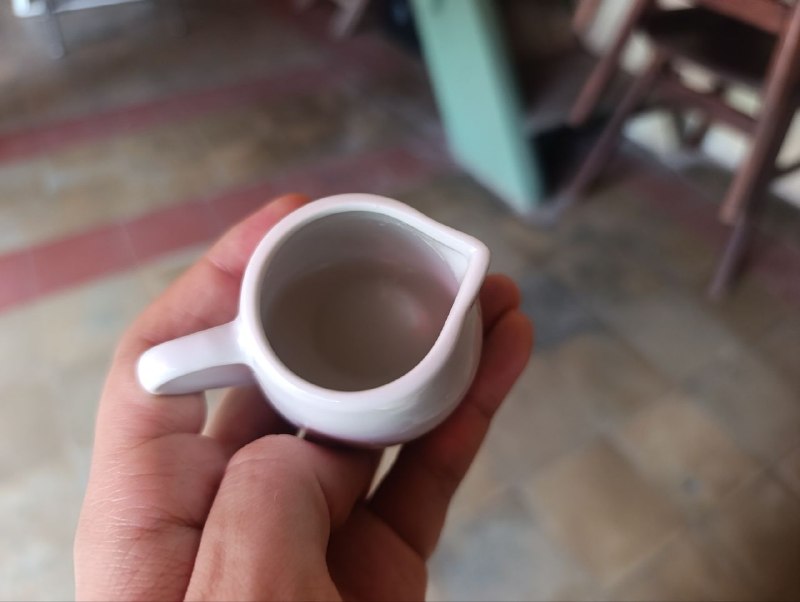
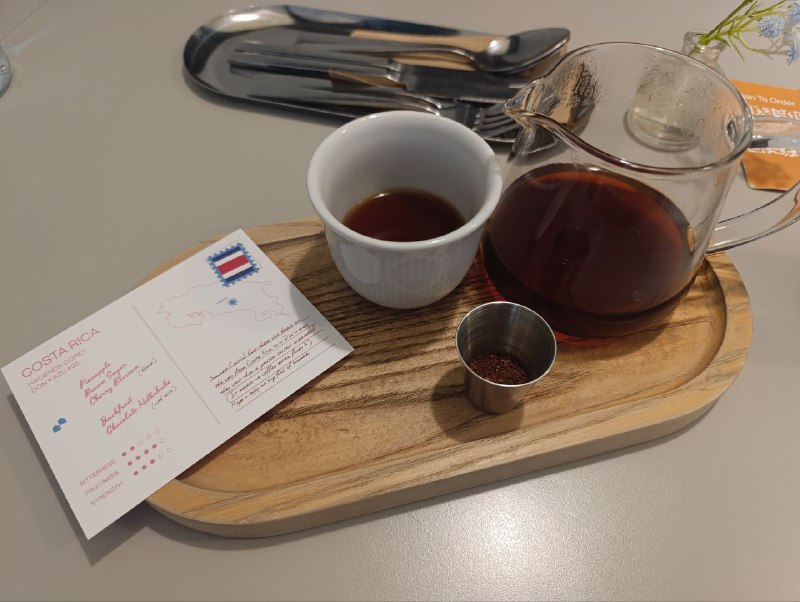
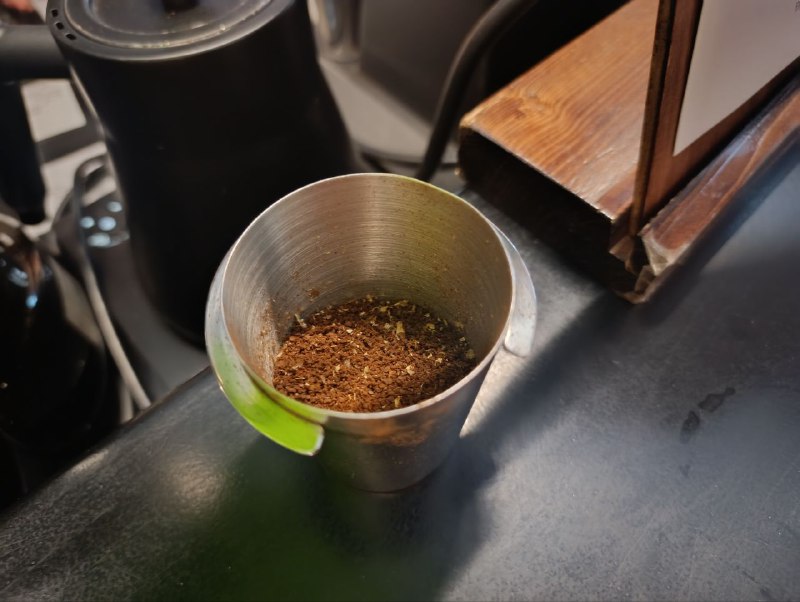
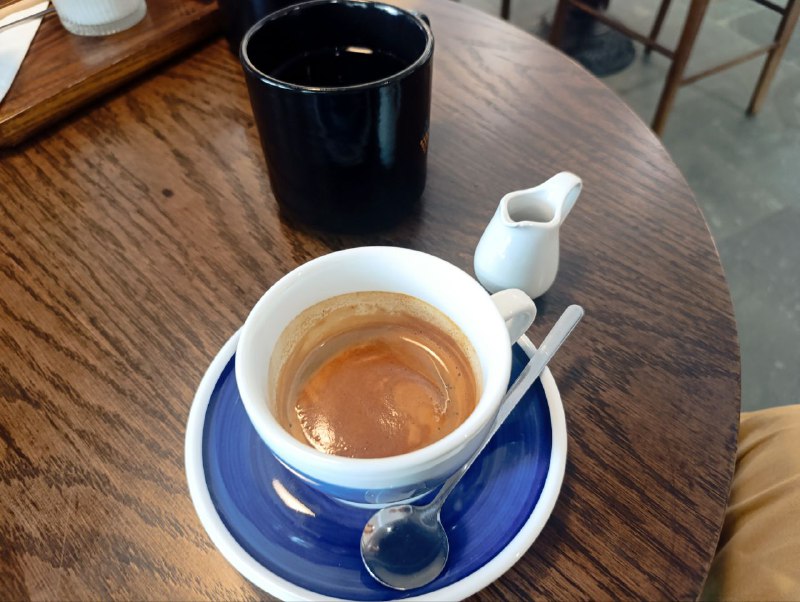
here they brought me the weirdest double espresso: two separate cups with an espresso shot in each. Who even came up with that? :)
Since I've already started talking about the culinary capital, let me tell you about Malaysian food in general. The cuisine here really depends on the region. Penang is very different from Kota Kinabalu. But I can't say I was super impressed overall. There are so many variations of fried rice and similar dishes everywhere. It's tasty sometimes, but not every single day.
Chinese and
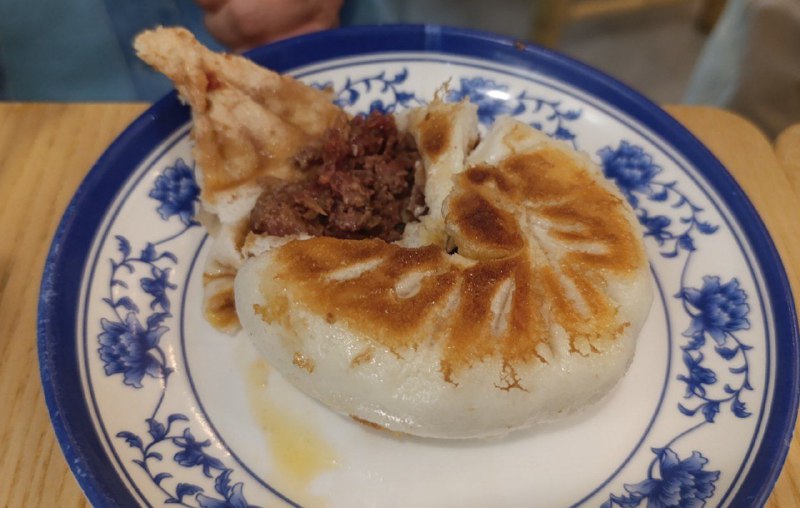
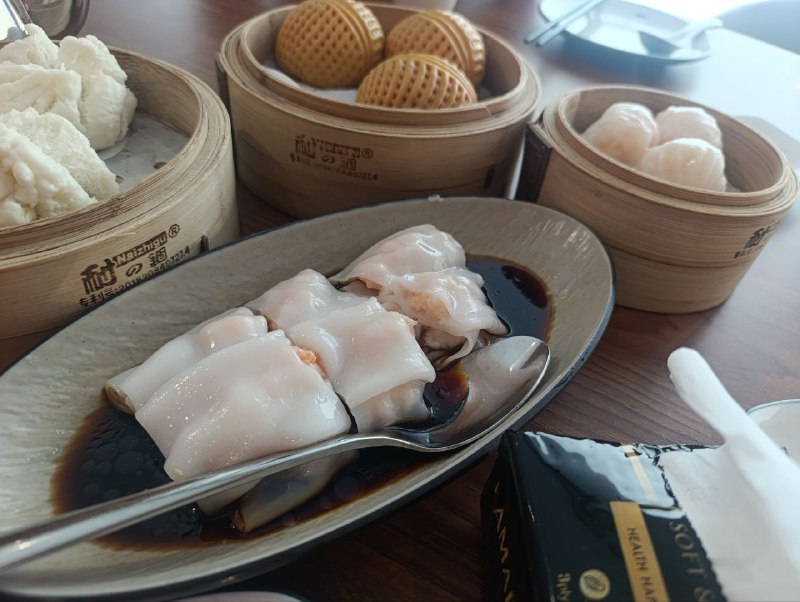
Arabic restaurants really save the day. You can find some good stuff there. The dim sum at
this place and
that place were absolutely divine. And at one spot they even had something very similar to peremyach. Though there was way too much oil in it.
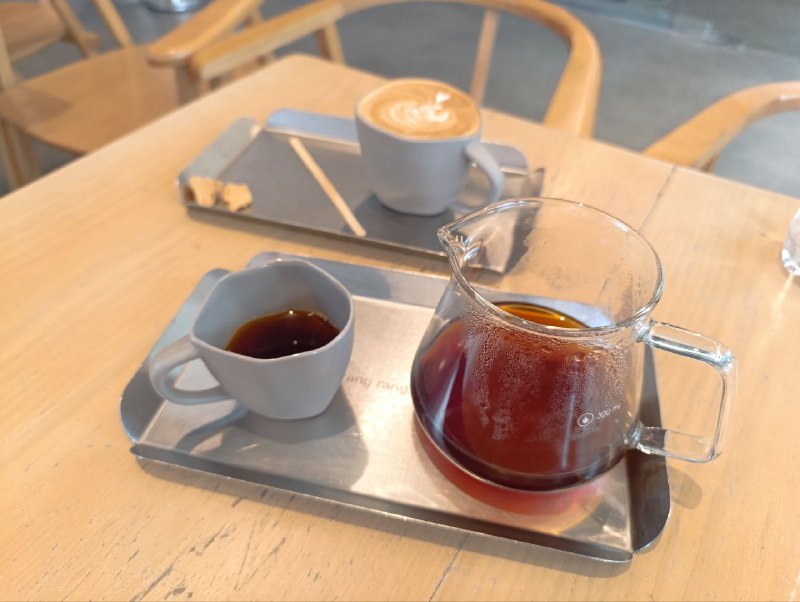
On the bright side, the coffee is pretty solid. At a
café in the Chinese quarter, the espresso was just perfect. And
here is good too. At Arabic places, you can find some really solid Turkish coffee.
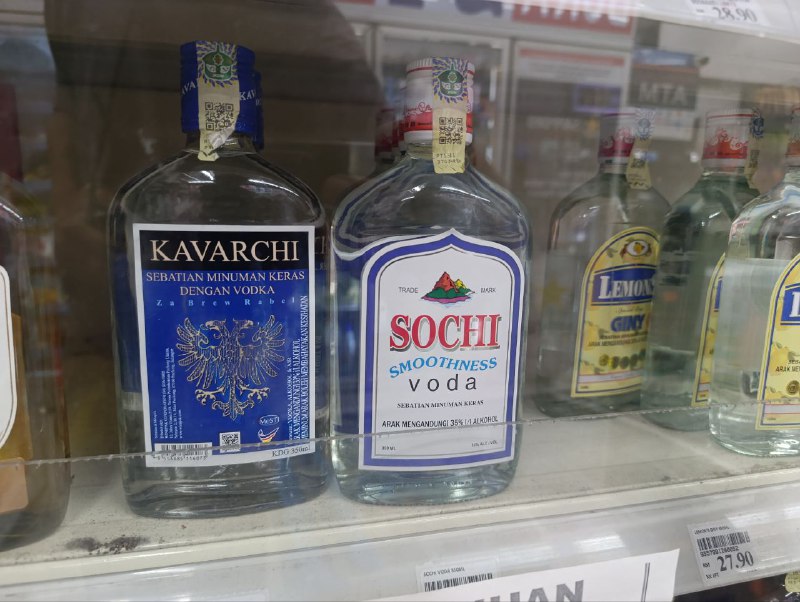
What really made me laugh was how shops sell "water" (that's literally what they write) with Russian and Georgian names: Sochi, Moskovi, and other Kavarchi. 30-40 proof stuff.
I stumbled upon a
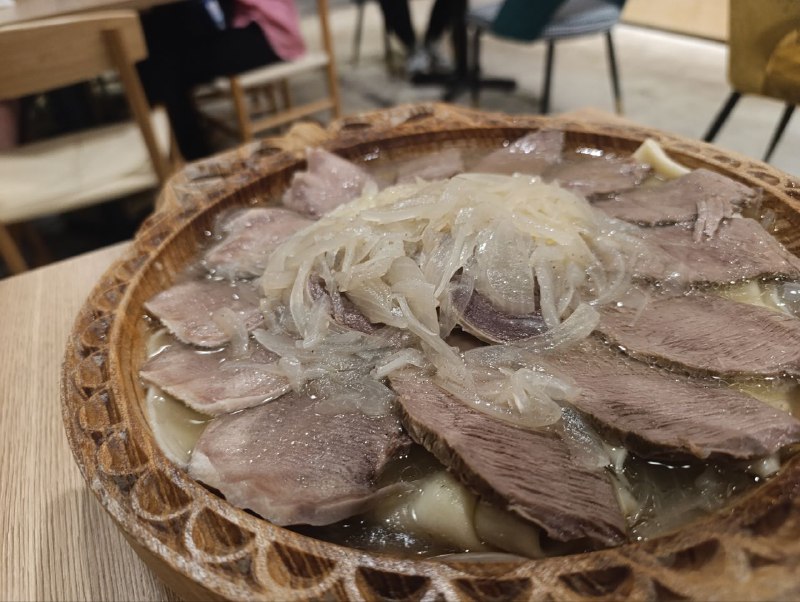
Kazakh restaurant somewhere in the back alleys of KL. The beshbarmak was absolutely incredible. Felt like I'd just come back from Kazakhstan. By the way, it's not far from Central Asian countries from here. I regularly saw ads for tours to Tashkent (which was unexpected).
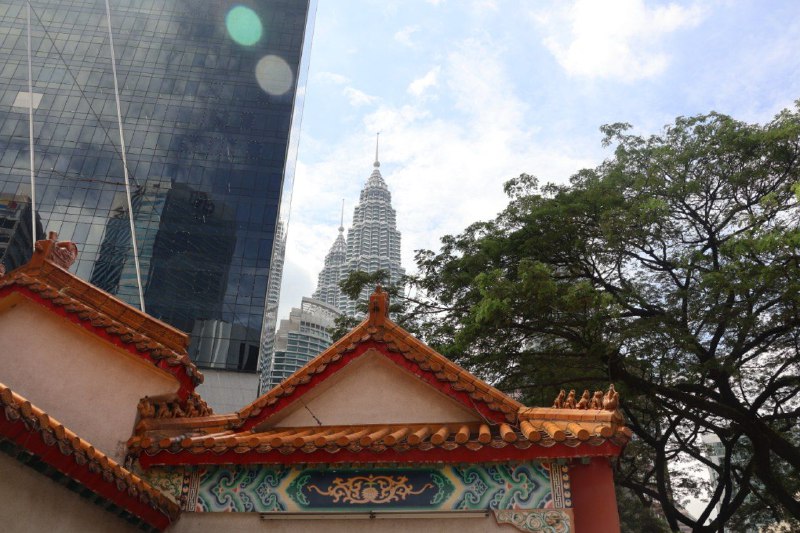
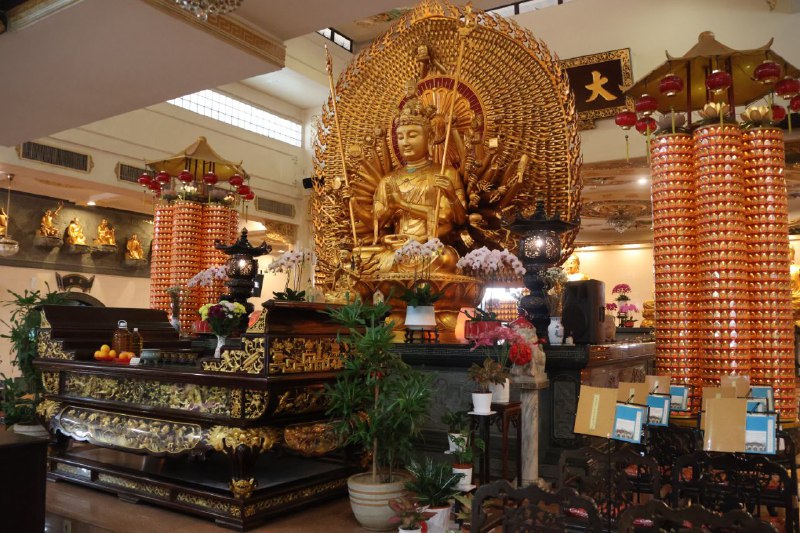
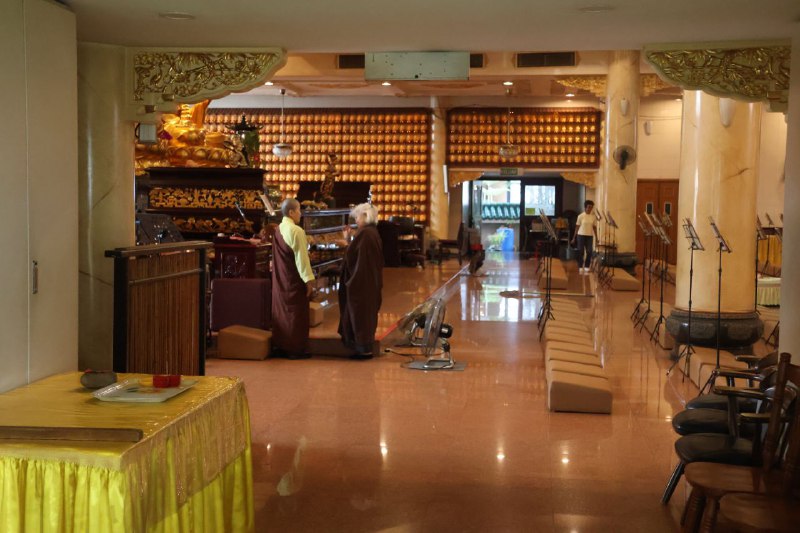
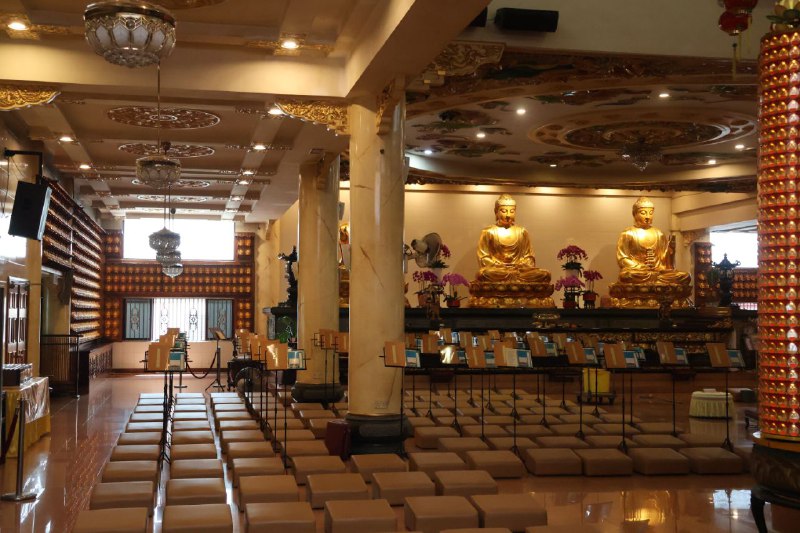
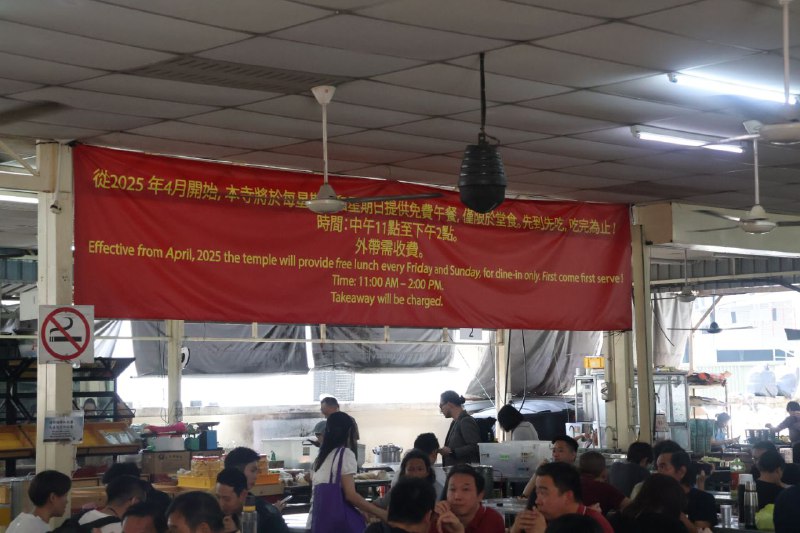
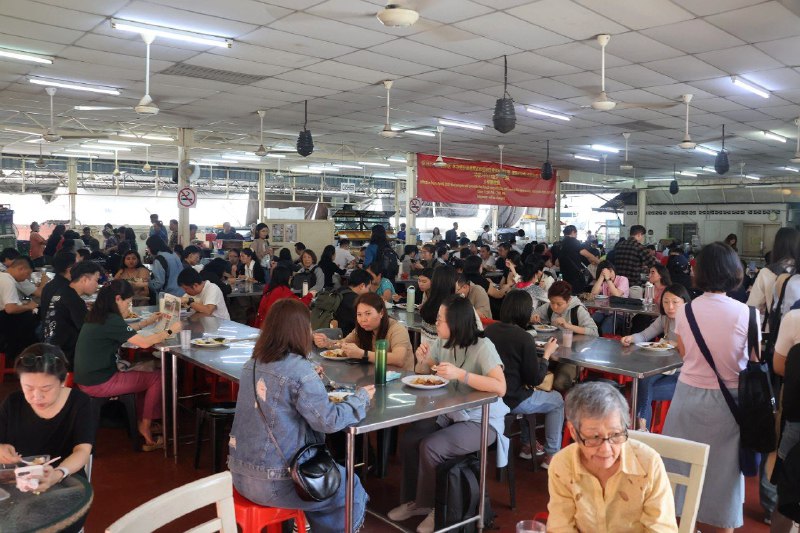
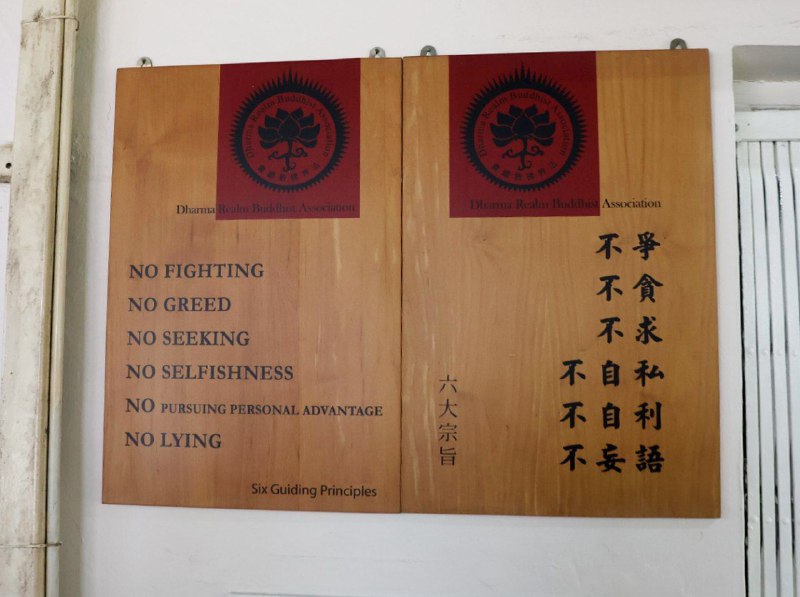
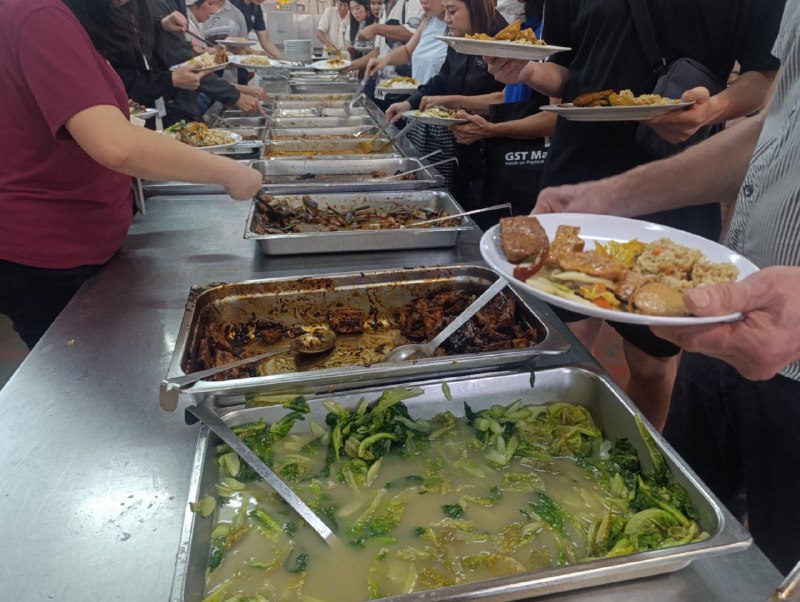
If you think food prices in Kuala Lumpur are a bit steep (I definitely do), here's a pro tip: on Fridays and Sundays, you can grab a completely free breakfast at a Chinese monastery called
Dharma Realm Guan Yin. People online say they invite you to join a service after the meal, but either I showed up at the wrong time or something else happened—anyway, I missed it. Would've been cool to check it out though.
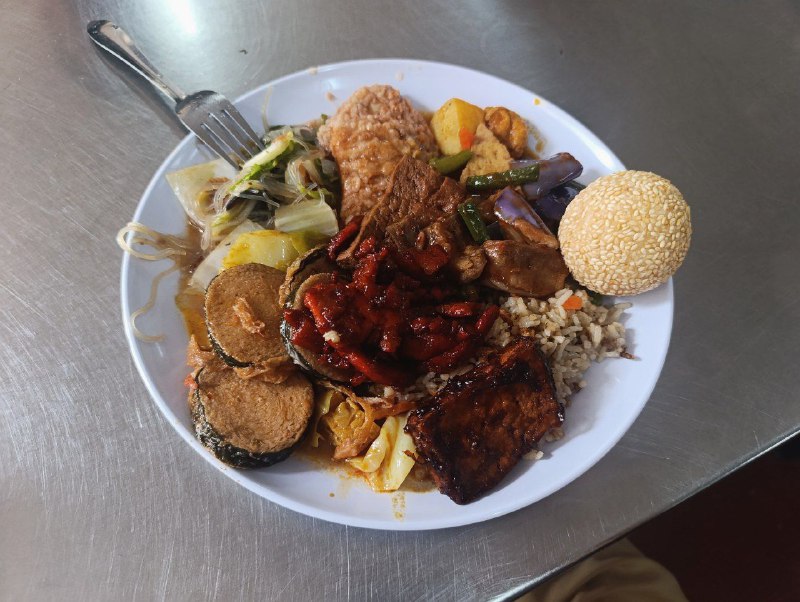
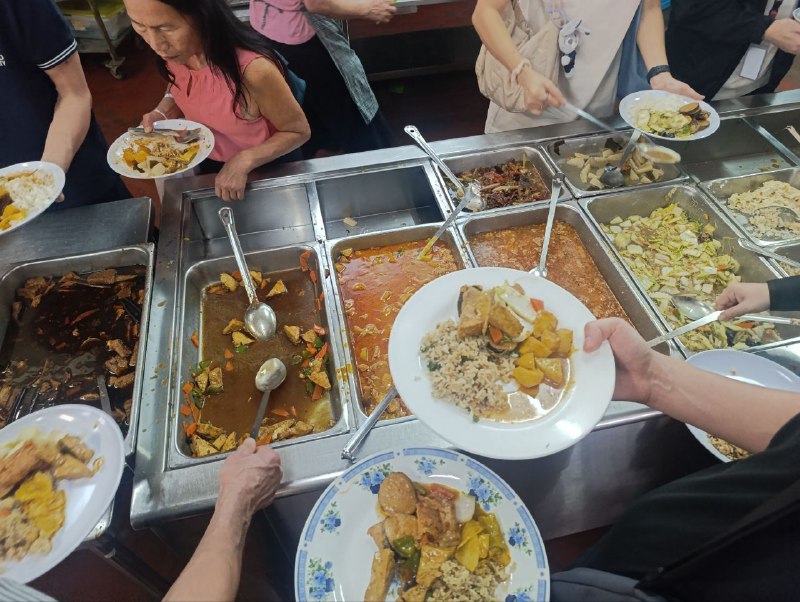
Volunteers cook everything and all the dishes are vegan. They claim they don't use white sugar or
MSG in their cooking. The latter is a popular flavor enhancer across Asia. If you watch videos by
Uncle Roger (a Malaysian Chinese guy, by the way, though he moved to the States), he's always pushing MSG because it makes food taste better.
The selection of dishes is impressive, and they were genuinely delicious. What's interesting is that some of the dishes clearly attempt to mimic meat. But this isn't some trendy modern thing—these recipes have been around for centuries.
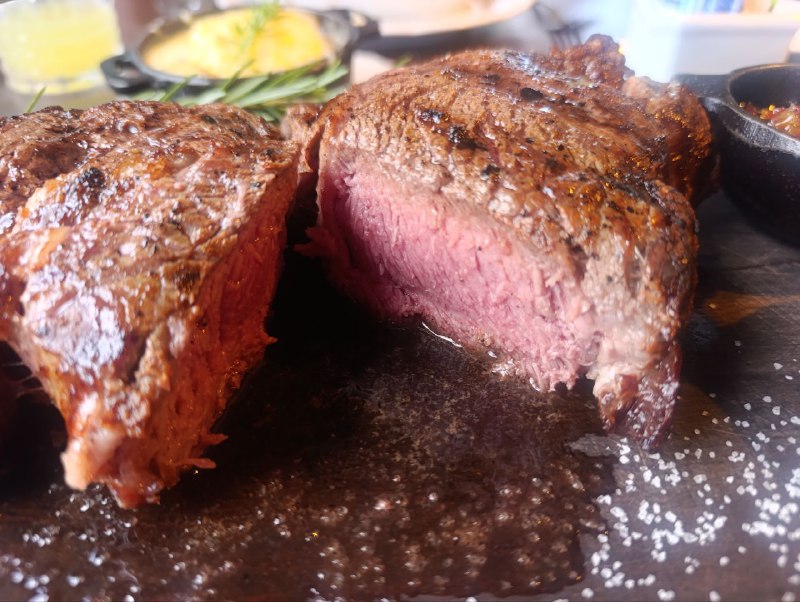
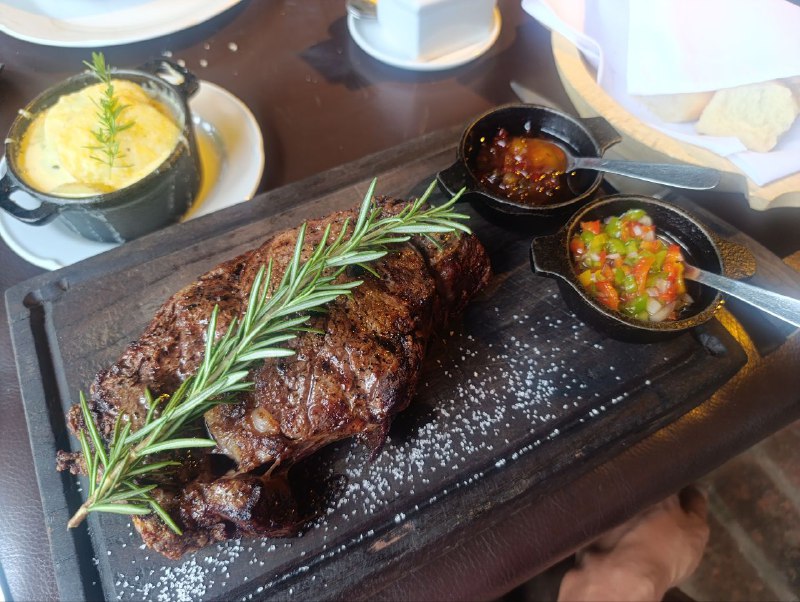
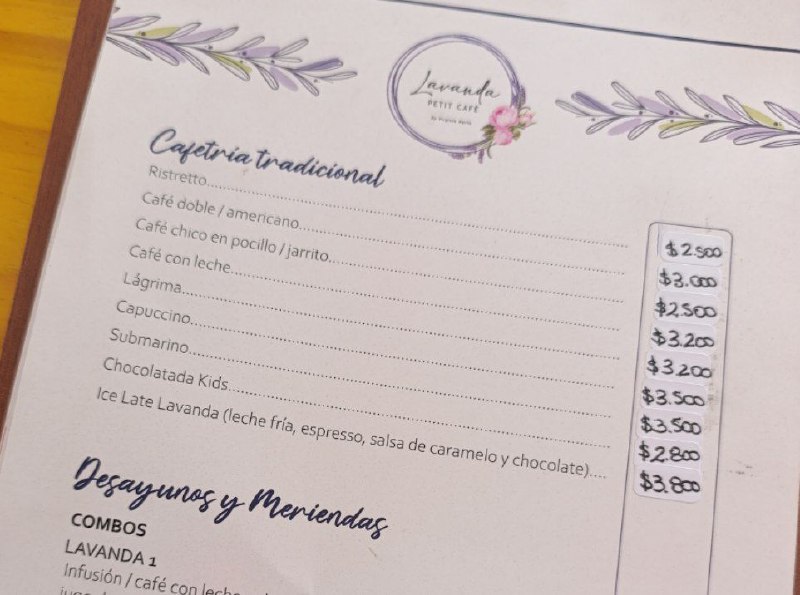
Argentine food is really good. Prices are about the same as Belgrade. But you have to get used to the menu: the local pesos are marked as $, and when they ask for $5000 for a cup of coffee, it feels weird. Though that's around 3 euros.
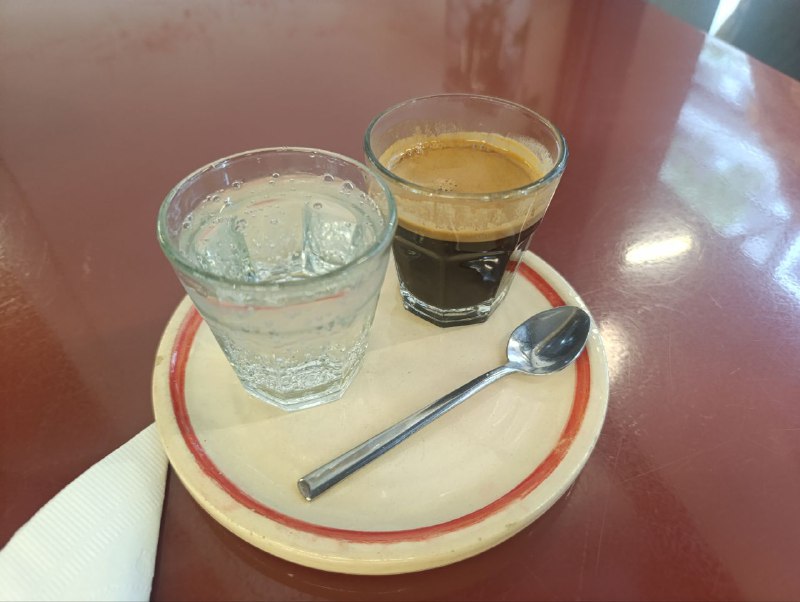
The coffee is excellent. Even in sketchy places it's pretty decent. Though sometimes you order an espresso and they bring an Americano instead. And they're surprised when you point out it's wrong. In places that serve real espresso, they'll warn you 10 times that it's a very small portion.
The famous steaks were sometimes just so-so. Depends on your luck. The prices are reasonable, but expectations were different. Though
this place had one of the best steaks I've ever eaten. Highly recommend it.
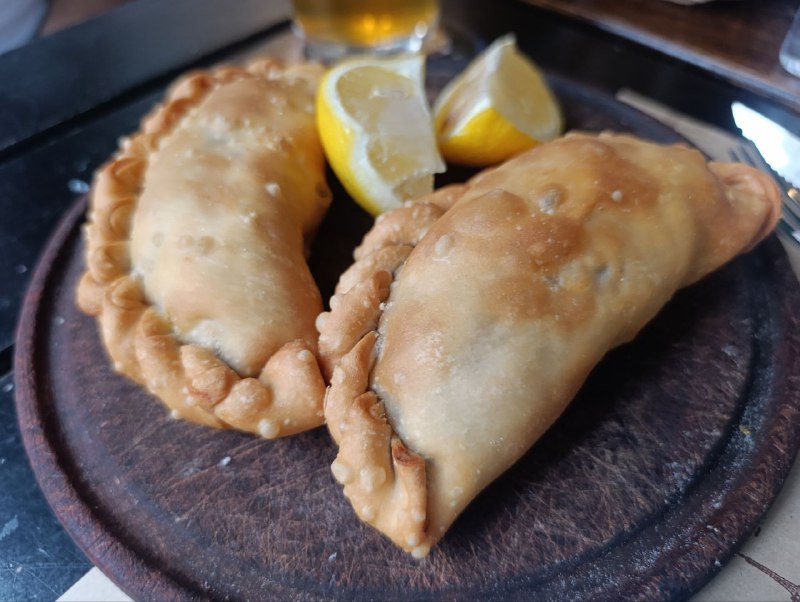
And I really loved the empanadas. They're kind of like chebureks. Guess I got a little nostalgic.
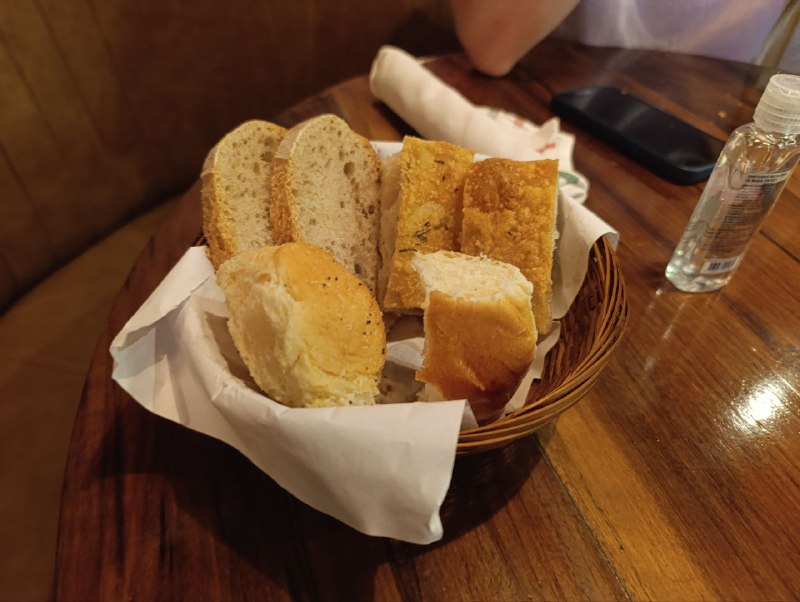
Restaurants often bring you a bread basket and add it to the bill. Not always for reasonable money. And it doesn't matter if you actually tried the bread or not. Of course, they don't warn you about this beforehand.
At a couple of restaurants with Russian roots, you could pay with crypto. The owners claim they even pay taxes on it :)
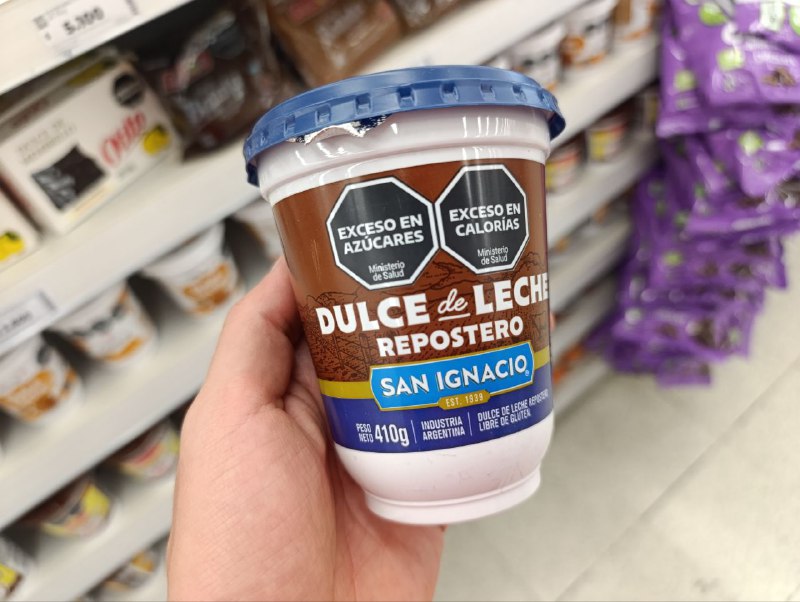
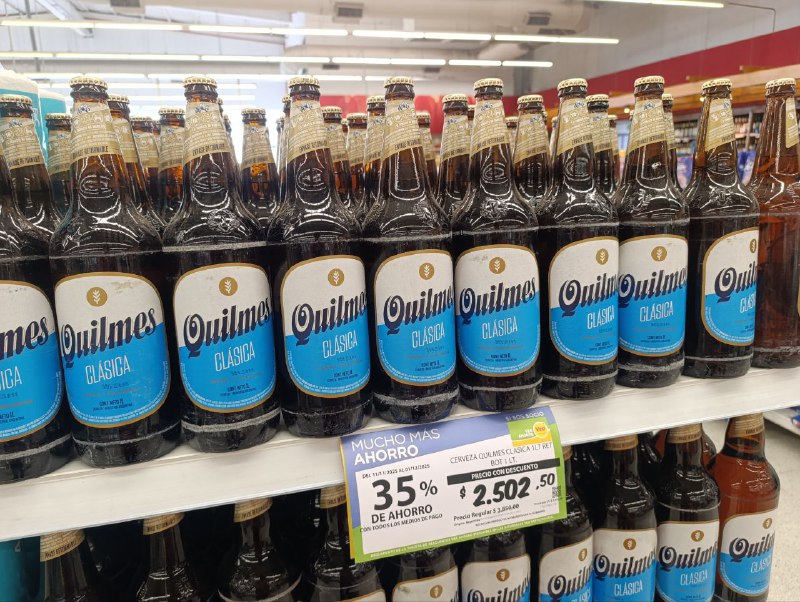
In stores you often find condensed milk (it's very popular here). And beer in liter glass bottles. I didn't even know those existed.
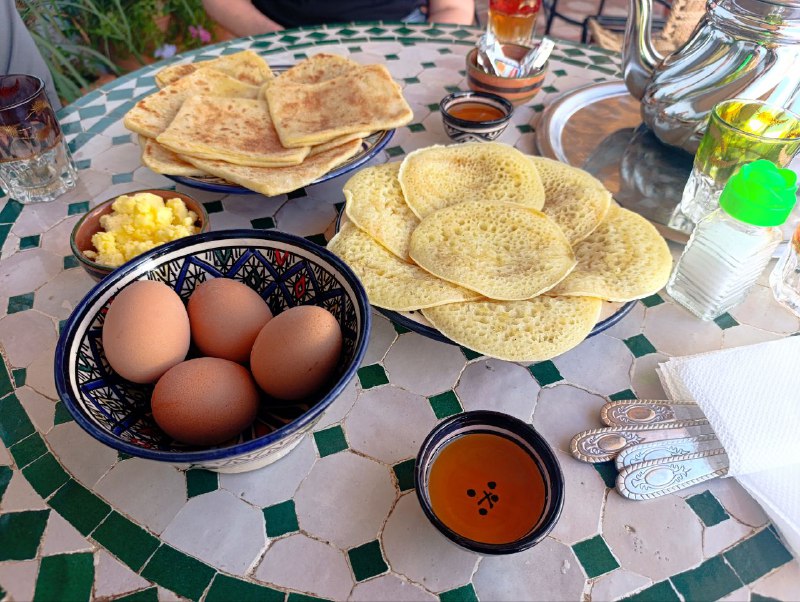
I took a little break. Making up for it now. A couple more posts about Morocco to wrap up, then moving on to more current travel updates.
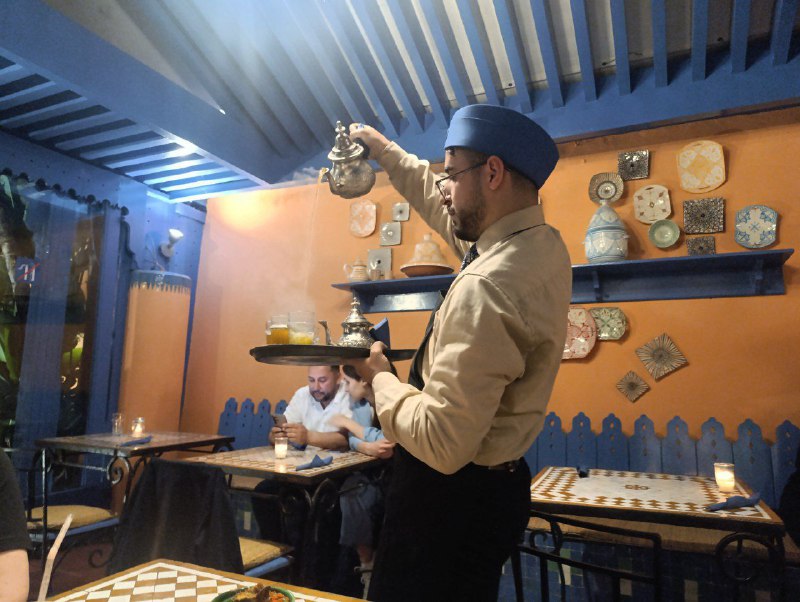
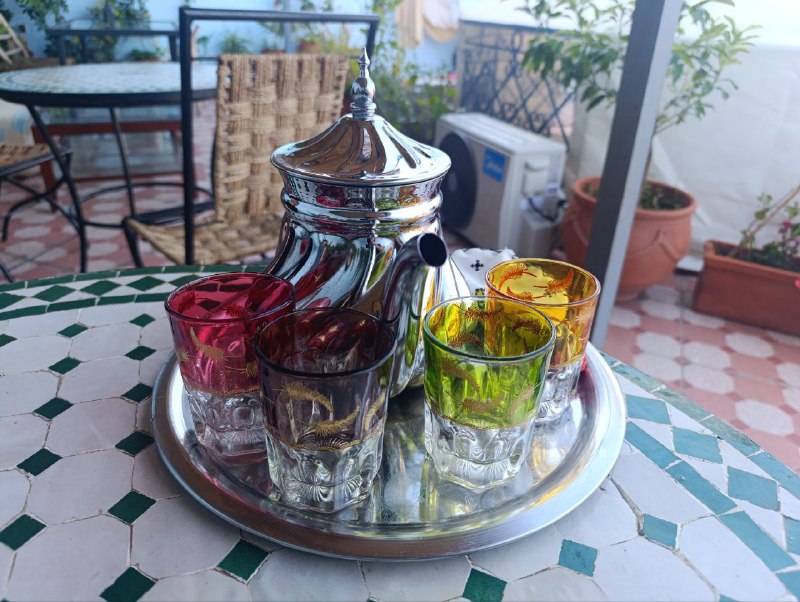
Moroccans seem to drink tea way more than they do in Tunisia, where there was actually a whole
epidemic of it. And they pour it from like a meter high. The waiters told me it's how you tell if the tea is good—bad tea won't foam up.
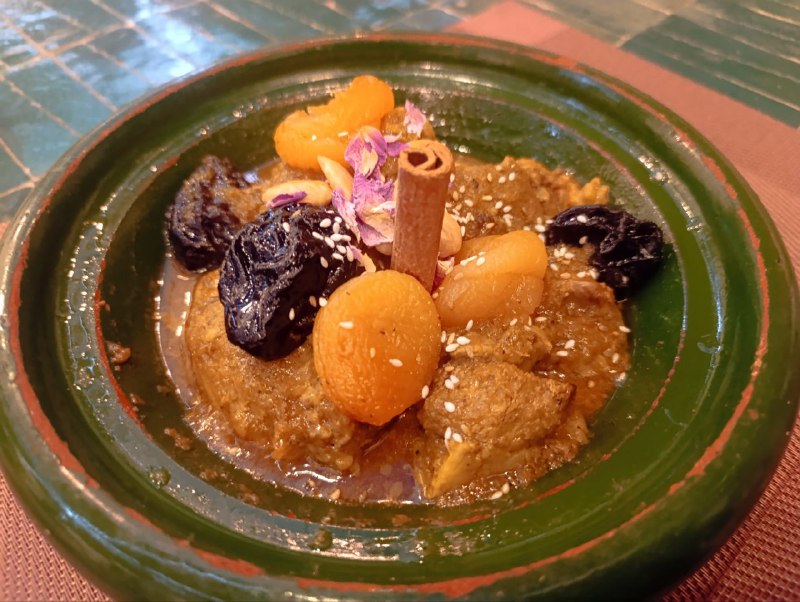
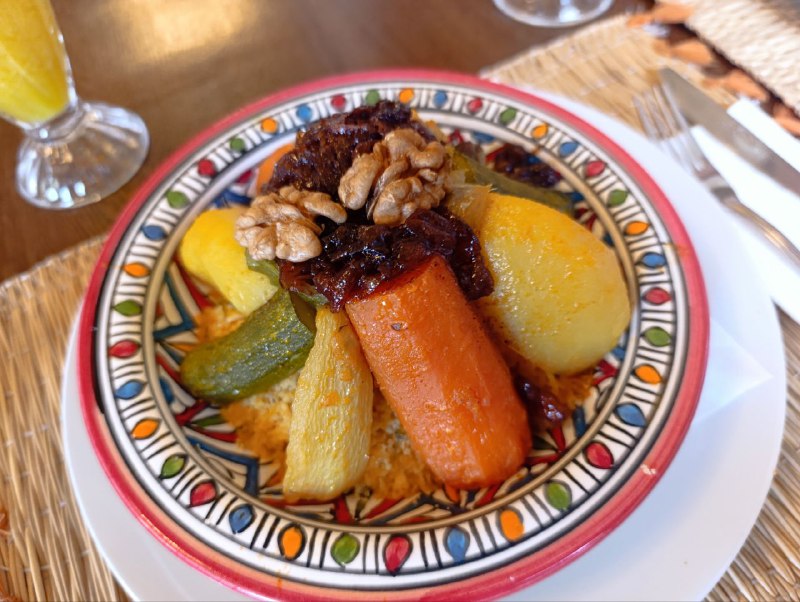
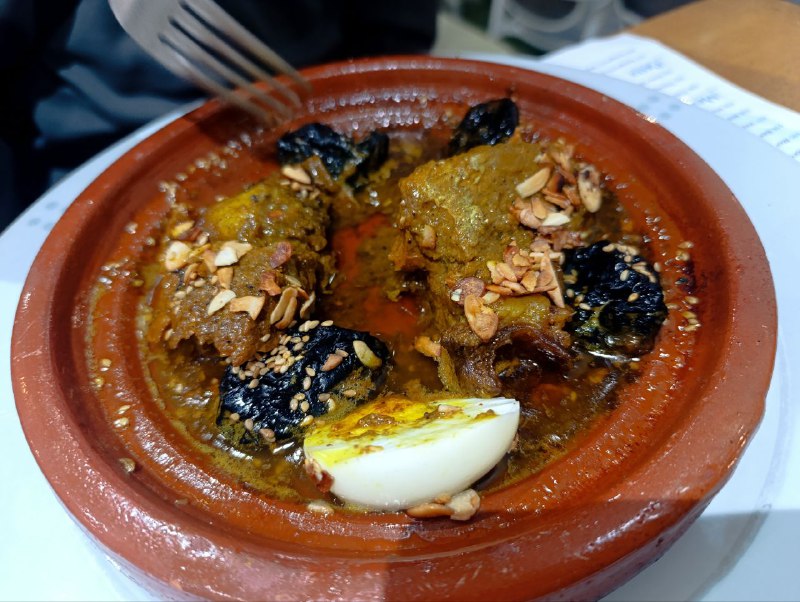
Food prices are pretty European-level: 20-30 euros per person at a decent place. Even when you get away from the main tourist areas. Though Agadir did have some nice prices. Sure, you can grab street food way cheaper, but it's definitely an acquired taste.
The cuisine seemed kind of repetitive to be honest—tagines everywhere, but they get old quick and you want something different. I survived by hitting up Lebanese spots like
this one.
If you ever make it out that way, definitely check out
this place or
that one or
this one. Or
here, though you'd better book ahead for that one.
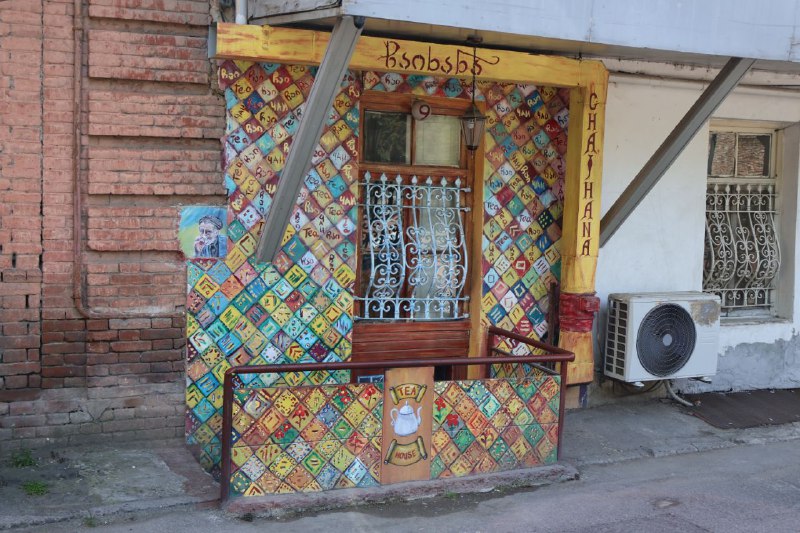
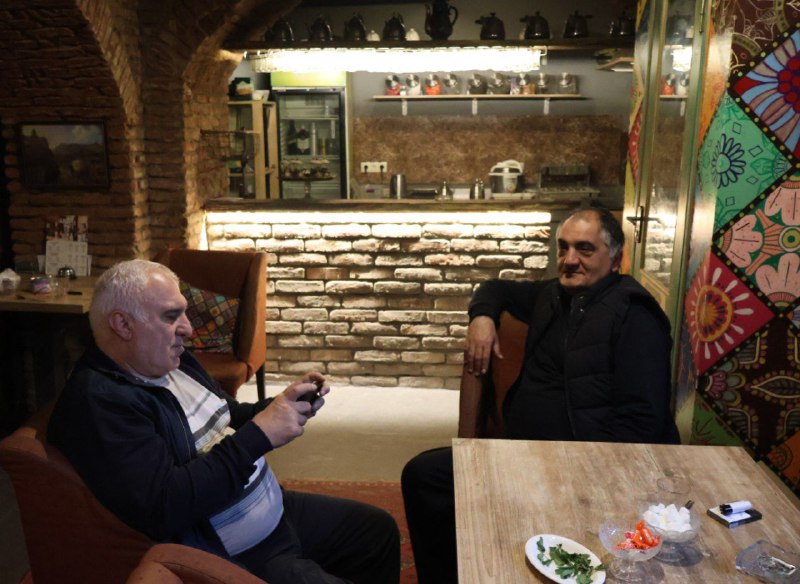
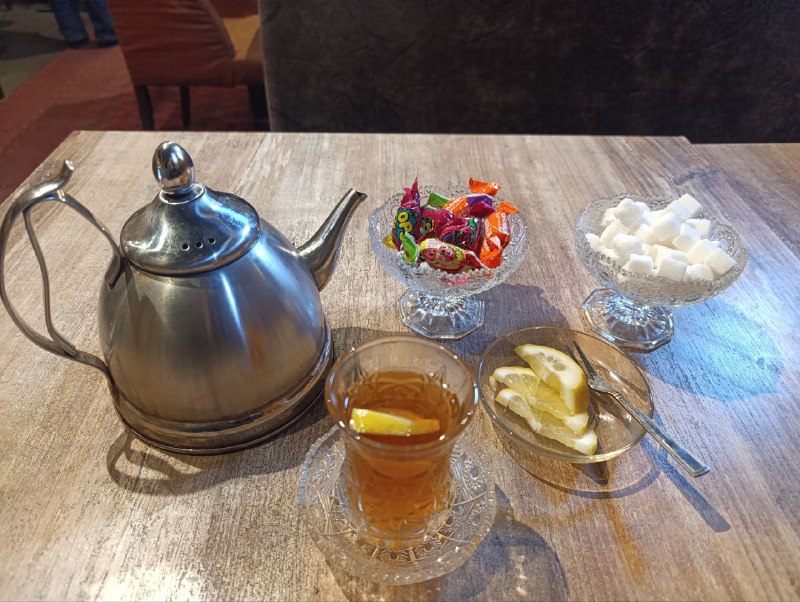
In the heart of old Tbilisi, there's a modest little
tea house. And honestly, it's probably the best way to soak up the atmosphere of bygone times. The locals still gather here over tea—mostly older guys. It was fun to chat for a bit, and I picked up some fresh gossip from the conspiracy theory world and other important stuff. But it feels like this part of the city is slowly disappearing. Apart from the regulars, there were barely any visitors. But the tea is really good.
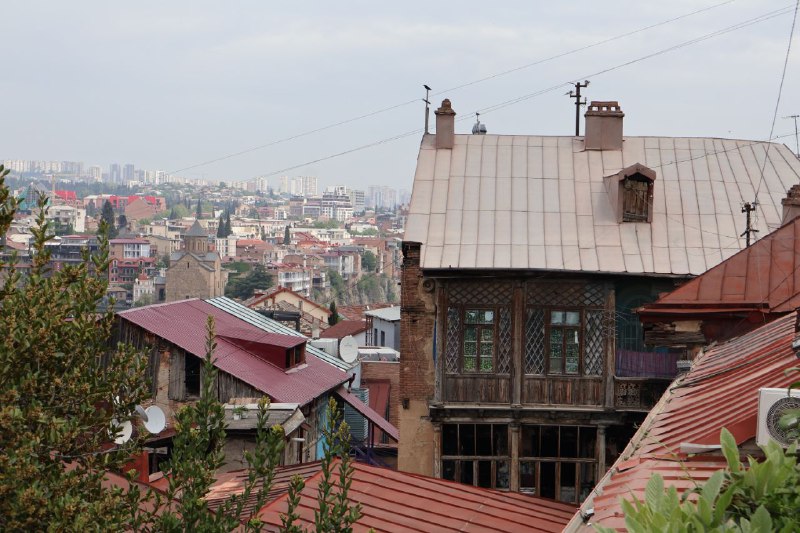
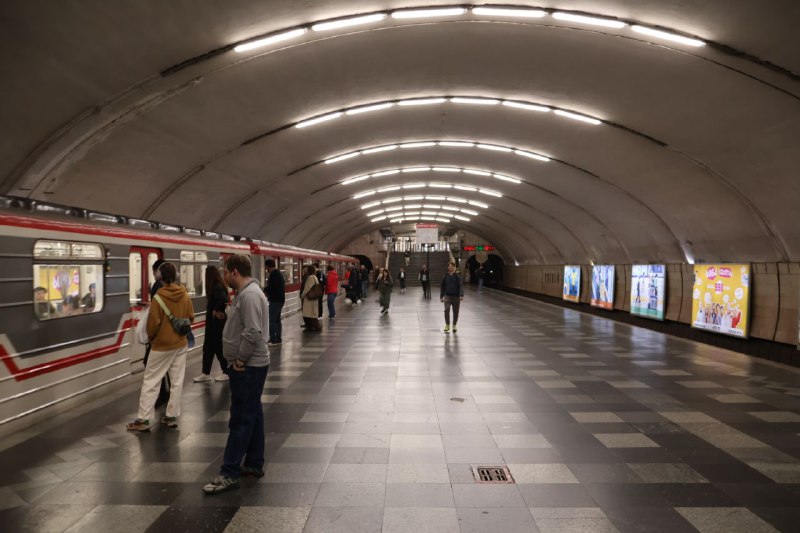
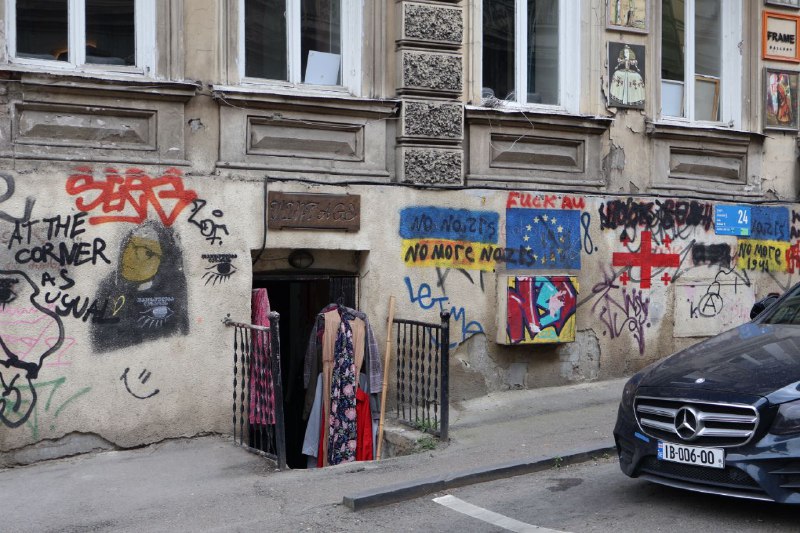
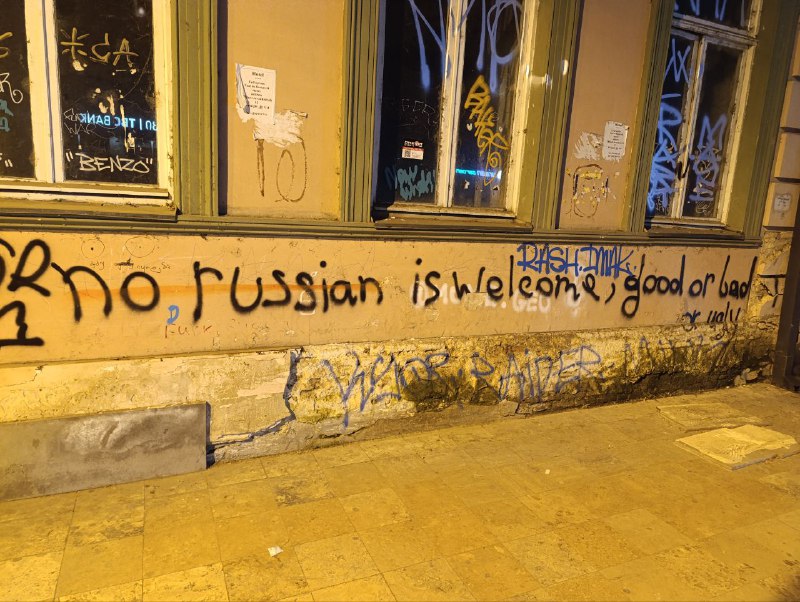
I'll also share a couple of photos of the city. There's a lot of graffiti on the streets, but after Belgrade, you get used to it.
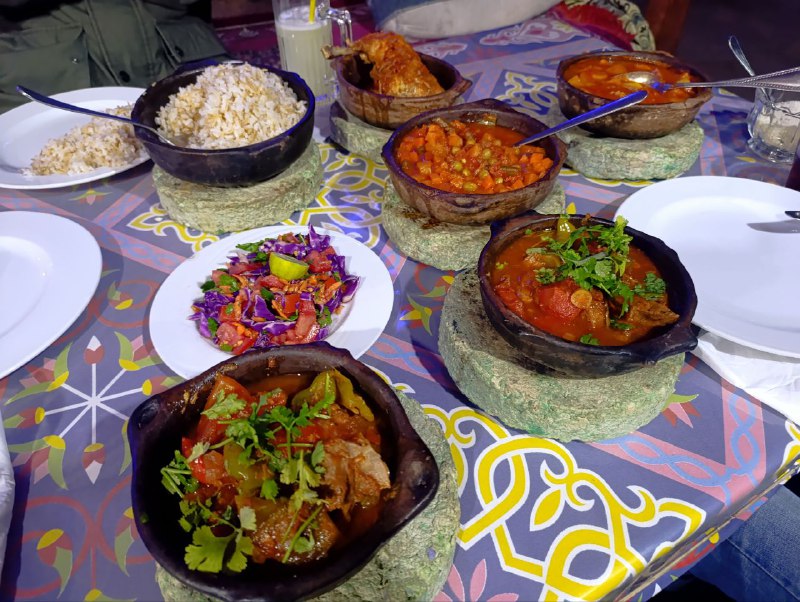
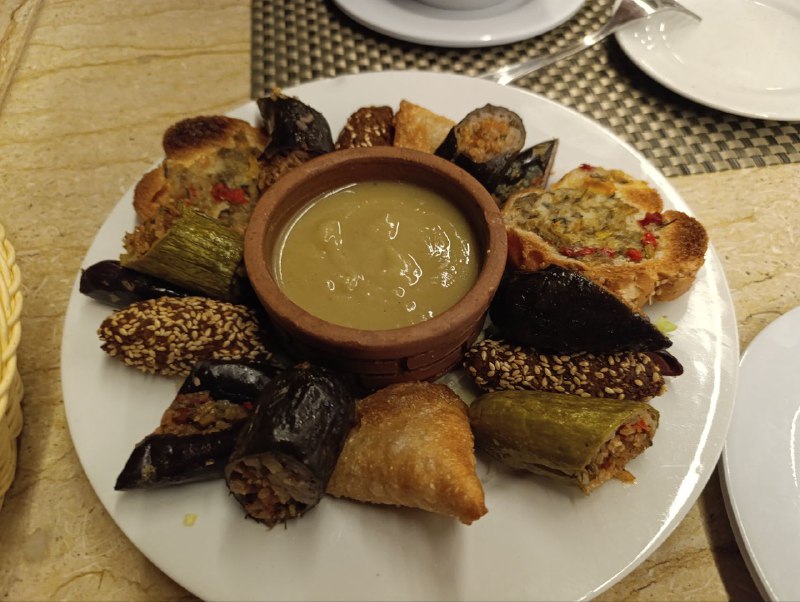
Finding a good restaurant in Egypt was sometimes tricky—there were options around, but it didn't always feel like "this is definitely the place." And if you try to avoid obviously tourist-oriented spots, things can get pretty depressing. That said, it really depends on the location.
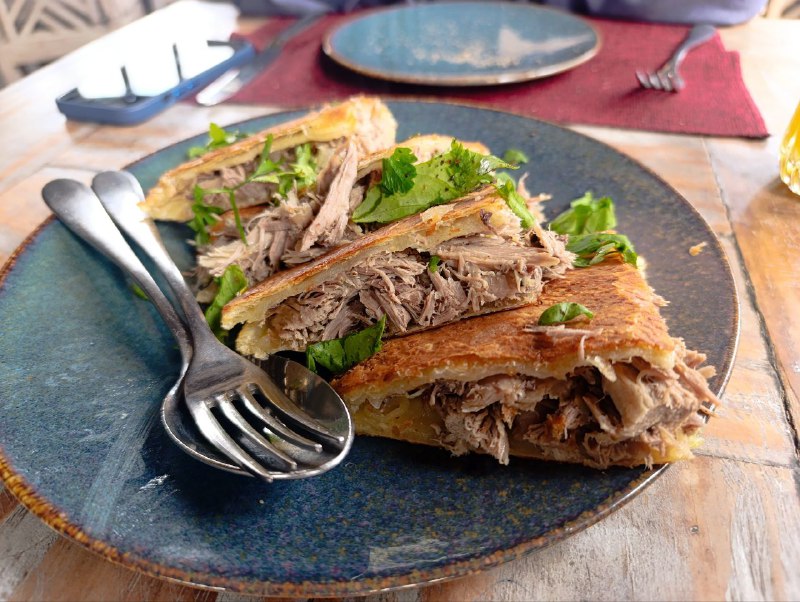
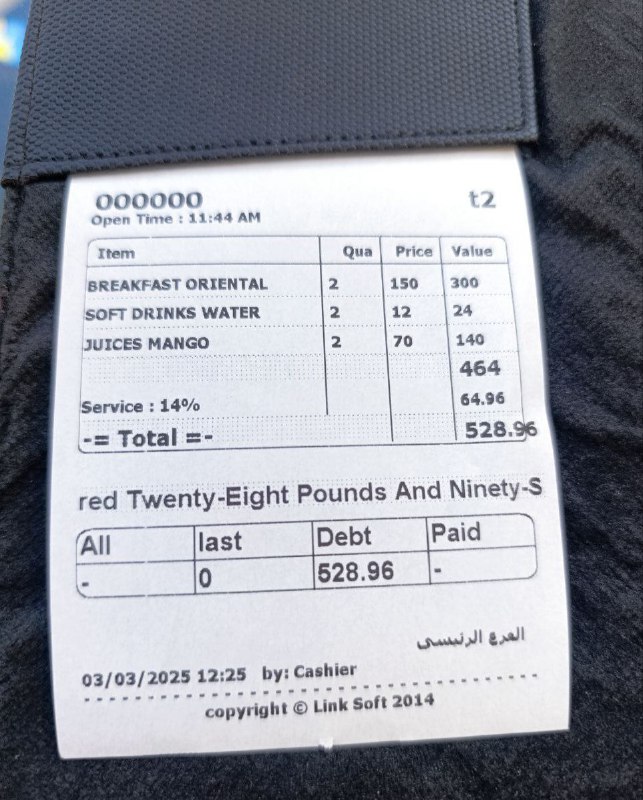
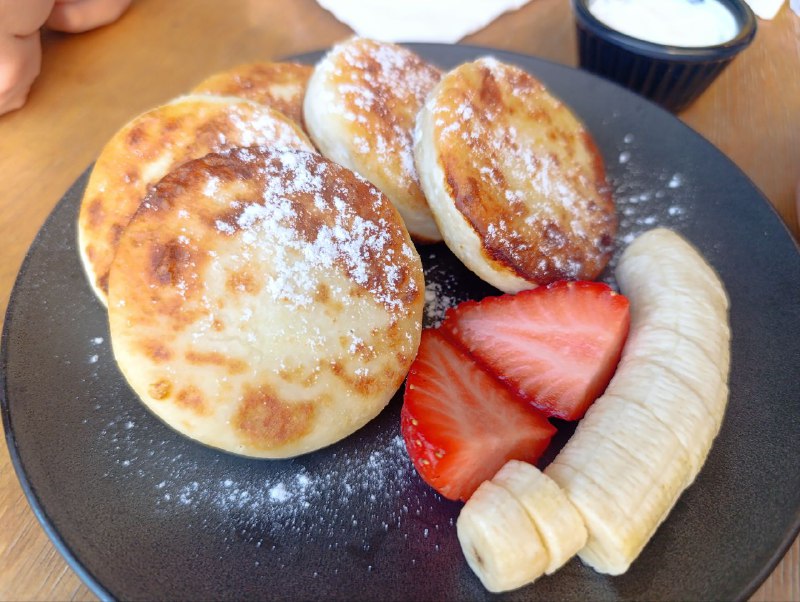
Food prices here are 1.5-2 times cheaper than in Belgrade. For example, a serving of cheese pancakes like in the photo costs just over 2.5 euros. Amazing fresh mango juice for around 1 (just one!) euro.
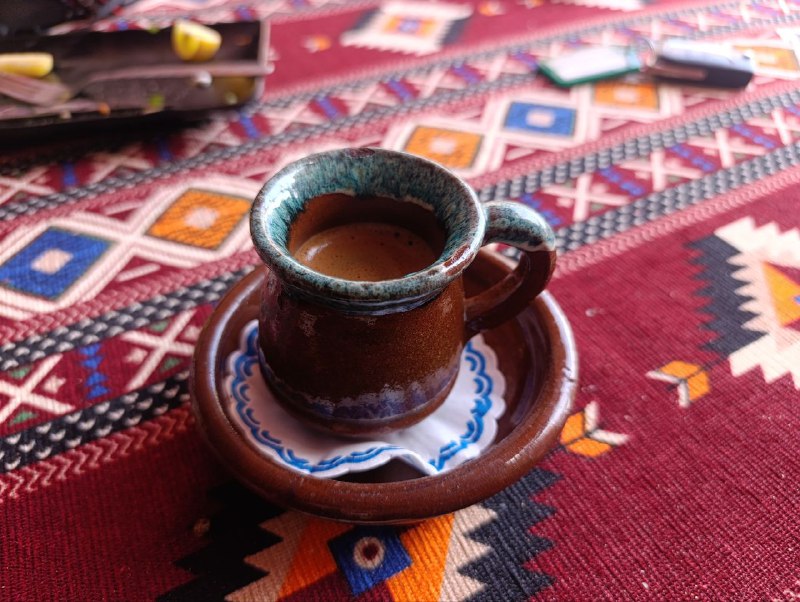
Local coffee, even at pricier places, runs 1-1.5 euros. But more often, you can get 2 cups for a euro. Like in
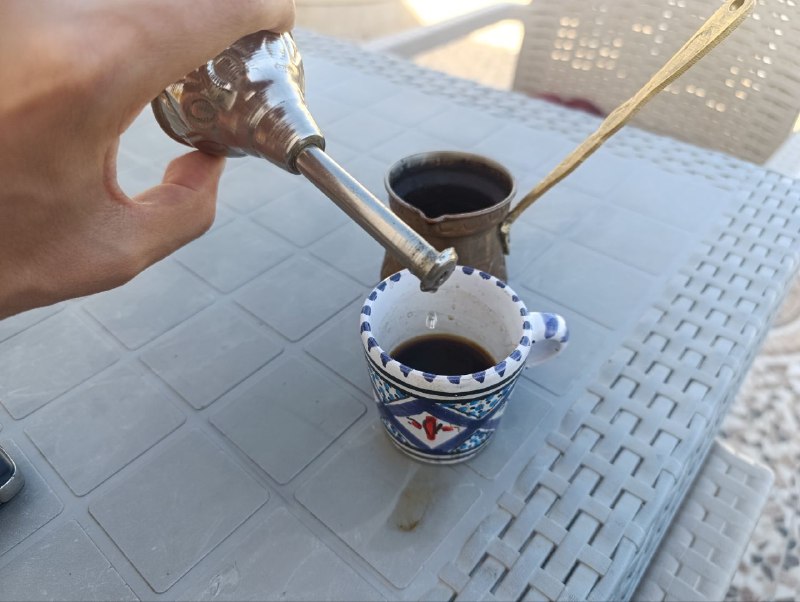
Tunisia, it's better to ask them to skip the sugar, but people here aren't as into sweets. If you get coffee from a cezve, it'll likely be rich and strong. It was rarely ruined. But espresso-based drinks often had something off about them.
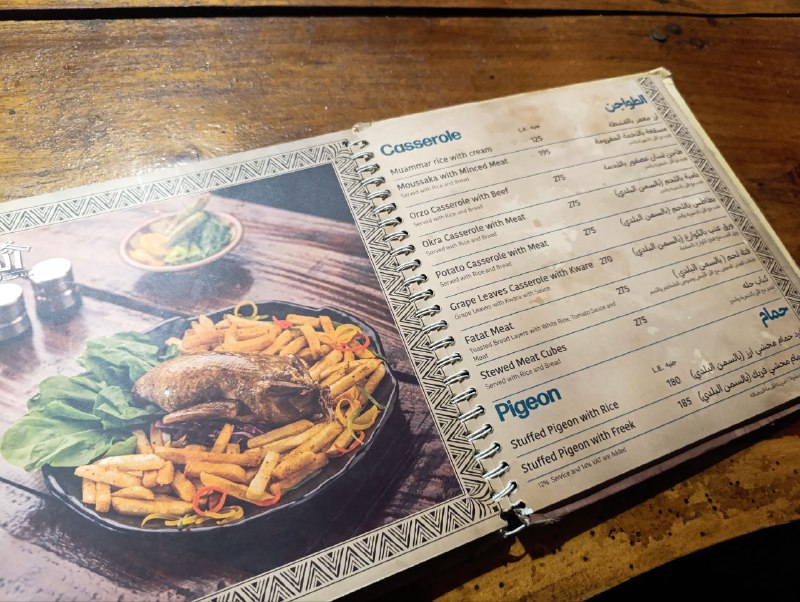
Pigeons stuffed with rice are offered all over the place as something exotic. I never actually worked up the courage to try them though. Maybe I missed out.
Pretty much everywhere tacks on service to the bill. 10-15-20%. Which doesn't stop some waiters from asking for tips on top of that.
PS. In Cairo, you should definitely check out
this place (pricey, but really good) and
this one and
this one.
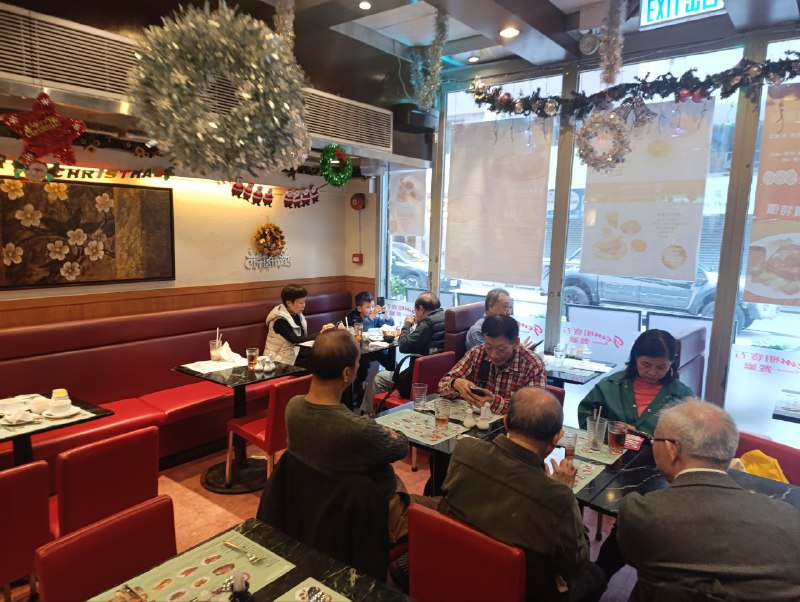
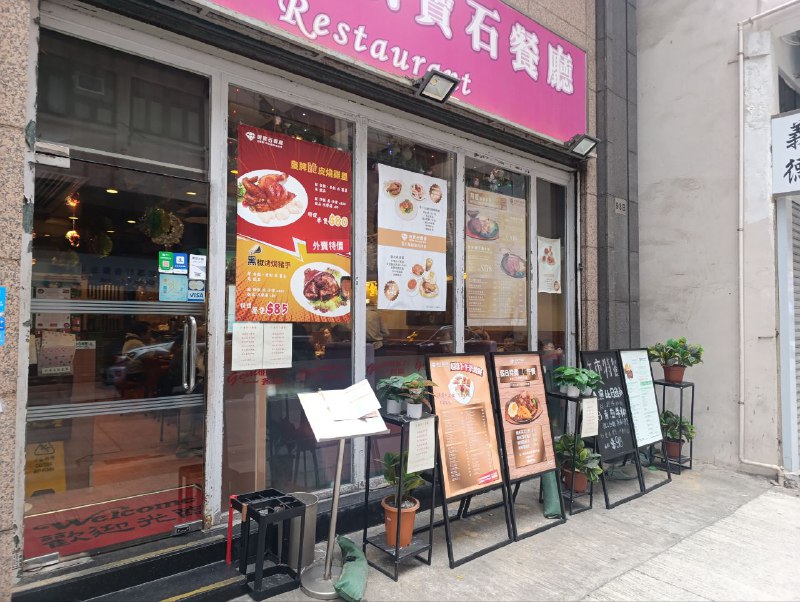
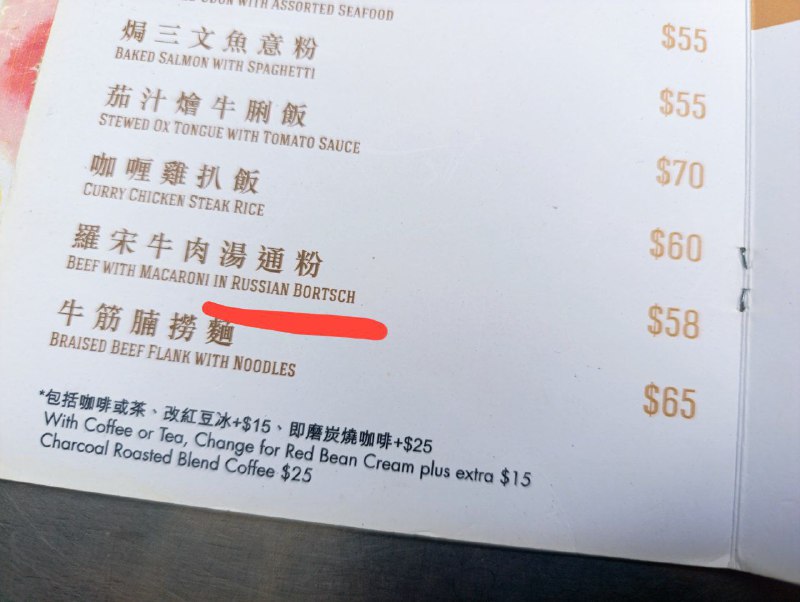
My discovery of the year in Hong Kong turned out to be borscht. Or rather, what the locals call borscht. When you search for 罗宋汤 on Google Maps, you'll find plenty of places to try this dish. You'll mostly have to choose from local Chinese canteens with ratings below 4. Sometimes they're disguised as Western cuisine adapted to local tastes, rather than catering to tourists.
Credit should go to the White émigrés. About
300,000 people from Russia moved to China after the Soviet Revolution. When the communists took power in China too, they had to urgently find new options. Hong Kong was one of the logical choices. The peak of emigration came in the 1950s. The British ran the city back then, and they weren't exactly thrilled with the newcomers. Nevertheless, there were so many Russian émigrés here that a Western restaurant was practically a
synonym for a Russian restaurant. Over time, almost all of that wave of emigrants scattered to third countries, but borscht became firmly entrenched in the local menu.
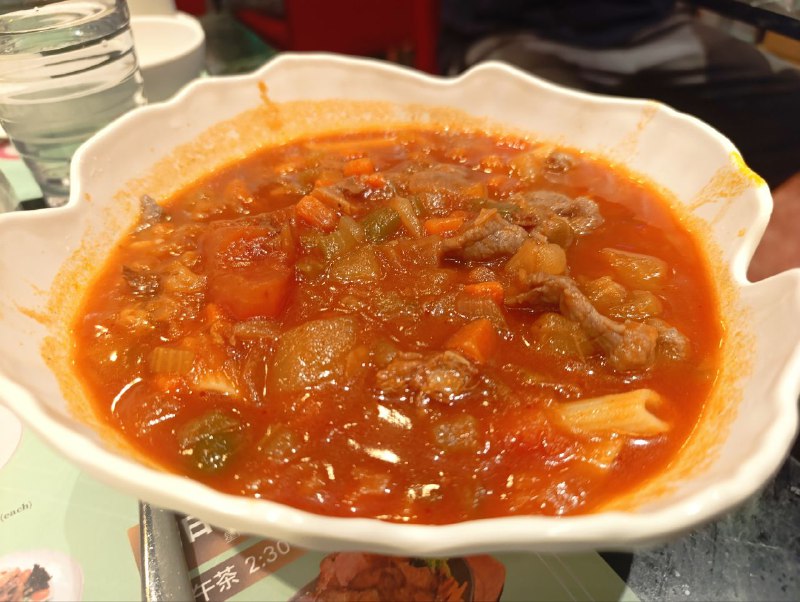
It was impossible to ignore such a phenomenon. I found it, tried it, and can honestly say that all that's left of borscht is its name. They brought me this tomato soup, and you can't even smell beets in it—and they threw in some pasta, though not everywhere adds that. There were so many tomatoes that it actually tasted a bit too sweet. Bread and sour cream don't come with this masterpiece. So even if you're craving that red soup more than the White émigrés were (no offense), this version won't help much. And if you Google the
recipes, you can see how far Hong Kong's version has strayed from the original
I only checked out
one place (cross it off your list :) ), but there are dozens around the city. There's a ghost of a chance that other places are better (unlikely). Maybe next time I'll work up the courage for a second attempt. But I wouldn't bet on it. Reality just diverged too far from my expectations this time.
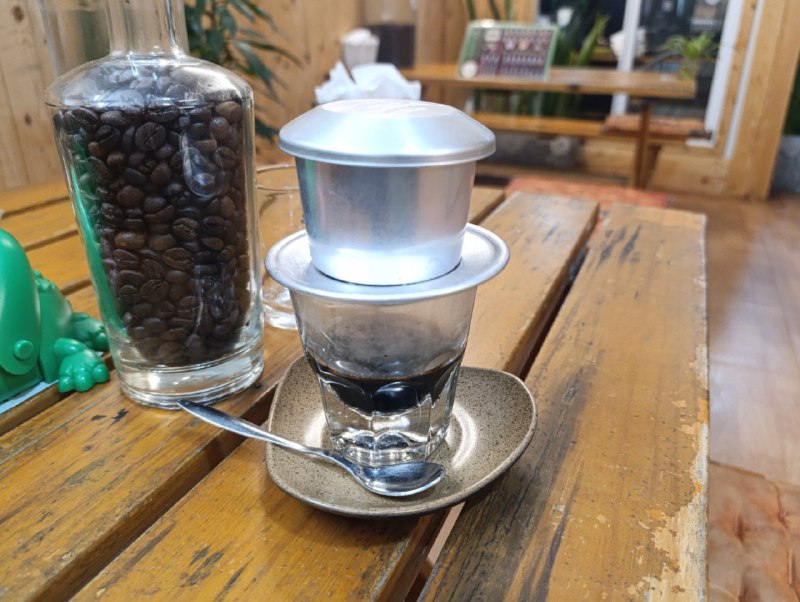
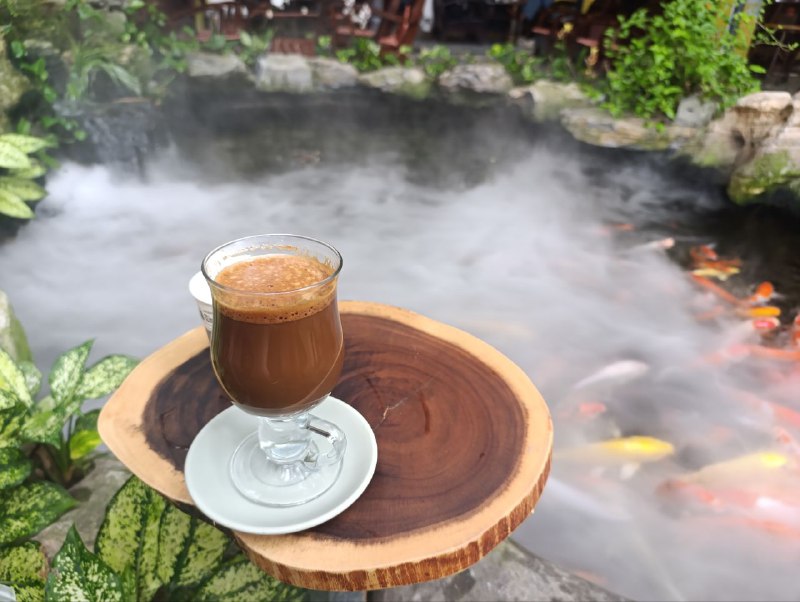
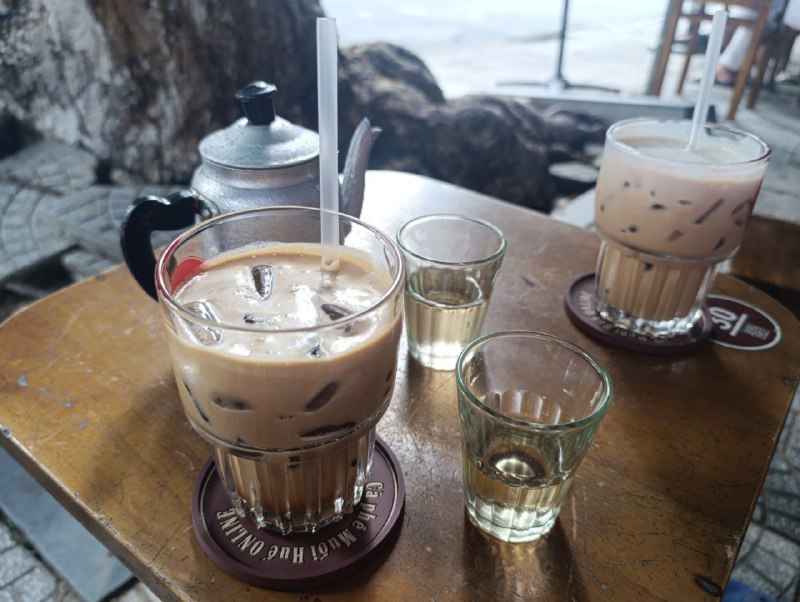
The French brought coffee to Vietnam toward the end of the 19th century. Unlike tea in
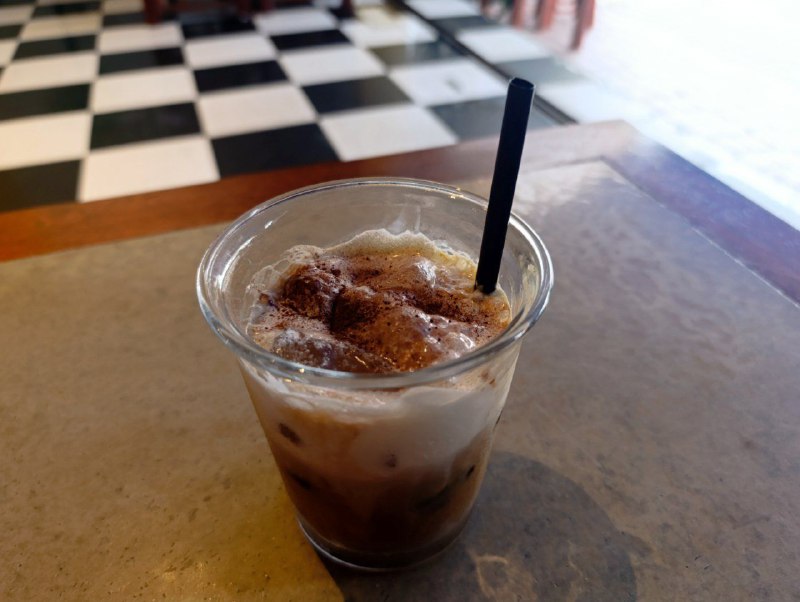
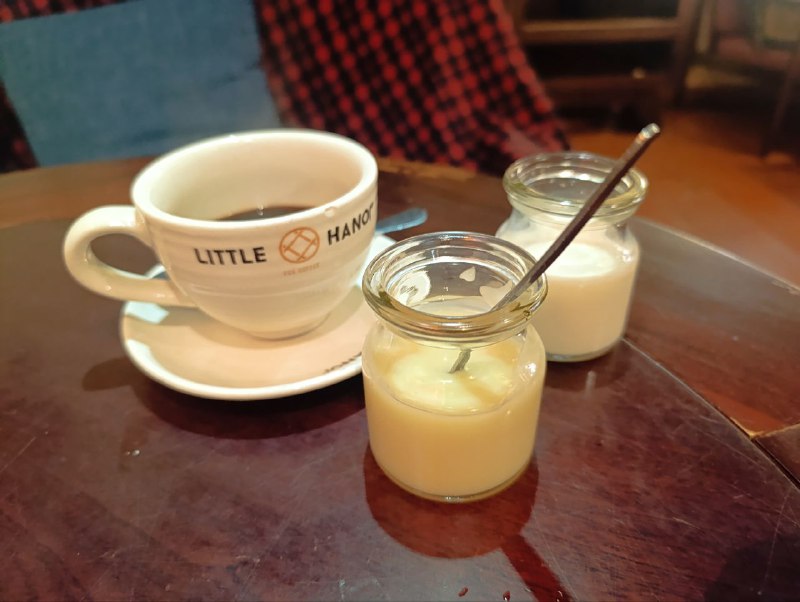
Tunisia, there were no epidemics. But the local coffee culture evolved beyond recognition. The drink here is usually cold, and instead of sugar, they add condensed milk. Lots of condensed milk. And they drink it. During the numerous wars that affected the country, additional varieties emerged. For example, coffee with egg. According to legend, there wasn't enough milk for the drink during the war, so in Hanoi they came up with the idea of whisking eggs and using them instead of milk. Taste-wise, it's actually not bad. But I didn't become a fan. There are also variations with salt, coconut, and even avocado.
Vietnamese coffee has many
stories connected to it, but the funniest one happened with Germany. In the late 1970s, there wasn't quite enough coffee beans in the world for everyone who wanted them. In 1980, East Germany signed a
deal with Vietnam where the Germans committed to supplying their communist brothers with equipment, technology, and all necessary resources for planting and cultivating thousands of hectares of coffee plantations. In return, the Vietnamese promised to give half of the entire harvest to East Germany. It all would have been fine, but when the harvest was ready, East Germany no longer existed, and there was no one to give the beans to ¯\_(ツ)_/¯
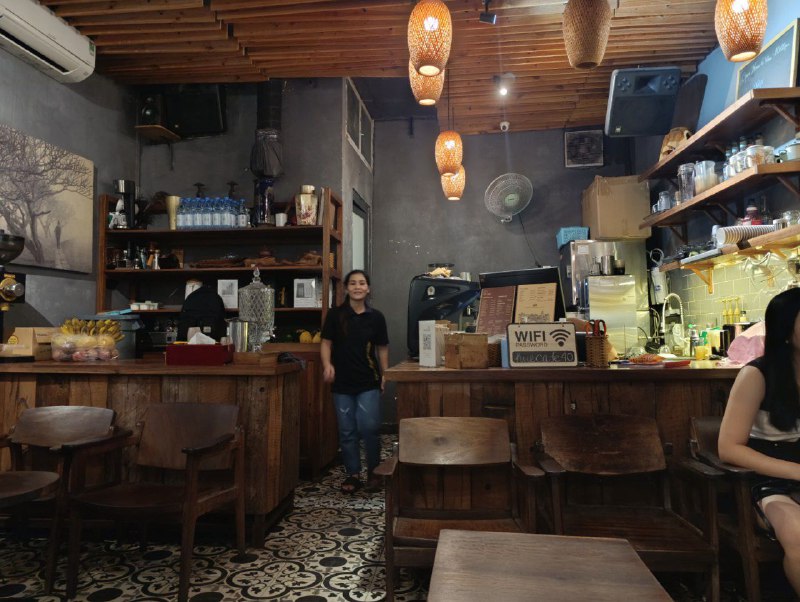
Anyway, if the local options don't appeal to you, there are plenty of decent classic cafés in the major cities. For example,
here or
here or
here. Maybe you'll make it there someday.
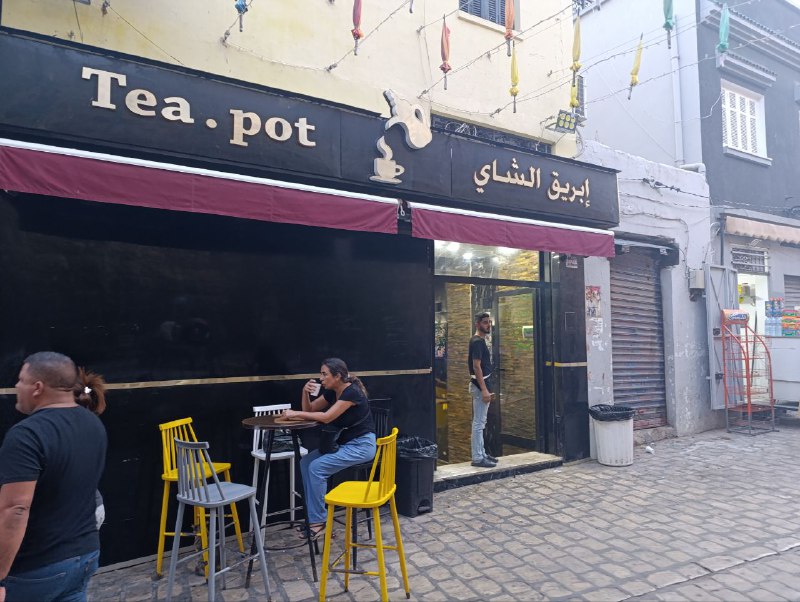
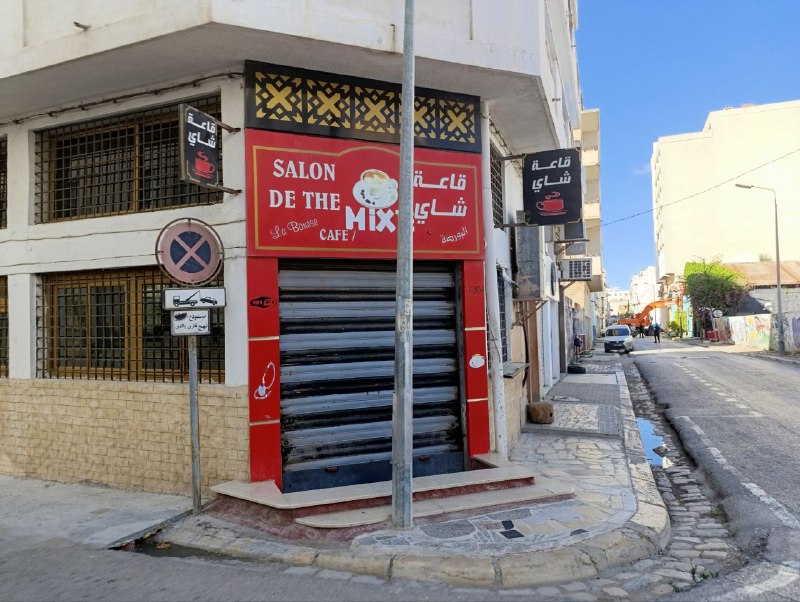
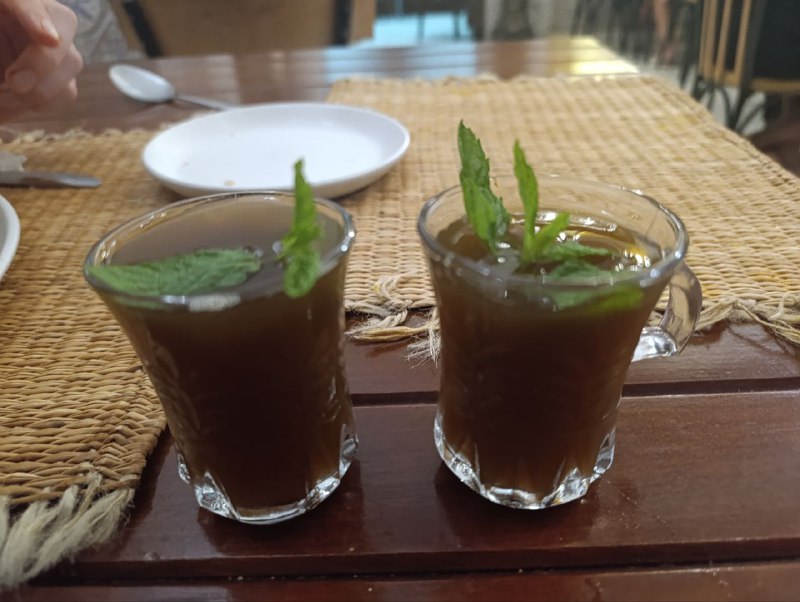
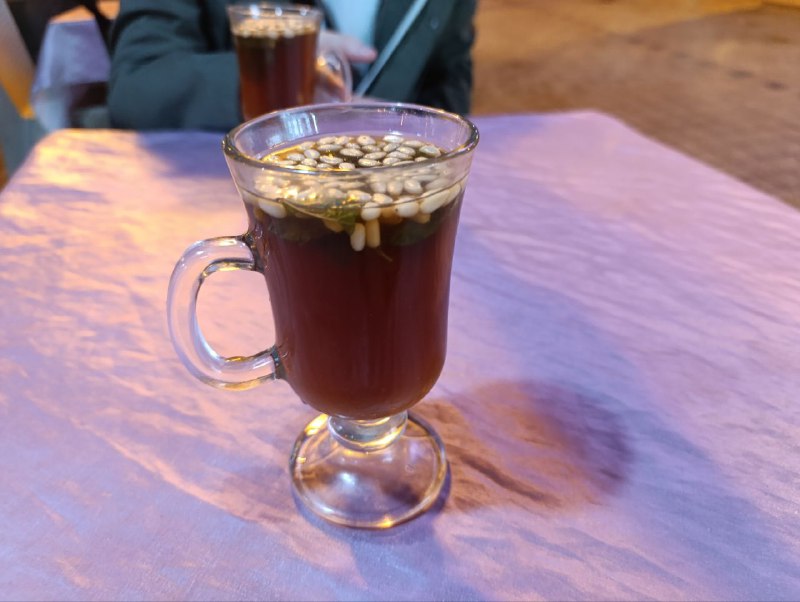
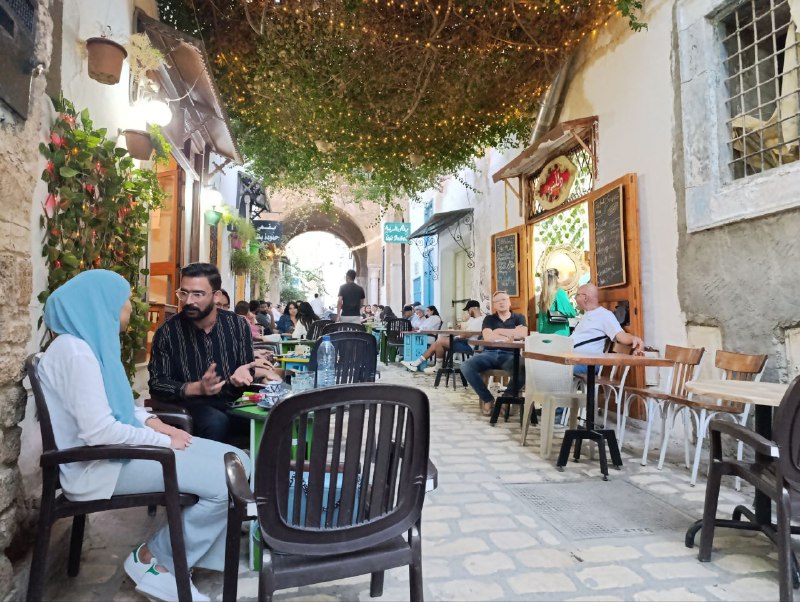
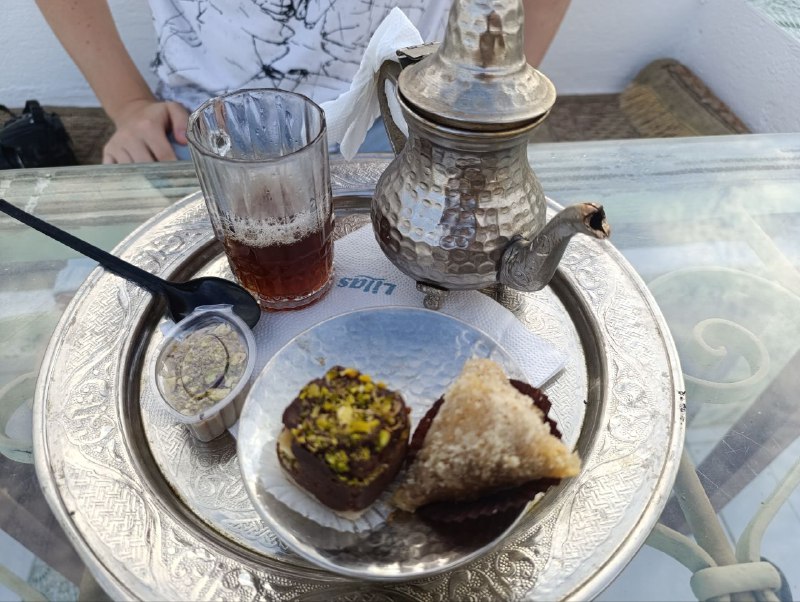
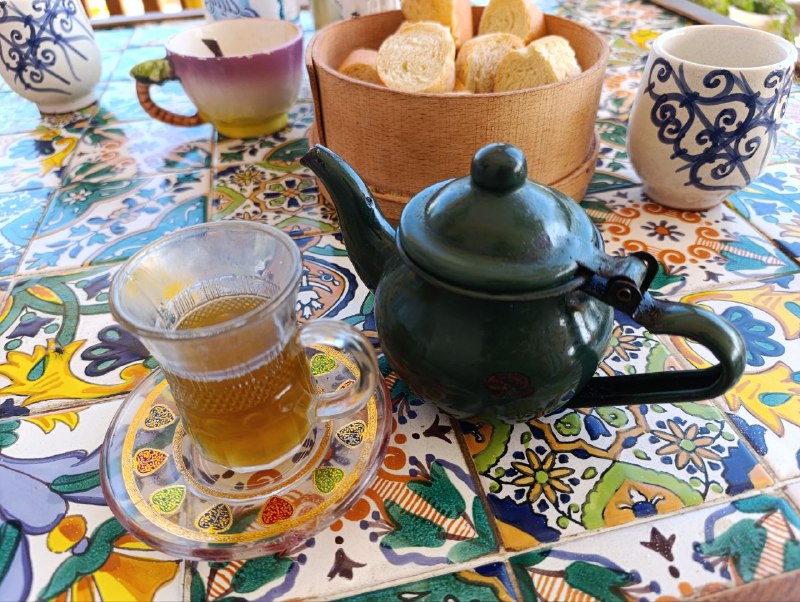
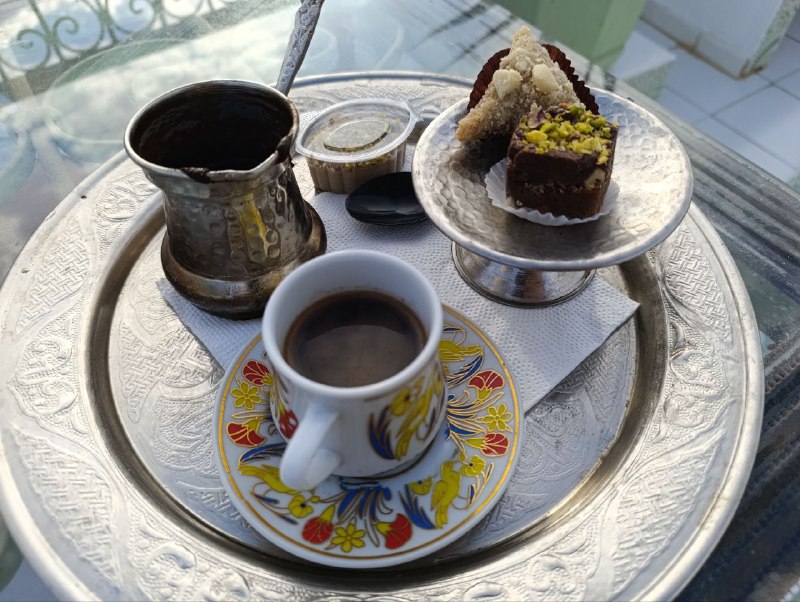
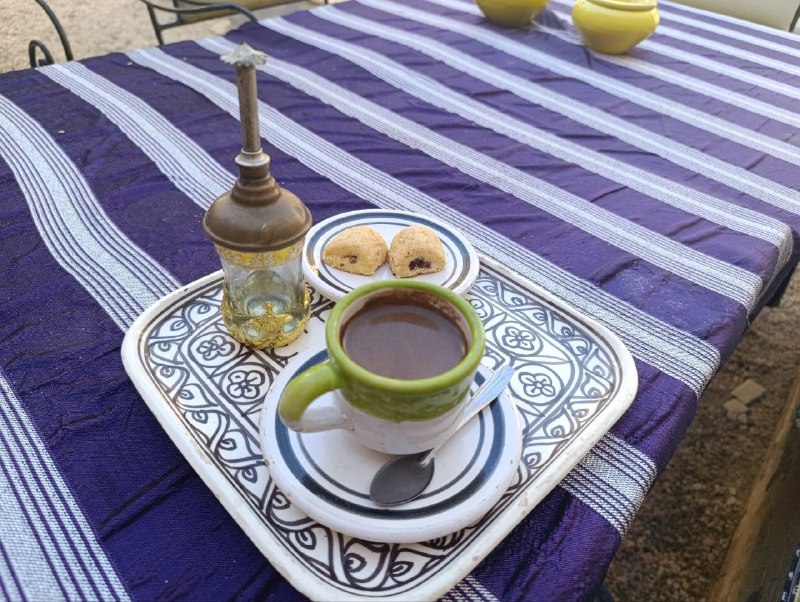
Tea culture is HUGE in Tunisia. There are dedicated tea shops here, usually called Salon de thé, where locals pop in for a couple cups. There are different varieties: traditional with mint, with nuts, just plain black. Always with sugar. Tons of sugar. Sometimes with sweets too. Or more than one. Same deal with coffee. It's basically the diabetes capital. I learned pretty quickly to order everything without sugar right away, otherwise it's impossible. Sometimes they even serve rose water with coffee. Also sweet. In a separate container so you can add it to taste.
The French brought tea here at the end of the 19th century, and for the first 40 years or so, nobody really paid it much attention. But after World War I, there was an actual tea epidemic. Literally. At least according to local doctors, who actively pushed French authorities to legally restrict tea. Because it supposedly had a negative effect on Tunisians, who apparently couldn't control their tea consumption on their own.
"Teaism" was actually seriously compared to alcoholism and they tried all sorts of ways to fight it. Meanwhile, in Morocco, where they were consuming significantly more tea at the same time, this wasn't seen as a problem at all. Because unlike Tunisians, they brewed green tea instead of black, did it the "right" way, didn't reuse tea leaves, and didn't over-brew. Though according to doctors, the "epidemic" eventually spread to Algeria and Morocco too.
To give you a sense of the seriousness of the situation: forensic psychiatrists would actually write down "tea-induced hallucinations" or "overdid it on tea" as the cause of murders in their reports. It's even preserved in the archives (for example,
here, but in French). Honestly, I'd think twice about the stuff after that too :)
Anyway, after independence from the French, the tea epidemic kind of died down. Well, almost died down.
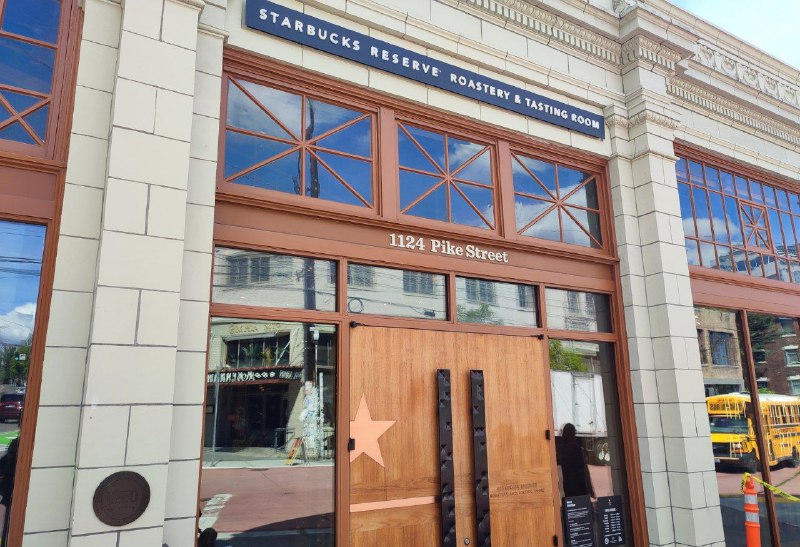
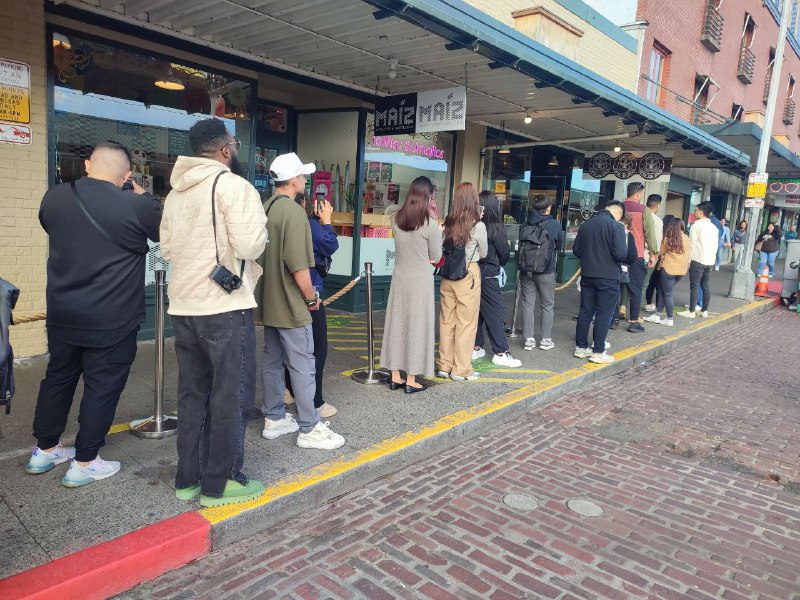
Starbucks might not know how to make great coffee, but they sure know how to run a business. And it all started right here in Seattle. The very first coffeehouse looks pretty unassuming, but there's a huge line out the door. Clearly not just a quick five-minute wait. I hope there's something worth waiting for in there.
It's funny though—the people who opened the original Starbucks actually sold their stake to focus on developing another coffee chain,
Peet's Coffee, but it never grew to comparable scale.
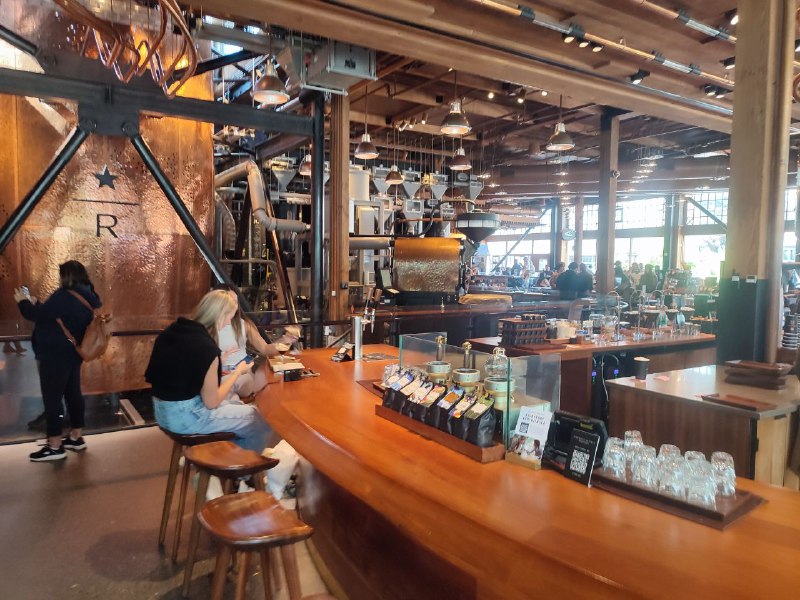
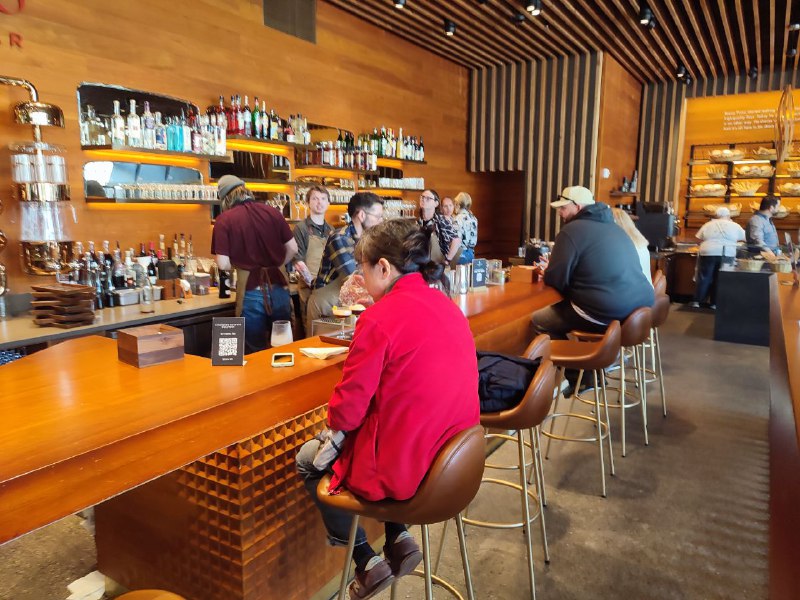
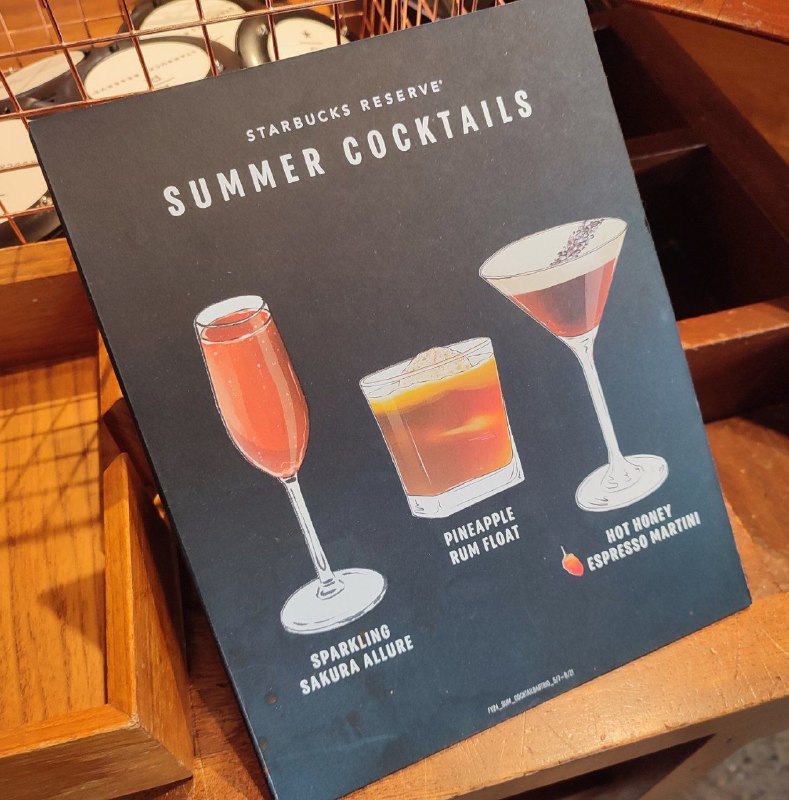
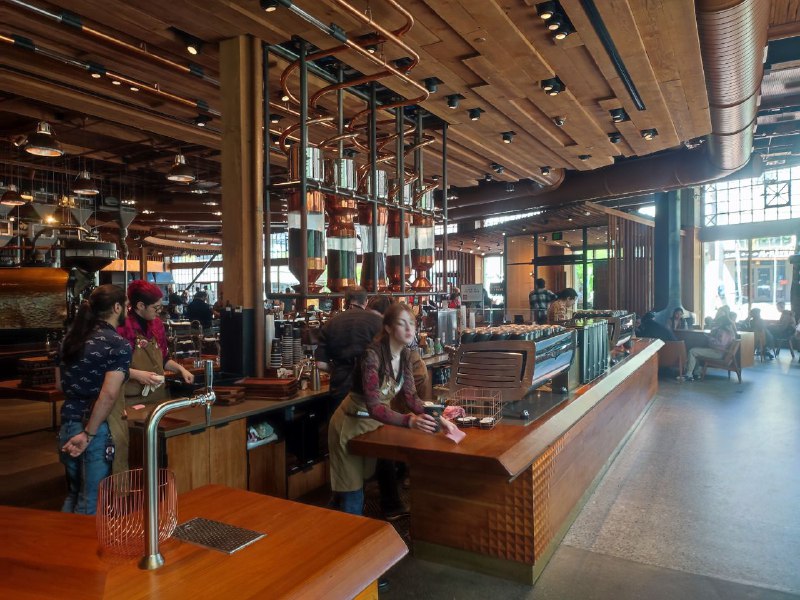
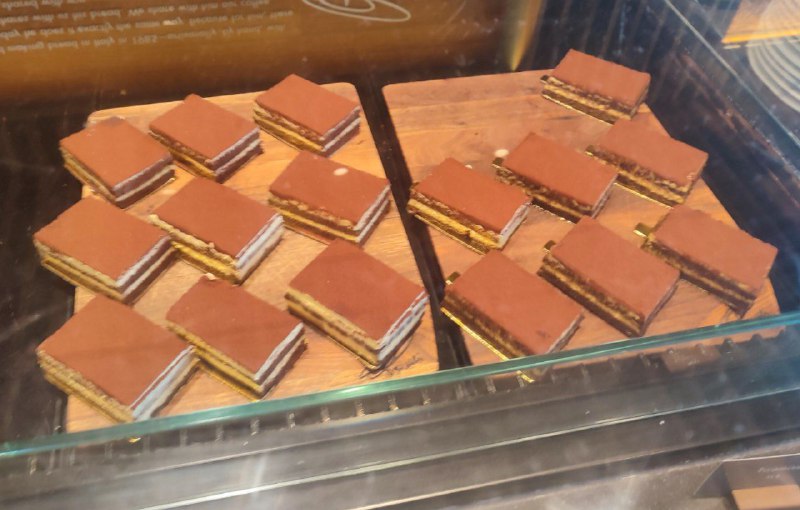
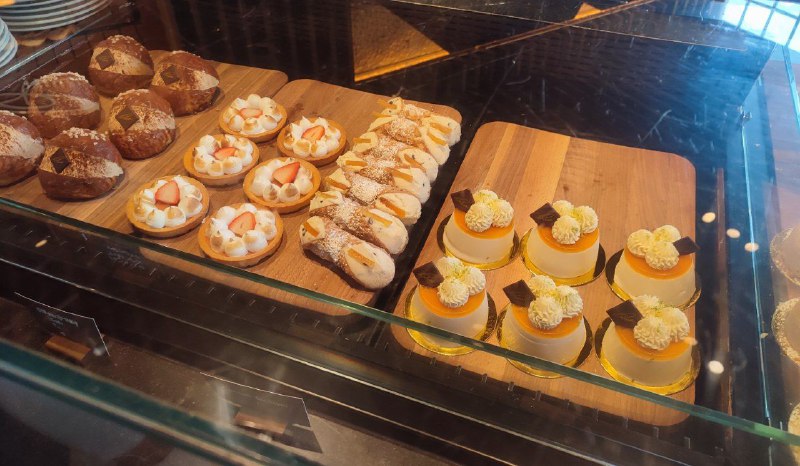
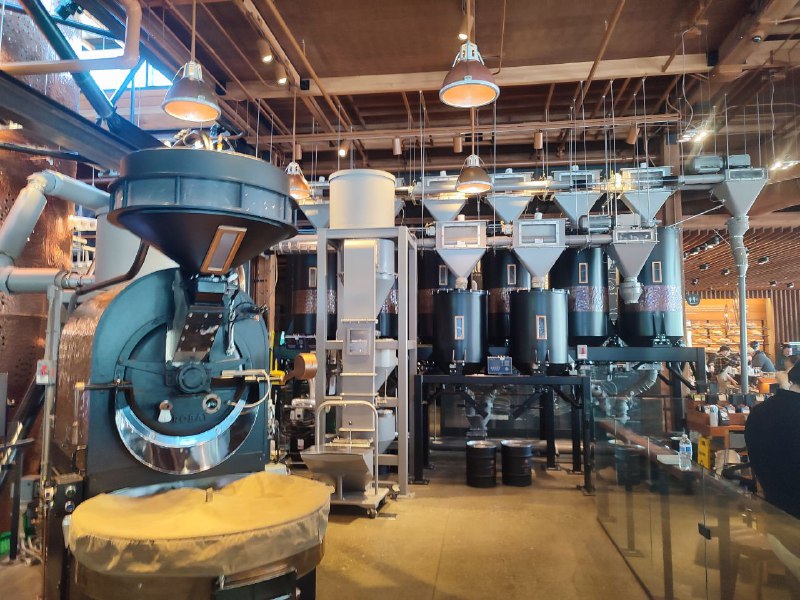
Meanwhile, Starbucks has been trying to break into the premium coffee market. They've opened a few locations in a format that's pretty unusual for them: Starbucks Reserve. It's this massive coffeehouse with an in-house roastery, decent pastries (compared to the rest of their locations), and even a bar serving coffee-based alcoholic drinks. But while they originally planned to open about thirty of these places around the world, they ended up with just six. The first one happens to be right here in Seattle. It looks impressive. And super spacious. Though apparently the one in Shanghai is even more spacious.
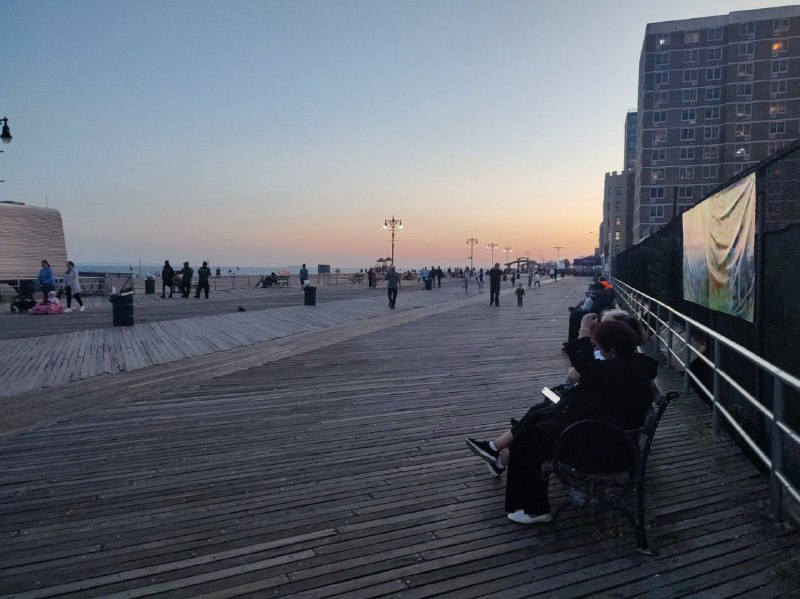
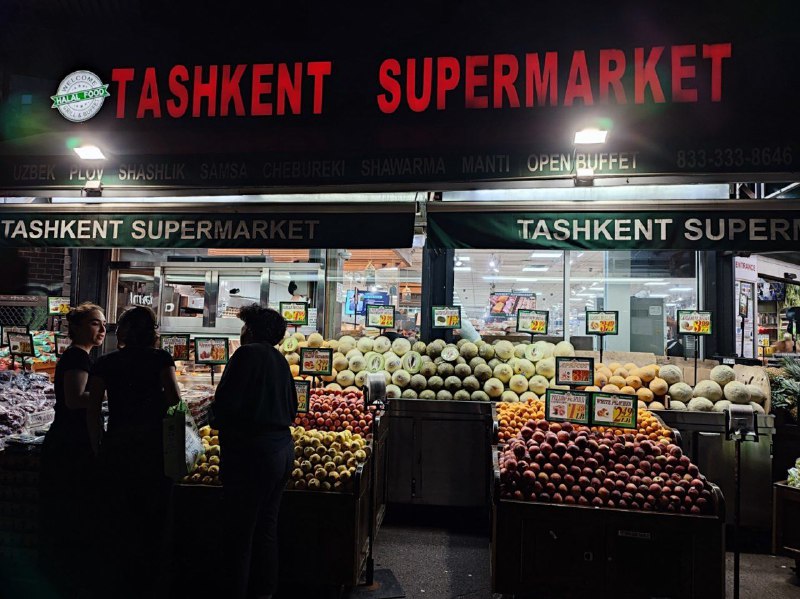
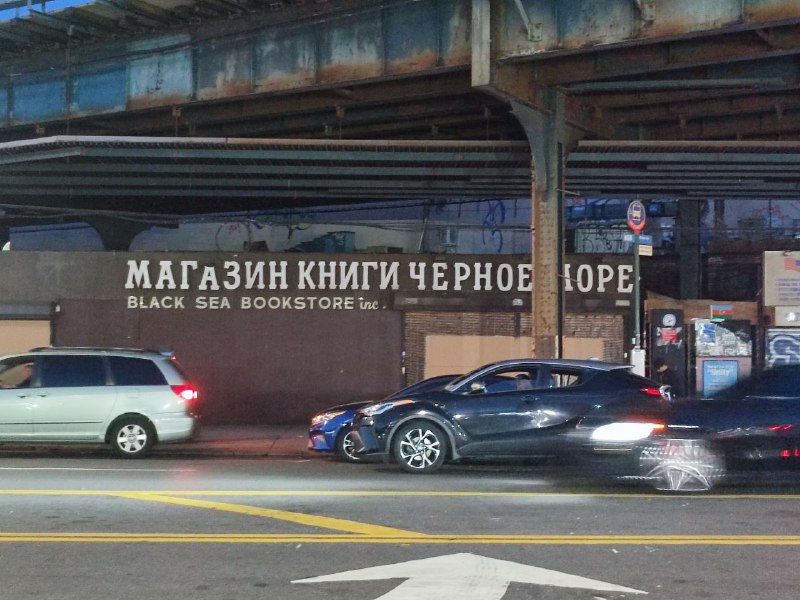
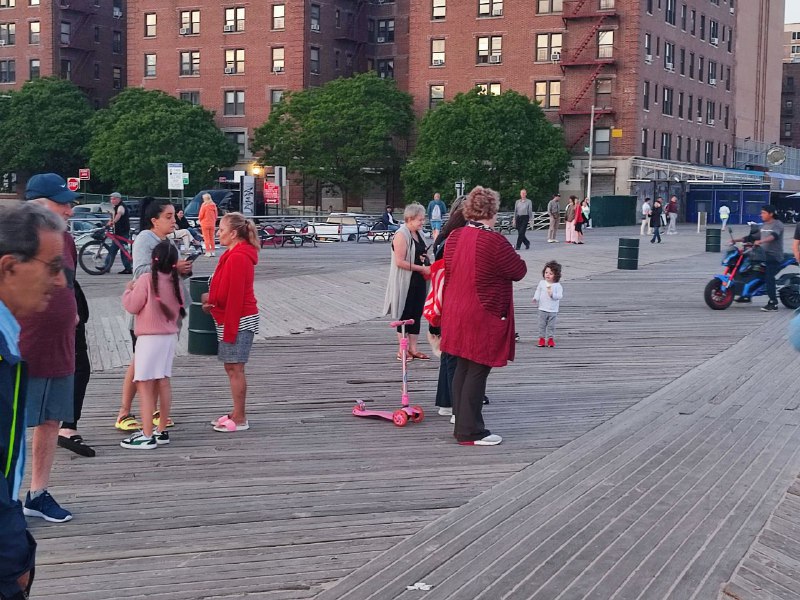
I never really felt drawn to Brighton Beach, but I had some free time and here we are. You know that stereotype of older Russian-speaking ladies and gentlemen you picture when Brighton comes up? Well, they're exactly like that in real life and walking around everywhere. Russian is heard on the streets more often than any other language.
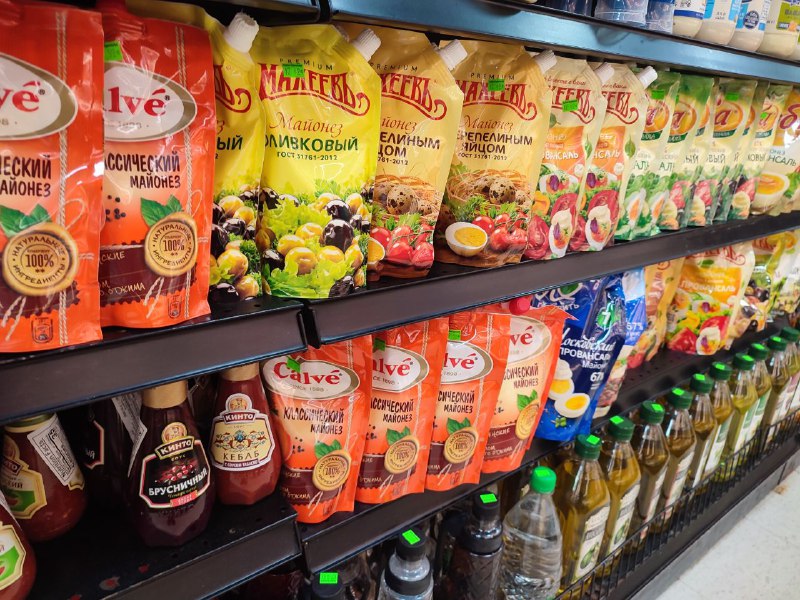
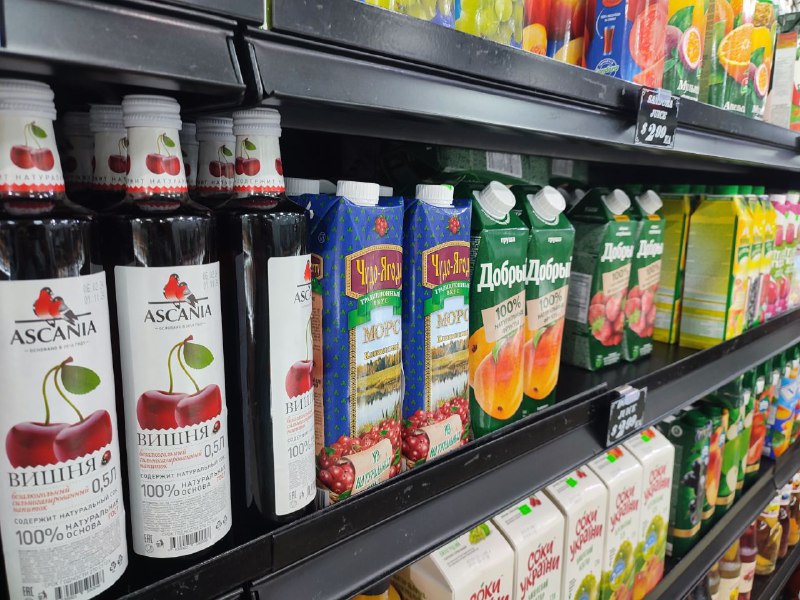
Russian shops are packed with goods from former Soviet countries. I've got no complaints about condensed milk from Natakhtari, but why people haul juice brands like J7, Dobry, and all that Miracle-Berry stuff across the ocean is beyond me. It's like the US doesn't have its own crappy juices or something. Obviously there's demand if they keep bringing it in. Anyway, enough griping about that.
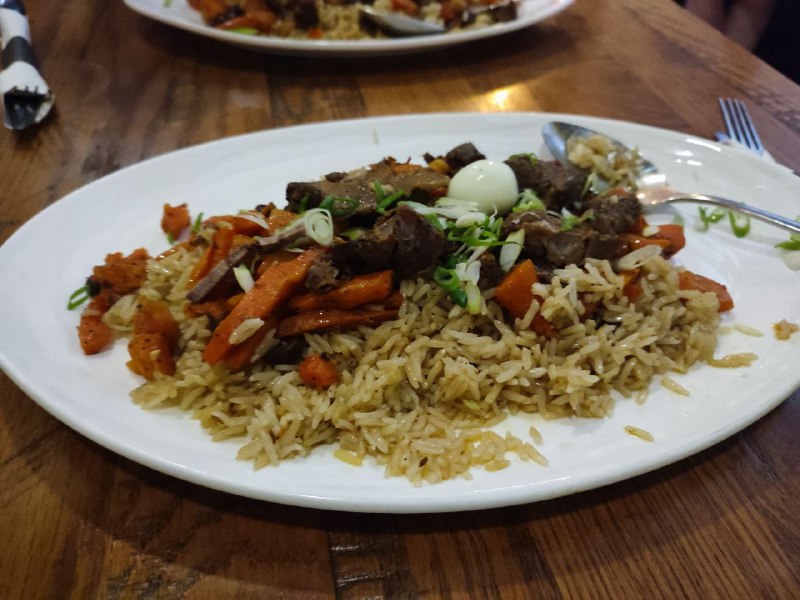
But I did have the best pilaf I've eaten all year here. I really miss that kind of food in Belgrade.
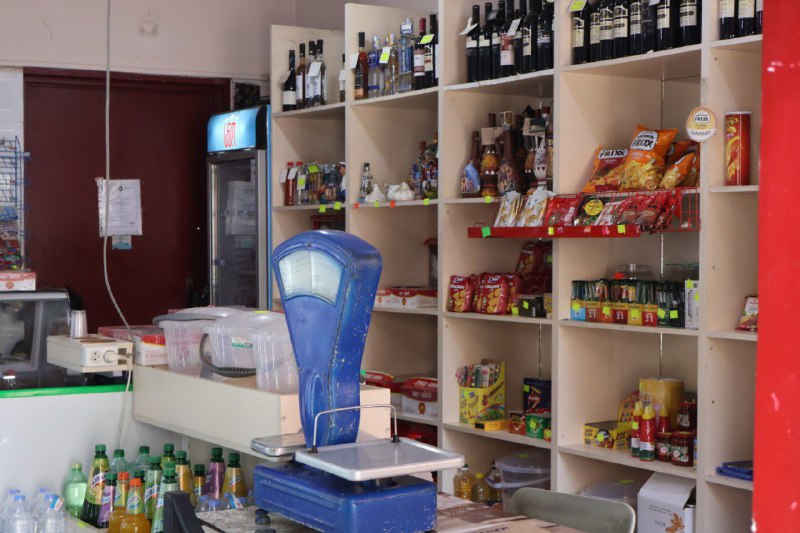
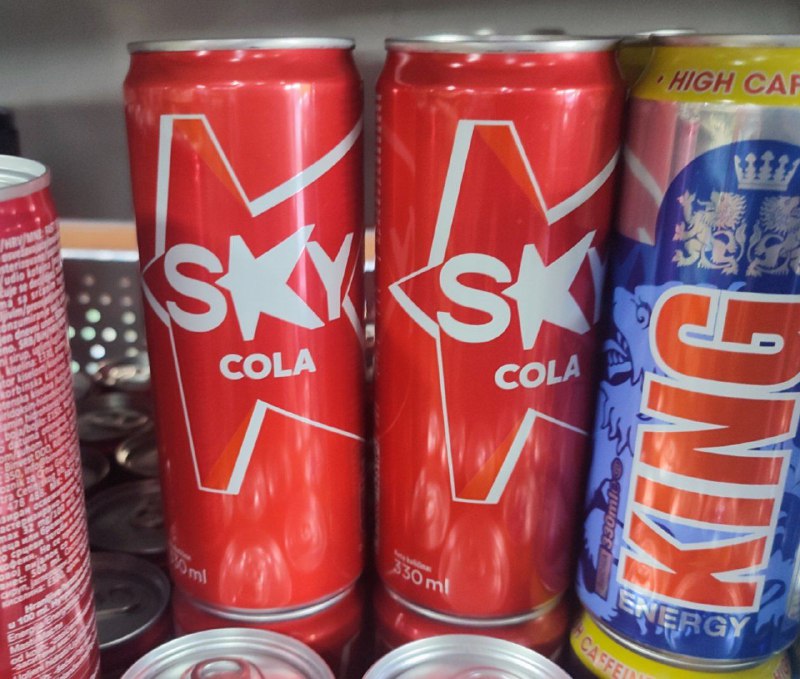
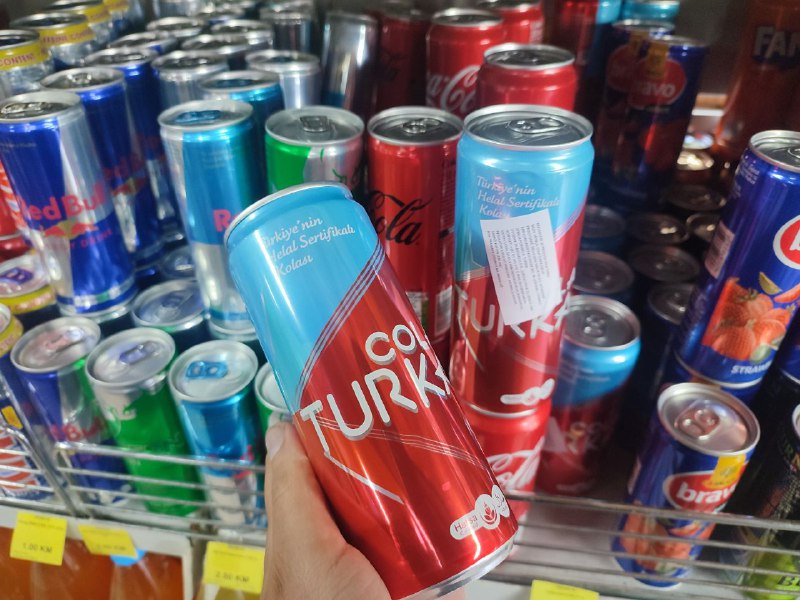
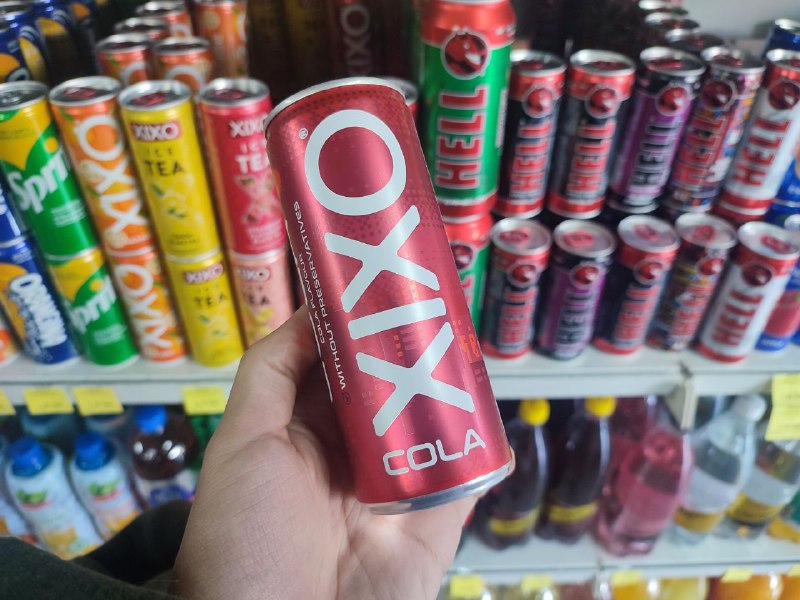
I walked into a random shop in Travnik, Bosnia, and my eyes started spinning from all the cola varieties. More than 5 different types. It's like a call center, but for cola 😄 I didn't even see that many in Sarajevo right away. Or maybe I just didn't notice.
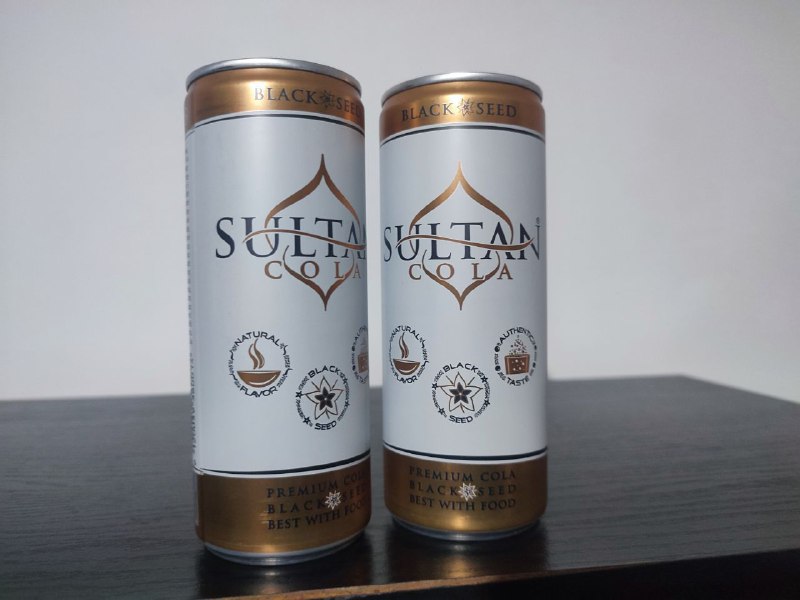
I didn't try all of them. I stuck with Sultan Cola. The sugar content is noticeably lower than the original. It's not as cloying. A pleasant drink.
You can guess right away – 3 different countries where it's made. I'm betting Austria won't be one of them :)
PS. Nobody paid me for this ad, but if they want to, just let me know where to send the details :)
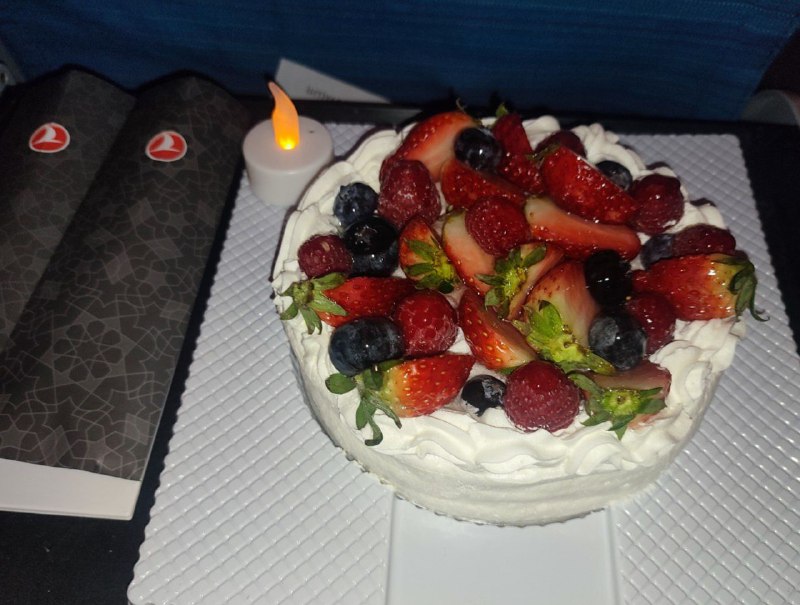
Just a reminder: if your birthday happens to fall within 3 days of your Turkish Airlines flight, you're entitled to a complimentary cake during the flight! All you need to do is call their office in advance (at least a day before departure) and let them know you'd like to enjoy something sweet. Full details about this offer
here.
I've tested it myself — it really works. Delicious too. The flight attendants even sang "Happy Birthday" for me. The cake is huge, easily enough for two or three people.
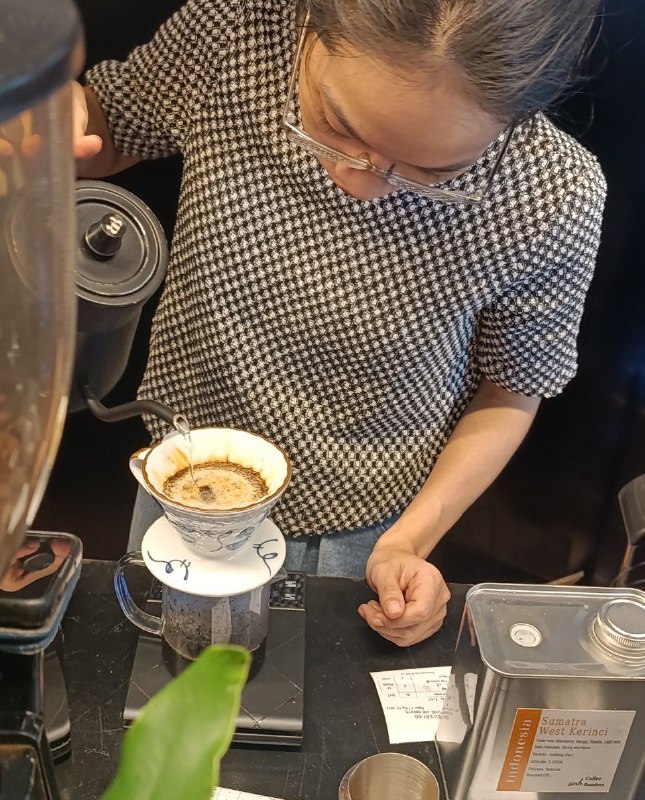
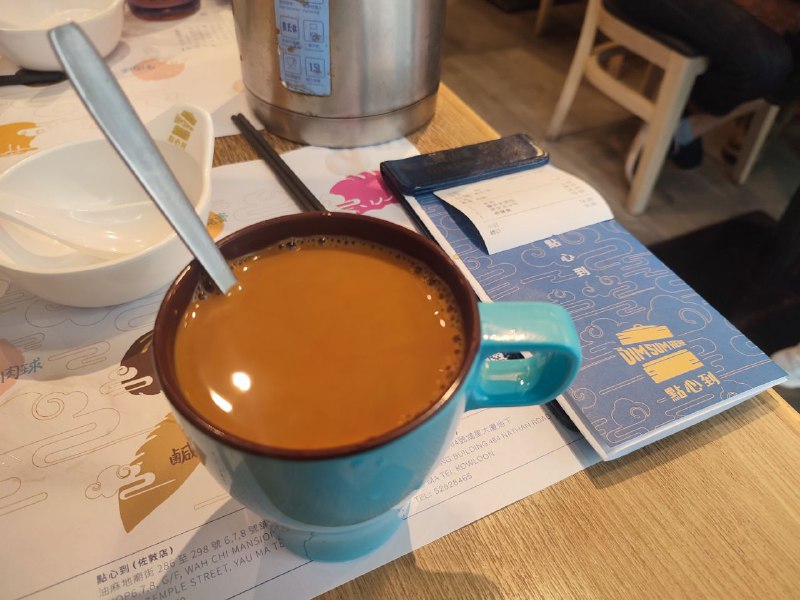
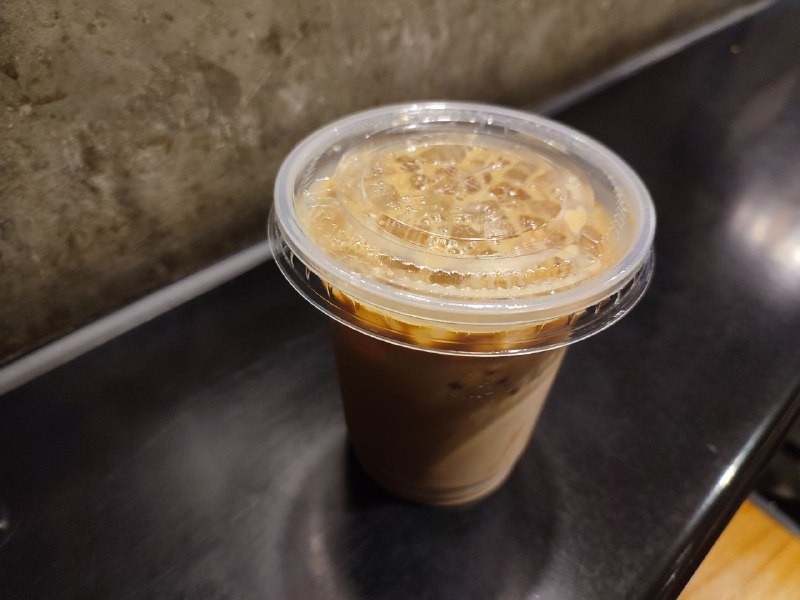
People in Hong Kong took the idea that it's a meeting point of Chinese and Western cultures way too literally and decided to mix coffee with tea 😅
There's no special name for it—they just write "coffee with tea and milk" on the menu (sometimes condensed milk). I wasn't too keen on the hot version, but the cold one? Absolutely great. Definitely worth trying at least once.
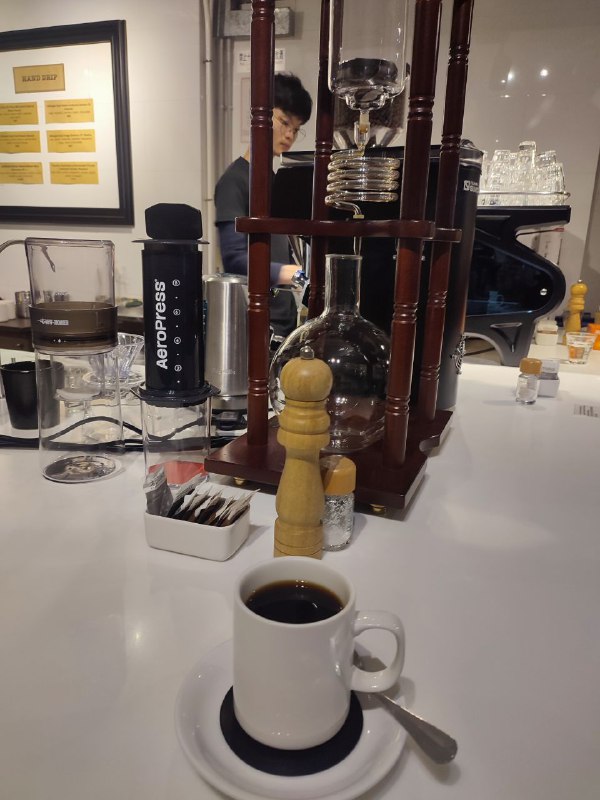
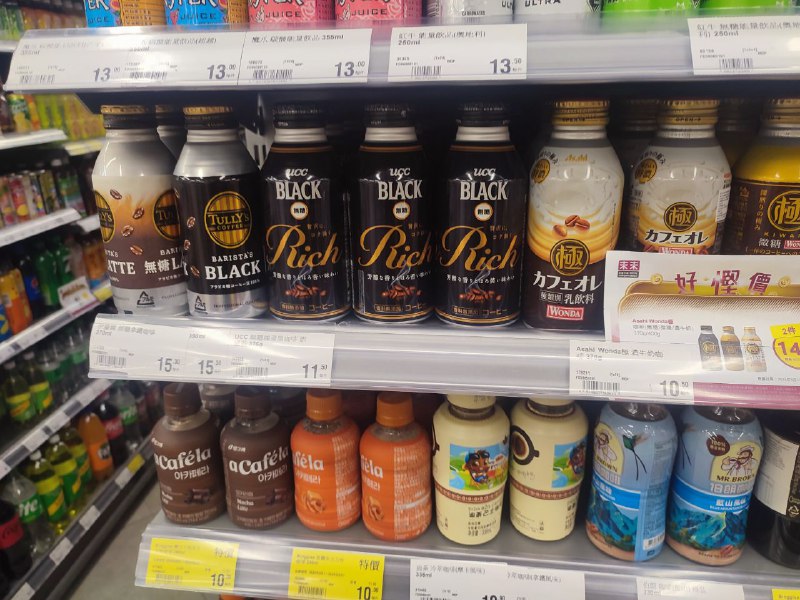
All in all, the coffee situation here is way better than it was in the Philippines. There are tons of cafés. You can even buy ready-made coffee at regular shops.
The Philippines totally blew my mind when it comes to food. Sorry for being so clueless, but you know those tiny super-hot peppers that are impossible to touch with your tongue? I always wondered how people actually eat them. I went out to dinner with some locals and they showed me you just need to make a small slit in the pepper and drop it into a little dish with soy sauce. It's absolutely amazing. I mean, I already knew you're supposed to mix wasabi into sauce and it works great. But I never thought to do the same thing with peppers.
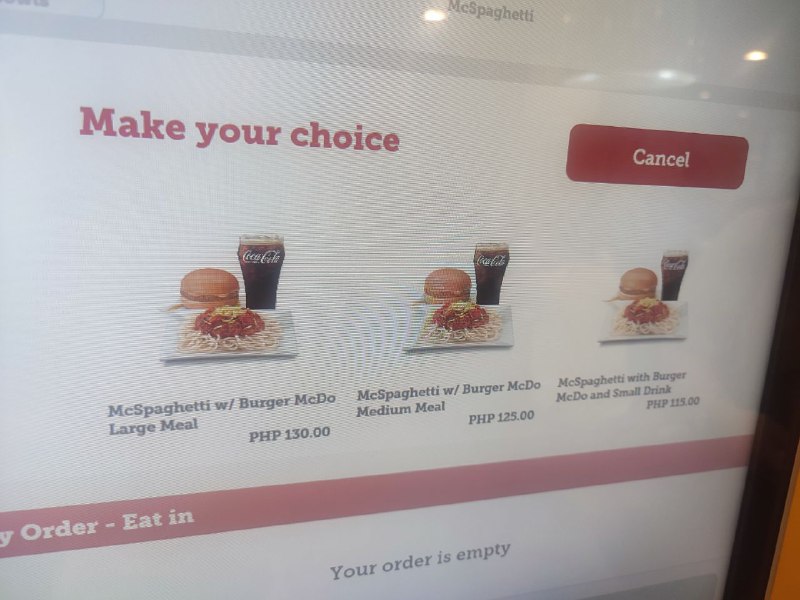
The local McDonald's actually serves spaghetti! I didn't want to try it (not a fan of eating there), but I'm pretty sure you won't find that in McDonald's anywhere else in the world.
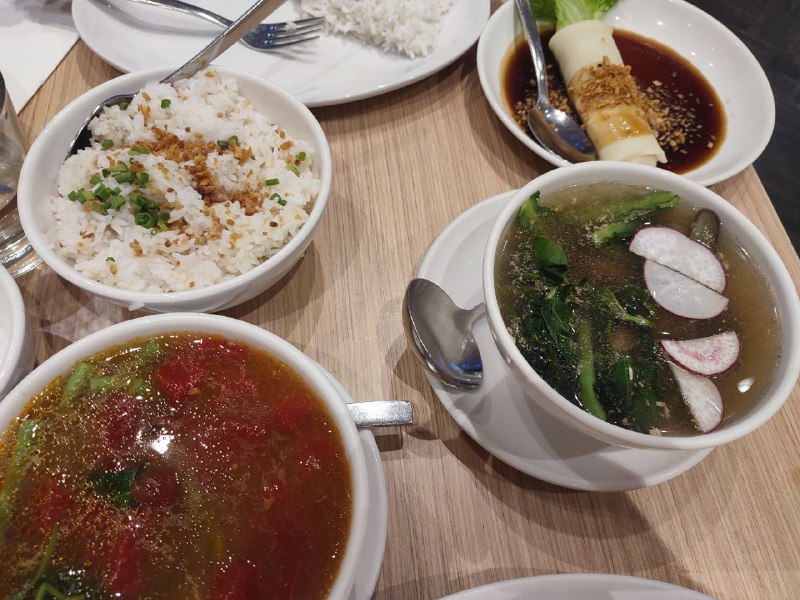
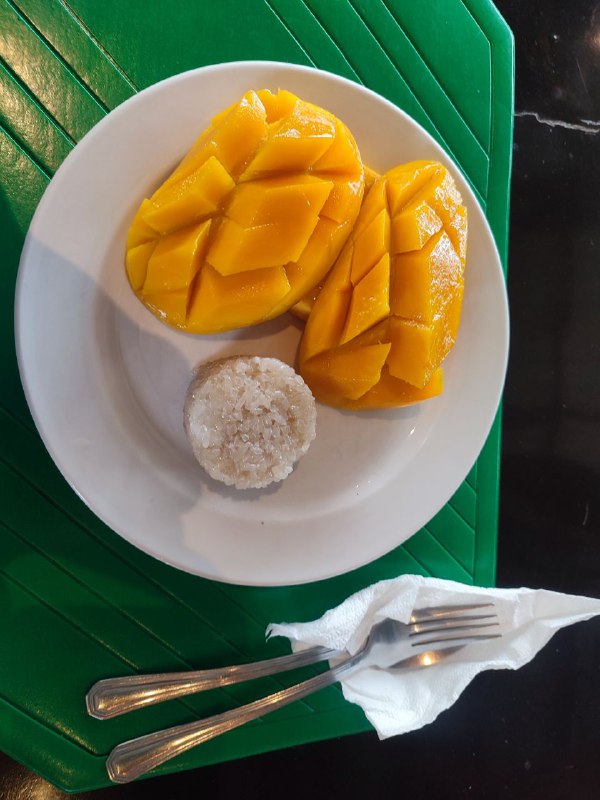
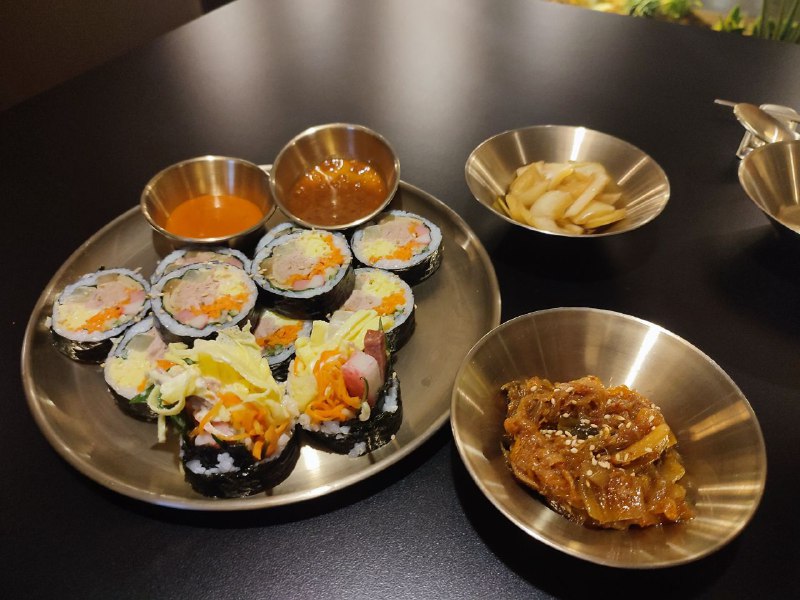
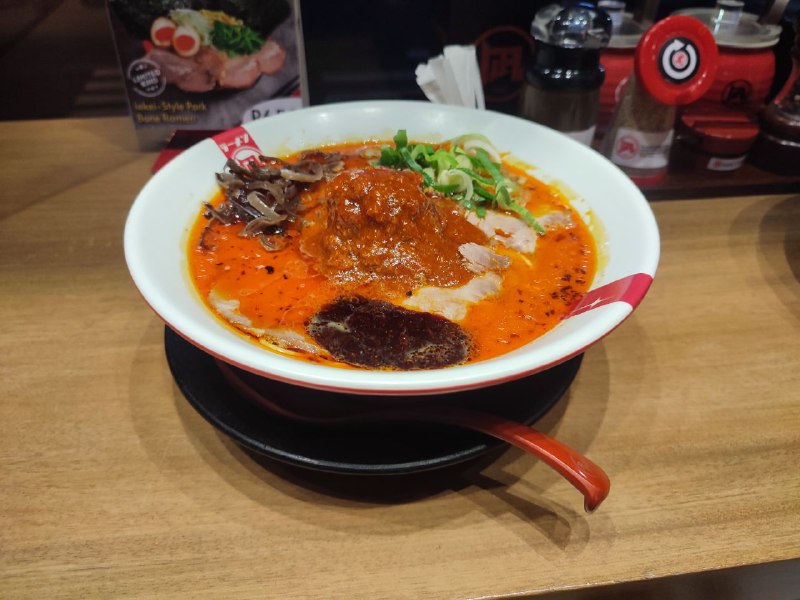
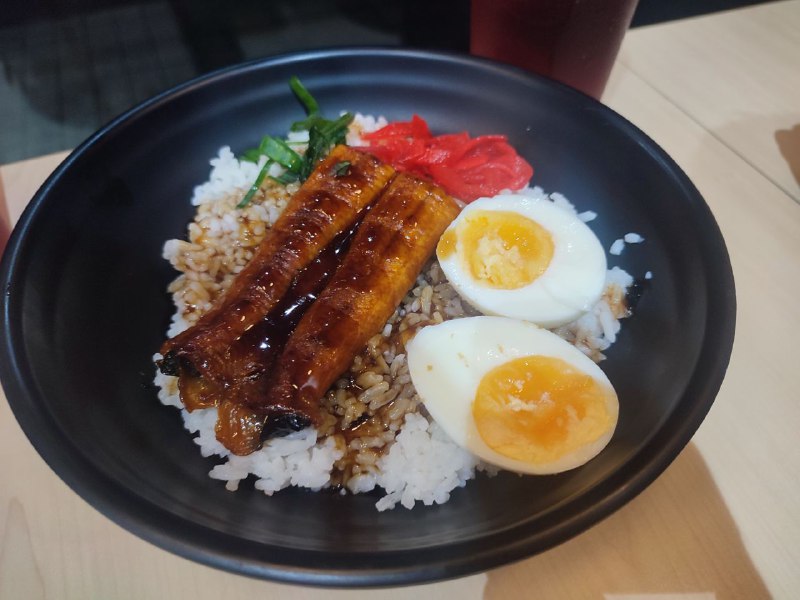
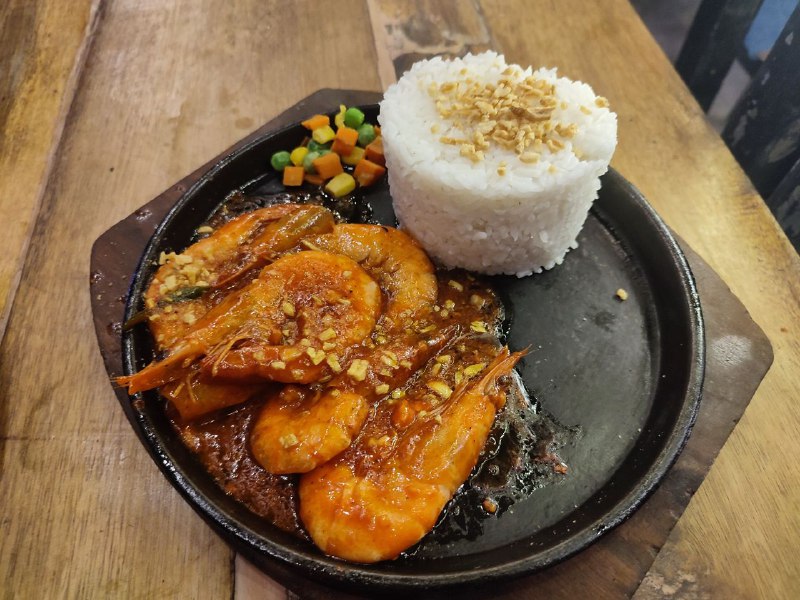
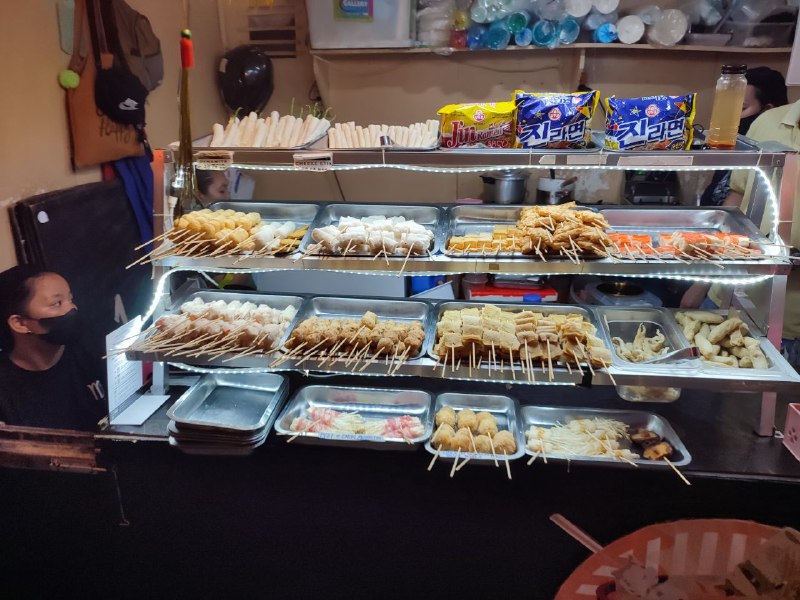
The food here is really tasty and super cheap. Lots of Japanese and Korean restaurants. And the Filipino places are great too. In bigger cities you can find places to eat even at 2 in the morning. After Belgrade, I'd kind of forgotten places like that existed. If you eat on the street, you'll be
actually ahead financially spending next to nothing.
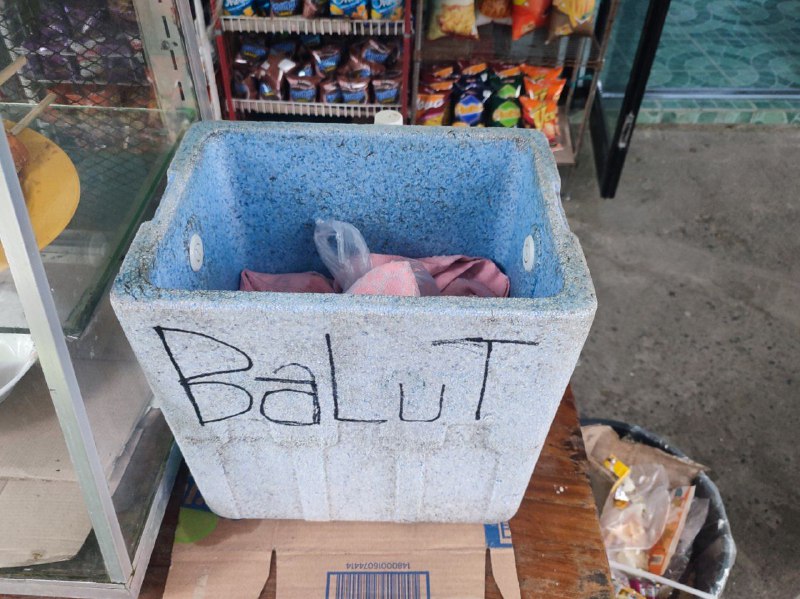
I also tried the local
balut (it's a duck egg with an already-formed embryo inside). When I read the description, I thought there'd be like a whole little duckling in there with basically no egg white or yolk left. In reality, the embryo doesn't take up that much space, it's really hard, and honestly people just leave it. You eat everything else, generously seasoned with hot soy sauce and vinegar. It's definitely an acquired taste. But hey, you can try it sometime.
AAAHHHHH! Manila got me immediately. Now I don't know how to unsee this.
About a month ago, I stumbled upon an English-speaking comedian who (quite fairly) roasts famous chefs. Being a Chinese guy from Malaysia, he's especially passionate about fried rice. It's his thing, you know.
The video with Jamie Oliver is a masterpiece (watch it if you haven't).
Watching the video was fun, but standing on a noisy Manila street outside a shawarma stand, I really felt the pain in what they were doing. I have no idea why they called it shawarma – the only shawarma thing about it is that they set up a spit, skewered the meat, and turned on the fire. But then everything went downhill. The guy cuts RAW meat, turns it into ground meat with knives, somehow it barely becomes half-cooked in the process, and then it goes into a mini wok, where they wrap it in flatbread with vegetables whenever someone orders. Yikes.
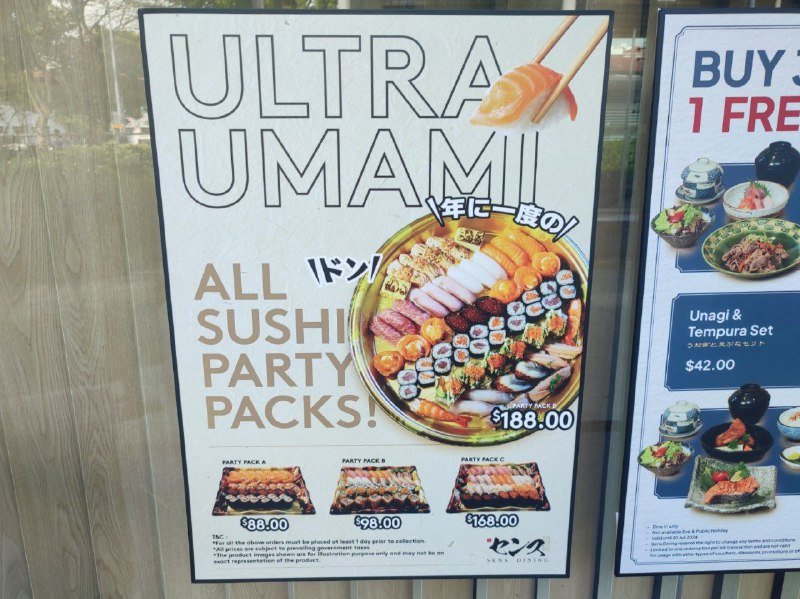
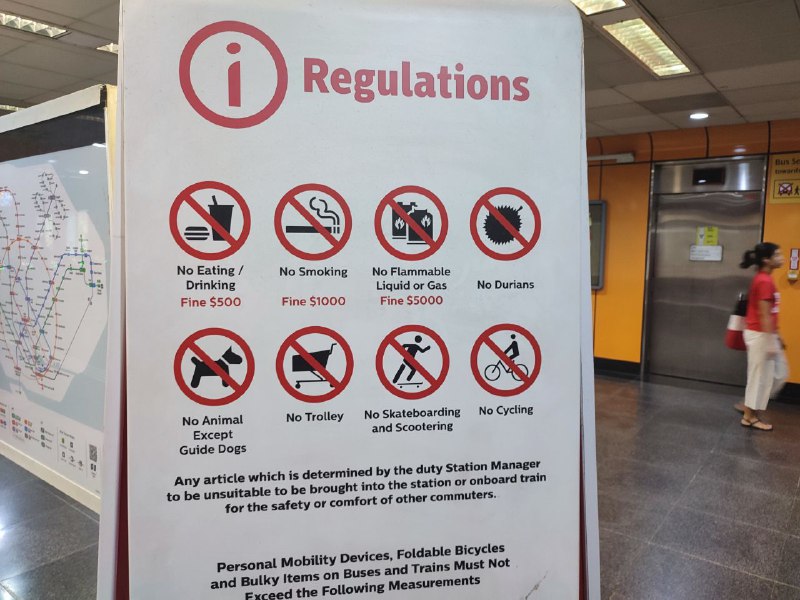
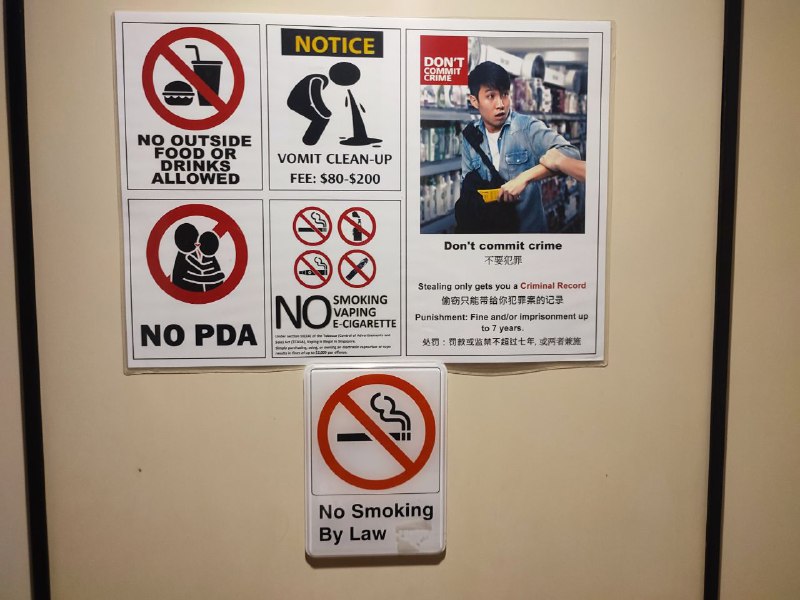
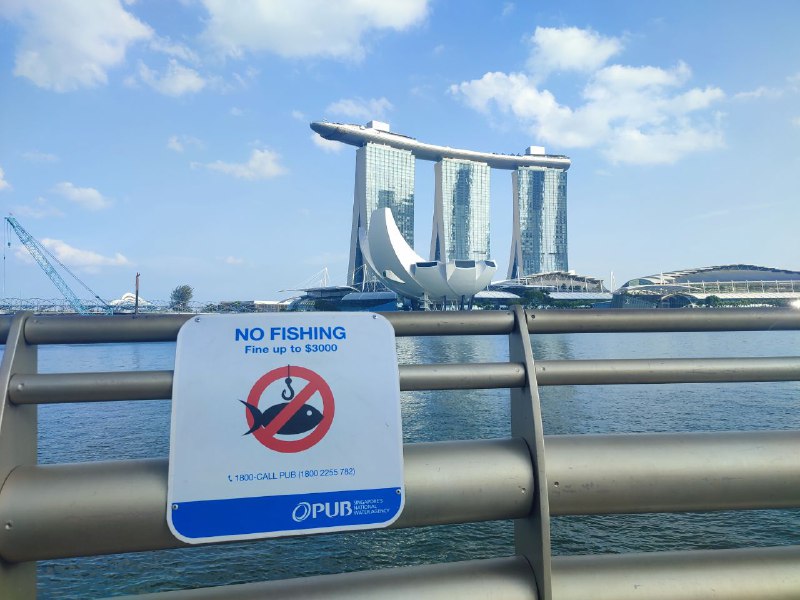
My two biggest takeaways from Singapore — everything's expensive and you can't do anything.
A decent meal starts at S$30 (just to remind you, S$1 ≈ 0.7€). Google is full of places marked S$100+ per person. What really caught my eye is that a regular beer costs S$15-20 (I saw ads on the street for happy hour at S$8). Non-alcoholic drinks are cheaper, but not by much.
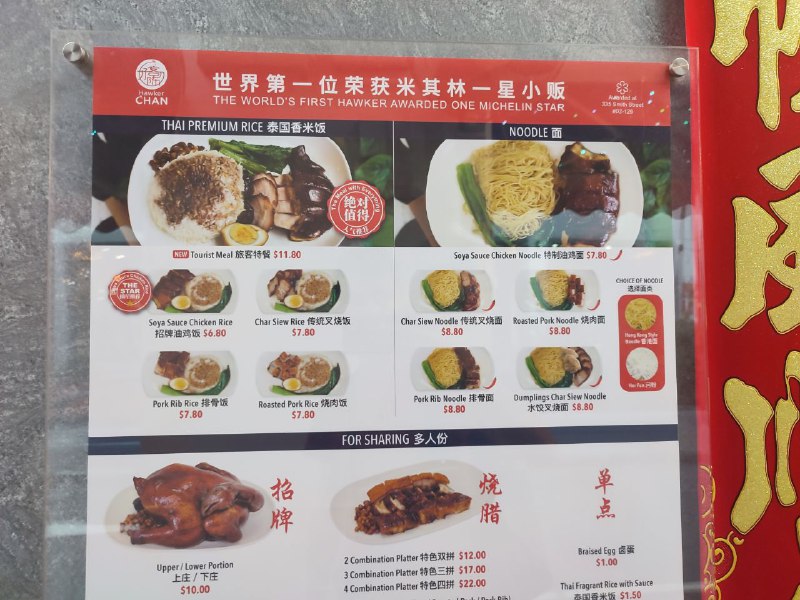
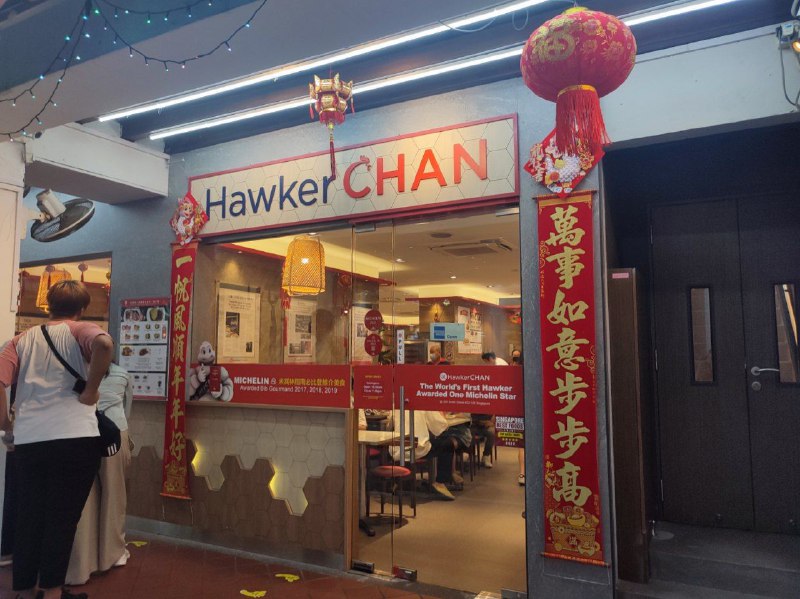
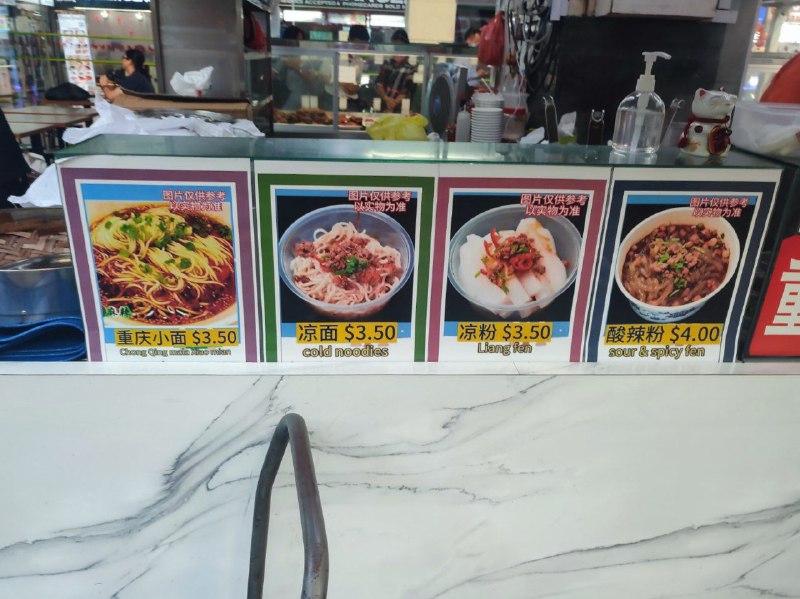
You can eat without breaking the bank at street food stalls. The food is delicious and there are options for less than S$5 per dish. These stalls occasionally get Michelin stars. I went to
the one that used to have one, but I wasn't too impressed. Still, for S$12 I can tell everyone I ate at a Michelin-starred hole-in-the-wall.
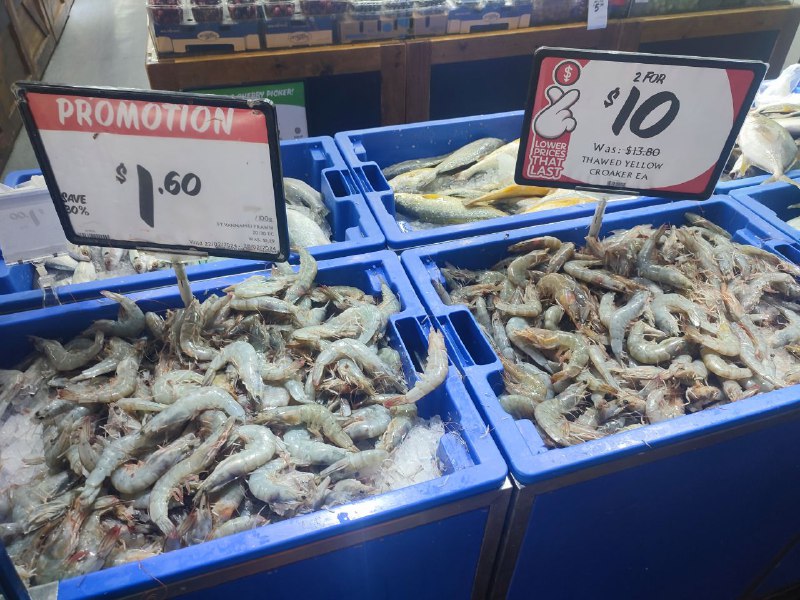
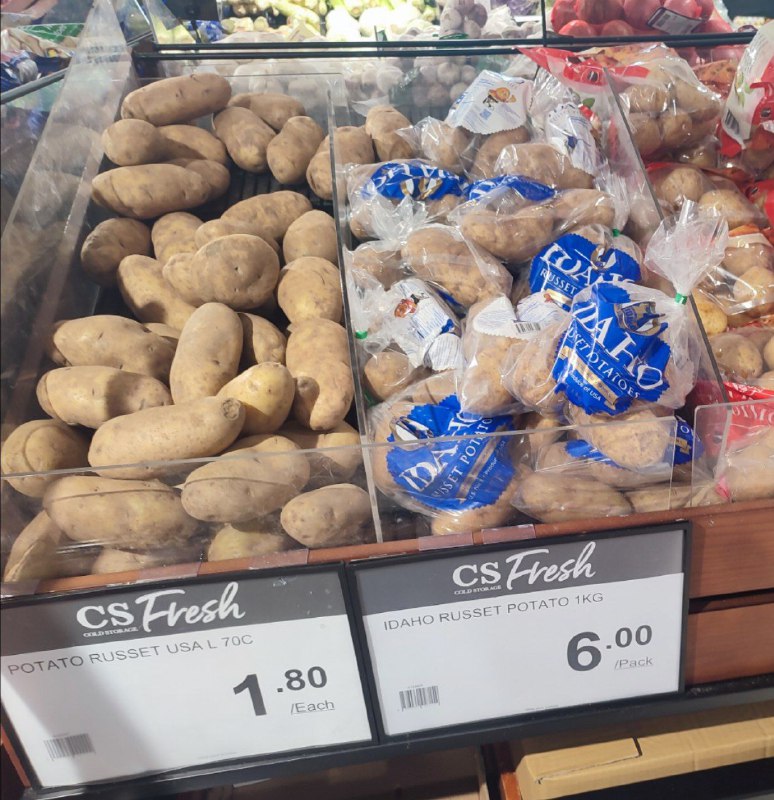
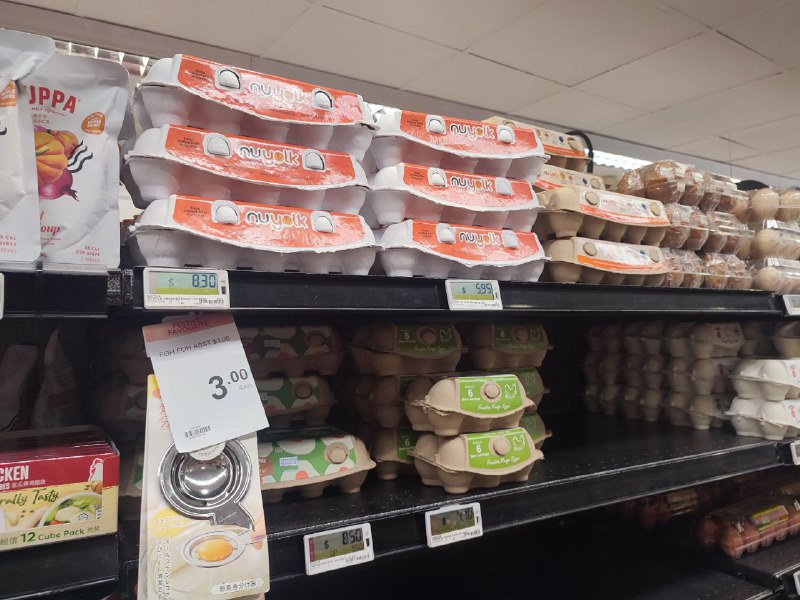
Grocery store prices are great too. A dozen eggs go for S$5-8. Potatoes here are basically a delicacy. S$1.80 per potato (!). I've never seen them sold individually before. Rice and other local stuff is more affordable. S$16 per kilogram of fresh shrimp — that's actually a great price.
No wonder a barista at some unremarkable takeaway spot in a shopping mall is offered S$3000 a month.
Fines are pretty much astronomical for everything. Prohibition signs are everywhere. I especially loved the fine up to 200 bucks if what you ate or drank comes back up (to be fair, I only saw that in a couple of places). While I was on the metro, I just automatically grabbed a bottle of water from somewhere and took a sip. Then I realized that costs S$500. Nobody seemed to notice. Hopefully I won't get a bill for it.
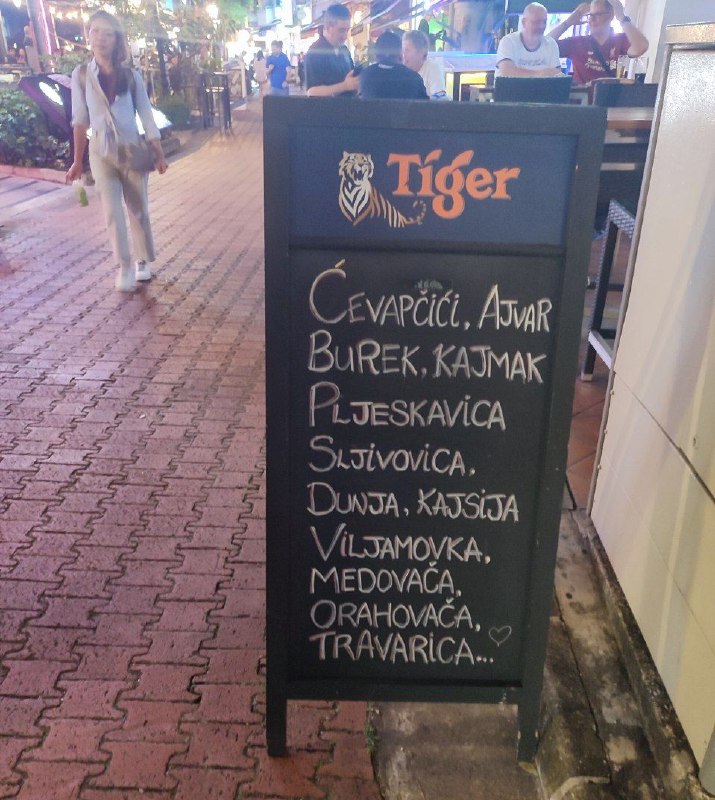
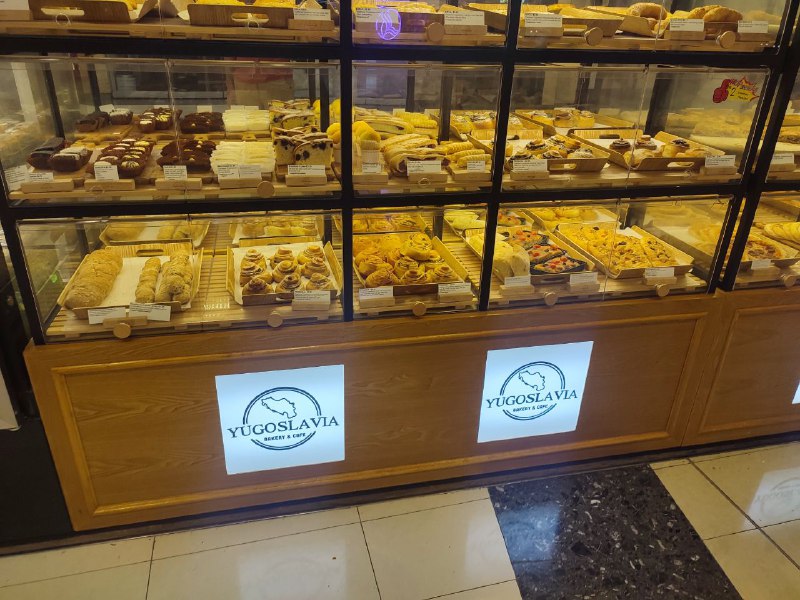
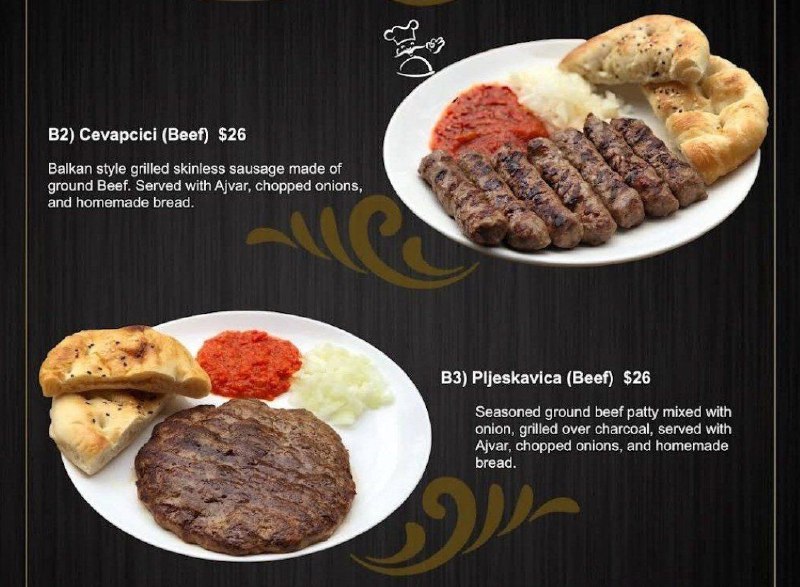
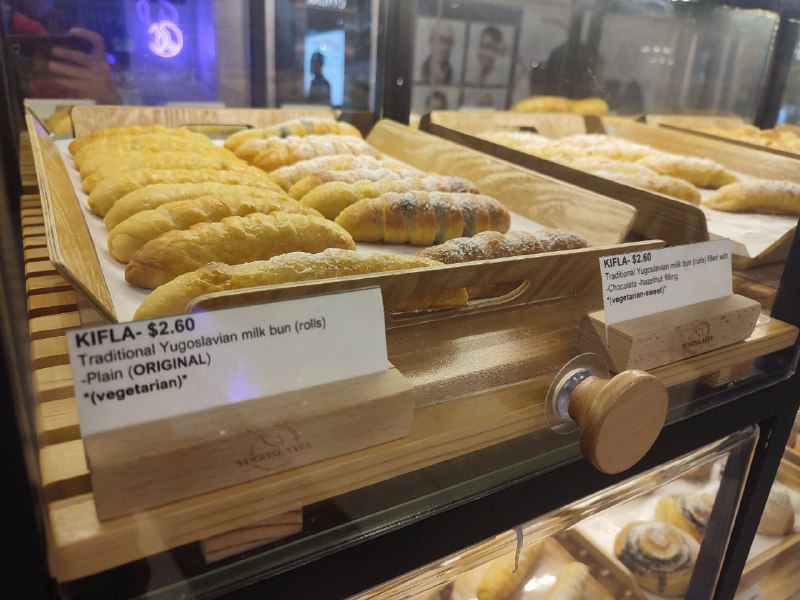
I seriously started to doubt that they actually brought me to Singapore. There's this bakery called Yugoslavia with ajvar and burek, opened by a Macedonian guy's daughter. Then these Bosnian guys are offering cevapcici for S$25 (€17) (honestly, I'd rather grab them in Serbia). We even had a really nice chat in Serbian :)
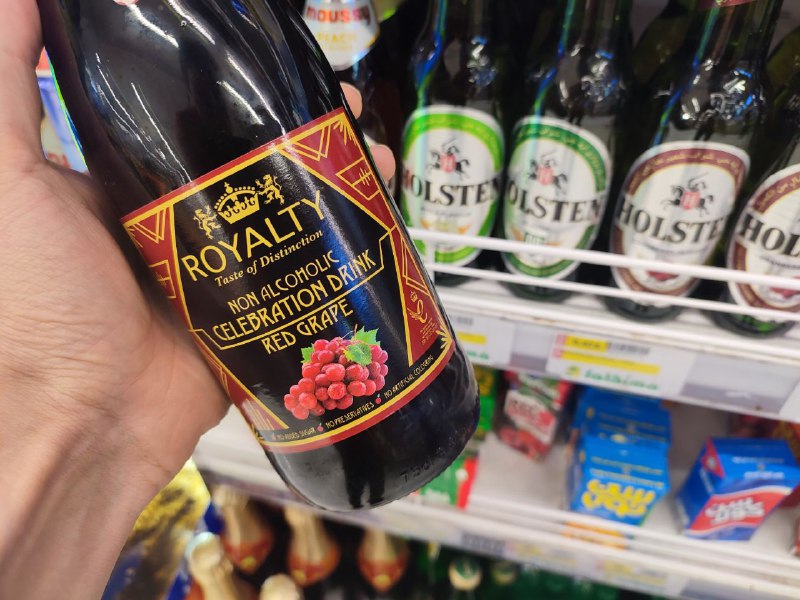
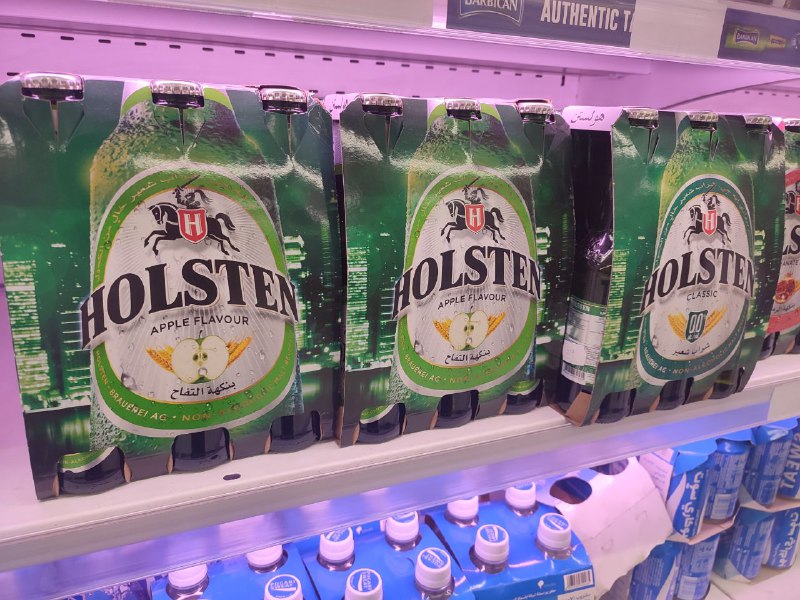
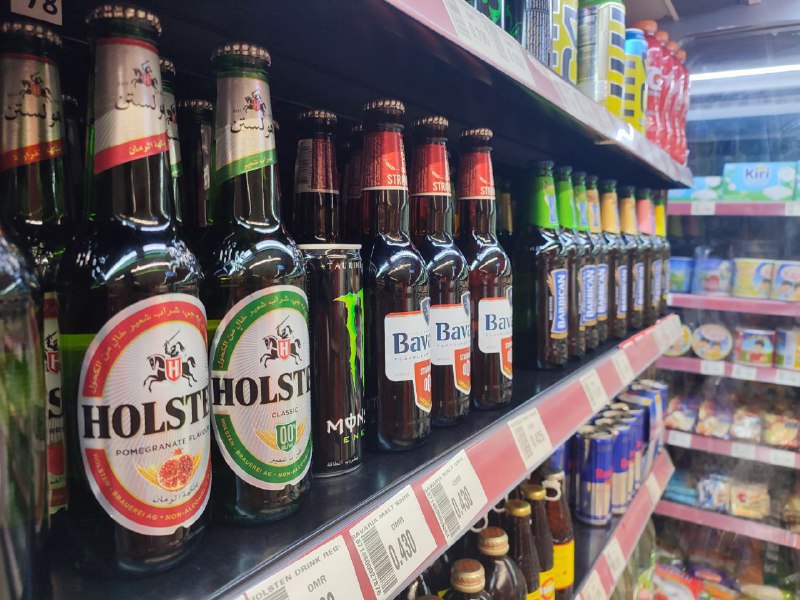
The selection of non-alcoholic beer and grape "celebration drink" in Muscat stores is really impressive :)
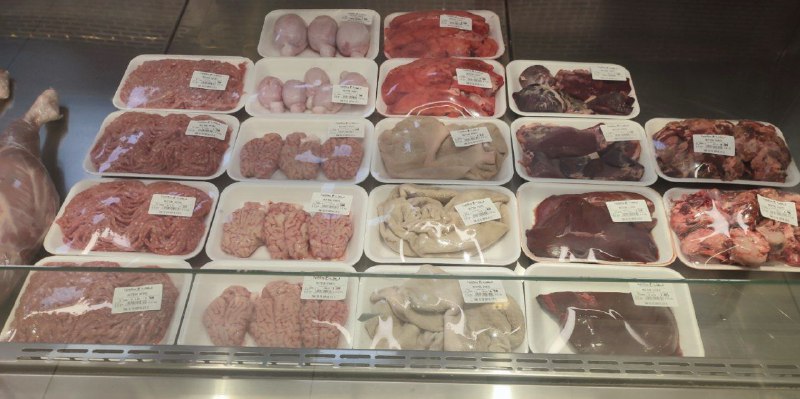
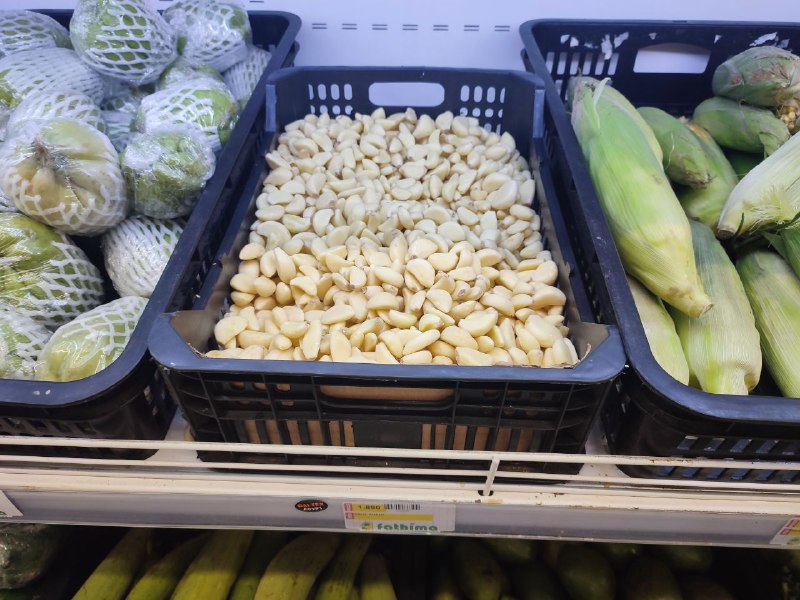
And I saw peeled garlic for sale for the first time. Plus lamb offal and other organ meats in a regular grocery store.
 United Kingdom
 Serbia
 Bosnia and Herzegovina
 Turkey
 United Arab Emirates
 Brunei
 Indonesia
 Malaysia
 Argentina
 USA
USA Morocco
 Georgia
 Egypt
Egypt Hong Kong
 China
China Vietnam
 Tunisia
 Montenegro
 Philippines
 Singapore
 Oman
Oman Algeria
 North Macedonia
 Lebanon
 Israel
 Albania
 Russia
 Tanzania
 Netherlands
 Spain
Spain Latvia
 Germany
 Belgium
 France
 Kazakhstan