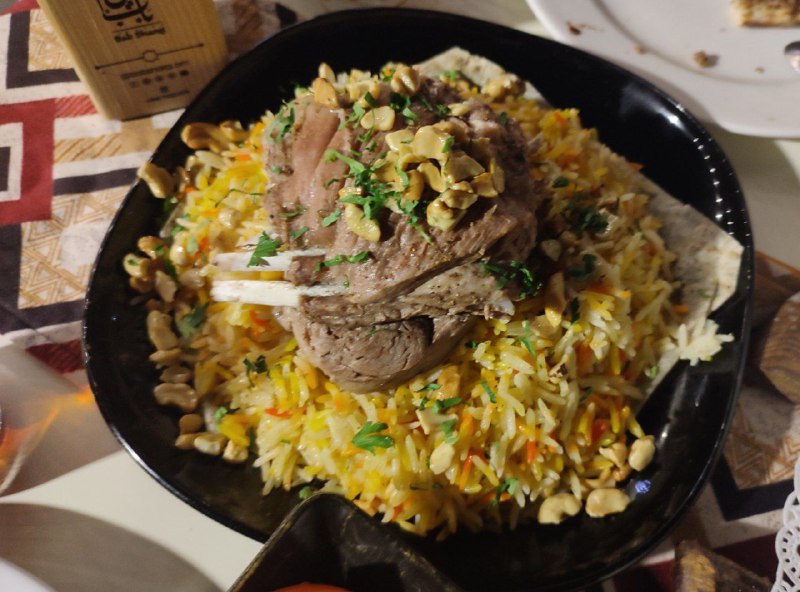
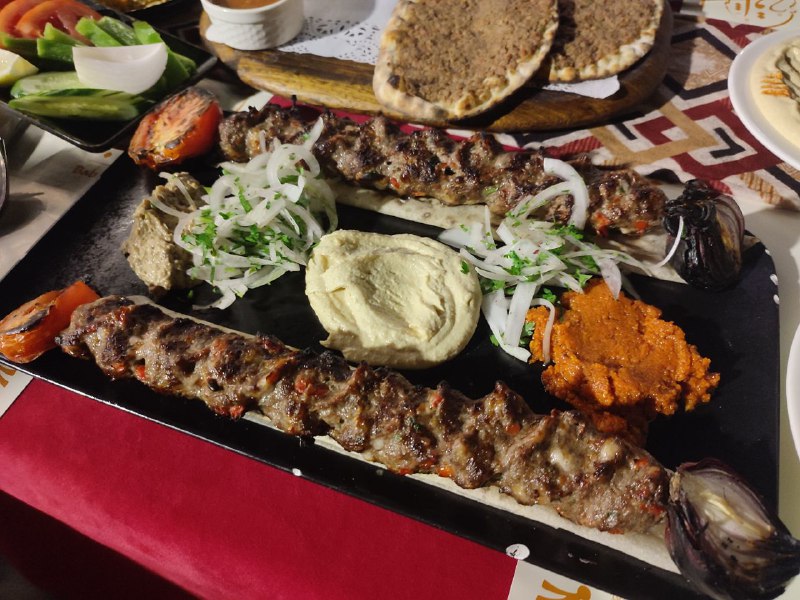
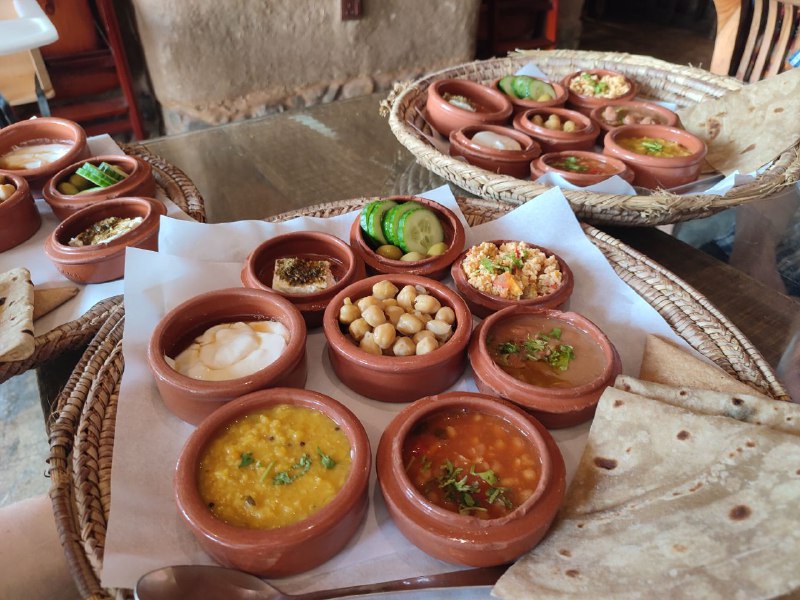
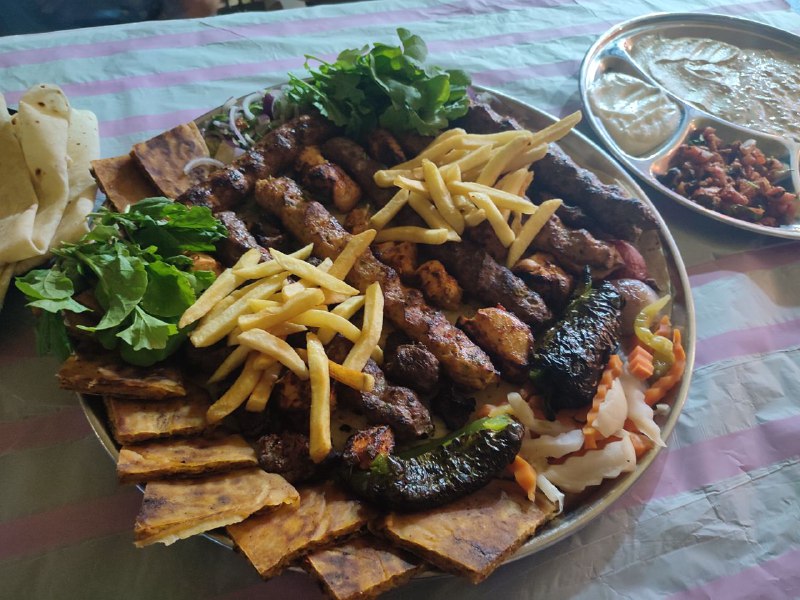
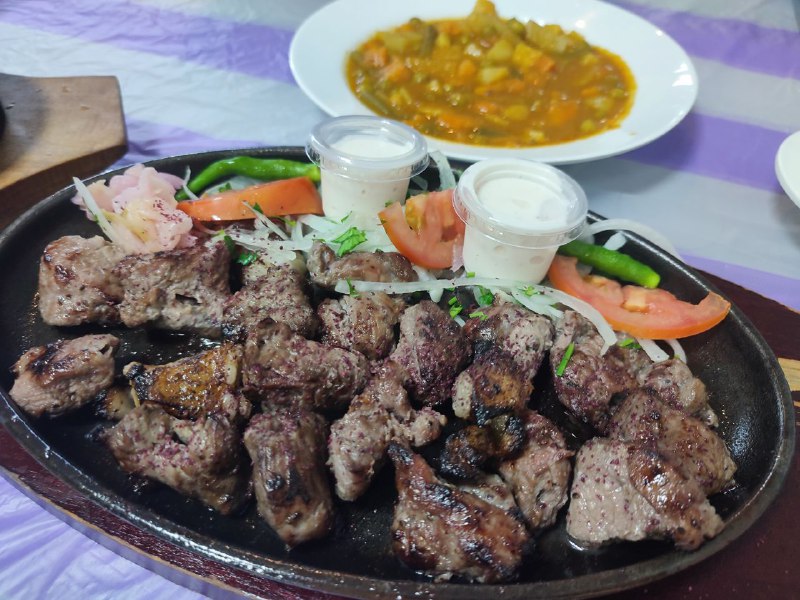
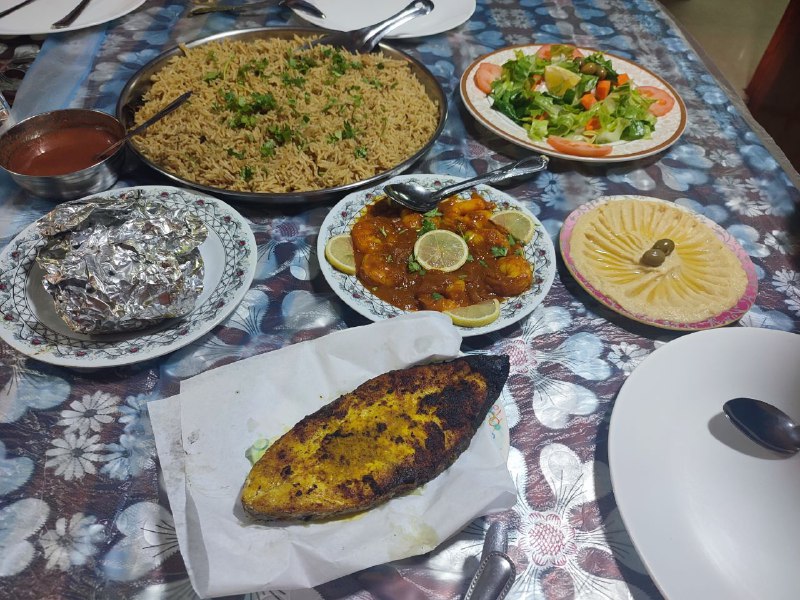
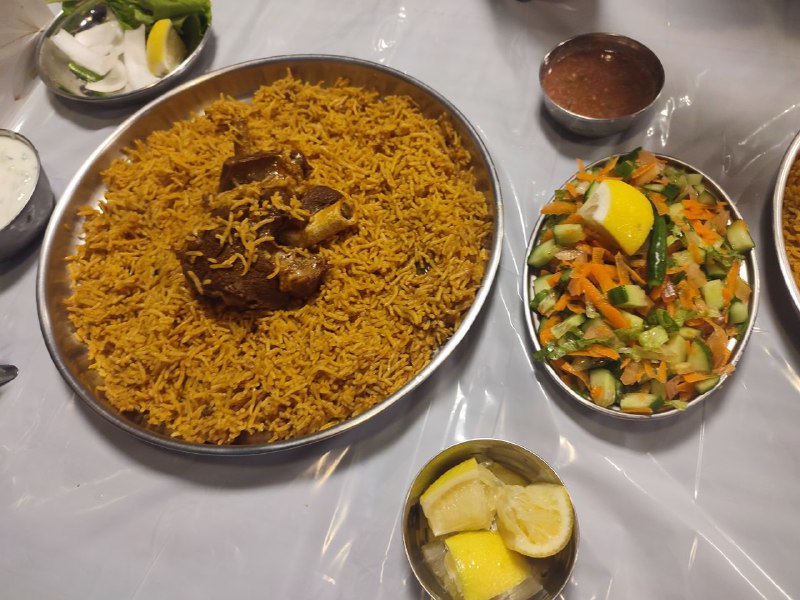
Finding good food in Oman is tricky. There are eating places everywhere, but picking something decent takes real effort. There are tons of cheap, sketchy little joints for workers with mediocre food and, let's say, unique décor—the kind where they feed you off a disposable plastic tablecloth (like they literally just ripped open a grocery bag and spread it on the table). It's mostly Arabic or Indian food. With insane amounts of rice (one serving is honestly enough for 3-4 people; locals often can't even finish it themselves). Turkish cuisine is popular too—well, the kebab version of it anyway—and yeah, that gets old fast.
Google Maps lies more here than anywhere else. A 4.1 rating could actually be better than a 4.8 if you compare similar review counts and price ranges. In Muscat,
tasteatlas recommends 2 places where the bill starts at $60 per person, and one cheaper option that's better left alone. The further you get from the capital, the more limited your choices become. Somewhere between Sur and Muscat, I really needed to find something to eat, but there was nothing but Pakistani cafeteria-level spots for miles around. To be fair though, even that place for (and I'm serious) 2 bucks a head went down just fine.
In the end, the best recommendations came from
r/oman discussions.
PS. If you happen to pass through, my top 3 are
number one,
number two, and
number three.
Even shopping at the store in Muscat is interesting!
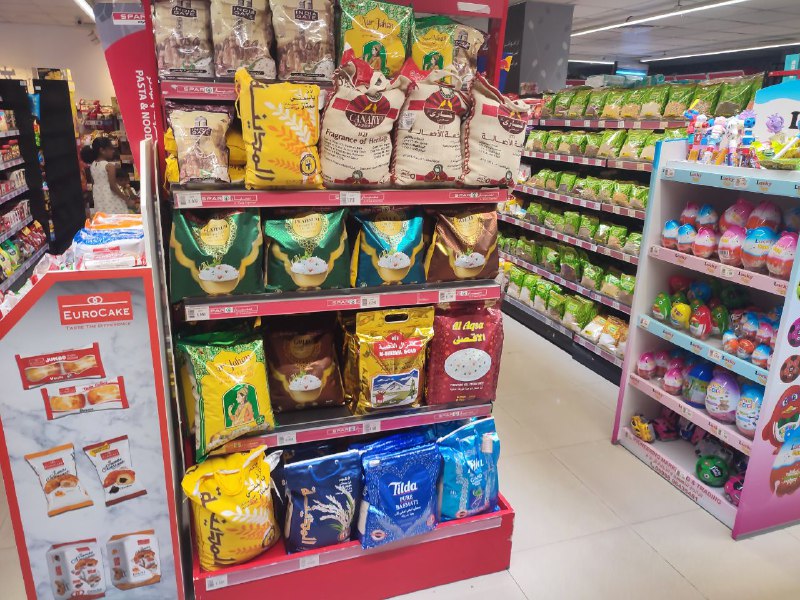
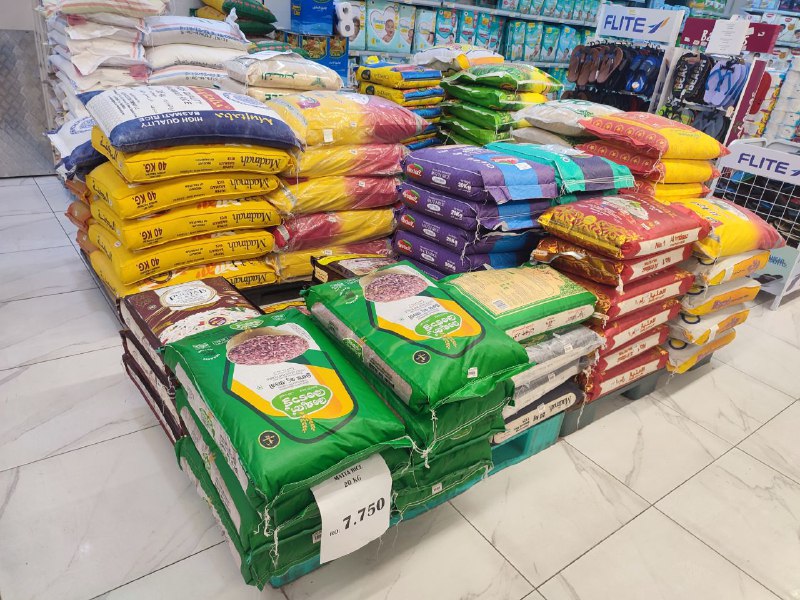
I popped into a regular supermarket and they've got rice bags in 20-40kg sizes. Even at Spar Express they sell 5kg packages.
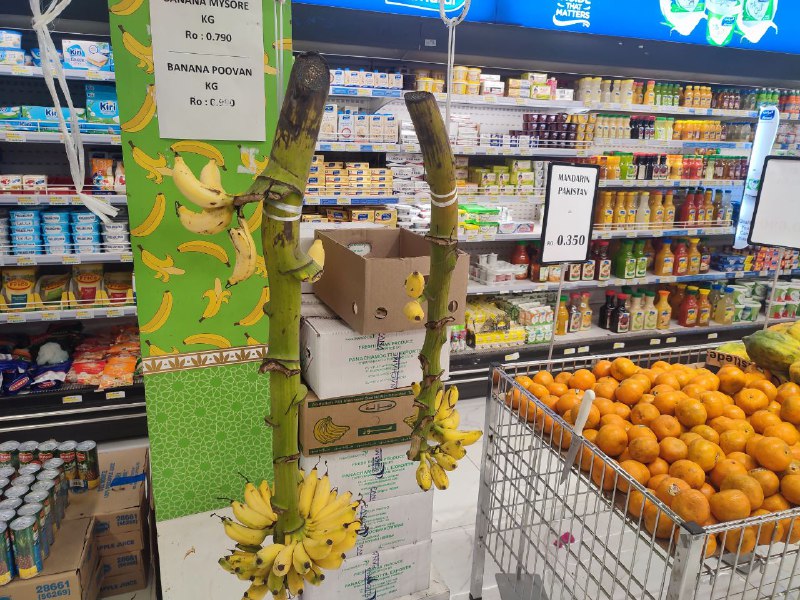
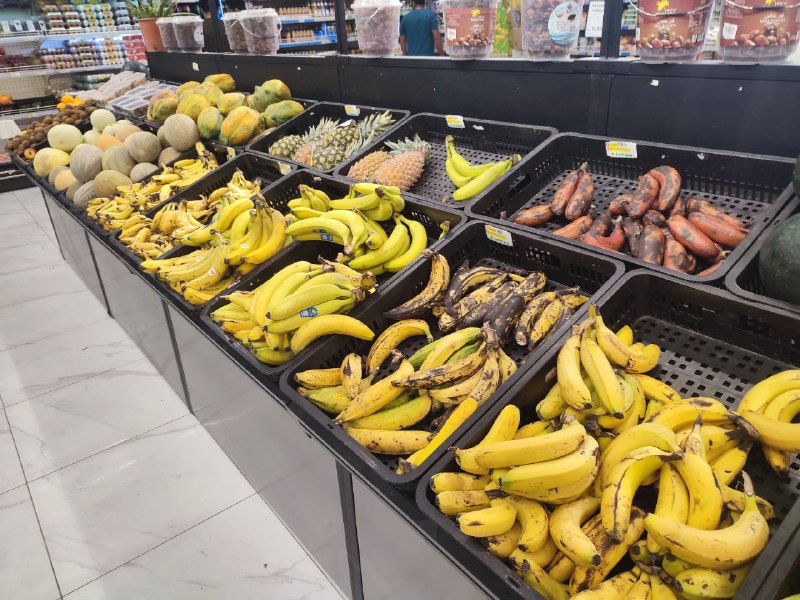
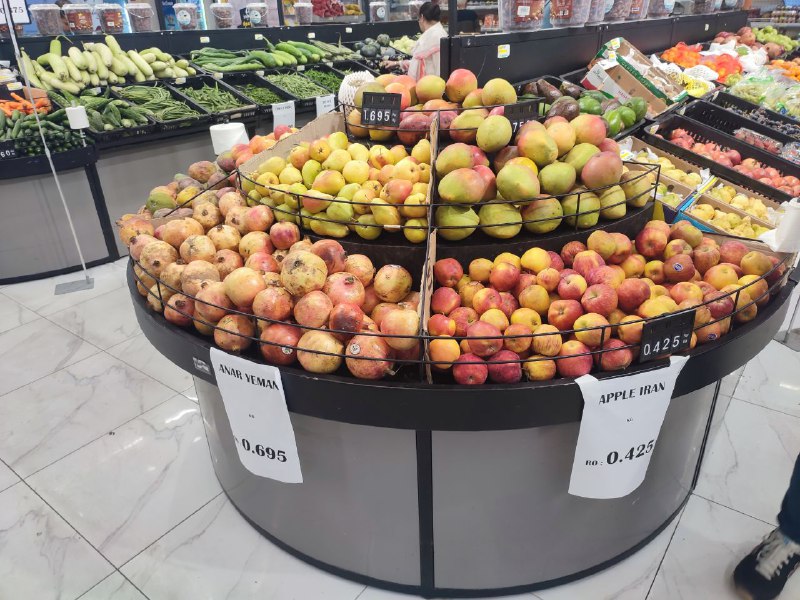
There are tons of overripe bananas. Literally melting in your hands. Give it a bit more time and they'll start fermenting. And it's not just one store that forgot to swap out the blackened ones. It's like this everywhere.
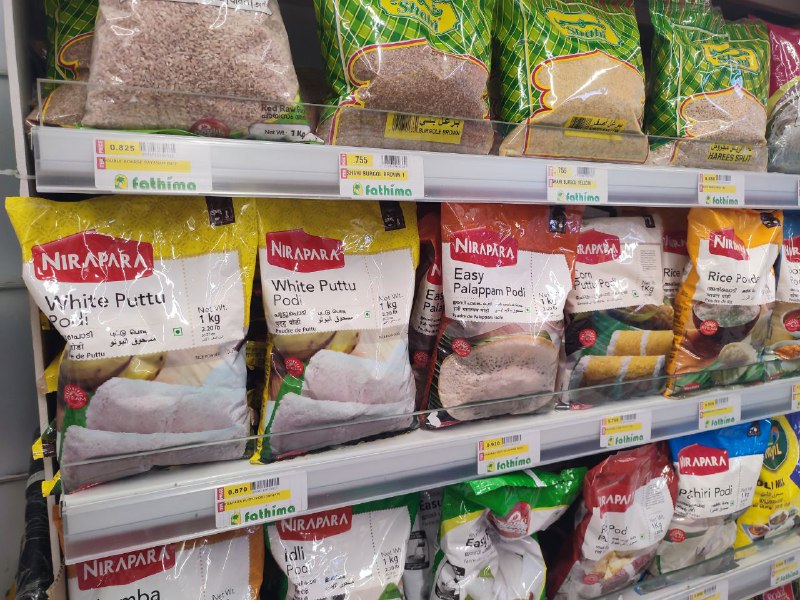
I especially love the prices with three decimal places. 0.725 and stuff like 0.855. I'll write separately about the money.
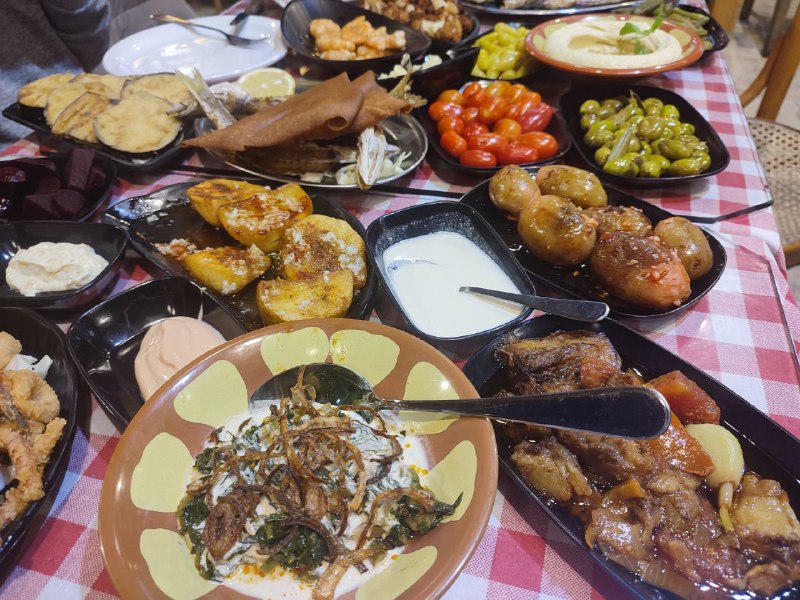
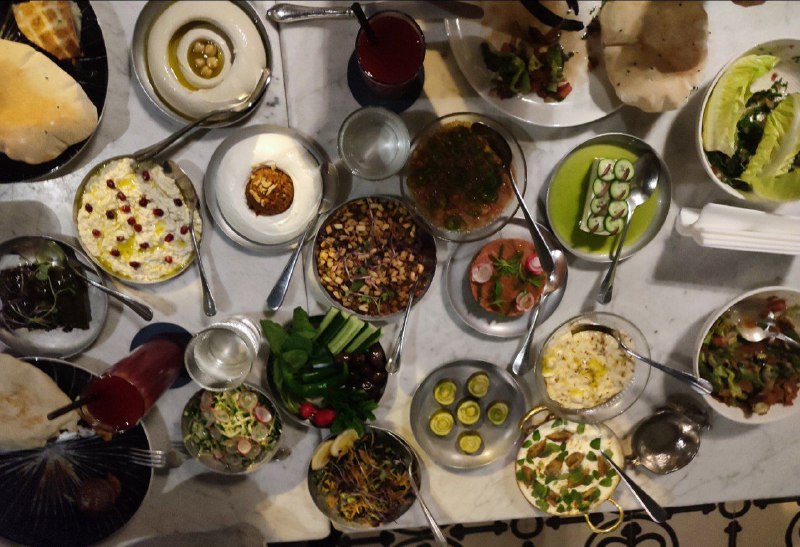
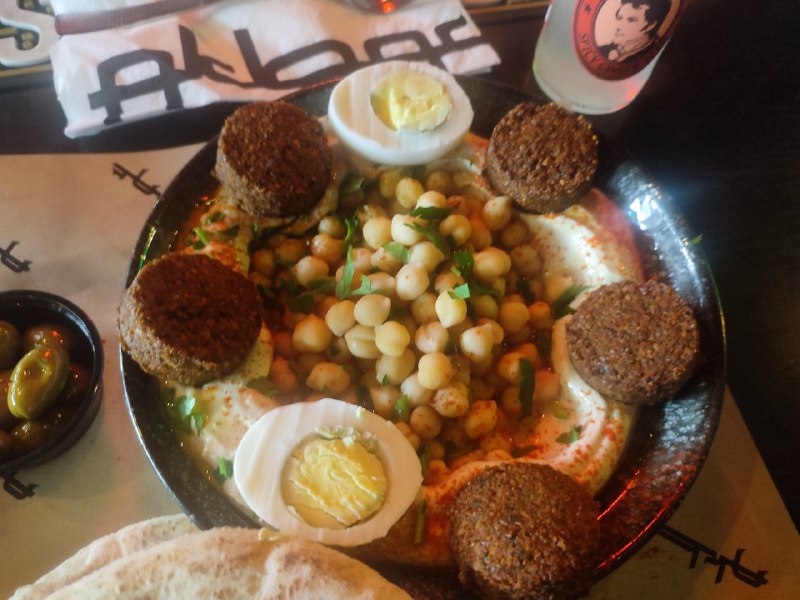
В Ливан стоит приехать хотя бы ради местной кухни. Она и выглядит потрясающе и на вкус бесподобна!
В стране вроде и кризис, но столик в приличном месте лучше бронировать заранее, иначе можно остаться без ужина.
Варианты есть на любой кошелек: от фалафеля за $2 в шаурмячной до безумного количества еды за $50+ на человека. Хотя в целом у меня не было впечатления, что тут как-то ультрадешево. Но практически везде вкусно. Всего пару мест попалось, где было так себе.
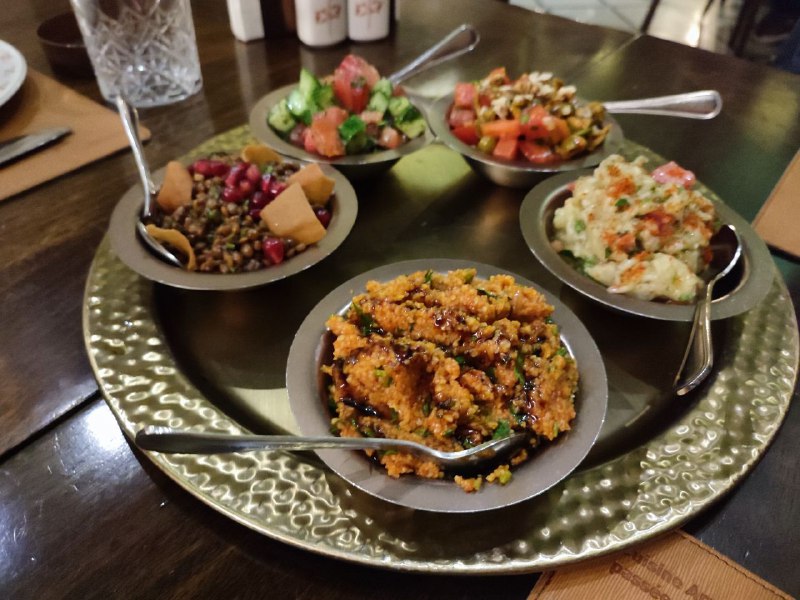
Фото где яблоку негде упасть, это не шведский стол. Это отдельный формат, где ты ничего не выбираешь из меню, а просто все приносят тебе
и смотрят как ты будешь справляться. У ливанцев, кстати, вполне неплохо получается осилить такие порции.
Большинство едален ставят на столы QR код со ссылкой на онлайн меню. Бумажное меню или делают с ценами в $ или вообще без цен. Спасибо волатильному курсу.
Теперьуменяоченьмногоразныхменю (:
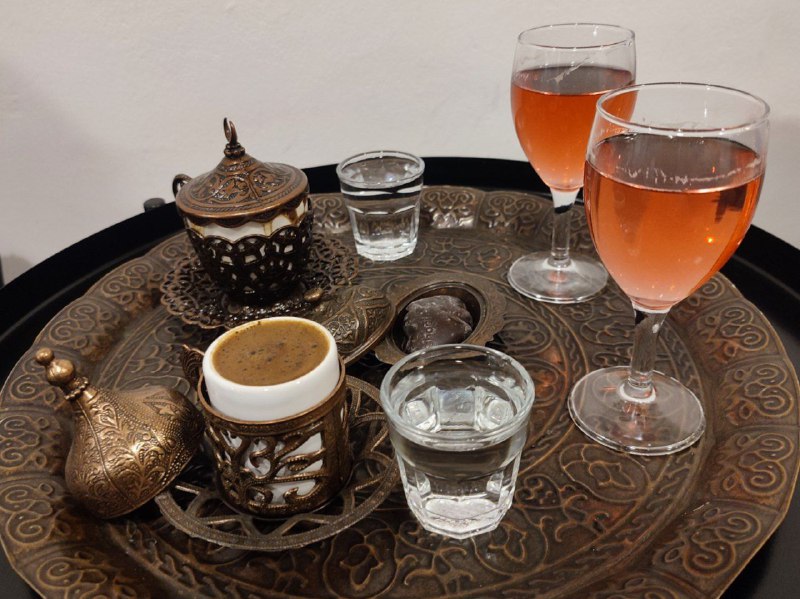
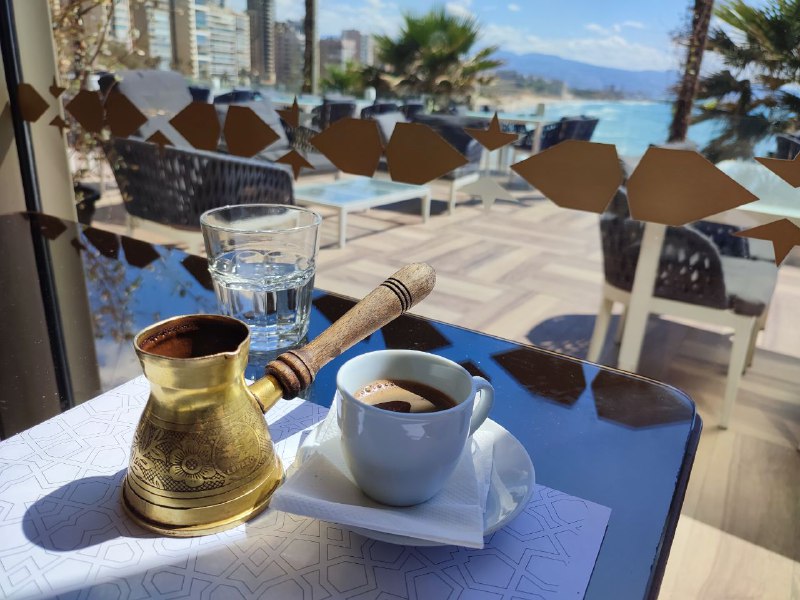
PS. Турецкий кофе тут зачем-то переименовали в ливанский ракве, хотя это просто местное название джезвы и рецепт отличается примерно ничем.
(translation pending)
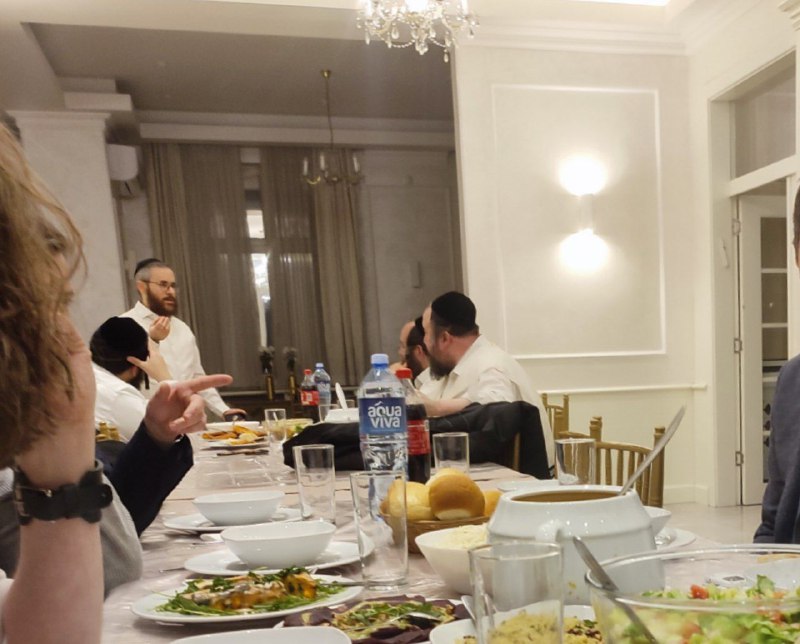
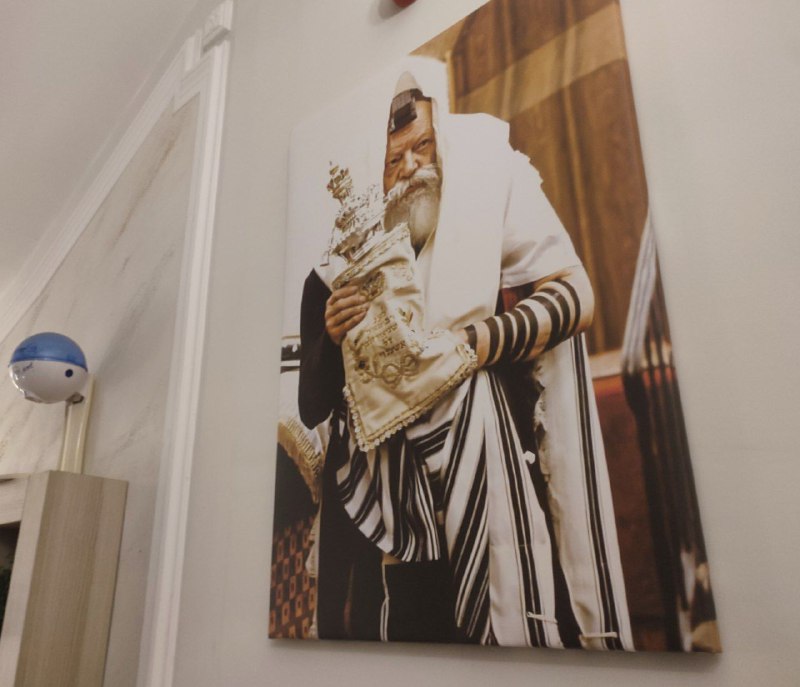
Not everyone can travel freely and effortlessly. For some, religion literally gets in the way.
A colleague visited us for a few days who eats exclusively kosher food. That would be fine, but there isn't a single kosher restaurant in Belgrade. This happens pretty often in cities with small Jewish communities.
One of the largest Hasidic movements figured things out and started opening
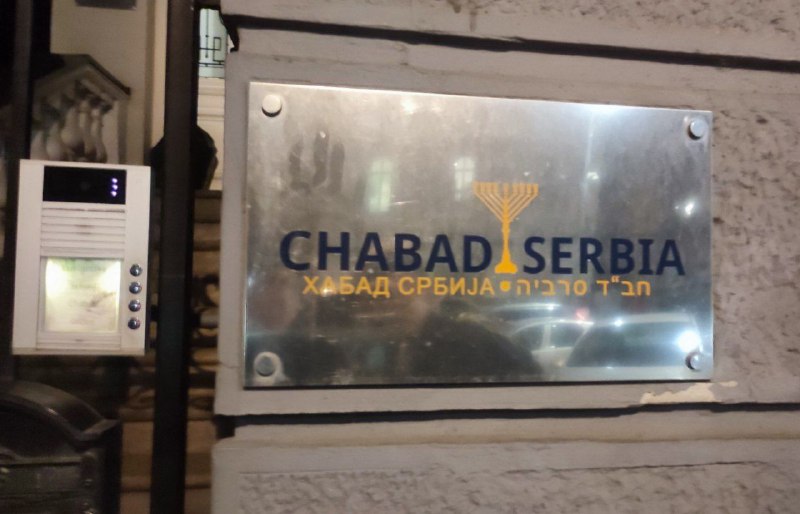
Chabad houses in different countries starting in the early 1970s. Today there are roughly 17,000 of them worldwide by some estimates. They welcome not just members of their own movement, but basically any Jews and interested people.
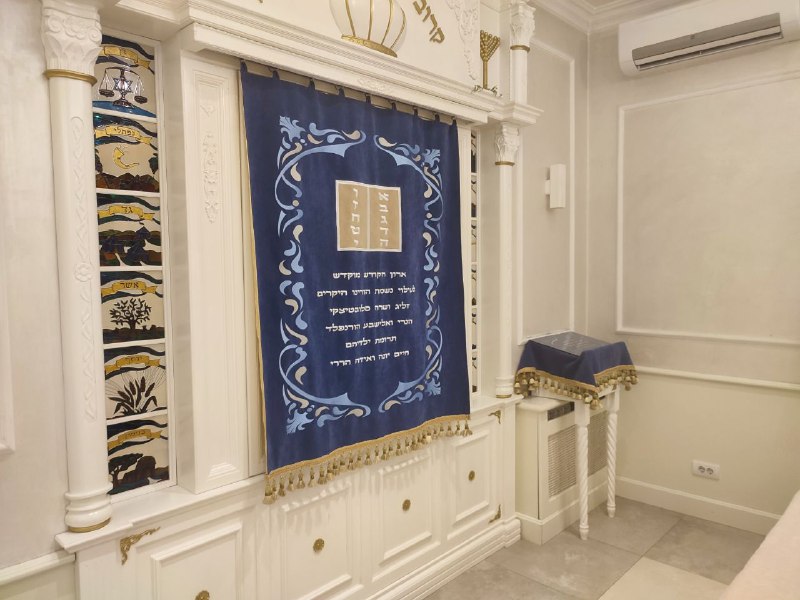
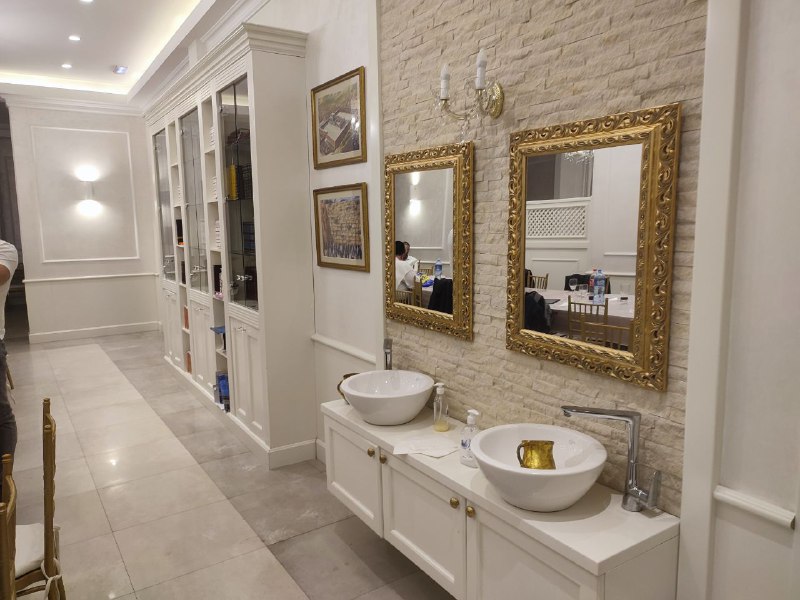
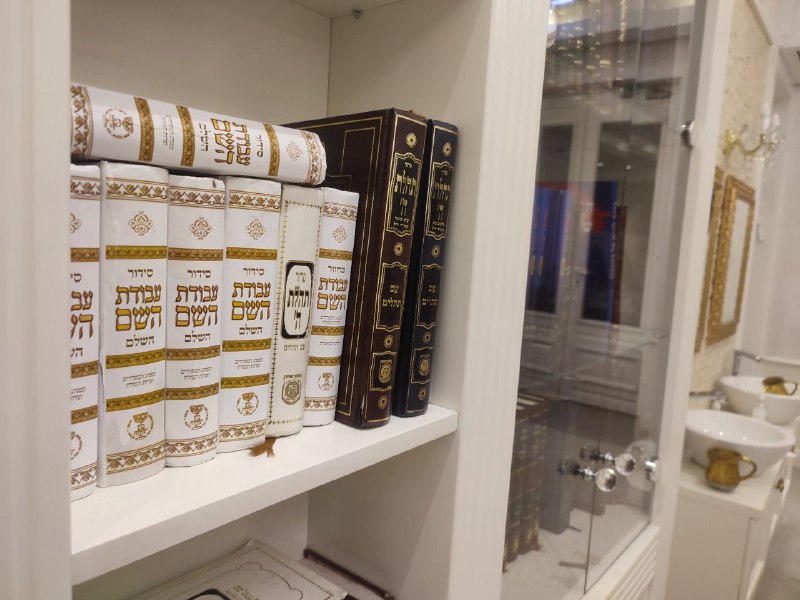
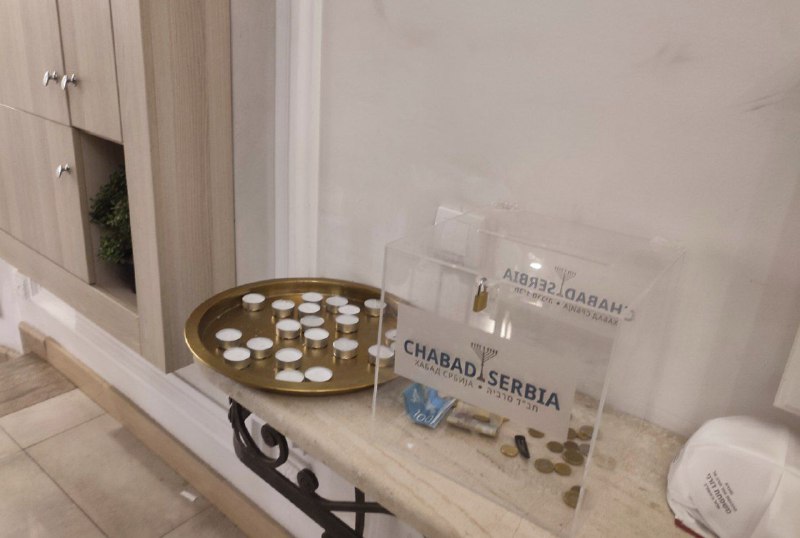
Often it's just a rabbi's house from the local community, with a prayer room for religious celebrations and other events. They also prepare kosher food for visitors and anyone who wants it there. Not for free, of course.
I don't know how it works in other places, but in Belgrade you can't just show up from the street for dinner. You have to book in advance. We went there to eat — it felt like stepping into a parallel universe. But the food was pretty good, really tasty.
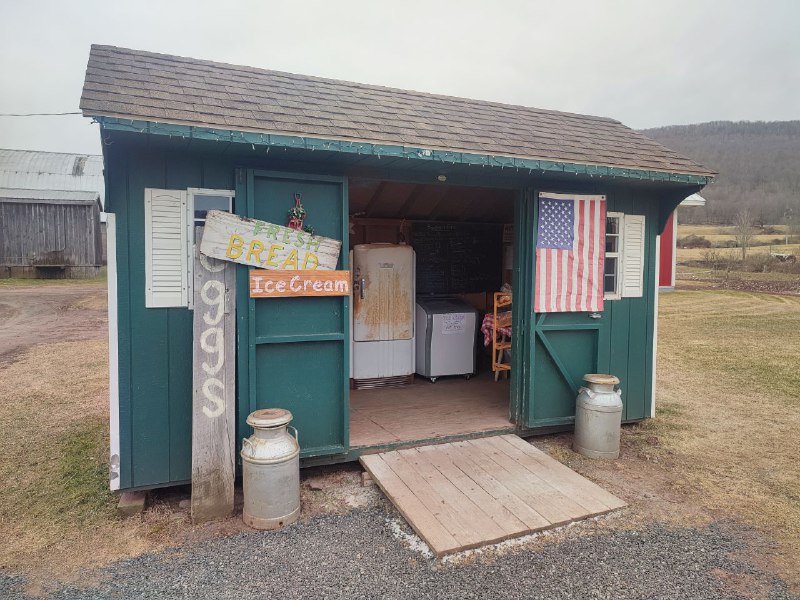
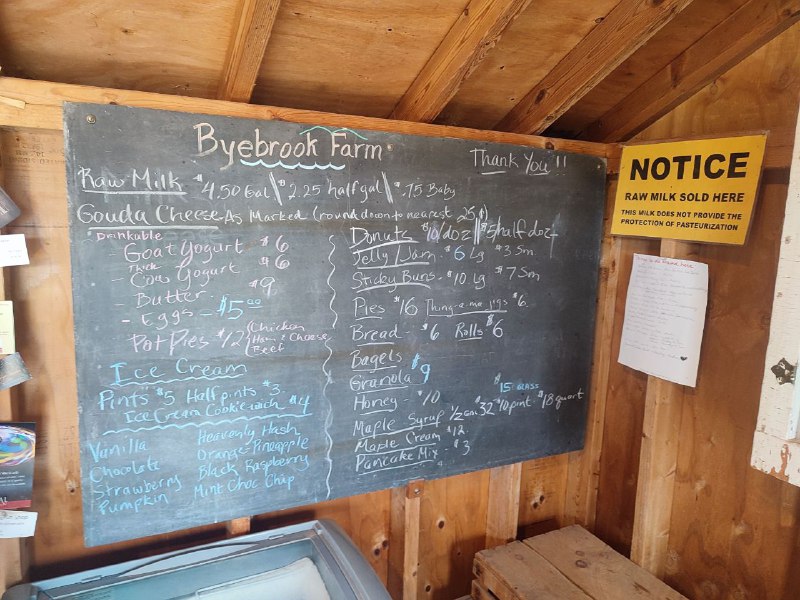
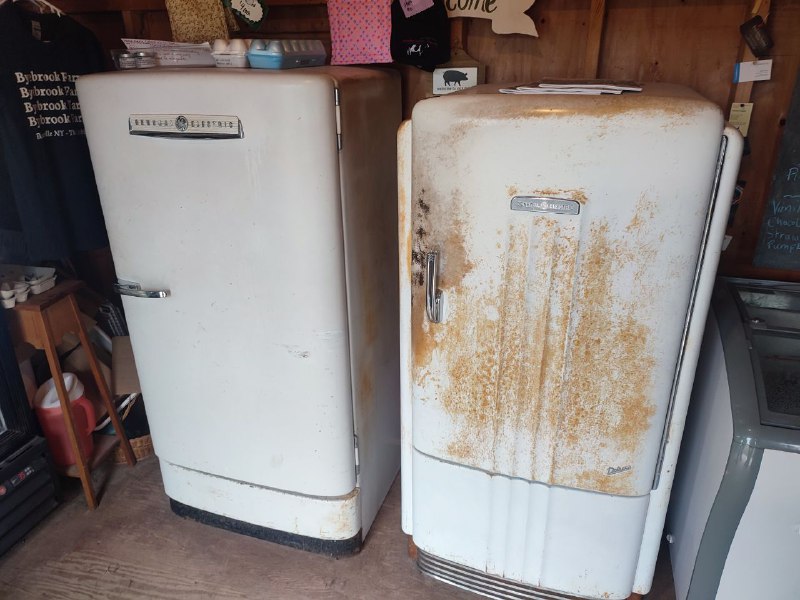
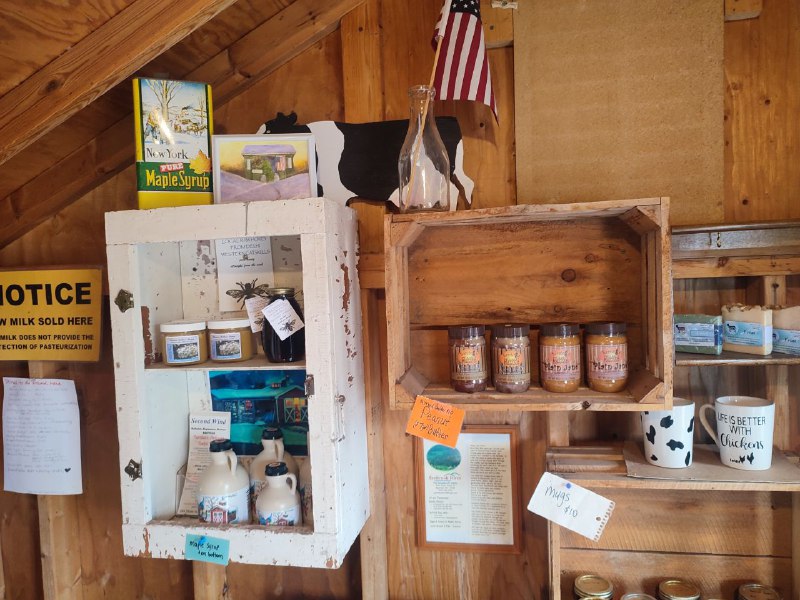
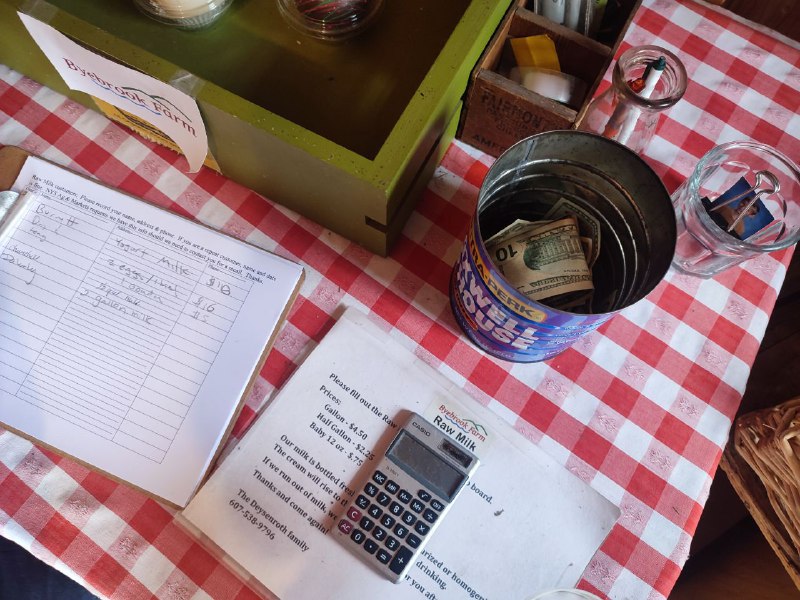
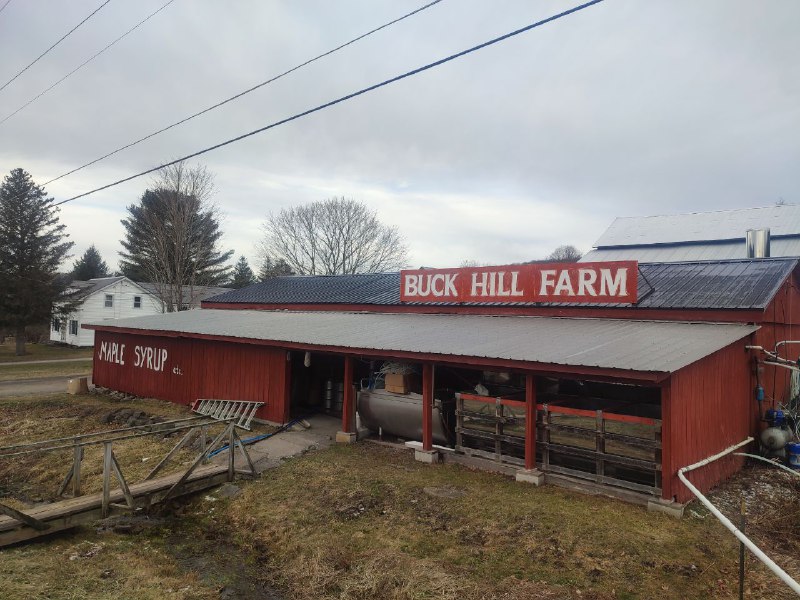
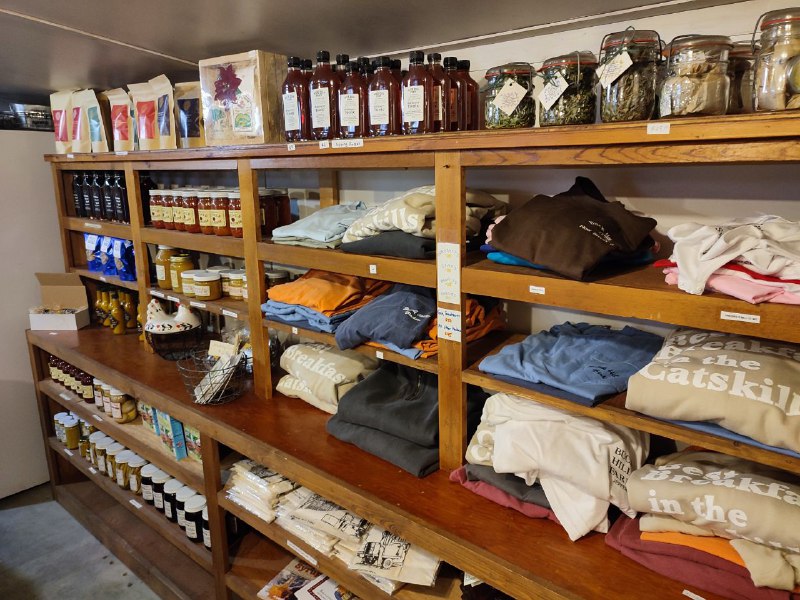
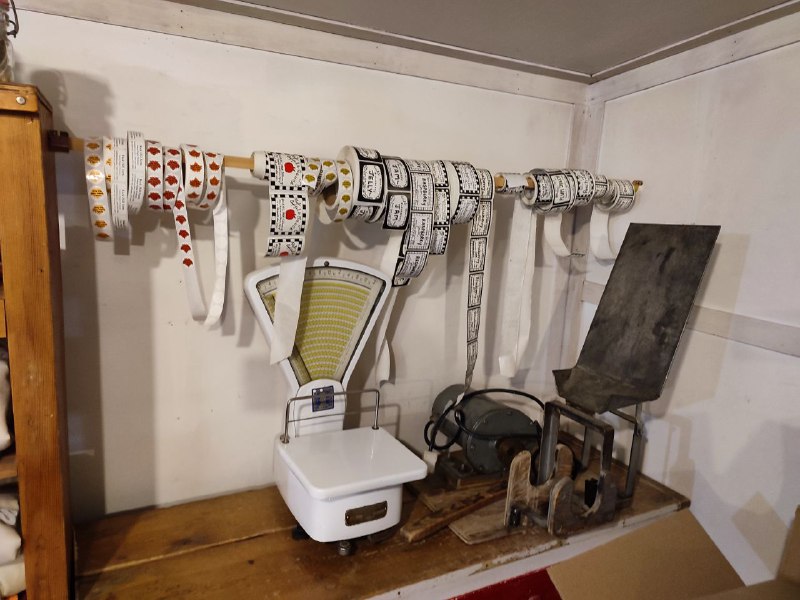
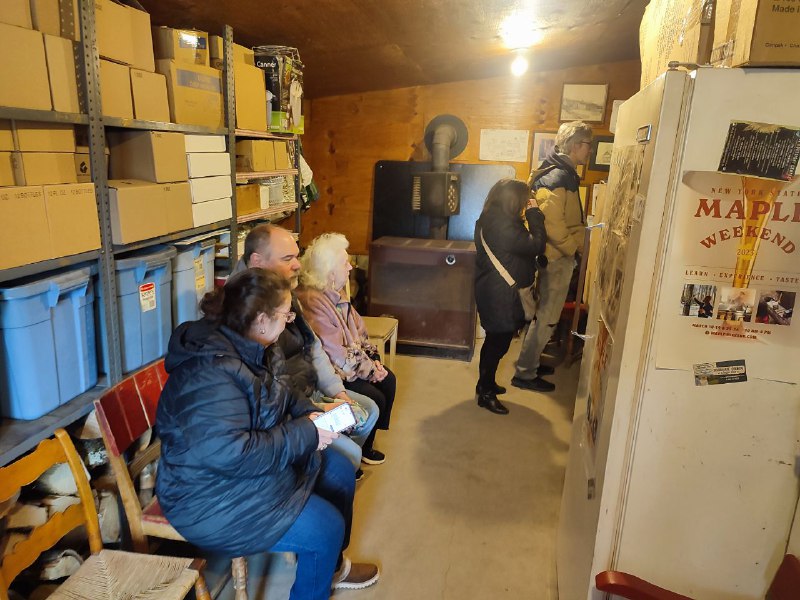
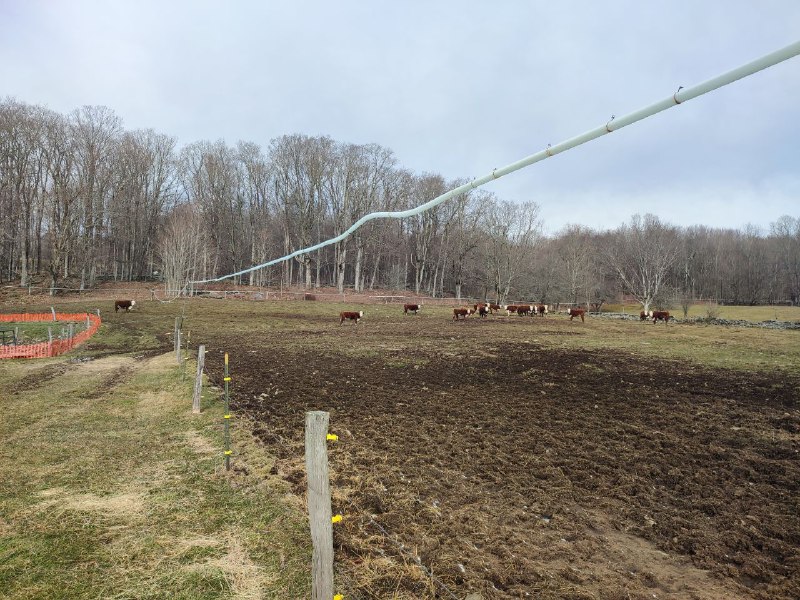
And here's the most surprising part — many farms have unmanned shops. You just walk into a tent, grab what you need, write down your purchases in a special notebook, leave some money, and head out. I thought that kind of thing only happened in the Swiss mountains. But nope. Just a couple hundred kilometers from New York City, they actually do this regularly.
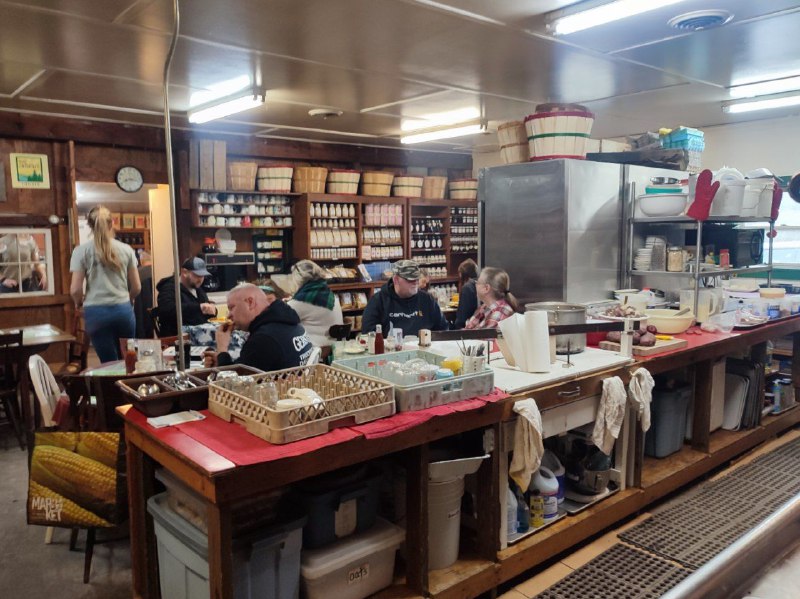
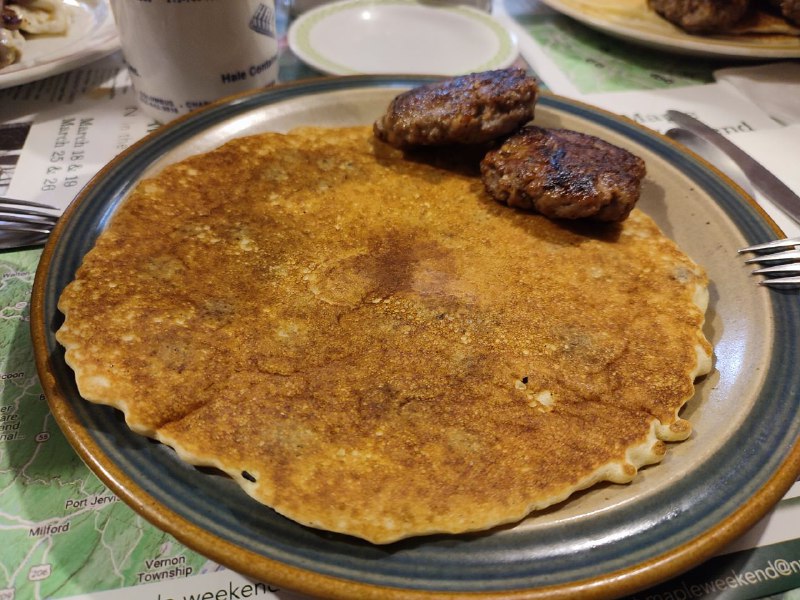
You can head out to one of the nearby farms for breakfast. There are plenty of farms around here, but not all of them serve breakfast.
That said, it's a pretty popular thing to do, so you don't want to sleep in too late—the later you arrive, the longer you'll probably end up waiting in line.
We got there at 8 in the morning and were first in line, but all the tables were already taken, so we had to wait a bit anyway. By the time we left, there were way more people. I've heard that during peak season, the line starts outside and can get pretty long.
The US is a very religious country. Sometimes this shows up in unexpected ways.
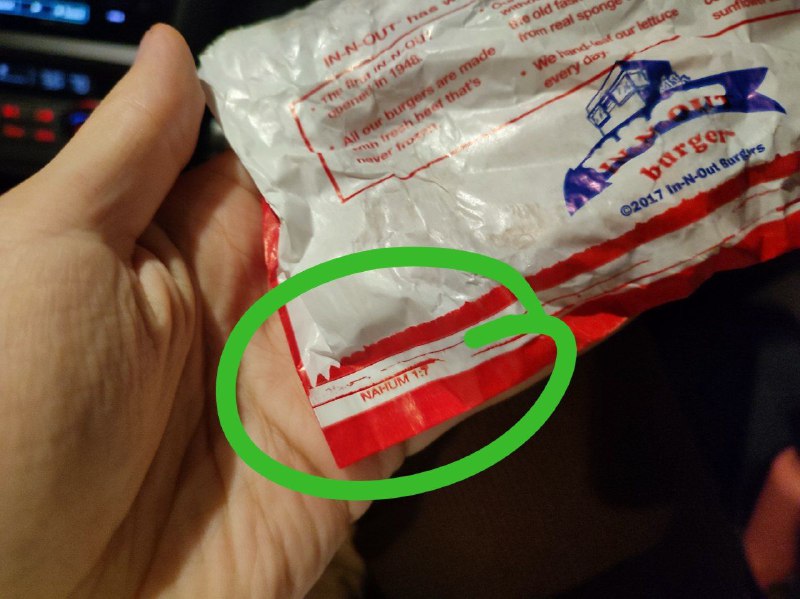
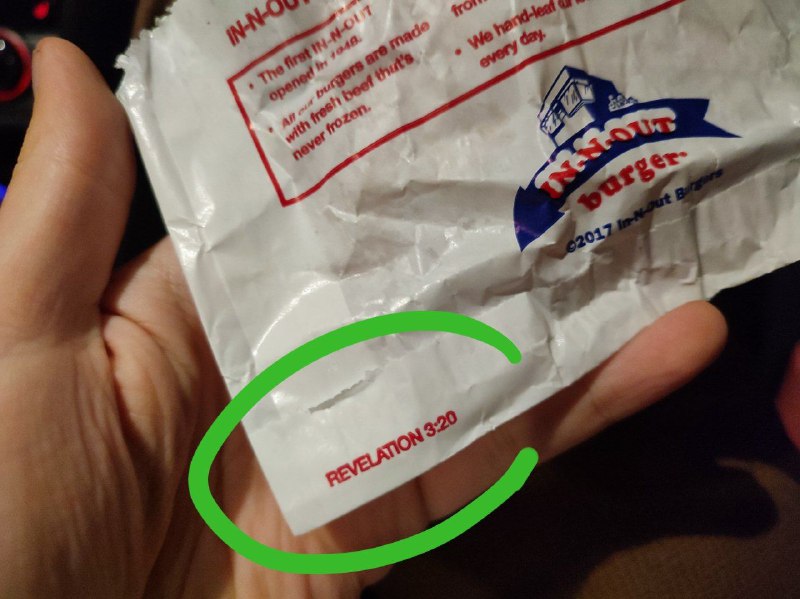
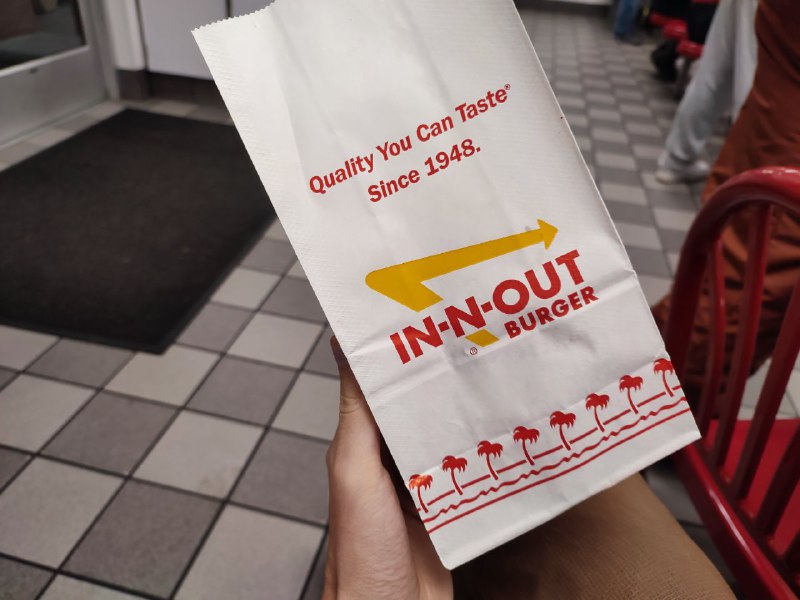
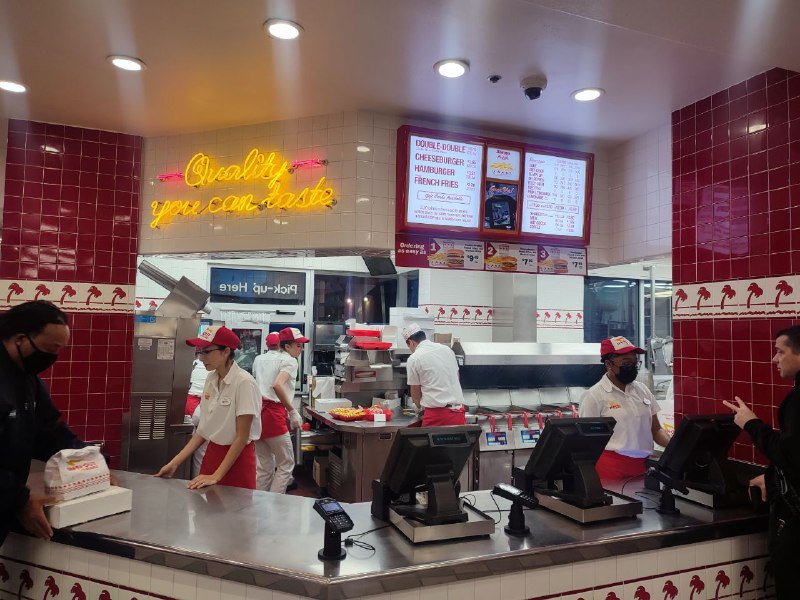
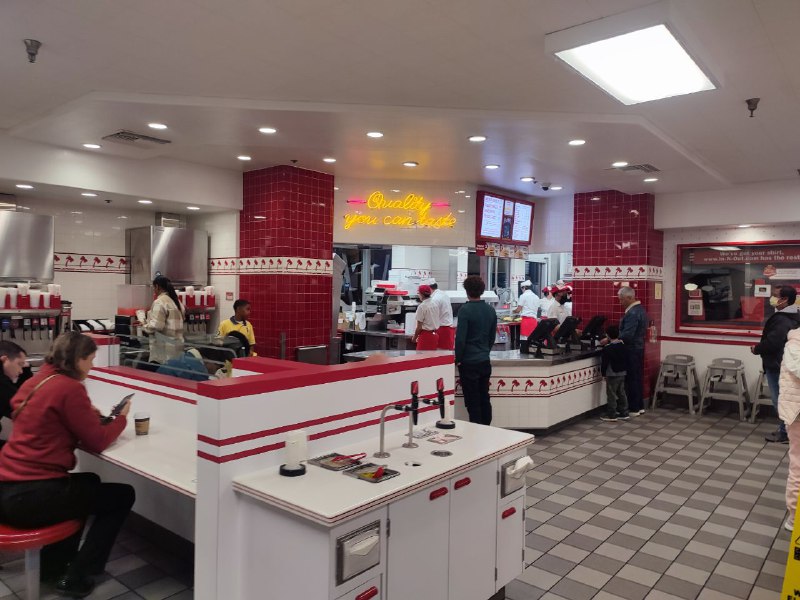
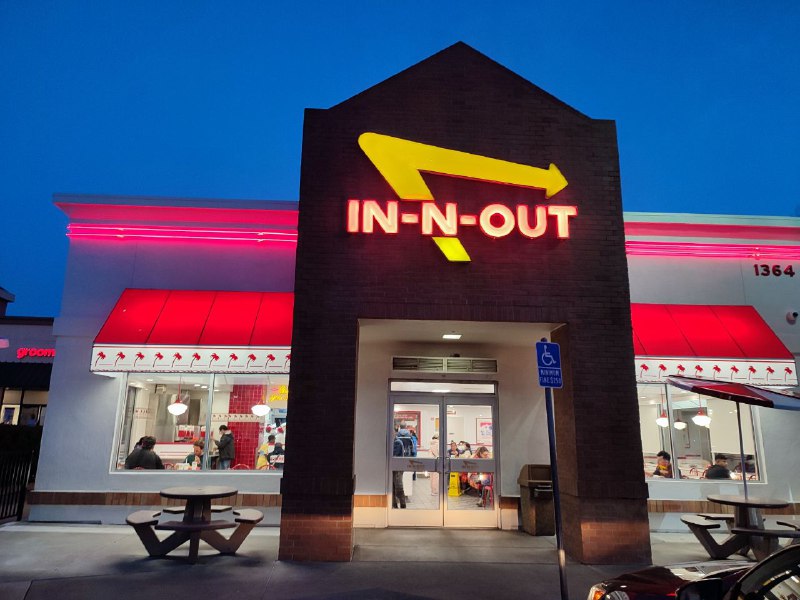
For example, the California fast-food chain
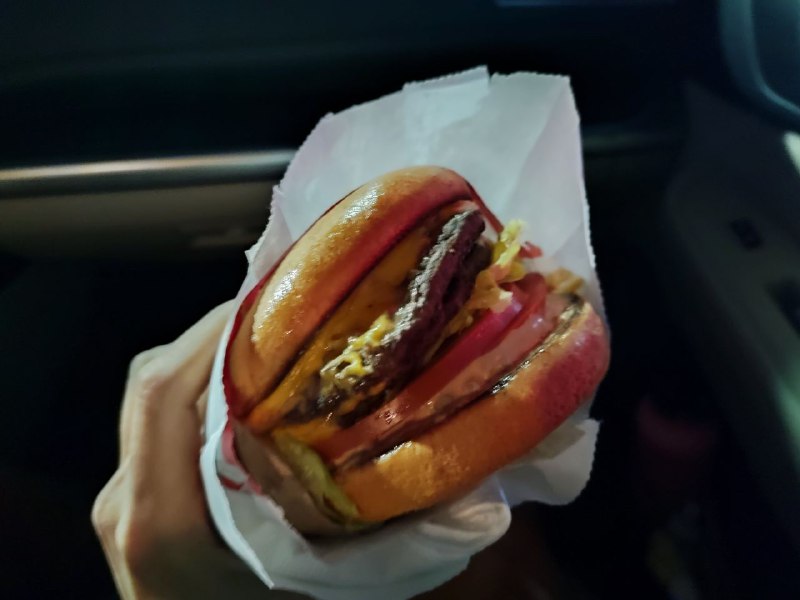
In-N-Out Burgers prints Bible verse references right on their packaging. I'd heard about this for a long time, but I finally saw it myself. It's actually true.
Since they're a private chain, they can do whatever they want without worrying about others. It's trickier for public companies, but some of them want to do something similar too. For instance, Alaska Airlines used to include prayer cards with the meals on their flights. But these guys trade on the stock exchange and have to listen to their shareholders. The shareholders started complaining that this practice might come across as disrespectful to people of other religions, and there are plenty of those in America. So they
ended a practice that had gone on for over thirty years.
PS. The burgers are pretty tasty though.
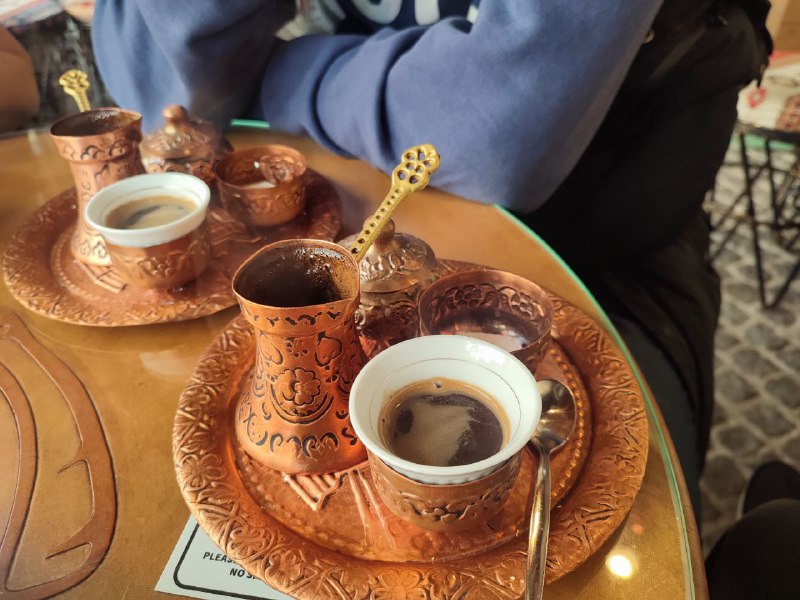
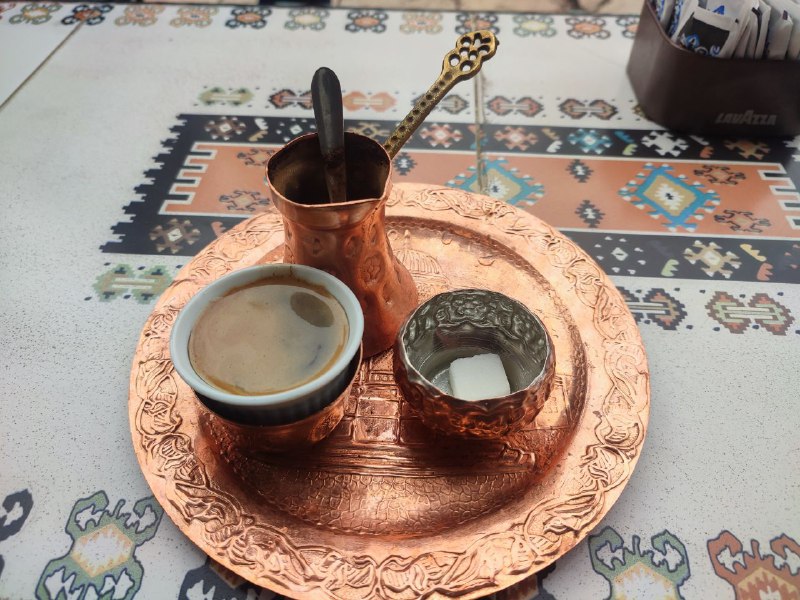
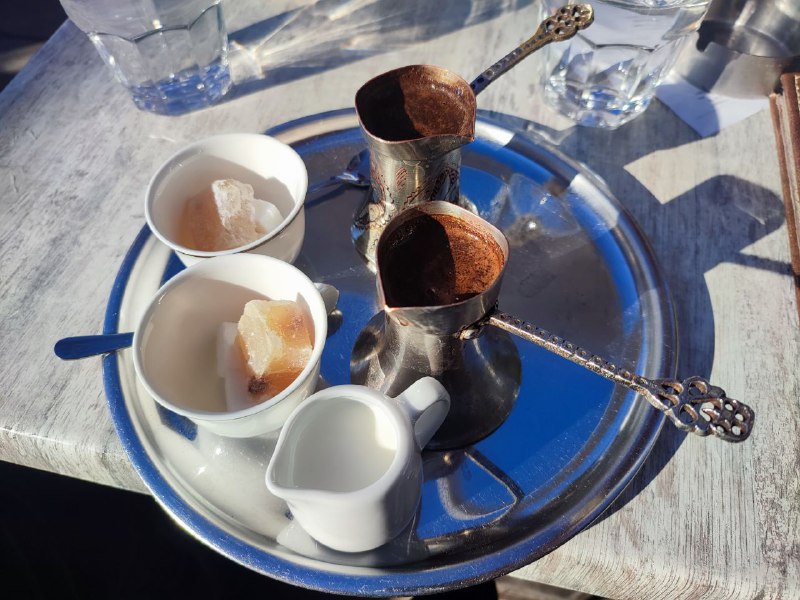
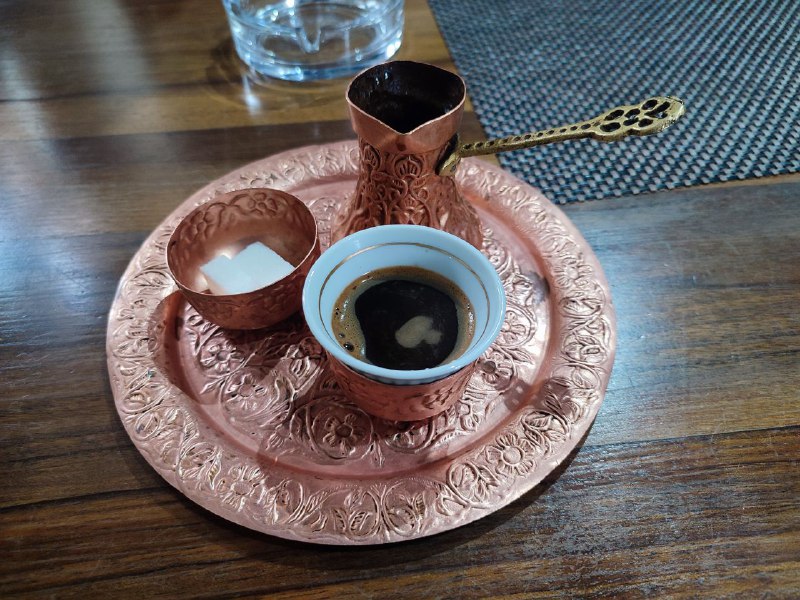
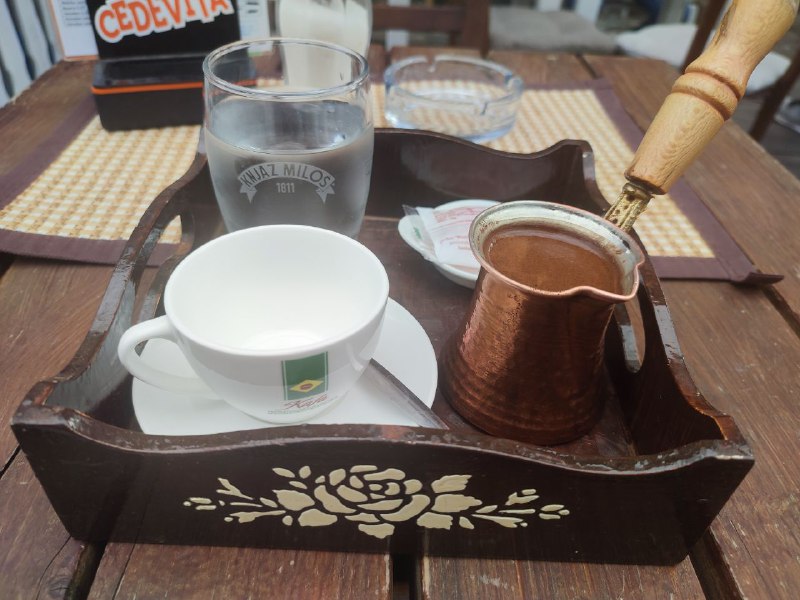
Turkish coffee here is brewed using a special recipe and they call it Bosnian coffee. During preparation, they first separate some of the water, then add it back to create a thick foam on top. It's believed this helps preserve the flavor and aroma better. They also apparently only use lightly roasted beans. And it's always served in a cezve with a teaspoon so you can stir the foam.
Honestly, it really does taste great. It's just a shame they don't make it in every café. In Sarajevo, you mostly only find it in the tourist center, while most other places stick to standard espresso and cappuccino.
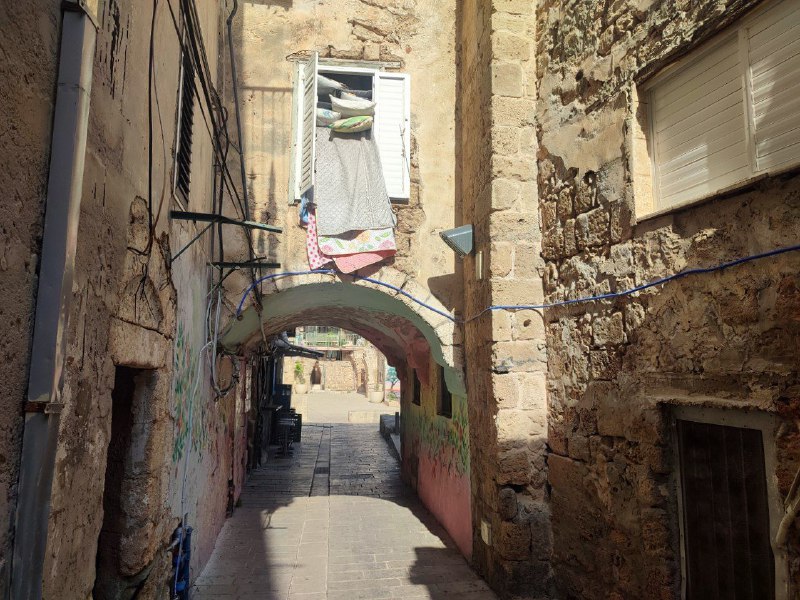
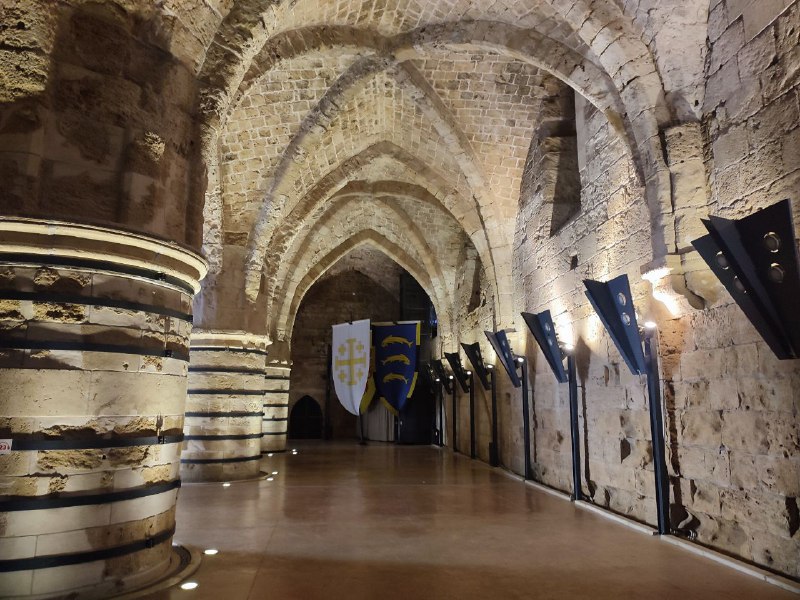
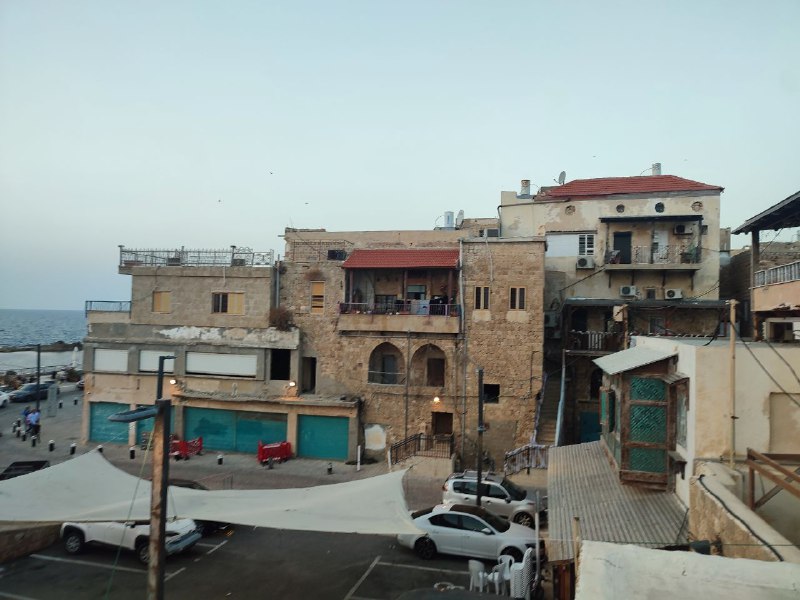
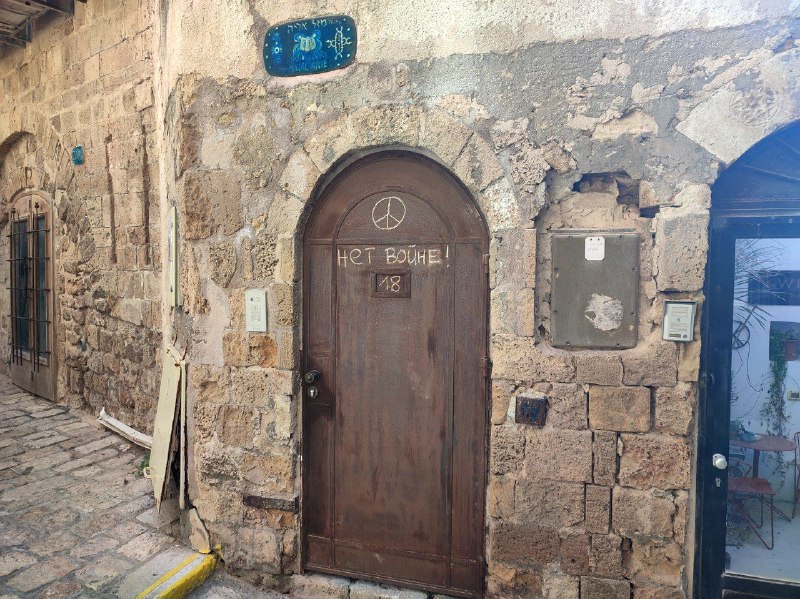
It seems like every country has that one small town with its own unique atmosphere that's completely different from everything else. In the old city of Akko, you really don't feel like you're in Israel at all (maybe I just haven't made it to Jerusalem yet)
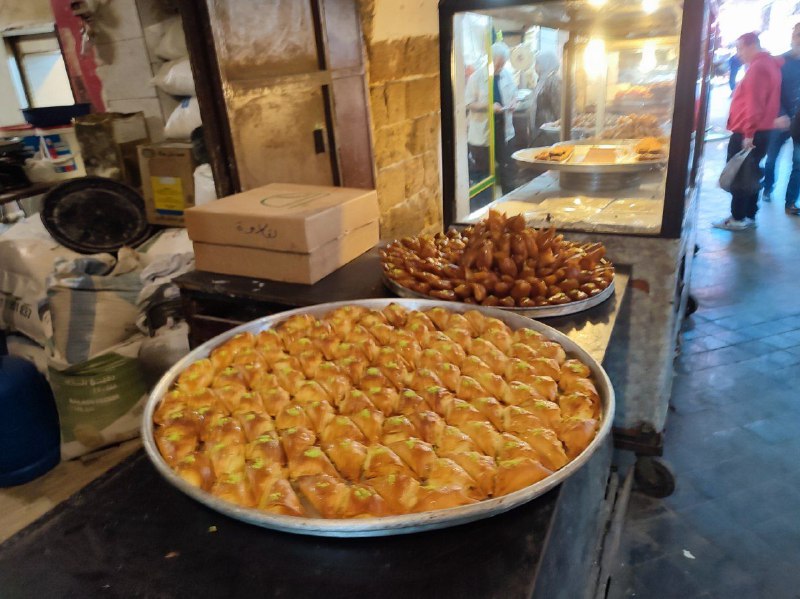
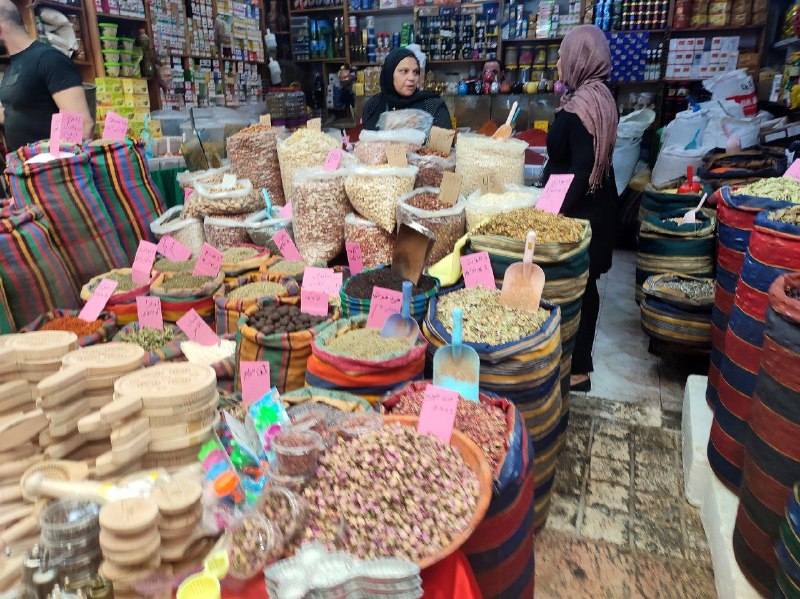
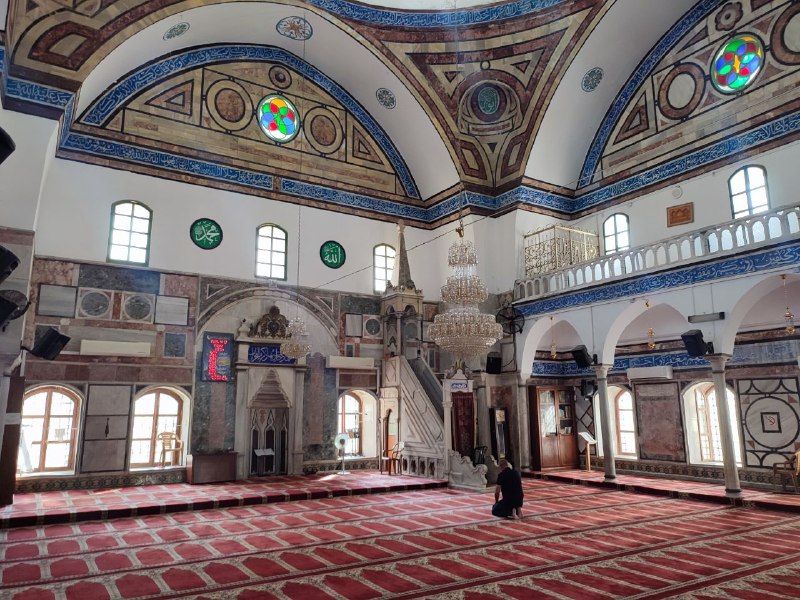
You constantly hear Arabic being spoken around you, there's this massive oriental bazaar in the center with an unforgettable spice smell, and mosques on every corner with the call to prayer echoing out. A lot of the signs are only in Arabic script, without any Hebrew at all.
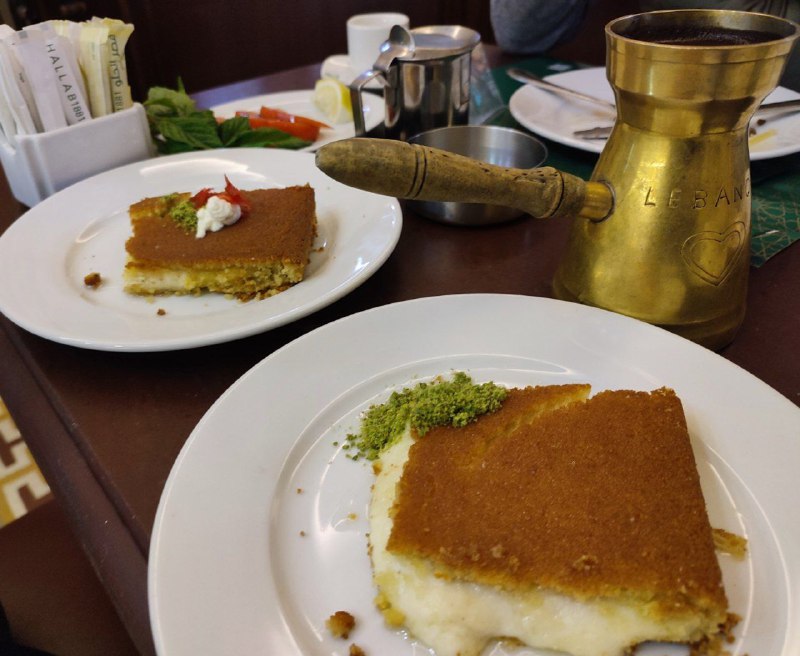
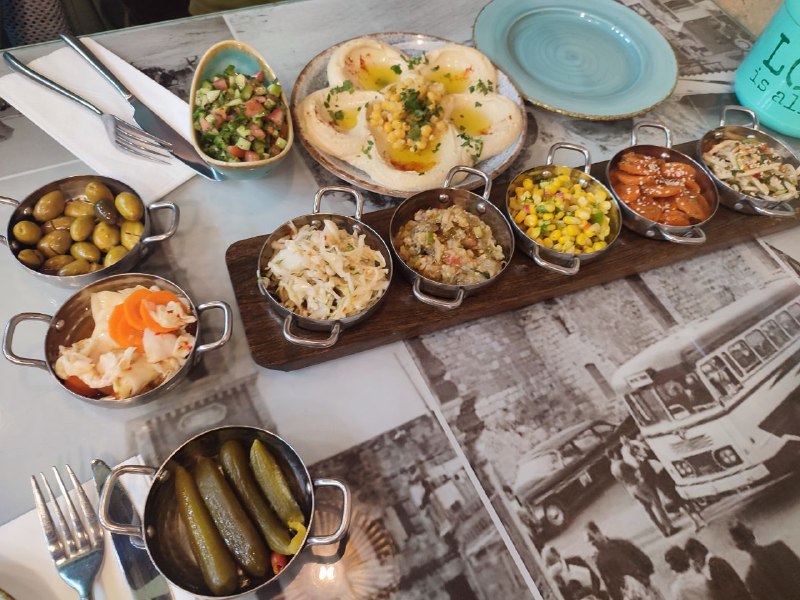
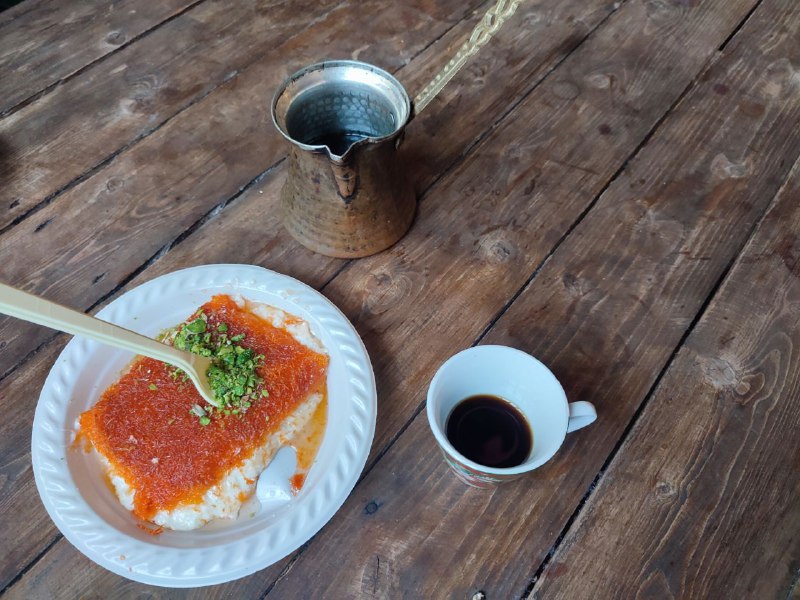
At the cafe, I actually had to dust off my rusty Arabic because there was no menu whatsoever, and I couldn't explain in English that I wanted something sweet with my coffee. But they understood the Arabic just fine. By the way, I really recommend trying the local
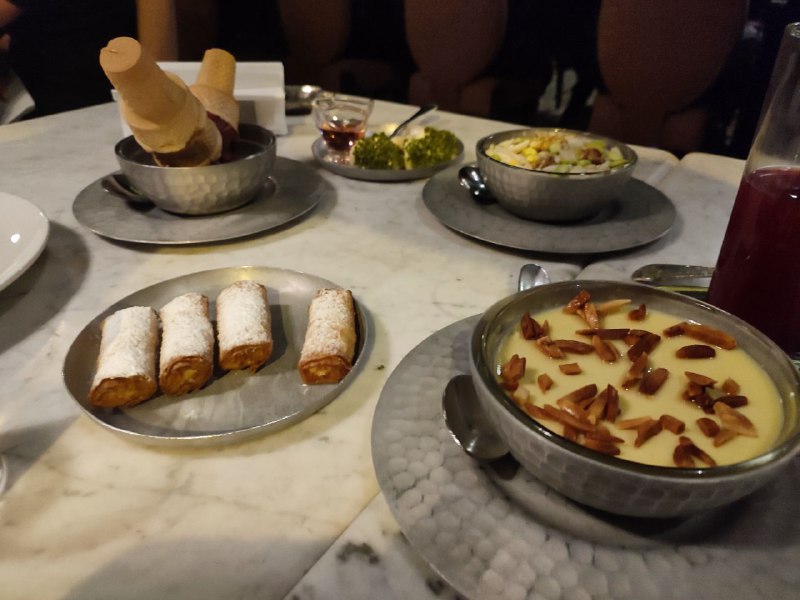
knafeh (that's the one in the photo with the drink).
I'm really into the Middle Eastern vibe here. It feels cozy and homey.
So far, the main thing that strikes me is how expensive everything is (especially after Belgrade). You could brew three local coffees in Serbia for the price of one here. Cafes are about twice as expensive. Even street food doesn't really help. That said, everything tastes amazing.
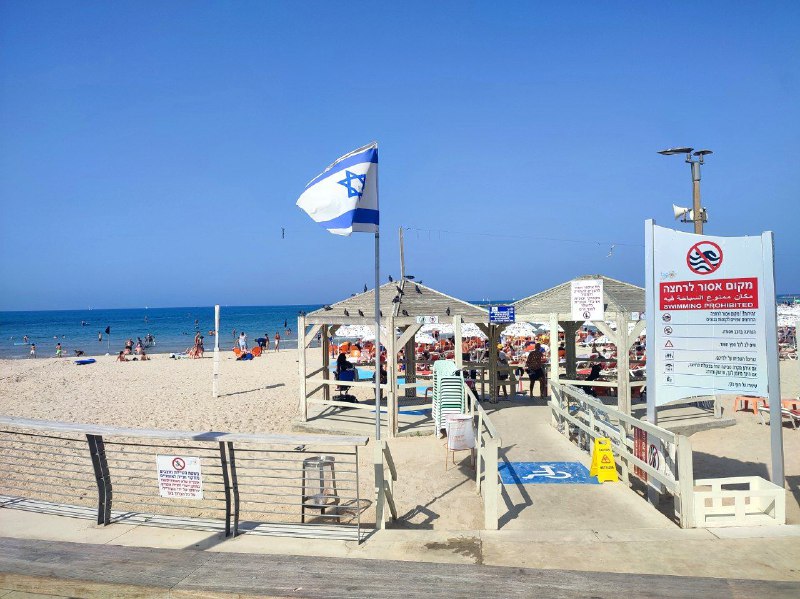
I need to figure out the local rules. For example, there's a sign at the beach entrance that says "no swimming." And there are tons of these signs all along the coast. But right behind them there's a crowd of people swimming. Though maybe they're not actually swimming, just splashing around. Those kinds of details matter here :)
That said, Turkish coffee and other cappuccinos are made really well in plenty of places around here.
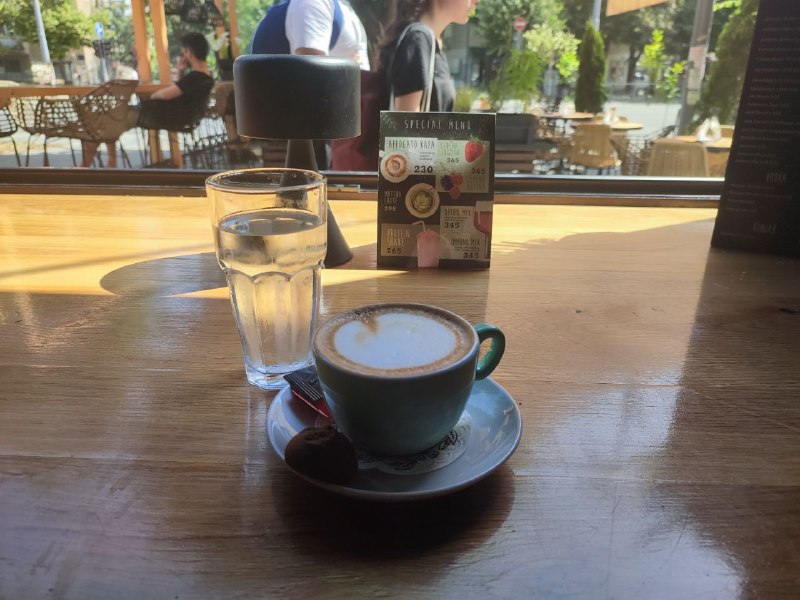
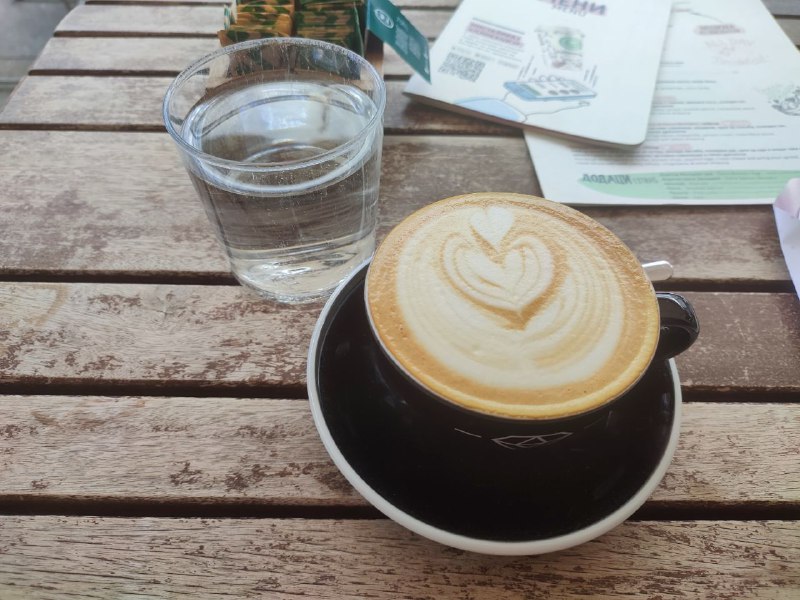
By the way, they always bring a glass of water with your drink. Yeah, it's tap water, but it's totally fine to drink. And when it's hot out, it's a great addition. Sometimes they'll even throw in something sweet like Turkish delight or a cookie. You get all these nice extras only if you drink your coffee on the spot, not if you're taking it to go.
And honestly, people really love their coffee here. Even when you walk past all these barbershops and little stores, you often see employees hanging out with their coffee, having set up a little table right on the street.
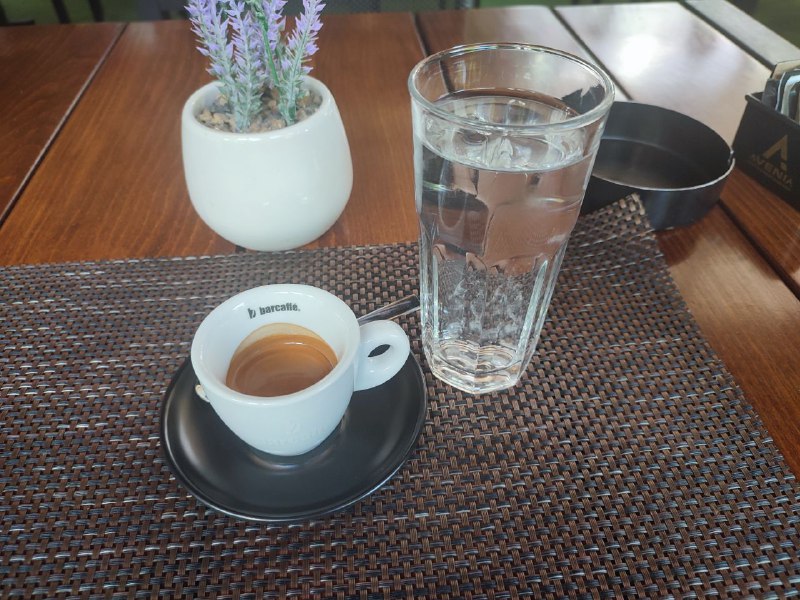
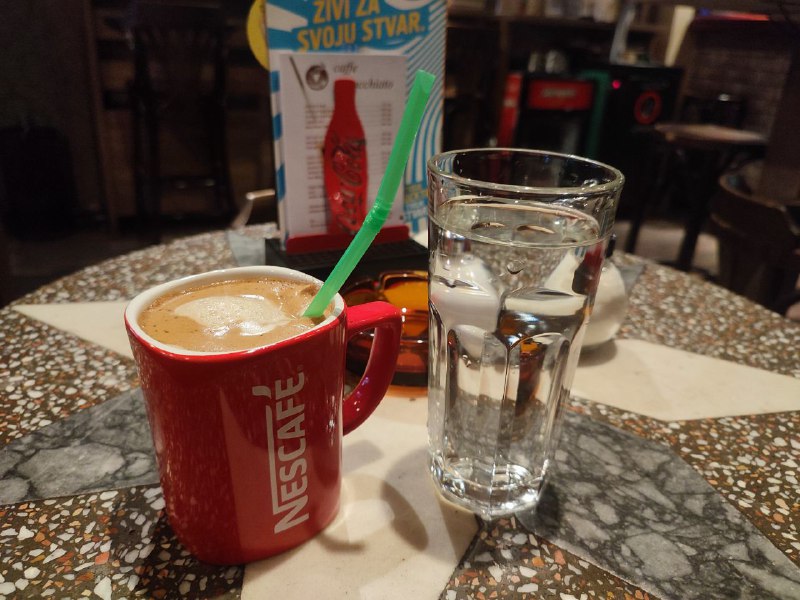
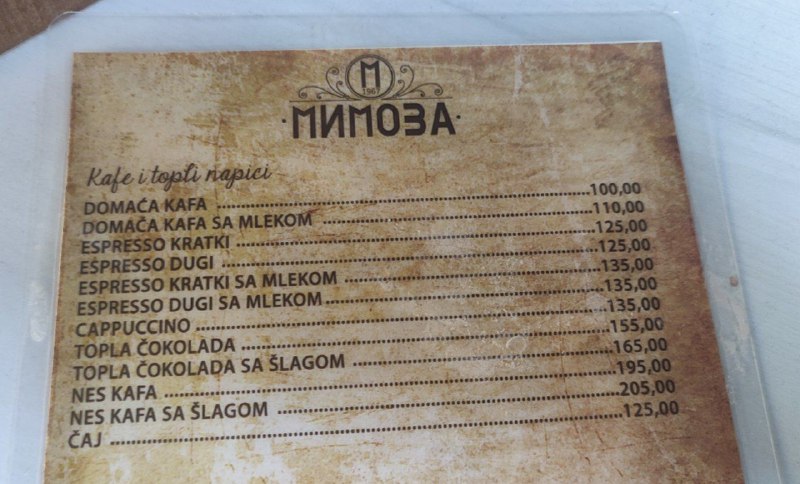
At many Serbian cafés, you can order not just regular coffee, but instant Nescafé! For roughly the price of two cups of traditional Turkish coffee (sometimes the difference is smaller). The pricier, the better, right? :)
I tried it once, but honestly it tasted even worse than I expected. Though some locals seem to like it.
This phenomenon has roots in two things. Coffee in Serbia is made noticeably stronger than what I'm used to back home. Instant is milder and made with so much milk that it's basically milk with coffee rather than the other way around.
And second, nearby Greece is one of the most popular vacation destinations for Serbians. Nice clean beaches, relatively affordable, plus plenty of history—what else do you need for a good holiday? Greeks have
frappé (a sweet cold instant coffee with ice and milk foam) as practically their national drink. So vacationers bring back all sorts of foreign habits.
Unlike its cousin, nes café is served hot, without ice or sugar, which unfortunately doesn't make it any better. But there is a cold version too.
You've probably heard of
Tatar beef steak (raw minced meat with spices, which has basically nothing to do with Tatar cuisine; and it came to Europe thanks to Americans and was even called American at first). And Serbian
pljeskavica (probably one of the most famous local dishes).
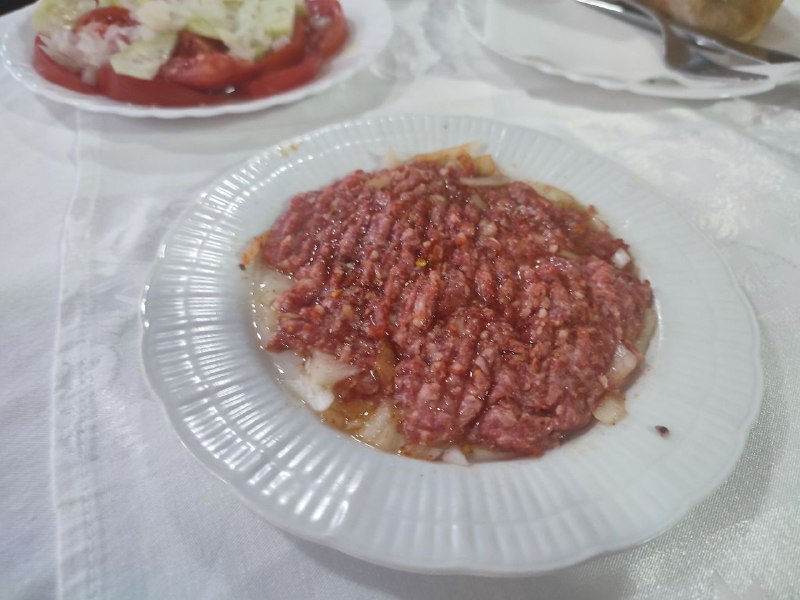
In Serbia they love both. But in Valjevo they decided to combine these things. And came up with... raw pljeskavica 😅
In Serbian it's called "živa pljeskavica" (time to remember
the meme about Gordon Ramsay and the raw steak finishing his salad). The dish is basically not much different from Tatar beef steak, except they serve it with toasted bread, and it's theirs, homegrown. Even Serbian
news outlets praise it. They say the recipe is over 50 years old and tastes much better than its competitor.
Curiosity got the better of me and I went for a tasting. Surprisingly, it was really tasty. And no, I wasn't that hungry)
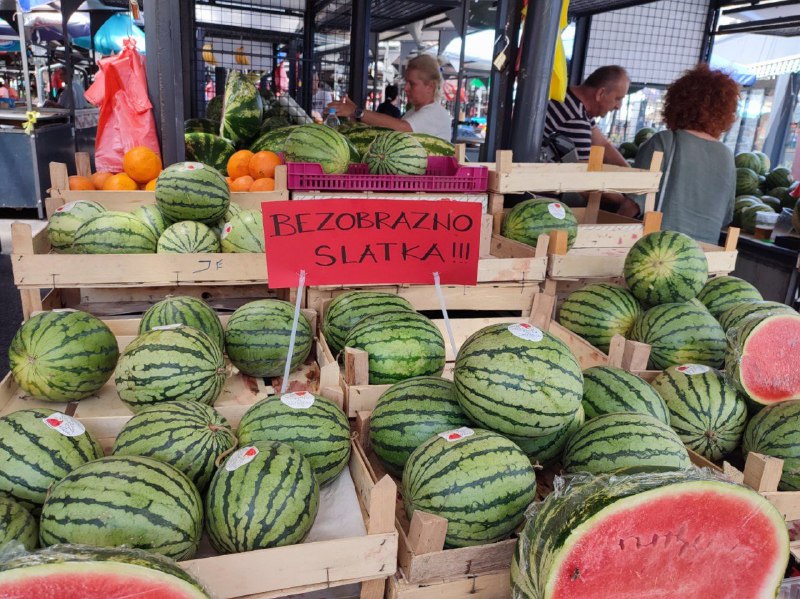
Meanwhile, outrageously sweet watermelons have appeared on the market (:
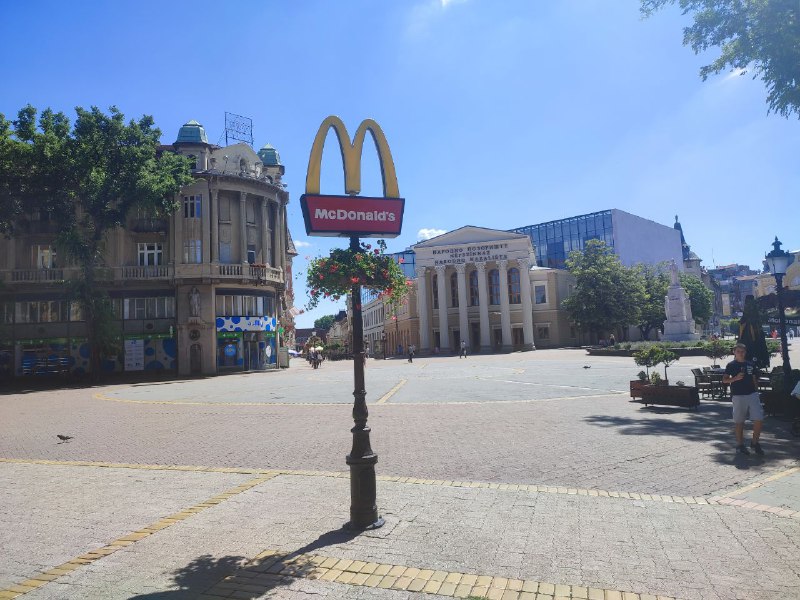
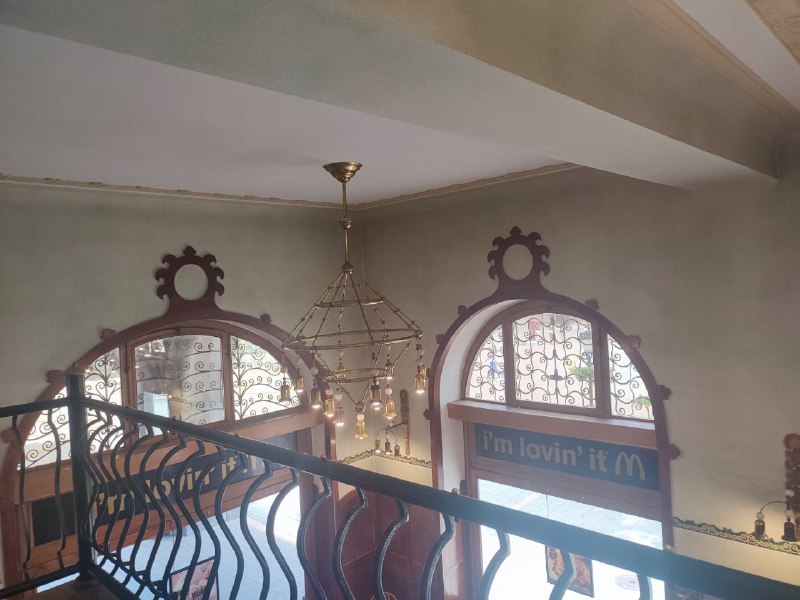
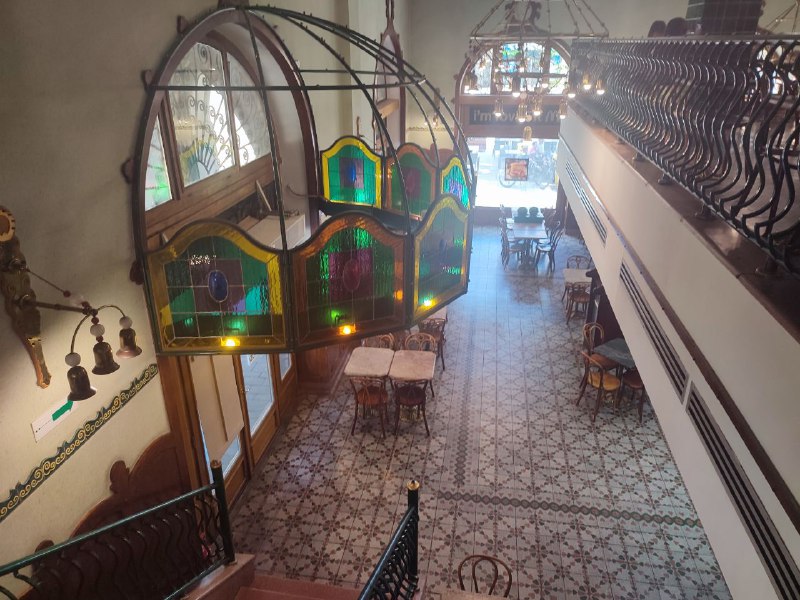
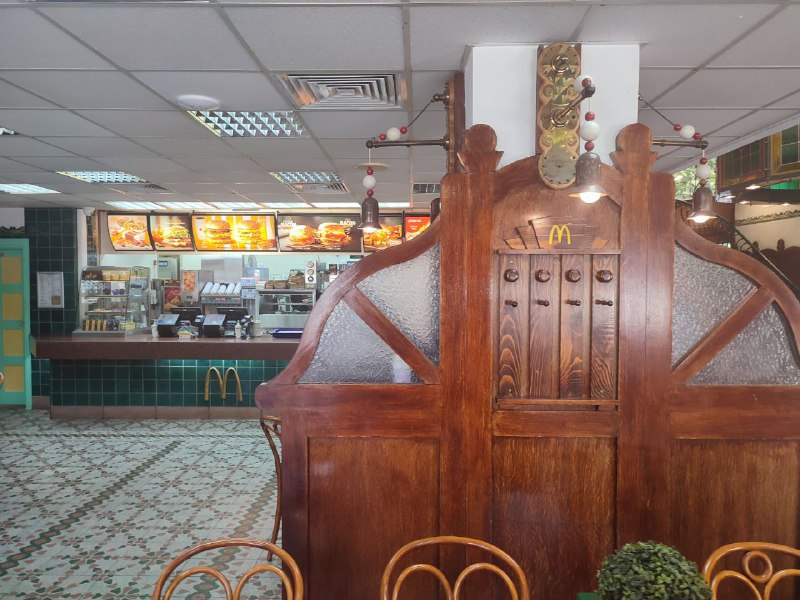
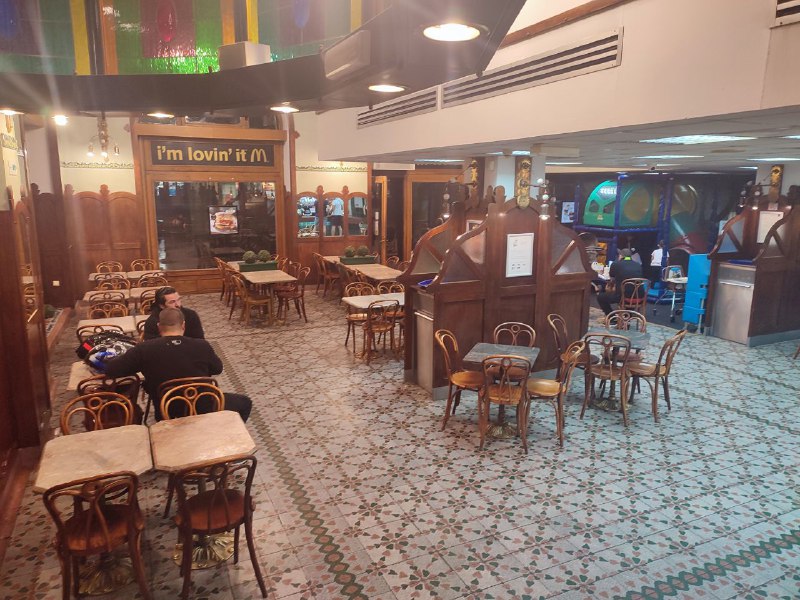
I'm going to be a McDonald's ambassador in Serbia for a bit longer. In Subotica, their restaurant took up part of the city hall, but they've integrated the interior really harmoniously with the building's style. It's possible this was a requirement in the lease agreement.
The chain around the world sometimes moves into historic buildings, either with restoration requirements or at least maintaining the external appearance, but usually the focus is on how it looks from the street (examples from
Oxford,
Braga,
Porto,
New York). But here it looks great inside too. This is probably the most beautiful McDonald's I've ever been to.
Other than that, it's McDonald's as usual. You'd be better off eating somewhere local. The food's tastier there (:
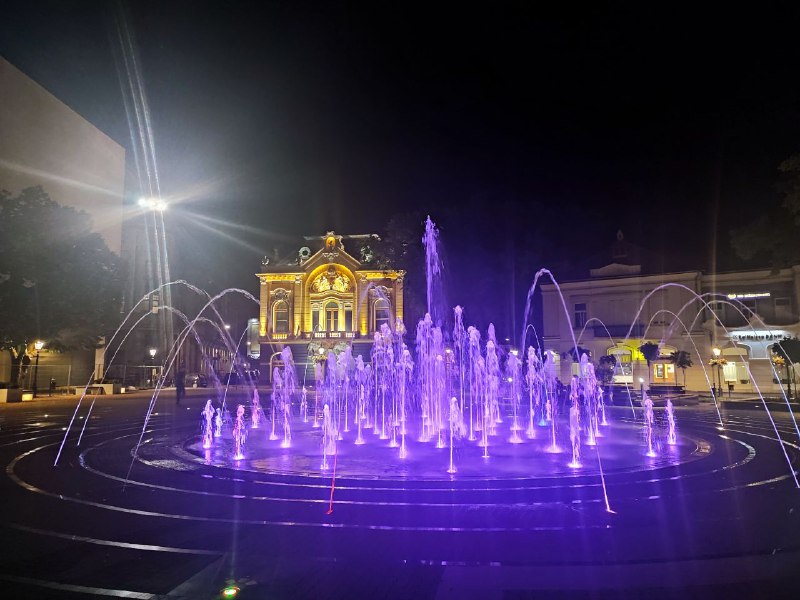
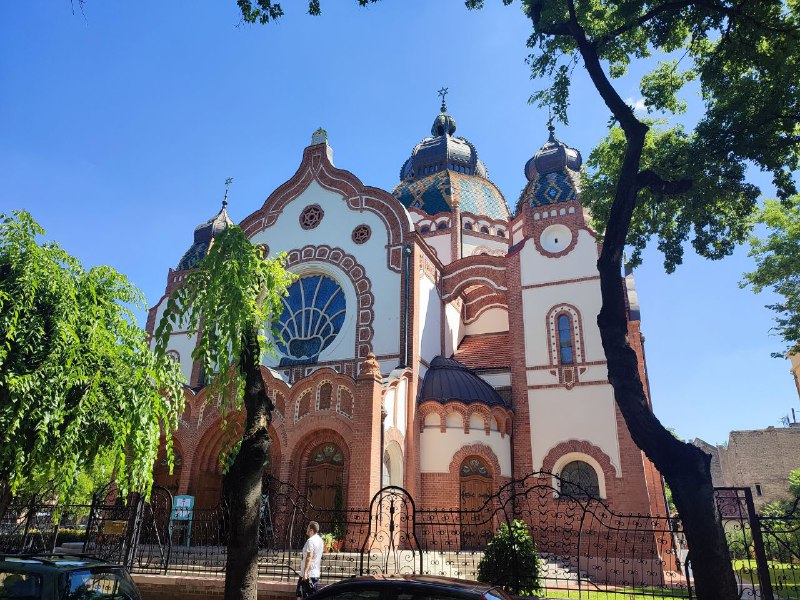
PS. Subotica is cool. You should visit. Just maybe not on a Sunday—almost everything, even tourist spots, is closed. You can really feel how close the EU border is (:
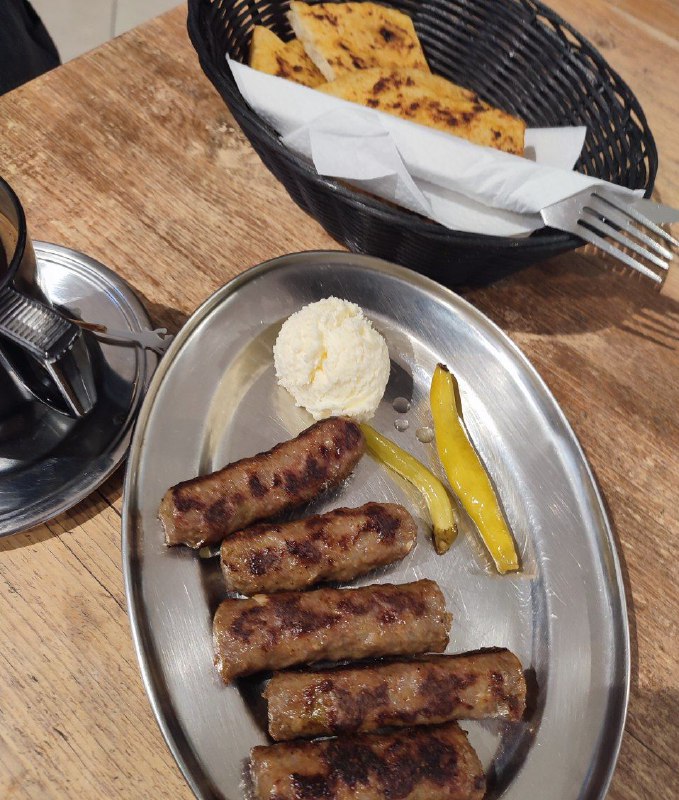
Today I discovered that cevapcici actually comes from kebab. The similar name and recipe kind of hinted at it, but I only connected the dots now.
The Turks brought the dish to the Balkans along with Ottoman rule. Over time, it adapted to the local language and cuisine and became cevapcici. Plus a smaller version emerged — cevapcici (in Russian, we'd call them kebabchiki).
Almost every major city has its own recipe. The most popular is the Sarajevo version. And the most unusual one is from Banja Luka: cevapcici linked together. I really need to make it there someday to check it out.
PS. A few more Turkish loanwords: the white stuff on the plate is
kajmak — and in Serbian it's kajmak
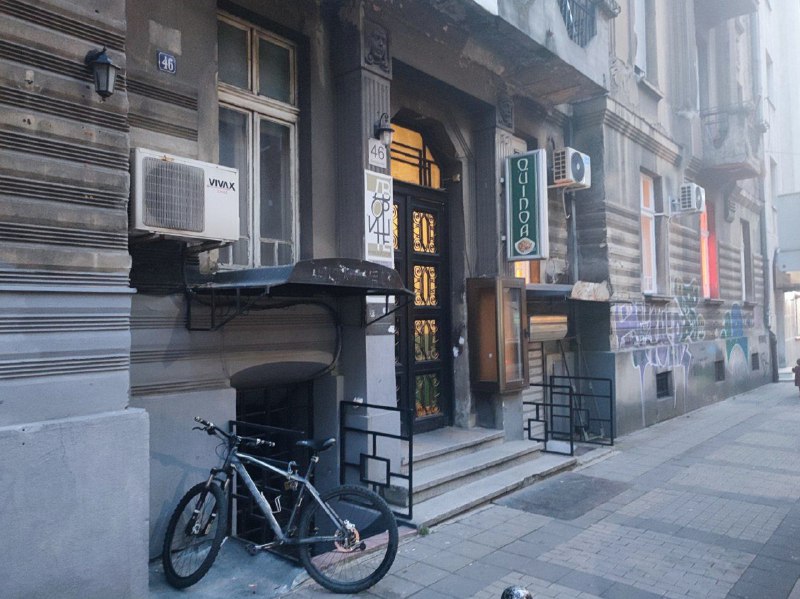
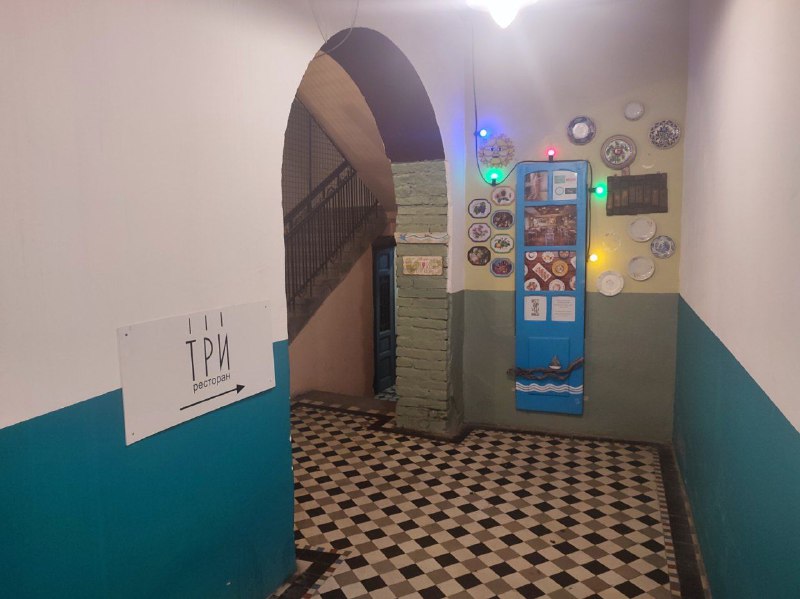
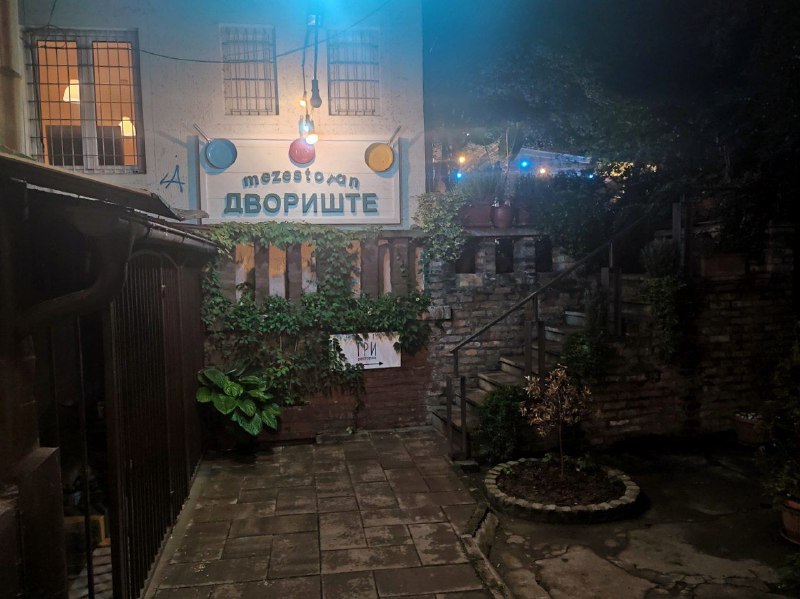
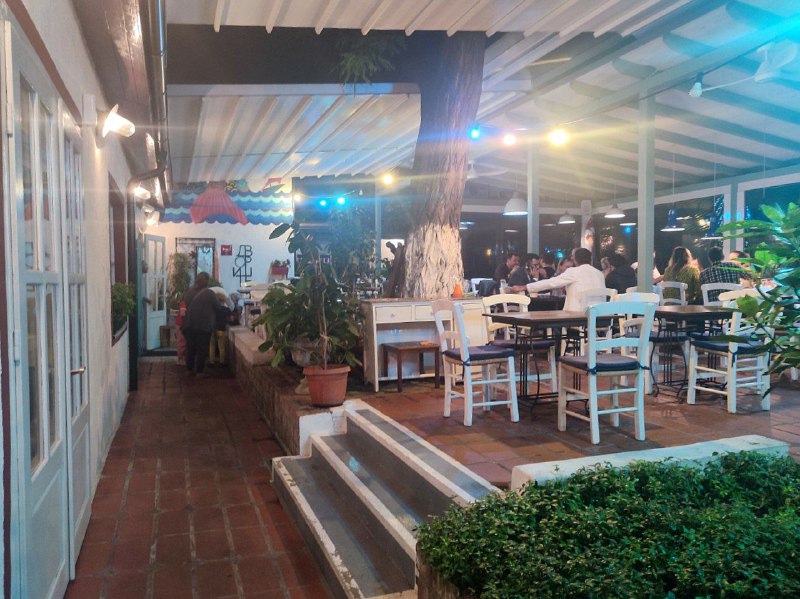
🙃Another thing about Belgrade is they love hiding little restaurants in inner courtyards and all kinds of basements. Often they don't even bother much with external signs. You could walk right past and never notice there's a place to grab food. I've already found like 5 of these spots. Though I definitely didn't have the "weird location" filter turned on.
To get to the place in the photo, you actually have to go through the entrance of a residential building. But the wow factor was totally ruined by an incredibly slow kitchen. They took almost an hour to make a pretty simple order.
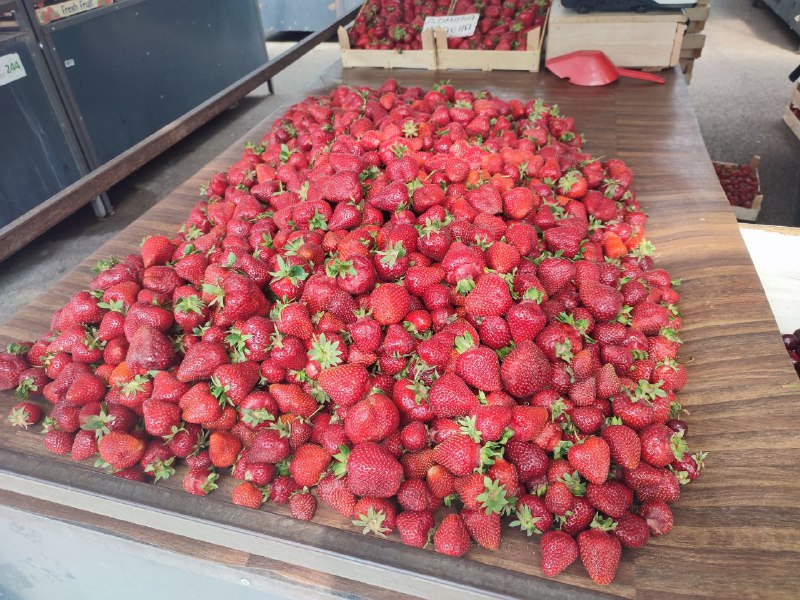
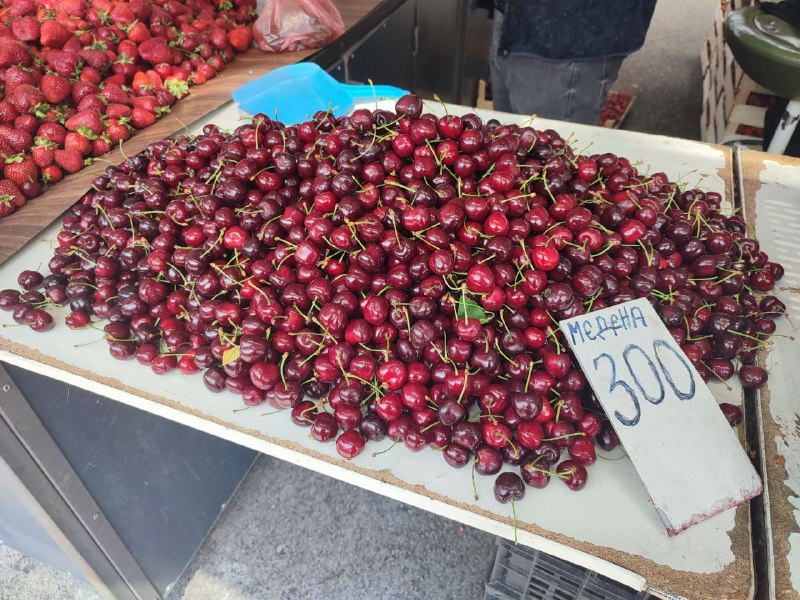
Now for some truly serious problems: strawberries and cherries at the market are going for 200-300 Serbian dinars per kilogram (120-180₽ / €1.7-2.5). The berries taste amazing, like they were just picked from your own garden.
It's really hard to resist buying all of this in bulk (:
#funfact: While I was working on a text about McDonald's, I found out there's an actual real
University of Hamburgerology (I'm not joking). Though, they don't actually teach you how to eat hamburgers correctly there—they teach food service management.
Whether in Chechnya or Ingushetia, the café and restaurant format is quite different from the typical open dining hall with separate tables. At every place I visited, guests are given their own private area: either tables separated by walls or screens, or completely separate rooms like in the photo. Either way, you can't see or really hear other guests. Paradise for introverts (:
Though I'm sure there are classic formats there too, I just didn't end up in one of those places.
 United Kingdom
 Serbia
 Bosnia and Herzegovina
 Turkey
 United Arab Emirates
 Brunei
 Indonesia
 Malaysia
 Argentina
 USA
USA Morocco
 Georgia
 Egypt
Egypt Hong Kong
 China
China Vietnam
 Tunisia
 Montenegro
 Philippines
 Singapore
 Oman
Oman Algeria
 North Macedonia
 Lebanon
 Israel
 Albania
 Russia
 Tanzania
 Netherlands
 Spain
Spain Latvia
 Germany
 Belgium
 France
 Kazakhstan