Telegram mirror

Telegram is a messenger where I post short travel notes. This page is a self-hosted backup of that channel.

Filtering: Bosnia and Herzegovina ×Clear all
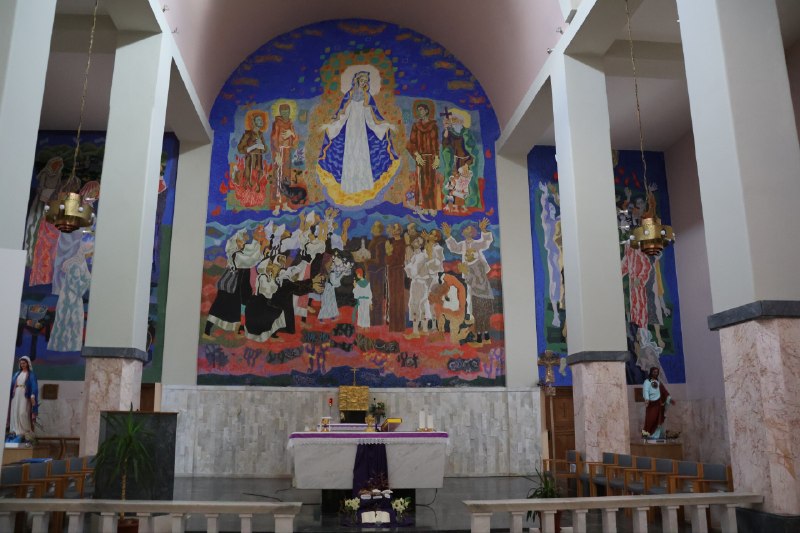
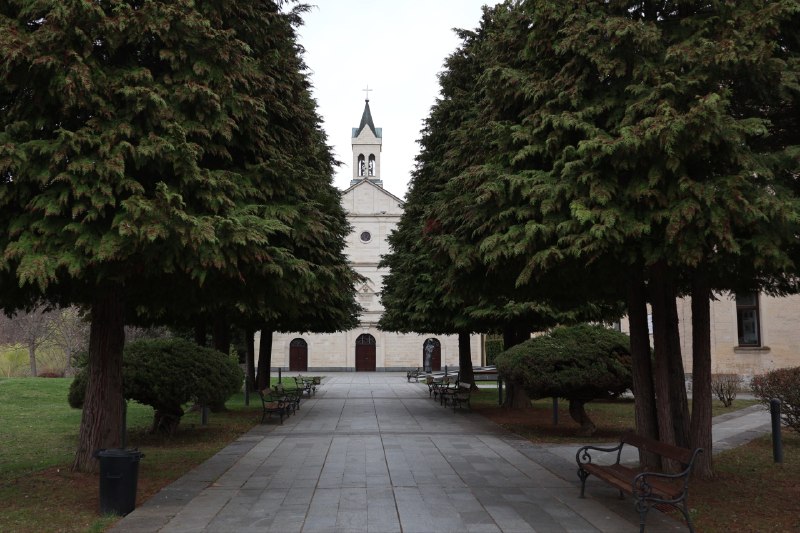
So if you happen to hear "Bosna Argentina," that doesn't necessarily mean a football match. Turns out the Franciscan order is quite prominent in Bosnia, and this is their official name for the province in Latin. And it actually includes Croatia and Serbia too.

The Franciscans arrived here in the second half of the 13th century to combat Bosnian Christianity. And they've been here ever since, continuously. Almost immediately after the Ottomans took over the region, the Turkish sultan issued safety guarantees and permission to continue their religious activities. That document is still kept in a monastery in Bosnian Fojnica.

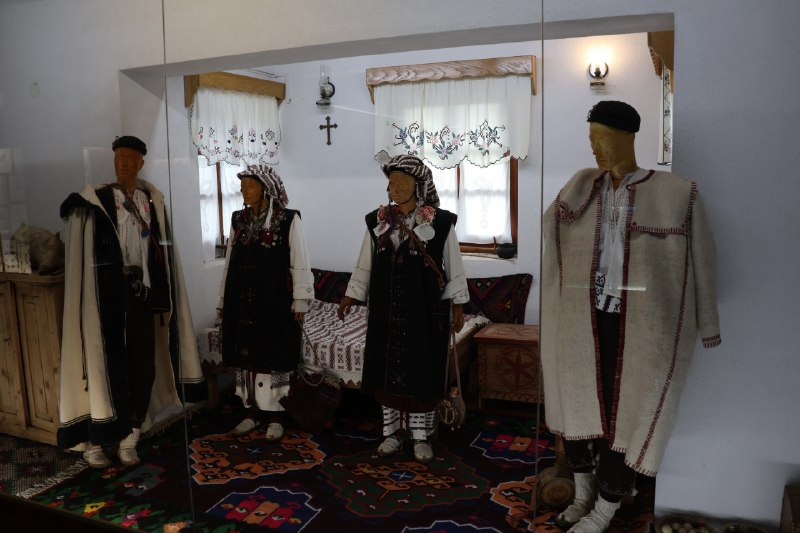
That said, the Franciscans maintained connections with Austrian Catholics, sometimes even crossing into collaboration. And they were terrified the Turks would punish them for it. That's why in the 17th century, they smuggled an icon out of the monastery in Rama, which still hasn't come back—it's now in the Croatian town of Sinj. On the bright side, there's now a museum at the monastery. Nothing too spectacular, but it was interesting to check out.

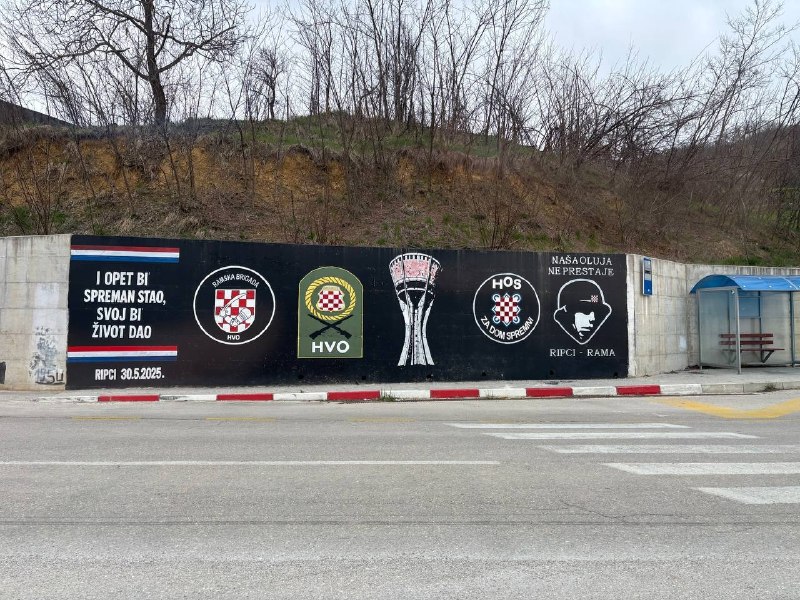
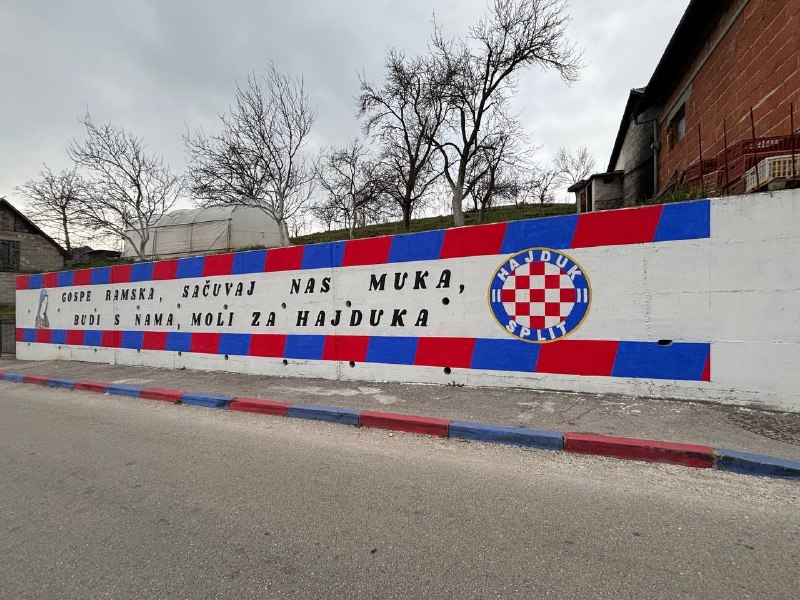
During World War II, some members of the order openly sympathized with the Croatian Ustaše, though others actively fought against them. And today, back in Rama, there's a bunch of graffiti referencing Croatian forces from the Bosnian War, left by fans of Split (some of the rowdiest supporters in the region).
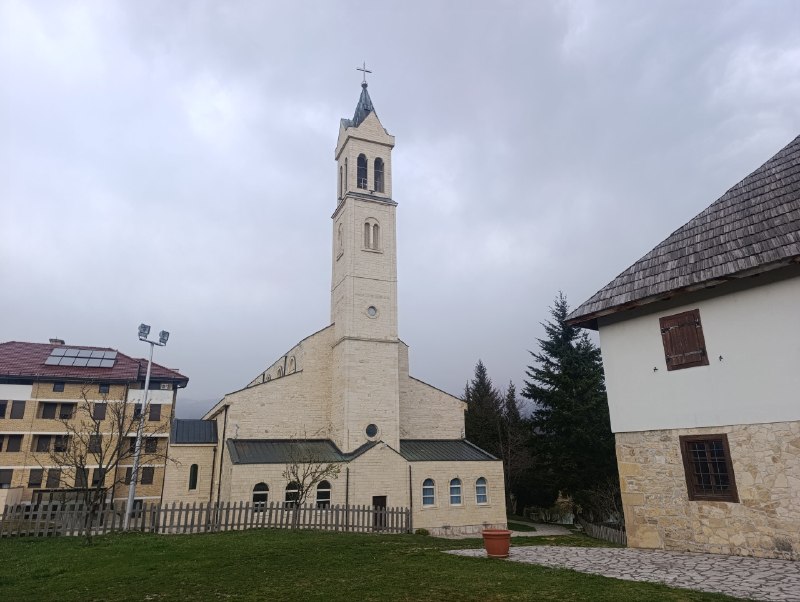
Suddenly realized I've accumulated a bunch of videos with Bosnian castles. Turns out there are quite a lot of them.

In the order they appear on screen: Srebrenik, Gradačac, Ottoman Bridge, Blagaj Fortress, Kuslat Mosque, Sokolac, Ostrozac and Vranduk. And way back I also posted Travnik and Jajce somewhere. Think I didn't forget anyone.

// youtube
In Stari Brод in Bosnia, there's a museum dedicated to victims of the massacre during World War II. Croats and Bosniaks killed up to 6,000 Serbs who were trying to escape from occupied territory. But here's the thing—each people has their own perspective on what happened. They argue about everything except the fact that the massacre occurred: the death toll, how it happened, who was involved. During Yugoslavia, this event wasn't really discussed to avoid damaging relations between the peoples. Only by the late 2010s did Serbs open the museum. This got an extremely negative reaction from the Bosnian side, because a lot of crimes from the Bosnian War are quietly being swept under the rug.

The nearest major city to Stari Brод is Višegrad. Some of the war's most brutal events happened there. To put things in perspective: before Yugoslavia fell apart, this 20,000-person city was more than 60% Bosniak. Now it's around 10%. You won't find a single memorial plaque or monument to the victims in the city.

Next to Višegrad stands the Vilina Vlas hotel, where women were systematically raped and held captive. This hotel is still open and you can stay there for 70+ euros even today. And they barely renovated it properly. The beds are literally the same ones from 30 years ago. For ten years, the Montenegrin pension fund sent retirees there on subsidized trips. Only this year, under pressure from civil rights organizations, these tours were canceled. And there's no memorial plaque there either.

But the real time bomb was planted in the education system. A few years ago, the Bosnian War was added to the school history curriculum. Bosniaks, Serbs, and Croats are taught DIFFERENT versions of what happened. In a single school, kids can literally be divided by ethnicity—some are told the Srebrenica genocide was committed by Serbs, while others are told there was no genocide at all. And every single parent of every single student fought on the right side.
I've been meaning to post a couple of stories about Bosnia and Serbia for a while now. Finally got around to it!


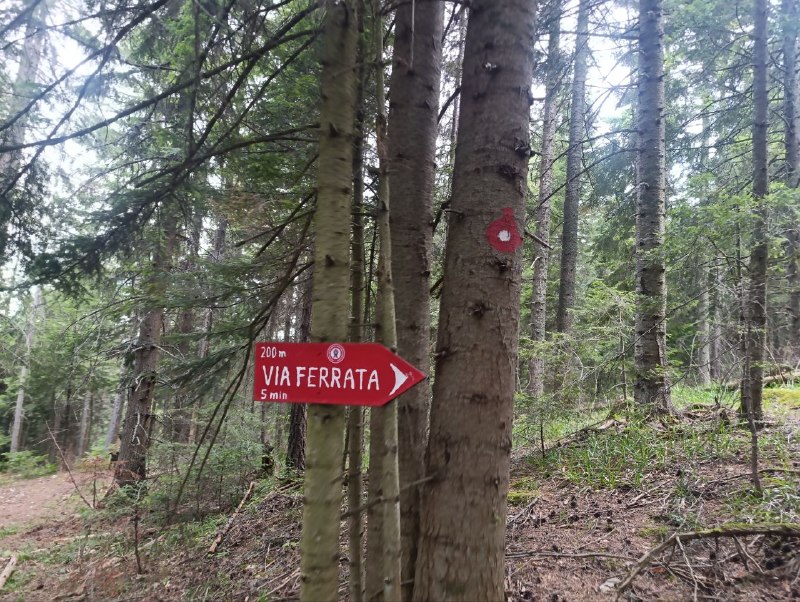
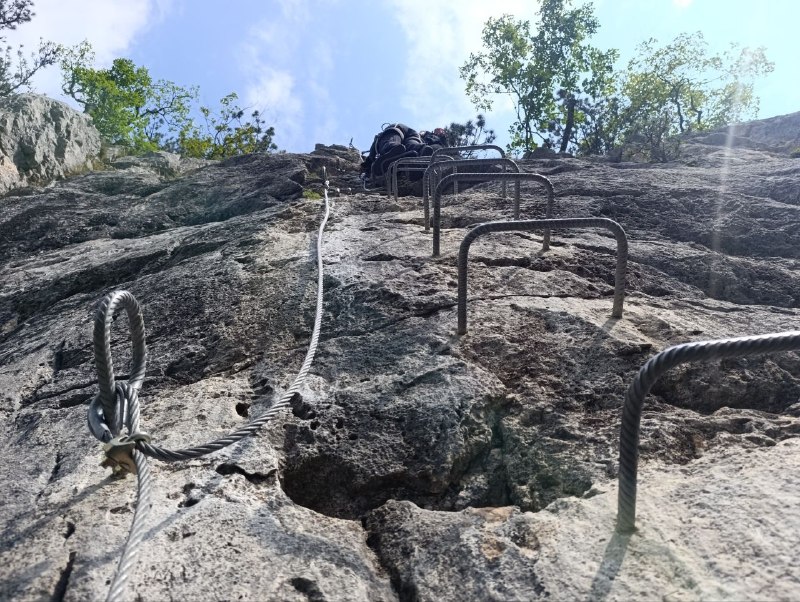
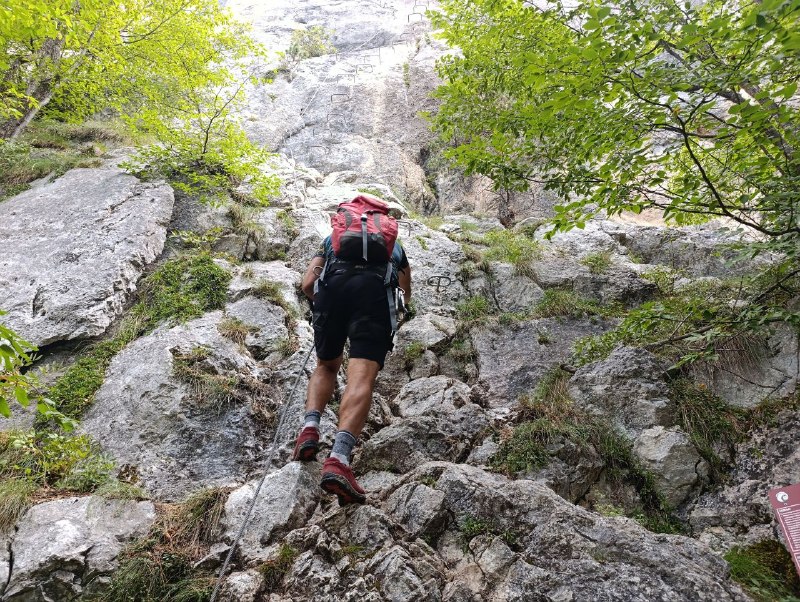
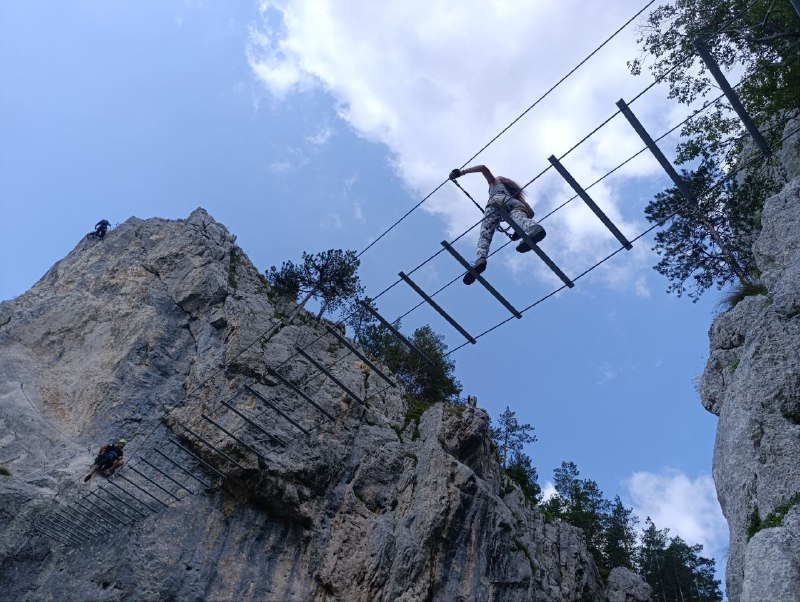
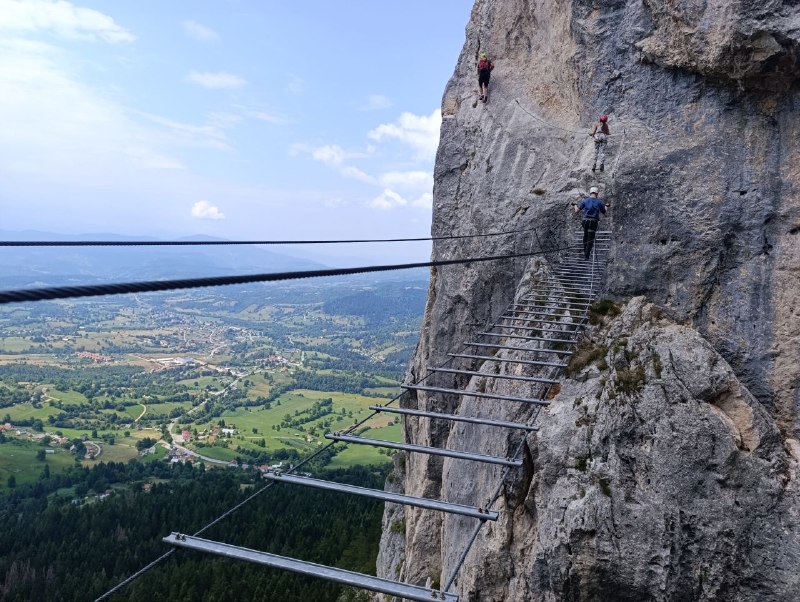
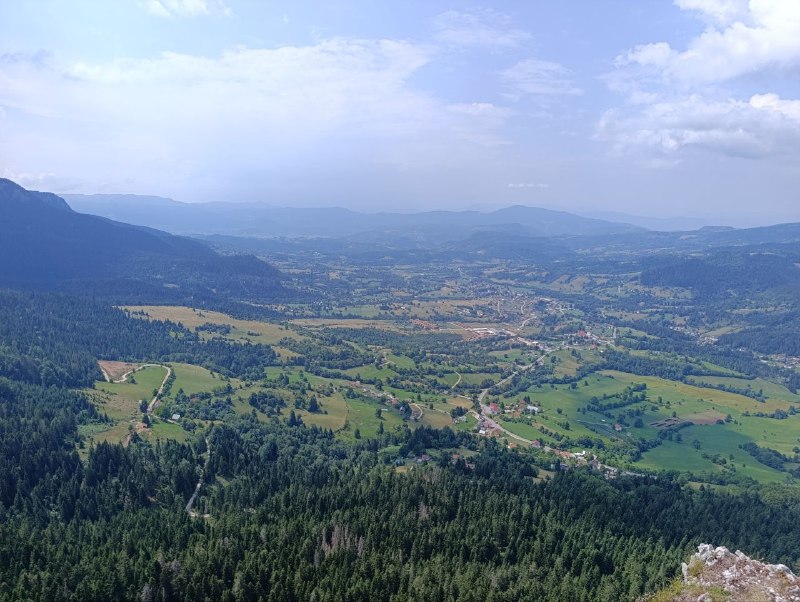
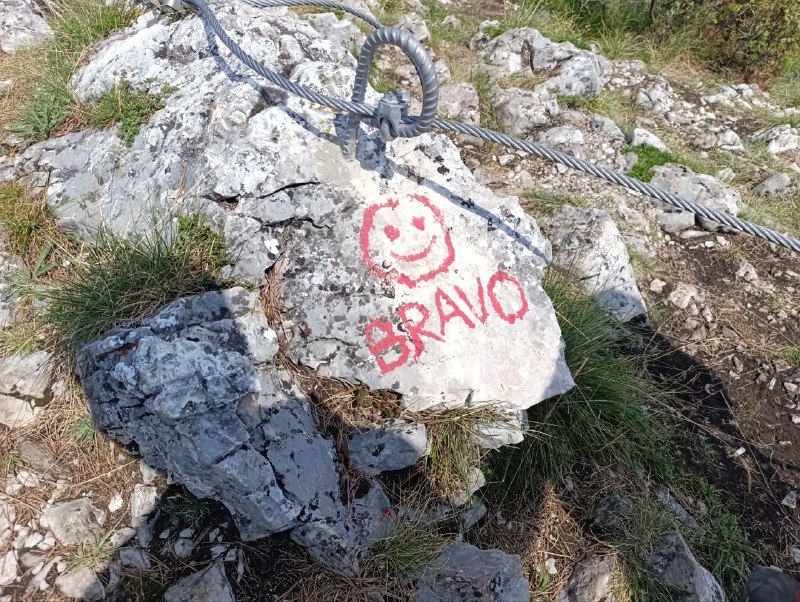
Not far from Sarajevo, there's a via ferrata. I'd been planning to do it for a couple of years and finally made it happen!

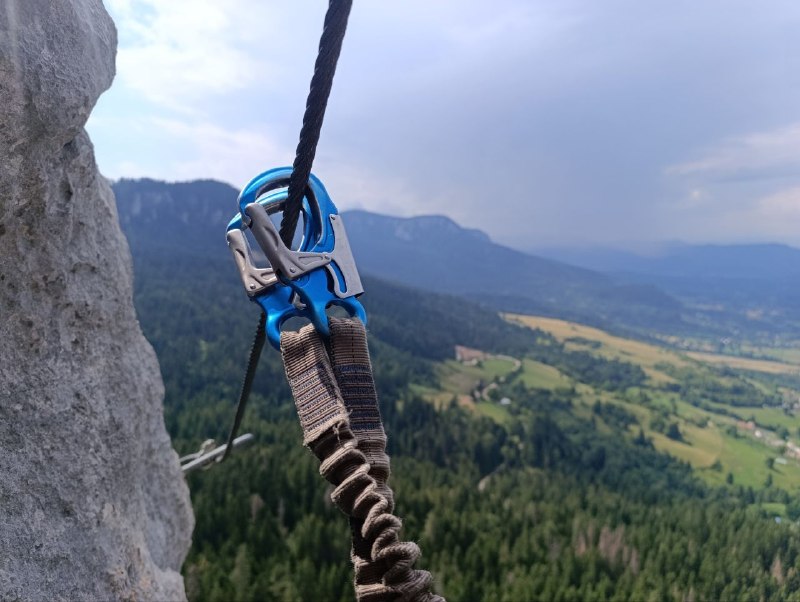
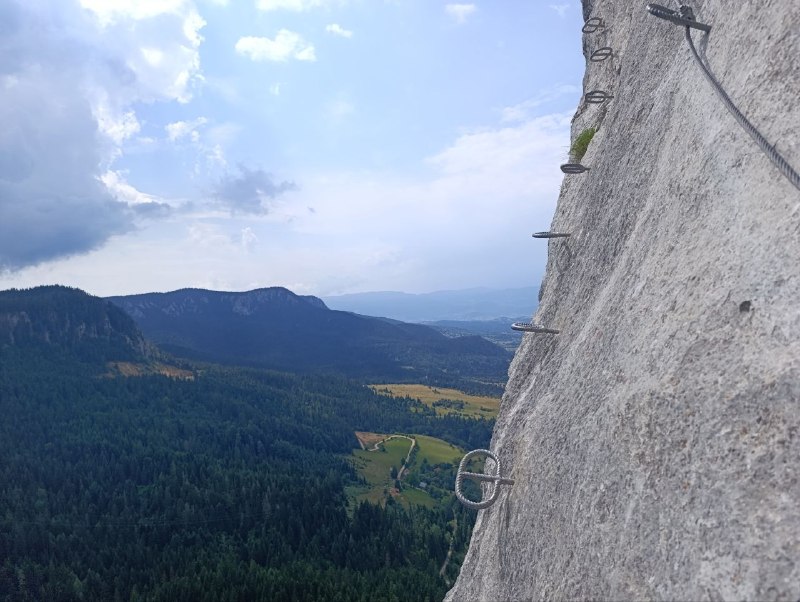
Via ferrata literally translates from Italian as "iron path." They've been used in the Alps for centuries, and by the end of the 20th century, they spread around the world as a tourist attraction.

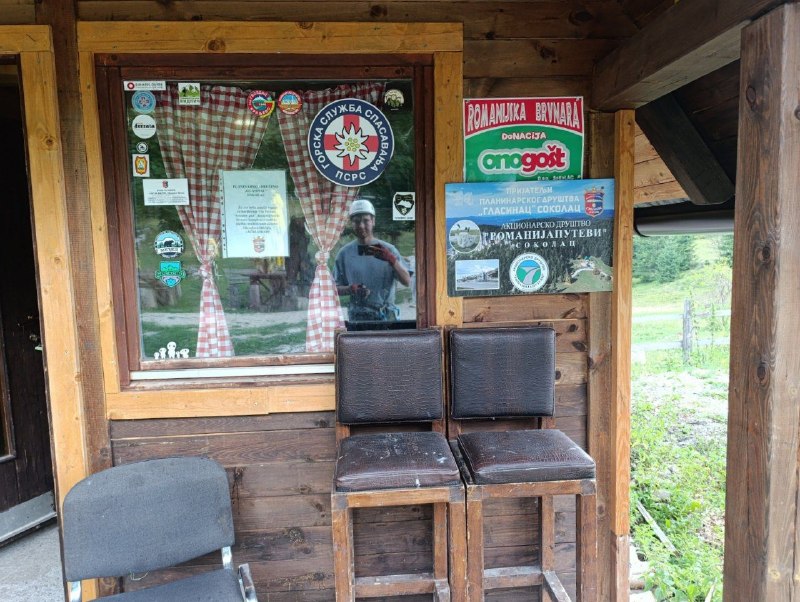
Basically, it's metal brackets hammered into the rock that you use to move along. You don't need climbing experience for easier routes. But you definitely shouldn't go without proper safety gear, and if you have no experience, definitely get a guide. On the Balkans, there's a sports community at every via ferrata where you can find a guide. In this case, these guys. The guide costs money, but they only charged me 30 euros with full safety equipment. If you're not afraid of heights, I'd highly recommend it.

Overall, the trails to the ferrata are pretty clean, but there were empty bottles lying around in a couple of spots and the guide picked them up and took them with him. The Balkans can get pretty trashy in places like this. But these folks actually take care of it.
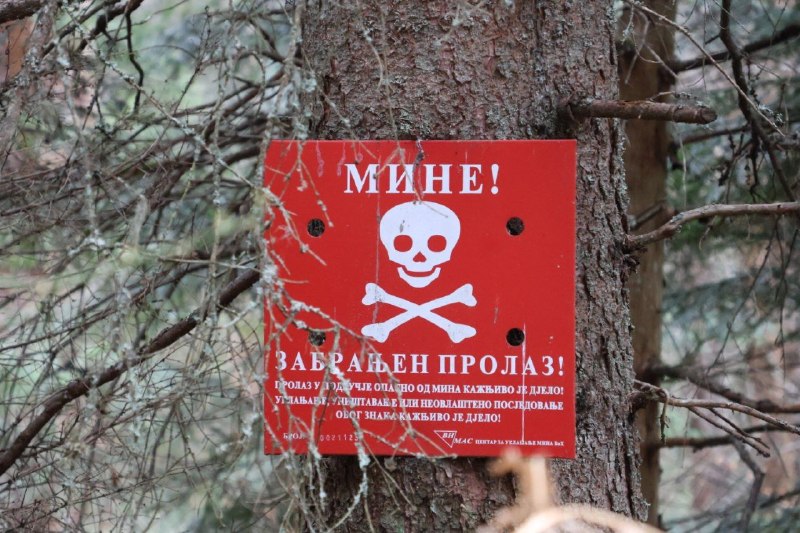
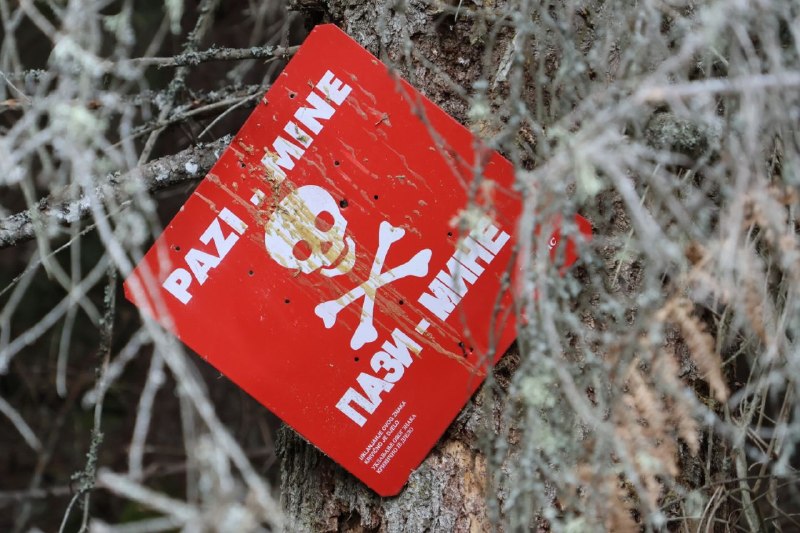
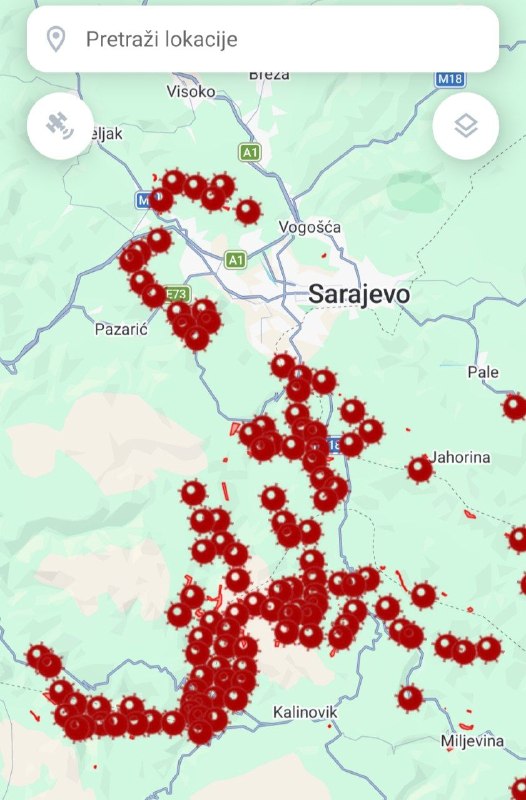
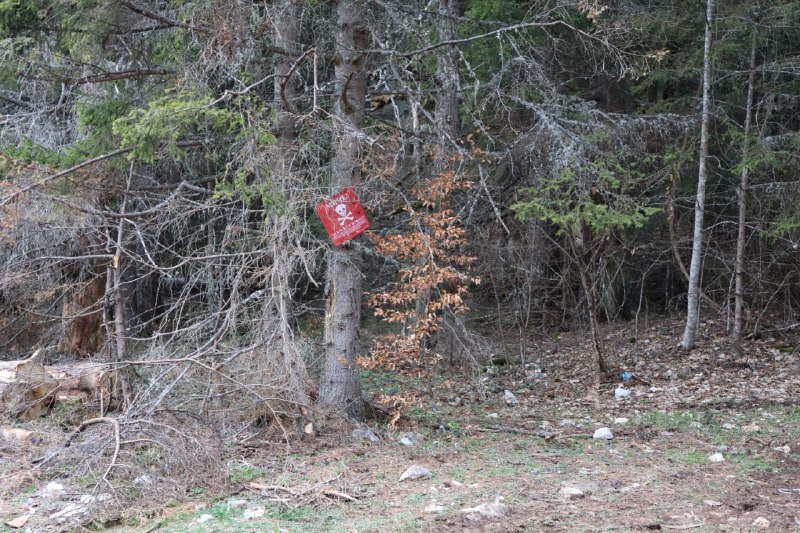
The war in Bosnia ended over 30 years ago, but parts of the country still haven't been demined. Slightly more than 1.5% of the entire country is potentially dangerous. The most densely populated areas have already been cleared, though Sarajevo was only declared completely mine-free in 2021, and Mostar wasn't until 2024!

If you venture away from the major cities and popular tourist routes (there's an app here with a map of danger zones), you might come across warning signs like the ones in my photos. Crossing one of these barriers, you'll probably only get one chance. Local news still regularly reports on mine incidents (like this or this). And it's not always in some remote wilderness. If you drive from Tuzla towards Serbia, there's a warning sign right on the road.
Recently, the number of casualties has dropped significantly. In the years right after the war, we're talking dozens of people annually, but now it's just 1-2 cases. And in 2024, there were no casualties at all. That said, demining efforts have also slowed considerably—funding is critically insufficient.
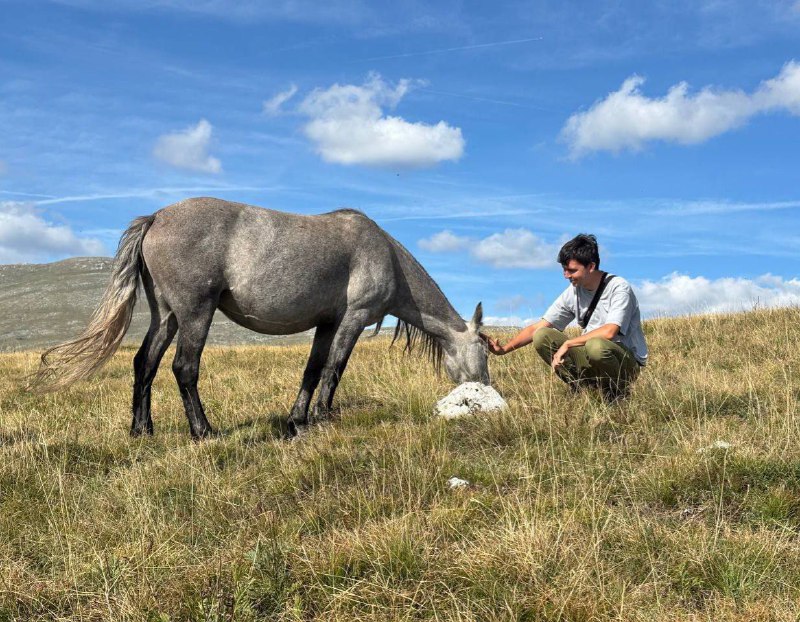
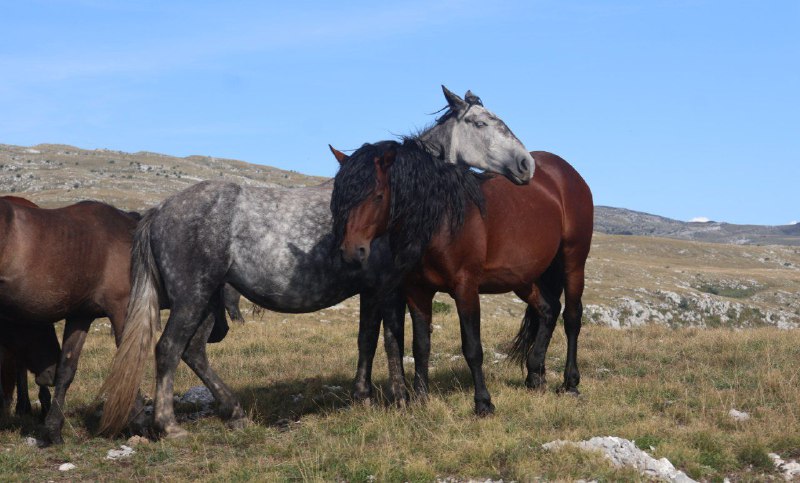
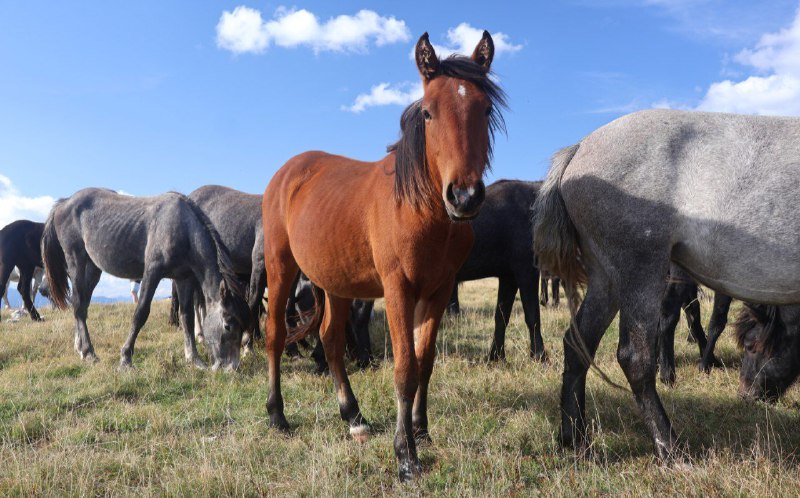
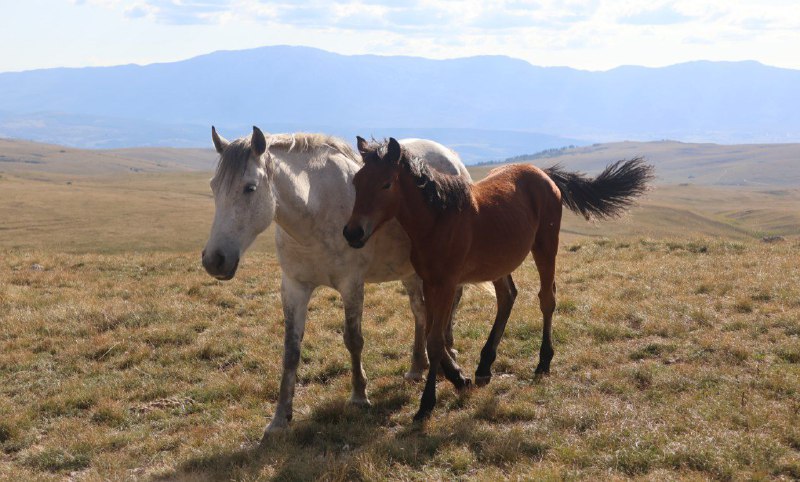
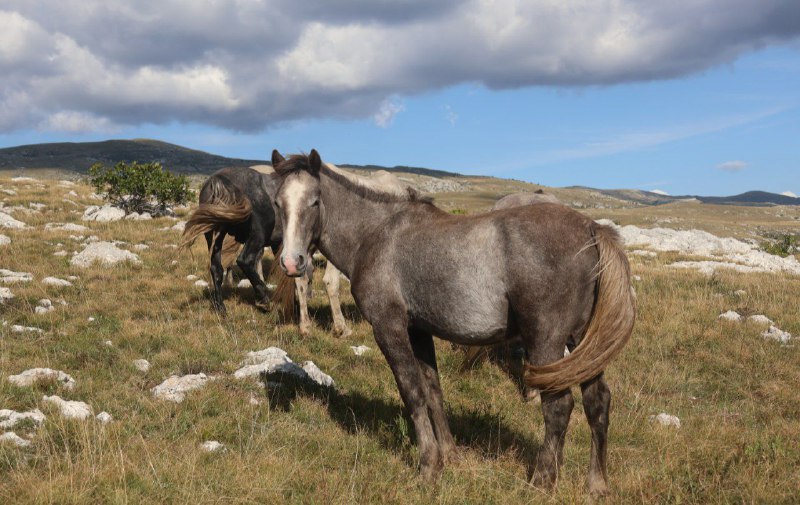
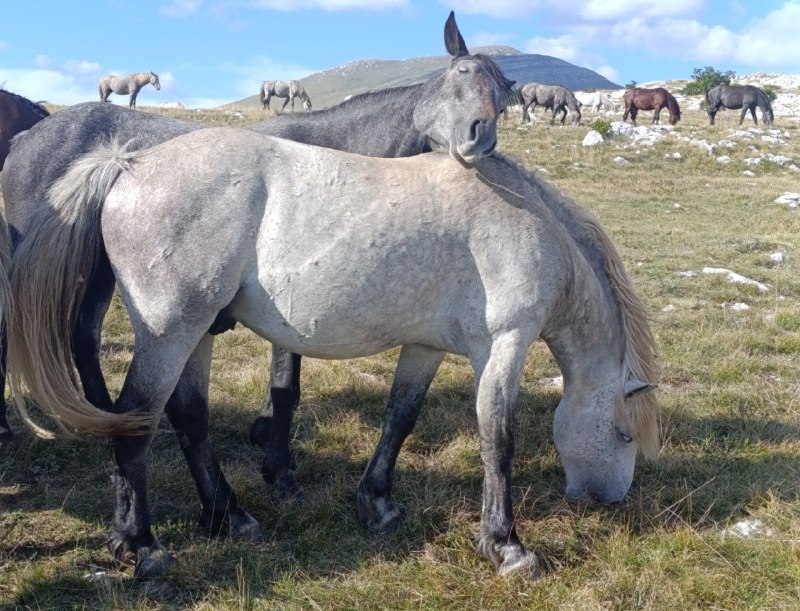
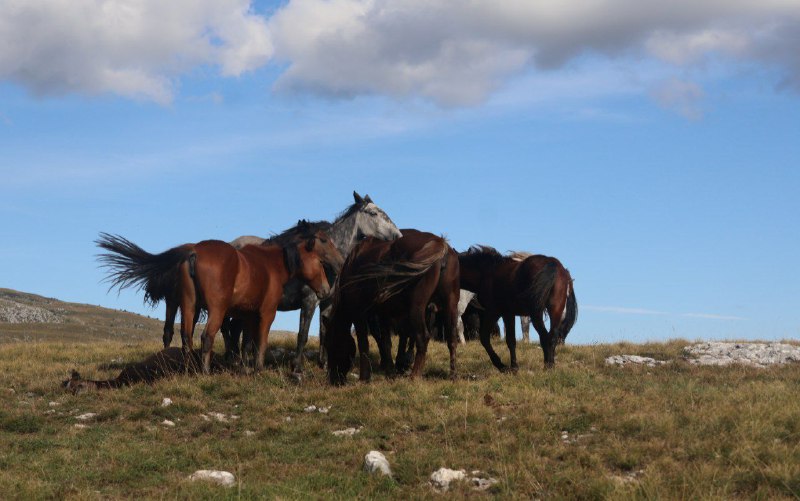
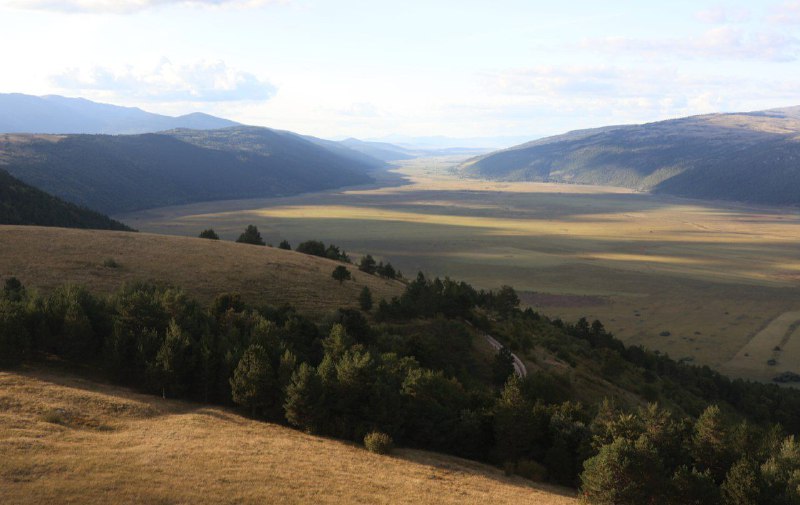
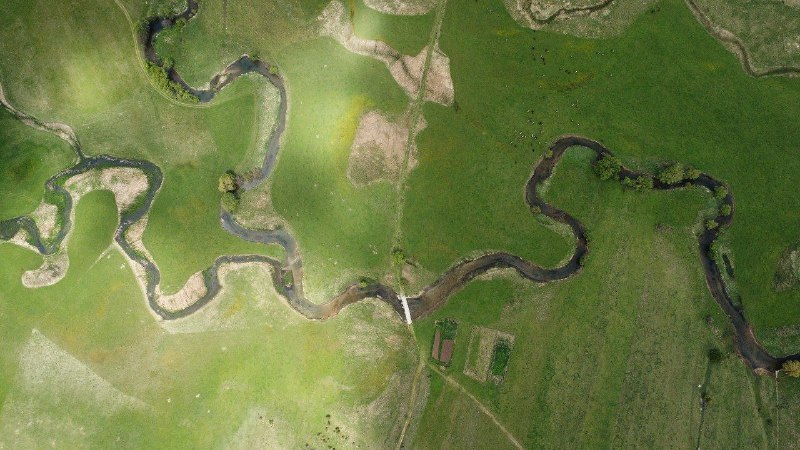
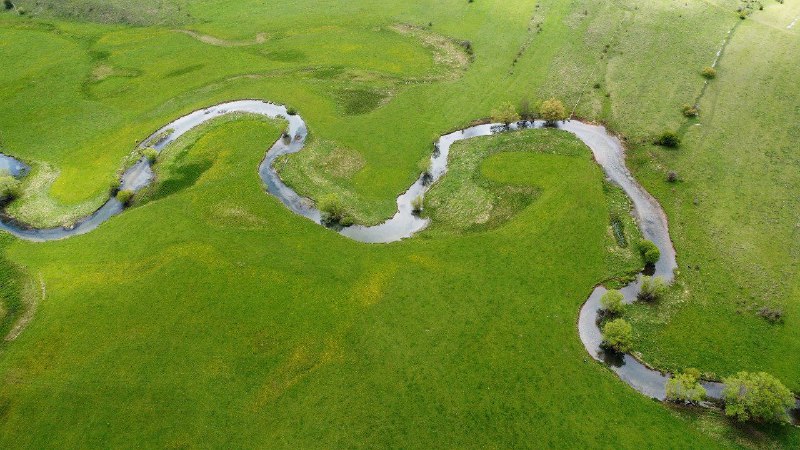
Wild horses live near Livno in Bosnia! I found out about them when I passed through here last year, but only made it back now.

Until the mid-20th century, these horses were domesticated, but then industrialization hit and people no longer needed livestock in such large numbers. The locals of Livno didn't come up with anything better than just letting them all go free. Since then, the wild horse population has only grown, and today there are over 800 of them roaming the surrounding steppes. Fun fact: while reading the Bosnian Wikipedia, I learned that livestock in the local language is measured in "grlice" (throats). They say 800 grlice instead of 800 heads.

The horses are awesome. You can walk up and interact with them. They're not afraid of people, but they won't let themselves be pushed around either. The animals stand in small groups—family units. There are even family disputes sometimes. During those moments, it's best for people to keep their distance to avoid getting kicked.

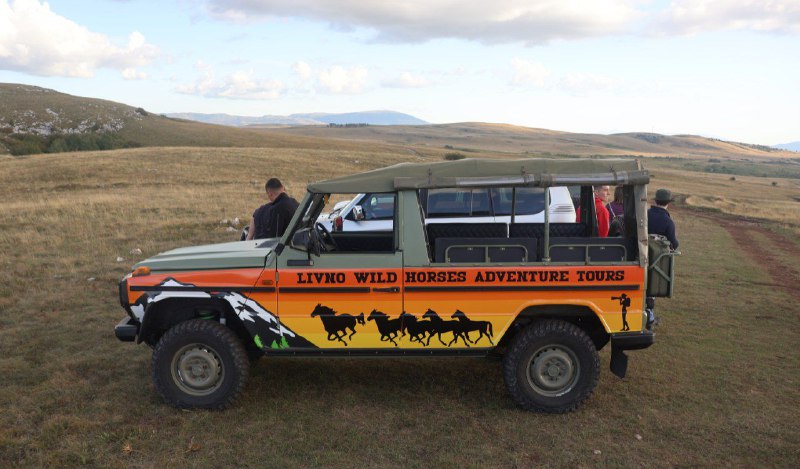
The town has developed a whole "safari" industry. The variety isn't what you'd get in Tanzania, but what can you do? Even locals come to see them. My group included guys from Travnik and a Croatian girl with beautiful tattoo flowers. Actually, spots where horses hang out most often are marked on Google Maps. But there's no guarantee they'll be there. If you go with a guide, they know where and how to search further. Plus, the roads to those spots are terrible. You feel bad for your car.

During especially harsh winters, people try to help the animals. There are entire charitable organizations! And here there are lots of videos from there.
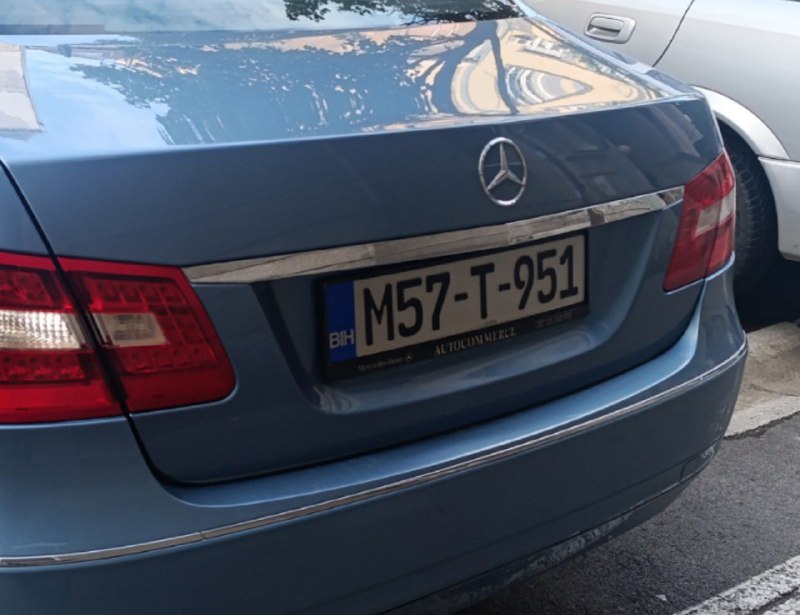
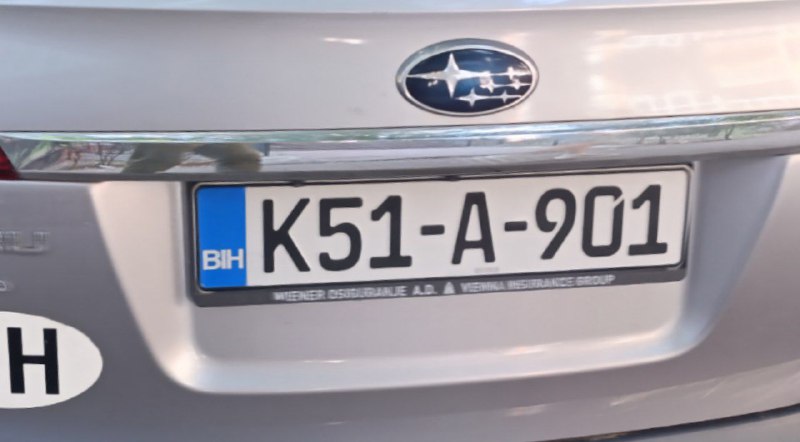
In most countries, you can figure out all sorts of interesting info from license plates. At minimum, the region of the country, and sometimes even the year the car was made. But that doesn't work with Bosnian plates. I spent a long time trying to find a pattern in them when I'd be on roads in Bosnia, until I finally gave up and looked it up. There's no system here at all. Plates are issued completely at random. And that's done on purpose.

After the 1992-95 war, the High Representative for BiH (I talked about him here) noticed that traffic police were giving people a hard time at the borders between Bosnian entities. Cars with "foreign" plates were stopped way more often, they'd nitpick, demand bribes. But even if you managed to get past the police, cars with "foreign" plates often got vandalized, and then you'd have to find a place to polish out the scratches. So in February 1998, they removed regional identifiers from the plates and things got a lot better. Now M57 or K51 or any other combination doesn't mean absolutely nothing.
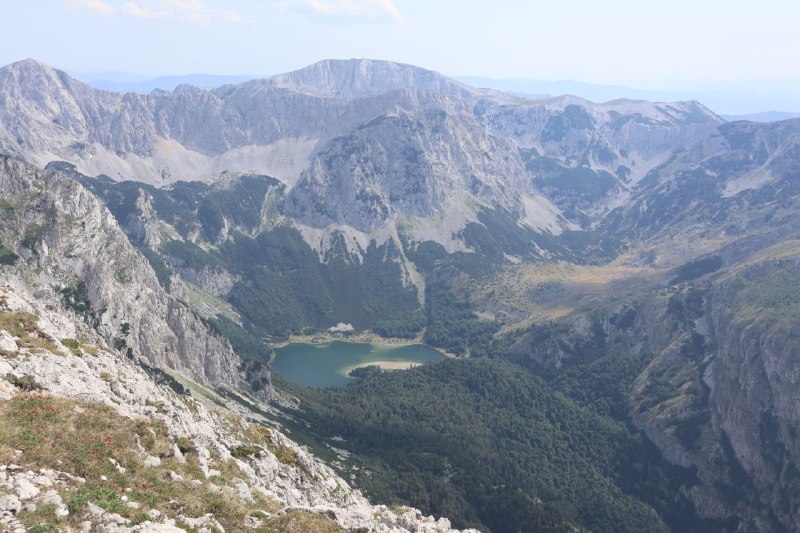
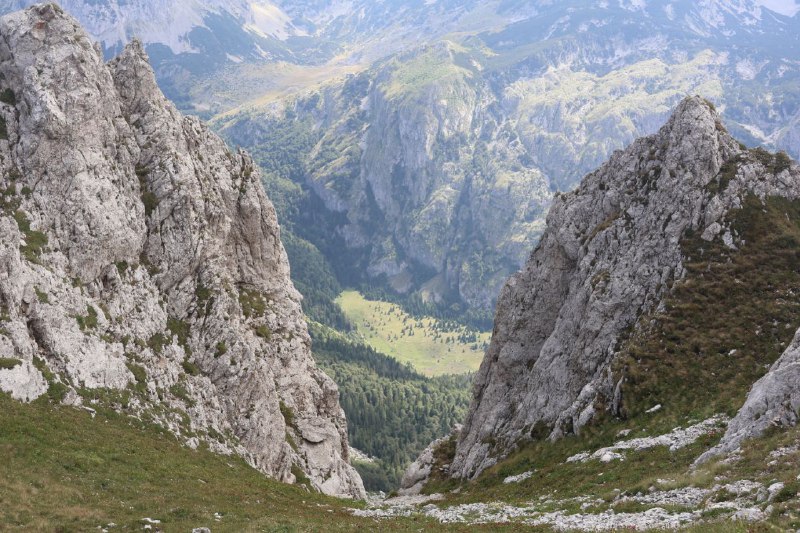
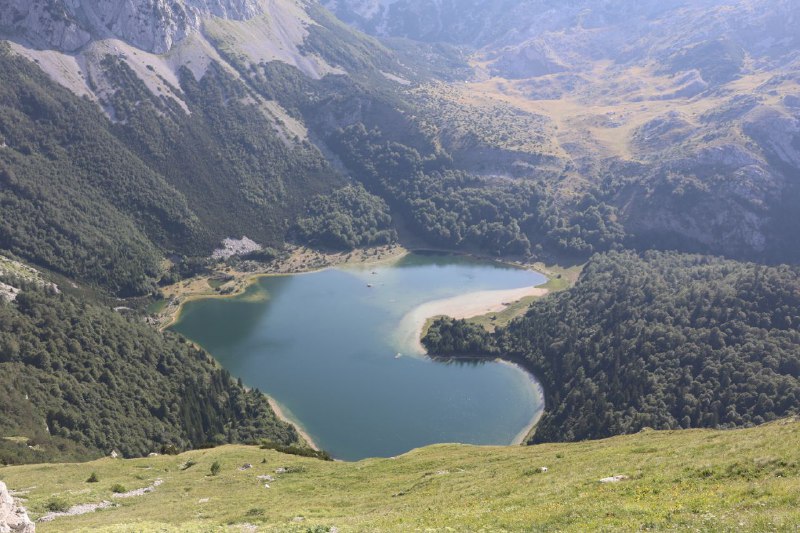
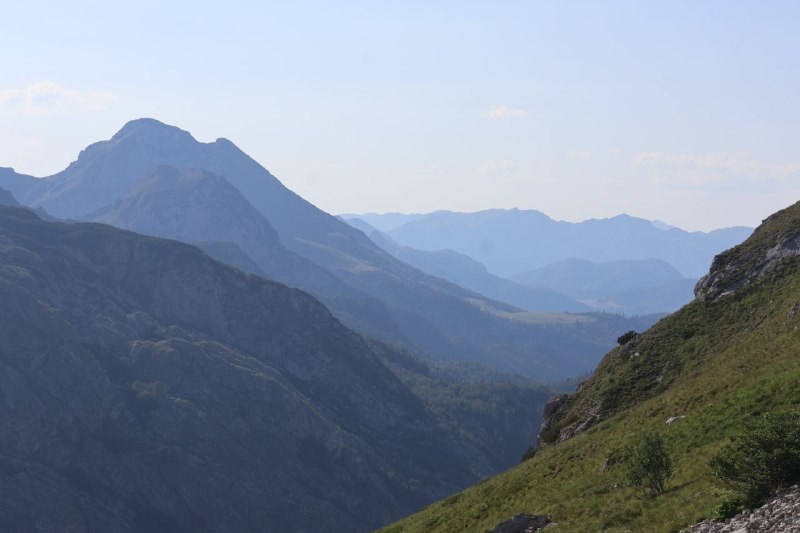
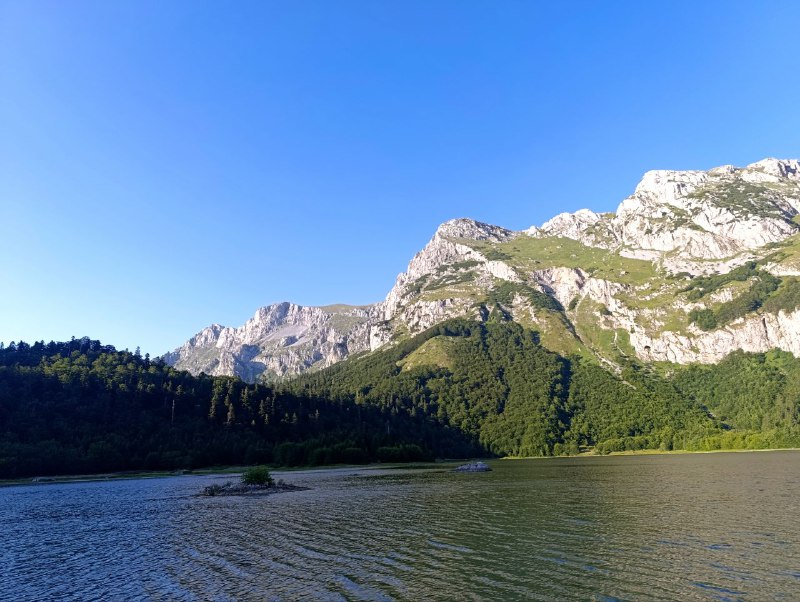
Sutjeska National Park has an amazing hike to Lake Trnovačko that takes you over Maglić, Bosnia's highest mountain. It's honestly one of the most breathtaking hikes I've done in the Balkans. The only thing I'd compare it to is Prokletije. But it's definitely the toughest of the two. Some sections basically required light mountaineering. You don't actually need any gear—there are ropes set up at the difficult spots, but honestly check the anchors first because some of them looked pretty sketchy. If you're thinking about doing it, make sure you're up for the challenge. Here's what it looked like.

So here's the thing—the hike starts in Bosnia, but the lake is actually in Montenegro. You're basically crossing the border, but there are no border guards or official crossings or anything. There's a little hut by the lake where you check in with your passport and pay 1 euro. When I got to the park entrance, I actually double-checked with the staff about how legit this whole thing was. They said it's totally fine—that's just how it works here.

There's also a direct trail straight to the lake without climbing the mountain. It's way easier, but you don't get to see the really spectacular stuff. I'm not sure it's worth doing honestly.
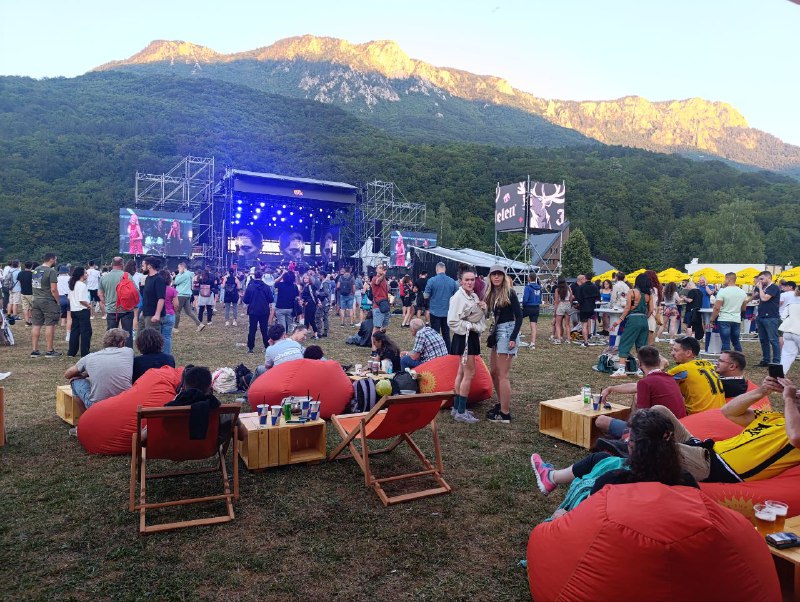
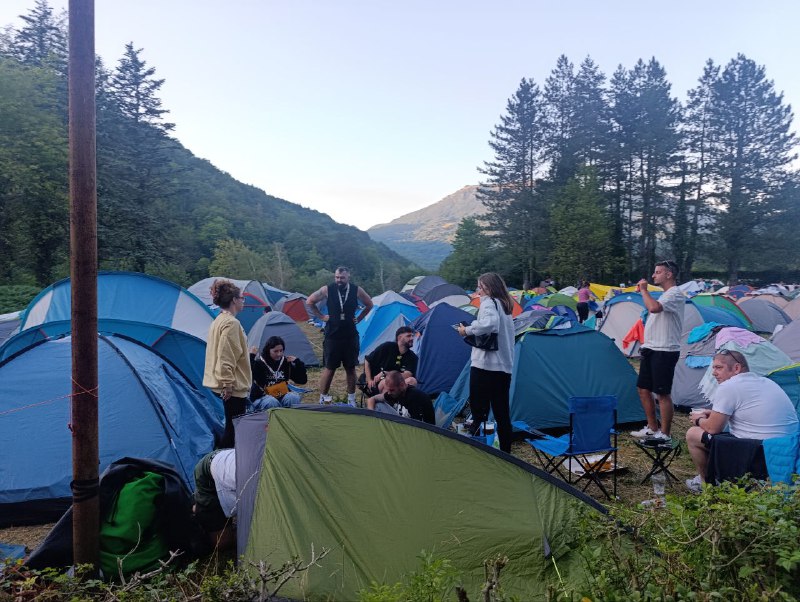
Bosnia has been hosting a music festival for years now in the Sutjeska National Park. Music and mountains—how could I not go? The festival runs for three whole days. Some people show up with tents and hang out the entire time, but one day was enough for me. Saturday's headliner was Dubioza, and they got almost two hours on stage. Honestly, that's mostly why I came. I didn't know many of the other acts, but I was surprised to see that the Croatian band Psihomodopop is still performing—these guys have been singing since 1982, and I wasn't even born yet :) ).

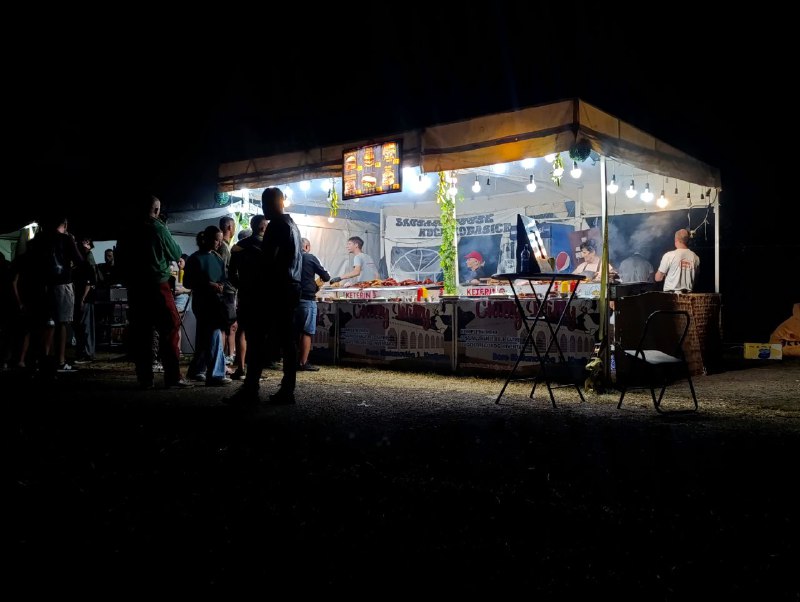
I was really surprised by the food and drink prices inside the festival area. You'd usually expect inflated prices at events like this. But nope—everything was normal, actually way cheaper than in Belgrade. For 10-15 marks (5-7 euros) you could grab a pljeskavica.

The crowd was pretty cool overall, though there was one sketchy moment where people would get a bit too excited and throw beer cups into the crowd. I got splashed a few times, but overall I left dry. It was awesome. I'll write about the mountains separately. They're absolutely stunning.
With rare exceptions, I try to pick local music for videos on the channel. Most of my clips are from the Balkans, and now I'm ready to dive into local concerts. You've already heard this track. Right after my trip to the States, it hits especially well.
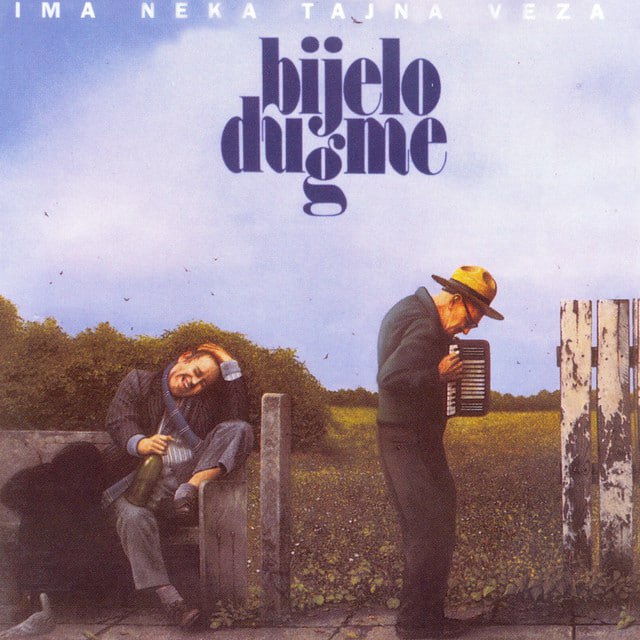
Песня "Ђурђевдан je" из поста про Ртань заслуживает отдельного рассказа. Кандидат #1 на общебалканский гимн, всенепременный трек на свадьбах и прочих торжествах. У местных с этим произведением просто религиозный опыт: все знают, все любят, все поют. Посмотрите на зал во время живого выступления.

К тому же на Балканах 6 мая отмечают Ђурђевдан (день Святого Георгия). Гораздо в большей степени празднуют рома, а святой считается их покровителем. Эдерлези — народный мотив в его честь — лег в основу песни югославской группы Биjело Дугме.

По легенде начало текста песни появилось во время второй мировой в поезде смерти из Сараево в концлагерь Ясеновац. Сараевский профессор истории Жарко Видович, выживший заключенный, рассказывал как один из пассажиров поезда в духоте, без еды и воды от безысходности впервые пропел:
Proljeće na moje rame slijeće,
đurđevak zeleni,
svima osim meni
Đurđevdan je!

Что переводится примерно как
Весна опустилась мне на плечи,
Зеленеет ландыш,
Наступил Юрьев день,
Для всех кроме меня!

После войны стих долго гулял из уст в уста по боснийской столице, пока в конце 1980х не оказался началом главного югославского хита.

Впрочем, сегодня не считается, что песня про концлагерь. Да и не похоже, что авторы закладывали такой смысл. Например, после релиза трека сербское телевидение выделило бюджет на съемки клипа, где главной темой хотели сделать первую мировую, а группу одеть в сербскую военную форму того времени. Солист Алия Исламович категорически отказался от такой затеи: по его мнению это было бы провоенным жестом. Договорились сниматься в народной одежде, но результат не захотели транслировать уже на самом телевидении.

Группа распалась перед балканскими войнами 1990х, но в 2005 они объединились снова ради балканского тура. Тот концерт в Белграде до сих пор (!) второй в мире по количеству проданных билетов (220 тысяч!). А до 2017 года держался первым. Ролик с выступления в начале поста ровно из этого тура, но в Загребе.

На песню появилась куча каверов (порой не без участия музыканта Биjело Дугме — Горана Бреговича): сам Эдерлези (для фильма Кустурицы), греческий ΑΗ ΓΙΩΡΓΗ, болгарский ГЕРГЬОВДЕН, турецкий Hıdrellez, и даже польский Nie ma, nie ma ciebie. Эту же мелодию можно услышать в суровых русских Симпсонах.
(translation pending)
Just when I think Bosnia can't surprise me anymore, something wild pops up.

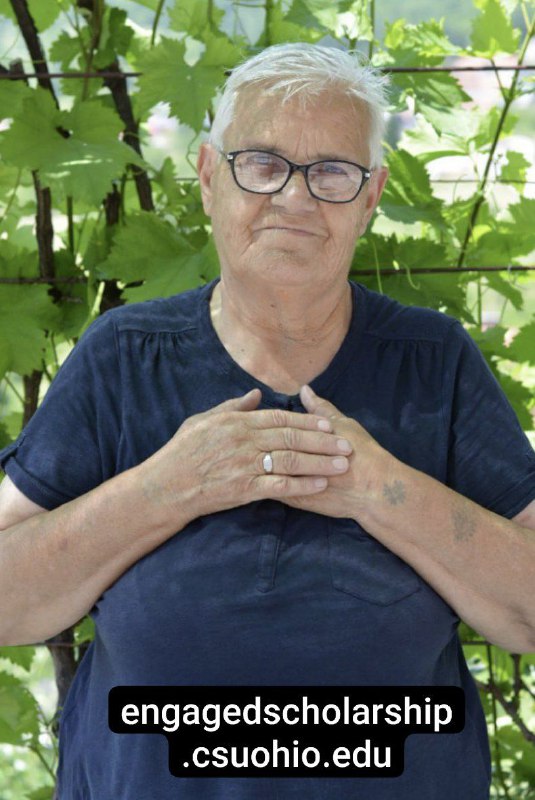
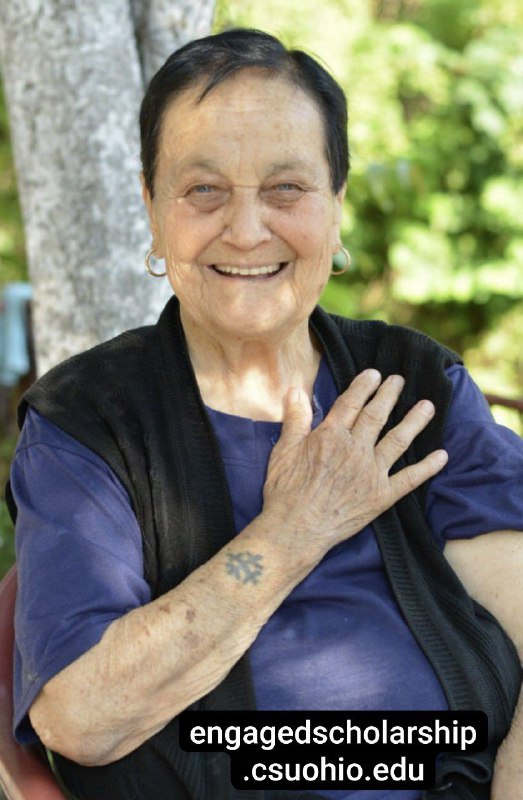
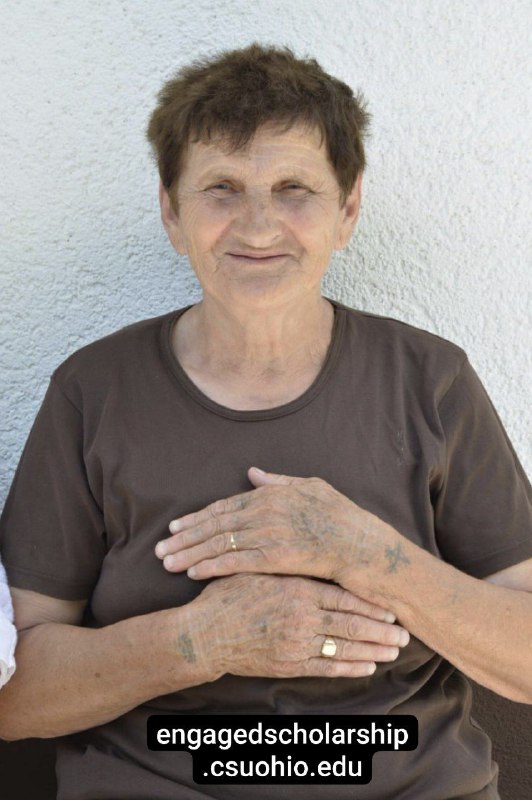
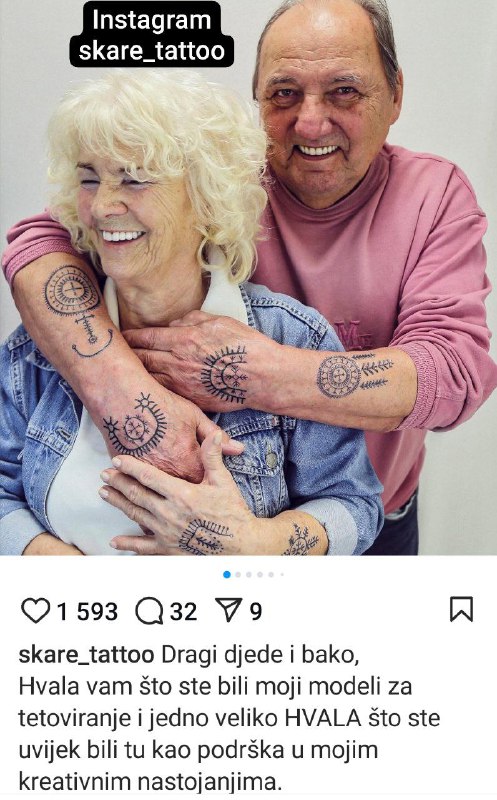
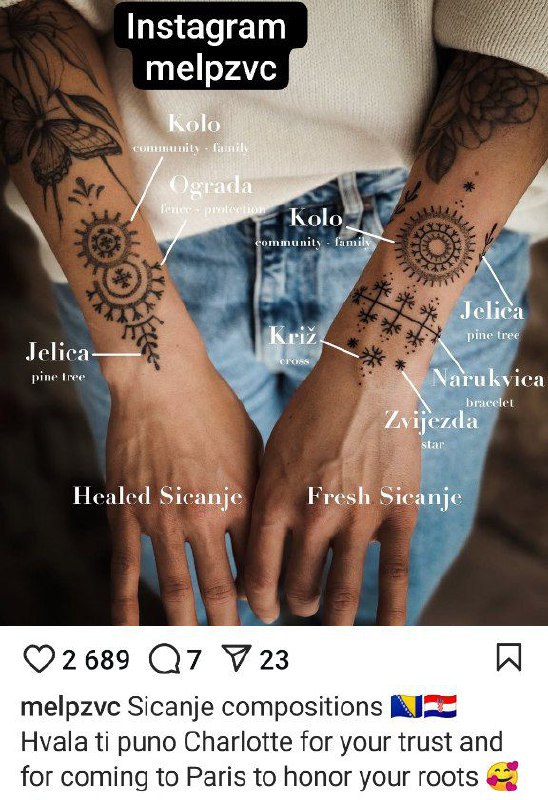
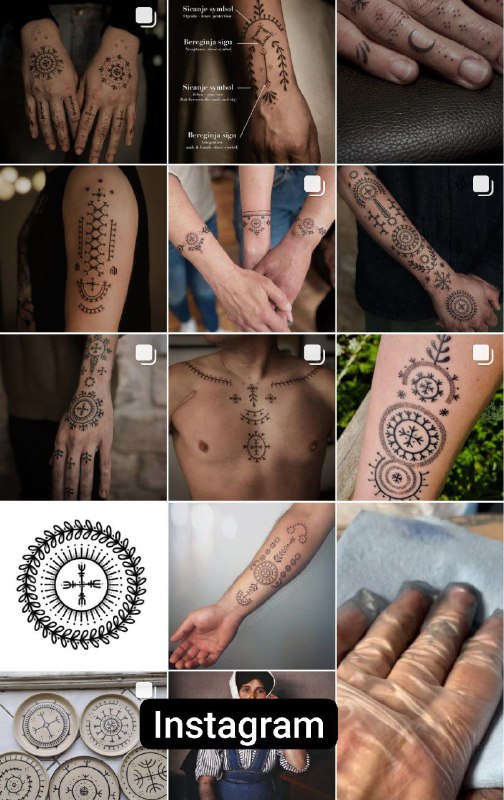
For centuries, Bosnian Croat Catholics practiced sicanje. It's a tradition of tattooing protective symbols on girls, and sometimes boys. The roots go back to pre-Christian times and originally tattooing wasn't just a Croat thing. Over time, the practice stuck mainly with them and the Albanians, but it was slowly dying out. The Ottomans gave it new life: Turkish soldiers wouldn't take tattooed girls to harems. After World War II, the practice basically disappeared and was nearly forgotten.

Back then, people made tattoos with whatever they had on hand: a needle, honey, and soot. Sometimes they'd add milk. Classic story: girls around 10-12 would be herding sheep and just casually tattoo each other. Sounds super safe, right?

In 2019, Cleveland University conducted a major study of the tradition. Interviews with elderly tattooed women are available on the university website: videos, transcripts, and even English translations (perfect for language learners). The first three photos here are from that collection. I gotta say, looking at these pictures, some of the women almost look like they just got out of prison :)

These days, young people seem to have rediscovered this history: Instagram's full of posts and even people offering the service (search for sicanje). That said, tattoos in the Balkans aren't exactly mainstream to begin with, and this is a pretty niche community. Don't expect it to blow up anytime soon.

PS. Here's more photos.
My traditional photo from Sarajevo.

I first found this location exactly 2 years ago (and still think it's the best) and had breakfast on New Year's Day with this view outside in +15°C! But now everything's covered in snow and it's below freezing.
Happy New Year! Wishing you peace and travels!

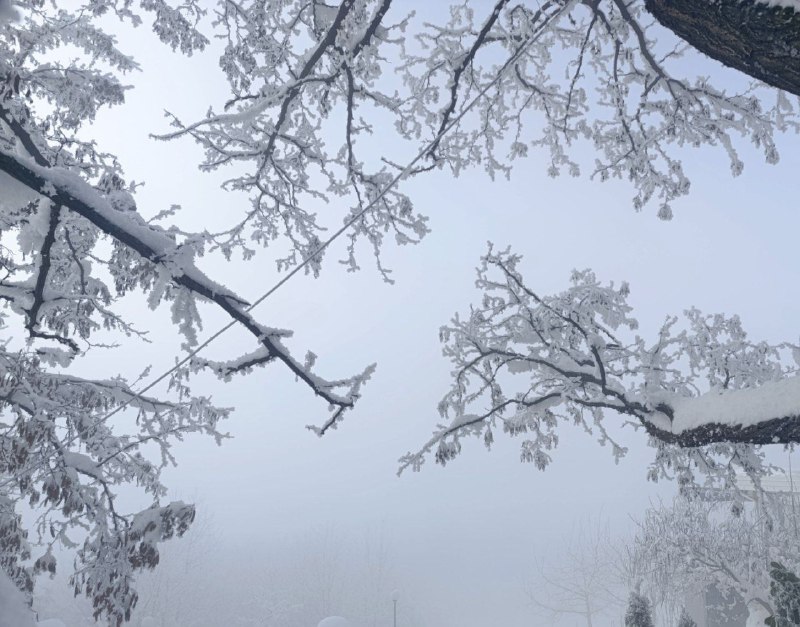
During the last week of December, Sarajevo got a month's worth of snow. Although before that, since 2019, it's been +10 degrees or even warmer during December days. Locals have gotten unused to cold weather. If you venture just a bit outside the city, the views are absolutely stunning!

Thank you for reading ❤️
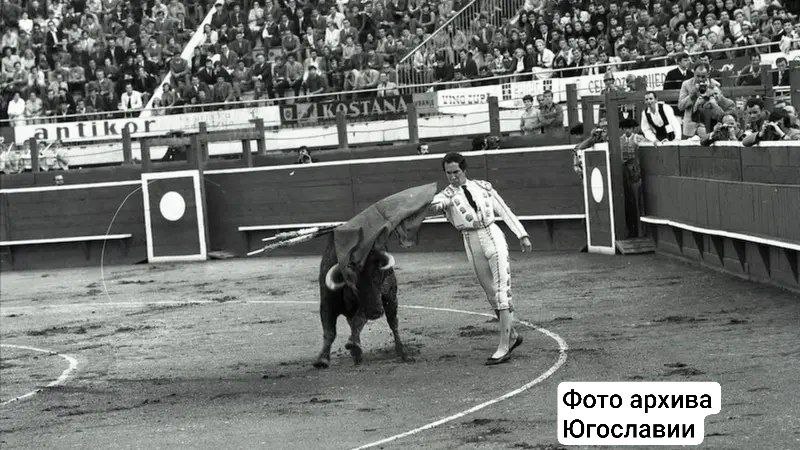
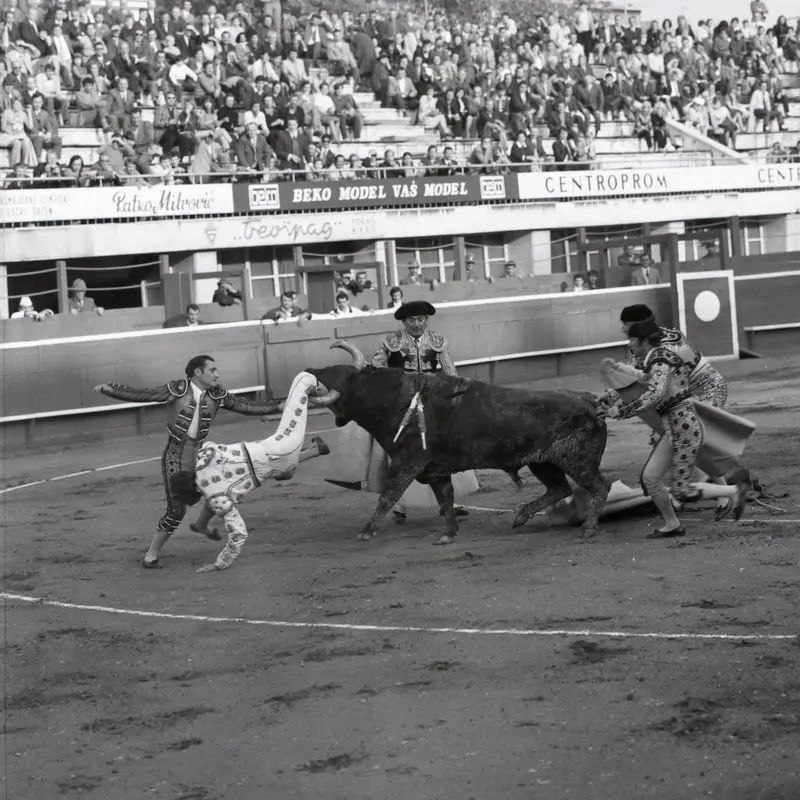
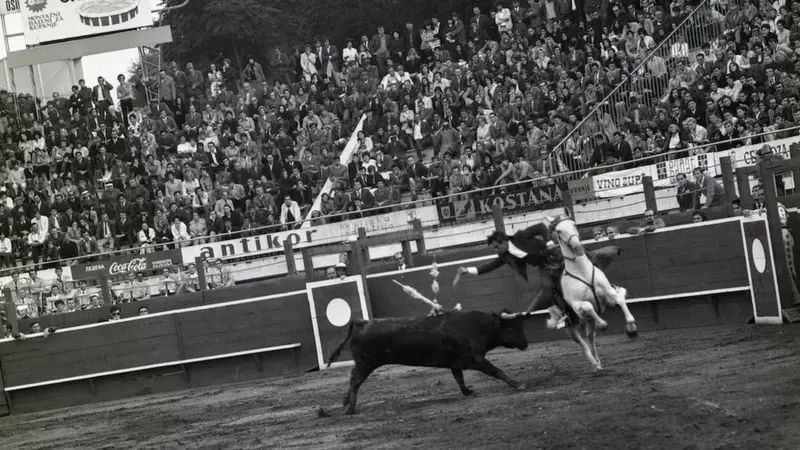
A story about Balkan bullfighting wouldn't be complete without a piece of Yugoslav history. In early October 1971, a real Spanish bullfight was held in Belgrade at the Tašmajdan stadium. If you tell this to Spaniards, they'll definitely not believe you. They'll insist that bullfighting never leaves Spain. Then you can show them this color (!) video. The clip is quite brutal. If you're not ready to watch bulls being killed, it's better not to open it.

By the early 1970s, Spain was opening up to the world and there were many who wanted to build relations. Tito attended a Mexican bullfight in the late 1960s, which impressed him greatly. So he decided that inviting the most renowned matador would kill two birds with one stone. They also brought 12 healthy bulls from Spanish Galicia. Not all Belgraders were happy with the idea. Nevertheless, tickets sold for a good price: 100-200 dinars (in 1971, a dollar was worth about 17 dinars). And up to 5,000 people came to the stadium. However, local spectators weren't particularly moved by the ritualistic killing. As newspapers report (here or here or here), people were rooting for the bulls more than the matadors. After the first animal's death, instead of joyful cheers, deafening silence fell over the stadium.

I've heard the bulls were eaten right there on the stadium. But at most I found mentions that nearby restaurants offered dishes made from the tails of the fallen animals. And clearly there was some corruption involved. Though maybe I just didn't search well enough.

Whether all this helped improve relations between the countries is also not entirely clear :)
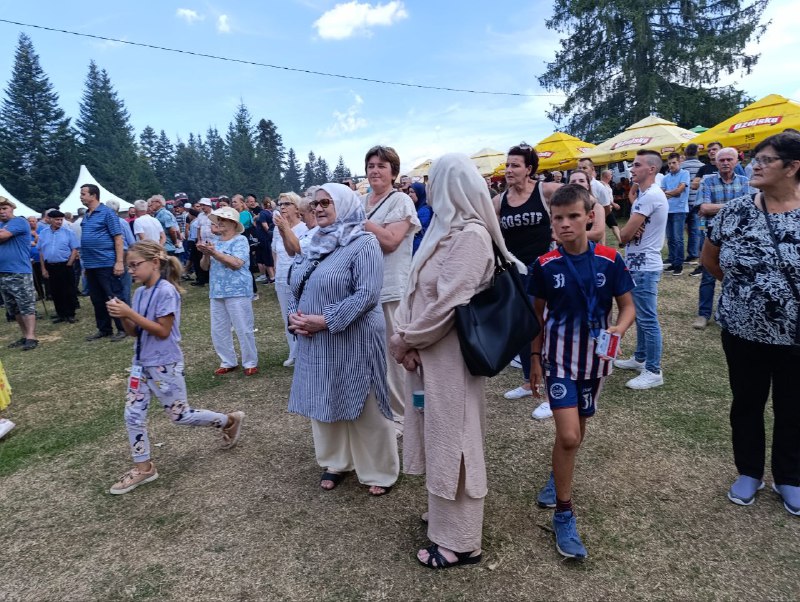
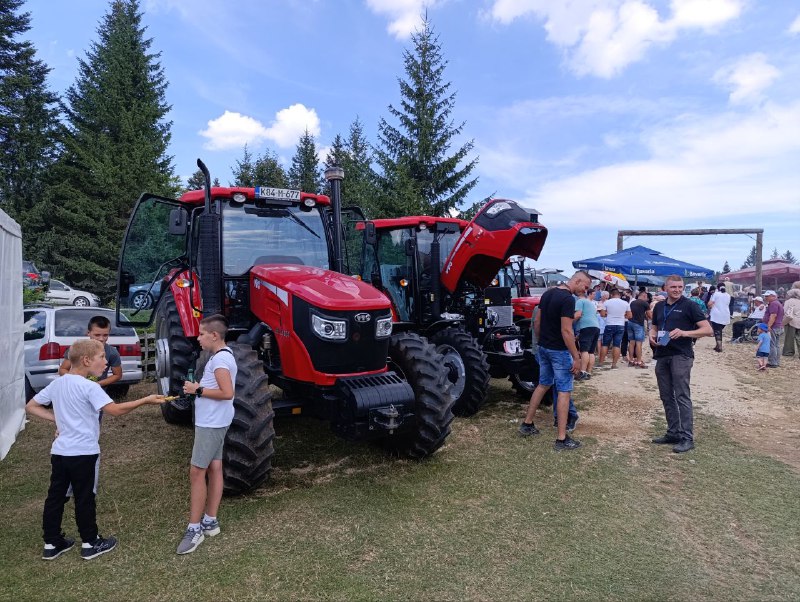
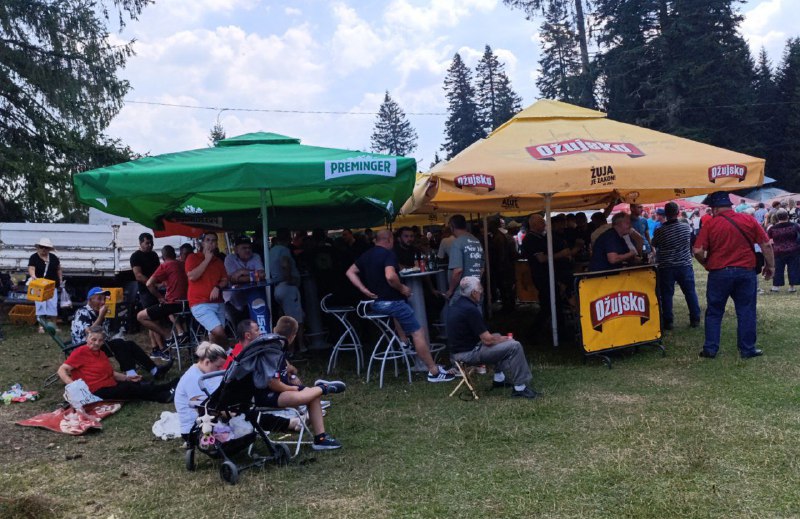
As a bonus on the way back from the bullfight, I completely by chance stumbled upon a local livestock and cheese exhibition near Travnik. I just happened to spot the festivities through the car window and stopped to check it out.

Here they only show the animals, and the best breeder gets up to 1000 euros in prize money. But overall, the livestock kind of stood off to the side. Every now and then they held various contests like tug-of-war.

The main action was happening in front of the stage. People were dancing kolo. It's one of the most famous Balkan dances. Everyone was in the circle dance: young people, older folks, and it looked like everyone was really enjoying it.

They started holding this exhibition relatively recently. This is the 11th event, but it happens every year.
A little behind-the-scenes from my trip to the Bosnian corrida. Might be useful.

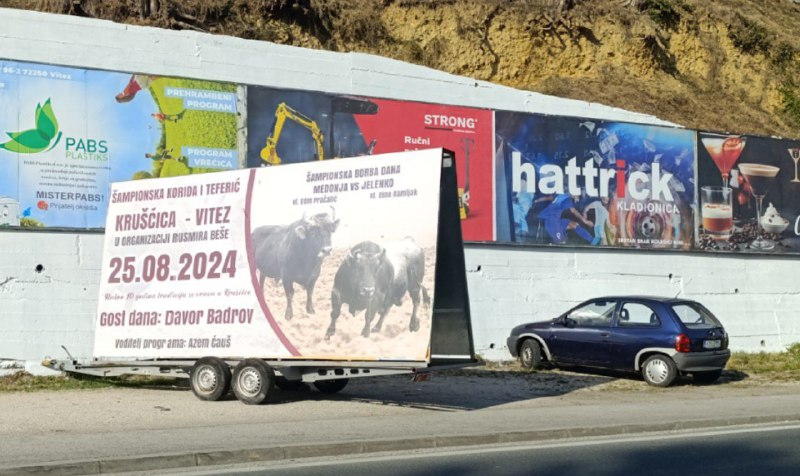
This event is run by locals for locals. They promote the fights either on TV or with outdoor ads like in the photo. Accurate information online is hard to find, not just in English but in the local language too.

The original plan was to attend the biggest event — the Grmečka corrida. Even Wikipedia knows about it, saying the fights happen on the first Sunday of August. A week before the trip, it turned out that this year everything suddenly moved to mid-July and had already ended.

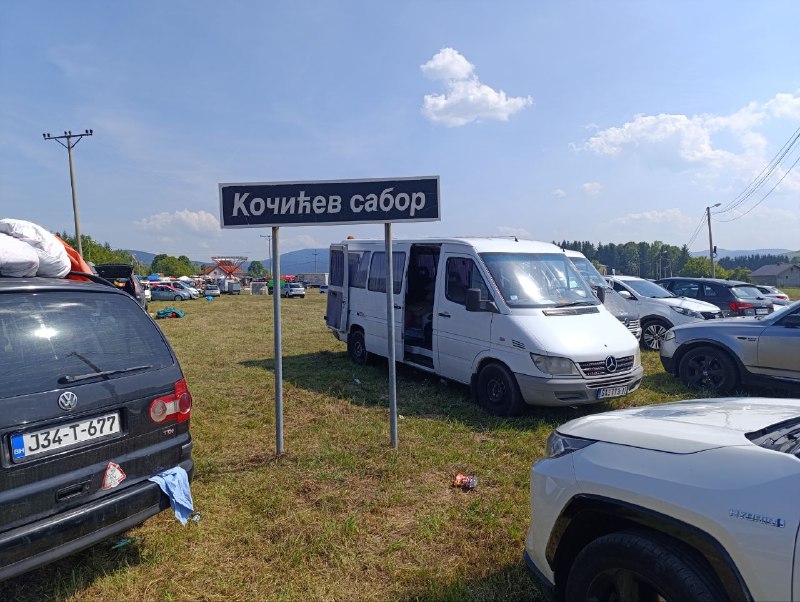
That's when I managed to dig up the only resource where anything gets announced at all: koride.ba. But even there they don't post everything. Nothing about Kočičev zbor, which usually happens on the last weekend of August — not a word, even though it's the second most important event.

I miraculously found the organizers' email (yeah, I really wanted to get there), and they sent me where and when to go. And the local press published an approximate schedule.

This year there was also an issue with the venue: the authorities suddenly decided to squeeze money out of the organizers for the land, but they firmly refused to pay anything and went looking for an alternative. In the end, when a new venue was found, they suddenly changed their minds about filling their coffers and held it at the usual place.

Anyway, I still went thinking I'd at least have to ask locals how to get to the bulls, or maybe I wouldn't find it at all. But it worked out.
The Balkans never stop amazing me. I randomly found out that Bosnia has been holding bullfights for over 250 years. I just had to go see it in person.

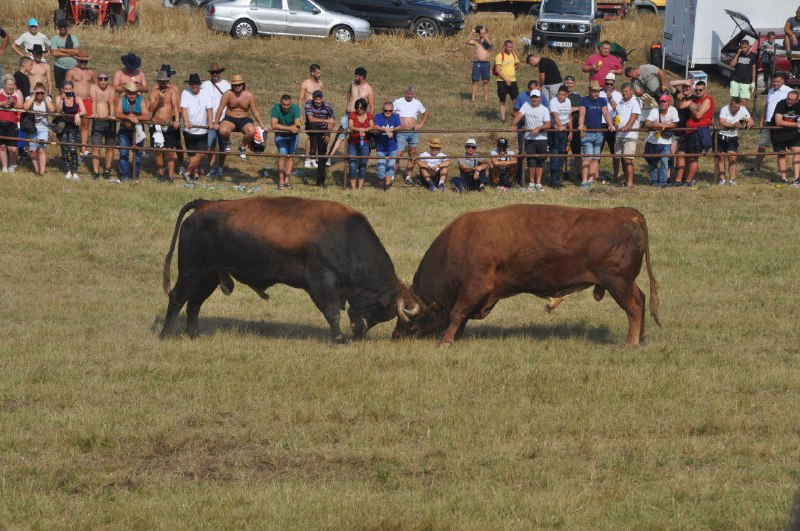
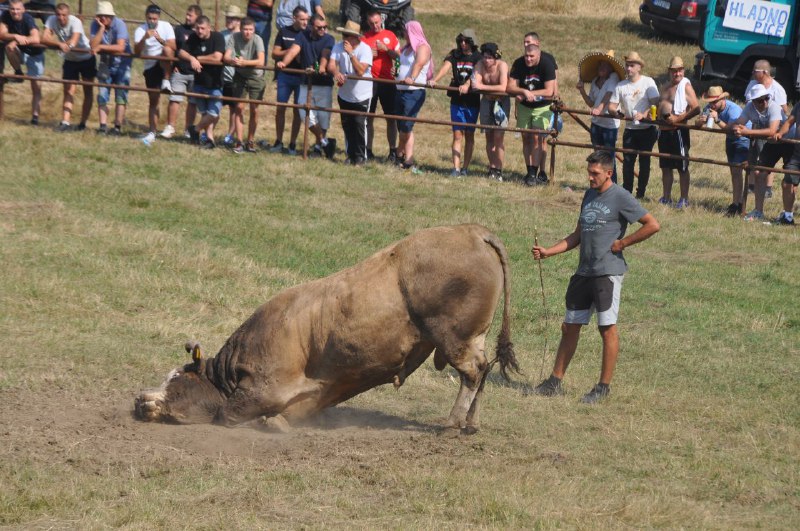
Even though they call it a Bosnian bullfight, the only thing it has in common with the Spanish version is the bulls. The second name for the Bosnian version—bull wrestling—actually gets closer to what's really going on. The animals leave the arena alive and healthy. At least, I didn't see any injuries.

They bring two powerful, massive bulls onto the field and wait for them to fight each other. There are people in the arena, but mostly to keep order and, for example, separate the bulls if a dangerous situation comes up.

Not all bulls want to fight. In that case, they might literally poke them with a stick, but without overdoing it or hitting them hard. More than half the matches end without actual combat. Usually, one of the bulls starts running around the field and mooing miserably, making it clear they don't want to fight. Then the referee declares the other bull the winner.

The fights go one after another without stopping. A match usually lasts a couple minutes, but you can spend another 5-10 minutes before the actual spectacle—bringing the bulls in and the preliminaries, when the bulls check each other out, just walk around the field, or stand next to each other. The pairs constantly rotate, and owners bring the animals to the arena as the event goes on, then take them back to the farm.

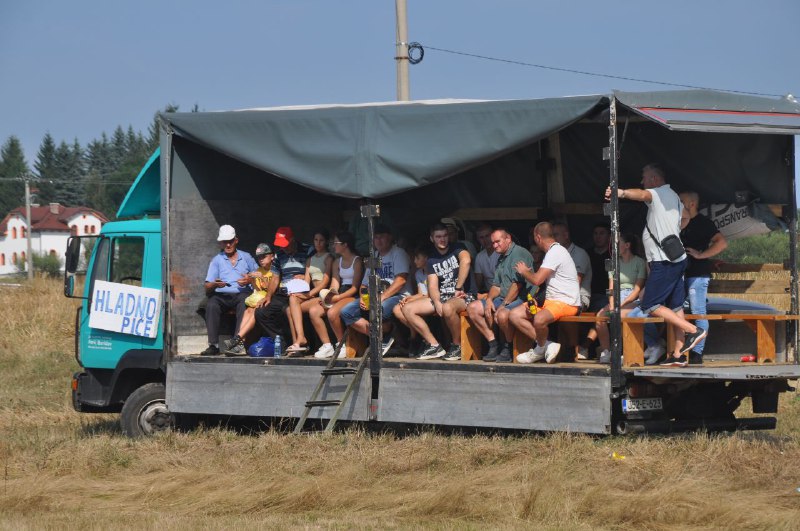
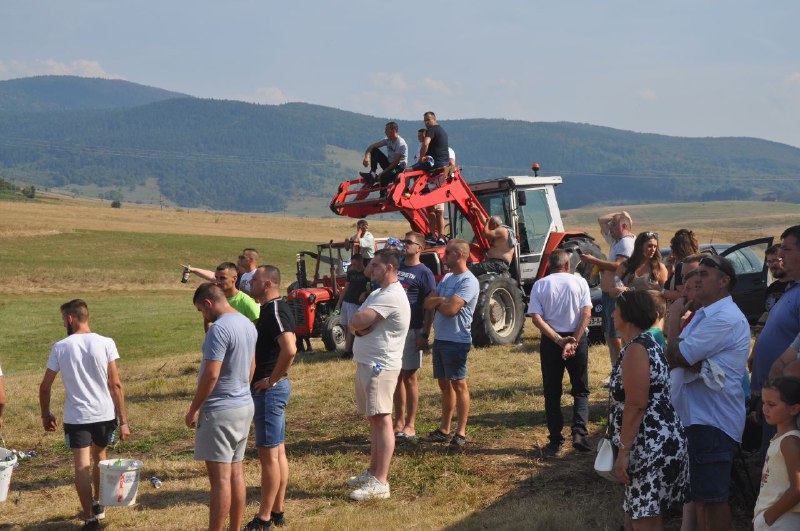
They hold dozens of these bullfights every year (!). Practically every weekend from spring to fall there's something going on. And they even advertise it on local TV. Smaller events fit into one day. Bigger ones go for 2-3 days. I was at the Kochichevo Assembly, the second largest one. The president of the Republika Srpska even visited last year.

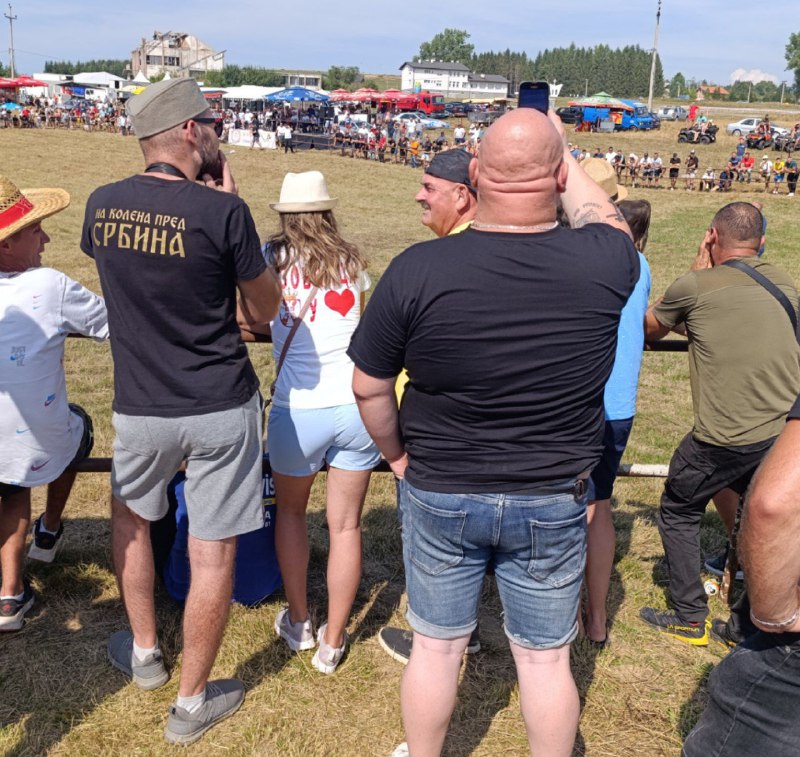
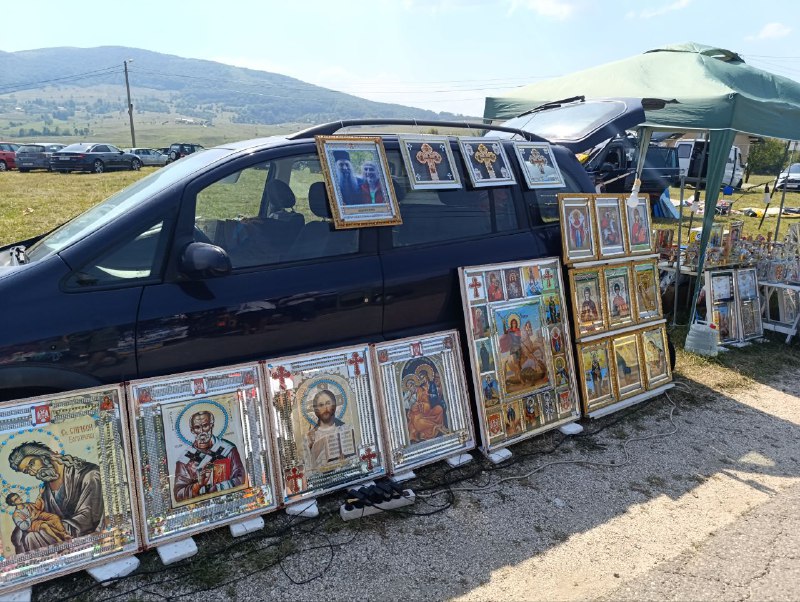
It's one of the most atmospheric Balkan mass gatherings I've been to. But the format and the wrestling itself are definitely not for everyone. I was more curious about the tradition itself and the people around it. It's a whole separate world. I can't help but mention the insane amount of questionable t-shirts people were wearing with slogans like "on your knees before a Serb," ultra-right-wing messages about Kosovo, and other souvenirs with Mladić in the shops at the entrance.

PS. I'll add some more pictures in the comments.
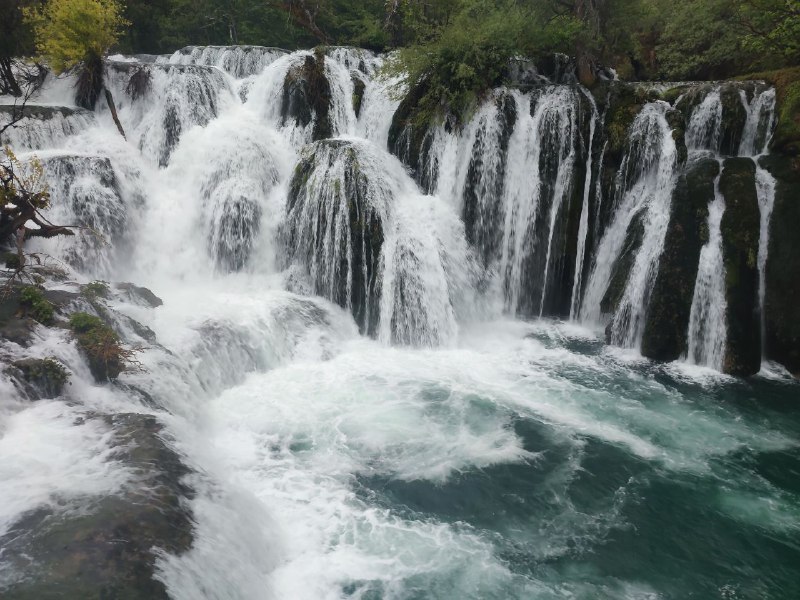
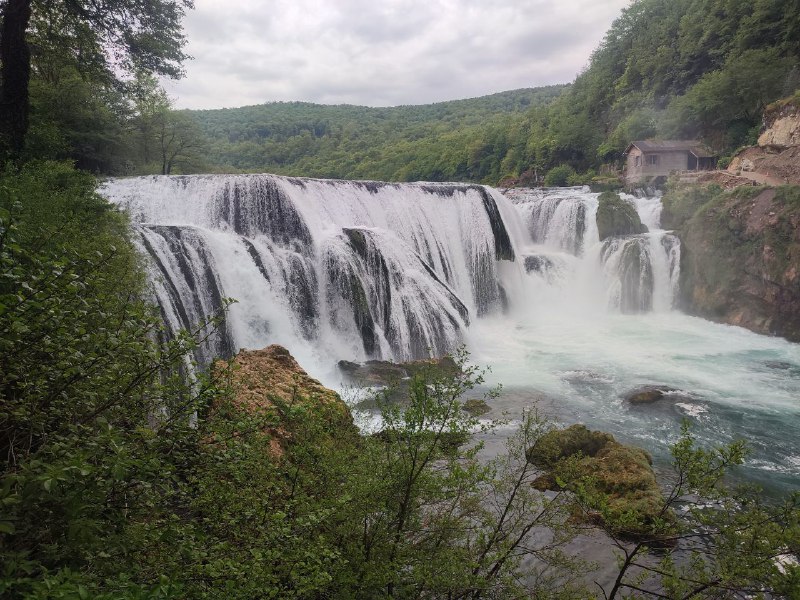
So I ended up taking this super visual trip without diving too deep into the history. But the Bosnian Una National Park right on the border with Croatia looks absolutely amazing. The Una River—Bosnia on one bank, Croatia on the other.

The countries are in talks to expand the park to the Croatian side and manage the nature together. I'm hoping they can make something happen with this.
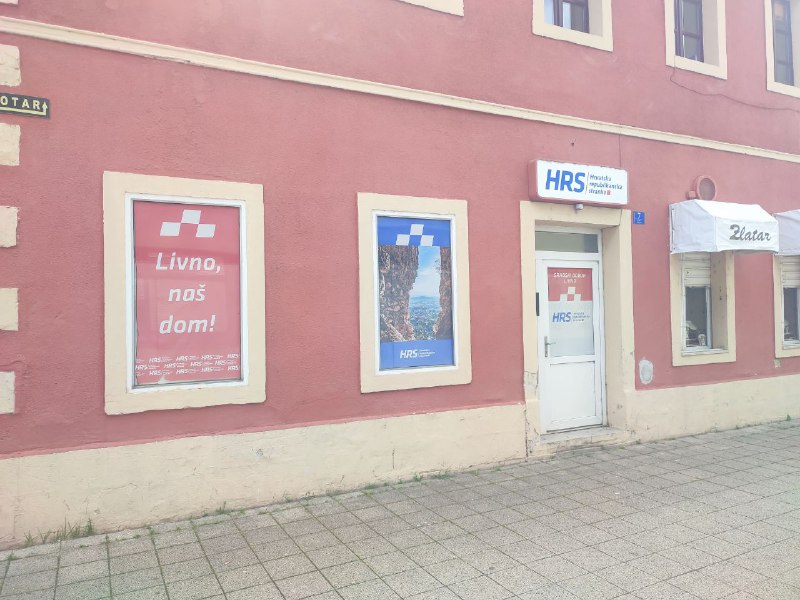
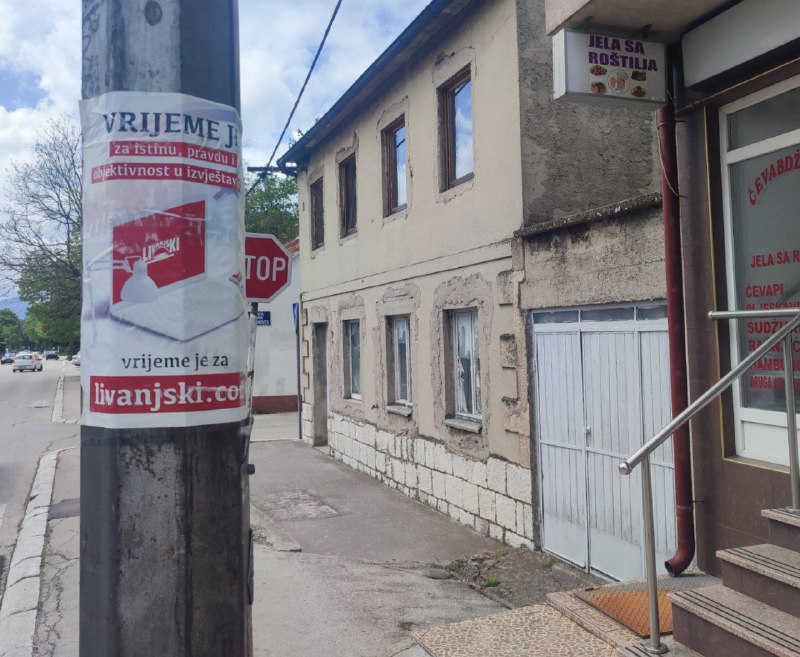
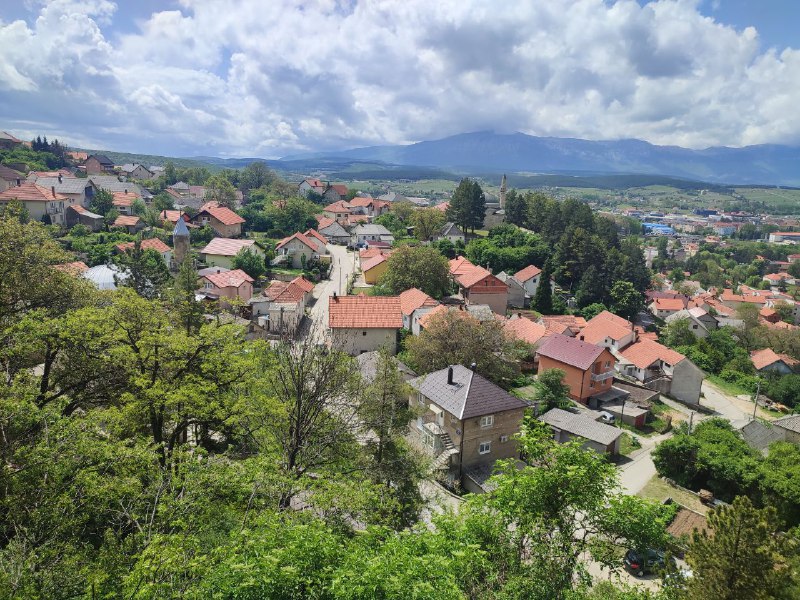
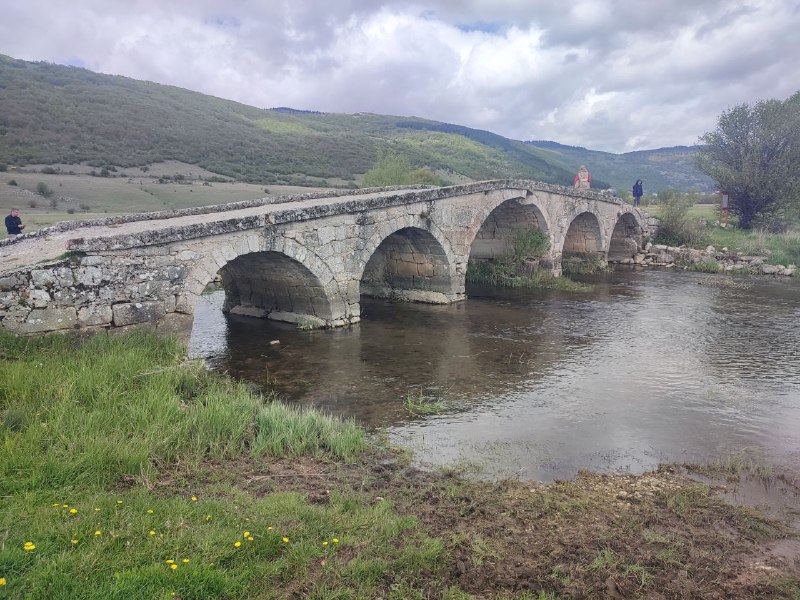
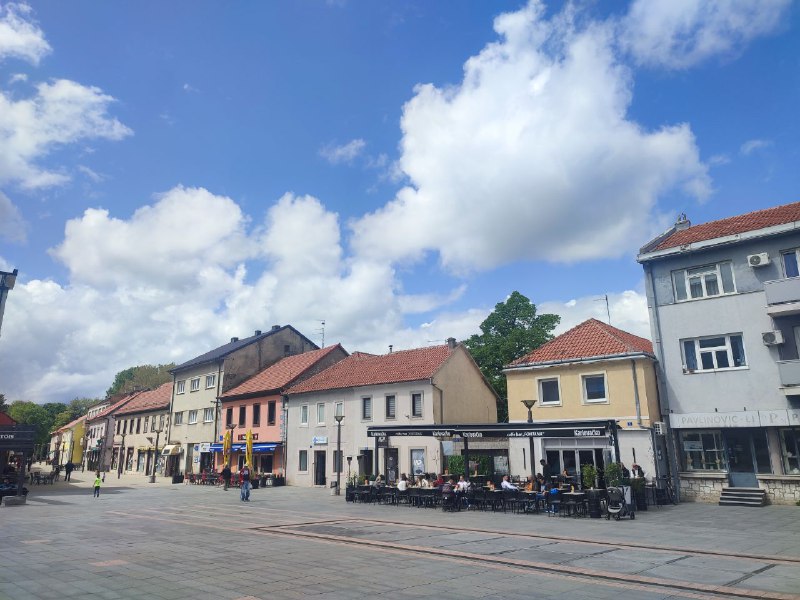
If you happen to spot livanjski sir in Balkan shops, it has absolutely nothing to do with Lebanon. That's just the quirky name for cheese from the city of Livno in the Herzegovinian part of Bosnia.

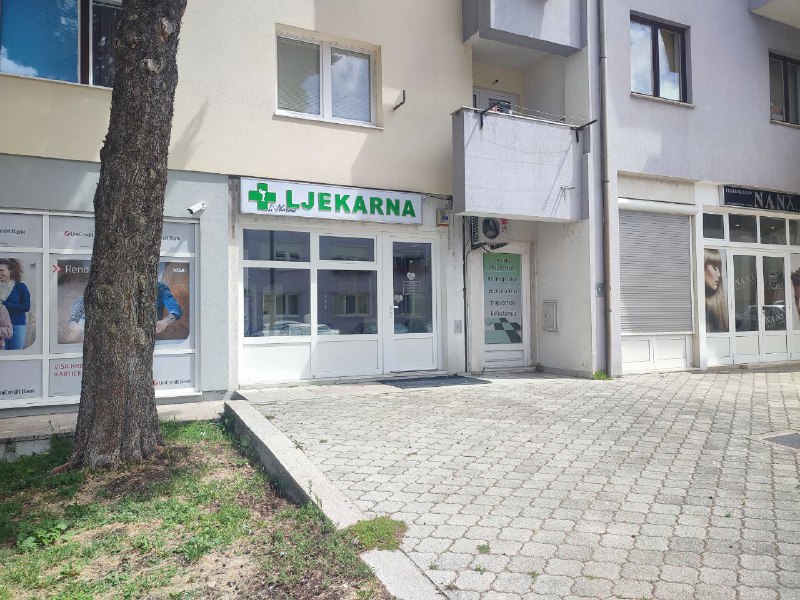
This region is mainly inhabited by Croats. You can tell right away just from the way they name ljekar pharmacies. Back during the kingdom, it was even part of the Croatian Banate (the country's administrative unit).

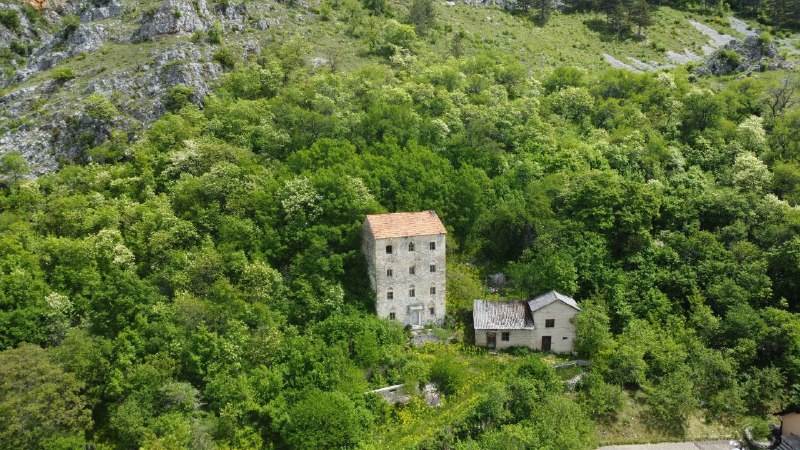
During the Bosnian War, a lot of people left and never came back. You really notice this when you're driving between cities and see villages lining the highway that are pretty much completely abandoned.

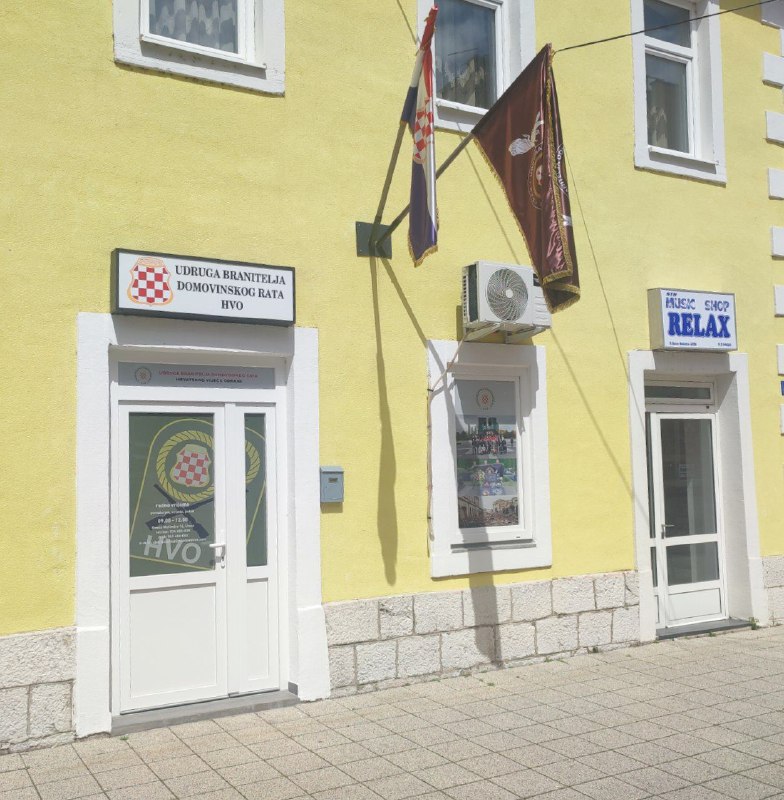
What really surprised me was seeing a sign with HVO (the Croatian Defense Council from the time of the Bosnian War). I figured that after the 92-95 war, people wouldn't mention that kind of thing anymore. But apparently, they actually commemorate the organization's founding day every year. Even with government officials participating.