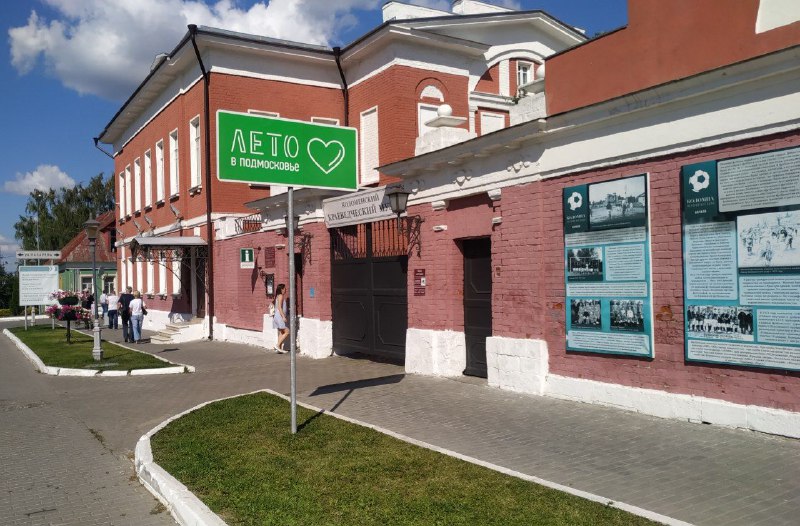
As summer was coming to an end with the weather still nice, I finally decided to explore something that's been right next to me all these years, but I just never managed to get around to it.
I went to Kolomna. Either I was unlucky, or people here react strangely to directions. The few people I asked answered in such a condescending tone, as if I'd asked them "is it really true that 2+2 equals 4?".
Telegram mirror
Telegram is a messenger where I post short travel notes. This page is a self-hosted backup of that channel.
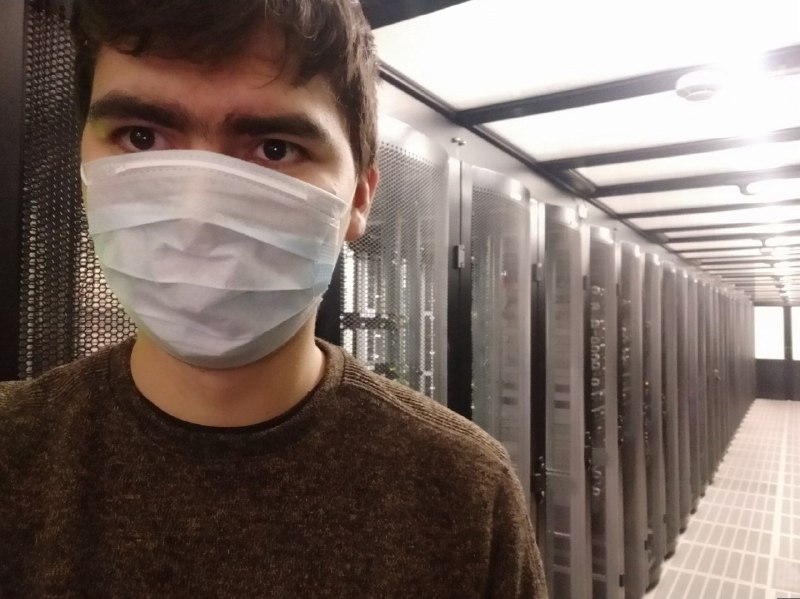

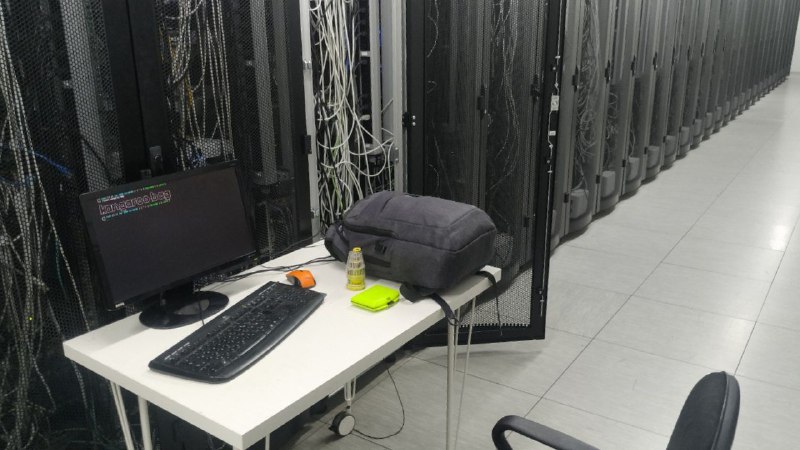
The virus is still raging around the world, and most borders remain locked down. But the bravest are already starting to travel somehow. I decided not to fall behind and went to the data center :)
(actually, a hard drive died prematurely and I had to replace it, but at least it's some kind of change of scenery)
(actually, a hard drive died prematurely and I had to replace it, but at least it's some kind of change of scenery)
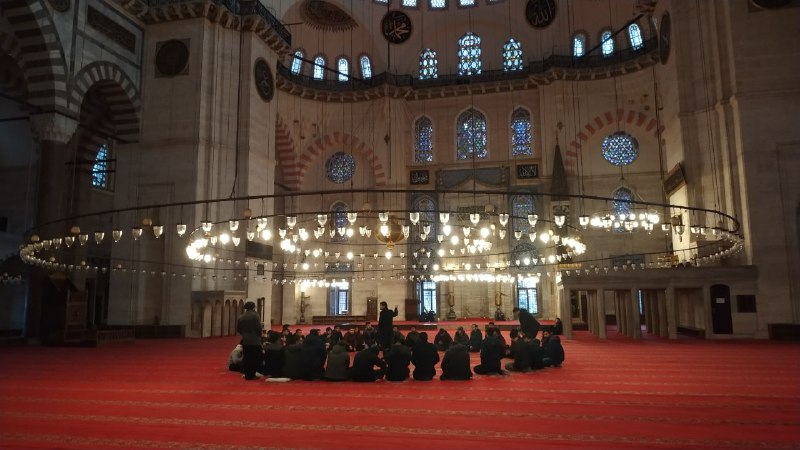
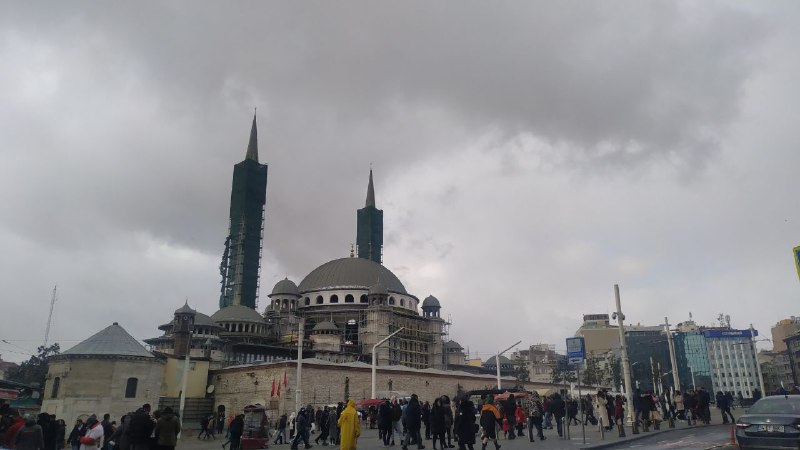
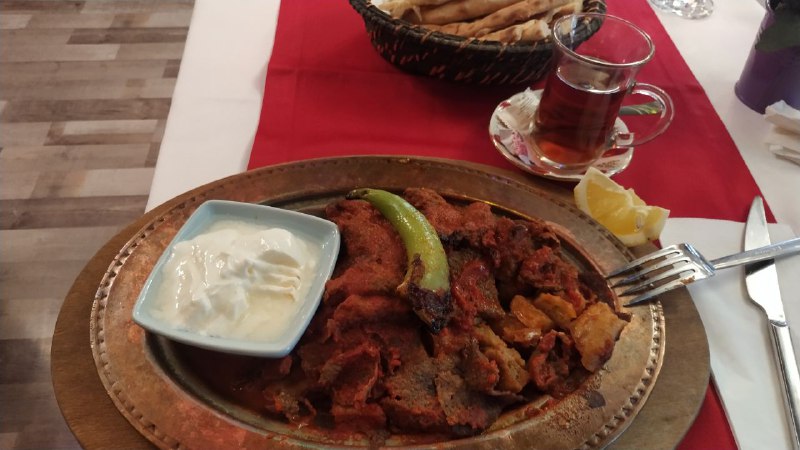
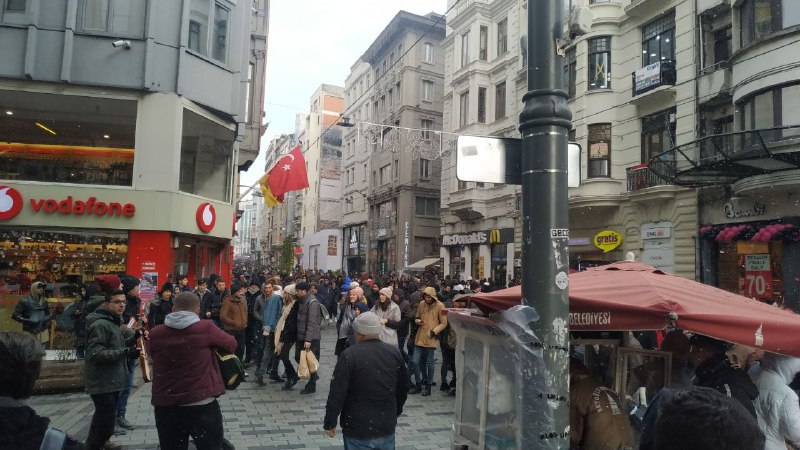
A little taste of Istanbul on the way home. Once I catch my breath, I'll share my overall impressions from the trip.
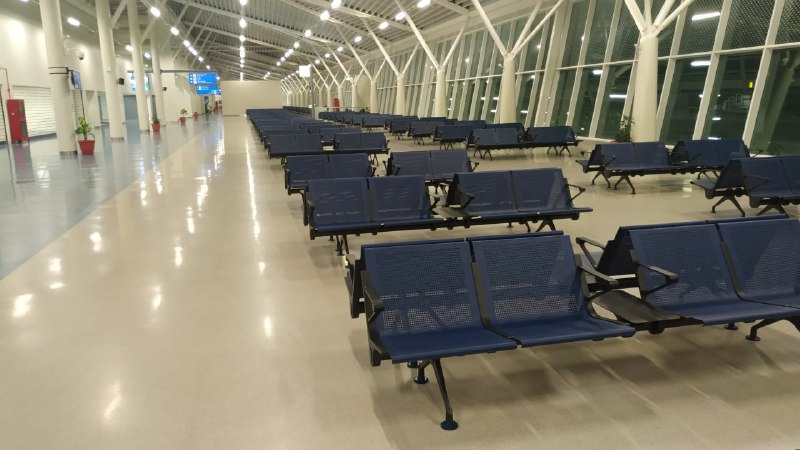
By the way, the Dar es Salaam airport terminal itself is so new that besides a couple of cafes and one souvenir shop with magnets, there's basically nothing here. The halls are empty, and there are very few flights. The terminal only just opened in 2019.
It turned out that without a pen, you can't just enter—you also can't leave. To cross the border, you need to fill out a similar form, and of course, there are no pens. Fortunately, the border guards this time were more accommodating.
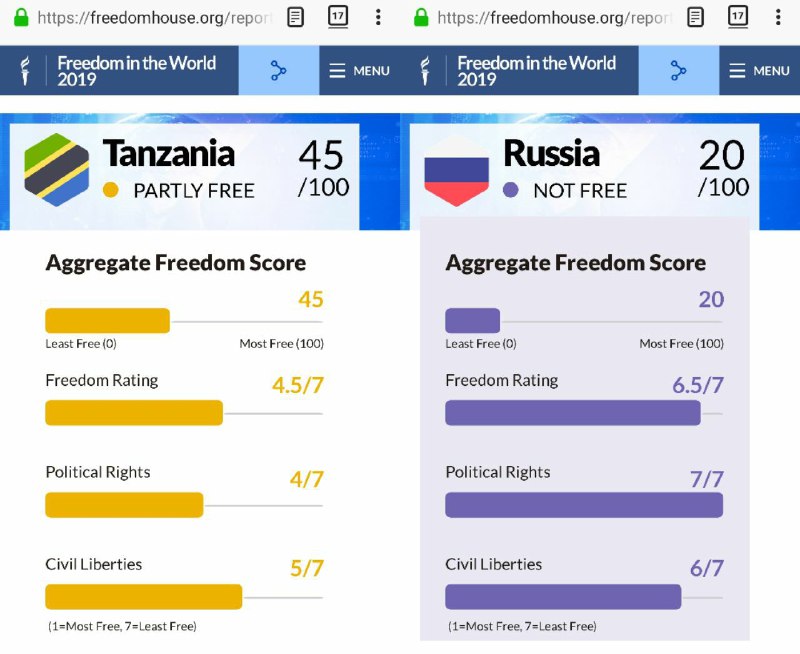
Here's a funny (not really) fact: freedom of speech in Tanzania is significantly better than in Russia.
Police are police, even in Africa.
In Tanzania, you need to get a million licenses and permits just to provide tourist services. Local police particularly love stopping cars with white people for "document checks." Drivers happily pay them off with a couple of bucks.
According to our guide, if you actually get caught doing something wrong, you can usually work it out on the spot without any official paperwork.
The government tries to fight this by paying officers almost a third of officially issued fines, but it doesn't really help much.
There's also this weird paranoia about photographing law enforcement here. If locals see you trying to take a picture of a police station, they immediately start yelling that you can't, telling you to put the camera away. And our guide kept saying under no circumstances should you photograph military or police, because they might confiscate your memory card (or camera).
In Tanzania, you need to get a million licenses and permits just to provide tourist services. Local police particularly love stopping cars with white people for "document checks." Drivers happily pay them off with a couple of bucks.
According to our guide, if you actually get caught doing something wrong, you can usually work it out on the spot without any official paperwork.
The government tries to fight this by paying officers almost a third of officially issued fines, but it doesn't really help much.
There's also this weird paranoia about photographing law enforcement here. If locals see you trying to take a picture of a police station, they immediately start yelling that you can't, telling you to put the camera away. And our guide kept saying under no circumstances should you photograph military or police, because they might confiscate your memory card (or camera).
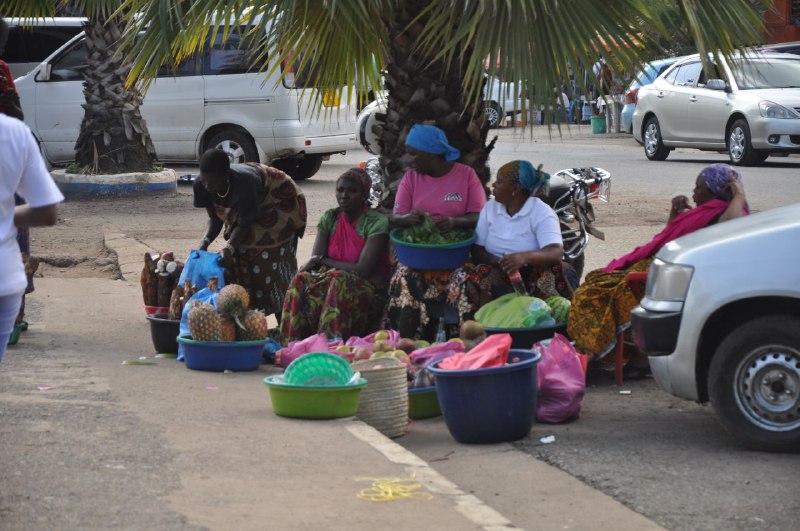
All the small villages and towns follow the same layout: a main street (usually a highway) lined with an informal market, with residential houses spreading back from there.
People sell whatever they can. Everything from fruit to household goods. You can even find meat, which sits in a basin out in the heat without refrigeration.
But honestly, there's not much to do here. There are no attractions at all, and looking at the market—which is basically identical to the one in the previous town—for the tenth time gets pretty boring.
People sell whatever they can. Everything from fruit to household goods. You can even find meat, which sits in a basin out in the heat without refrigeration.
But honestly, there's not much to do here. There are no attractions at all, and looking at the market—which is basically identical to the one in the previous town—for the tenth time gets pretty boring.
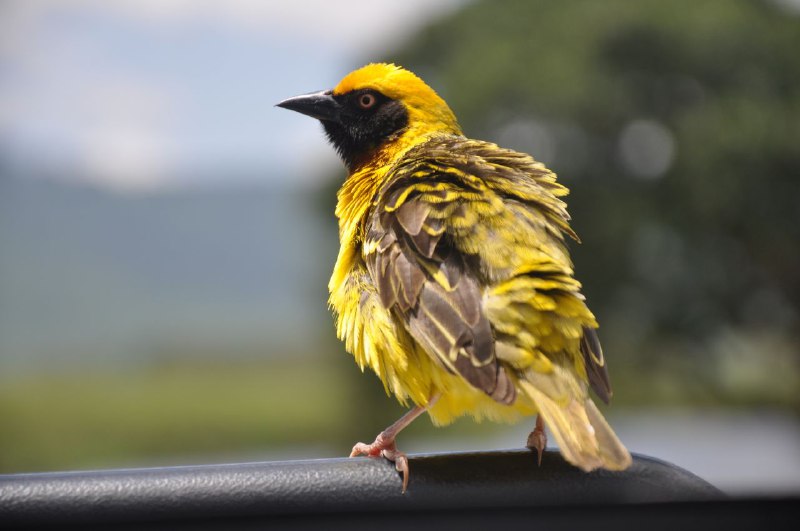
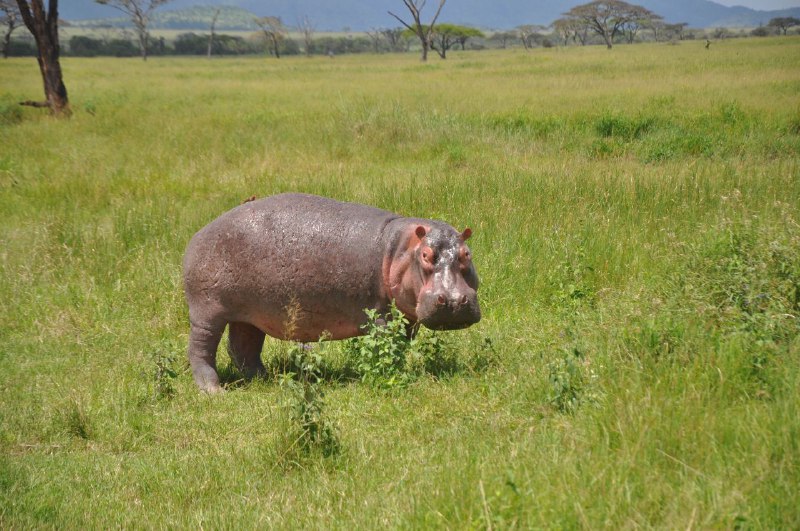
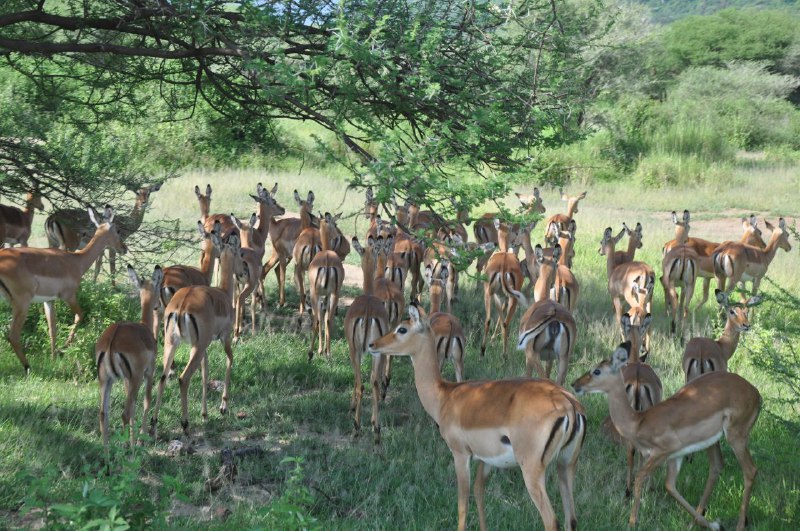
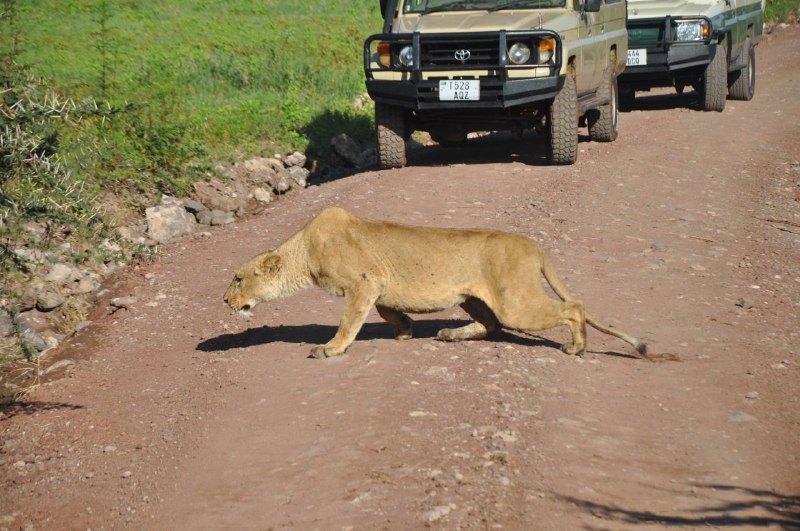
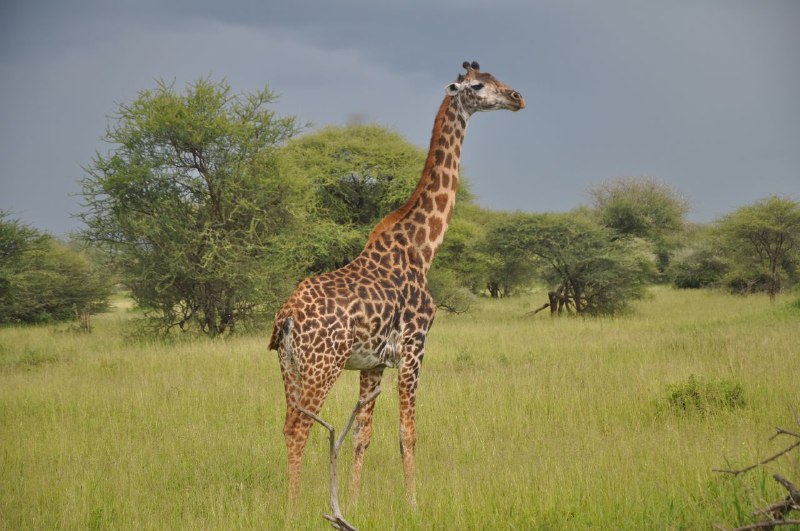
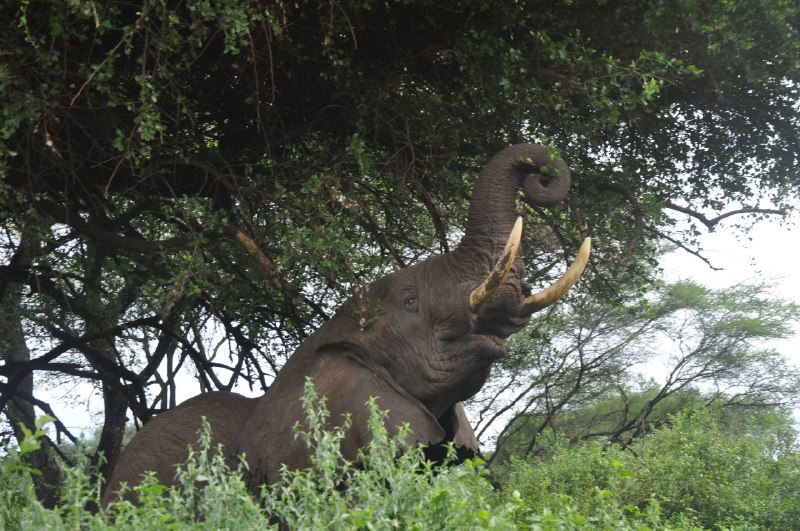
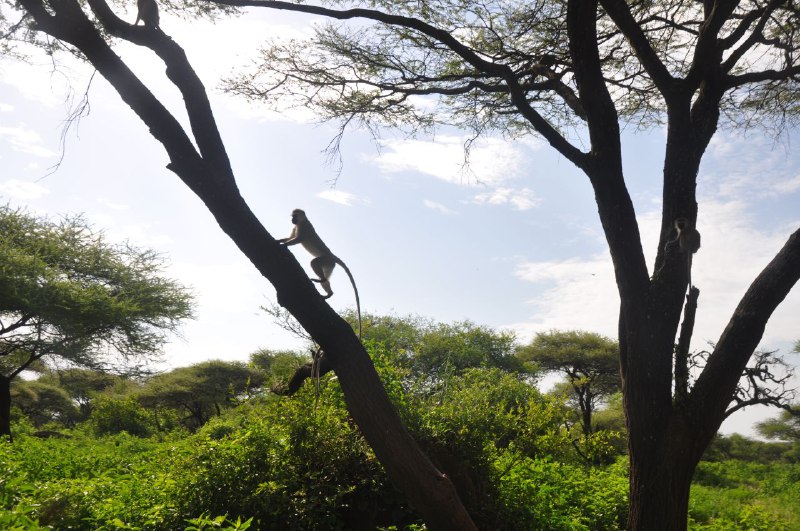
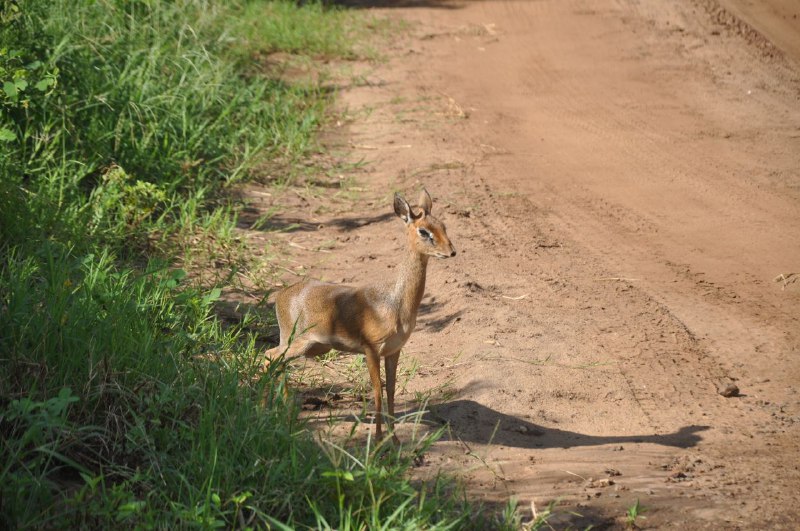
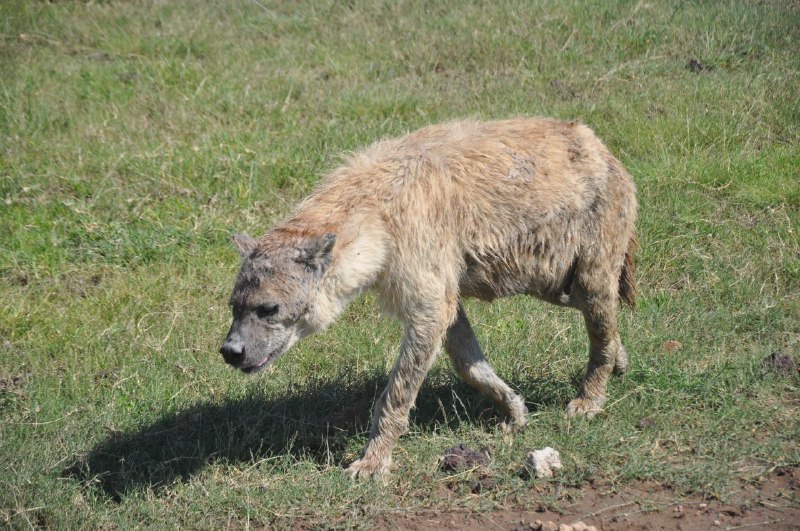
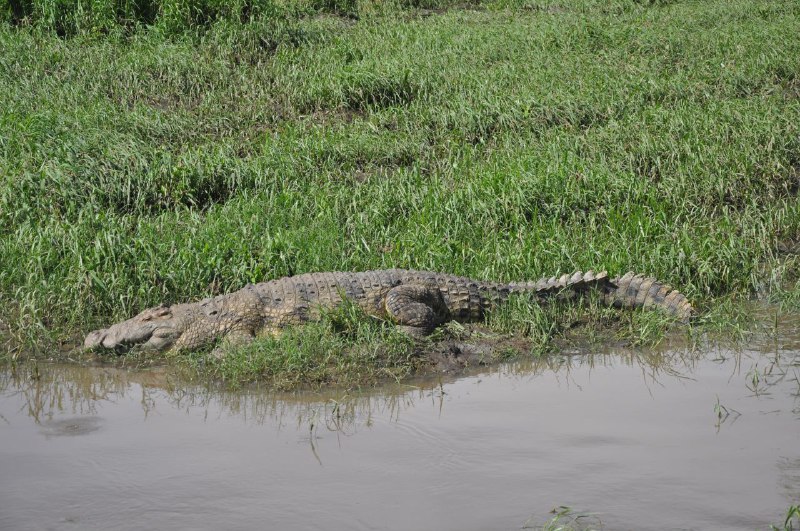
More animals :)
We weren't too lucky with the weather – in some places the road was completely washed out, and we couldn't reach the best spots for lions or get closer to the rhinos because there was a river where the road should have been due to the rains.
This kind of weather is unusual for January-February. It's supposed to be dry season, but something went wrong.
We weren't too lucky with the weather – in some places the road was completely washed out, and we couldn't reach the best spots for lions or get closer to the rhinos because there was a river where the road should have been due to the rains.
This kind of weather is unusual for January-February. It's supposed to be dry season, but something went wrong.
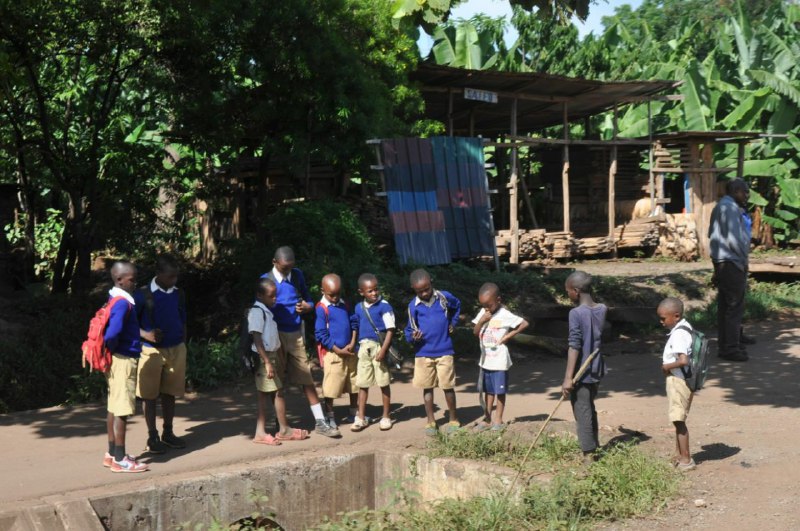
Crowds of schoolchildren roam through the villages. Everyone in uniform. The style depends on the school, but there's always something white (at least a shirt). I keep being amazed that despite all the dust on the streets, the children's uniforms are spotless and look like they were just bought yesterday.
Adults are no different: women often wear bright clothes and they're also perfectly clean. How do they manage it?
PS. The school schedule is interesting: January through June is the school term, July through December is vacation.
Adults are no different: women often wear bright clothes and they're also perfectly clean. How do they manage it?
PS. The school schedule is interesting: January through June is the school term, July through December is vacation.
Stopped by another tribal settlement. Representatives of Masai. The most famous and numerous tribe.
This time everything is clearly set up as a money-making operation for tourists. The Masai are decently dressed, speak English reasonably well, and charge for tours. They greet visitors with a welcome dance and adumu (a jumping dance where it's about who can jump highest; we jumped with them too), quickly show off their dwellings, then persistently and at length start hard-selling souvenirs at outrageous prices. Ugh, what a way to be.
Compared to yesterday's tribes, it's way too staged and not interesting at all.
PS. Still, there was something to be amazed by. These guys not only extract money from tourists but also raise livestock. Where there's livestock, there are flies (really persistent ones). The residents have learned to completely ignore the flies. So a fly crawls across your lip, you're not going to swat it. Doesn't stop you from talking. How is that even possible?
This time everything is clearly set up as a money-making operation for tourists. The Masai are decently dressed, speak English reasonably well, and charge for tours. They greet visitors with a welcome dance and adumu (a jumping dance where it's about who can jump highest; we jumped with them too), quickly show off their dwellings, then persistently and at length start hard-selling souvenirs at outrageous prices. Ugh, what a way to be.
Compared to yesterday's tribes, it's way too staged and not interesting at all.
PS. Still, there was something to be amazed by. These guys not only extract money from tourists but also raise livestock. Where there's livestock, there are flies (really persistent ones). The residents have learned to completely ignore the flies. So a fly crawls across your lip, you're not going to swat it. Doesn't stop you from talking. How is that even possible?
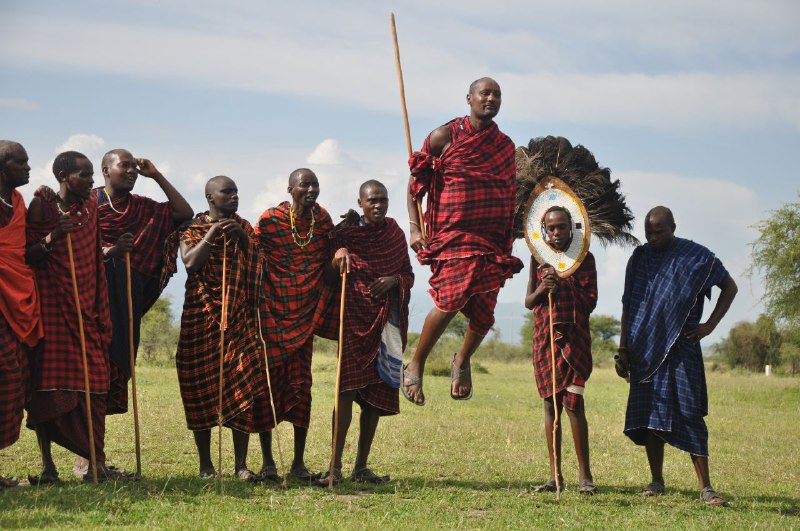
At one of the hotels we stayed at, all guests are greeted exactly like this. Something out of this world.
►
Local dances (:
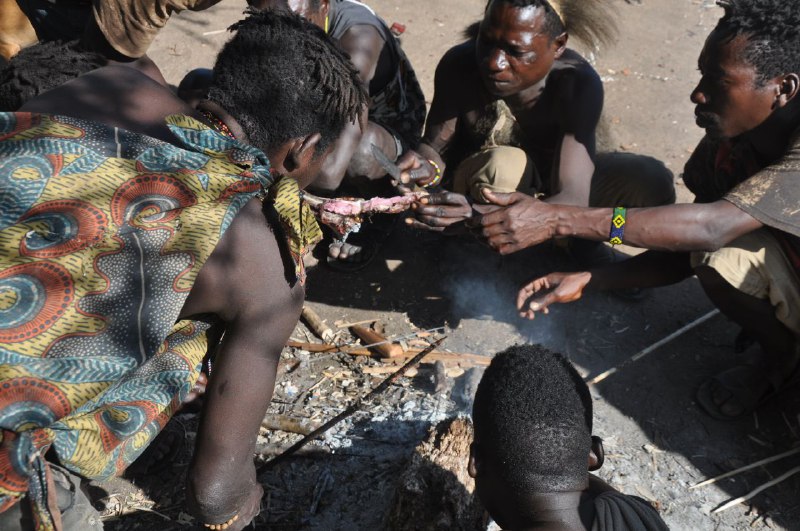
This is what lunch looks like. The guys don't know how to cook and they hold the meat over the fire mostly for show. It's completely raw inside, but who cares?
Along with the meat, there's some kind of weird flour paste. Looks completely inedible, but they're fine with it.
PS. They fed this same meat to a kid in front of us who was maybe a year and a half old, max. The little guy didn't like the meat and spit it on the ground. An adult picked up the piece, blew the dirt off it, and put it back in the kid's mouth 🙈
Along with the meat, there's some kind of weird flour paste. Looks completely inedible, but they're fine with it.
PS. They fed this same meat to a kid in front of us who was maybe a year and a half old, max. The little guy didn't like the meat and spit it on the ground. An adult picked up the piece, blew the dirt off it, and put it back in the kid's mouth 🙈
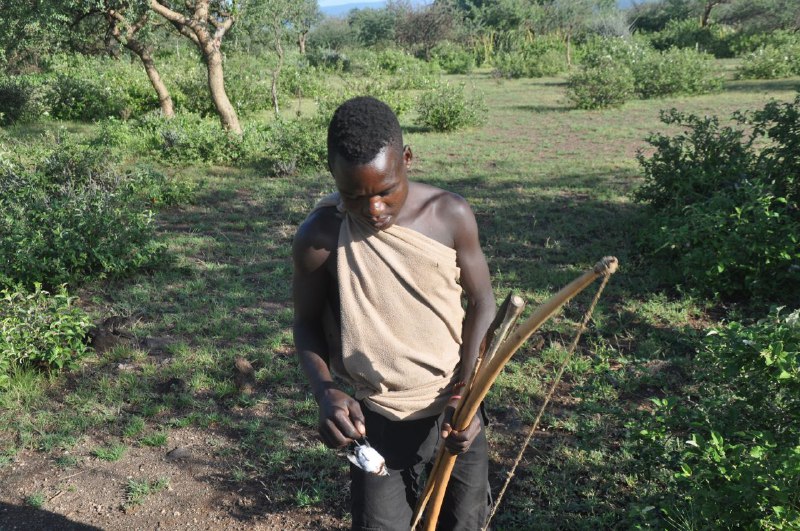
They hunt mainly birds with a bow. Sometimes larger game, but less often. They go hunting twice a day: early in the morning and toward evening when it's not so hot.
During a couple hours of hunting, they caught 3 small birds.
During a couple hours of hunting, they caught 3 small birds.
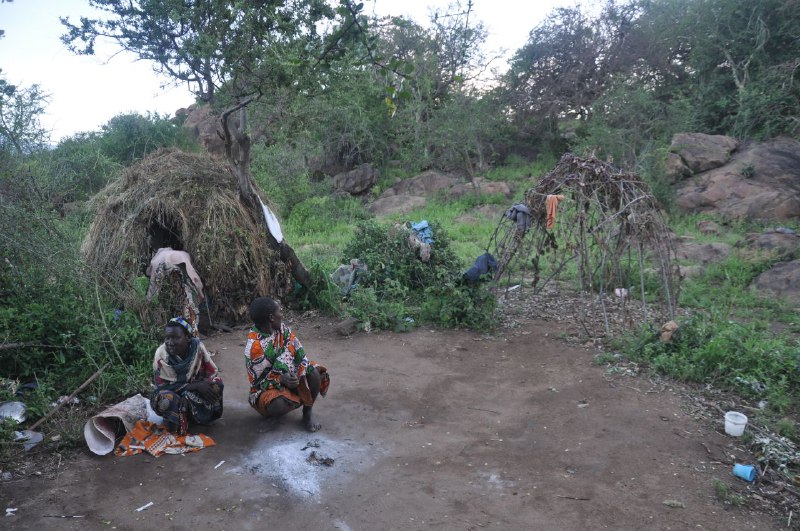
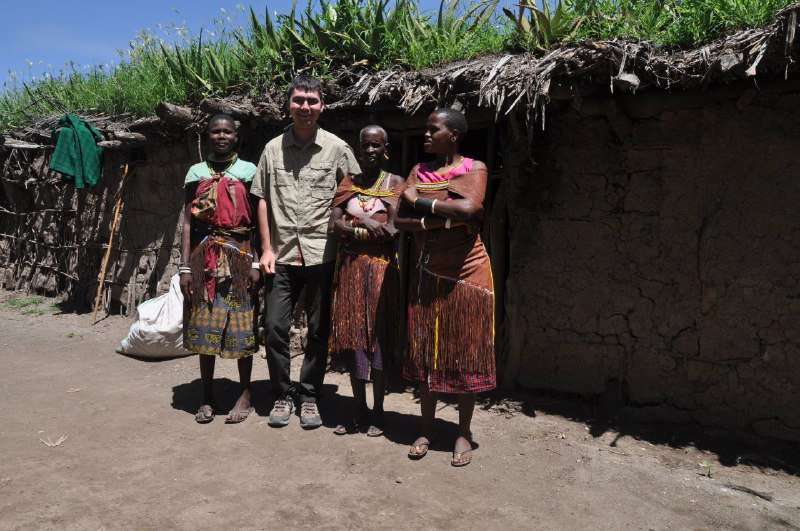
There are still tribes living in Tanzania that are literally frozen in time.
The photo shows the Hadza people. In 2020, these people live in straw huts, make fire by rubbing wooden sticks together, and hunt for meat. They also speak only their own language (full of clicking sounds – even saying "hello" is hard to pronounce). And they don't know Swahili.
The tribe is aware of the civilized world's existence, and even buy flour with money from selling souvenirs when food gets really scarce. The turnover is minimal. And the souvenirs are basically craft project level.
The tribe is perfectly content with this lifestyle and flatly refuse to change anything.
PS. Before the trip, I honestly thought it was just a tourist attraction. But after being there, I can say with certainty that this is just how they live. No actor could pull it off.
The photo shows the Hadza people. In 2020, these people live in straw huts, make fire by rubbing wooden sticks together, and hunt for meat. They also speak only their own language (full of clicking sounds – even saying "hello" is hard to pronounce). And they don't know Swahili.
The tribe is aware of the civilized world's existence, and even buy flour with money from selling souvenirs when food gets really scarce. The turnover is minimal. And the souvenirs are basically craft project level.
The tribe is perfectly content with this lifestyle and flatly refuse to change anything.
PS. Before the trip, I honestly thought it was just a tourist attraction. But after being there, I can say with certainty that this is just how they live. No actor could pull it off.
Frame of the day :)
Countries
 United Kingdom3
 Serbia100
 Bosnia and Herzegovina54
 Turkey42
 United Arab Emirates3
 Brunei2
 Indonesia12
 Malaysia15
 Argentina16
 USA117
 Morocco5
 Georgia5
 Egypt16
 Hong Kong8
 China4
 Vietnam9
 Tunisia7
 Montenegro9
 Philippines12
 Singapore10
 Oman12
 Algeria12
 North Macedonia5
 Lebanon11
 Israel27
 Albania17
 Russia63
 Tanzania50
 Netherlands7
 Spain14
 Latvia2
 Germany7
 Belgium3
 France27
 Kazakhstan32