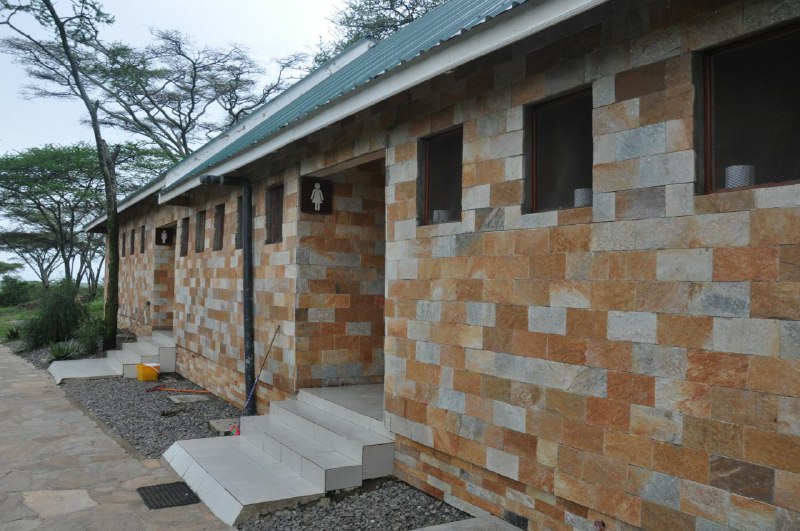
The bathrooms in Tanzania's national parks are so clean and convenient that they easily rival those in many hotels and airports.
Inside, everything is so spotless it practically sparkles.
Telegram mirror
Telegram is a messenger where I post short travel notes. This page is a self-hosted backup of that channel.
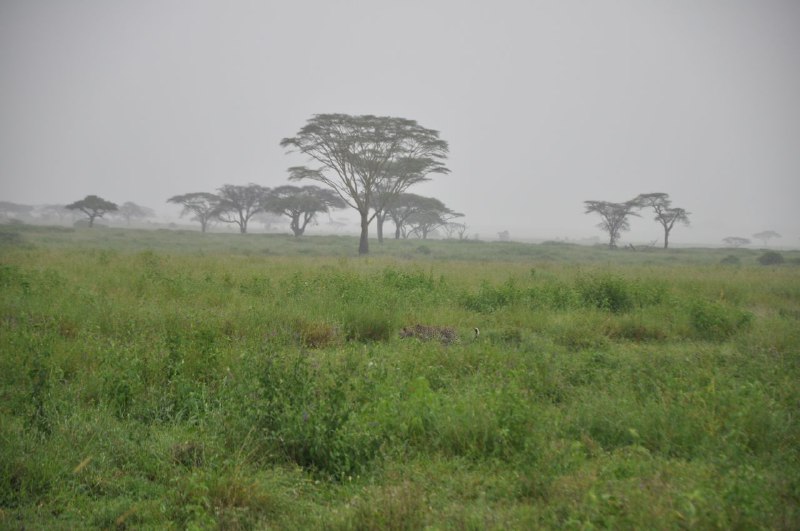
This shot was earned through long waiting in pouring rain. But what a rush! A real wildlife photo hunt :)
We drove up to a tree where a leopard was supposedly hanging out. We stopped and waited for some action. About a dozen other vehicles were waiting with us. About 10 minutes later, we managed to spot a raised head, and then silence again.
After a while, waiting gets exhausting and people start leaving. Even we couldn't take it anymore and drove off. But we came back a couple of hours later to try our luck again. By that time, only two vehicles were left.
Heavy rain started pouring. Suddenly the grass rustled: the leopard didn't feel like lying in the water and leisurely went off to find a new spot. The predator showed up for just a few seconds and far away. But even so, not bad at all.
The guides radioed their colleagues about the movement and literally within a couple of minutes a dozen vehicles came rushing over. However, silence fell again, and we drove off feeling like we'd done our duty.
PS. The leopard is definitely in the photo. You just need to look more carefully (:
We drove up to a tree where a leopard was supposedly hanging out. We stopped and waited for some action. About a dozen other vehicles were waiting with us. About 10 minutes later, we managed to spot a raised head, and then silence again.
After a while, waiting gets exhausting and people start leaving. Even we couldn't take it anymore and drove off. But we came back a couple of hours later to try our luck again. By that time, only two vehicles were left.
Heavy rain started pouring. Suddenly the grass rustled: the leopard didn't feel like lying in the water and leisurely went off to find a new spot. The predator showed up for just a few seconds and far away. But even so, not bad at all.
The guides radioed their colleagues about the movement and literally within a couple of minutes a dozen vehicles came rushing over. However, silence fell again, and we drove off feeling like we'd done our duty.
PS. The leopard is definitely in the photo. You just need to look more carefully (:
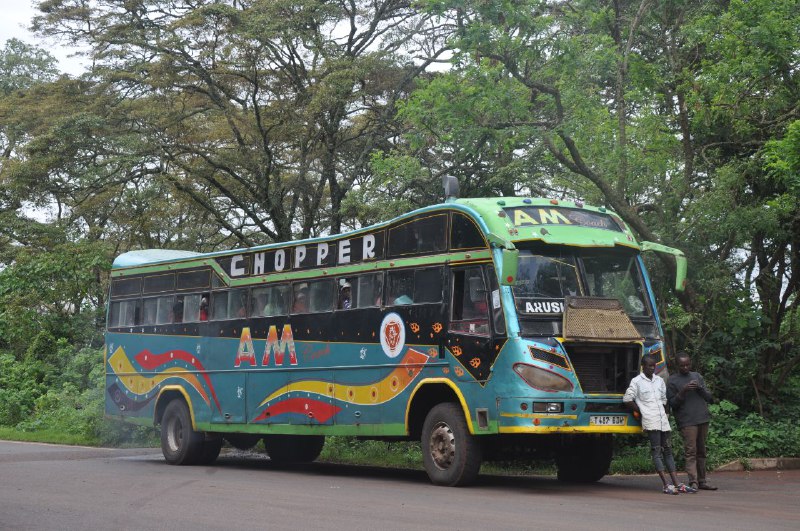
Public transport routes run through the parks.
You can save money and ride on a bus like this :) Though the driver probably won't stop near the elephants and lions, and the roof doesn't open.
You can save money and ride on a bus like this :) Though the driver probably won't stop near the elephants and lions, and the roof doesn't open.
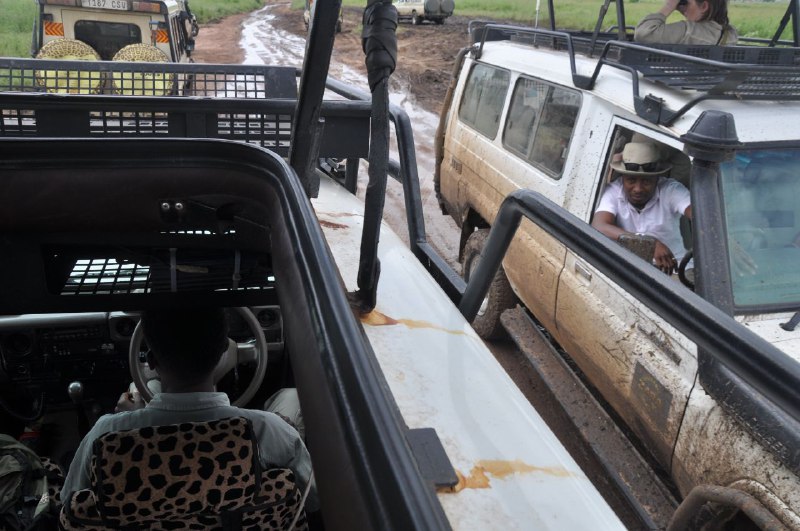
The guide-drivers have a very tight-knit community. They constantly share with each other the spots where they've seen animals, road conditions, and other useful information. Throughout the day there are frequent short stops to exchange news.
In addition to in-person communication, they even have a radio channel like long-haul truckers do. So if someone spots a leopard or some other rare bird, the others quickly mobilize to get there.
No one drives past a stuck car without stopping (well, unless there's already enough help), they always lend a hand.
Inside the parks, people never even lock their cars. Everyone's part of the community. But outside the parks, you have to be more careful.
In addition to in-person communication, they even have a radio channel like long-haul truckers do. So if someone spots a leopard or some other rare bird, the others quickly mobilize to get there.
No one drives past a stuck car without stopping (well, unless there's already enough help), they always lend a hand.
Inside the parks, people never even lock their cars. Everyone's part of the community. But outside the parks, you have to be more careful.
Tourists swarmed all over a poor little monkey right before entering the national park. Inside the park there will be plenty more of them and even way more interesting ones, but the girls don't know what they're getting into yet :)
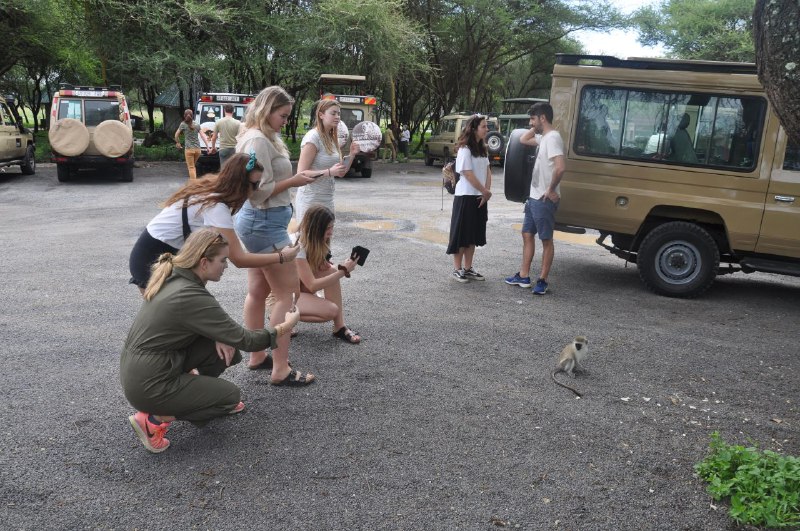
There are so many animals here :)
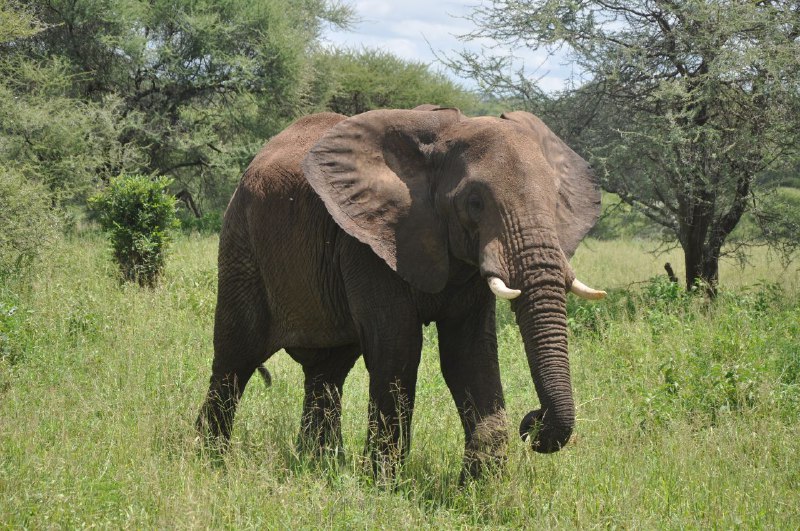
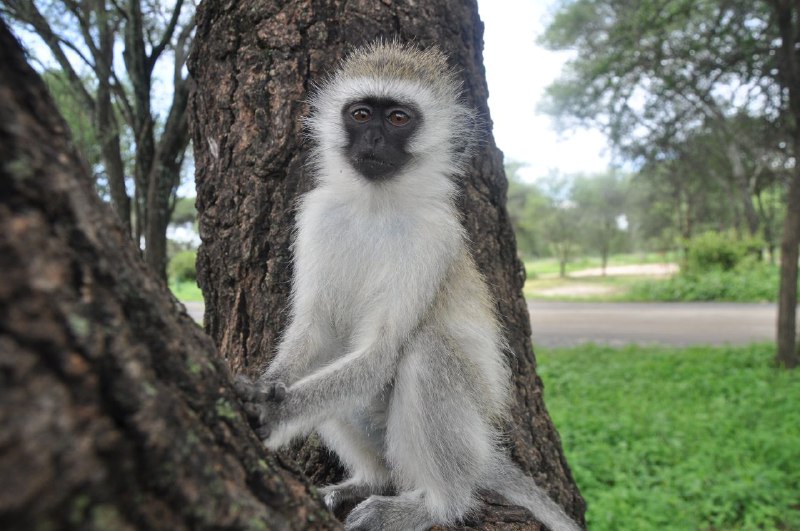
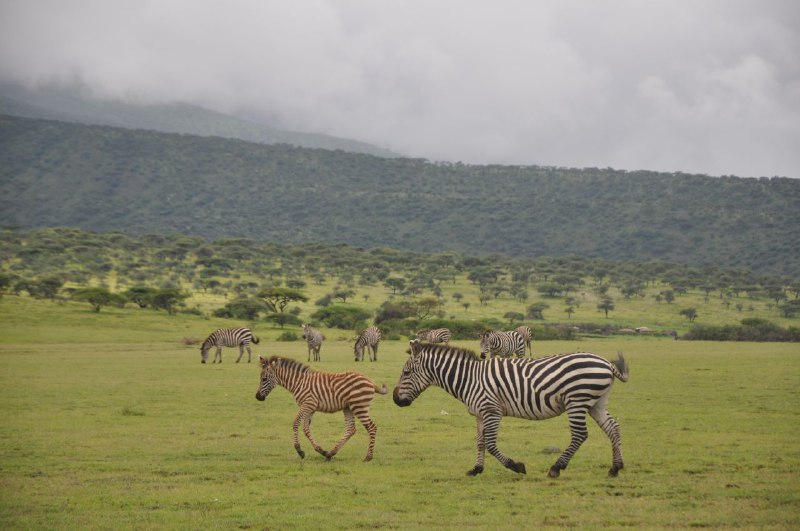
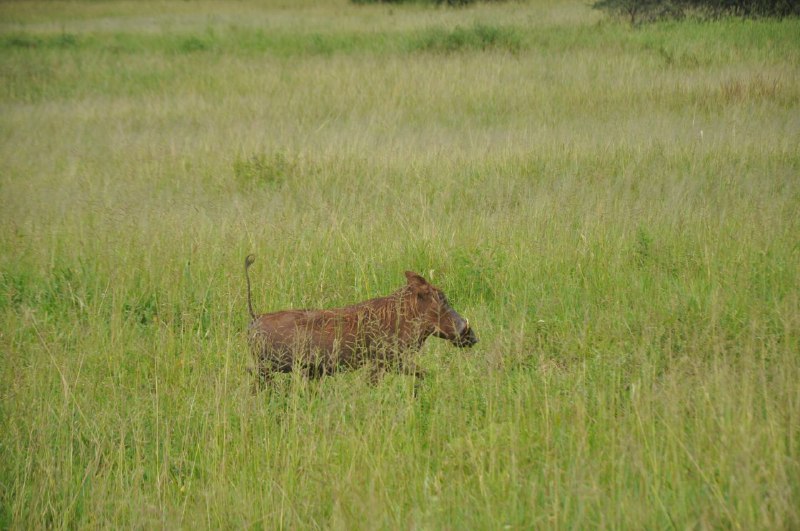
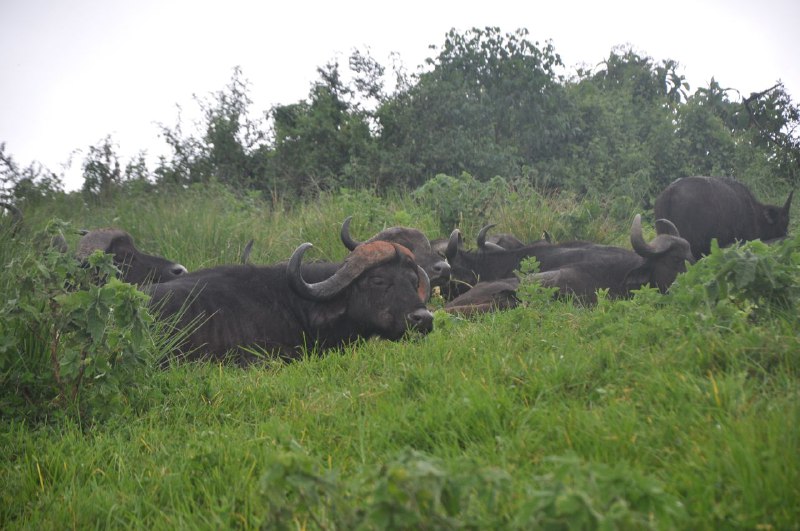
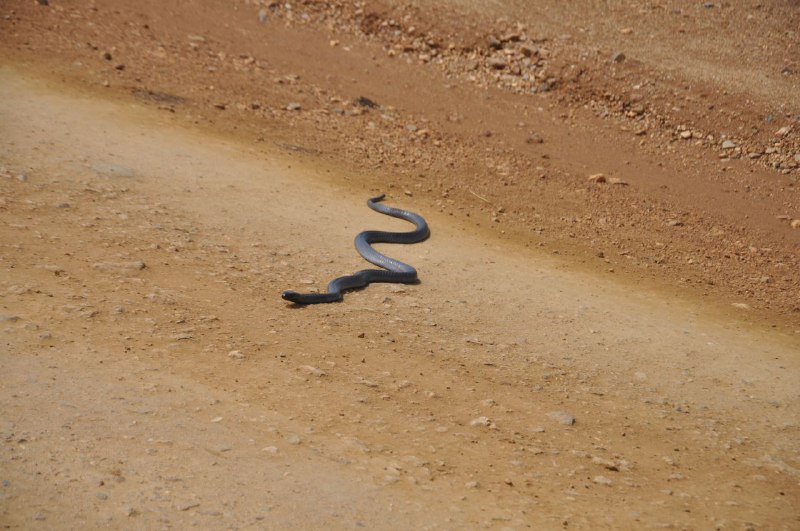
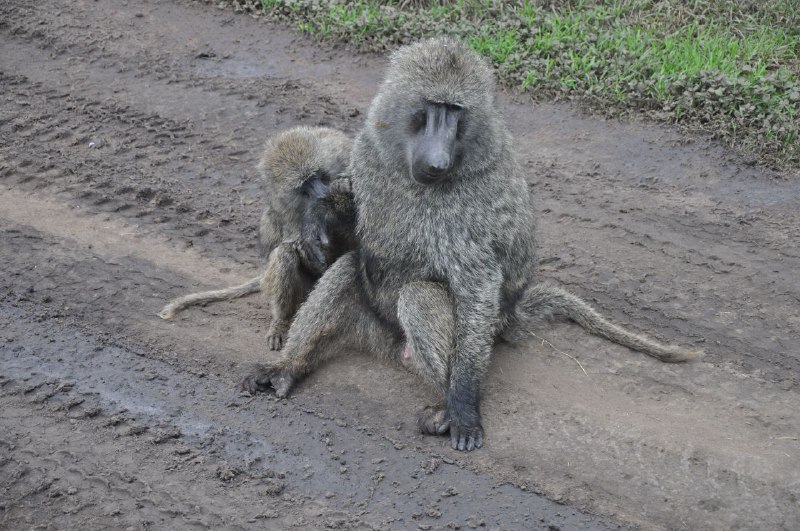
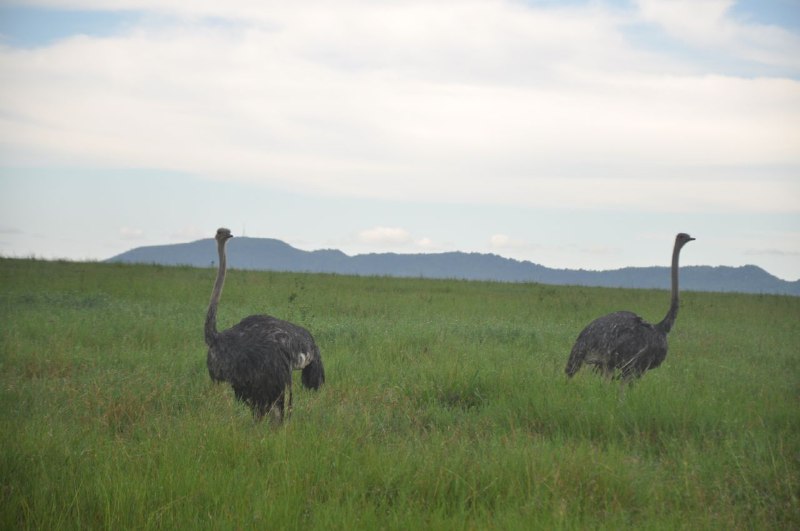
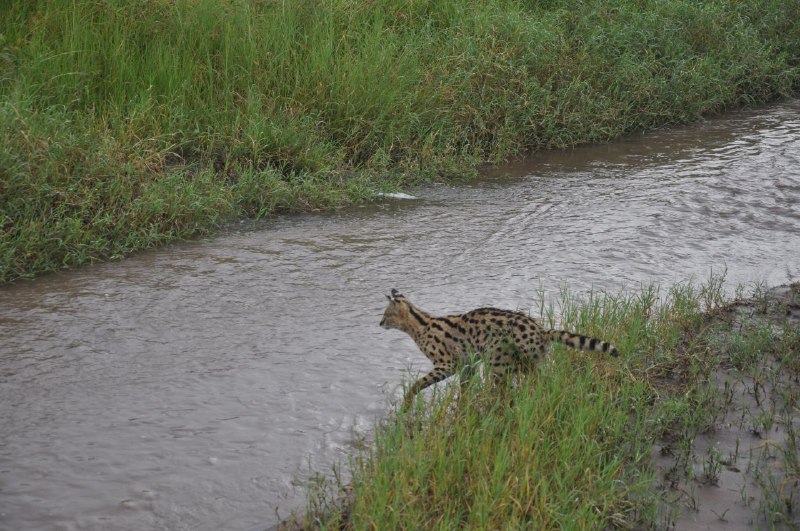
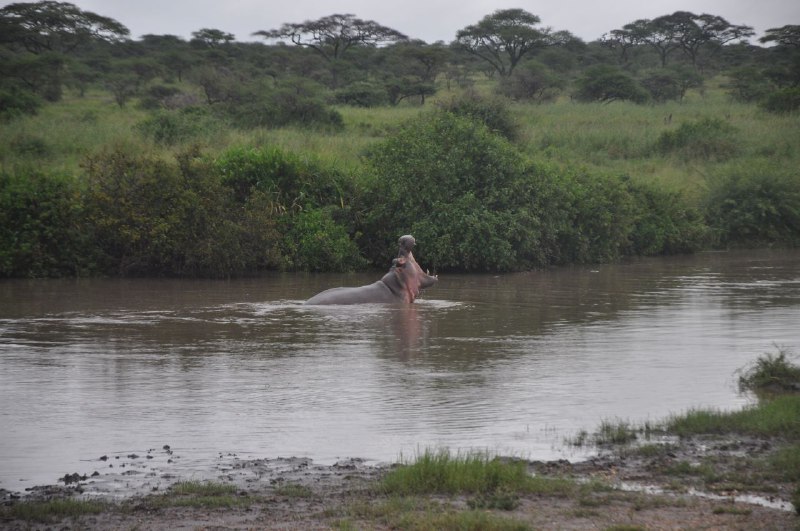
We had a light rain overnight, so the roads in the parks turned into rivers. No wonder the entrance sign says they only let 4x4 vehicles through.
►
We had planned to spend the night in a national park (you're allowed to do that there), but things didn't go according to plan with the accommodation.
The driver called ahead to confirm our arrival time, when suddenly it turned out that they mixed up the dates on their end and aren't expecting us at all today: everyone except the security guard was sent home.
The driver said the security guard could check us in, and the driver himself used to work as a chef for 7 years. So we decided to head there anyway. When we arrived, we found out that dinner was far from our biggest problem. The rooms weren't ready, something was wrong with the water, we couldn't get the car in order, and basically everything was a mess.
We had to urgently find other accommodation. We were driving to it in the dark on unpaved roads (on one hand it's an adventure, on the other hand not so much (: ). We arrived when it was completely dark, but everything's good.
The internet is absolutely terrible. I'll post photos later.
The driver called ahead to confirm our arrival time, when suddenly it turned out that they mixed up the dates on their end and aren't expecting us at all today: everyone except the security guard was sent home.
The driver said the security guard could check us in, and the driver himself used to work as a chef for 7 years. So we decided to head there anyway. When we arrived, we found out that dinner was far from our biggest problem. The rooms weren't ready, something was wrong with the water, we couldn't get the car in order, and basically everything was a mess.
We had to urgently find other accommodation. We were driving to it in the dark on unpaved roads (on one hand it's an adventure, on the other hand not so much (: ). We arrived when it was completely dark, but everything's good.
The internet is absolutely terrible. I'll post photos later.
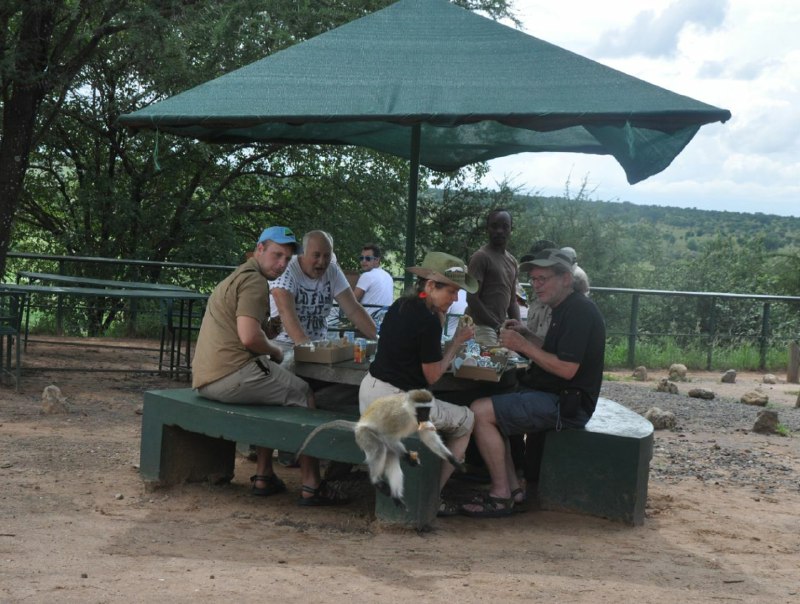
The park has a specially equipped dining area. During lunch, you need to keep a close eye on your food and not let your guard down. The monkeys aren't napping—they're constantly scheming ways to snatch a piece of your meal.
They usually sneak up from behind, grab something off the table, and bolt with their prize. I managed to protect my lunch all by myself :)
They usually sneak up from behind, grab something off the table, and bolt with their prize. I managed to protect my lunch all by myself :)
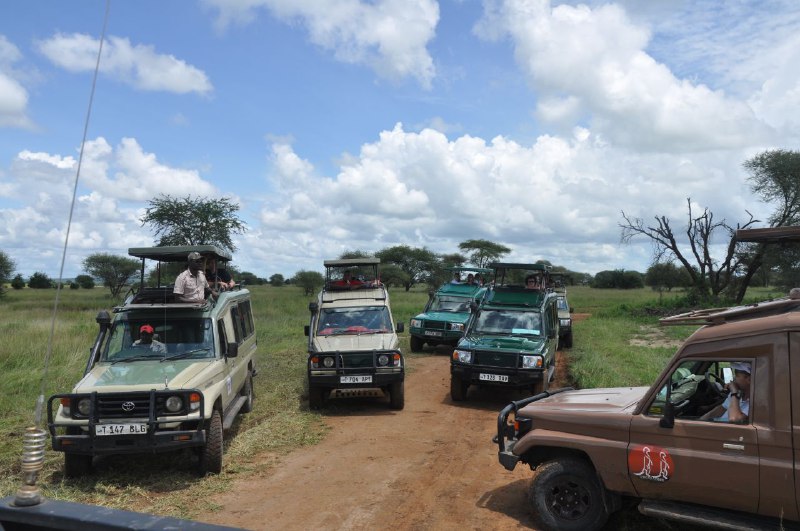
When people spot something really interesting and rare in the park (like a cheetah), it creates local traffic jams.
Everyone wants to see some action, but the cheetah just sits in the bushes thinking about life. Still, everyone waits around hoping something exciting will happen.
Usually after 10-15 minutes of waiting for who knows what, people get bored and leave, only to be replaced by new folks hungry for a show.
Everyone wants to see some action, but the cheetah just sits in the bushes thinking about life. Still, everyone waits around hoping something exciting will happen.
Usually after 10-15 minutes of waiting for who knows what, people get bored and leave, only to be replaced by new folks hungry for a show.
Tanzania has some amazing national parks (with wildlife). Nearly 40% of the country's territory is dedicated to them.
You can explore them on your own, but when I was planning the trip, it didn't seem like a great idea (at least not for the first time). Fortunately, local companies offer tons of ready-made safari routes (depending on your budget and preferences).
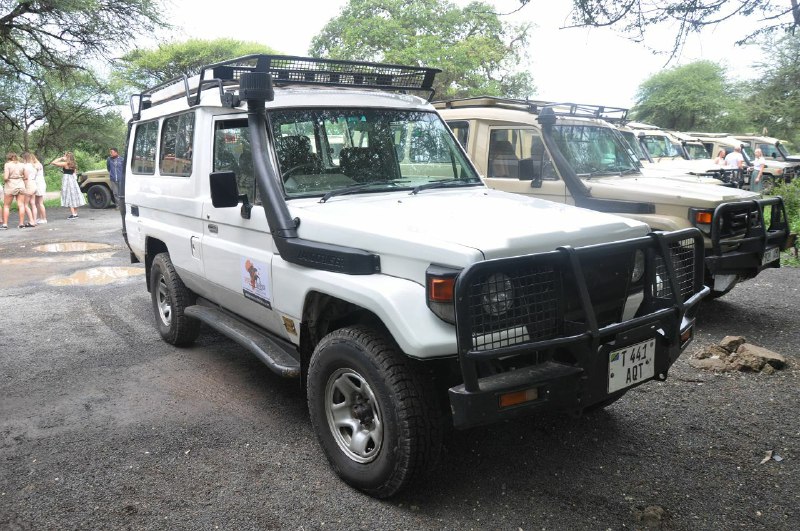
For safaris, they use customized extended cruisers (occasionally rovers) with enlarged fuel tanks and pop-up roofs (not like convertible tops, but literally rising up). The guide told me that customization costs can reach $80,000 (astronomical money for locals; on Zanzibar you can buy a decent house for $20k).
The white beauty in the photo is going to be my best friend for the next few days.
You can explore them on your own, but when I was planning the trip, it didn't seem like a great idea (at least not for the first time). Fortunately, local companies offer tons of ready-made safari routes (depending on your budget and preferences).
For safaris, they use customized extended cruisers (occasionally rovers) with enlarged fuel tanks and pop-up roofs (not like convertible tops, but literally rising up). The guide told me that customization costs can reach $80,000 (astronomical money for locals; on Zanzibar you can buy a decent house for $20k).
The white beauty in the photo is going to be my best friend for the next few days.
The hotel invites local artists for an evening performance. It's honestly really cool. I totally didn't expect anything like this.
►
No matter how many locals I asked, they all say yes, there's poverty and problems in the country, but they really love it here and wouldn't want to move for anything.
And overall, people here are more laid-back, don't stress over the small stuff, and appreciate what they have.
And overall, people here are more laid-back, don't stress over the small stuff, and appreciate what they have.
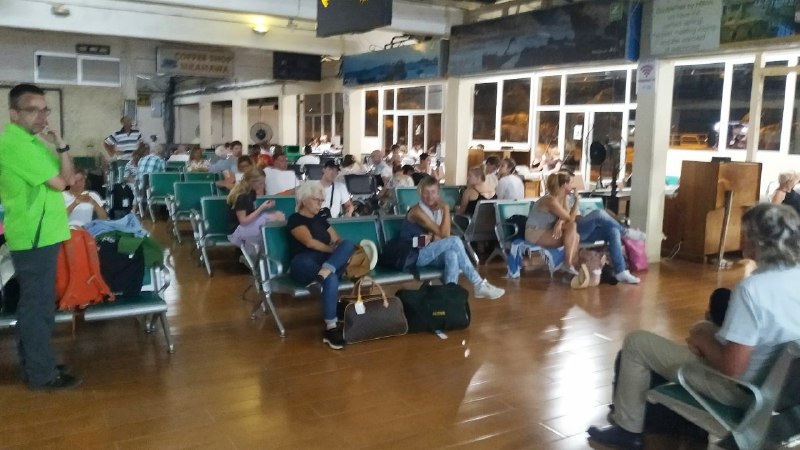
The waiting area at Zanzibar Airport.
The printer broke down at check-in. So they wrote out the boarding pass by hand. No date, no surname, no barcodes.
There's no air conditioning in the main waiting area (none at all). There is a lounge, but even there it's pretty hot (though much better).
No departure board. They just announce boarding over the microphone. About as clear as announcements at Russian train stations.
The flight was delayed over an hour. No announcements about it, nobody knows why or when we're leaving. Well, your plane hasn't arrived yet, you'll fly out eventually, hakuna matata.
I've never seen such a madhouse before.
The printer broke down at check-in. So they wrote out the boarding pass by hand. No date, no surname, no barcodes.
There's no air conditioning in the main waiting area (none at all). There is a lounge, but even there it's pretty hot (though much better).
No departure board. They just announce boarding over the microphone. About as clear as announcements at Russian train stations.
The flight was delayed over an hour. No announcements about it, nobody knows why or when we're leaving. Well, your plane hasn't arrived yet, you'll fly out eventually, hakuna matata.
I've never seen such a madhouse before.
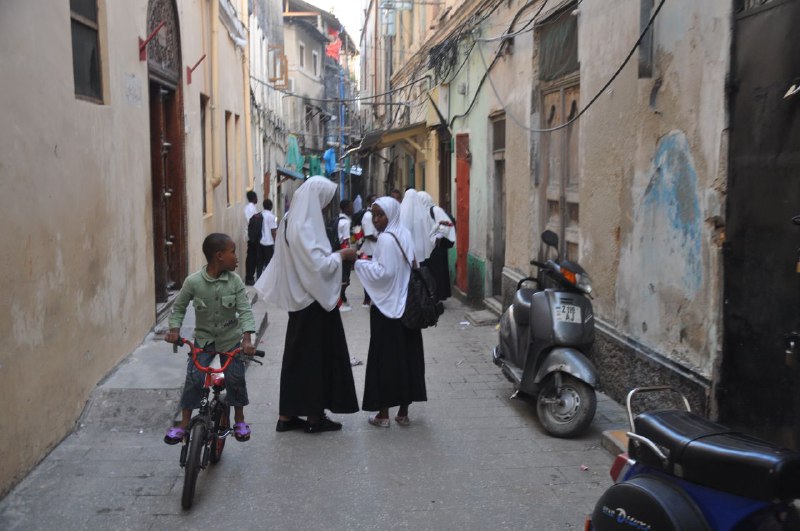
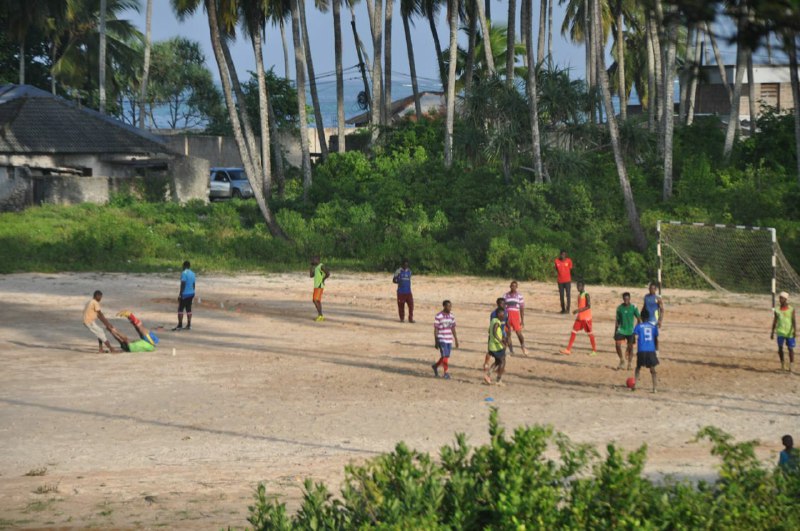
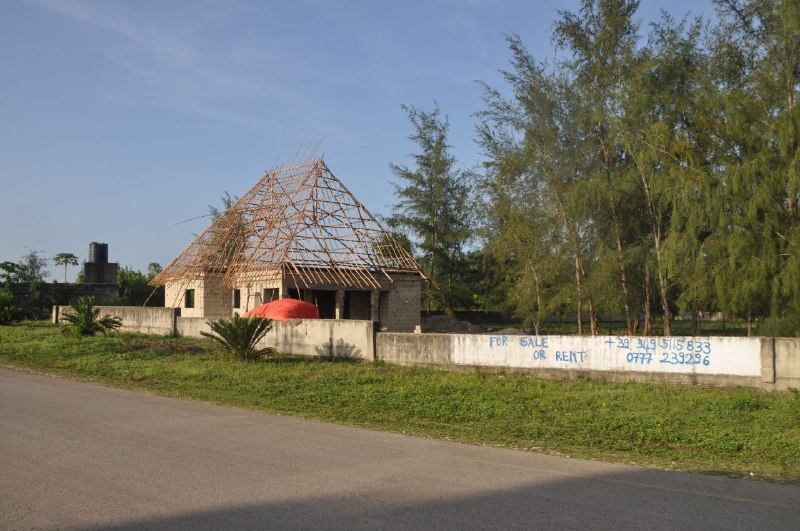
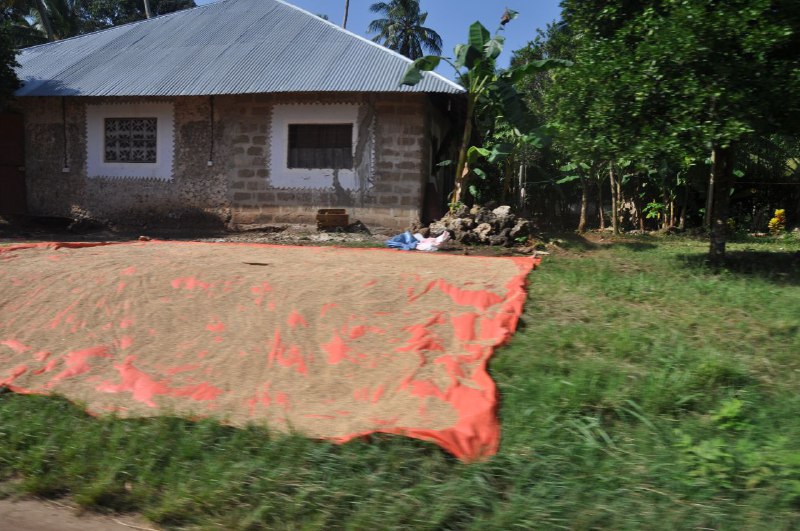
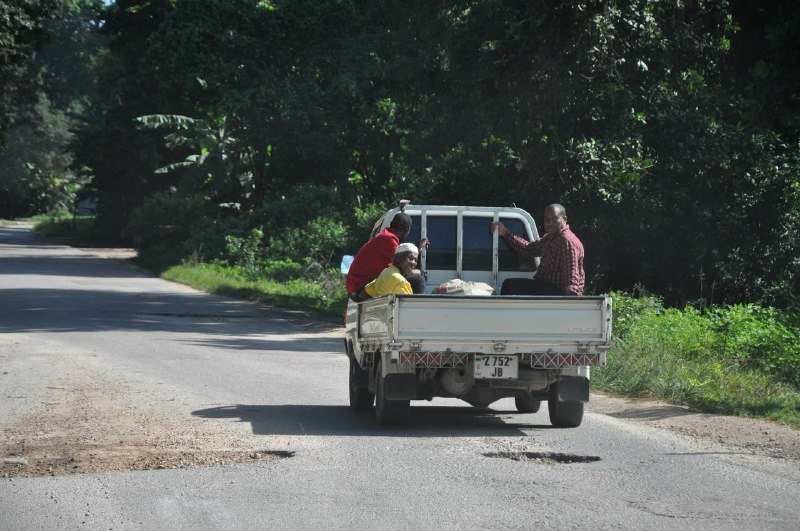
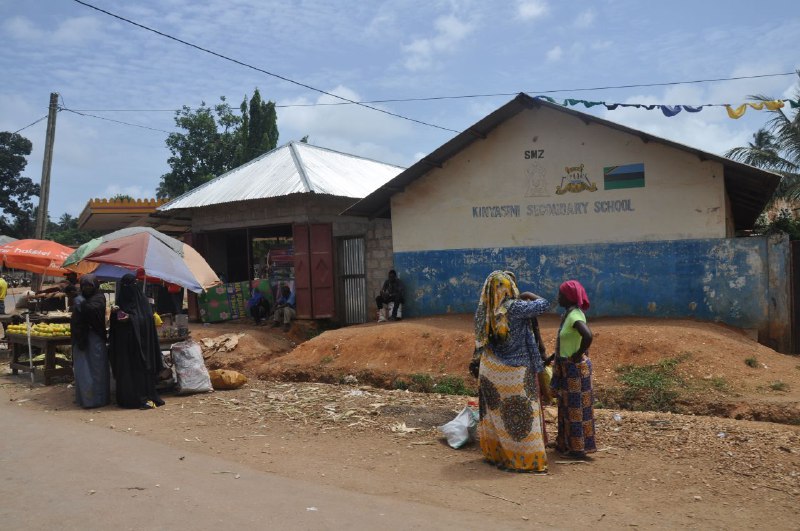
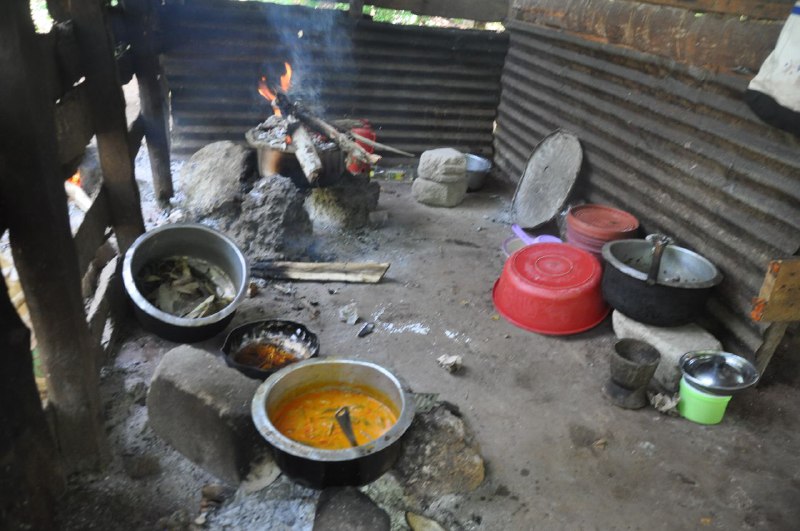
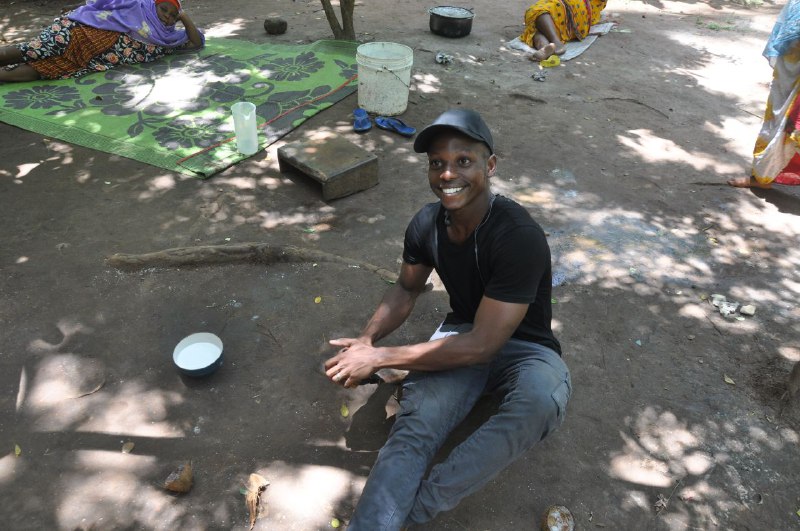
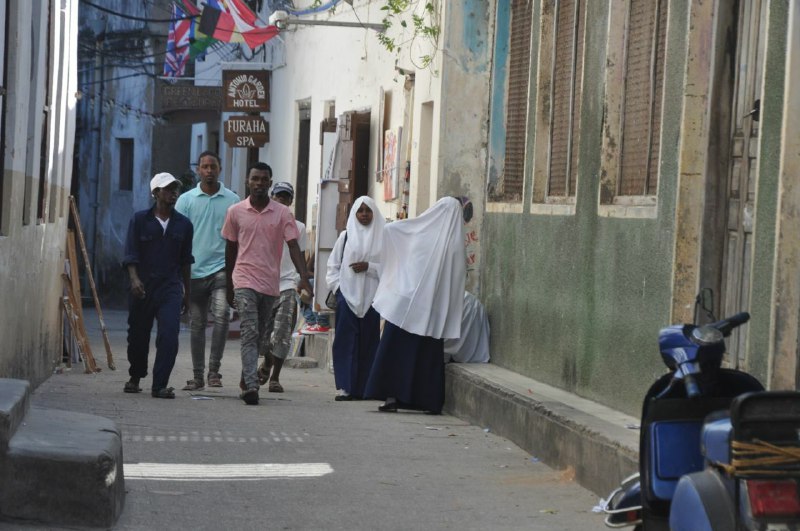
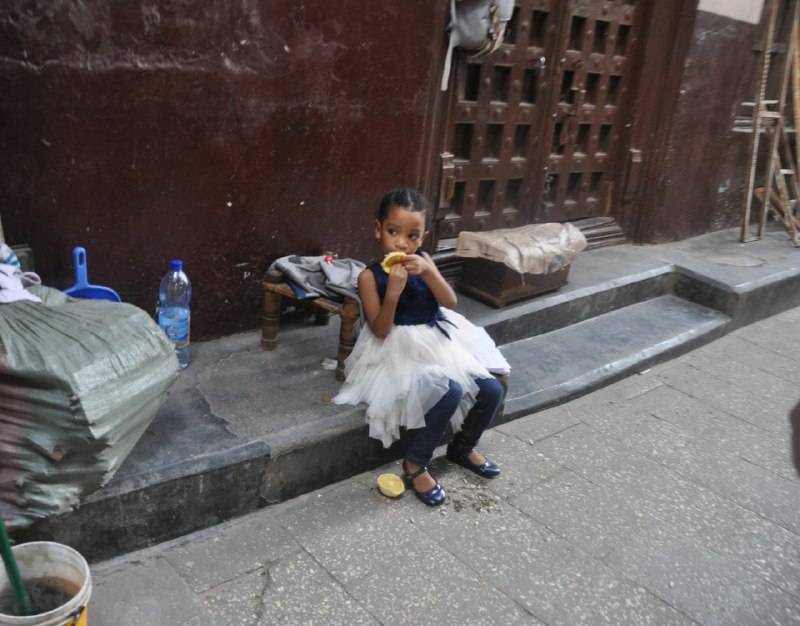
Daily life in Zanzibar.
Media not archived (photo) —
view on Telegram
That's roughly how they climb up for coconuts and bananas and stuff. And they sing while doing it. The locals are really musical in general—they do a lot of routine tasks while humming along.
►
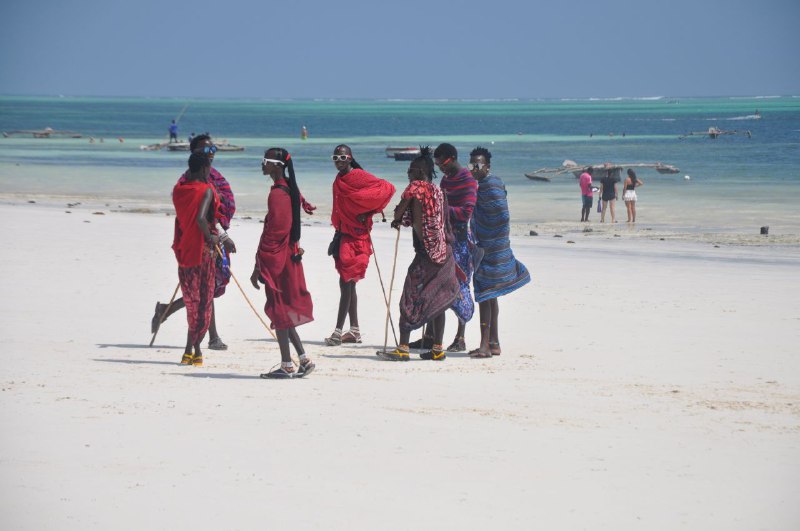
Local Maasai (possibly not the real deal) waiting for tourists they can make some money off of.
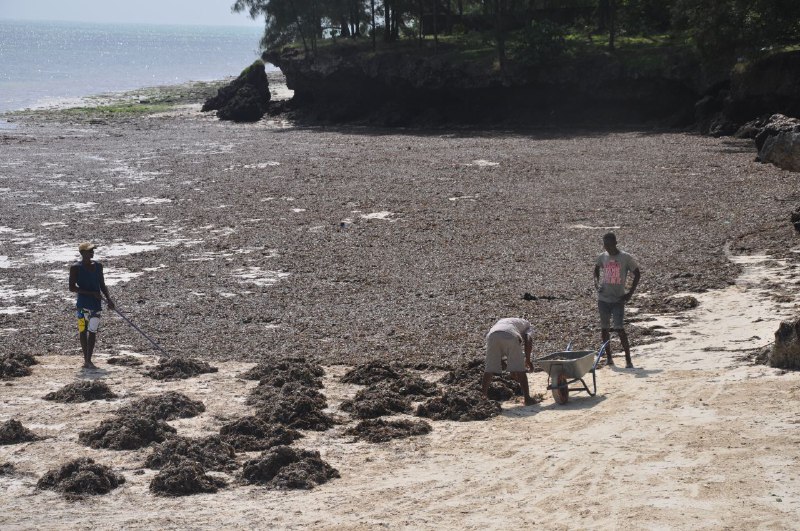
Harvesting seaweed brought in by the tide.
During the day, the ocean in Zanzibar recedes far away and you can walk for a long time from the shore in water up to your knees. Actually, the island isn't the best place for regular swimming: it's full of sea urchins and seaweed. They advertise snorkeling and diving, but it doesn't seem like it's in high demand.
Most people just stay in their hotels and never leave.
During the day, the ocean in Zanzibar recedes far away and you can walk for a long time from the shore in water up to your knees. Actually, the island isn't the best place for regular swimming: it's full of sea urchins and seaweed. They advertise snorkeling and diving, but it doesn't seem like it's in high demand.
Most people just stay in their hotels and never leave.
Countries
 United Kingdom3
 Serbia100
 Bosnia and Herzegovina54
 Turkey42
 United Arab Emirates3
 Brunei2
 Indonesia12
 Malaysia15
 Argentina16
 USA117
 Morocco5
 Georgia5
 Egypt16
 Hong Kong8
 China4
 Vietnam9
 Tunisia7
 Montenegro9
 Philippines12
 Singapore10
 Oman12
 Algeria12
 North Macedonia5
 Lebanon11
 Israel27
 Albania17
 Russia63
 Tanzania50
 Netherlands7
 Spain14
 Latvia2
 Germany7
 Belgium3
 France27
 Kazakhstan32