People in the Caucasus region are really (REALLY) dedicated to their homes. Even with modest salaries—averaging around 15-25 thousand rubles a month—they somehow manage to decorate their interiors surprisingly well. Funny enough, in cities where salaries are higher, everything often looks more modest.
On the way to Beslan, I saw this guy, around 55-60 years old, walking along the highway into the city. I offered him a ride, and we got to talking. Next thing I know, he's inviting me over for tea. So I went in (curious, you know?). And man, was I impressed )
Here's the thing though—the guy doesn't even own a car. Every single day he walks from Beslan to the airport and back for work (about 1.5 hours each way). And honestly, his house looks pretty ordinary compared to his neighbors' places. A lot of them actually look way fancier.
Of course, they do all the renovations themselves. They can't afford to hire workers anymore.
Telegram mirror
Telegram is a messenger where I post short travel notes. This page is a self-hosted backup of that channel.
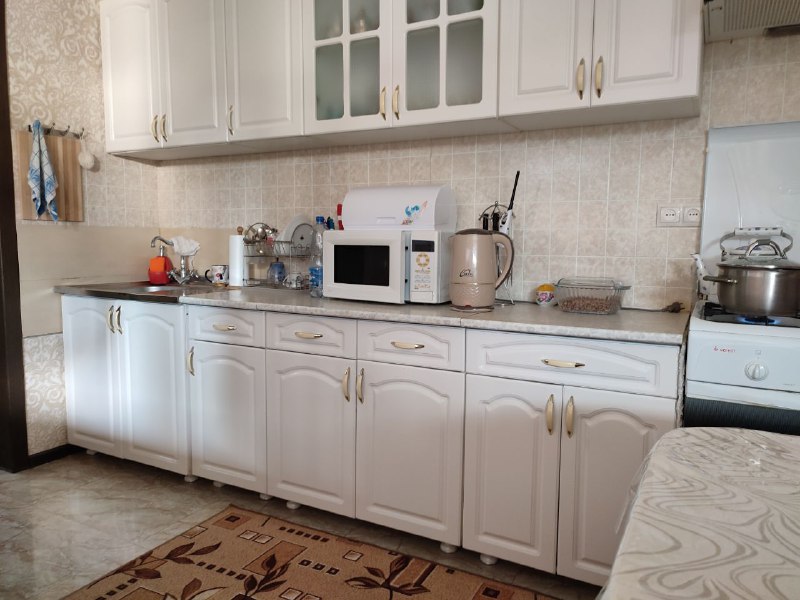
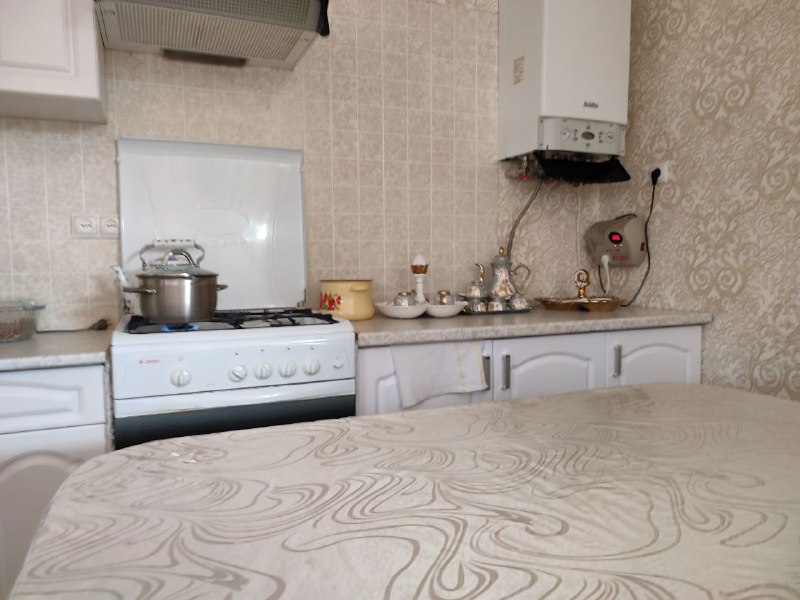
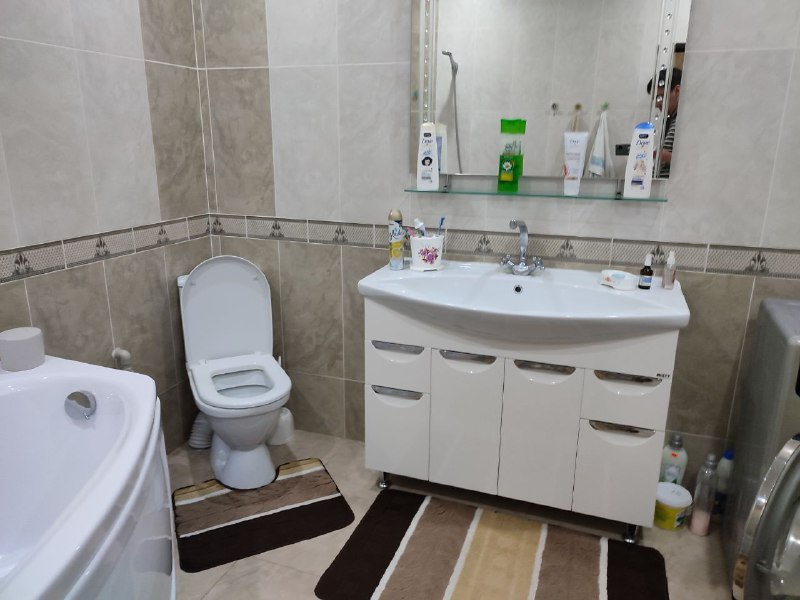
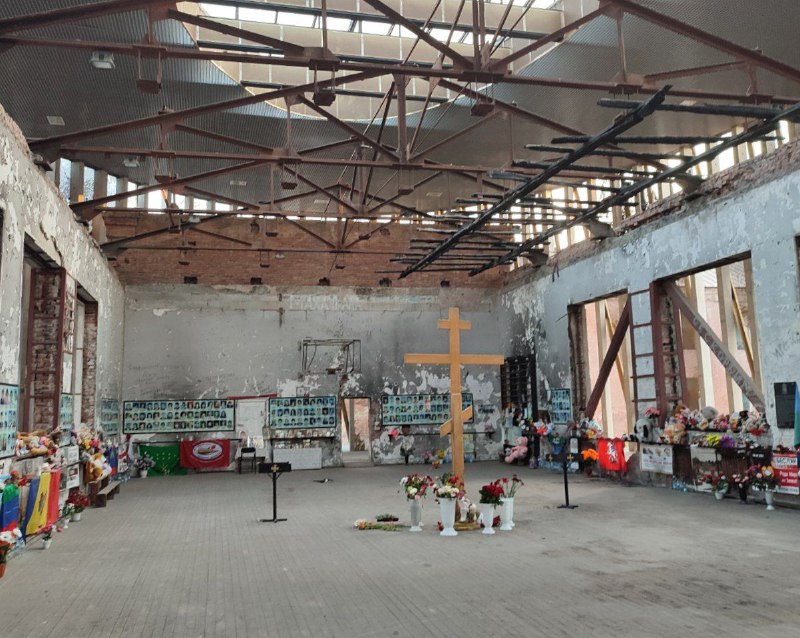
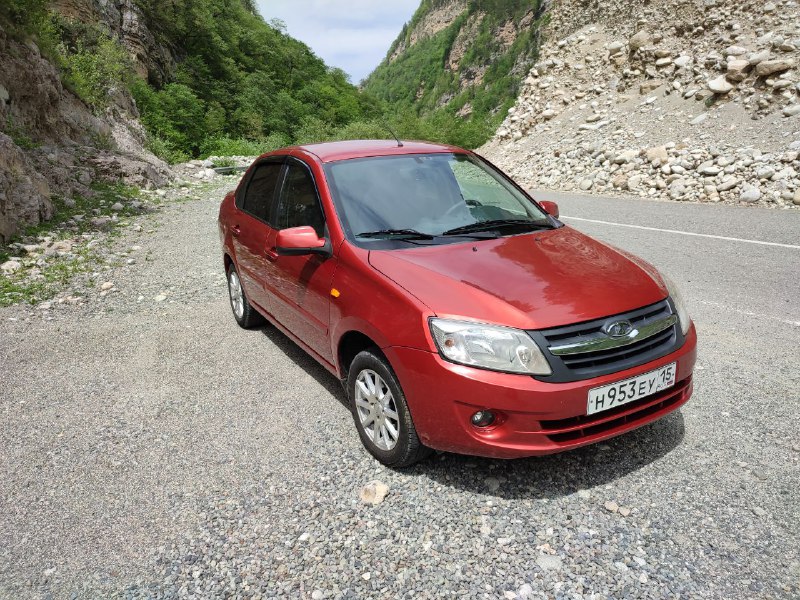
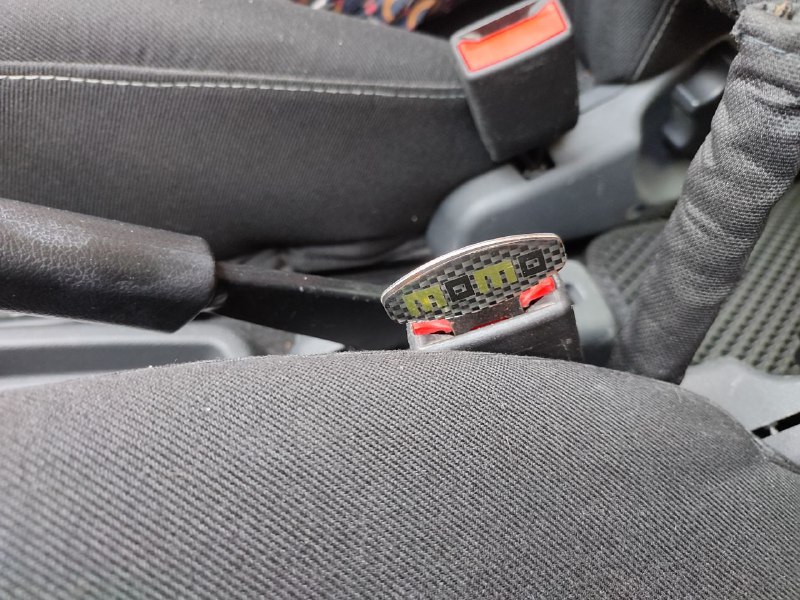
Starting the car isn't straightforward either. Both key and button. Anti-theft system (:
►
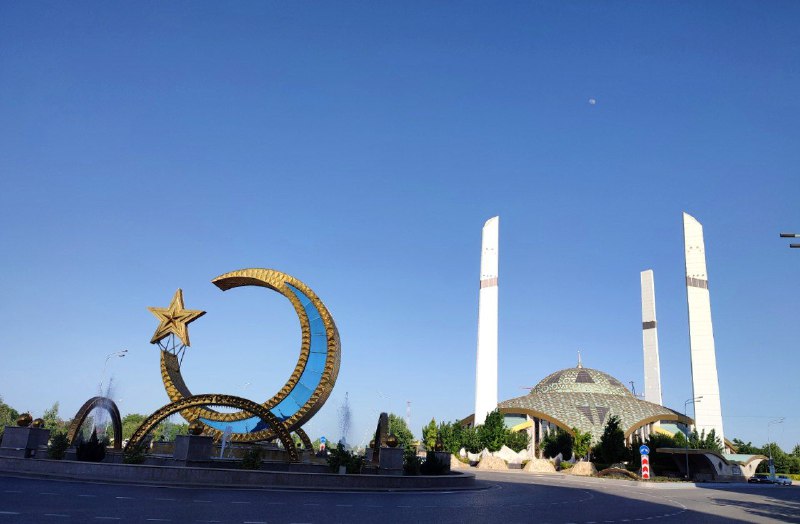
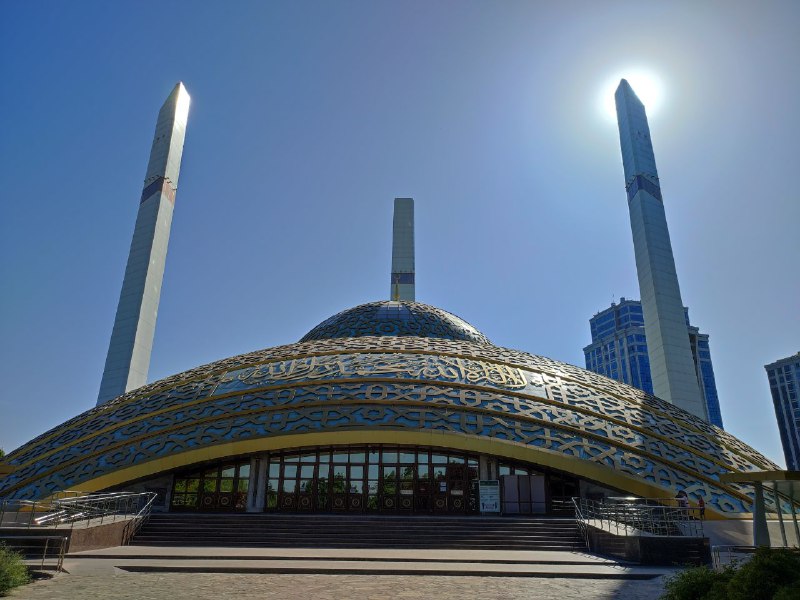
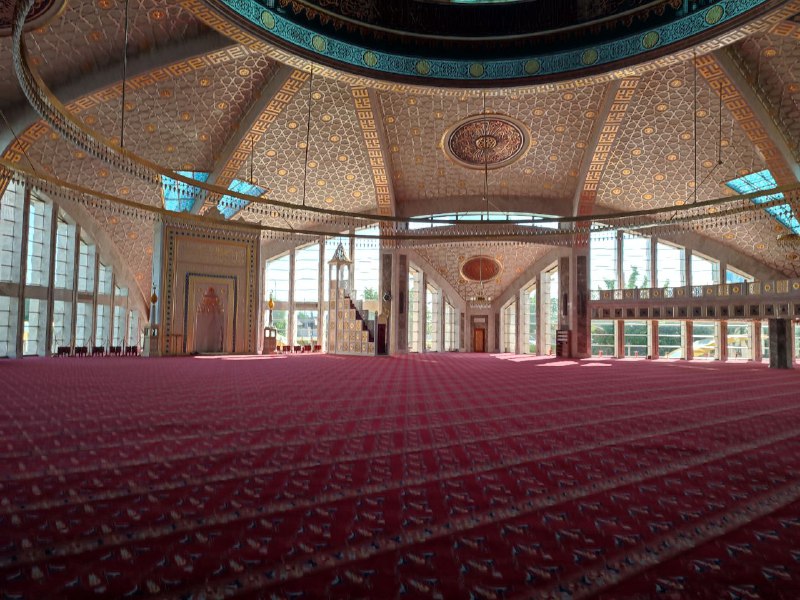
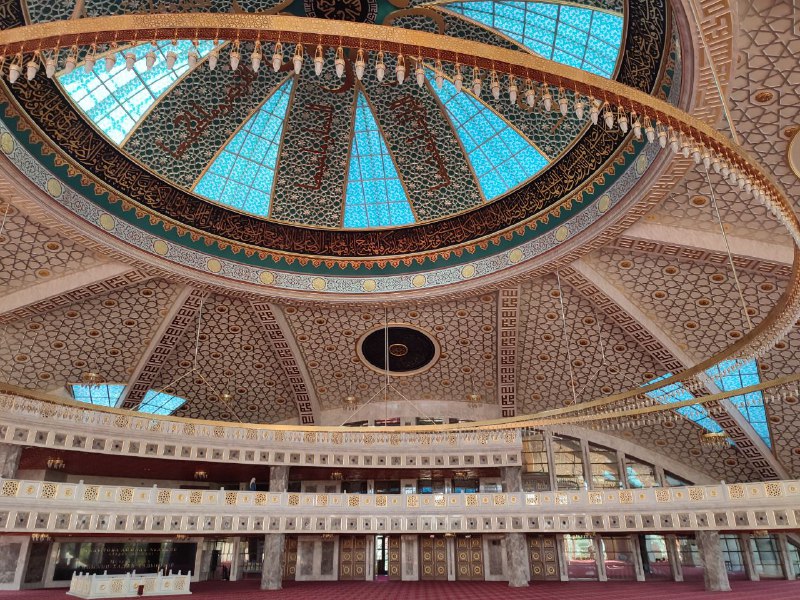
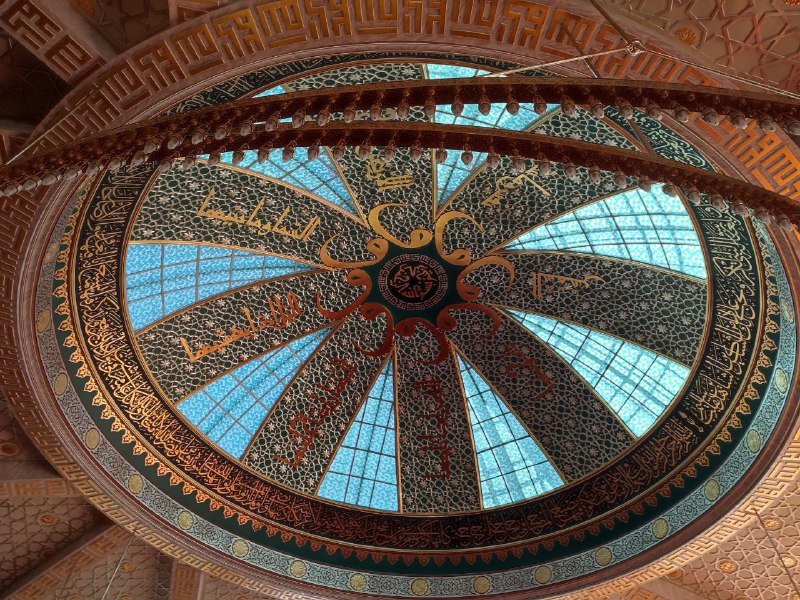
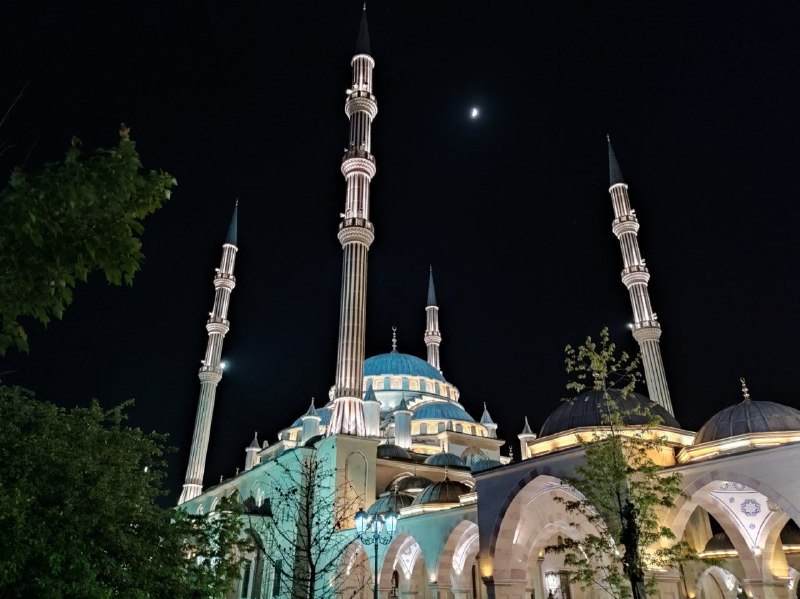
The Argun Mosque is incredibly beautiful. Even the Grozny mosque doesn't make as strong an impression as this one. Especially if you've already been to the Blue Mosque in Istanbul.
But it's unclear how much a mosque for 15,000 people is really needed in a city with a population of 40,000. It seems to me they could have done a more modest project.
PS. They say Shali is also very beautiful, but I won't make it there.
But it's unclear how much a mosque for 15,000 people is really needed in a city with a population of 40,000. It seems to me they could have done a more modest project.
PS. They say Shali is also very beautiful, but I won't make it there.
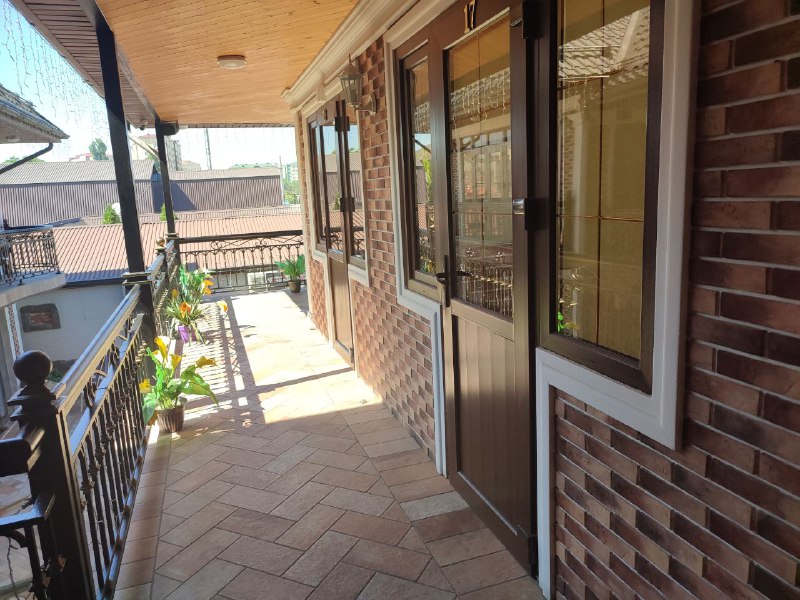
Whether in Chechnya or Ingushetia, the café and restaurant format is quite different from the typical open dining hall with separate tables. At every place I visited, guests are given their own private area: either tables separated by walls or screens, or completely separate rooms like in the photo. Either way, you can't see or really hear other guests. Paradise for introverts (:
Though I'm sure there are classic formats there too, I just didn't end up in one of those places.
Though I'm sure there are classic formats there too, I just didn't end up in one of those places.
I'll try to share what I've learned about Chechens over these past couple of days. To be honest, I didn't get to spend much time with them, and overall these guys seemed more closed off than the Ingush or Ossetians.
1. Young couples don't go on dates alone. Not at all. Not until the wedding. At minimum, at least one more person comes from the girl's side. But often someone from the guy's side is there too. Someone needs to verify that the young couple behaved properly. So if you see a Chechen couple on the street, it's probably husband and wife. Or relatives.
2. For bride kidnapping, Chechen authorities imposed a fine of 1 million rubles payable to the girl's parents. Although under the Russian Criminal Code, kidnapping a person carries up to 5 years in prison.
3. The Islamic bride price (kalym) is paid, and they've even officially set it at around 40 thousand rubles (can be more, but optional). At the same time, there's a reverse tradition that the bride should come with a dowry. It usually ends up being significantly more than 40 thousand. Otherwise, the husband's family will remind the bride for years that she came with empty hands. Because of this, a wedding can be scheduled a year or even longer after engagement, so the girl's family has time to gather goods. Sometimes an impatient groom could speed things up with a kidnapping. In that case, a dowry isn't needed. I was told that kidnappings don't happen at all these days, but I'm not entirely convinced.
4. Many girls on Grozny's streets wear head coverings. But some go without any headwear at all. A girl's own desire to stop wearing a headscarf isn't enough—she also needs permission from the head of the family.
5. You mainly hear Chechen spoken in Grozny. Before the war it wasn't like that. During the fighting, most of the city's population (especially educated people) left the republic and never came back. When the city was rebuilt, guys from Chechen villages and mountain settlements actively resettled there. They're more comfortable speaking Chechen.
6. The number of working women has noticeably increased. Especially among the young. Older generations clearly aren't happy about it, saying it's not customary. And there are peculiarities: for example, during Ramadan women might be let off work a couple hours early so they have time to prepare food for sunset for their families.
7. It seems local guys don't feel much like part of the country. I've been told phrases like "in your Russia" more than once.
PS. I hope I won't have to apologize for this post.
1. Young couples don't go on dates alone. Not at all. Not until the wedding. At minimum, at least one more person comes from the girl's side. But often someone from the guy's side is there too. Someone needs to verify that the young couple behaved properly. So if you see a Chechen couple on the street, it's probably husband and wife. Or relatives.
2. For bride kidnapping, Chechen authorities imposed a fine of 1 million rubles payable to the girl's parents. Although under the Russian Criminal Code, kidnapping a person carries up to 5 years in prison.
3. The Islamic bride price (kalym) is paid, and they've even officially set it at around 40 thousand rubles (can be more, but optional). At the same time, there's a reverse tradition that the bride should come with a dowry. It usually ends up being significantly more than 40 thousand. Otherwise, the husband's family will remind the bride for years that she came with empty hands. Because of this, a wedding can be scheduled a year or even longer after engagement, so the girl's family has time to gather goods. Sometimes an impatient groom could speed things up with a kidnapping. In that case, a dowry isn't needed. I was told that kidnappings don't happen at all these days, but I'm not entirely convinced.
4. Many girls on Grozny's streets wear head coverings. But some go without any headwear at all. A girl's own desire to stop wearing a headscarf isn't enough—she also needs permission from the head of the family.
5. You mainly hear Chechen spoken in Grozny. Before the war it wasn't like that. During the fighting, most of the city's population (especially educated people) left the republic and never came back. When the city was rebuilt, guys from Chechen villages and mountain settlements actively resettled there. They're more comfortable speaking Chechen.
6. The number of working women has noticeably increased. Especially among the young. Older generations clearly aren't happy about it, saying it's not customary. And there are peculiarities: for example, during Ramadan women might be let off work a couple hours early so they have time to prepare food for sunset for their families.
7. It seems local guys don't feel much like part of the country. I've been told phrases like "in your Russia" more than once.
PS. I hope I won't have to apologize for this post.
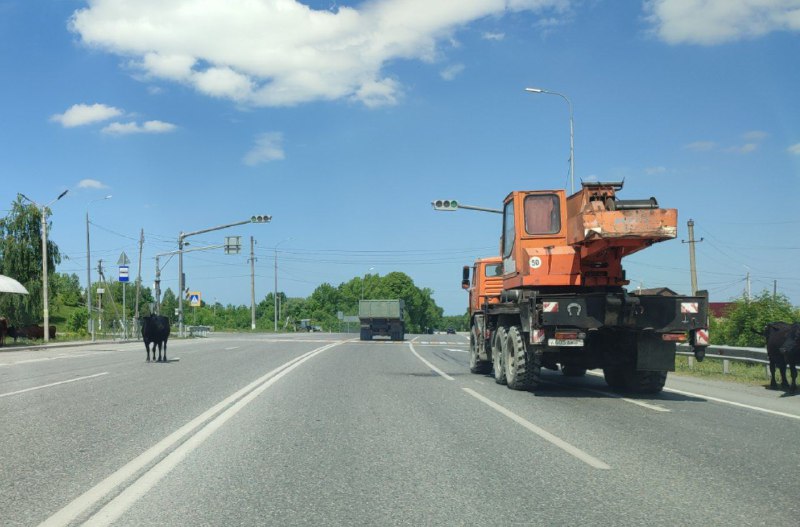
A cow (or an entire herd) is the last thing you'd expect to see on a federal highway. But here it's a common occurrence :)
By the way, all three republics (Ossetia, Ingushetia, Chechnya) surprisingly have really good roads. There are exceptions, but they're either way up in the mountains or they've already brought in equipment to fix them.
Driving culture in Ossetia is excellent. In Ingushetia it's a bit worse, but totally acceptable. But driving in Chechnya isn't too comfortable. Well, to be more precise, on the highways it's still somewhat okay, but in the city it's pretty sketchy. U-turns across double solid lines, double overtaking (when someone overtakes someone who's already overtaking) are completely normal occurrences. Before a red light, many drivers for some reason accelerate almost to 100 km/h just to slam on the brakes right after. If you don't move the moment the light turns green, cheerful honks from other drivers will let you know it's time, buddy.
By the way, all three republics (Ossetia, Ingushetia, Chechnya) surprisingly have really good roads. There are exceptions, but they're either way up in the mountains or they've already brought in equipment to fix them.
Driving culture in Ossetia is excellent. In Ingushetia it's a bit worse, but totally acceptable. But driving in Chechnya isn't too comfortable. Well, to be more precise, on the highways it's still somewhat okay, but in the city it's pretty sketchy. U-turns across double solid lines, double overtaking (when someone overtakes someone who's already overtaking) are completely normal occurrences. Before a red light, many drivers for some reason accelerate almost to 100 km/h just to slam on the brakes right after. If you don't move the moment the light turns green, cheerful honks from other drivers will let you know it's time, buddy.
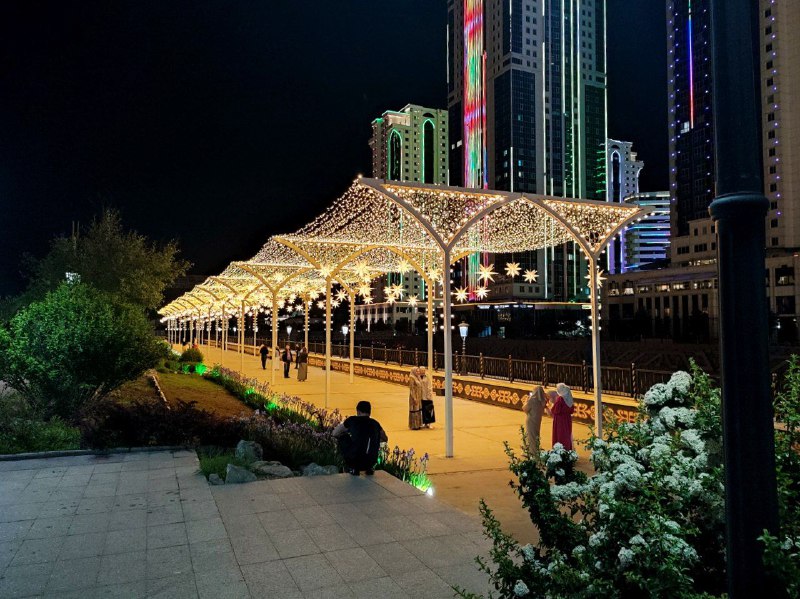
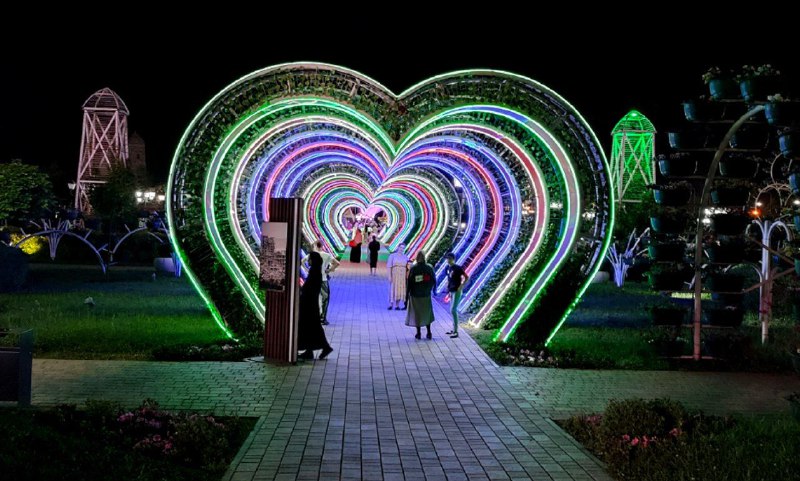
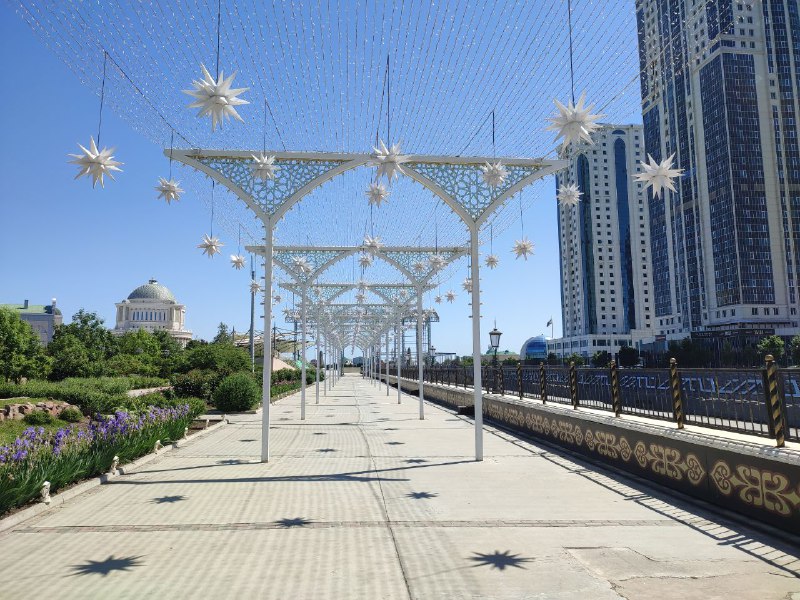
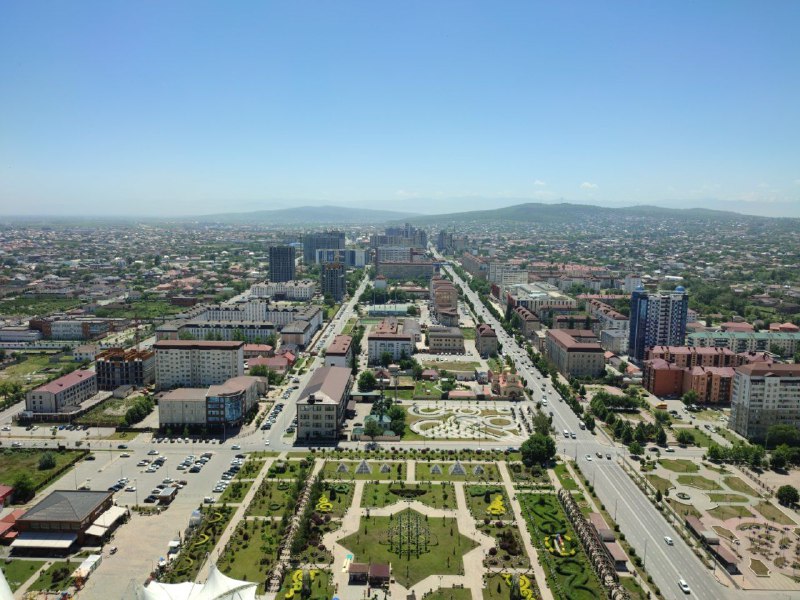
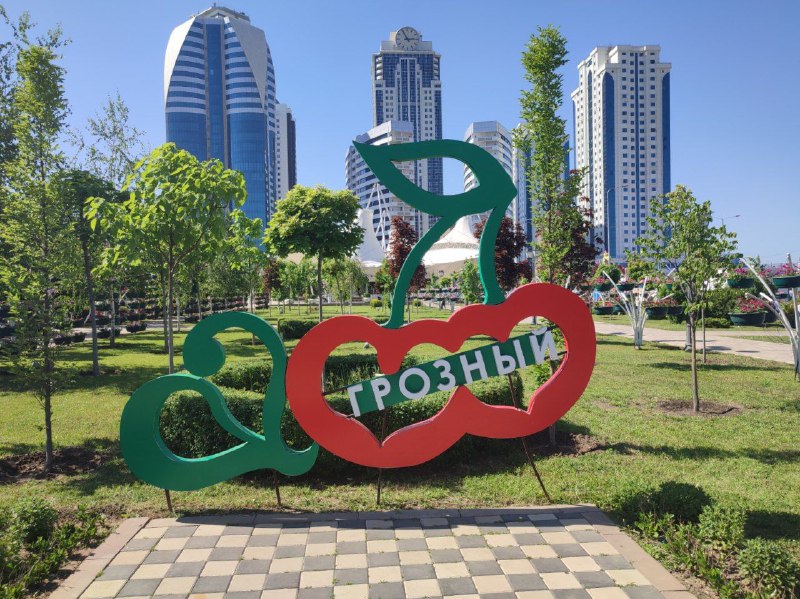
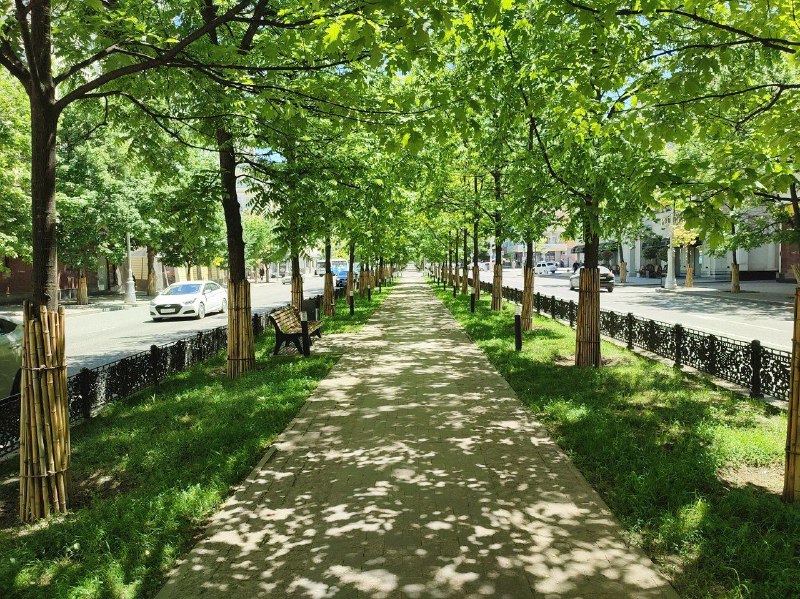
I made it to Grozny. There are actually two Groznys: one during the day and one at night. The lighting really transforms the city, and honestly, I liked it much better with the lights on than in daylight.
Overall impression — it feels like I've stepped into a different country. Everything is so different.
Overall impression — it feels like I've stepped into a different country. Everything is so different.
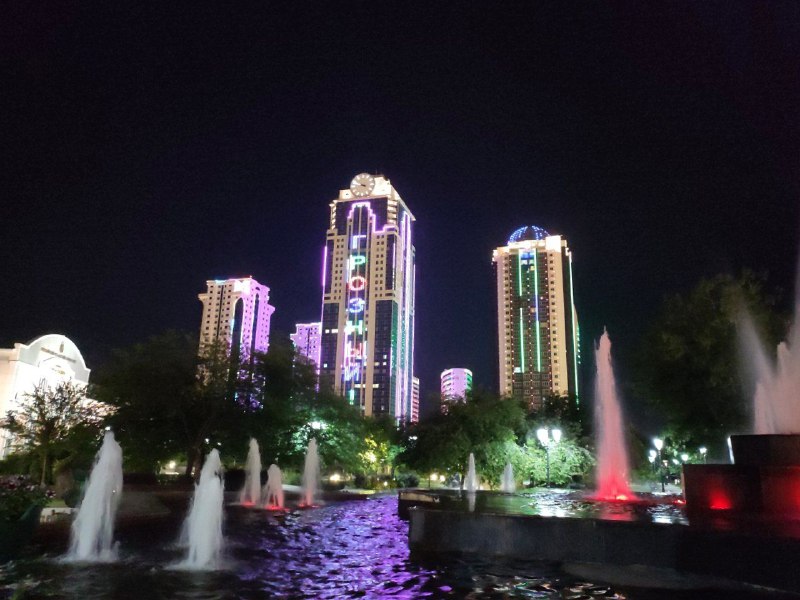
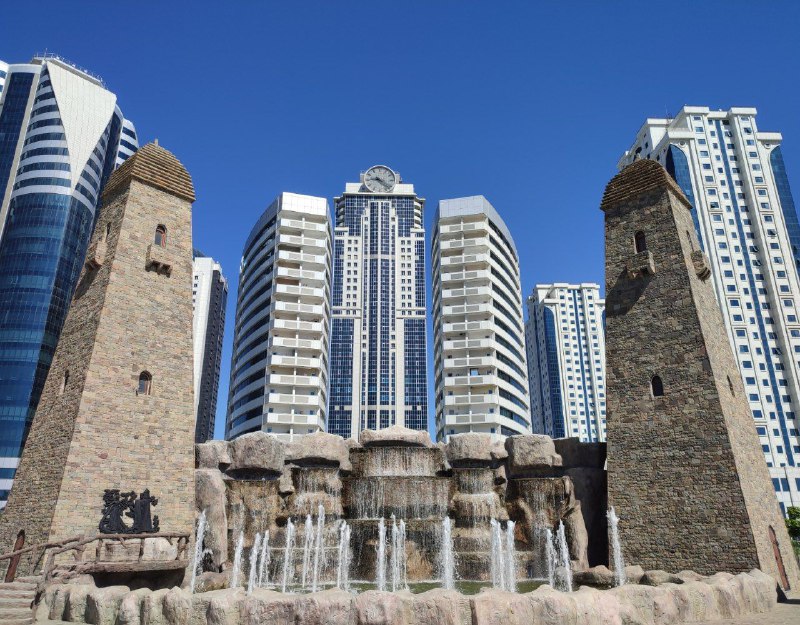

One last thing about Magas. They built a hundred-meter tower here that belongs to all Ingush people at once, not to a specific teip like all the others. Such a beautiful unifying gesture.
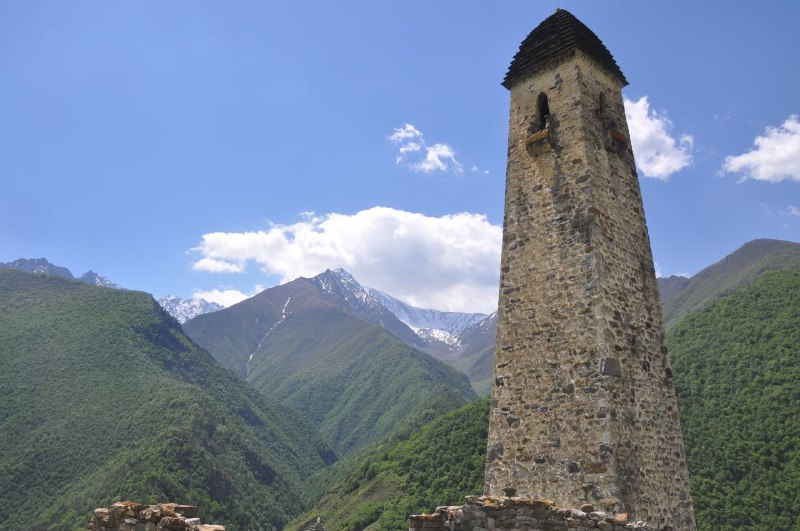
Construction had to be completed within a year, according to the rules. If a teip decided to build but didn't make it, the tower would be abandoned and the clan was considered weak, unable to keep their word. That's why such cases were rare. But now imagine the responsibility for a tower for an entire people :)
There's a legend that a guy from a clan that didn't finish in time really wanted to marry a girl from a teip that was just about to build a tower. And it was clear they would refuse. So he took a job as an apprentice to the master builder with just one condition: instead of payment, he'd be allowed to install the final spire on the roof. When the moment came to put it up and the guy had already climbed onto the roof, he declared: either agreement to the wedding, or he'd just throw the spire down. There was no way out—they had to agree.
Construction had to be completed within a year, according to the rules. If a teip decided to build but didn't make it, the tower would be abandoned and the clan was considered weak, unable to keep their word. That's why such cases were rare. But now imagine the responsibility for a tower for an entire people :)
There's a legend that a guy from a clan that didn't finish in time really wanted to marry a girl from a teip that was just about to build a tower. And it was clear they would refuse. So he took a job as an apprentice to the master builder with just one condition: instead of payment, he'd be allowed to install the final spire on the roof. When the moment came to put it up and the guy had already climbed onto the roof, he declared: either agreement to the wedding, or he'd just throw the spire down. There was no way out—they had to agree.
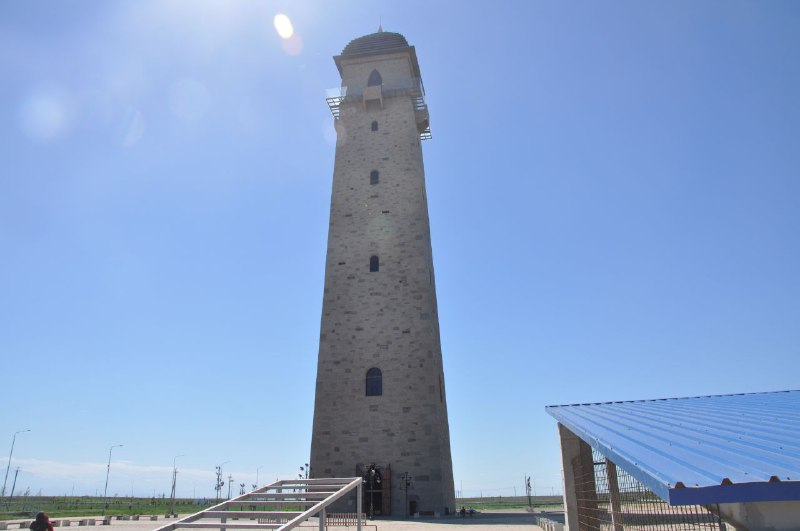
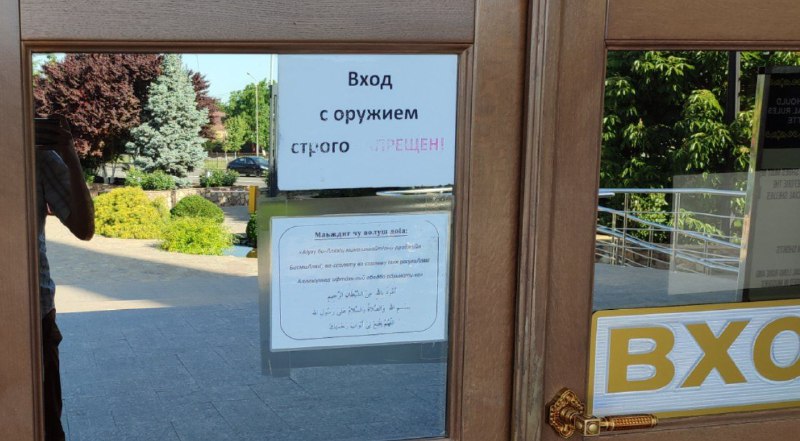
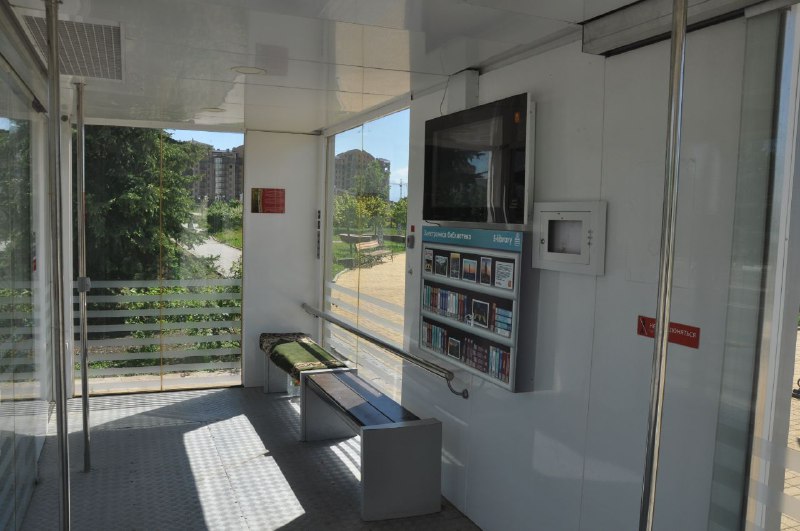
Magas impressed me with its enclosed bus stop featuring working air conditioning, a digital library, and a clean mat on the bench. And the poster at the city entrance calling on people to surrender illegally stored weapons in exchange for immunity from prosecution is quite a colorful sight. But there's honestly not much to do here: the city is small (~20,000 people) and young (~20 years old). There's nothing historical.
Now, the name itself hints at a competition among Caucasian peoples over their connection to the ancient Alans. While the Ossetians, without much modesty, simply added "Alania" to the name of their republic, the Ingush, quick on their feet, named their new capital after the main city of ancient Alania.
Now, the name itself hints at a competition among Caucasian peoples over their connection to the ancient Alans. While the Ossetians, without much modesty, simply added "Alania" to the name of their republic, the Ingush, quick on their feet, named their new capital after the main city of ancient Alania.
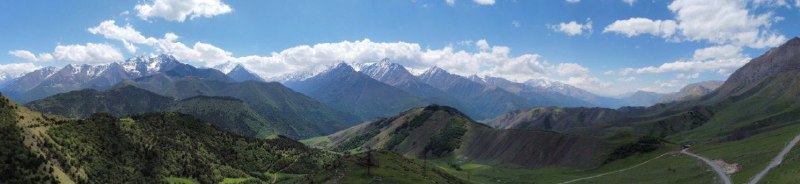
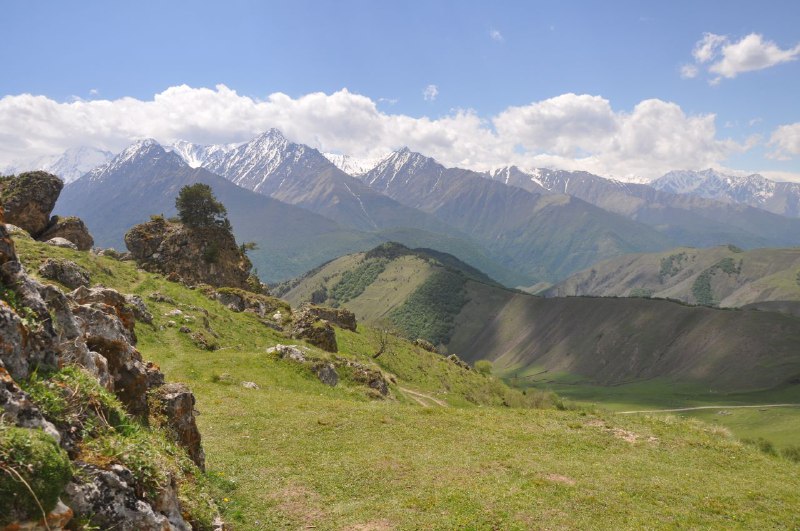
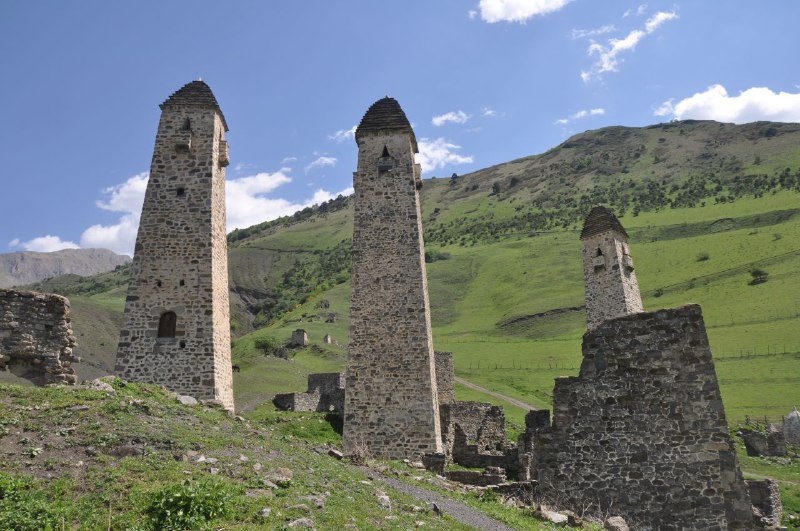
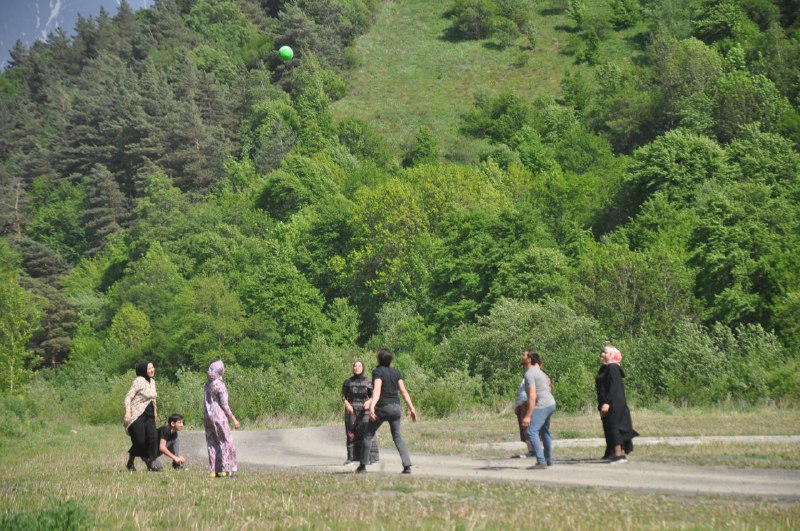
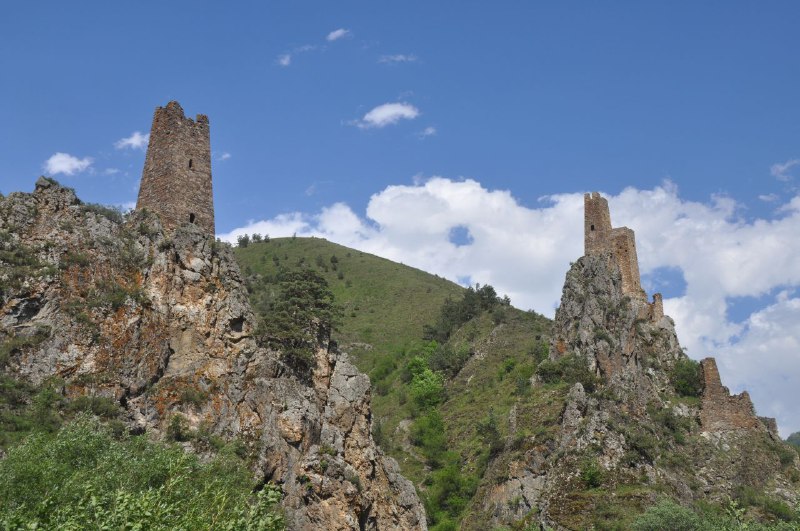
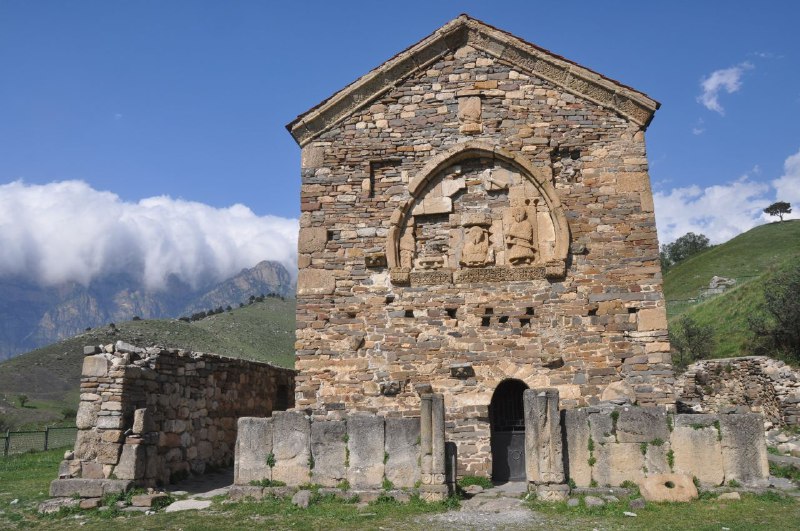
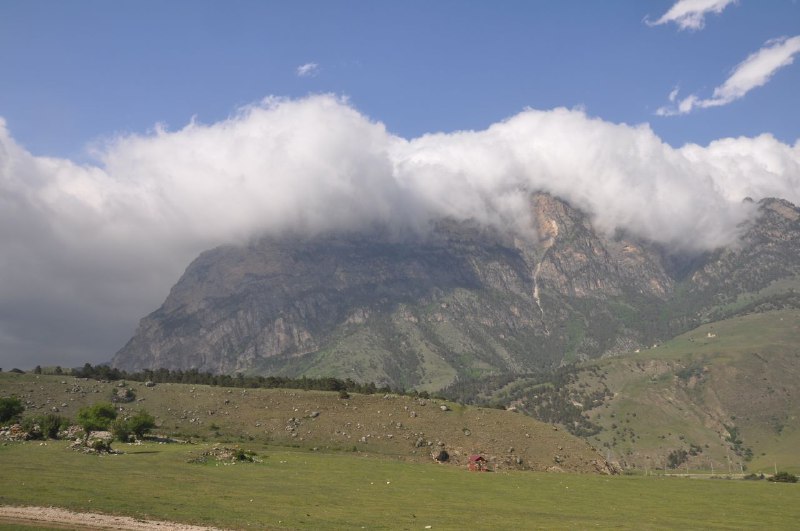
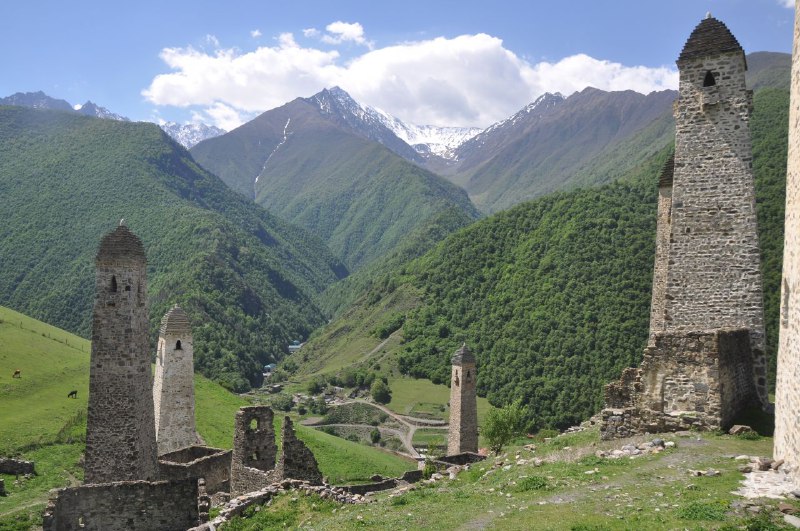
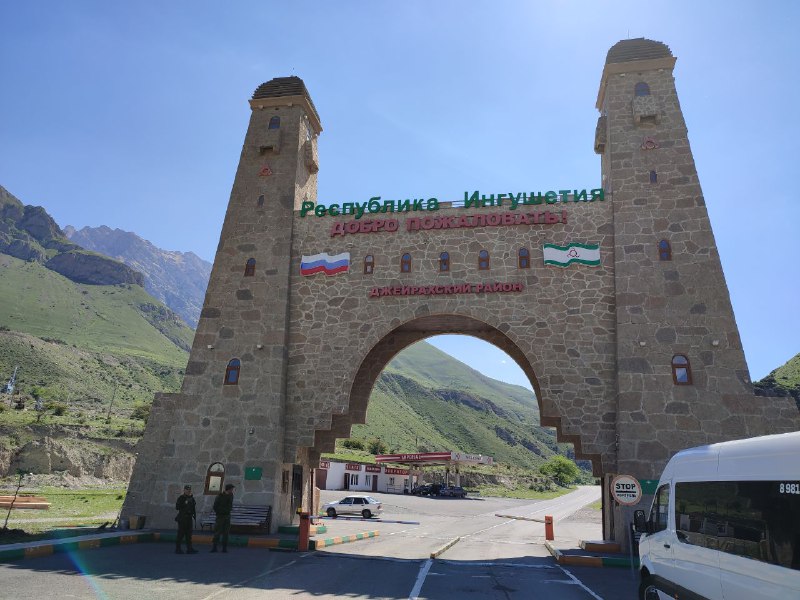
And here are some photos from mountainous Ingushetia.
A small compilation based on stories I've heard from Ingush people:
1. It's not customary here for a man to communicate directly with his father-in-law and mother-in-law. He definitely helps them, but only through his wife.
2. Polygamy is rare, but it happens. And everyone's fine with it.
3. Three kids in a family is considered small. Five or six is just right. But there are plenty of families with even more. It's no wonder this is the second-fastest growing republic in Russia.
4. Everyone knows their family history going back 10+ generations. And they maintain connections with members of their clan. And absolutely no marriages within the teip. Even though the largest teips can have over 20,000 people (!). Even if a guy and girl are related in the tenth generation back. Mixed marriages with other nationalities are very much frowned upon (though there are more exceptions nowadays).
5. Ancestral towers still hold huge significance. The teip tries to restore them whenever possible. But restoration is an extremely expensive and labor-intensive process. Because most of these complexes are of federal importance, and the government requires tons of project documentation and detailed work plans. Bureaucracy makes up more than half the restoration costs.
6. The Ingush are deeply religious and view Islam as a blessing that saved them from blood feuds and other savagery of traditional beliefs.
7. People are concerned about Ingush territories that ended up in neighboring republics. And they clearly don't like their neighbors for that.
City folks might be less conservative, but in rural areas, that's how it is.
1. It's not customary here for a man to communicate directly with his father-in-law and mother-in-law. He definitely helps them, but only through his wife.
2. Polygamy is rare, but it happens. And everyone's fine with it.
3. Three kids in a family is considered small. Five or six is just right. But there are plenty of families with even more. It's no wonder this is the second-fastest growing republic in Russia.
4. Everyone knows their family history going back 10+ generations. And they maintain connections with members of their clan. And absolutely no marriages within the teip. Even though the largest teips can have over 20,000 people (!). Even if a guy and girl are related in the tenth generation back. Mixed marriages with other nationalities are very much frowned upon (though there are more exceptions nowadays).
5. Ancestral towers still hold huge significance. The teip tries to restore them whenever possible. But restoration is an extremely expensive and labor-intensive process. Because most of these complexes are of federal importance, and the government requires tons of project documentation and detailed work plans. Bureaucracy makes up more than half the restoration costs.
6. The Ingush are deeply religious and view Islam as a blessing that saved them from blood feuds and other savagery of traditional beliefs.
7. People are concerned about Ingush territories that ended up in neighboring republics. And they clearly don't like their neighbors for that.
City folks might be less conservative, but in rural areas, that's how it is.
Mountain Ingushetia is amazing! Mountains, tower complexes, nature—it's all absolutely incredible. I'll post pictures later.
But there was a small catch thanks to border guards and some weird laws. Turns out you can't fly a drone within a 5 km zone near the border without special permission (honestly, I still don't get why—enemy satellites get just as good pictures anyway). The border guards kindly let me know this when they happened to drive by while I was launching. We worked it out so I'd stop flying and they'd go on their way. There was also the option of me riding along with them to file a report, but neither of us were really into that idea.
But there was a small catch thanks to border guards and some weird laws. Turns out you can't fly a drone within a 5 km zone near the border without special permission (honestly, I still don't get why—enemy satellites get just as good pictures anyway). The border guards kindly let me know this when they happened to drive by while I was launching. We worked it out so I'd stop flying and they'd go on their way. There was also the option of me riding along with them to file a report, but neither of us were really into that idea.
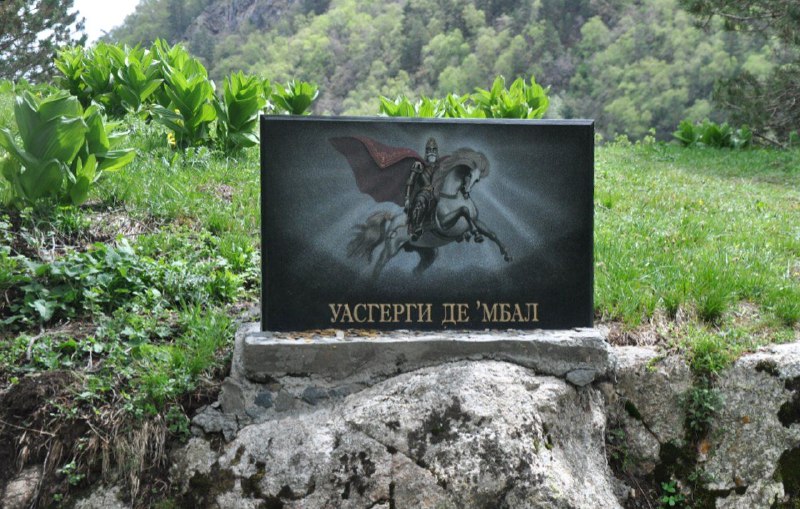
You'll often spot various monuments or plaques dedicated to Uastyrdzhi, a deity of the traditional Ossetian religion, in Ossetian parks and along roadsides. Yet officially, most representatives of the people practice Orthodox Christianity.
Christianity reached the noble ancestors of the Ossetians back in the 10th century. But ordinary people continued to practice their traditional religion. After joining the Russian Empire, missionaries from the Russian Orthodox Church came here and began converting the locals to Orthodox Christianity. To simplify the process, they decided to replace the traditional deities with corresponding Christian saints. So Uastyrdzhi was equated with Saint George. But it's safe to say this didn't really help much.
Ossetians may call themselves Orthodox, but alongside Christian rituals, they continue to perform traditional ones as well. For example, one of the most widely celebrated religious holidays is the Week of Uastyrdzhi.
Christianity reached the noble ancestors of the Ossetians back in the 10th century. But ordinary people continued to practice their traditional religion. After joining the Russian Empire, missionaries from the Russian Orthodox Church came here and began converting the locals to Orthodox Christianity. To simplify the process, they decided to replace the traditional deities with corresponding Christian saints. So Uastyrdzhi was equated with Saint George. But it's safe to say this didn't really help much.
Ossetians may call themselves Orthodox, but alongside Christian rituals, they continue to perform traditional ones as well. For example, one of the most widely celebrated religious holidays is the Week of Uastyrdzhi.
There are lots of small villages in the mountainous regions of Ossetia. In most of the tiniest ones, there are practically no permanent residents left—urbanization is spreading across the planet. But wherever people do stay, yellow gas pipelines are everywhere (look carefully at the end of the video). Even for just 1-2 people. At least around popular spots, I kept running into these utilities all the time. Hopefully, connecting to the pipeline doesn't cost a fortune for the locals.
P.S. Telegram really crushed the video quality last time. I'll try uploading with a slightly larger file size.
P.S. Telegram really crushed the video quality last time. I'll try uploading with a slightly larger file size.
Countries
 United Kingdom3
 Serbia100
 Bosnia and Herzegovina54
 Turkey42
 United Arab Emirates3
 Brunei2
 Indonesia12
 Malaysia15
 Argentina16
 USA117
 Morocco5
 Georgia5
 Egypt16
 Hong Kong8
 China4
 Vietnam9
 Tunisia7
 Montenegro9
 Philippines12
 Singapore10
 Oman12
 Algeria12
 North Macedonia5
 Lebanon11
 Israel27
 Albania17
 Russia63
 Tanzania50
 Netherlands7
 Spain14
 Latvia2
 Germany7
 Belgium3
 France27
 Kazakhstan32