Telegram mirror

Telegram is a messenger where I post short travel notes. This page is a self-hosted backup of that channel.
Filtering: Bosnia and Herzegovina ×Clear all
Hooray! I got my sock passport back! I can go somewhere for a bit before they take it away again to glue in the residence permit sticker.

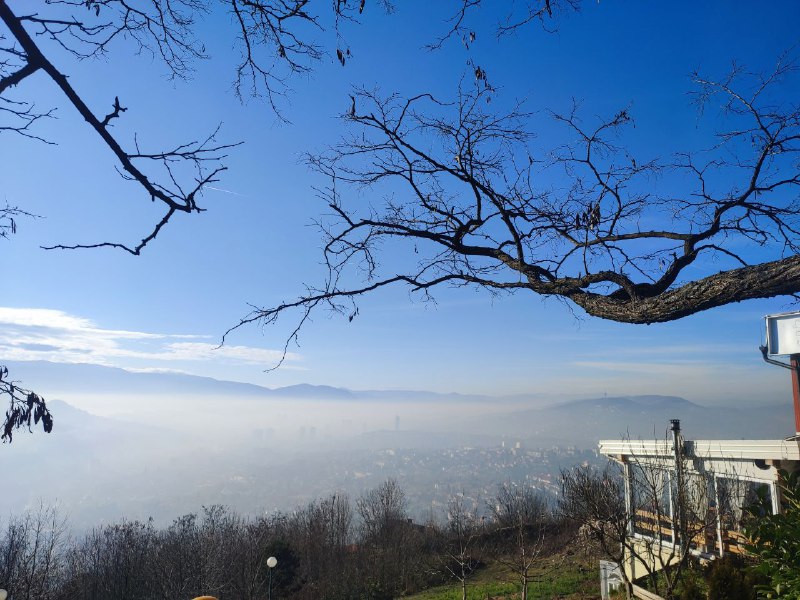
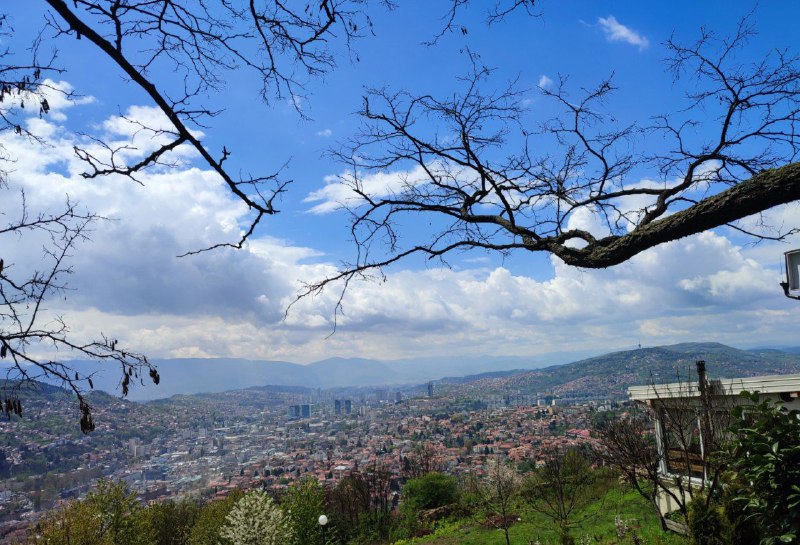
Remember Sarajevo in the haze?
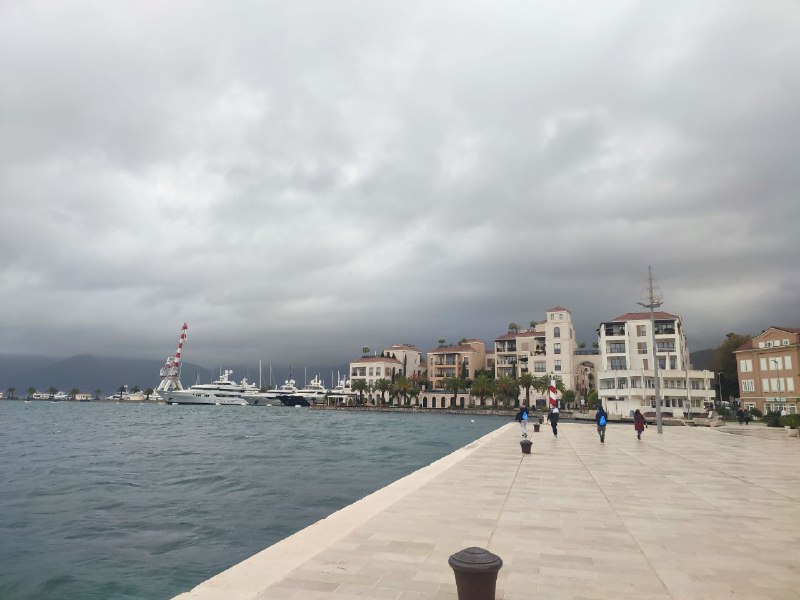
Same spot right now.
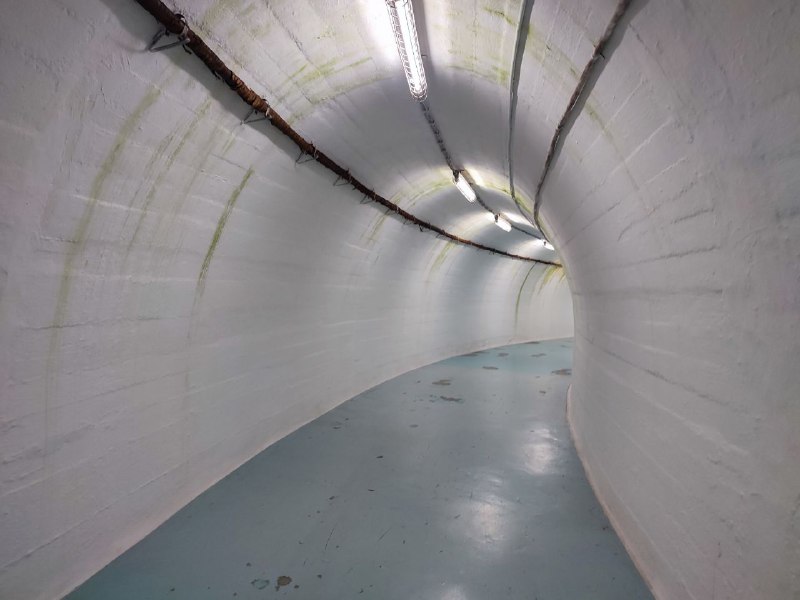
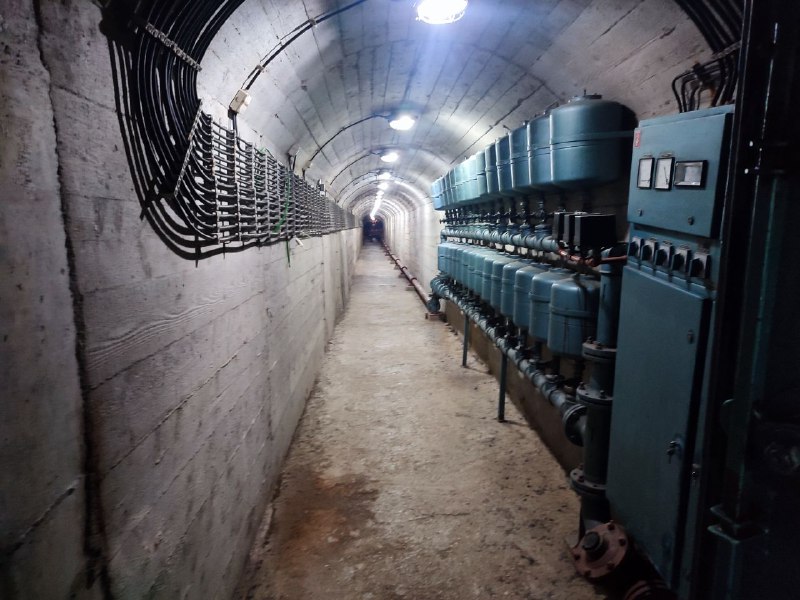
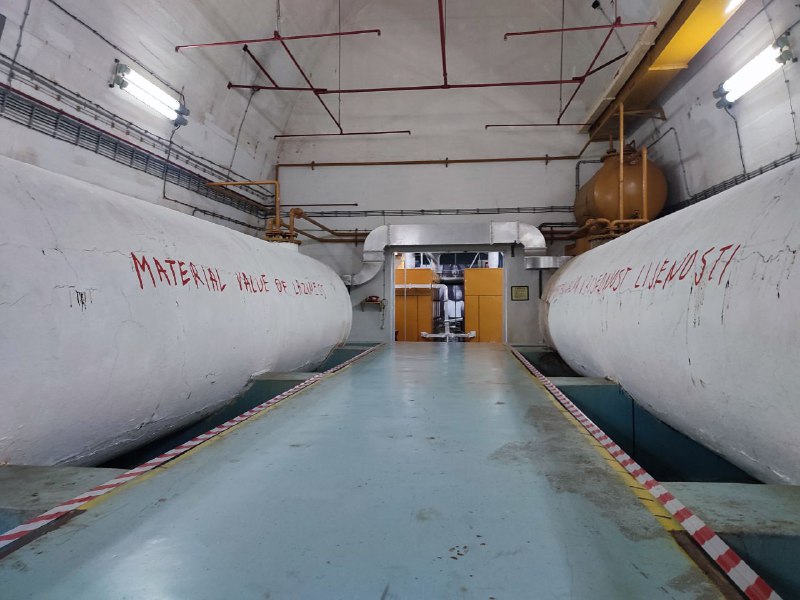
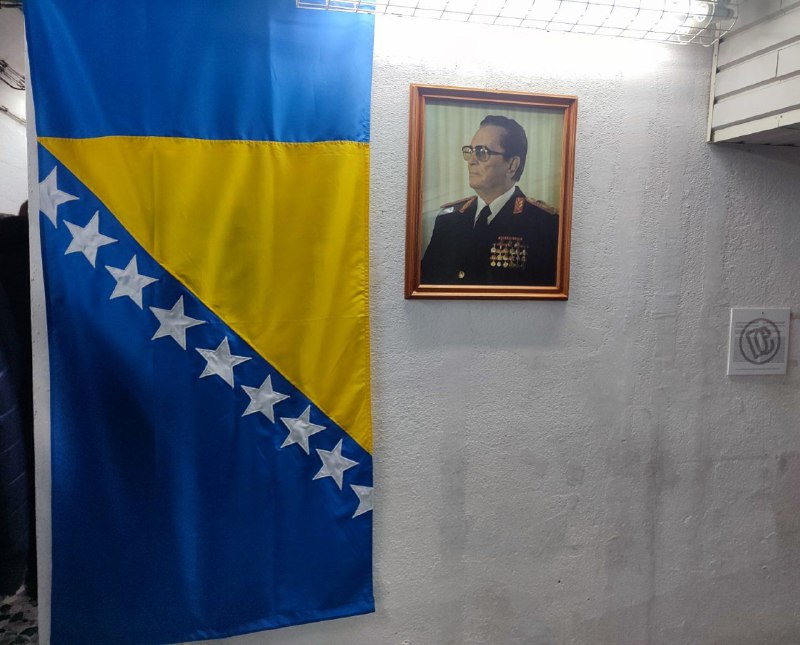
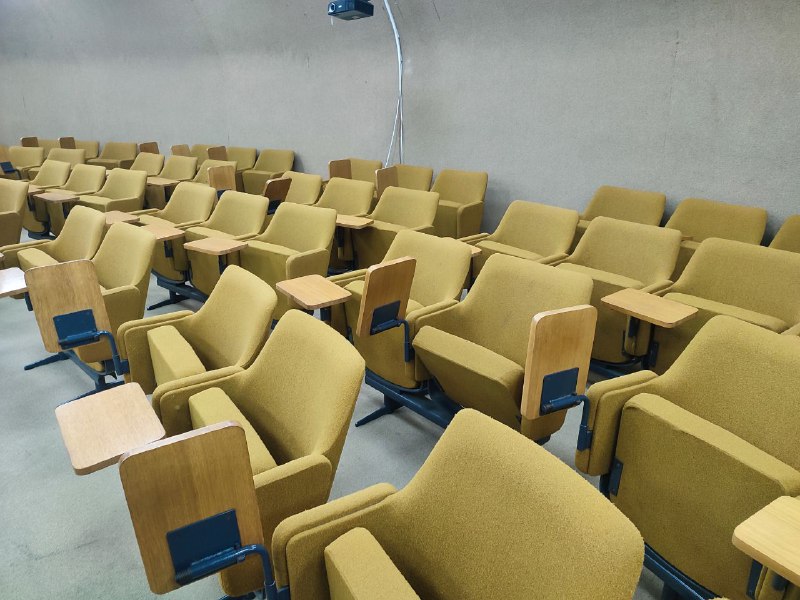
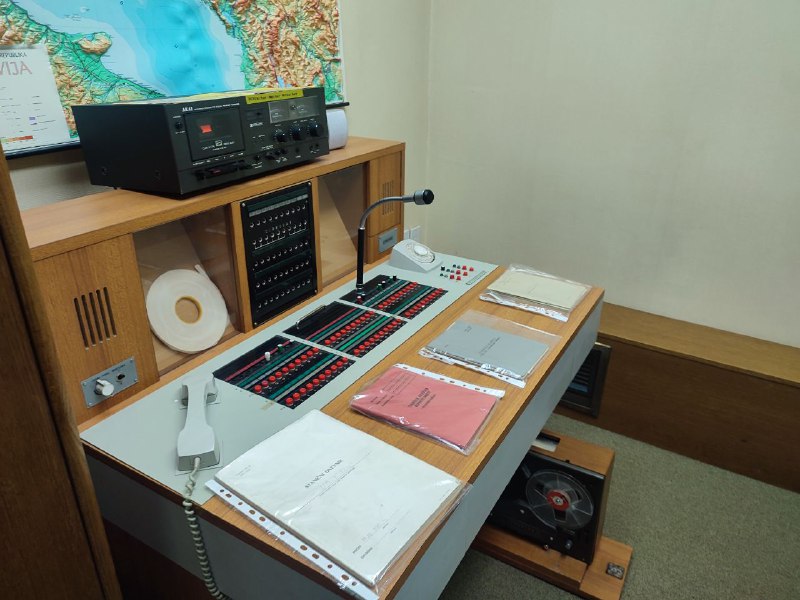
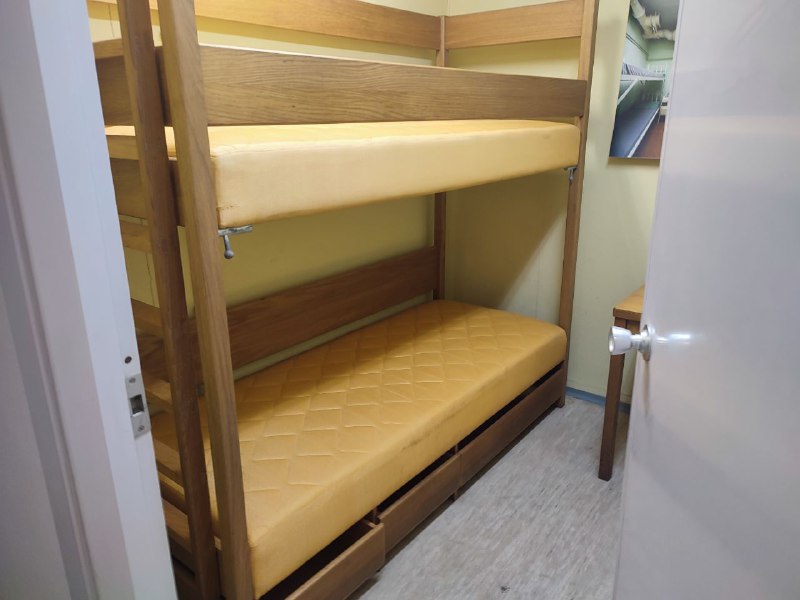
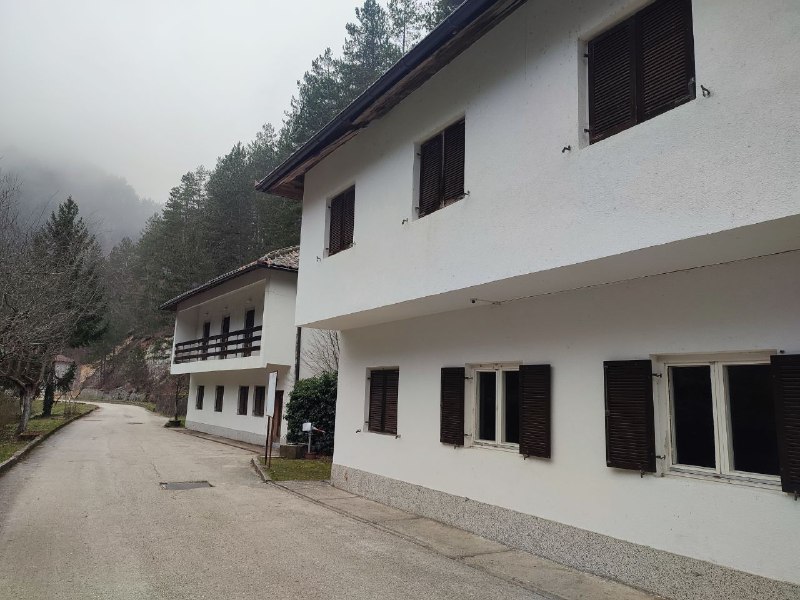
Tito, like any typical dictator, built himself a bunker as a fallback in case of nuclear war. Located in the inconspicuous town of Konjic, not far from Sarajevo.

Officially, there was nothing there: a completely classified project, the construction was disguised as a local weapons factory production facility, and the residents had no idea what was actually happening. All 26 years of construction (hard to believe, I know).

Almost immediately after completion, the Yugoslav leader died, having visited the bunker only once. The military preserved the shelter but continued to maintain minimum readiness in case of conflict. So 16 soldiers guarded the facility until the country's collapse.

During Yugoslavia's breakup, one general ordered the facility destroyed so it wouldn't fall into Bosnian hands. But two soldiers sabotaged the order and cut the wires to the explosives, later handing the shelter over to the Bosnian Army. It actually came in handy during the 1992-95 war.

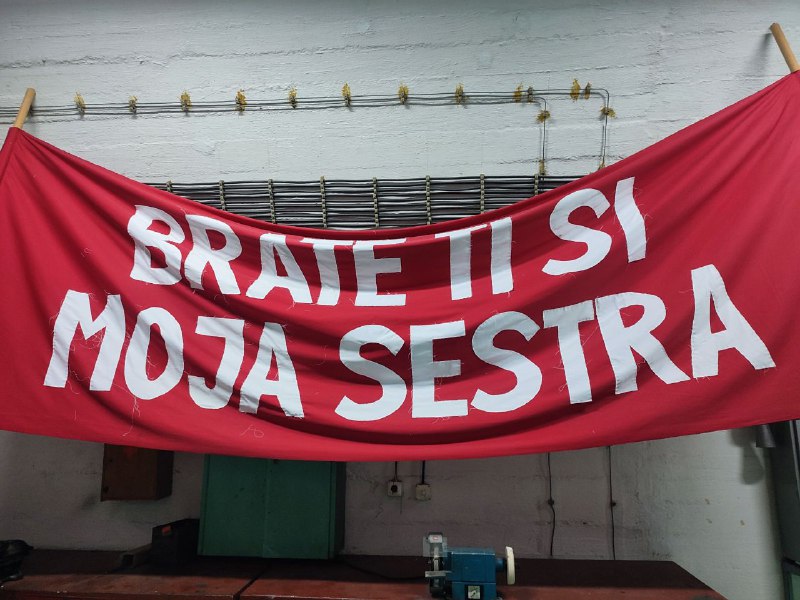
Today it's an absolutely fantastic museum. Everything is in excellent condition, and in addition to the internal infrastructure, they also display artwork.
When you read about war—whether in the news or in a history textbook—it usually comes down to dry numbers and facts. So many people died, this or that location was liberated. I guess that's how historians have to study it. But from a human perspective, it doesn't really show what people caught in the middle of these events actually go through.

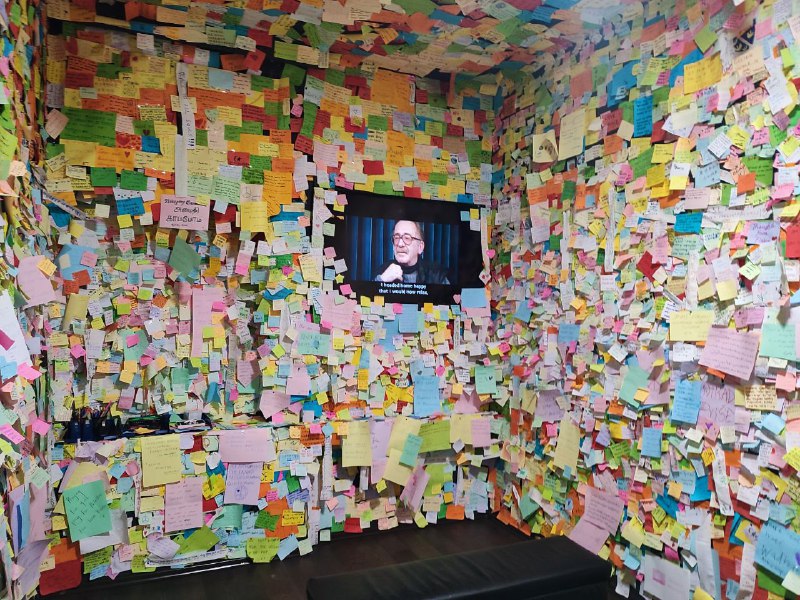
In Sarajevo's Museum of Crimes Against Humanity and Genocide, they've tried to show the Bosnian War through the eyes of ordinary residents. The exhibition isn't huge, but it's filled with small stories from everyday people who witnessed it firsthand. Often heartbreakingly brutal, but sometimes incredibly moving.

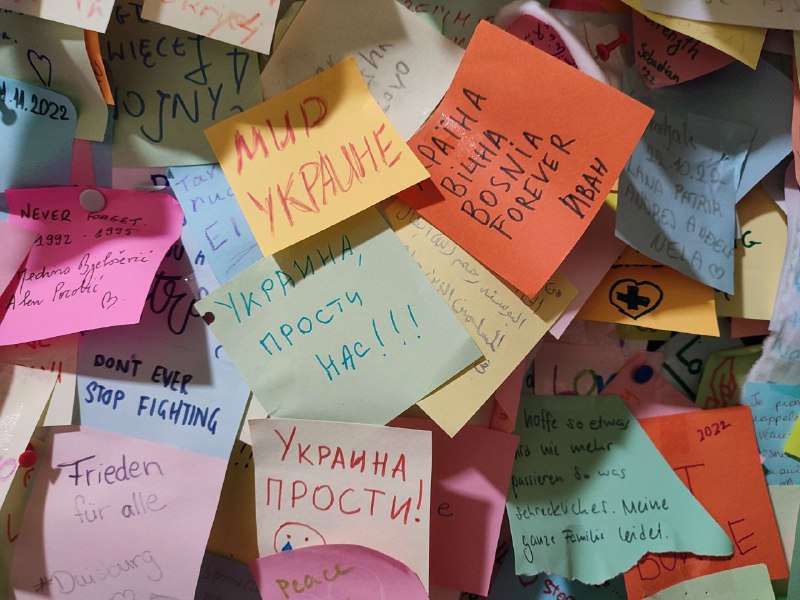
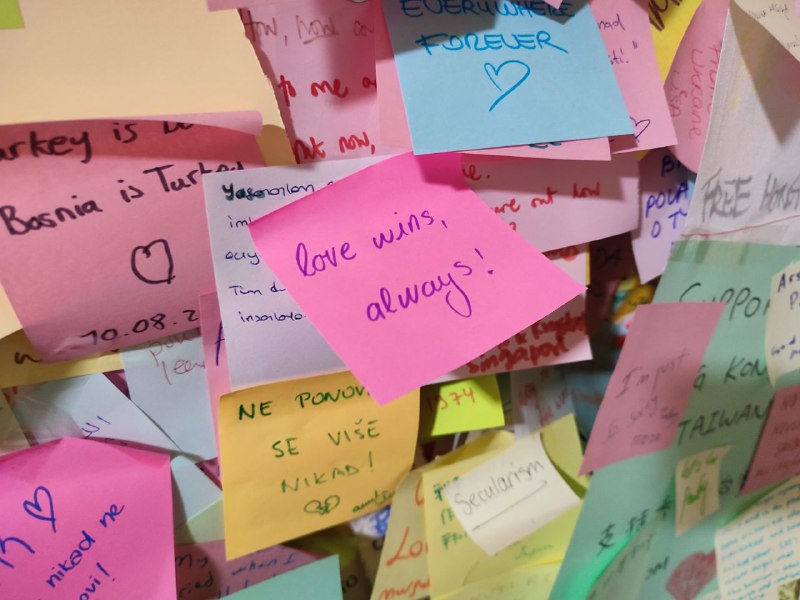
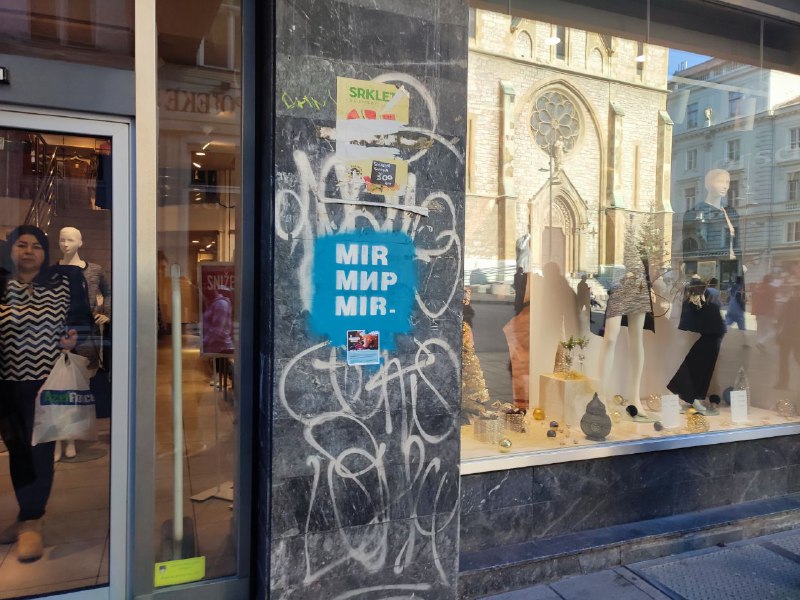
And there's a room that really restores your faith in humanity—where any visitor can make and leave their own sticker.

Then you step out, still emotional from what you've seen, and there's just a regular street outside where everyone's rushing around and life goes on as usual. I really wish it was like that everywhere.
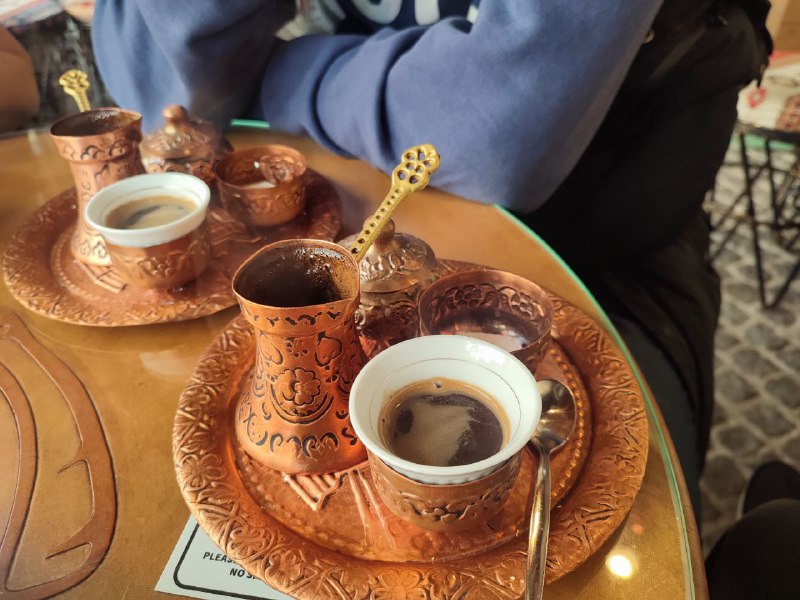
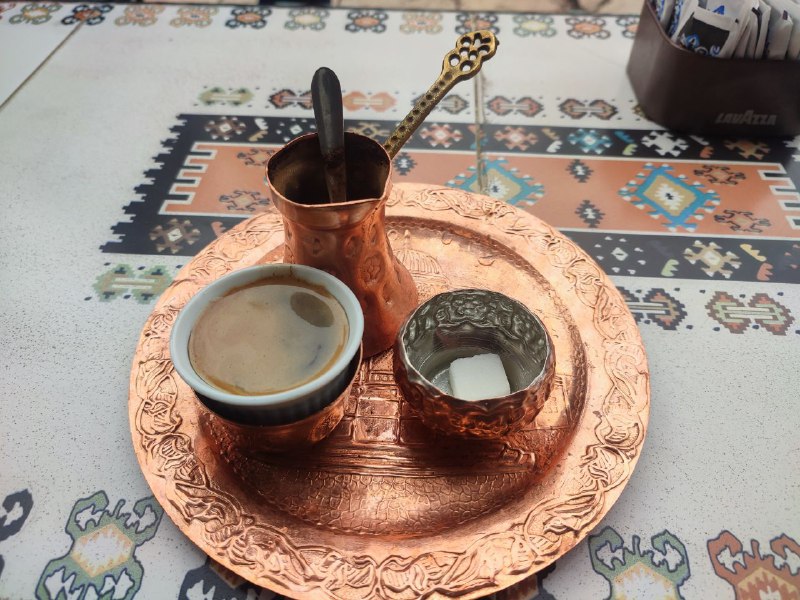
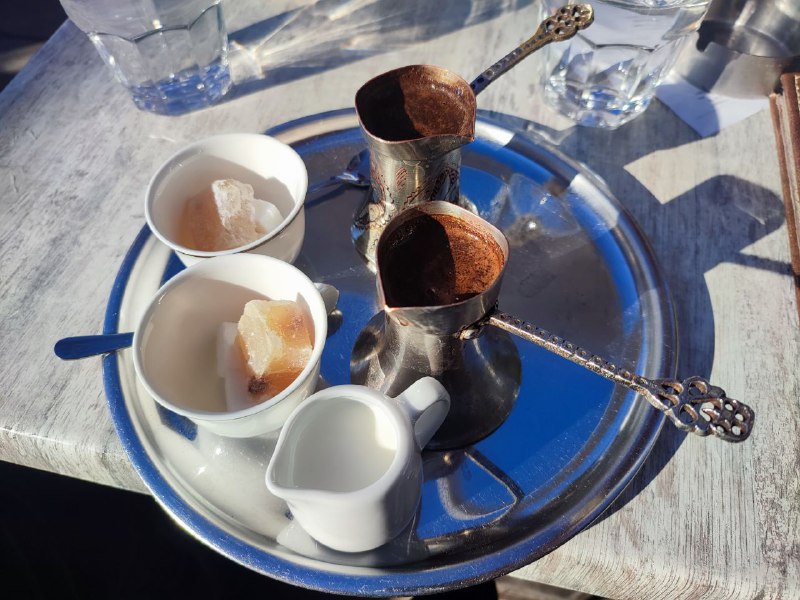
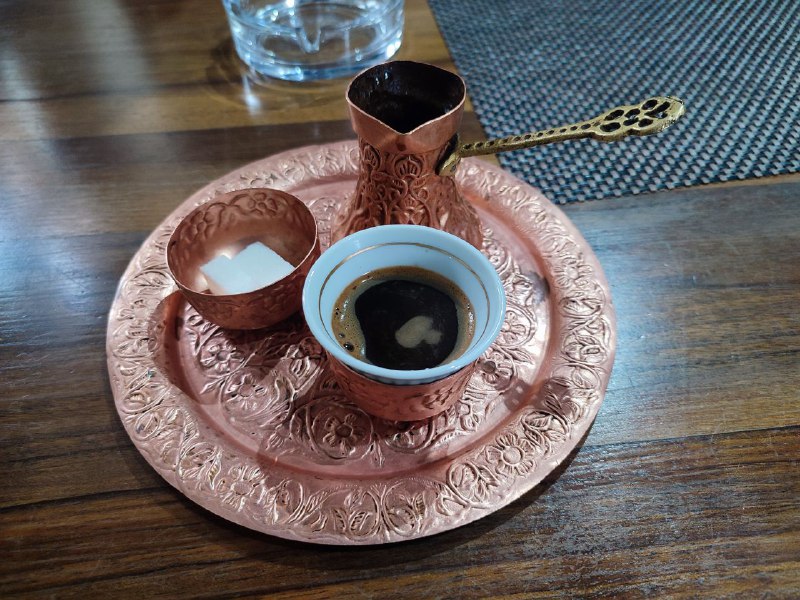
Turkish coffee here is brewed using a special recipe and they call it Bosnian coffee. During preparation, they first separate some of the water, then add it back to create a thick foam on top. It's believed this helps preserve the flavor and aroma better. They also apparently only use lightly roasted beans. And it's always served in a cezve with a teaspoon so you can stir the foam.

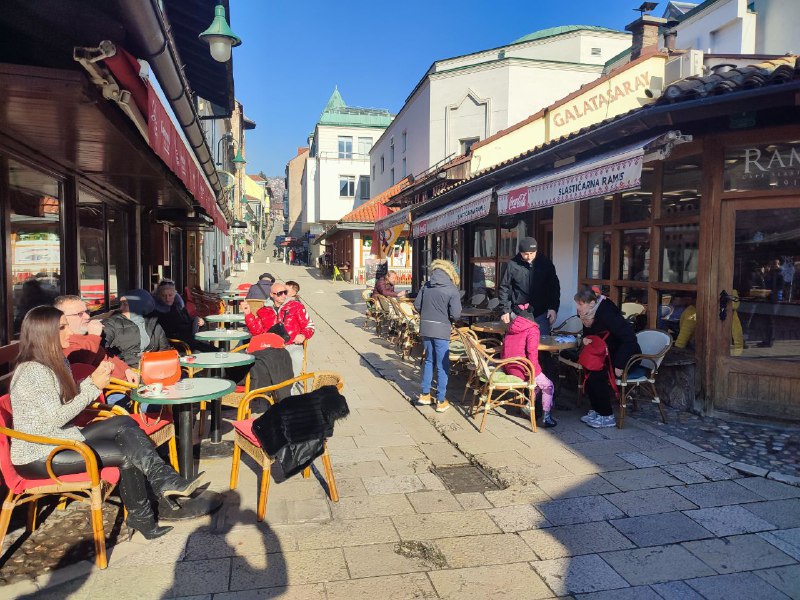
Honestly, it really does taste great. It's just a shame they don't make it in every café. In Sarajevo, you mostly only find it in the tourist center, while most other places stick to standard espresso and cappuccino.
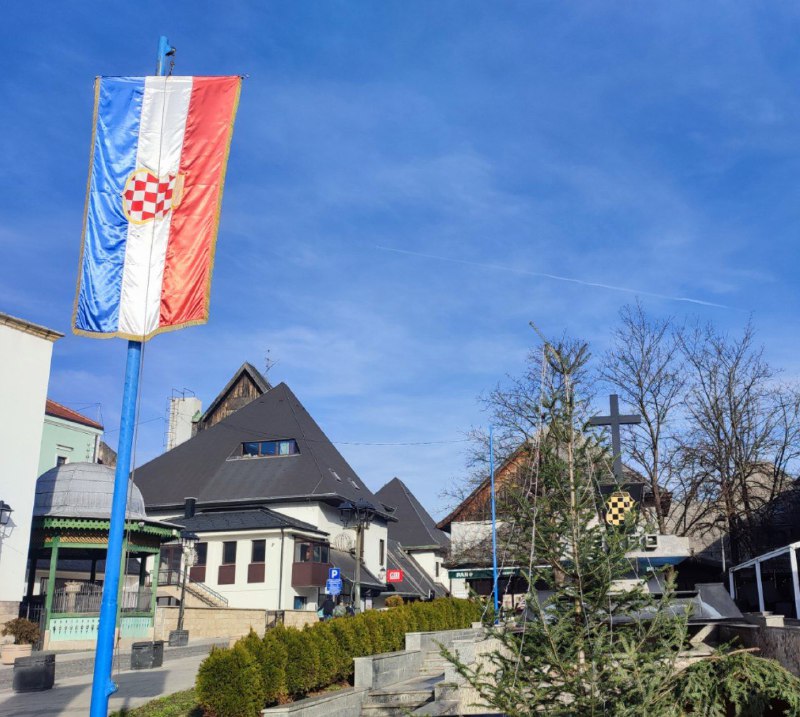
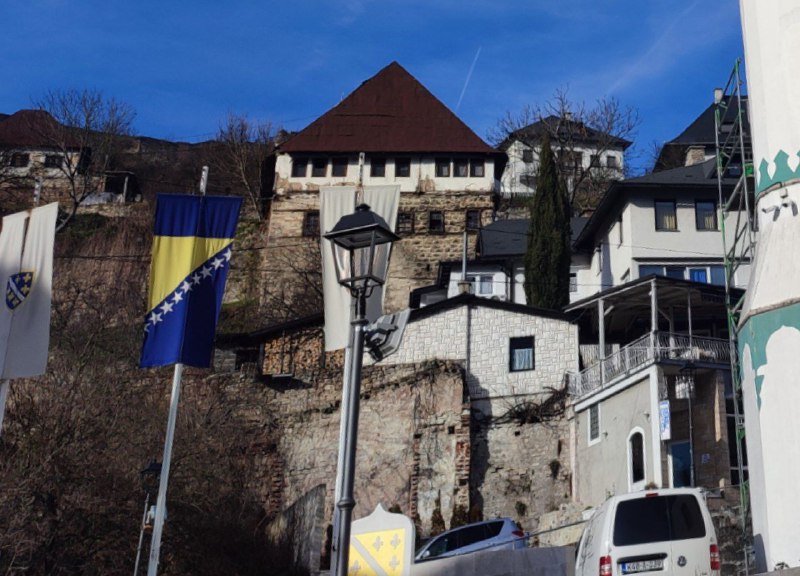
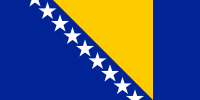
These aren't photos from different countries—it's all Bosnia and Herzegovina. It's just that Serbs prefer to hang the Serbian flag, Croats hang the Croatian one, and only Bosniaks hang the yellow-blue version, and even then not always. Even on official buildings!

I was really surprised by such blatant separatism, but it turns out the whole thing is much more complicated: people were literally forced to accept the current flag.

To understand how this happened, let's rewind to 1995. The war had just ended. The world was worried things might flare up again, so the EU and USA decided to put a... temporary "administrator" in place. They created the position of High Representative for Bosnia and Herzegovina, and they appoint the person from outside themselves (still do!). And they gave this position two superpowers:
1) fire ANY official in the country suspected of breaking the law
2) make a decision independently if the authorities can't agree

And this isn't just an empty threat. Over two hundred officials have been removed under this system. They didn't even spare presidents. Though sometimes they missed the mark: a Croatian president was removed in 2005, but later all charges were dropped—though by then it was too late to reinstate him. But he did win the election again in 2015. And a Serbian president apparently got fired purely over political disagreements. Cases like these really do look like blatant abuse of power.

In 1998, the country was choosing its symbols, but the government couldn't agree for a long time. That's when they used the superpower: the High Representative imposed their own design for the coat of arms and flag. So now people hang whichever one they prefer, rather than what they were ordered to.

This concentration of power in one person's hands, combined with vague criteria for when to apply the rules, naturally drew criticism. The US eventually stopped participating in this arrangement, and Europe decided in 2008 to finally abolish the position and even set a final date. But this move triggered a wave of disappointment among Bosnia and Herzegovina's citizens and even more criticism. The local government was reasonably seen as corrupt and unable to function effectively without external oversight. So they left everything as is indefinitely.
But Sarajevo is drowning in smog. You can barely make out the silhouettes of the skyscrapers.
Check out this adorable Herbalist!

Almost every city in Bosnia that I visited is located in a river valley nestled between hills. In summer it looks incredibly picturesque, but in winter the fog and smog get trapped in these valleys and just linger. Many people heat with firewood or coal, which only makes it worse. That said, you don't really smell the smoke, but it's still not pleasant to spend a lot of time in such conditions.
I've always been amazed at how one midnight of the year stands out from all the others. People suddenly start hoping, believing, and eagerly anticipating something magical. And you can't help but get caught up in the collective mood. If that's not magic, what is?

Peaceful skies in the New Year!

Thank you for reading!
Fun fact: In almost every language except Turkish, the name Sarajevo sounds pretty much the same. Only the Turks call the Bosnian capital differently: Saraybosna. Although, you'd think the root is already Turkish anyway.

The city is also sometimes called the Jerusalem of Europe. But the only real similarity is the mix of cultures and religions in one place. Where else in Europe can you find a mosque, a Catholic church, a synagogue, and an Orthodox church all in the same neighborhood?

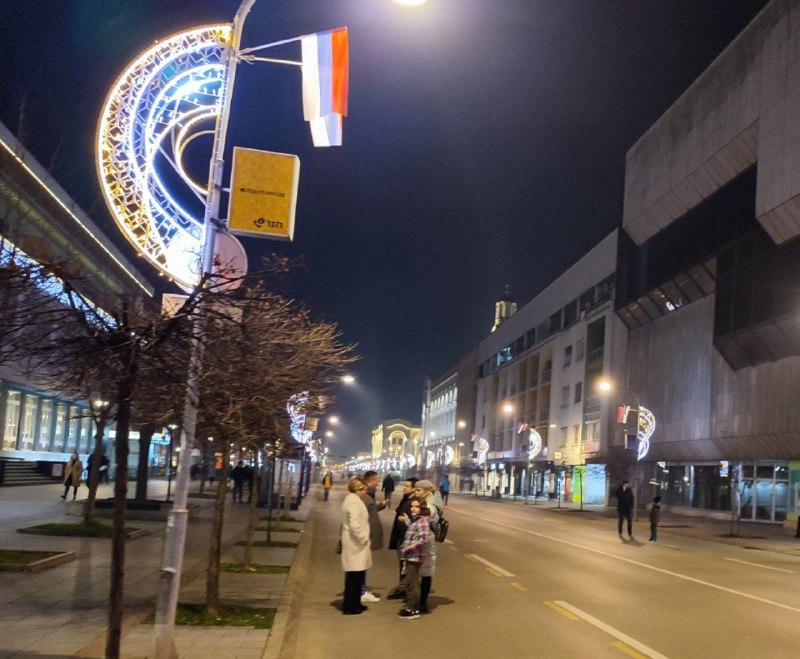
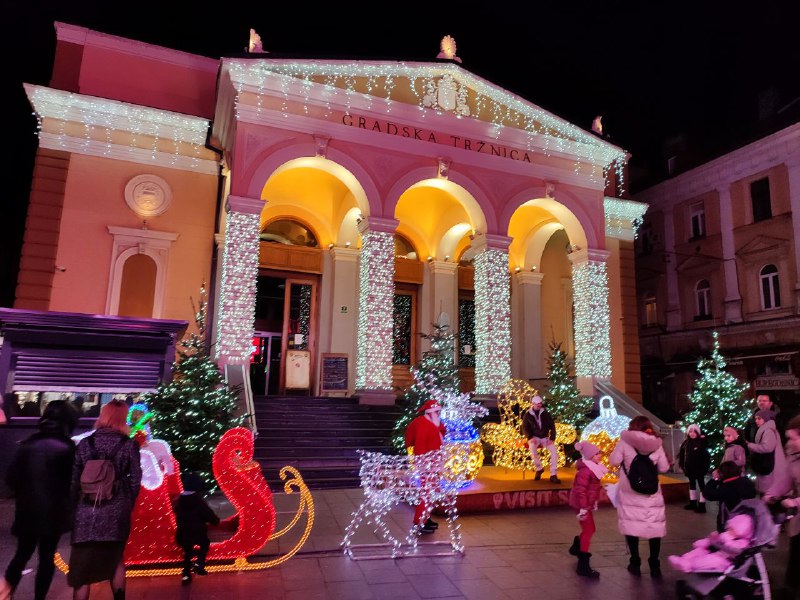
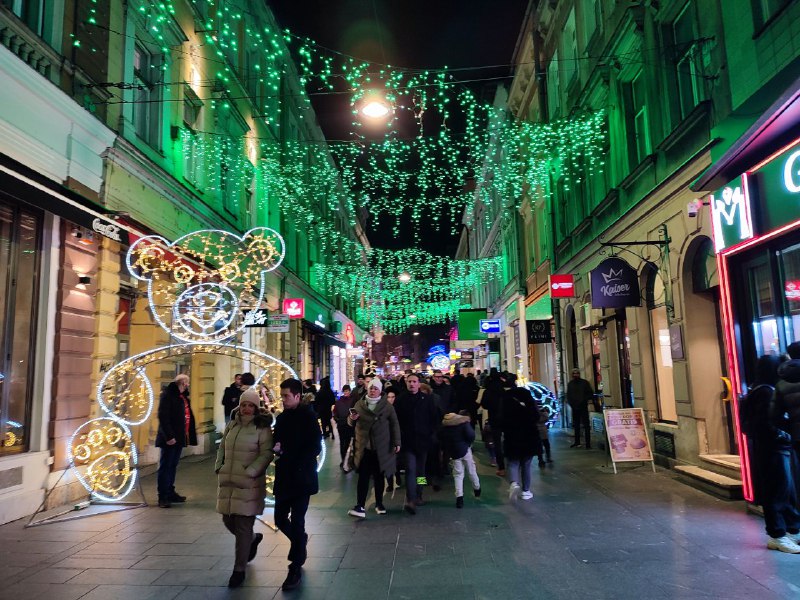
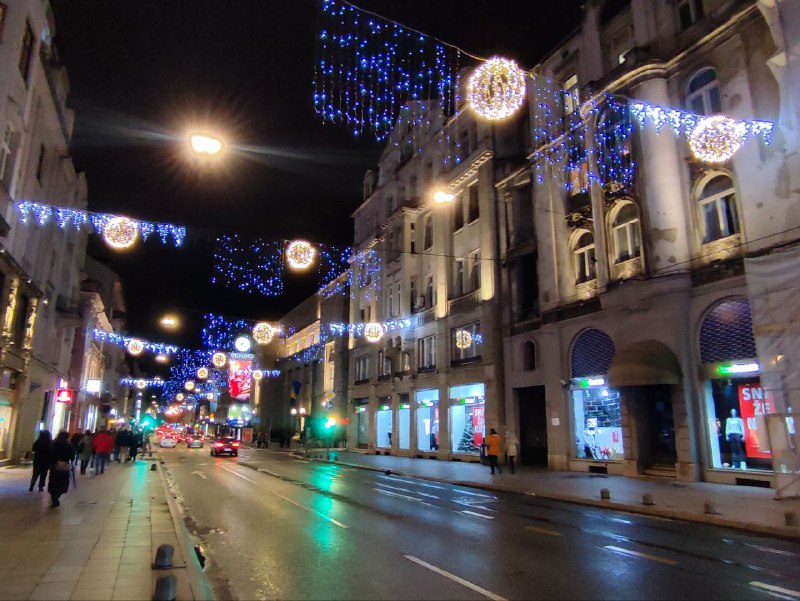
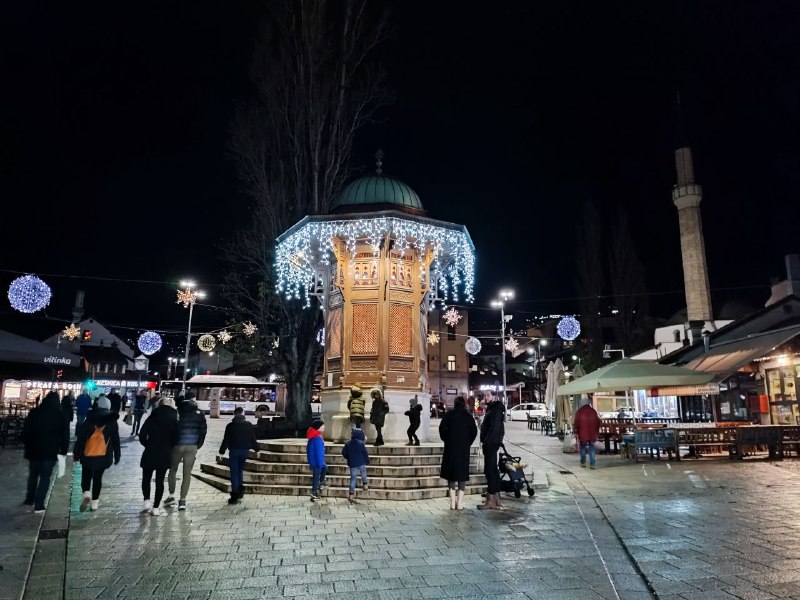
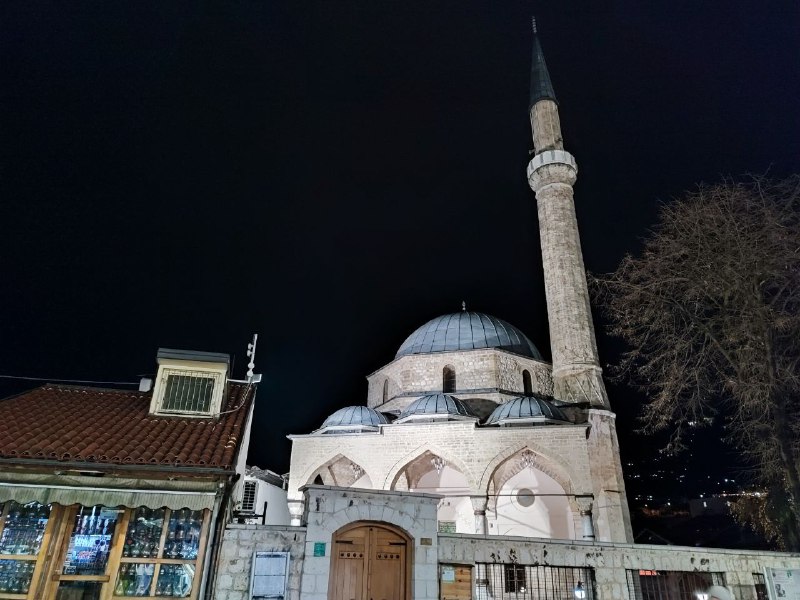
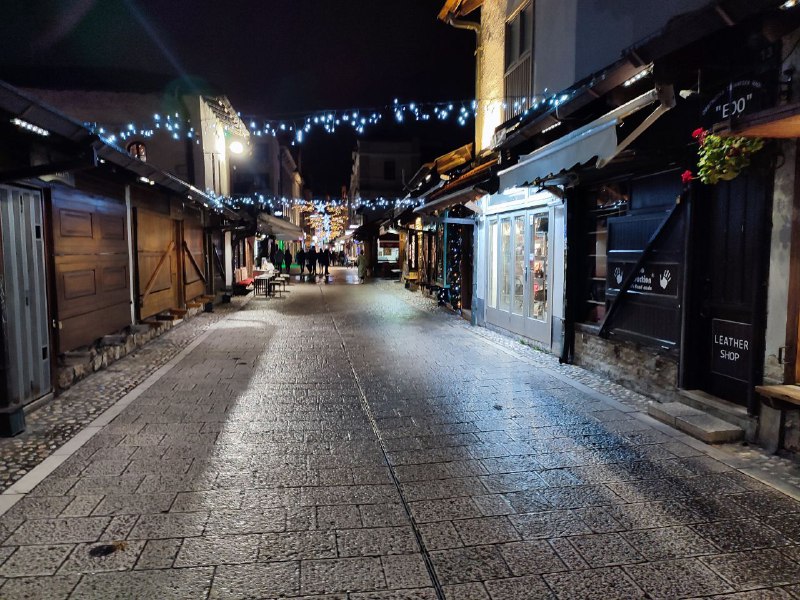
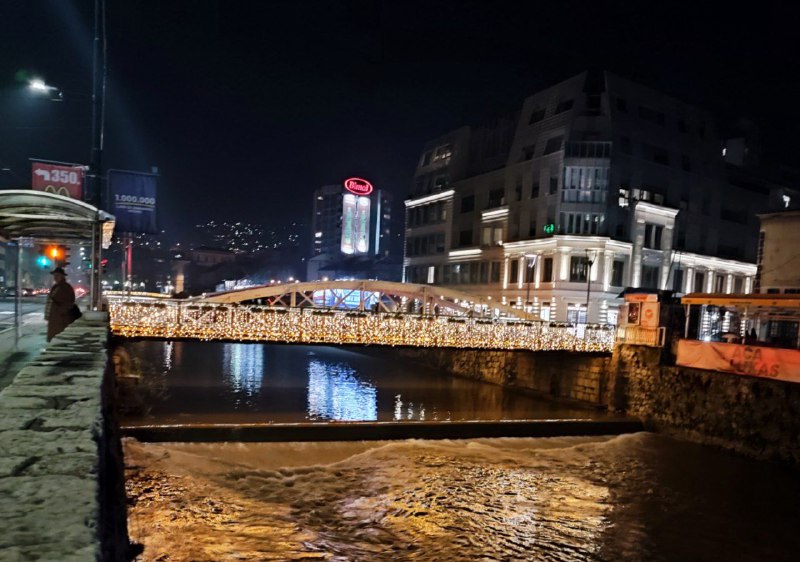
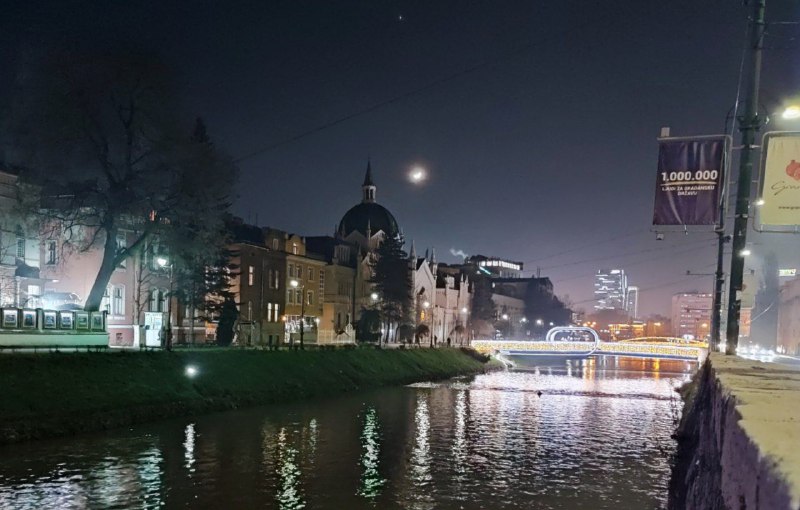
This is my second time in this city, and I have wonderful impressions both times. And they clearly made an effort with the street decorations for New Year's—it looks absolutely festive.
​​"Two heads are better than one, so three must be even better!" thought Bosnia and Herzegovina, and decided to elect three presidents at once: a Serb, a Bosniak, and a Croat. The three of them mess around serve as president for the entire 4-year term. You can't be elected more than twice in a row, but you can with a break in between. Two of them have even done this already (a Croat and a Bosniak). Nevertheless, the country has 14 (!) living former presidents.

One of the three is appointed chair, and the position rotates every 8 months. Over 4 years, that's exactly 2 complete cycles.

Decisions are made collectively, by unanimous consent. But on controversial issues, this doesn't work at all. For example, Bosniaks and Croats would be happy to recognize Kosovo's independence, but the Serbs are categorically opposed.

Elections are also complicated: Croats living in the Serb Republic have to vote for the Serbian representative, while Serbs who moved to the Federation can't vote for him, even though they'd really like to. It's a mirror situation with the other candidates.

And the real problem is that the presidents' ethnicities are iron-clad in the Dayton Accords. Representatives of other peoples can't be elected. There was a case at the European Court of Human Rights against B&H brought by a Jew and a Roma because of such discrimination. The court ruled back in 2009 that the rules need to be changed, but the system hasn't been reformed since then.

And that wraps up today's civics lesson. And in the photo below is the building in Sarajevo where the presidents meet.
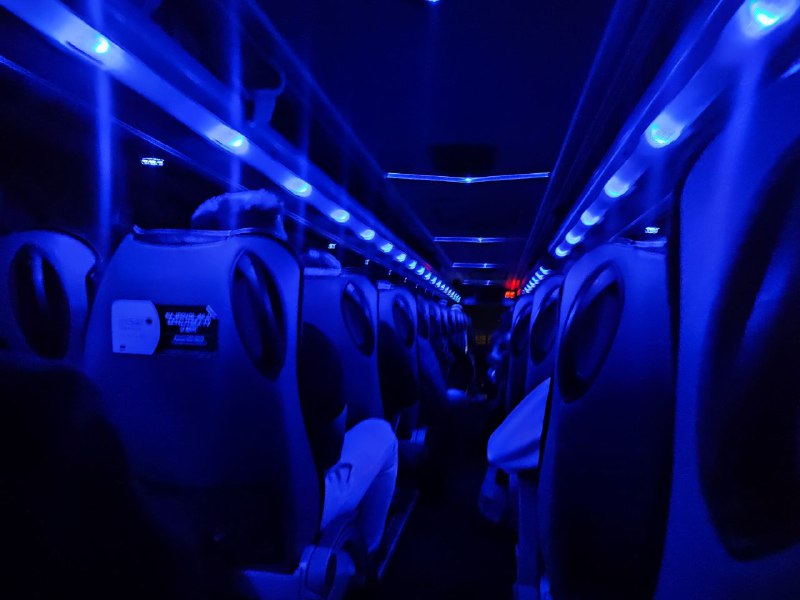
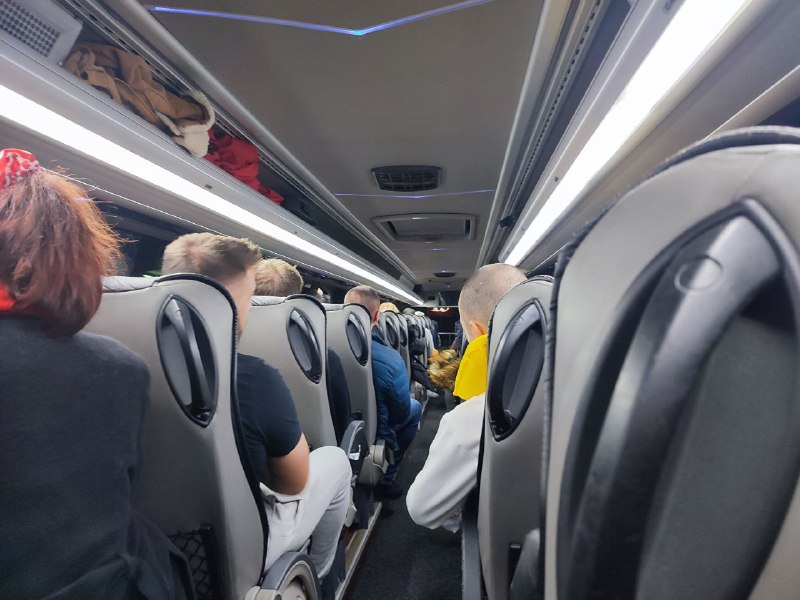
This is nothing like what I imagined the night bus to Sarajevo to be (:

Expectation: you board in Belgrade in the evening, fall asleep, and wake up in Bosnia in the morning.

Reality: you sleep in short, fitful bursts and spend half the night jumping on and off the bus. There's a technical stop, and then border crossings (two of them), where everyone gets off the bus, gets their passports stamped, and is only allowed back on once everyone's done (I was grateful it was warm outside). And then the driver announces—only in Serbian—that anyone who wants to get to Sarajevo needs to switch to a different bus because this one is going to a completely different part of the country. Nothing about this in the ticket!

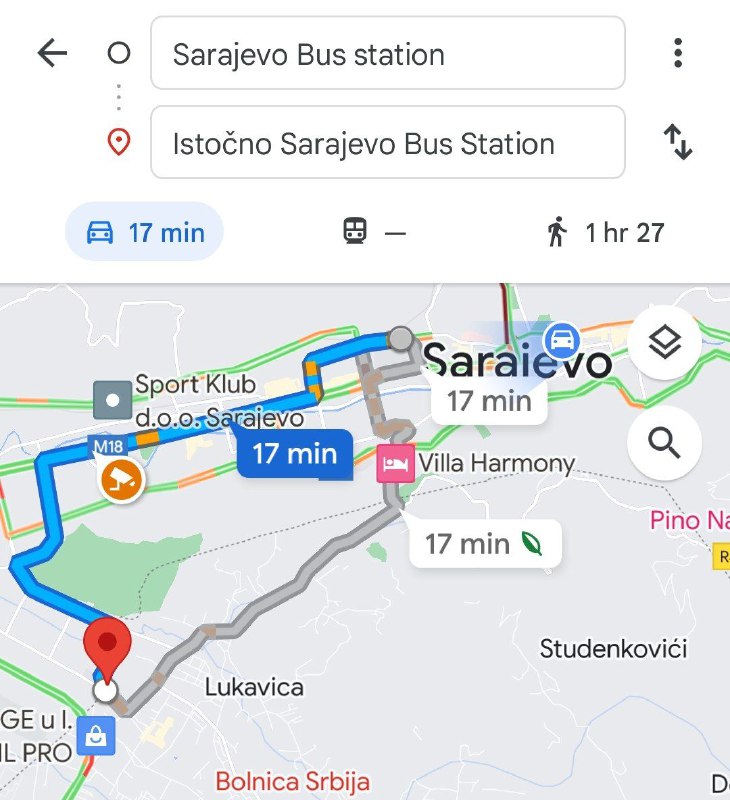
There are 6 buses a day from Belgrade to Sarajevo. Five of them go to the eastern part of the city and are run by Serbs, but tickets are only sold at the ticket counter. The sixth route is available online, goes further to the city center, and is operated by Croats. The thing is, East Sarajevo is part of the Republika Srpska (not to be confused with Serbia), while the center isn't.

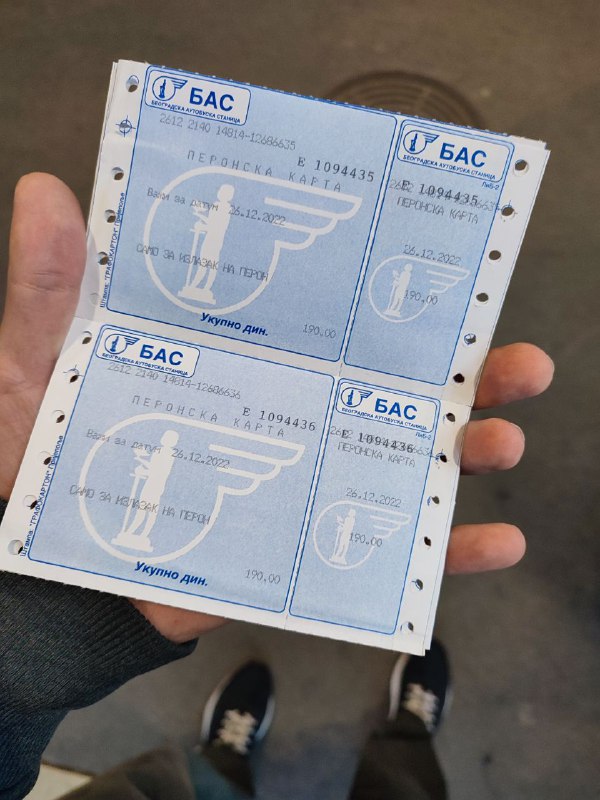
PS. And if you bought your ticket online, you still have to buy an extra platform access ticket at the bus station.
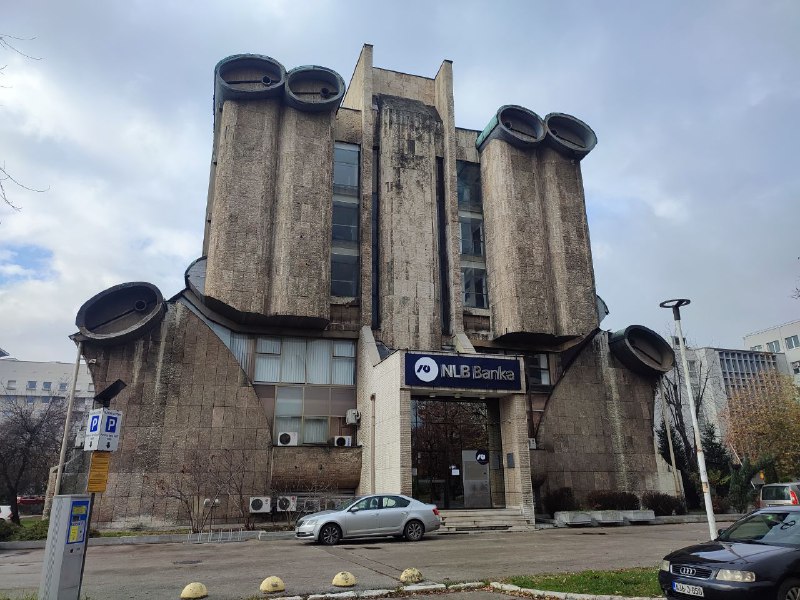
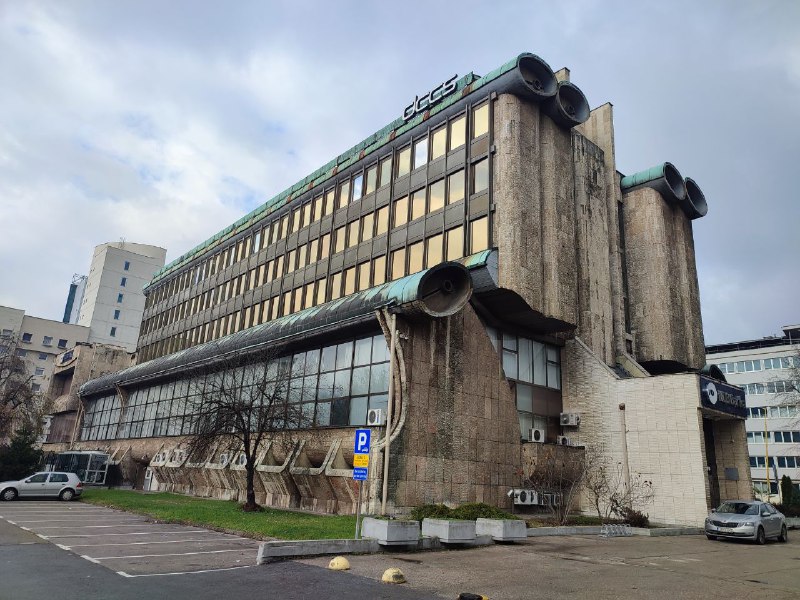
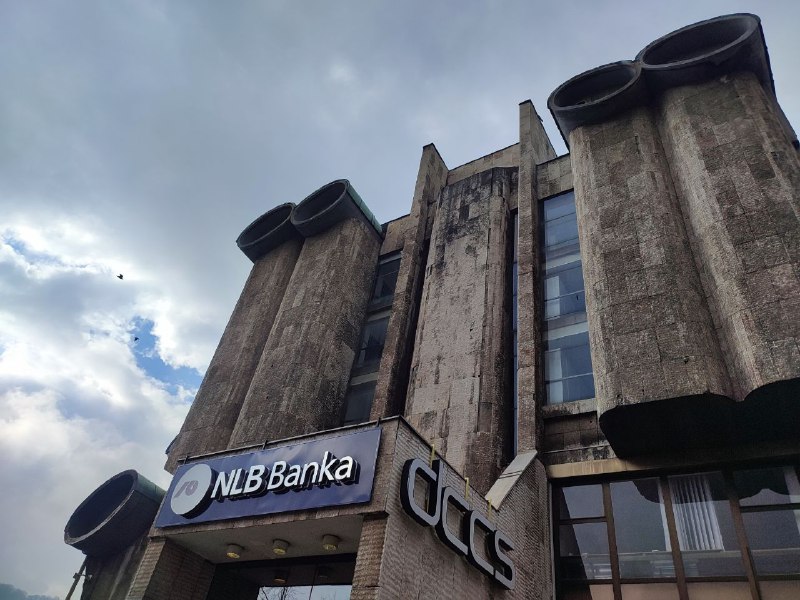
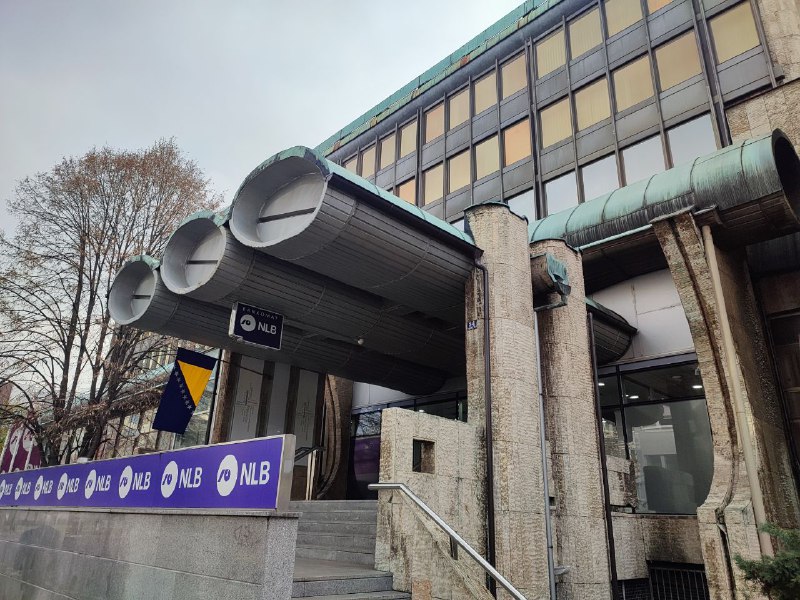
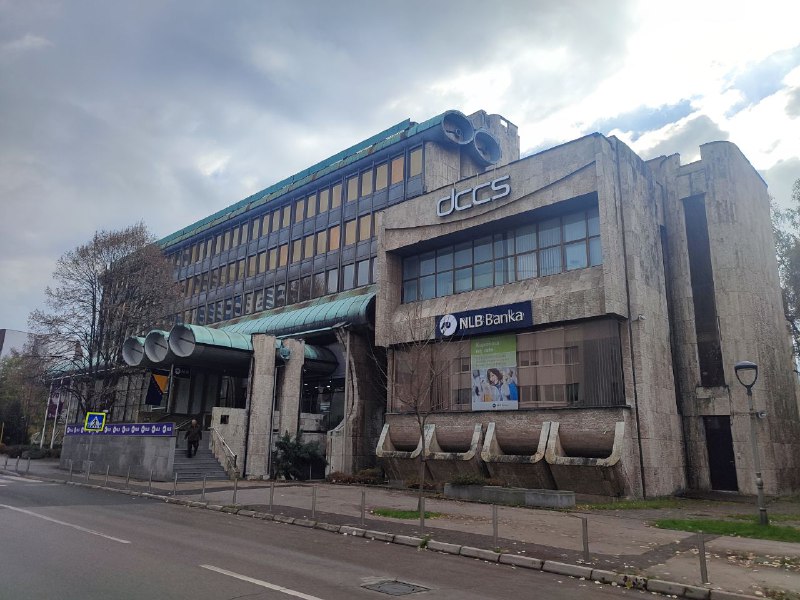
I just wanted to write: "Check out this amazing building in Tuzla (🇧🇦), finally got to see it in person". But then it turned out to be the scam of the century.

One of Yugoslavia's largest banks — LB (Ljubljanska banka) — collapsed along with the country's breakup. Besides Slovenes, nearly 300,000 Croats and Bosniaks kept their savings there. Estimates put the total at up to $2 billion.

Slovenia, on the ruins of the company, opened NLB (Nova LB), which inherited everything except obligations to now-foreigners. They even passed a law: "Dear Croats and Bosniaks, we forgive you all your deposits. Your Slovenes". Can you do that, really?

What's more, LB physically moved assets from other Yugoslav cities to Ljubljana for several years before the collapse. The perfect crime.

Seeing this, Croatian companies stopped paying their loans. They were sued and forced to resume payments. Only deposits were forgiven, not debts.

Individual depositors successfully won their cases at the European Court of Human Rights. Sadly, not everyone lived to see the verdict. Croatia's case against Slovenia could resolve everything for Croats at once, but a verdict is still far off.