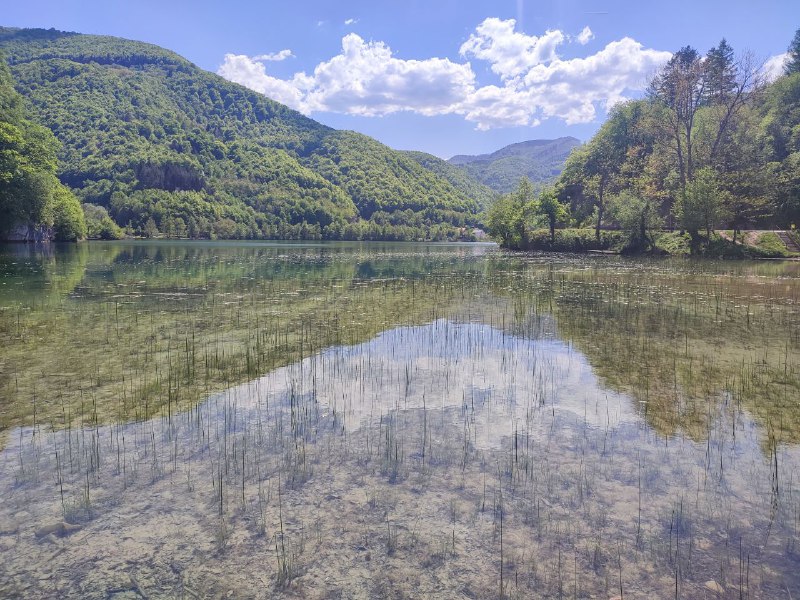
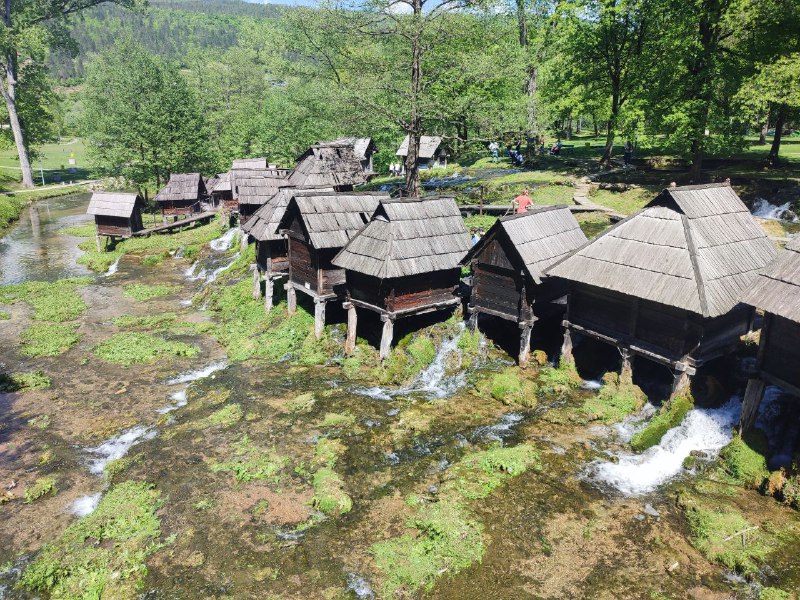
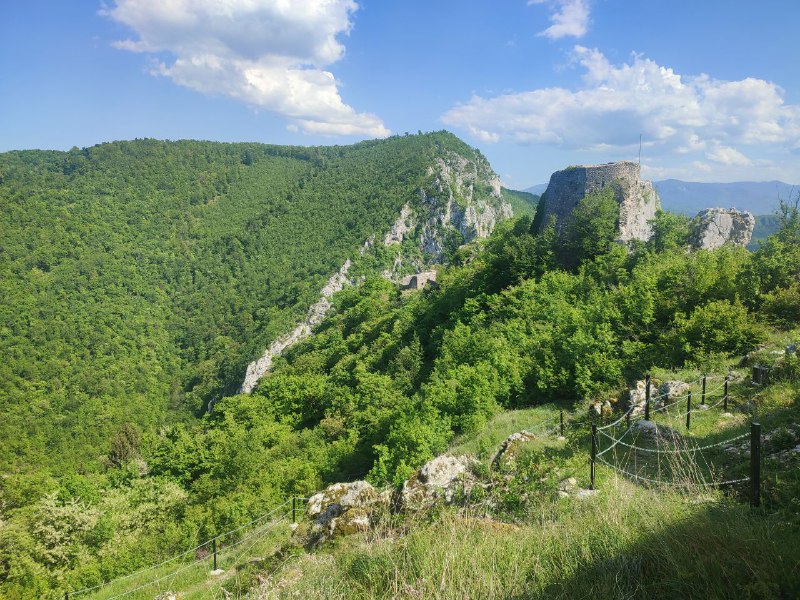
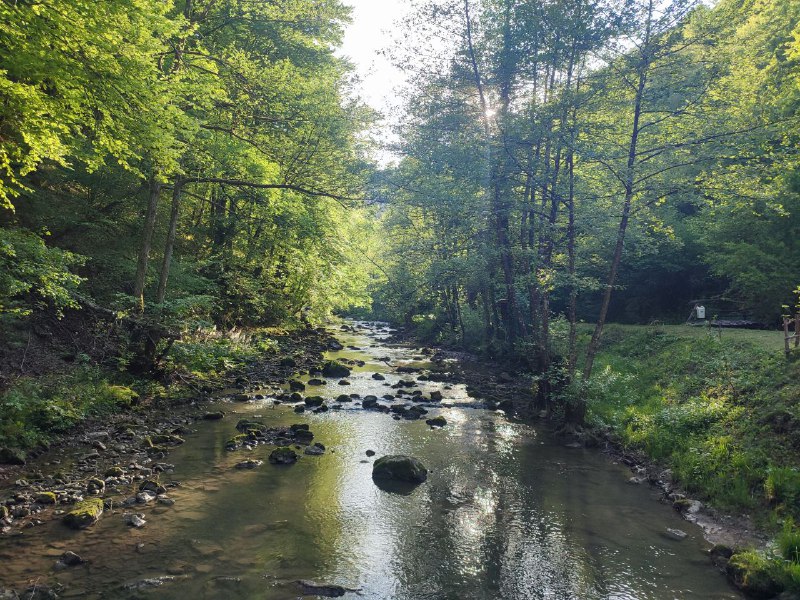
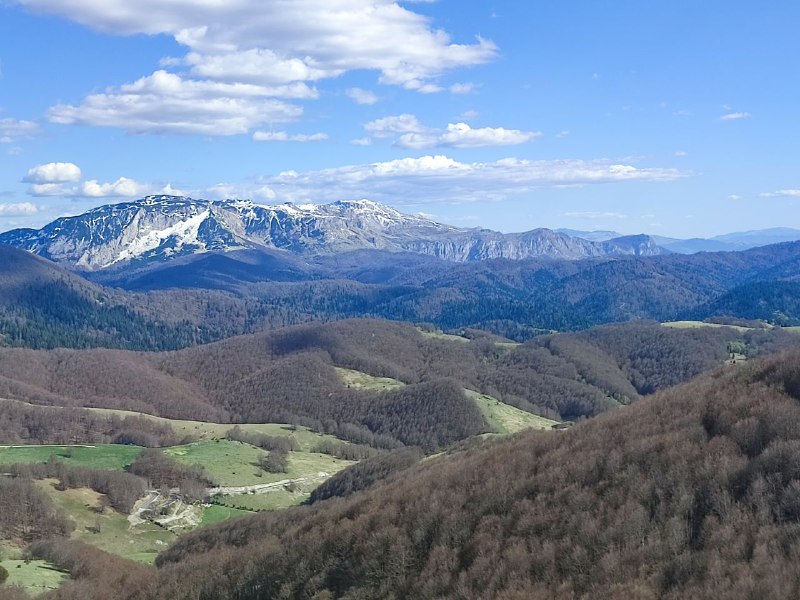
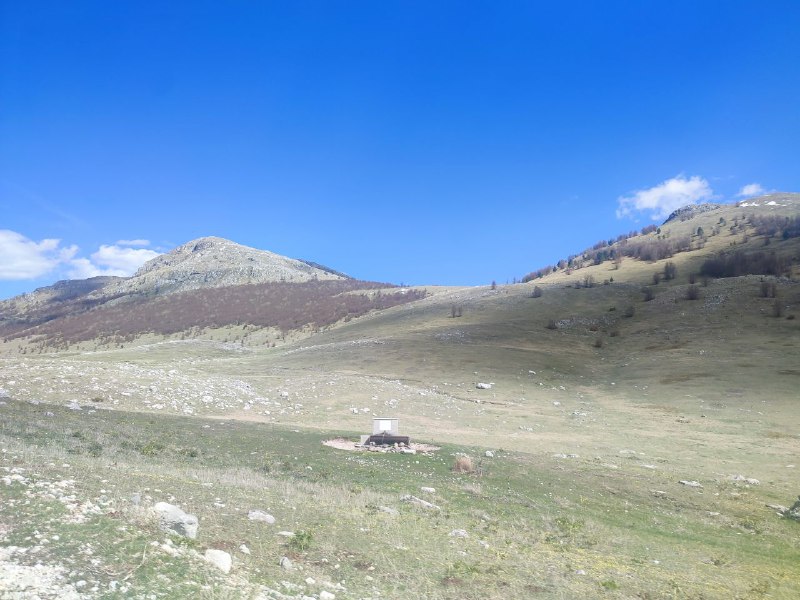
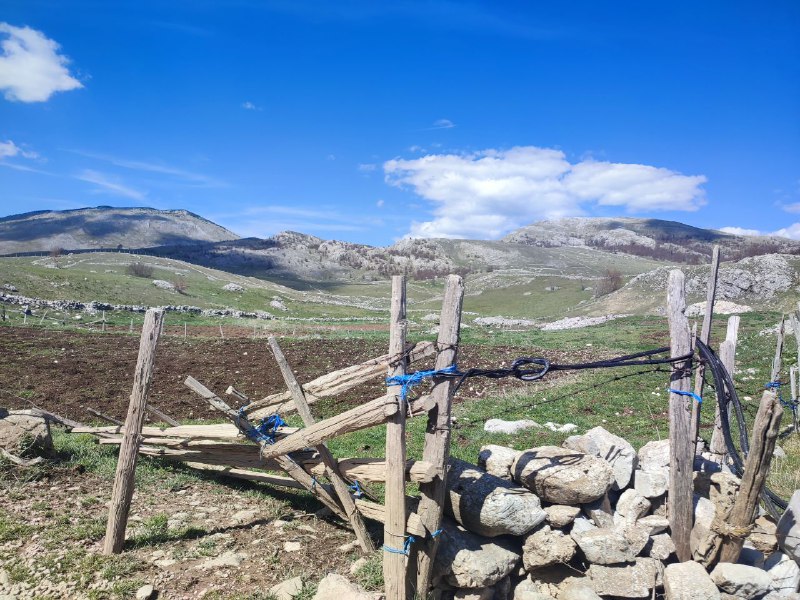
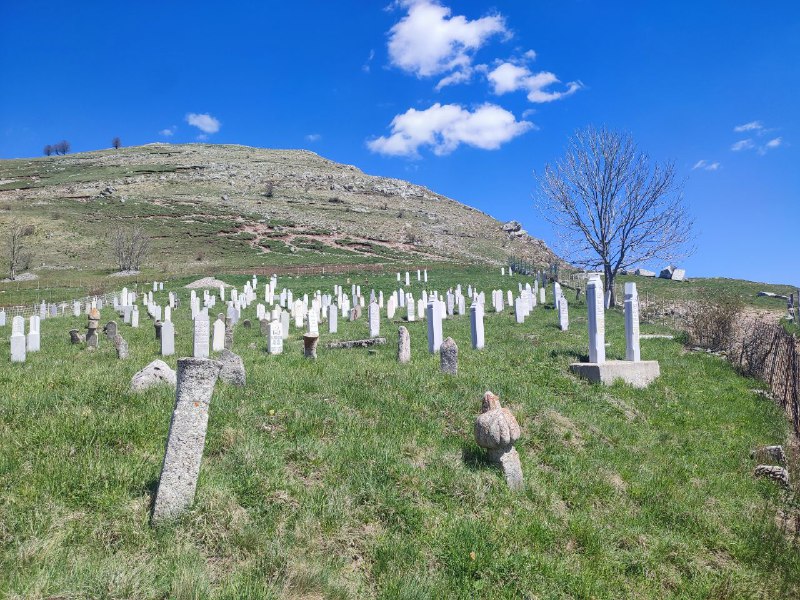
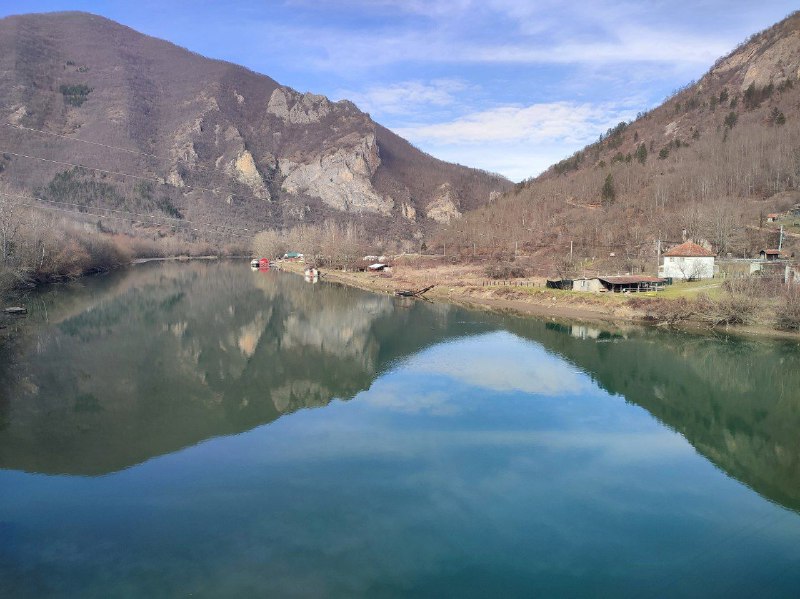
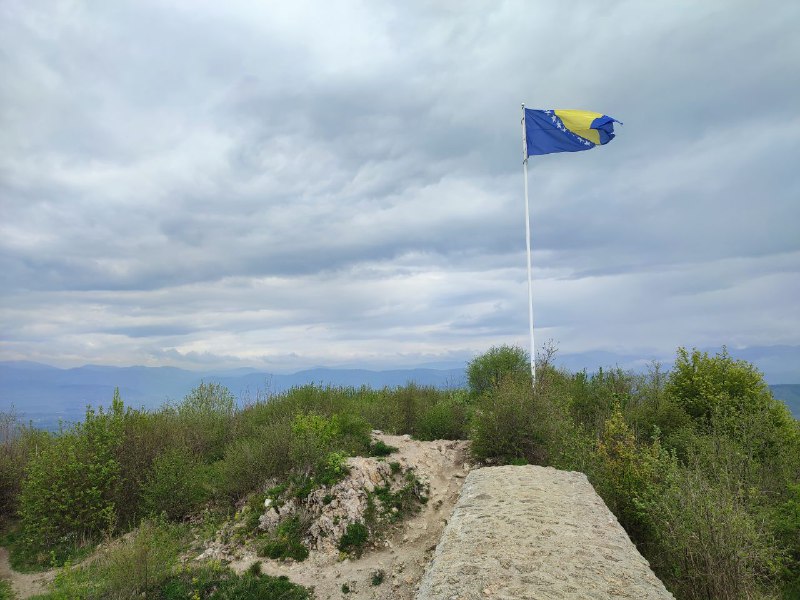
Sorry, but didn't I show you that Bosnia and Herzegovina has absolutely stunning nature? ❤️
Telegram mirror
Telegram is a messenger where I post short travel notes. This page is a self-hosted backup of that channel.
►
►
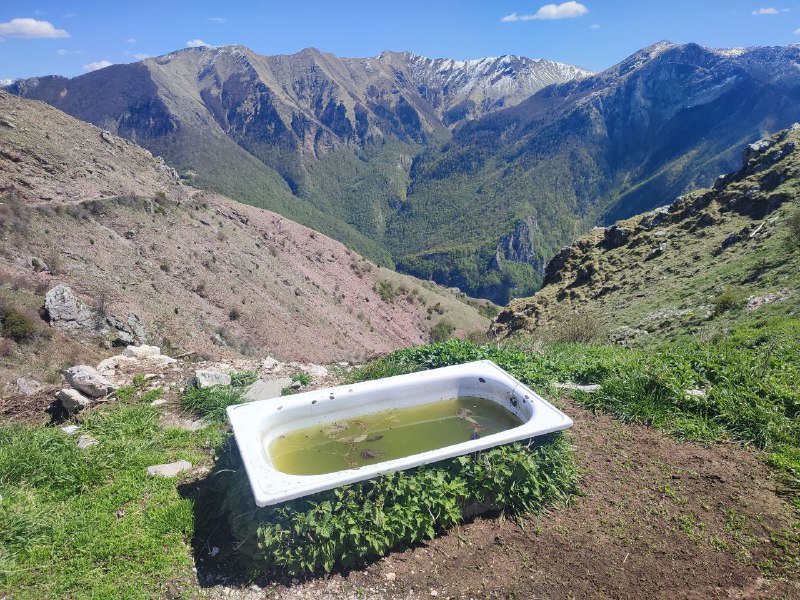
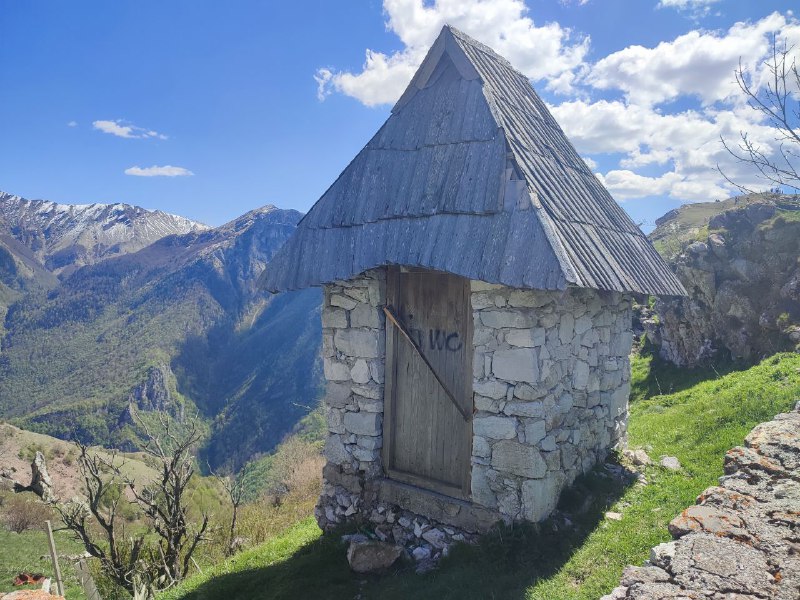
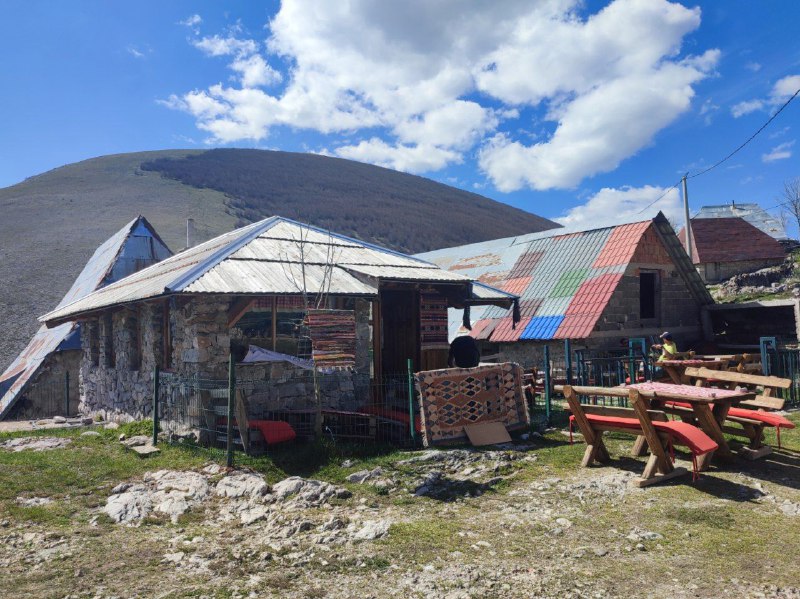
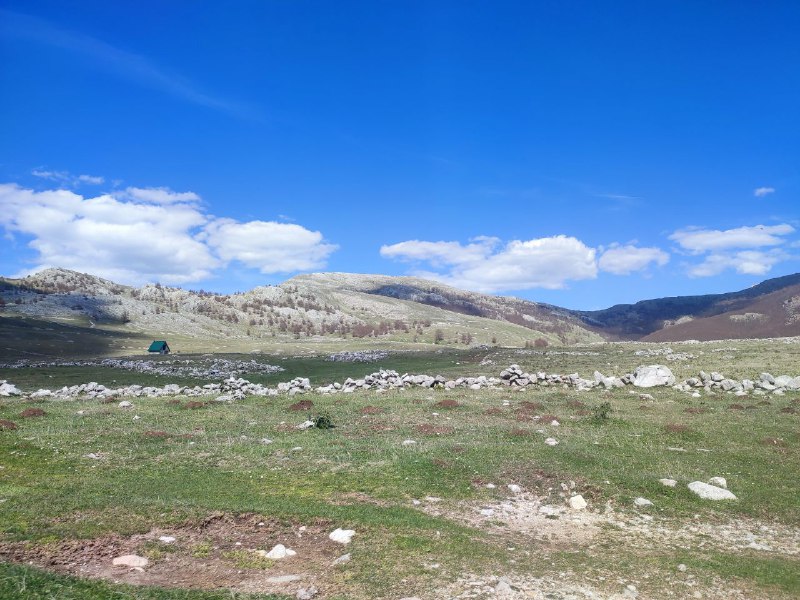
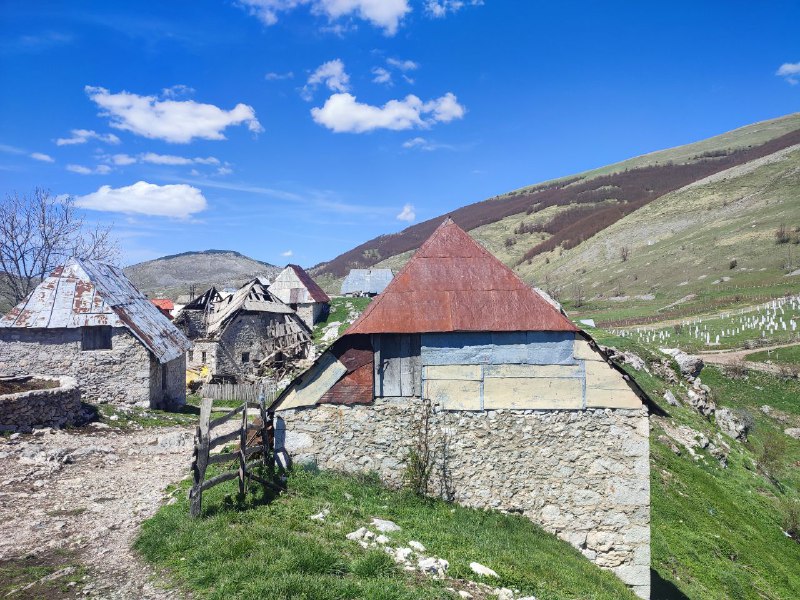
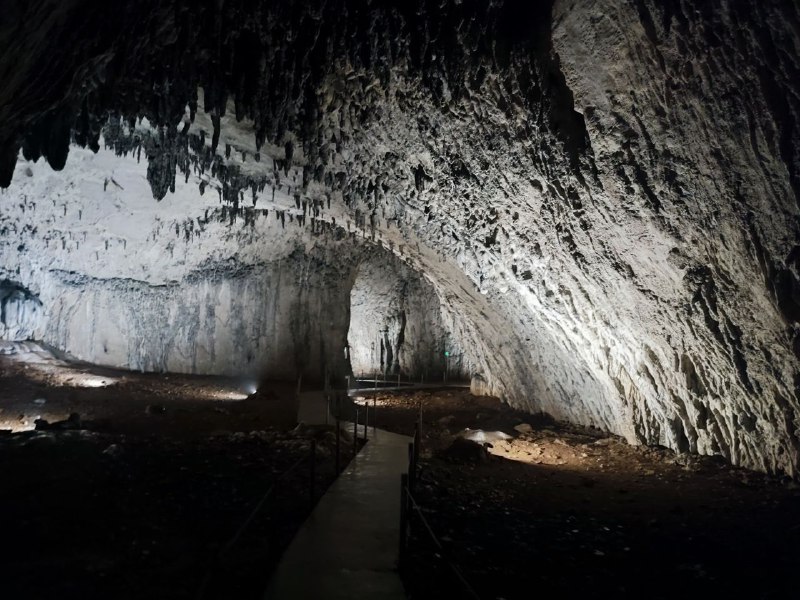
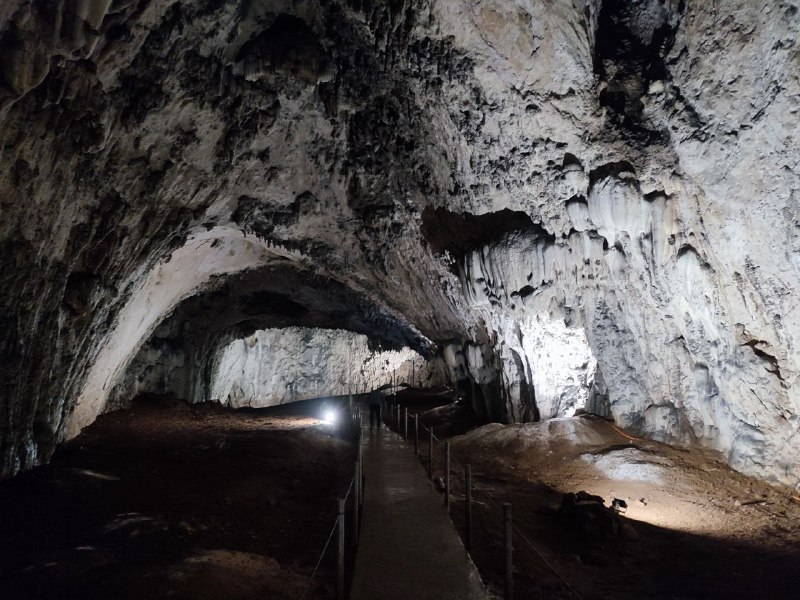
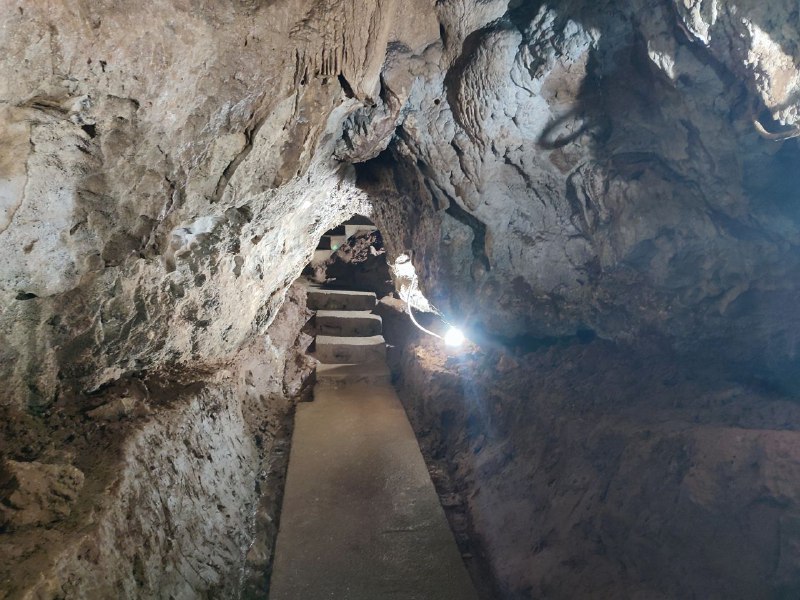
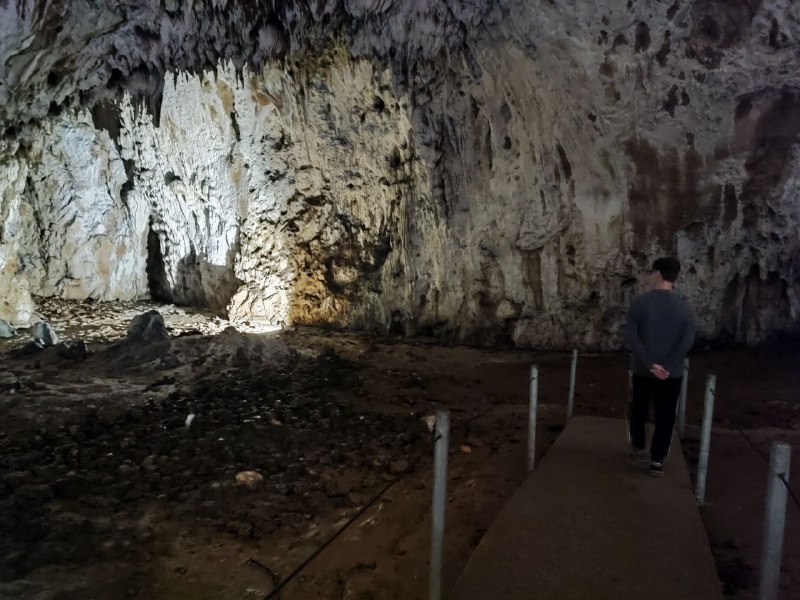
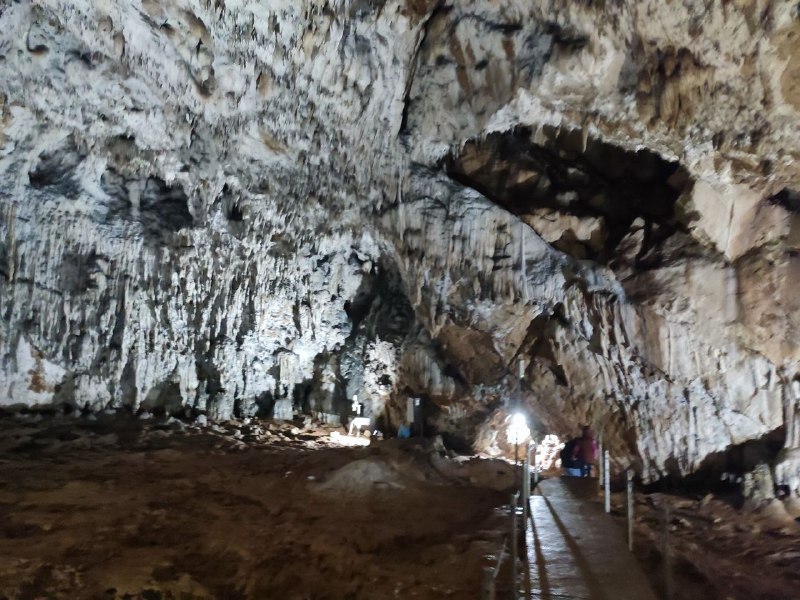
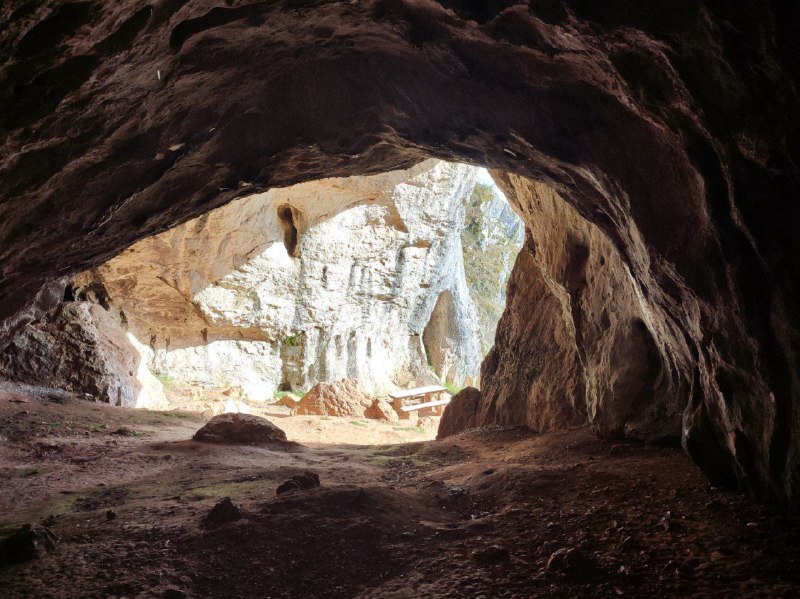
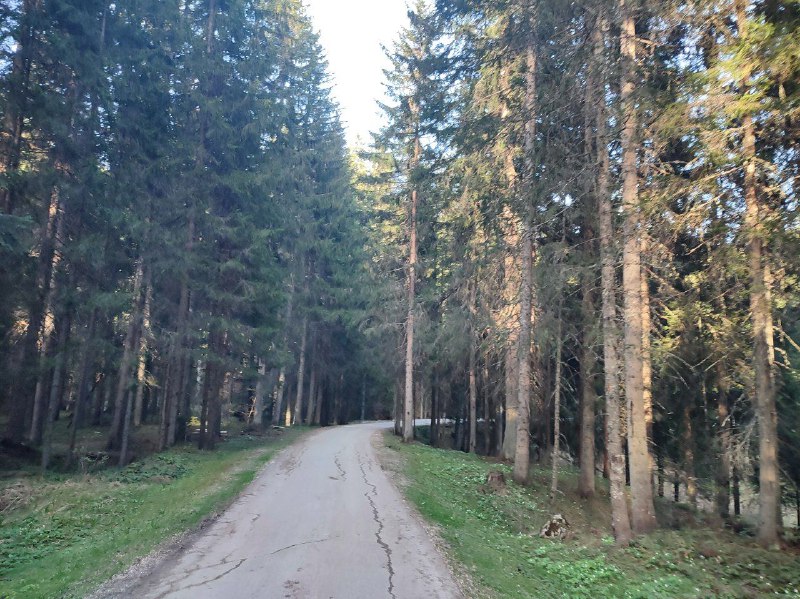
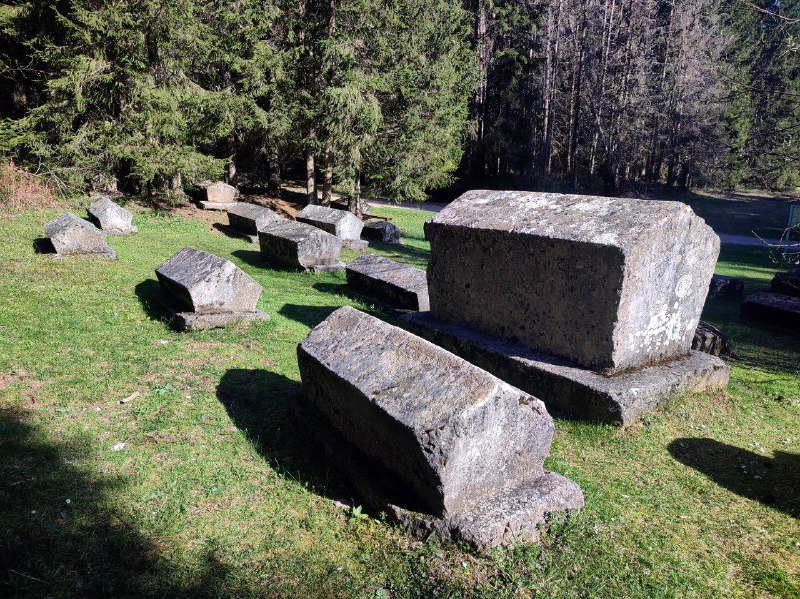
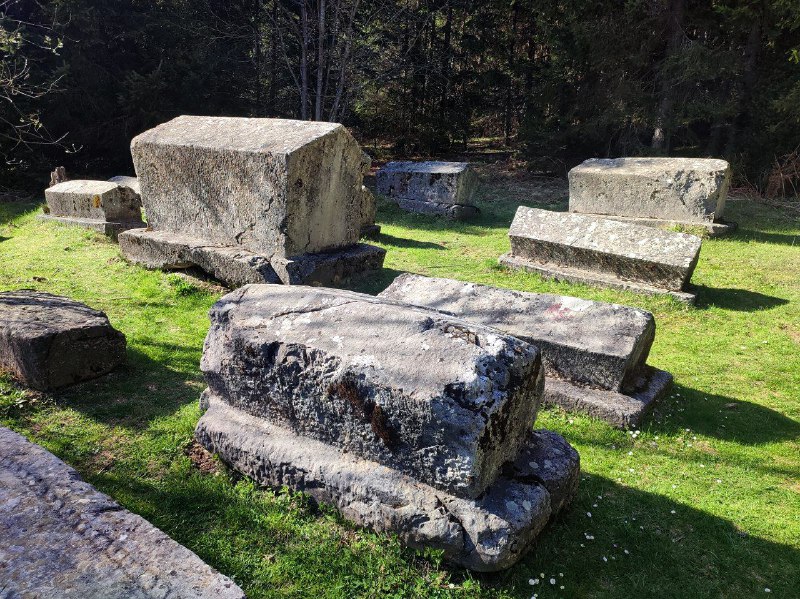
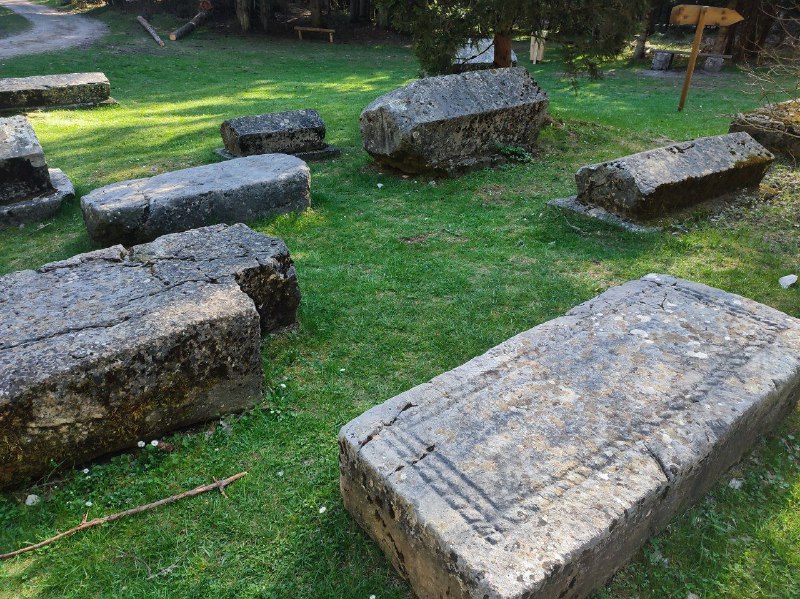
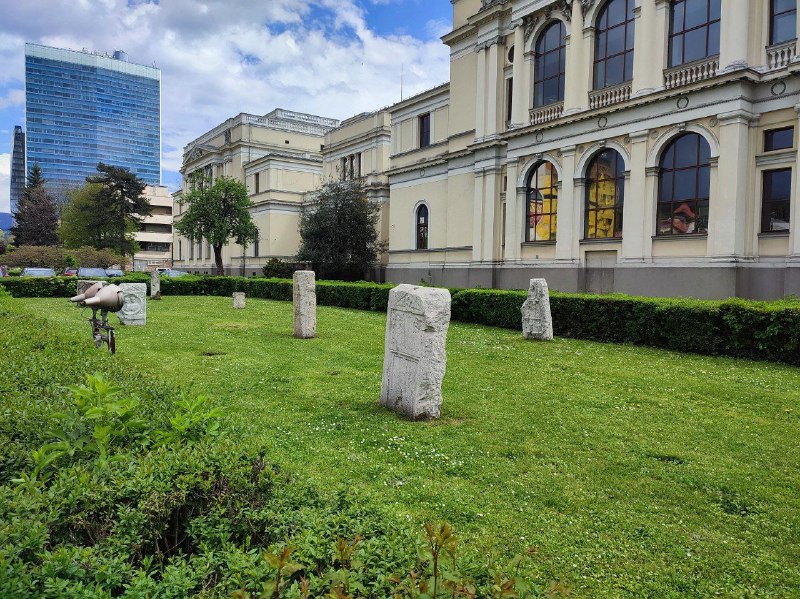
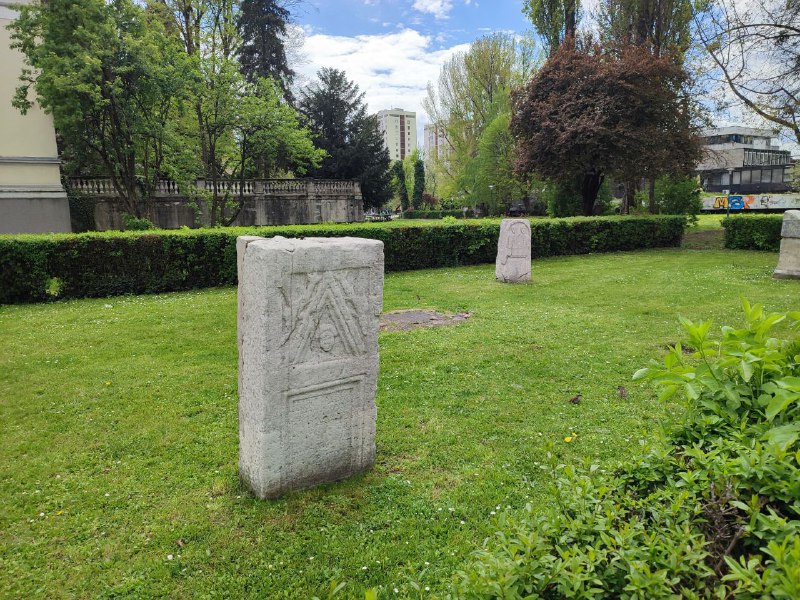
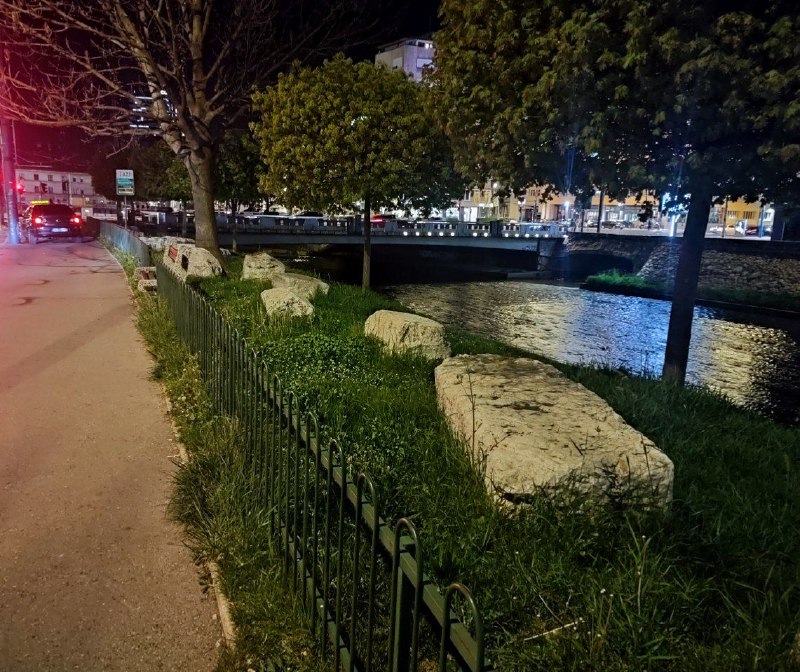
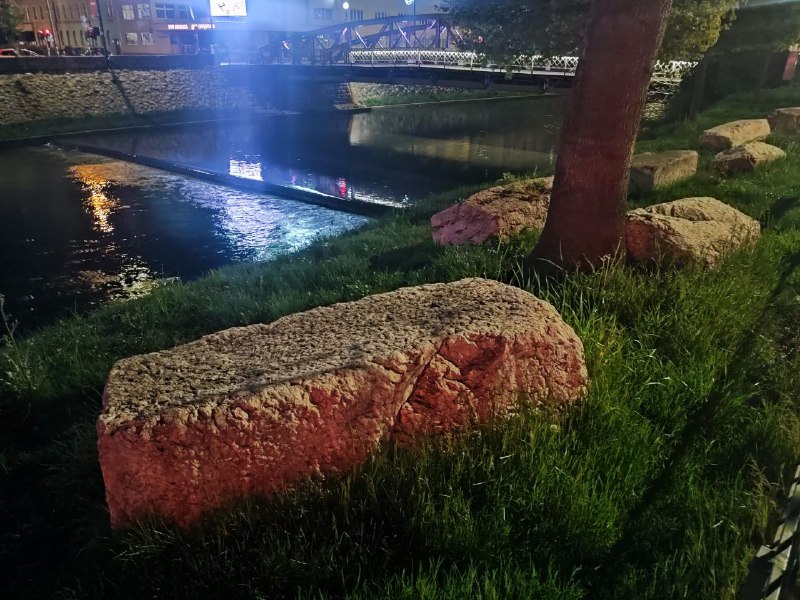
That's a better view of Sarajevo.
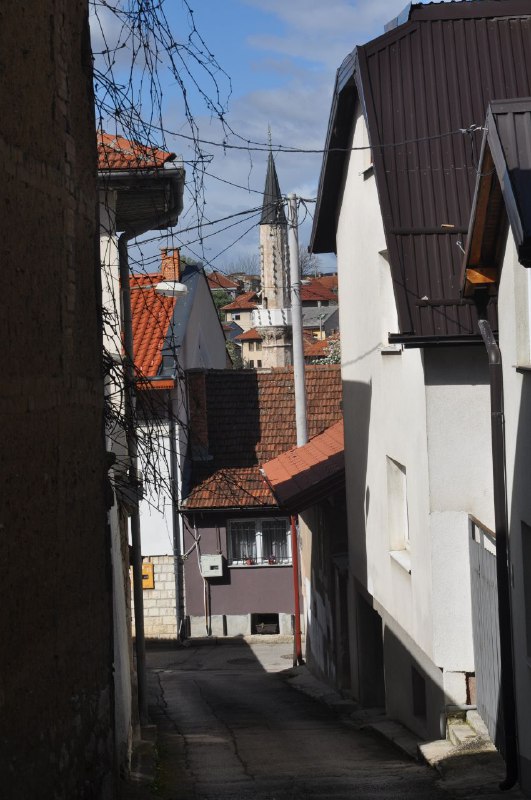
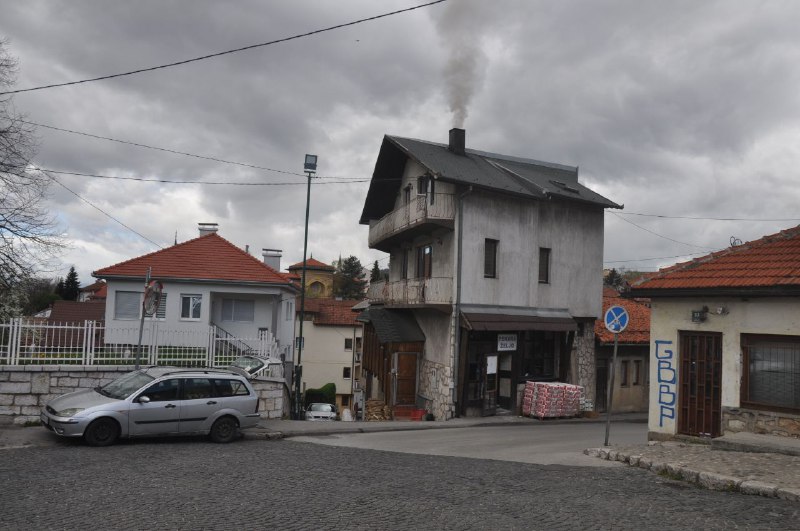
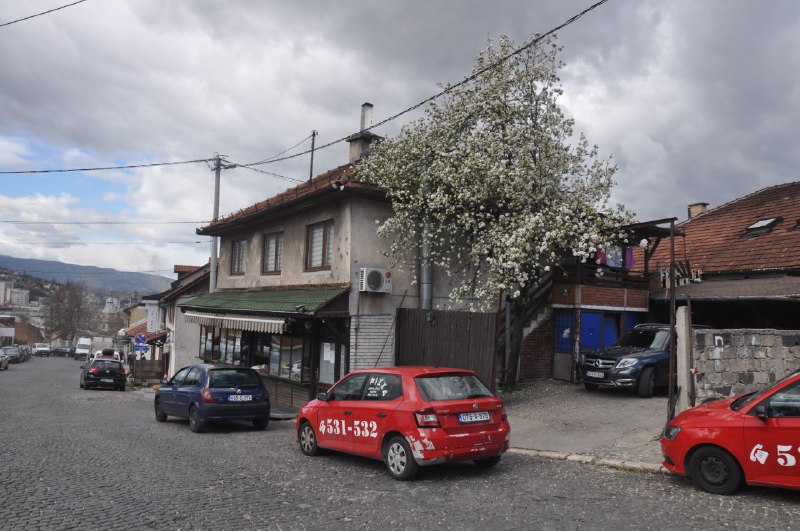
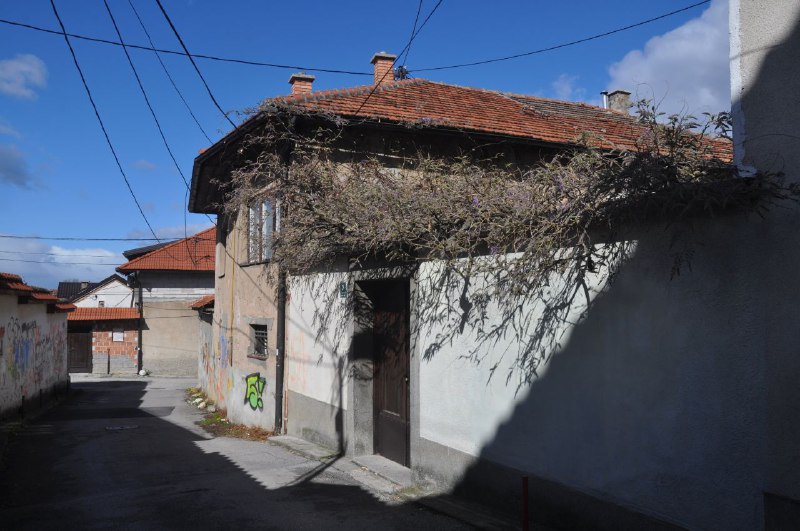
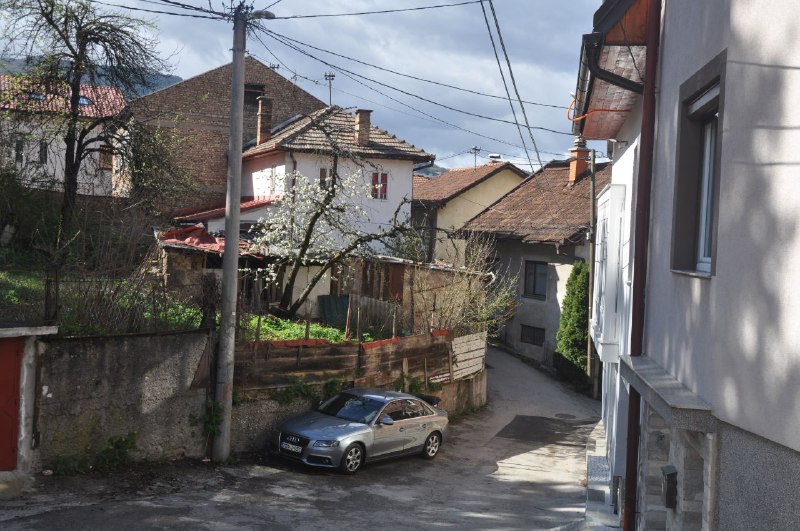
I keep being amazed by how residential buildings and cemeteries are intertwined here. Windows overlooking graves are a completely ordinary sight. And this time, I myself lived about 50 meters away from them.
Because of the white stone, the cemeteries don't look as gloomy, but still.
I keep being amazed by how residential buildings and cemeteries are intertwined here. Windows overlooking graves are a completely ordinary sight. And this time, I myself lived about 50 meters away from them.
Because of the white stone, the cemeteries don't look as gloomy, but still.
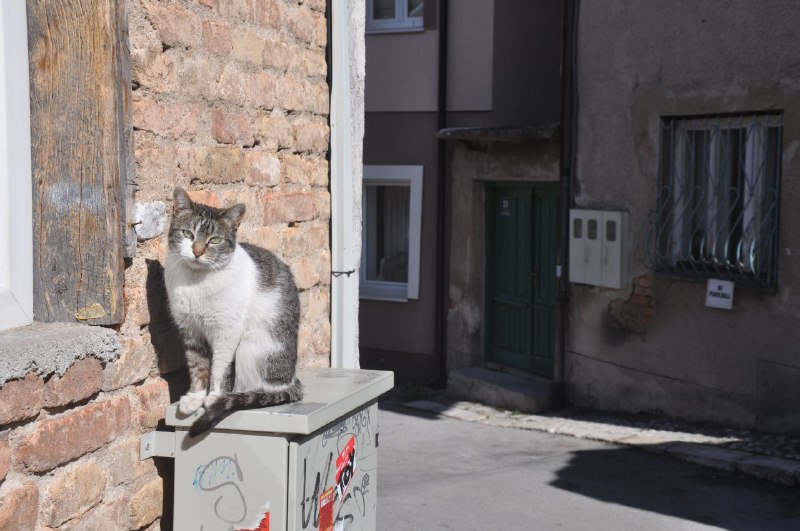
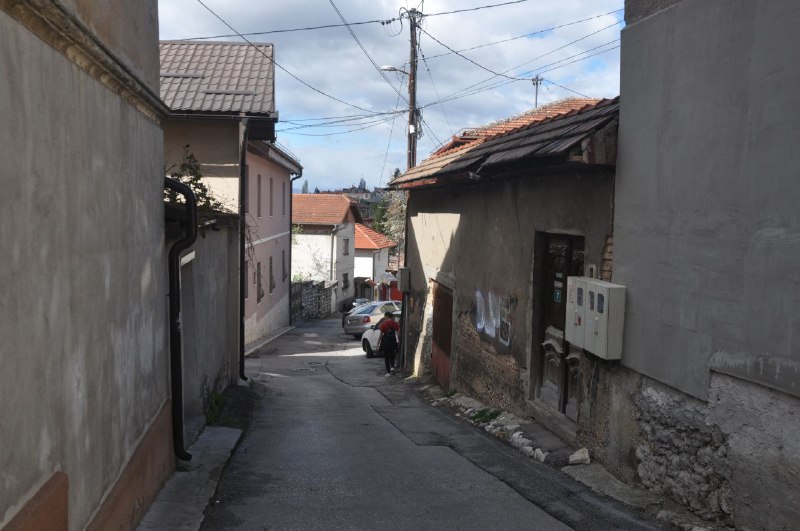
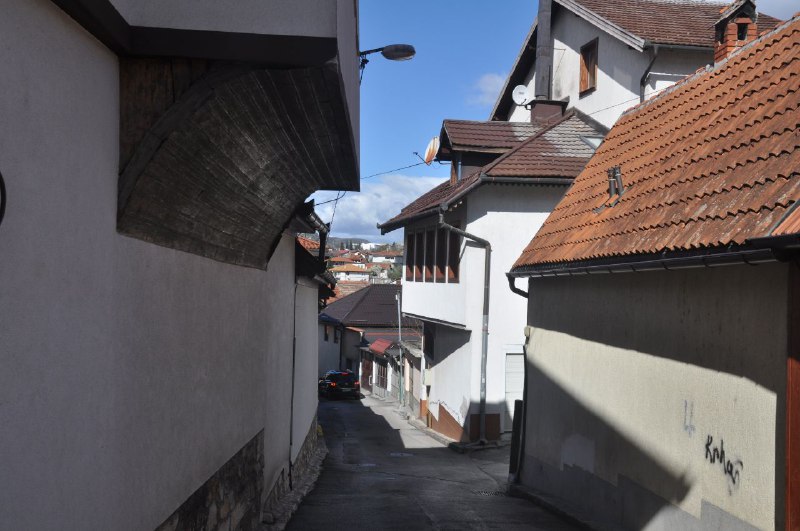
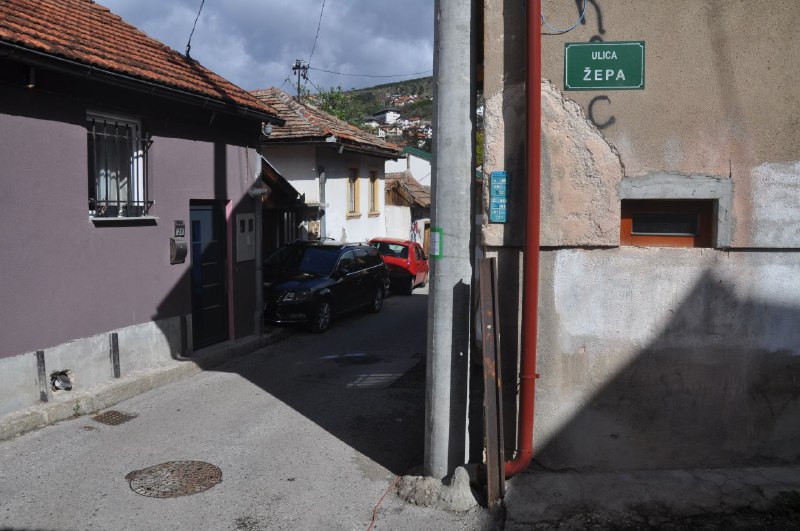
►
In Sarajevo during Ramadan, a cannon shot announces iftar (the meal eaten after fasting) every single day. And with a salute, no less! Last year, they did the same thing in the Serbian Novi Pazar. At the time, I thought it was just a local custom. Now I had to Google it.
Turns out, it's a major tradition that likely started in Egypt in the 19th century (though some historians claim it goes back to the 15th or even 10th century), and by the mid-20th century it had spread to most Muslim countries.
According to legend, the Sultan gave Egyptian soldiers a cannon, and they decided to test it: they cleaned it and fired it. It just so happened that this took place right at sunset. The locals took the loud boom as a signal that the fast had ended and were extremely grateful to the ruler for such a brilliant idea. Keep in mind that back then people didn't have watches or phones readily available like today. In the end, the Sultan's daughter convinced her father to order the cannon to be fired like this every day during Ramadan. In Cairo, the tradition is sometimes even named after her—Hajja Fatima.
Crowds gather to watch the spectacle. Some people bring food (usually pizza from a nearby bakery) and start eating right after the shot. It probably also helps that during Ramadan, getting into a decent restaurant for dinner without a reservation is really lucky. When you call to book a table, there's often no availability even for the next day.
P.S. Spotify suddenly started recommending Bosnian religious music to me. It's not like I'm into that, but now I know it exists. It actually sounds pretty good, by the way. And the lyrics were interesting to listen to.
Turns out, it's a major tradition that likely started in Egypt in the 19th century (though some historians claim it goes back to the 15th or even 10th century), and by the mid-20th century it had spread to most Muslim countries.
According to legend, the Sultan gave Egyptian soldiers a cannon, and they decided to test it: they cleaned it and fired it. It just so happened that this took place right at sunset. The locals took the loud boom as a signal that the fast had ended and were extremely grateful to the ruler for such a brilliant idea. Keep in mind that back then people didn't have watches or phones readily available like today. In the end, the Sultan's daughter convinced her father to order the cannon to be fired like this every day during Ramadan. In Cairo, the tradition is sometimes even named after her—Hajja Fatima.
Crowds gather to watch the spectacle. Some people bring food (usually pizza from a nearby bakery) and start eating right after the shot. It probably also helps that during Ramadan, getting into a decent restaurant for dinner without a reservation is really lucky. When you call to book a table, there's often no availability even for the next day.
P.S. Spotify suddenly started recommending Bosnian religious music to me. It's not like I'm into that, but now I know it exists. It actually sounds pretty good, by the way. And the lyrics were interesting to listen to.
►
Sarajevo is still beautiful.
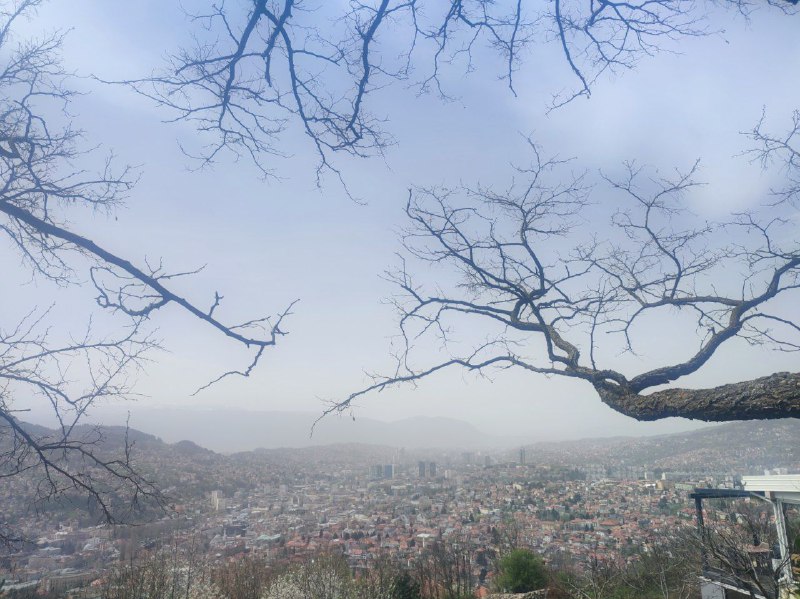
I just realized I've never posted about the view from this little café. It's my favorite spot in the city. The coffee here is excellent, but inflation doesn't spare anyone. Now a cup of Bosnian coffee costs 3 marks (1.5€) instead of 2 like a year ago. And in the city center, it's even gone up to 4 as the average price.
I just realized I've never posted about the view from this little café. It's my favorite spot in the city. The coffee here is excellent, but inflation doesn't spare anyone. Now a cup of Bosnian coffee costs 3 marks (1.5€) instead of 2 like a year ago. And in the city center, it's even gone up to 4 as the average price.
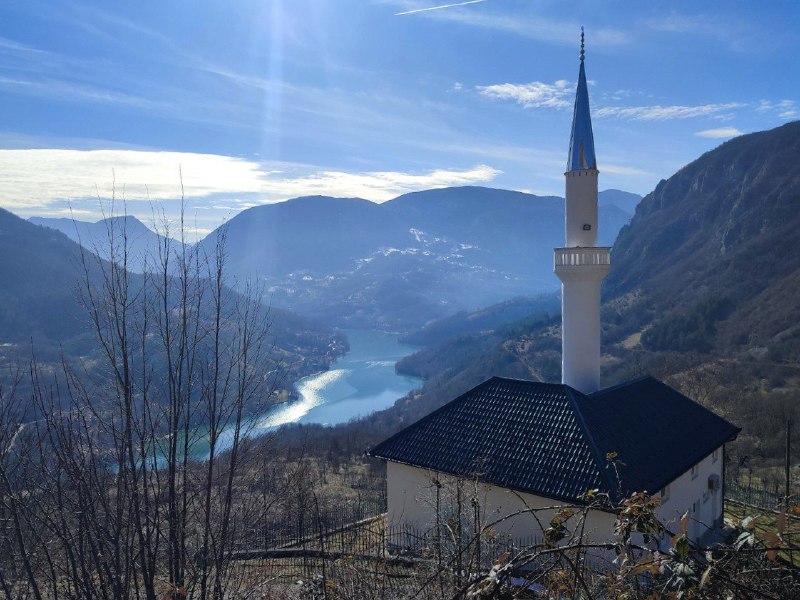
Think Muslims can't be Orthodox or Catholic? On the Balkans — they can!
Here, Muslim isn't just someone who follows Islam, but also an ethnicity. These two groups of people don't overlap perfectly (though they do intersect).
Let's go back about 500 years. The Ottomans rule the Balkans. Many Bosnian residents change their religion. And they call themselves Turks. Of course, this had nothing to do with modern Turks—it meant belonging to Islam. If they needed to specify geography, they'd say they were Bosniak. Ethnicity didn't matter much back then.
By the end of the 19th century, the Ottomans were gone, and the word "Turk" was about to take on a different meaning. Austro-Hungary, which replaced the Ottoman Empire, decided to help BiH residents figure out their identity and declared everyone Bosniaks. It didn't stick: Bosnian Islamic intellectuals of that era often considered themselves (surprisingly) Serbs or Croats. What more can you say about everyone else? It's no coincidence that the Yugoslav Kingdom was initially called the Kingdom of Serbs, Croats and Slovenes.
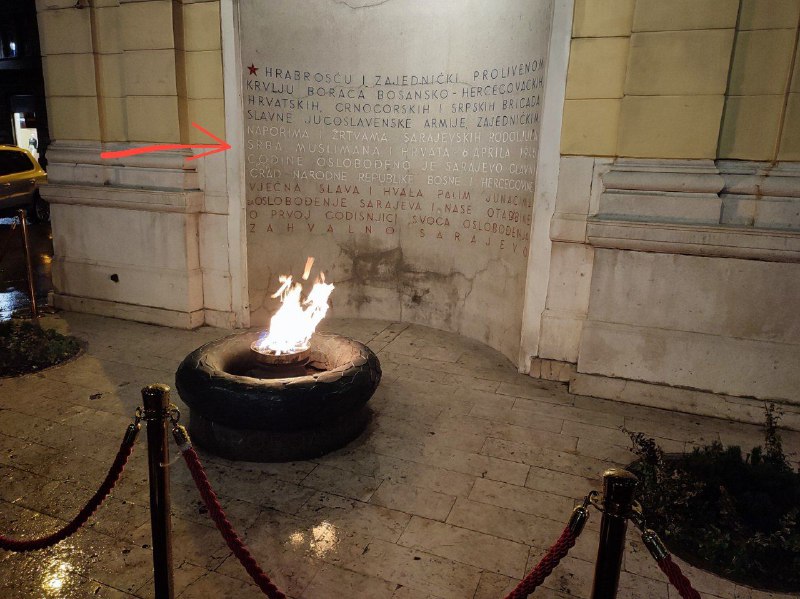
Around the same time, there were ideas floating around about dividing Bosnian lands between Serbia and Croatia. These changed how people thought about nationality. Separatist sentiments even emerged. But then came World War II, followed by communists. BiH became a separate republic within Yugoslavia, but the people living there still had no name. Most practiced Islam, so the party decided to call everyone Muslims. Regardless of religion. In the photo is an eternal flame in Sarajevo. That's where Muslims are a nationality.
After Yugoslavia fell apart, everything was redrawn again. All residents started being called Bosnians, while Bosniaks became the term for people whose ancestors converted to Islam under Ottoman rule. Though even now, everyone basically argues whether Bosniaks are Serbs and Croats who adopted Islam, or a separate people altogether. It's a very sensitive topic and can spark heated discussions. But you shouldn't count out Muslim nationality just yet: even today, tens of thousands of people on the Balkans identify with it.
Here, Muslim isn't just someone who follows Islam, but also an ethnicity. These two groups of people don't overlap perfectly (though they do intersect).
Let's go back about 500 years. The Ottomans rule the Balkans. Many Bosnian residents change their religion. And they call themselves Turks. Of course, this had nothing to do with modern Turks—it meant belonging to Islam. If they needed to specify geography, they'd say they were Bosniak. Ethnicity didn't matter much back then.
By the end of the 19th century, the Ottomans were gone, and the word "Turk" was about to take on a different meaning. Austro-Hungary, which replaced the Ottoman Empire, decided to help BiH residents figure out their identity and declared everyone Bosniaks. It didn't stick: Bosnian Islamic intellectuals of that era often considered themselves (surprisingly) Serbs or Croats. What more can you say about everyone else? It's no coincidence that the Yugoslav Kingdom was initially called the Kingdom of Serbs, Croats and Slovenes.
Around the same time, there were ideas floating around about dividing Bosnian lands between Serbia and Croatia. These changed how people thought about nationality. Separatist sentiments even emerged. But then came World War II, followed by communists. BiH became a separate republic within Yugoslavia, but the people living there still had no name. Most practiced Islam, so the party decided to call everyone Muslims. Regardless of religion. In the photo is an eternal flame in Sarajevo. That's where Muslims are a nationality.
After Yugoslavia fell apart, everything was redrawn again. All residents started being called Bosnians, while Bosniaks became the term for people whose ancestors converted to Islam under Ottoman rule. Though even now, everyone basically argues whether Bosniaks are Serbs and Croats who adopted Islam, or a separate people altogether. It's a very sensitive topic and can spark heated discussions. But you shouldn't count out Muslim nationality just yet: even today, tens of thousands of people on the Balkans identify with it.
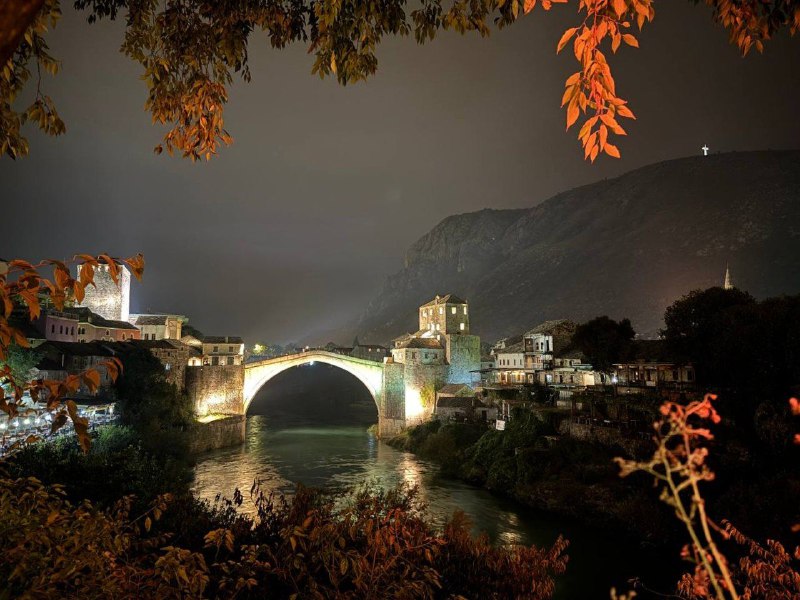
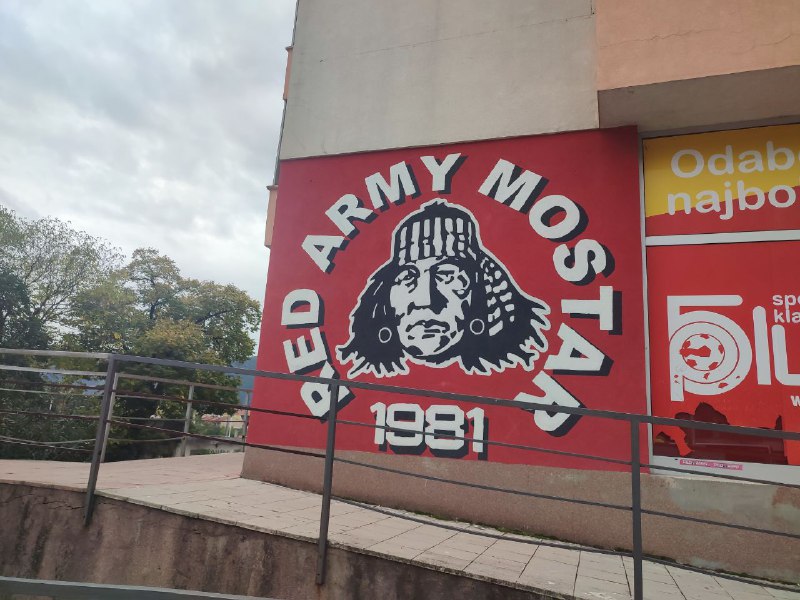
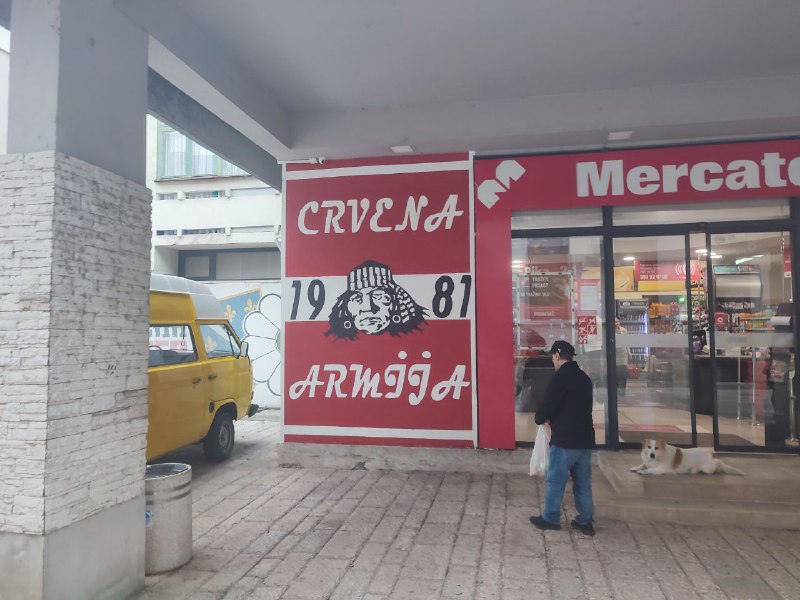
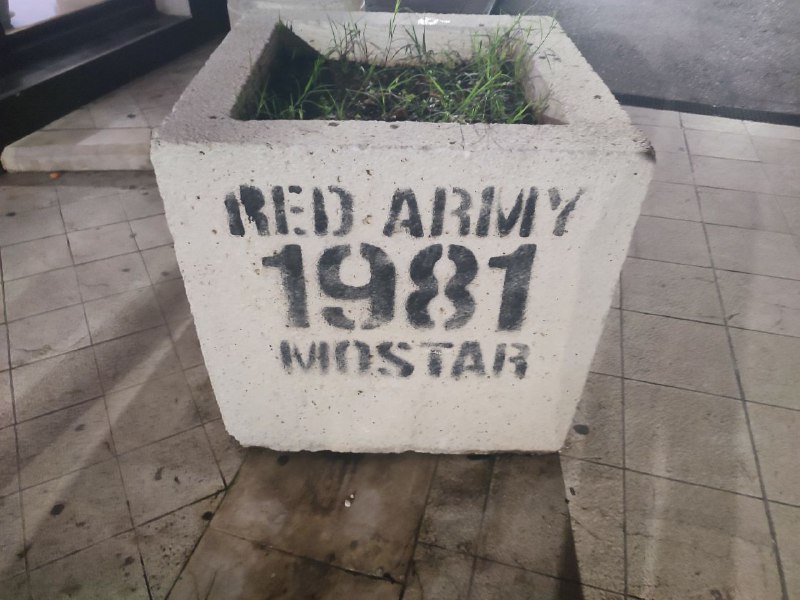
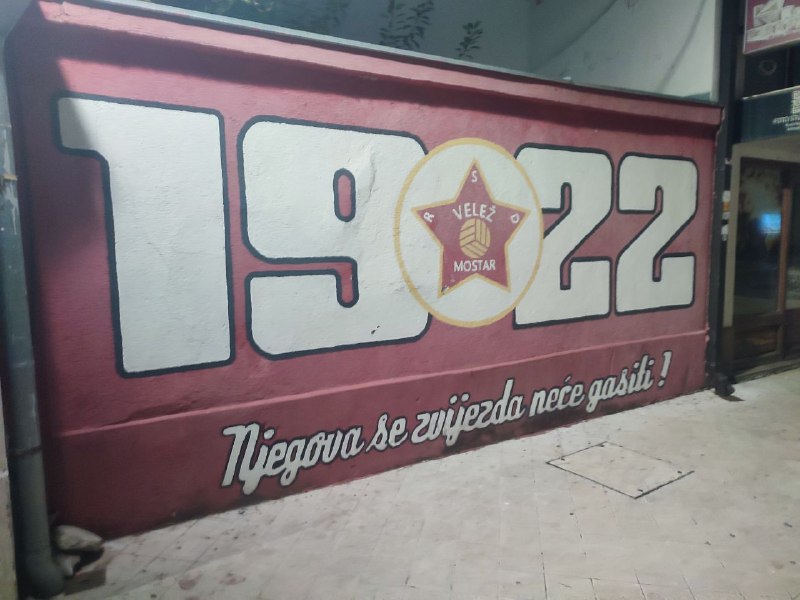
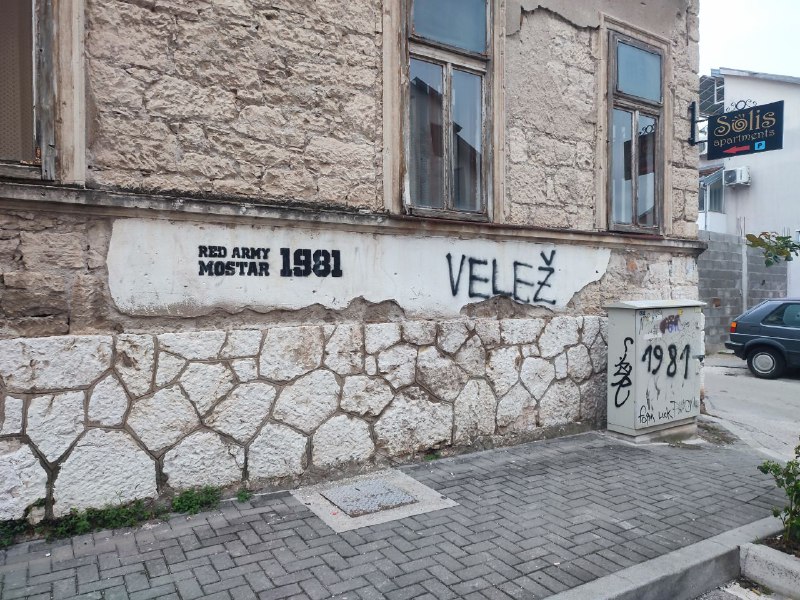
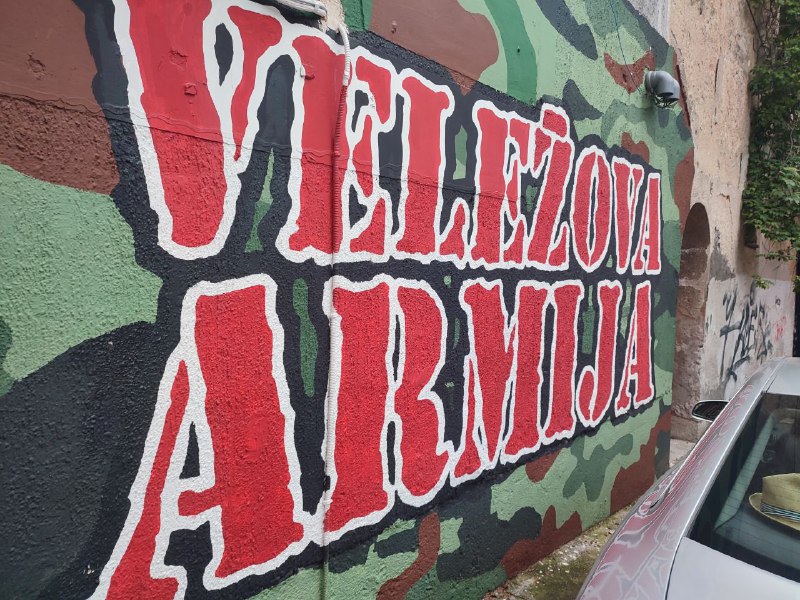
While reading about Sarajevo roses, I stumbled upon a completely wild story from the time of the Sarajevo siege in 1992-96.
The story goes that very wealthy foreigners could pay big money to buy an "adventure" and shoot at city residents with a sniper rifle. There doesn't seem to be enough evidence for court yet, but overall the gathered facts look quite plausible. Last year, the Slovenes released a documentary called "Sarajevo Safari" about this story. I should check it out.
The story goes that very wealthy foreigners could pay big money to buy an "adventure" and shoot at city residents with a sniper rifle. There doesn't seem to be enough evidence for court yet, but overall the gathered facts look quite plausible. Last year, the Slovenes released a documentary called "Sarajevo Safari" about this story. I should check it out.
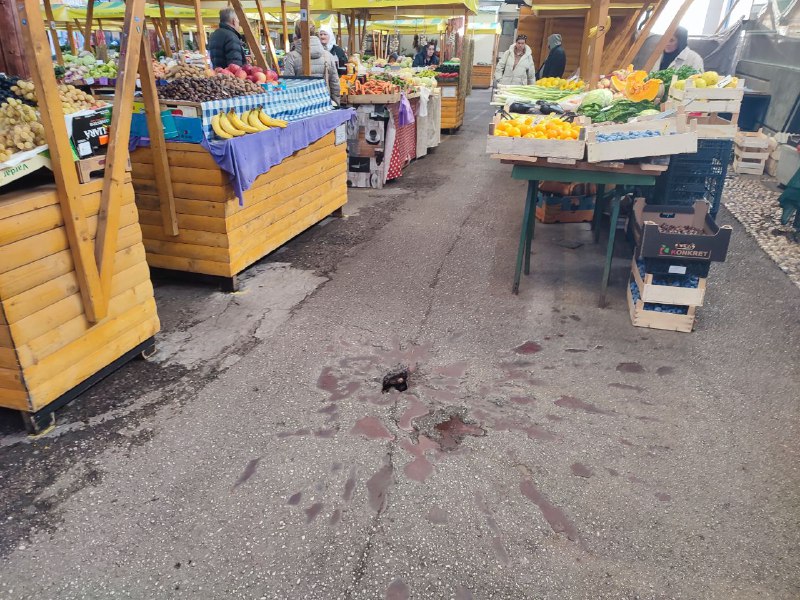
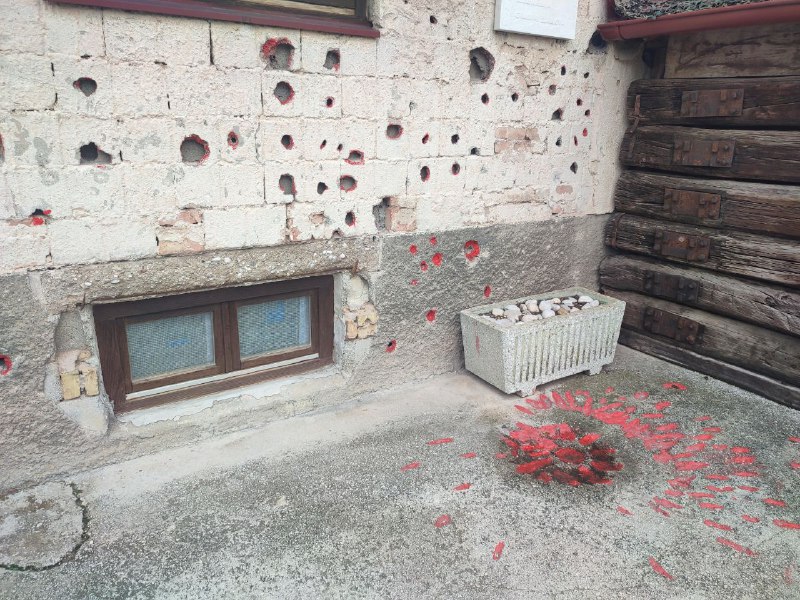
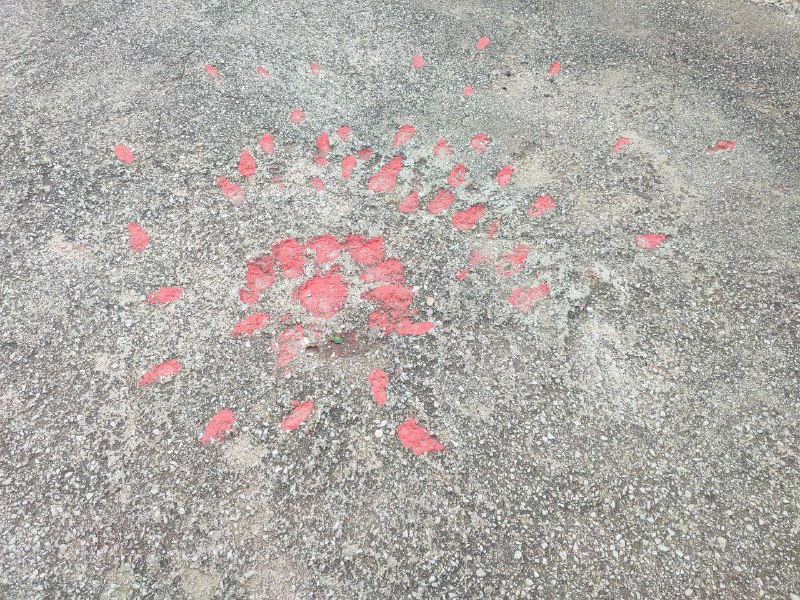
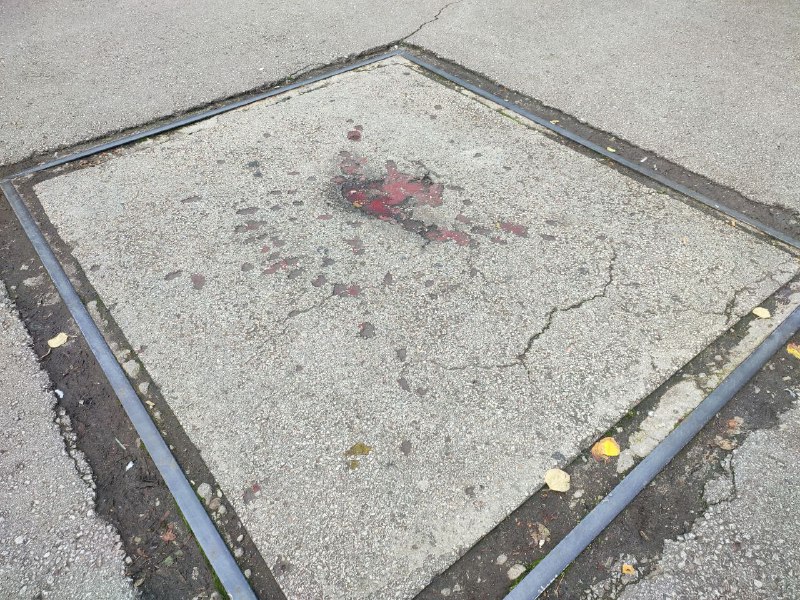
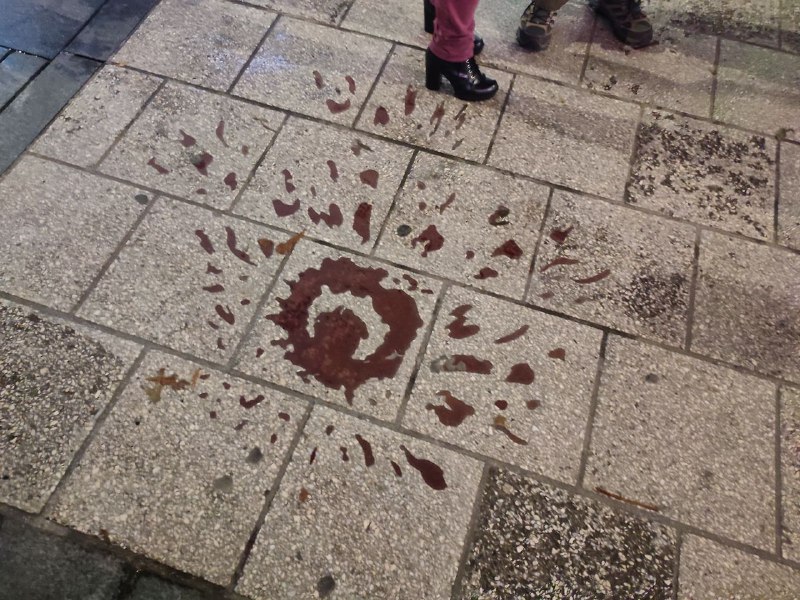
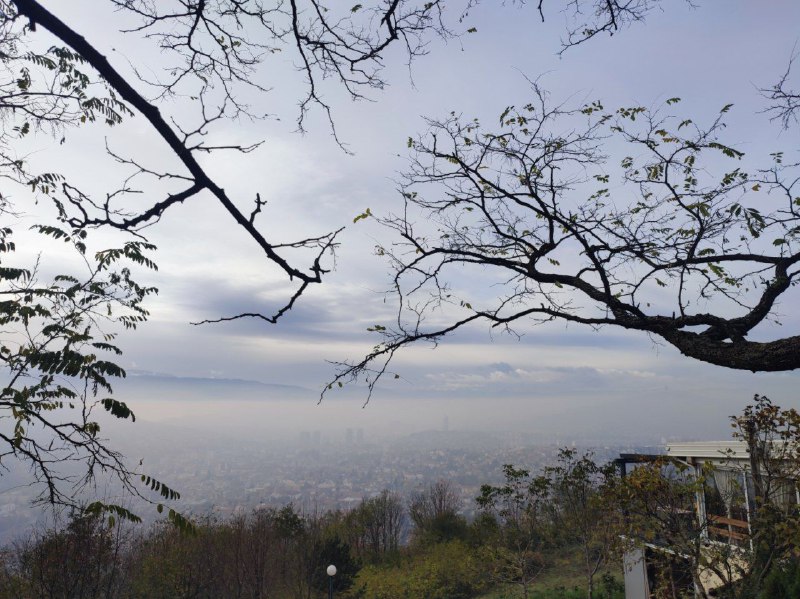
Sarajevo time. It's noticeably cooler here than in Belgrade, and the city is shrouded in smog again. But it's still beautiful here ❤️
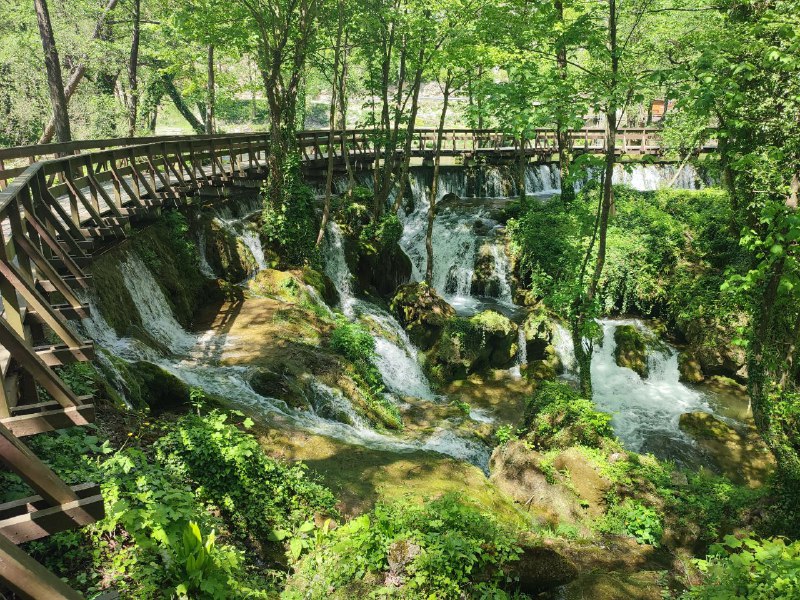
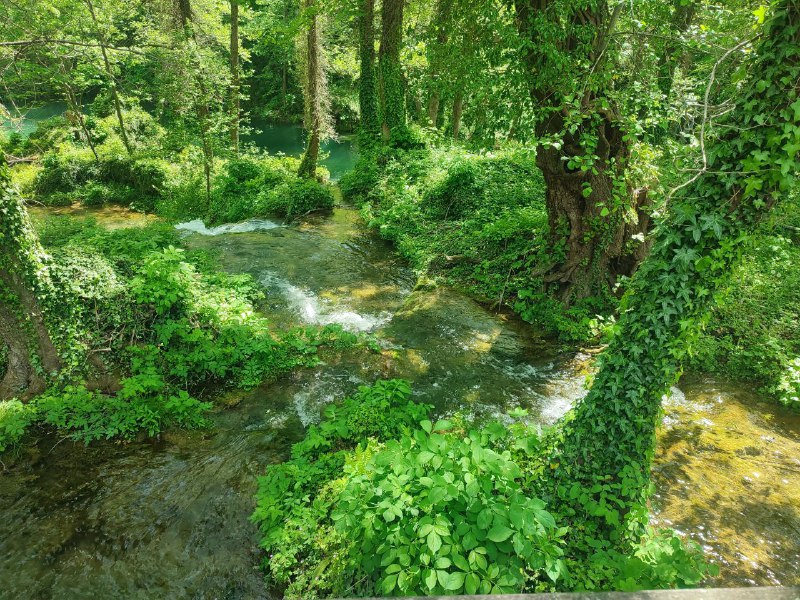
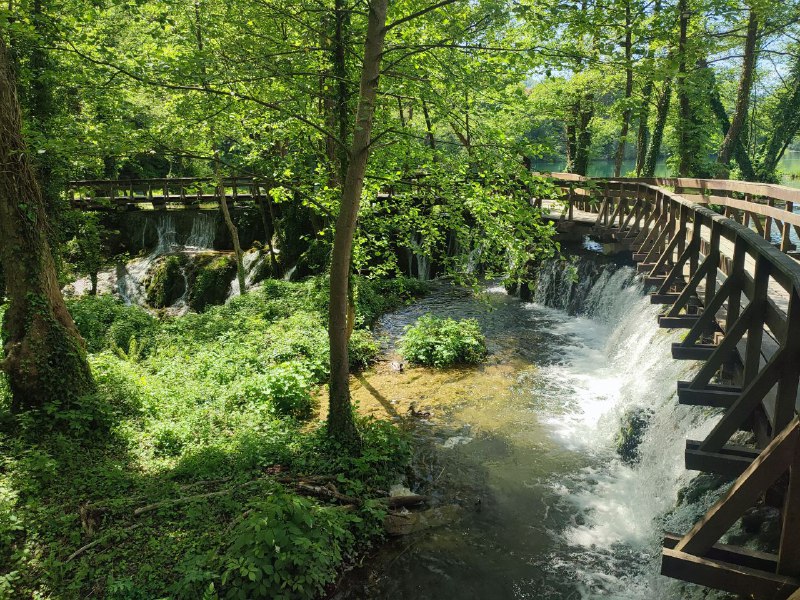
And here are the waterfalls.
►
Who would've thought I'd see a crowd of Indian Catholic pilgrims in a small Croatian town in Bosnia 😅
I stopped by Medjugorje completely by chance for the night and suddenly found myself in an important Catholic site in Europe.
In 1981, six teenagers claimed that the Virgin Mary appeared to them (each one separately). The Vatican still can't make up its mind about the official position: whether to confirm the miracle or not. They say the Virgin appeared in the town again after that. They assembled entire commissions, but the initial findings were that the story wasn't credible. Nevertheless, people didn't need much more than rumors, and believers started flooding the city.
By 2019, the Vatican gave up trying to stop all this and decided to take charge instead. The Pope blessed pilgrimage for ordinary people, though not yet for official Catholic figures.
The locals switched their economy to pilgrimage mode: hotels, guesthouses, souvenirs on every corner, restaurants—everything is focused on religious tourism. That's how they make a living.
And I was just passing through to see a nearby waterfall, so Medjugorje turned out to be a really convenient spot.
I stopped by Medjugorje completely by chance for the night and suddenly found myself in an important Catholic site in Europe.
In 1981, six teenagers claimed that the Virgin Mary appeared to them (each one separately). The Vatican still can't make up its mind about the official position: whether to confirm the miracle or not. They say the Virgin appeared in the town again after that. They assembled entire commissions, but the initial findings were that the story wasn't credible. Nevertheless, people didn't need much more than rumors, and believers started flooding the city.
By 2019, the Vatican gave up trying to stop all this and decided to take charge instead. The Pope blessed pilgrimage for ordinary people, though not yet for official Catholic figures.
The locals switched their economy to pilgrimage mode: hotels, guesthouses, souvenirs on every corner, restaurants—everything is focused on religious tourism. That's how they make a living.
And I was just passing through to see a nearby waterfall, so Medjugorje turned out to be a really convenient spot.
►
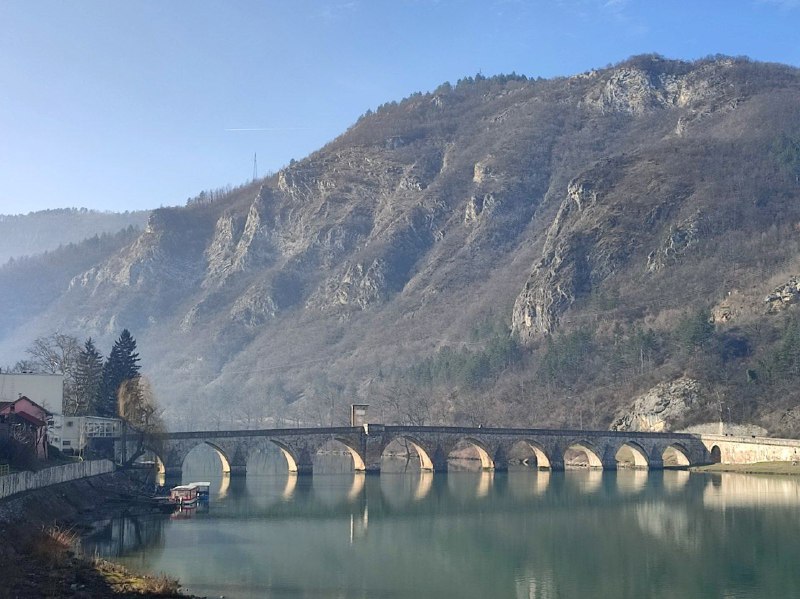
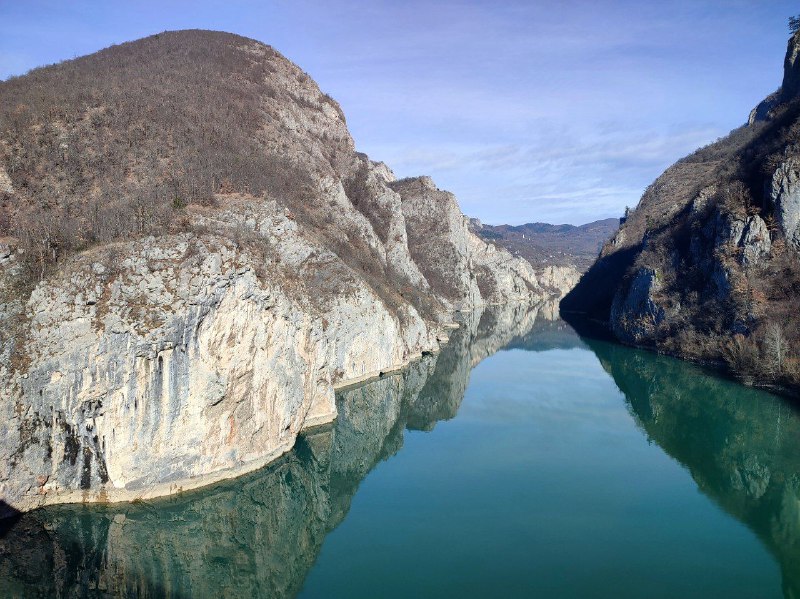
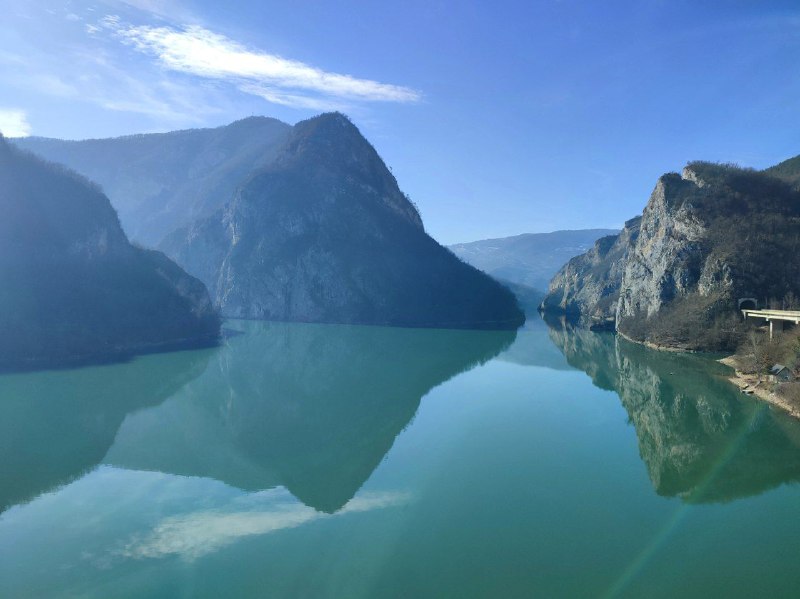
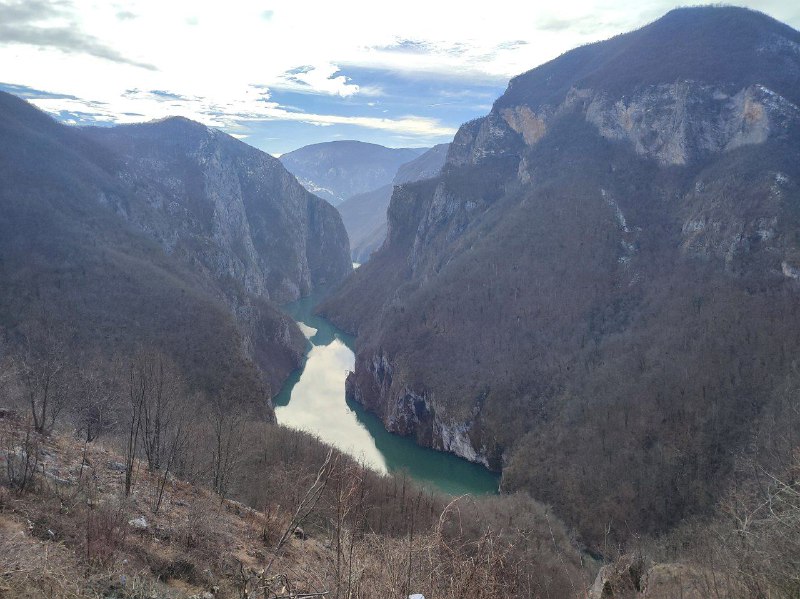
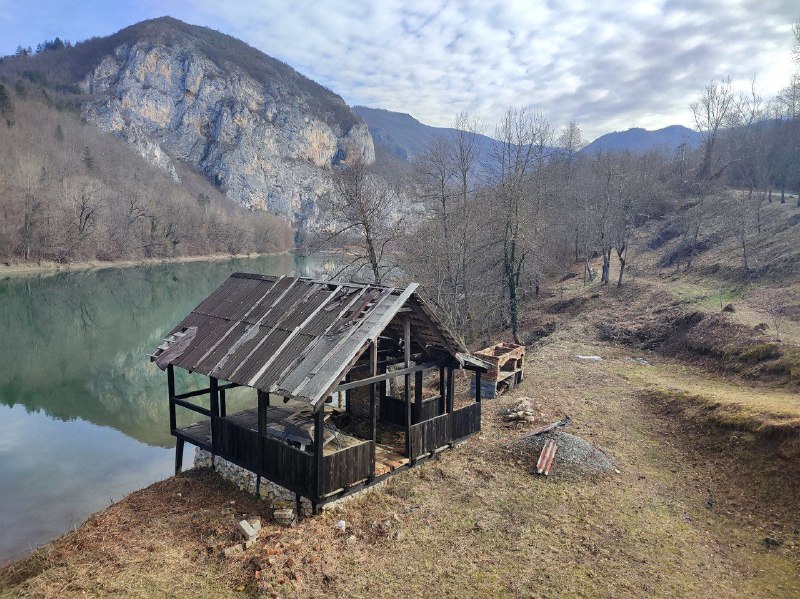
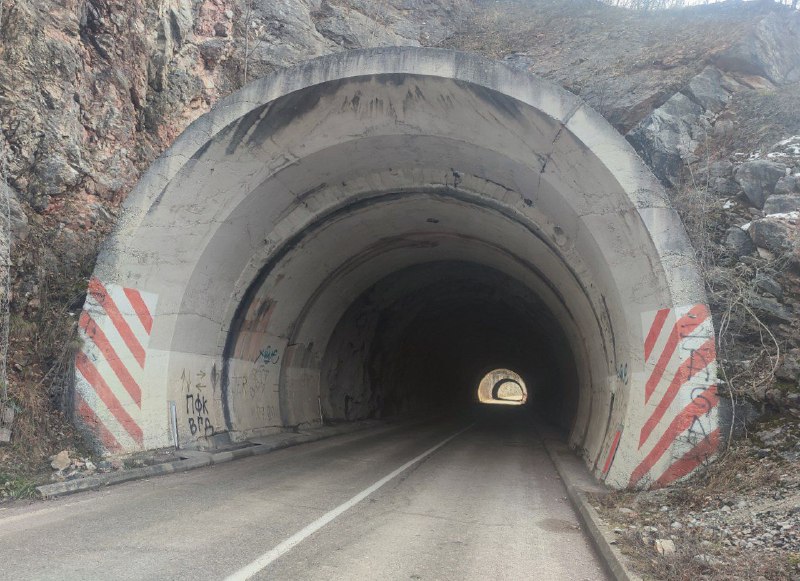
What I love about Bosnia is the roads. They're terrible and beautiful at the same time.
Most of the route in practically any direction consists of exhausting switchbacks. If the GPS says the next 200 kilometers will take 4 hours, it's not lying—it really does take that long.
But the views are so stunning that you want to stop every hundred meters (:
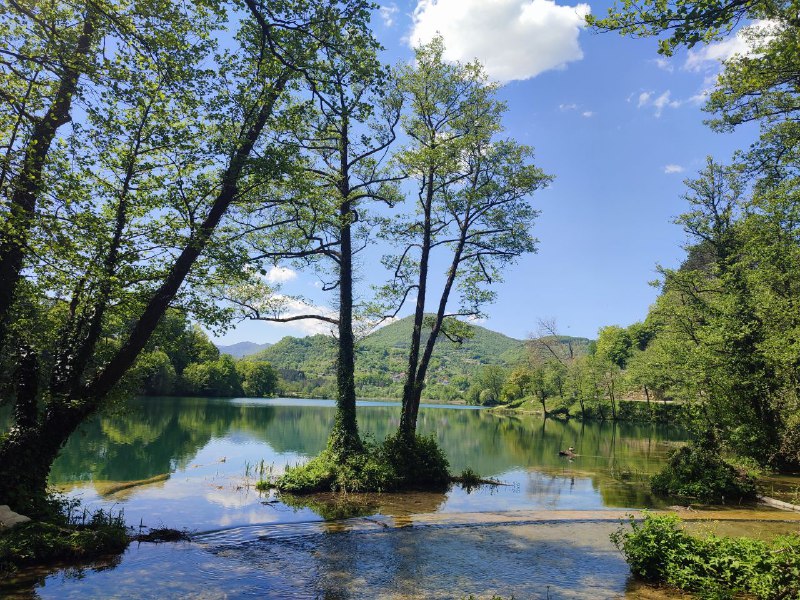
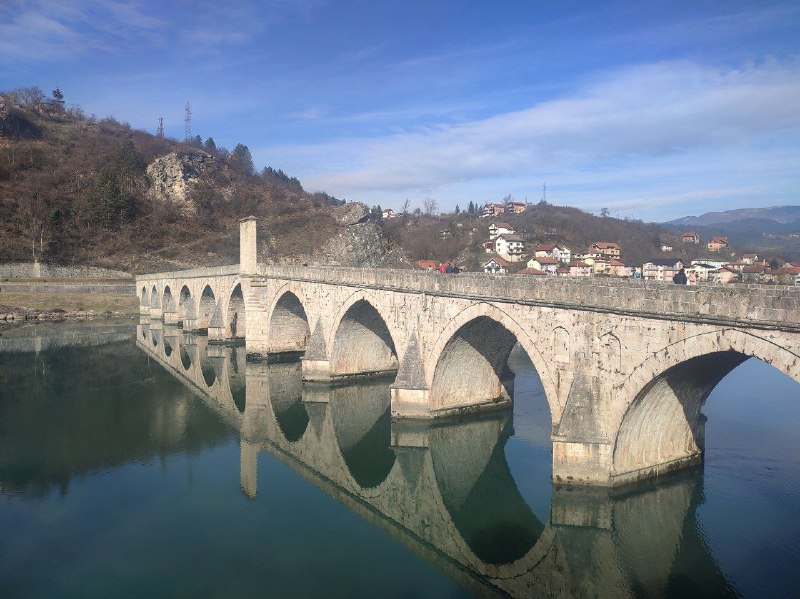
PS. The insanely emerald color of the water isn't because the camera went crazy—it really looks like that in person.
Most of the route in practically any direction consists of exhausting switchbacks. If the GPS says the next 200 kilometers will take 4 hours, it's not lying—it really does take that long.
But the views are so stunning that you want to stop every hundred meters (:
PS. The insanely emerald color of the water isn't because the camera went crazy—it really looks like that in person.
Countries
 United Kingdom3
 Serbia100
 Bosnia and Herzegovina54
 Turkey42
 United Arab Emirates3
 Brunei2
 Indonesia12
 Malaysia15
 Argentina16
 USA117
 Morocco5
 Georgia5
 Egypt16
 Hong Kong8
 China4
 Vietnam9
 Tunisia7
 Montenegro9
 Philippines12
 Singapore10
 Oman12
 Algeria12
 North Macedonia5
 Lebanon11
 Israel27
 Albania17
 Russia63
 Tanzania50
 Netherlands7
 Spain14
 Latvia2
 Germany7
 Belgium3
 France27
 Kazakhstan32