Meanders exist not only in
Serbia, but also in
Montenegro. Just a small detour on the way to Belgrade, but it's worth it.
And Durmitor is magnificent, of course.
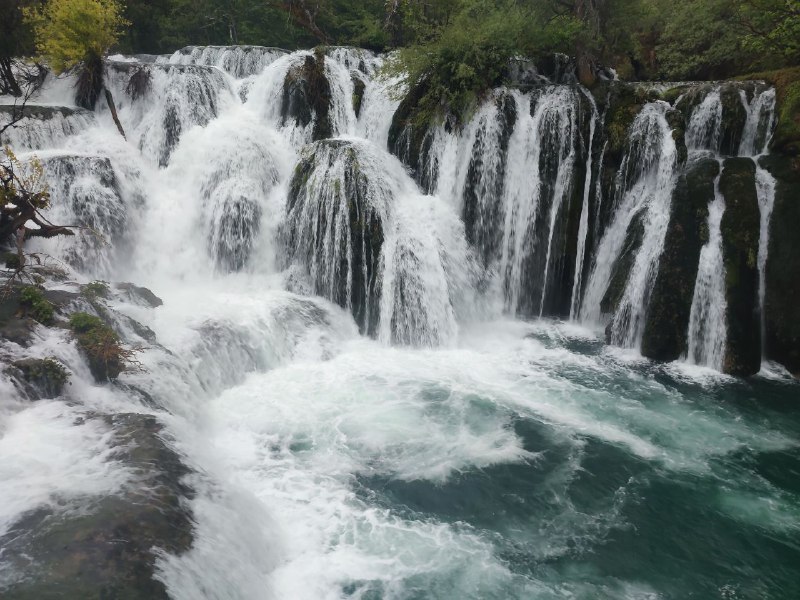
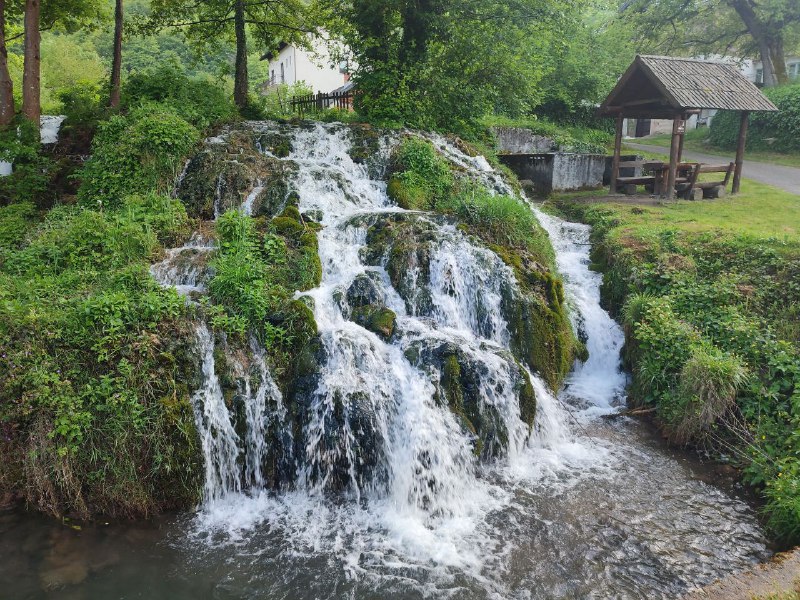
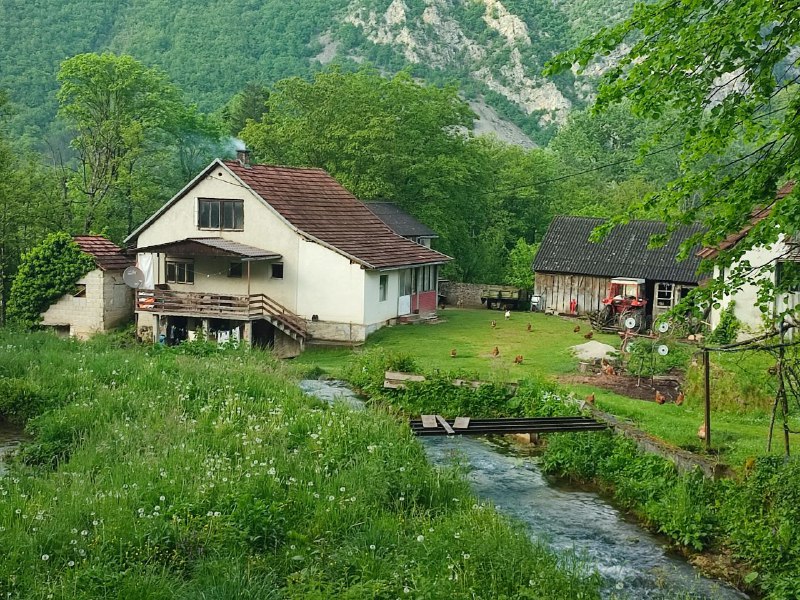
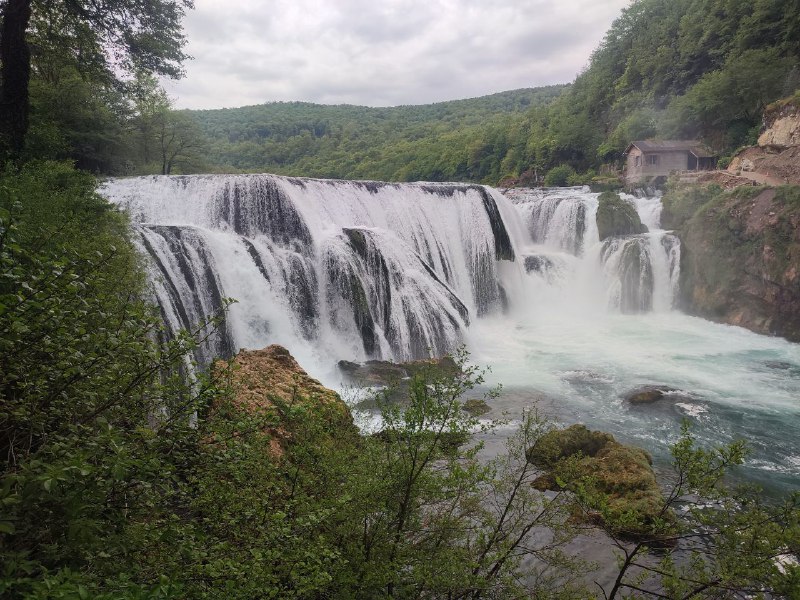
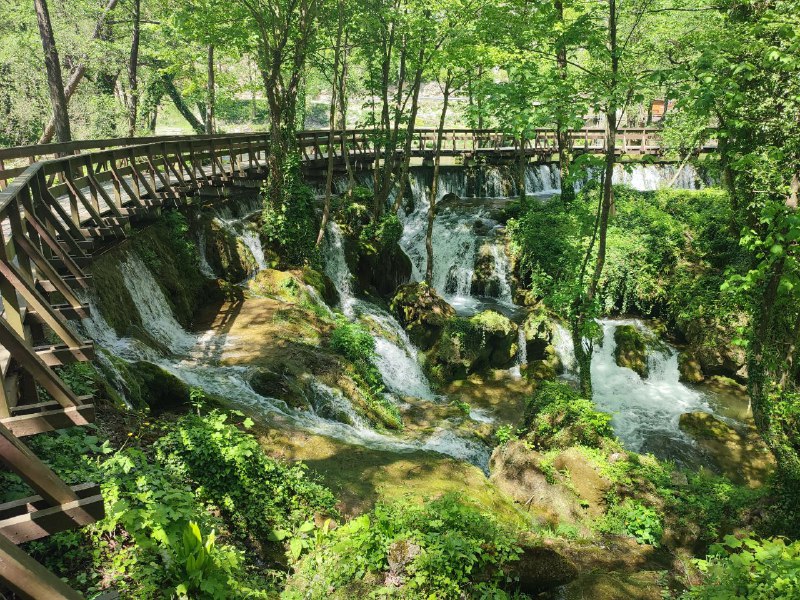
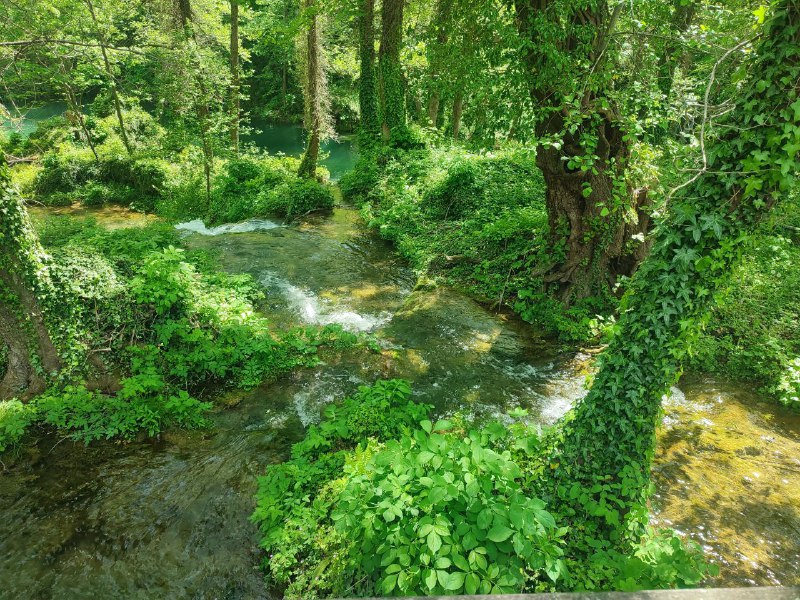
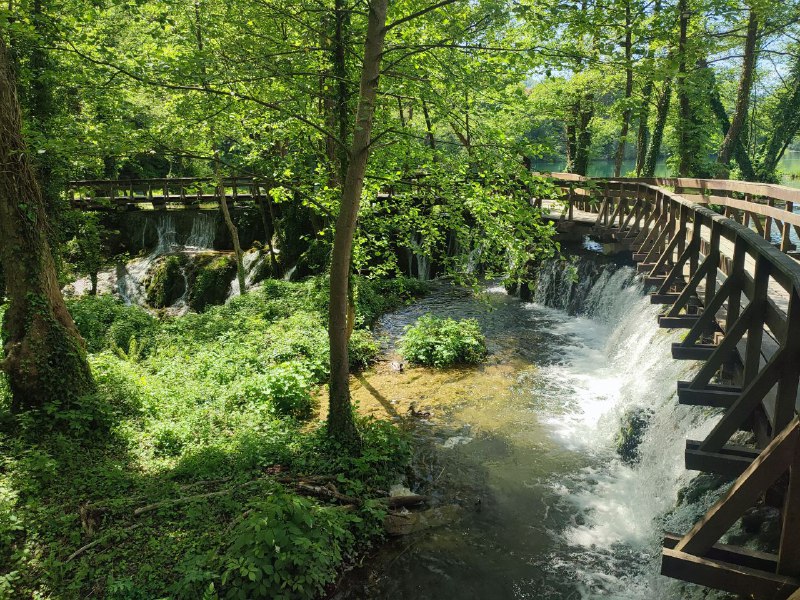
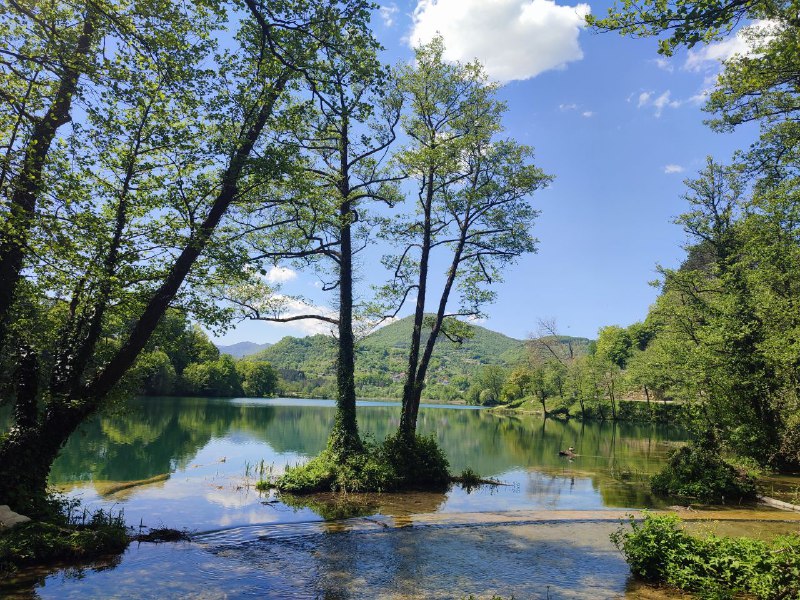
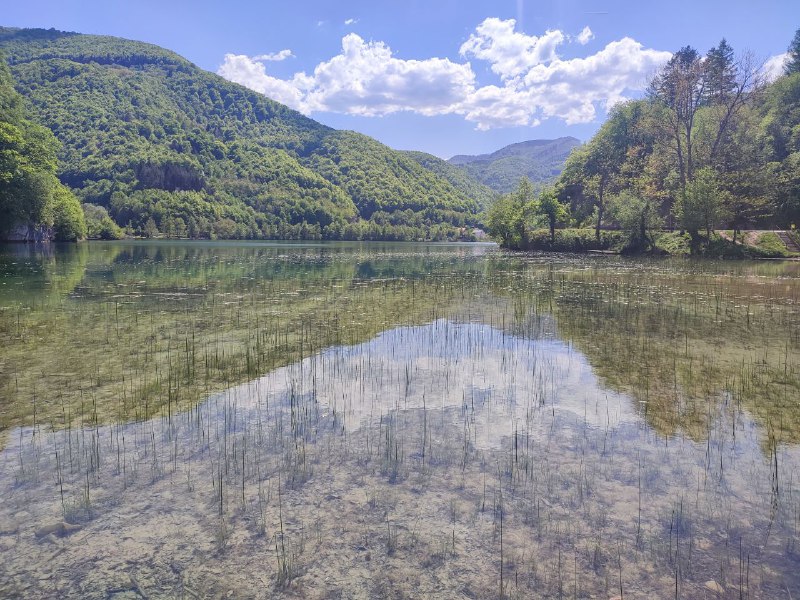
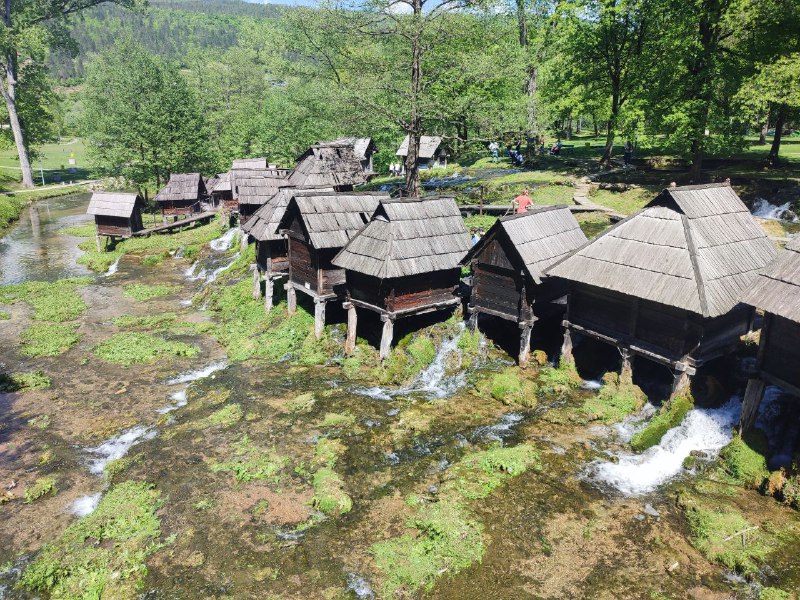
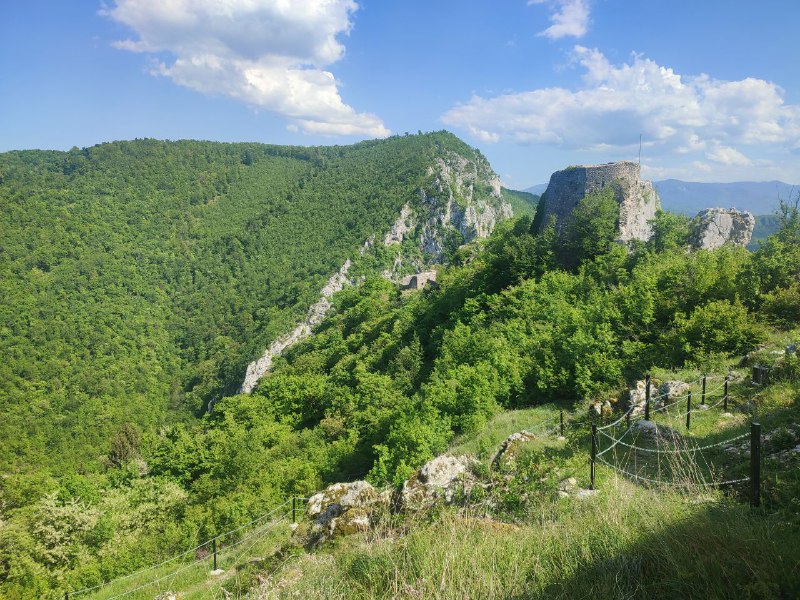
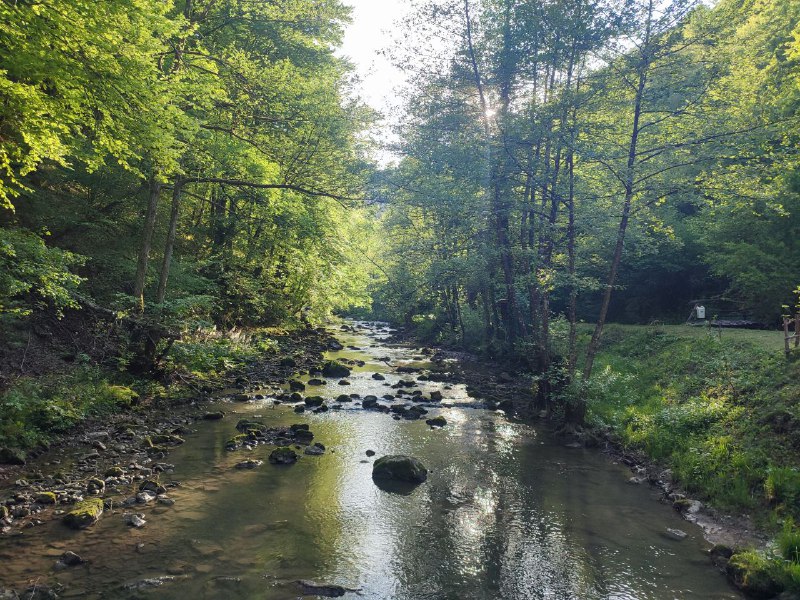
So I ended up taking this super visual trip without diving too deep into the history. But the Bosnian Una National Park right on the border with Croatia looks absolutely amazing. The Una River—Bosnia on one bank, Croatia on the other.
The countries are in talks to expand the park to the Croatian side and manage the nature together. I'm hoping they can make something happen with this.
Sorry, but didn't I show you that Bosnia and Herzegovina has absolutely stunning nature? ❤️
The Philippines is thousands of islands. And incredibly clear water. And sun that you can easily get burned by.
One of the local activities is hopping around by boat from island to island. Though the water is crystal clear, the islands themselves have quite a bit of trash on them if tourists visit at all (which is sad).
PS. The islands in the video are near Cebu, but you can find pretty much the same scenery not just here.
I mentioned a Serbian cave with bats recently. Well, compared to that
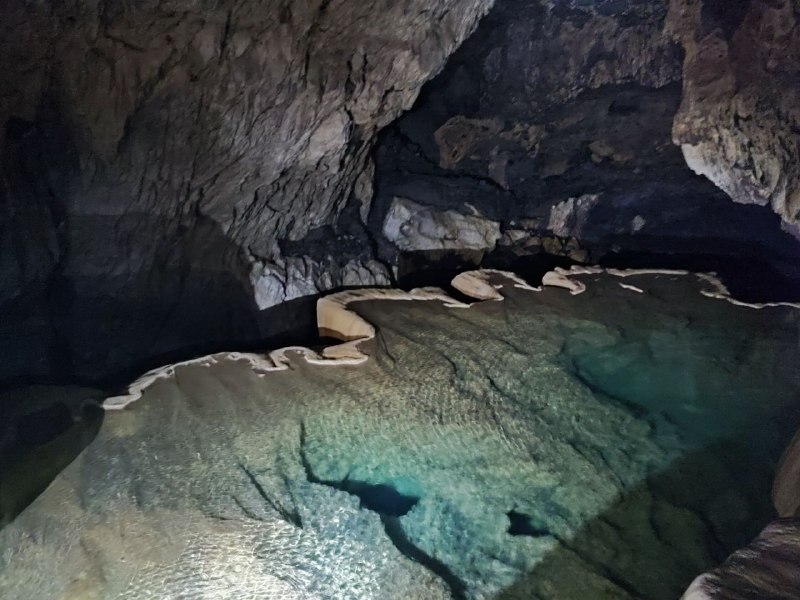
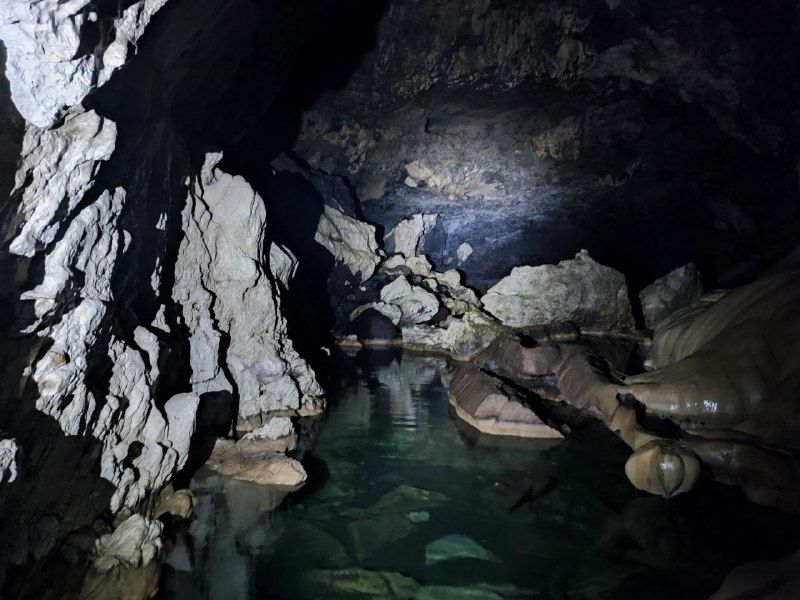
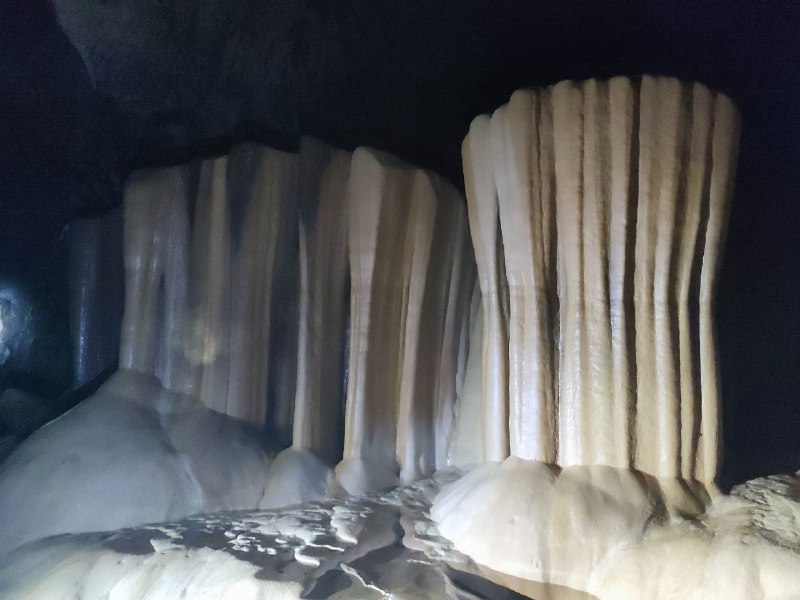
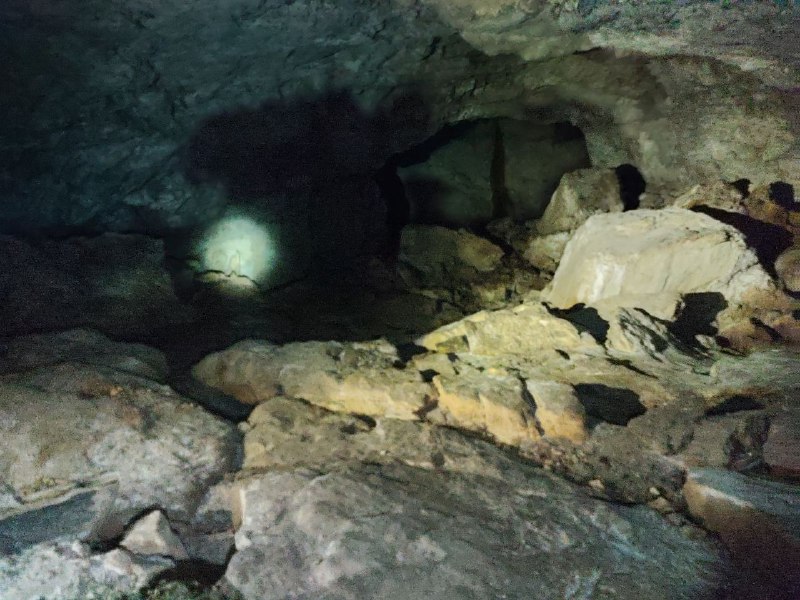
cave near Sagano in the Philippines, there weren't any there at all. And honestly, all the caves in Serbia are so well-developed and lit up—you can visit them without any hassle.
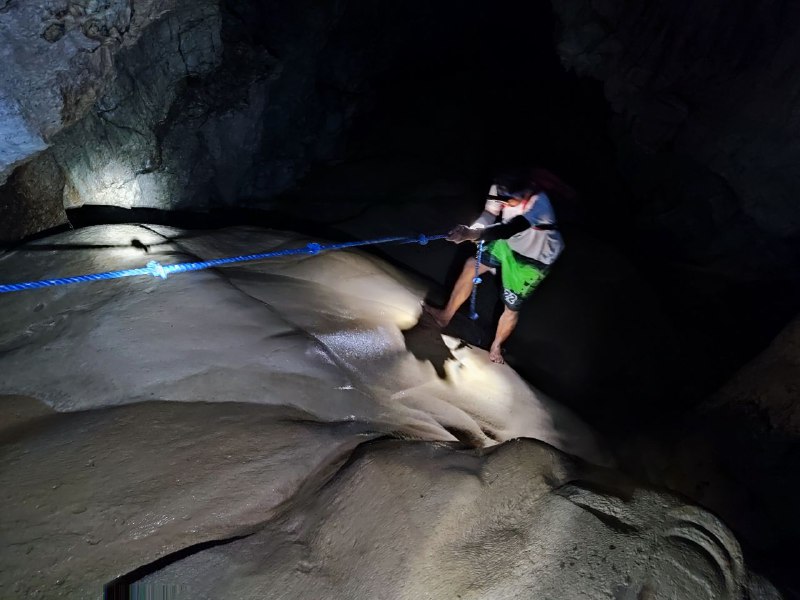
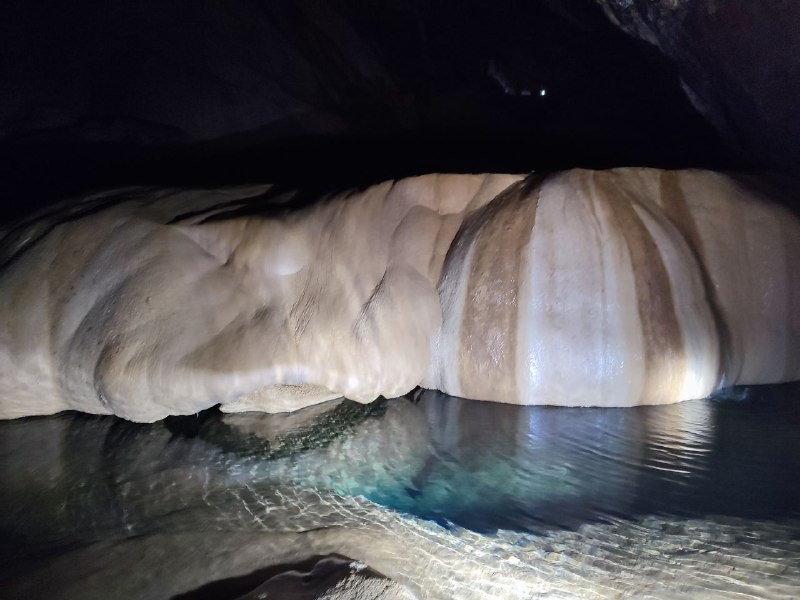
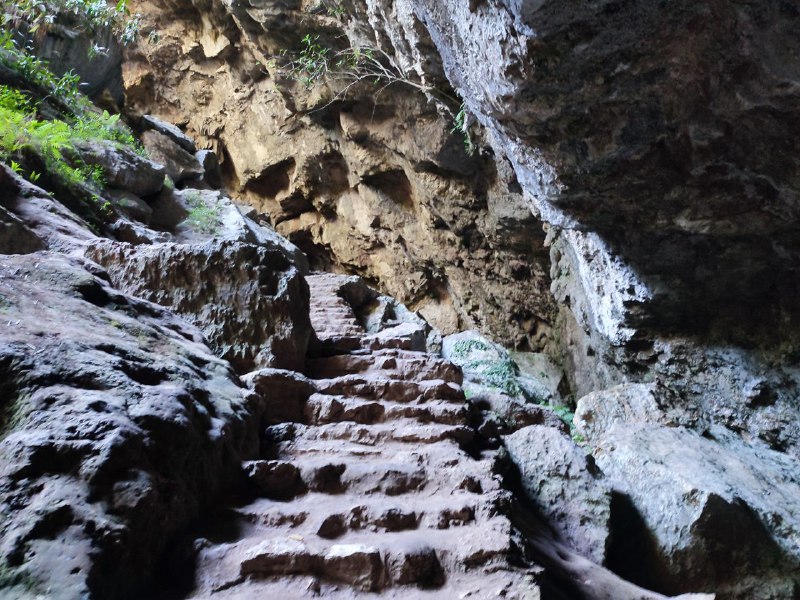
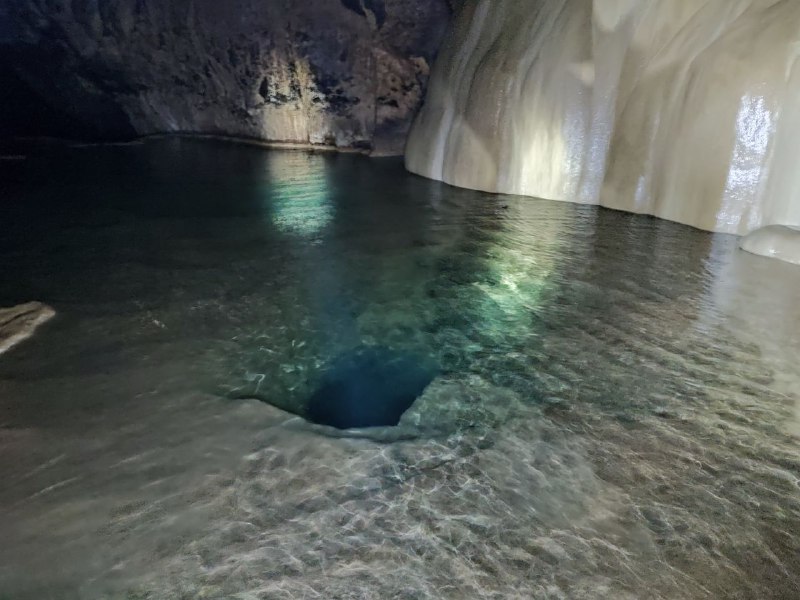
Sumagintskaya Cave is nothing like that. You can only enter with a guide (same goes for all the other nearby attractions), there's no lighting inside—just your own flashlights—and there's a lot of water, so halfway through the route we had to take off our shoes and continue barefoot. In a couple of spots, you can only climb up using a rope. No other way around it.
It's really beautiful though. The wilderness and lack of artificial light give it its own charm. I was seriously impressed.
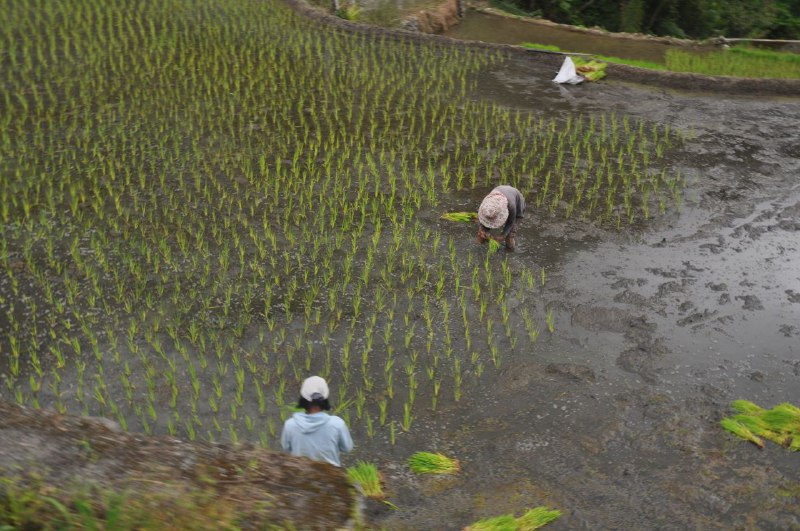
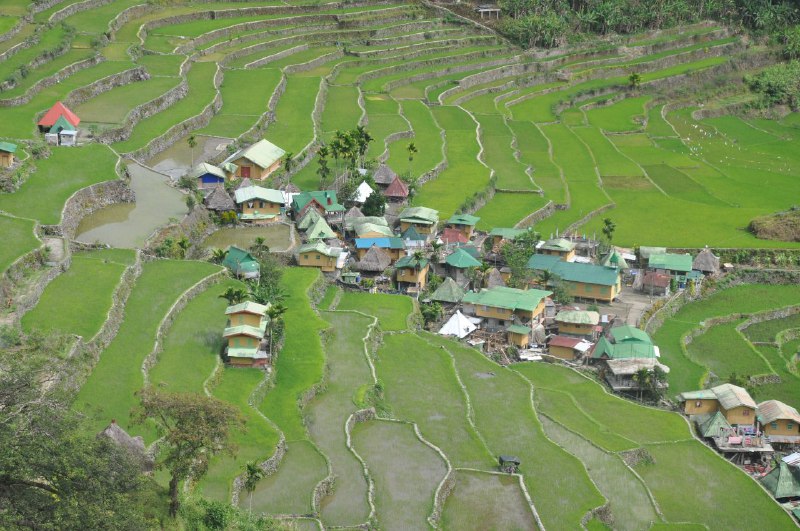
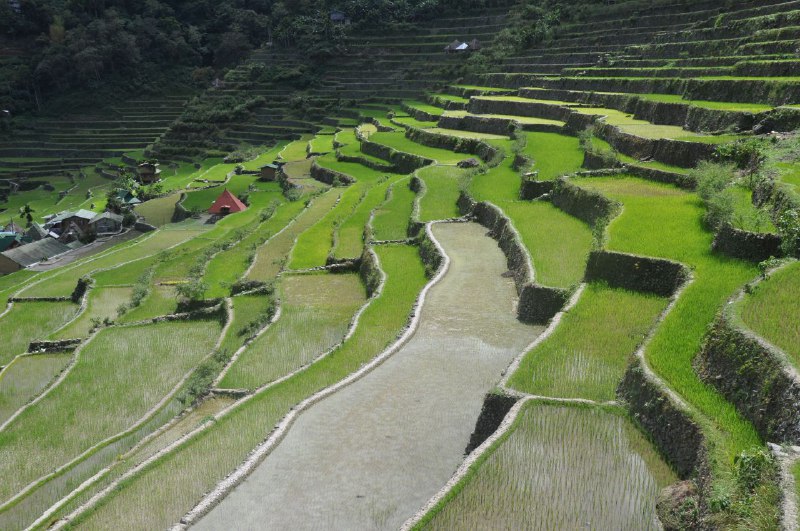
The rice terraces in Banaue have long been touted as the eighth wonder of the world (though there's a pretty long
list of candidates).
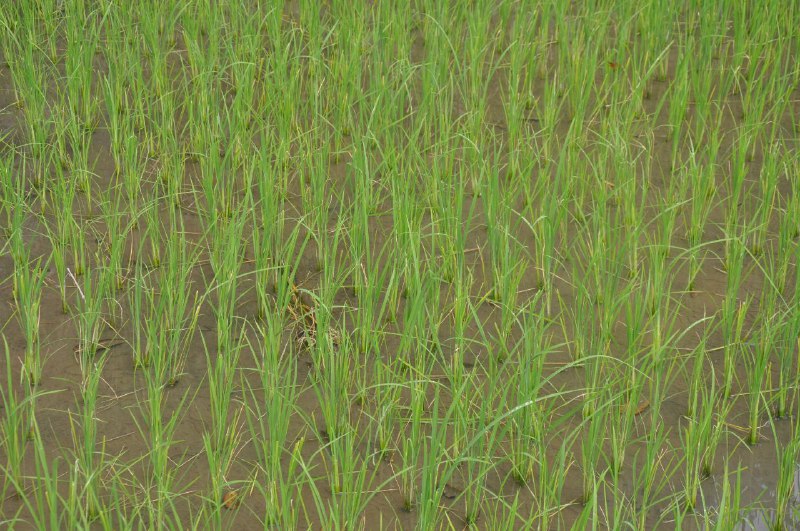
People have been growing rice here for 2,000 years straight (maybe a bit less by some estimates). That said, lately more and more locals would rather work with tourists than do farming. That's why some of the terraces are falling into disrepair and need restoration work.
There's definitely a steady flow of tourists, but nothing like crowds. I kept running into French people. Locals say actual Filipinos don't come here much because the guides treat them worse than foreign visitors.
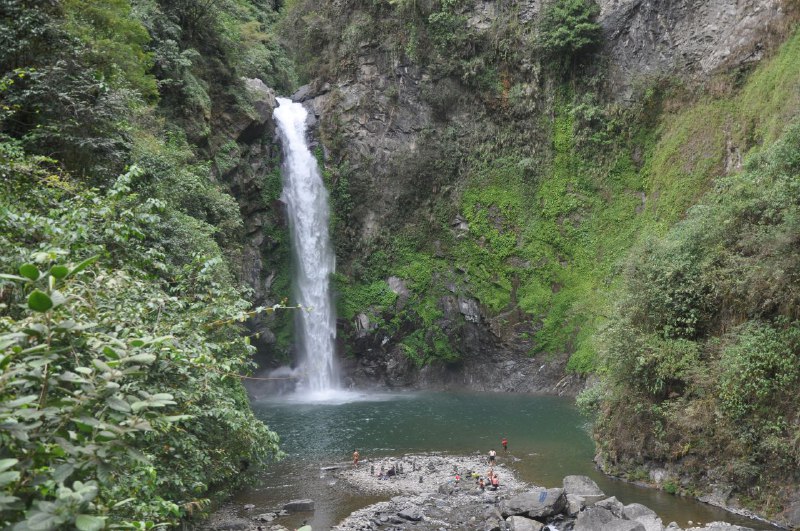
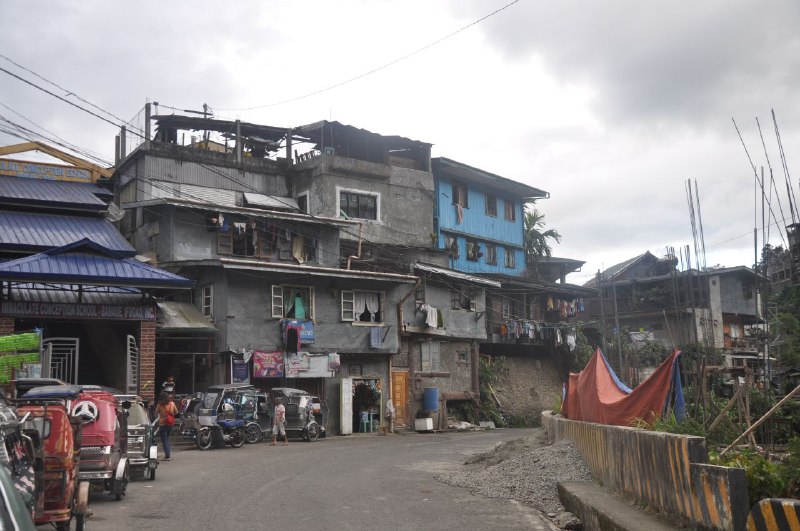
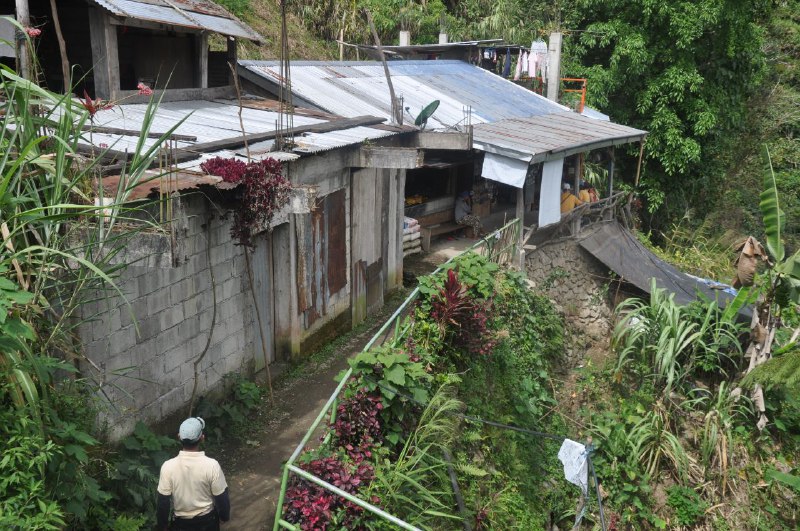
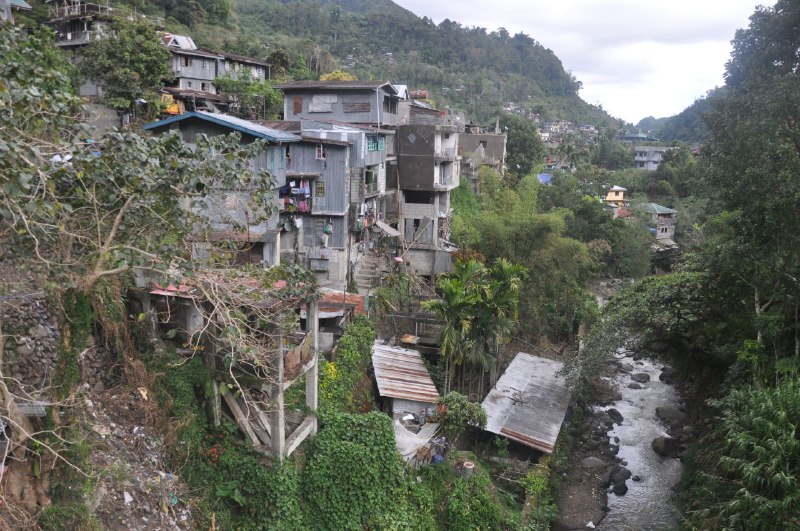
The surrounding villages, though, are still pretty poor. You see a few nice houses here and there, some still under construction, but not many.
PS. I also got to ride on top of a jeepney. Fresh air, felt great. They don't tear around like maniacs here (the roads don't allow it), so it was pretty comfortable.
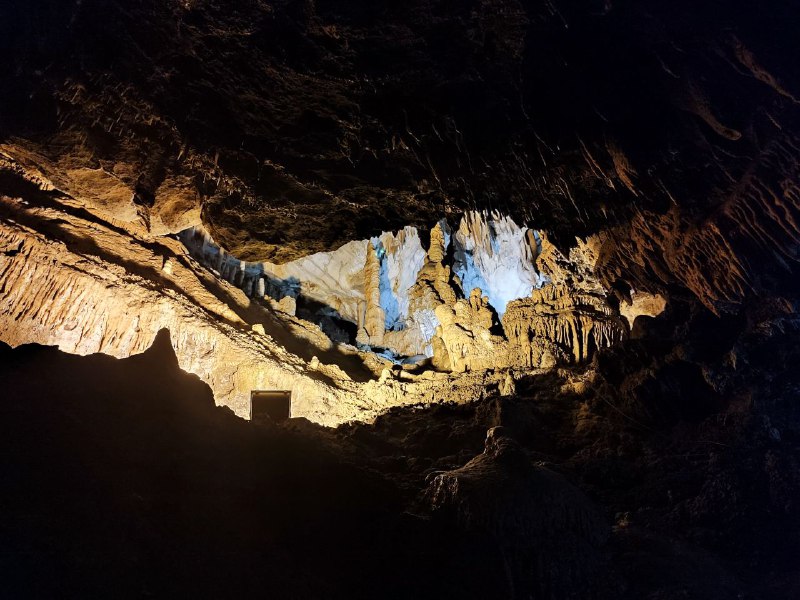
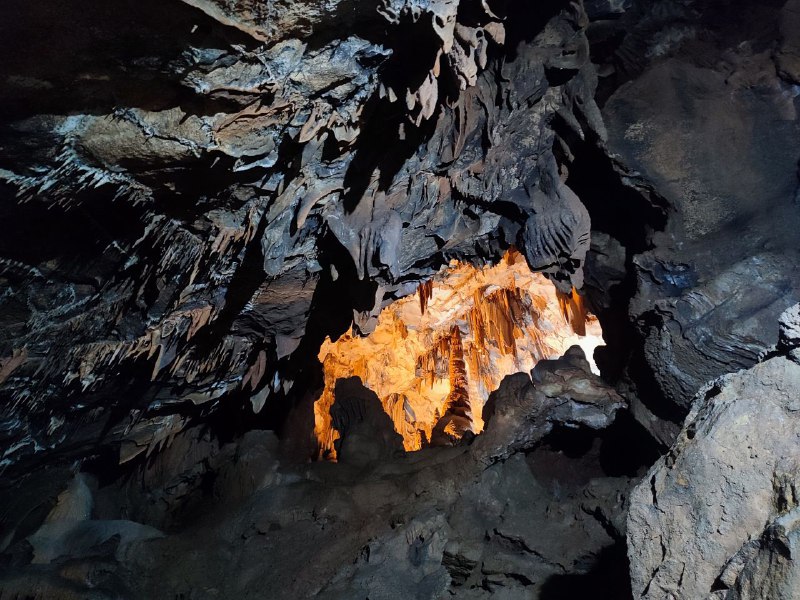
Serbia has lots of caves, but
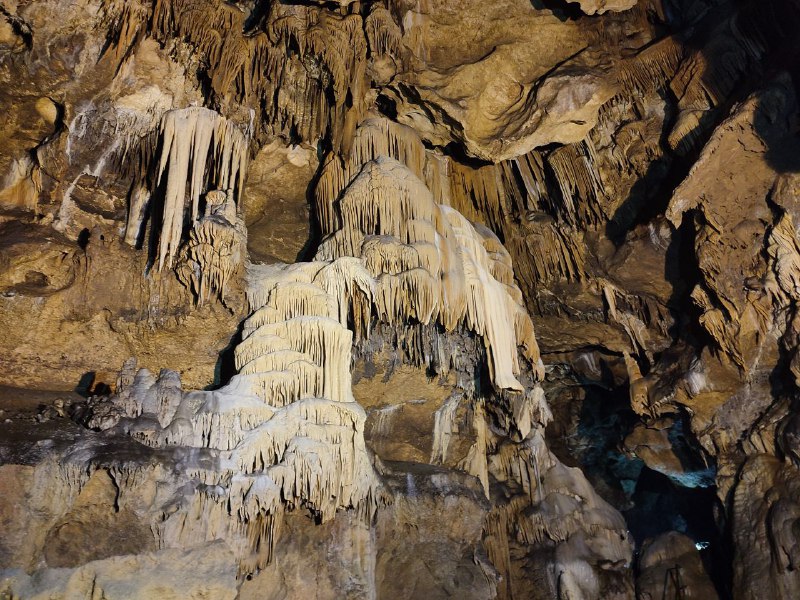
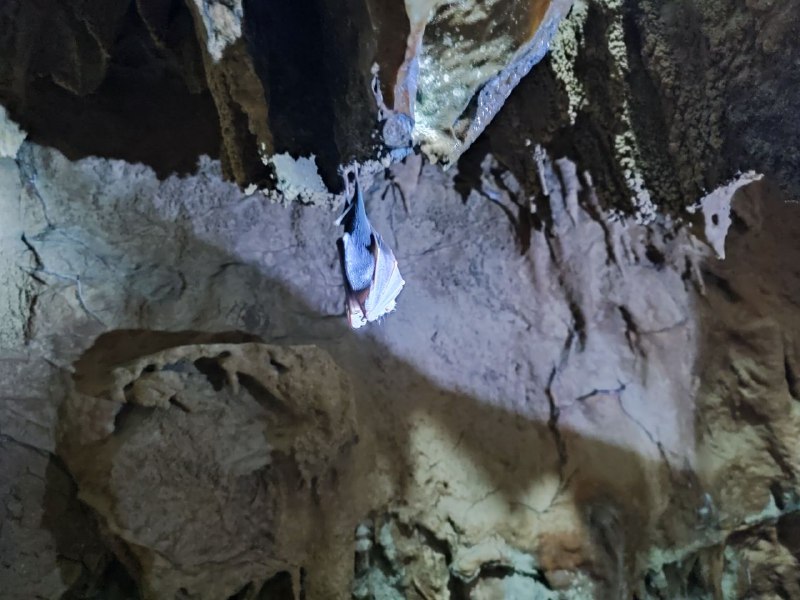
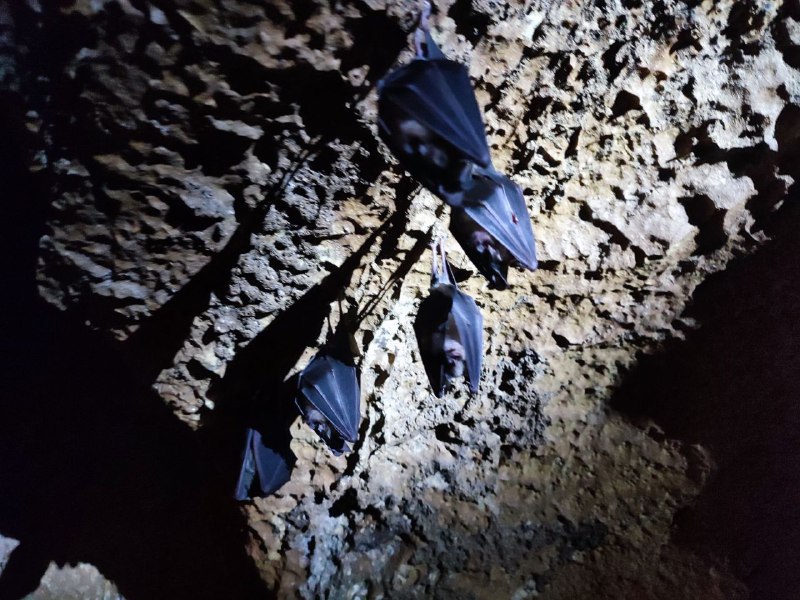
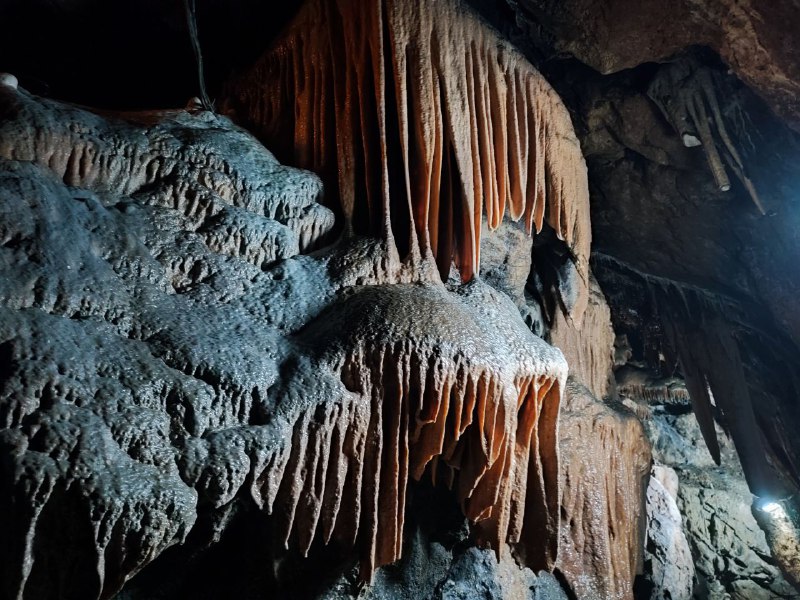
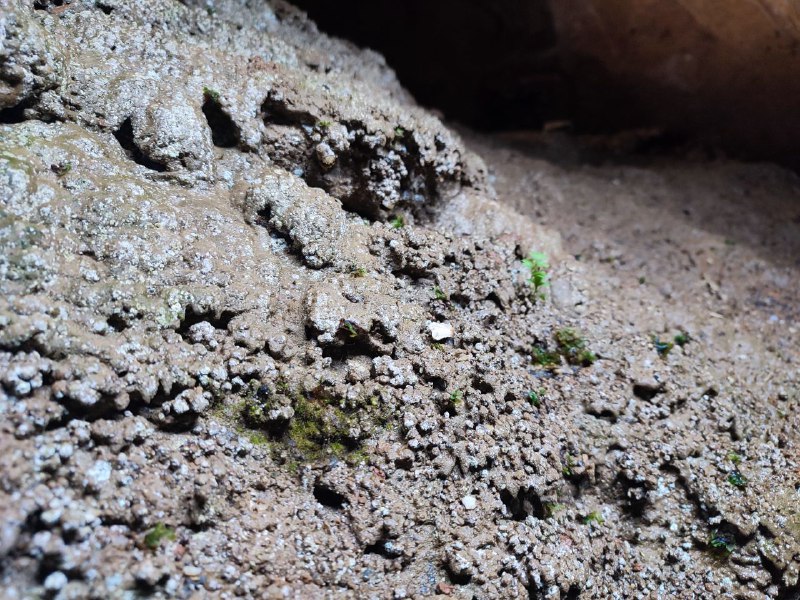
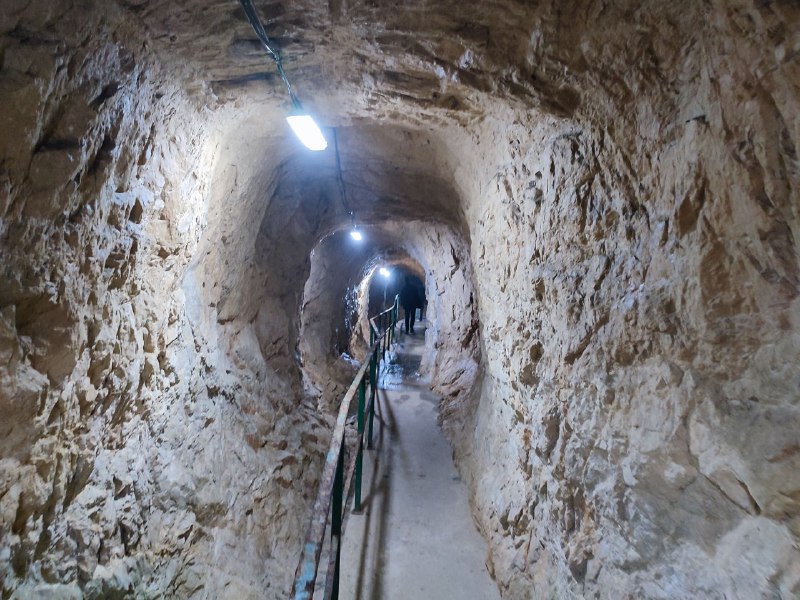
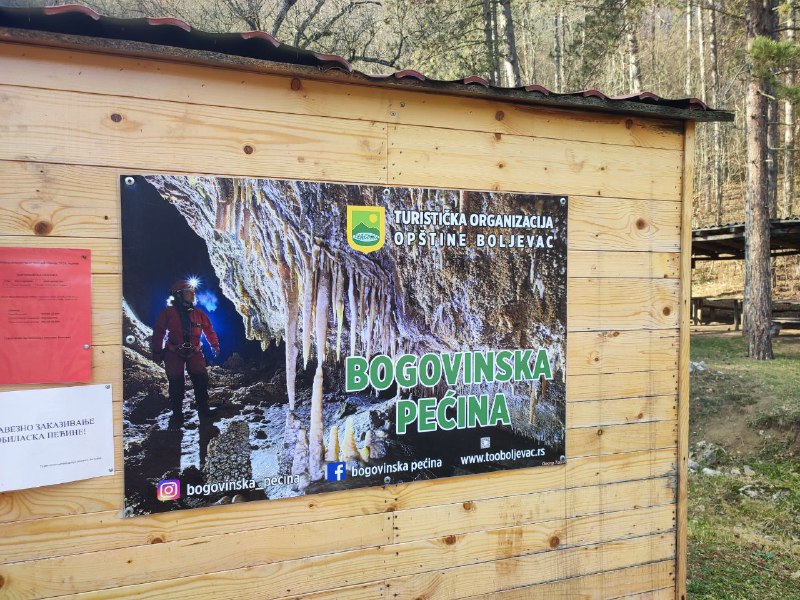
Bogovinska is the first one where they showed bats up close like that, and even seedlings that somehow ended up inside without any sun or heat! It's more interesting inside than in a lot of other caves I've been to.
You need to book a tour here in advance. Nobody's sitting at the entrance waiting for people. There's not even a schedule. Apparently the number of visitors is pretty small (at least in winter). I didn't prepare well, but I got really lucky—right when I arrived, a couple of guys showed up who'd already arranged everything. They took me along with them.
There's not really much of a story here, I just wanted to share some pictures.
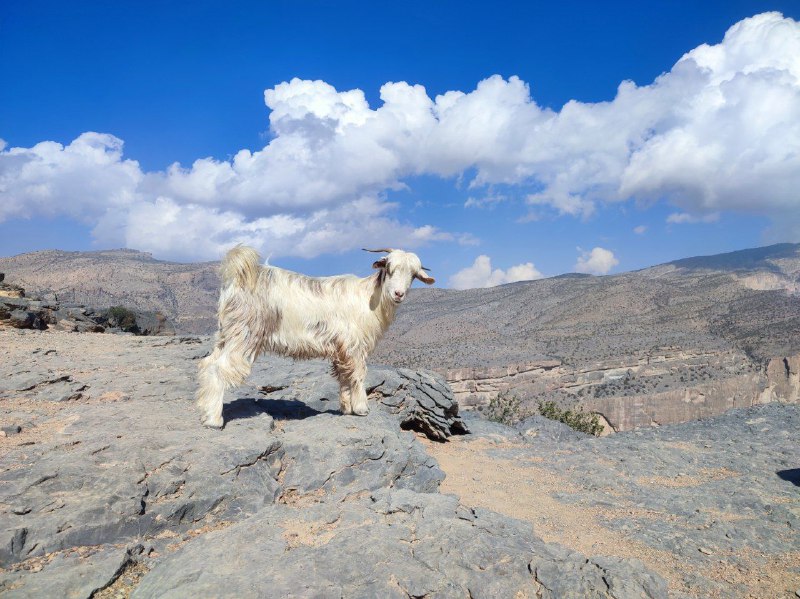
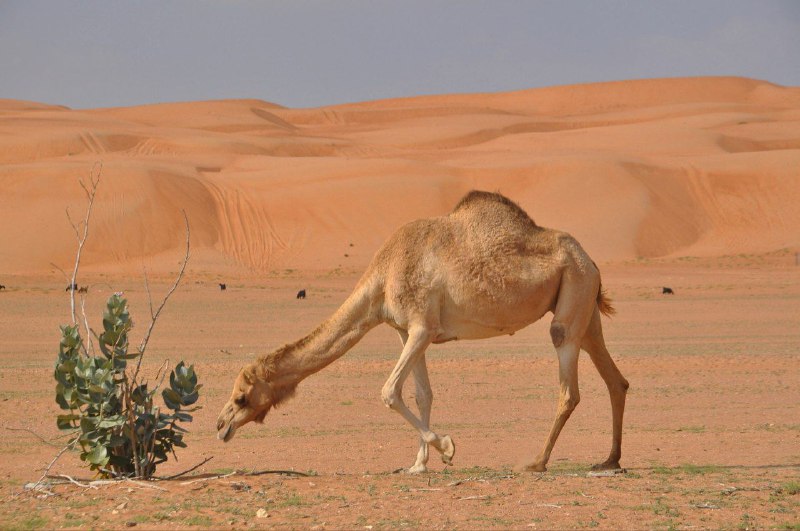
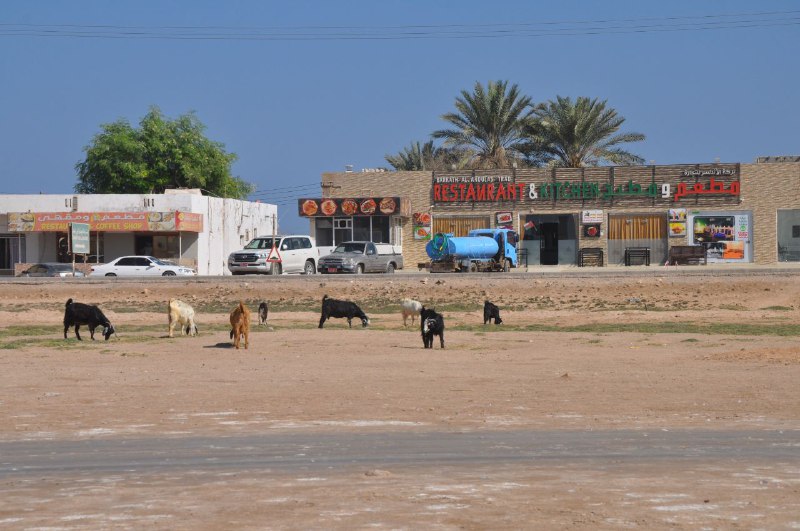
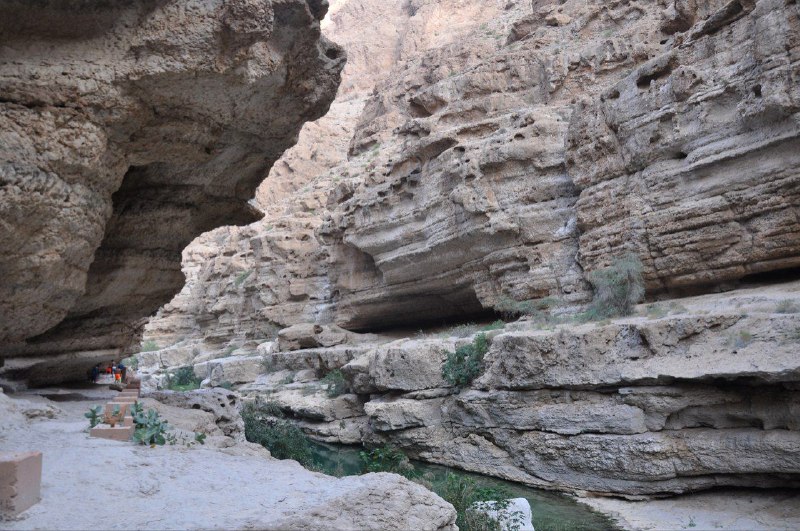
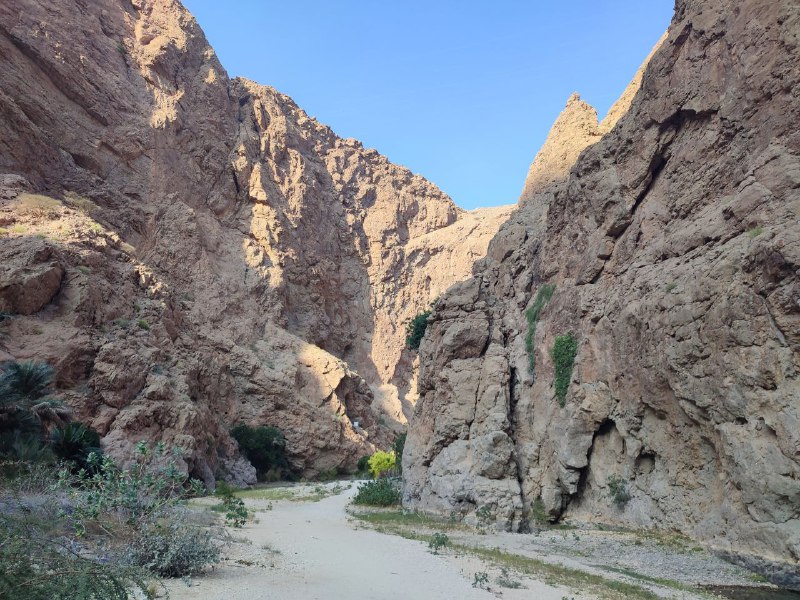
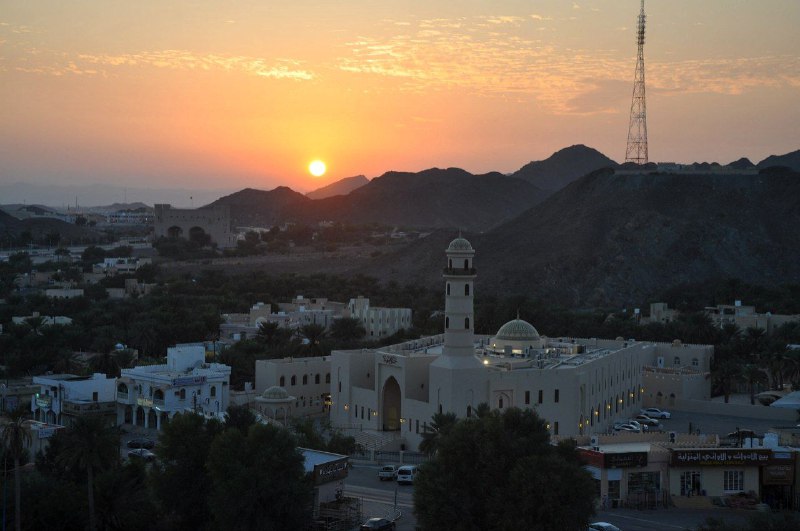
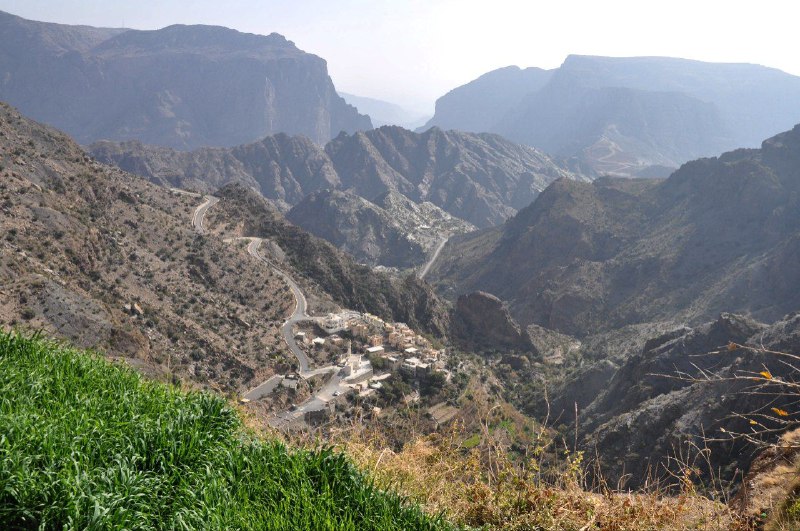
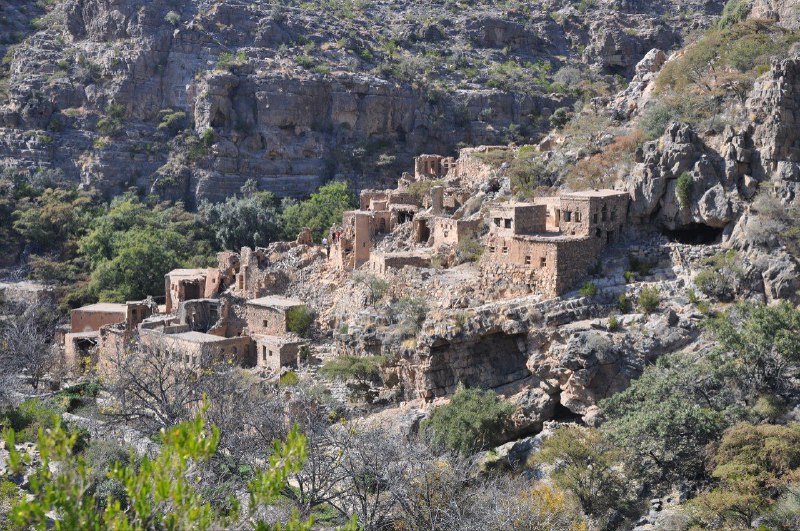
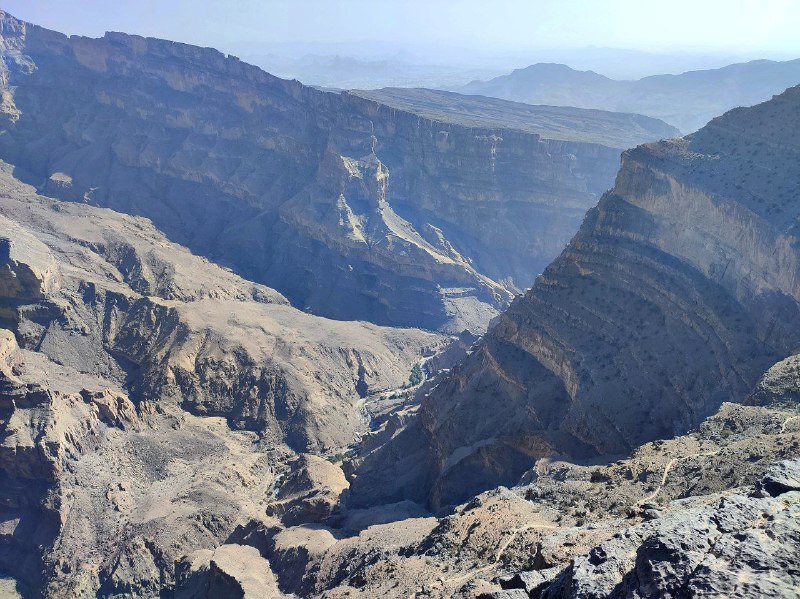
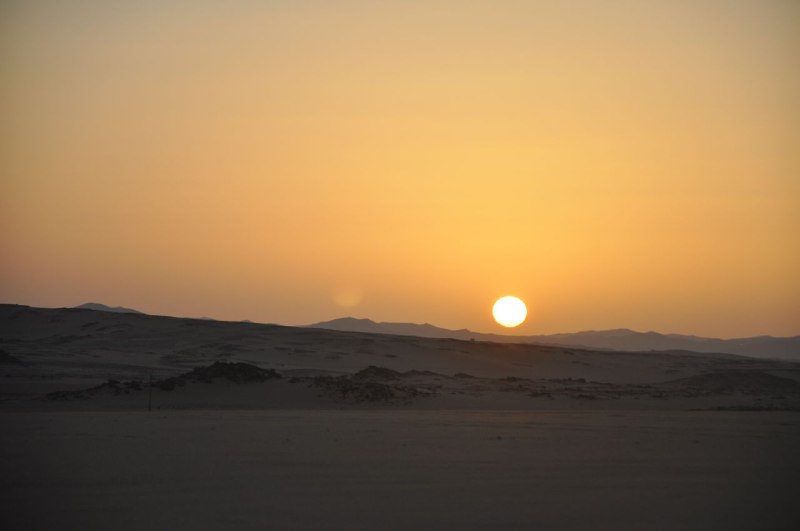
One last thing about Oman — it's the nature. The pictures look beautiful, but overall the landscape is pretty lifeless. I kept getting this feeling like the end of the world had come and I had to somehow survive. I really wanted to see something alive, but there wasn't even a hint of any movement anywhere.
And honestly, I never really fell in love with Oman. It was interesting to see, but I have no desire to go back.
I'll definitely remember this waterfall for the rest of my life. I never thought I'd open the swimming season in early November not in some warm sea, but in +15°C in Serbia 😅
This day had to come eventually. I successfully drowned my drone right in the middle of this pond. I didn't notice a small branch, caught it on the propellers, and dove down. Had to go diving. The depth is about five feet. It's good the water is clear and you can see what's happening. I have to say, the swim turned out to be much more pleasant than I expected.
Unfortunately, I couldn't recover the most interesting footage of entering the water. I barely managed to retrieve this video from the water-logged memory card.
PS. To my surprise, after careful drying, the drowned victim flies again.
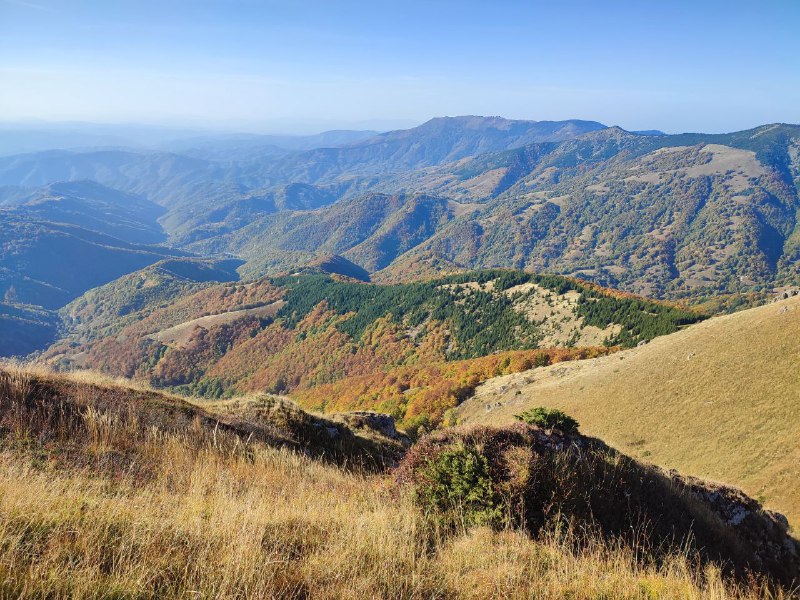
Before it got cold, I went to check out what's on display at the Serbian-Bulgarian border. Really beautiful.
Most of the time part of the trail is hidden somewhere in the forest, but here you get views the whole way. Which is especially nice.
PS. If you ever need to go there too, here's
the link.
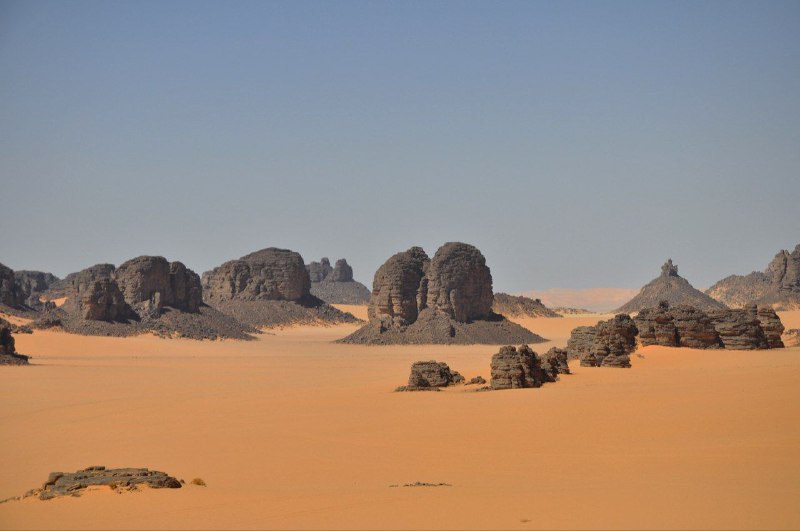
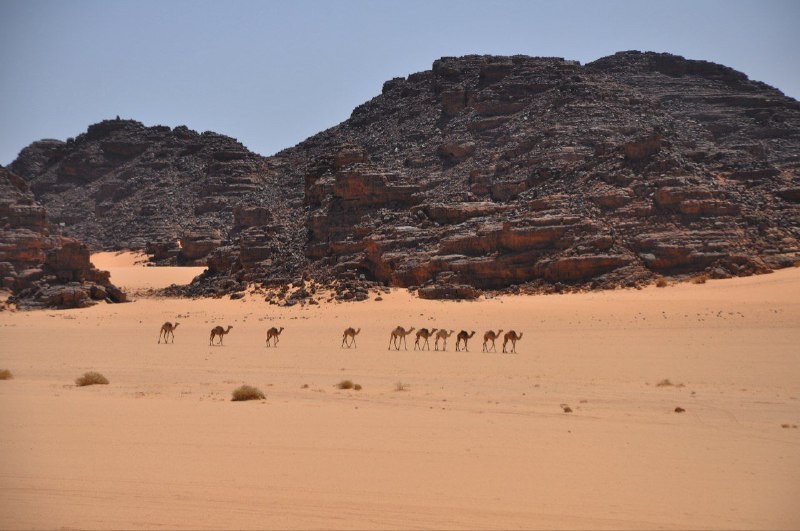
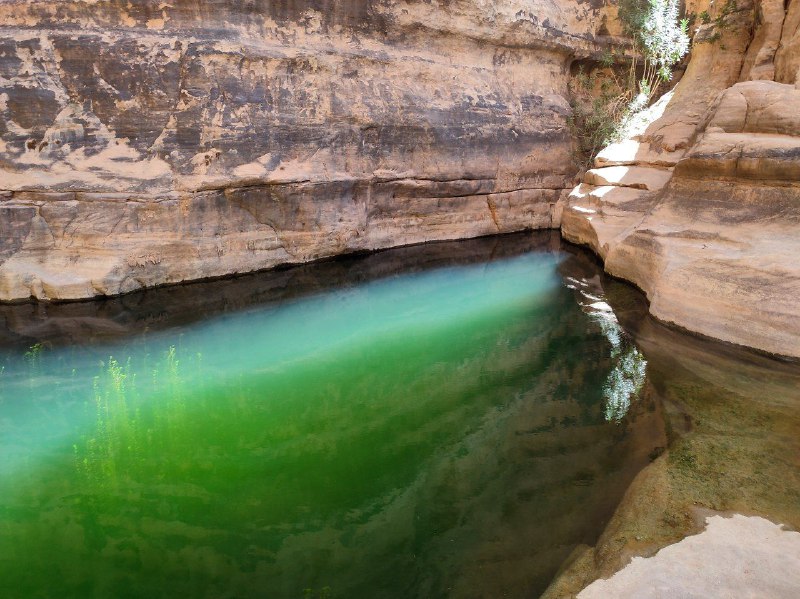
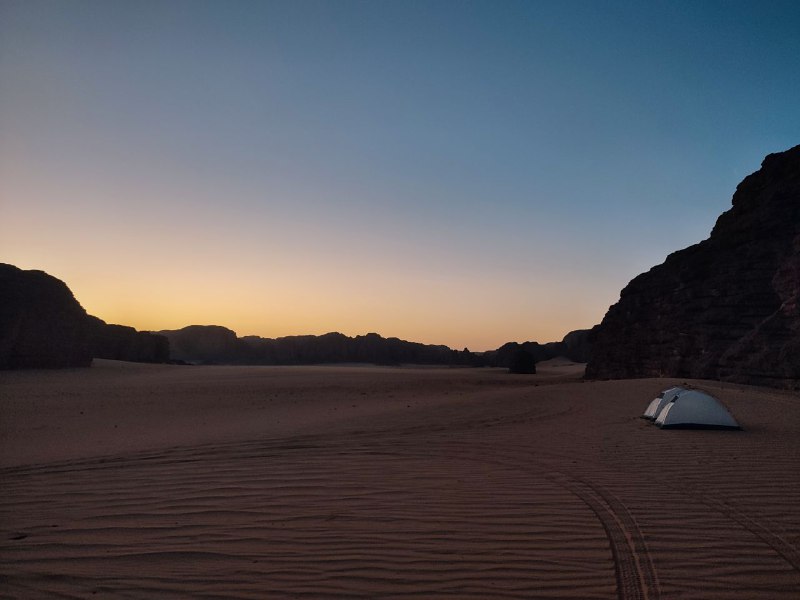
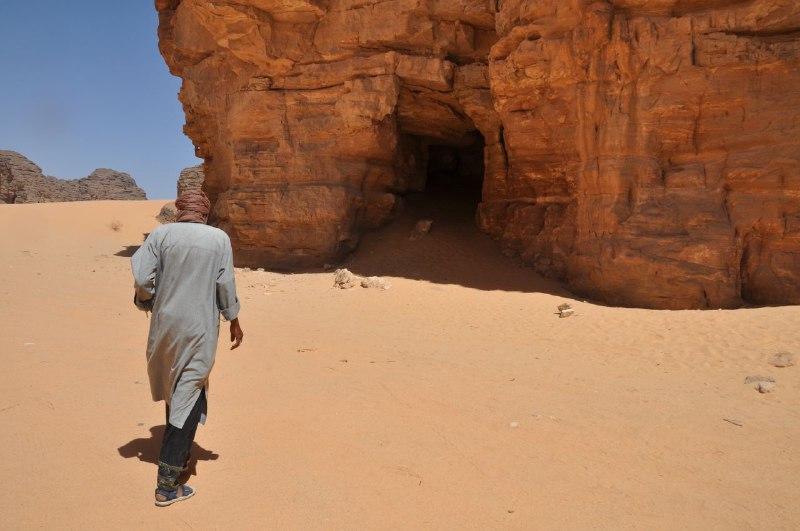
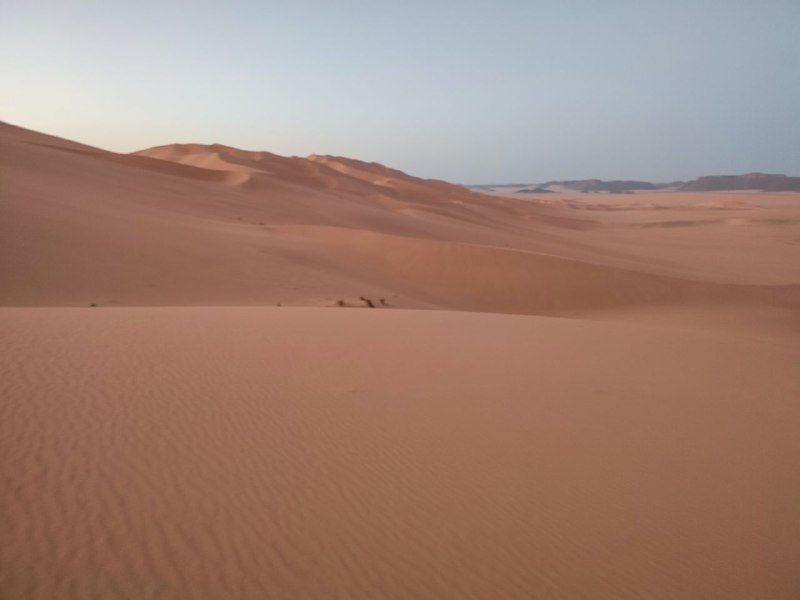
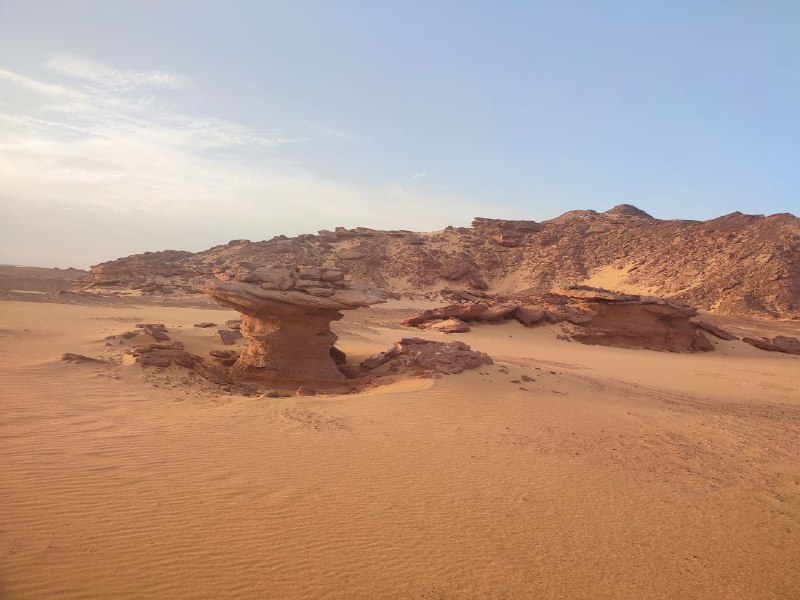
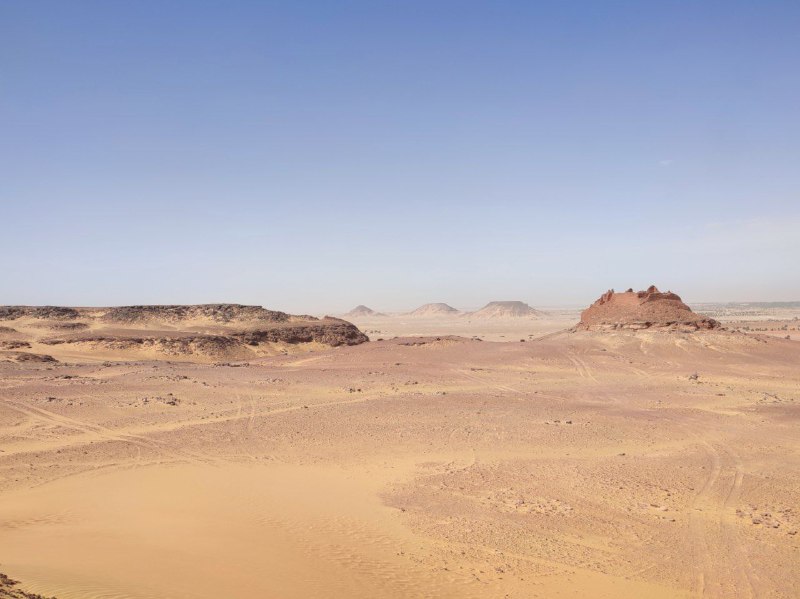
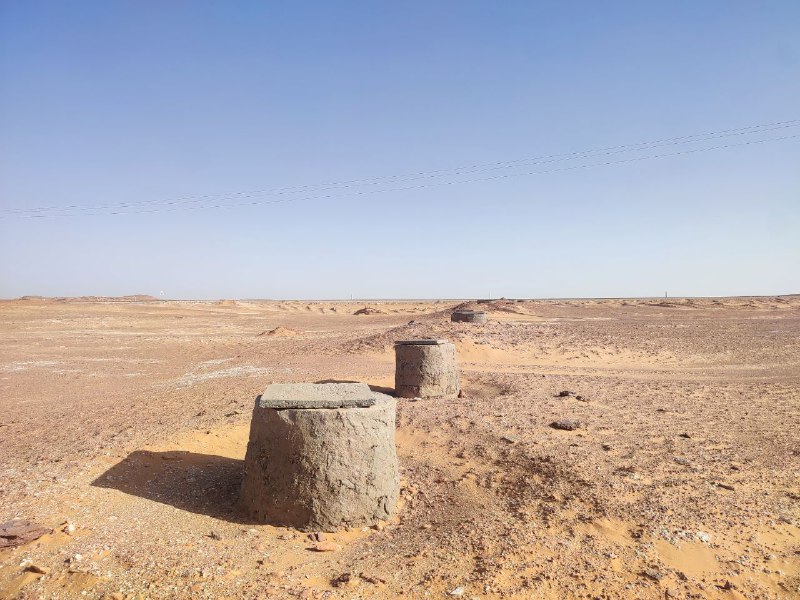
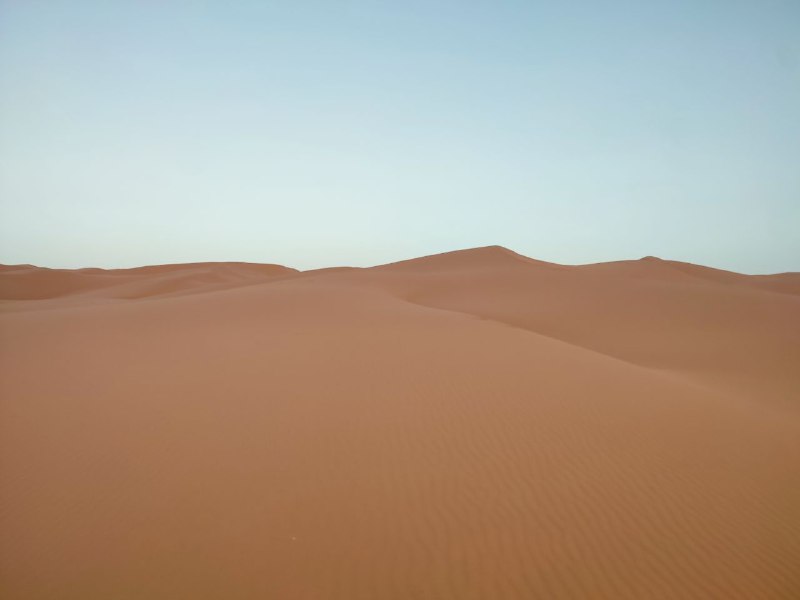
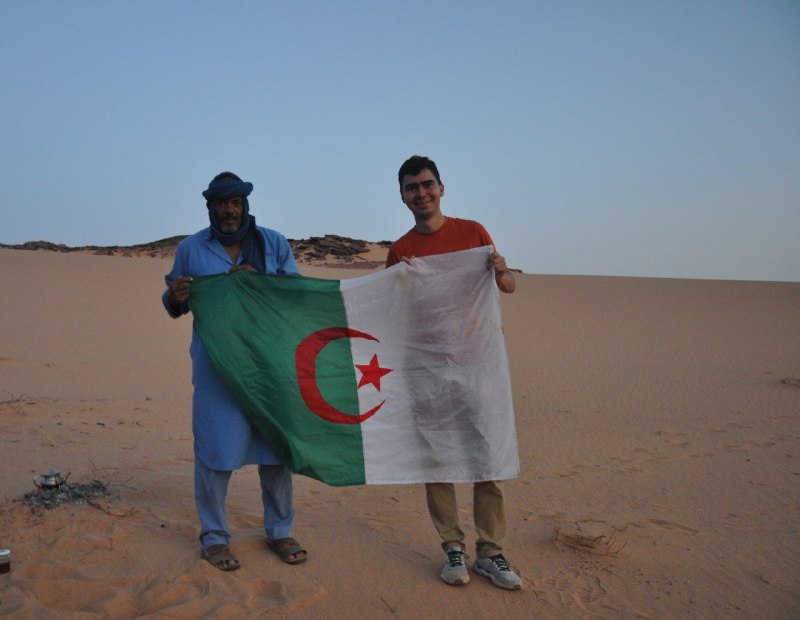
I spent three days wandering through the desert. Going there without a local guide would be a fool's errand. There's asphalt road only between cities. You can only reach interesting spots by driving through the sand. The guide said they know the area, navigate by the mountains and cardinal directions. Even if a sandstorm hits, we won't get lost.
The nature is absolutely fantastic. It's worth coming here just for that. But there's basically zero infrastructure. It's literally a desert out there. The guide cooked himself, but the conditions are such that if your stomach isn't the strongest, you should prepare yourself. Northern Algerians sometimes complain that they themselves don't always handle that kind of cuisine well :)
Our guide is from the Tuaregs. A very freedom-loving nomadic people. No wonder when you live in the desert and your nearest neighbor is like 20 kilometers away. There's no connection in the desert, yet everyone knows everything about each other. News spreads fast. And neighbors are practically considered family.
Tuareg culture is very different from Arab culture. Lineage is inherited through the female line. Women aren't required to have a strict dress code, but they absolutely must get an education. The guys, on the other hand, can go around uneducated :)
Many Tuareg tribes still live nomadically to this day. There are even cases where people moved to the capital, tried to change their lifestyle, and moved back. Though there are successful examples too.
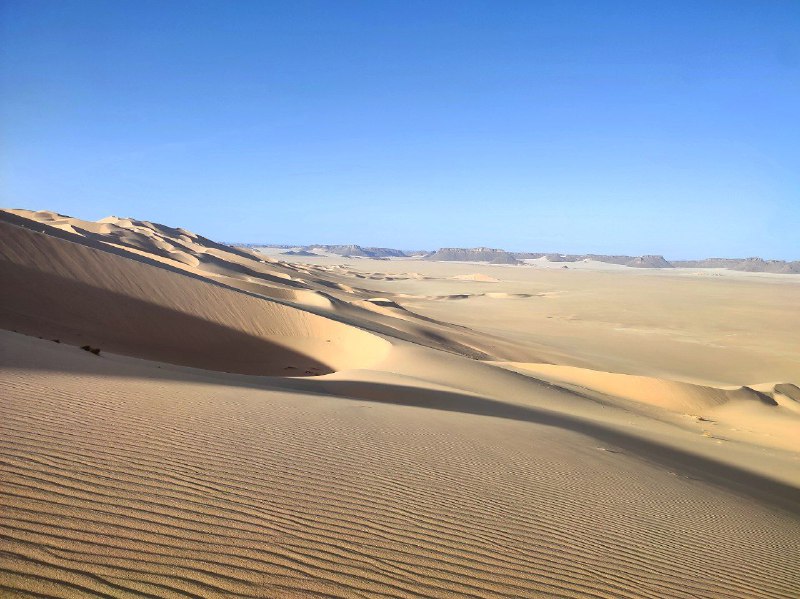
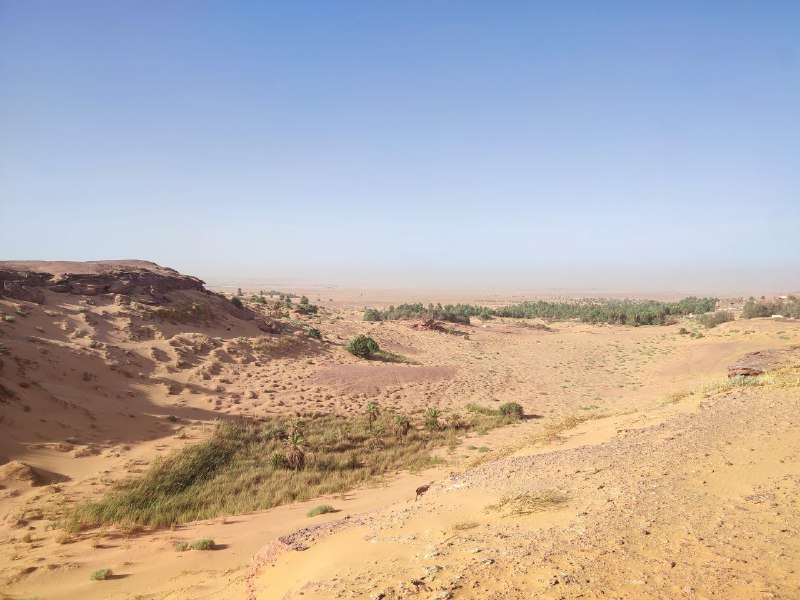
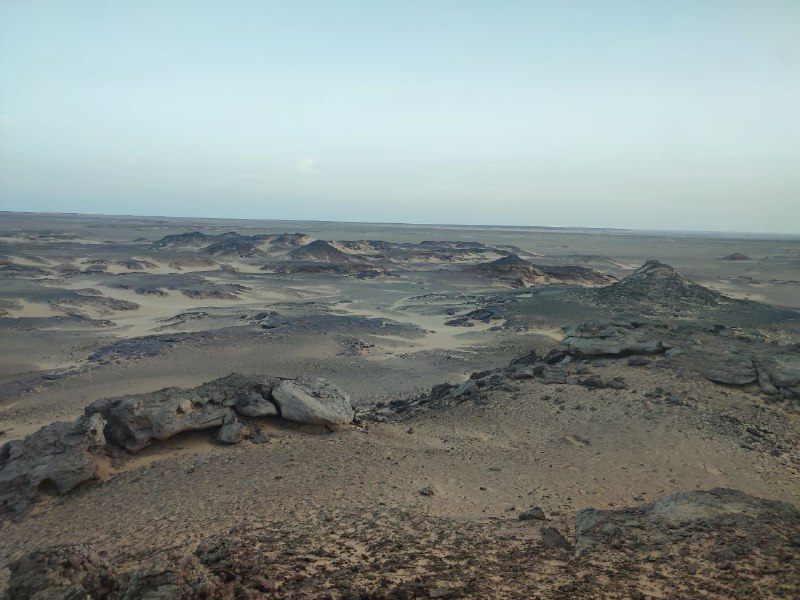
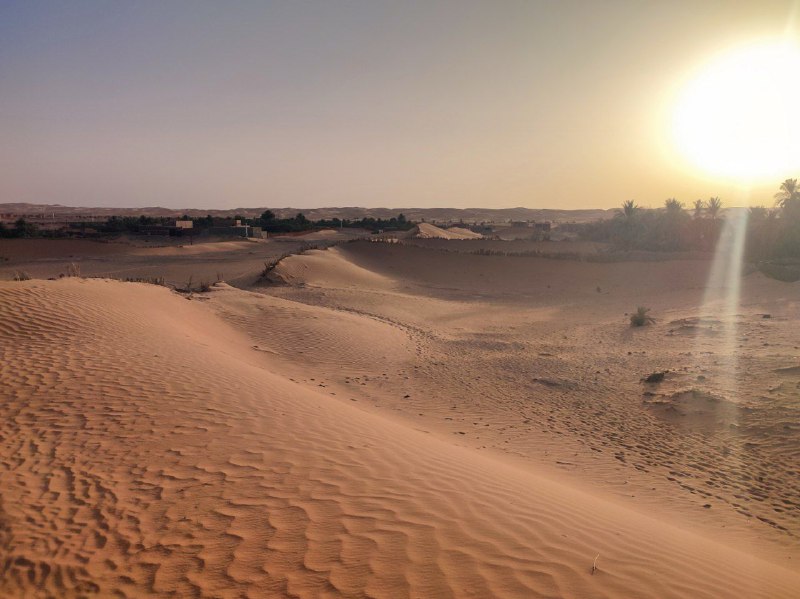
The desert looks nothing like I expected. You usually picture endless sands stretching out to the horizon. But it turned out to be completely different.
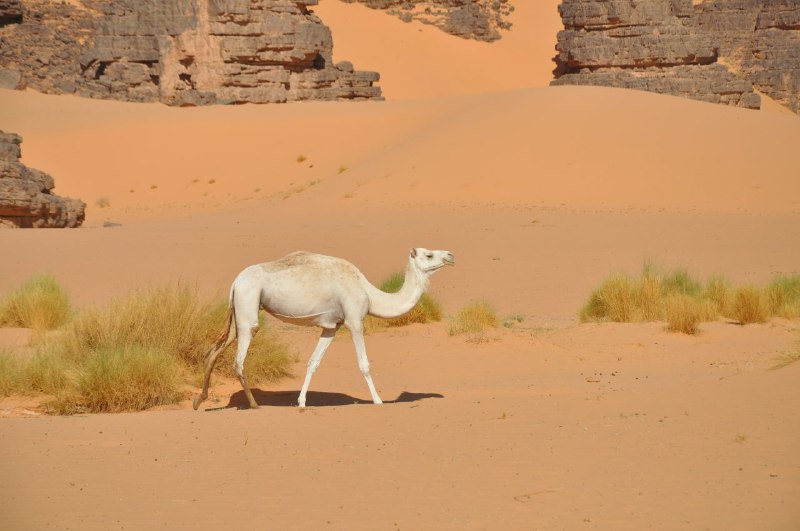
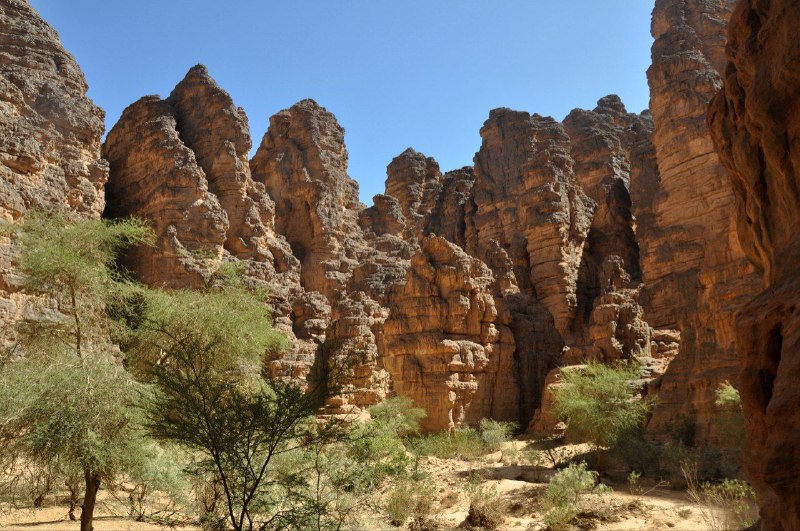
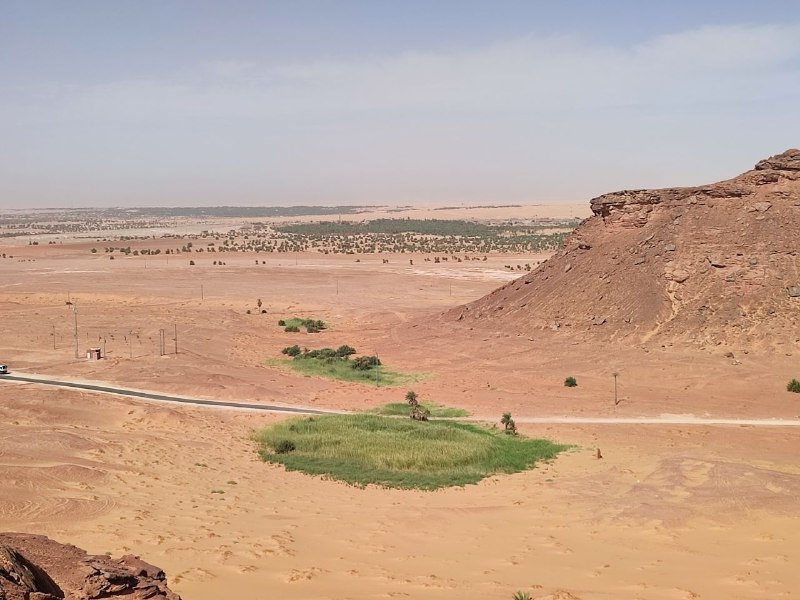
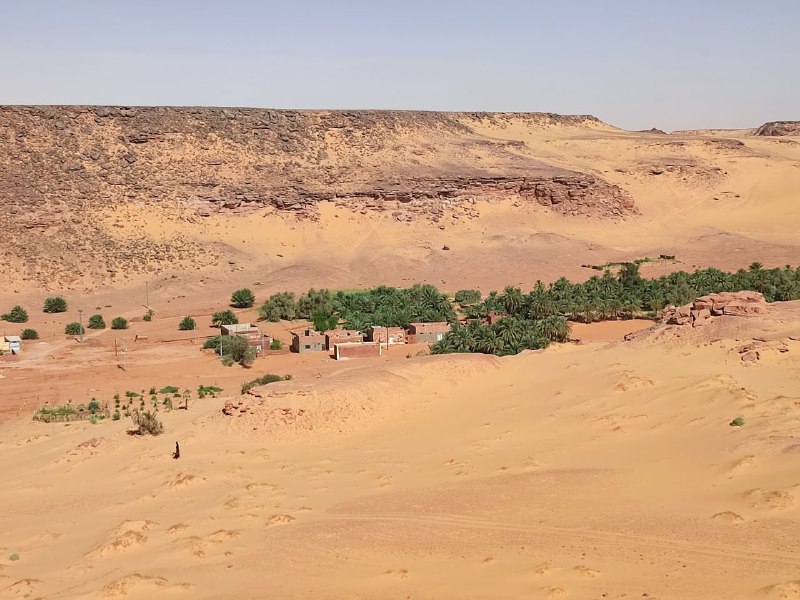
Every now and then you come across green patches. Even in the desert there's plenty of groundwater. In some places it comes close to the surface and life begins. Plants appear, people settle, they start raising goats. You can't really feed cattle, of course, but there's enough for more hardy animals.
But even where oases are few and far between, you still spot some bushes and other thorny plants. A completely barren wasteland is pretty rare to find.
But the nature here is absolutely stunning.
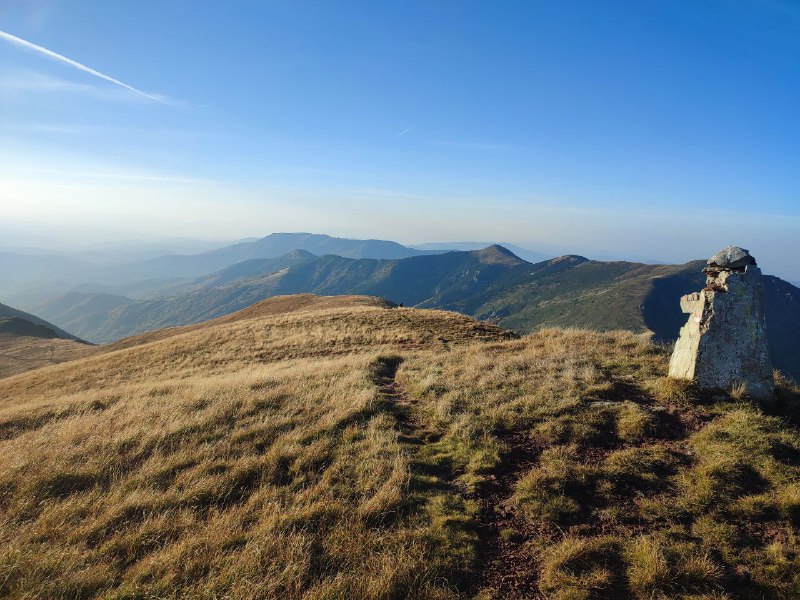
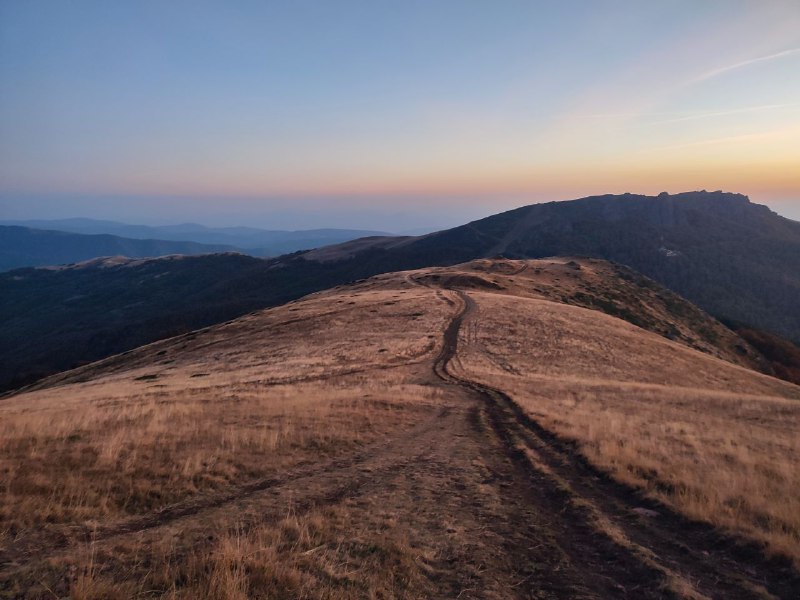
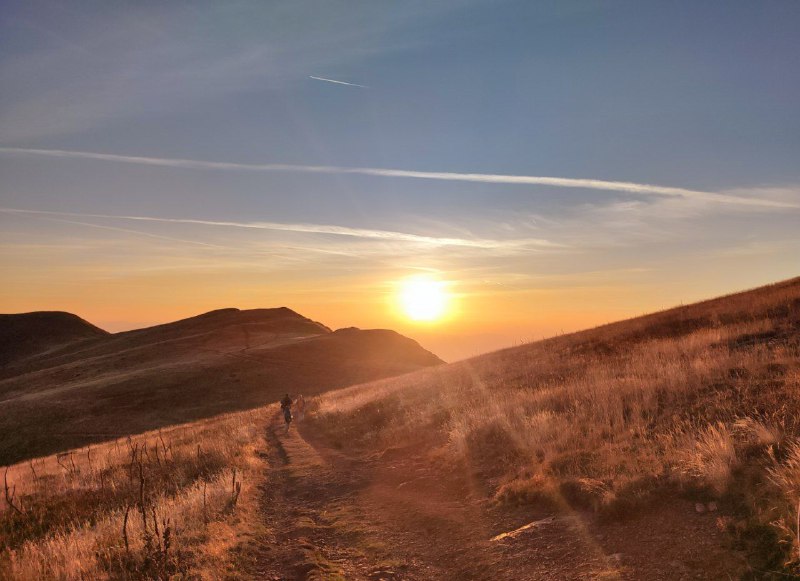
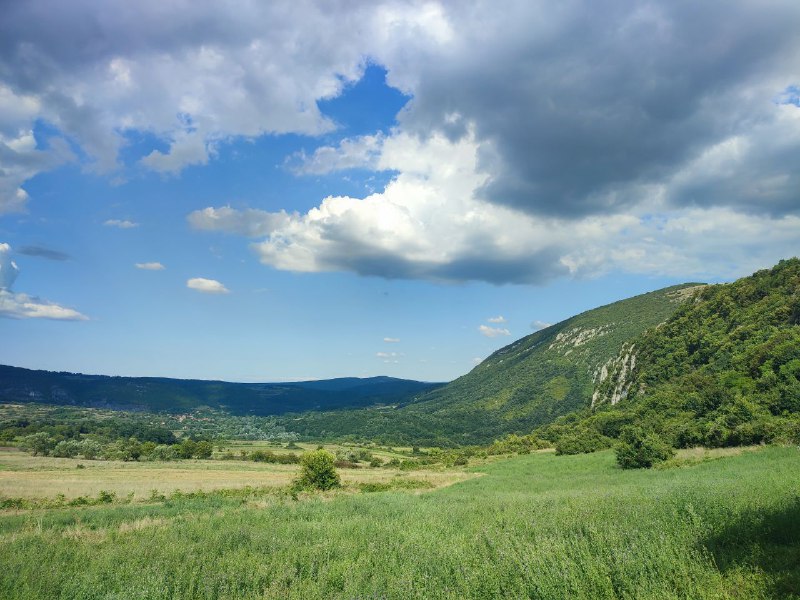
Serbia never stops amazing me with its natural diversity. The southern part of the country is more mountainous. A national park with the rather unassuming name "Stara Planina" has been sitting in my bookmarks for ages. Finally made it here (:
Turns out the rest of the world calls these mountains the Balkans. And that's actually where the peninsula got its name from. According to one theory, the Bulgarians started using this name about 1500 years ago, borrowing the word "balkan" from the Turks. It literally means "mountain."
What looks like a river in the photos and videos is actually a lake. I didn't believe it either, even when I saw it myself. I only managed to convince myself by looking at a map.
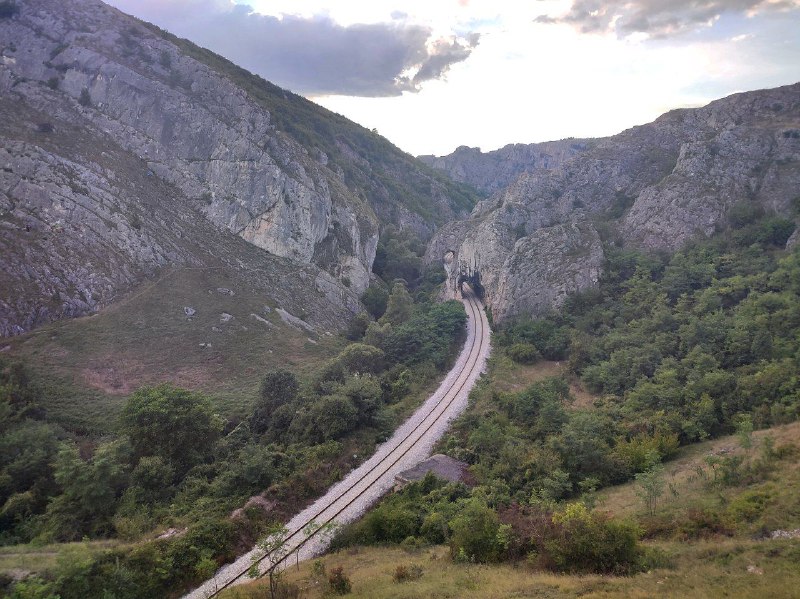
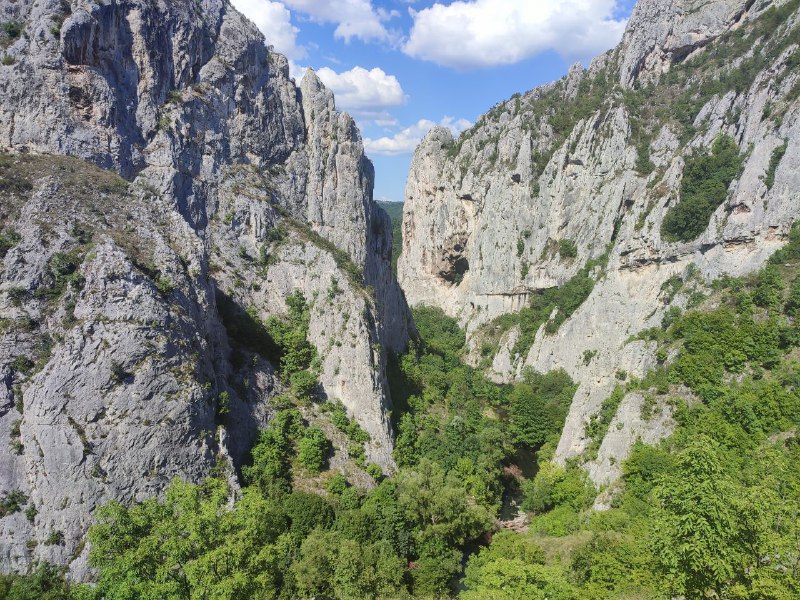
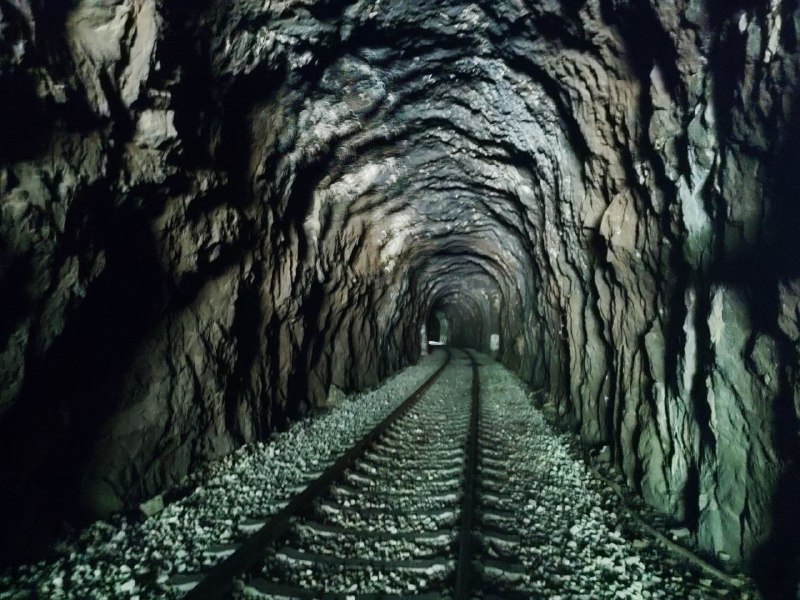
Along the way, I stopped by Nishava Gorge. A railway line runs through the mountains there (and it's still operational!). And part of the hiking route (an officially marked trail with all the proper signs) goes right along it. Including through a pretty long tunnel. Not entirely sure how you're supposed to deal with trains passing through.
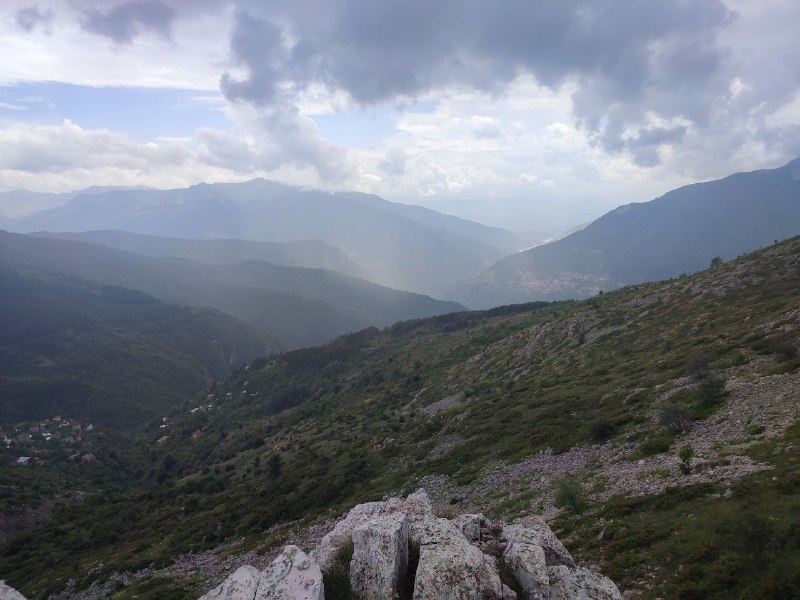
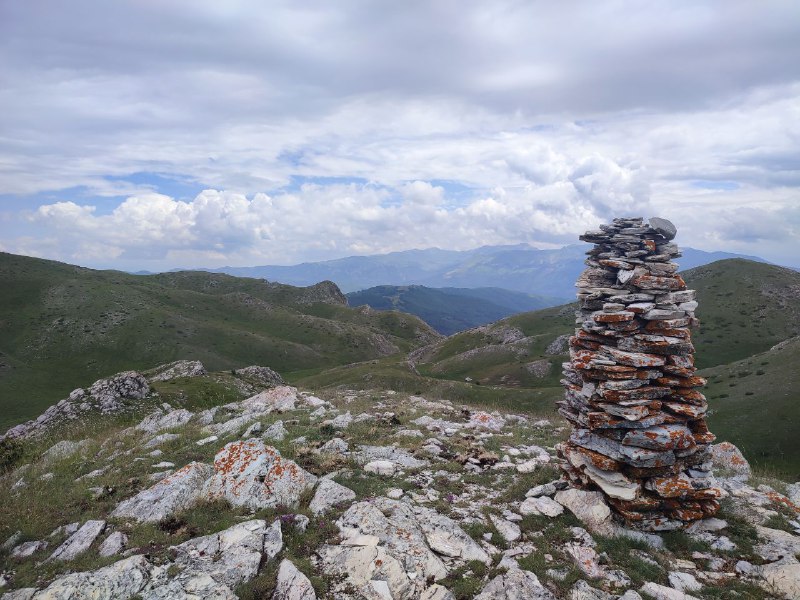
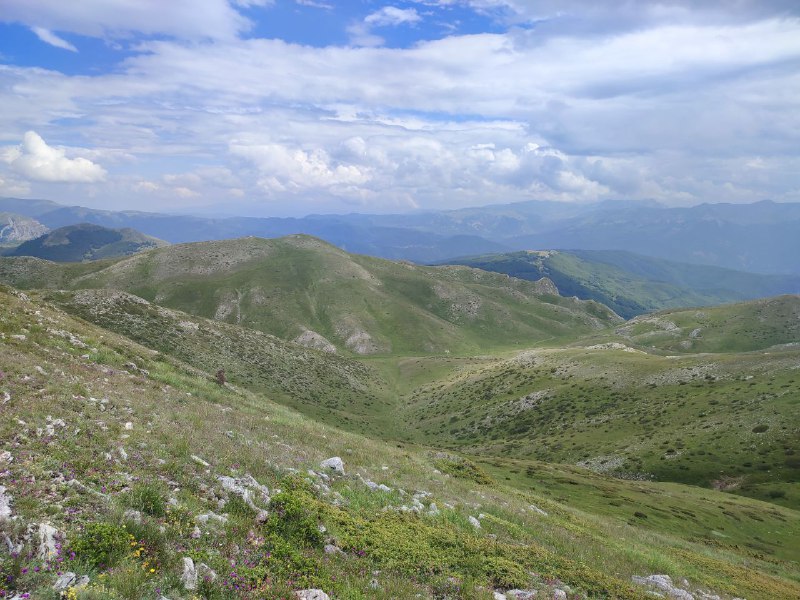
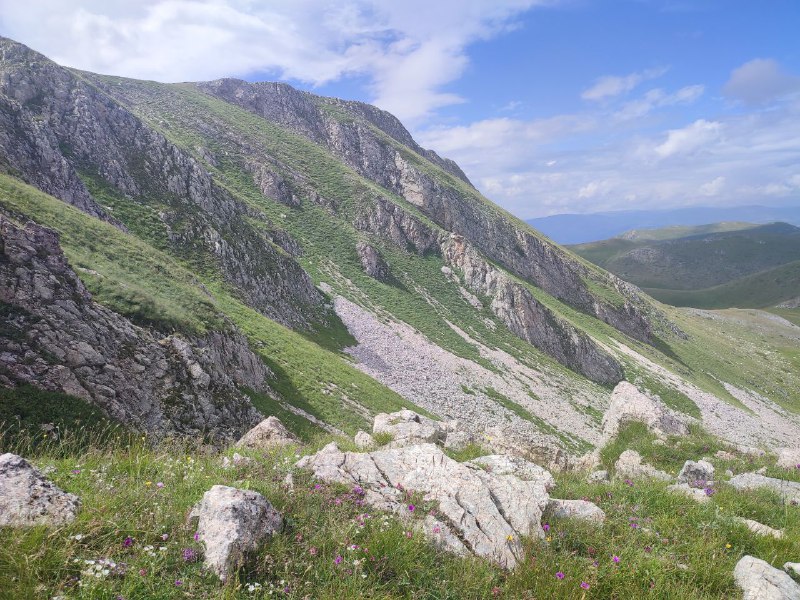
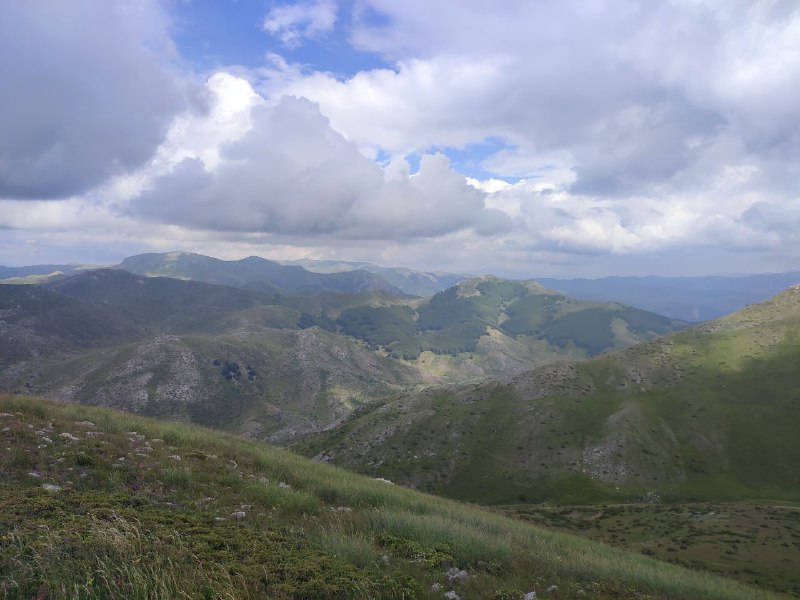
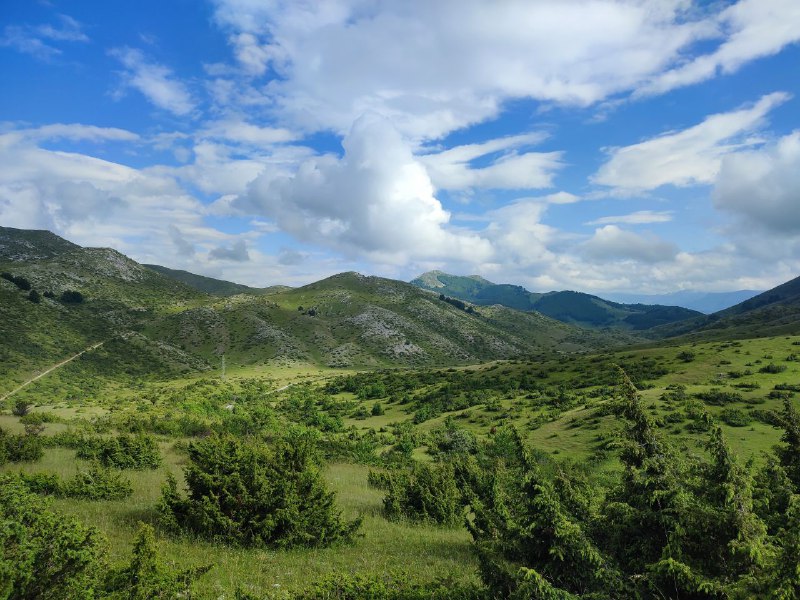
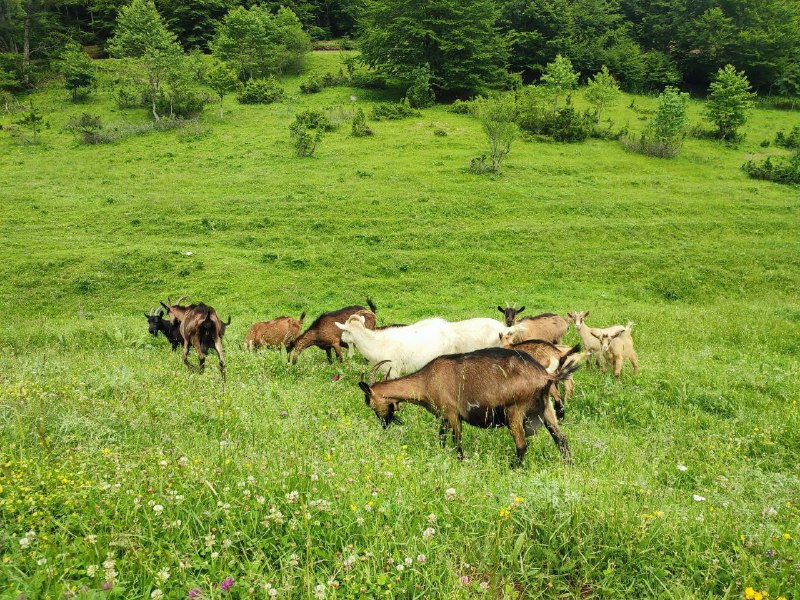
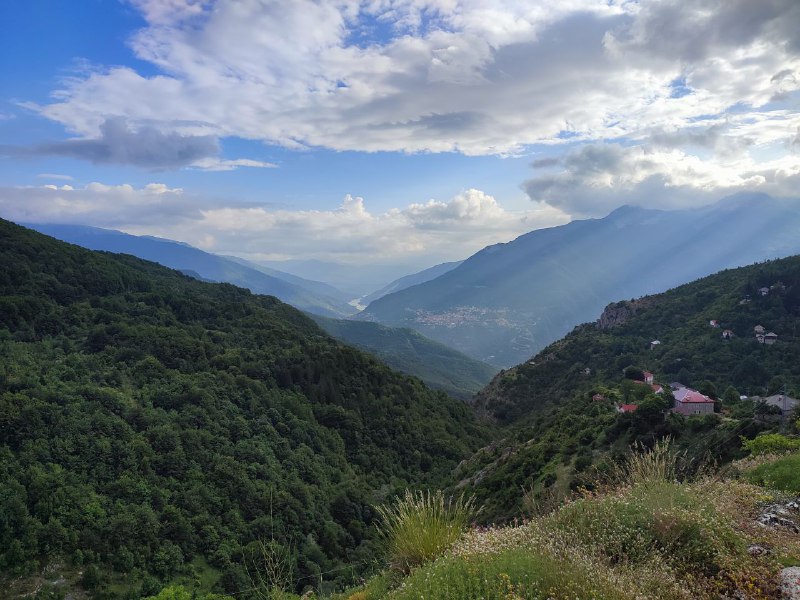
Right on the border with Albania, the Macedonians set up their national park, Mavrovo. You can easily spend 2-3 days here. The park is huge with tons of trails, hills and mountains for every skill level – and it's absolutely beautiful.
The staff at the info center were super helpful. They gave me detailed advice on which trails to take and which to avoid. They mentioned that over 200 bears live in the park, while all of Slovenia only has about 600. So you need to be careful on the more remote trails. That said, there haven't been any documented bear attacks on people.
A night rain messed up our plans, so we ended up taking a different route than we'd originally planned. Looks like we'll have to come back! :)
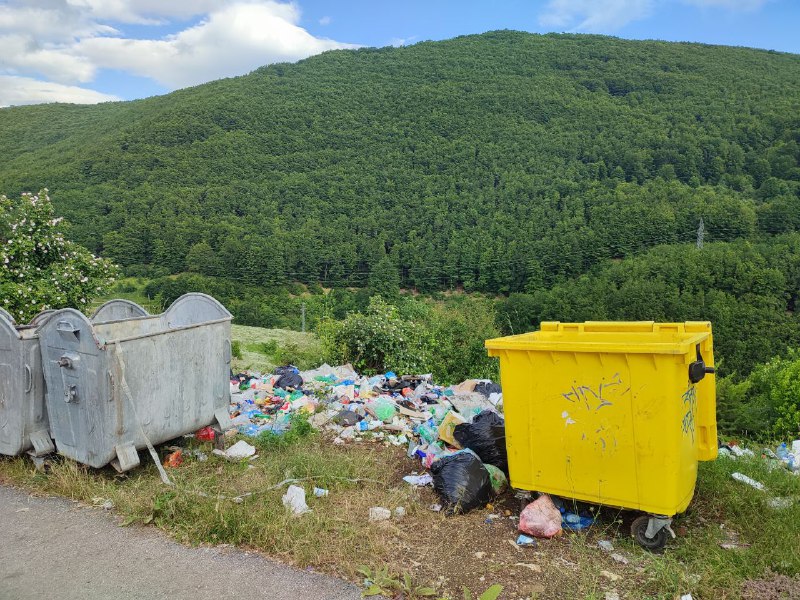
Overall the park is wonderful, but along the roads it gets pretty messy in spots. People literally throw bottles and chip bags out of their cars. The trails themselves are clean, but walking along the highway you just feel 😢
And get this – when I drove through the toll booth, I watched the cashier toss a piece of paper out of their window onto the street. Like it was totally normal. Why would you do that? :(
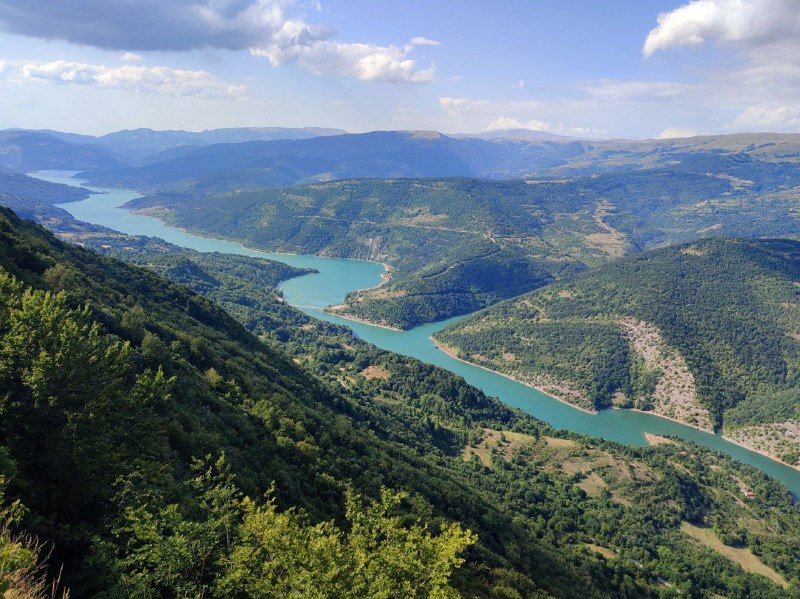
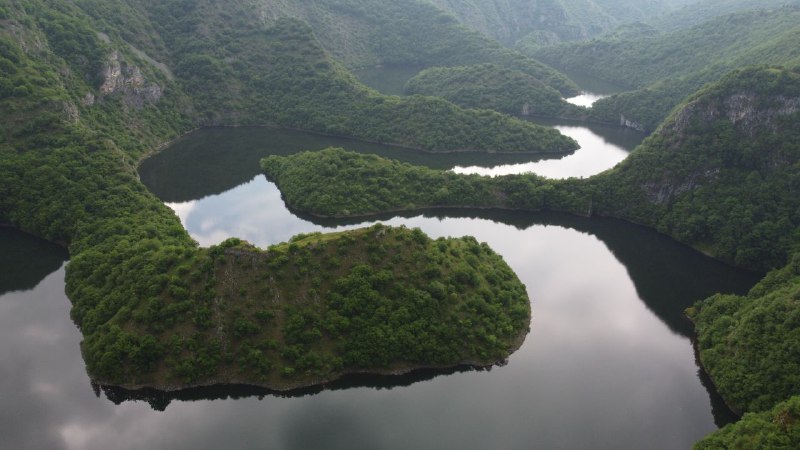
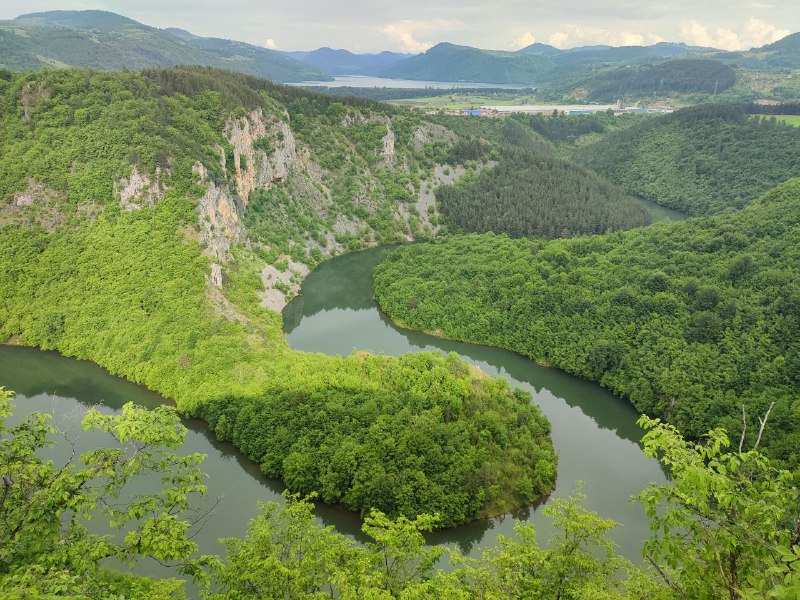
I've been wanting to get to the
Uvac River meanders for a whole year, but it just never worked out. Finally, I'm here.
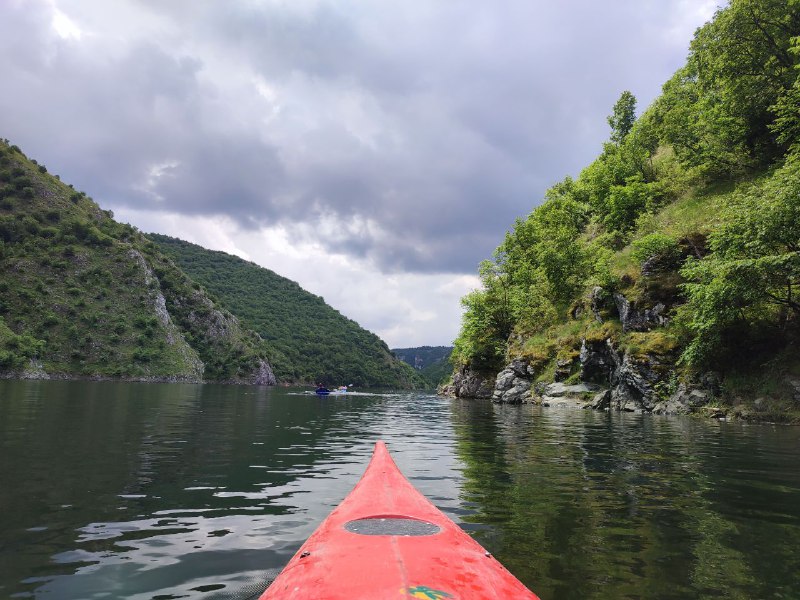
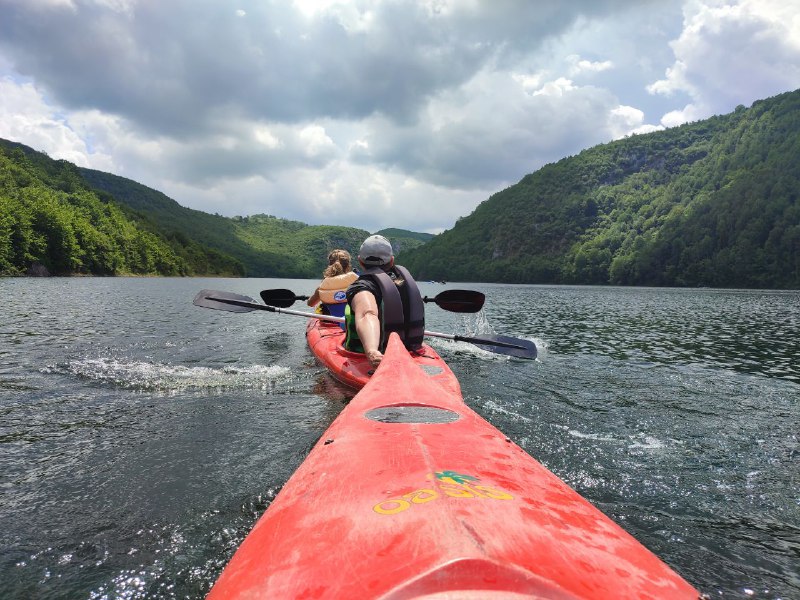
You can drive to the viewpoint with the best views, but that's boring. So we decided to kayak instead. Just 8 kilometers on the water, a short climb, and stunning scenery.
The plan was solid, but there was a misunderstanding with the guys renting us kayaks: they initially said it was just 2 hours of paddling and then walking back. But it turned out they meant something completely different—we had to kayak back to the starting point too (because it's 35 kilometers on foot). Nobody was mentally prepared for another 8 km on the water, but we all made it.
Looking back, they communicated with me by email in English through a translator. But in person, we could only speak Serbian. And man, do they love taking photos with the Serbian flag—you can't stop them (:
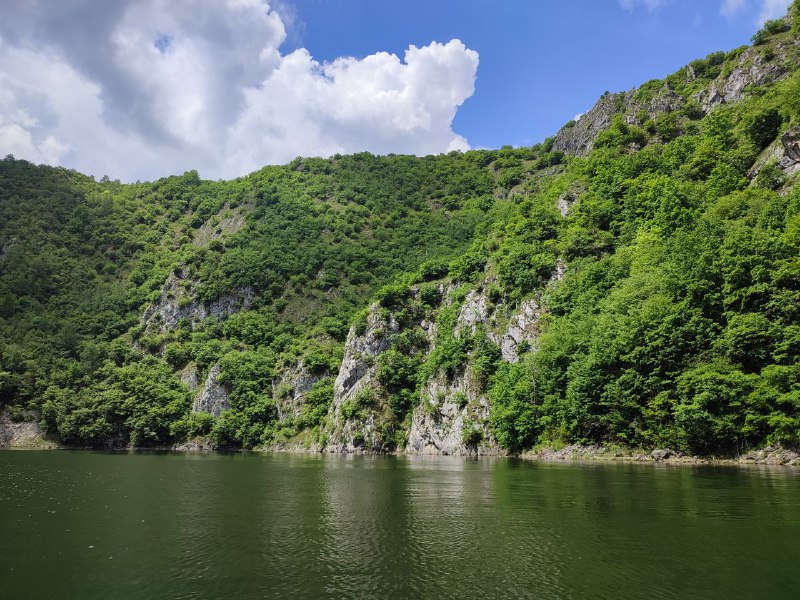
The views are absolutely mesmerizing. On the way back, we got caught in some light rain, but the river water was noticeably warmer than the rain, so it was actually nice. Everything turned out great. Highly recommend!
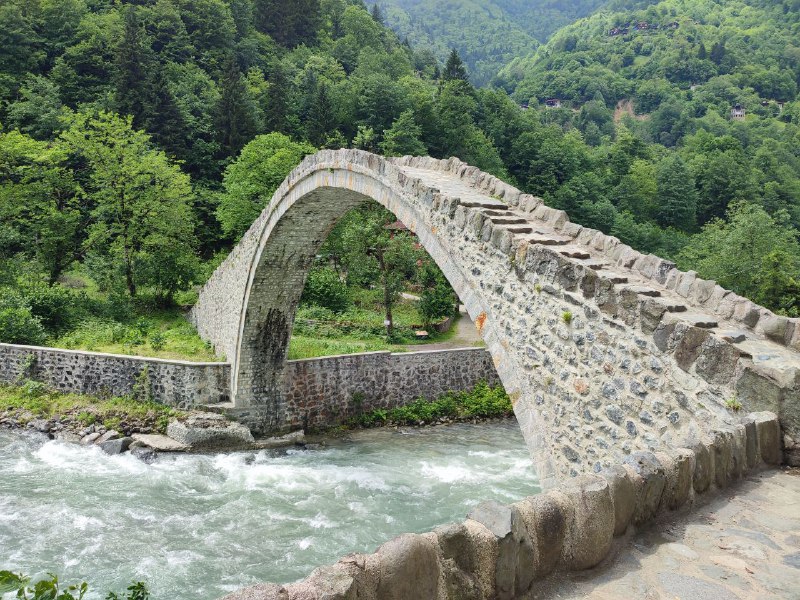
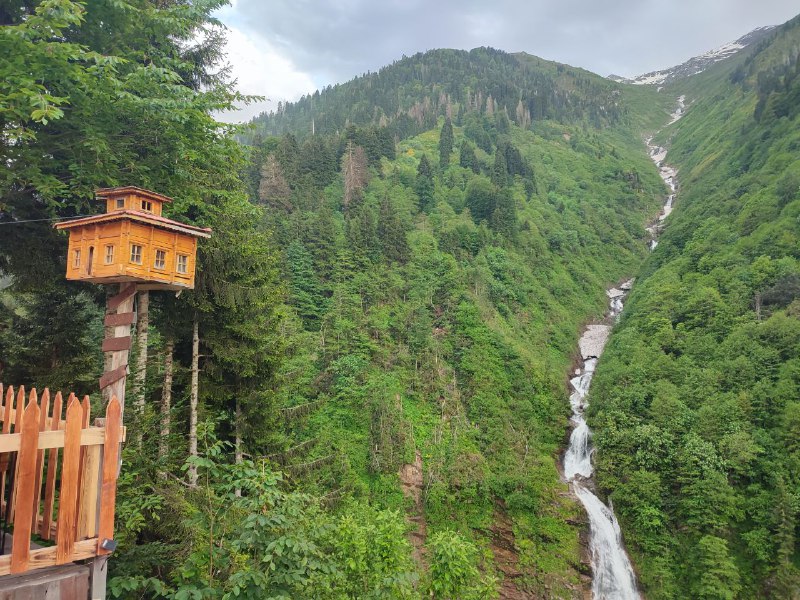
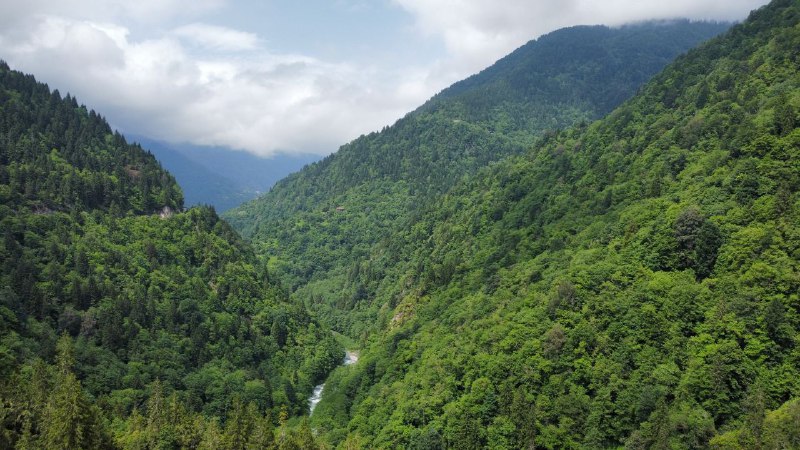
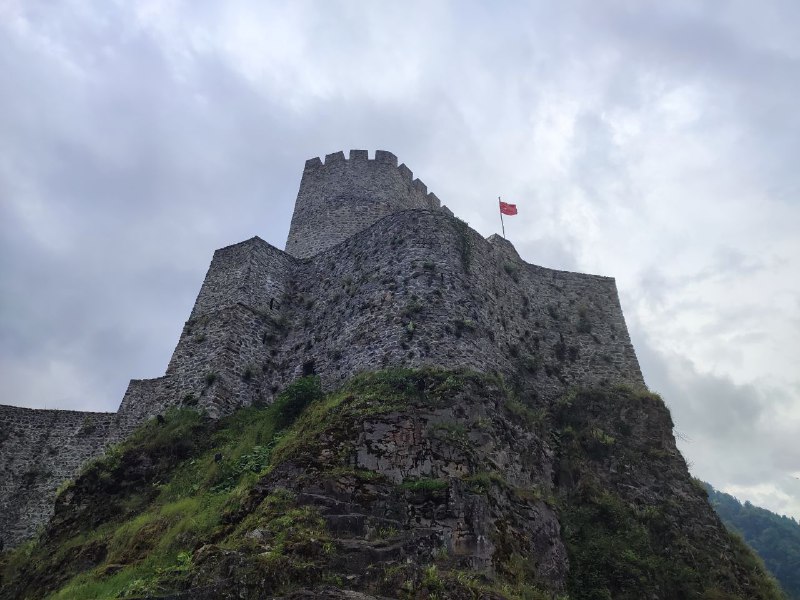
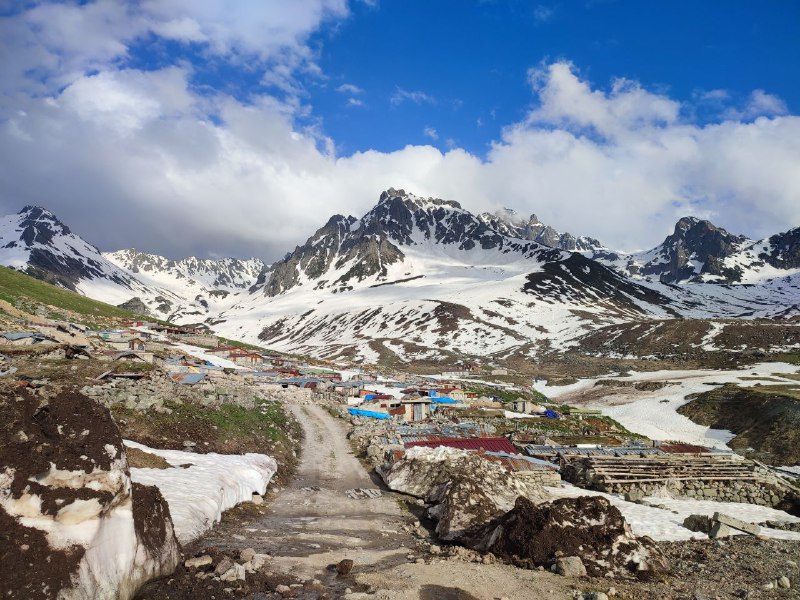
I discovered this amazing Turkish valley called Fırtına. It immediately reminded me of Bosnian landscapes: a gorge running along a river, little villages with minarets, Ottoman bridges, and absolutely stunning nature — it's incredibly similar. The only difference is that the Turks threw in some snow-capped mountains too.
The road isn't always perfect. There was one spot I didn't feel confident enough to drive to, even though minibuses were coming back from that direction with people in them. I didn't want to end up needing a tractor to pull me out if something went wrong, so I turned around halfway and crossed that point off my list. But you can reach all the really interesting places without any issues.
There are tourists around, but not a huge number. Still, there's enough traffic to support cafes, hotels, and a bunch of ziplines. While I was driving between different spots, I kept running into the same people over and over. It was pretty funny.
You can definitely check out all the highlighted spots on
Çamlıhemşin in Google Maps and you'll have a great time.
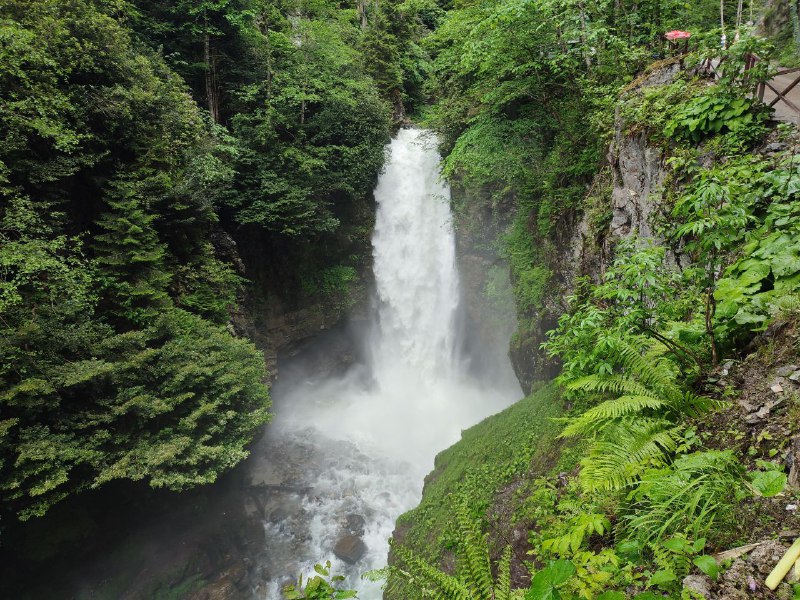
And here are the
waterfalls.
What I love about Bosnia is the roads. They're terrible and beautiful at the same time.
Most of the route in practically any direction consists of exhausting switchbacks. If the GPS says the next 200 kilometers will take 4 hours, it's not lying—it really does take that long.
But the views are so stunning that you want to stop every hundred meters (:
PS. The insanely emerald color of the water isn't because the camera went crazy—it really looks like that in person.
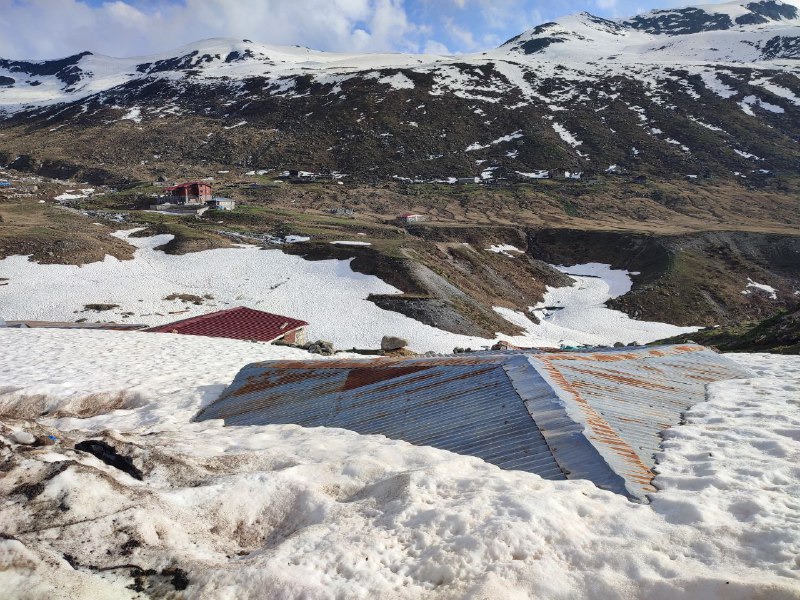
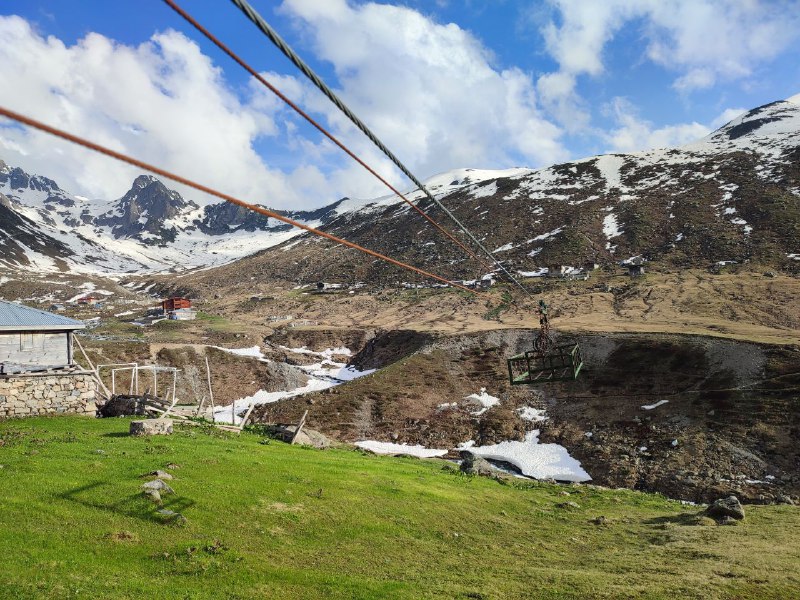
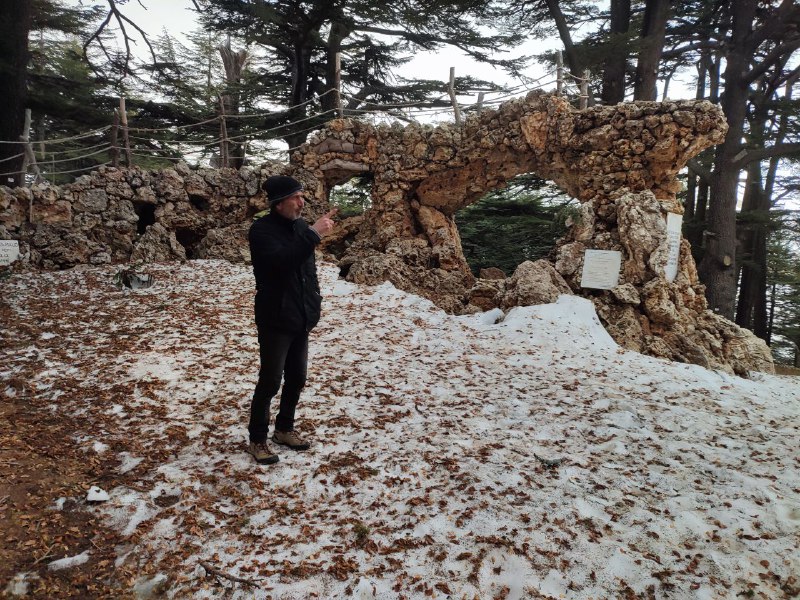
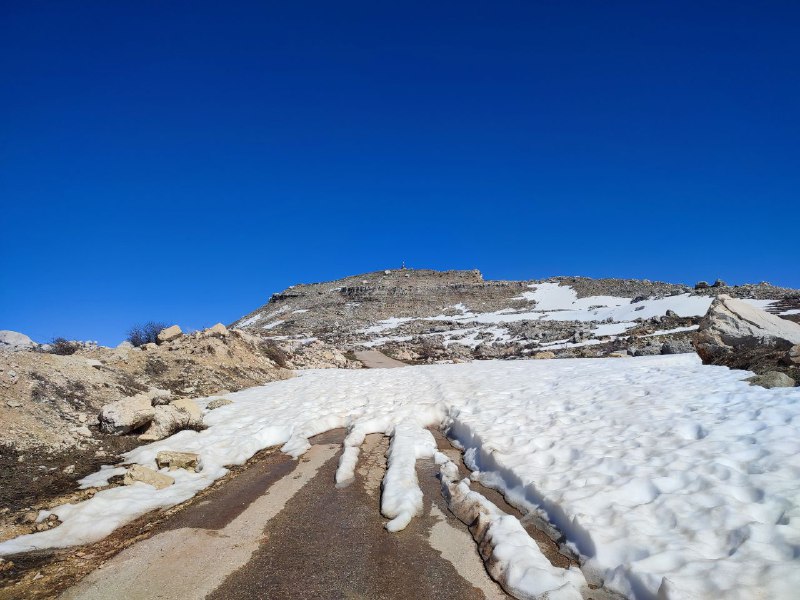
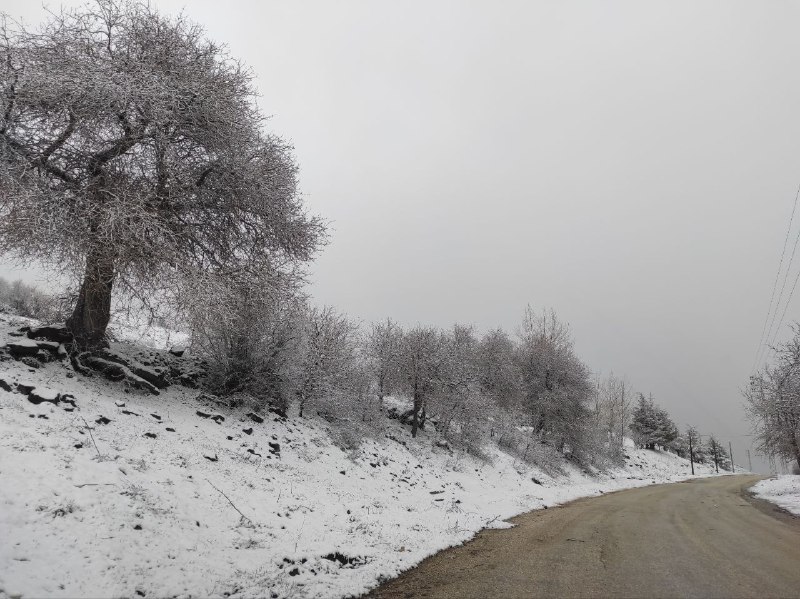
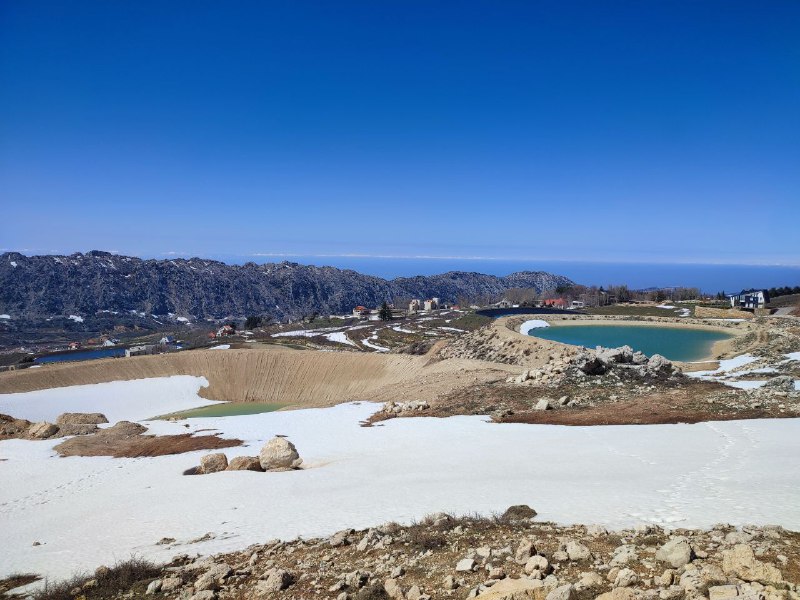
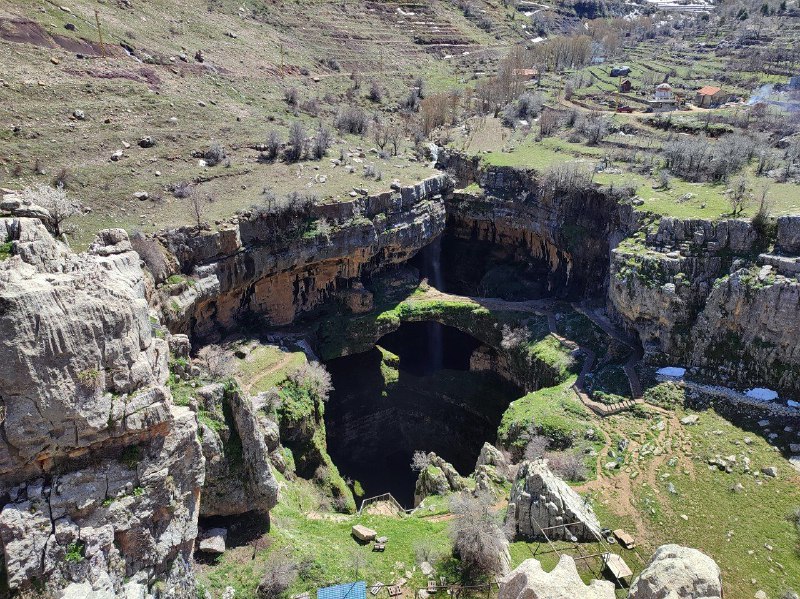
Just a 40-minute drive and the warm coastline turns into cold Lebanese mountains. I clearly arrived before peak season and unexpectedly found myself stuck in snowdrifts. In a couple of spots, I even had to find detours because the road was completely buried in snow. Lost a couple of hours to that.
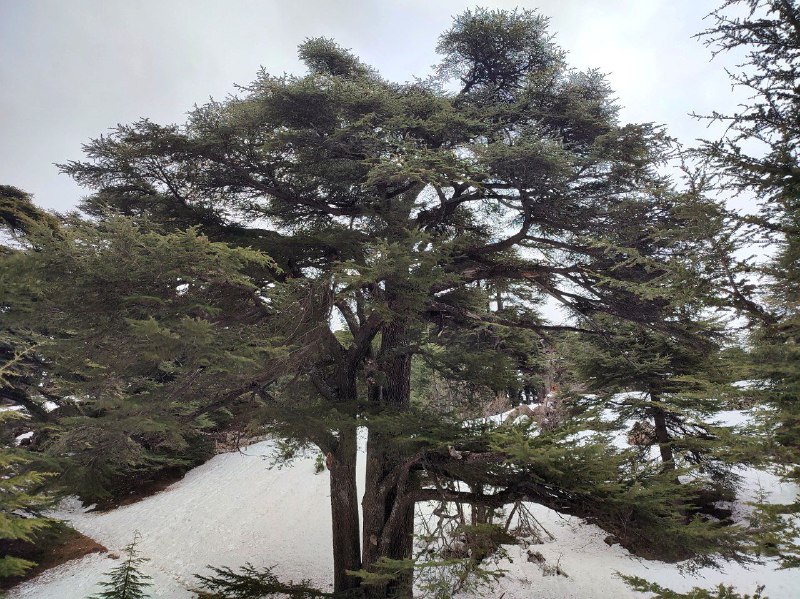
The divine Cedar Forest (that's literally its name) turned out to be closed because of the weather. The forest is surrounded by a stone wall (thanks to Queen Victoria of England) and you can't just walk in. It's frustrating to show up at a closed door at one of the most famous spots in the country.
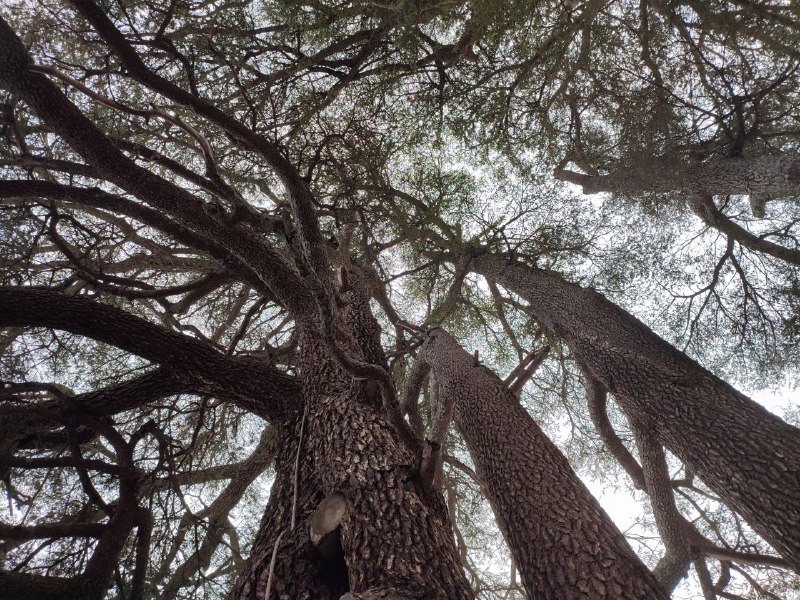
But I got lucky: there was a souvenir shop right by the entrance that was open. The owner figured out what was going on and asked conspiratorially: "Want to get inside? 😉". After I said yes, he led me along hidden trails and I actually got to walk among thousand-year-old trees.
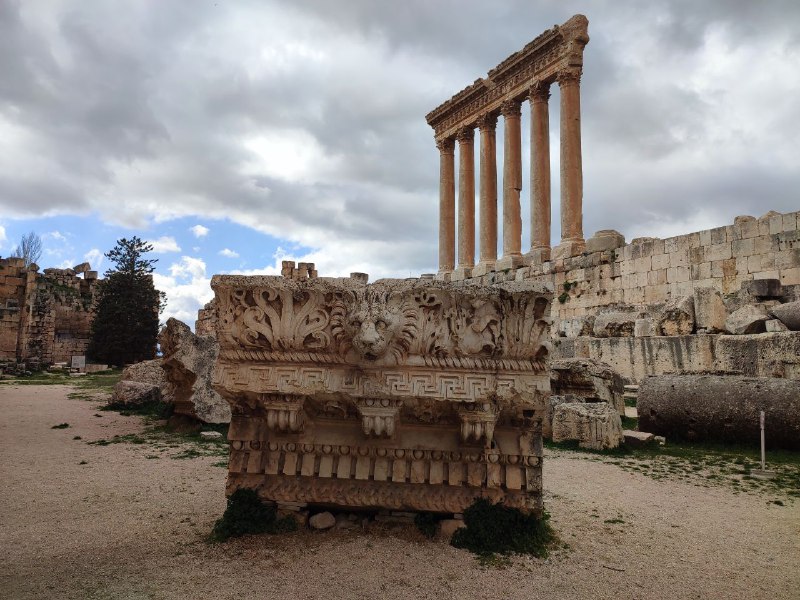
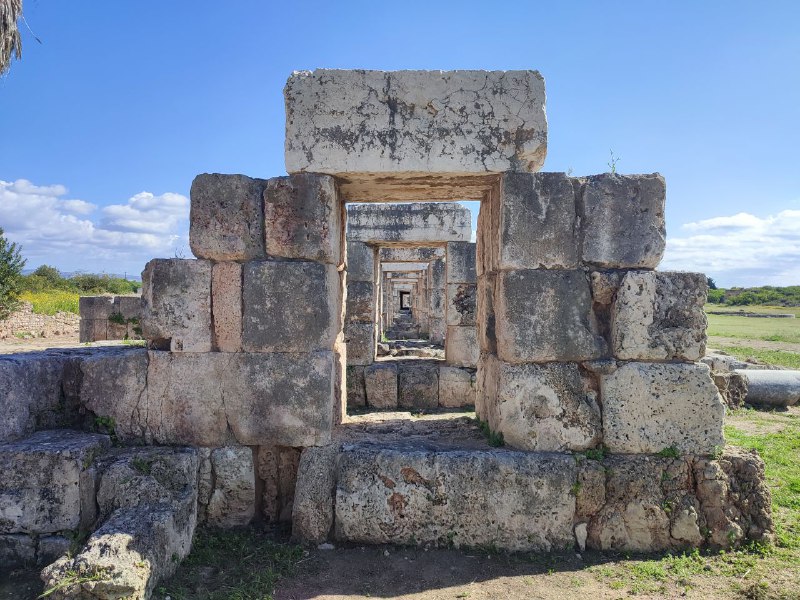
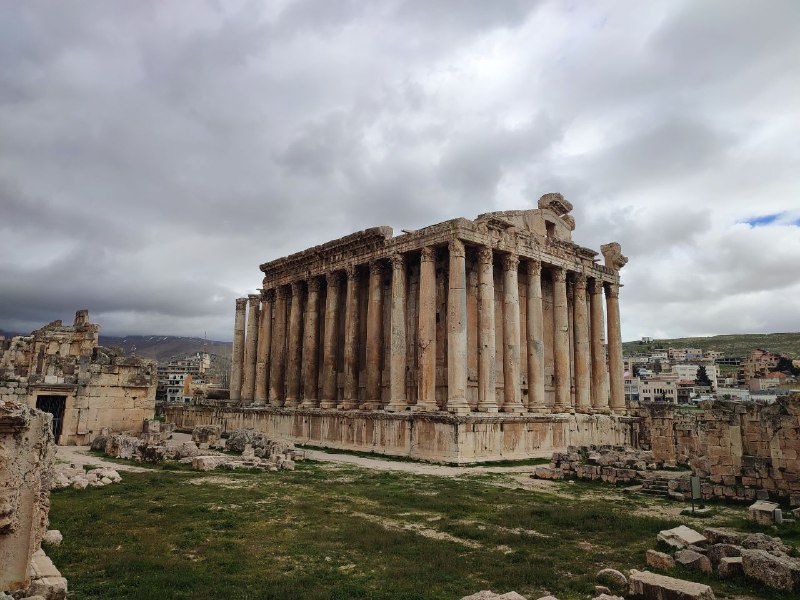
PS. Since we're talking about millennia, the sheer number of Roman structures in Lebanon that have survived to this day in pretty good condition is mind-blowing. As is the fact that you can just walk around them without any fences or barriers. Probably because there aren't many visitors.
 United Kingdom3
 Serbia100
 Bosnia and Herzegovina54
 Turkey42
 United Arab Emirates3
 Brunei2
 Indonesia12
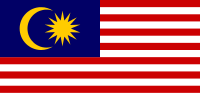 Malaysia15
 Argentina16
 USA117
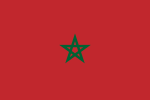 Morocco5
 Georgia5
 Egypt16
 Hong Kong8
 China4
 Vietnam9
 Tunisia7
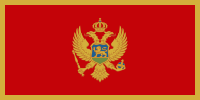 Montenegro9
 Philippines12
 Singapore10
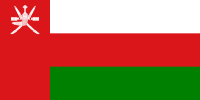 Oman12
 Algeria12
 North Macedonia5
 Lebanon11
 Israel27
 Albania17
 Russia63
 Tanzania50
 Netherlands7
 Spain14
 Latvia2
 Germany7
 Belgium3
 France27
 Kazakhstan32