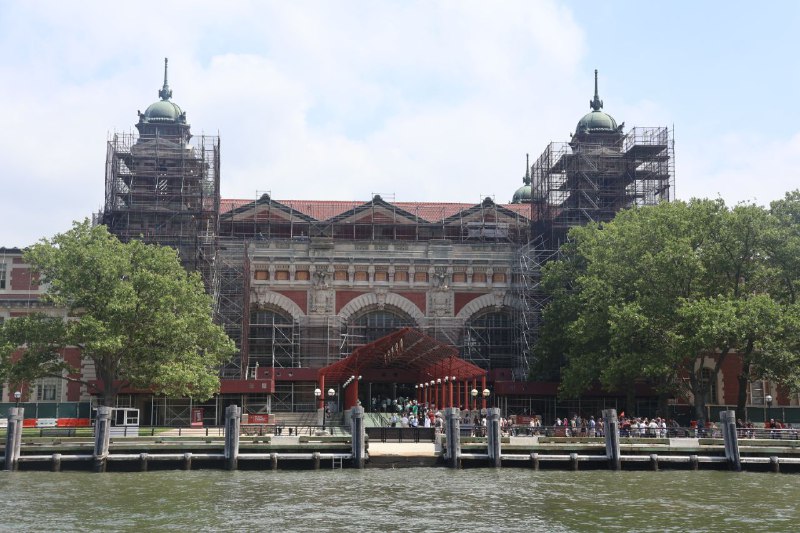
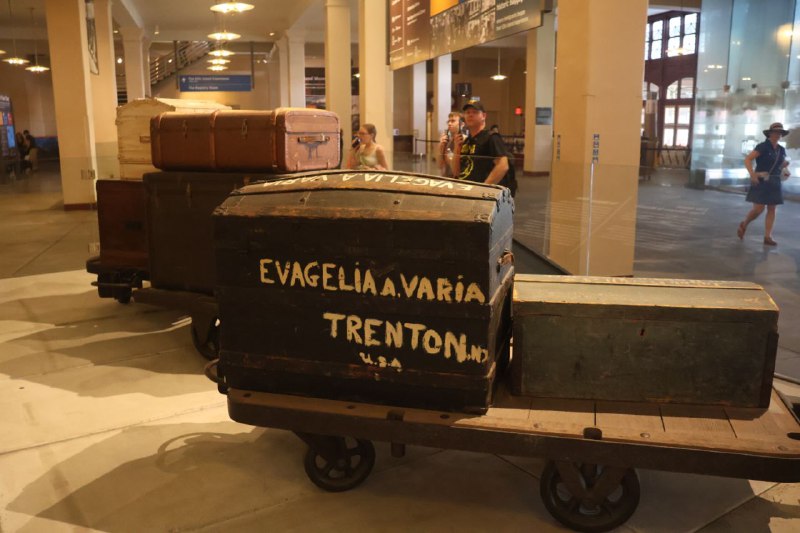
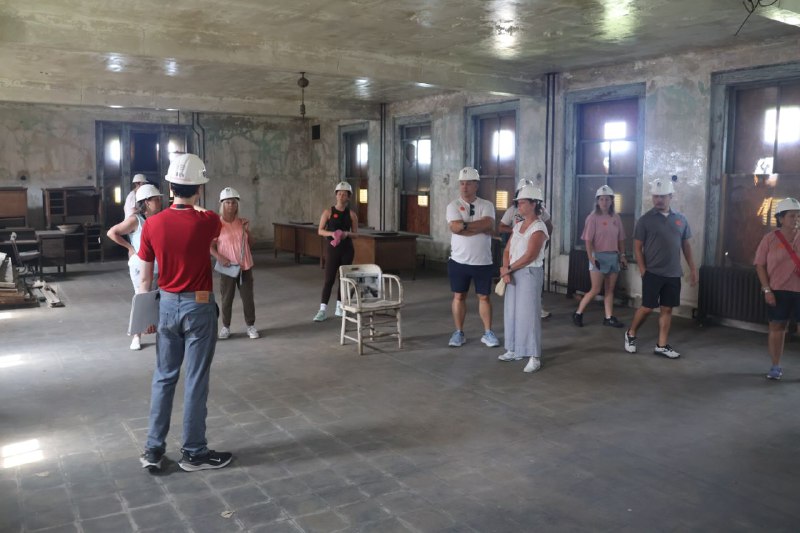
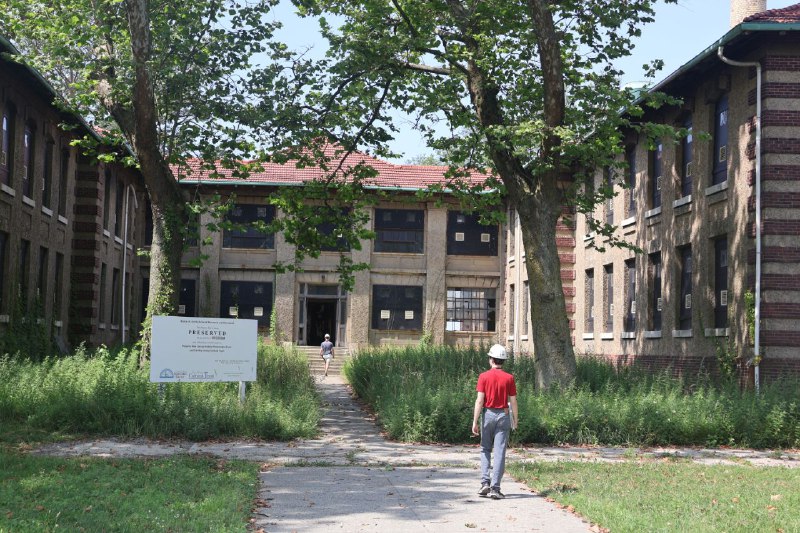
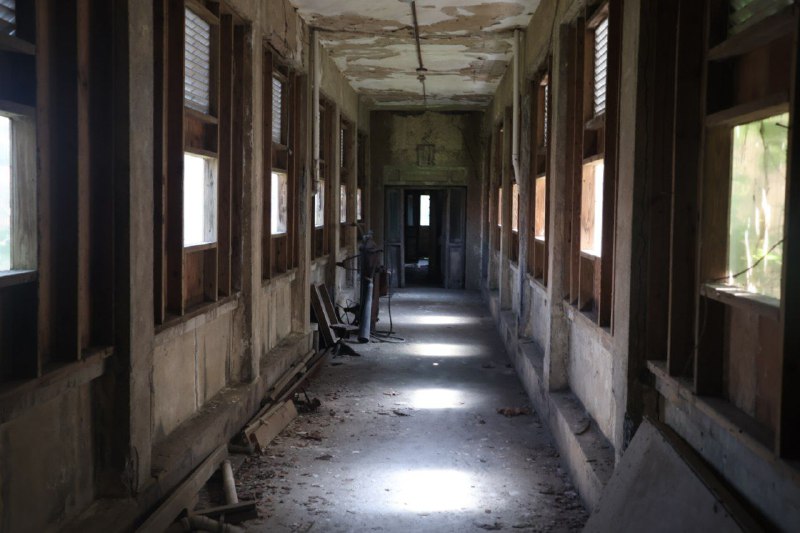
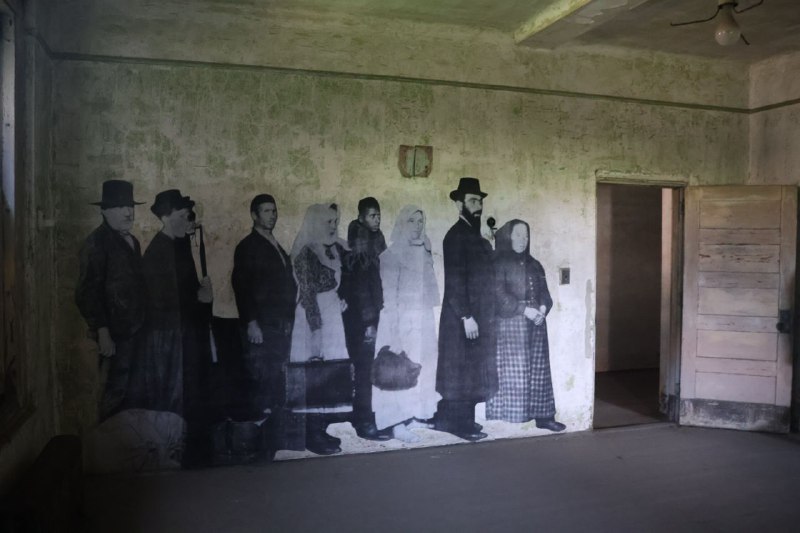
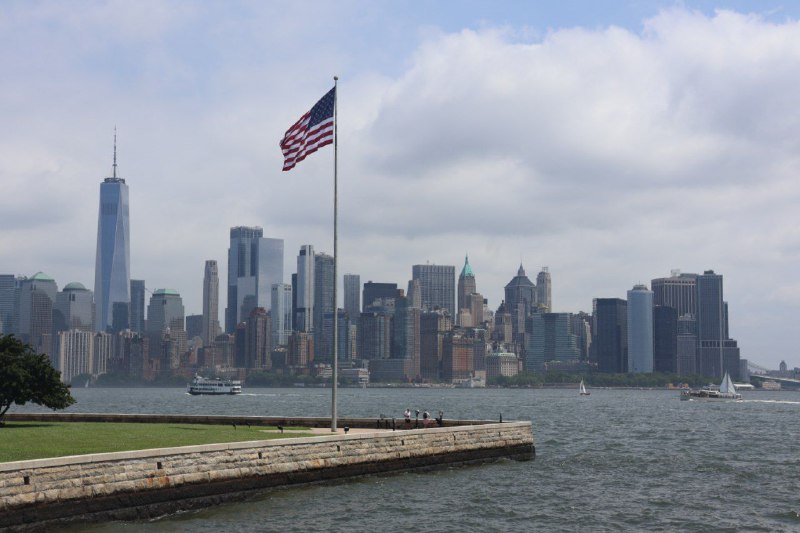
Finally made it to Ellis Island in New York. From the late 1800s to the mid-1900s, nearly half of all immigrants coming to the US entered through this island. Back then, almost everyone traveled by sea, and ships would dock here. First and second-class passengers were usually disembarked earlier, directly in Manhattan. Everyone else was sent for mandatory medical screening on Ellis Island. They were primarily looking for viral diseases. If there was any suspicion, people were isolated in the hospital, and it's through this hospital's buildings that tours are conducted.
Those with incurable illnesses were sent back at the carrier's expense. If it was clear that someone wouldn't survive the return journey, they'd be kept in the hospital. There was a special ward with the best view of the Statue of Liberty for such people. But no one stayed for long. Mental illness also often resulted in deportation, though there weren't clear criteria for this.
Children presented a separate challenge: if parents were healthy, only the sick children would be kept for treatment. In some cases, this could last several months. Then they'd work out the logistics of reunification. Despite all the complexity, there were no notable cases of anyone getting lost.
For Americans, there's a special attraction here—trying to find relatives who entered the country through this port.
Under US law, plants can't own property. But every rule has its exceptions.
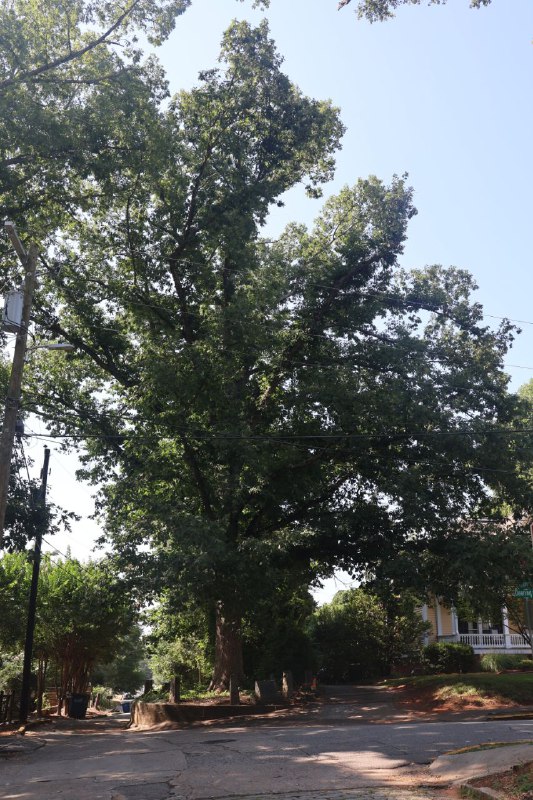
About an hour from Atlanta, in Athens (where I started to seriously question whether I was driving through the States or Europe) there's
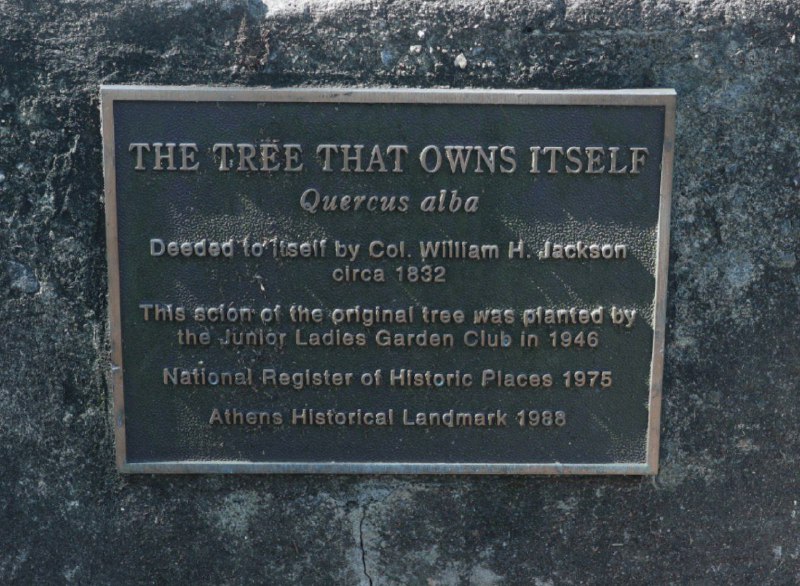
a tree that owns itself. According to legend, in the early 1800s, a local university professor named William Jackson really wanted to protect his beloved oak tree after his death. So he drew up a deed transferring the land to the plant. And for several decades, everyone just forgot about it. Until 1890, when the whole situation surfaced in local newspapers.
After the publication, residents were so moved by the story that they unconditionally began to believe the tree actually owned itself. The city administration then weighed in, saying that while this doesn't exactly line up with the law, we can't go against public opinion. Although no one ever actually saw the deed itself. Researchers lean toward the theory that it was lost, if it ever existed at all.
In 1942, a storm knocked the tree down, and the spot sat empty for four years until a girls' gardening club decided to plant a replacement there. Some Athens residents at the time had been growing trees from seeds of the original oak. They transplanted one of them to the historic location. Even a pastor came to say a prayer. The newcomer was declared the son of the self-owning tree, and they began to believe the rights were inherited.
By the way, this isn't the only case like this. A similar
story happened in Alabama, but it started later and there have been more generations since then.
Atlanta's city parks are really awesome. The
botanical garden this year has Alice in Wonderland as its main theme, and they did a great job recreating scenes from the story. Though they're charging $30 just to get in.
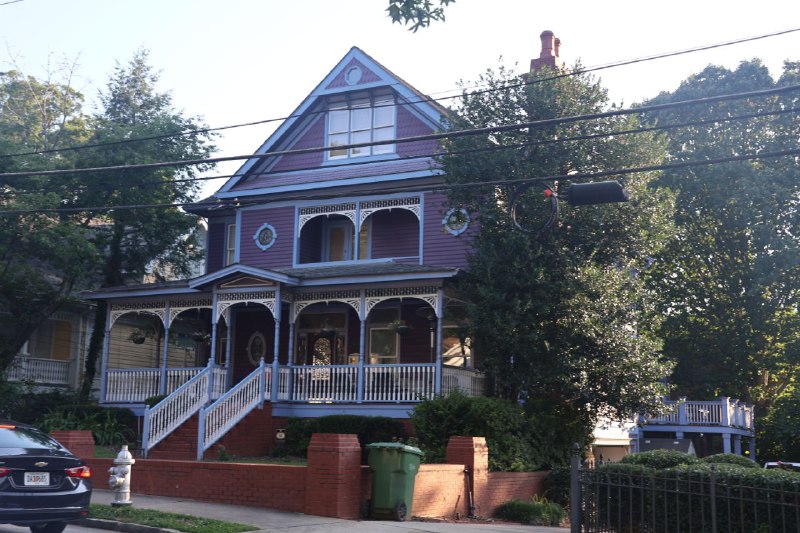
They've gentrified some of the little streets, and now they're really nice to walk around. The residential areas aren't bad either. If you stick to the good neighborhoods, it's actually a beautiful city overall. But if you venture into or even just pass through the rougher areas, what really stands out is the number of homeless people and panhandlers compared to smaller cities—though it's nowhere near New York levels. At intersections, drivers were aggressively asked for money more than once. Unlike Belgrade though, nobody actually handed anything over here.
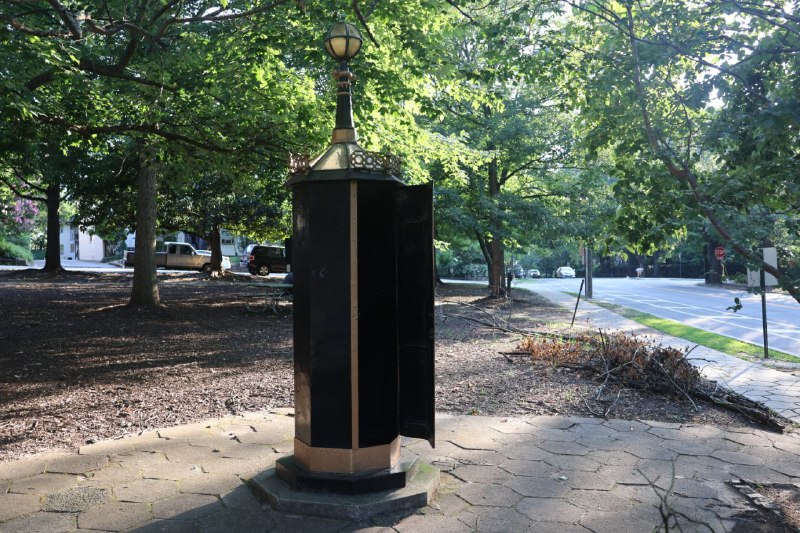
I found it interesting that until 1905, Atlanta had several one-person jails. These were these metal booths where they'd lock up offenders until a police car showed up (they called them "Black Marias" here). The black booth in the photo is one of them. You wouldn't want to spend much time in one of those in the heat, which is basically why they stopped using them. Later they sold them all off, but they recently managed to restore one back to its
historic location.
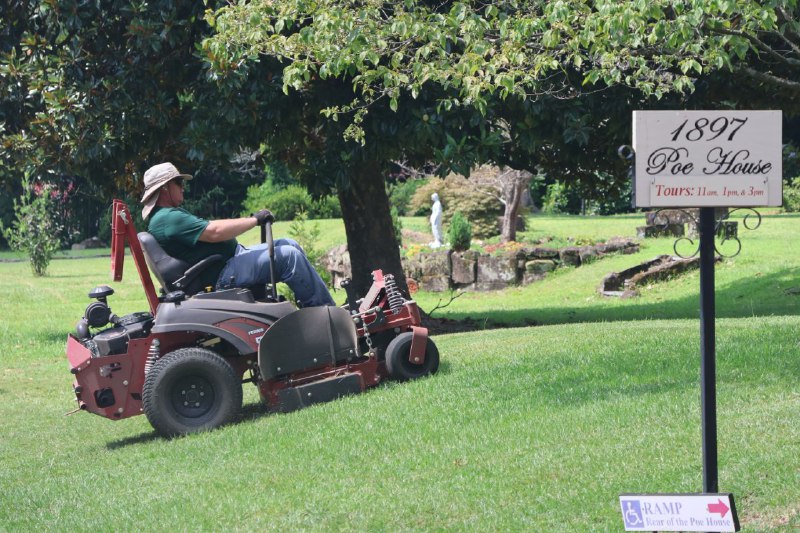
Americans love turning a simple landmark into an entertaining show. In Fayetteville, there's
Edgar Allan Poe's house. Not the writer you're probably thinking of, but a businessman—who just happens to share the exact same name as the famous author. Some visitors figure this out once they're there, though the staff does honestly try to post signs everywhere explaining that they're different people.
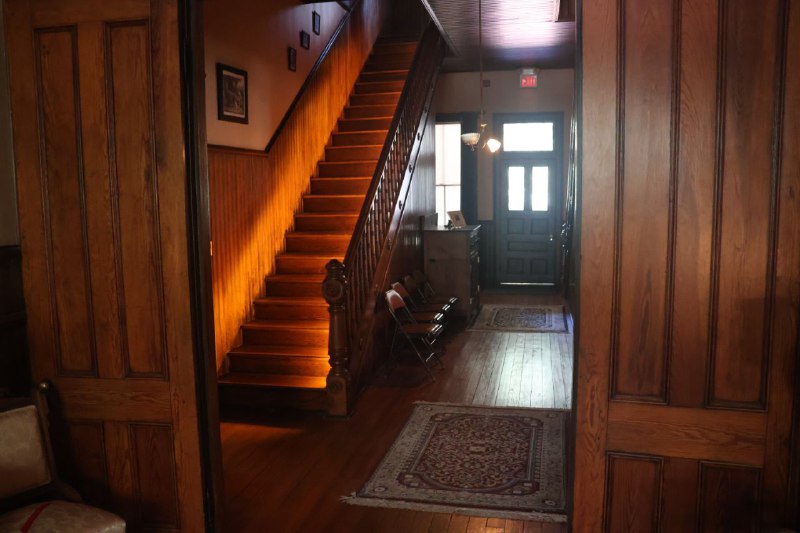
You can only go inside with a guided tour. Completely free! Though they won't say no to donations.
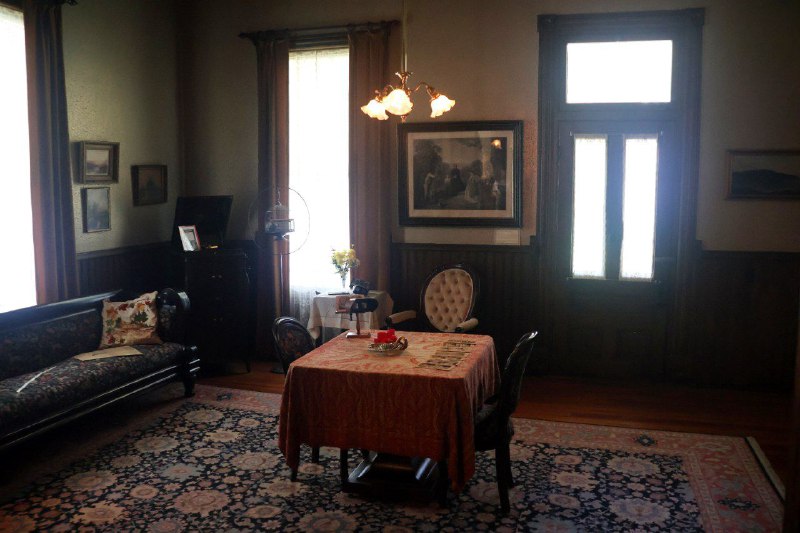
Even though it's a small town off the beaten path and not really well-known, it actually had electricity by the late 1800s (!). Sure, the owner was a well-to-do middle-class guy, but if there's nothing to connect to, that doesn't help much.
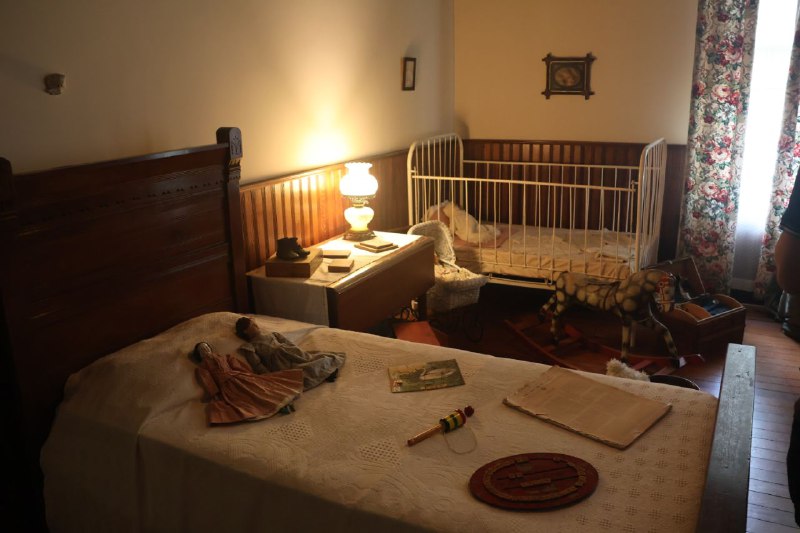
The businessman had 9 or 10 kids, and their many descendants scattered across different states. The house was sold long ago to an organization that turned it into a museum. Now the staff dreams of tracking down all the descendants and getting them together someday, but it hasn't happened yet. Apparently, almost nobody has even come to visit and see how their great-grandparents lived.
While I was traveling around the national parks in the southern states, I ended up at the
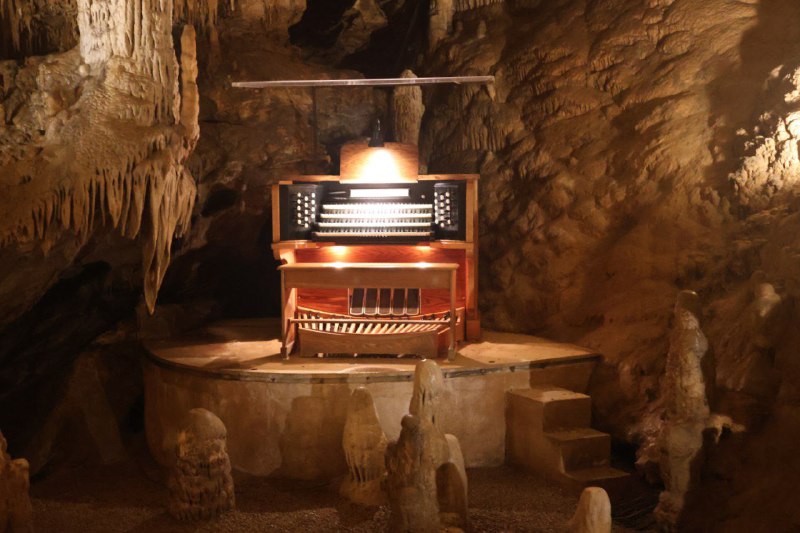
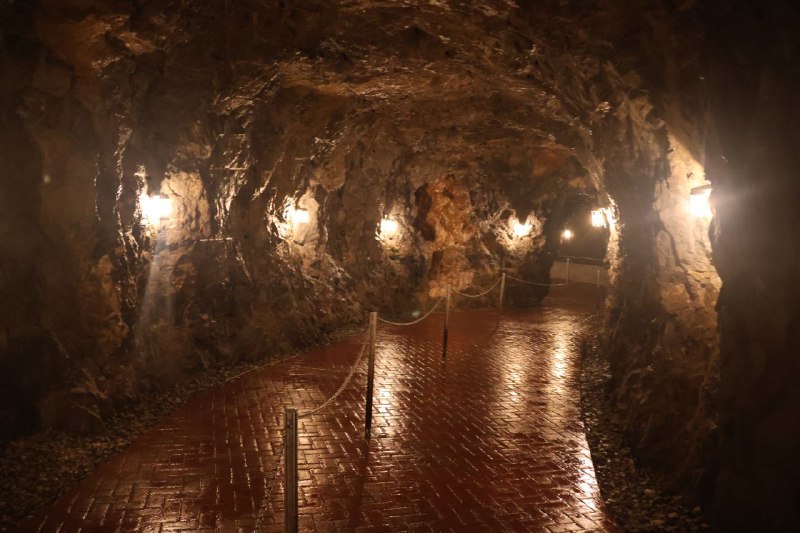
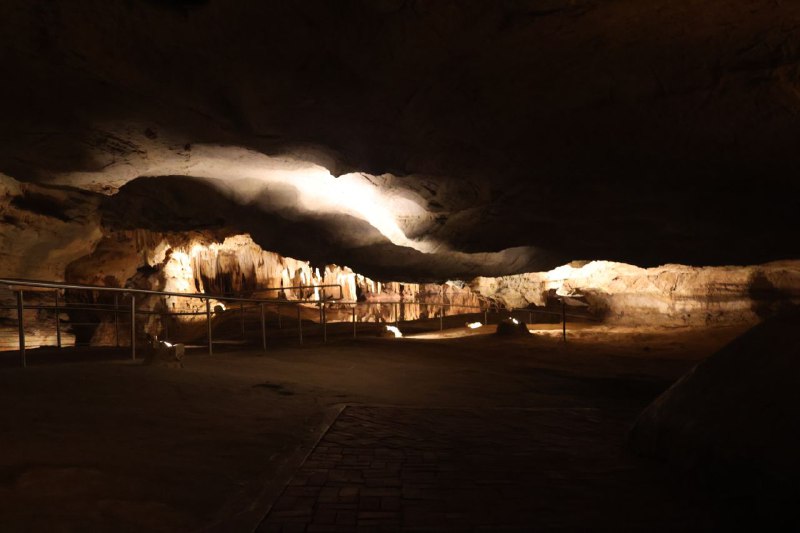
Luray Caverns. Inside there's a circular trail about 2.5km long with several levels. There were two really cool things: a lake that's literally like a mirror (second photo) and a stalactite organ.
By the way, this organ proudly holds the title of the world's largest musical instrument. A Finnish band called Pepe Deluxé even recorded a whole track for their album on it. You can listen to it
here. Even though it looks like just a gimmick to attract new visitors, you can see in the video how the hammers strike the stalactites.
According to legend, a scientist named Leland Sprinkle came here on a tour with his son. The kid hit his head on a stalactite, but the father was so impressed by the amazing acoustics of the cave that he built this contraption. When you enter the room with the instrument, the music starts automatically and you get to hear it live. Pretty cool.
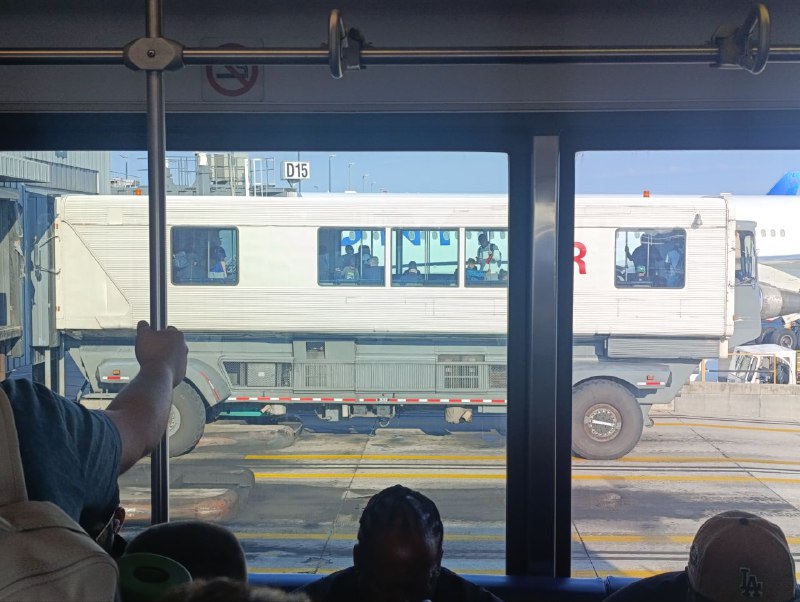
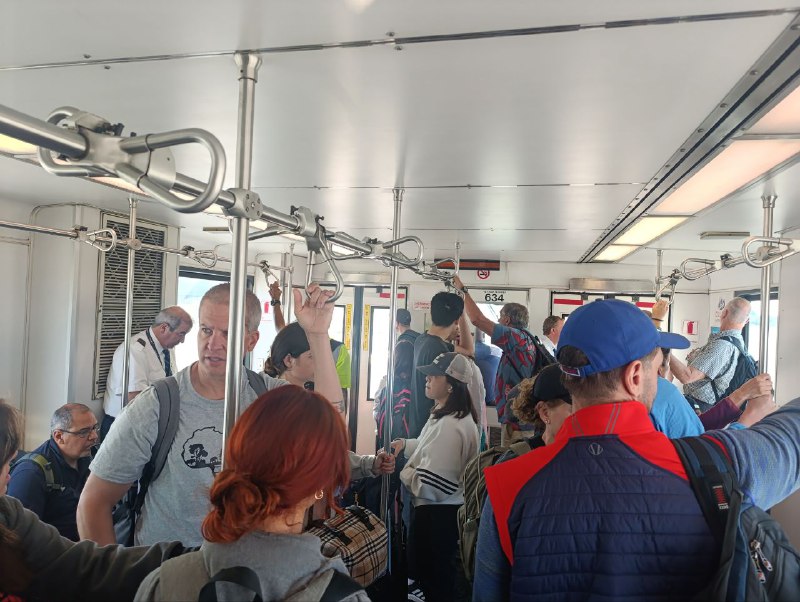
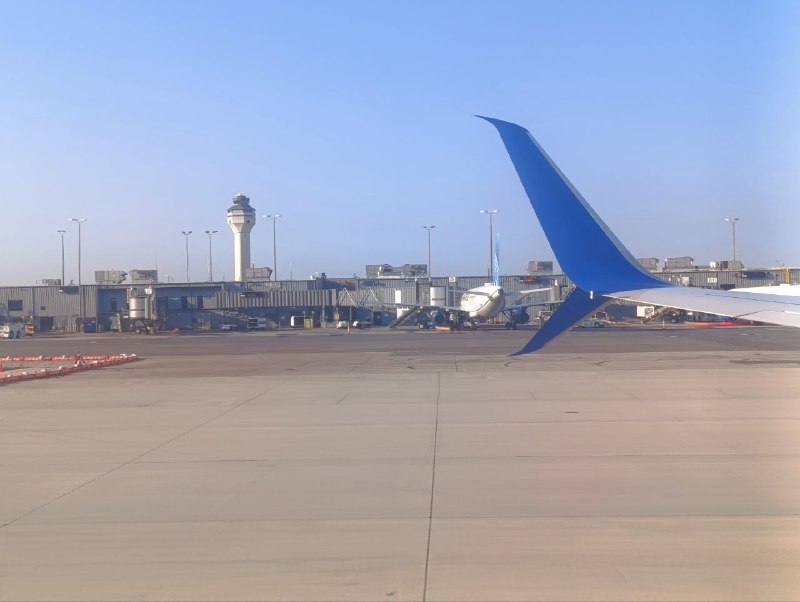
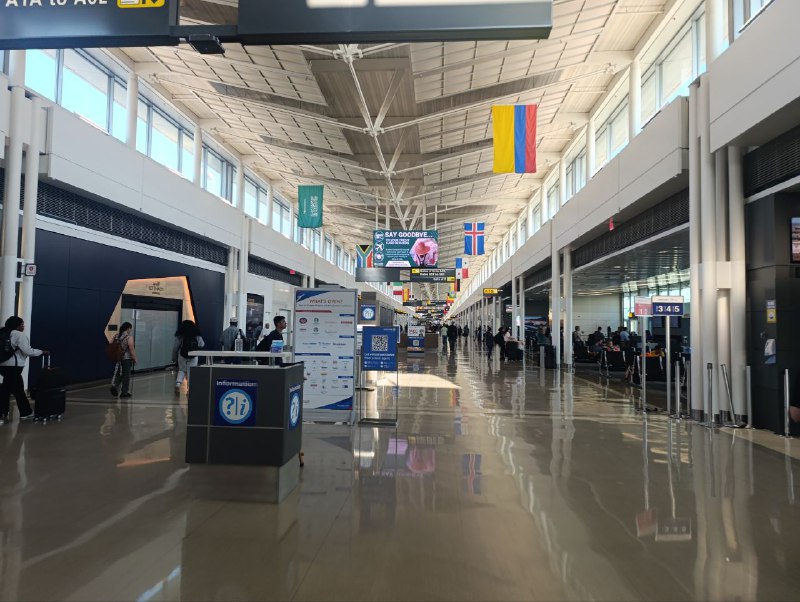
On my way to Georgia, I had a layover in Washington (IAD) and it's a really strange airport. You can't shake the feeling that you've landed at some kind of military facility—the terminals look like a jumble of barracks, everything seems thrown together in a rush. Though the airport was always a civilian one. Plus, you have to take shuttle buses to get between terminals. Very weird experience.
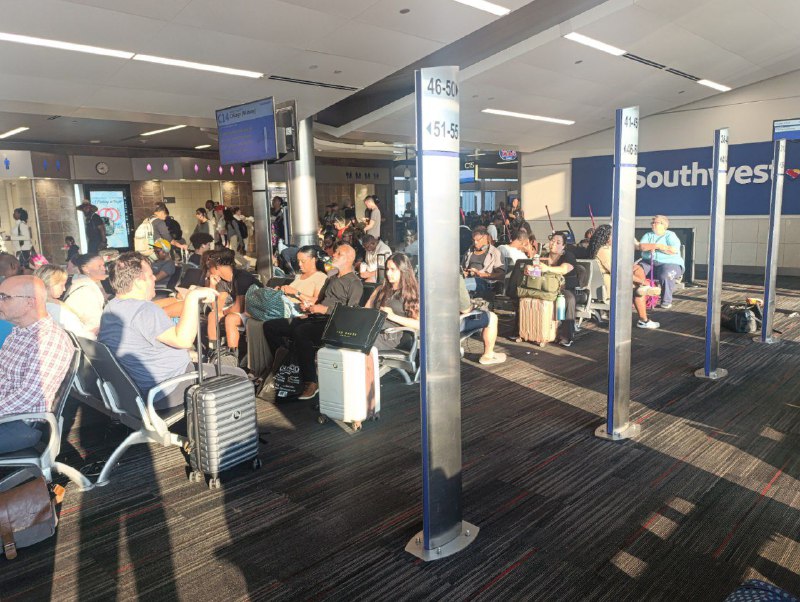
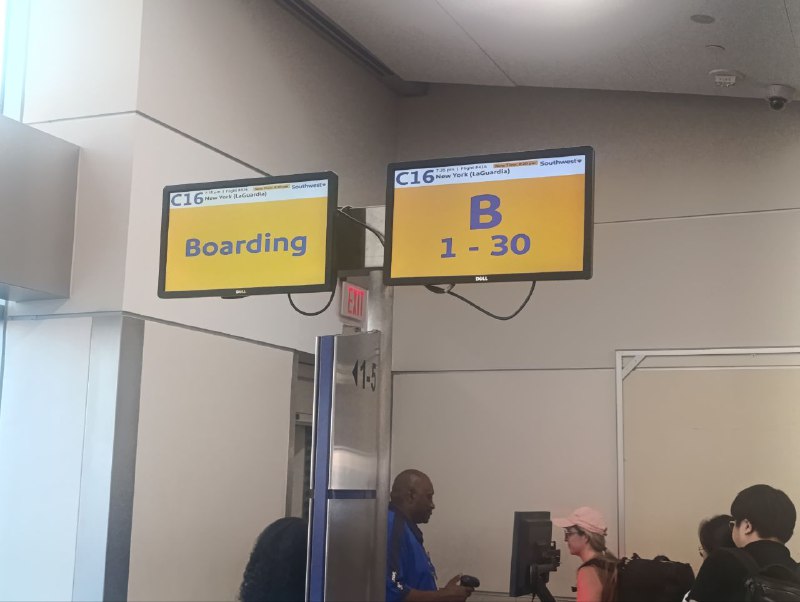
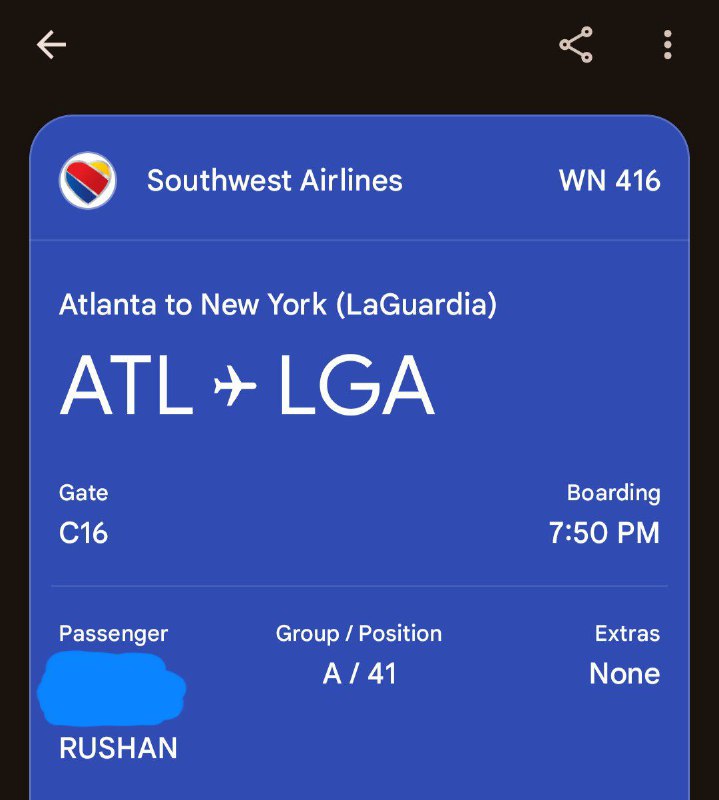
And I've flown Southwest more than once before, but I still can't get used to the fact that the airline doesn't assign seats to passengers. Your ticket has your boarding group number, and then you just pick any empty seat in the cabin. Somehow it works without any fights breaking out.
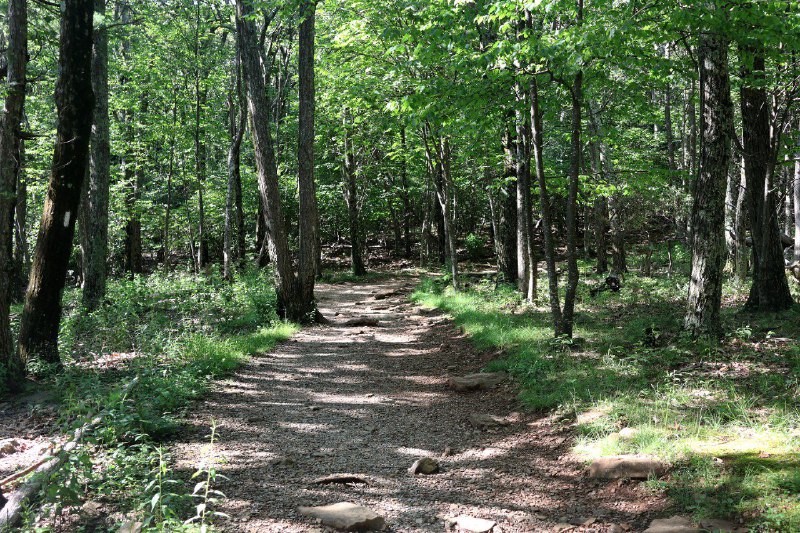
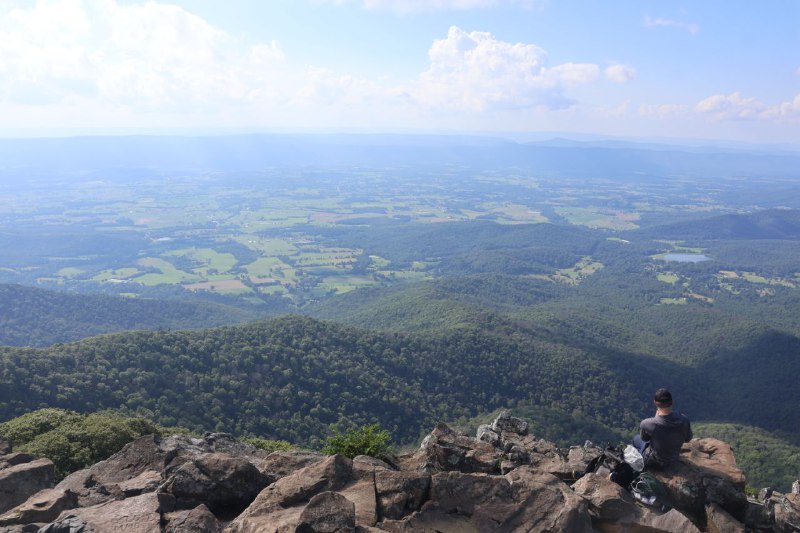
You've probably heard about the Lycian Trail in Turkey over the past couple of years. In the States, there's the
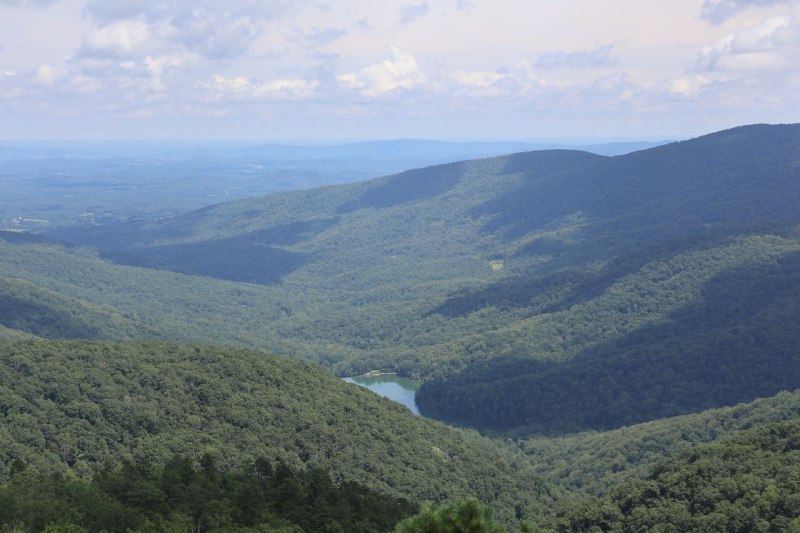
Appalachian Trail, which is more than 5 times longer. I managed to hike a small section of it. You can't find time for the entire route, but even the demo version is really great.
The trail became famous in the 1950s thanks to a woman from Ohio.
Emma Gatewood had a difficult life: a large family, regular beatings from her husband, sometimes nearly to death. On top of everything, her husband was found guilty of killing another man but wasn't imprisoned because they had 9 minor children. What humane justice existed in 1924 in the USA. Emma often went into the forest to find peace and quiet. Only by 1941 did she manage to get a divorce. Quite an extraordinary thing for those times. But her love for hiking never went away.
In 1949, Emma came across an article in National Geographic about the Appalachian Trail. It was written as if anyone could easily and simply walk all 3,500 kilometers without any special training. So the woman set off, but after a few days she got lost, broke her glasses, and ran out of food. Park rangers accidentally found her and convinced her to go back home. But her children never found out about the failed hike.
A year later, at age 67, she told her now-adult children that she was going for a walk. It didn't occur to anyone to ask how long she'd be gone. The walk lasted 146 days! From the beginning of May through the end of September. For the entire trail, she took only a shower curtain in case of rain and a backpack with a change of clothes. Local media immediately picked up the story and ran with it. Riding this wave of popularity, the woman started organizing an annual 6-mile hike in one of Ohio's parks. By the last one in 1973, 2,500 people showed up.
Emma completed the entire route two more times. At age 71 (!) and at 76 (!!). I'd love to be able to casually hike three and a half thousand kilometers at 70+.
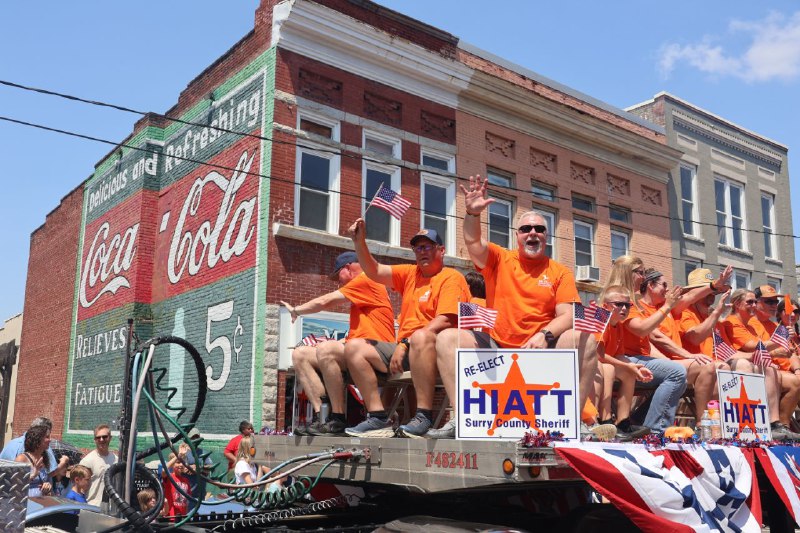
Of course, someone had the idea to use a platform like that for advertising. Even political ads. Under the same rules, if you're advertising something, you need to contribute $50 to the parade fund. Not that expensive really, considering almost the whole city is guaranteed to see it.
There were also various representatives from all kinds of churches walking around in the crowd, handing out flyers. Though the preachers probably didn't pay anything—they disappeared somewhere once the parade started.
The parade was in the morning and lasted about an hour. In the evening, they always put on a fireworks show regardless of the parade.
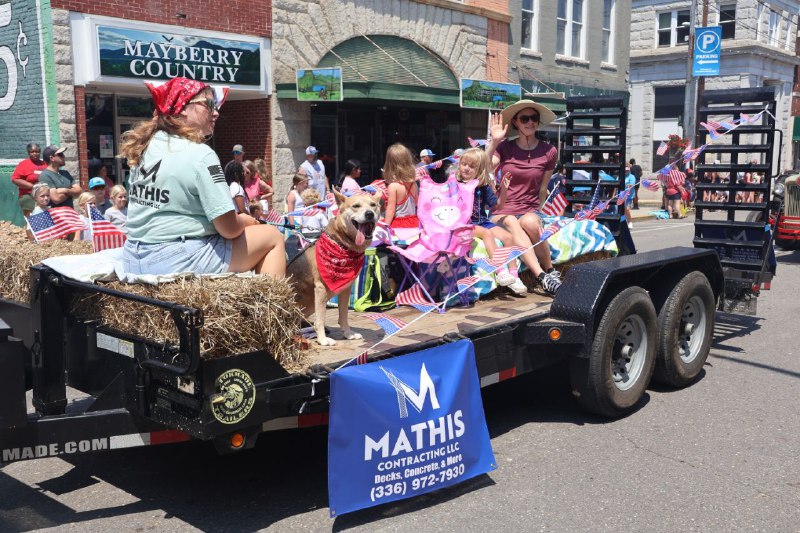
The kids were having the most fun. People in passing cars would often throw candy, and sometimes toys too. According to the
rules, you're not supposed to do that (there should be a helper handing everything out directly). But almost everyone just threw the sweets straight at the kids.
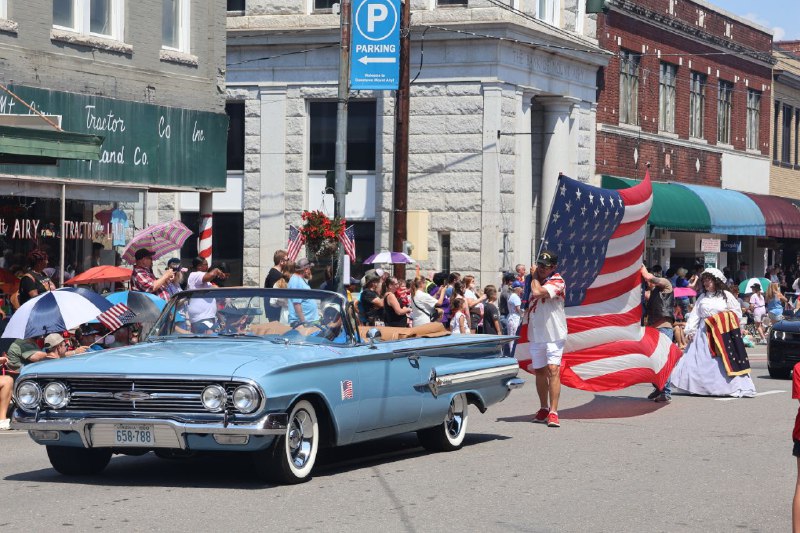
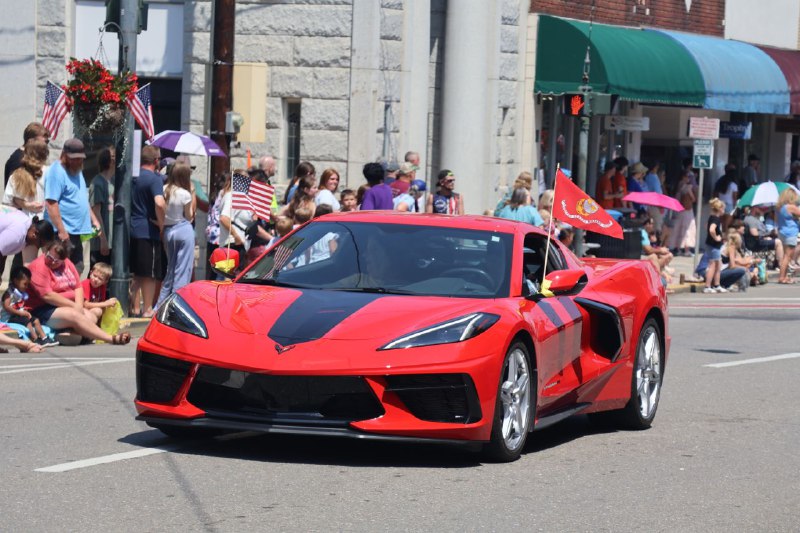
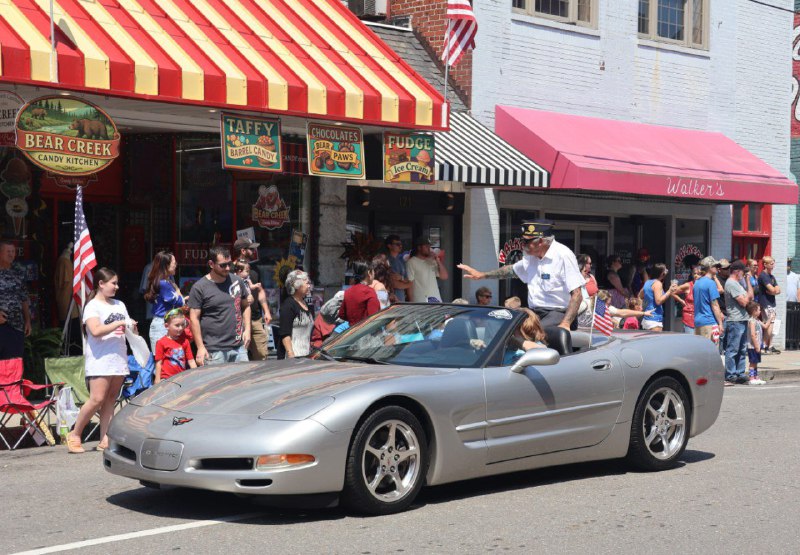
On the bright side, there were plenty of sports cars and super loud fire trucks with ambulances. You might want to turn down the volume on the video though. Listening to that for a long time in person isn't really that pleasant.
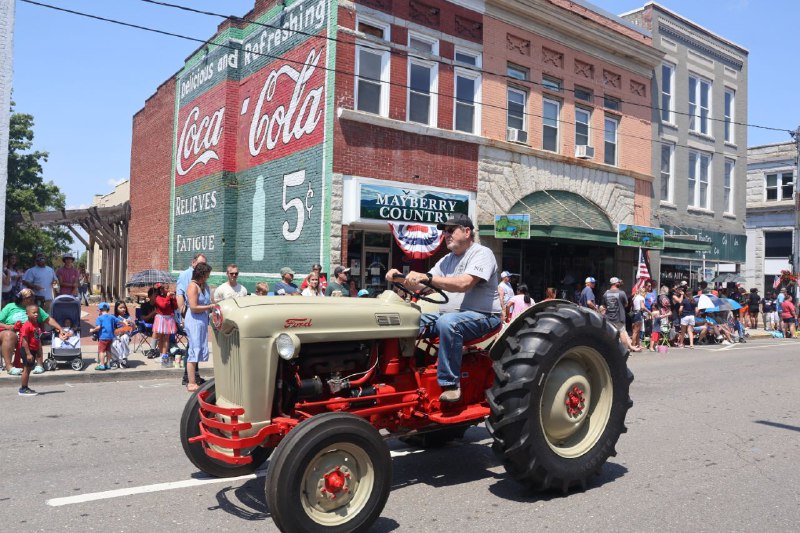
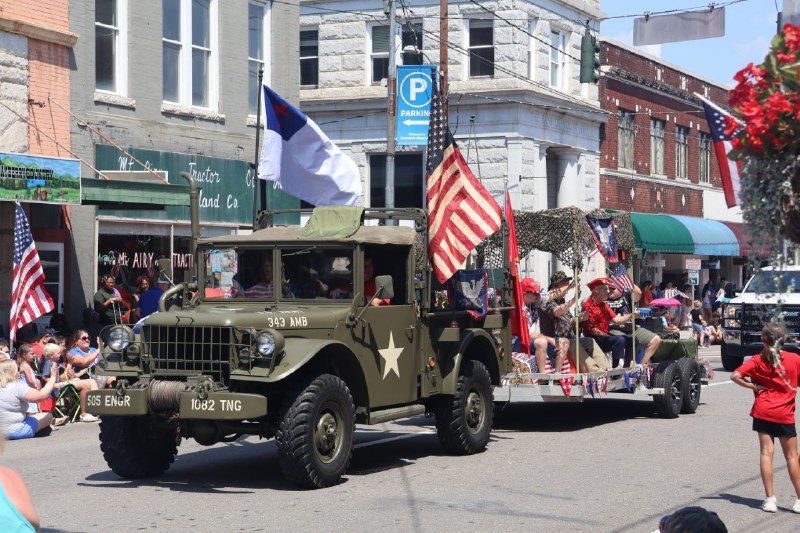
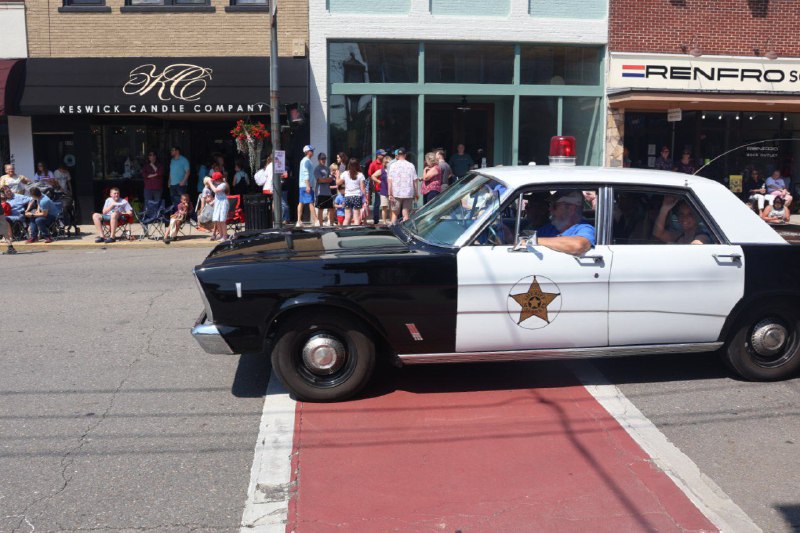
And just like that, the ceremonial procession got underway. Vietnam War veterans led the way. An old military truck appeared out of nowhere. There wasn't any other military equipment, though you can sometimes see it in larger cities. They try to avoid driving tanks and other stuff that damages the asphalt through the city any more than necessary.
The event officially opened with the national anthem. For some reason, only the host was singing, but everyone listened standing with their hand on their chest and gave a hearty round of applause at the end.
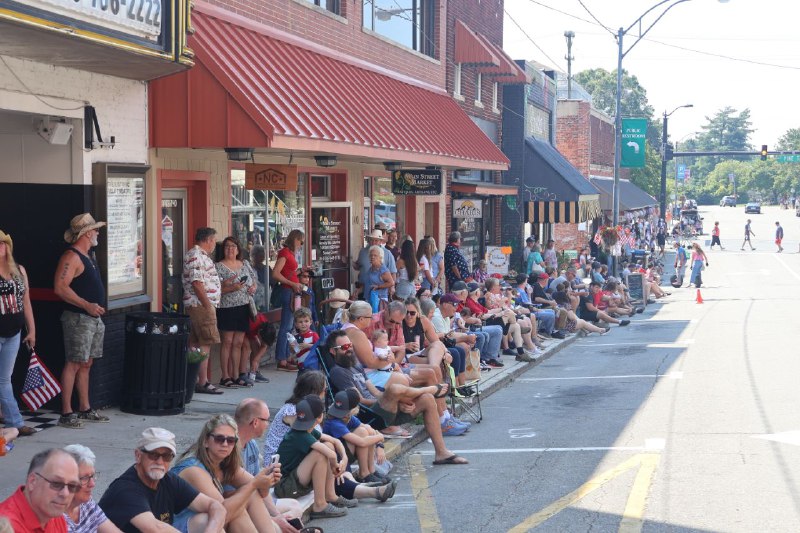
I completely stumbled upon a Fourth of July parade in a small American town by accident. We were heading back from our overnight stay and decided to drive through the center, and that's where people were gathering for the show. I couldn't help but stick around to watch. I probably won't see anything more quintessentially American than this.
People started arriving way early on the main street. With food and their own chairs. Many were wearing patriotic outfits—either in flag colors or with themed slogans.
(more below, this is a short series of posts)
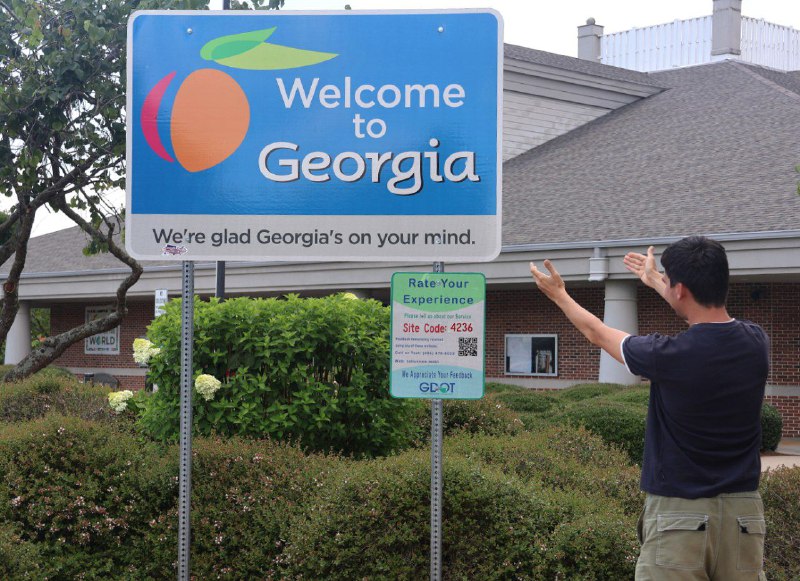
I was just in Tbilisi not long ago. And here I am back in Georgia again. Gamarjoba! :)
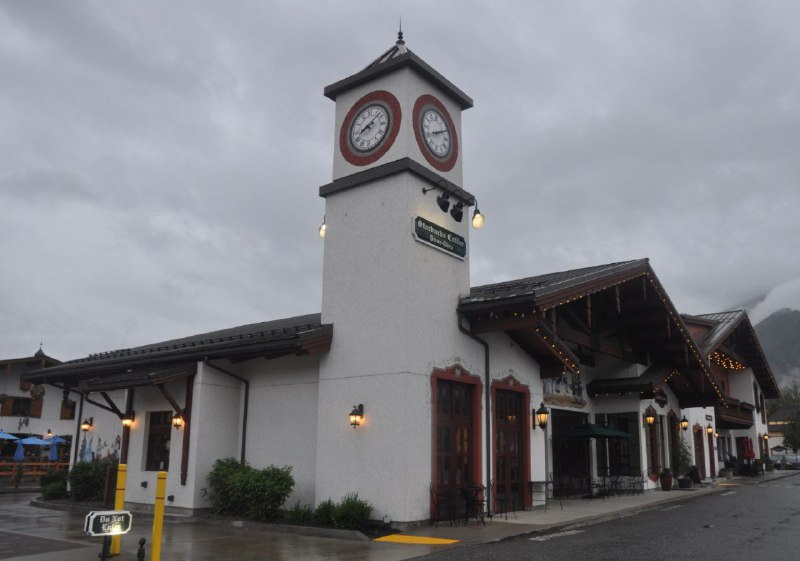
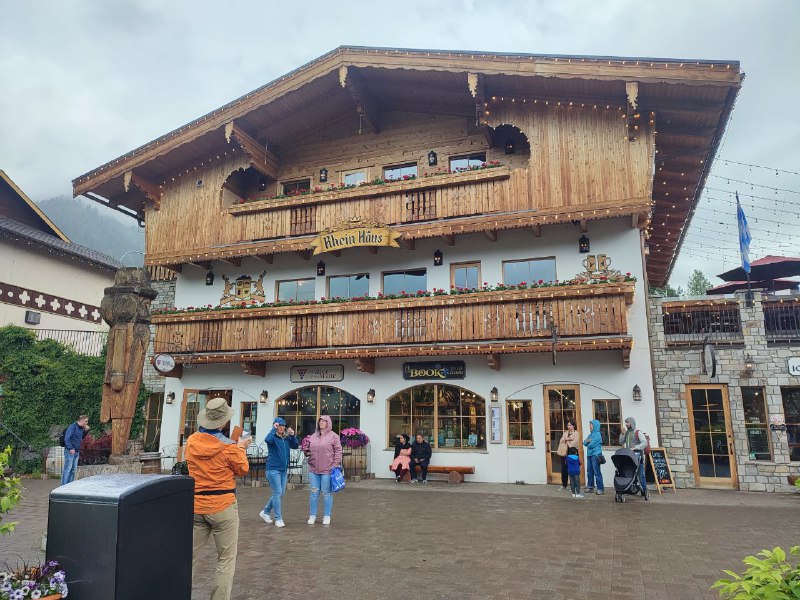
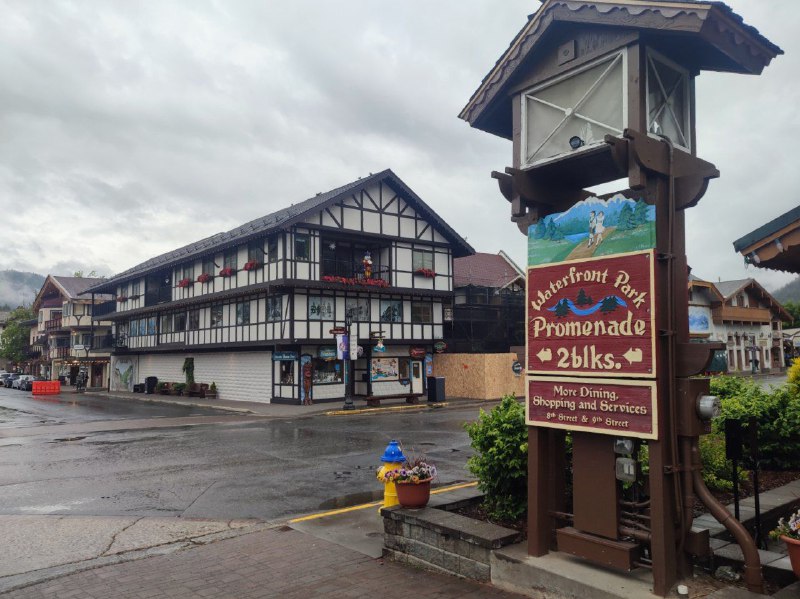
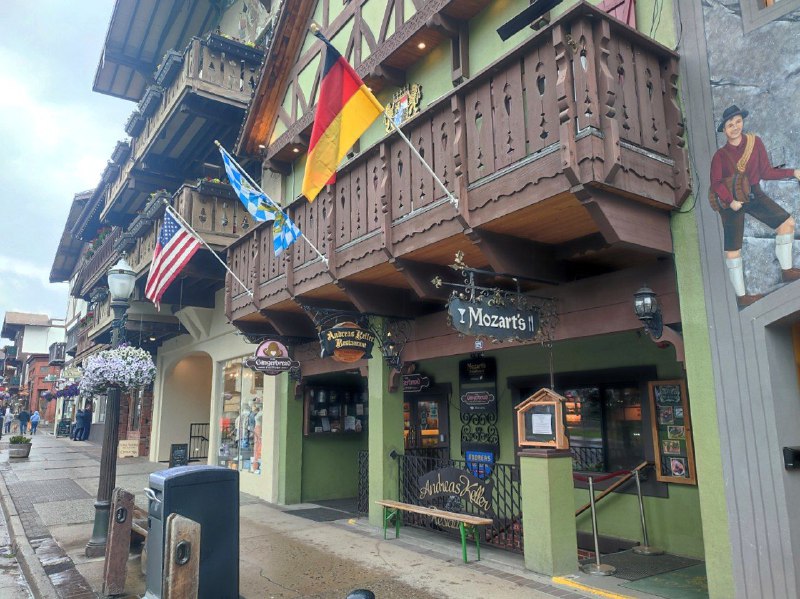
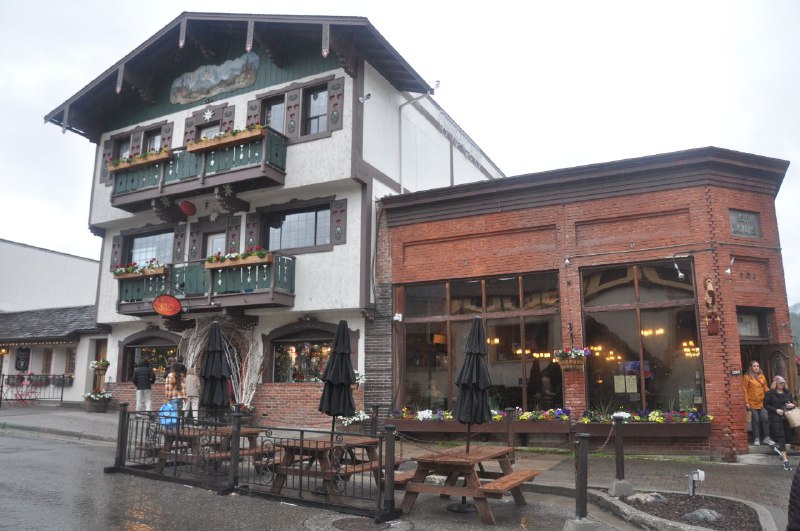
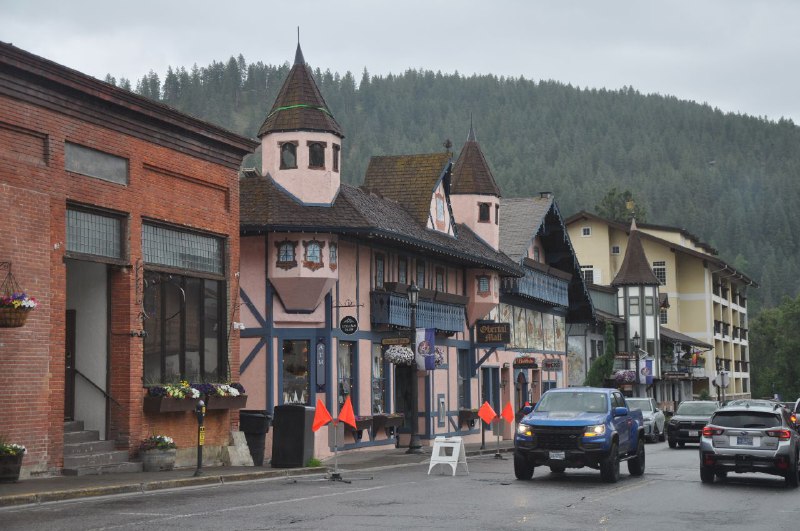
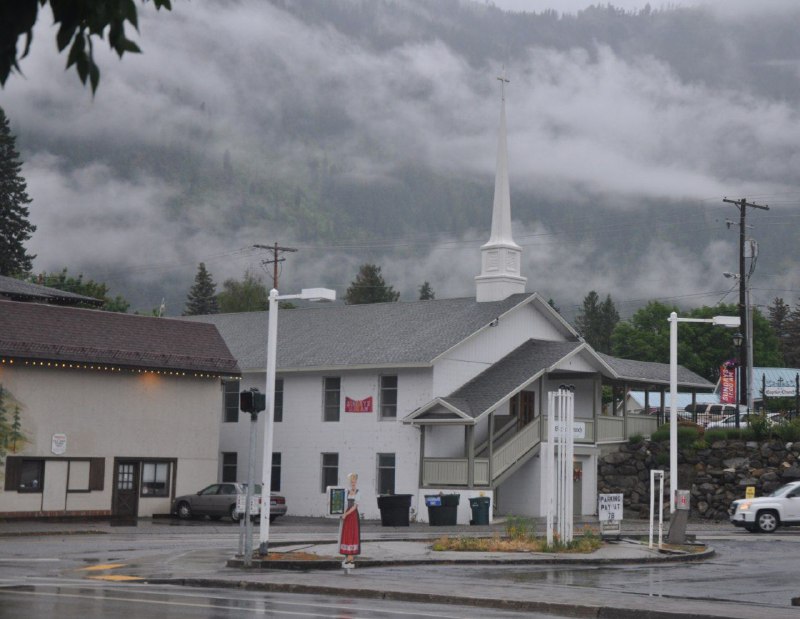
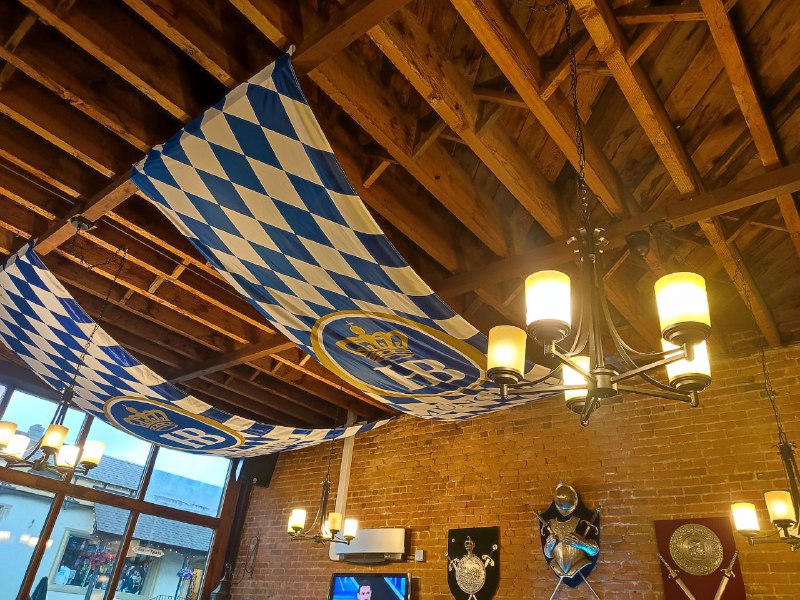
You don't need to go all the way to Germany to see Bavaria. There's a whole Bavarian village hiding in Washington state called Leavenworth.
You come here and it feels like you've stepped into Bavaria.You come here and look at a German village through American eyes. No matter how hard you try to get the perfect shot, something foreign always sneaks in: an American trash can here, a super-wide road there, and the restaurants are blasting country and other English-language music. At least they serve schnitzel and currywurst.
And honestly, it makes sense: the town has nothing to do with Germans. In the early 20th century, it was a lumber mill center with a railroad running through it. But over time, the station and tracks were moved, the sawmill shut down, and people started leaving. In the 1960s, locals decided to turn things around and got really inspired by the California town of
Solvang, which was built in Danish style. They decided to do something similar, but with a Bavarian theme instead. Solvang has about 10% Danish population. Leavenworth decided to do it all on their own.
They started with a cafe and hotel in 1965, and gradually remodeled buildings from there. The peak of "Bavarification" hit in the '90s. They passed rules requiring local businesses to mimic German style. Even Starbucks had to redesign its sign.
These days they host 19(!) annual themed festivals here, including Oktoberfest. That's basically every other weekend.
PS. As a bonus, we spotted a waterfall on the way. If you watched David Lynch's series carefully, you'll recognize it :)
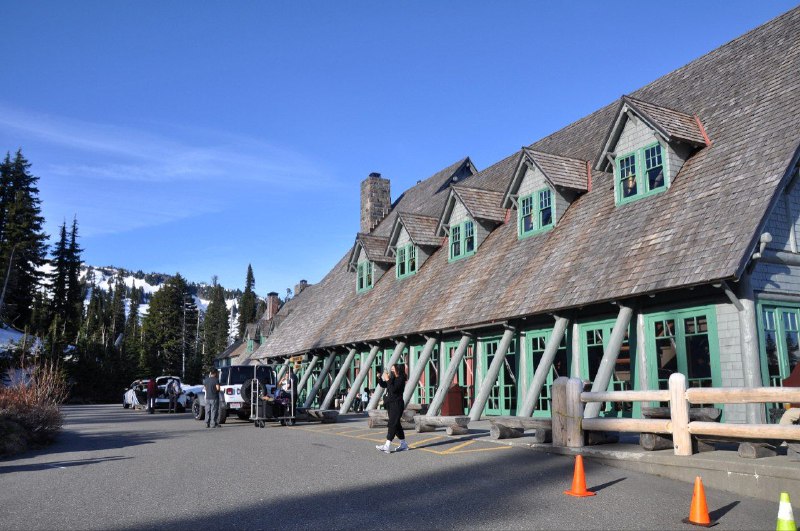
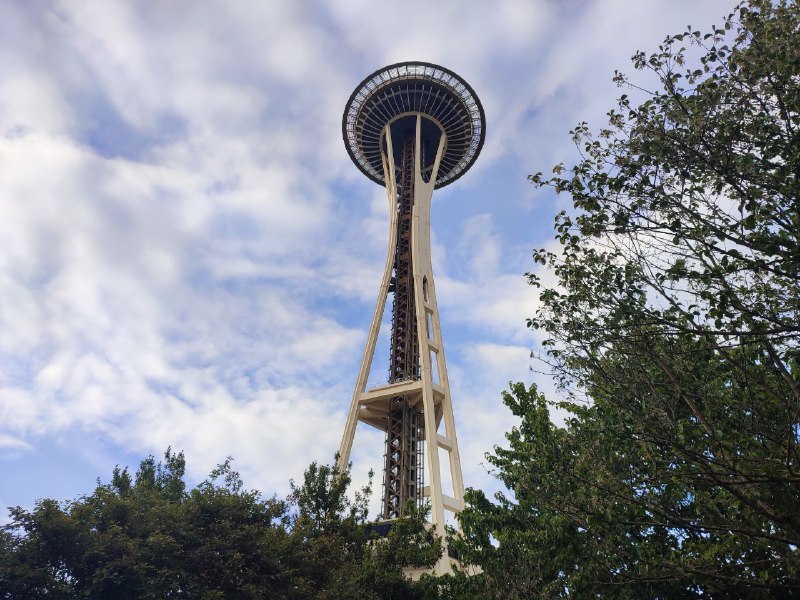
Seattle is definitely worth visiting for its nature – within a few hundred kilometers you've got the snow-capped Mount Rainier with glaciers, beaches right on the ocean, and even temperate rainforests.
Despite all that beauty, the climate is pretty gloomy. I was really lucky to catch a couple of sunny days. Though honestly, even the nearby towns have a melancholic vibe when the weather's nice. Apparently that helped produce a whole generation of musicians: Nirvana, Jimi Hendrix, Soundgarden, Pearl Jam, and other world-famous guys. In Aberdeen, where Kurt Cobain was born, they added an official "Come as you are" sign at the entrance next to the city nameplate.
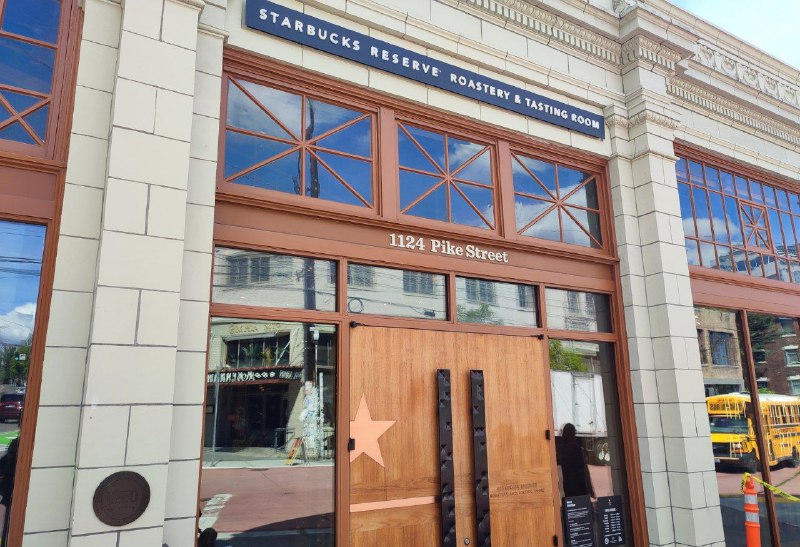
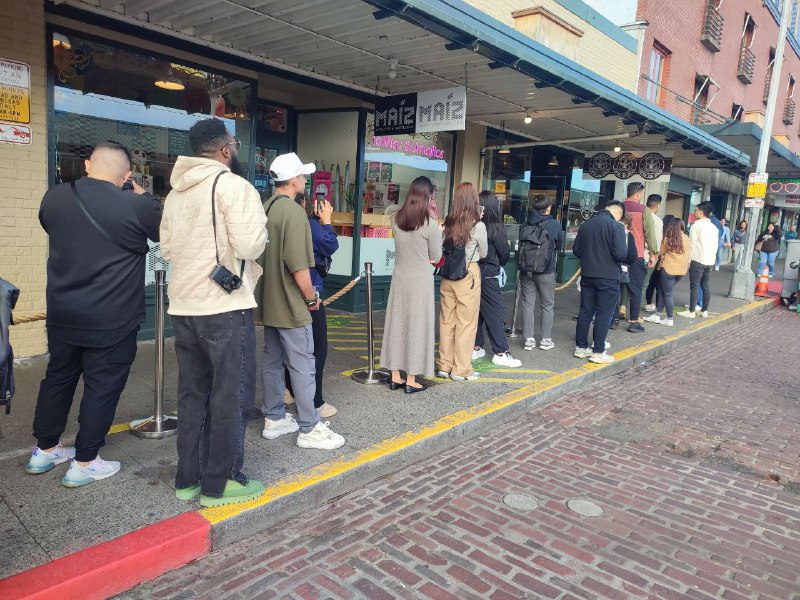
Starbucks might not know how to make great coffee, but they sure know how to run a business. And it all started right here in Seattle. The very first coffeehouse looks pretty unassuming, but there's a huge line out the door. Clearly not just a quick five-minute wait. I hope there's something worth waiting for in there.
It's funny though—the people who opened the original Starbucks actually sold their stake to focus on developing another coffee chain,
Peet's Coffee, but it never grew to comparable scale.
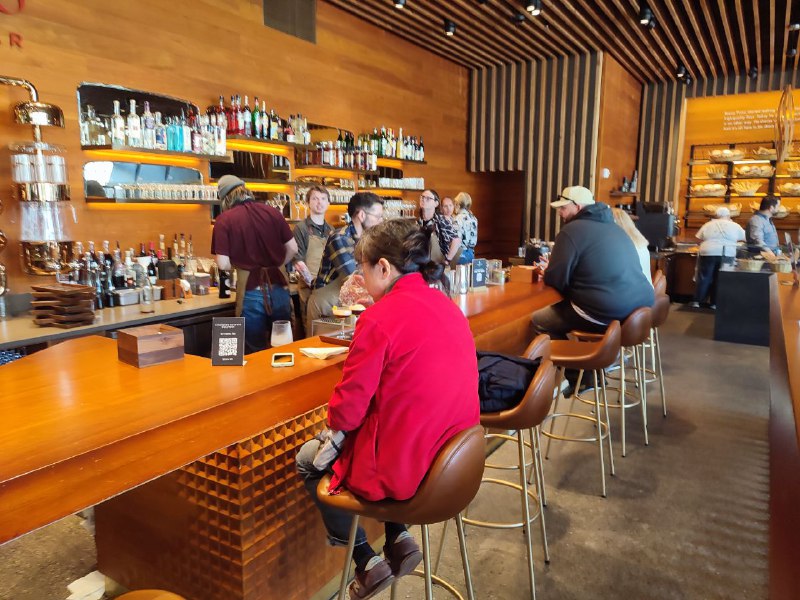
Meanwhile, Starbucks has been trying to break into the premium coffee market. They've opened a few locations in a format that's pretty unusual for them: Starbucks Reserve. It's this massive coffeehouse with an in-house roastery, decent pastries (compared to the rest of their locations), and even a bar serving coffee-based alcoholic drinks. But while they originally planned to open about thirty of these places around the world, they ended up with just six. The first one happens to be right here in Seattle. It looks impressive. And super spacious. Though apparently the one in Shanghai is even more spacious.
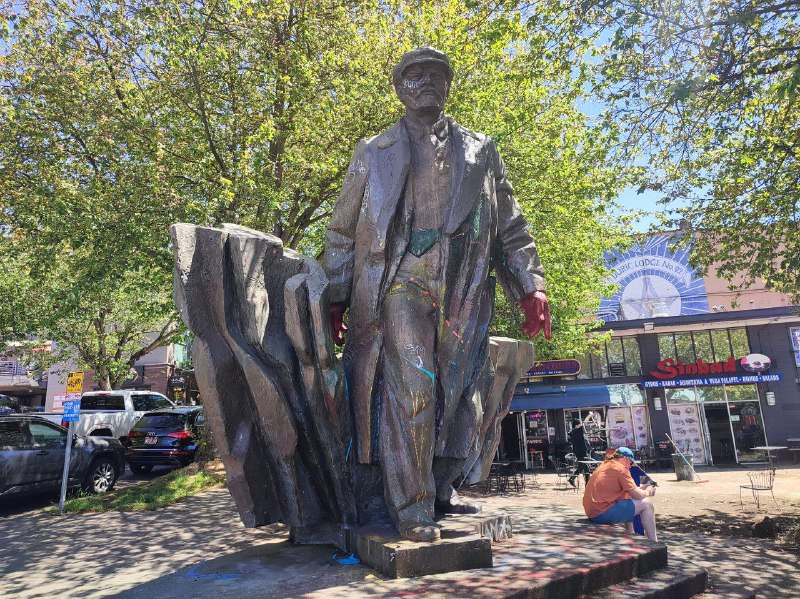
Turns out there's a Lenin statue not just in
New York, but also in Seattle. They brought it here from Czechoslovakia right after the Soviet Union collapsed. It still stands near downtown and regularly becomes the subject of various protests.
Seattle turned out to be a really nice city. But there's a stereotype about the locals—they're extremely polite, but it's practically impossible to befriend them. People born here prefer to stick with their own kind. And those who move here hang out with other transplants. This peculiarity even has a special name:
Seattle freeze.
Speaking of the cold: even though it's early June, the daytime temperature is noticeably below 20 degrees Celsius. I managed to catch a sunny day, but mostly it's overcast and rainy. Living in a climate like this can be pretty depressing.
PS. You've probably heard the joke about "whoever's last at the airport, turn off the lights." It probably originated in Seattle. Boeing's headquarters has been located right here for many decades. In the 1970s, the company laid off tens of thousands of people. At the time, it was the largest local employer (now Amazon, Microsoft, and other Starbucks locations have joined the mix). And on the way out of the city, there was literally a sign that said "Will the last person leaving Seattle - Turn out the lights" (
here you can see the picture and read more on this topic).
Did you know that Lufthansa
doesn't have rows 13 and 17 on their planes?
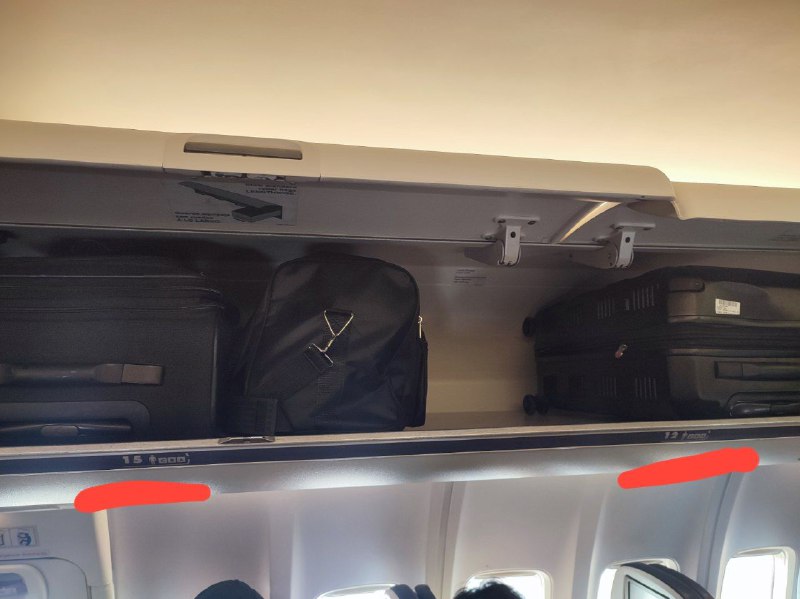
United skips row 14 too. And sometimes even more. On recent flights, I've seen row numbering like 12-15-20, 12-20, and even 12-21. It depends on the specific aircraft model. The 12-15-20 numbering was on a Boeing 737, and 12-20 was on an Airbus 320.
Here you can find the entire company fleet with seating charts.
The reasons are the same old story: customer superstitions and the cheapest way to keep everyone happy. I doubt anyone would be afraid to fly in row 35. Though honestly, when it comes to planes, the safety in row 13 probably isn't much different from rows 12 and 14.

























































 United Kingdom
 Serbia
 Bosnia and Herzegovina
 Turkey
 United Arab Emirates
 Brunei
 Indonesia
 Malaysia
 Argentina
 USA
USA Morocco
 Georgia
 Egypt
Egypt Hong Kong
 China
China Vietnam
 Tunisia
 Montenegro
 Philippines
 Singapore
 Oman
Oman Algeria
 North Macedonia
 Lebanon
 Israel
 Albania
 Russia
 Tanzania
 Netherlands
 Spain
Spain Latvia
 Germany
 Belgium
 France
 Kazakhstan