Telegram mirror
Telegram is a messenger where I post short travel notes. This page is a self-hosted backup of that channel.
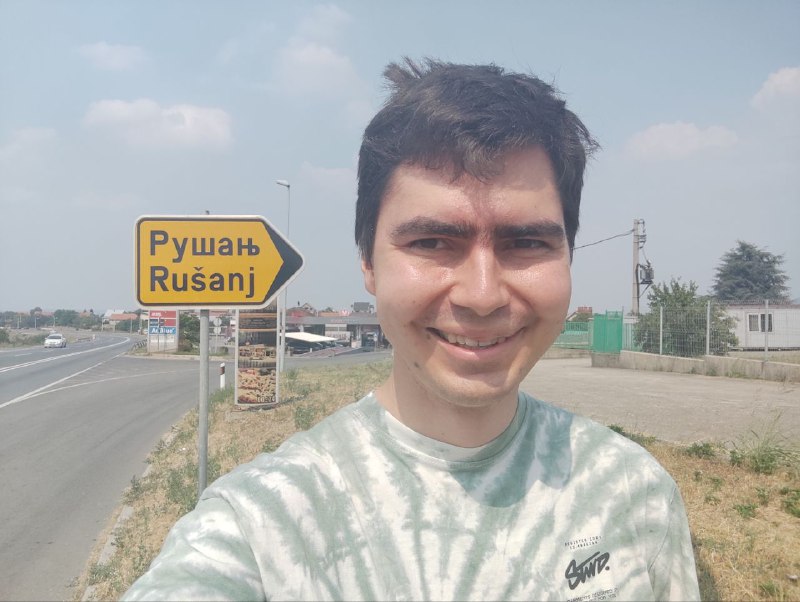
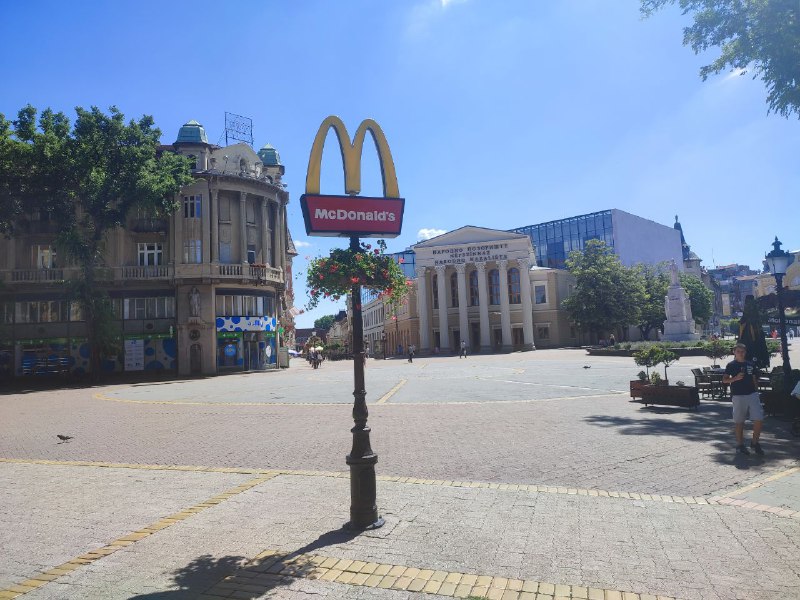
I just couldn't drive past this sign. Totally caught my eye by chance, would've missed it otherwise (:
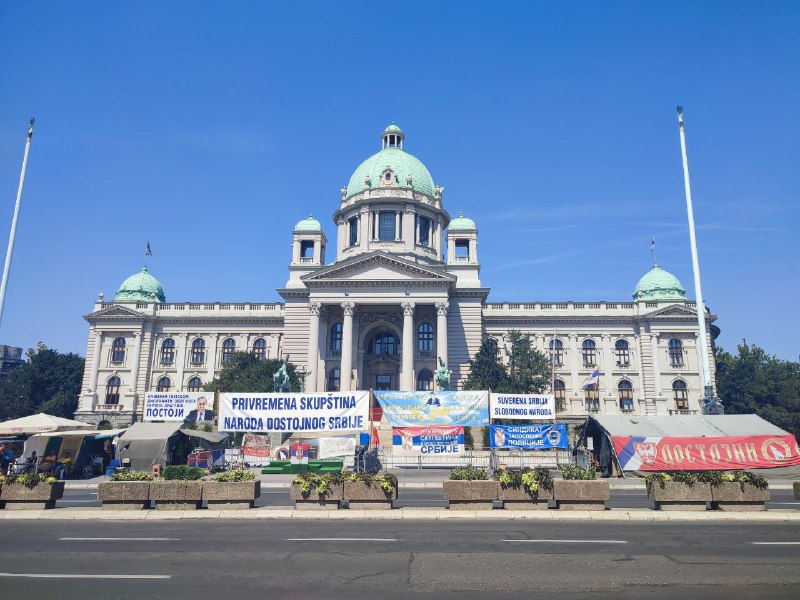
Since January 16, 2022, there's been a tent camp set up in front of Serbia's National Assembly building (the local parliament). These guys decided the current government is illegitimate, declared themselves the only legitimate temporary parliament of the country (apparently that's allowed?), and have been manning the place 24/7 for over six months now.
The police don't bother them, and honestly, everyone just acts like nothing's happening. Online people say it's a puppet opposition movement controlled by the president.
Out of curiosity, I walked over and asked what this whole thing was about. There were maybe 3-4 people there, but they weren't exactly eager to chat (probably because of the heat; it's +38°C in Belgrade right now). To get rid of me, they handed out a printout in Serbian explaining that they think the current government is illegitimate, and it had their website address on it.
I checked out their site—it's a really weird movement with no clear goals. I liked the part about how they think politicians are unnecessary in general. Yet they regularly hold meetings where they issue various decrees. For example, they gave all Serbs permission not to get vaccinated. If that's not politics, then what is it? ¯\_(ツ)_/¯
The police don't bother them, and honestly, everyone just acts like nothing's happening. Online people say it's a puppet opposition movement controlled by the president.
Out of curiosity, I walked over and asked what this whole thing was about. There were maybe 3-4 people there, but they weren't exactly eager to chat (probably because of the heat; it's +38°C in Belgrade right now). To get rid of me, they handed out a printout in Serbian explaining that they think the current government is illegitimate, and it had their website address on it.
I checked out their site—it's a really weird movement with no clear goals. I liked the part about how they think politicians are unnecessary in general. Yet they regularly hold meetings where they issue various decrees. For example, they gave all Serbs permission not to get vaccinated. If that's not politics, then what is it? ¯\_(ツ)_/¯
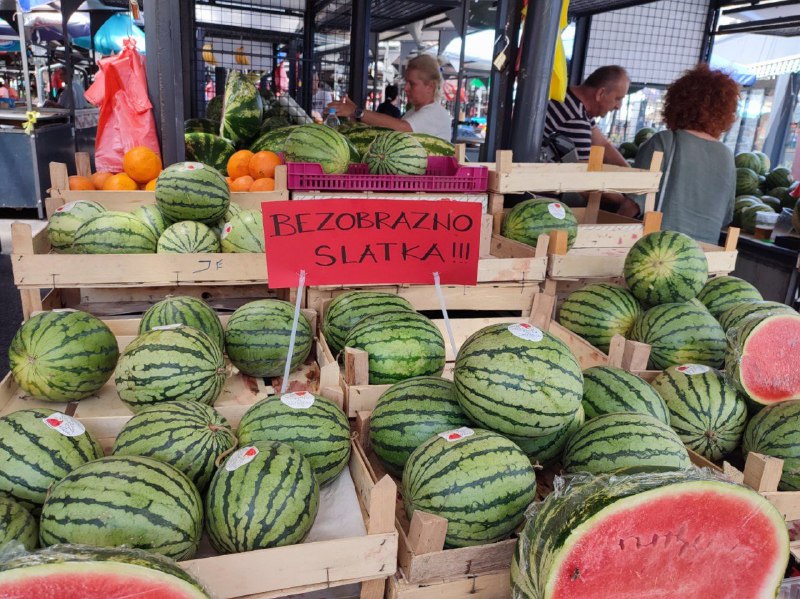
Meanwhile, outrageously sweet watermelons have appeared on the market (:
(translation pending)
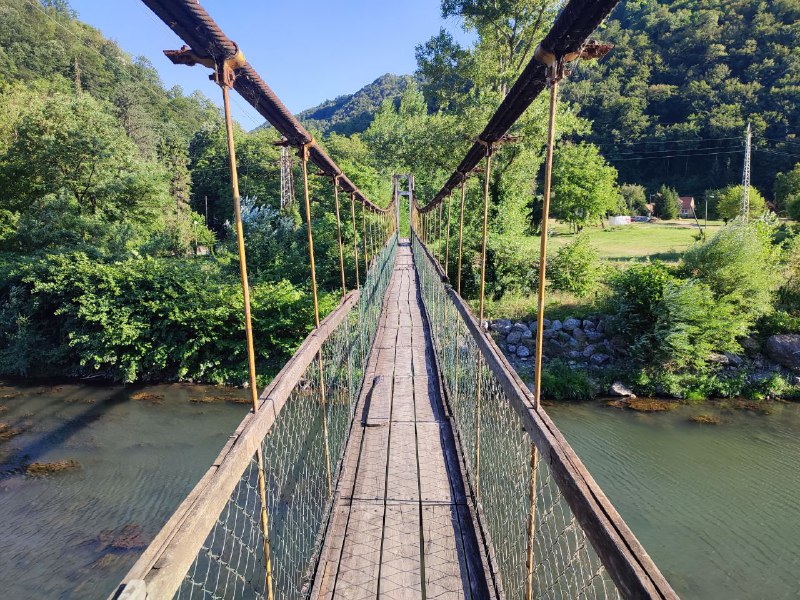
While you can only be born a Tatar anywhere else in the world, in Serbia for a long time you could become one by choice (sadly, they've since closed up shop).
Here, Tatars were the name for postal couriers handling especially important state documents. And the Serbian Post Office, which appeared in 1835, was actually first called the "Tatarska služba" (later renamed "Srpsku Poštu"). Serbs considered Tatars to be the fastest and most skilled riders. Well, you know what they say—a horse becomes what you name it.
It was a respected job with decent pay. As a bonus, sometimes came fame: many Serbian Tatars were well-known throughout the country. I mean, covering nearly 1,000 km from Istanbul to Belgrade on horseback in just 5 days—that's no small feat!
Particularly notable is Serbia's last Tatar, Rista Prendić. Famous both because he was the last and because he brought the news that the Turkish army was finally leaving the country.
Here, Tatars were the name for postal couriers handling especially important state documents. And the Serbian Post Office, which appeared in 1835, was actually first called the "Tatarska služba" (later renamed "Srpsku Poštu"). Serbs considered Tatars to be the fastest and most skilled riders. Well, you know what they say—a horse becomes what you name it.
It was a respected job with decent pay. As a bonus, sometimes came fame: many Serbian Tatars were well-known throughout the country. I mean, covering nearly 1,000 km from Istanbul to Belgrade on horseback in just 5 days—that's no small feat!
Particularly notable is Serbia's last Tatar, Rista Prendić. Famous both because he was the last and because he brought the news that the Turkish army was finally leaving the country.
sr.m.wikipedia.org
Rista Prendić — Wikipedia
The deeper I dig into local folklore, the more fascinating it becomes.
In eastern Serbia, there was a peculiar—but fortunately unconfirmed—custom known as lapot. According to it, during crop failure years, elderly people who became a burden on their families were simply ... killed.
In the early 20th century, ethnologist Tihomir Đorđević studied the highlands near Zaječar and was among the first to document this brutal practice in detail, believing it had actually occurred. According to the researcher, the ritual typically involved inviting neighbors. Depending on the region, people could use an axe or hammer for the killing. In some villages, they would place a cornbread on the unfortunate elder's head, so they could "claim" that death came from the corn rather than from human hands.
After Đorđević, other scholars became interested in this topic, but no one published refutations. In 1972, they even released a documentary (!) about lapot. Look how harsh our ancestors' customs were, they suggested. There's a scene from it at the end of this post.
Only in 1999 did anthropologist Bojan Jovanović publish a work challenging the previous research. He reminded everyone of widely known cases where grandchildren saved elders from the plague. It's remarkable that no one did this for 80+ years after the first publication. Today, the custom is considered a myth, and most likely originated from the period when the Balkans were under Roman rule. At that time, locals were actively and not always voluntarily recruited into the ranks of fighters. In one fortress, the Romans ordered all men under 50 to be conscripted for military service, and the rest to be executed. Allegedly, this is where the practice of eliminating the older generation supposedly came from. However, no solid evidence has ultimately been found.
In 2004, the Serbian government wanted to restrict the list of free medicines for people over 60. The media instantly called this law "lapot." But the authorities changed their mind (:
In eastern Serbia, there was a peculiar—but fortunately unconfirmed—custom known as lapot. According to it, during crop failure years, elderly people who became a burden on their families were simply ... killed.
In the early 20th century, ethnologist Tihomir Đorđević studied the highlands near Zaječar and was among the first to document this brutal practice in detail, believing it had actually occurred. According to the researcher, the ritual typically involved inviting neighbors. Depending on the region, people could use an axe or hammer for the killing. In some villages, they would place a cornbread on the unfortunate elder's head, so they could "claim" that death came from the corn rather than from human hands.
After Đorđević, other scholars became interested in this topic, but no one published refutations. In 1972, they even released a documentary (!) about lapot. Look how harsh our ancestors' customs were, they suggested. There's a scene from it at the end of this post.
Only in 1999 did anthropologist Bojan Jovanović publish a work challenging the previous research. He reminded everyone of widely known cases where grandchildren saved elders from the plague. It's remarkable that no one did this for 80+ years after the first publication. Today, the custom is considered a myth, and most likely originated from the period when the Balkans were under Roman rule. At that time, locals were actively and not always voluntarily recruited into the ranks of fighters. In one fortress, the Romans ordered all men under 50 to be conscripted for military service, and the rest to be executed. Allegedly, this is where the practice of eliminating the older generation supposedly came from. However, no solid evidence has ultimately been found.
In 2004, the Serbian government wanted to restrict the list of free medicines for people over 60. The media instantly called this law "lapot." But the authorities changed their mind (:
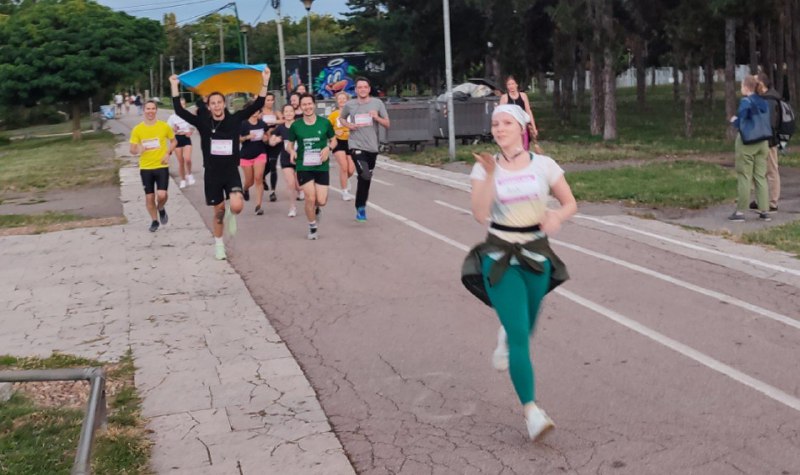
You don't need a protest to voice your disagreement with the war. Yesterday, some folks organized a charity run in New Belgrade and raised donations to evacuate Ukrainians affected by the fighting.
It's great that people are organizing events like this. It's great that people show up. It's terrible that we still need to do it.
It's great that people are organizing events like this. It's great that people show up. It's terrible that we still need to do it.
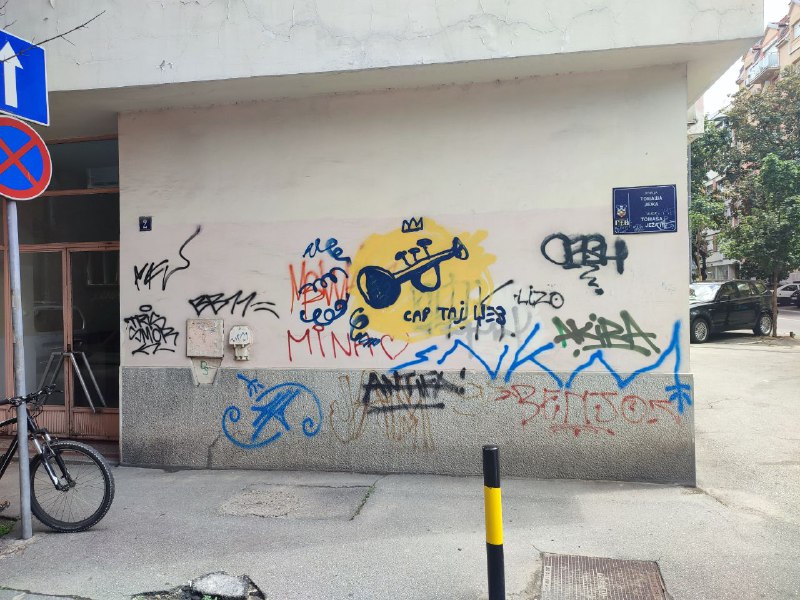
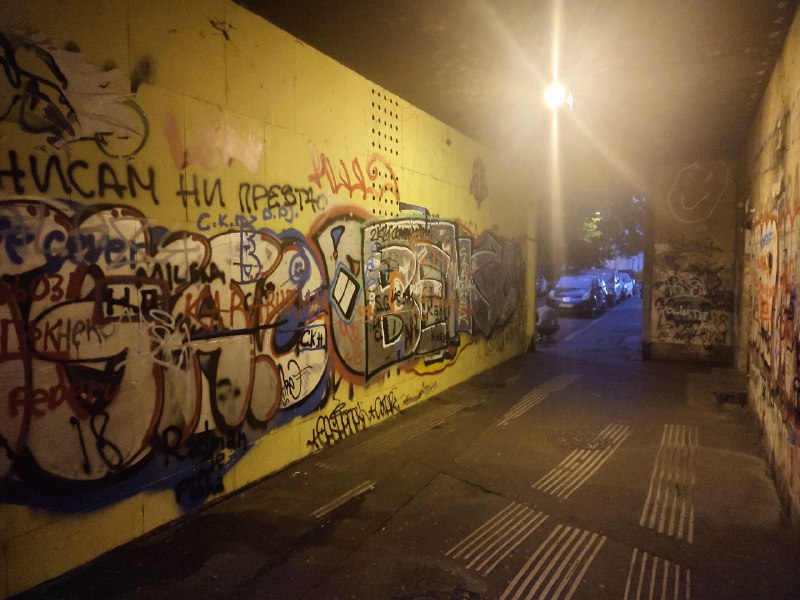
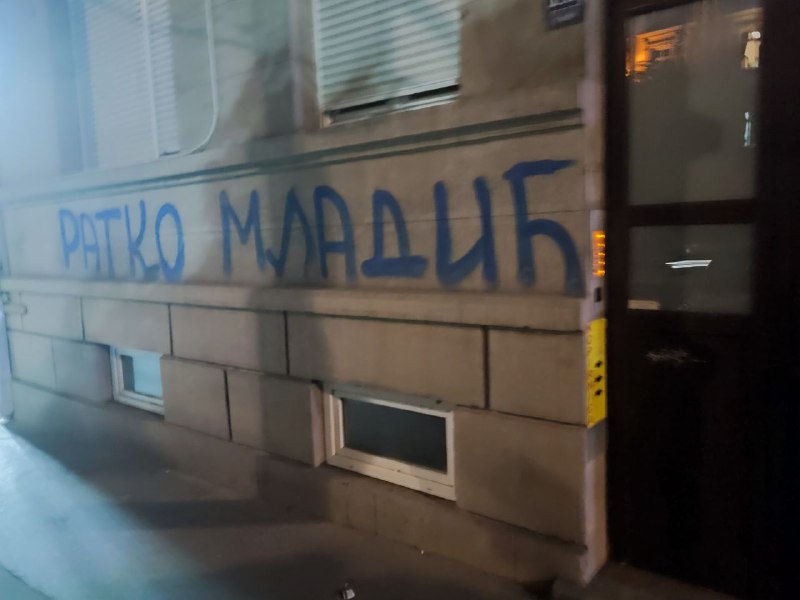
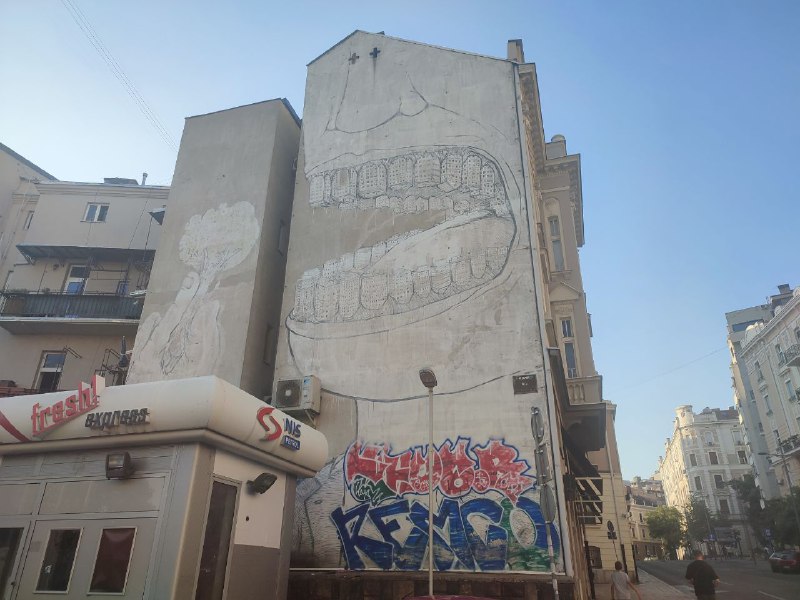
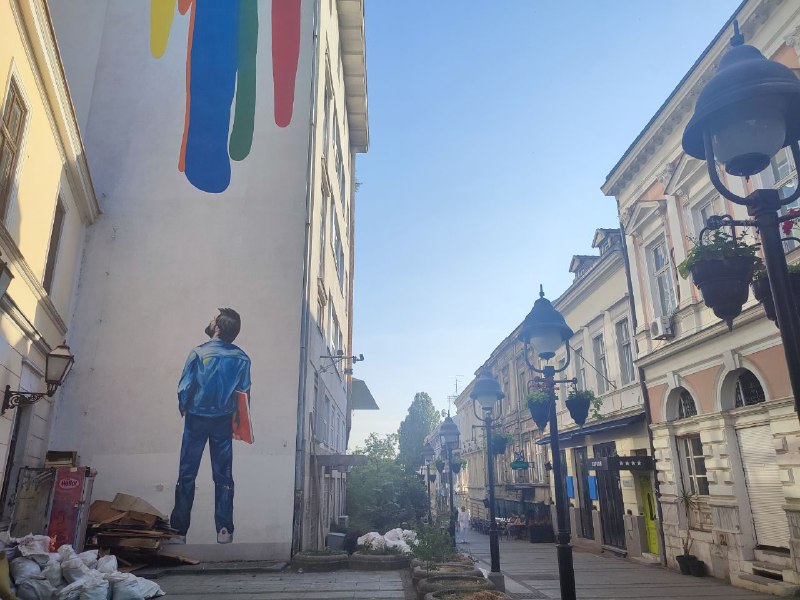
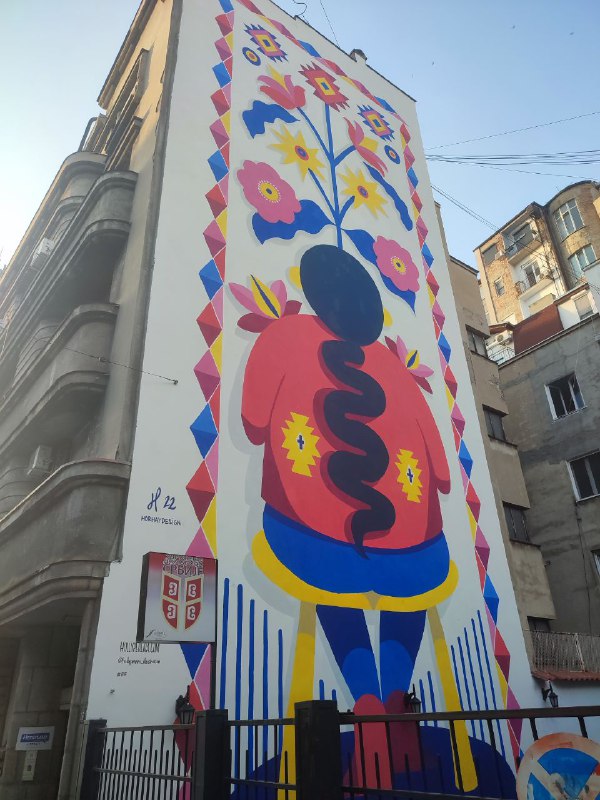
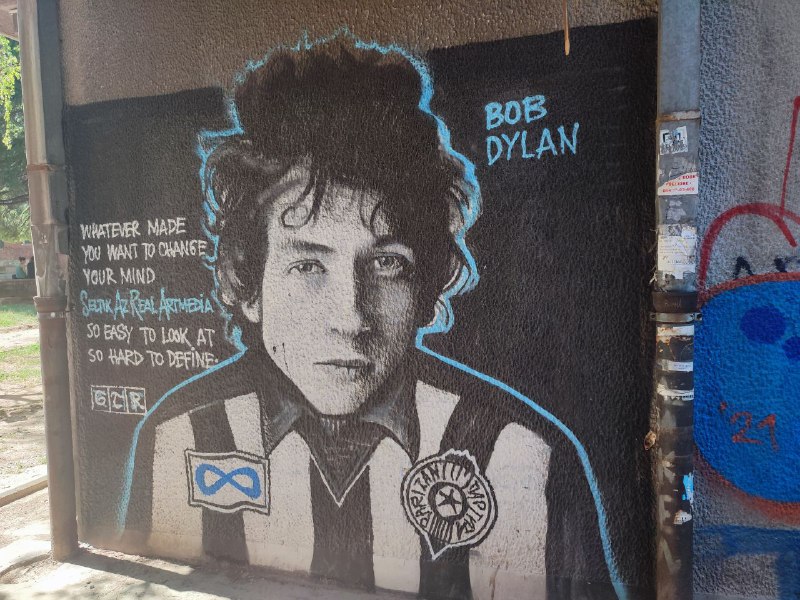

Пробую слегка освоить сербский, чтобы комфортнее себя ощущать с местными. Радует, что бонусом к сербскому идут ещё три языка: боснийский, хорватский и черногорский. Все похожи как родные братья. Выучил один — понимаешь все 4. Говорить, впрочем, смогу только на одном. Тут действует схема: серб поймет хорвата, но при этом говорить на хорватском не сможет. Обратное тоже верно.
У сербов в отличие от остальных используется сразу два алфавита: кириллица и латиница. Первый нужен для всякой официальной бюрократии и прочих государственных дел (даже автомобильные номера у полиции всегда начинаются на букву П). Второй — больше для повседневной жизни. Молодежь предпочитает латиницу. Возможно, в будущем только она и останется.
Букв здесь чуть больше, чем в стандартных вариантах кириллицы / латиницы. Некоторые понятны и так: например њ и љ. А с остальными придется разобраться. К счастью, их немного. А некоторых привычных нам букв нет. Например, Ы (и произносить они такой звук не умеют). Зато очень хвалят правило “пишется как слышится”.
Сложнее привыкнуть к ударениям: в большинстве слов оно в начале. И даже если слово такое же в русском, с ударением в другом месте оно звучит совершенно непривычно. Я как-то пытался заказать торт Москва в кафешке, но девушка меня упорно не понимала. На четвертой попытке я догадался переставить ударение в начало, и тут же последовала реакция “Ах, мОсква! дОбро!”.
И еще сложнее свыкнуться со спряжениями глаголов. В первом лице оно выглядит как в русском вариант для "мы". Получается я учу = ja учим. Очень странно говорить осебе нас во множественном числе.
А ещё тут любят всё переставлять. Чуть не сломал язык, когда пробовал говорить "све" (=“всё”) в предложениях. Или међународни (читается меджународни). Значит международный.
Перестановка букв ещё куда ни шло. Тут и смыслы местами съезжают: “слово” = буква, “речи” = слово, “бокал” = графин, “црно (черное) вино” = красное вино. А следом вылезают совсем обманчивые слова: "вредниј" = полезный, "матерњи језик" = родной язык. По всей Сербии куча реклама минеральной воды со слоганом “Књаз ниjе вода то jе наш понос”, что переводится как “Князь это не вода, это наша гордость” (:
И есть тут особая страсть к заимствованиям. На Балканах несколько столетий заправляли турки. В результате в сербский импортировали больше 3000 слов из турецкого. Так что знания какого-нибудь тюркского языка помогут понять что сат это час, а шечер — сахар. В Белграде, кстати, даже есть районы с тюркскими названиями: Бульбулдер, Дорчол, Карабурма. Но не турками едиными. Хватает слов и из венгерского, немецкого и прочего английского.
А вот хорваты напротив активно борются за чистоту языка. И всё что можно и нельзя заменяют на исконно славянские названия. Если в Сербии помидор это заимствованный парадаjз, то в Хорватии это rajčica (да, именно от рая).
Мое отдельное восхищение уходит словам ногомет (футбол) и возила (автомобиль). Не понимаю, почему в русском иначе.
Самая большая беда — с онлайн переводчиками. Гугл явно с русского на сербский переводит через английский. В результате половина слов совершенно неправильные. Жить по мнению гугла это ливе. Хотя должно быть жити. Очень больно от этого.
Зато я выучил сербскую присказку-паразит — “то jе то”. Фразу ставят в конец своего рассказа. Переводится в духе “ну как-то так”. Если заканчивать ей свой рассказ, то можно сойти за местного.
PS. Бонусом прикрепил сербские стикеры.
То jе то (:
У сербов в отличие от остальных используется сразу два алфавита: кириллица и латиница. Первый нужен для всякой официальной бюрократии и прочих государственных дел (даже автомобильные номера у полиции всегда начинаются на букву П). Второй — больше для повседневной жизни. Молодежь предпочитает латиницу. Возможно, в будущем только она и останется.
Букв здесь чуть больше, чем в стандартных вариантах кириллицы / латиницы. Некоторые понятны и так: например њ и љ. А с остальными придется разобраться. К счастью, их немного. А некоторых привычных нам букв нет. Например, Ы (и произносить они такой звук не умеют). Зато очень хвалят правило “пишется как слышится”.
Сложнее привыкнуть к ударениям: в большинстве слов оно в начале. И даже если слово такое же в русском, с ударением в другом месте оно звучит совершенно непривычно. Я как-то пытался заказать торт Москва в кафешке, но девушка меня упорно не понимала. На четвертой попытке я догадался переставить ударение в начало, и тут же последовала реакция “Ах, мОсква! дОбро!”.
И еще сложнее свыкнуться со спряжениями глаголов. В первом лице оно выглядит как в русском вариант для "мы". Получается я учу = ja учим. Очень странно говорить о
А ещё тут любят всё переставлять. Чуть не сломал язык, когда пробовал говорить "све" (=“всё”) в предложениях. Или међународни (читается меджународни). Значит международный.
Перестановка букв ещё куда ни шло. Тут и смыслы местами съезжают: “слово” = буква, “речи” = слово, “бокал” = графин, “црно (черное) вино” = красное вино. А следом вылезают совсем обманчивые слова: "вредниј" = полезный, "матерњи језик" = родной язык. По всей Сербии куча реклама минеральной воды со слоганом “Књаз ниjе вода то jе наш понос”, что переводится как “Князь это не вода, это наша гордость” (:
И есть тут особая страсть к заимствованиям. На Балканах несколько столетий заправляли турки. В результате в сербский импортировали больше 3000 слов из турецкого. Так что знания какого-нибудь тюркского языка помогут понять что сат это час, а шечер — сахар. В Белграде, кстати, даже есть районы с тюркскими названиями: Бульбулдер, Дорчол, Карабурма. Но не турками едиными. Хватает слов и из венгерского, немецкого и прочего английского.
А вот хорваты напротив активно борются за чистоту языка. И всё что можно и нельзя заменяют на исконно славянские названия. Если в Сербии помидор это заимствованный парадаjз, то в Хорватии это rajčica (да, именно от рая).
Мое отдельное восхищение уходит словам ногомет (футбол) и возила (автомобиль). Не понимаю, почему в русском иначе.
Самая большая беда — с онлайн переводчиками. Гугл явно с русского на сербский переводит через английский. В результате половина слов совершенно неправильные. Жить по мнению гугла это ливе. Хотя должно быть жити. Очень больно от этого.
Зато я выучил сербскую присказку-паразит — “то jе то”. Фразу ставят в конец своего рассказа. Переводится в духе “ну как-то так”. Если заканчивать ей свой рассказ, то можно сойти за местного.
PS. Бонусом прикрепил сербские стикеры.
То jе то (:
(translation pending)
A huge number of people from Russia suddenly moved to Belgrade all at once, disrupting their usual routines and established social connections. Now they're all trying to rebuild those, something like this.
It's funny watching tourists passing by who apparently mistake the scene for local Serbs, filming it on their phones (I saw Koreans and Germans), and then they'll be sharing it with their friends (:
It's funny watching tourists passing by who apparently mistake the scene for local Serbs, filming it on their phones (I saw Koreans and Germans), and then they'll be sharing it with their friends (:
There are tons of fields in Serbia. They look really photogenic. I even caught the edge of a rain shower, so as a bonus I got a double rainbow.
Just need to wait a bit for the sunflowers to grow. And find a big field with them. That should look amazing too.
Just need to wait a bit for the sunflowers to grow. And find a big field with them. That should look amazing too.
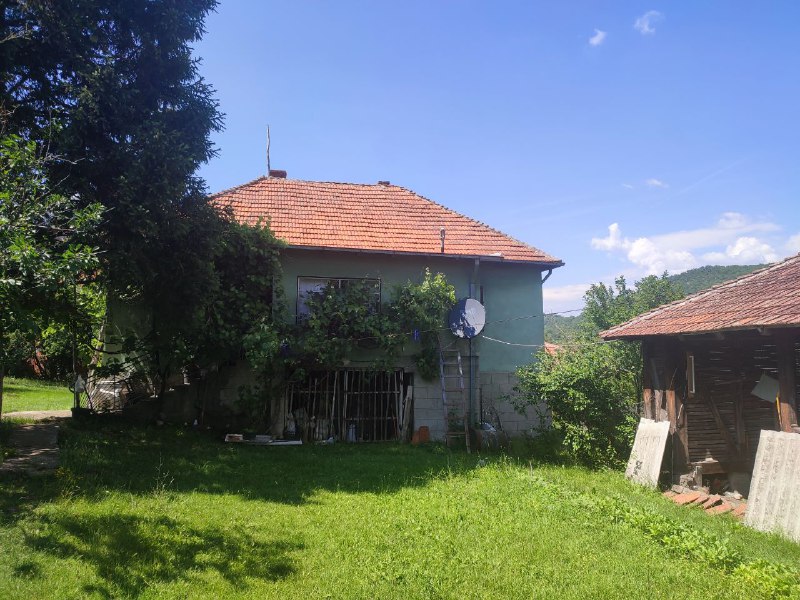
Someone explained to me why the homeowner from the previous story could have been so aggressive. Serbia has a major problem with illegal construction. It happened that way historically. A bunch of wars in the region over the last 100 years, economic instability, and an incredibly sluggish bureaucratic system led to people building first and then dealing with paperwork. If they felt like it. According to the registry of the ministry of construction, there are now over 2 million illegal buildings registered. Half of them are residential buildings. For a country with a population of less than 7 million, these are astronomical numbers.
The authorities are trying to fight this phenomenon, but citizens aren't in a huge rush to legalize their properties. Even despite increasingly tightening legislative measures.
The government and various media outlets are calling on residents to report illegal construction to oversight bodies. In one of these guides, I especially liked the section "what to do if your complaint gets no response." Anyway, after filing a complaint, they're supposed to send an inspector who photographs the structure and then launches a demolition procedure. The building can be saved by legal exemptions: if it was built before 2015 or is in the process of legalization. As proof of the construction date, you can provide a satellite image taken no later than November 2015. Future's here (:
Looks like they mistook me for such an inspector. The rental car's license plates were local, from Belgrade. I was photographing the house. Makes sense. I wouldn't be happy either with someone about to demolish my home.
The authorities are trying to fight this phenomenon, but citizens aren't in a huge rush to legalize their properties. Even despite increasingly tightening legislative measures.
The government and various media outlets are calling on residents to report illegal construction to oversight bodies. In one of these guides, I especially liked the section "what to do if your complaint gets no response." Anyway, after filing a complaint, they're supposed to send an inspector who photographs the structure and then launches a demolition procedure. The building can be saved by legal exemptions: if it was built before 2015 or is in the process of legalization. As proof of the construction date, you can provide a satellite image taken no later than November 2015. Future's here (:
Looks like they mistook me for such an inspector. The rental car's license plates were local, from Belgrade. I was photographing the house. Makes sense. I wouldn't be happy either with someone about to demolish my home.
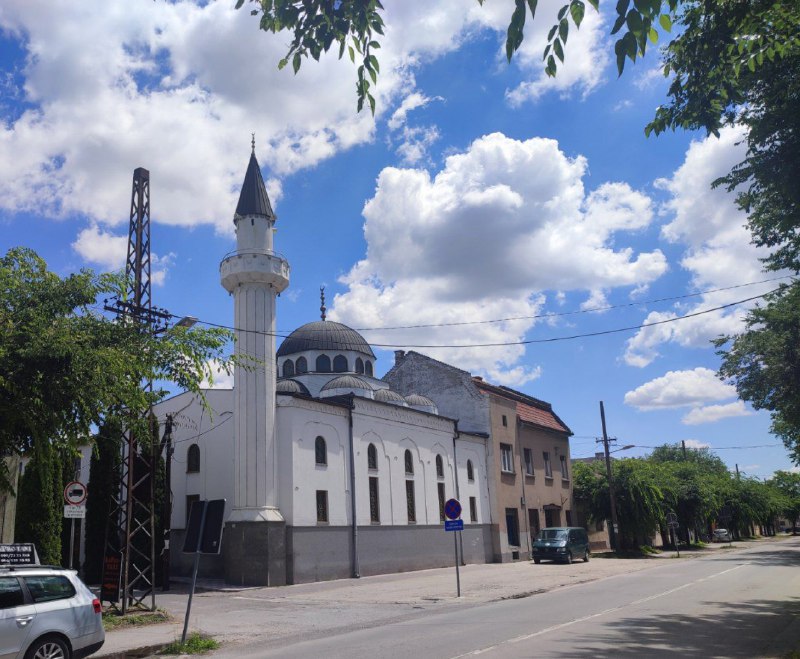
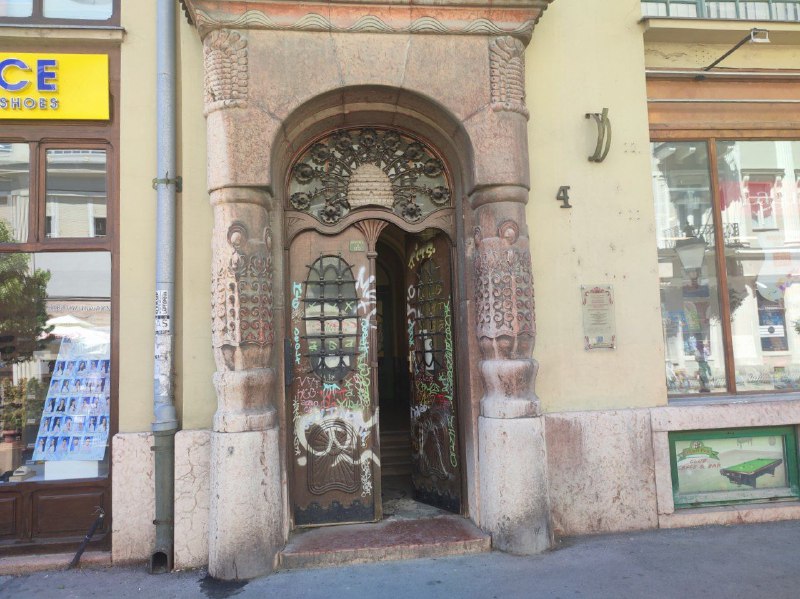
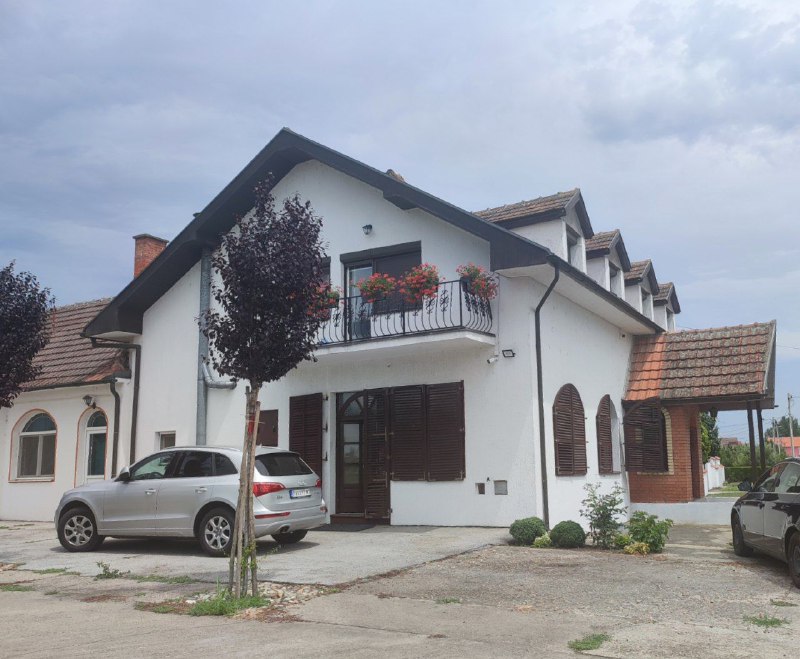
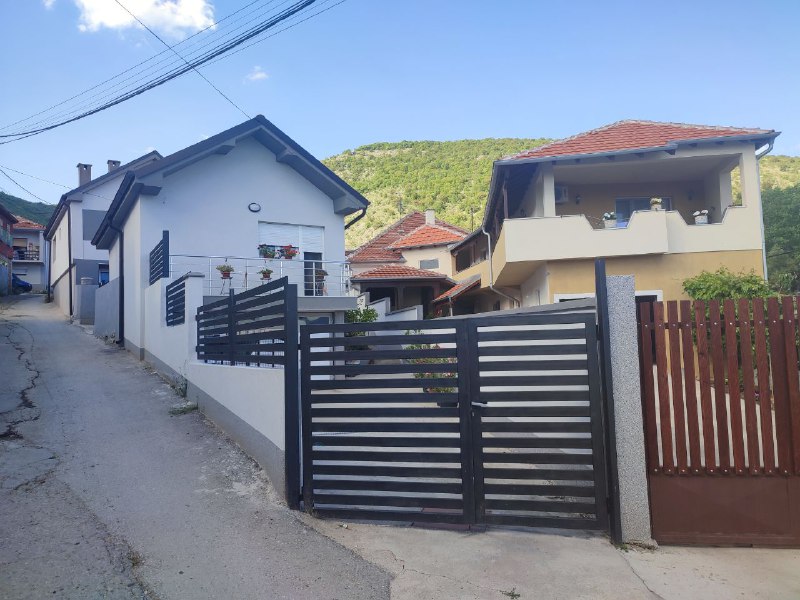
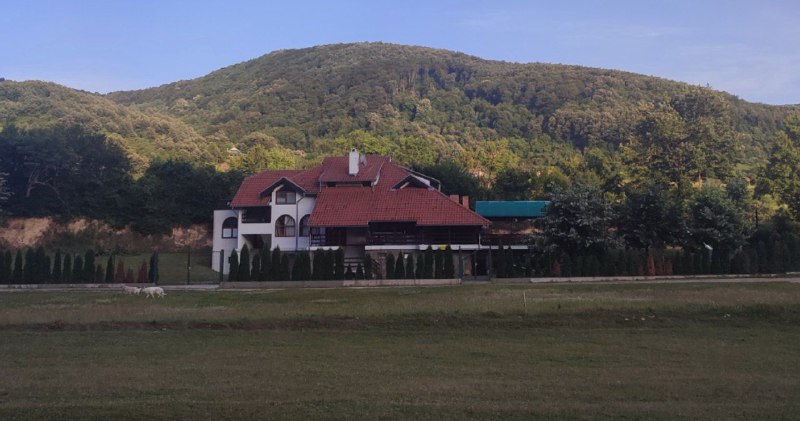
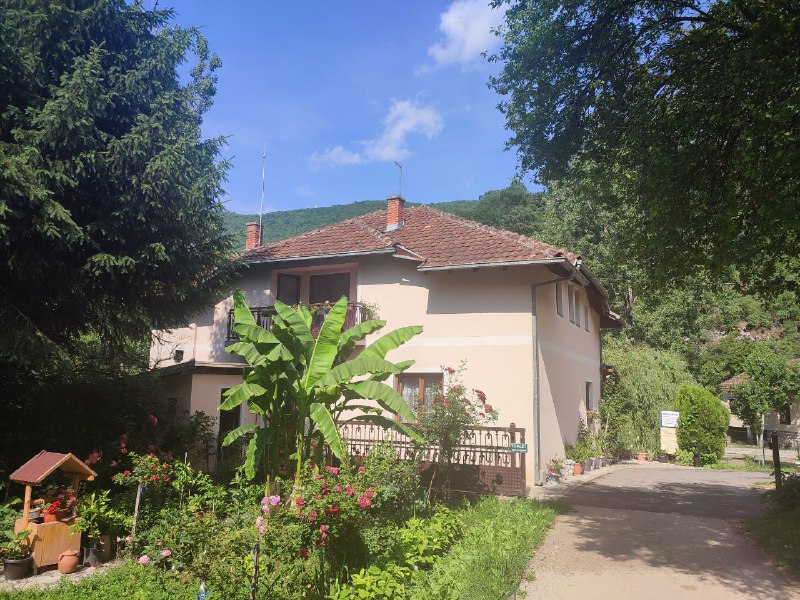
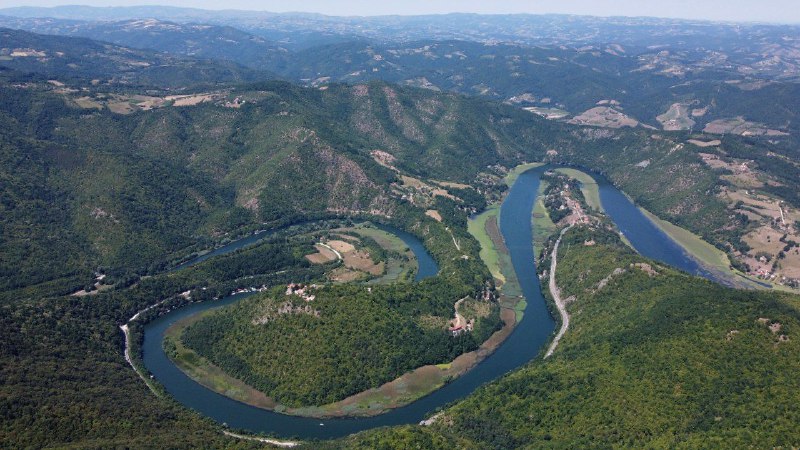
Serbia's terrain is quite hilly. So when you drive even slightly off the highway, you immediately run into all sorts of winding mountain roads. But from a drone, it looks really beautiful.
The video shows a fairly large village, but you shouldn't attribute its excellent condition just to its size. Even in small settlements, you rarely see houses falling apart or looking really poor. Well, except for the abandoned ones.
You can see that people invest in their homes without sparing any expense. From up high it might not be that obvious, but on the ground it really stands out.
The video shows a fairly large village, but you shouldn't attribute its excellent condition just to its size. Even in small settlements, you rarely see houses falling apart or looking really poor. Well, except for the abandoned ones.
You can see that people invest in their homes without sparing any expense. From up high it might not be that obvious, but on the ground it really stands out.
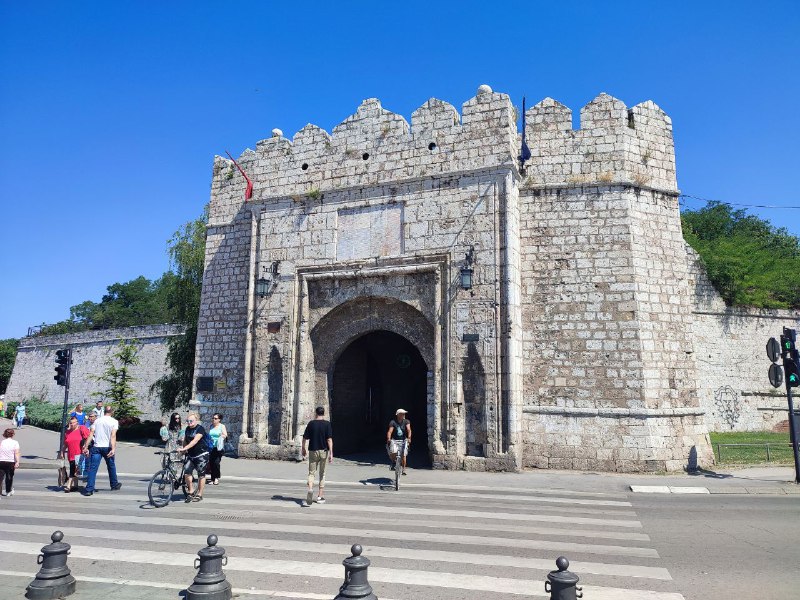
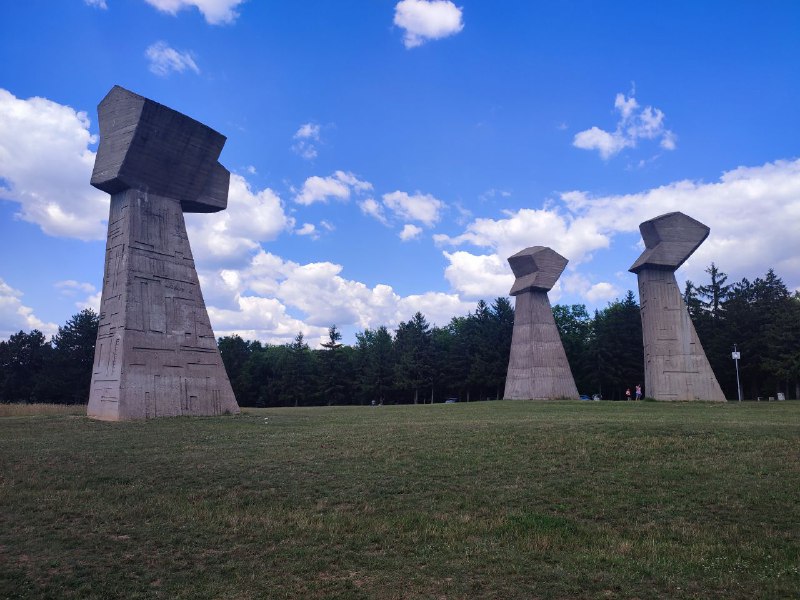
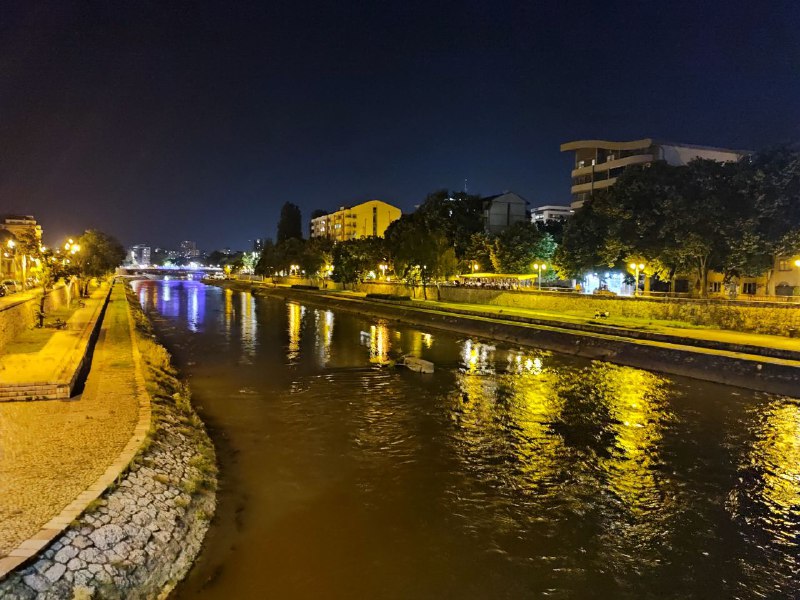
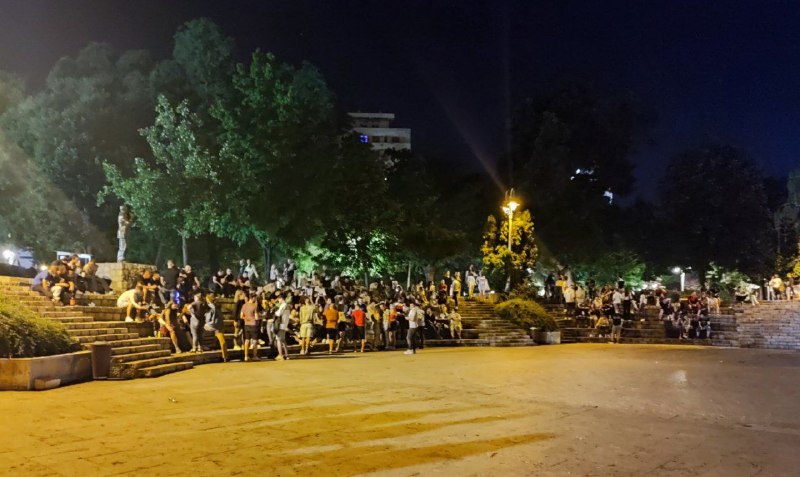
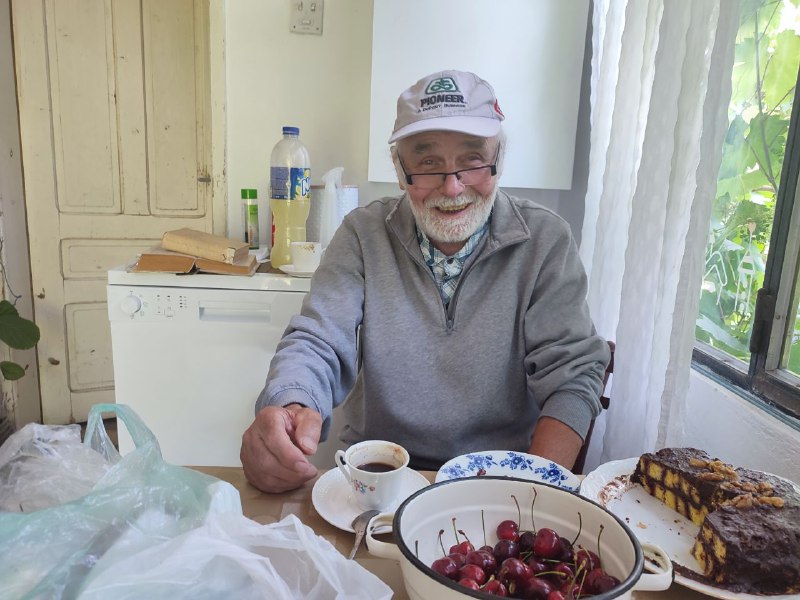
This weekend turned out to be great for conversation! On the way to Devil's Town (those stone pillars near the Kosovo border), I spotted an old guy hitchhiking with bags of cherries and other vegetables. Figured I'd give him a ride—it was on my way anyway. Turns out he'd missed his bus.
As thanks, I dragged Rade back to my place for a cup of coffee. And I gotta say, not every café makes coffee this good.
If I manage to live to his age (he's 74 now), I hope I'm just as full of life. We mostly spoke Serbian—well, he spoke Serbian and I spoke this Serbian-Russian mix. But Rade still remembers the basics of English and German pretty well. Even knows a few words of Arabic. So whenever Serbian wasn't cutting it, we'd mix in a few different languages. Back in the day, he was an engineer, spent a year studying in Germany, and even had work trips to Iraq. He lived through the Yugoslav Wars. Now he spends summers here—nature, fresh air, peace and quiet. Winters in Belgrade though.
He pointed to his head and said the main thing is to keep the old noggin sharp, and everything else will fall into place (:"
As thanks, I dragged Rade back to my place for a cup of coffee. And I gotta say, not every café makes coffee this good.
If I manage to live to his age (he's 74 now), I hope I'm just as full of life. We mostly spoke Serbian—well, he spoke Serbian and I spoke this Serbian-Russian mix. But Rade still remembers the basics of English and German pretty well. Even knows a few words of Arabic. So whenever Serbian wasn't cutting it, we'd mix in a few different languages. Back in the day, he was an engineer, spent a year studying in Germany, and even had work trips to Iraq. He lived through the Yugoslav Wars. Now he spends summers here—nature, fresh air, peace and quiet. Winters in Belgrade though.
He pointed to his head and said the main thing is to keep the old noggin sharp, and everything else will fall into place (:"
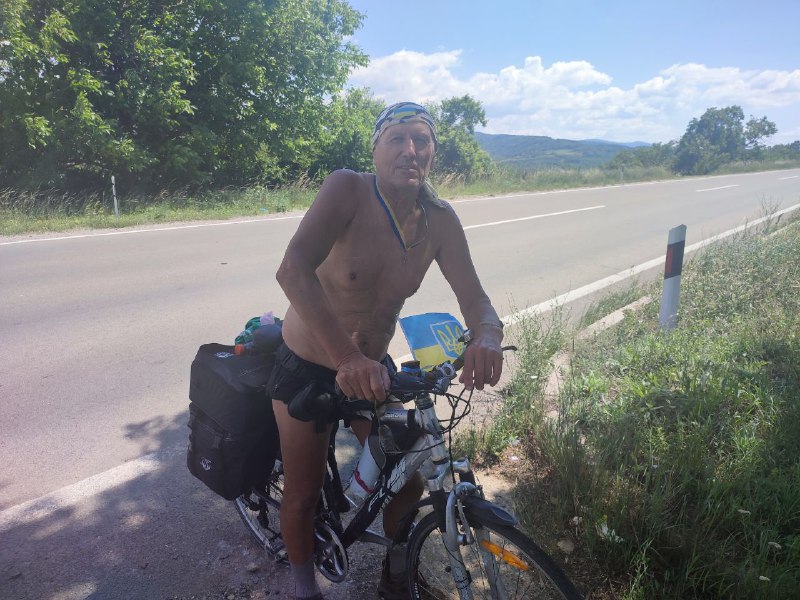
I was driving near Niš when I spotted a cyclist with Ukrainian flags out of the corner of my eye. I couldn't help but stop and have a quick chat.
Turns out his name is Vladimir — a journalist and traveler from Zaporizhzhia. Since February 24th, he'd been volunteering in Ukraine, helping the army. He says his house has almost certainly been destroyed by now. The hot line of the front moved through his village and left nothing behind.
Now he's left Ukraine and decided to go on a cycling tour across European countries in support of his homeland. The Serbian part is almost done: Vladimir was heading toward the Kosovo border.
A good man. It's a shame we met under such circumstances.
Turns out his name is Vladimir — a journalist and traveler from Zaporizhzhia. Since February 24th, he'd been volunteering in Ukraine, helping the army. He says his house has almost certainly been destroyed by now. The hot line of the front moved through his village and left nothing behind.
Now he's left Ukraine and decided to go on a cycling tour across European countries in support of his homeland. The Serbian part is almost done: Vladimir was heading toward the Kosovo border.
A good man. It's a shame we met under such circumstances.
Countries
 United Kingdom3
 Serbia100
 Bosnia and Herzegovina54
 Turkey42
 United Arab Emirates3
 Brunei2
 Indonesia12
 Malaysia15
 Argentina16
 USA117
 Morocco5
 Georgia5
 Egypt16
 Hong Kong8
 China4
 Vietnam9
 Tunisia7
 Montenegro9
 Philippines12
 Singapore10
 Oman12
 Algeria12
 North Macedonia5
 Lebanon11
 Israel27
 Albania17
 Russia63
 Tanzania50
 Netherlands7
 Spain14
 Latvia2
 Germany7
 Belgium3
 France27
 Kazakhstan32