Telegram mirror

Telegram is a messenger where I post short travel notes. This page is a self-hosted backup of that channel.

Filtering: Serbia ×Clear all
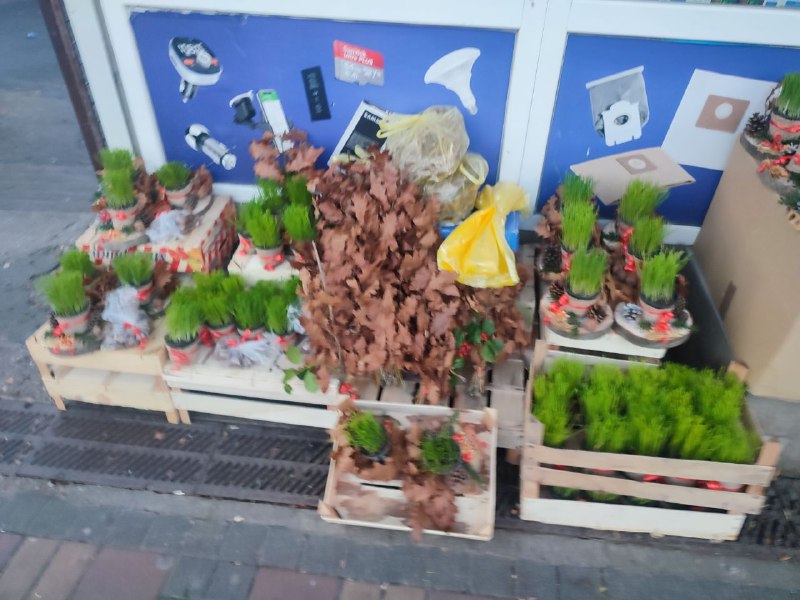
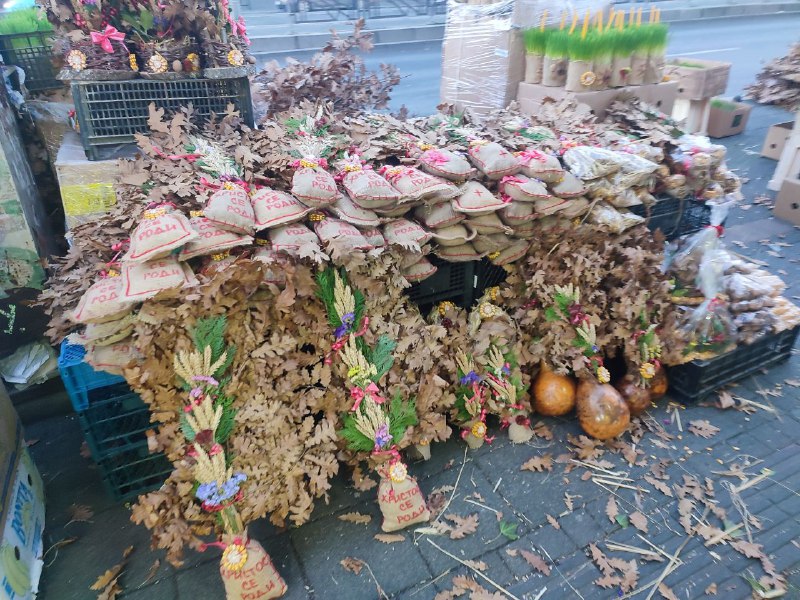
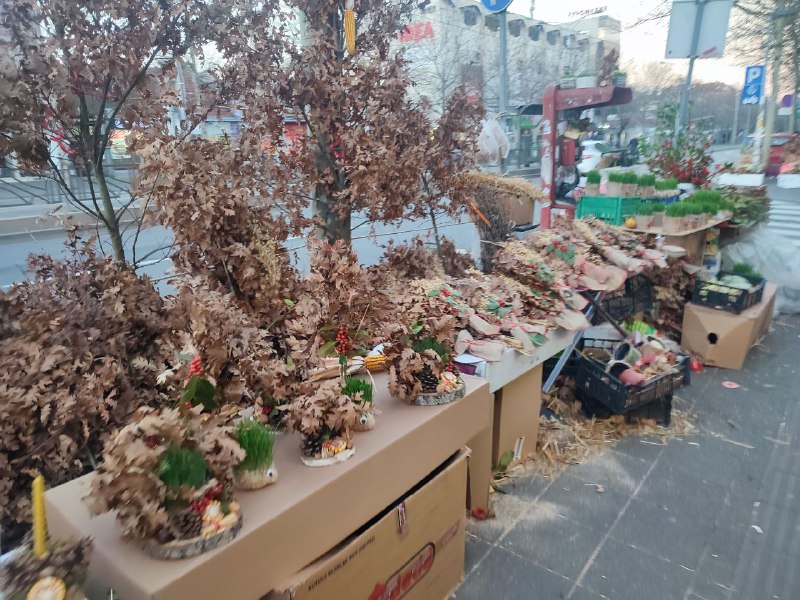
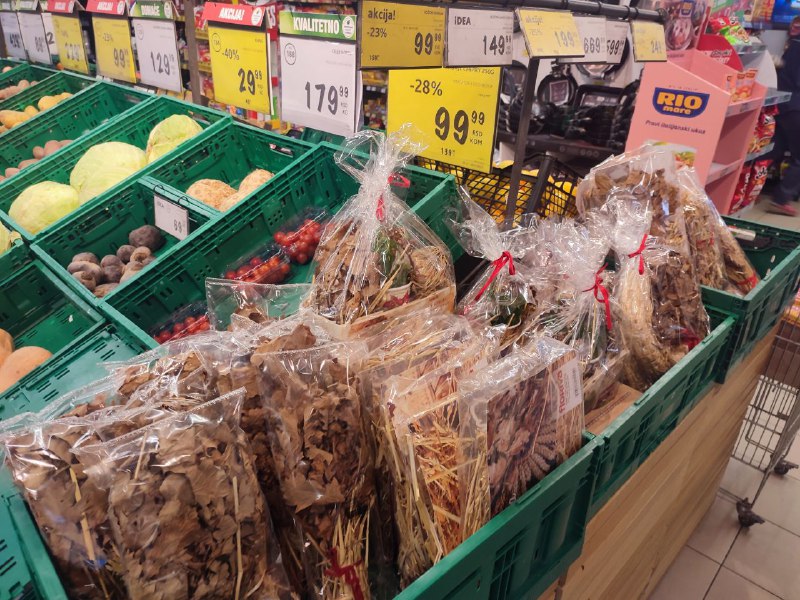
On January 6th, early in the morning before dawn, the head of the household in villages goes into the forest with his sons to find an oak log (badnjak) that they'll burn in the evening.

In the city, this has turned into a massive sale of oak branches in markets and shops. I mean, not all of Belgrade is going to go out together and chop down the nearby oak trees. Plus, there's nowhere to burn it all anyway.
Serbs typically don't exchange gifts on Christmas Day itself. Instead, they do it over three consecutive Sundays leading up to Christmas Eve: dětinjci (gifts from the kids), materice (from mom), and oci (from dad).

Gift-giving happens as a sort of ransom game. In the morning, you sneak up on the gift-giver, tie their hands and feet with a towel or scarf, and they buy their freedom with a present.

It's all done as a playful joke. Don't picture families tying people up like bank robbers with bruises left behind afterward. Kids often can't hold back their laughter when they're supposed to tie up their parents, who pretend not to notice and keep sleeping. A Serbian friend told me his dad would actually start running away, and the whole family would chase him down to finally get their gifts.

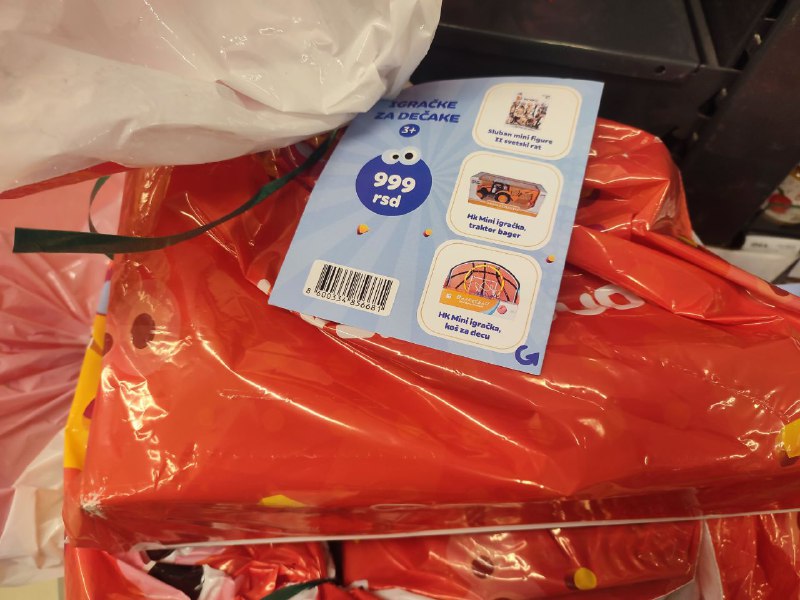
Kids sometimes get toys or just a small bill that inevitably goes toward candy. Parents usually get a promise to behave better next year as their gift, though kids sometimes just skip giving it altogether.
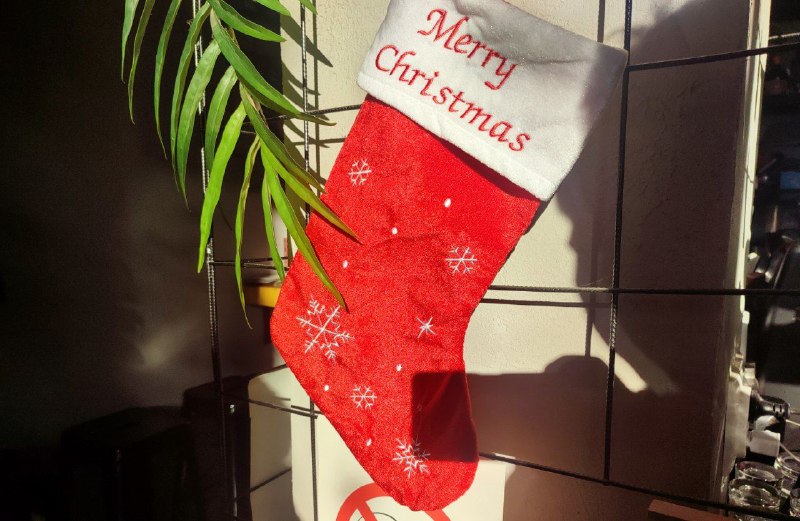
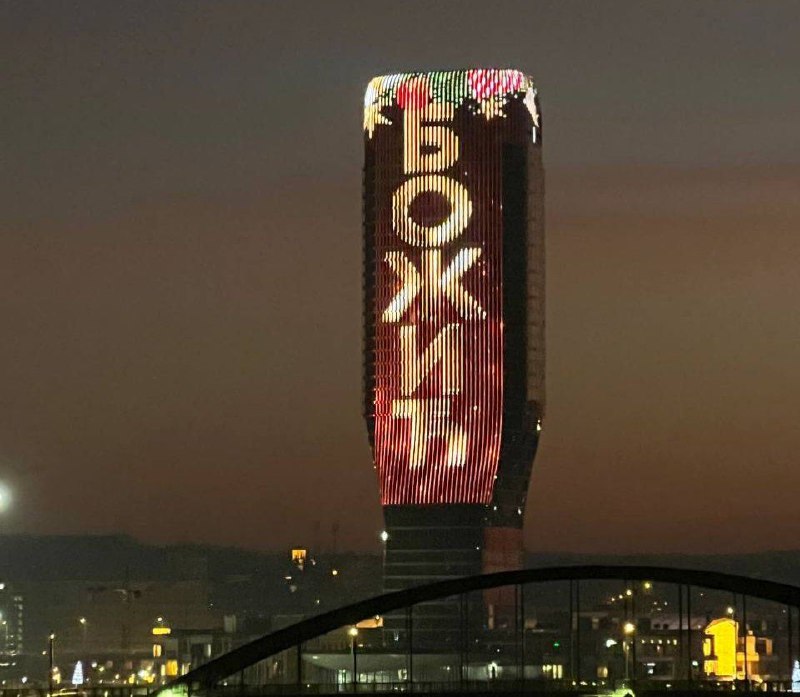
I managed to get back to Belgrade just in time for the big Christmas celebrations to see the festivities firsthand.

Serbia has a whole bunch of traditions around these days, many of which have survived from pre-Christian pagan rituals. Today, a lot of these rituals only remain in villages and small towns, while in larger cities they gradually fade away or transform. But I'll try to quickly walk you through the main highlights.

The main visible action happens on the evening of January 6th (the actual holiday is the 7th). But the preparations start about a month before.
A few more photos for you :)
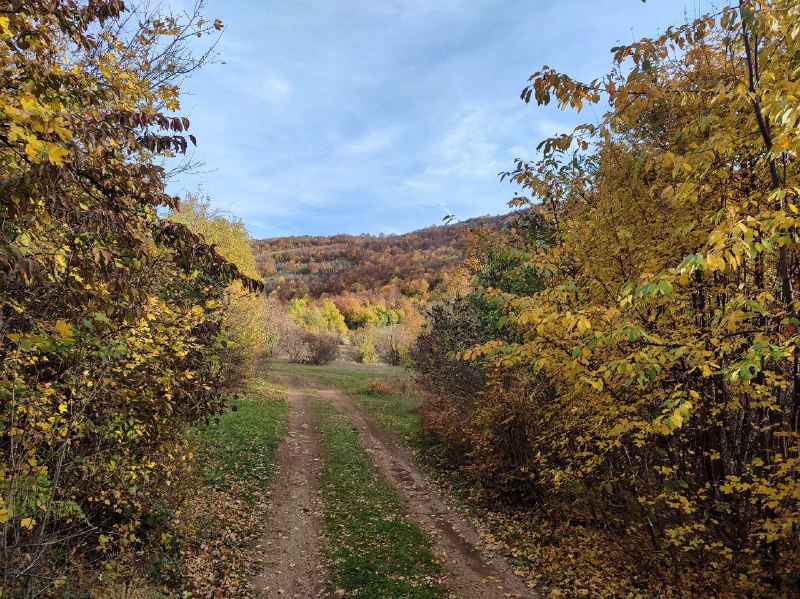
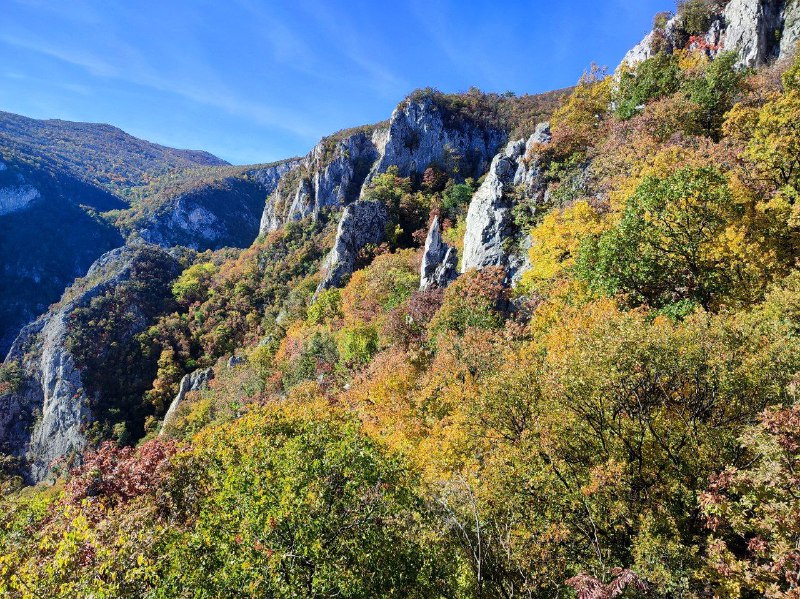
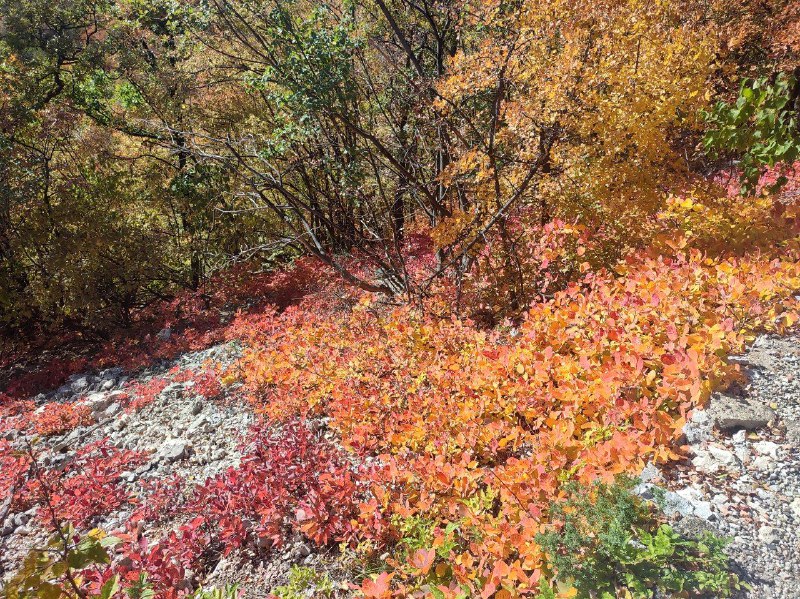
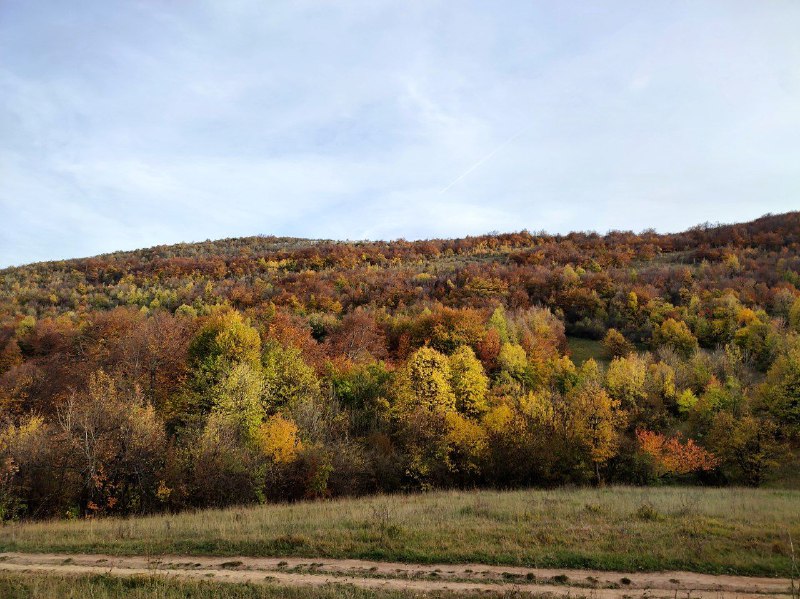
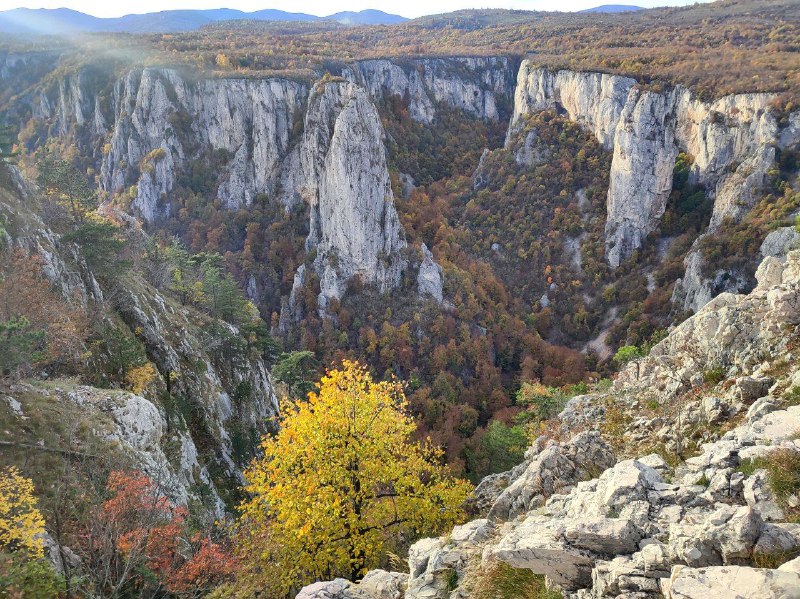
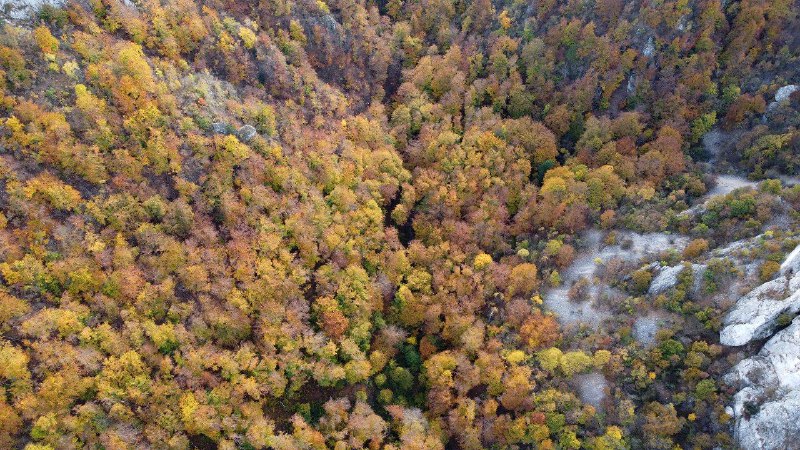
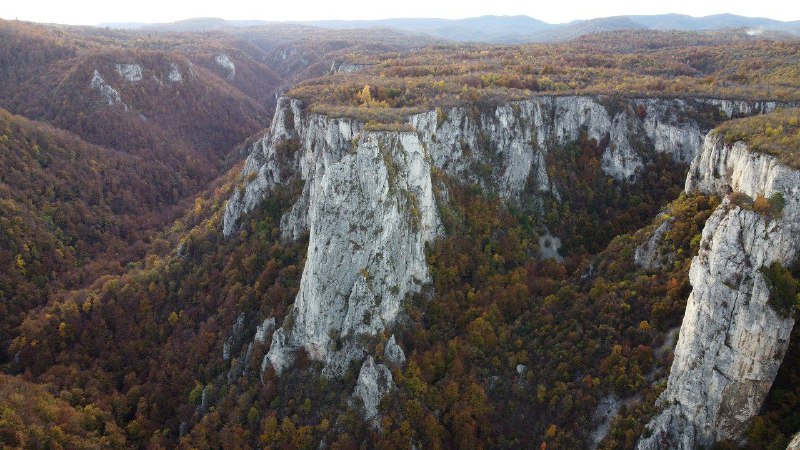
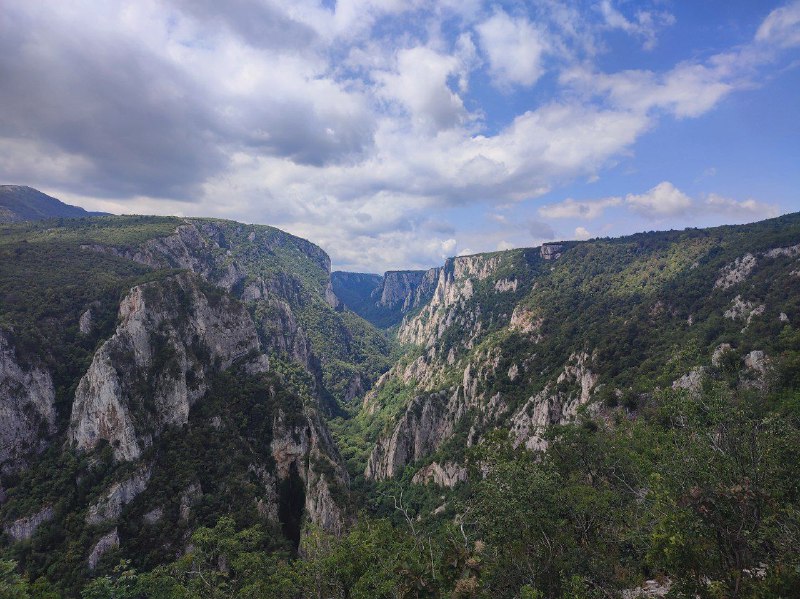
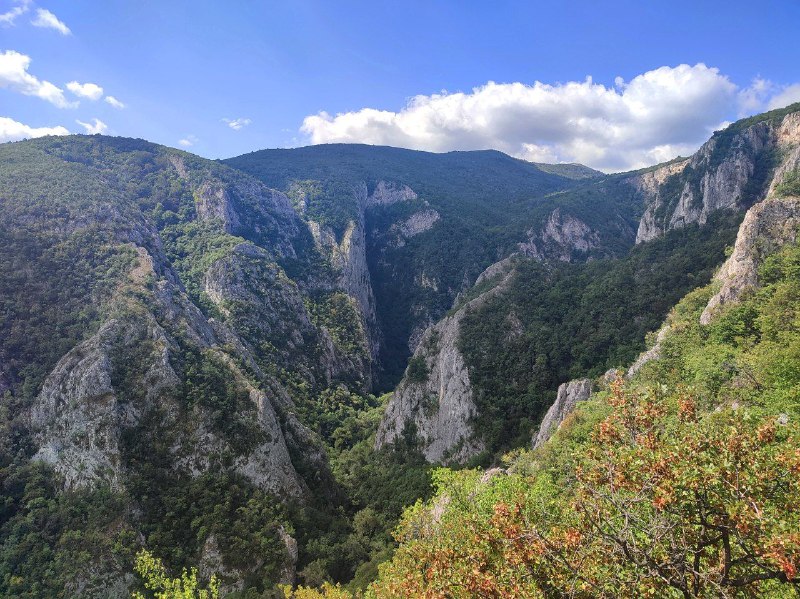
I really needed to go back to Lazarev Canyon. For some reason, I thought it would be all yellow, but it turned out to be multicolored, and honestly, that's even better.

The way I felt, I could have gone back a week later. Or even two weeks. If the leaves don't fall, the colors will be even more vibrant. Although I have completely different plans for next weekend. But yesterday's trip turned out great. Autumn is the best time to visit the canyon if you haven't yet.

This time there were actually people on the trail! Over the summer, I'd run into maybe 3-4 people all day, but now there were even large groups. Guess it's peak season :)

During a break, my neighbors were discussing the funny names of the viewpoints: Amazing Lazarov kanjon viewpoint and Best viewpoint of Lazarov kanjon. I checked—the names don't lie! Those are genuinely the best spots.

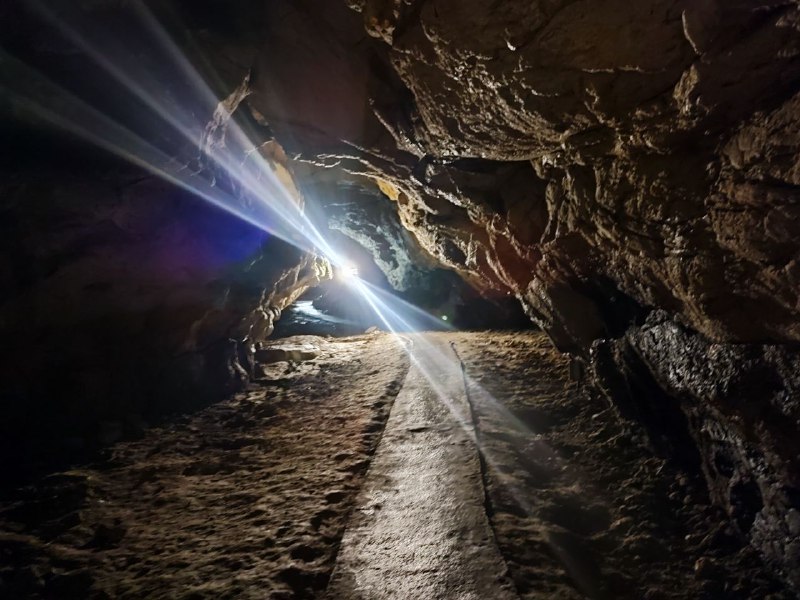
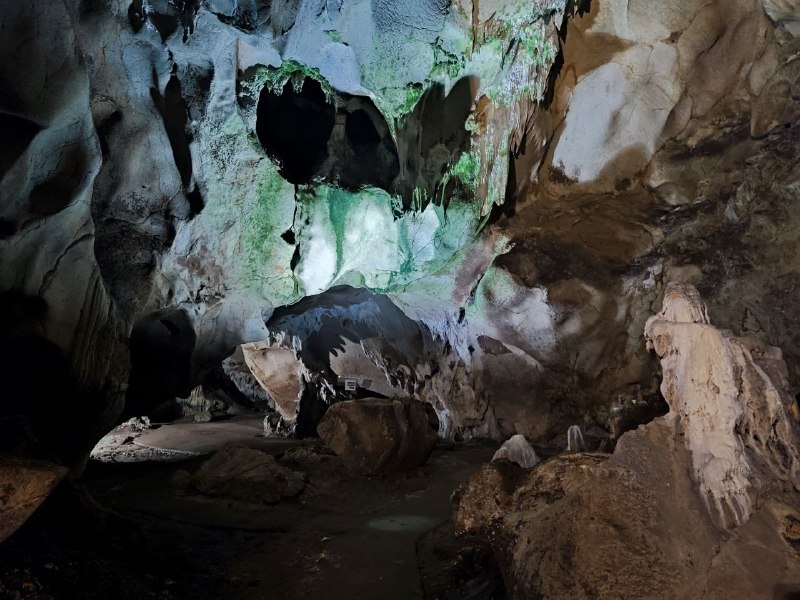
To mix things up besides rock scrambling, I also explored Lazareva Cave below the mountain. It's cool, but more as a bonus activity. The plus side: it stays really cool inside. I remember it was late October, but I was hiking in just a t-shirt (and I wasn't the only one) because otherwise it would be too hot.
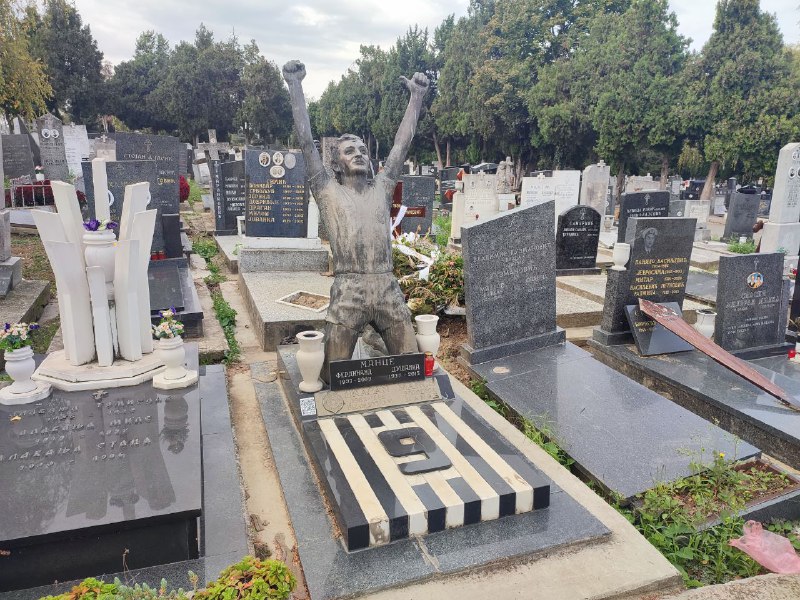
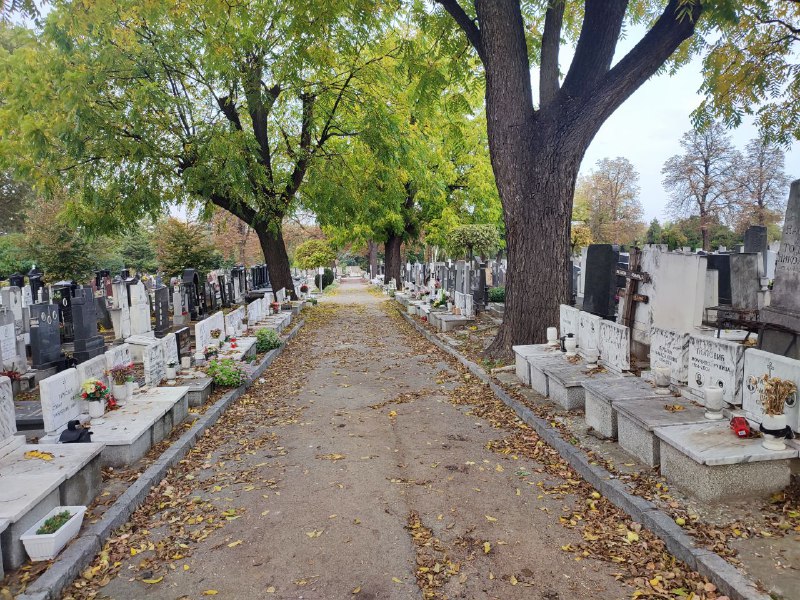
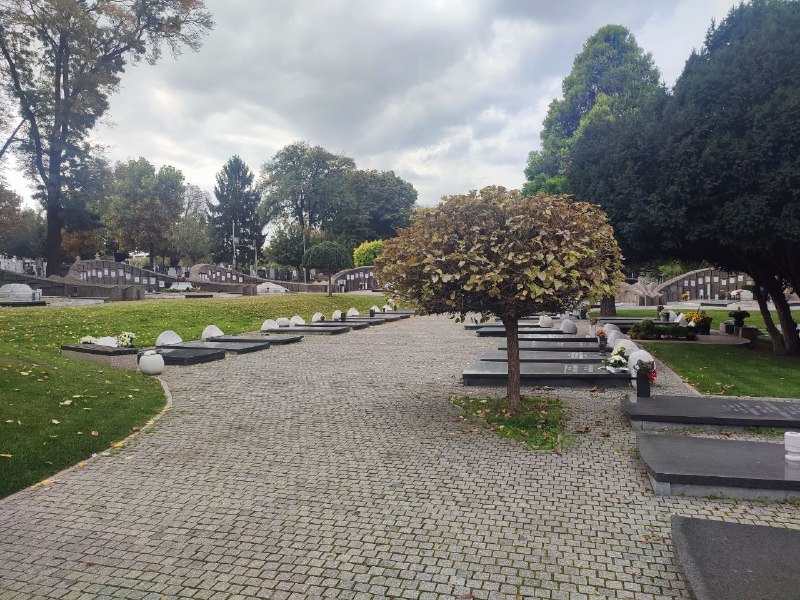
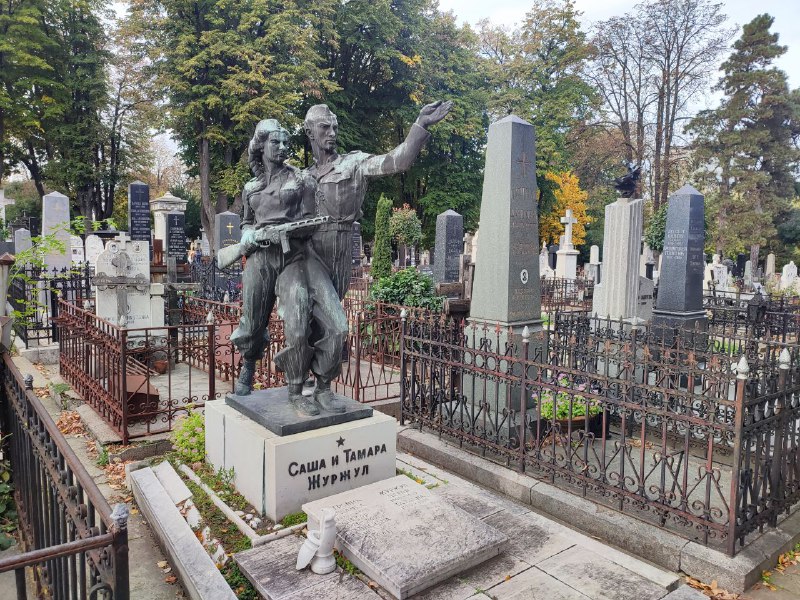
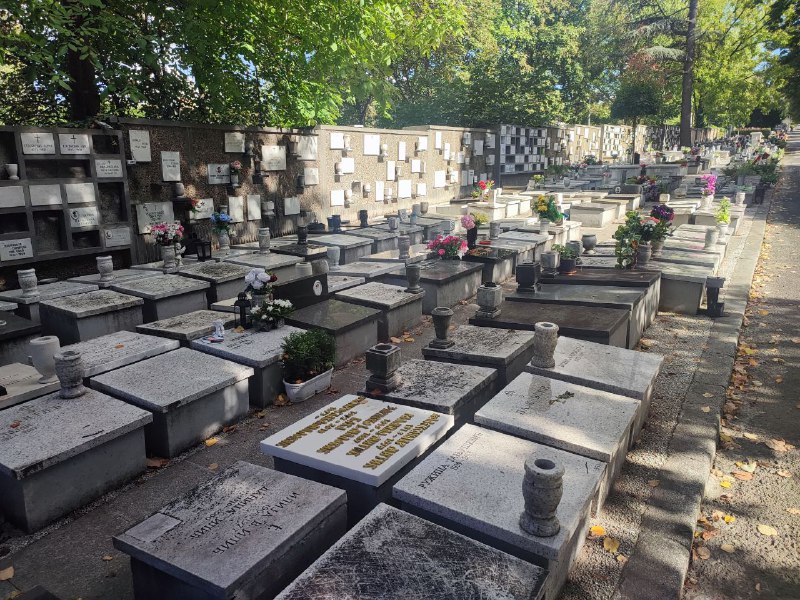
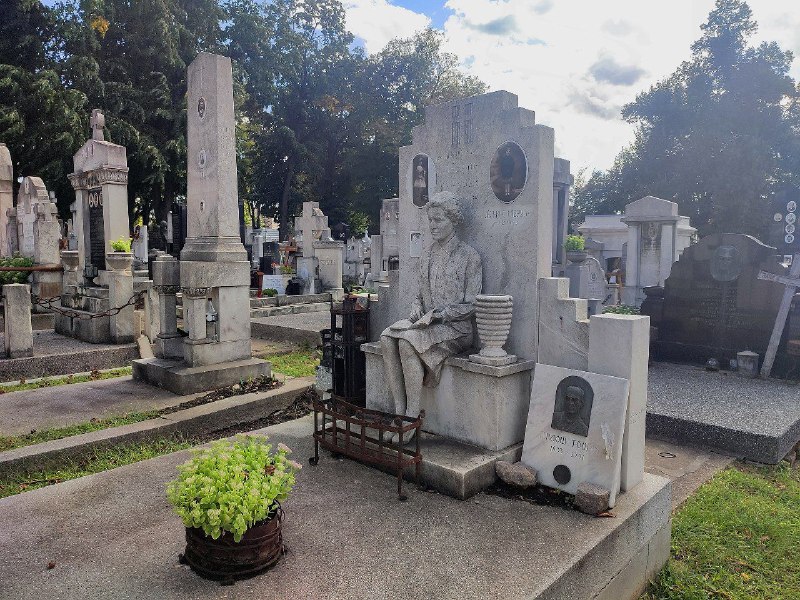
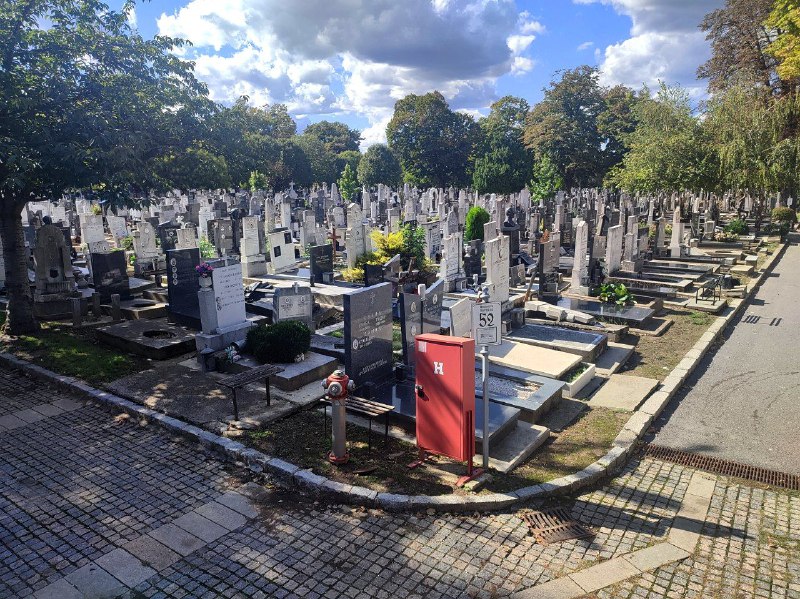
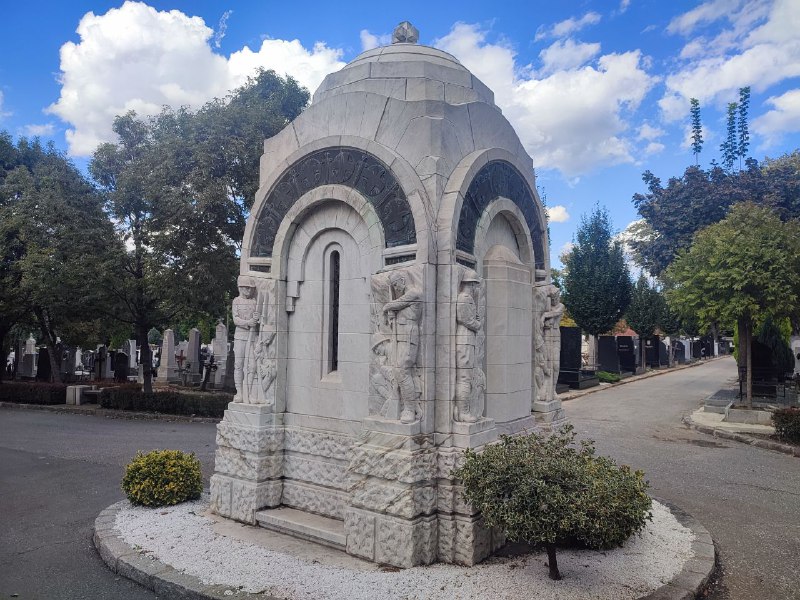
I'm not really one for hanging around cemeteries, but Novo groblje in Belgrade totally blew me away. Despite its name, it's actually one of the oldest active cemeteries in the city. 150 years in and they still haven't renamed it to "Old" :)

Walking through here feels like you're in a museum—sculptures, monuments, and history everywhere you look. Even when they were just planning it out, the authorities made sure to learn from past burial mistakes and designed the space properly from the start. And get this: since 1884, they've managed to keep it from becoming a chaotic mess of graves. The whole area is divided into sections—there's a special block for notable people, monuments to victims of the world wars, and even a separate area for Russian white émigrés.

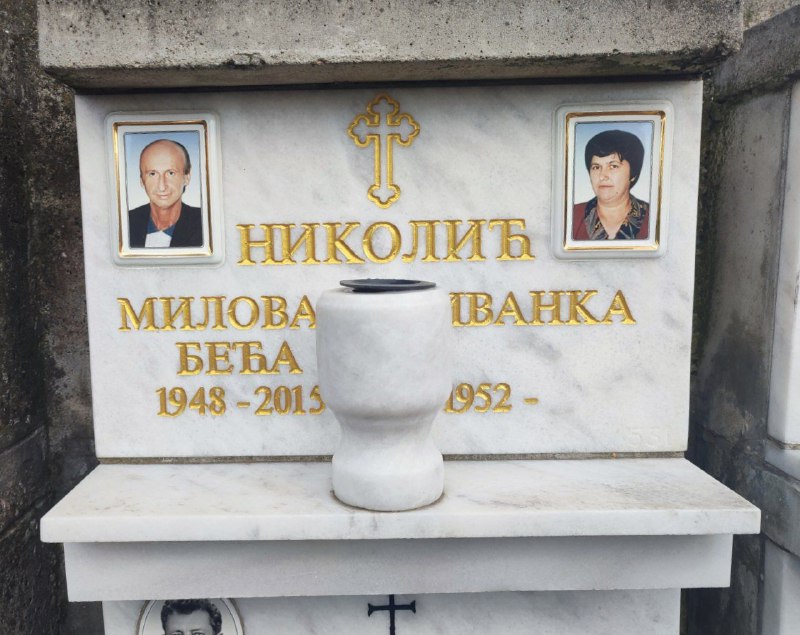
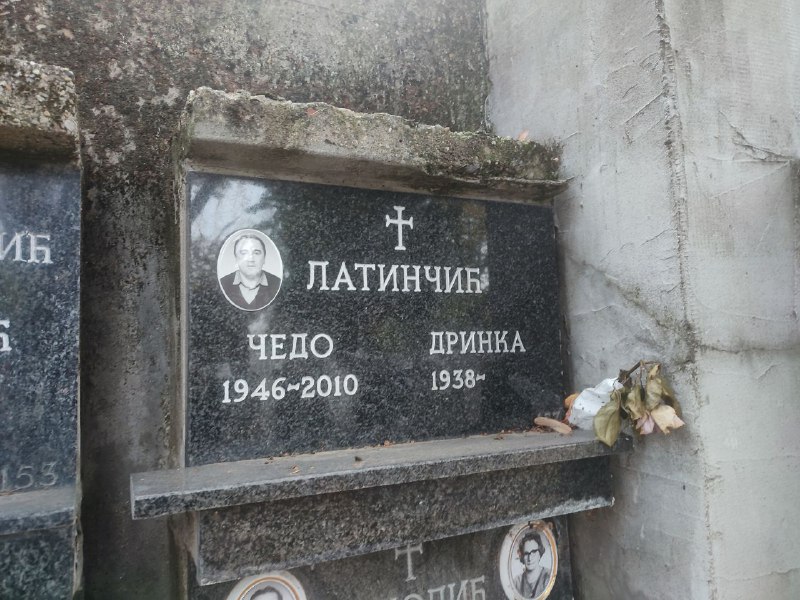
What really catches your eye are the gravestones with no death date on them (and there are quite a few). Turns out these people are still... alive. When one spouse passes away, sometimes families order a monument for both of them right away, but they only carve in the dates they know. It's basically a way of saying the living partner will stay faithful and take their place beside them when their time comes. It was pretty strange to see at first, but apparently it's just how things are done here.
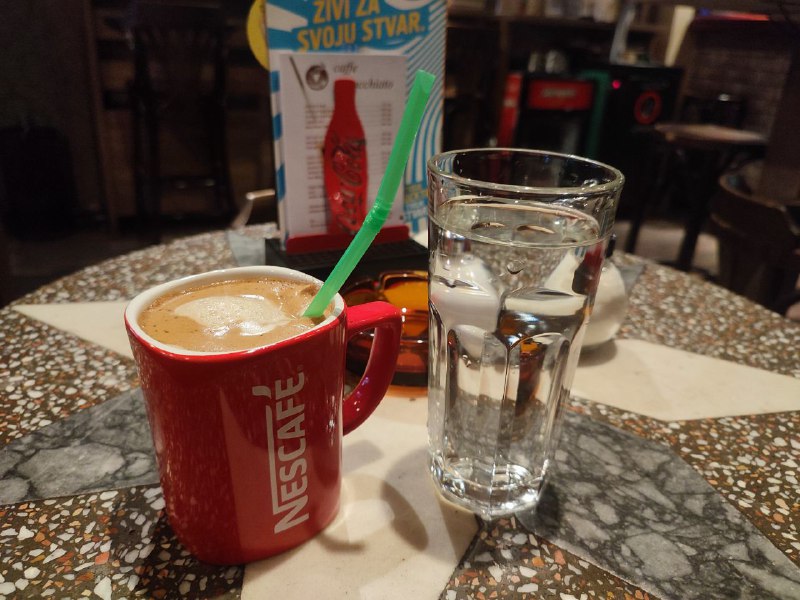
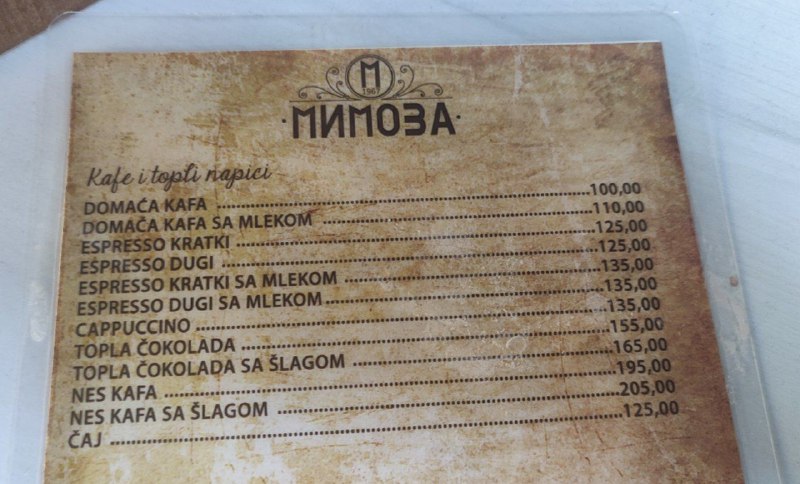
At many Serbian cafés, you can order not just regular coffee, but instant Nescafé! For roughly the price of two cups of traditional Turkish coffee (sometimes the difference is smaller). The pricier, the better, right? :)

I tried it once, but honestly it tasted even worse than I expected. Though some locals seem to like it.

This phenomenon has roots in two things. Coffee in Serbia is made noticeably stronger than what I'm used to back home. Instant is milder and made with so much milk that it's basically milk with coffee rather than the other way around.

And second, nearby Greece is one of the most popular vacation destinations for Serbians. Nice clean beaches, relatively affordable, plus plenty of history—what else do you need for a good holiday? Greeks have frappé (a sweet cold instant coffee with ice and milk foam) as practically their national drink. So vacationers bring back all sorts of foreign habits.

Unlike its cousin, nes café is served hot, without ice or sugar, which unfortunately doesn't make it any better. But there is a cold version too.
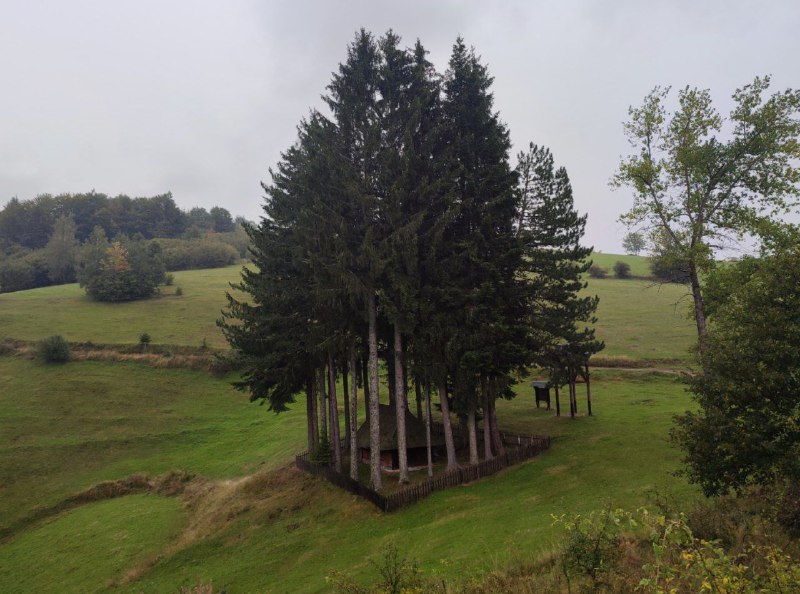
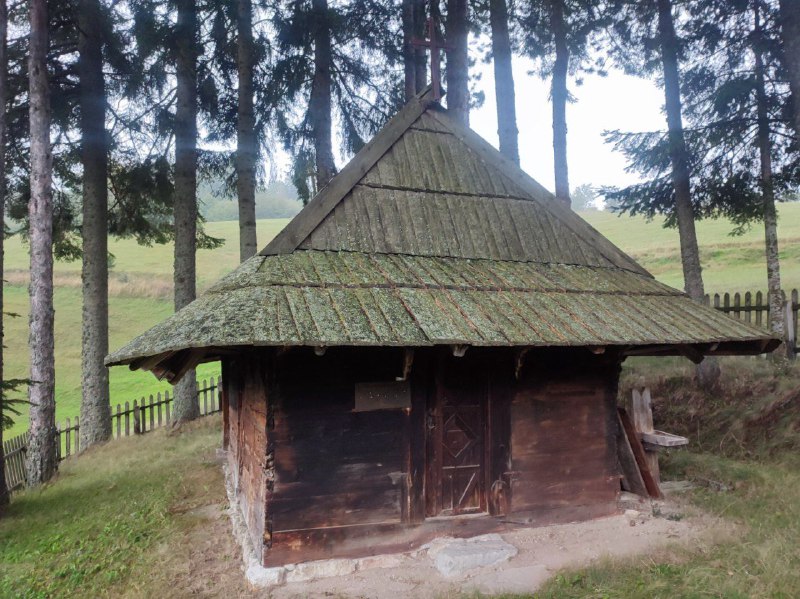
- Excuse me, is this church in a field or in a forest?
- Yes.

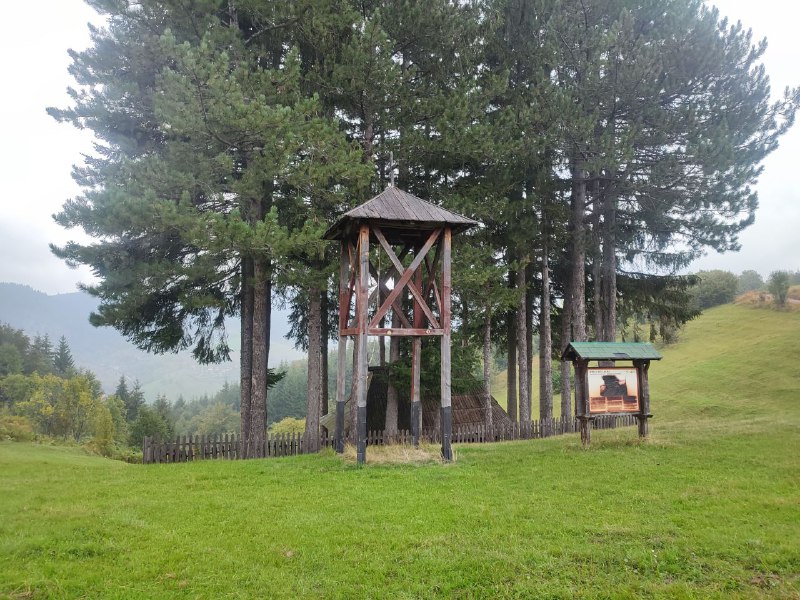
I never thought such an unassuming wooden church could look so fantastic.

It's located in the small village of Kučani in western Serbia, but even with a car, it's not easy to get there. About 5 kilometers before the end, the asphalt runs out and turns into a dirt road that's basically impassable. The locals somehow manage to drive regular sedans through it—I've seen it myself. But they know where to find a tractor, and I don't. So I walked there on foot.

There's no exact data on when it was built, just theories about the 18th or 19th century. According to one version, the pine trees were hiding the building from Ottoman authorities. Back during the empire, it was hard to get permission to build a new church, so they hid it however they could. Though in such a remote place, they probably didn't need to try so hard.

There's also a legend that it was originally built somewhere far away on a mountain, and then one night the building moved to its current location.
This picture always goes perfectly with stories like these)
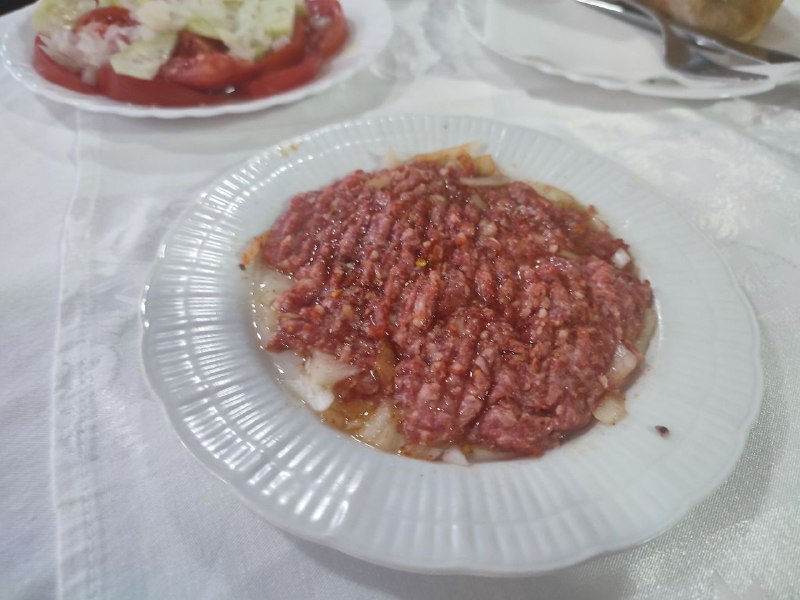
You've probably heard of Tatar beef steak (raw minced meat with spices, which has basically nothing to do with Tatar cuisine; and it came to Europe thanks to Americans and was even called American at first). And Serbian pljeskavica (probably one of the most famous local dishes).

In Serbia they love both. But in Valjevo they decided to combine these things. And came up with... raw pljeskavica 😅

In Serbian it's called "živa pljeskavica" (time to remember the meme about Gordon Ramsay and the raw steak finishing his salad). The dish is basically not much different from Tatar beef steak, except they serve it with toasted bread, and it's theirs, homegrown. Even Serbian news outlets praise it. They say the recipe is over 50 years old and tastes much better than its competitor.

Curiosity got the better of me and I went for a tasting. Surprisingly, it was really tasty. And no, I wasn't that hungry)
Not every hike goes smoothly. But when you do everything yourself, it's not as disappointing. This time though, I have someone to blame (:

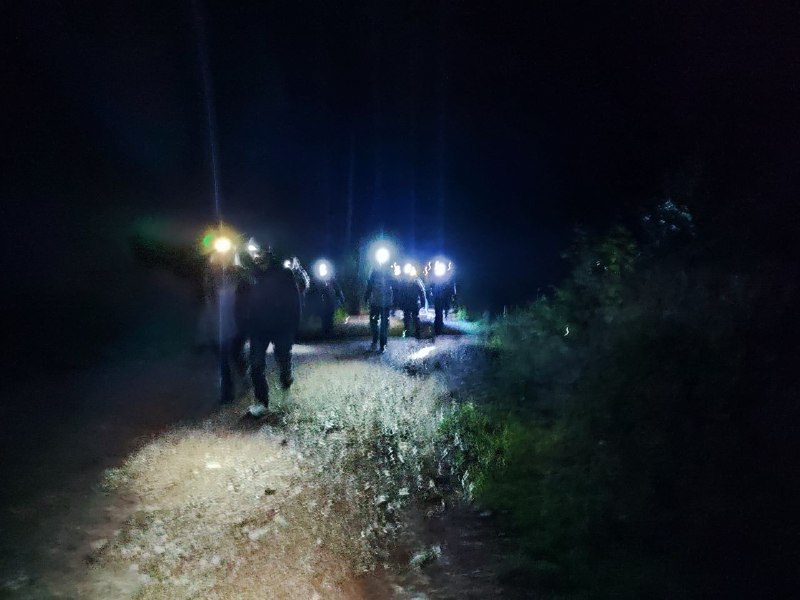
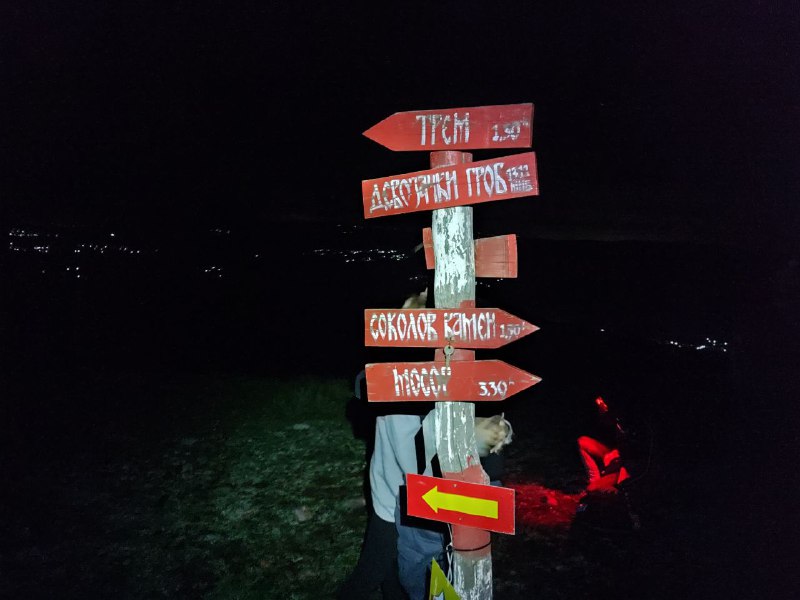
Despite my dislike of large group outings, I fell for the local hiking club's offer of a night ascent to Suva Mountain (1810m above sea level; starting from ~900m). "I'd never go climbing an unfamiliar mountain in the dark alone, but these folks know what they're doing," I thought, and signed up. I was also curious how organized tourism works here.

funfact: You can pay for the trip either at the hiking club office or with an "electronic" payment at the nearest post office. Why it's called electronic isn't entirely clear (:

The plan was simple: arrive around midnight at the trailhead, climb to the top, catch the sunrise, and head back. The description really oversold the difficulty of the climb and the winter cold at the summit. In reality, everything was the opposite: the trail was comfortable, the top was fresh but not cold.

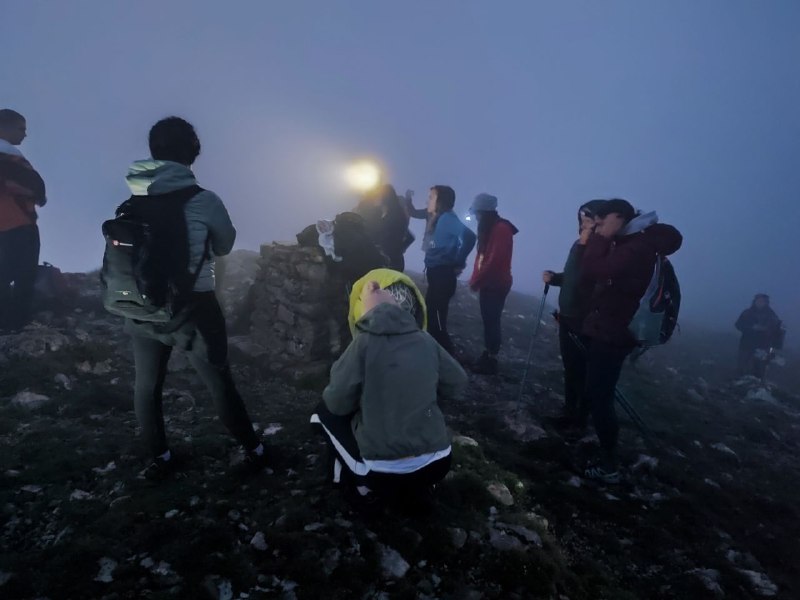
The place is fantastic, definitely worth going. But the organization fell short: there were too many people, and part of the group with the main guide rushed ahead and then agonizingly waited for the second half to catch up. Then the rested, faster folks waited for the tired, slow ones to recover. In the end, I spent half the hike in painful waiting (:

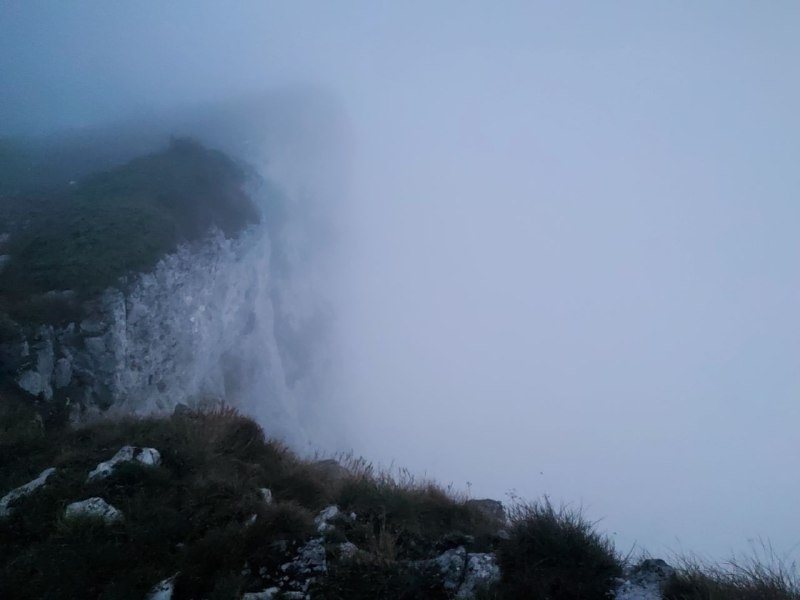
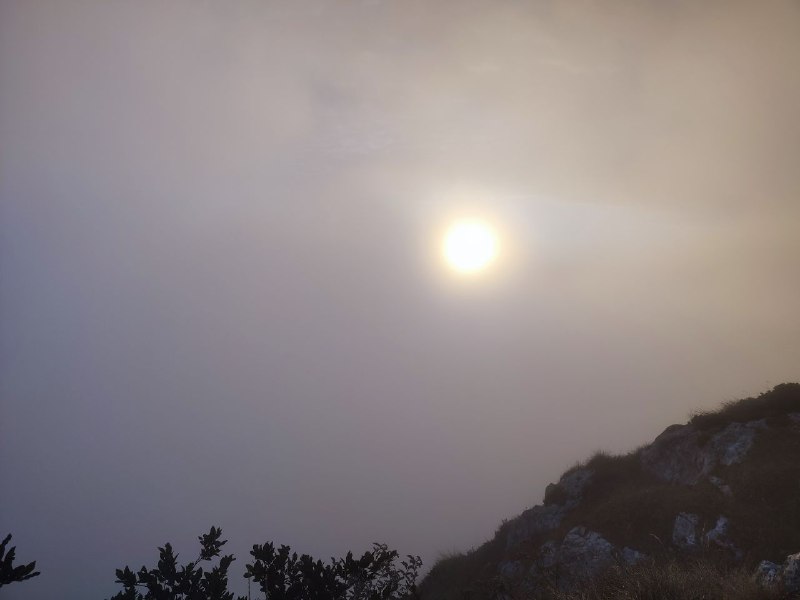
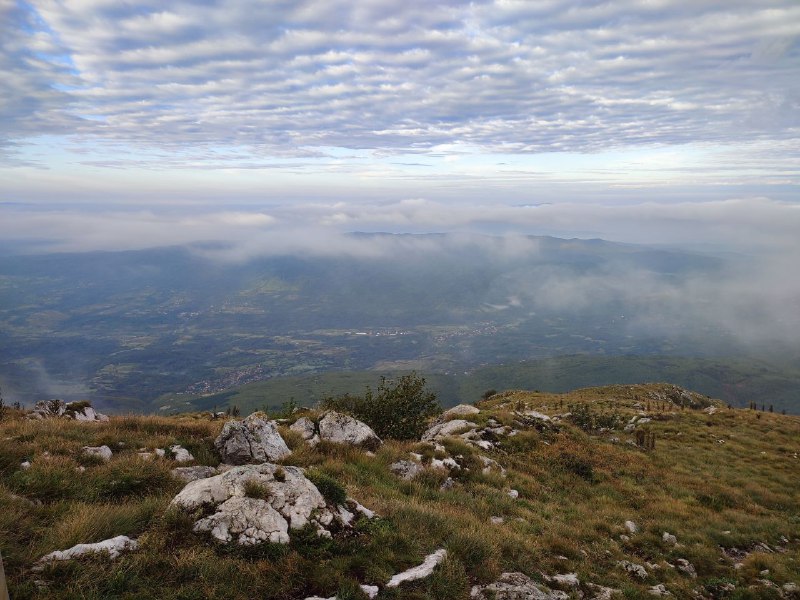
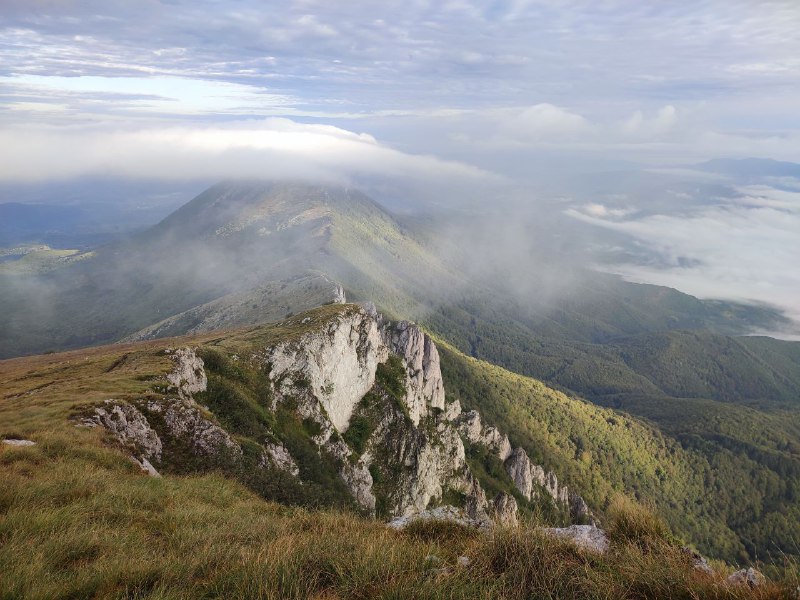
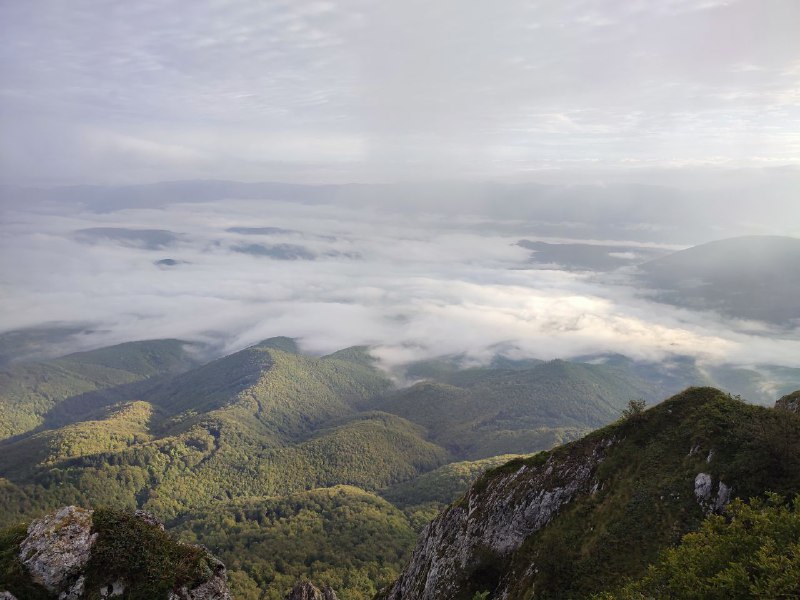
But while you can come to terms with waiting, you can't with missing out on beauty. Well, actually there were beautiful views, but we barely got to see them. During the night climb, the starry sky was magnificent—I hadn't seen anything like it in ages. As dawn approached, we got engulfed in clouds and watched the sunrise from inside them. Early morning in such places, that's usually the story—you often need to wait a bit to see something interesting. But the guide decided to head back through the curtain of water. About an hour later, I looked back and the summit was almost completely cleared. Well, so be it. Maybe next time.

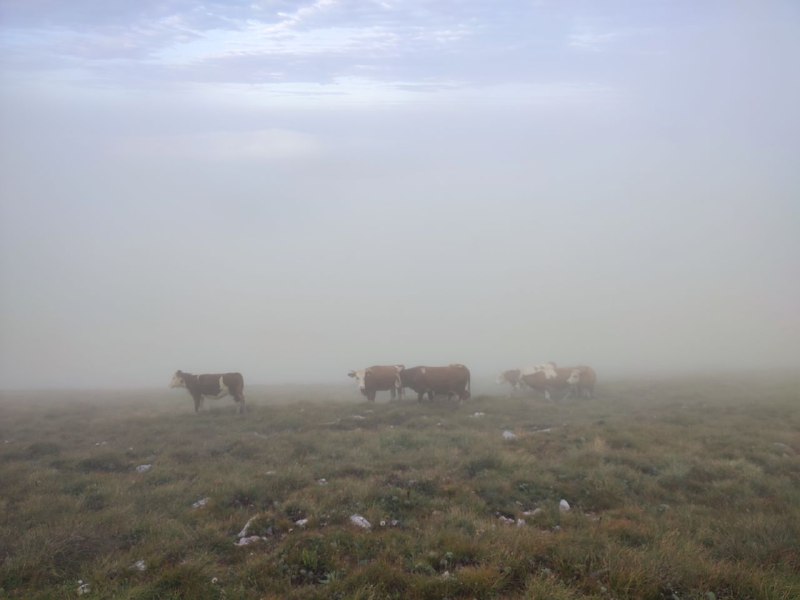
At least we walked through the fog. It was amusing to suddenly encounter a herd of cows in it. All the beauty ended up being shown well below the summit, but even there it was lovely.
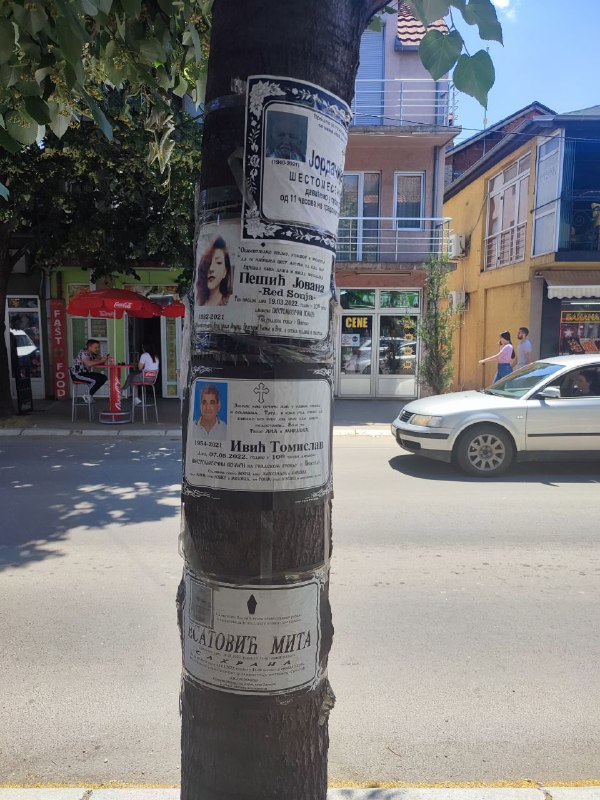
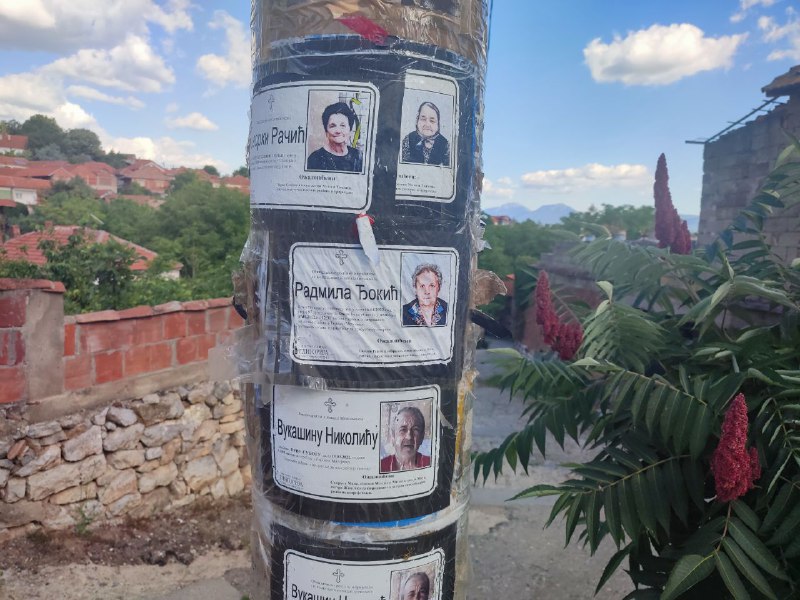
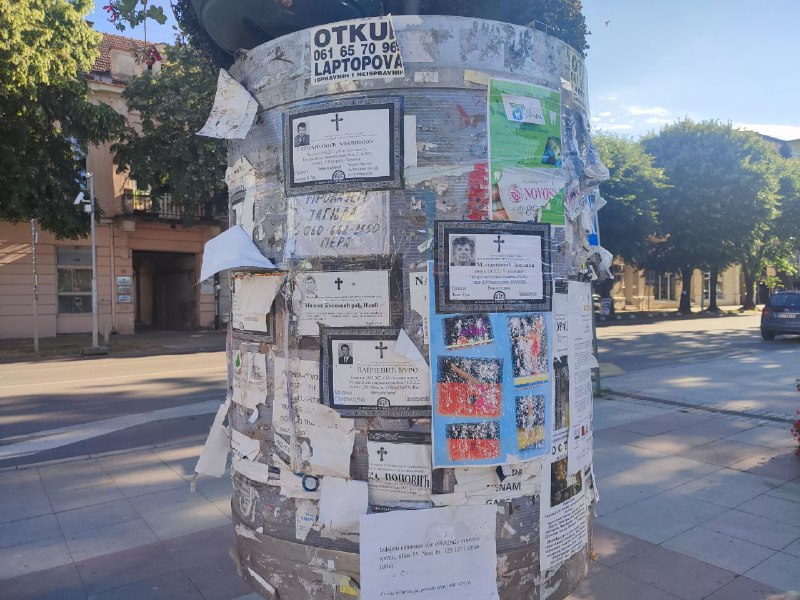
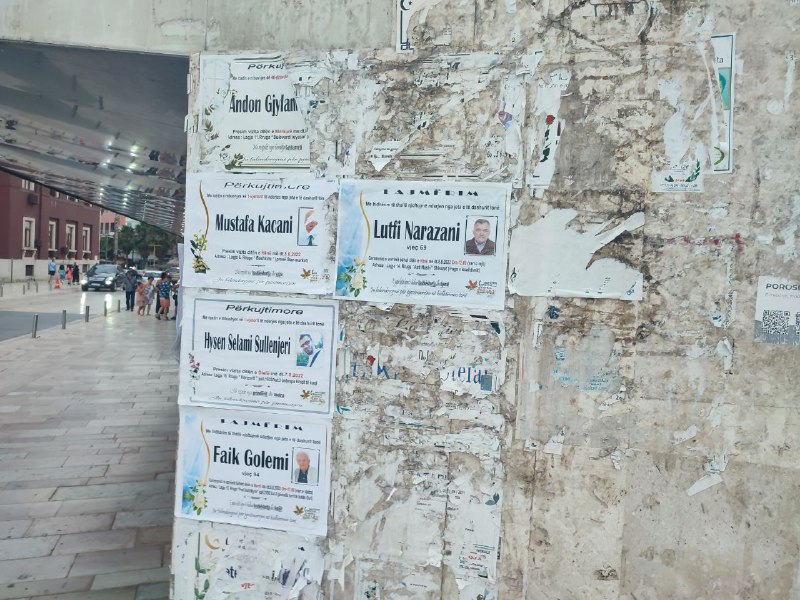
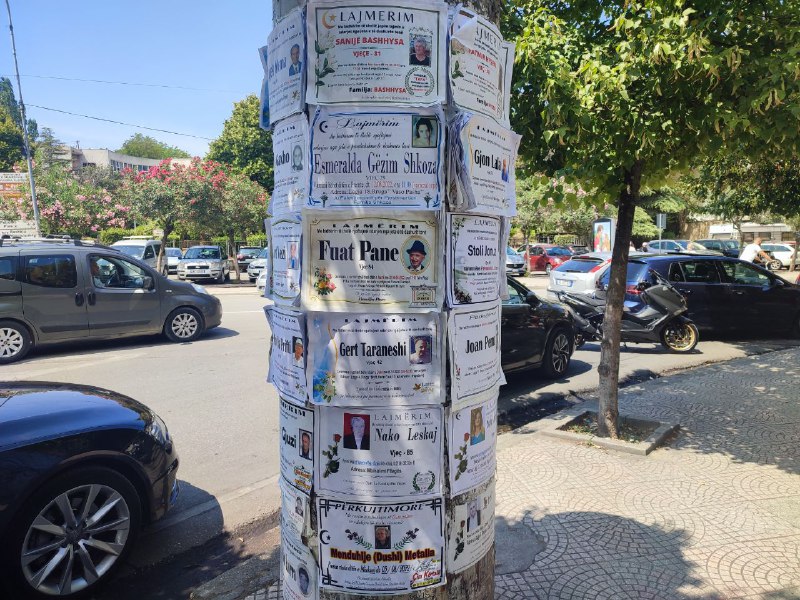
Если на улицах балканских городов и деревушек внимательно смотреть по сторонам, то часто можно увидеть поминальные листки. Иногда они неприметно висят на задворках, иногда на самом виду, но формат неизменный на всех Балканах: есть имя умершего человека, фото, даты жизни, вероисповедание и время предстоящей панихиды. Предполагается, что старые листовки снимают, но это происходит не всегда, поэтому порой можно читать текст годичной давности.

В экс-югославских странах такие штуки называются умрлице или смртовницы, но встречаются и за их пределами: и в Албании, и даже в Болгарии. Для местных это совершенно обыденное явление. Мне кажется, многие даже и не подозревают, что где-то может быть иначе. Если просишь рассказать подробнее, то часто реакция такая, как будто я спросил каждый ли день сменяется ночью. Про что тут вообще говорить?

Считается, что на такие некрологи люди обращают больше внимания, чем на всё остальное. Некоторые эксплуатируют повышенное внимание в корыстных целях. Например, дают в таком виде рекламу о сдаче квартиры. В этой статье рассуждают допустимо ли это (зацените заголовок на сербском; "бизарно"! какое чудесное слово). Тут рассказывают про писателя, который развешал заметки про свою смерть в 2075 году с приглашением на презентацию собственной книги вместо панихиды. Но не каждый такой случай заканчивается безобидно: вот мужчина получил полгода тюрьмы за публикацию в своем фейсбуке умрлицы вполне живого президента Сербии. Якобы это подорвало госбезопасность. Здесь (наконец-то ссылка на русском) ребята собрали отличную подборку "неправильного" использования смртовниц. Там много всякого, вплоть до похорон футбольного клуба (:

Время не стоит на месте, и 21 век требует технологичных решений даже в вопросах смерти. Нынче появились десятки сайтов, где можно публиковать смртовницы онлайн без регистраций и смс (ихправдаоченьиоченьиоченьмного). Не везде, правда, бесплатно: где-то хотят денег за размещение, а где-то за неудаление пару недель спустя. Следом подтянулись мобильныеприложения.

В новостях про такие решения наивно мечтают, что если все вдруг переключатся на электронный вариант, то дружно перестанут вешать смртовницы на остановках. Но пока ничего не меняется. Разве что по моим ощущениям в городах, где население больше, умрлиц развешано меньше, чем в деревнях. А может их просто оперативнее вытирают.
(translation pending)
After the panic in early August (mostly in Russian media), yesterday news appeared that Kosovo and Serbia have resolved their disagreements and the conflict is off.

Why am I bringing this up? I came across an old article that counted how many times in a year (from April 2016 to April 2017) popular daily Serbian newspapers announced or predicted war on their front pages. It came out to about 2-3 times a week. Srpski telegraf had 155 issues, Informer had 110. Not always about Kosovo—sometimes Albania and NATO also featured as sources of threats. And here guys say that after Kosovo's leadership changed in 2020, warlike headlines actually increased even more.

This situation doesn't look healthy or normal, but when the media keeps changing its tune, people will inevitably ignore such headlines, and experts will convince everyone there's no reason to panic. Then again, sometimes things do blow up.
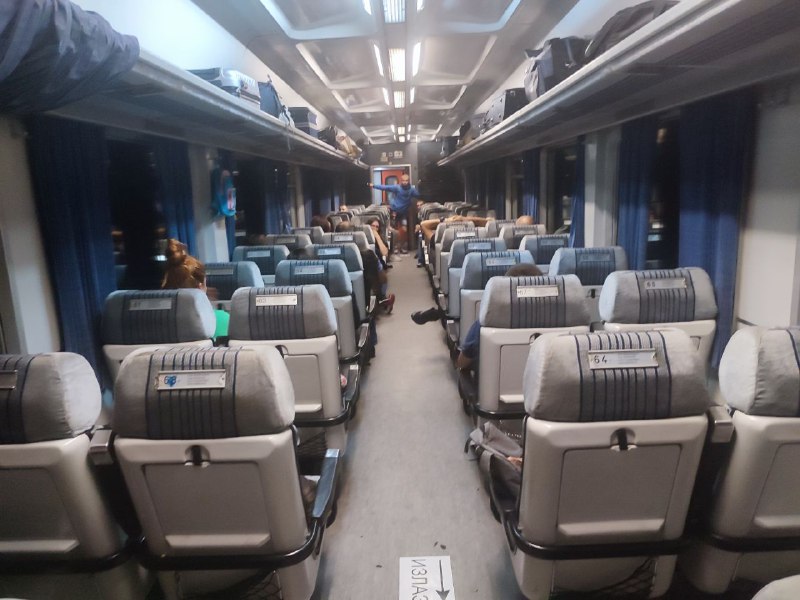
I was too quick to praise that train. I was heading back in a seat car because there were no other tickets available. "What could go wrong?" I thought, and agreed to it. Well, pretty much everything went wrong.

The train arrived 40 minutes late, and it turned out my seat was already taken. The girl occupying it said that seats in this car aren't reserved—it's first come, first served. Besides, she was in the same situation and wasn't at fault.

The conductor didn't confirm her story, but complained that they oversell tickets and there's nothing he can do to help me. He suggested I find an empty seat on my own. Problem was, there were no free seats anywhere, and I really didn't want to stand all night.

Fortunately, after one stop, I managed to find an empty seat. But it turned out that in the vestibule, people were drinking, smoking, and blasting local pop music at full volume. There was constant foot traffic through there, so the car was just as smoky and noisy. It got better toward morning.

Don't make my mistake: don't agree to a seat car. Better to book a ticket for another date, but in a compartment instead. It's much better there.
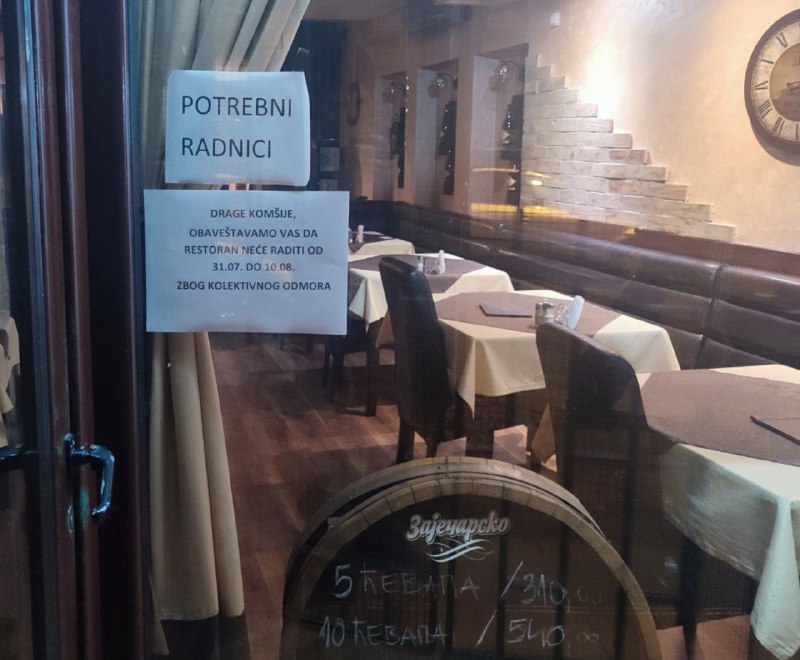
I really love how small local restaurants in Serbia just close down for their vacation period (and honestly, this is pretty common practice across Europe too). And it's not just a rare thing – it's totally normal here.

"So, we're all taking a break, come back in a couple weeks." At least someone's actually managing that work/life balance (hopefully).

The only inconvenience is that nobody updates their hours on Google Maps. So sometimes you show up to find the doors locked and have to frantically search for another place.
Когда я наткнулся в интернетах на картинки Лазарева каньона, сразу стало ясно, что мне срочно туда надо. И вот я доехал.

Виды невероятные. Всего 230 км от Белграда и можно хайкать. Что ещё нужно? (:

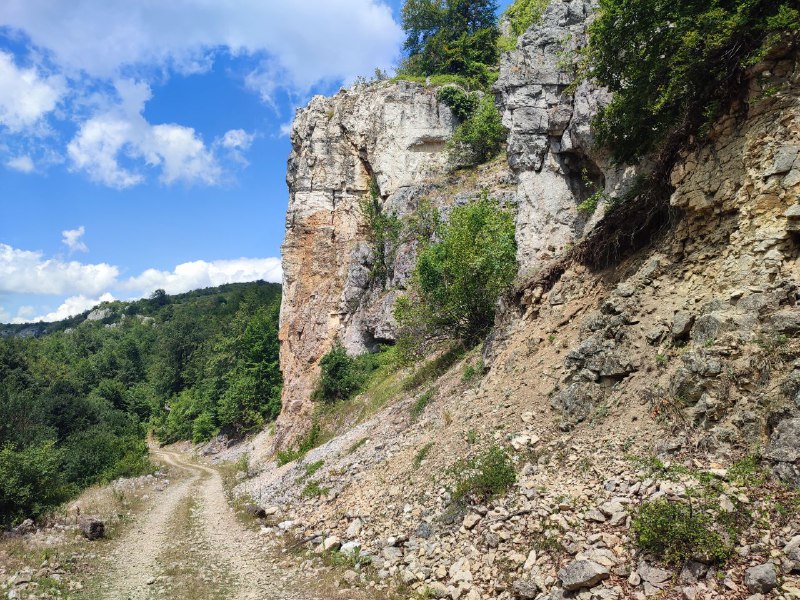
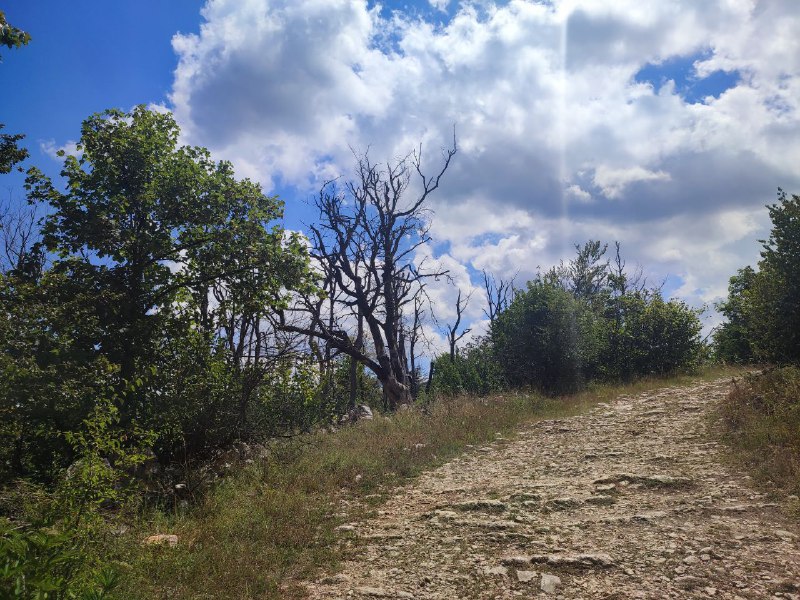
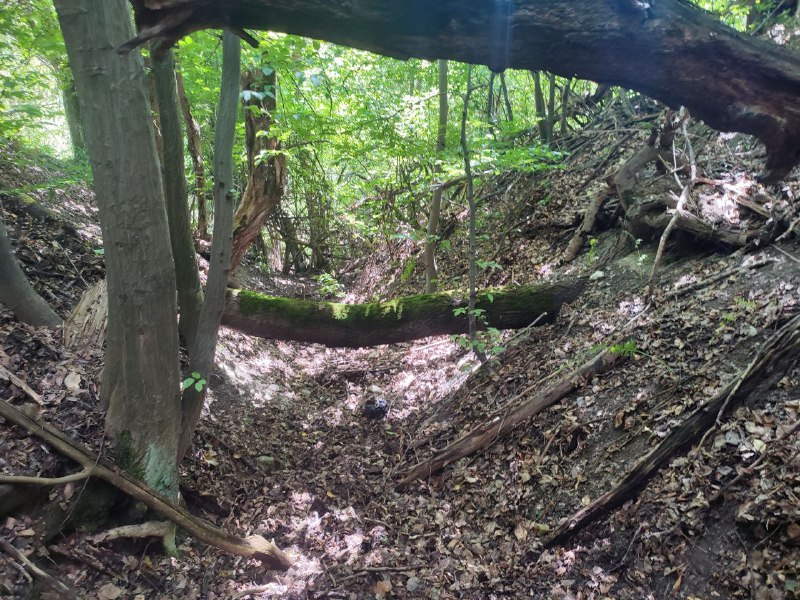
Не обошлось без приключений. Я заранее нашёл разные маршруты, выбрал, как я наивно полагал, оптимальный круговой. Первые километров 10 были идеальными. А дальше появились тропинки Шредингера: идёшь себе, а тропа внезапно заканчивается и куда идти — непонятно. Хотя на карте путь четко обозначен.

В такой ситуации сразу думаешь "А может обратно той же дорогой, что и пришел?". Но смотришь, что уже пройдено больше половины, только что был хороший спуск, и решаешься проверить вдруг это просто локальный участок зарос. Как-то пробираешься вперед, и вроде вполне терпимо выходит. И чем дальше уходишь, тем всё менее привлекательным становится вариант с разворотом.

Уверенности в решении идти вперед добавило то, что тропа через какое-то время действительно появилась снова. Но история с пропажей дорожки повторилась не раз. Что совершенно удивительно: иногда путь был отличным, с отметками и указателями. А потом заканчивался так же неожиданно, как и начинался. Как люди попадают на старт такого отрезка для меня осталось загадкой. Признаков телепорта замечено не было.

Где-то пришлось буквально прыгать по поваленным деревьям и прочим буеракам. В итоге вместо ожидаемых 20 километров вышло чуть больше 30 (пришлось идти в обход), и еле удалось успеть выбраться в цивилизацию до темноты. Справились почти за 10 часов с парой недолгих привалов.

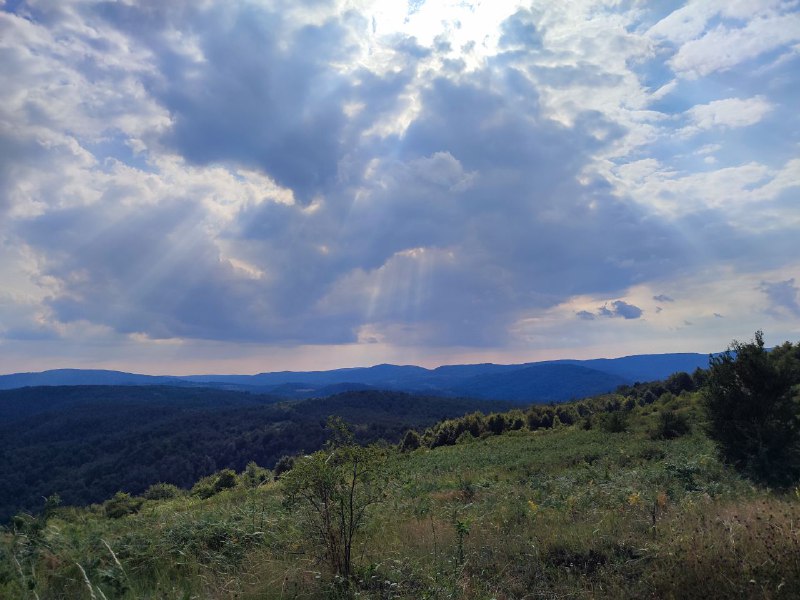
Вживую красота неописуемая. Гораздо лучше, чем на фотографиях. Я очень рад, что получилось сюда добраться. Все трудности и мучения с лихвой окупились. Но если соберусь второй раз, то кругом уже не пойду. Скорее буду придумывать что-то с тремя самыми интересными точками (один, два, три).

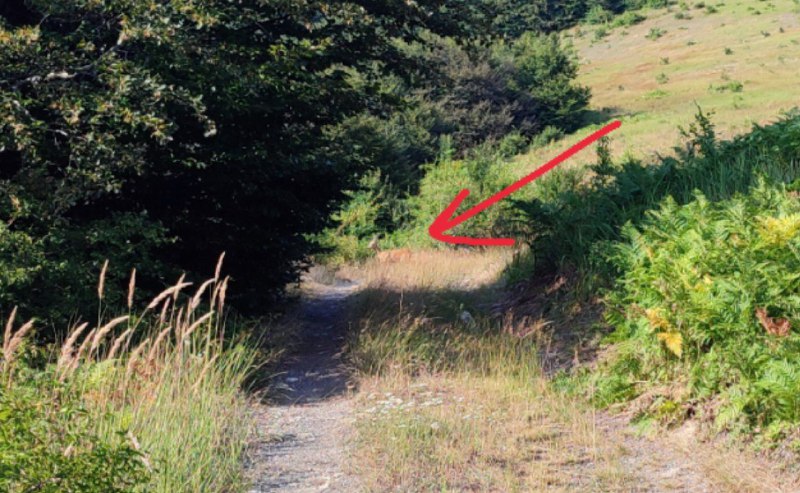
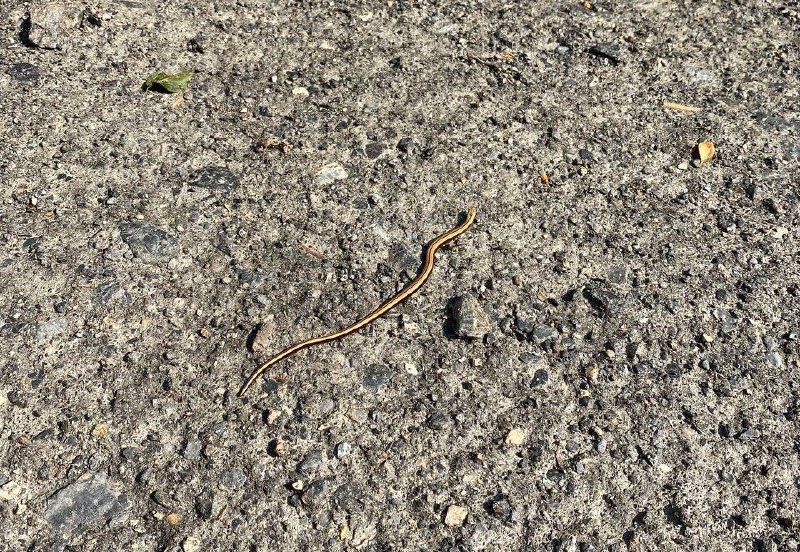
Тут бегает всякая животина. Попались (предположительно) безногая ящерица (не путать со змеей) и пугливый олененок, который преследовал нас четверть дороги. Пару раз выбегал на видное место покрасоваться, но фотографировать с близкого расстояния не давался. Под вечер стало слышно сов.

Непонятно почему настолько впечатляющее место активно не развивают. Проложить здесь человеческие тропы, пустить рекламу, и хороший поток посетителей гарантирован. Всяких немцев хлебом не корми, дай по природе полазать. За весь день не встретил ни одного туриста. Даже обидно.

PS. Маршрут по которому я пытался пройти тут, но повторять не рекомендую. Возможно он просто протух с момента публикации в 2017. И не ходите в одиночку. Место довольно дикое. Мобильная связь часто пропадает. Если что помощи можно ждать очень долго.

PPS. Саундтрек к видео ниже крутили по радио по дороге в каньон. Мне кажется, он идеально подошел (:
(translation pending)