Telegram mirror
Telegram is a messenger where I post short travel notes. This page is a self-hosted backup of that channel.
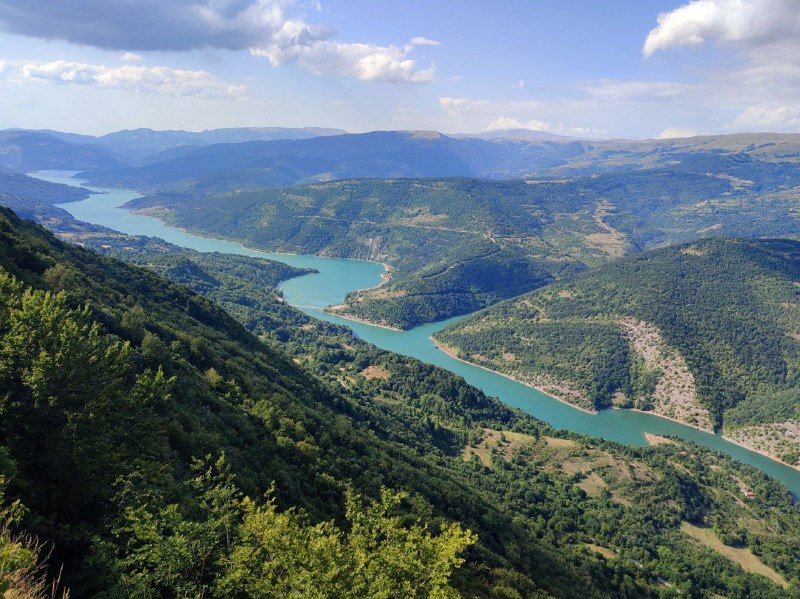
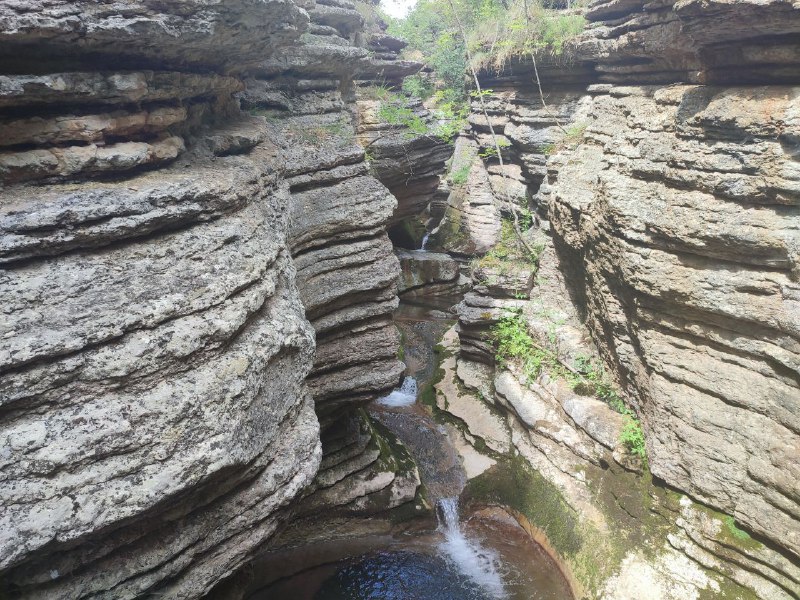
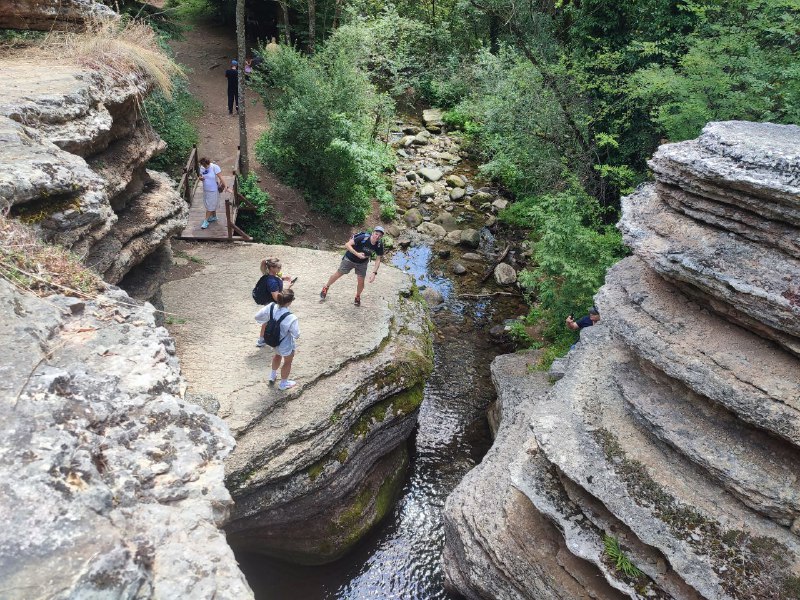
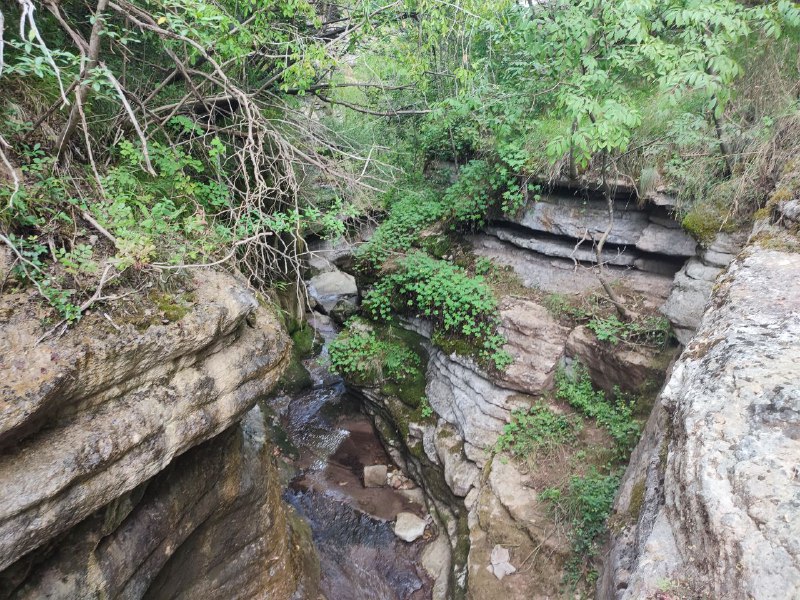
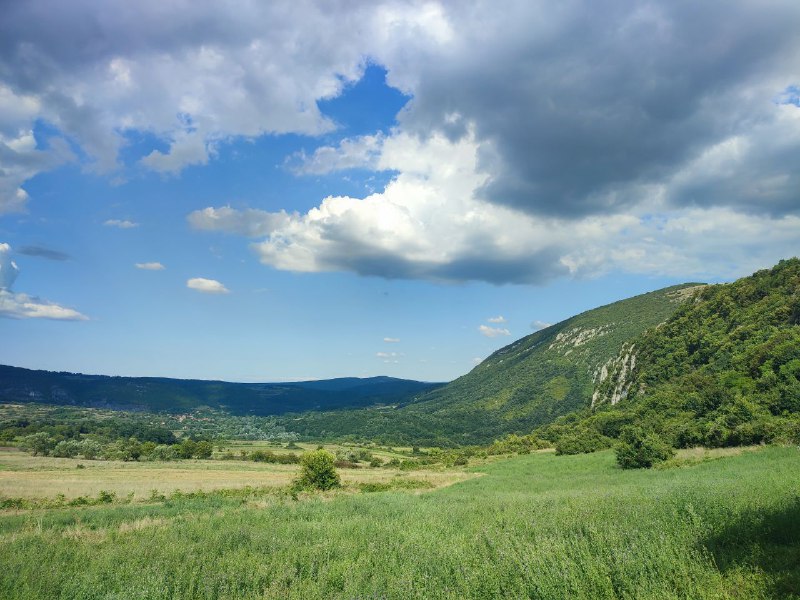
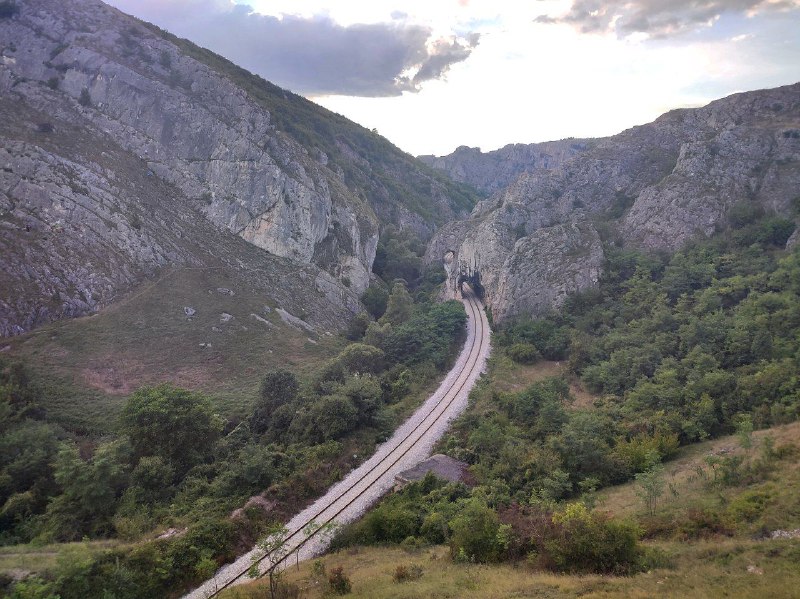
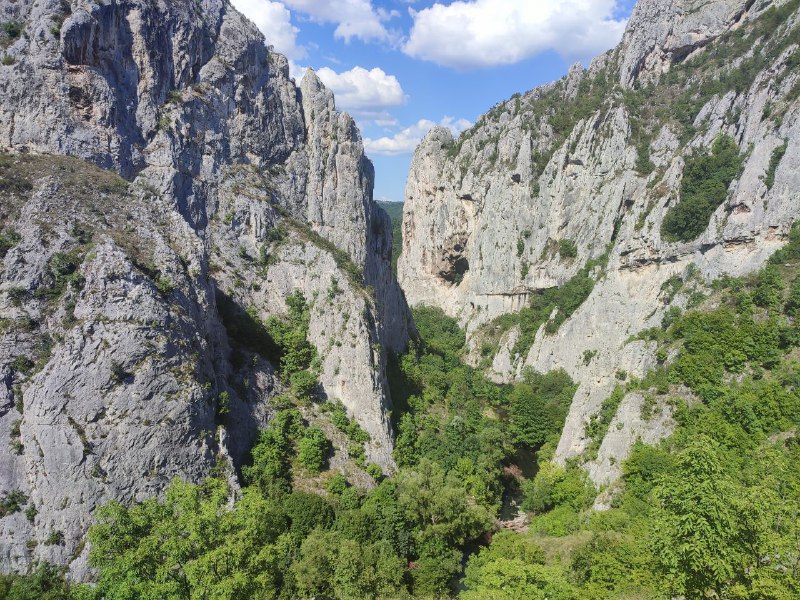
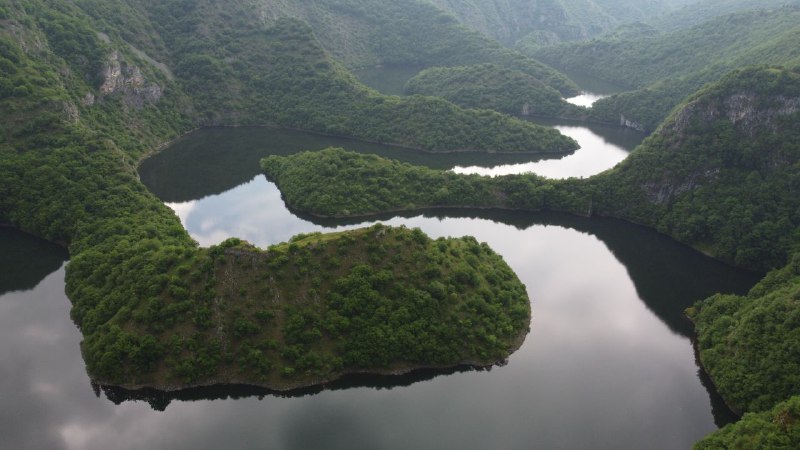
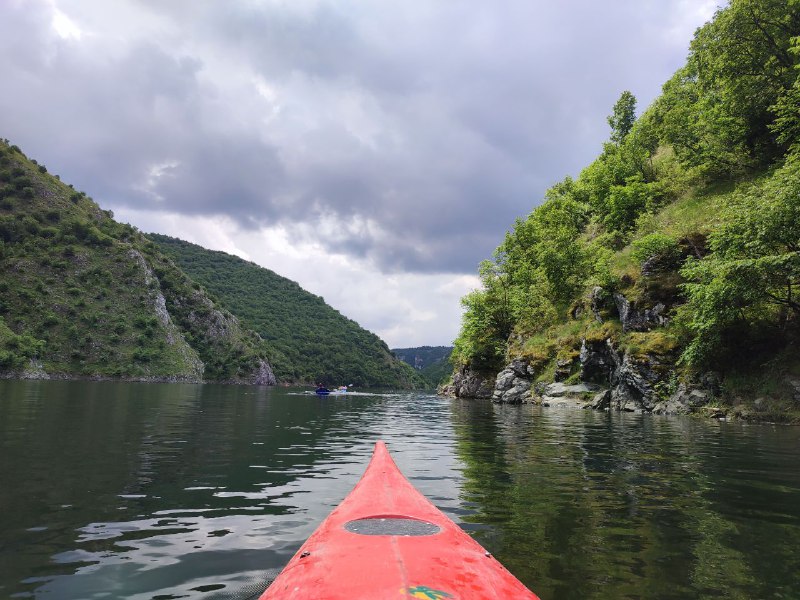
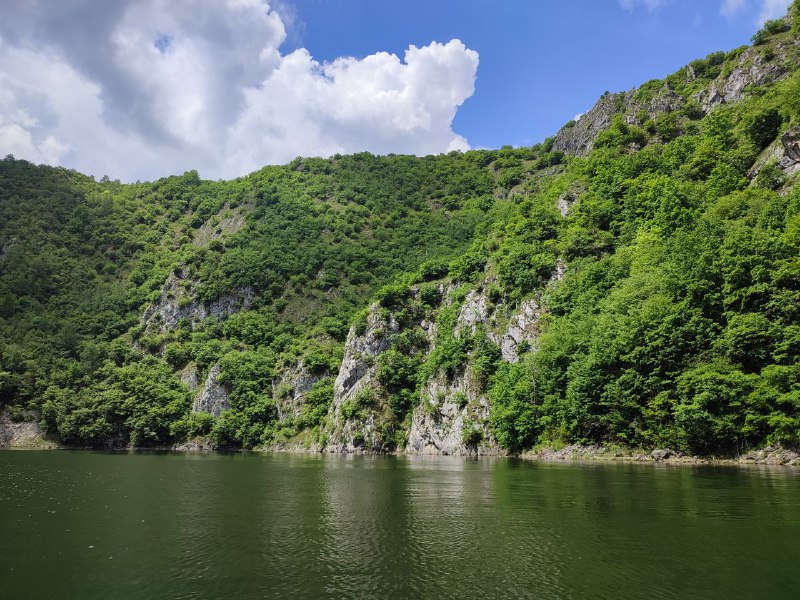
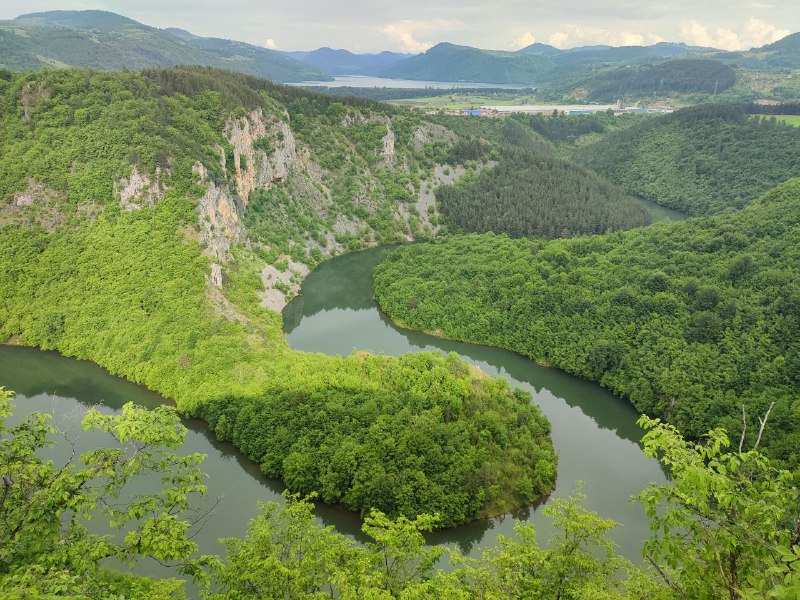
But the nature here is absolutely stunning.
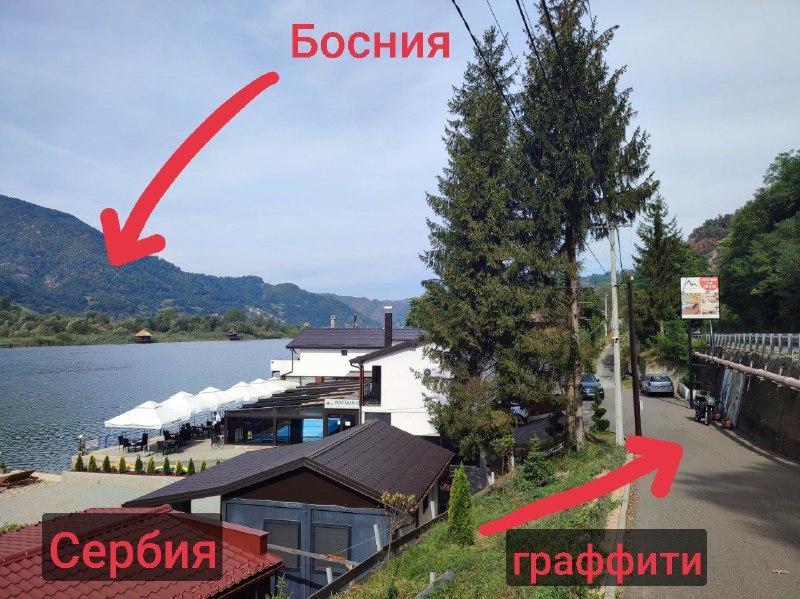
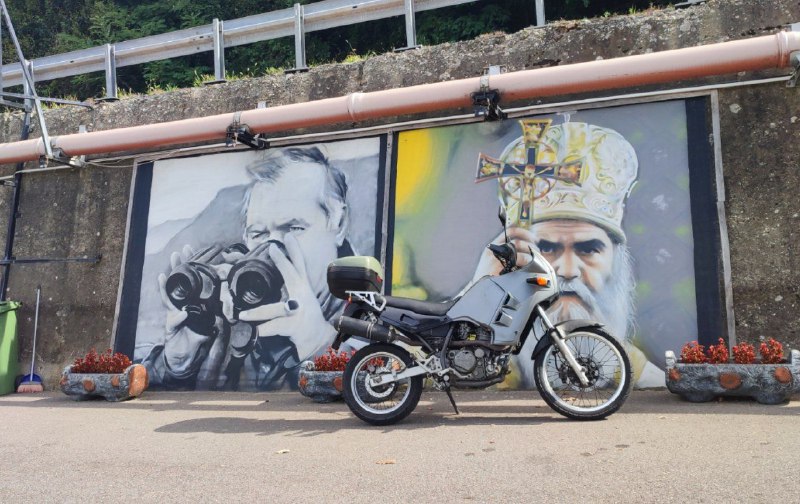
Serbians always ask for your passport when you check into a hotel or any apartment. If you don't have it, they start to really worry and don't want to let you stay. I had to turn in my passport at the embassy, but I needed to spend the night somewhere other than home. I had my driver's license on me and a photo of my passport, so I figured we could work it out.
What made things complicated was the border with Bosnia right at the edge of the city. The city literally ended at the checkpoint. Everyone's paranoia level was cranked to maximum. They did let me check in, but I practically had to recite my entire family tree. And they told me my driver's license wasn't a valid document :)
The hotel owner strongly urged me not to wander around the city in the evening. According to him, there's a lot of police on the streets, and they're suspicious of outsiders. Without a passport, they could take you to the station for an identity check. If it comes out that they let someone without a passport stay, the hotel could face problems too. Then he went on at length about crowds of Arabs and Iranians trying to illegally cross into Bosnia and then into the EU. If the internet is to be believed, Serbian police really aren't very friendly toward illegal immigrants. There are even unpleasant incidents (if you don't want to see someone getting beaten, don't click it).
What made things complicated was the border with Bosnia right at the edge of the city. The city literally ended at the checkpoint. Everyone's paranoia level was cranked to maximum. They did let me check in, but I practically had to recite my entire family tree. And they told me my driver's license wasn't a valid document :)
The hotel owner strongly urged me not to wander around the city in the evening. According to him, there's a lot of police on the streets, and they're suspicious of outsiders. Without a passport, they could take you to the station for an identity check. If it comes out that they let someone without a passport stay, the hotel could face problems too. Then he went on at length about crowds of Arabs and Iranians trying to illegally cross into Bosnia and then into the EU. If the internet is to be believed, Serbian police really aren't very friendly toward illegal immigrants. There are even unpleasant incidents (if you don't want to see someone getting beaten, don't click it).
►
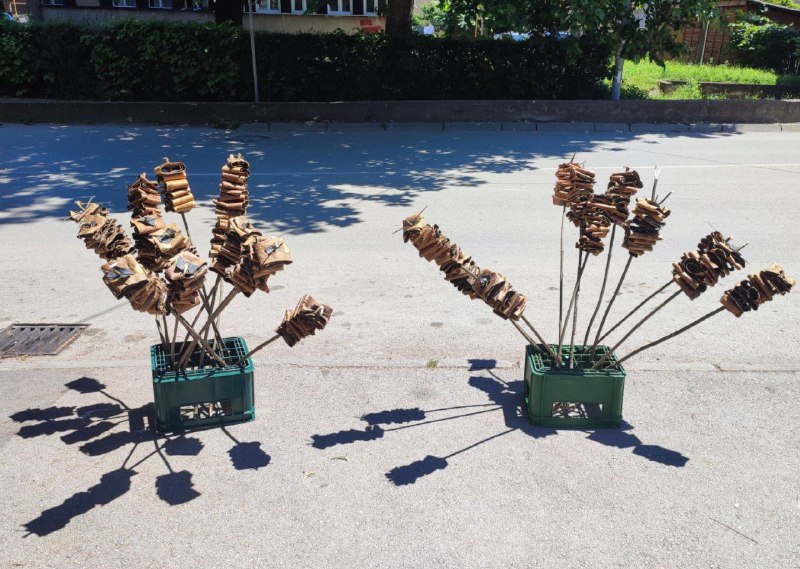
I was in the Serbian town of Valjevo the other day. My eye caught on some birch bark. I don't know about you, but this was the first time in my life I'd ever seen birch bark being sold like this on the street. Being sold at all, for that matter. I got really curious about what it's used for. It's not like you write on it.
I looked into it. Turns out that in western Serbia (and some parts of Bosnia) there's an old and goodpagan Orthodox tradition called lilanje.
In honor ofthe Slavic god of fire SvarogSaint Peter, children burn birch bark on the night of July 11-12. The ancient Serbs believed that this ritual would scare off all demons and witches and protect people, animals, and crops.
In Loznica they hold a big annual festival. In fact, it's happening this evening. Unfortunately, I won't make it there this year. But I found a YouTube video of what it looks like. Pretty interesting.
Sellers complain that they have fewer customers every year. And environmentalists are concerned that stripping the bark doesn't help the trees. Wild cherry trees especially get hit the hardest.
I looked into it. Turns out that in western Serbia (and some parts of Bosnia) there's an old and good
In honor of
In Loznica they hold a big annual festival. In fact, it's happening this evening. Unfortunately, I won't make it there this year. But I found a YouTube video of what it looks like. Pretty interesting.
Sellers complain that they have fewer customers every year. And environmentalists are concerned that stripping the bark doesn't help the trees. Wild cherry trees especially get hit the hardest.
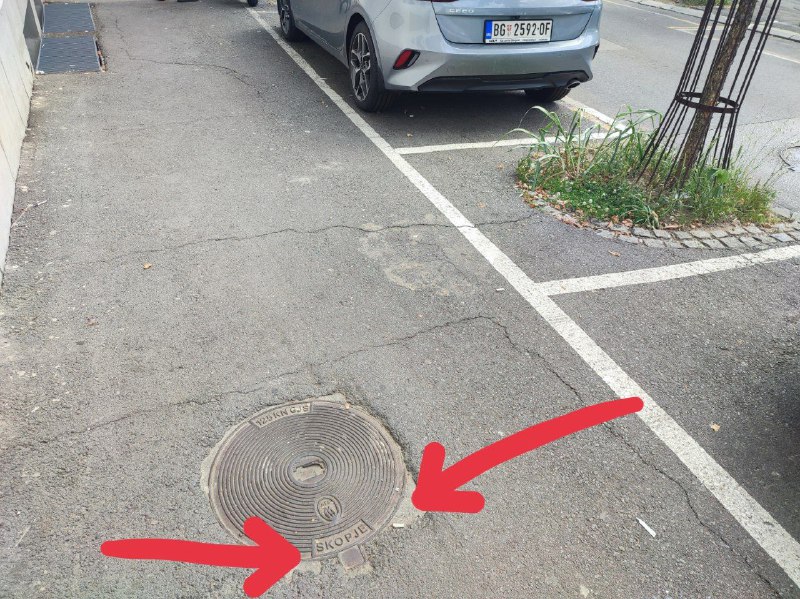
I came back from Skopje to Belgrade, and the next morning I'm walking past the Belgrade University library when I suddenly see the word Skopje written on the ground beneath my feet. For a moment I thought I forgot to leave North Macedonia, but it all turned out fine 😅
With everything that's been happening over the past couple of days, I found myself reading about the Yugoslav Wars again. I came across this fascinating story from 1991.
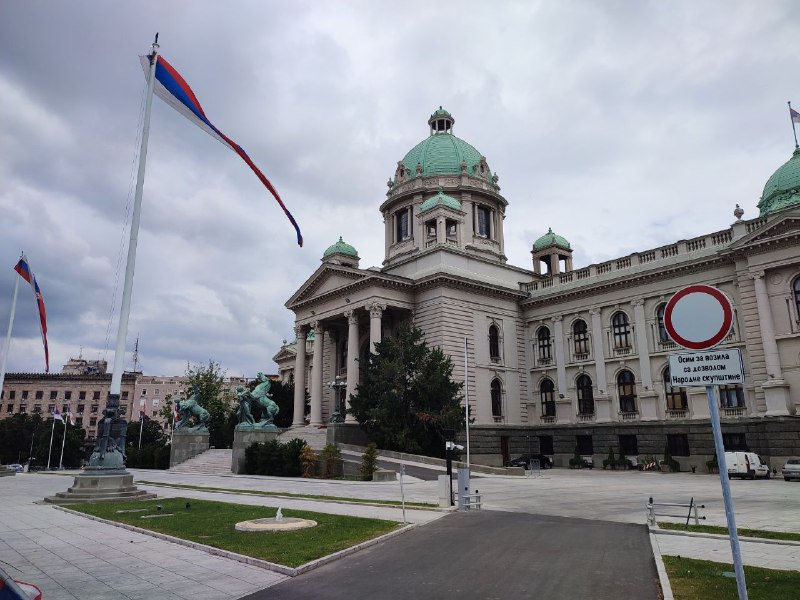
Early autumn. Heavy fighting is raging over Vukovar in Croatia (about 150 kilometers from Belgrade). The city is putting up a heroic resistance, the Yugoslav army is suffering massive losses, and honestly has no idea what it's even fighting for. Serbian soldier Vladimir Živković found himself right in the thick of it, but he really didn't want to fight against the Croats. So this tank commander decided to make a stand: he got in his tank, drove all 150 kilometers to Belgrade without any resistance, and parked it right in front of the Parliament steps.
He was arrested, but the story quickly went public. The authorities didn't want to charge a soldier with desertion in front of the whole country, so instead they declared him mentally unfit and sent him for involuntary treatment. This decision infuriated his fellow soldiers so much that they seized a local radio station and broadcast a message saying "we are not traitors, but we don't want to be aggressors." It didn't free their comrade, but they definitely made their mark on history.
Early autumn. Heavy fighting is raging over Vukovar in Croatia (about 150 kilometers from Belgrade). The city is putting up a heroic resistance, the Yugoslav army is suffering massive losses, and honestly has no idea what it's even fighting for. Serbian soldier Vladimir Živković found himself right in the thick of it, but he really didn't want to fight against the Croats. So this tank commander decided to make a stand: he got in his tank, drove all 150 kilometers to Belgrade without any resistance, and parked it right in front of the Parliament steps.
He was arrested, but the story quickly went public. The authorities didn't want to charge a soldier with desertion in front of the whole country, so instead they declared him mentally unfit and sent him for involuntary treatment. This decision infuriated his fellow soldiers so much that they seized a local radio station and broadcast a message saying "we are not traitors, but we don't want to be aggressors." It didn't free their comrade, but they definitely made their mark on history.
►
►
►
►
►
►
I've been flying for a while now, but this is the first time I've been on a flight where they offer a business class upgrade through an auction (I googled it – turns out it's a pretty common thing).
Here's how it works: Air Serbia sends you a link where you decide how much you're willing to pay for the upgrade. Then you cross your fingers and hope there are fewer people willing to pay more than you than there are available seats.
The minimum upgrade fee for one leg isn't that different from the cost of economy round-trip: from 65k dinars (~$600) to 125k (~$1160). The return flight bids are 1.5 times higher.
Against all my expectations, it turns out that a direct flight from Belgrade to New York takes the same 10 hours it used to from Moscow. Well, alright then. Guess I'll be suffering in economy 😅
Here's how it works: Air Serbia sends you a link where you decide how much you're willing to pay for the upgrade. Then you cross your fingers and hope there are fewer people willing to pay more than you than there are available seats.
The minimum upgrade fee for one leg isn't that different from the cost of economy round-trip: from 65k dinars (~$600) to 125k (~$1160). The return flight bids are 1.5 times higher.
Against all my expectations, it turns out that a direct flight from Belgrade to New York takes the same 10 hours it used to from Moscow. Well, alright then. Guess I'll be suffering in economy 😅
►
►
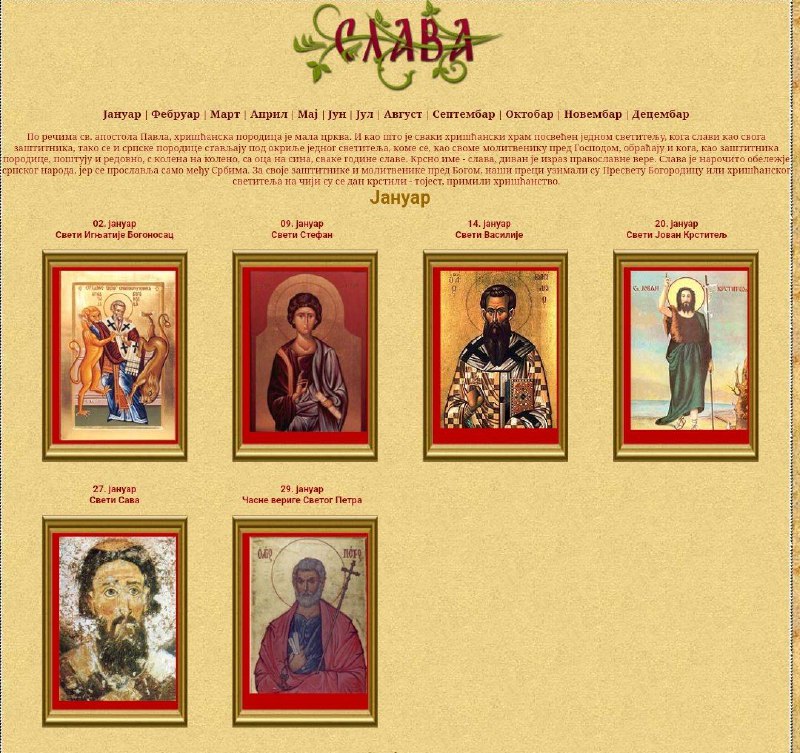
Every year, Serbians celebrate Slava—the feast day of their family's patron saint. On this day, everyone who works gets an official day off, as written in the labor code. It doesn't matter if you're a local or just someone who moved there, or what you actually practice religion-wise: you get the day off, so you can should use it.
The thing is, there's no single day when the whole country celebrates, because there are many patron saints. Each family has their own: men inherit theirs, and women usually celebrate their father's saint first, then their husband's (though sometimes after marriage they celebrate both twice a year).
This tradition isn't unique to Serbia—you'll find it in neighboring Balkan countries too. Though Serbians often see Slava as a kind of marker of their national identity. But honestly, it's more complicated than that.
PS. For 2023, I counted about 10 public holidays total, plus you get 20 vacation days (though I know people whose employers give them 25). Guess I should read through the Serbian labor code again—maybe there are some other perks hiding in there :()
The thing is, there's no single day when the whole country celebrates, because there are many patron saints. Each family has their own: men inherit theirs, and women usually celebrate their father's saint first, then their husband's (though sometimes after marriage they celebrate both twice a year).
This tradition isn't unique to Serbia—you'll find it in neighboring Balkan countries too. Though Serbians often see Slava as a kind of marker of their national identity. But honestly, it's more complicated than that.
PS. For 2023, I counted about 10 public holidays total, plus you get 20 vacation days (though I know people whose employers give them 25). Guess I should read through the Serbian labor code again—maybe there are some other perks hiding in there :()
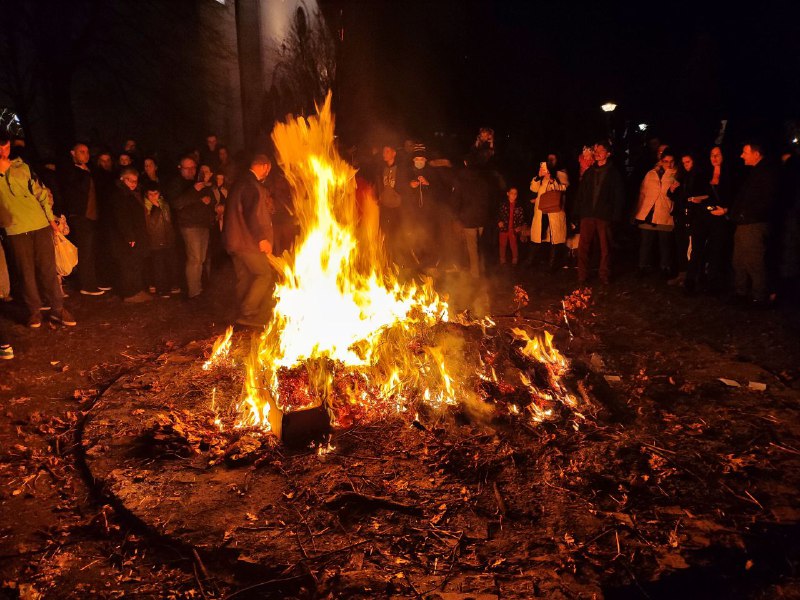
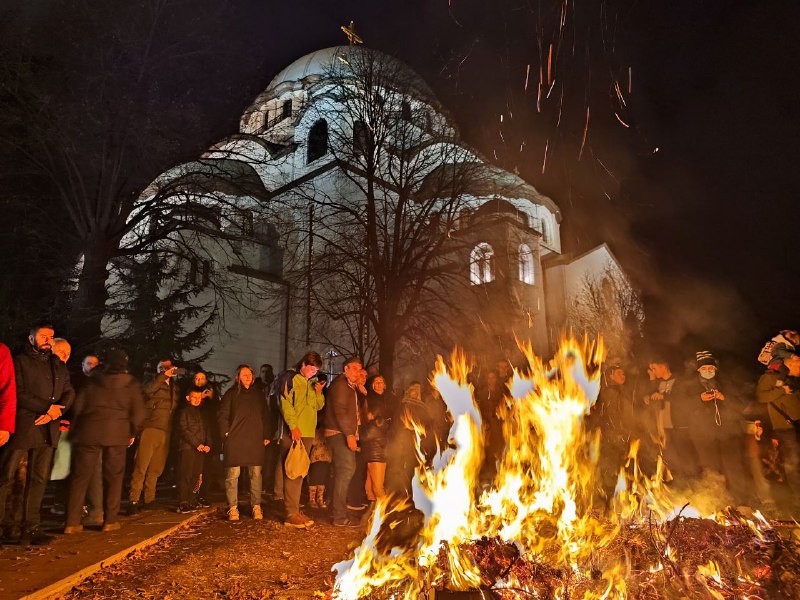
Serbian Christmas is a very family-oriented holiday. So on the 7th, almost nothing is open except for a few cafes. And places start closing from the evening of the 6th. This year the 8th fell on a Sunday, so some establishments decided not to open on that day either.
Usually everything is celebrated at home, and fish dishes are often prepared because it's customary to fast during these days, but I'm not a big expert on festive menus.
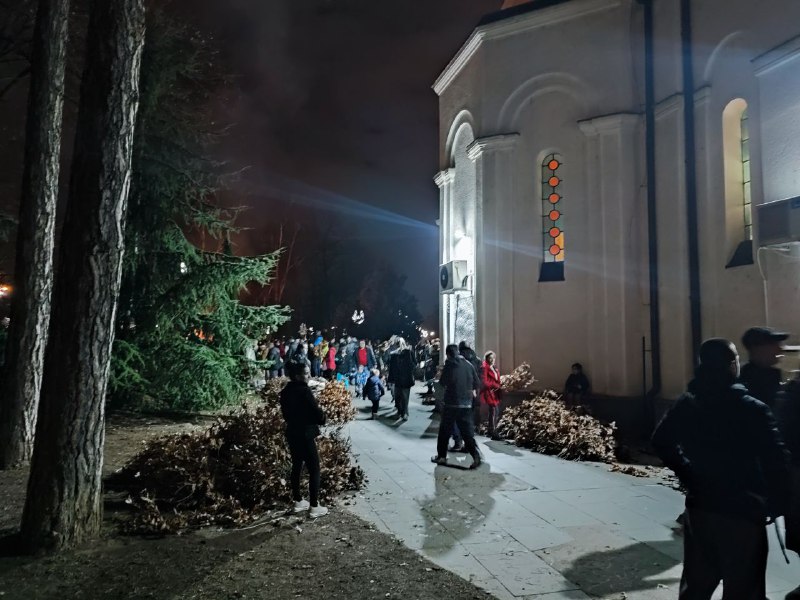
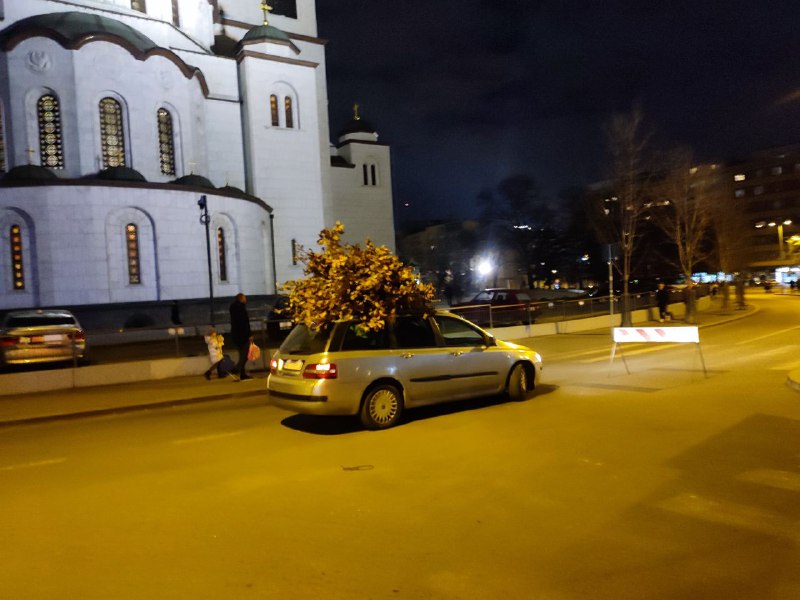
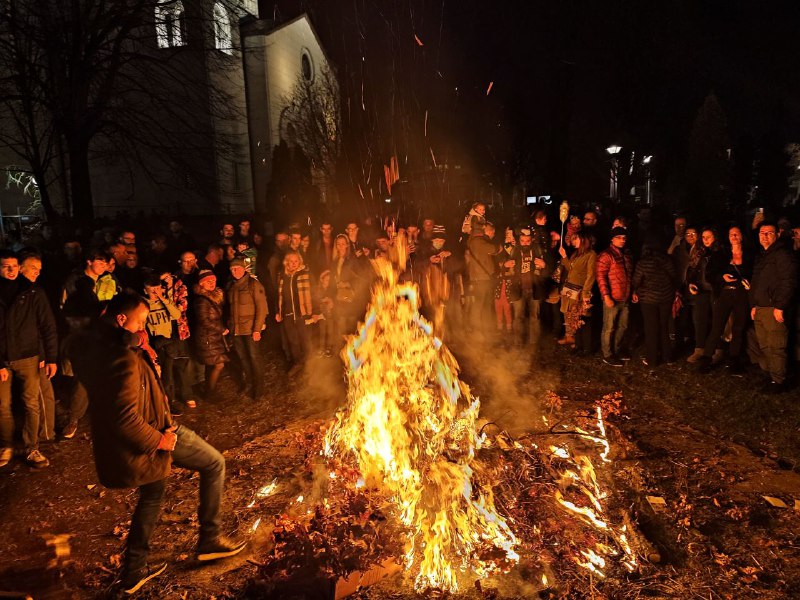
As for celebrations in the streets, besides burning the Yule log and amateur fireworks, there wasn't really much ¯\_ (ツ)_/¯
Usually everything is celebrated at home, and fish dishes are often prepared because it's customary to fast during these days, but I'm not a big expert on festive menus.
As for celebrations in the streets, besides burning the Yule log and amateur fireworks, there wasn't really much ¯\_ (ツ)_/¯
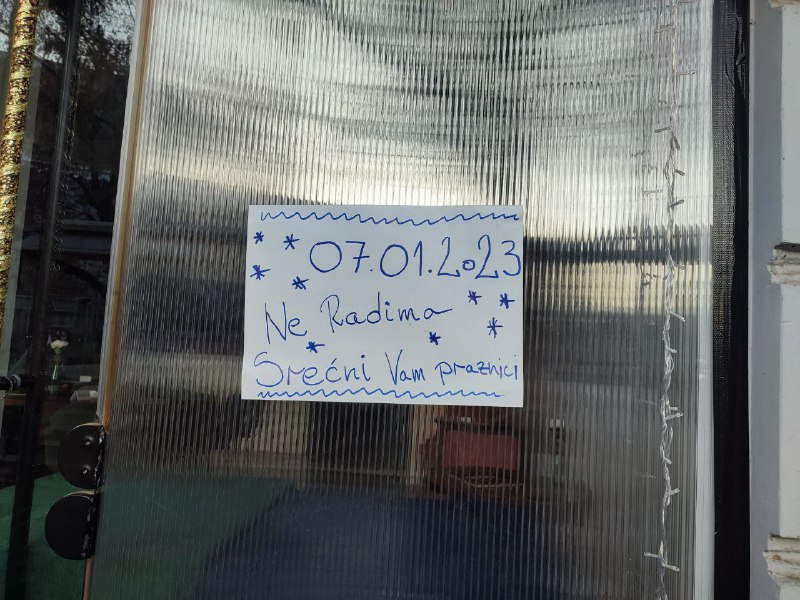
Although the country isn't very large, the nuances of traditions often vary depending on the region, and some are practiced only in certain parts of the country.
For example, in the east until the early 20th century, people tried to appease Herman (a mythical creature that influences rain, floods, and other weather important for agriculture).
The head of the household would take brandy, wine, some bread, and a candle from home, walk around his lands, and shout: "Herman, wherever you are, come now so we don't meet in summer". He'd drink the alcohol and return home, where he'd tell everyone that he met with the spirit, they drank together, worked everything out, and parted ways peacefully.
There are plenty of such examples to fill an entire book (:
For example, in the east until the early 20th century, people tried to appease Herman (a mythical creature that influences rain, floods, and other weather important for agriculture).
The head of the household would take brandy, wine, some bread, and a candle from home, walk around his lands, and shout: "Herman, wherever you are, come now so we don't meet in summer". He'd drink the alcohol and return home, where he'd tell everyone that he met with the spirit, they drank together, worked everything out, and parted ways peacefully.
There are plenty of such examples to fill an entire book (:
Countries
 United Kingdom3
 Serbia100
 Bosnia and Herzegovina54
 Turkey42
 United Arab Emirates3
 Brunei2
 Indonesia12
 Malaysia15
 Argentina16
 USA117
 Morocco5
 Georgia5
 Egypt16
 Hong Kong8
 China4
 Vietnam9
 Tunisia7
 Montenegro9
 Philippines12
 Singapore10
 Oman12
 Algeria12
 North Macedonia5
 Lebanon11
 Israel27
 Albania17
 Russia63
 Tanzania50
 Netherlands7
 Spain14
 Latvia2
 Germany7
 Belgium3
 France27
 Kazakhstan32