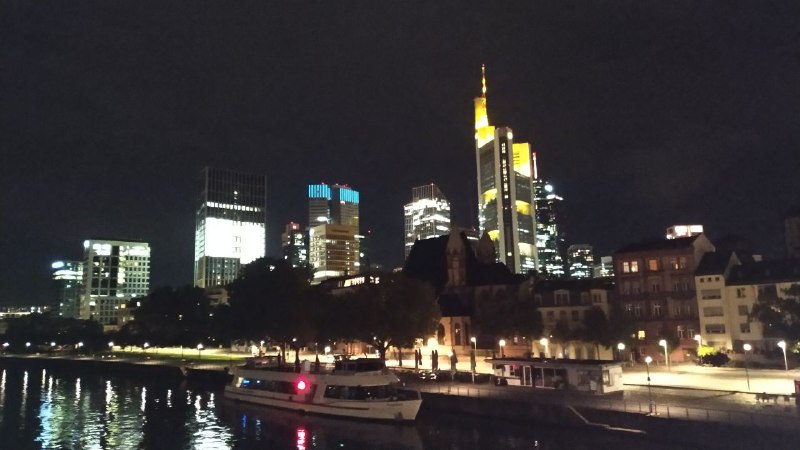
Made it to Frankfurt. Gonna hang out for a day: catch up with some former colleagues and head home.
Such a homey feeling when I come here :)
P.S. I took a bus from Amsterdam and it turned out to be the right call: the railways cancelled a bunch of trains because of fears of a hurricane that never really materialized. Everyone's complaining about Deutsche Bahn.
Telegram mirror
Telegram is a messenger where I post short travel notes. This page is a self-hosted backup of that channel.
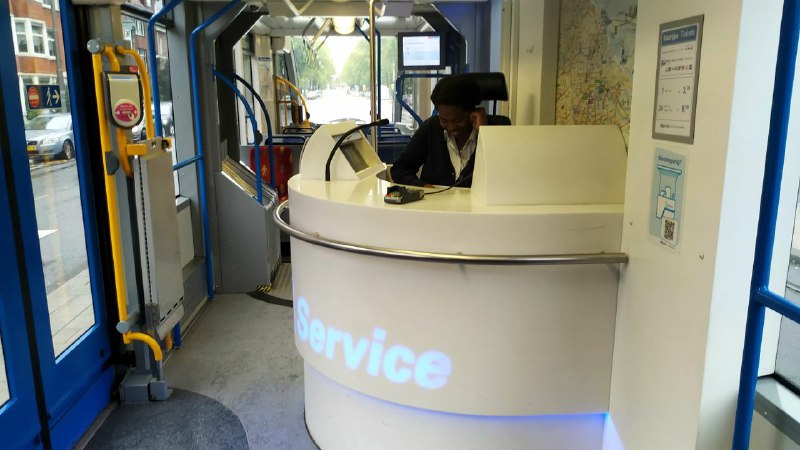
A ticket controller booth in Amsterdam. Right inside the tram o.O
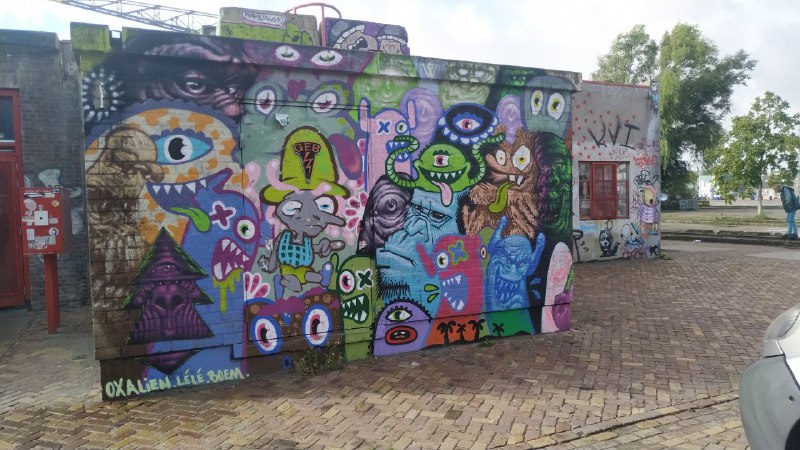
Hooray. We've arrived in Amsterdam!
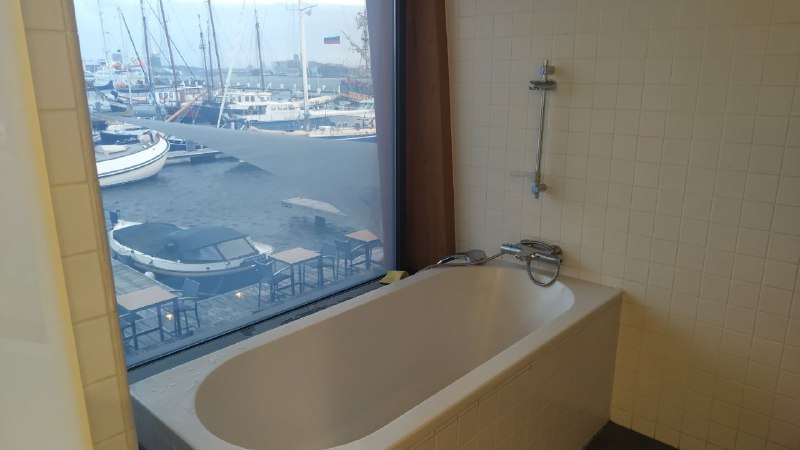
Every port has equipped showers and washing machines. It's basically a whole infrastructure for getting cleaned up.
Access is by code, which gets radioed to the ship (or given in person after docking). If you know the code, everything's free. Apparently, you can sometimes find out the code at the cafe that's usually nearby.
But mooring the ship itself costs money. They charge our boat 130€ per day at the Amsterdam port. Not cheap.
Access is by code, which gets radioed to the ship (or given in person after docking). If you know the code, everything's free. Apparently, you can sometimes find out the code at the cafe that's usually nearby.
But mooring the ship itself costs money. They charge our boat 130€ per day at the Amsterdam port. Not cheap.
This is what sailing looks like in calm weather with a good following wind. The ship hardly pitches, responds well to the helm, everything's smooth.
During our night watch it was a completely different story: it's dark, visibility is zero, there's pouring rain, lightning flashing, huge waves, wind gusts constantly pushing the ship off course, and the helm response is often super slow or doesn't come at all (currents and wind throw in their own adjustments).
In bad weather, the cost of a mistake goes up too: drifting off course makes the pitching worse, and if you catch the wind at the wrong angle, you can even damage the sails. Plus it's harder to get back on the right course afterwards.
With modern navigation it's so much easier: the autopilot does everything for you :)
During our night watch it was a completely different story: it's dark, visibility is zero, there's pouring rain, lightning flashing, huge waves, wind gusts constantly pushing the ship off course, and the helm response is often super slow or doesn't come at all (currents and wind throw in their own adjustments).
In bad weather, the cost of a mistake goes up too: drifting off course makes the pitching worse, and if you catch the wind at the wrong angle, you can even damage the sails. Plus it's harder to get back on the right course afterwards.
With modern navigation it's so much easier: the autopilot does everything for you :)
►
Sometimes seasickness strikes during the crossing. According to statistics, about 20-25% of people are unlucky enough to get it. There are pills, but they supposedly don't help much. In our team, only 2 people actually turned completely green.
The best way to feel better is to head up on deck and look at the horizon. Balance games (in the video you can see people trying to make each other lose their balance) also help quite a bit.
The best way to feel better is to head up on deck and look at the horizon. Balance games (in the video you can see people trying to make each other lose their balance) also help quite a bit.
►
The ship has 3 watch shifts with 4 people each (sometimes more). Each watch is on duty for 4 hours every 8 hours (but that doesn't mean they do nothing the rest of the time :) ). A watch shift involves steering the ship on course when it's underway.
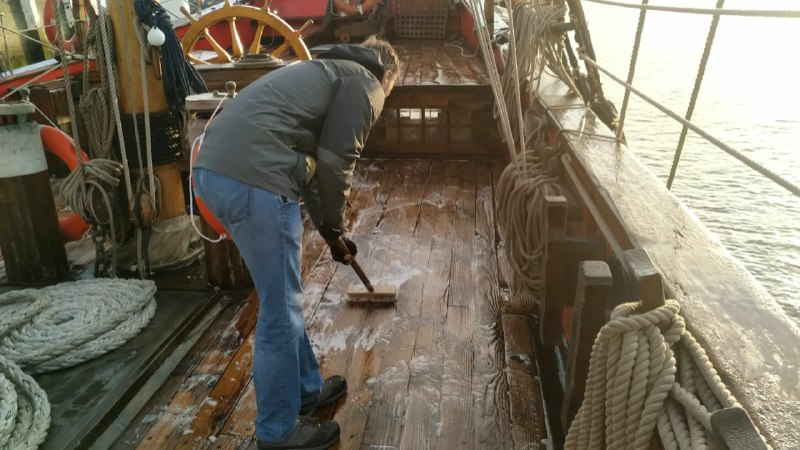
On top of that, you either have to scrub the deck, or clean everything inside the ship, or spend the whole day in galley slavery cooking for the whole crew. These duties rotate in a cycle. And the watch shift itself doesn't get cancelled. Today it's our turn to cook 🙈
On top of that, you either have to scrub the deck, or clean everything inside the ship, or spend the whole day in galley slavery cooking for the whole crew. These duties rotate in a cycle. And the watch shift itself doesn't get cancelled. Today it's our turn to cook 🙈
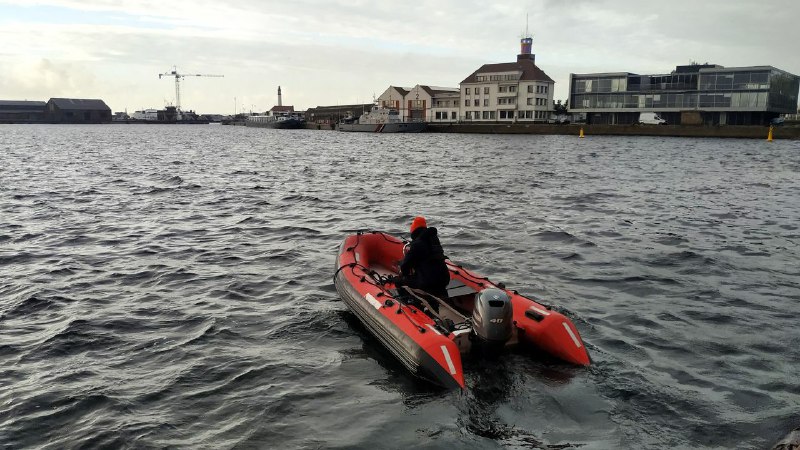
When it's time to moor, they usually send a mooring master ashore ahead of time by motorboat. He catches the mooring lines on the shore and ties the ship to the dock. With the Standard, they typically use 4-5 lines.
While underway, the boat is kept right on the ship. It's raised and lowered into the water by hand using lines. This simple operation requires at least 7-8 people. More is better.
While underway, the boat is kept right on the ship. It's raised and lowered into the water by hand using lines. This simple operation requires at least 7-8 people. More is better.
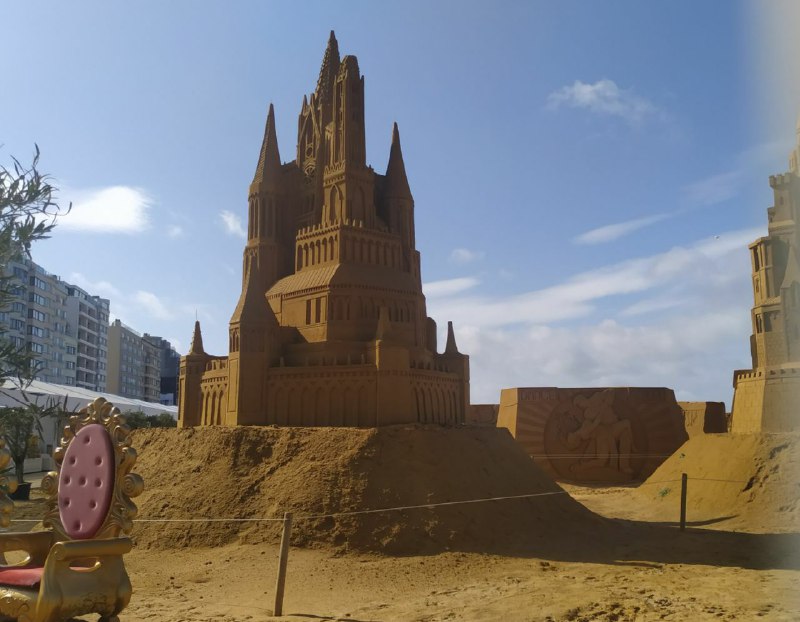
Suddenly, right there on the beach, these massive sand sculptures. And they're not even listed on any maps or tourist guides. We just stumbled upon them by chance. Pretty cool!
We made a stop at the port of the Belgian city of Ostend. You can already feel we're getting close to Amsterdam (:
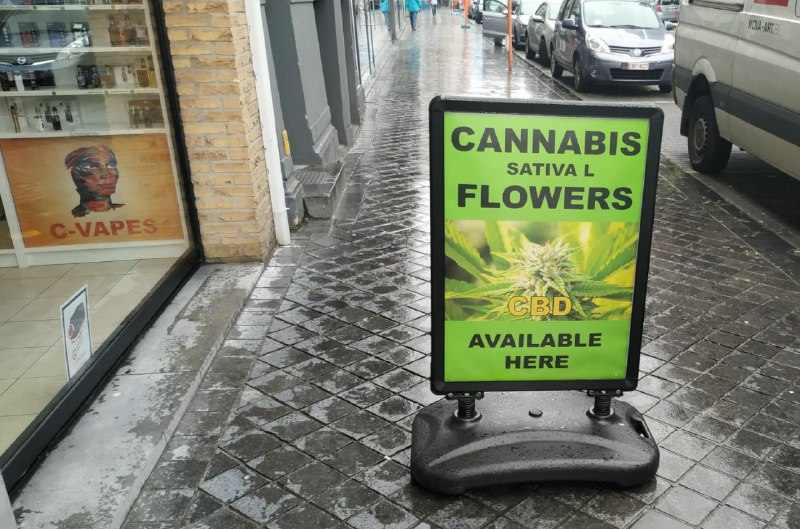
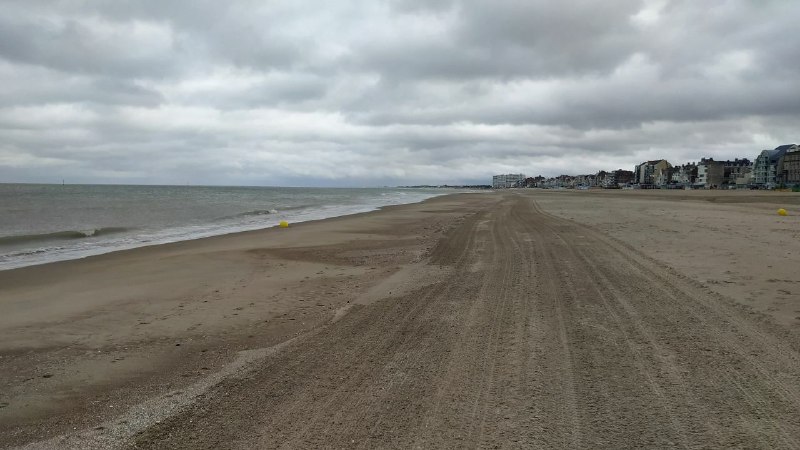
Dunkirk Beach. The very same one where 340,000 soldiers were evacuated in 1940.
I saw a 4-star hotel under construction. The locals said that after the movie "Dunkirk" there was a noticeable increase in tourists.
I saw a 4-star hotel under construction. The locals said that after the movie "Dunkirk" there was a noticeable increase in tourists.
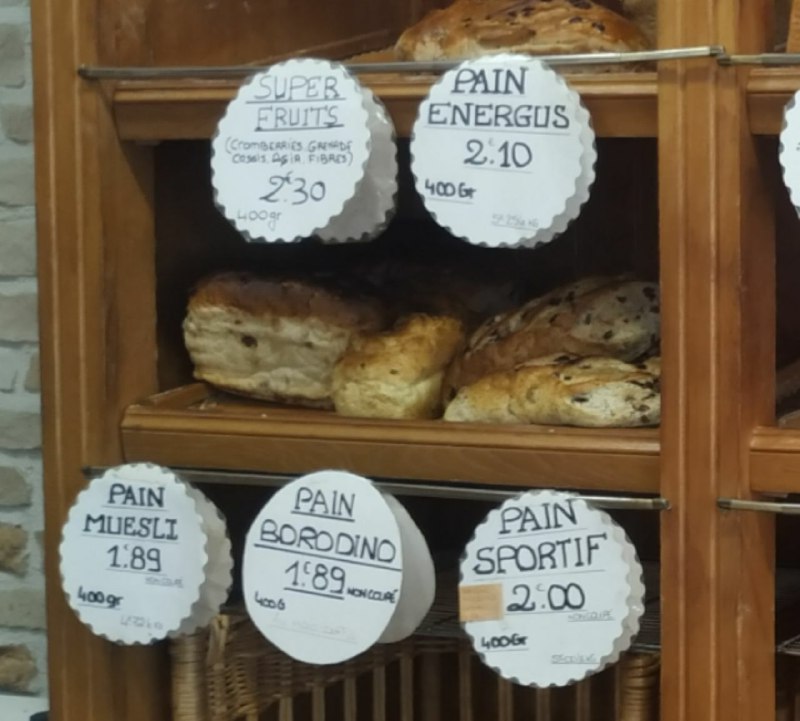
They're selling Borodinsky bread in France!
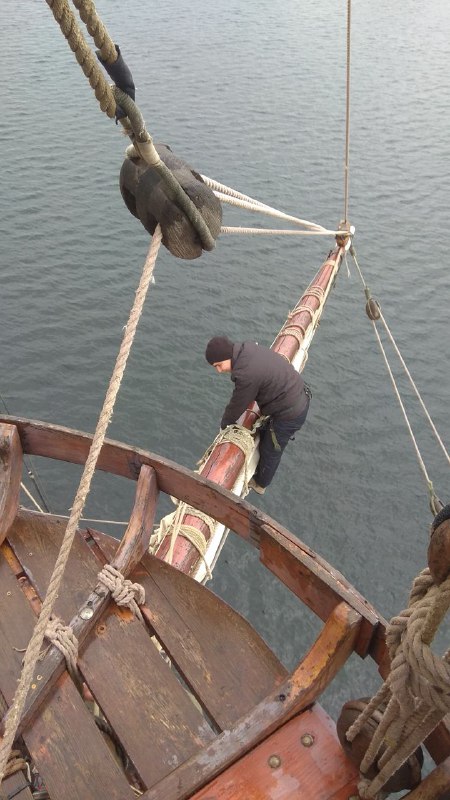
Sometimes you've gotta do work at height (with safety gear). What else can you do :)
Alright, I was just joking about the toilet. Everything's fine here.
The ship itself is a replica of a Petrine frigate from 1703. The previous photo shows what the facilities looked like 300 years ago. That's where the sailors of those days would do their business.
The ship itself is a replica of a Petrine frigate from 1703. The previous photo shows what the facilities looked like 300 years ago. That's where the sailors of those days would do their business.
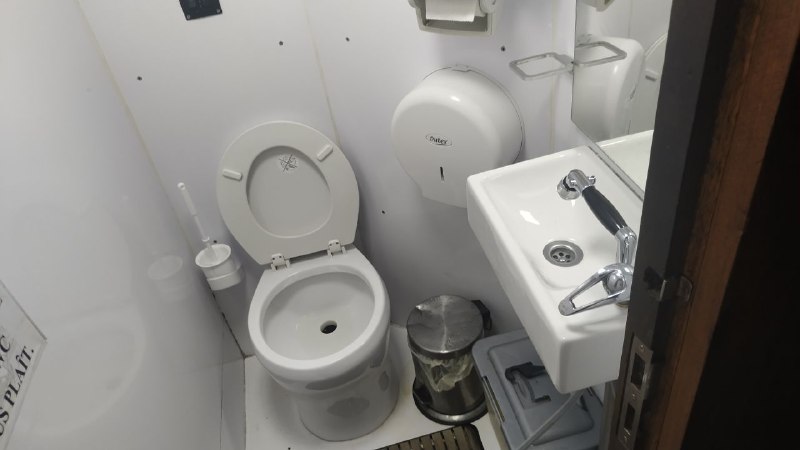
And this is the toilet :)
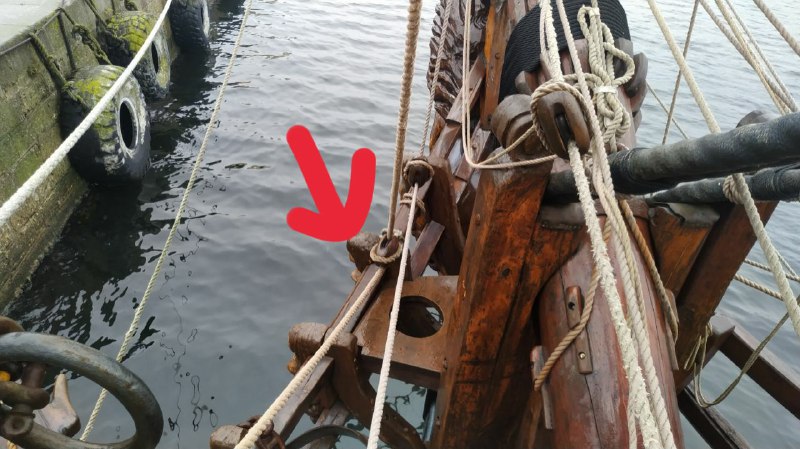
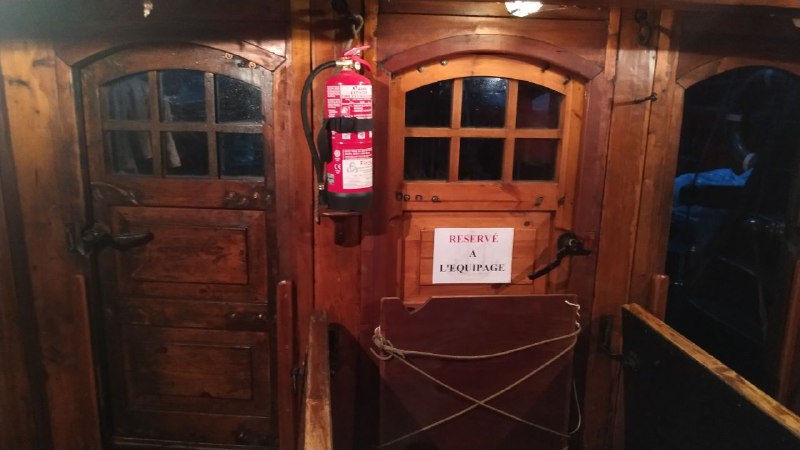
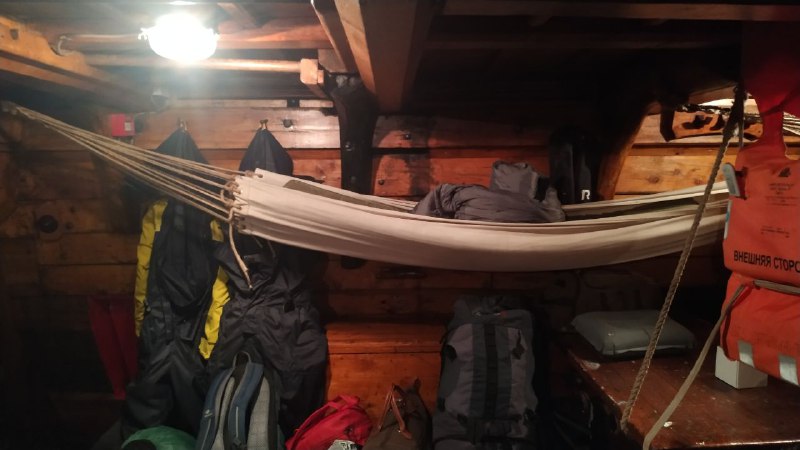
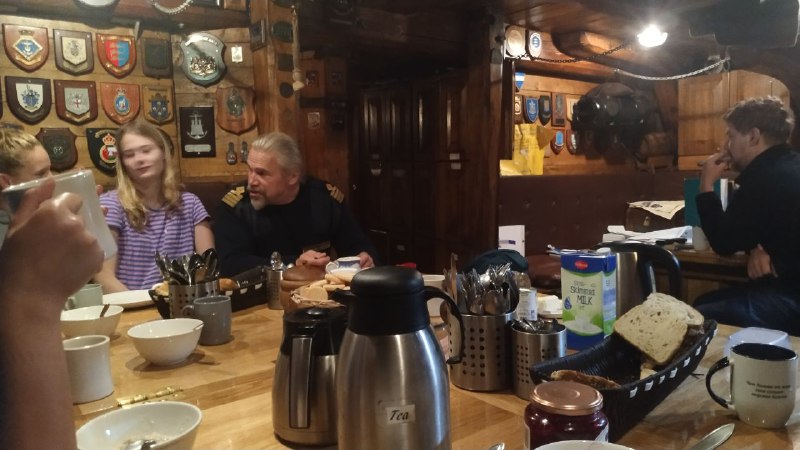
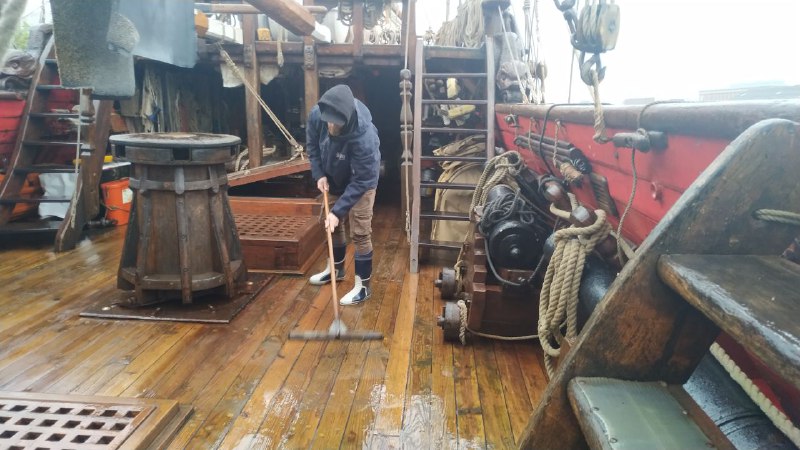
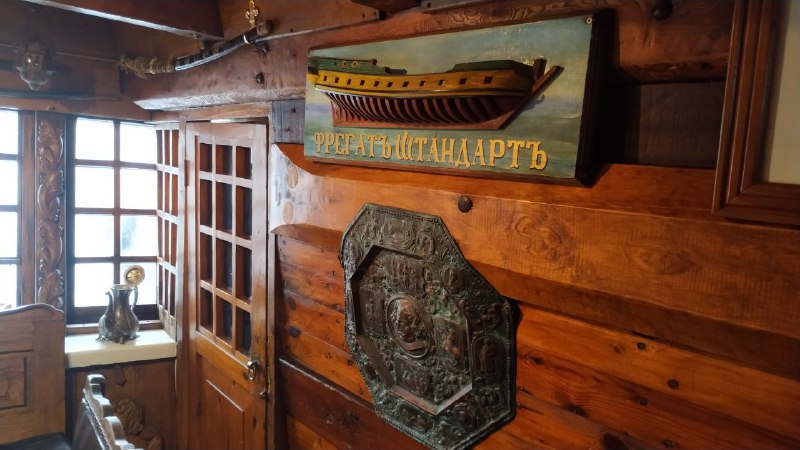
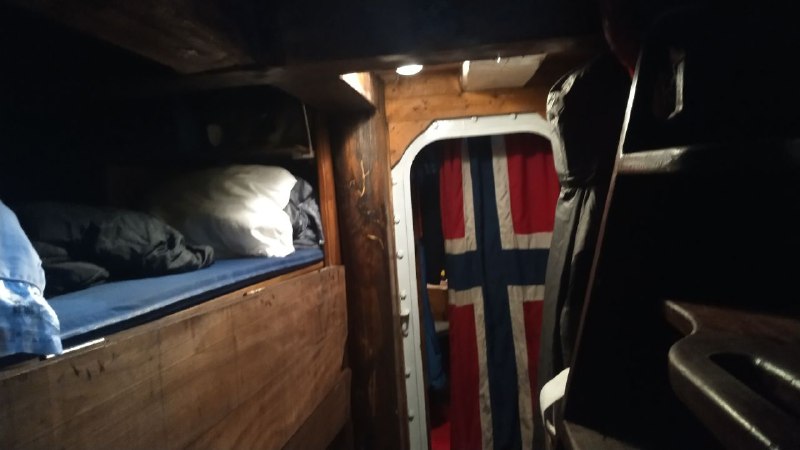
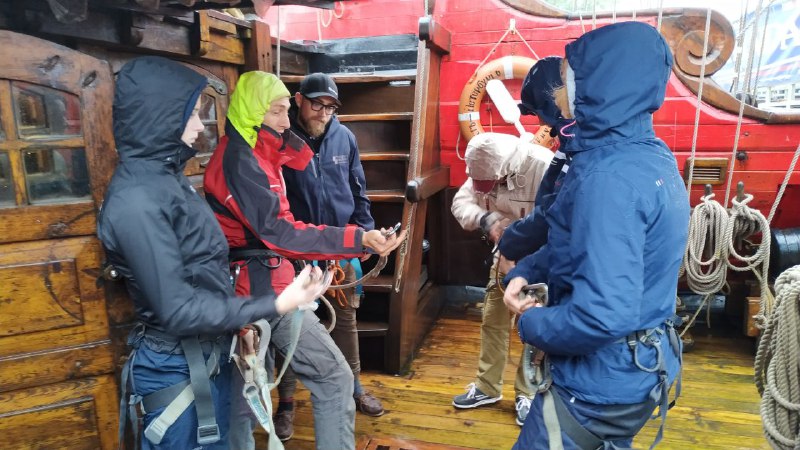
Hooray! I signed all the paperwork.
Now I'm a full-fledged sailor. Life aboard ship looks something like this:
Now I'm a full-fledged sailor. Life aboard ship looks something like this:
Woohoo! Made it to Dunkirk. The ship behind me is my home for the next 4 days and my ride to Amsterdam.
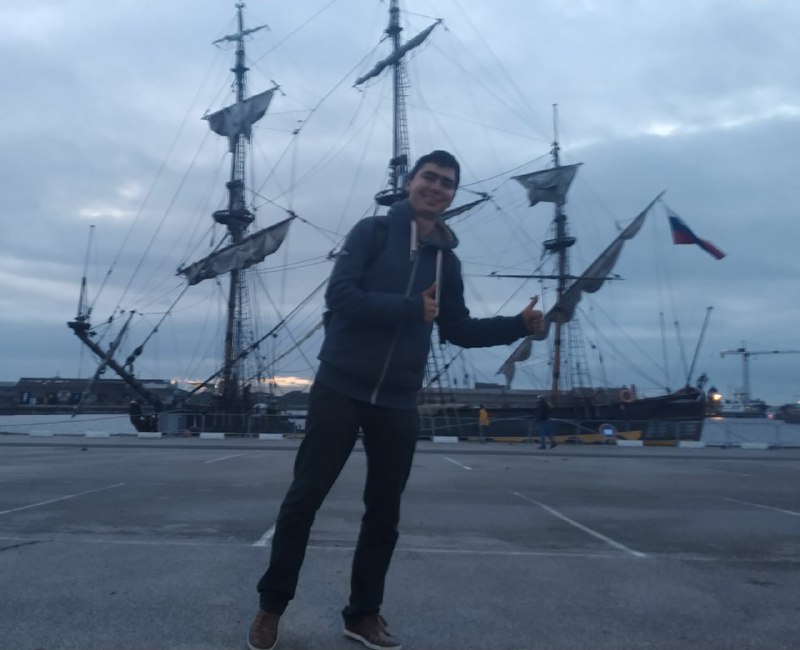
Actually, I didn't go to France for Paris at all. I absolutely had to get to Dunkirk.
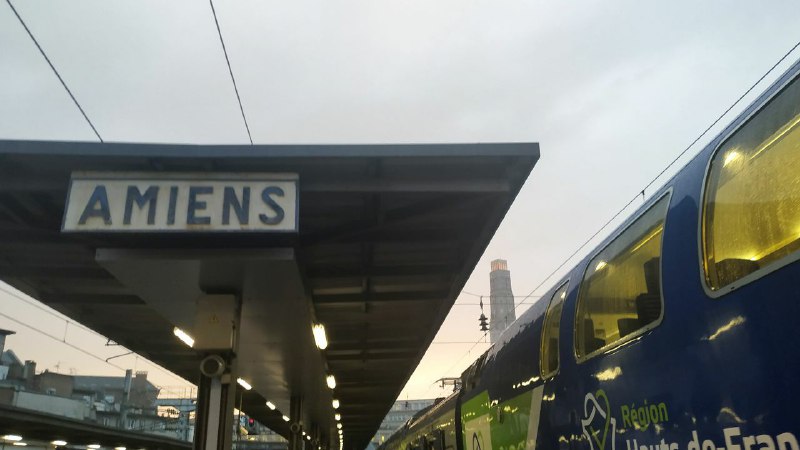
On the way, I stopped in Amiens. It seems like an inconspicuous city that nobody really talks about. But dig a little deeper and suddenly you find out that there's a huge Gothic cathedral from the 13th century, Jules Verne spent the last 15-20 years of his life here, a pivotal moment of World War I unfolded near the city, and the Battle of the Somme was one of the most massive and bloody battles in human history.
The skyscraper visible from the train was the tallest building in Europe for 3 years.
Moving on.
On the way, I stopped in Amiens. It seems like an inconspicuous city that nobody really talks about. But dig a little deeper and suddenly you find out that there's a huge Gothic cathedral from the 13th century, Jules Verne spent the last 15-20 years of his life here, a pivotal moment of World War I unfolded near the city, and the Battle of the Somme was one of the most massive and bloody battles in human history.
The skyscraper visible from the train was the tallest building in Europe for 3 years.
Moving on.
Since I've already started talking about burials, do you remember when I wrote about Kazakh cemeteries? Now take a look at French ones!
The crypts are so large they actually look like tiny houses. Each one is more interesting than the last. And this is a completely real, active cemetery.
The crypts are so large they actually look like tiny houses. Each one is more interesting than the last. And this is a completely real, active cemetery.
Countries
 United Kingdom3
 Serbia100
 Bosnia and Herzegovina54
 Turkey42
 United Arab Emirates3
 Brunei2
 Indonesia12
 Malaysia15
 Argentina16
 USA117
 Morocco5
 Georgia5
 Egypt16
 Hong Kong8
 China4
 Vietnam9
 Tunisia7
 Montenegro9
 Philippines12
 Singapore10
 Oman12
 Algeria12
 North Macedonia5
 Lebanon11
 Israel27
 Albania17
 Russia63
 Tanzania50
 Netherlands7
 Spain14
 Latvia2
 Germany7
 Belgium3
 France27
 Kazakhstan32