When you think about the US, you definitely don't picture
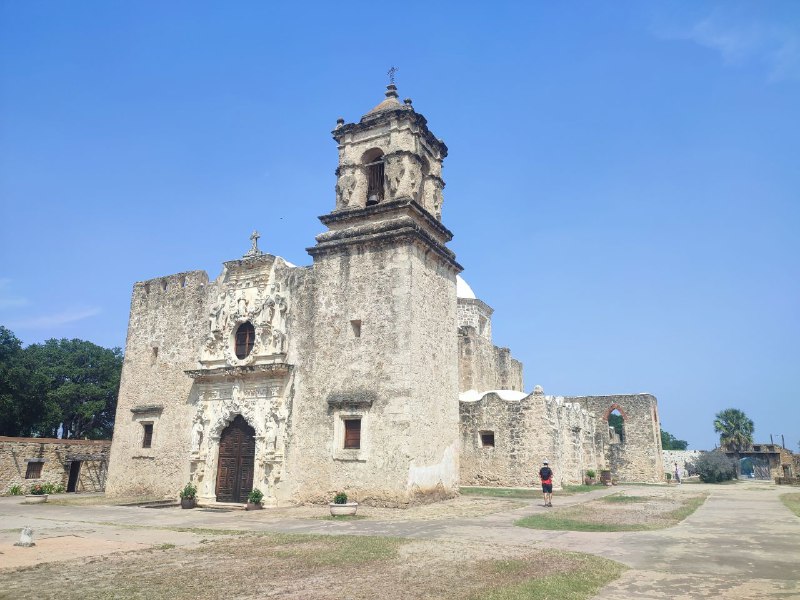
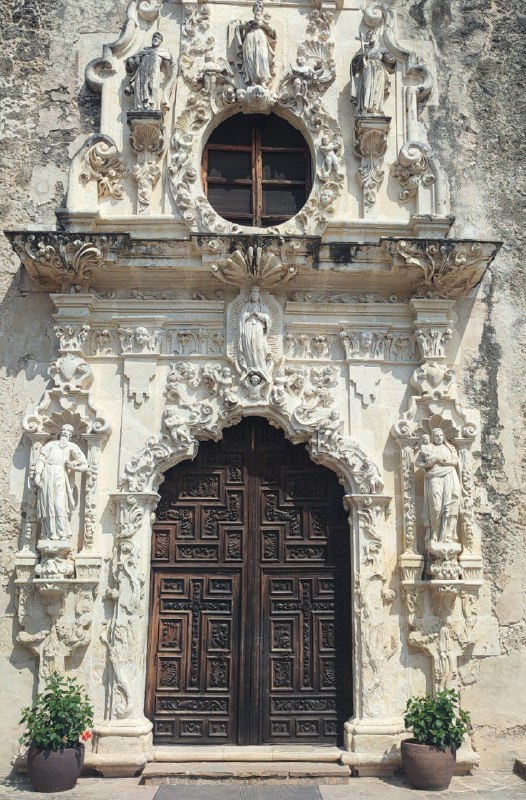
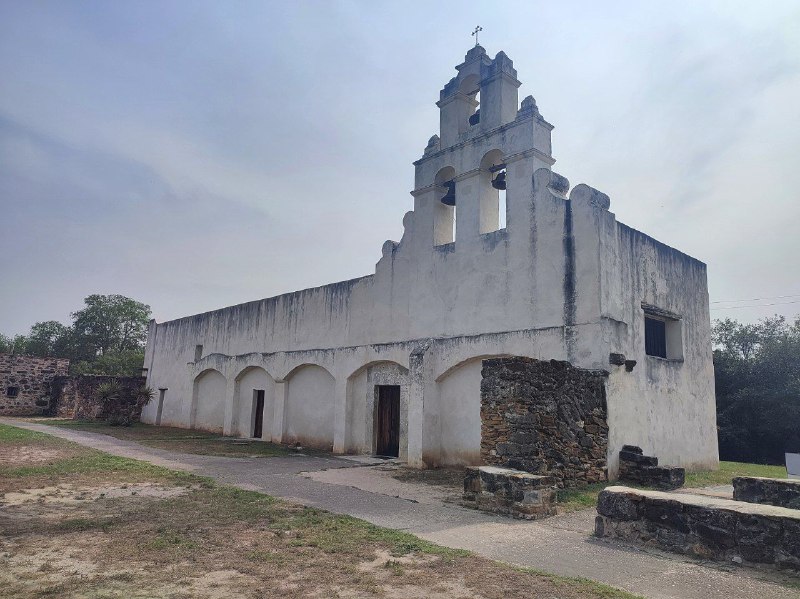
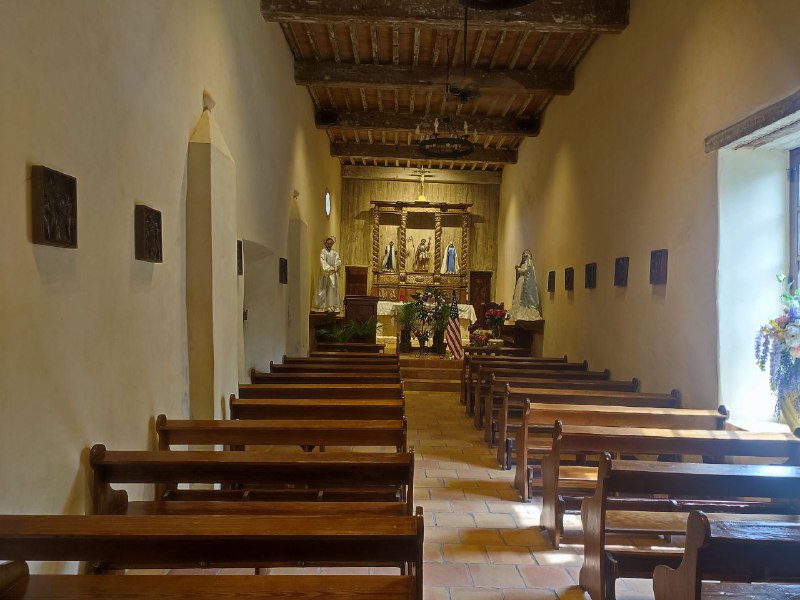
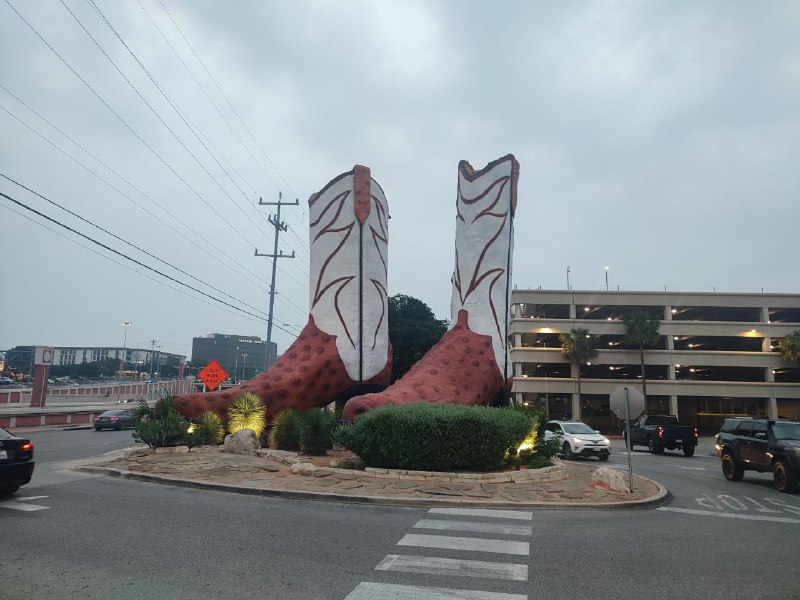
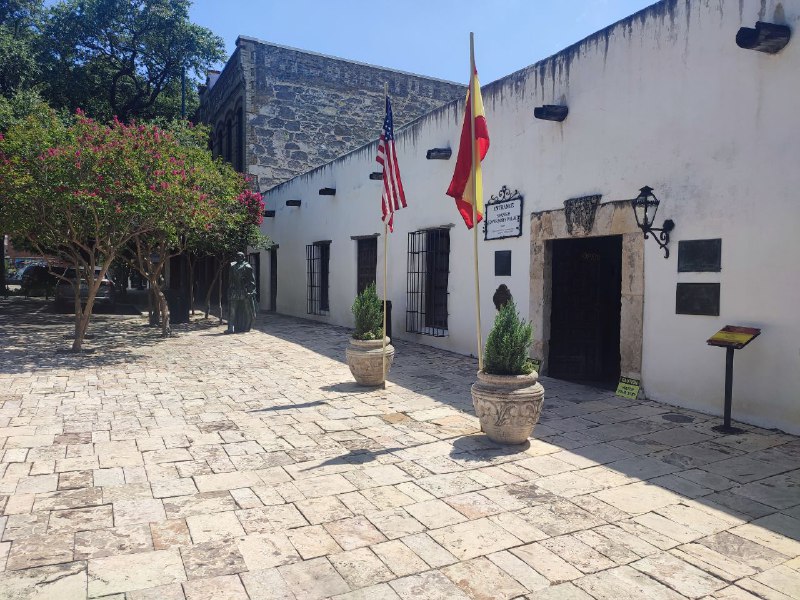
the Roman Empire 18th-century Spanish missions. But you should. In San Antonio, Texas, the Spanish built several of them in the early 1700s. Over 300 years later, the buildings have deteriorated a bit, but they've held up pretty well overall.
Not the 12th century like the
monastery in Florida, obviously (and I'm not joking), but by local standards, that's ancient history.
PS. I stumbled upon this cute little
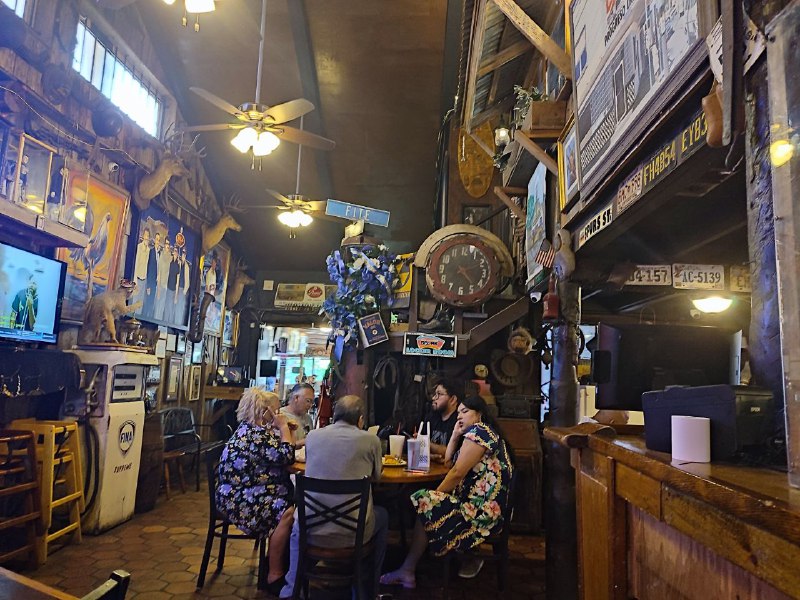
restaurant in the middle of nowhere. Really charming atmosphere. And the food's solid. I didn't see anything more tex-mex during this trip. If you're ever in the area, it's definitely worth checking out.
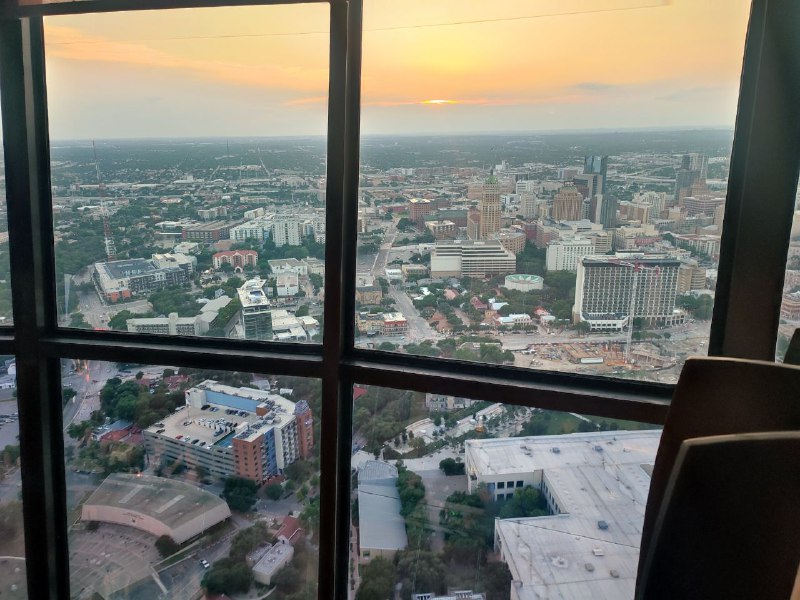
I haven't seen a major city in a long time where so much wildlife just runs around the streets (just a reminder—nearly a million people live in Austin). There's no getting away from squirrels: they dash right across the roads and barely pay any attention to people. And you can't escape the bird songs either.
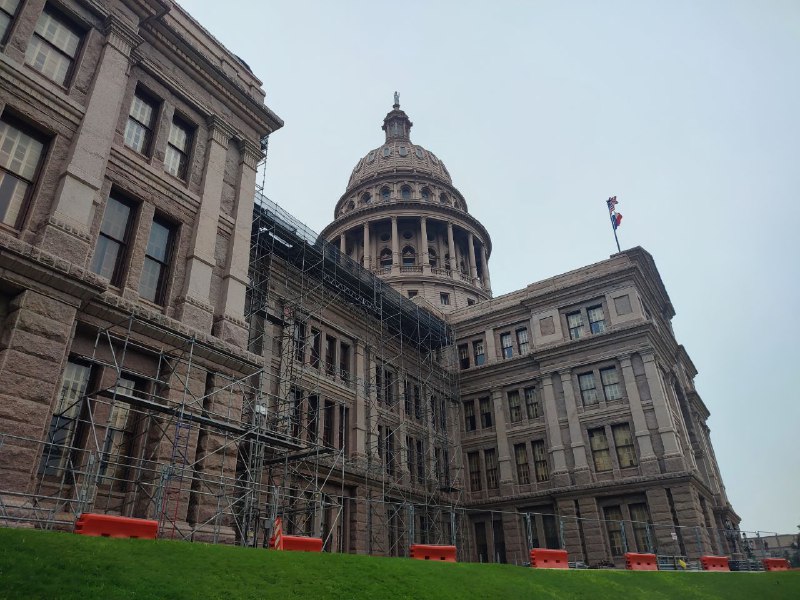
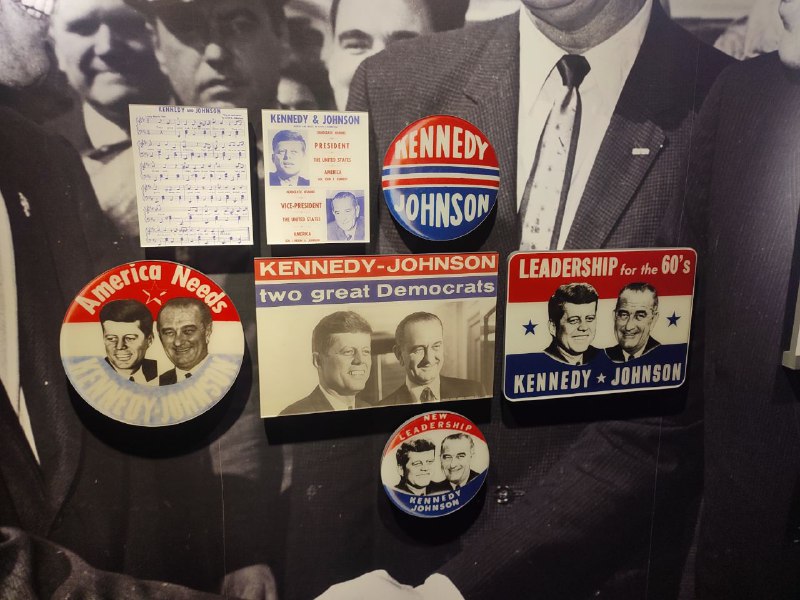
Austin is basically a pocket of democracy in a really conservative state. This isn't some new trend either—it was already like this back during Kennedy and LBJ. Both presidents were from Texas, by the way. I'm not claiming to be an expert on American politics, but I thought it was interesting how the state capital's views are so different from the rest of the state. Other major cities lean blue too, but not nearly as obviously.
The Mexican border is right there, and you can definitely feel it: in some places, people basically don't speak English at all. Only Spanish. Though honestly, even in New York, Spanish has become noticeably more common than it was five years ago.
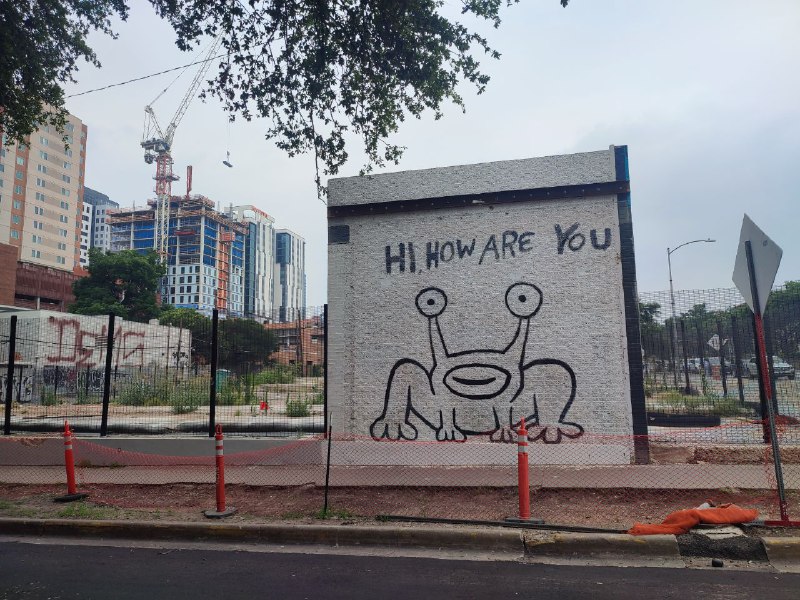
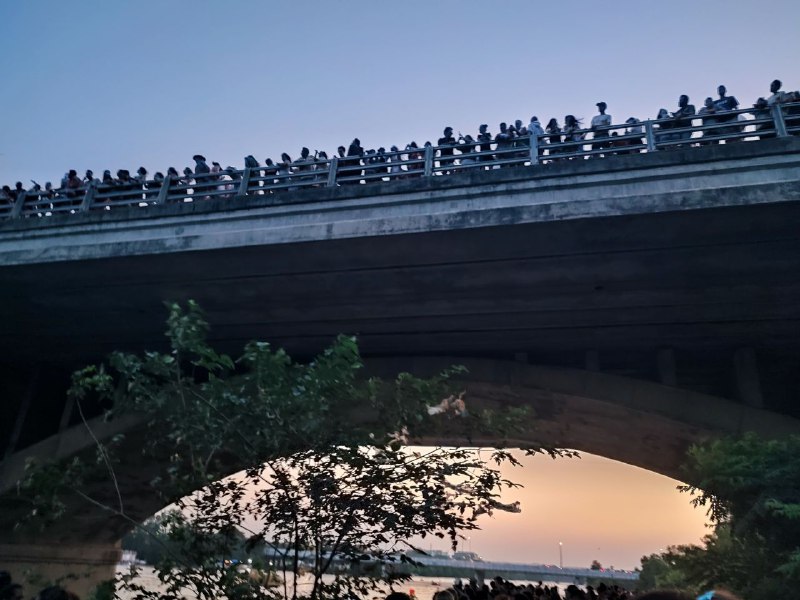
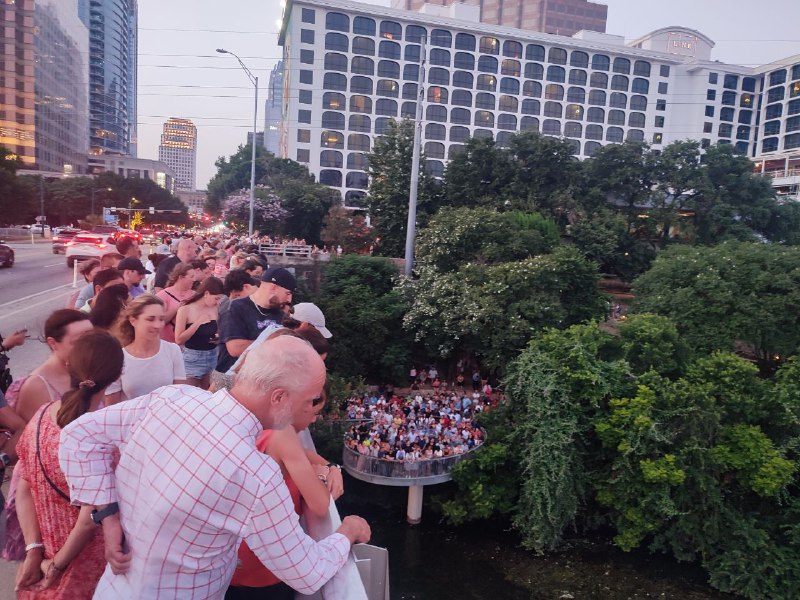
Found a worthy contender for the most unusual city attraction. In Austin, Texas.
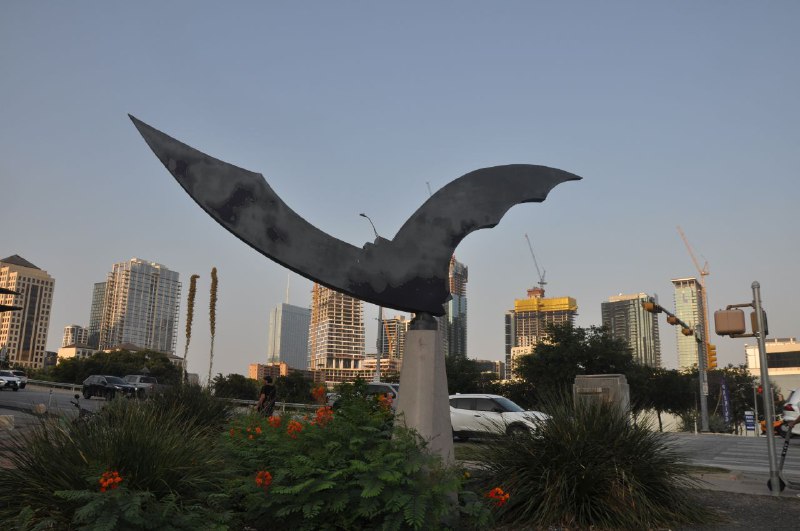
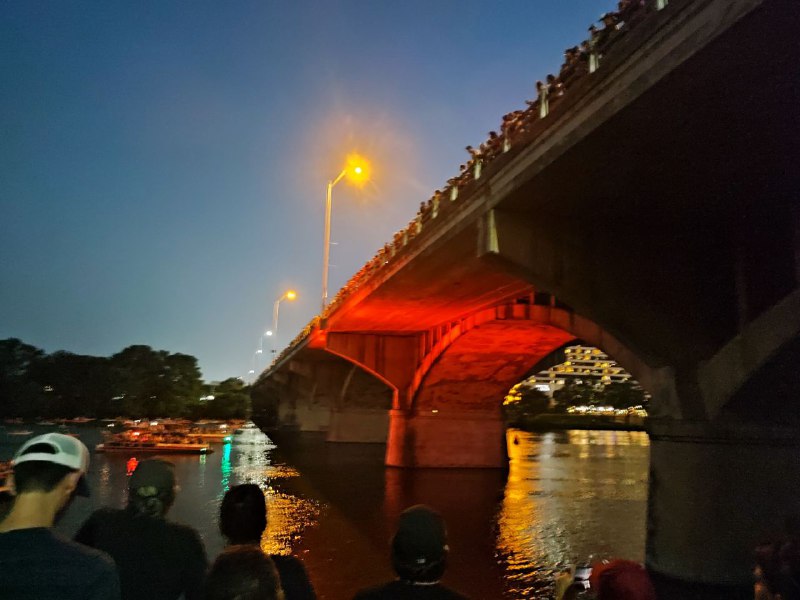
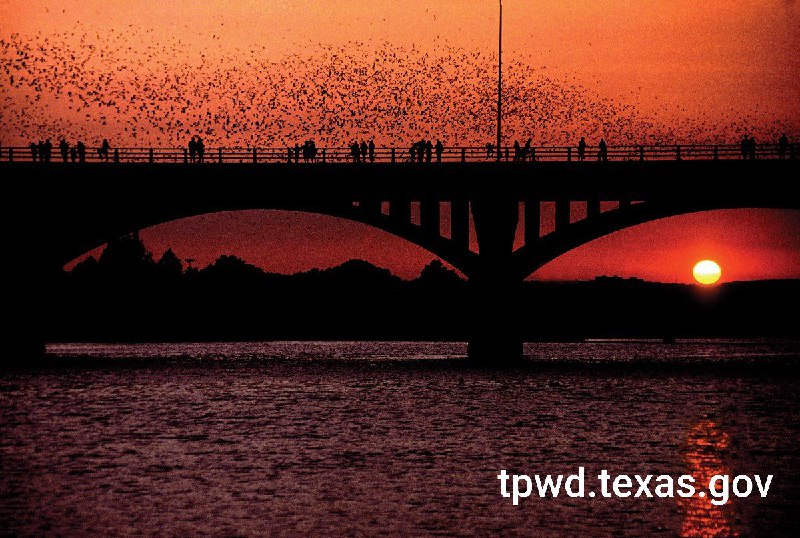
Back in the 1980s, the city renovated a bridge. The new structure turned out to be absolutely perfect for... a bat colony. It got to the point where in a city of almost a million people, there are now more bats than humans.
At first, residents were scared and really wanted to get rid of their uninvited neighbors. But a campaign by local biologists changed public opinion. Now it's practically the main draw for tourists.
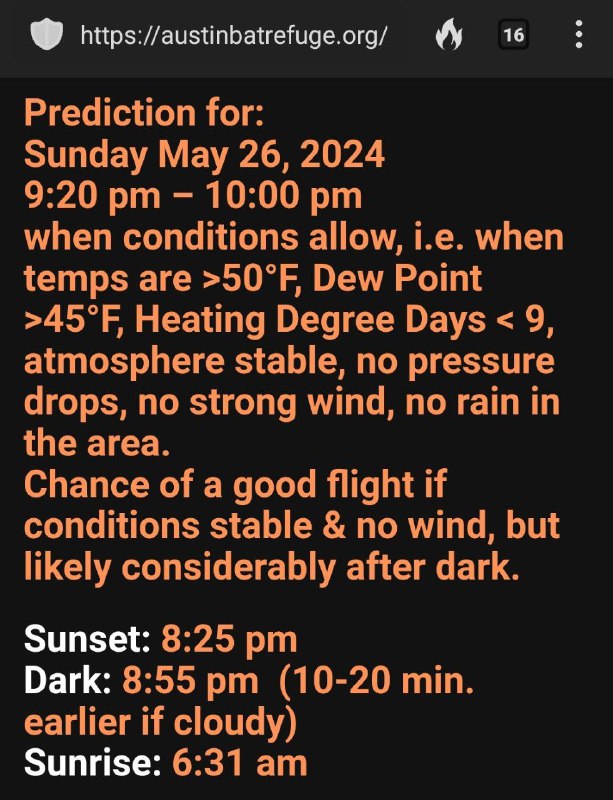
Every night from March to October, crowds gather at the bridge waiting for the show. You can pay to get on a boat and watch everything from the water. Though there's no guarantee you'll actually see anything: the hunt only happens when it's warm, dry, and there's no strong wind. Otherwise, the insects they hunt stay home, and there's no point flying out. In a single night, they can collectively eat a whole ton of gnats. First, solo "scouts" fly out, then at some point a massive exodus begins. On the best nights, up to a quarter of the colony of a million and a half can take flight to hunt.
There's a whole
website where enthusiasts track flight history and publish forecasts for the day. I wasn't too lucky: I only managed to see about 3% of the colony take off in complete darkness to hunt. So the video doesn't show much. People say you need to go in August. That's when the most impressive flights happen. Added an internet picture to the post. Would love to see something like that in person.
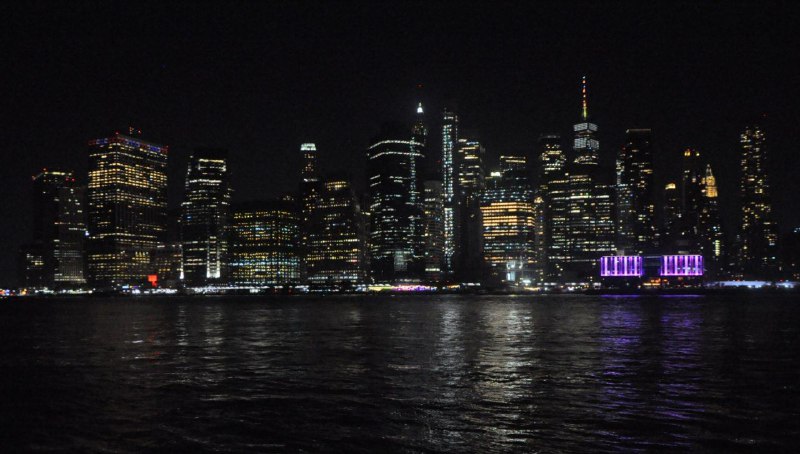
And yes. All of this happens not in some remote village, but right in the center of a huge glass and concrete city.
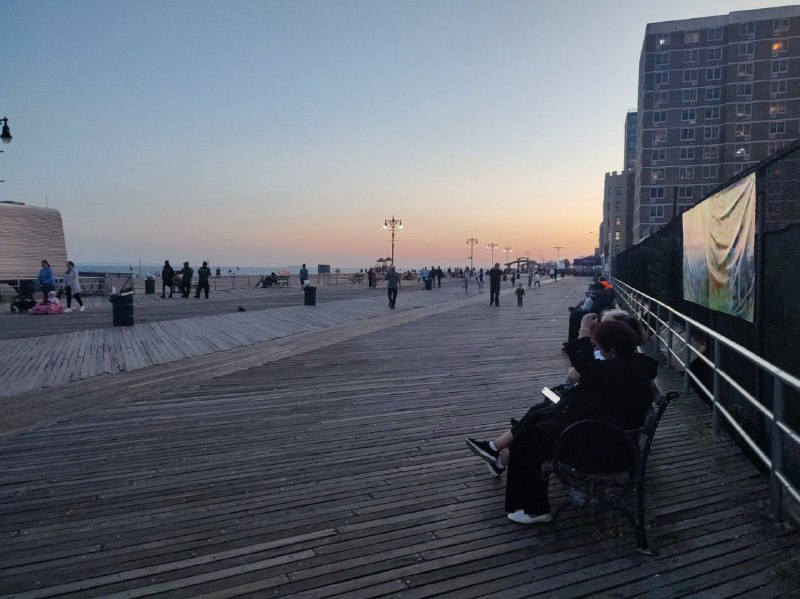
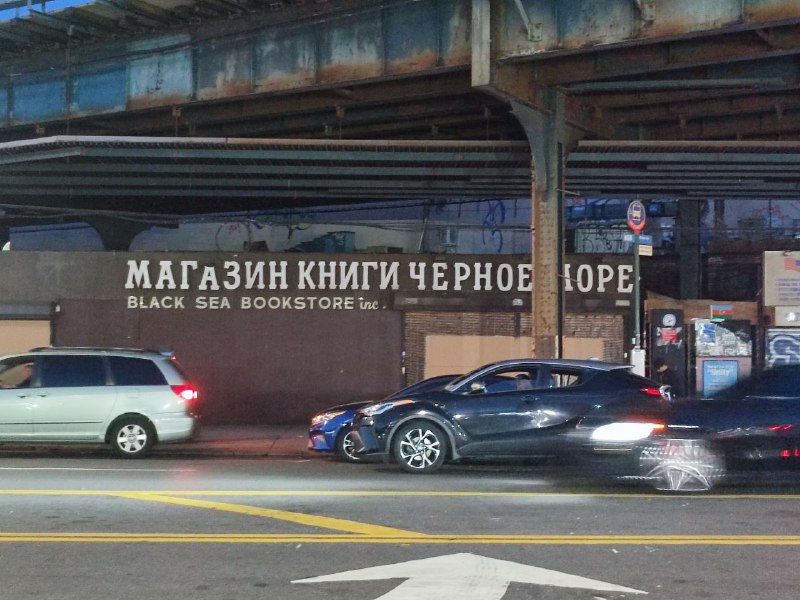
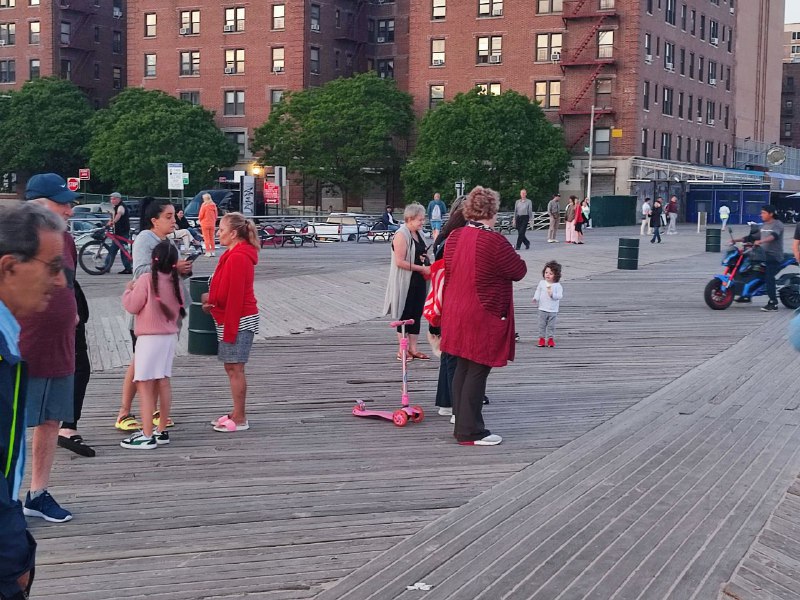
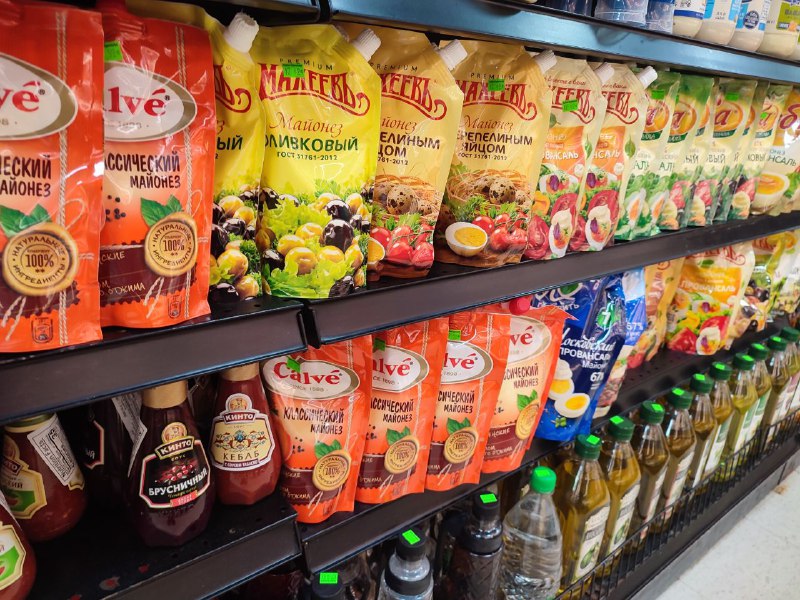
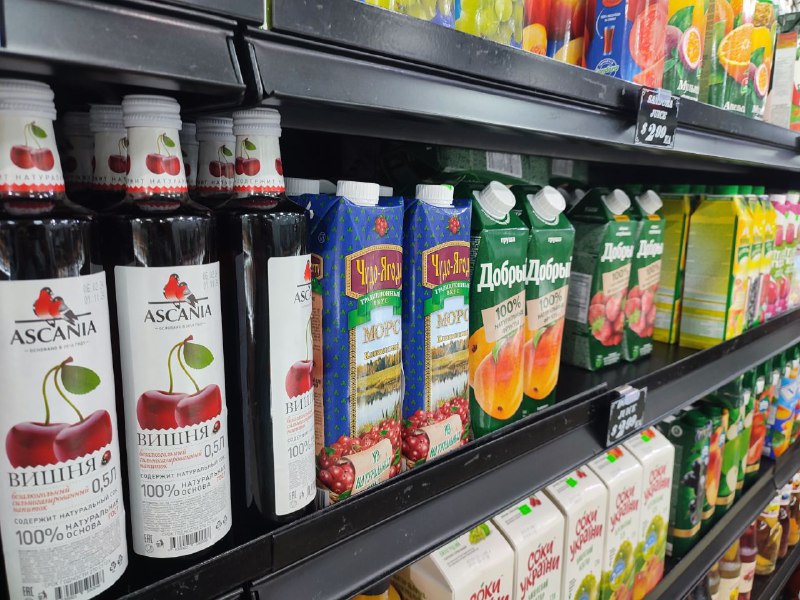
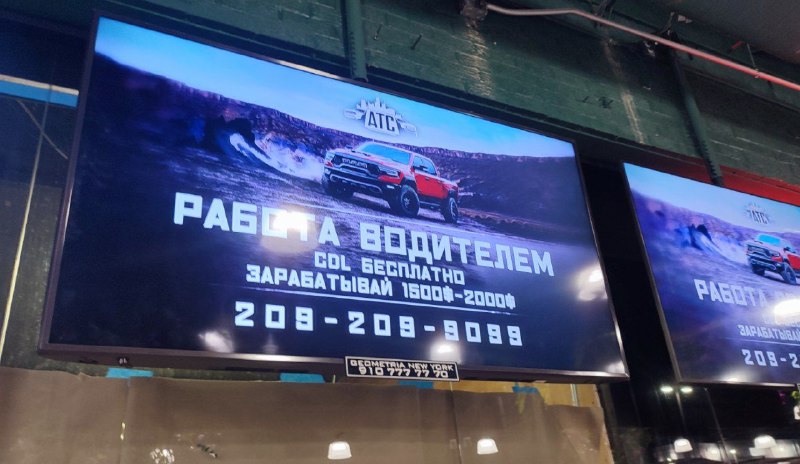
I never really felt drawn to Brighton Beach, but I had some free time and here we are. You know that stereotype of older Russian-speaking ladies and gentlemen you picture when Brighton comes up? Well, they're exactly like that in real life and walking around everywhere. Russian is heard on the streets more often than any other language.
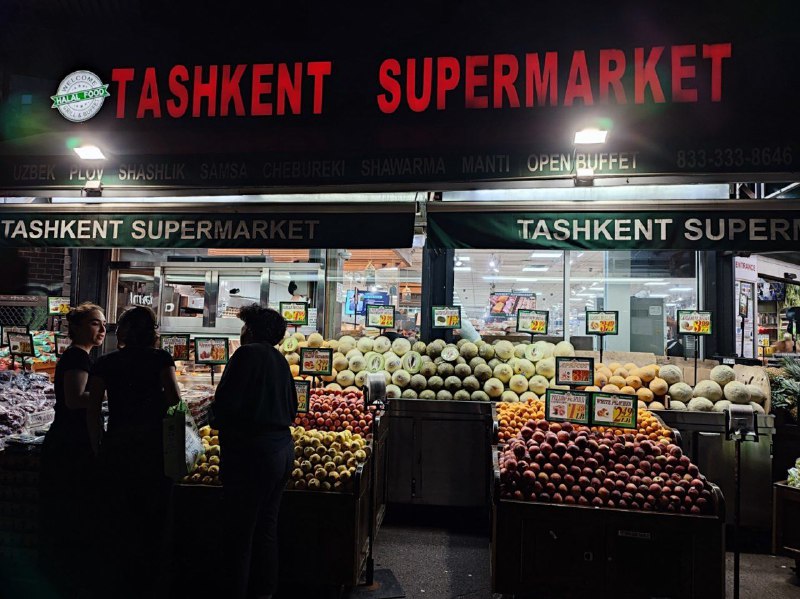
Russian shops are packed with goods from former Soviet countries. I've got no complaints about condensed milk from Natakhtari, but why people haul juice brands like J7, Dobry, and all that Miracle-Berry stuff across the ocean is beyond me. It's like the US doesn't have its own crappy juices or something. Obviously there's demand if they keep bringing it in. Anyway, enough griping about that.
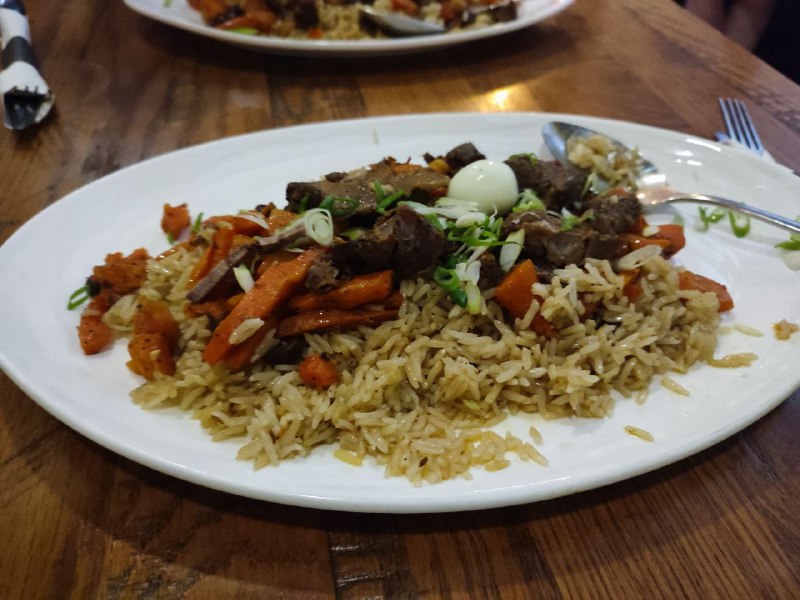
But I did have the best pilaf I've eaten all year here. I really miss that kind of food in Belgrade.
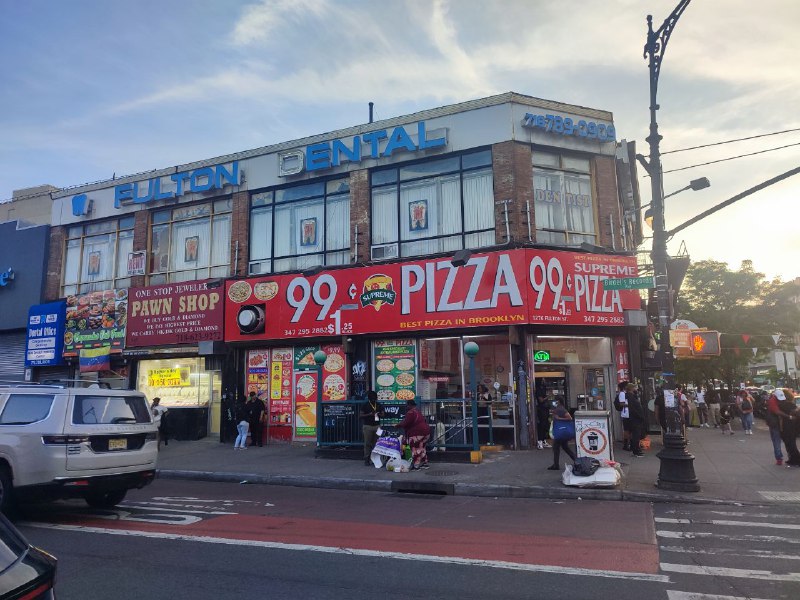
So in New York, those "99-cent pizza" joints don't actually sell pizza for 99 cents. And sure, it'd be one thing if they were just adding tax. But one of these places wanted $4 for a slice :(
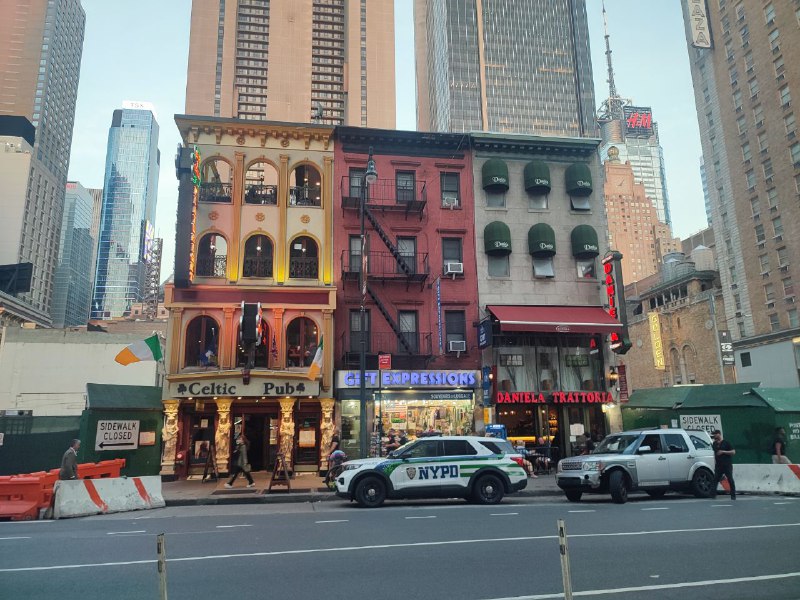
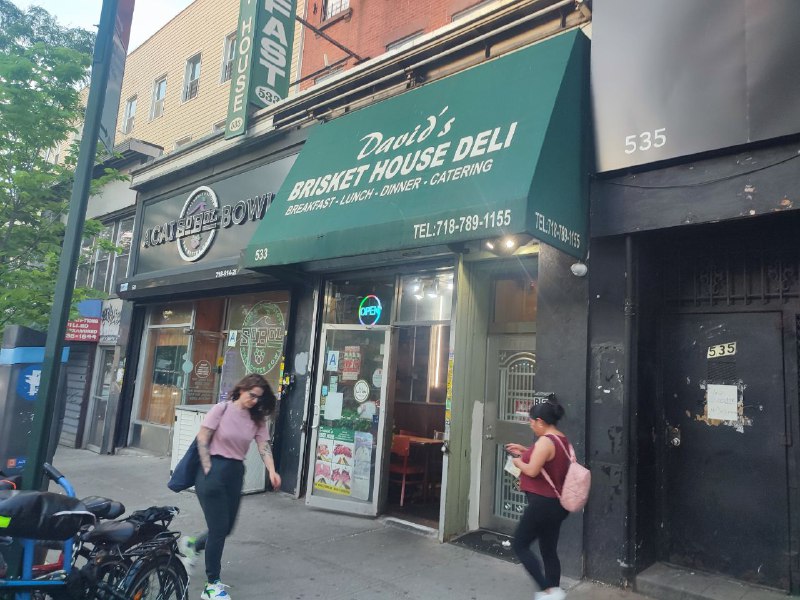
That said, the city's really charming in its little details. You can stumble into a Jewish
deli run by Yemeni Muslims in the Caribbean quarter, or randomly discover a
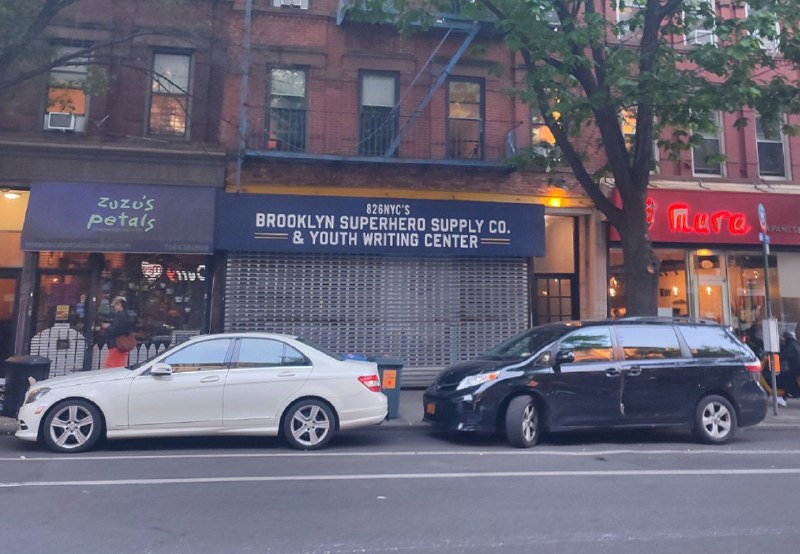
superhero shop, or spot a historic
marker at the place where the first recorded fatal car accident happened, and you can even find the
Ghostbusters headquarters. And honestly, I could go on for ages. Feels like you could spend a year here and still not see everything.
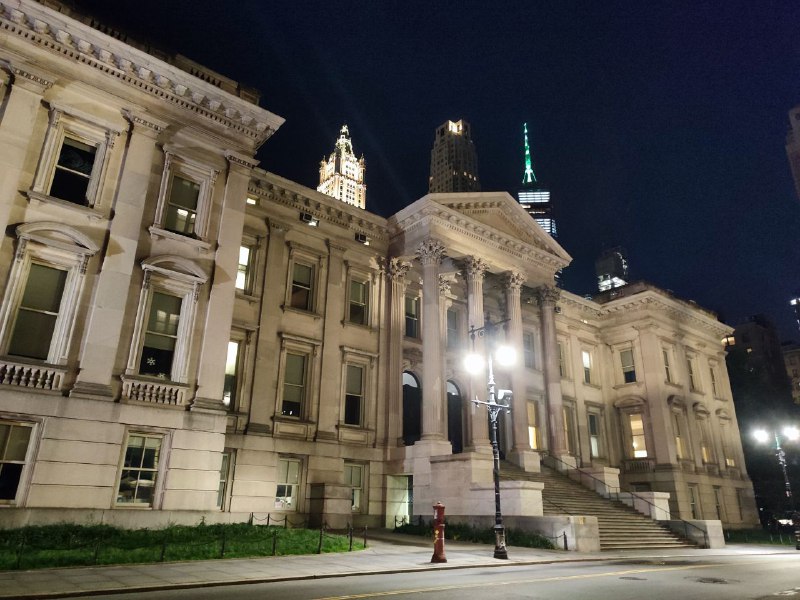
This New York courthouse cost American taxpayers more than the purchase of Alaska. Even though both events happened around the same time. $11M and $7.2M (roughly $300M and $196M in today's money).
The building was constructed by one of the most unprincipled American politicians — William Tweed — whose name became almost synonymous with corruption in America. The theft during construction was extensively covered by the press, and the leading political cartoonist was offered half a million dollars (an astronomical sum at the time) by the politician to draw about other topics instead.
Ultimately, the official was arrested and, ironically, tried right in the unfinished courthouse building that he himself had overseen.
Today the courthouse still stands and serves its functions. For example, a colleague's daughter got married there. And the building bears the name of that very same corrupt politician — Tweed Courthouse.
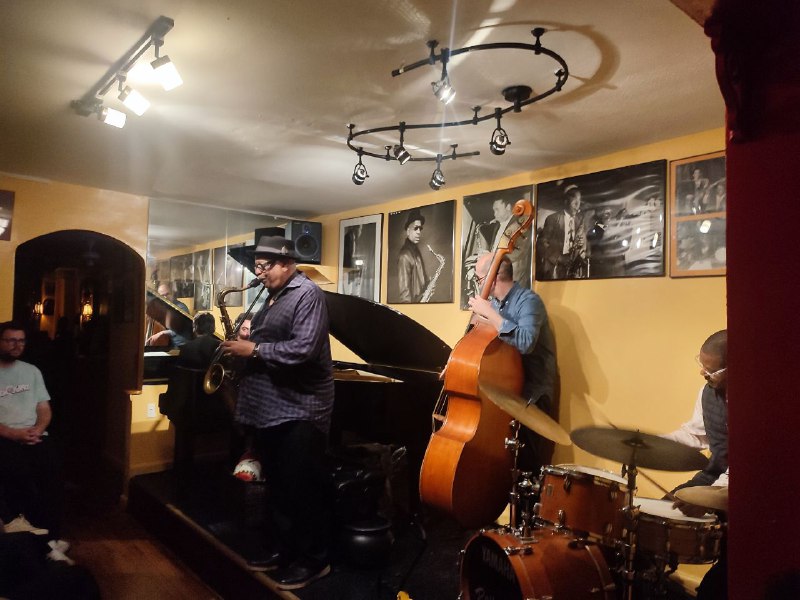
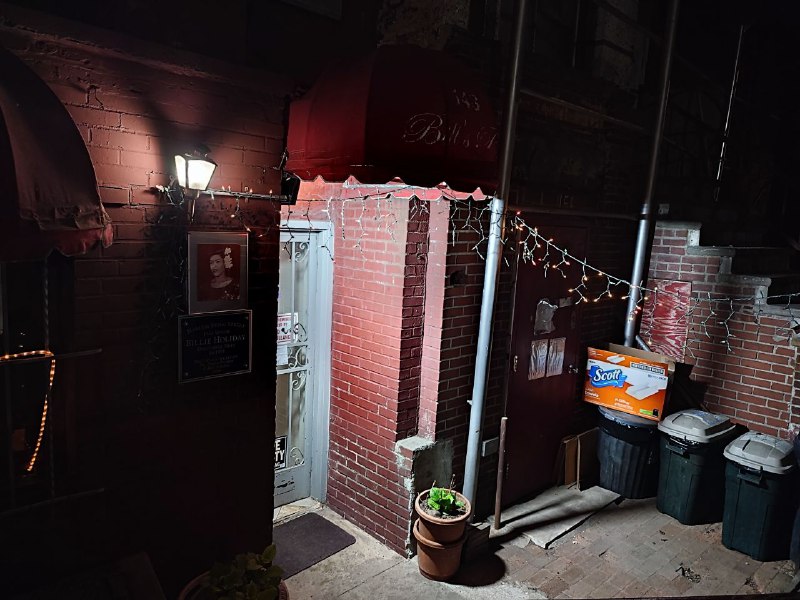
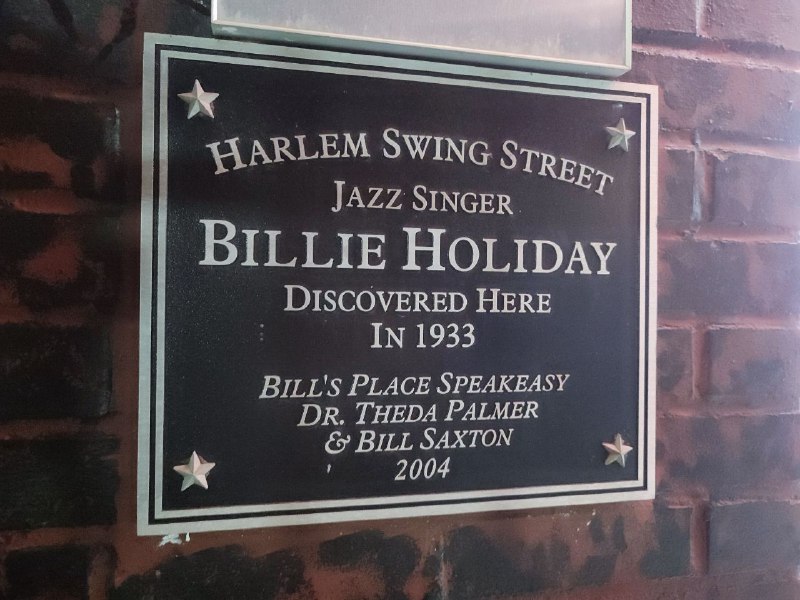
If you really want to immerse yourself in the atmosphere of Prohibition, underground speakeasies* and great music, New York has an option for you. In a small
basement that fits 30-40 people right in the heart of Harlem,
Bill Saxton plays excellent jazz. According to
reports from the New York Times, they've managed to recreate the 1920s-1930s atmosphere with incredible accuracy. Not least because visitors are invited to bring their own alcohol, and the space is very small and intimate. If you're in the area, I highly recommend it.
———
*speakeasy — an American phenomenon of underground bars from the time when alcohol sales were prohibited. The name comes from the English "speakeasy" (speak quietly), though the term itself appeared decades before Prohibition in England to describe contraband establishments. Sometimes these drinking establishments were called "blind pig" or "blind tiger" because money was charged for viewing the animals, while alcohol was given as a gift. Americans invented endless ways to get around the law. They used everything imaginable to disguise the business, including funeral homes. In New York alone, there were between 30,000 and 100,000 such establishments in the 1920s.
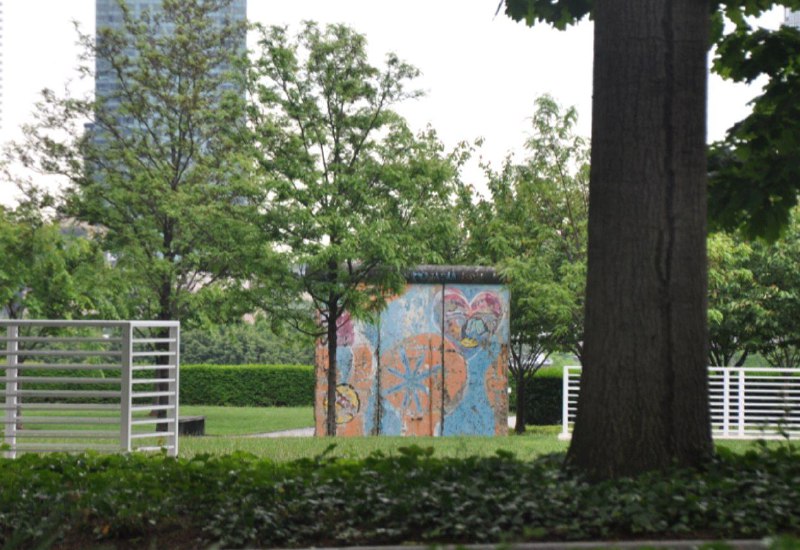
Remember the Berlin Wall in
Singapore?
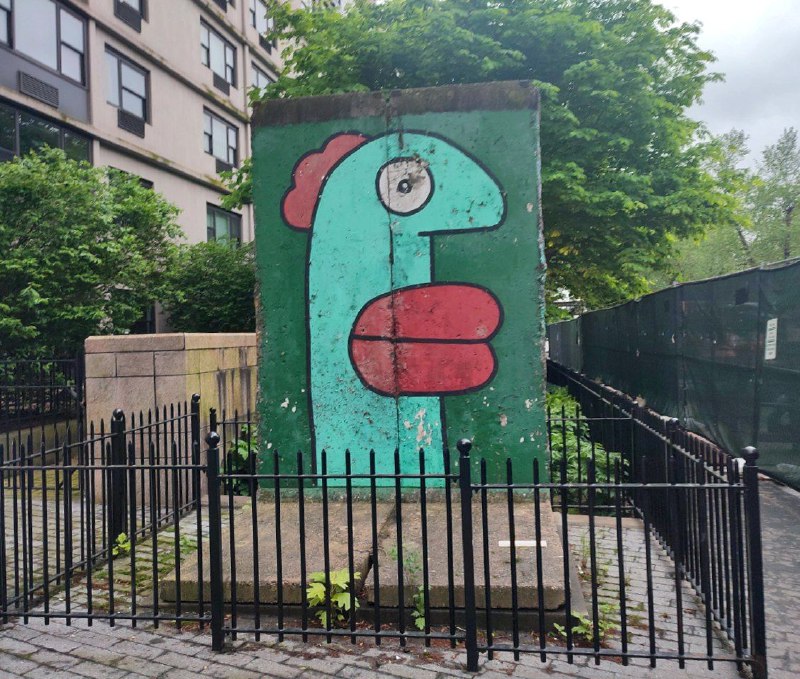
New York has some too! Several pieces actually.
Foursections in
differentlocations, though two aren't accessible right now.
Turns out the wall got scattered all over the world. You can see it in Sydney and Cape Town, in Moscow and Guatemala, in Kyiv and Tokyo, and tons of other cities. In the US, it's basically in practically every major city. Here's a
complete list.
Did I just save you a trip to Berlin? :)
The most famous
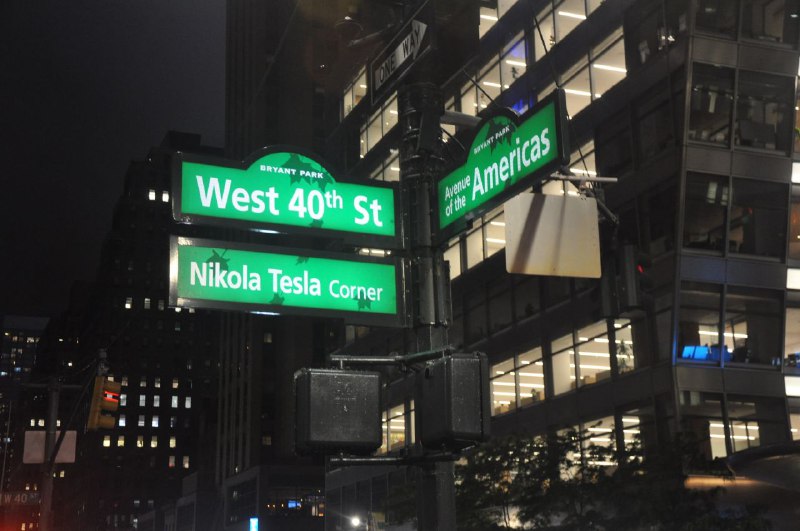
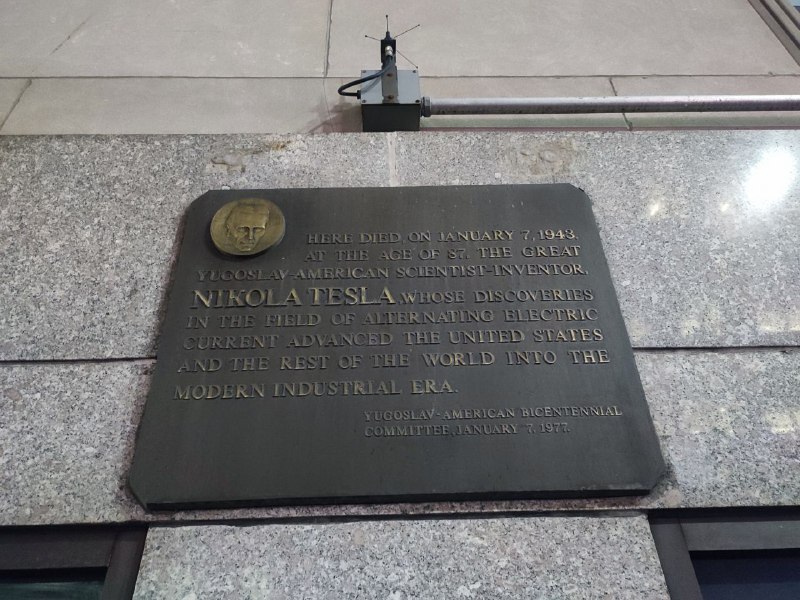
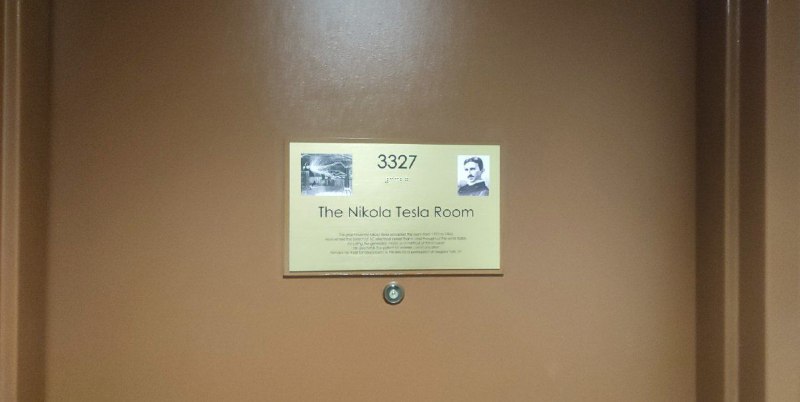
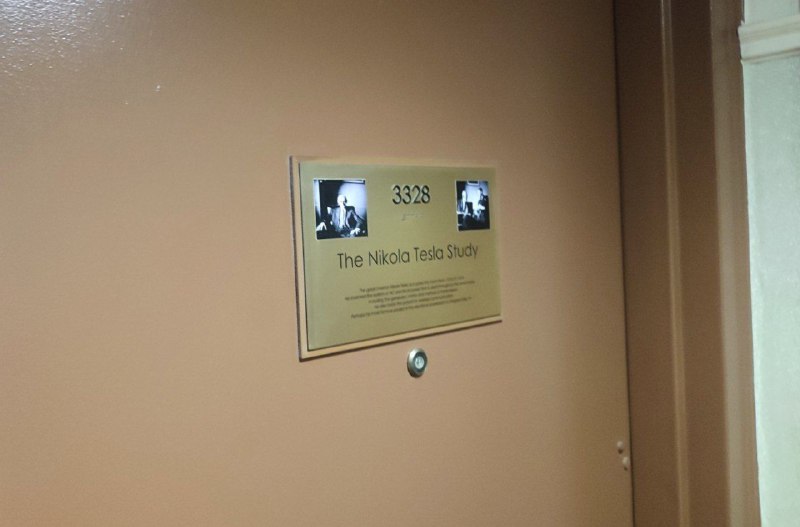
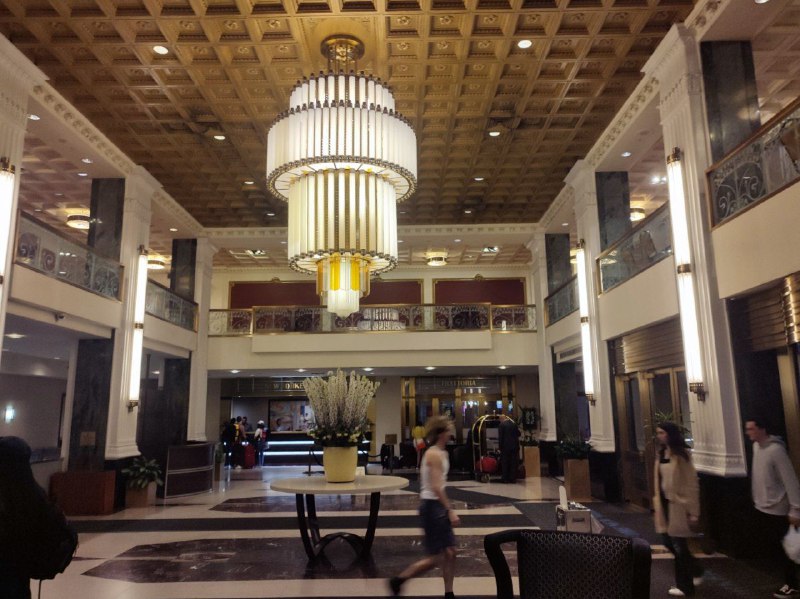
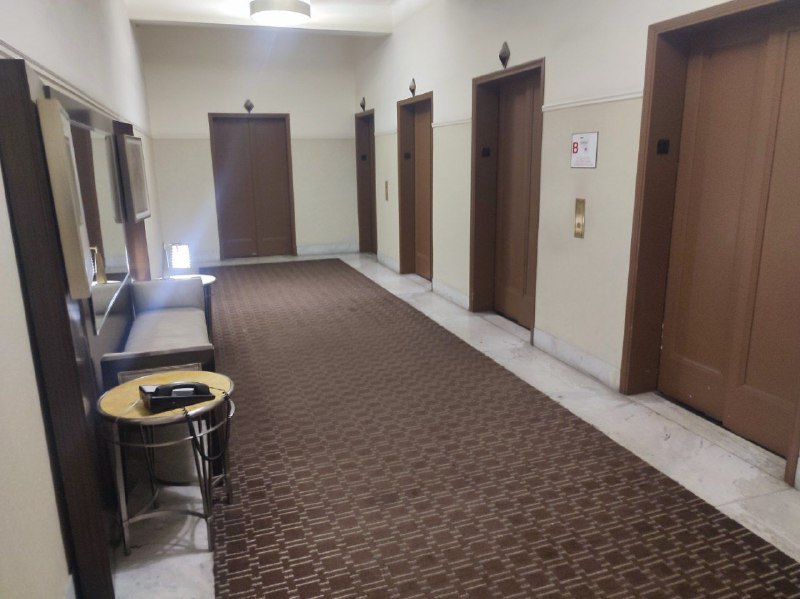
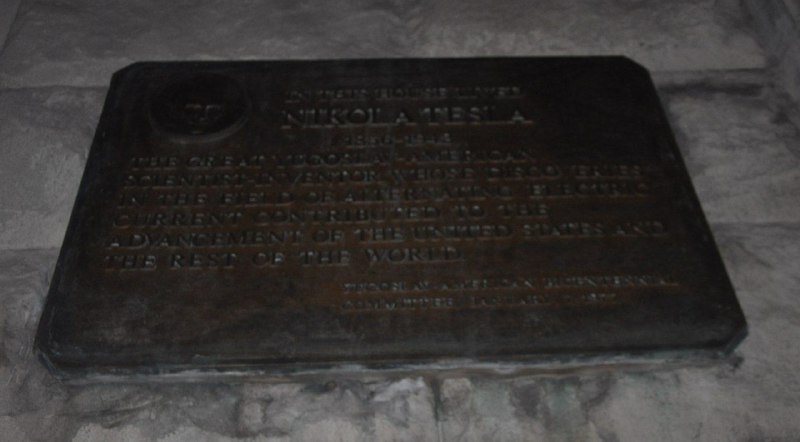
Croat Serb spent most of his life in New York. The corner of Bryant Park is named after Nikola Tesla, where he loved feeding pigeons. And in the New Yorker Hotel, where the scientist lived for more than ten of his final years, they placed a bust, and hung a plaque on room 3327.
In his old age, the inventor was openly struggling financially, drifting from hotel to hotel, leaving behind huge unpaid bills. By the time he moved into the New Yorker, Westinghouse Electric & Manufacturing Company began paying Tesla a salary of $125 (about $3000 in today's money) and covering his rent. He lived there until the end of his days.
In his final years, Tesla was slowly losing his mind (literally). He worked on a death ray (
Teleforce) hoping it would help end wars. Despite claims that the invention was ready, no papers were ever found. All sorts of conspiracy theories still circulate that the blueprints were seized by special services.
On the Radio Wave building there's a plaque reminding us that Tesla held the first patent for radio. But in history, Marconi went down as the inventor of radio. And he even won a Nobel Prize for it. In subsequent years, lawsuits over the invention rights continued. In 1904, a US court awarded primacy to the Italian, despite the patent history. Plus, he had excellent connections in England, which contributed to the rapid commercial growth of his company. After Tesla's death in 1943, the court reconsidered its decision. Partly because Marconi's company (Marconi himself was already gone) tried to get a ton of money from the US for violating the radio patent during World War I. Anyway, for Nikola it was already too late.
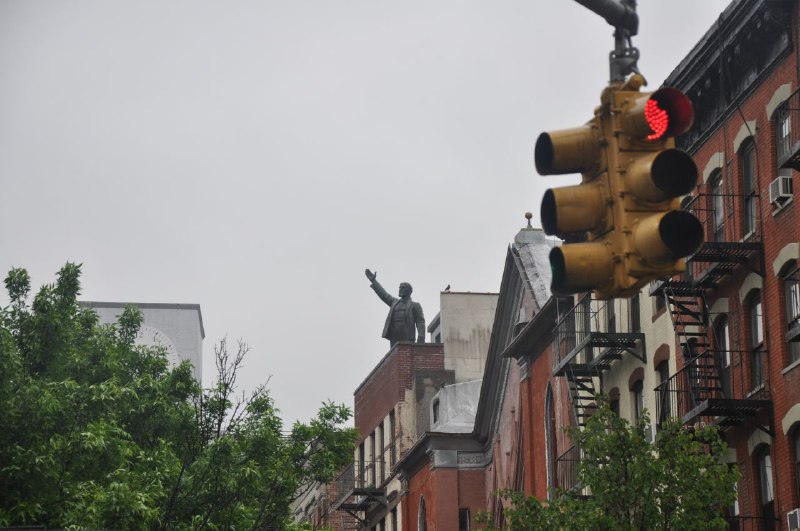
Come to the States. They defeated communism.
The States:
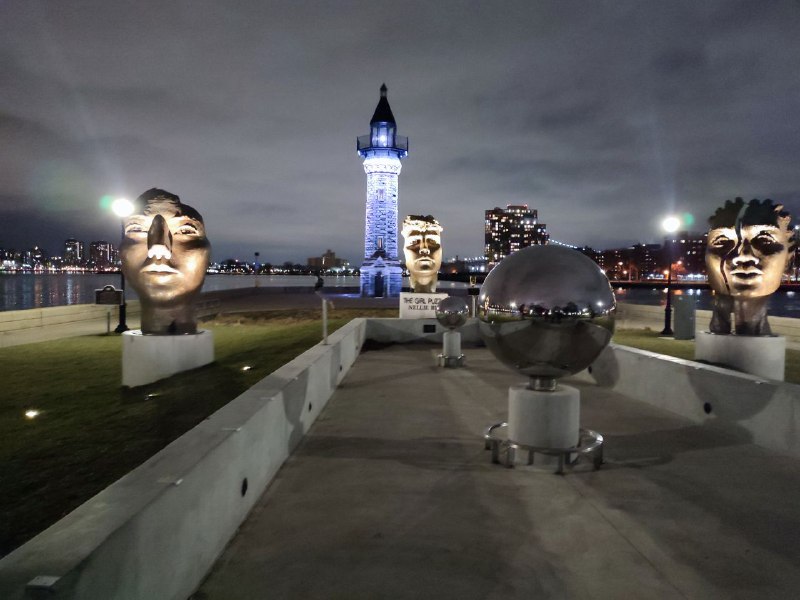
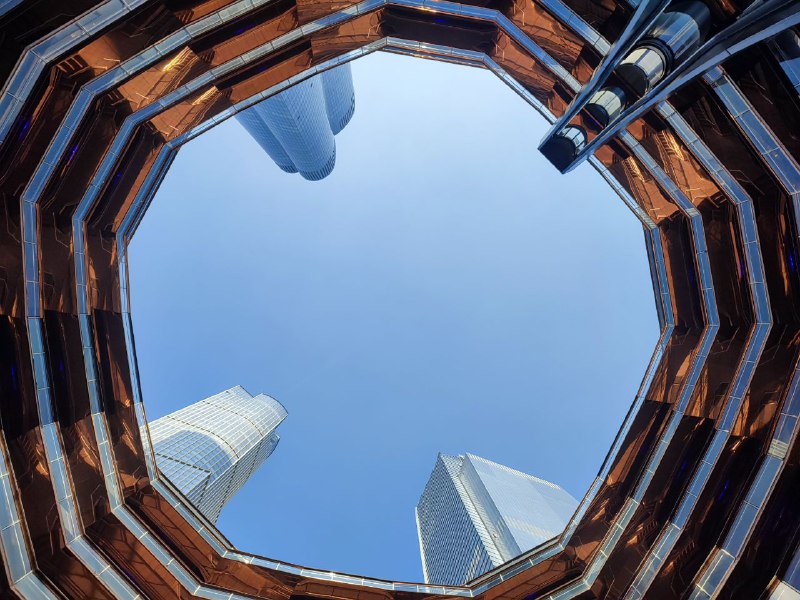
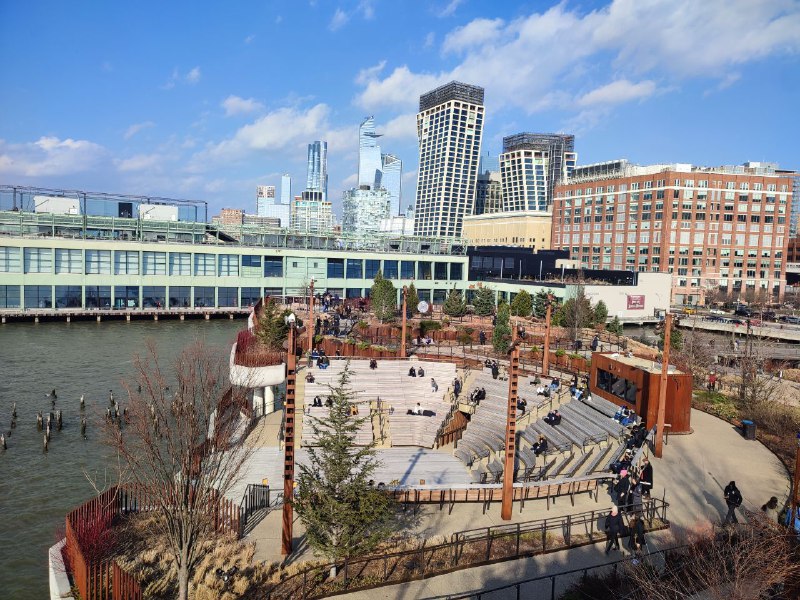
if anything, it's right here right on the roofI'm back in Belgrade, but all those photos I took of New York weren't for nothing. I'll share some pictures here.
If you've watched even one American crime movie, you've definitely heard about the U.S. Constitution and its amendments (for example, movies often reference the Fifth Amendment, which allows you not to testify against yourself).
It's the most important law in the country and one of the oldest constitutions still in effect in the world. Since 1789, they've adopted 27 amendments to it. Though they've considered almost 12,000 of them (yes, 12 thousand).
Among the rejected ones was the
Ludlow Amendment. It proposed putting decisions about the necessity to start military operations outside your territory to a general referendum (except in cases where the country was already attacked). Everyone voting FOR would be obligated to sign up as a volunteer and go to the front. I don't understand why every country doesn't adopt such a rule for itself.
But sadly, the proposal was first introduced in 1914, and the most intense phase of discussion and voting fell during World War II. This heavily influenced public opinion, and in the end, it didn't reach the necessary threshold.
PS. If you're interested,
here is a small collection of curious rejected amendments. It's amusing to see how in one year they proposed banning religious leaders from holding public office, and in another year they wanted to write God into the Constitution.
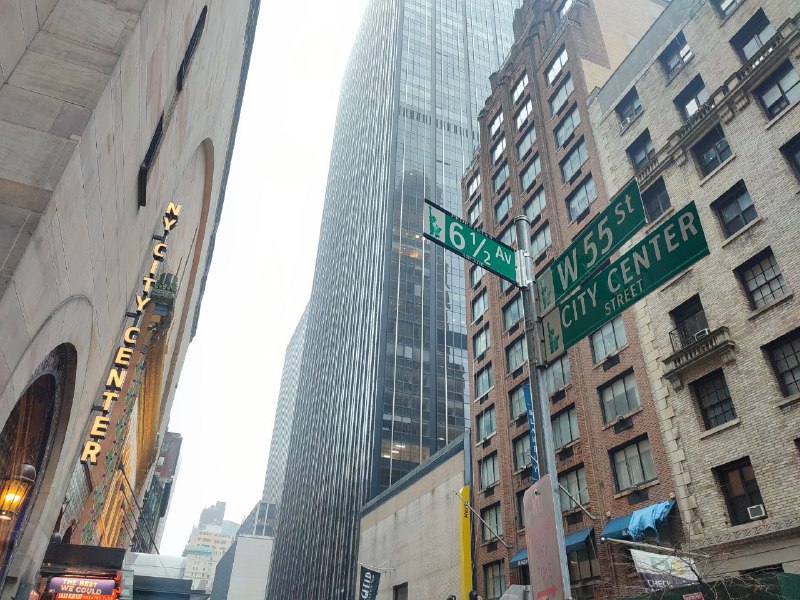
Platform 9¾, you say?
What about
Avenue 6½? :)
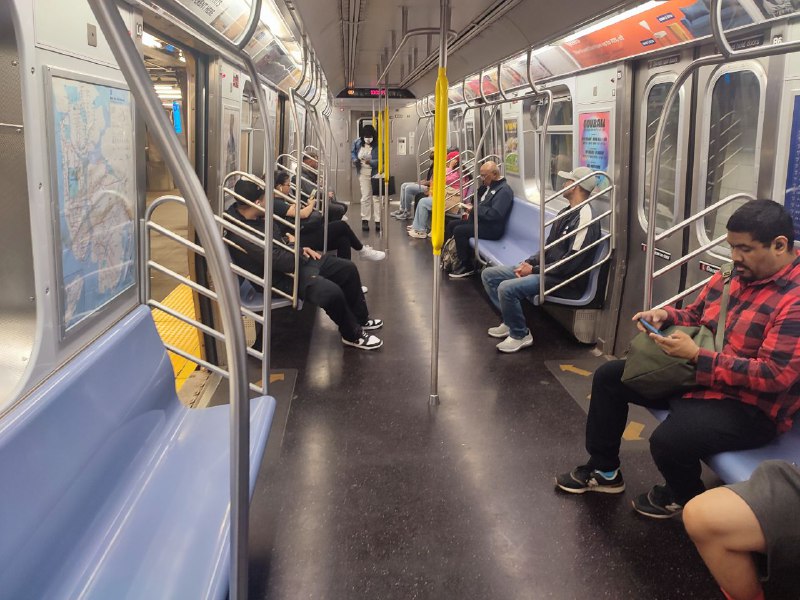
The other day I happened to notice something strange in the New York City subway: while waiting for my train and letting a couple of others pass, I caught sight of something peculiar—each time, a window opens in the middle of the train car and the conductor points his finger at something. I looked closer and there it was: a black-and-white wooden sign bolted to the ceiling.
I looked it up and found out there's actually a rule: the conductor has to clearly point to this sign before opening the doors. It's kind of an indicator to make sure nobody steps out into the tunnel. They started doing this after 1996, when doors would open a few times while one or two train cars were still in the tunnel. I wonder if they actually check whether employees bother to follow the procedure?
The black-and-white sign is at every station (sometimes more than one, since trains can vary in length).
According to
Wikipedia, this practice is widespread in Japan (though I didn't see anything like it when I was there; guess I'll have to go back).
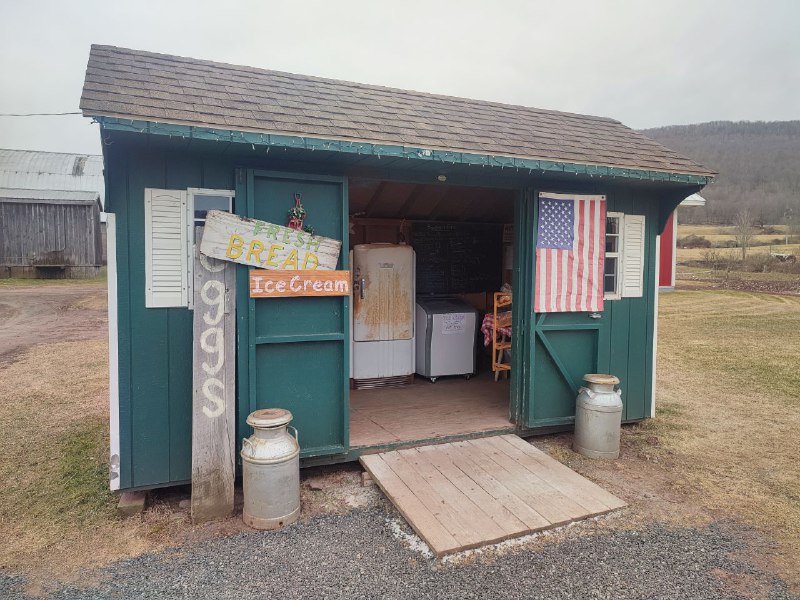
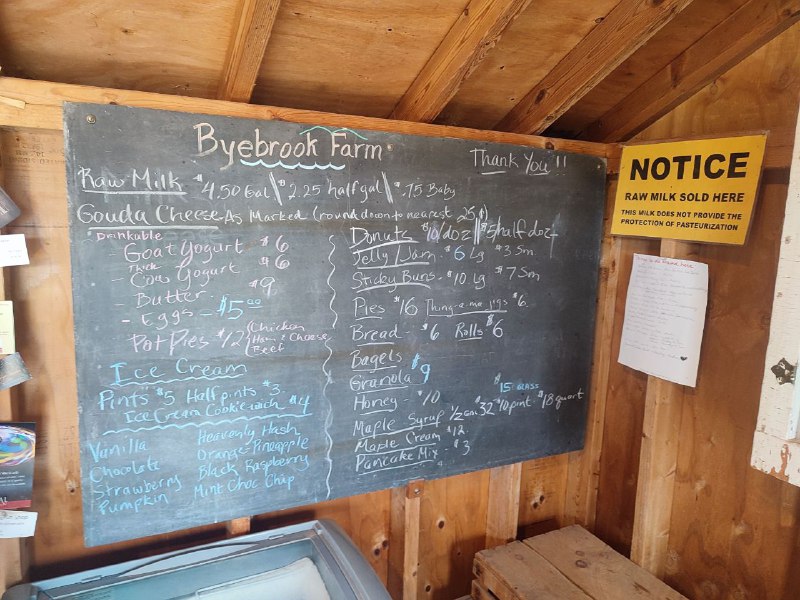
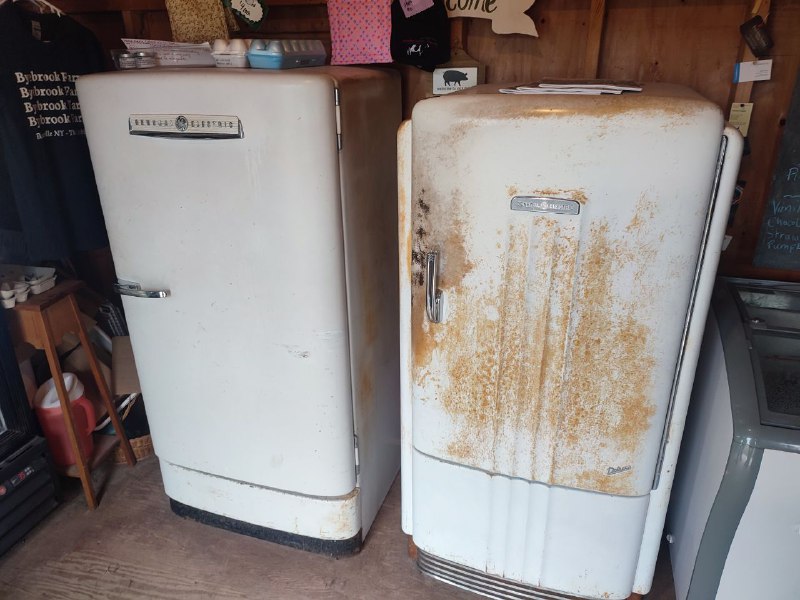
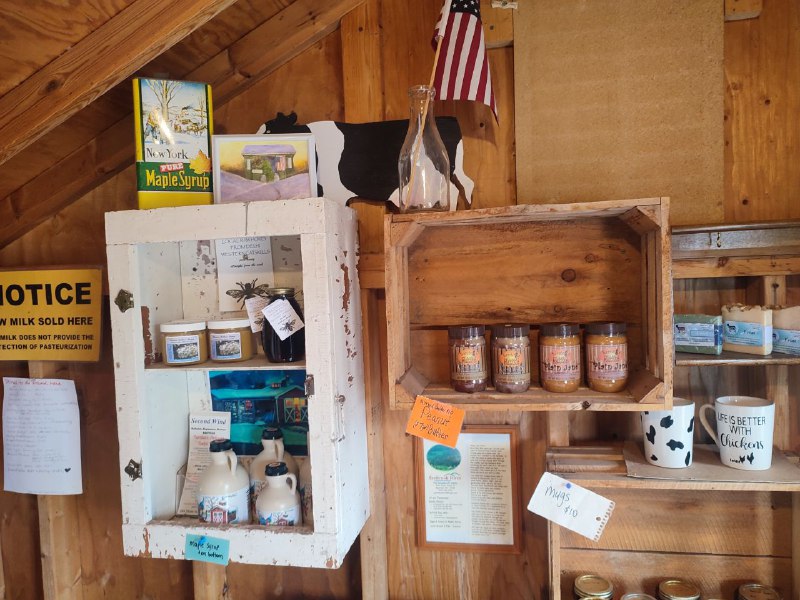
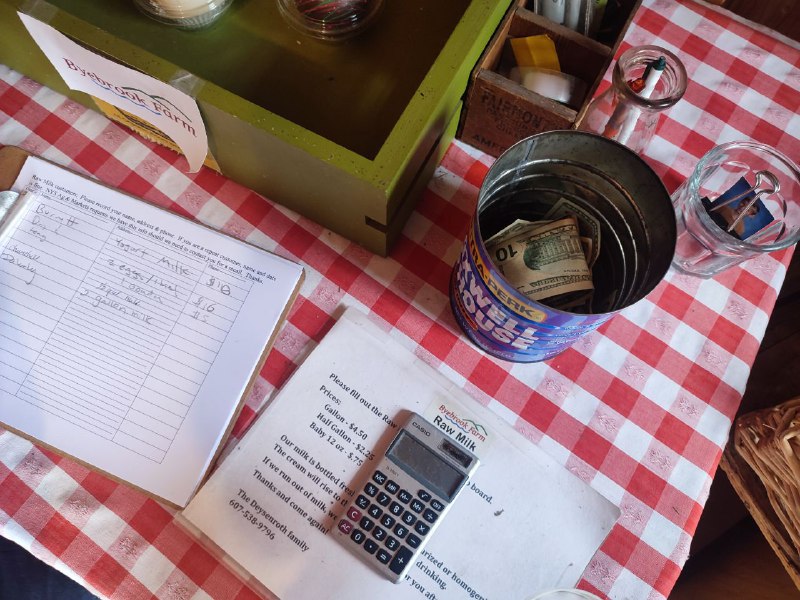
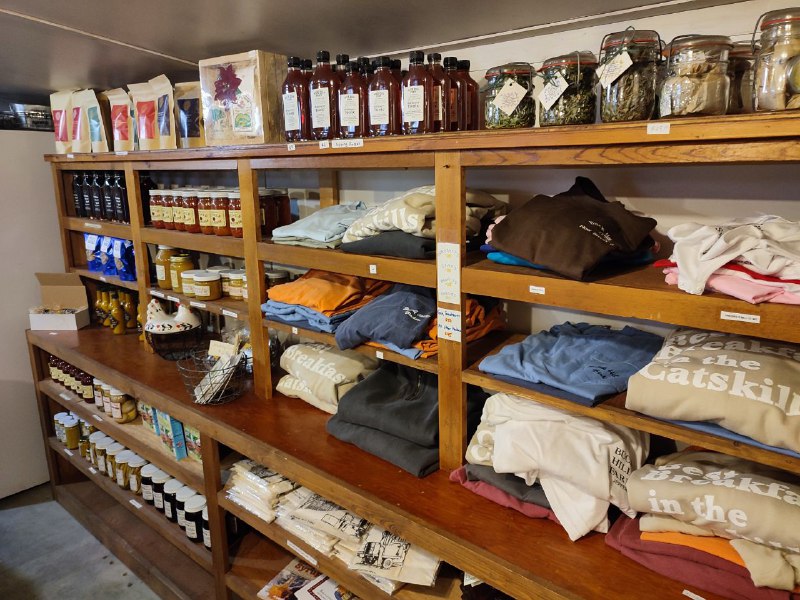
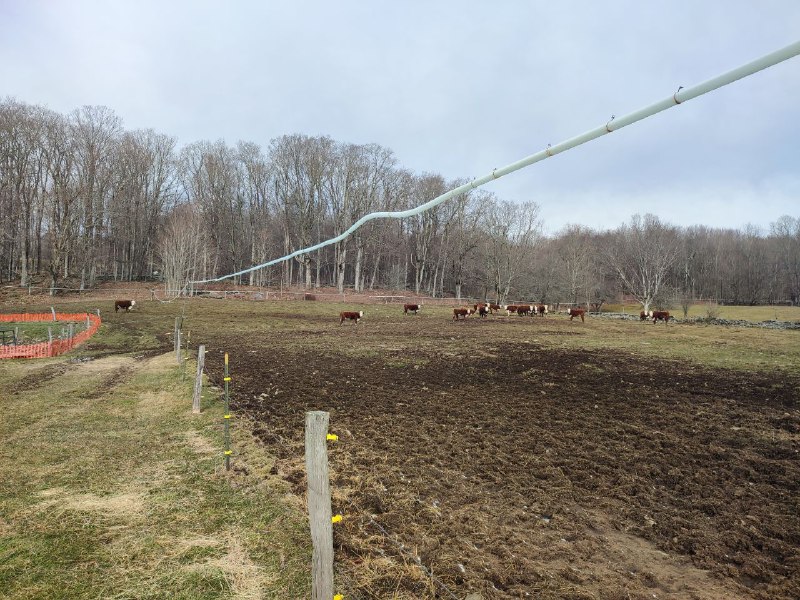
And here's the most surprising part — many farms have unmanned shops. You just walk into a tent, grab what you need, write down your purchases in a special notebook, leave some money, and head out. I thought that kind of thing only happened in the Swiss mountains. But nope. Just a couple hundred kilometers from New York City, they actually do this regularly.
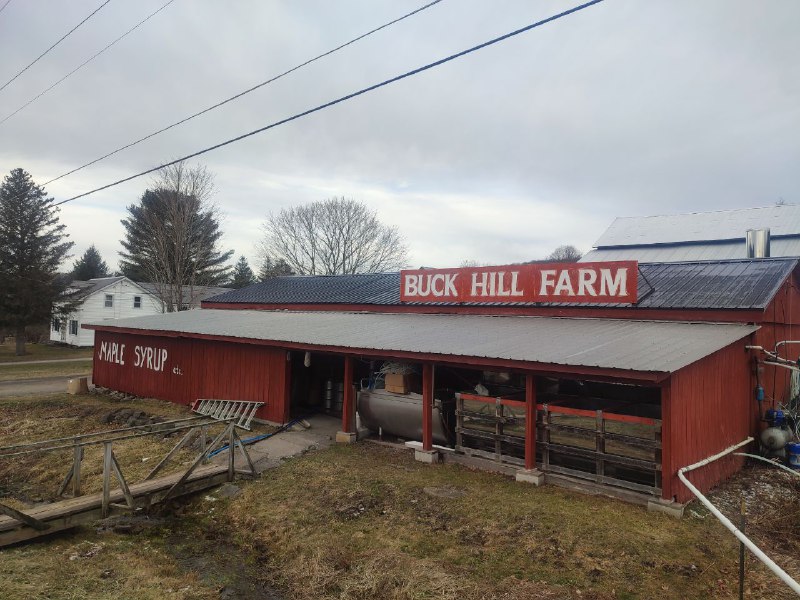
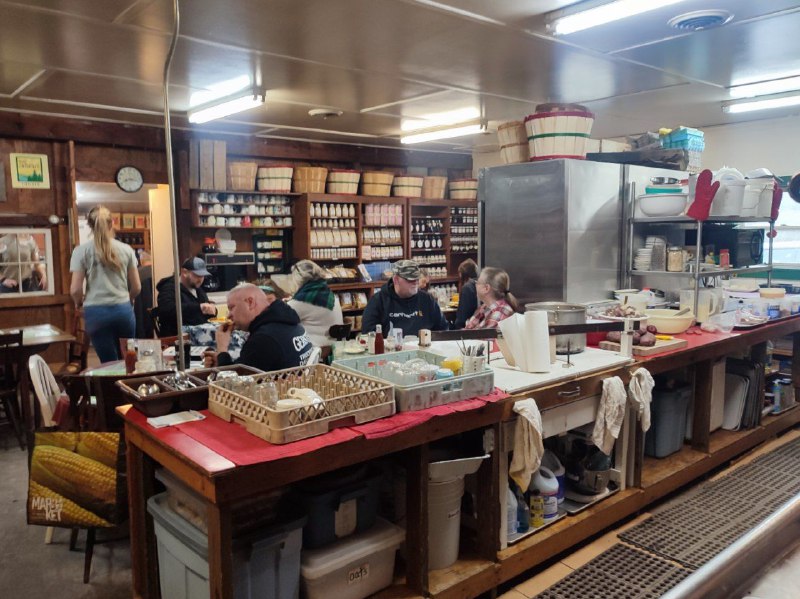
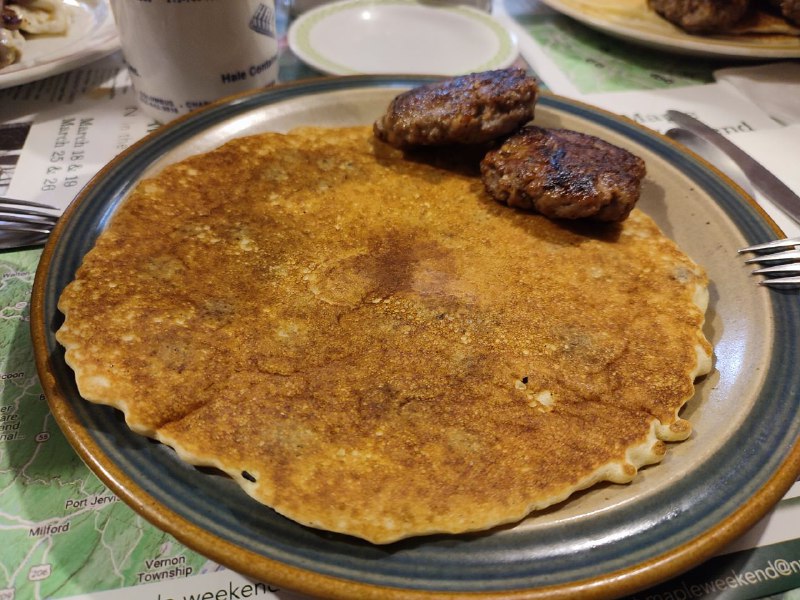
You can head out to one of the nearby farms for breakfast. There are plenty of farms around here, but not all of them serve breakfast.
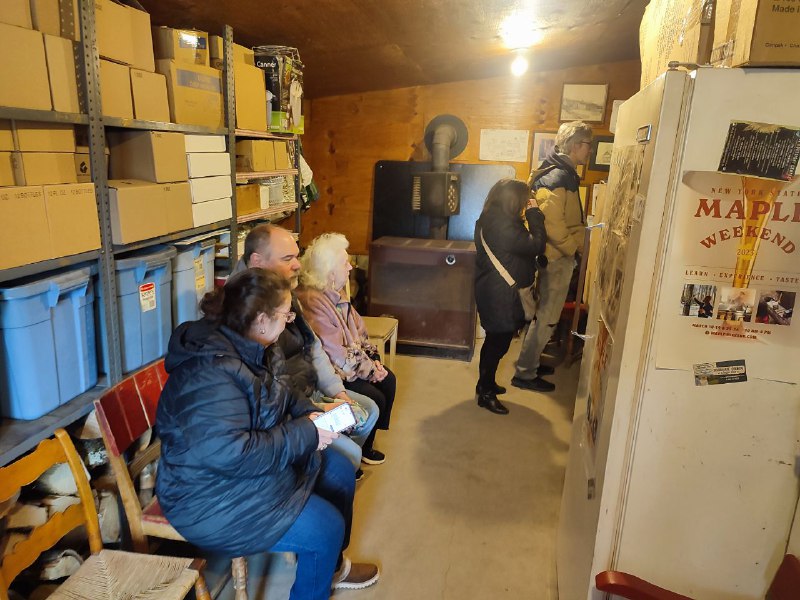
That said, it's a pretty popular thing to do, so you don't want to sleep in too late—the later you arrive, the longer you'll probably end up waiting in line.
We got there at 8 in the morning and were first in line, but all the tables were already taken, so we had to wait a bit anyway. By the time we left, there were way more people. I've heard that during peak season, the line starts outside and can get pretty long.
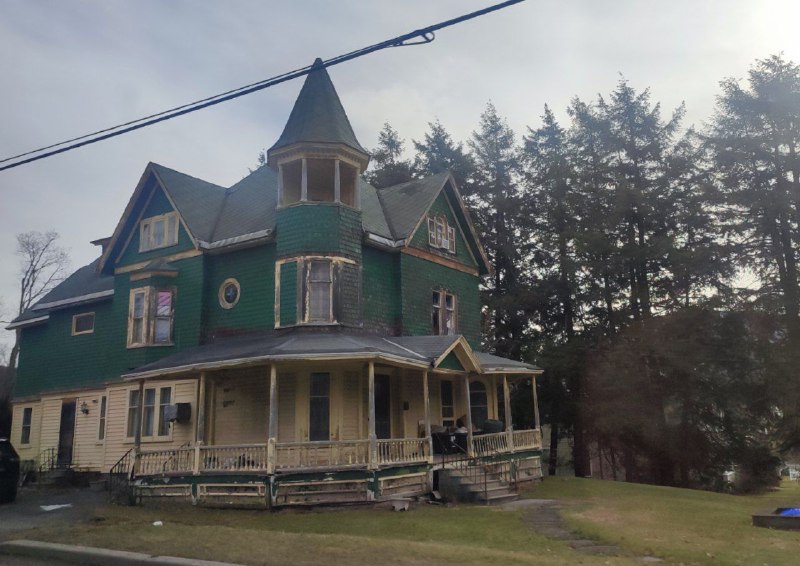
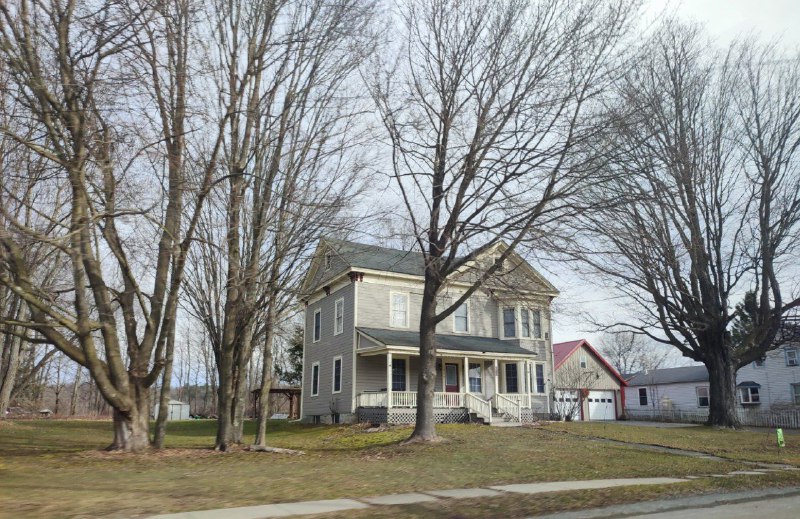
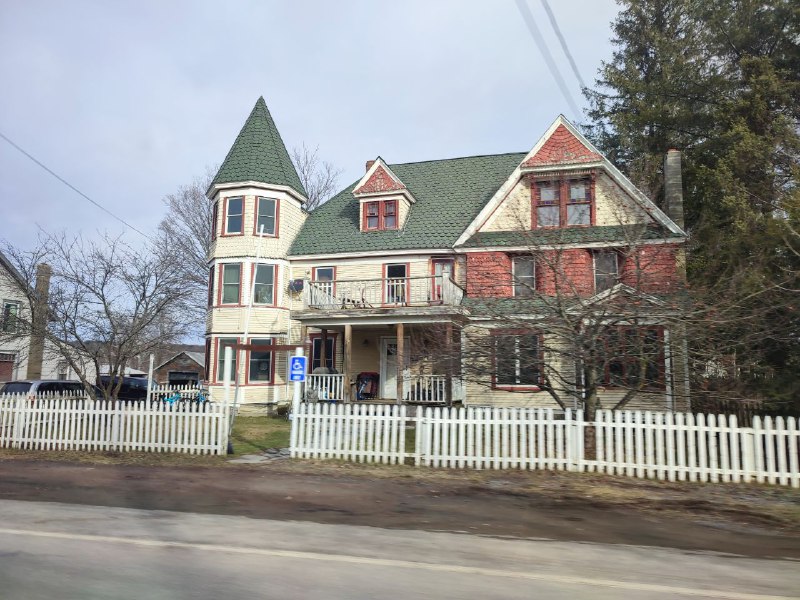
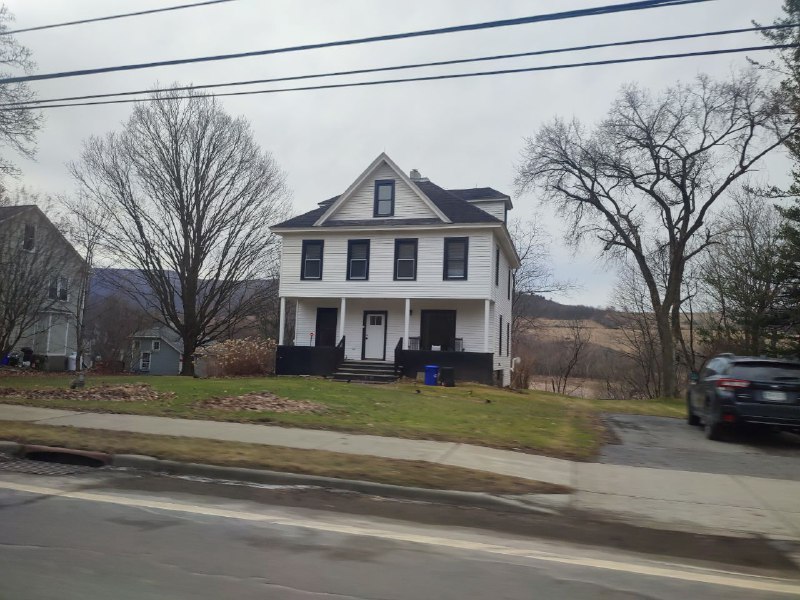
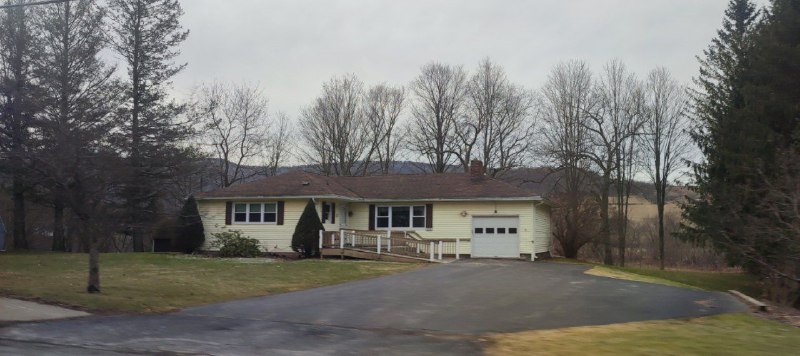
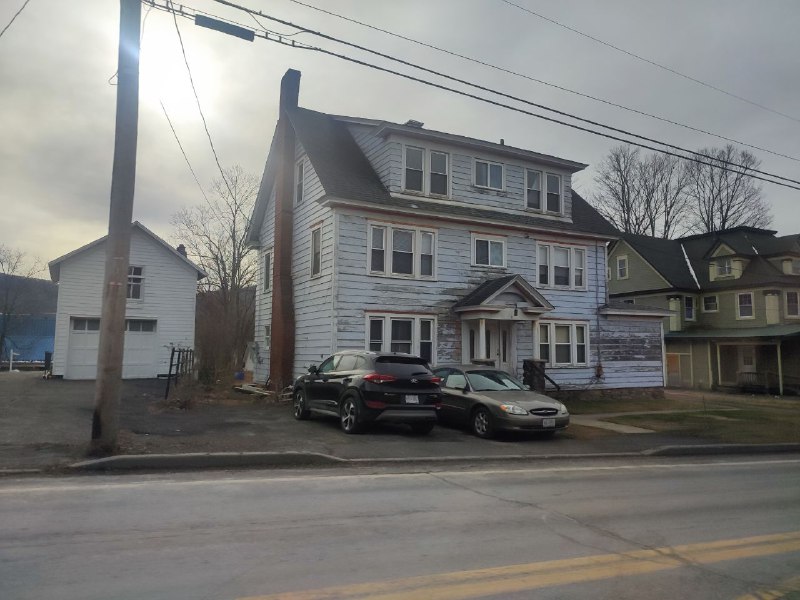
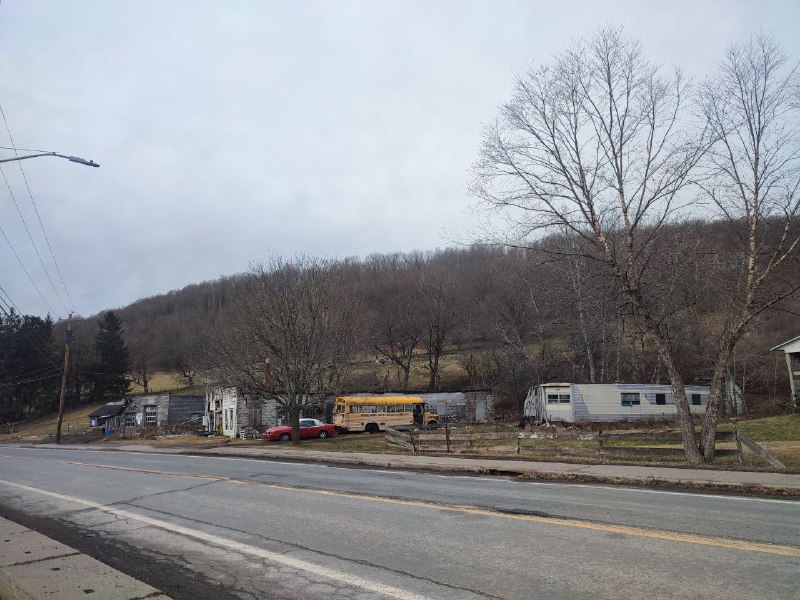
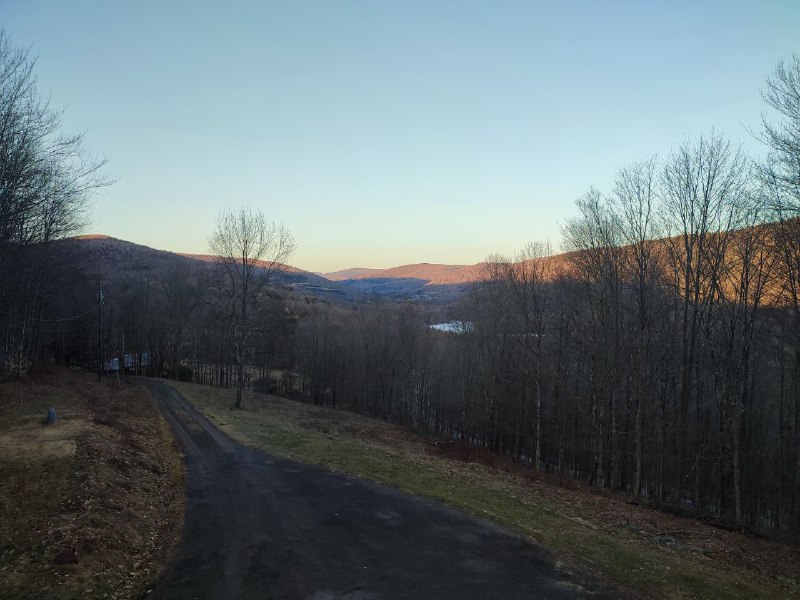
The area is full of small, completely typical little towns—it feels like you've stepped into an American movie. People clearly live a bit closer together here, but it's still more like a village than a real city.
If you ever need emergency help, an ambulance or police will take about 20 minutes to reach you. And the firefighters? They're all volunteers out here. They only get paid salaries in the bigger towns where the budget can actually support that kind of thing.
This place is so remote that there's basically no mobile signal anywhere. Locals have wired connections, which also allows them to set up additional mini-stations from the mobile operator. But if you're just passing through as a tourist, it's better to be safe and download offline maps beforehand.
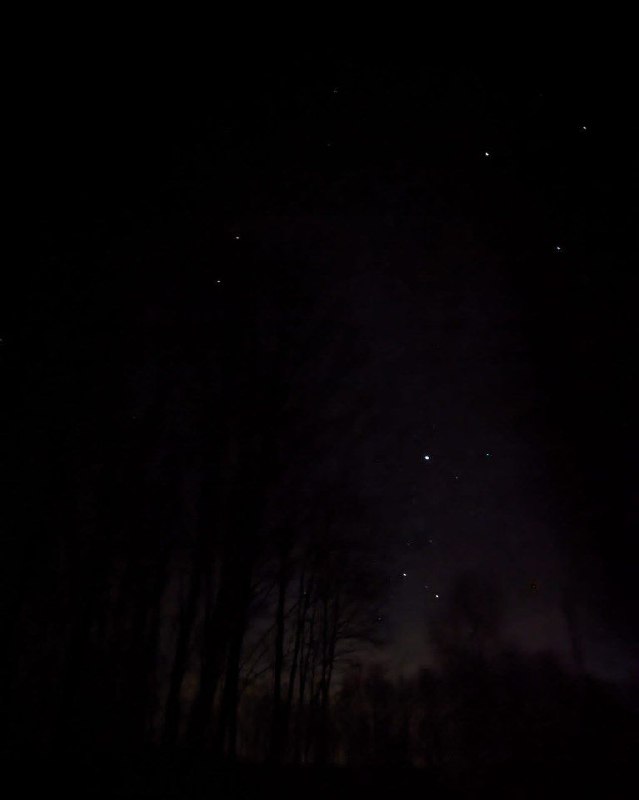
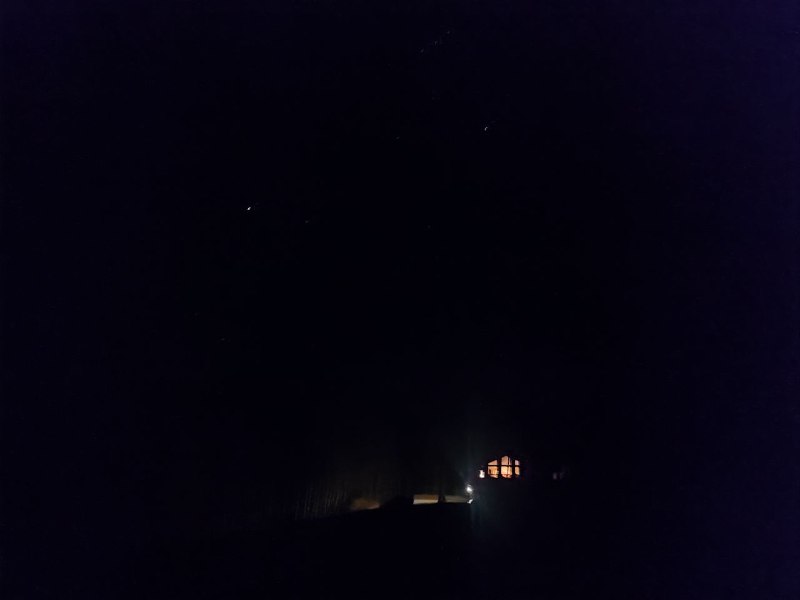
At night, when there's no moon, it gets so dark that you literally can't see where you're stepping without a flashlight. But the stars are absolutely stunning. I didn't bring a proper camera with me, so I just made do with my phone, sorry about that. Trust me, it's even more beautiful in person (:
The area is quite forested, with houses located at a considerable distance from each other. During the day, neighbors' houses are practically not visible from the property. At night, their lit windows might give them away, but you can literally count them on the fingers of one hand.
 United Kingdom
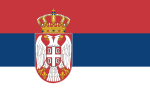 Serbia
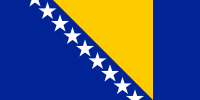 Bosnia and Herzegovina
 Turkey
 United Arab Emirates
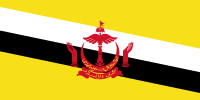 Brunei
 Indonesia
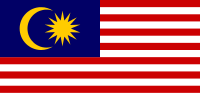 Malaysia
 Argentina
 USA
USA Morocco
 Georgia
 Egypt
Egypt Hong Kong
 China
China Vietnam
 Tunisia
 Montenegro
 Philippines
 Singapore
 Oman
Oman Algeria
 North Macedonia
 Lebanon
 Israel
 Albania
 Russia
 Tanzania
 Netherlands
 Spain
Spain Latvia
 Germany
 Belgium
 France
 Kazakhstan