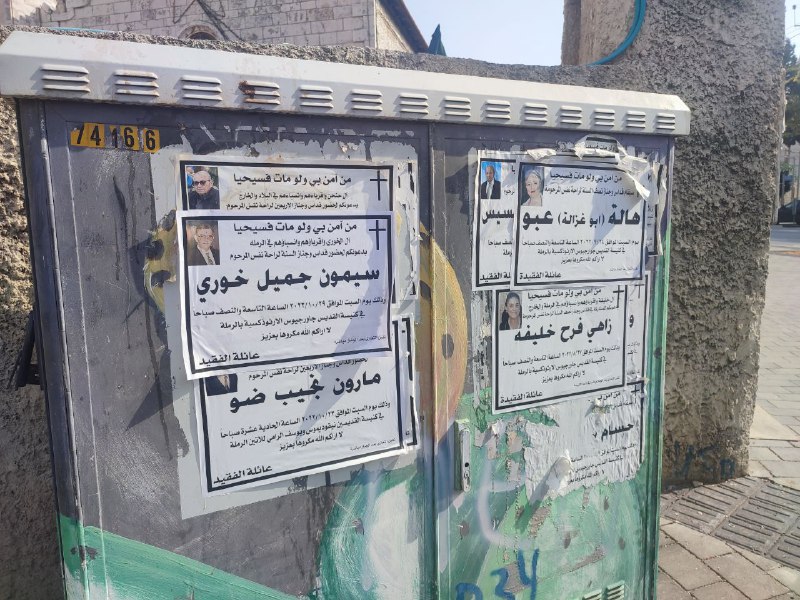
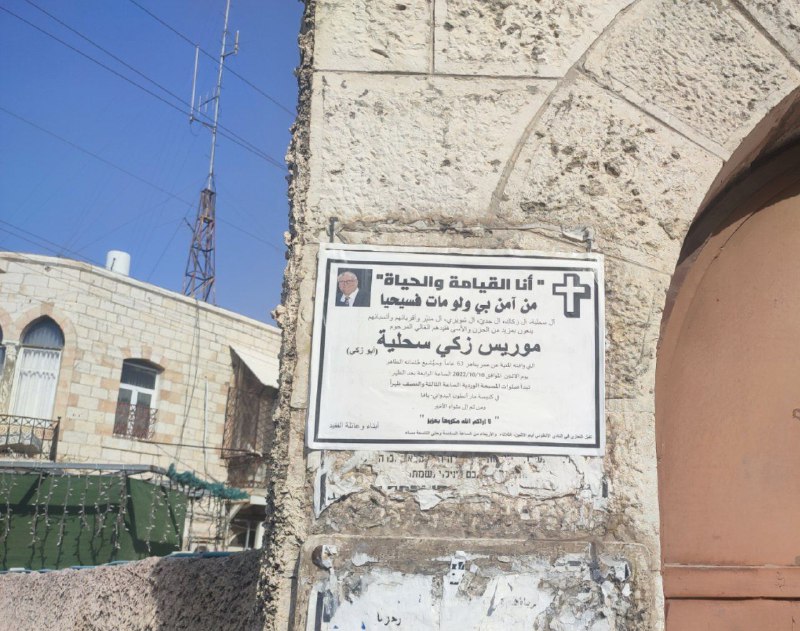
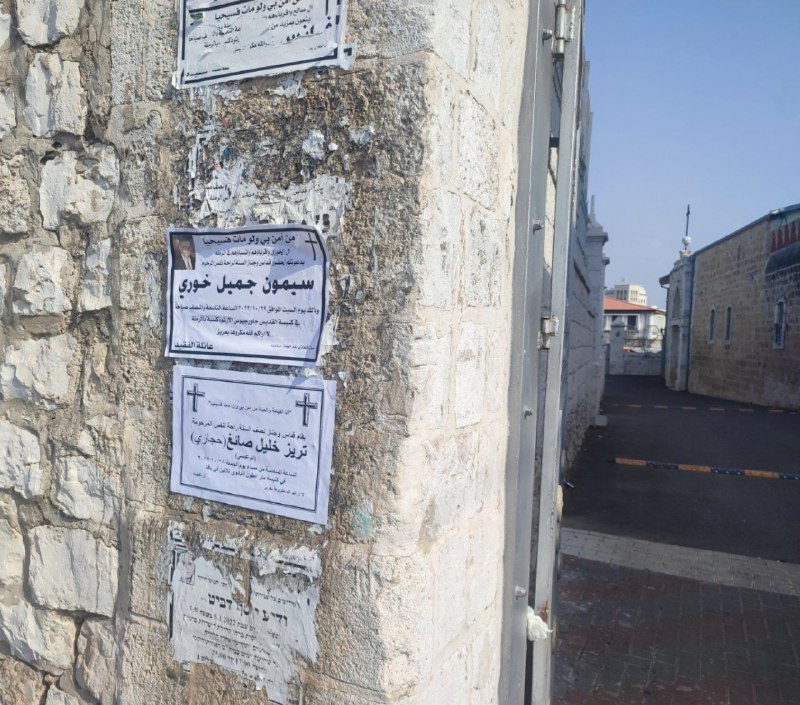
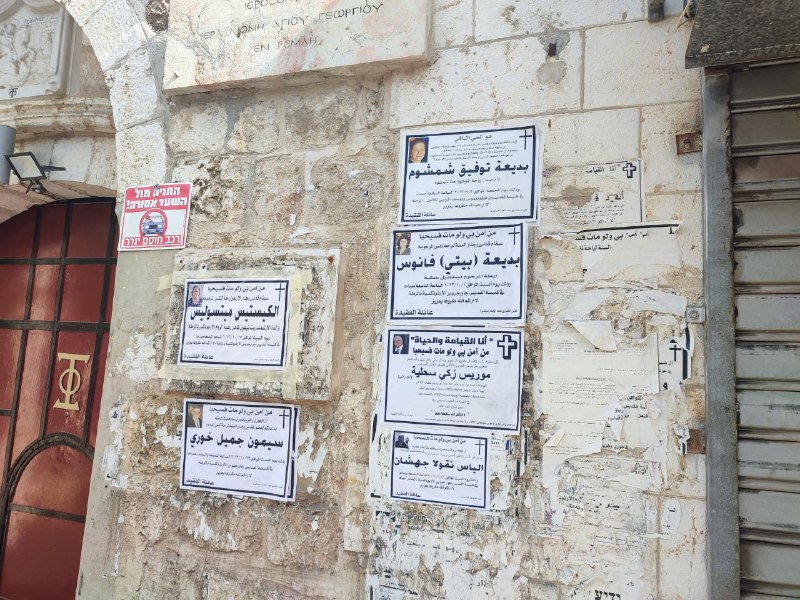
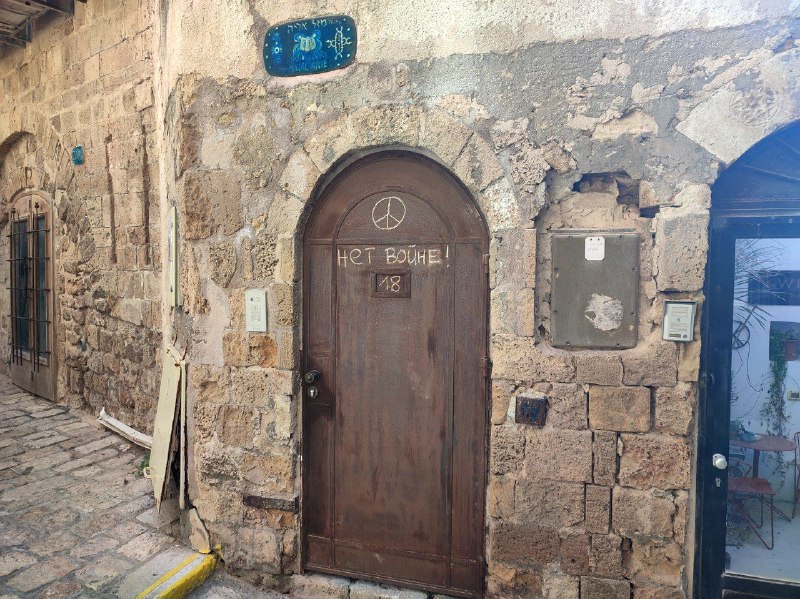
Oh wow!! Remember those death notices? I was totally convinced it was just a Balkan thing.
Turns out it's not. Arab Christians in Israel hang up the exact same things. There's a lot of text, but basically it just has the deceased's name and an invitation to the memorial service with the date (in numbers) and time (for some reason in words).
An eruv is nice and all, but check this out—there's an Arab guy who buys up all the bread in Israel every year for a week!
Every year, Judaism celebrates the Exodus from Egypt (Passover). The Torah forbids eating chametz (any baked good that's undergone fermentation) for all 7 festival days and requires "removing leavened products from your homes." You've got two options: "completely destroy it" or "sell it to a non-Jew." Not much of a choice to make, really.
But Israel took this whole selling thing to the state level. This Arab businessman, Hussein Jabbar, has been buying up all the chametz in the country before Passover starts—for the last 20 years. Or rather, he declares his intention to buy: he signs a contract with the Israeli Minister of Economy (!) and the Chief Rabbi, committing to purchasing everything, and puts down a deposit of around fifteen thousand dollars. From that moment on, technically the "forbidden stuff" belongs to him, even though it's still sitting in the original owners' homes. To complete the deal, he needs to scrape together the missing (estimates vary) 300 million dollars before Passover ends. In all these years of trying, he's never once managed to come up with the full amount. So when the holiday wraps up, the purchase agreement gets canceled, the bread gets "returned" to the Jews, and the businessman gets his deposit back.
And everyone's happy. Then the next year, the whole thing repeats. Journalists never miss a chance to
ask: "Mr. Jabbar, do you really want to buy this bread, or are you just doing the state a favor?"
To which he gets indignant and says, "Of course I want to! The previous times I just couldn't manage to pull together the necessary funds in time. But this year—I'm telling you—I'll definitely get it!" You've gotta wonder, what's he actually planning to do with all that bread?
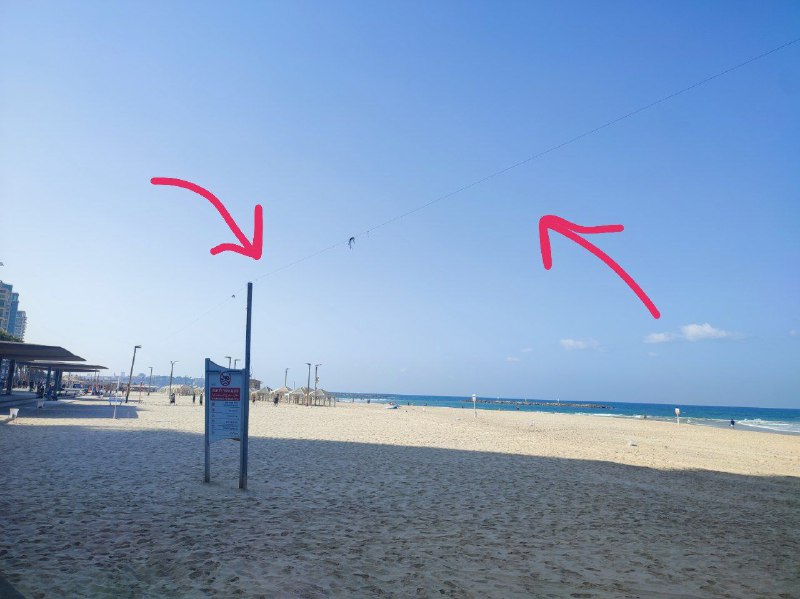
During Shabbat, observant Jews are not allowed to carry anything outside their home. Not even apartment keys, children, or medicine. But there's a loophole: a courtyard is considered part of one's home. So entire cities here are surrounded by a symbolic fence—an eruv—and declared a communal courtyard, to which the restriction no longer applies.
Tel Aviv is divided into several large zones (
map) within which you can move around.
But just putting up a fence isn't enough. You need to make sure it stays in good condition. So every Friday before Shabbat begins, a special team drives around the eruv to check that nothing has broken. If something's wrong, it needs to be fixed before the first star appears, otherwise the eruv won't be valid.
By the way, this exists not just in Israel, but also in cities with large observant communities. For example in New York or
Moscow.
Officially, Israel is a Jewish democratic state. Supposedly secular. However, religion plays a very significant role in everyday life here. In no small part thanks to strong lobbying in government. Hence a bunch of uncomfortable restrictions, those who observe them come up with various ways to get around them, and those uninvolved simply suffer from strange rules that have somehow become laws.
For example, in Israel it's officially forbidden to register not even same-sex marriages, but interfaith ones. A Jew can't formalize a relationship with a Muslim woman or an atheist with a Christian woman. At the same time, it's all fine if a couple registers in, say, Egypt. Such a union is recognized without any issues by all state structures.
Or on Shabbat, public transport pretty much stops running across the country. Though this really depends more on regional authorities. In Tel Aviv it's noticeably less of an issue, but in smaller cities everything pretty much shuts down. But you just can't leave the airport like that.
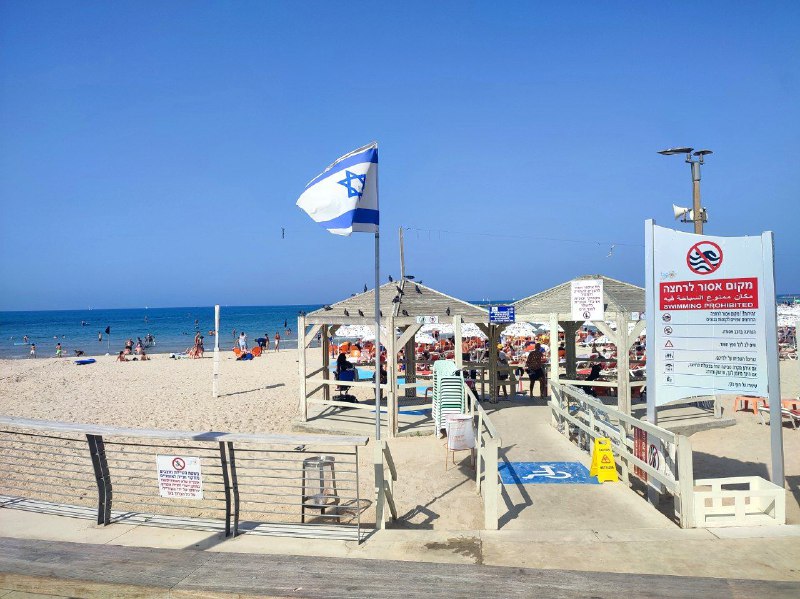
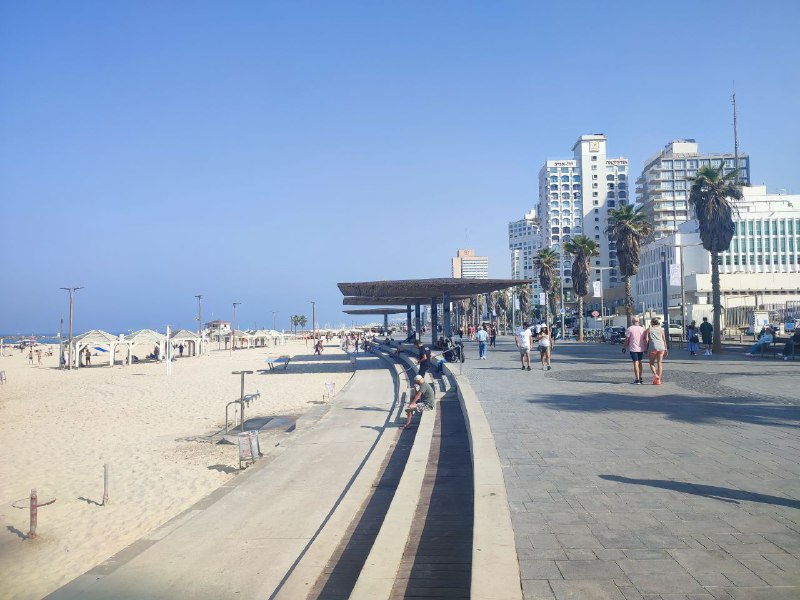
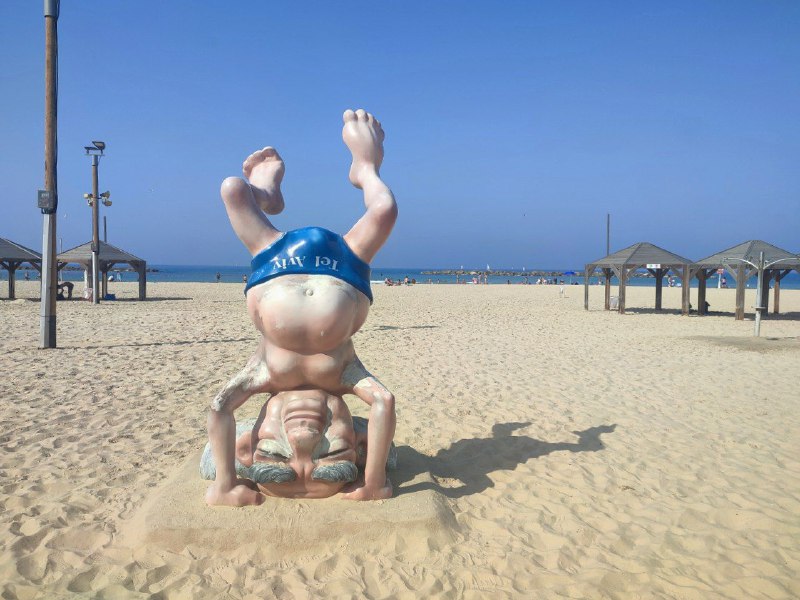
There was a competition on a Tel Aviv beach for a local version of footvolley (though I'm not entirely sure that's what it was). I'm not sure how else to explain it, but everyone on the beach was playing this game, and some were even playing it in team format. But check out how beautiful it is.
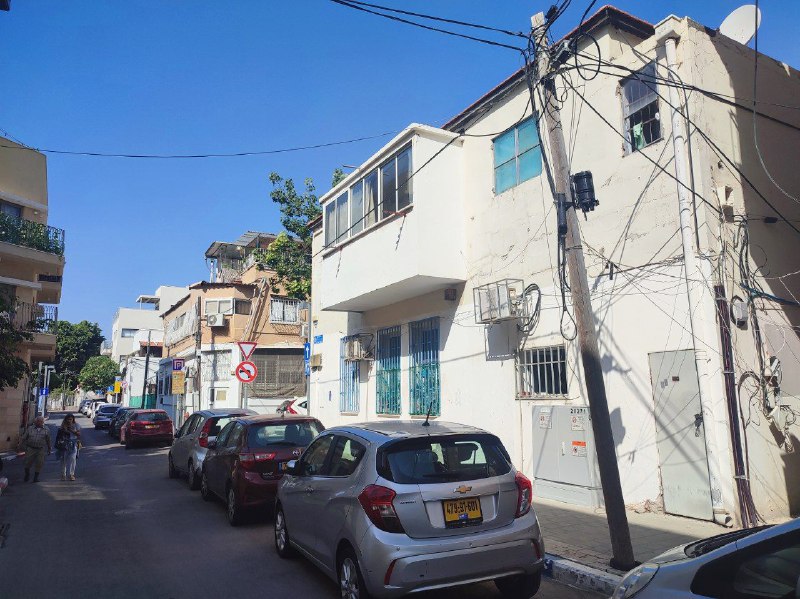
I'm really into the Middle Eastern vibe here. It feels cozy and homey.
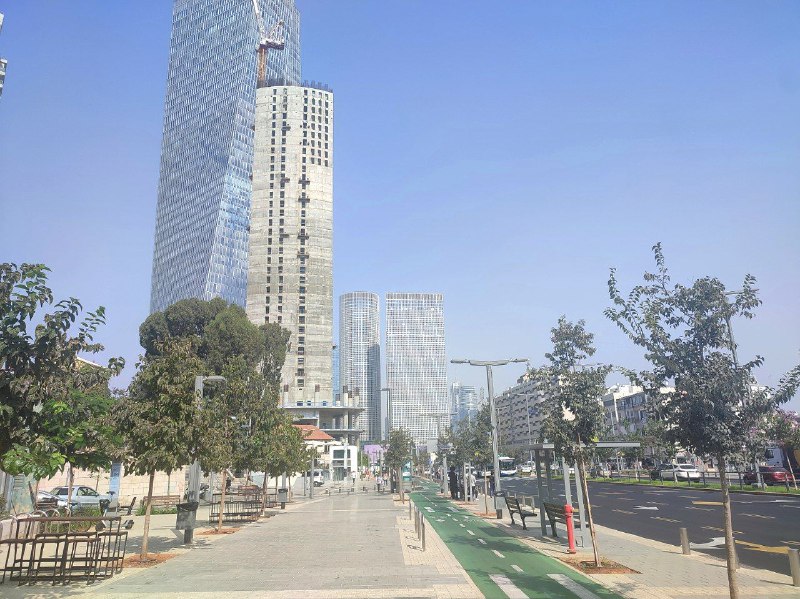
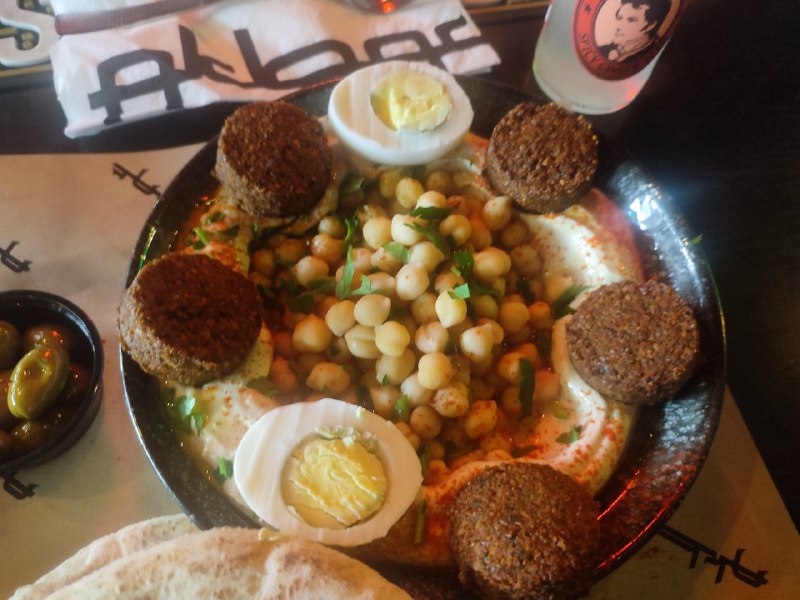
So far, the main thing that strikes me is how expensive everything is (especially after Belgrade). You could brew three local coffees in Serbia for the price of one here. Cafes are about twice as expensive. Even street food doesn't really help. That said, everything tastes amazing.
I need to figure out the local rules. For example, there's a sign at the beach entrance that says "no swimming." And there are tons of these signs all along the coast. But right behind them there's a crowd of people swimming. Though maybe they're not actually swimming, just splashing around. Those kinds of details matter here :)
 United Kingdom
 Serbia
 Bosnia and Herzegovina
 Turkey
 United Arab Emirates
 Brunei
 Indonesia
 Malaysia
 Argentina
 USA
USA Morocco
 Georgia
 Egypt
Egypt Hong Kong
 China
China Vietnam
 Tunisia
 Montenegro
 Philippines
 Singapore
 Oman
Oman Algeria
 North Macedonia
 Lebanon
 Israel
 Albania
 Russia
 Tanzania
 Netherlands
 Spain
Spain Latvia
 Germany
 Belgium
 France
 Kazakhstan